
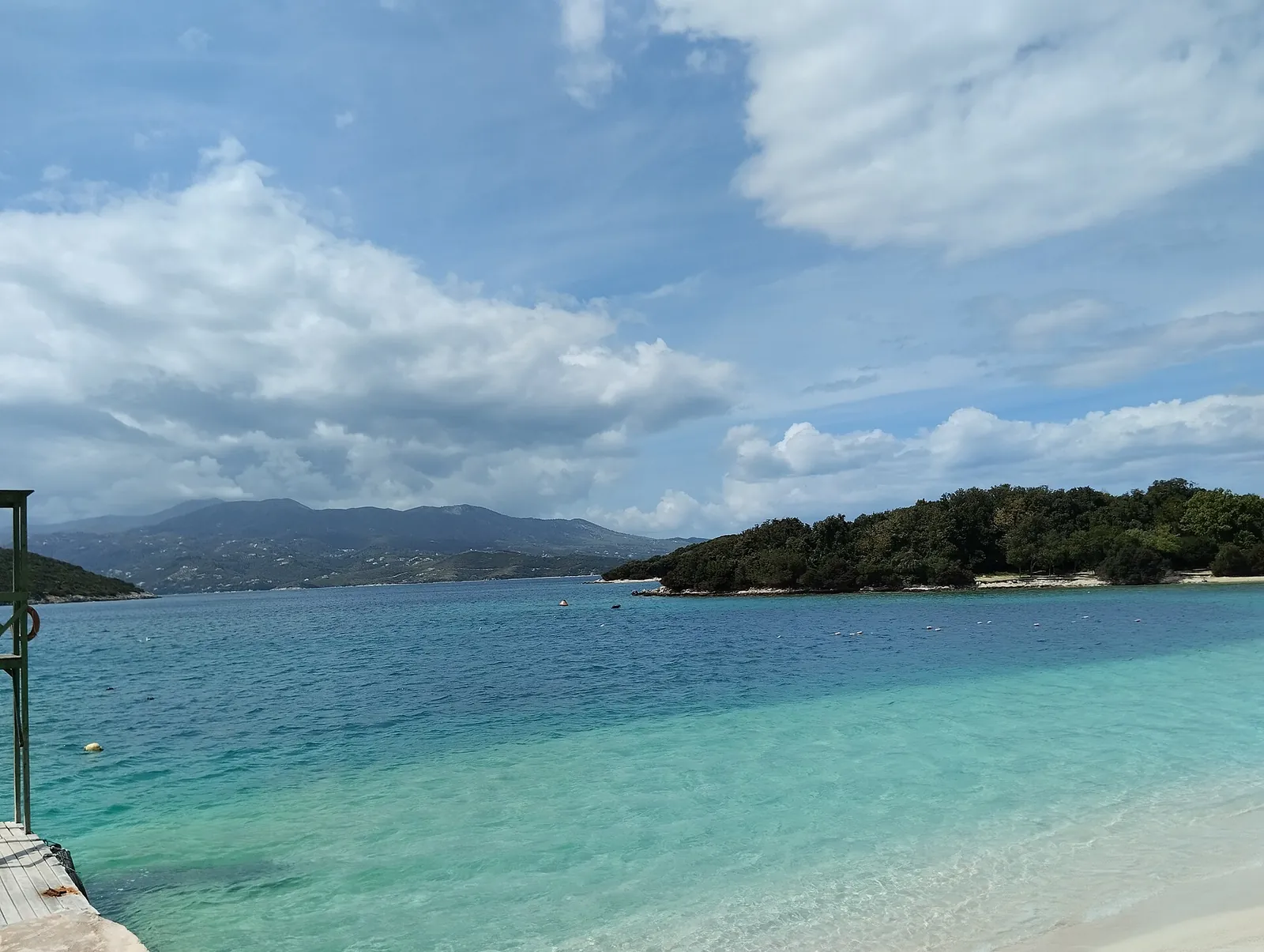
6 Days in Albania: Tirana, Berat, Gjirokastër, Butrint and the Riviera
A 6-day Albania itinerary: Tirana's squares and bunkers, the stone towns of Berat and Gjirokastër, ancient Butrint, Ksamil and the Albanian Riviera.
- 🗓️ Trip length
- 6 days
- ☀️ Best time
- May to June, September to early October
- 💰 Daily spend
- Varies by season: see verified costs in Budget
- ✅ Facts checked
- 1 November 2026
Get ready for a country that still surprises almost everyone who visits! In six days you’ll go from the colourful squares and Cold War bunkers of Tirana to two UNESCO-listed stone towns, Berat and Gjirokastër, then down to the ruins of ancient Butrint and the turquoise bays around Ksamil on the Ionian coast. Mountains, Ottoman houses, Roman theatres and clear sea, all within one compact, friendly country.
It’s a perfect fit for first-time visitors, couples, friends and families with older kids who are happy to change base three times. The pace is medium: two nights each in the south and the centre, short drives or bus rides between stops, and plenty of time to wander. Expect cobbled lanes and steep castle paths, so pack shoes with a good grip. We’ve grouped the route from north to south, so you finish by the sea and can fly home from Tirana or cross onward from the south.
At a glance
| Day | Area | Highlights |
|---|---|---|
| 1 | Tirana | Skanderbeg Square, the Pyramid, Blloku, Bunk’Art 1 |
| 2 | Tirana to Berat | Road south, Mangalem quarter, Gorica bridge, sunset over the river |
| 3 | Berat | Berat Castle, Onufri Museum, churches inside the walls, Gorica quarter |
| 4 | Berat to Gjirokastër | Gjirokastër Castle, old bazaar, Ottoman stone houses |
| 5 | Gjirokastër to Butrint and Ksamil | Ancient Butrint, Ksamil bays, sunset by the sea |
| 6 | Albanian Riviera and departure | Saranda promenade, coastal viewpoints, return north |
Day 1: Tirana, squares, colour and Cold War history
Morning
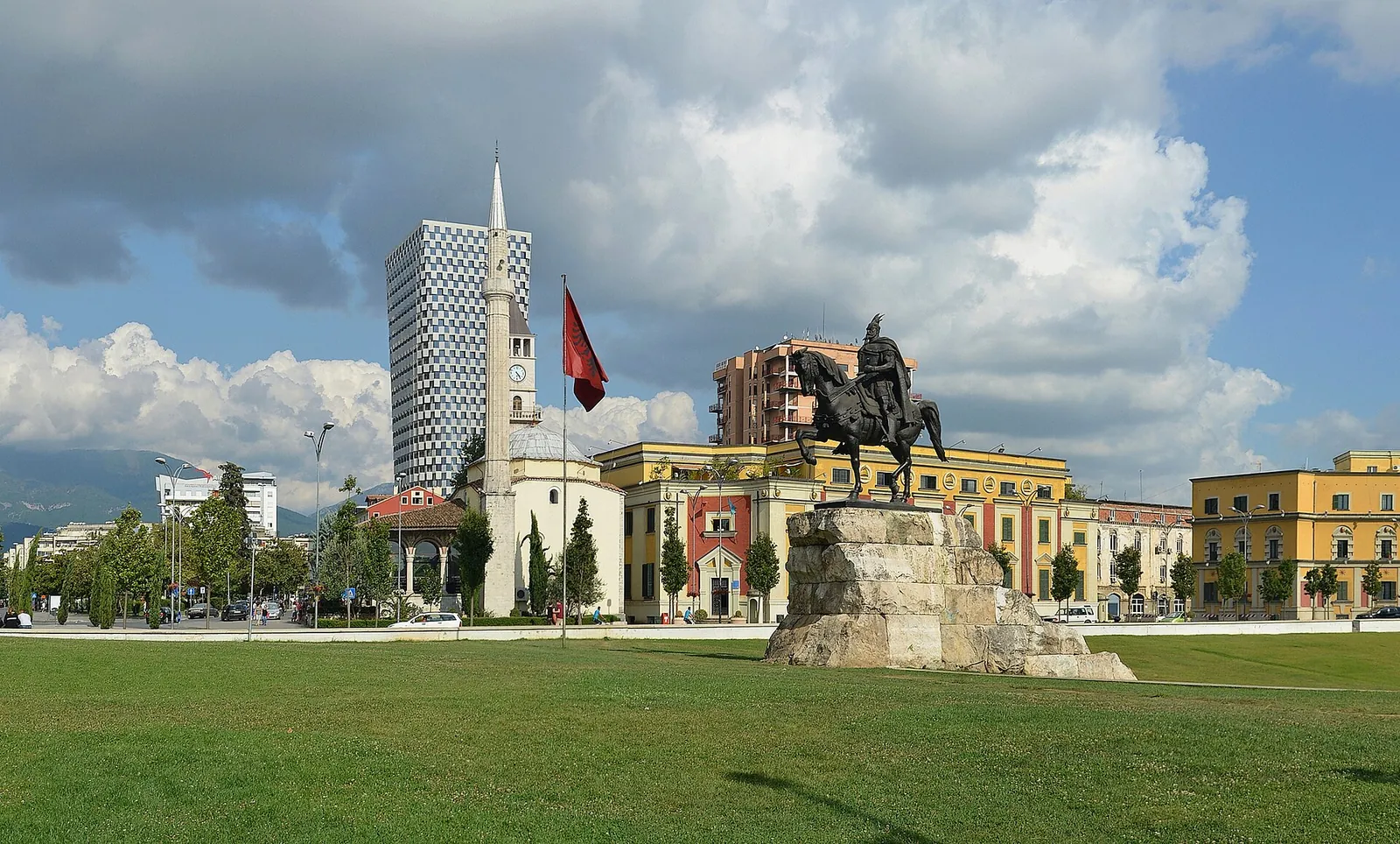
Your Albanian adventure kicks off in the capital, a lively city that has painted its way out of a grey past. Begin at Skanderbeg Square, the huge open plaza at the heart of Tirana, with the National Historical Museum and its giant mosaic on one side and the Et’hem Bey Mosque on another.
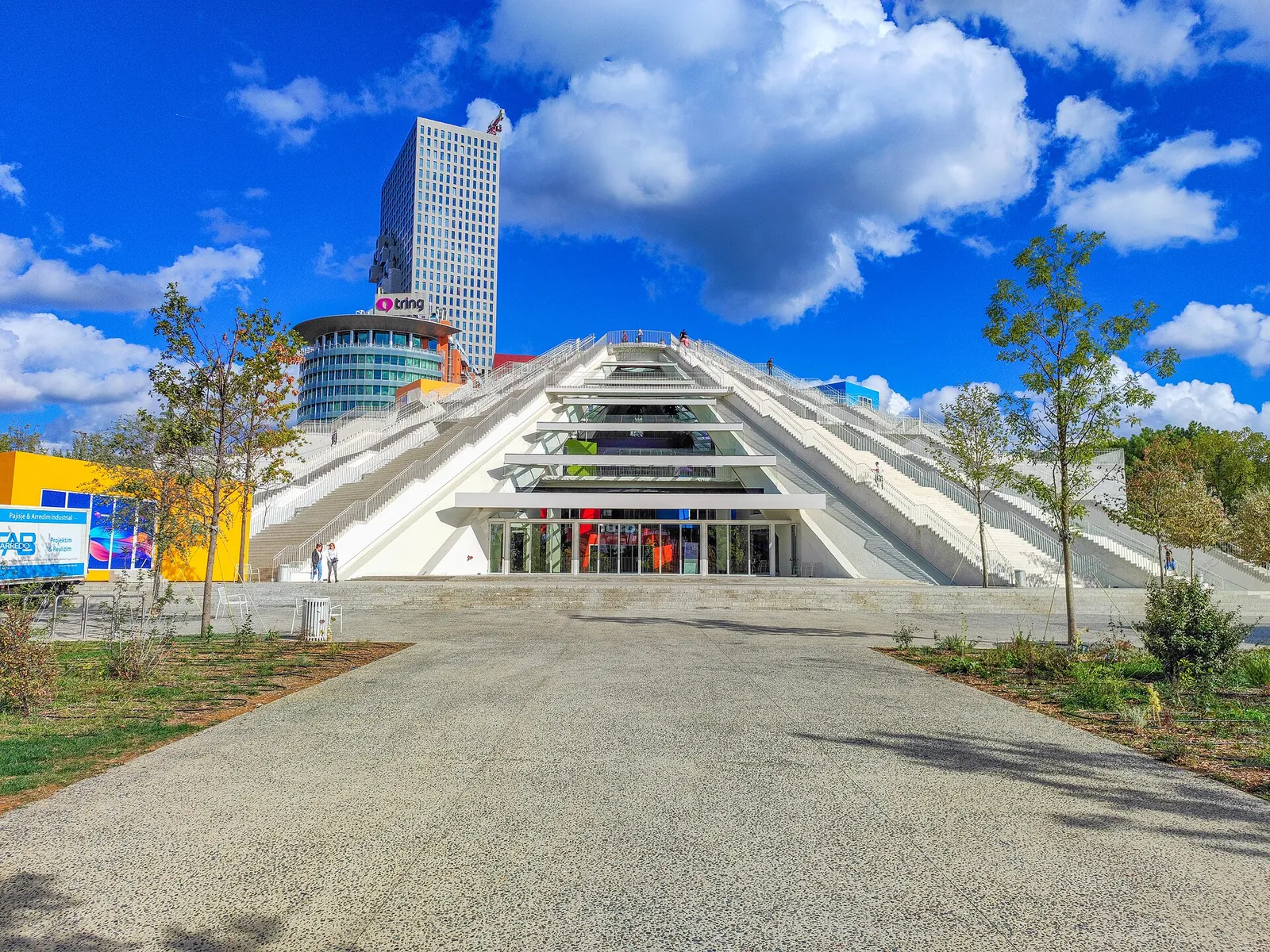
Stroll south along the main boulevard past government buildings and parks to the Pyramid of Tirana, once a monument to the communist leader and now a public space you can climb for city views. It’s an easy walk of around 15 minutes from the square.
Afternoon
Continue into Blloku, the neighbourhood that was off-limits to ordinary citizens during the communist era and is now packed with cafés, restaurants and bars. Try byrek (savoury pastry), tavë kosi (baked lamb with yoghurt) and fresh salads.
Then head out to Bunk’Art 1, a huge Cold War bunker turned museum, built five floors underground on the outskirts of the city. The museum itself suggests allowing at least one hour for a full visit. A taxi is the simplest way there; agree the fare first or ask for the meter. Ticket prices and current opening hours are posted by the museum, so check the official site (bunkart.al) before you go. The museum also sells a combined ticket with Bunk’Art 2, valid for 72 hours.
Evening
Come back to the centre for the evening passeggiata, when locals stroll the boulevards. Blloku is the liveliest area for dinner.
Day 2: Tirana to Berat, the town of a thousand windows
Morning
Today you swap the capital for one of the prettiest towns in the Balkans: after breakfast, travel south to Berat. Buses run from Tirana’s bus terminals and private transfers are easy to arrange. Journey times and fares change with the season and the operator, so check the timetable at the terminal or with your accommodation the day before. If you’re driving, read the road safety notes in the Heads-up section first.
Afternoon
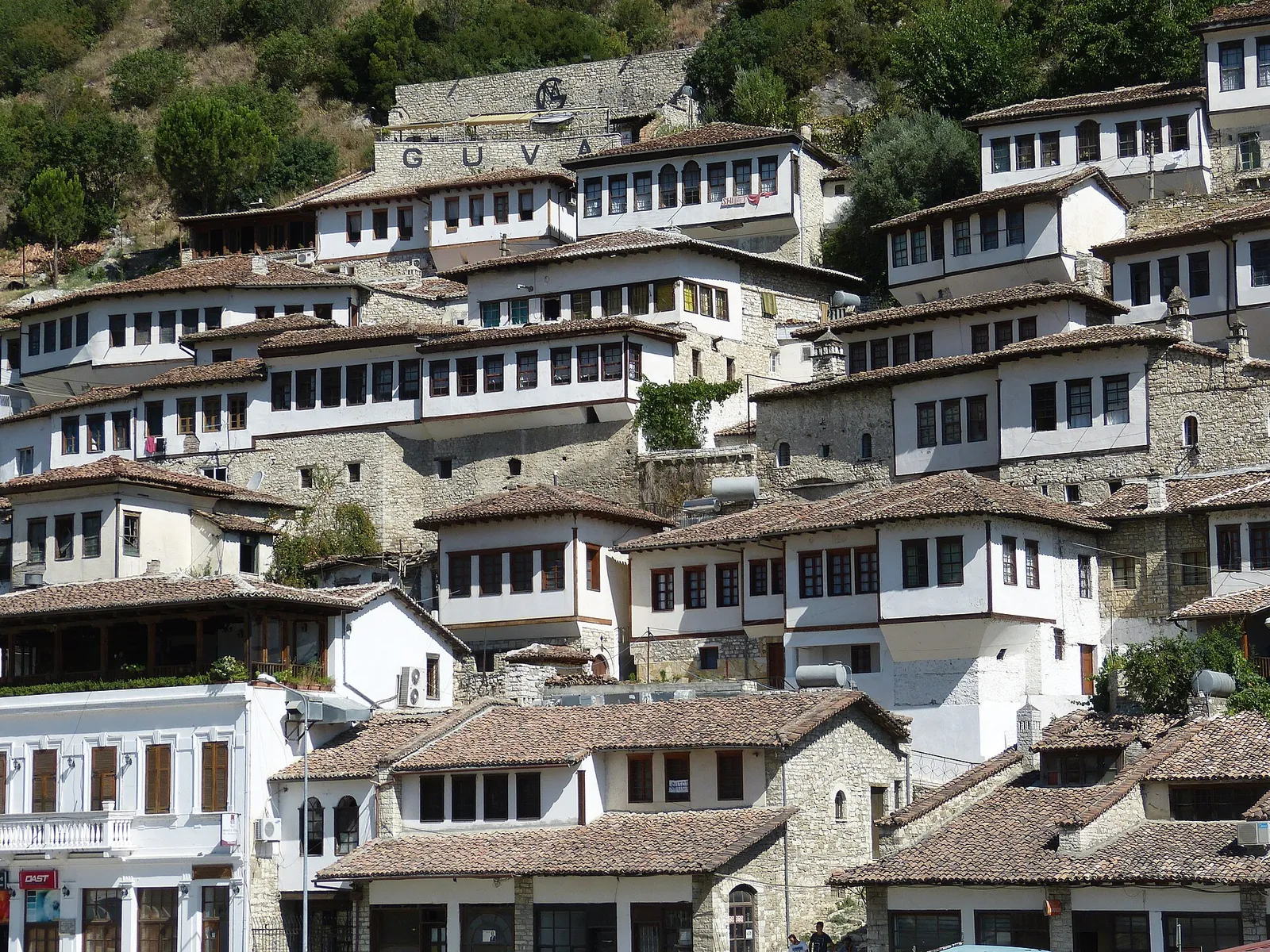
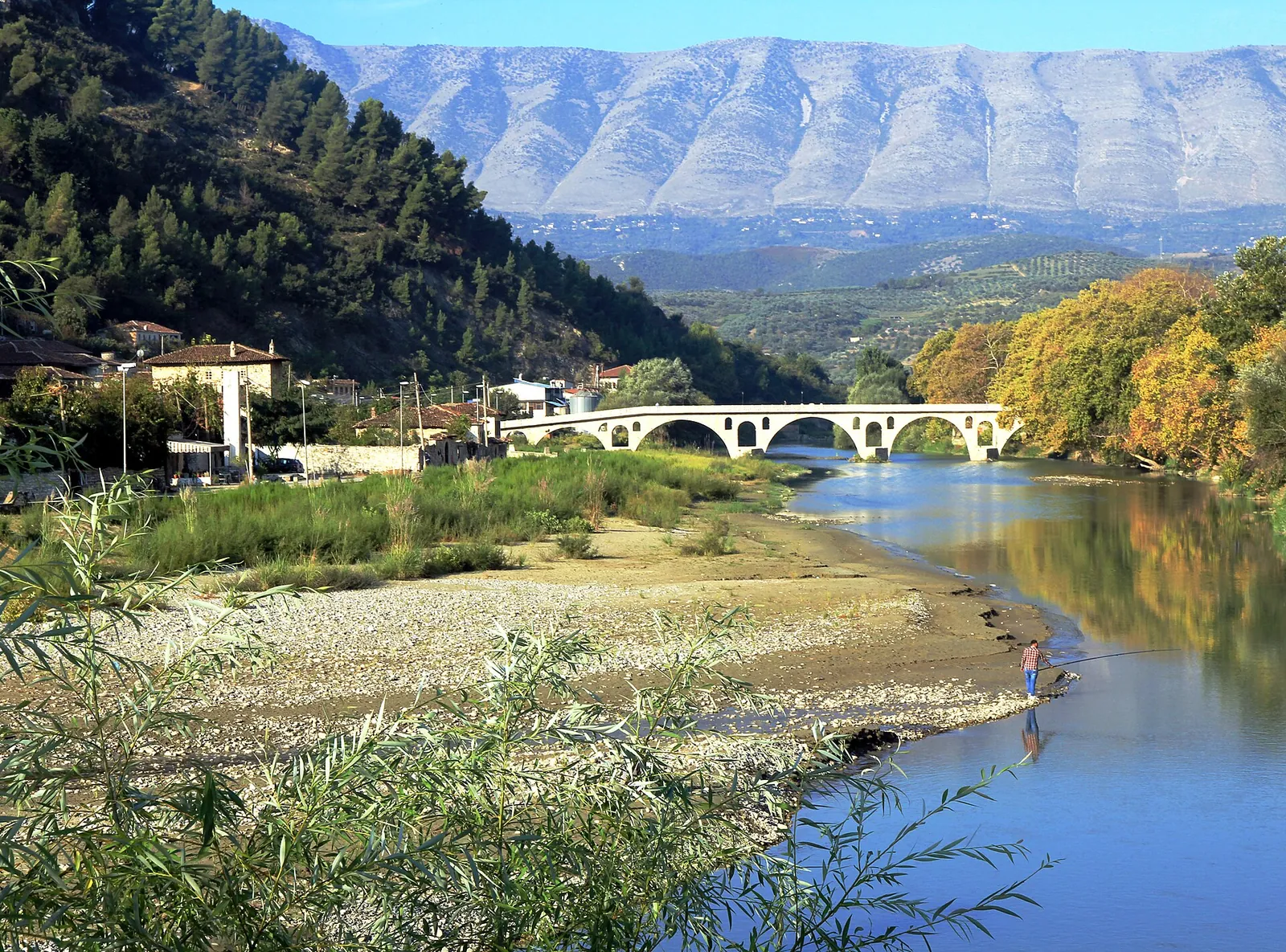
Berat is one of the two stone towns listed together by UNESCO, and the reason for its nickname is obvious the moment you arrive: rows of white Ottoman houses with tall windows climbing the hillside above the Osum river. Check in, then wander through Mangalem, the old quarter on the castle side of the river. Its lanes are steep and narrow, so take it slowly and enjoy the details.
Cross the old stone footbridge to Gorica, the quieter quarter facing Mangalem. From here you get the classic view of the windows stacked up the slope.
Evening
Walk the riverside boulevard at sunset, when the houses glow and families come out for their evening stroll. Dinner in Berat is a treat: look for local cheese, slow-cooked meats and vegetable dishes. Ask for a menu with prices before ordering.
Day 3: Berat Castle and its hidden churches
Morning
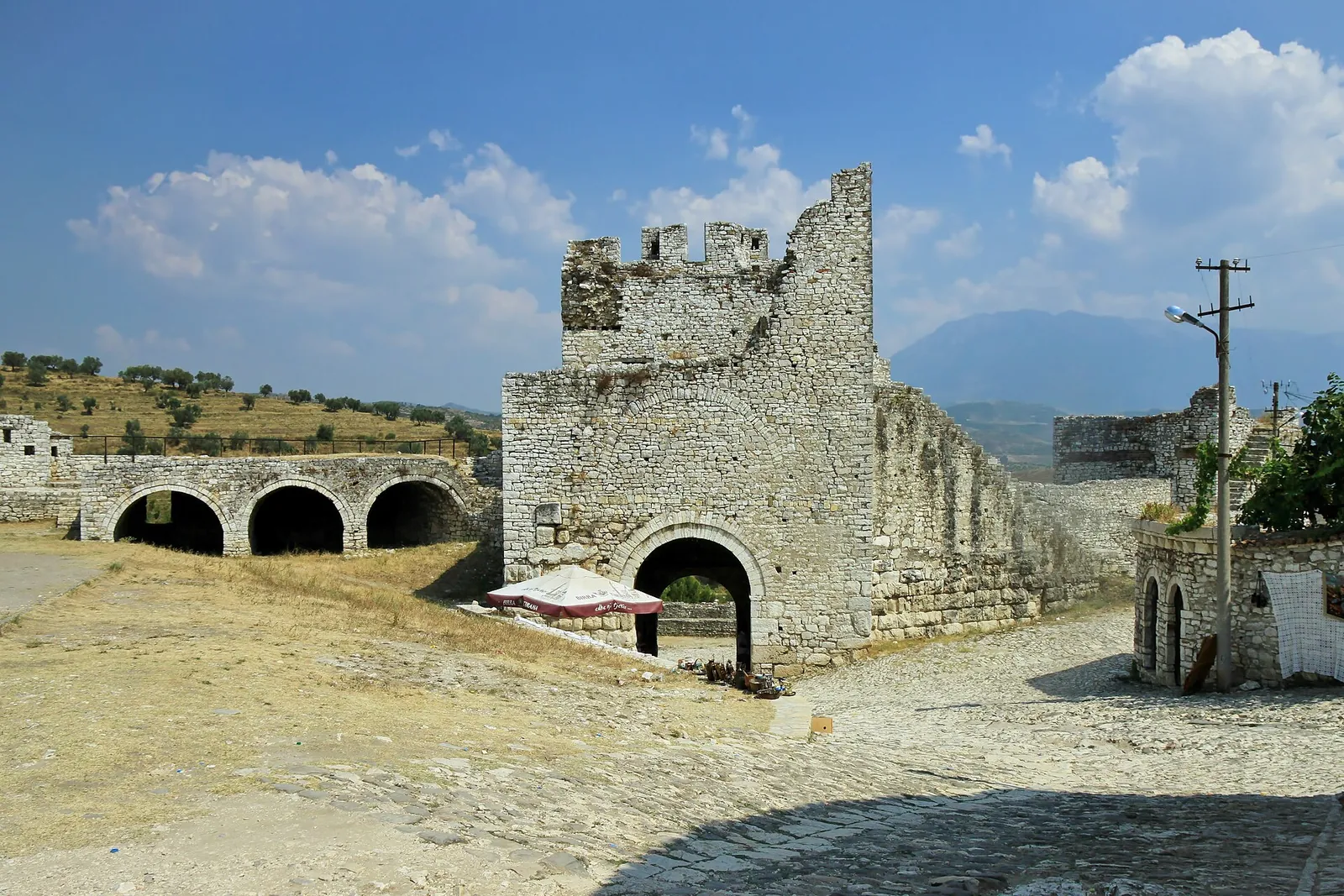
This is the day for castle lanes and big views! Start early and climb up to Berat Castle (Kalaja). This is not a ruin you look at from outside: people still live inside the walls, among houses, small churches and old cisterns. The climb from Mangalem is steep and cobbled, roughly 20 to 30 minutes on foot depending on your pace, or take a short taxi ride to the gate.
Pay the entry at the gate in cash. The fee is not published on an official site we could verify, so check on arrival.
Afternoon
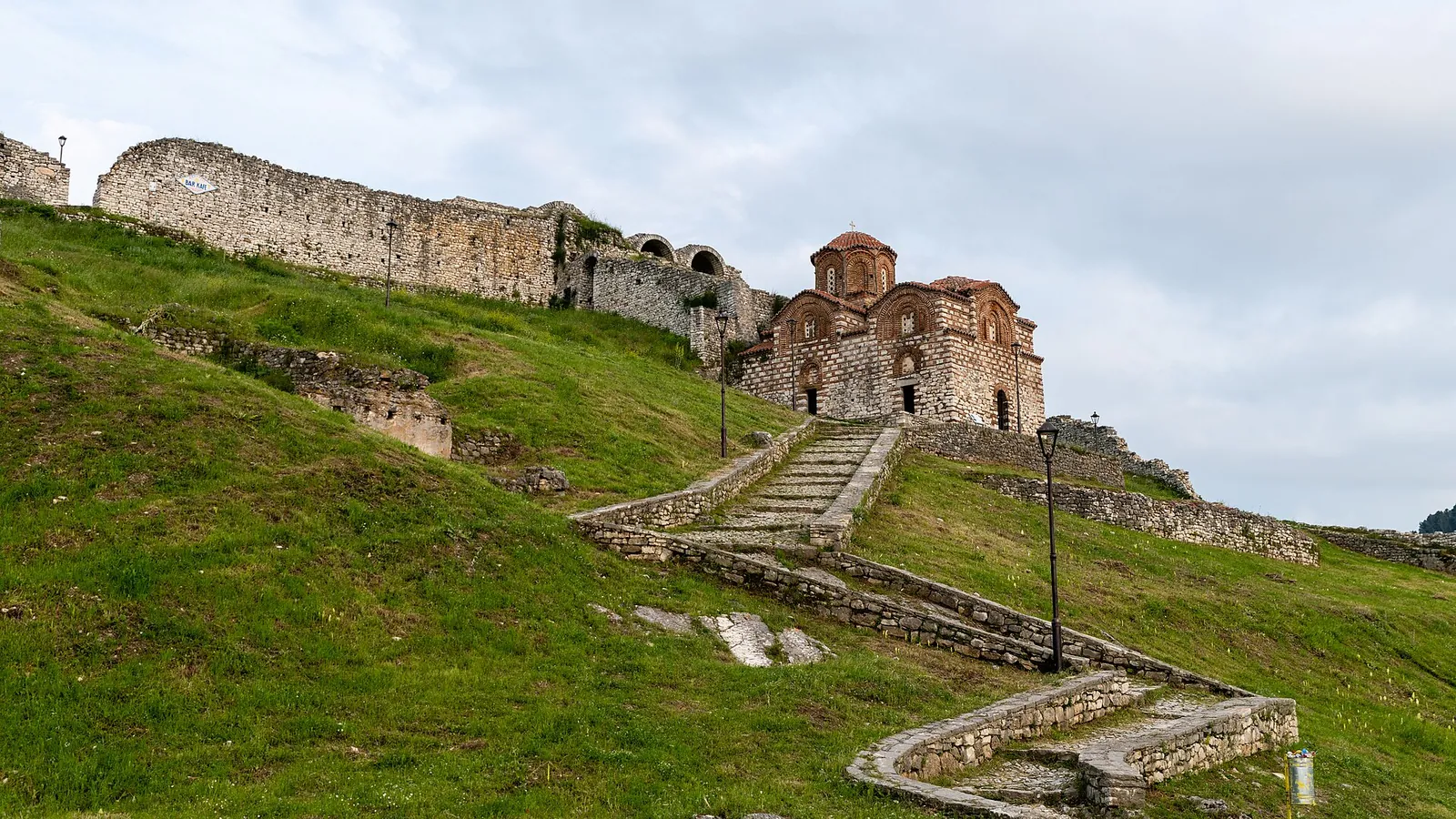
Inside the walls, visit the Onufri Museum, set in a church and named after the 16th century icon painter famous for his rich reds. Opening days and prices change between summer and winter, so check the official information before you go, especially if your visit falls on a Monday in the low season.
Wander the lanes to find the small Byzantine churches and the viewpoints over the valley.
Evening
Head back down to the river for a relaxed final evening in Berat. If you have energy left, the view of the lit-up castle from the Gorica side is a beautiful way to end the day.
Day 4: Berat to Gjirokastër, the stone city
Morning
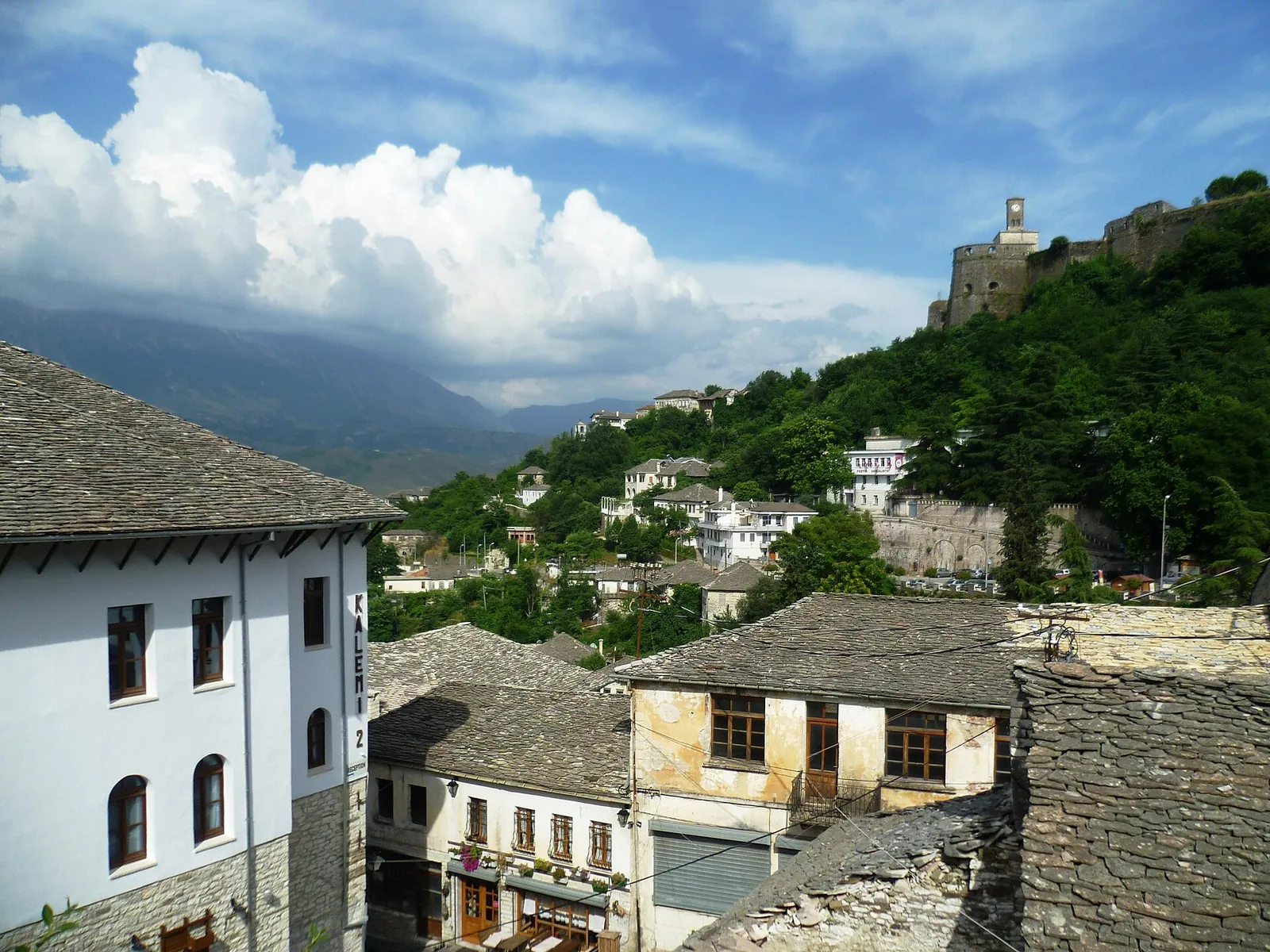
Get ready for a town that looks straight out of a storybook. Travel south to Gjirokastër, the second UNESCO stone town, high on a hillside above the Drino valley. There is no simple direct rail link, so this is a bus or road day. Check bus times locally the day before, as southern connections can be sparse outside summer.
Afternoon
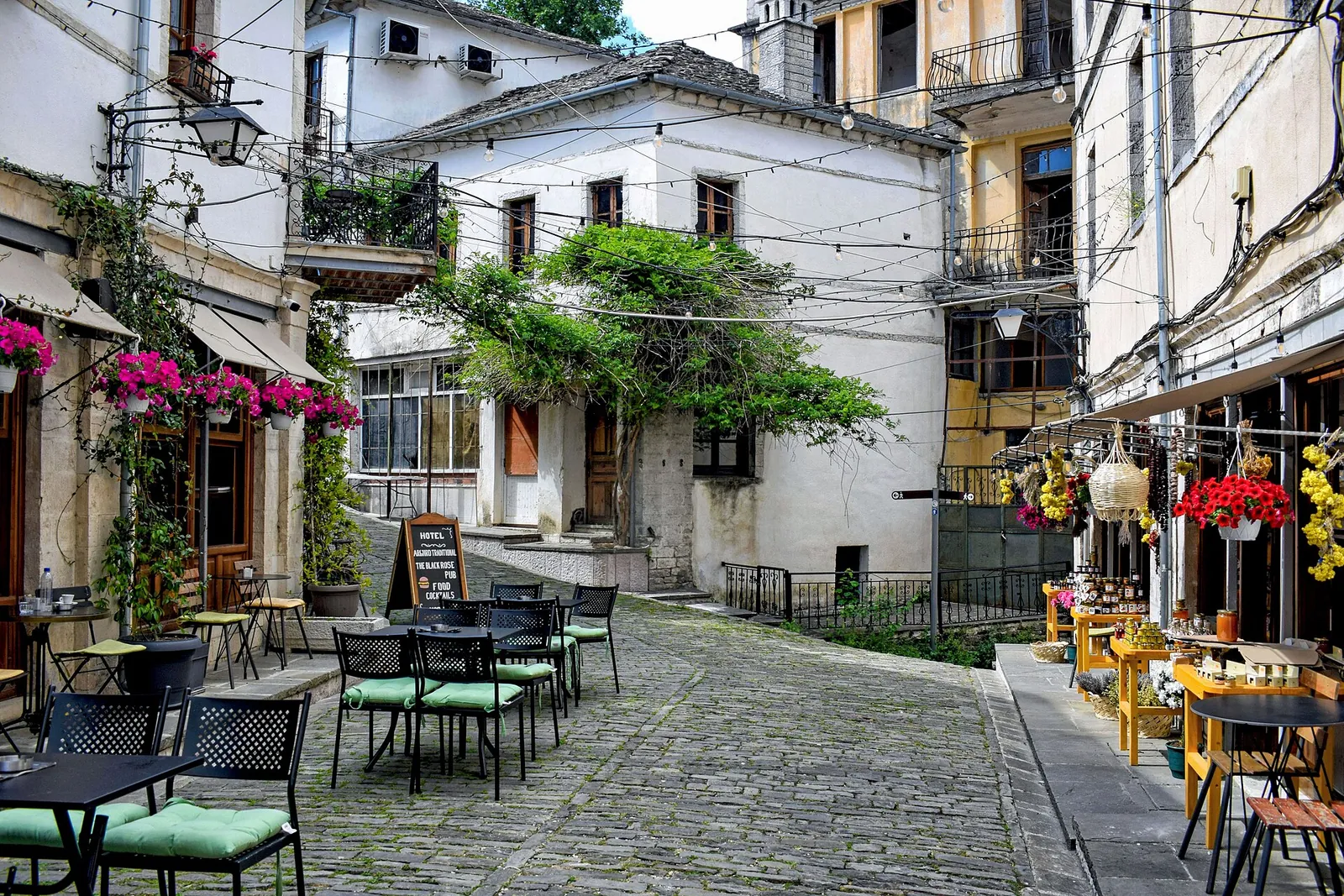
Gjirokastër is built in grey stone rather than white plaster, with fortress-like tower houses and stone-slab roofs. Drop your bags, then climb to Gjirokastër Castle, which dominates the town. The castle holds military exhibits and offers sweeping views over the rooftops and valley. Entry prices and hours are not posted on a source we could verify, so check at the ticket desk.
Evening
Wander down into the old bazaar, where the streets meet beneath the castle. Try qifqi, the local rice balls, a speciality of the town. Evenings here are calm and atmospheric, perfect for a slow dinner.
Day 5: Ancient Butrint and the bays of Ksamil
Morning
Pack your swimsuit, it’s ruins and beaches today! Head south towards the coast. Butrint sits near the Greek border, south of Saranda and just past Ksamil. Plan to reach it early, before the heat and the tour groups, in summer.
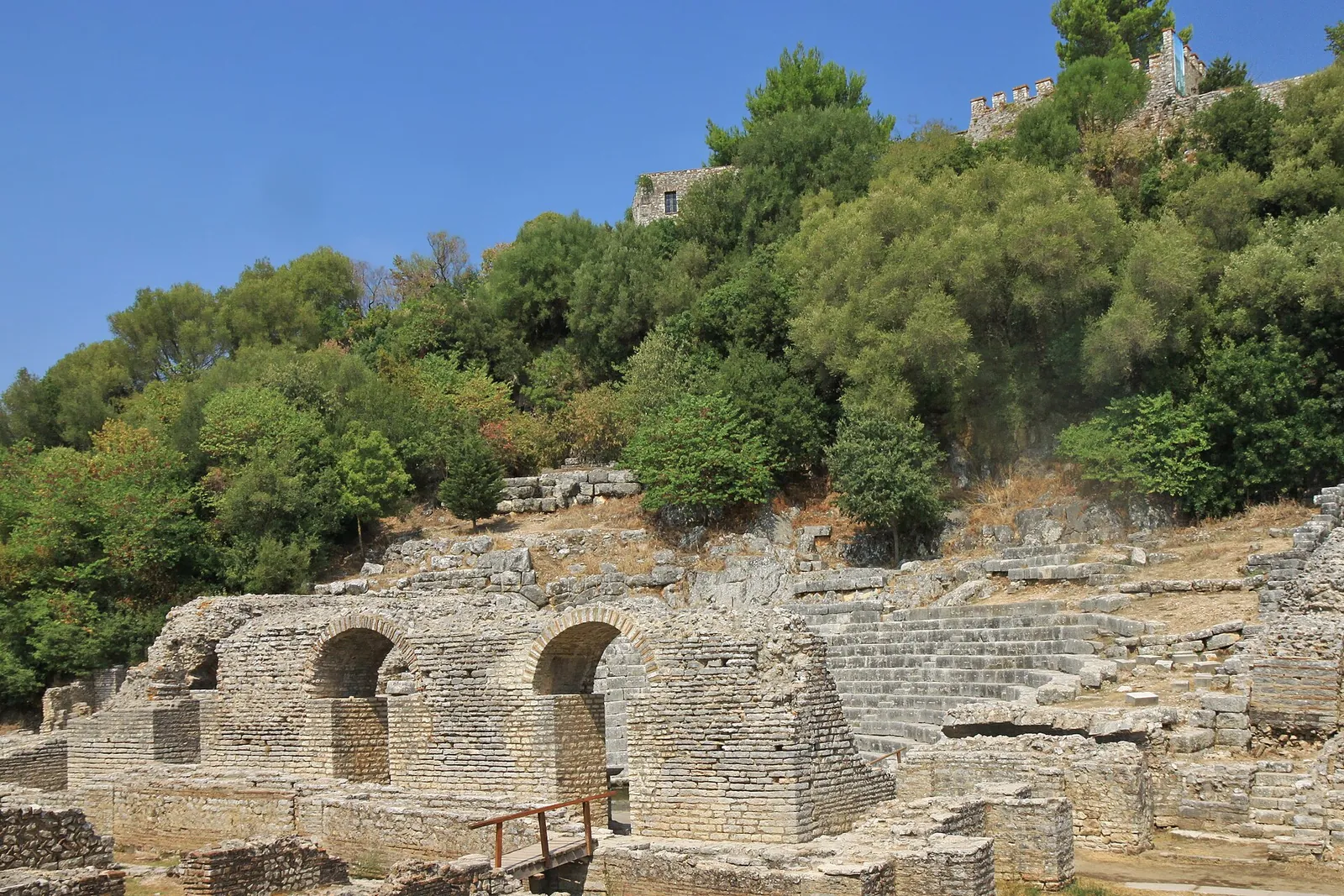
Butrint is one of the most rewarding archaeological sites in the Balkans: a Greek theatre, Roman baths, a Byzantine baptistery and Venetian walls, all spread through woodland on a peninsula surrounded by water. Allow at least two to three hours to walk the main loop. Tickets are sold at the entrance and online; prices, hours and ticket rules are on the official site, butrint.al, so check there before you go, as winter hours are shorter.
Afternoon
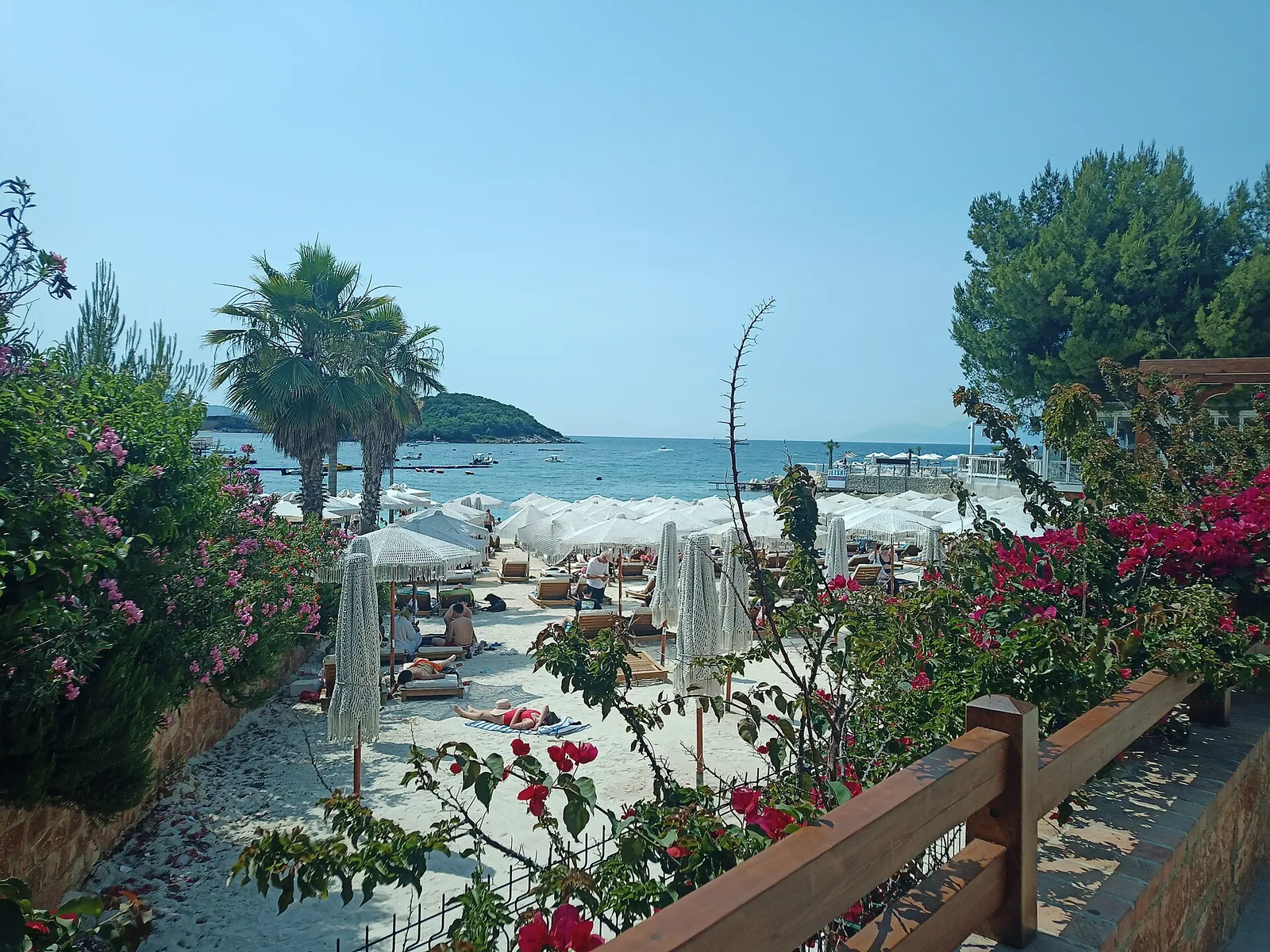
Drive or ride a short way back north to Ksamil, a small resort with clear water and tiny islands just offshore. In summer you can swim, rent a sunbed or take a boat out. If you’re travelling in late autumn or winter, many beach businesses scale down, and the Government of Canada warns that coastal waters can be dangerous in fall and winter because of strong waves and undertows. Swim only where conditions are calm and follow beach flags.
Evening
Stay in Ksamil or Saranda tonight. Watch the sun set over the Ionian Sea, with the island of Corfu visible across the water on a clear day, then enjoy grilled fish and seafood by the shore.
Day 6: The Albanian Riviera and the trip home
Morning
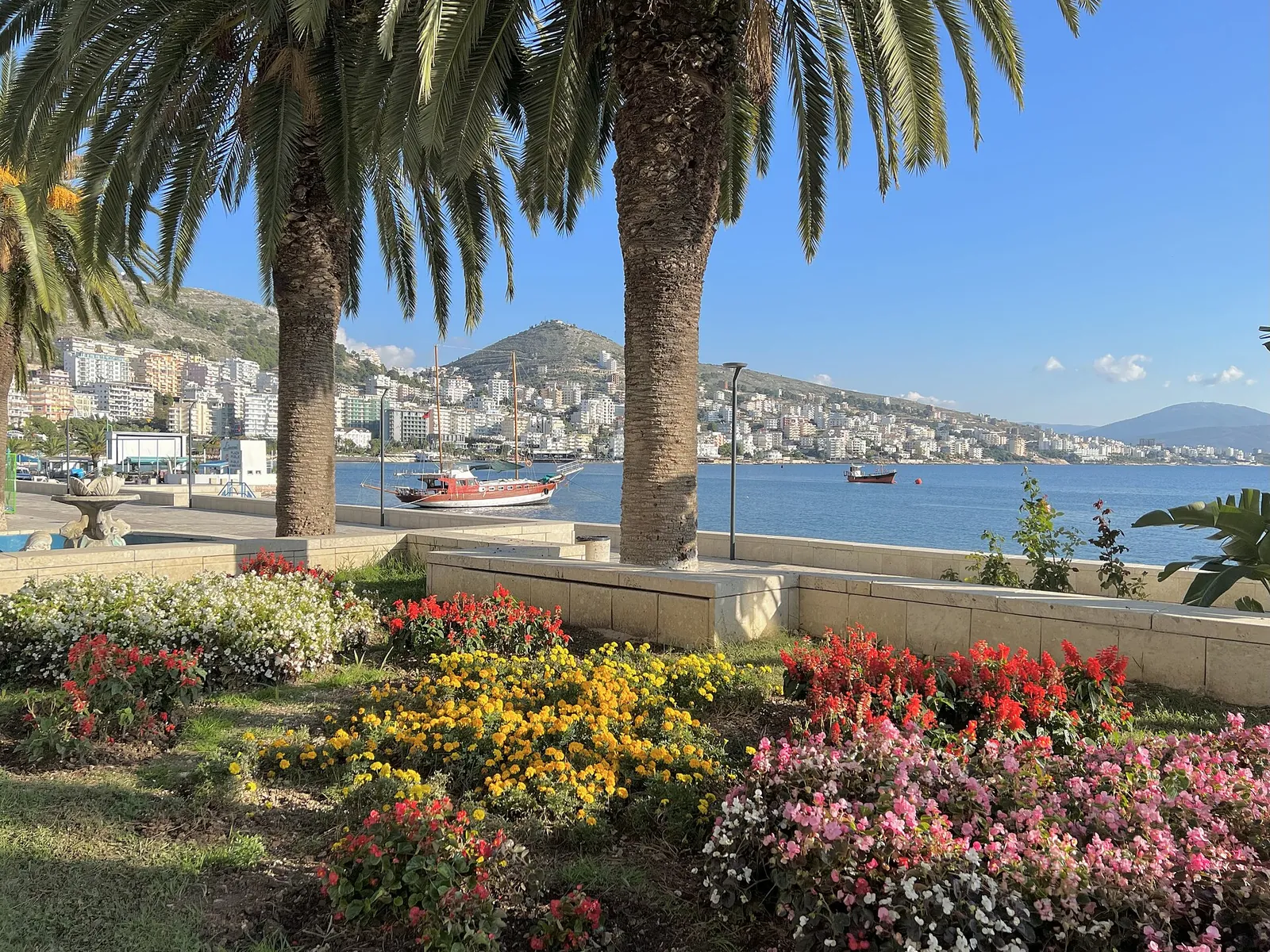
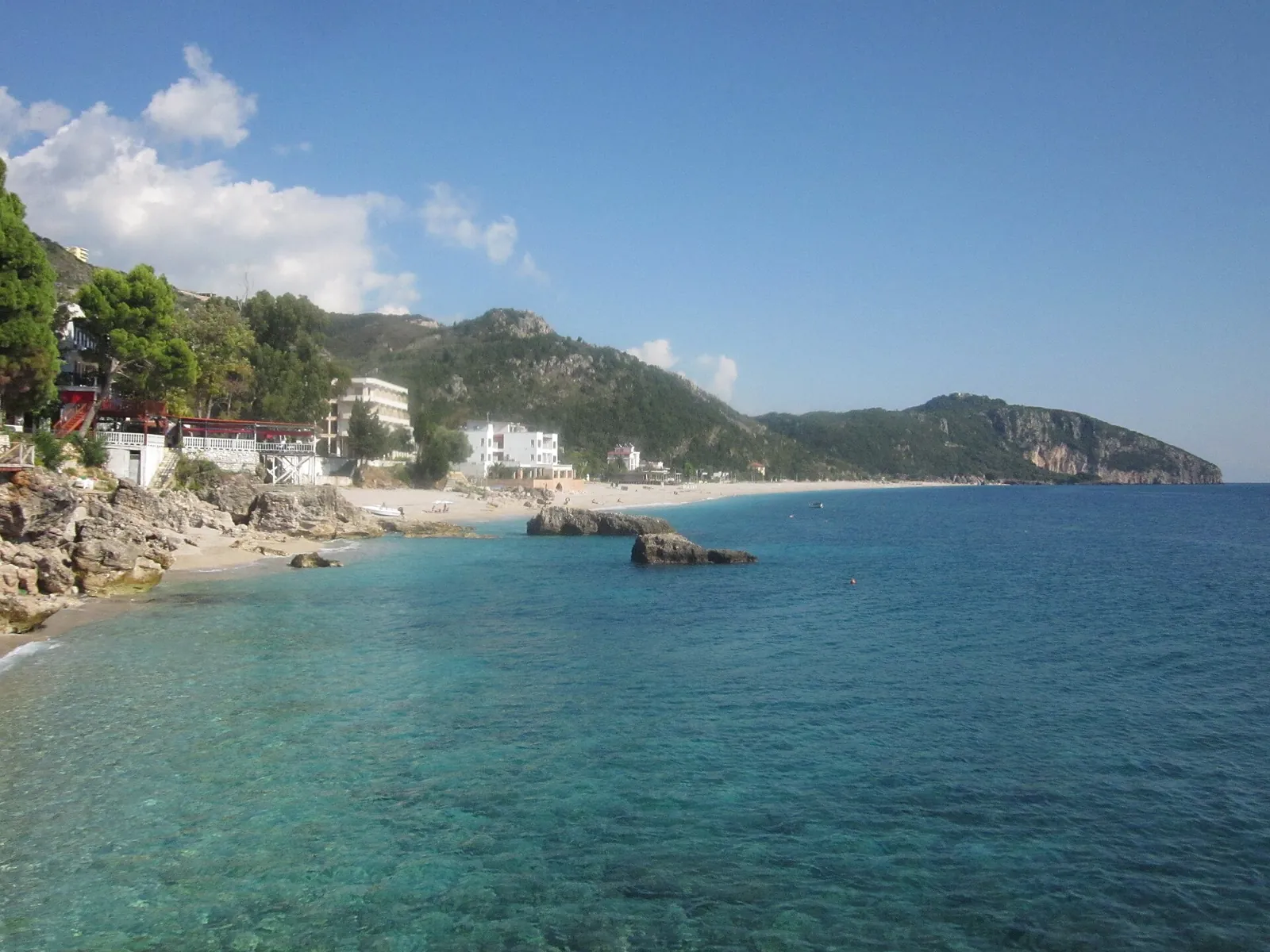
Soak up one last sunny morning on the coast. Saranda has a long seafront promenade that’s lovely for a breakfast walk. If you have a car, the coast road north towards Himarë and Dhërmi winds along cliffs and past small beaches, with viewpoints all the way. Roads here are narrow and twisty, so allow plenty of time and don’t drive after dark if you can avoid it.
Afternoon
Begin the trip back north to Tirana for your flight, or cross onward from the south. This is a long travel day by road, and buses from Saranda to Tirana should be checked a day ahead for times and seats.
Evening
If you’re back in Tirana, treat yourself to a farewell dinner in Blloku. If your flight is very early the next morning, consider staying close to the airport bus stop in the centre.
Getting there and getting around
Most visitors arrive at Tirana International Airport. According to the airport’s own website, the airport bus run by LU-NA SHPK operates 24 hours a day, 7 days a week, every full hour in both directions. The fare is 400 ALL (the airport lists this as about EUR 4.50) and the journey takes 30 to 40 minutes. In the city, the bus stops behind the Palace of Opera and Ballet, right by Skanderbeg Square. The airport site also lists an hourly line to the South and North Bus Terminals for 300 ALL, bookable online at luna.al.
Official airport taxis wait just outside the terminal; the airport refers you to tiataxi.al for booking. Fares are not listed on the airport page, so agree the price before you set off.
Between towns, you have three choices:
- Buses and minibuses: cheap and widespread, but timetables change with the season and are rarely published online. Ask at the terminal or at your accommodation the day before.
- Private driver or transfer: the easiest option for a six-day route with three bases.
- Rental car: the most flexible, especially for the Riviera, but read the road safety advice first. GOV.UK notes you must carry a green card for your insurance, and the Government of Canada advises carrying an international driving permit.
Inside towns, Berat, Gjirokastër and Ksamil are best explored on foot. In Tirana, walk the centre and use taxis for Bunk’Art 1. Check city bus fares locally.
Where to stay
- Tirana, Blloku and the centre: great for food, nightlife and walking to Skanderbeg Square and the airport bus stop. Ideal for first and last nights.
- Berat, Mangalem or Gorica: Mangalem puts you right under the castle with the classic atmosphere; Gorica is quieter, with the best views back across the river.
- Gjirokastër, the old bazaar area: stay in a restored stone house for the full experience, within walking distance of the castle. Expect steep streets with luggage.
- Ksamil or Saranda: Ksamil is small and beach-focused, closest to Butrint. Saranda is a proper town with more year-round services, which matters in the low season.
Budget
Prices vary a lot between summer and winter, and few official sources publish them. Here’s what we could verify, with everything else marked so you can check before you travel.
| Item | Typical cost |
|---|---|
| Airport bus to central Tirana | 400 ALL one way (airport website) |
| Airport bus to the bus terminals | 300 ALL (airport website) |
| Butrint entry | check the official site (butrint.al) |
| Berat Castle and Onufri Museum | check on arrival / official site |
| Gjirokastër Castle | check at the ticket desk |
| Bunk’Art 1 | check the official site (bunkart.al) |
| Intercity buses | check at the terminal or with your accommodation |
| Accommodation and meals | varies by season, check current listings |
Excluded: international flights, travel insurance, car hire and fuel, and any guided tours.
Practical tips
- Money: the national currency is the Albanian lek (ALL), issued by the Bank of Albania. The Government of Canada notes that credit cards are accepted in major cities, but cash is required for small purchases and you should carry cash in rural areas. Castles and small museums are often cash only.
- ATMs: use machines inside banks or in busy public places and cover the keypad, as card and ATM fraud does occur according to Canadian travel advice.
- Dress: when visiting mosques and churches, cover shoulders and knees, and follow any signs at the entrance.
- Seasons: GOV.UK notes that wildfires are common from April to October and that flooding and heavy snow can disrupt travel from December to February. Early November sits between the two, but check forecasts and road conditions.
- Low season: if you travel from November to March, expect fewer buses, shorter opening hours at sites and many beach businesses in Ksamil closed or reduced. Saranda keeps more services open.
- SIM and eSIM: local SIM cards and travel eSIMs are widely sold; check current prices with the operators.
- Entry: visa rules depend on your nationality and travel documents. GOV.UK summarises the rules for UK citizens; for everyone else, the official source is the Albanian Ministry for Europe and Foreign Affairs visa regime page, and visa applications go through e-visa.al. Check before you book.
Heads-up
Albania is a welcoming place, and the official advice is reassuring: the Government of Canada asks travellers to take normal security precautions, and GOV.UK says crime targeting foreigners is rare. A few things are still worth knowing:
- Roads are the biggest everyday risk. GOV.UK describes driving as often aggressive and erratic, with road deaths among the highest in Europe, poor surfaces and unlit rural roads at night. If you’re not a confident driver, use a professional driver instead, and avoid night driving.
- Taxis: use officially marked taxis, agree the fare in advance or insist on the meter, as the Government of Canada warns you may be overcharged.
- Pickpockets: watch your bags in crowded tourist spots, on transport and at the airport.
- Boats and jet skis: GOV.UK warns that some rentals may lack adequate safety equipment. Choose licensed operators and wear a life jacket.
- Sea conditions: obey lifeguards and beach flags. GOV.UK notes some beaches are affected by pollution, and Canadian advice warns of strong waves and undertows in autumn and winter.
- Remote northern hills: GOV.UK reports unexploded landmines in some remote areas near the Kosovo border. That’s far from this route, but if you extend your trip north, stay on marked paths.
- Earthquakes: Albania is in an active seismic zone. Follow local authority instructions if a tremor happens.
- Protests: avoid demonstrations and political rallies in central Tirana.
- Drugs: penalties are severe, with GOV.UK noting possible prison terms of 5 to 10 years for possession.
FAQ
Is six days enough for Albania?
Six days is enough for a great first taste of the classic north to south route: Tirana, Berat, Gjirokastër and the southern coast. You won’t see the northern Alps, which need extra days of their own.
Can I do this trip without a car?
Yes. Buses and minibuses connect all the stops, and private transfers are easy to book. You’ll lose some flexibility on the Riviera, and low-season buses are less frequent, so check times a day ahead.
Is November a good time to go?
It’s quieter and cooler, with fewer crowds at Berat, Gjirokastër and Butrint. Sightseeing is pleasant, but sea swimming is less reliable, many Ksamil beach businesses scale down and site hours are shorter. Check every opening time before you go.
Do I need cash in Albania?
Yes. Cards work in larger cities, but small shops, castle gates and rural businesses often take cash only. Carry some lek every day.
How do I get from Tirana airport to the city?
The airport bus runs every full hour, around the clock, for 400 ALL and takes 30 to 40 minutes to reach the stop behind the Palace of Opera and Ballet. Official taxis wait outside the terminal; agree the fare first.
Do I need a visa?
It depends on your passport and any residence permits or visas you already hold. Check the Albanian Ministry for Europe and Foreign Affairs visa regime page and apply through e-visa.al if required.
Sources
Prices, hours and rules change. We checked these on 1 November 2026; please confirm on the official page before you book.
- Albania travel advice (GOV.UK, FCDO)
- Albania travel advice: Safety and security (GOV.UK, FCDO)
- Albania travel advice: Entry requirements (GOV.UK, FCDO)
- Travel advice and advisories for Albania (Government of Canada)
- Transport and directions: By Bus (Tirana International Airport)
- Currency issue (Bank of Albania)
- What you need to know before visiting Bunk'Art 1 (Bunk'Art)
- Visa regime for foreign citizens (Albanian Ministry for Europe and Foreign Affairs)
Photo credits (15)
- Turquoise water and wooded islands at Ksamil beach: DieliAlla, CC0, via Wikimedia Commons
- Skanderbeg statue and the Et'hem Bey Mosque in Tirana: Pudelek, CC BY-SA 4.0, via Wikimedia Commons
- The Pyramid of Tirana under a bright blue sky: BBB2021, CC BY-SA 4.0, via Wikimedia Commons
- White Ottoman houses stacked up the hillside in Mangalem, Berat: Wolfgang Sauber, CC BY-SA 4.0, via Wikimedia Commons
- The Gorica stone bridge over the Osum river, Berat: Karelj, CC BY-SA 4.0, via Wikimedia Commons
- Stone towers and arches inside Berat Castle: Marcin Konsek, CC BY-SA 4.0, via Wikimedia Commons
- A Byzantine church on the green slopes of Berat Castle: Christoph Strässler, CC BY-SA 2.0, via Wikimedia Commons
- Grey stone houses and the castle above Gjirokastër: Radosław Botev, CC BY-SA 4.0, via Wikimedia Commons
- Cafés and flowers along a cobbled street in Gjirokastër's old bazaar: Jocelyn Erskine-Kellie, CC BY-SA 4.0, via Wikimedia Commons
- The ancient theatre at Butrint among green trees: Marcin Konsek, CC BY-SA 4.0, via Wikimedia Commons
- Sunbeds and bougainvillea above the beach in Ksamil: Aktron, CC BY-SA 4.0, via Wikimedia Commons
- Palm trees and flower beds on the Saranda seafront: Sharon Hahn Darlin, CC BY 2.0, via Wikimedia Commons
- Clear turquoise water at Dhërmi beach on the Albanian Riviera: Sietske2, CC BY-SA 3.0, via Wikimedia Commons
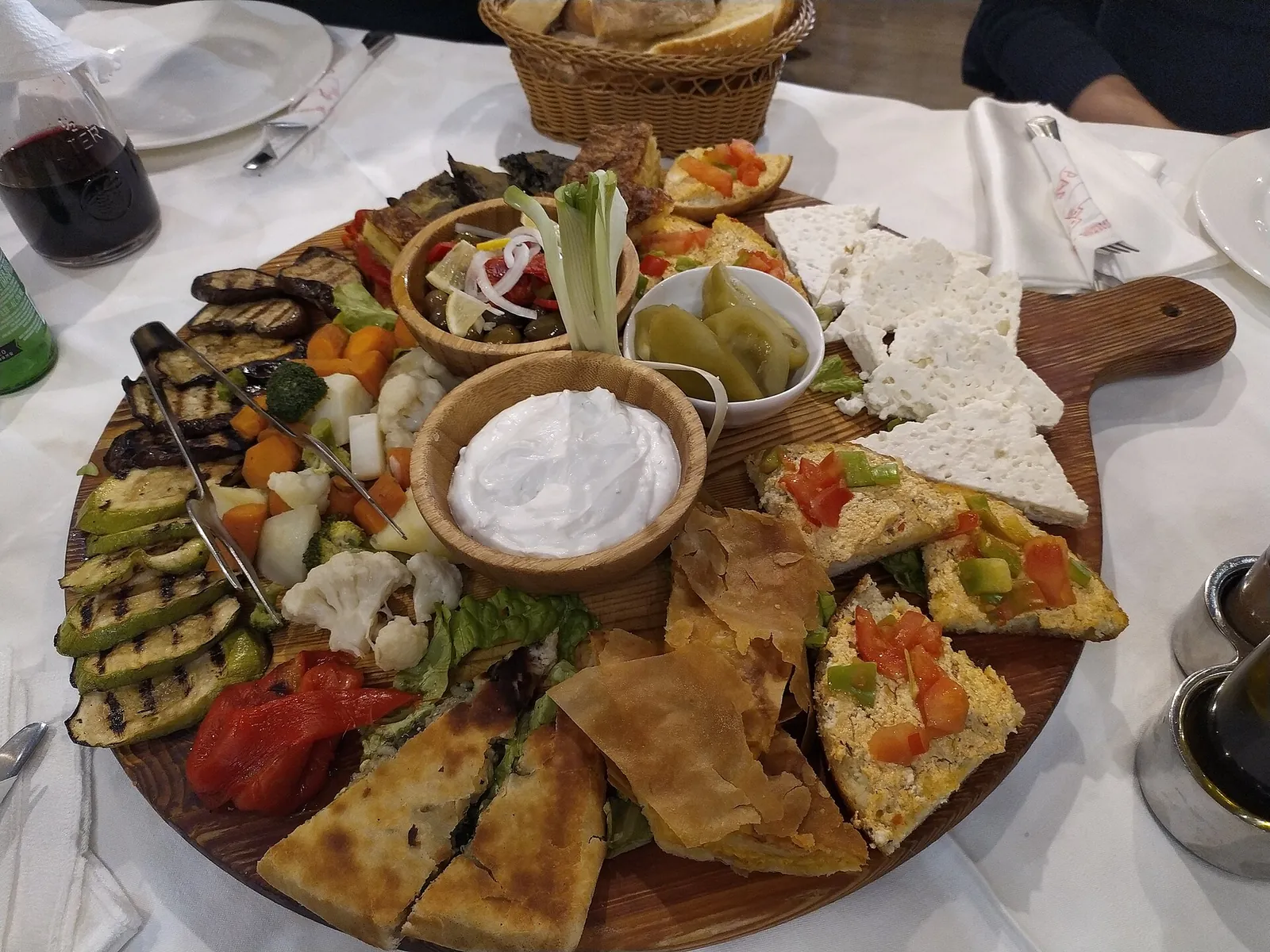
- A platter of traditional Albanian dishes and pastries: Leeturtle, CC BY-SA 4.0, via Wikimedia Commons
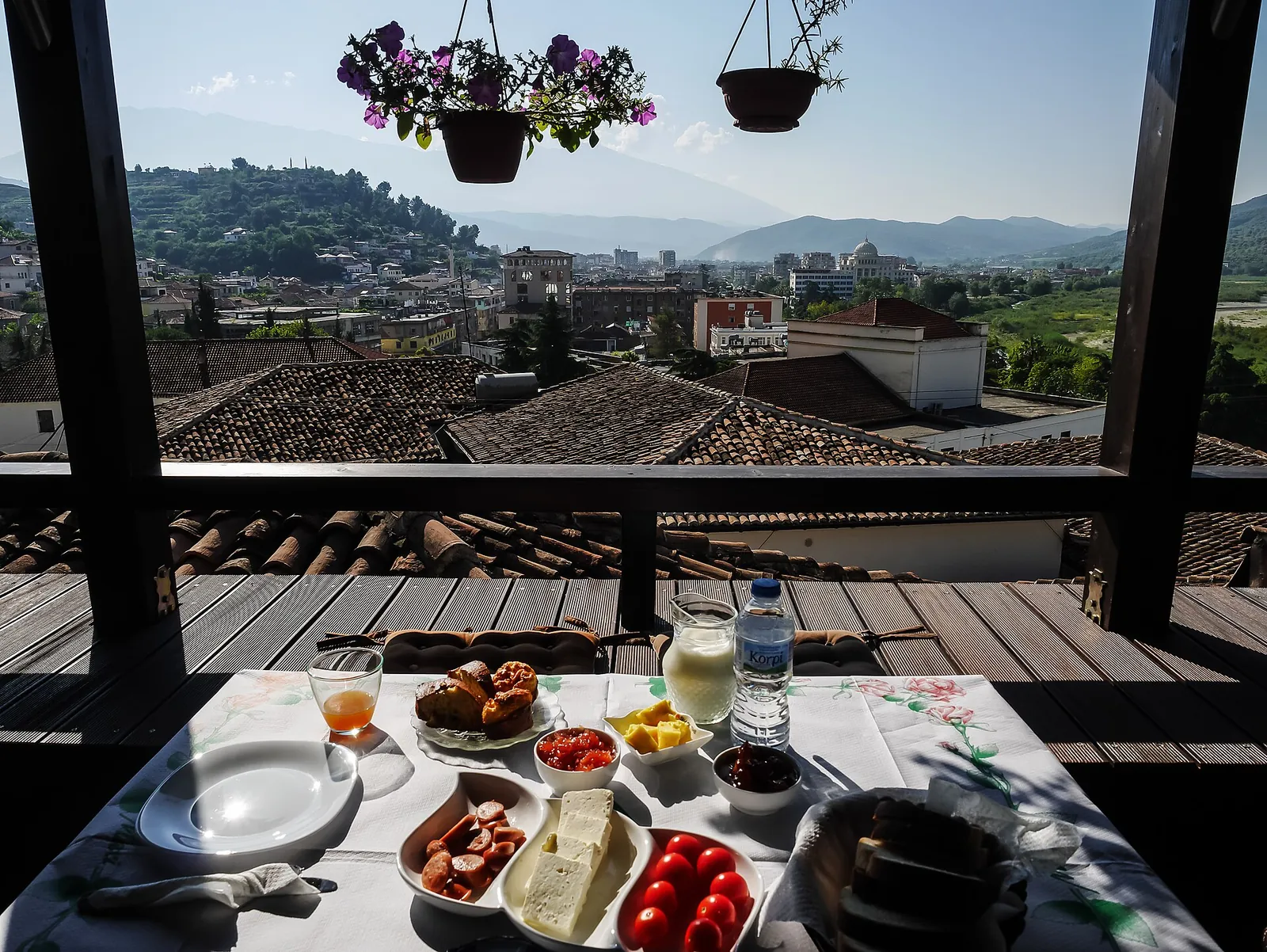
- Breakfast on a terrace with views over Berat: my_cottage, CC BY-SA 2.0, via Wikimedia Commons
More Europe itineraries
 6 days
6 Days in Southern England With Kids: A Family Road Trip
A first-hand 6-day family road trip in southern England: car hire at Gatwick, a Southampton base, Peppa Pig World, Legoland, Isle of Wight and Durdle Door.
 6 days
6 Days in the Scottish Highlands: A Day-by-Day Itinerary
A 6-day Scottish Highlands plan from Glasgow to Fort William, Glencoe, Glenfinnan, Loch Ness and Inverness, with checked coach fares and castle prices.
 6 days
6 Days in the Norwegian Fjords: Bergen, Flåm and the Nærøyfjord
A 6-day Norwegian fjords plan from Bergen: the Bergen Railway, the Flåm Railway, a Nærøyfjord cruise and a Sognefjord boat ride, with checked fares.
This is a researched plan, not a personal trip report. How we research · Affiliate disclosure