
10 Days in Bali, Nusa Penida and the Gili Islands: A Day-by-Day Itinerary
A 10-day plan for Bali, Nusa Penida and the Gilis: Uluwatu's Kecak, Ubud's forests and rice terraces, Penida's cliffs and Gili snorkelling, with verified fees.
- 🗓️ Trip length
- 10 days
- ☀️ Best time
- April to October (dry season)
- 💰 Daily spend
- Varies by season, see Budget section
- ✅ Facts checked
- 24 October 2026
Get ready for ten days that take you from cliff-top temples and a fire-lit dance to jungle-fringed rice terraces, dramatic island coastlines and the slow, barefoot pace of the Gili Islands. This plan suits first-time visitors who want Bali’s culture and Ubud’s greenery plus two island chapters, without spending every day in a car.
The pace is relaxed to moderate: one or two big sights a day, with time left for beaches, cafés and naps. Bali traffic varies a lot by hour and season, so we give you a sensible geographic order and suggest you check live journey times in a maps app on the day. Prices are in Indonesian rupiah (IDR). Rough USD figures use Bank Indonesia’s JISDOR reference rate of IDR 18,047 per USD on 22 October 2026.
At a glance
| Day | Area | Highlights |
|---|---|---|
| 1 | South Bali (Bukit Peninsula) | Arrive, settle in, beach sunset |
| 2 | Uluwatu | Cliff-top temple, Kecak fire dance |
| 3 | Ubud | Sacred Monkey Forest, Ubud Palace, market lanes |
| 4 | North of Ubud | Rice terraces, water temple, village crafts |
| 5 | Jatiluwih, then Sanur | UNESCO-listed subak rice landscape, beach promenade |
| 6 | Nusa Penida | Fast boat, first viewpoints, sunset |
| 7 | Nusa Penida west coast | Kelingking, Broken Beach, snorkelling |
| 8 | Gili Trawangan | Boat transfer, sunset on the west shore |
| 9 | Gili Meno and Gili Air | Snorkelling, island hopping |
| 10 | Back to Bali | Boat to Bali, flight home |
Day 1: Arrive and unwind in the south
Morning
Get a head start on the fun: sort out the paperwork before you land (see the FAQ and “Getting there and getting around”). Pay the Bali tourist levy online through the official Love Bali portal and complete your All Indonesia arrival declaration. That makes the airport much easier.
Afternoon
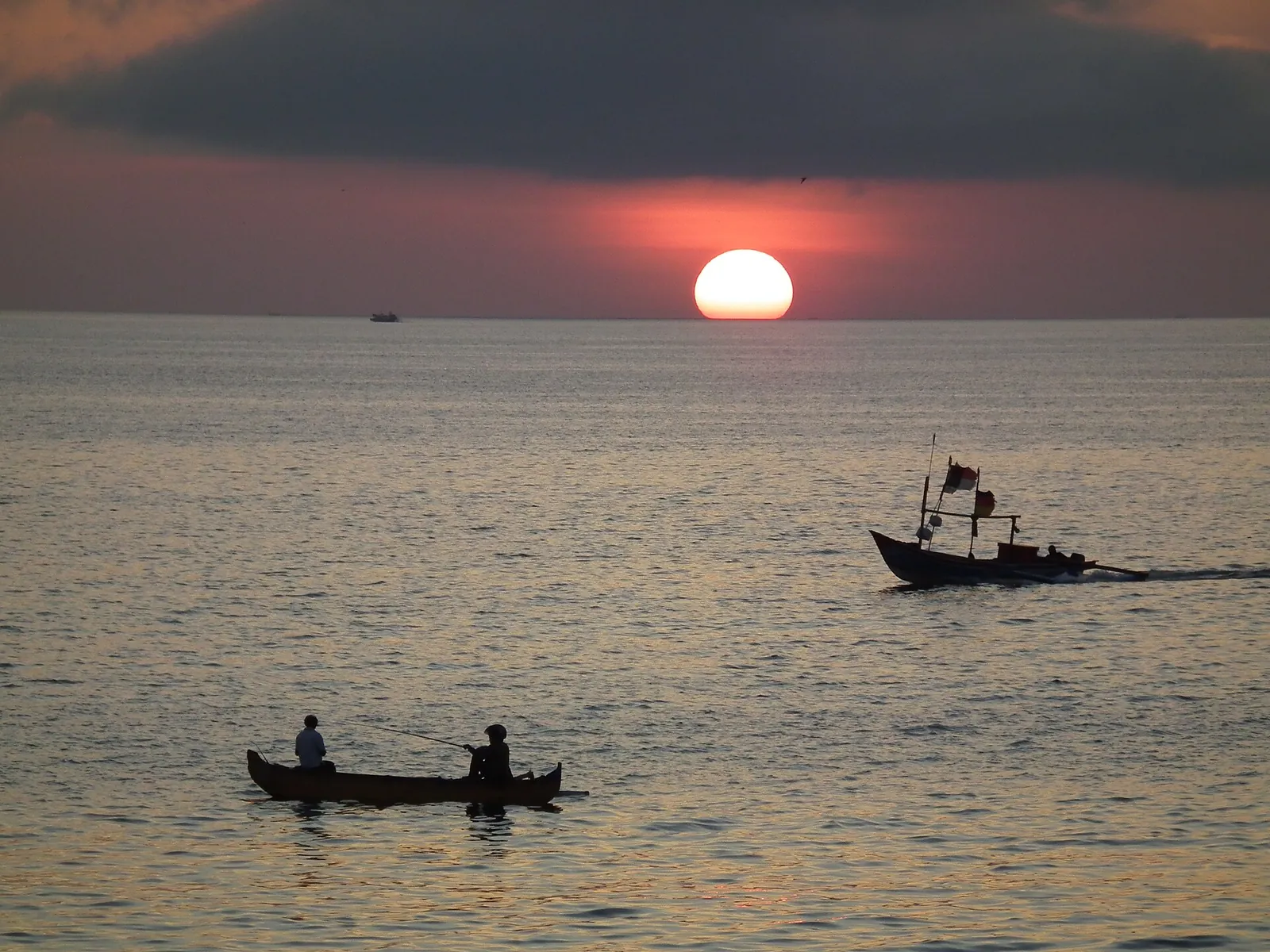
Head to your base on the Bukit Peninsula or around Jimbaran. Take an official airport taxi or use a ride-hailing app, then shake off the jet lag with a swim and a long lunch.
Evening
Keep it simple: a beach walk at sunset and an early night. Tomorrow’s highlight runs into the evening, so the rest will pay off.
Day 2: Uluwatu cliffs and the Kecak fire dance
Morning
This is the day for cliffs, waves and fire! Spend a lazy morning on one of the Bukit’s beaches. Only swim where the water is calm, and follow the lifeguard flags. The Heads-up section explains why this matters.
Afternoon
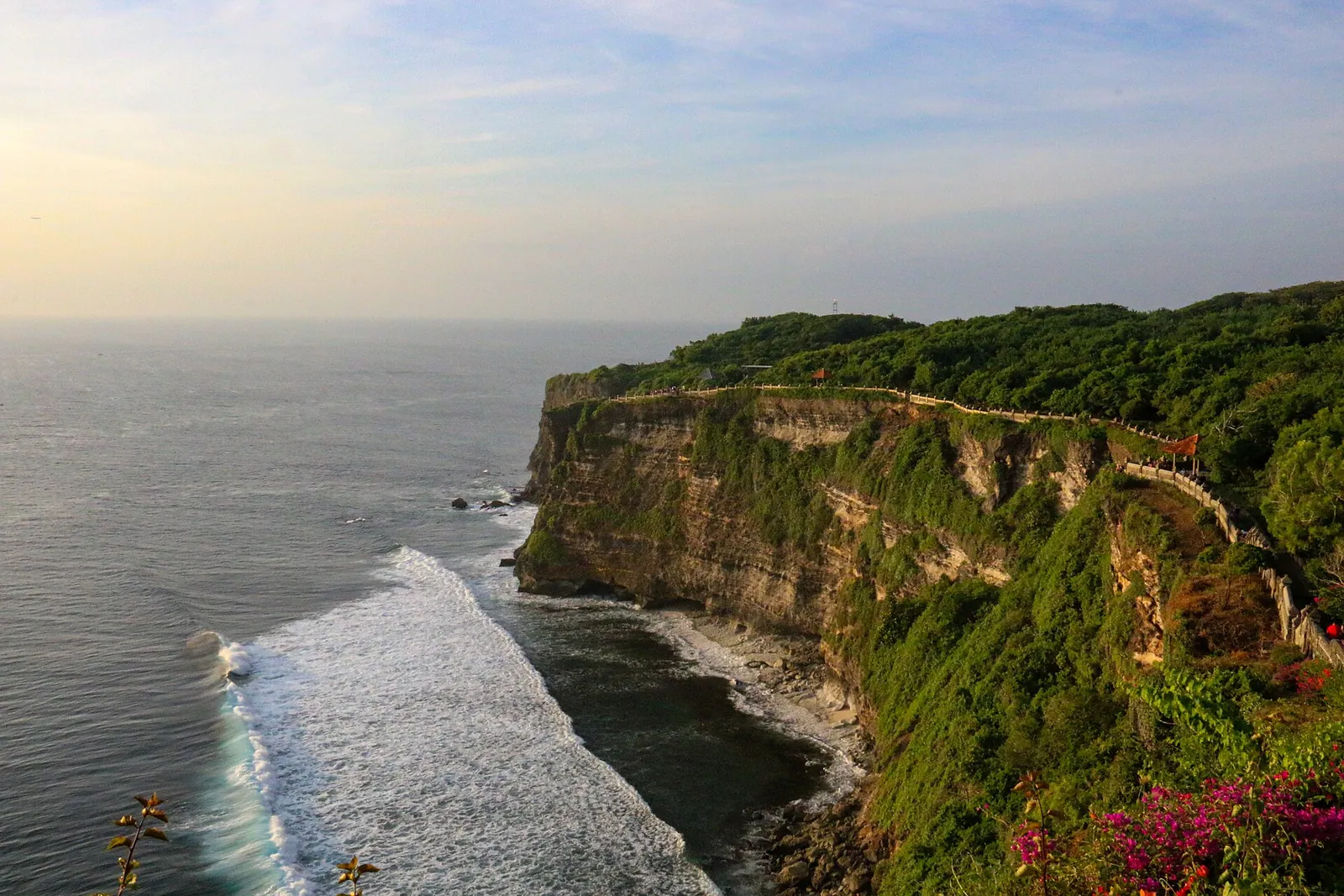
Uluwatu Temple sits on a sheer cliff above the Indian Ocean and is open daily from 7:00 to 19:00. Tickets cost IDR 60,000 for international adults (about USD 3) and IDR 40,000 for children. A sarong and sash are included. Bring cash for the official booth.
Hold on tightly to sunglasses, hats and phones. The temple is home to sacred monkeys, and Smartraveller notes that monkeys, as well as dogs and cats, can carry rabies.
Evening
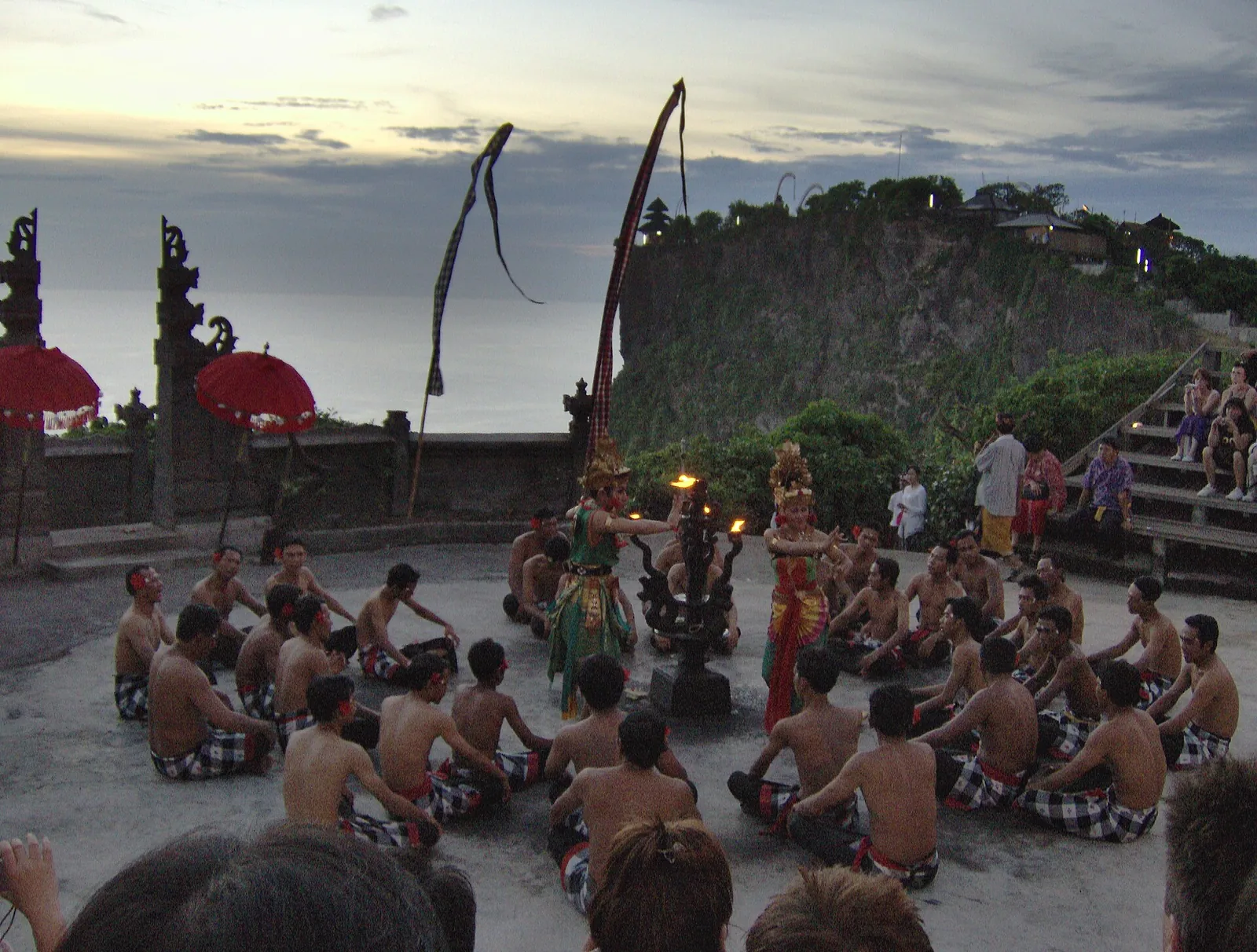
The Kecak dance needs its own ticket: IDR 150,000 for adults (about USD 8) and IDR 75,000 for children aged 2-9. The gate opens at 16:00 and the show runs from 18:00 to 19:00 every day. The temple’s official site advises arriving before 17:00, because seats fill up in peak season. Parking and nearby Labuan Sait Beach cost extra.
Day 3: Ubud’s forest, palace and market lanes
Morning
Hello, jungle! Today you swap the coast for green Ubud. Transfer from the south to Ubud with a private driver or a ride-hailing car. Drop your bags and have lunch nearby.
Afternoon
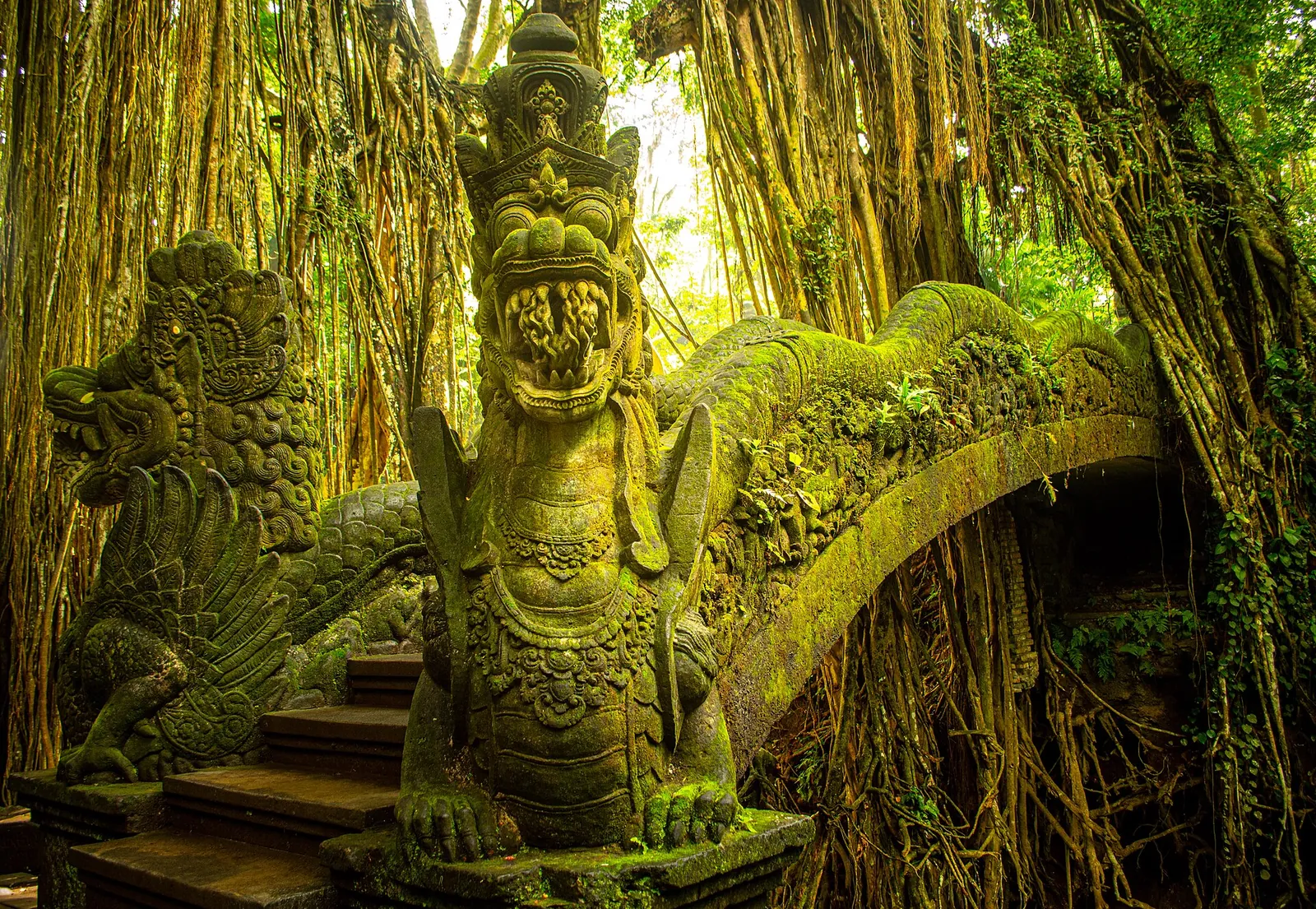
Walk into the Sacred Monkey Forest Sanctuary, a nature reserve and temple complex on the edge of central Ubud. It is open from 9:00 to 18:00, with last entry at 17:00. Adult tickets cost IDR 130,000 (about USD 7) and children’s IDR 100,000. Zip your bags, keep food out of sight and don’t touch the monkeys.
From the forest, it’s an easy walk up Monkey Forest Road to Ubud Palace and the art market streets around it.
Evening
Ubud evenings are made for slow dinners and traditional dance. Performance schedules change, so check what’s on locally that day and buy a seat there and then.
Day 4: Rice terraces and water temples north of Ubud
Morning
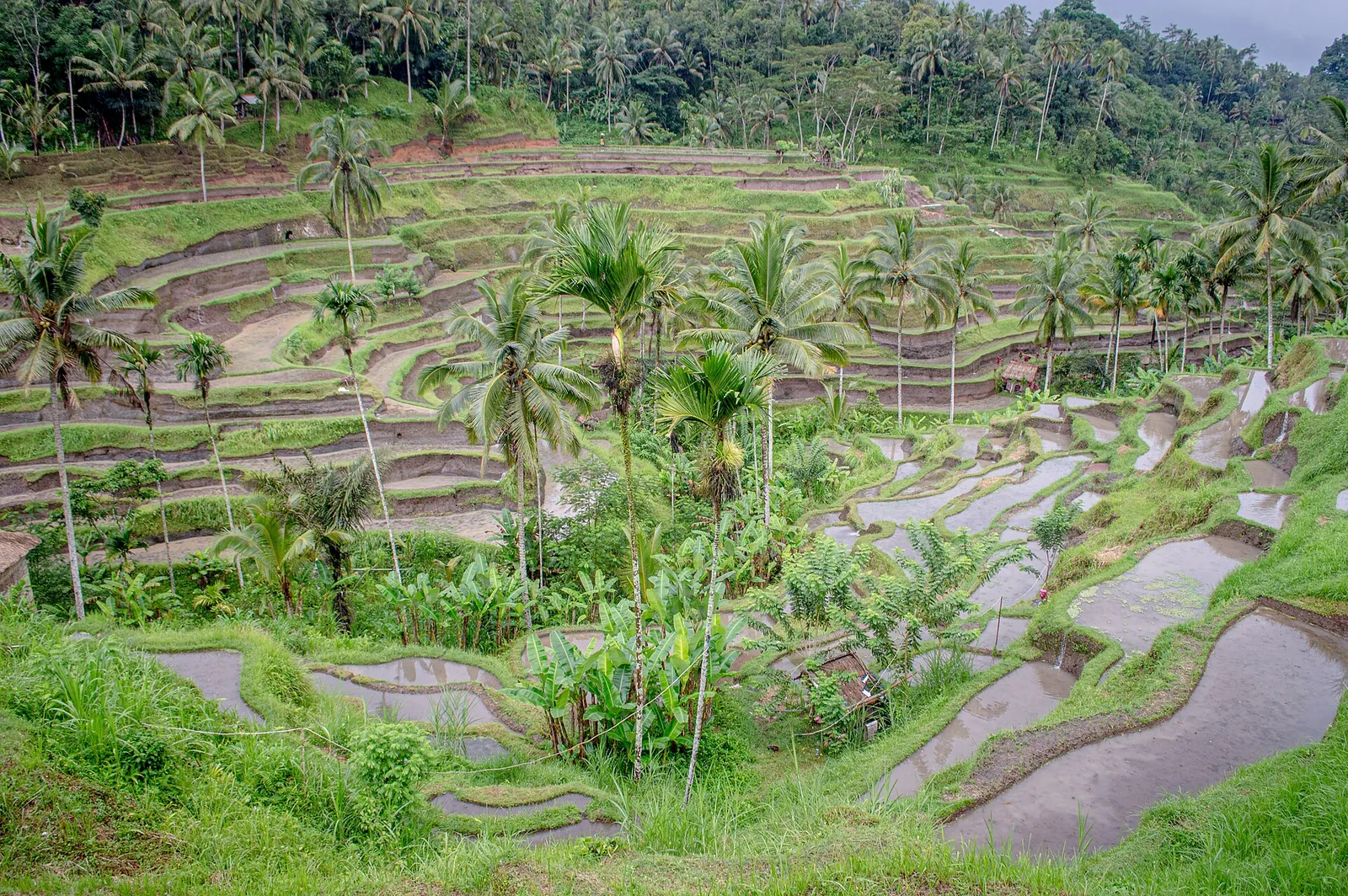
Get ready for Bali’s greenest views. Start early to see the rice terraces north of Ubud in soft light, before the heat builds. Wear shoes with good grip, because the paths between the paddies can be steep and muddy.
Afternoon
Carry on to Tirta Empul, the holy spring temple where Balinese Hindus come for ritual purification. Dress modestly and follow the temple’s rules on who may enter the bathing pools and how. We couldn’t find the ticket price on a verifiable official site, so check the current fee at the gate.
Evening
Back in Ubud, treat yourself to a Balinese massage or a cooking class, then an easy dinner.
Day 5: Jatiluwih rice terraces, then down to Sanur
Morning
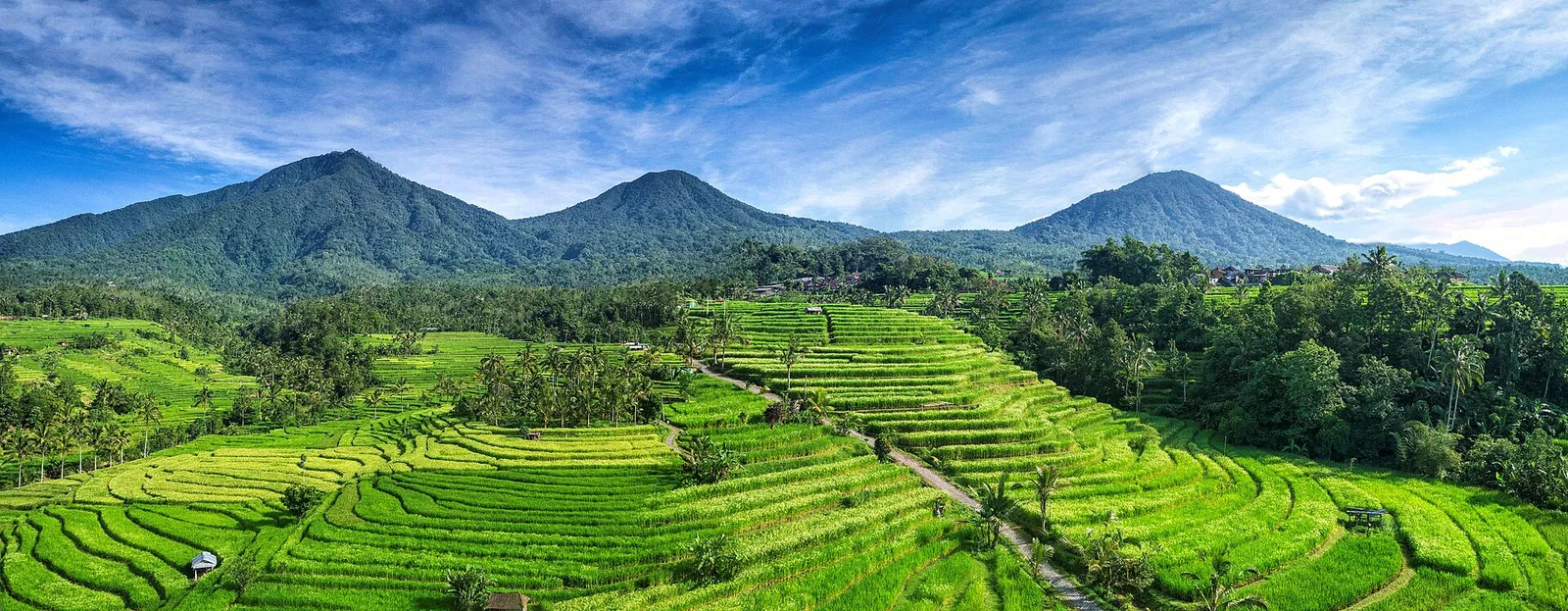
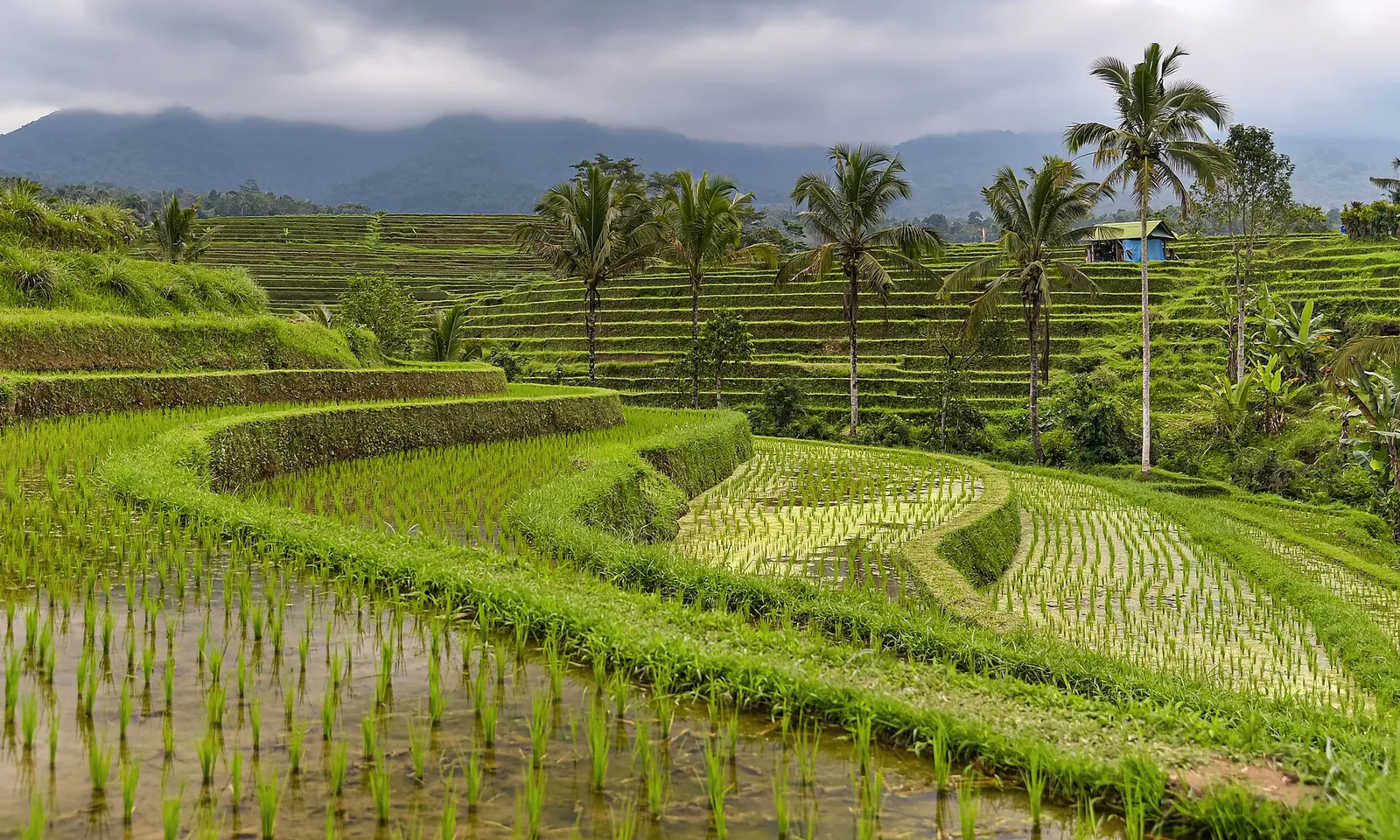
Save some camera space for today’s sweeping terraces. Check out and drive west into the hills to Jatiluwih. Its terraced fields are part of a UNESCO-listed cultural landscape shaped by the traditional subak irrigation system. Tickets cost IDR 75,000 for foreign adults (about USD 4) and IDR 50,000 for children, and you can buy them on the official Jatiluwih website.
Afternoon
Walk the trails through the paddies, then have lunch with a view. Afterwards, drive on to Sanur, the easiest base for morning fast boats to Nusa Penida.
Optional detour: Tanah Lot, the famous sea temple, makes a good sunset stop if your driver agrees the timing works. Unofficial sites list different fees, so check the current price at the entrance.
Evening
Stretch your legs on Sanur’s beachfront path and confirm tomorrow’s boat time with your operator.
Day 6: Fast boat to Nusa Penida
Morning
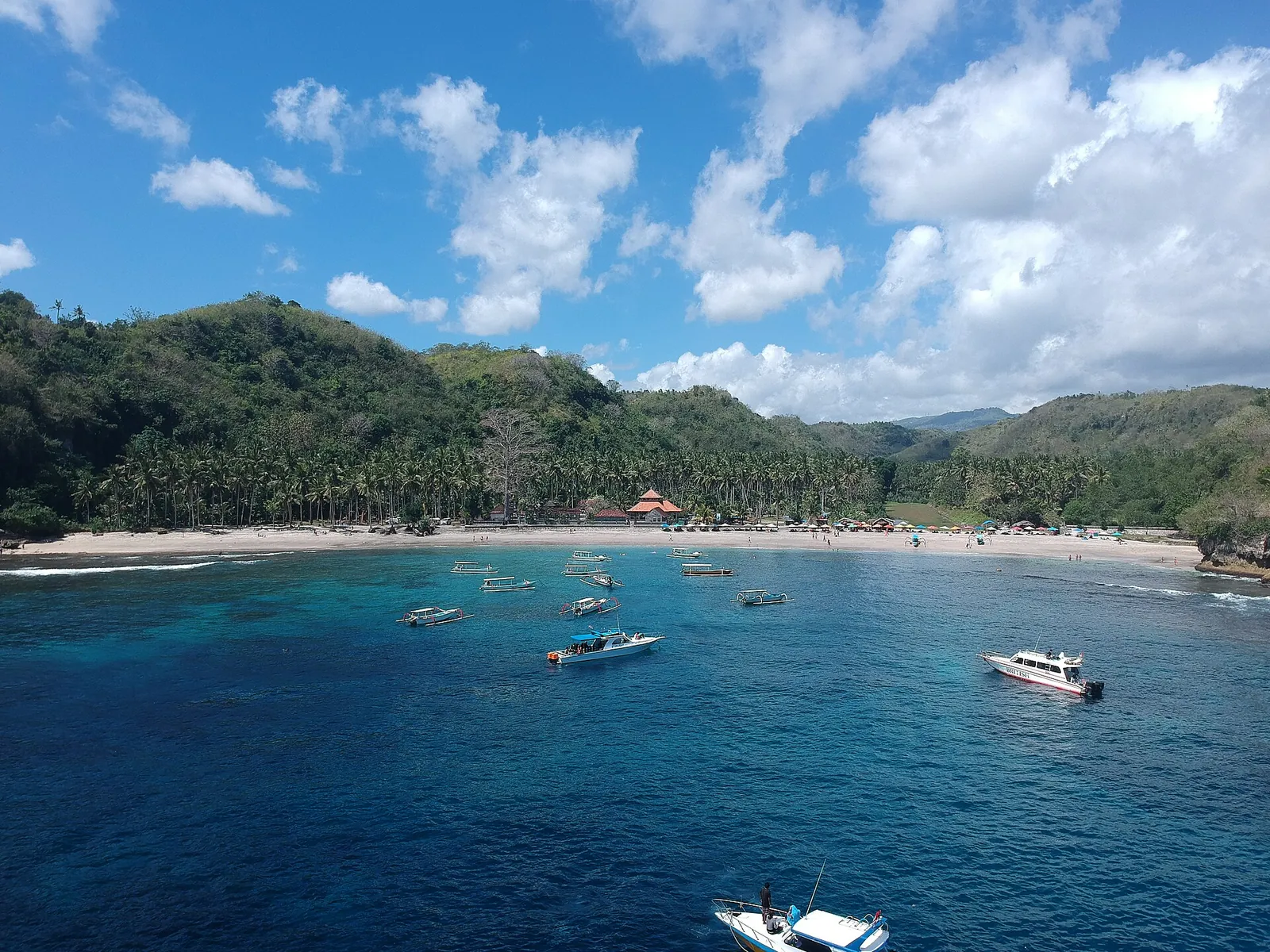
Island time begins! Take a morning fast boat from Sanur to Nusa Penida. Book with an established operator that sails from a main harbour, check there are life jackets on board, and keep valuables in a dry bag. Klungkung Regency, which runs Nusa Penida, charges foreign visitors a separate tourism levy, paid once when you enter the area. Check the current amount and how to pay with your boat operator or the Klungkung tourism office before you travel.
Afternoon
Settle in and keep the first day light. The island’s roads are narrow and steep, so hire a car with a local driver rather than riding a scooter yourself.
Evening
Find a west-facing spot for sunset and an early dinner. Save the big viewpoints for tomorrow morning.
Day 7: Nusa Penida’s wild west coast
Morning
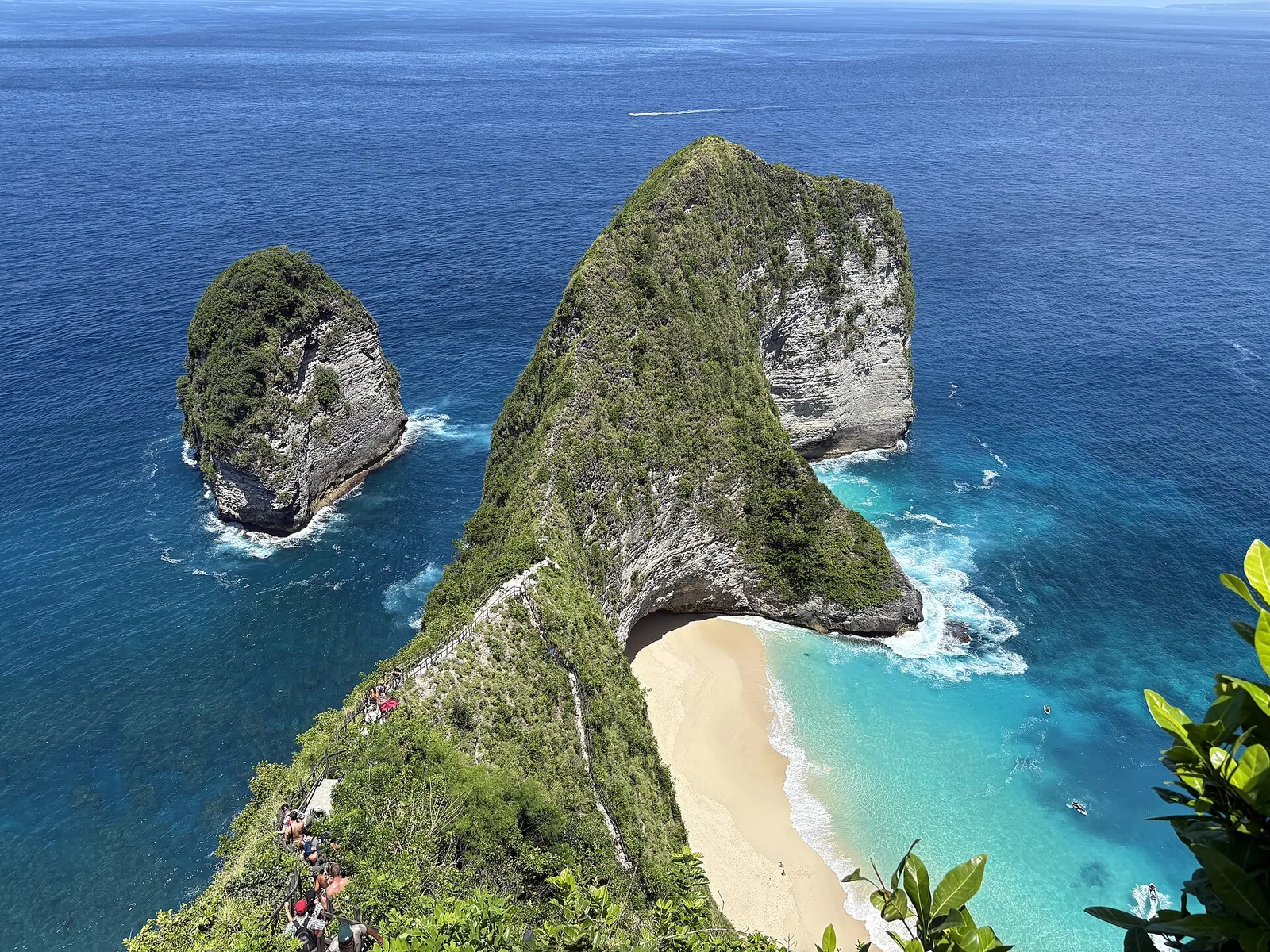
This is the big viewpoint day, so leave early for Kelingking, the T-Rex-shaped headland that has become the island’s postcard image. The view from the top is the reward. The trail down to the beach is steep and only suits confident hikers in good shoes. Stay behind the barriers and away from cliff edges.
Afternoon
Carry on to Broken Beach, a sea arch around a lagoon, and the natural pools nearby. When waves are coming in, admire the pools from a safe distance, because conditions change fast. Then cool off on a snorkelling trip with a reputable operator.
Evening
Pack for tomorrow’s crossing and enjoy a last island sunset.
Day 8: Across to Gili Trawangan
Morning
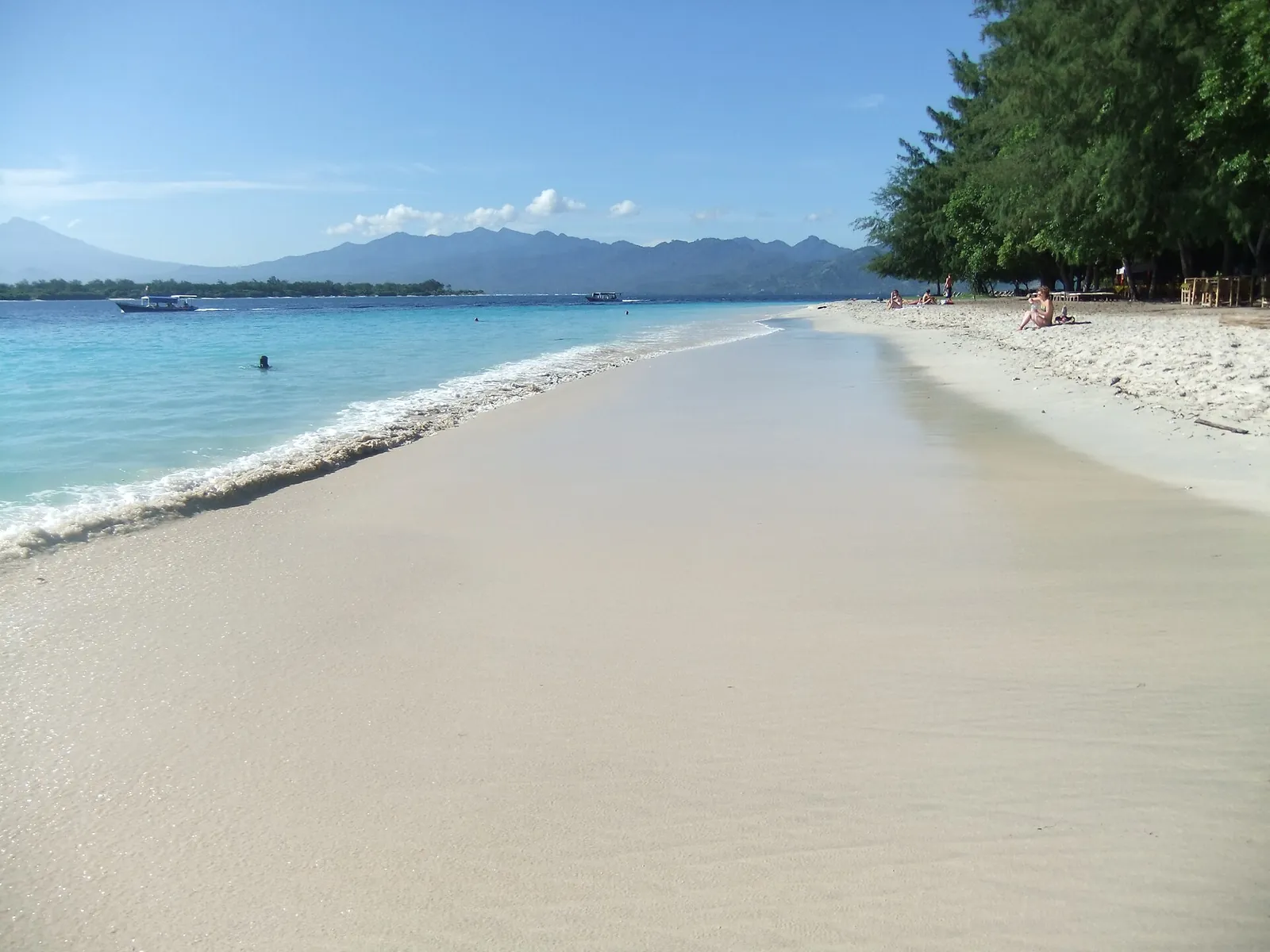
Get ready for barefoot island life. Transfer to the Gili Islands, which belong to Lombok rather than Bali. Check operators’ own sites for a direct sailing from Nusa Penida. If there isn’t one on your date, go back via Bali. Confirm the night before, because sailings depend on sea conditions.
Afternoon
Arrive on Gili Trawangan, drop your bag and slow right down. Walking or cycling is the easiest way to explore the shoreline.
Evening
Head to the west coast for sunset over the water, then have dinner wherever the smell of grilled fish leads you.
Day 9: Snorkelling and island hopping
Morning
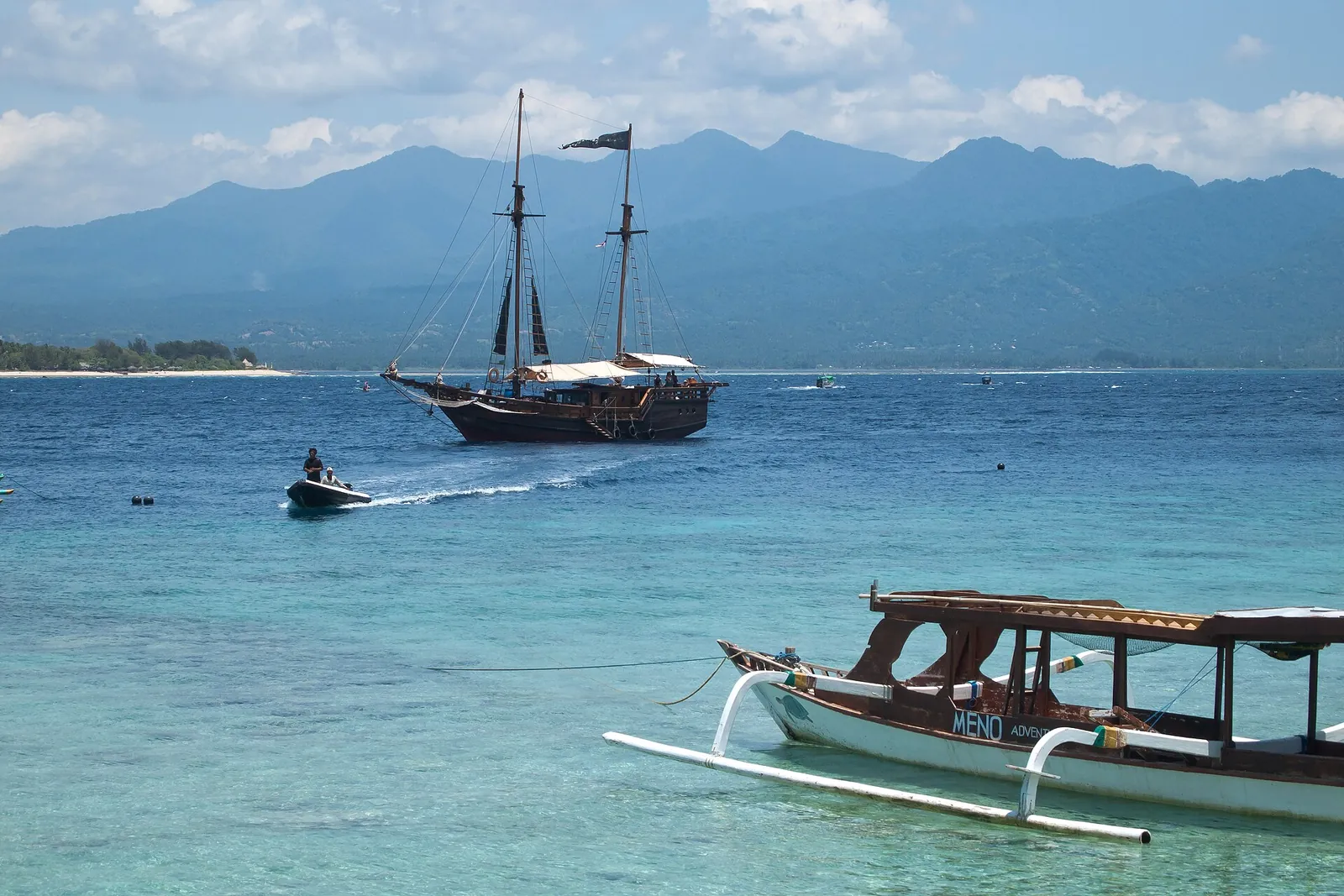
Grab your snorkel and dive in: join a snorkelling trip around the three Gilis to explore the reefs between the islands. Choose an operator that gives a safety briefing, provides life jackets and keeps a lookout boat with swimmers.
Afternoon
Hop over to Gili Meno for a quiet afternoon on the beach, or to Gili Air for more of a village feel. Check the last return boat time at the harbour before you go.
Evening
Enjoy a last seafood dinner by the water. Only drink from sealed, branded bottles (see Heads-up).
Day 10: Back to Bali and home
Morning
Time for one last sparkling crossing: take a morning boat back to Bali. Rough seas can delay or cancel sailings, so book an evening flight home or, better still, add a buffer night in Sanur or near the airport.
Afternoon
Get to I Gusti Ngurah Rai International Airport by licensed taxi or ride-hailing car. If you have time, a last swim or spa session in Sanur is a lovely way to finish.
Evening
Fly home with sandy feet and a camera roll full of temples, terraces and turquoise water.
Getting there and getting around
Arriving: Bali’s I Gusti Ngurah Rai International Airport is the gateway. Everyone arriving at an Indonesian international airport must complete an arrival card and customs declaration on the official All Indonesia system (allindonesia.imigrasi.go.id).
Airport to your hotel: Smartraveller advises using official, licensed taxis with a running meter, or ride-hailing apps that track your ride. The U.S. State Department names Bluebird taxis, Grab and Gojek as widely used services. Fares depend on distance and demand, so check the current price in the app or at the official airport taxi counter.
On Bali: For days with several stops (Days 4 and 5), hiring a car with a driver is the easiest choice. If you aren’t used to local roads, Smartraveller suggests hiring a driver who knows them.
Boats: Fast boats connect Sanur with Nusa Penida, and Bali with the Gili Islands. We haven’t listed fares or crossing times because they vary by operator and season. Check each operator’s official site and choose companies that sail from main ports and terminals.
Where to stay
- Bukit Peninsula and Jimbaran (Days 1-2): best for cliff views, surf beaches and easy access to Uluwatu Temple for the Kecak evening.
- Ubud (Days 3-4): the cultural heart, ideal for culture lovers, foodies and anyone who wants rice paddies on the doorstep. Stay centrally and you can walk to the Monkey Forest and the palace area.
- Sanur (Day 5 and the optional buffer night): calm, family-friendly beaches and the obvious base for morning boats to Nusa Penida.
- Gili Trawangan (Days 8-9): the liveliest Gili, with the most places to eat. If you prefer quiet nights, Gili Meno or Gili Air are calmer alternatives.
Budget
Accommodation, meals and drivers vary so much by season and travel style that we don’t quote a daily figure. Check current rates when you book. These are the fixed costs we verified on official sources today:
| Item | Typical cost |
|---|---|
| Bali tourist levy | IDR 150,000 per person, once per trip (about USD 8) |
| Visitor Visa / e-VOA, if your nationality is eligible and needs it | IDR 500,000 (about USD 28) |
| Uluwatu Temple, international adult | IDR 60,000 (about USD 3) |
| Kecak dance at Uluwatu, adult | IDR 150,000 (about USD 8) |
| Sacred Monkey Forest Sanctuary, adult | IDR 130,000 (about USD 7) |
| Jatiluwih rice terraces, foreign adult | IDR 75,000 (about USD 4) |
| Tirta Empul, Tanah Lot, Nusa Penida levy | Check at the gate or with the official office |
| Fast boats | Check the operator’s official site |
The verified sightseeing fees and levy add up to IDR 565,000 per adult (about USD 31), before any visa. Not included: flights, travel insurance, accommodation, food and drink, drivers, boat tickets, tours, parking and tips.
Practical tips
- Dress for temples: cover your shoulders and knees. At Uluwatu, a sarong and sash come with your ticket. Smartraveller notes that dress and behaviour standards are conservative in many parts of Indonesia. It asks visitors to respect offerings and ceremonies and not to climb sacred trees.
- Read the rules: Smartraveller recommends reading the Bali Provincial Government’s official “Do’s and Don’ts” before you travel. Breaking local customs and laws can lead to criminal penalties or deportation.
- Nyepi: on the Balinese Day of Silence everyone has to stay indoors, and airports, seaports and tourist sites close. In 2026 it ran from 6:00 on 19 March to 6:00 on 20 March. If you’re travelling in March, check the date.
- Money: only exchange money at banks or authorised money changers. Most places accept credit cards, but carry small notes for temple booths. To reduce the risk of card skimming, use ATMs at bank branches.
- Power: most sockets are type C and F at 230 V, 50 Hz, so bring an adapter if your plugs are different.
- SIM or eSIM: set up an eSIM before you leave or buy a SIM from an official operator outlet, so your maps and ride-hailing apps keep working. Make sure your phone is unlocked.
- Emergency numbers: police 110 or 112, ambulance 118, medical emergencies 119. Smartraveller lists the Bali Tourist Police on (+0361) 759 687.
Heads-up
Bali and the islands are a joy, and a little awareness keeps it that way. These points come from official government travel advice:
- Methanol and drink spiking: people have died or become seriously ill from drinks containing methanol, including arak. Stick to sealed, branded drinks at licensed venues and never leave a drink unattended. The U.S. State Department reports drink spiking in Bali, Lombok and the Gili Islands.
- Rabies and monkeys: rabies is present throughout Indonesia and is spread mainly by dogs, cats and monkeys. Don’t feed or touch animals. If one bites or scratches you, get medical help urgently. Ask your doctor about vaccination before you travel.
- Rough seas and rip currents: people have drowned at popular beaches in Bali, Lombok and the Gilis. Swim at beaches with lifeguards and follow local warnings.
- Boat safety: some operators may be unlicensed or may not meet international safety standards, especially away from the main ports. Boats can be overcrowded or short of life vests, so check before you board.
- Scooters: motorbike accidents have killed and injured tourists in Bali, Lombok and the Gilis, and the rider is often assumed to be at fault. We don’t recommend riding unless you’re experienced and fully insured. Always wear a helmet.
- Unlicensed taxis: stick to official metered taxis or ride-hailing apps that track your trip.
- Money scams: unauthorised money changers and card-game gambling scams have targeted tourists in Bali. Gambling is illegal in Indonesia.
- Levy look-alikes: only pay the tourist levy through the official Love Bali portal (lovebali.baliprov.go.id) or at the counters at the airport and Benoa port.
- Volcanoes: many of Indonesia’s volcanoes are active. If you add a volcano trek, go with a guide and check alerts on Indonesia’s official MAGMA volcano portal.
FAQ
Do I need a visa for Bali?
It depends on your nationality, so check the official eVisa portal (evisa.imigrasi.go.id) before you book. For eligible nationalities, the Visitor Visa costs IDR 500,000 and allows a 30-day stay. Overstaying can mean fines of IDR 1,000,000 per day, detention or deportation.
Do I pay the Bali tourist levy again after visiting the Gilis?
According to the Love Bali FAQ, you pay the IDR 150,000 levy once while travelling in Bali, before you leave Indonesia. Pay online before you fly and keep the QR voucher handy. Nusa Penida’s local levy is separate.
When is the best time to go?
Indonesia’s tourism ministry says Bali’s dry season usually runs from April to October and the wet season from November to March. Seasons are becoming less predictable, though.
Is the Kecak dance included in the Uluwatu Temple ticket?
No, they’re separate tickets: IDR 60,000 for the temple and IDR 150,000 for the dance (international adults). To explore the temple and watch the show, you need both.
Can I pre-book tickets?
Jatiluwih sells tickets on its official website. For Uluwatu, the official site points you to its ticket booths and advises arriving before 17:00 for the Kecak. Monkey Forest tickets are sold in the entrance lobby. Always book boats in advance with the operator.
Is 10 days enough for all three areas?
Yes, at a comfortable pace. For more beach time, add a night on the Gilis or a buffer night in Sanur before your flight.
Sources
Prices, hours and rules change. We checked these on 24 October 2026; please confirm on the official page before you book.
- Love Bali (Bali Provincial Government): Tourist Levy
- Love Bali: Frequently Asked Questions
- The Official eVisa Website for Indonesia: Visitor Visa General Information
- All Indonesia (Directorate General of Immigration)
- Uluwatu Temple (official site): Temple Ticket and Kecak Ticket Are Different
- Sacred Monkey Forest Sanctuary Ubud: Opening Hours and Maps
- Jatiluwih Rice Terrace (official site)
- Smartraveller (Australian Government): Indonesia Travel Advice
- U.S. Department of State: Indonesia Travel Advisory
- Indonesia Travel (Ministry of Tourism): Weather, Climate and Seasons
- Indonesia Travel (Ministry of Tourism): Bali Vacation in Mind? Get Informed of the Latest Regulations
- Indonesia Travel (Ministry of Tourism): Currency
- Indonesia Travel (Ministry of Tourism): Plugs and Electricity
Photo credits (12)
- Green Jatiluwih rice terraces below Bali's volcanic peaks: Imacim, CC BY-SA 4.0, via Wikimedia Commons
- Fishing boats at sunset off Jimbaran: GeoffClarke, CC BY-SA 3.0, via Wikimedia Commons
- Uluwatu's sheer green cliffs above the Indian Ocean: Emma THERY, CC BY-SA 4.0, via Wikimedia Commons
- Kecak dancers performing at the clifftop stage in Uluwatu: Unknown, CC BY-SA 3.0, via Wikimedia Commons
- Mossy dragon bridge in Ubud's Sacred Monkey Forest: Philip Nalangan, CC BY 4.0, via Wikimedia Commons
- Palm-dotted rice terraces in the hills north of Ubud: Philip Nalangan, CC BY 4.0, via Wikimedia Commons
- Bright green paddies and palms at Jatiluwih: Jorge Franganillo, CC BY 2.0, via Wikimedia Commons
- Boats anchored in a turquoise bay on Nusa Penida: Magul, CC BY-SA 4.0, via Wikimedia Commons
- Kelingking's T-Rex headland above a white sand beach: Chainwit., CC BY 4.0, via Wikimedia Commons
- Soft white sand and clear water on Gili Trawangan: Midori, CC BY 3.0, via Wikimedia Commons
- Turquoise water and boats off Gili Meno: Vyacheslav Argenberg, CC BY 4.0, via Wikimedia Commons
- Balinese pork satay with rice on a banana leaf: Gunawan Kartapranata, CC BY-SA 4.0, via Wikimedia Commons
This is a researched plan, not a personal trip report. How we research · Affiliate disclosure