
5 Days in Bali: Ubud and the South Coast, Day by Day
A 5-day Bali plan: Ubud's forest, temples and rice terraces, then Tanah Lot, Uluwatu's sunset Kecak and a slow last day on the south coast.
- 🗓️ Trip length
- 5 days
- ☀️ Best time
- April to October (dry season)
- 💰 Daily spend
- Verified entry fees IDR 75,000-150,000 a day; rooms, food, drivers extra
- ✅ Facts checked
- 22 October 2026
Get ready for a wonderful first taste of Bali! Five days is a great length if you split it in two: the green, temple-filled hills around Ubud for the first half, then the beaches, cliffs and sunsets of the south coast. This plan suits couples, friends and families who want culture and scenery without changing hotels every night. You move base once, on Day 3.
The pace is relaxed, so you have time to soak it all in. Bali is not a walking destination outside small pockets like central Ubud, so most days use a hired driver or ride-hailing car for the longer hops, with one or two main sights per half-day. Mornings start early, when temples and terraces are cooler and calmer.
At a glance
| Day | Base / area | Highlights |
|---|---|---|
| 1 | Central Ubud | Sacred Monkey Forest, Ubud Palace area, market streets, Campuhan Ridge walk |
| 2 | North and east of Ubud | Rice terraces, a water temple, a traditional dance evening |
| 3 | Move to the south coast | Last Ubud morning, transfer, Tanah Lot at sunset |
| 4 | Bukit Peninsula | Cliff beaches, Uluwatu Temple, sunset Kecak dance |
| 5 | South coast | Easy beach morning, shopping, departure |
Before you go: the Bali tourist levy
Bali charges international visitors a one-off Foreign Tourist Levy of IDR 150,000 per person, paid once per visit to Bali. It took effect on 14 February 2024, and according to the Bali Provincial Government’s official Love Bali brochure, its current legal basis includes Bali Province Regional Regulation No. 2 of 2025 and Bali Governor Regulation No. 25 of 2025. The brochure “strongly suggests” paying before you travel.
Pay only through the official Love Bali portal at lovebali.baliprov.go.id (run by the provincial government). Keep the confirmation you receive with your travel documents. If the portal is under maintenance when you try, wait and try again later rather than using an unofficial site that adds a fee. Exemptions exist for some visa and permit holders; check the official portal’s FAQ to see whether one applies to you.
This levy is separate from your visa or visa on arrival and from the free arrival declaration. See Practical tips below.
Day 1: Ubud’s forest, palace and ridge
Morning
Welcome to Bali! Land, clear immigration and head straight up to Ubud, where the fun begins. If you arrive on an overnight flight, check in, drop your bags and start slowly. Traffic between the airport and Ubud can be heavy, so check live journey times in a maps app before you set a pickup time.
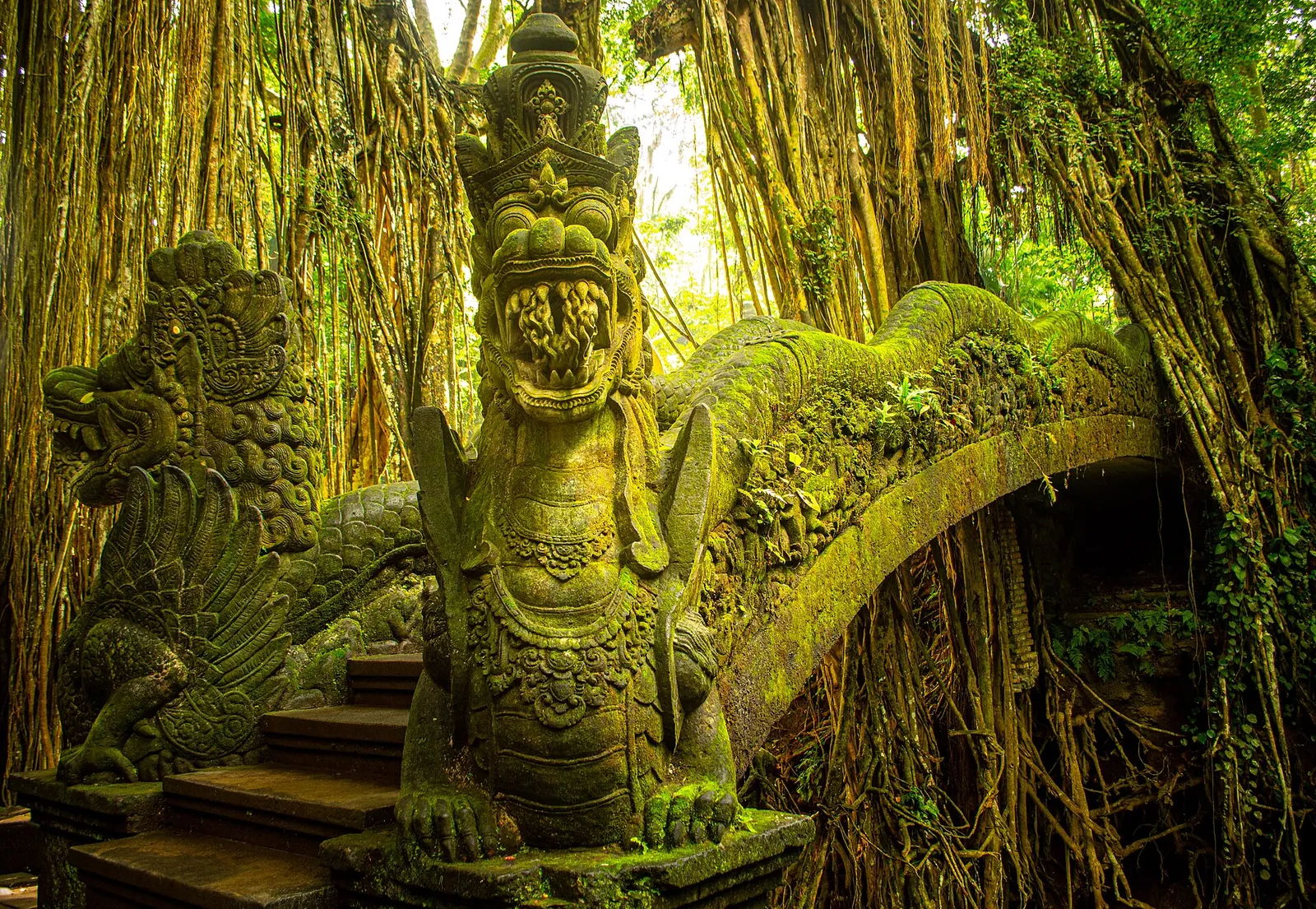
Begin at the Sacred Monkey Forest Sanctuary at the southern end of central Ubud. It is a forest of temples, mossy statues and long-tailed macaques. The sanctuary’s official site lists opening hours of 9am to 6pm with last entry at 5pm, and entry at IDR 130,000 for adults and IDR 100,000 for children. Tickets can be booked through the official website.
Follow the official rules closely: no food or drinks, no plastic bags (lockers are available in the lobby), don’t touch or pick up the monkeys, keep jewellery and small items out of sight, and avoid staring into a monkey’s eyes. If a monkey jumps on you, the sanctuary’s advice is to stay calm, stand up and walk away slowly. There is a first aid clinic on site if you are scratched or bitten.
Afternoon
Walk north from the forest along Monkey Forest Road into the heart of Ubud. This is one of the few stretches of Bali that is pleasant on foot, lined with cafés, craft shops and small galleries. At the top you reach the Ubud Palace area and the traditional market streets around it.
Evening
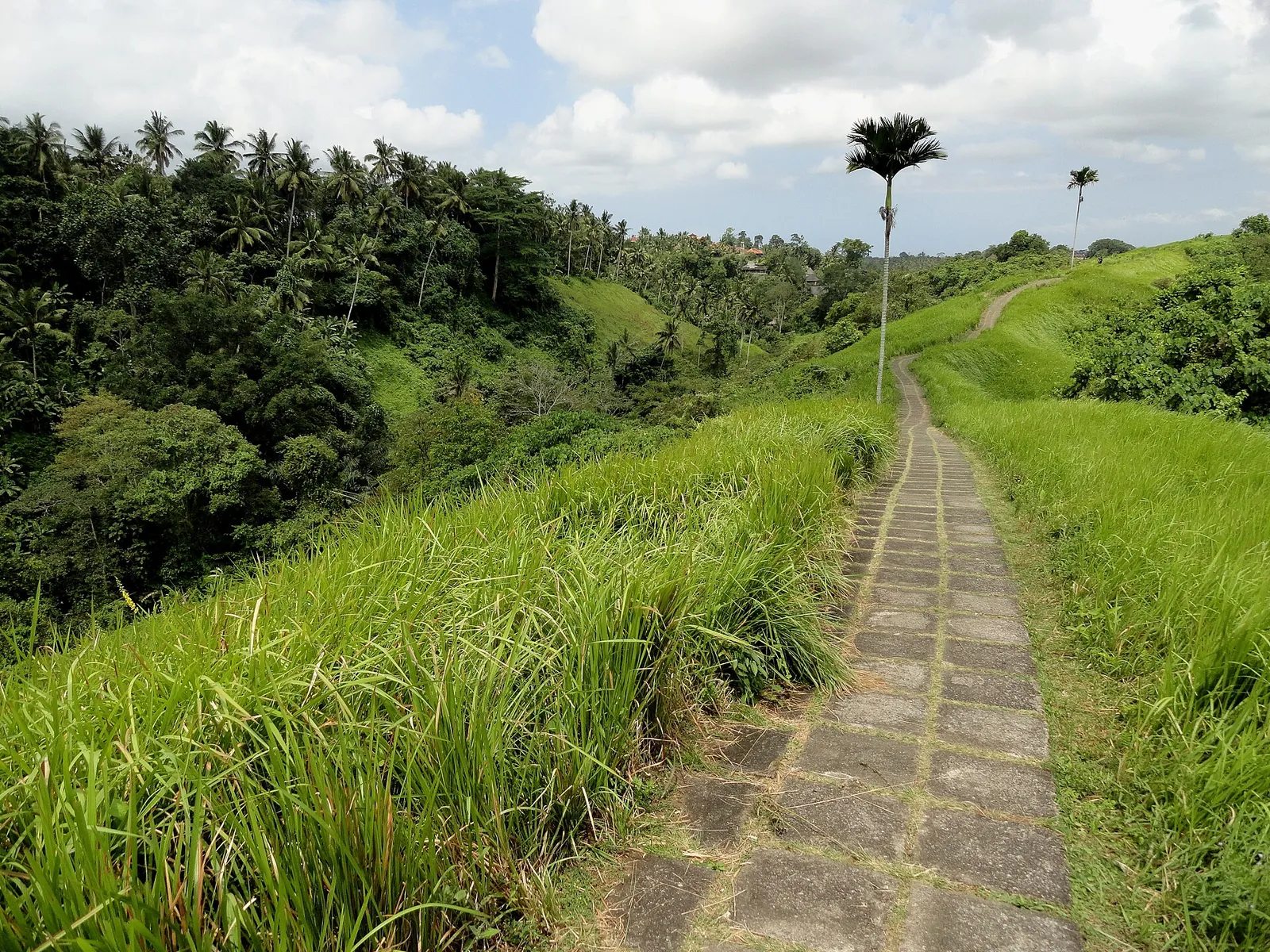
Around an hour before sunset, walk out to the Campuhan Ridge Walk on Ubud’s western edge. It is a paved path along a grassy ridge between two river valleys. Carry water and head back before dark.
Dinner in central Ubud.
Day 2: Rice terraces, a water temple and a dance
Morning
This is the day for Bali’s famous green views and sacred springs! Today is a driver day. Book a car and driver through your accommodation the evening before and agree the route and price in advance.
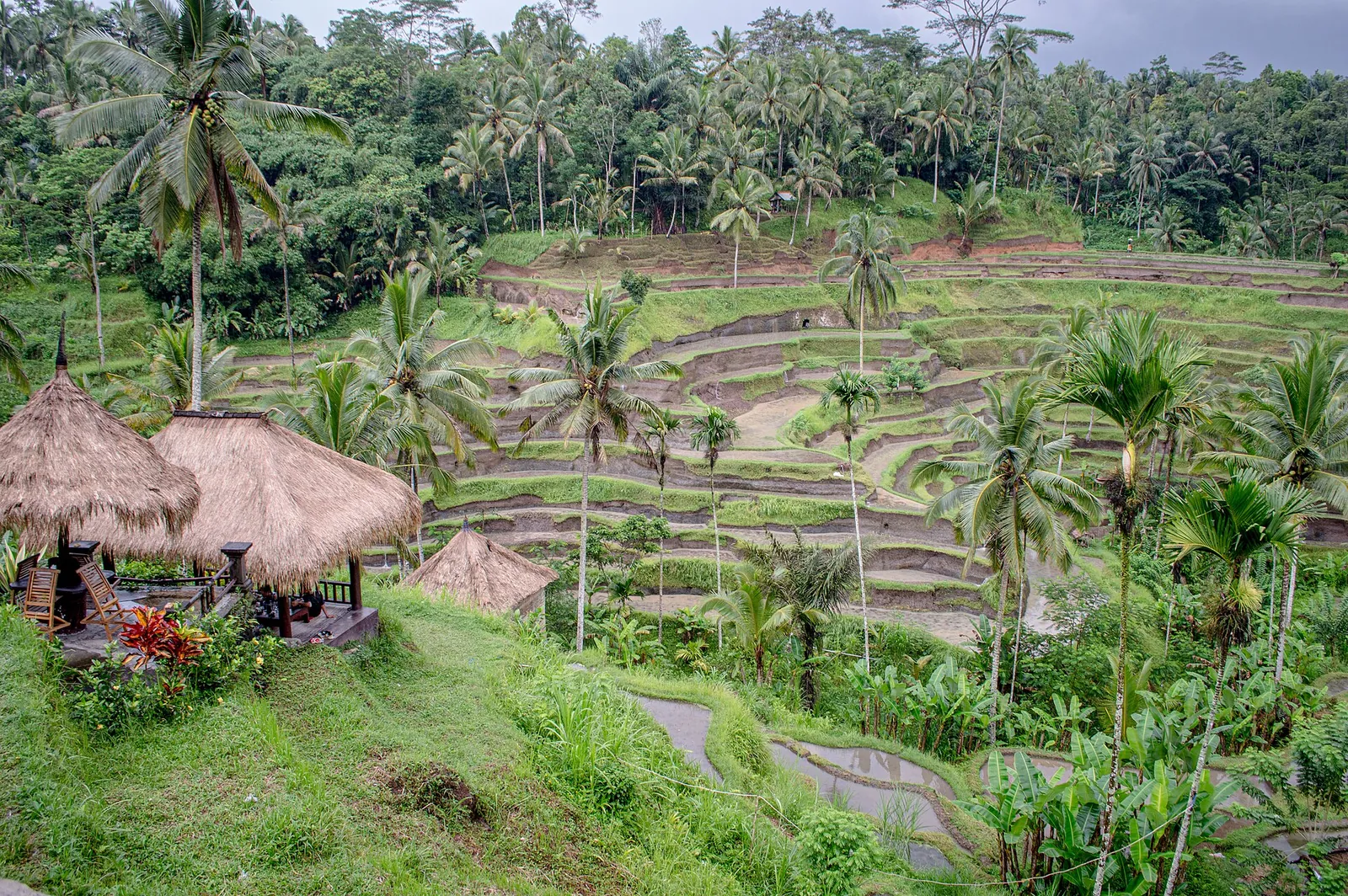
Leave early and head north to the Tegallalang rice terraces, the famous stepped paddies carved into a valley. Arriving early means fewer crowds and better light. There are paths down into the terraces; wear shoes with grip. Small local fees or donations may be collected; we could not verify an official price, so carry small notes.
Afternoon
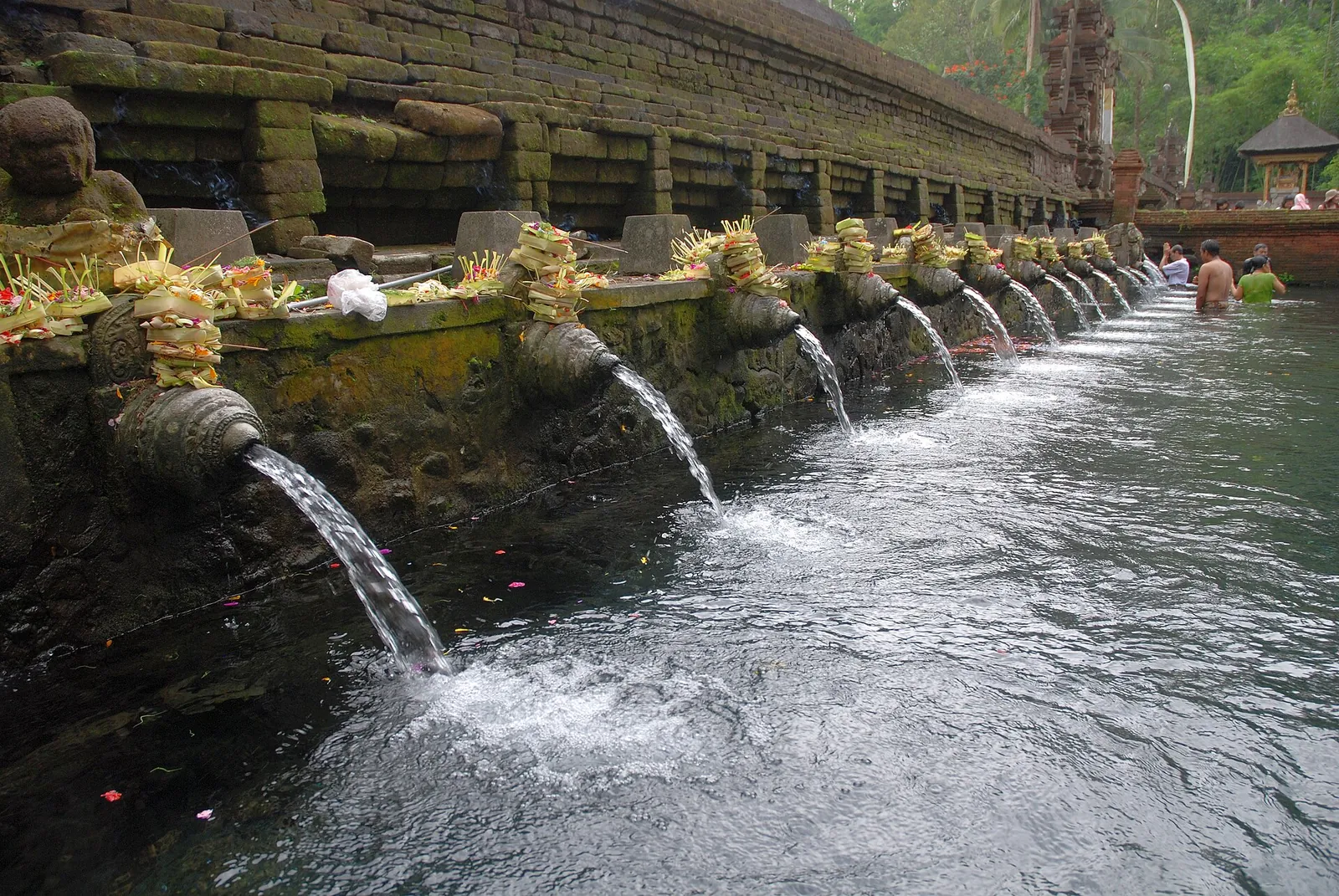
Continue to Tirta Empul, a holy spring temple where Balinese Hindus come to purify themselves in stone pools fed by spring water. Visitors must wear a sarong and sash, which are usually provided at the entrance. If you want to join the purification ritual, a separate bathing sarong is needed, and you should follow the temple’s posted guidance and any instructions from staff. Ticket prices and hours could not be confirmed on an official source today, so check on arrival and bring cash.
On the way back to Ubud, you can add Goa Gajah (the “Elephant Cave”), a temple complex with a carved cave entrance, which sits east of central Ubud and fits naturally into the return drive. Again, check entry details on site.
Evening
Ubud has evening performances of traditional Balinese dance, including Legong and Kecak, at palace and temple stages in and around the town. Programmes change, so ask at your accommodation that day.
Day 3: Ubud to the coast, sunset at Tanah Lot
Morning
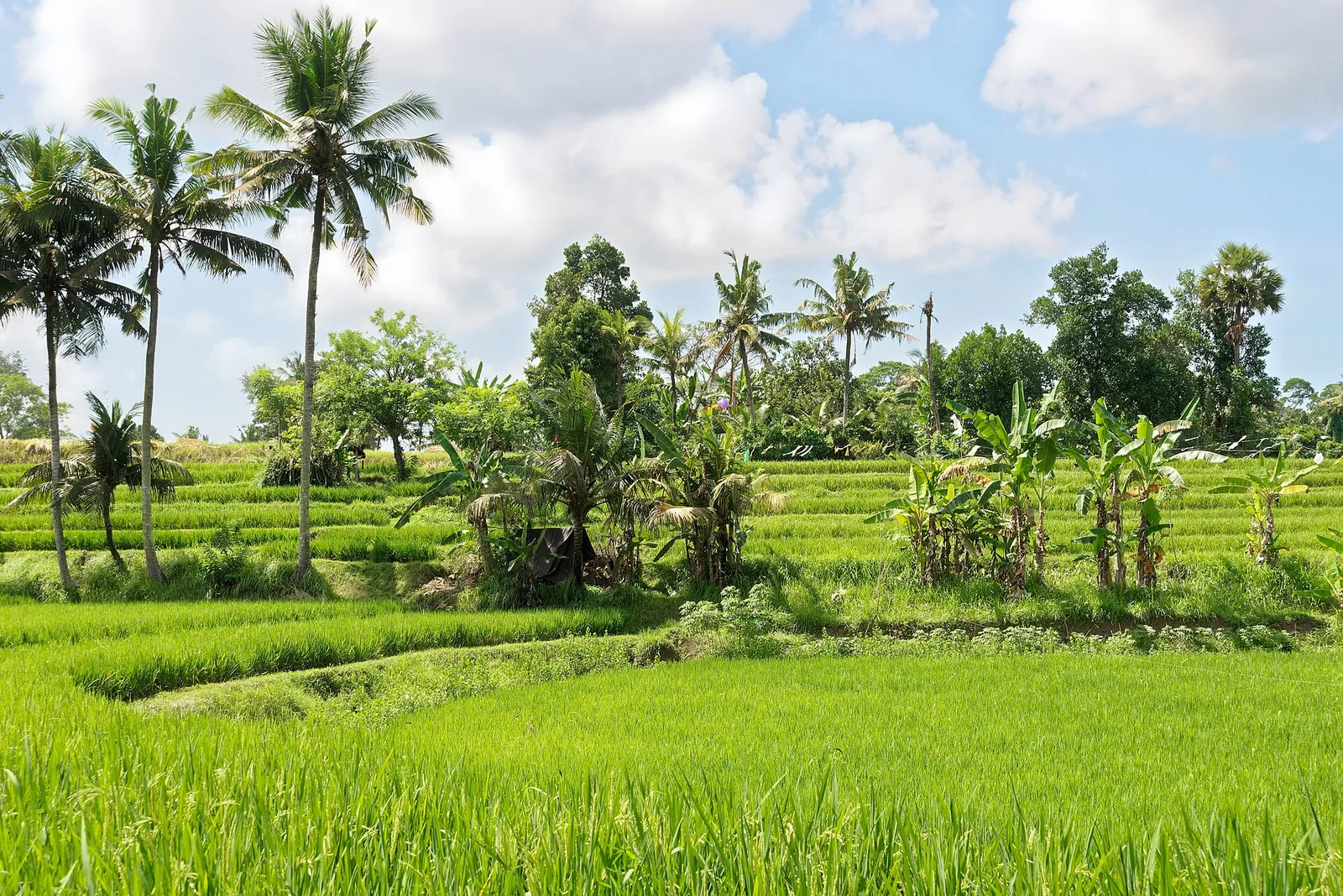
Make the most of your last Ubud morning with something you missed: an early walk through the rice fields close to town, a Balinese cooking class (many include a market visit) or simply a slow breakfast. Check out in late morning.
Afternoon
Transfer to your south coast base. If you are staying in Canggu or Seminyak, Tanah Lot is a sensible stop on the way, as it lies on the west coast to the north-west of those areas. Check live traffic before you leave, and plan to arrive at Tanah Lot in the mid to late afternoon.
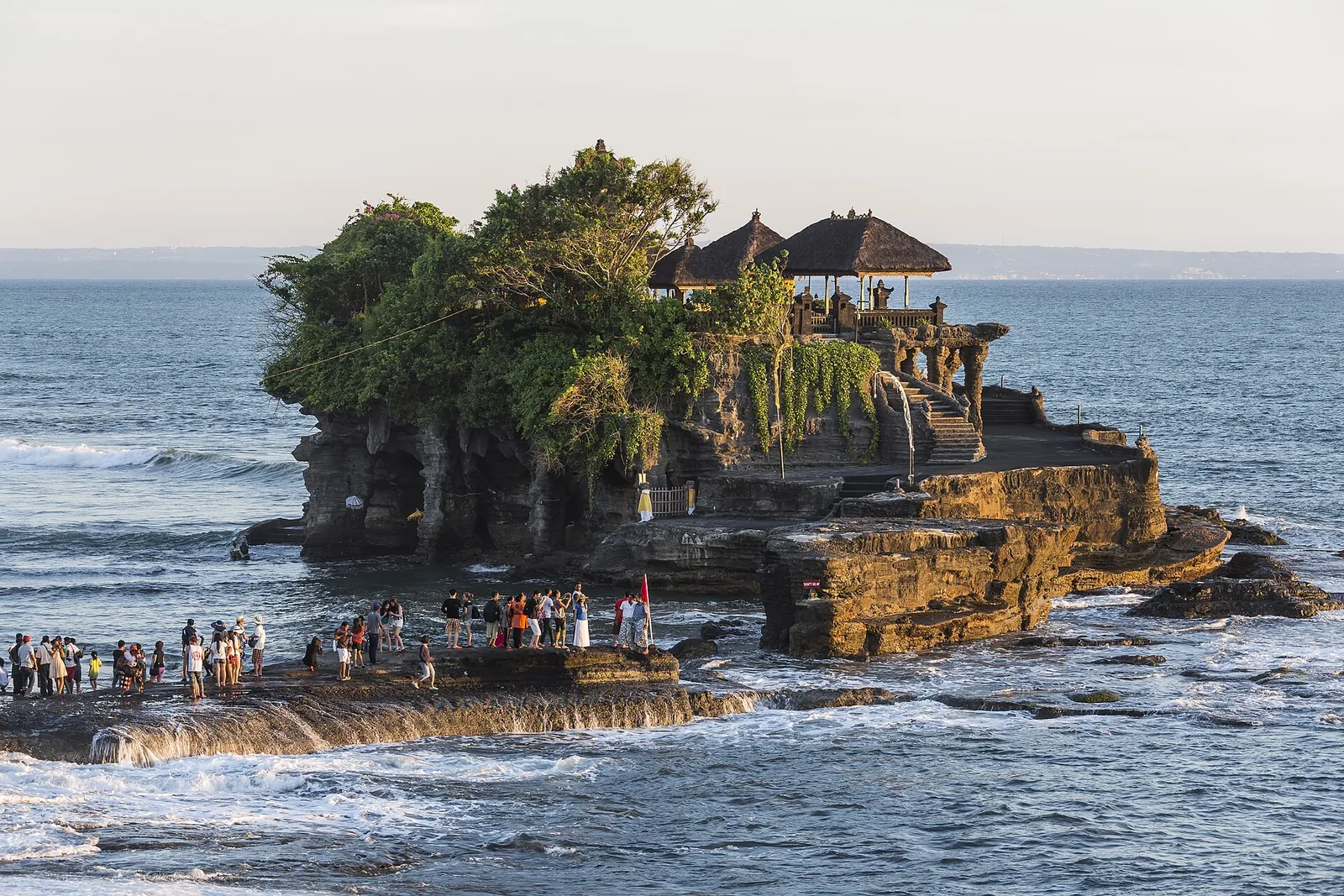
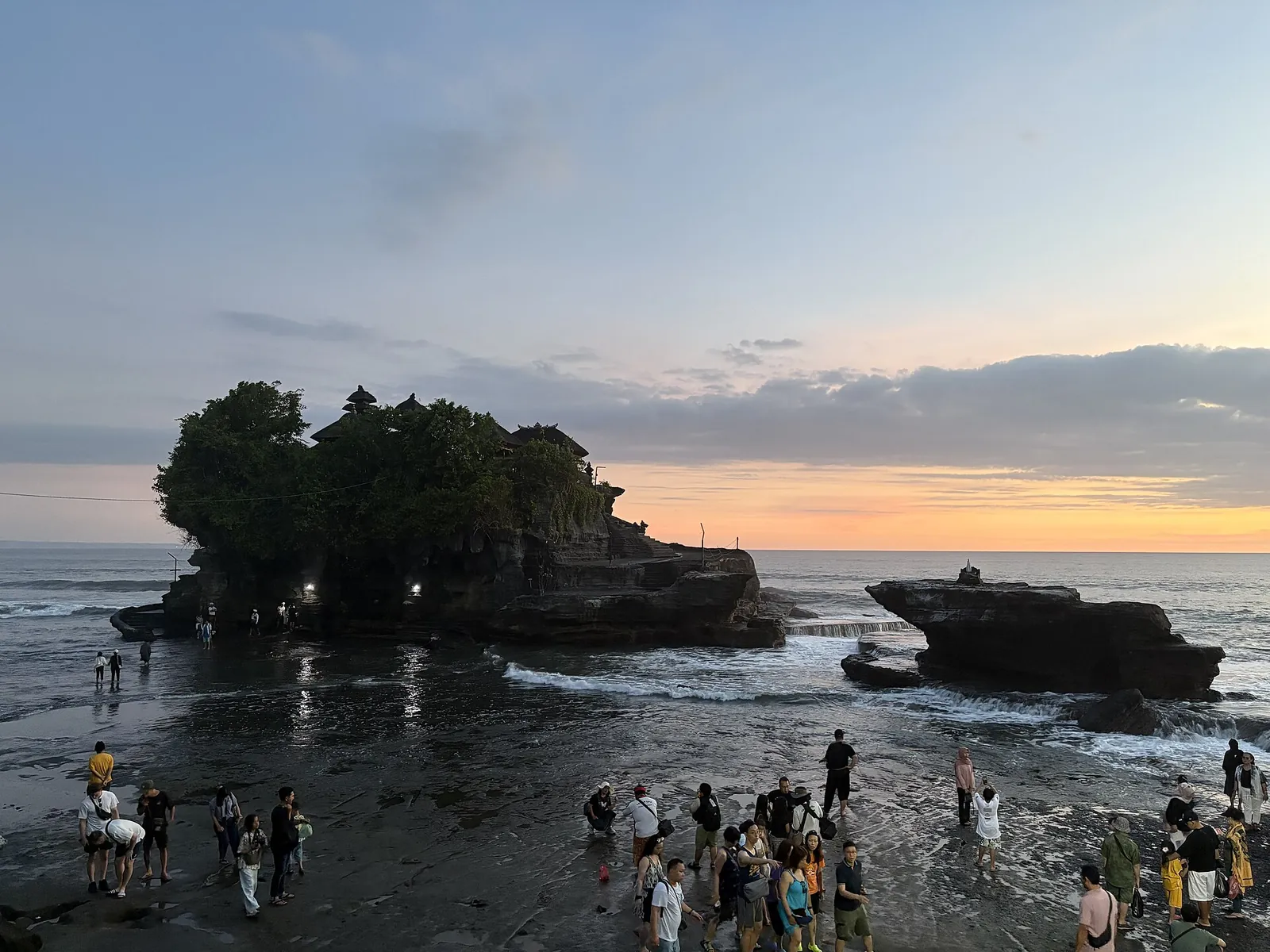
Tanah Lot is a sea temple on a rock just off the shore, one of Bali’s most photographed sights. The official Tanah Lot site lists entry for foreign visitors at IDR 75,000 for adults and IDR 40,000 for children, with separate parking charges (IDR 5,000 for a car, IDR 3,000 for a scooter). The site asks visitors planning photoshoots, drone flights or commercial filming to notify management first. Opening hours are not listed on the official ticket page, so check before you go.
At low tide you can walk closer to the base of the rock, but the inner temple itself is for worship. Respect any barriers and staff instructions.
Evening
Stay for sunset, which is the reason most people come. Crowds are heaviest then, so expect a slow exit from the car park. Continue to your hotel and have a relaxed dinner nearby.
Day 4: The Bukit Peninsula and the Uluwatu Kecak
Morning
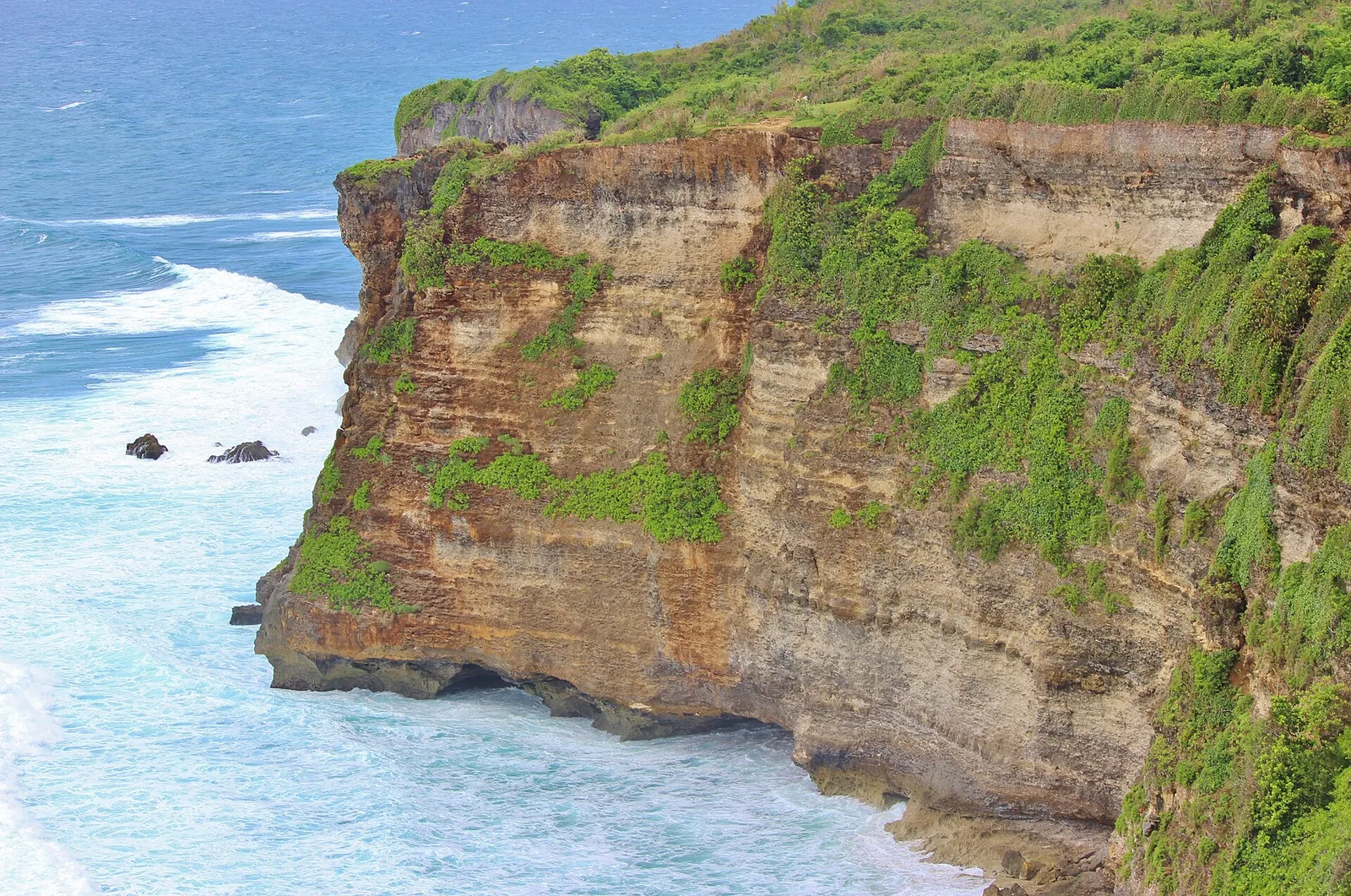
Get ready for cliffs, ocean views and a sunset to remember! Sleep in a little, then head south to the Bukit Peninsula, the limestone headland at Bali’s southern tip. The coast here is a series of cliffs with small beaches tucked below them, reached by steps. Pick one beach for the morning; Labuan Sait is close to the temple, and the Uluwatu Temple’s own site recommends it as a pairing.
Wear sandals that handle steps, and swim only where conditions look safe: surf and currents can be strong here.
Afternoon
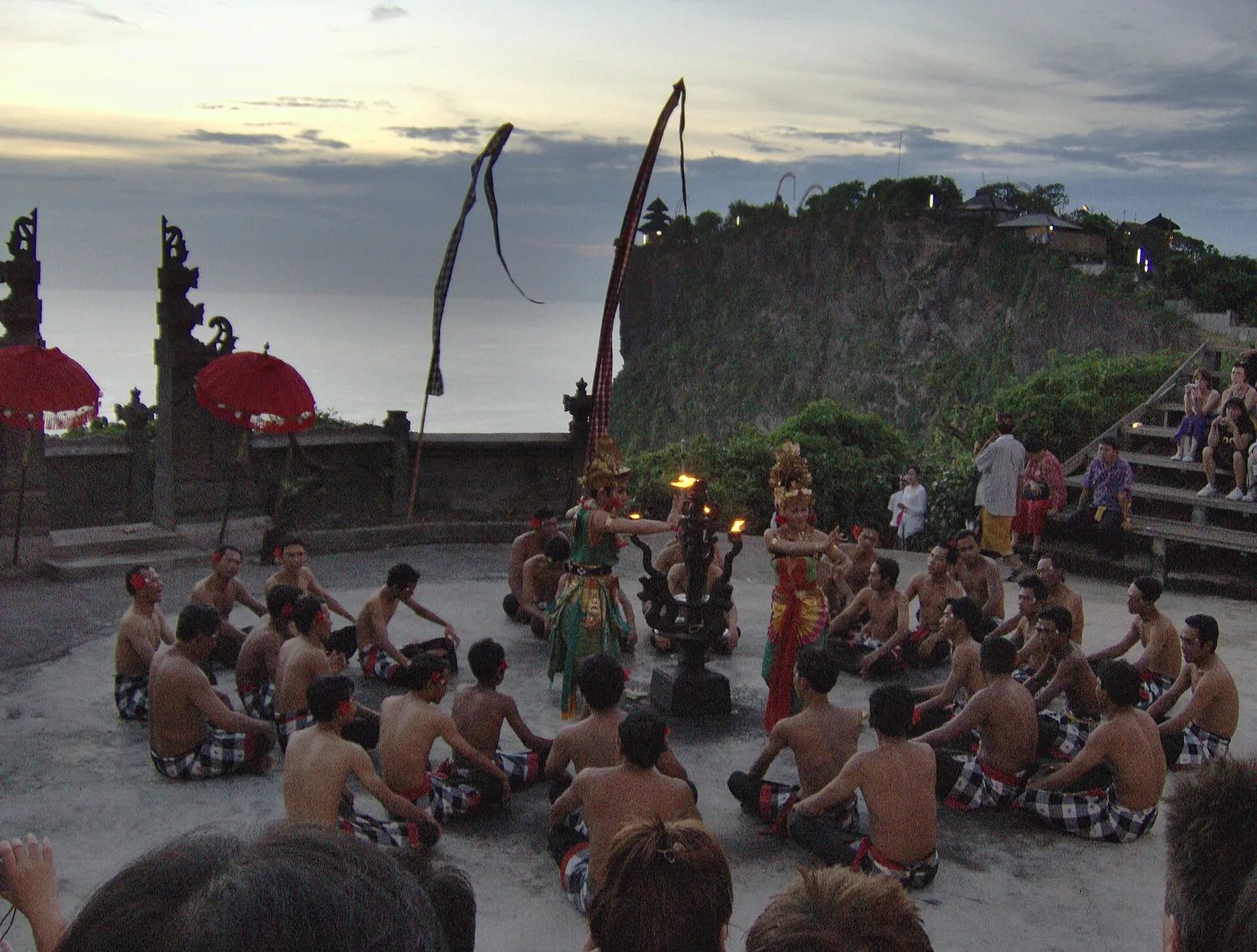
Have lunch near the beach and rest in the heat of the day. Aim to reach Uluwatu Temple by about 4pm. According to the temple’s official site, it is open daily from 7am to 7pm, and the gates for the Kecak dance open at 4pm.
The temple sits on a cliff above the Indian Ocean. Sarongs and sashes are required and provided free at the entrance. The official rules are strict and worth reading: inner temple zones are for worshippers only, don’t sit or climb on the boundary walls by the cliffs, no food or drink in the temple area, and no drones without permission. The temple is also home to monkeys that grab hats, sunglasses, phones and jewellery, so keep everything secured. The site notes that feeding the monkeys should only happen under staff supervision.
The temple’s official pages list two different figures for the entrance ticket, so we have not quoted one here. Check at the ticket booth. Entrance does not include parking or the Kecak show.
Evening
The Kecak Fire Dance is performed in a cliff-top amphitheatre as the sun sets. Per the official site, it runs daily from 6pm to 7pm, and tickets are IDR 150,000 for adults and IDR 75,000 for children (ages 2 to 9). Tickets are sold at the official booth at the temple entrance, payment is generally cash, and shows can sell out in peak seasons. The site advises arriving at least an hour early for good seats, as the stone benches fill up. Bring sunglasses and water, because the setting sun is bright and the amphitheatre is hot.
Afterwards, many visitors head down to Jimbaran Bay for a seafood dinner on the sand, which is on the way back towards the airport side of the island.
Day 5: An easy last day on the coast
Morning
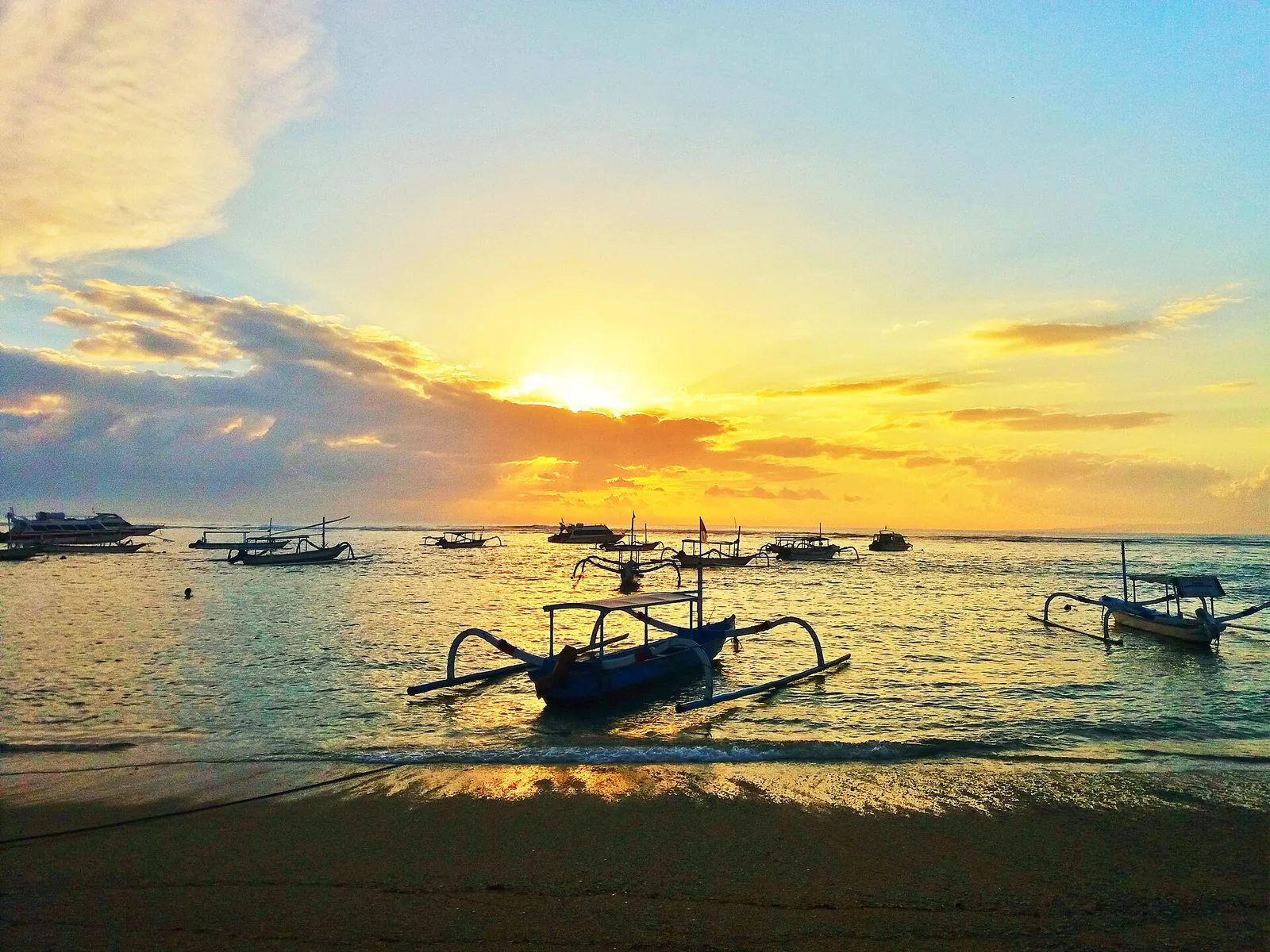
Save your last day for sunshine and sand, and keep it light. Choose a beach close to your base: the long beach in Seminyak or Canggu, or the calmer, reef-protected water at Sanur on the east side of the south. Sanur also has a long beachfront path that is good for an early walk or bike ride.
Afternoon
Do your last shopping. Leave plenty of time to reach the airport: southern Bali traffic is unpredictable, especially in the late afternoon, so check live travel times and add a generous buffer for your flight.
Evening
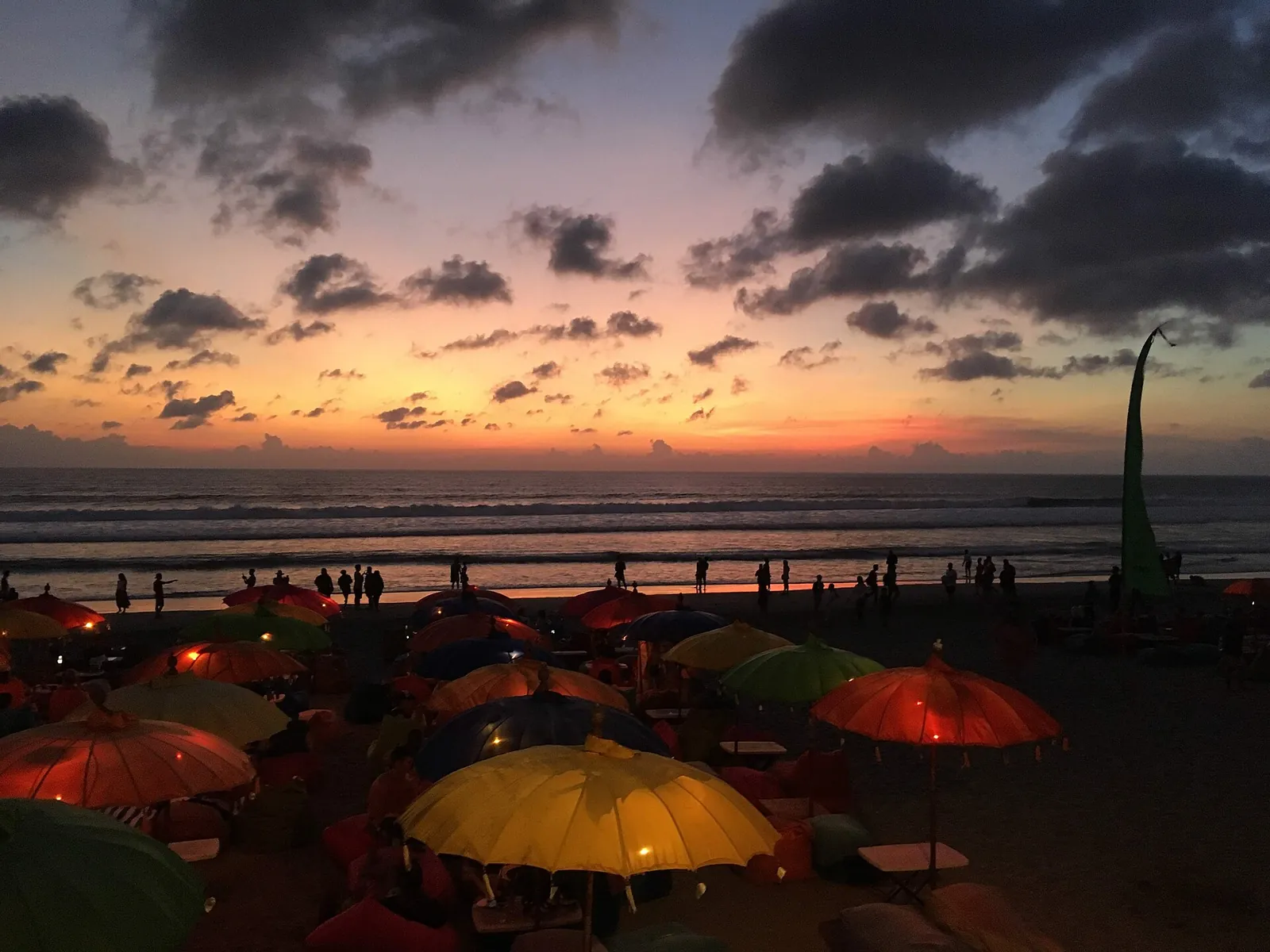
If your flight is late, catch a final west coast sunset before heading to the airport.
Getting there and getting around
Arriving. Bali’s international gateway is I Gusti Ngurah Rai International Airport (DPS), on the narrow isthmus just south of Kuta and north of Jimbaran.
Visa and entry. Entry rules depend on your nationality, and many visitors use a visa on arrival or an e-Visa bought in advance. Check your requirements and apply only on the official Directorate General of Immigration e-Visa portal (evisa.imigrasi.go.id). Indonesia also uses a free online arrival declaration, the All Indonesia card, on the official immigration site (allindonesia.imigrasi.go.id). Avoid third-party sites that charge for either. The Bali tourist levy is paid separately (see above).
Airport to your hotel. Options are pre-arranged hotel pickups, the official airport taxi counters in the arrivals hall, and app-based ride-hailing. We could not verify current official fixed fares today, so confirm the price before you get in the car. Allow extra time for the drive to Ubud, which is inland and further than the beach areas.
Getting around. Bali has no rail network, and public buses do not serve most of the places in this itinerary in a practical way. Most visitors use:
- A car with driver for the day, booked through your hotel or a licensed operator. Agree the route, hours and price in advance. Best for Day 2 and Day 4.
- Ride-hailing apps for point-to-point trips. Prices are shown in the app before you book.
- Walking within central Ubud and along beachfront paths.
If you are not an experienced scooter rider with a valid licence, use a driver.
Where to stay
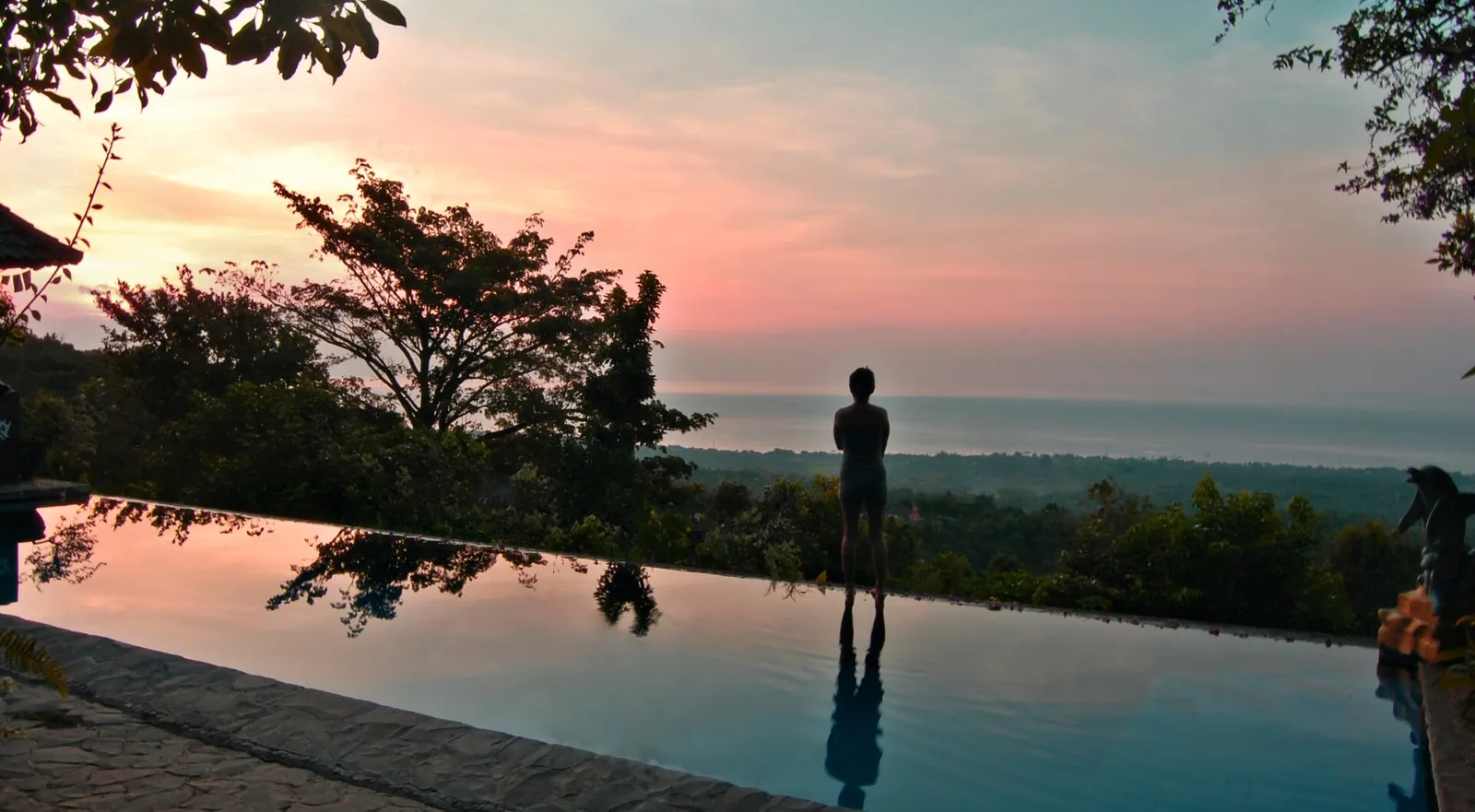
Split your nights: two in Ubud, two on the south coast.
- Ubud (nights 1 and 2). Best for culture, rice field views and evening dance. Stay central to walk everywhere, or on the edges for quiet green views.
- Seminyak (nights 3 and 4). Polished and central for the west coast, with restaurants, shopping and sunset beaches. A good choice for first-timers and couples, and convenient for Tanah Lot.
- Canggu. More relaxed and creative, with surf beaches, cafés and co-working crowds. Also convenient for Tanah Lot, though traffic on its narrow roads can be slow.
- Uluwatu / Bukit Peninsula or Sanur. Uluwatu suits cliff-view lovers; Sanur suits families wanting calmer water.
Budget
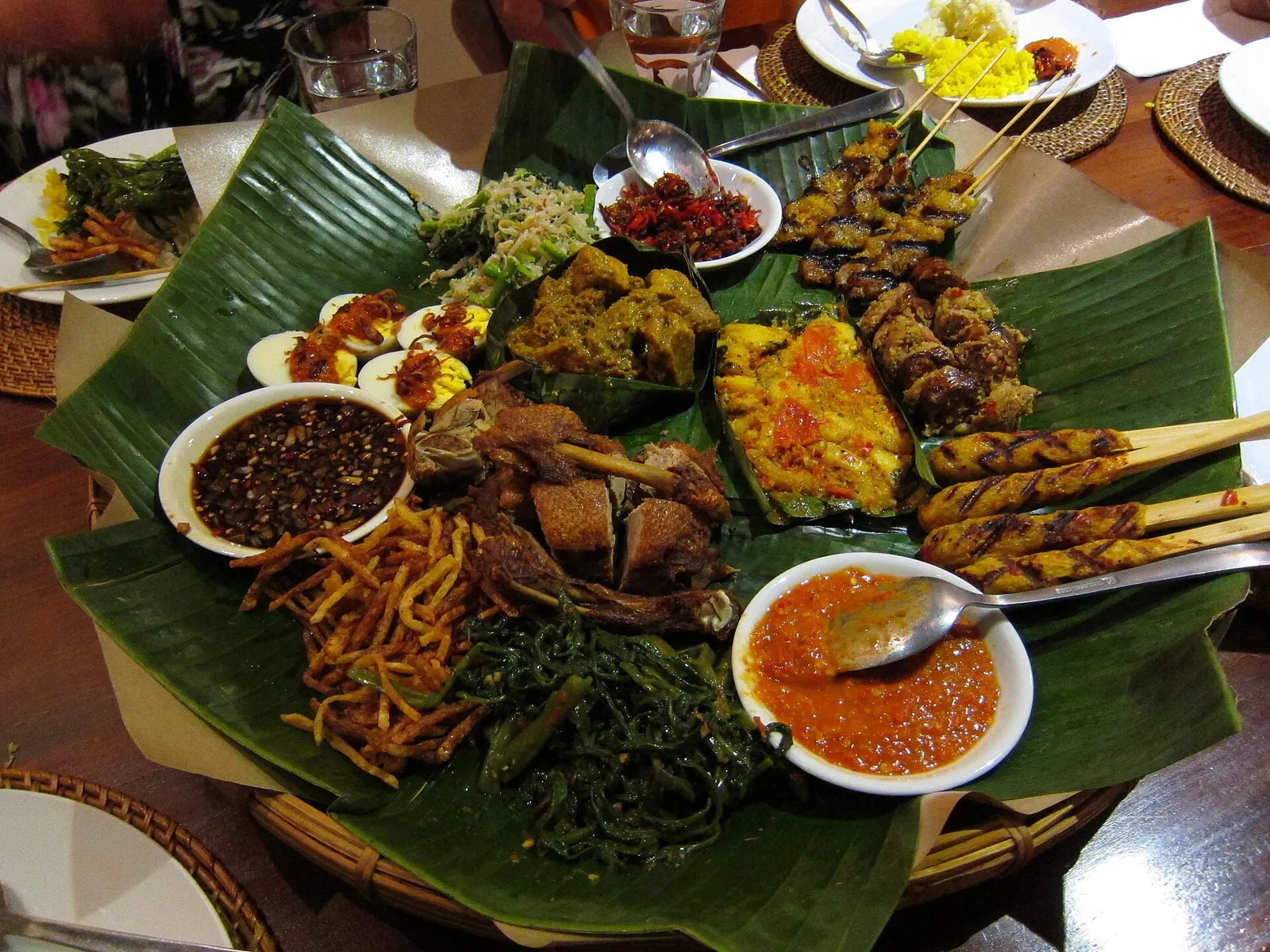
Mid-range costs vary widely in Bali depending on where you stay and how often you hire a driver. We list only fees we could verify on official sources today. Rooms, meals and transport are excluded, so check current rates directly with providers.
| Item | Typical cost |
|---|---|
| Bali Foreign Tourist Levy (once per visit) | IDR 150,000 per person |
| Sacred Monkey Forest Sanctuary, adult / child | IDR 130,000 / IDR 100,000 |
| Tanah Lot entry, foreign adult / child | IDR 75,000 / IDR 40,000 |
| Tanah Lot parking, car / scooter | IDR 5,000 / IDR 3,000 |
| Uluwatu Kecak dance, adult / child (2 to 9) | IDR 150,000 / IDR 75,000 |
| Uluwatu Temple entry | Check at the booth (official site lists conflicting prices) |
| Tirta Empul, Tegallalang, Goa Gajah | Check on site |
| Car and driver for a day | Agree with your hotel or operator |
| Airport transfer | Confirm with the official counter or your hotel |
The daily figure in the summary box covers only the verified entry fees for one adult: IDR 75,000 (Tanah Lot, Day 3), IDR 130,000 (Monkey Forest, Day 1) and IDR 150,000 (Kecak, Day 4), plus any site fees you pay on the spot. Excluded: flights, the levy, accommodation, food, drivers, activities like cooking classes, and tips. Several sites are cash only, so carry Indonesian rupiah in small notes.
Practical tips
- Temple dress. Cover shoulders and knees, and wear a sarong and sash where required. Uluwatu provides them free at the entrance; other temples often lend or rent them. Inner sanctums are for worshippers only.
- Temple customs. Uluwatu’s official rules state that women who are menstruating should not enter the temple area, in line with local customary rules. Don’t climb walls or shrines, and don’t step on offerings (the small palm-leaf baskets left on pavements and doorsteps).
- Monkeys. At both the Monkey Forest and Uluwatu, secure glasses, hats, phones and jewellery, carry no food, and never feed the monkeys yourself.
- Nyepi (Day of Silence). On Bali’s Hindu New Year, the island shuts down for 24 hours: no lights, no traffic, no going out, and the airport suspends regular commercial flights. In 2026 the airport closed from 6am on 19 March to 6am on 20 March. Nyepi moves each year with the Balinese calendar, usually in March, so check the date before booking.
- Money. The currency is the Indonesian rupiah (IDR). Use bank ATMs or authorised money changers, count your cash at the counter, and carry small notes for temples, parking and markets.
- SIM and eSIM. Local SIM cards and travel eSIMs are widely available. Buy from official operator outlets or reputable eSIM providers, and check the operator’s rules on registering foreign phones for longer stays.
- Season. The dry season (roughly April to October) brings the most reliable weather, but also the biggest crowds and highest prices, especially in July and August. The wet season brings heavy afternoon downpours, so plan outdoor sights for the morning.
Heads-up: what to watch out for
Bali is a joy to explore, and a few simple habits keep it that way.
- Use licensed taxis and real app rides. The UK government advises calling only registered taxi companies such as Bluebird, Silverbird or Express, and being wary of drivers on the street who claim to work for a ride-hailing app. Easy to avoid: book inside the app and check the car and plate before you get in.
- Change money at licensed exchanges. Unlicensed money changers may short-change you, and card fraud is common. Good to know: use bank ATMs or licensed exchanges, count your cash at the counter, and keep your card in sight when you pay.
- Agree spa and tattoo prices first. UK travel advice reports a rise in scams at tattoo parlours, nail salons and spas in Bali. Choose a well-reviewed place and agree the full price before the treatment starts.
- Watch your drinks. There have been deaths from drinks containing methanol, including drinks bought in licensed bars, shops and hotels in tourist areas, as well as reports of drink spiking. Easy to avoid: stick to sealed, branded bottles, watch your drink being made and never accept drinks from strangers.
- Skip the scooter unless you are licensed. Bali has seen a large rise in moped and motorbike accidents, some fatal, and you need the right licence for any vehicle you ride. We don’t recommend hiring one without a valid licence, a good helmet and travel insurance that covers it; a car with driver is the relaxed alternative.
- Keep your distance from monkeys and dogs. Rabies is present in Bali, where there are many street dogs and monkeys around temples and tourist areas. Don’t feed or touch them, and get medical help straight away if you are bitten or scratched.
- Respect the cliffs and the dress code at Uluwatu. The temple asks visitors not to sit or climb on the boundary walls because the cliffs are steep and dangerous, and a sarong and sash are required (provided free at the entrance).
- Leave anything cannabis-related at home. Drugs carry long prison sentences in Indonesia, and cannabis-based oils, CBD and THC products are illegal, including in a vape. Good to know: check any medicines you bring against the rules before you travel.
FAQ
Is 5 days enough for Bali?
Yes, for a first visit focused on Ubud and the south. You will see the main cultural sights, rice terraces and the best-known sunsets. You won’t have time for the far east, the north coast or the Nusa islands; add two or three days for those.
Do I have to pay the Bali tourist levy?
Most international visitors do. It is IDR 150,000 per person, paid once per visit, and the Bali Provincial Government recommends paying online before you travel via the official Love Bali portal. Check the portal’s FAQ for exemptions.
Should I book the Uluwatu Kecak dance in advance?
According to the official Uluwatu Temple site, tickets are sold at the booth at the temple entrance, and shows can sell out in busy seasons. Arrive at least an hour before the 6pm start. If you book through a third party online, check exactly what is included.
Is Ubud or the beach better as a base?
Use both. Ubud is better for culture and nature, the south coast for beaches and sunsets. Moving once mid-trip saves hours in the car.
Can I get around Bali by public transport?
Not practically for this itinerary. Use a hired car with driver for full-day trips and ride-hailing apps for shorter hops, and walk in central Ubud and along beachfront paths.
Sources
Prices, hours and rules change. We checked these on 22 October 2026; please confirm on the official page before you book.
- Love Bali: Foreign Tourist Levy (Bali Provincial Government brochure)
- Love Bali official levy payment portal
- Sacred Monkey Forest Sanctuary Ubud: Visit
- Sacred Monkey Forest Sanctuary Ubud: Guidelines and FAQ
- Daya Tarik Wisata Tanah Lot: Ticket Price
- Uluwatu Temple official site: Uluwatu Temple
- Uluwatu Temple official site: Uluwatu Kecak Dance
- Antara Bali: 24-hour operational suspension during Nyepi at Bali airport
- Directorate General of Immigration, Republic of Indonesia: e-Visa
- All Indonesia arrival declaration (Directorate General of Immigration)
- UK FCDO travel advice: Indonesia, safety and security
- UK FCDO travel advice: Indonesia, health
- UK FCDO travel advice: Indonesia (full printable guide)
Photo credits (13)
- Pura Tanah Lot temple on its sea rock, Bali: CEphoto, Uwe Aranas, CC BY-SA 3.0, via Wikimedia Commons
- Mossy dragon bridge in Ubud's Sacred Monkey Forest: Philip Nalangan, CC BY 4.0, via Wikimedia Commons
- Paved path along the green Campuhan Ridge, Ubud: Fabio Achilli from Milano, Italy, CC BY 2.0, via Wikimedia Commons
- Palm-fringed Tegallalang rice terraces north of Ubud: Philip Nalangan, CC BY 4.0, via Wikimedia Commons
- Holy spring water spouts at Pura Tirta Empul: Tigerente, CC BY-SA 4.0, via Wikimedia Commons
- Bright green rice fields near Ubud under blue sky: Jakub Hałun, CC BY-SA 4.0, via Wikimedia Commons
- Golden sunset glow behind Tanah Lot temple: Chainwit., CC BY 4.0, via Wikimedia Commons
- Green-topped limestone cliffs at Uluwatu above turquoise sea: Michelle Maria, CC BY 3.0, via Wikimedia Commons
- Kecak dancers in the cliff-top amphitheatre at Uluwatu: Unknown, CC BY-SA 3.0, via Wikimedia Commons
- Sunrise over fishing boats on Sanur Beach: Danangtrihartanto, CC BY-SA 4.0, via Wikimedia Commons
- Colourful beach umbrellas at sunset on Seminyak Beach: Christophe95, CC BY-SA 4.0, via Wikimedia Commons
- Infinity pool glowing pink at dusk in Bali: Bali Real Estate, CC0, via Wikimedia Commons
- A spread of Balinese dishes on banana leaves: Yun Huang Yong, CC BY 2.0, via Wikimedia Commons
This is a researched plan, not a personal trip report. How we research · Affiliate disclosure