
3 Days in Barcelona: A Day-by-Day Itinerary
A 3-day Barcelona plan: Gothic Quarter and El Born, Sagrada Família and Passeig de Gràcia, Park Güell and Montjuïc, with verified 2026 tickets and fares.
- 🗓️ Trip length
- 3 days
- ☀️ Best time
- April to June and September to October
- 💰 Daily spend
- EUR 30-70 for sights and transport (about USD 35-80), plus hotel and meals
- ✅ Facts checked
- 22 October 2026
Get ready for one of Europe’s happiest cities: Gaudí’s wildly imaginative buildings, a medieval old town full of tiny squares, a sandy city beach and a hill crowned with museums and gardens. Barcelona rewards curious walkers, and three days are just right to see the headline sights, eat very well and still sit by the sea at sunset.
This plan suits first-time visitors who want a balanced pace: one or two timed tickets each morning, a walkable neighbourhood in the afternoon and a relaxed evening. Day 1 explores the old town and the waterfront, Day 2 is all about Gaudí in the Eixample, and Day 3 climbs to Park Güell before crossing the city to Montjuïc. Book the timed tickets for Days 2 and 3 before you fly.
At a glance
| Day | Area | Highlights |
|---|---|---|
| 1 | Ciutat Vella and the seafront | La Boqueria market, Barcelona Cathedral, Museu Picasso, El Born, Barceloneta beach |
| 2 | Eixample | Sagrada Família, Passeig de Gràcia, Casa Batlló or La Pedrera, an evening in Gràcia |
| 3 | Park Güell and Montjuïc | Gaudí’s park, funicular up Montjuïc, MNAC, the Magic Fountain |
Day 1: The Gothic Quarter, El Born and the sea
Morning
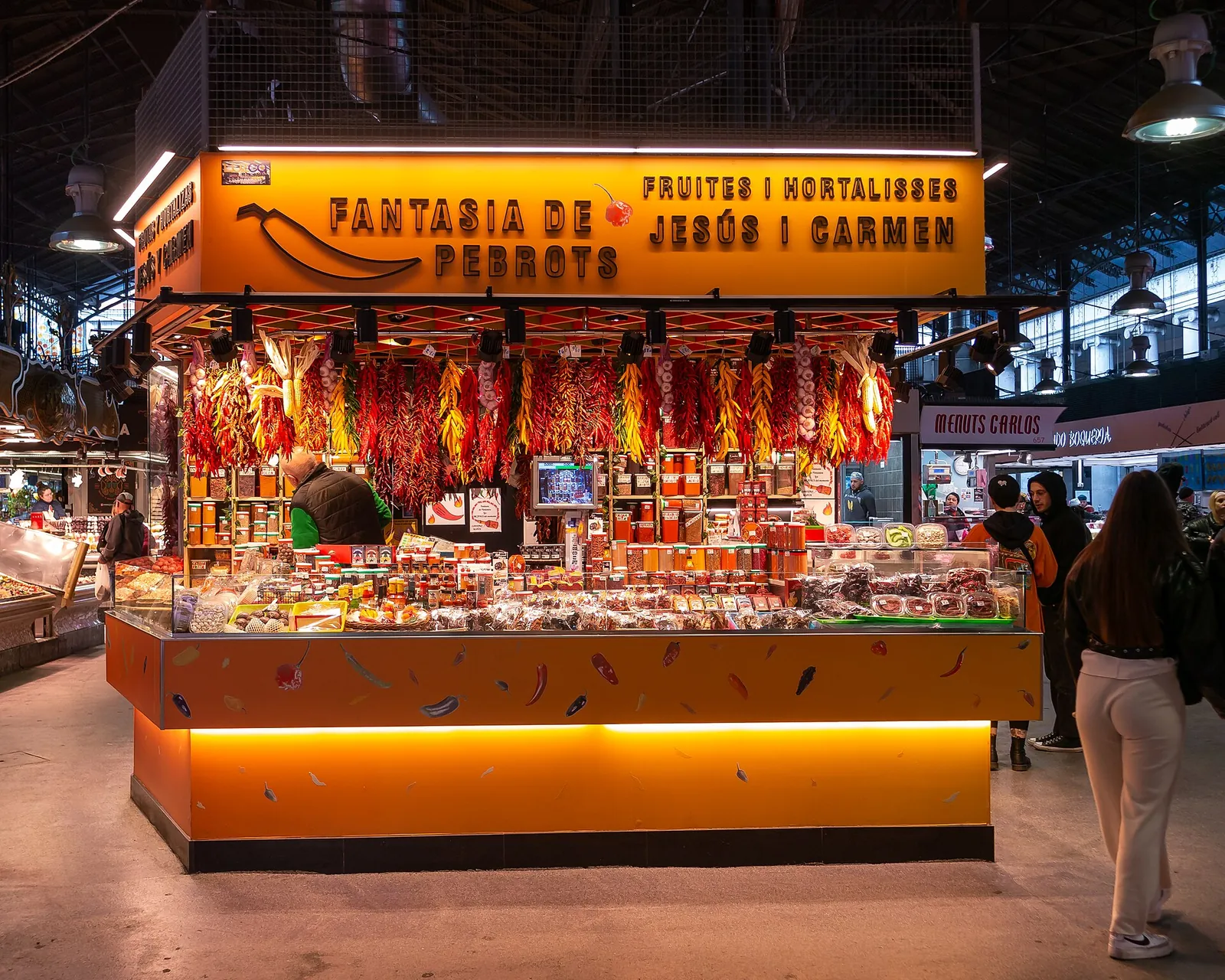
Start your Barcelona adventure with a feast for the eyes at La Boqueria, the city’s most famous food market on La Rambla. The City Council lists it as open Monday to Saturday from 08:00 to 20:30, so it is closed on most Sundays (it opens on a few December Sundays). Arrive early, when the fruit, ham and seafood stalls are at their most colourful and the aisles are calmer. Individual stalls keep their own hours.
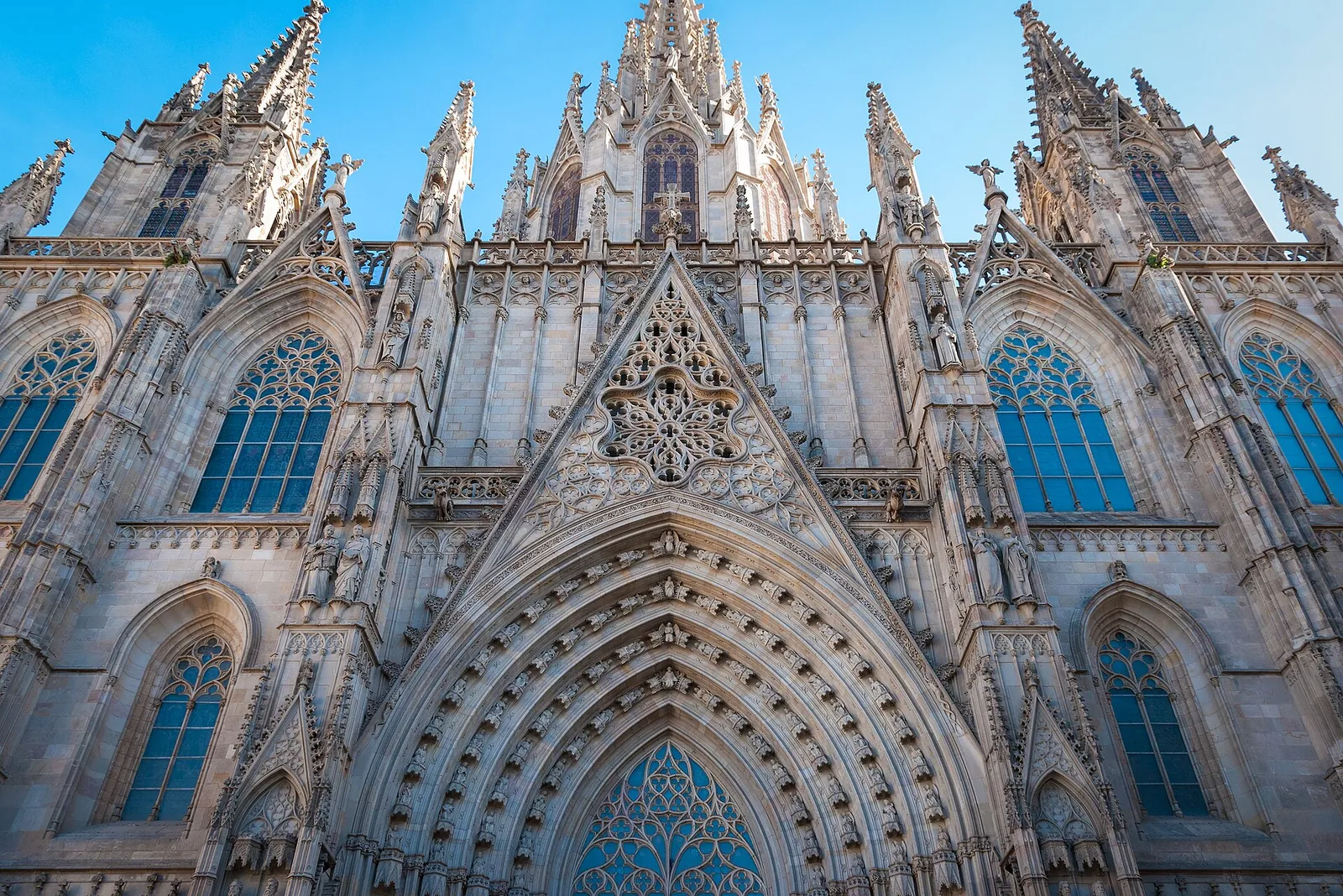
From the market, walk about 10 minutes east through the narrow lanes of the Barri Gòtic to Barcelona Cathedral. Tourist visits cost EUR 16 per person, with a reduced EUR 14 rate for students up to 25 and some family categories. Tourist visiting hours are 9:30 to 18:30 on weekdays (last entry 17:45), 9:30 to 17:15 on Saturdays, and only 14:00 to 17:00 on Sundays and religious holidays, so plan a weekday or Saturday morning visit. It is an active church: cover shoulders and avoid beachwear.
Around the cathedral, wander Plaça del Rei and Plaça Sant Felip Neri. These squares are free and quietest before lunch.
Afternoon
Cross Via Laietana into El Born, about 10 minutes on foot, for the Museu Picasso on Carrer de Montcada. It is open Tuesday to Sunday, 10:00 to 19:00, and closed on Mondays. A general Collection ticket is EUR 12 online or EUR 13 at the ticket office. Entry is free on Thursday afternoons from 16:00 to 19:00 and on the first Sunday of each month, but free slots must be reserved; reservations open four days ahead from 10:00. Book a timed ticket on the official site, since the museum is popular.
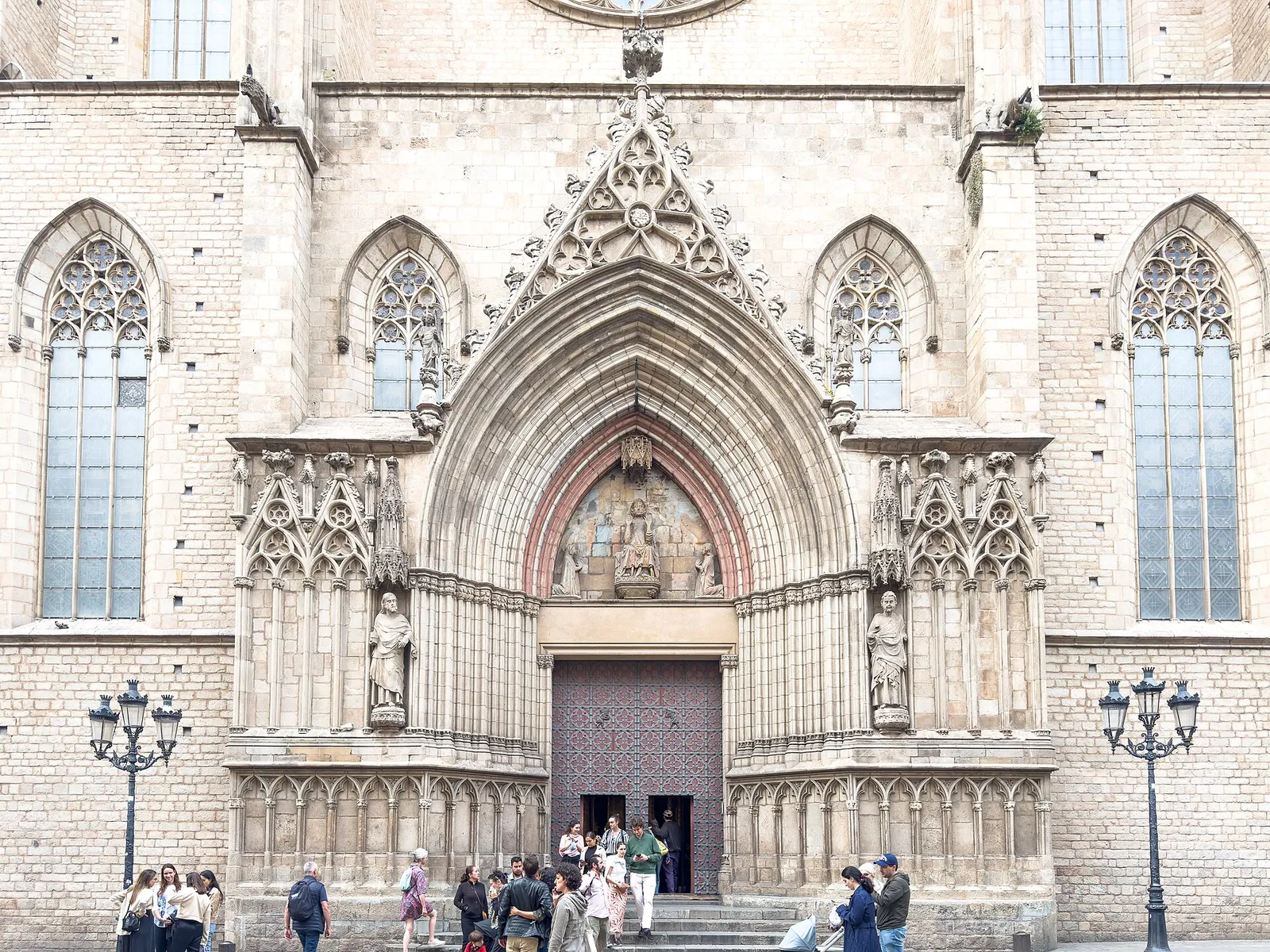
Afterwards, stroll down Montcada to the soaring Gothic church of Santa Maria del Mar and the lanes around Passeig del Born, packed with small shops and tapas bars. It is an easy place to pause for a late lunch.
Evening
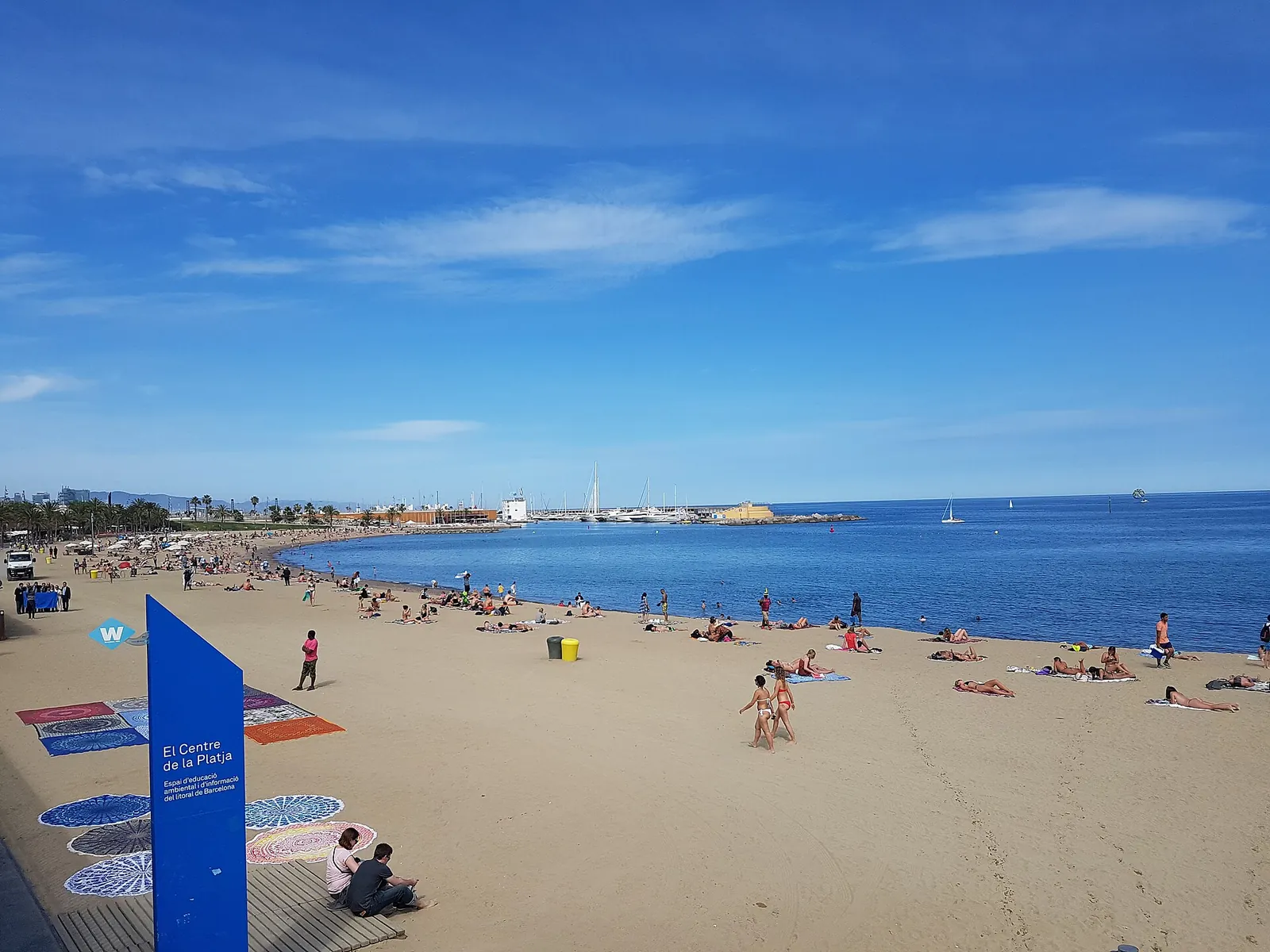
Walk south for about 15 to 20 minutes to Barceloneta, the old fishermen’s quarter, and its long city beach. Watch the sky turn pink over the sea, then pick a seafood spot in the neighbourhood’s grid of streets. Dinner in Spain runs late: many kitchens are busiest after 21:00.
Day 2: Gaudí’s Eixample
Morning
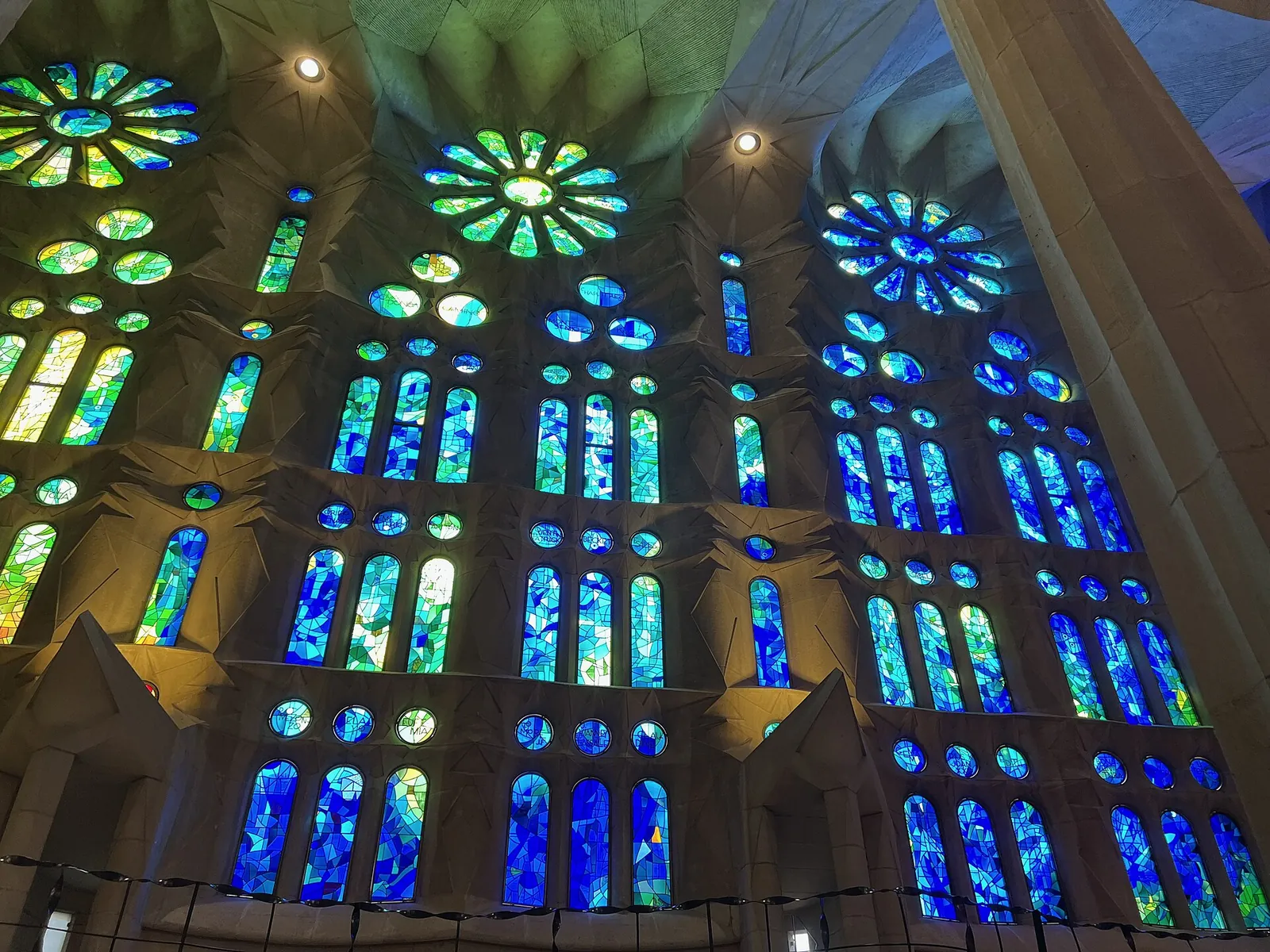
This is the big one. Give yourself the morning for the Sagrada Família, Gaudí’s unfinished basilica and one of the most extraordinary buildings anywhere. Adult prices are EUR 26 for the basilica, EUR 36 with tower access, EUR 30 for a guided tour and EUR 40 for a guided tour with towers. Tickets are timed: book on the official site well ahead, especially for towers.
Opening hours depend on the season. In October and March it opens Monday to Friday 9:00 to 19:00, Saturday 9:00 to 18:00 and Sunday 10:30 to 19:00. From November to February it is open Monday to Saturday 9:00 to 18:00 and Sunday 10:30 to 18:00. From April to September weekday and Sunday closing moves to 20:00. Hours can change for special events, so check before you go.
Getting there: metro L2 or L5 to Sagrada Família. Plan 1.5 to 2 hours inside, more with towers.
Afternoon
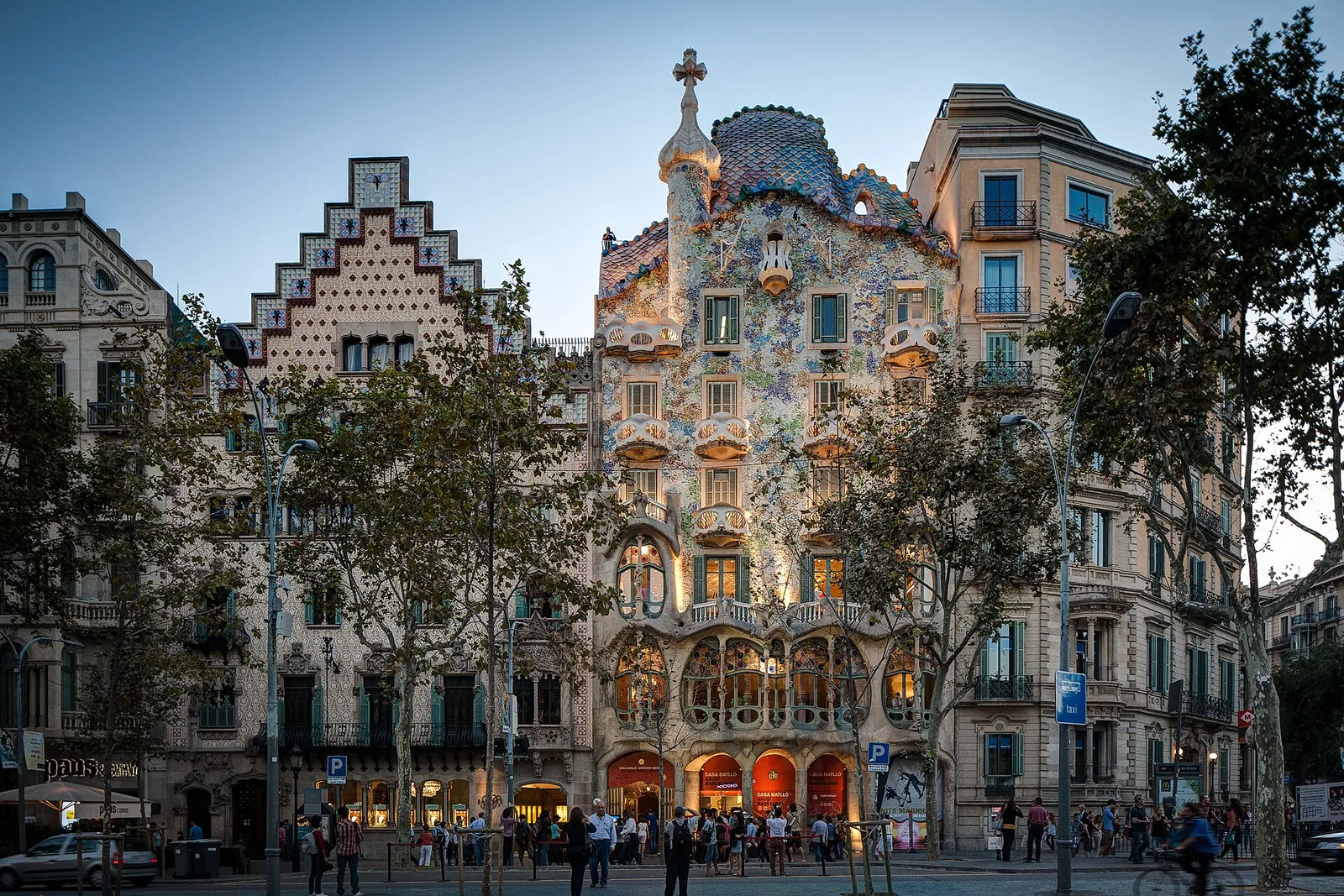
Walk about 25 to 30 minutes south-west through the grid of the Eixample (or take the metro) to Passeig de Gràcia, the elegant boulevard of Modernista mansions. Pick one house to go inside:
- Casa Batlló: general visit from EUR 29, daytime first access 9:00 and last access 19:45. Night visits start from EUR 25 (first access 20:30), sold online only and listed until 15 November.
- La Pedrera (Casa Milà): the Essential daytime visit is from EUR 29, children 0 to 11 free. The night experience is from EUR 39.50 with sessions between 20:40 and 22:20.
Prices are “from” prices and vary by date and time slot, so book directly on each house’s official site. Doing both on the same afternoon is possible but rushed; one, plus a slow walk along the boulevard to see the façades of both, is a lovely balance.
Evening
Continue north up Passeig de Gràcia into Gràcia, a former village with a strong neighbourhood feel. Its little squares, such as Plaça del Sol and Plaça de la Virreina, fill with locals in the evening and are perfect for a relaxed dinner. Alternatively, save the evening for a La Pedrera or Casa Batlló night visit.
Day 3: Park Güell and Montjuïc
Morning
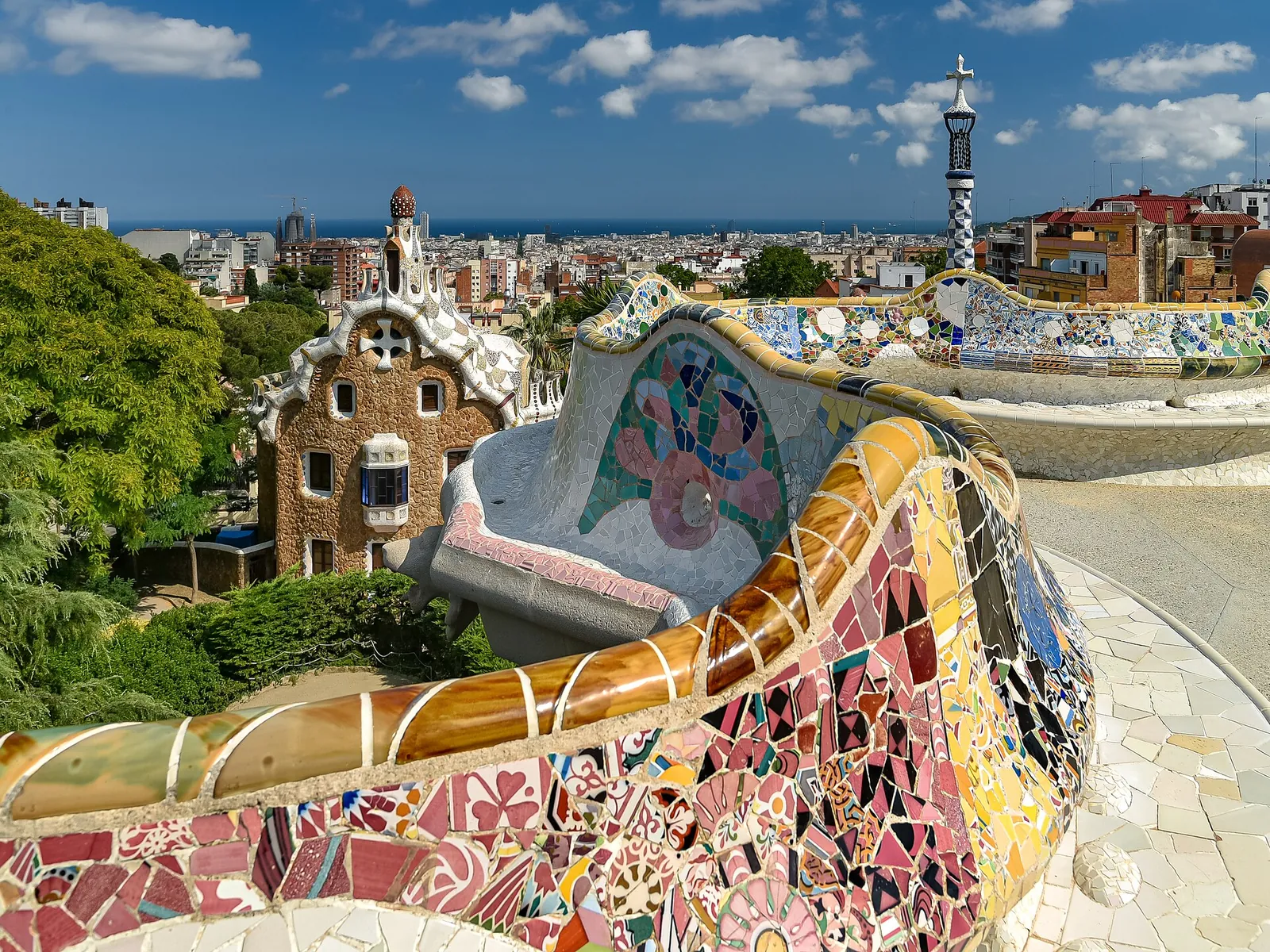
Rise and shine for Park Güell, Gaudí’s hillside fantasy of mosaic benches, gingerbread pavilions and city views. A general ticket to the monumental zone is EUR 18; children 7 to 12 and over-65s pay EUR 13.50, and under-7s are free (but still need a ticket). Entry is by time slot: you have 30 minutes after your slot to enter, and once you leave you cannot re-enter. Tourist time slots run from 9:30 to 19:30, so an early slot gives you softer light and fewer crowds. The park advises buying in advance.
Getting there: metro L3 to Lesseps or Vallcarca, then about 20 minutes on foot uphill (escalators help on the Vallcarca route). Buses H6 and D40 stop at Travessera de Dalt, about 10 minutes away.
Afternoon
Ride metro L3 back down to Paral·lel (the same line, no change), then take the Montjuïc funicular up the hill. The funicular is part of the integrated fare system, so a normal metro journey or T-casual trip covers it.
Spend the afternoon at the Museu Nacional d’Art de Catalunya (MNAC) in the grand Palau Nacional, home to superb Romanesque murals. General admission is EUR 12. From October to April it opens Tuesday to Saturday 10:00 to 18:00 and on Sundays and public holidays 10:00 to 15:00; it is closed on Mondays (except public holidays). Entry is free every Saturday from 15:00 and on the first Sunday of the month. The terrace in front of the museum gives one of the best free views in the city.
Evening
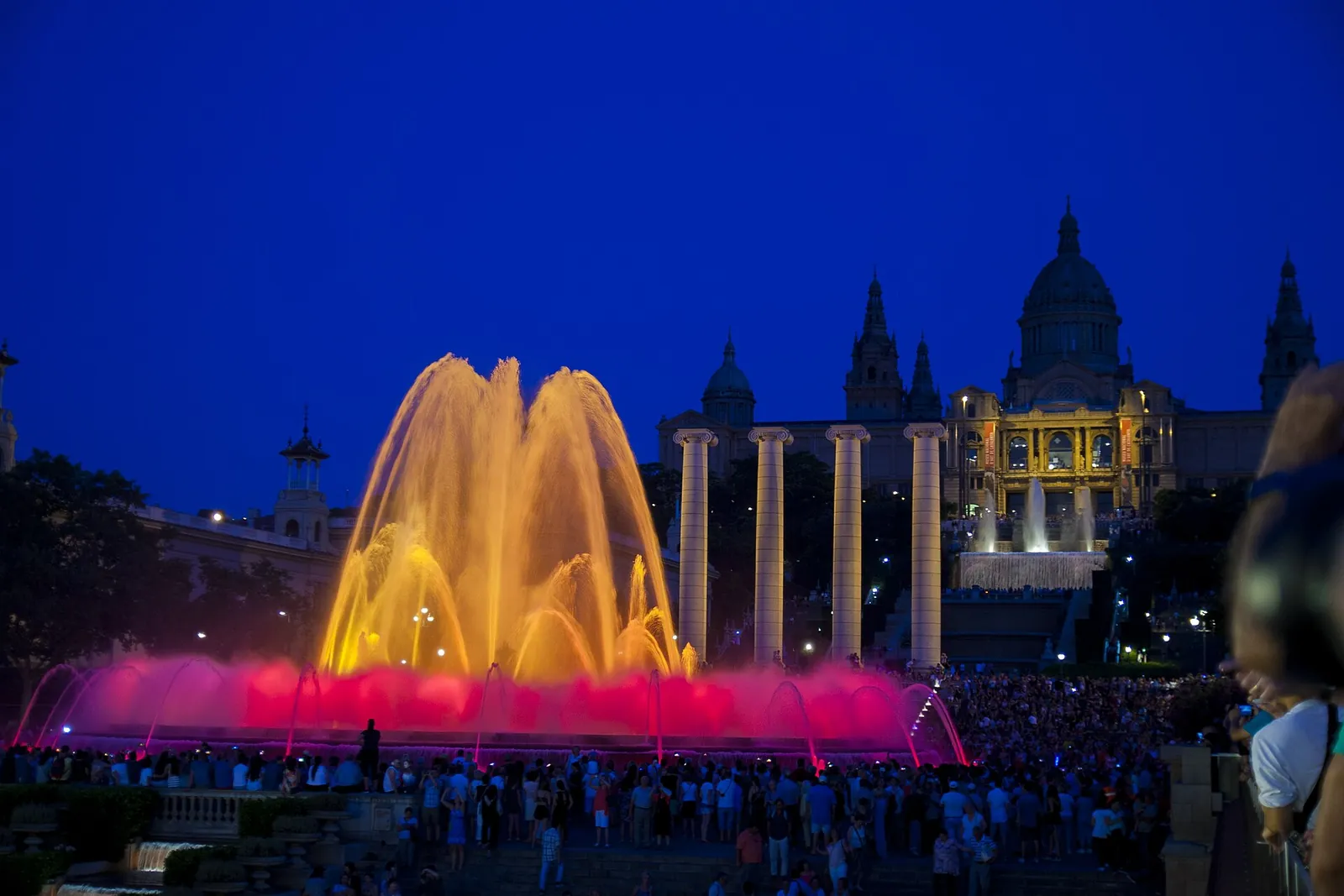
Walk down the steps from the Palau Nacional to the Magic Fountain of Montjuïc near Plaça d’Espanya. The City Council’s October schedule runs shows on Thursday, Friday and Saturday from 21:00 to 22:00, with music and colour shows starting at 21:00 and 21:30. Schedules change by season and the fountain sometimes pauses for maintenance, so check the official show times page for your dates. Metro L1 or L3 at Espanya takes you back to the centre.
Getting there and getting around
From the airport (Josep Tarradellas Barcelona-El Prat):
- Metro L9 Sud: serves stations Aeroport T1 and Aeroport T2. You need the special airport ticket, EUR 5.90 for one journey to the rest of the metro network. The T-casual is not valid at the two airport stations.
- Aerobús: lines A1 (Terminal 1) and A2 (Terminal 2) run to Plaça Catalunya in the city centre, 24 hours a day, every day of the year. Fares are on the official Aerobús site; children under 4 travel free.
- Rodalies train: ATM notes that the T-casual is still valid for reaching the airport by Rodalies train or bus. Check the timetable and terminal on the official Rodalies site.
- City bus 46: links both terminals with Plaça d’Espanya.
- Taxi: official AMB fares apply. Trips to or from the airport carry a EUR 4.60 supplement, and the minimum fare from the airport is EUR 21 including surcharges.
In the city: TMB fares in force from 15 January 2026 (zone 1):
| Ticket | Price |
|---|---|
| Single ticket (metro, bus, Montjuïc funicular) | EUR 2.90 |
| T-casual (10 journeys, one person) | EUR 13.00 |
| T-dia (unlimited for one day) | EUR 12.00 |
| Airport ticket (L9 Sud airport stations) | EUR 5.90 |
For three days, one T-casual per person usually covers this plan, since most of it is walkable. The Hola Barcelona Travel Card offers unlimited travel for 1 to 5 days, from EUR 12.50, and includes the round-trip metro journey to the airport; check the official site for each duration’s price.
The old town, El Born and Barceloneta are best on foot. Use the metro for the longer hops: Sagrada Família (L2, L5), Park Güell (L3) and Montjuïc (L3 plus funicular).
Where to stay
- Eixample: wide streets, Modernista architecture and excellent metro links. Ideal for first-timers who want a central, comfortable base close to Passeig de Gràcia and the Sagrada Família.
- Barri Gòtic and El Born: atmospheric, walkable and full of bars and restaurants. Great if you want to step out into history, though some streets are lively late at night.
- Gràcia: a local, village-like feel with leafy squares, a little further from the sea but on metro L3 for Park Güell and Montjuïc.
- Barceloneta and Poblenou: for beach lovers. Barceloneta is right on the sand; Poblenou is quieter, with a long promenade and a more residential mood.
A tourist tax is charged per person per night on stays in Catalonia, and the rate depends on the type of accommodation, so check the total with your booking.
Budget
Typical costs for this plan, per adult, from the official sites above:
| Item | Typical cost |
|---|---|
| Barcelona Cathedral | EUR 16 |
| Museu Picasso (online) | EUR 12 |
| Sagrada Família (basilica / with towers) | EUR 26 / EUR 36 |
| Casa Batlló or La Pedrera (daytime) | from EUR 29 |
| Park Güell | EUR 18 |
| MNAC | EUR 12 (free Saturdays from 15:00) |
| Magic Fountain | Free |
| T-casual (10 journeys) | EUR 13 |
| Airport ticket, metro L9 Sud (each way) | EUR 5.90 |
Sights and local transport for all three days come to roughly EUR 130-160 per person, which is where the EUR 30-70 per day range comes from (higher on the Gaudí day). This excludes flights, accommodation, food, drinks and the tourist tax. Save money with the free museum slots (Picasso on Thursday afternoons, MNAC on Saturday afternoons, both on the first Sunday of the month).
Practical tips
- Book ahead: Sagrada Família, Park Güell, Casa Batlló and La Pedrera all use timed tickets. Buy only on the official sites listed in this article.
- Mondays: the Museu Picasso and MNAC are closed on Mondays. If you arrive on a Monday, start with Day 2.
- Sundays: La Boqueria is closed on most Sundays, and the Cathedral opens for tourist visits only 14:00 to 17:00.
- Dress: cover shoulders and knees in churches, and keep swimwear for the beach.
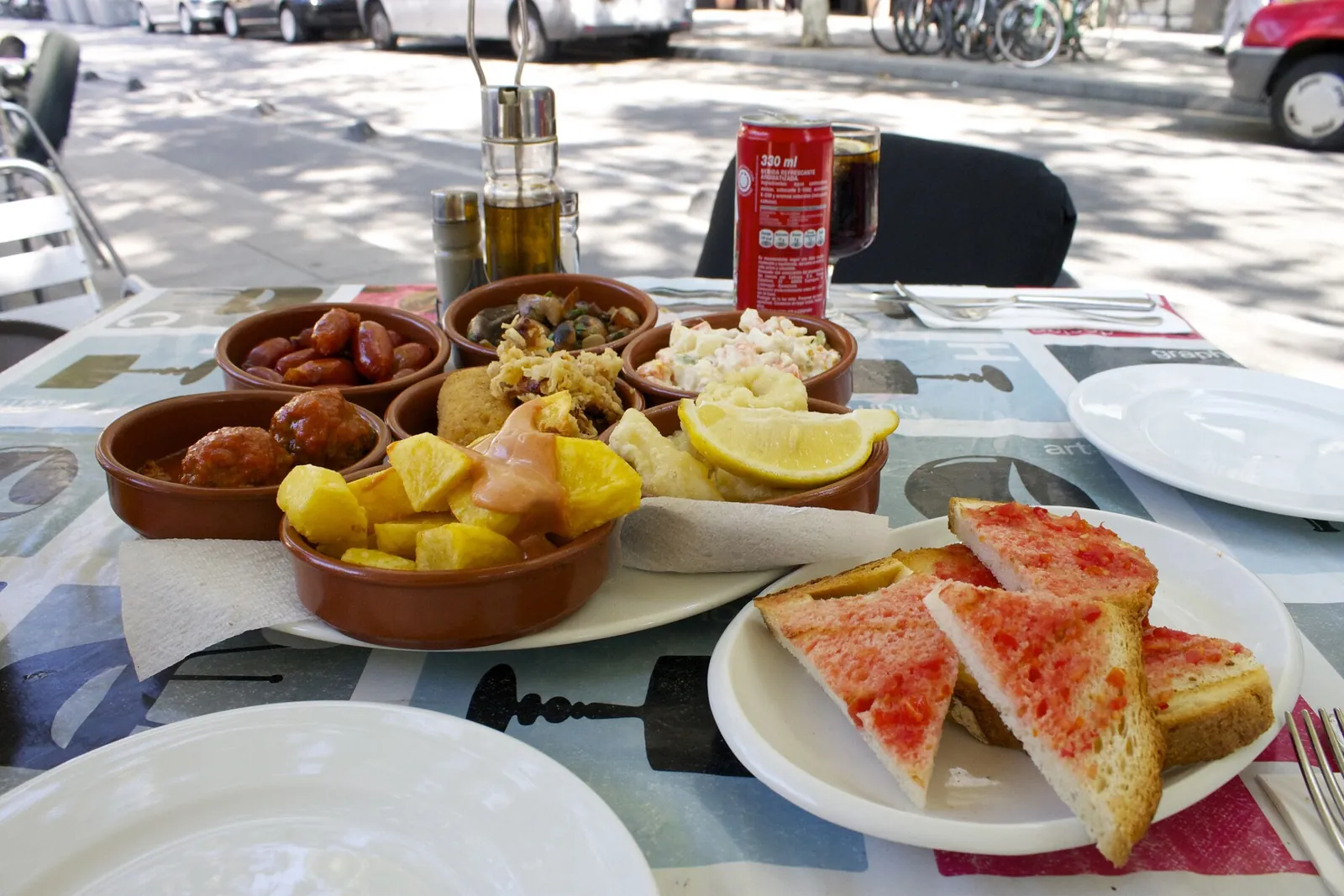
- Meal times: lunch is often 13:30 to 15:30 and dinner after 21:00. Many kitchens close in between, so snack on tapas.
- Money and SIM: cards and contactless payment are widely accepted. EU roaming rules apply to EU SIMs; others can buy a local SIM or an eSIM before arrival.
- Entry rules: Spain is in the Schengen area. Whether you need a visa depends on your nationality, so check the European Commission’s Schengen visa policy page and your nearest Spanish consulate. The EU’s Entry/Exit System (EES), which records fingerprints and a photo instead of passport stamps, is being implemented at Schengen borders, so allow extra time on arrival.
- Emergencies: dial 112.
Heads-up: what to watch out for
Barcelona is a joy to explore, and a few simple habits keep it that way.
- Pickpockets love crowds: the UK government warns that thieves often work in teams and use distraction. Keep your phone and wallet zipped away in busy places such as markets, the metro and around big sights, and don’t carry all your valuables in one place.
- Fake police officers: genuine police may ask to see ID, but they will never ask for your wallet or purse. If someone does, keep hold of it and walk to a busy place or a police station.
- Watch your drink: drink spiking happens in Spain, and bar measures can be stronger than you expect. Buy your own drinks and keep them in sight.
- Licensed taxis only: use official taxis from ranks or companies you recognise. Passengers in unlicensed services can be fined up to EUR 600. Official AMB fares apply, including the EUR 4.60 airport supplement.
- Street drinking and swimwear fines: in some areas drinking in the street is an offence with on-the-spot fines, and walking around in only swimwear can be fined near the seafront. Easy fix: keep the drinks for bars and terraces, and throw on a shirt when you leave the beach.
- Respect the beach flags: some beaches have strong undercurrents and people drown in Spain every year. A red flag means do not enter the water.
- Summer heat and fire risk: temperatures can rise quickly, so carry water and plan shade at midday. Wildfires are common in summer and causing one is a crime even by accident, so always stub out cigarettes properly.
- Timed tickets are strict: at Park Güell you have 30 minutes after your slot to enter, and once you leave you cannot re-enter. Leave plenty of time to cross the city, and plan Monday around the Museu Picasso and MNAC closures.
- Emergencies: dial 112 for police, ambulance or fire.
FAQ
Is three days enough for Barcelona?
Yes, for the highlights. Three days covers the old town, the main Gaudí buildings and Montjuïc at a comfortable pace. With a fourth day, add a beach day or a day trip.
Do I need to book the Sagrada Família in advance?
Strongly recommended. Tickets are timed and tower slots in particular sell out, so book on the official site as soon as your dates are set.
What is the best way to get from the airport to the centre?
The Aerobús runs 24 hours to Plaça Catalunya, and the metro L9 Sud works with the EUR 5.90 airport ticket. Taxis have a EUR 21 minimum from the airport.
Is the T-casual valid to the airport?
Not at the metro’s Aeroport T1 and T2 stations. Use the EUR 5.90 airport ticket or the Hola Barcelona card (which includes the airport round trip) for the metro, or the Aerobús. ATM notes that the T-casual can still get you to the airport by Rodalies train or bus.
When does the Magic Fountain run?
It depends on the season. In October shows are on Thursday, Friday and Saturday from 21:00 to 22:00. Always check the City Council’s show times page for your dates.
Sources
Prices, hours and rules change. We checked these on 22 October 2026; please confirm on the official page before you book.
- Basílica de la Sagrada Família: Prices
- Basílica de la Sagrada Família: Opening hours and how to get there
- Park Güell official website: Prices and times
- Park Güell official website: How to get there
- Casa Batlló: Online tickets
- La Pedrera-Casa Milà: Tickets
- Museu Picasso Barcelona: Buy tickets and opening hours
- Barcelona Cathedral: Visiting hours
- Museu Nacional d'Art de Catalunya: Opening hours and prices
- Barcelona City Council: The Magic Fountain's show times
- Barcelona City Council: Mercat de la Boqueria (Sant Josep)
- TMB: 2026 Barcelona metro and bus fares
- TMB: Metro and bus fares (airport ticket)
- TMB: Airport ticket
- TMB: Montjuïc funicular
- ATM Àrea de Barcelona: T-casual
- Hola Barcelona: Hola Barcelona Travel Card
- Aena: Josep Tarradellas Barcelona-El Prat, getting there by bus
- Aerobús Barcelona (official)
- AMB Taxi: Taxi fares
- European Commission: Schengen visa policy
- UK FCDO: Spain travel advice, entry requirements
- UK FCDO: Spain travel advice, safety and security
Photo credits (10)
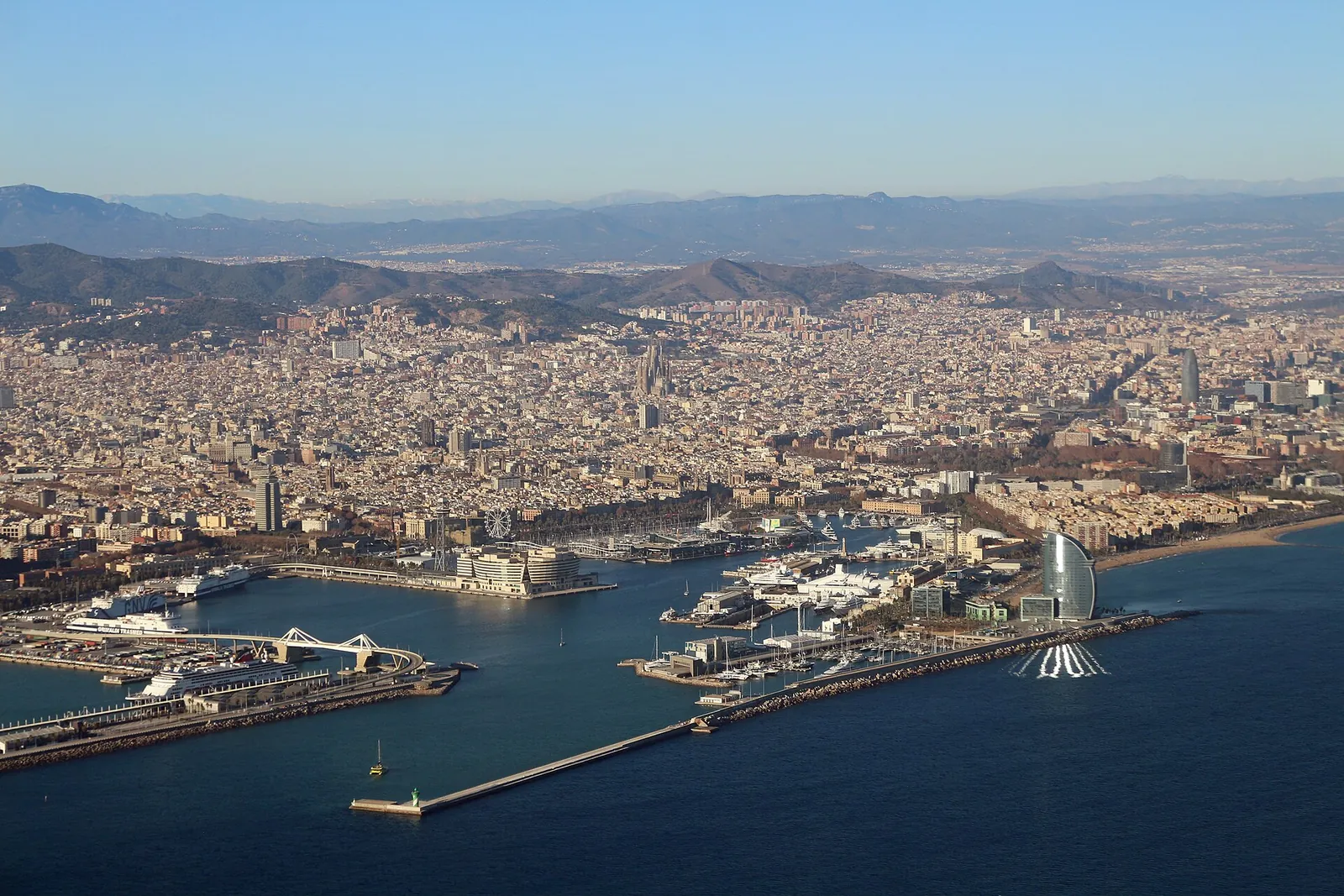
- Aerial view of Barcelona's port, beaches and city grid: Coolcaesar, CC BY 4.0, via Wikimedia Commons
- Gothic façade of Barcelona Cathedral under a blue sky: Gary Ullah from UK, CC BY 2.0, via Wikimedia Commons
- Sunny Barceloneta beach and the blue Mediterranean: CPG83, CC BY-SA 4.0, via Wikimedia Commons
- Blue and green stained glass inside the Sagrada Família: Capvideo, CC BY 4.0, via Wikimedia Commons
- Casa Batlló on Passeig de Gràcia at dusk: ChristianSchd, CC BY-SA 3.0, via Wikimedia Commons
- Mosaic bench and gatehouse views at Park Güell: Jorge Franganillo, CC BY 2.0, via Wikimedia Commons
- Magic Fountain of Montjuïc lit up in gold and pink: Artourbcn, CC BY-SA 4.0, via Wikimedia Commons
- A colourful fruit and vegetable stall at La Boqueria: Matti Blume, CC BY-SA 4.0, via Wikimedia Commons
- A sunny table of tapas and bread with tomato: Katherine Price from UK, CC BY 2.0, via Wikimedia Commons
- Gothic doorway of Santa Maria del Mar in El Born: Kent Wang, CC BY-SA 4.0, via Wikimedia Commons
This is a researched plan, not a personal trip report. How we research · Affiliate disclosure