
5 Days in Cebu and Bohol: A Day-by-Day Itinerary
A 5-day Cebu and Bohol plan: Spanish-era Cebu City, hilltop viewpoints, a fast ferry to Bohol, the Chocolate Hills, tarsiers, Loboc River and Panglao beaches.
- 🗓️ Trip length
- 5 days
- ☀️ Best time
- January to May (drier, outside peak typhoon months)
- 💰 Daily spend
- Varies with season and fuel surcharges, see the Budget section
- ✅ Facts checked
- 24 October 2026
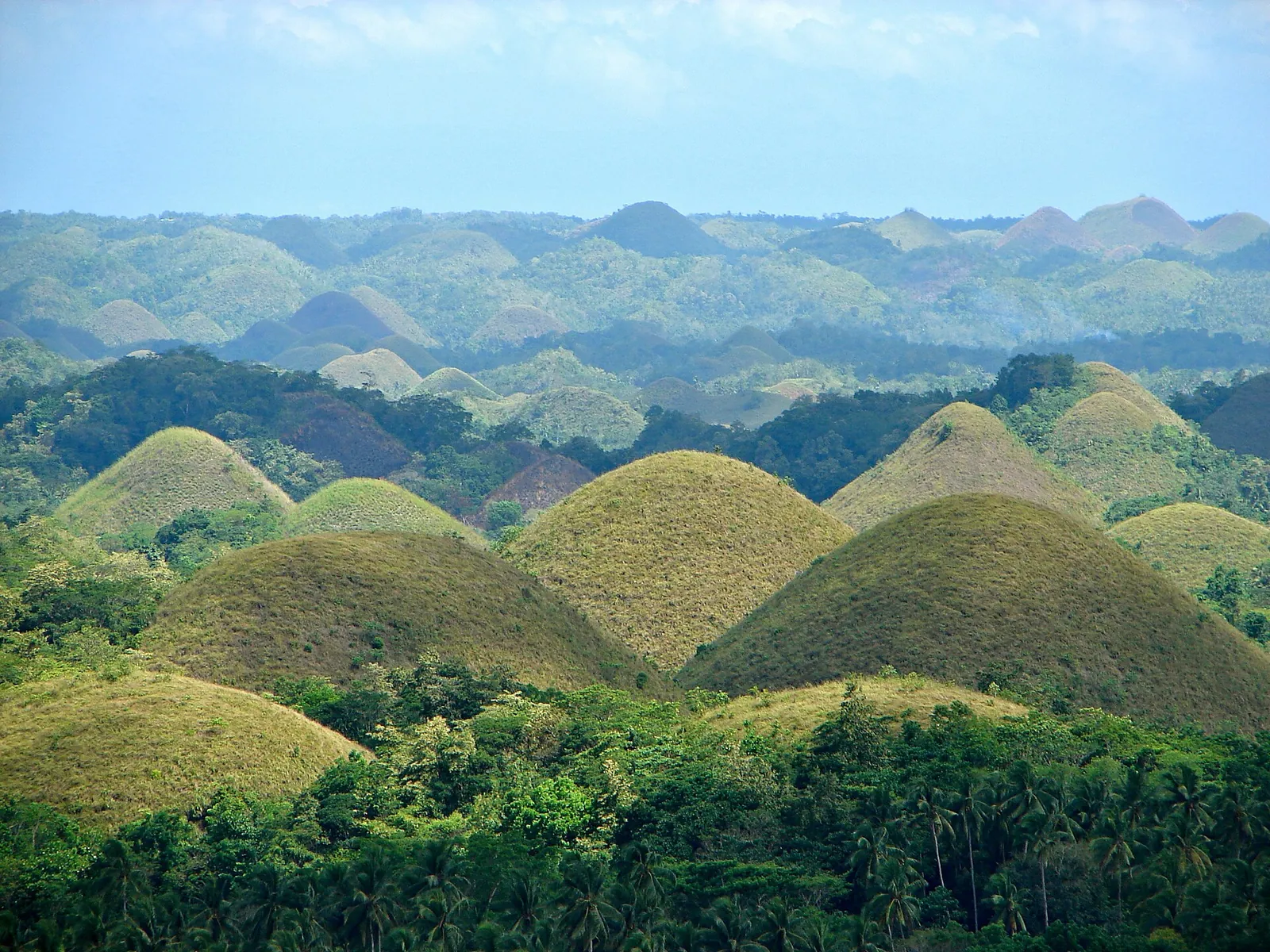
Get ready for two islands in one trip: Cebu, where the Philippines’ Spanish-era story began, and Bohol, home of the famous Chocolate Hills, the tiny wide-eyed tarsier and the white sand of Panglao. This five-day plan pairs a lively city with a slow, green countryside, linked by a fast ferry across the Bohol Sea.
It suits first-timers, couples, families and friends who want a mix of history, nature and beach time without changing hotels every night. The pace is relaxed: two nights in Cebu and three on Bohol. You get one big sightseeing day on each island and plenty of room for long lunches, sunsets and a swim.
At a glance
| Day | Area | Highlights |
|---|---|---|
| 1 | Downtown Cebu City | Magellan’s Cross, Basilica del Santo Niño, Fort San Pedro, Parian heritage houses |
| 2 | Cebu uplands and Mactan | Taoist Temple, Temple of Leah, hilltop views, Mactan Shrine, seafood dinner |
| 3 | Ferry to Bohol, Panglao | Fast ferry to Tagbilaran, Blood Compact Shrine, Baclayon Church, Alona Beach |
| 4 | Bohol countryside | Chocolate Hills, Bilar forest road, Loboc River, Tarsier Sanctuary in Corella |
| 5 | Panglao and departure | Morning island hopping, last swim, fly out or ferry back to Cebu |
Day 1: Old Cebu, where it all began
Morning
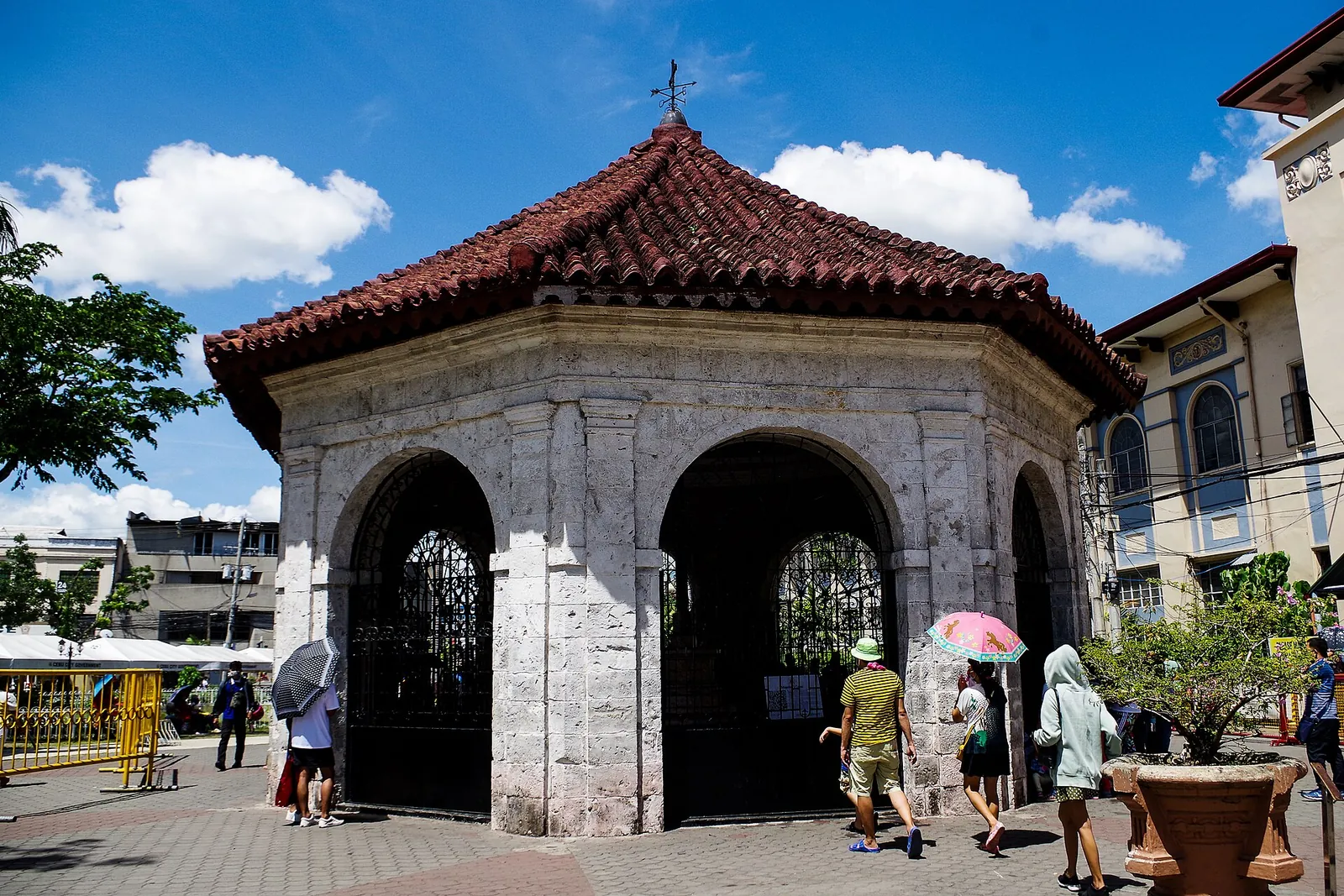
Your Cebu adventure begins right where the city’s story did. Start early, before the midday heat, at Magellan’s Cross, the small octagonal chapel that shelters a cross linked to the arrival of Ferdinand Magellan’s expedition in 1521. Right next door is the Basilica Minore del Santo Niño, the country’s best-loved church and home to the revered image of the Holy Child. People worship here every day, so step in quietly, cover your shoulders and knees, and don’t use flash during Mass.
From the basilica it’s a short, easy walk past Cebu City Hall to Plaza Independencia and Fort San Pedro, the triangular Spanish fort facing the harbour. Check the current entrance fee at the gate.
Afternoon
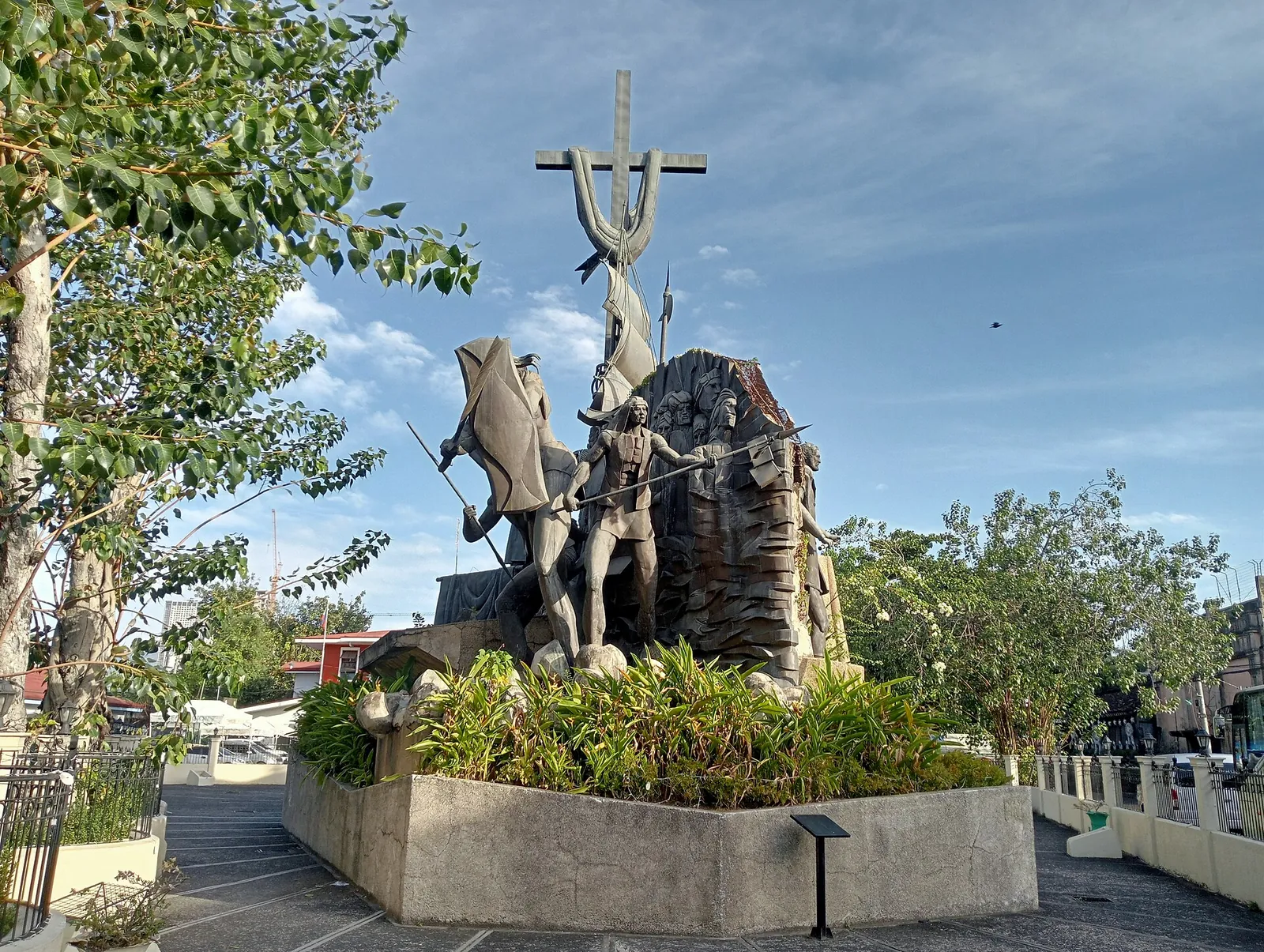
Take a taxi or a Grab car for the short ride to the Parian district, Cebu’s old Chinese quarter. Explore the heritage houses around the Heritage of Cebu Monument, a large sculpture that tells the city’s story. Check the houses’ opening hours the day before.
Walk on to Colon Street, often described as the oldest street in the country. It’s busy and full of local life, so keep your phone and wallet tucked away.
Evening
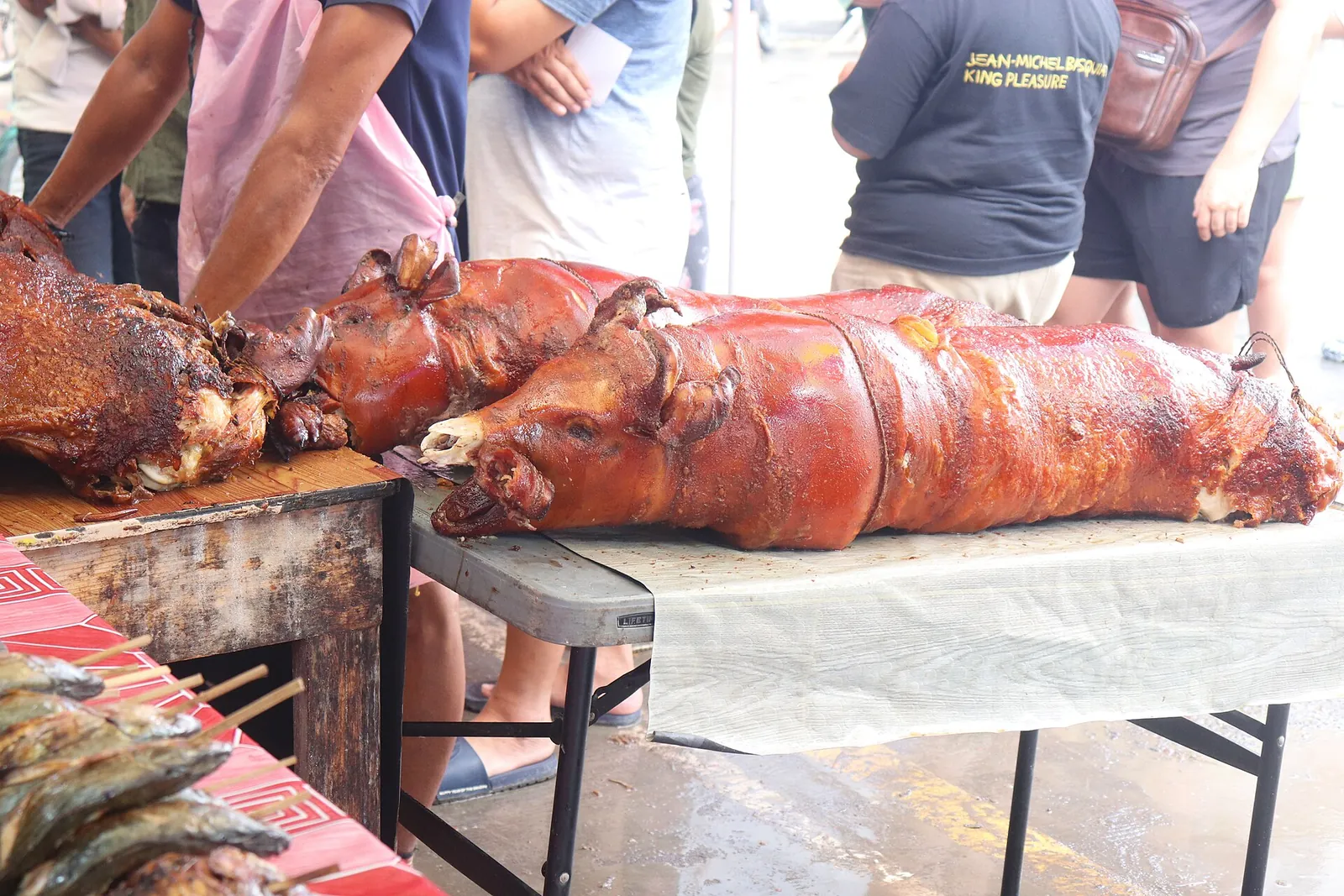
You can’t leave Cebu without trying lechon, the island’s famous roast pig with crackling skin. For dinner, take a Grab uptown to Cebu IT Park in Lahug, a walkable district full of restaurants, cafes and food stalls.
Day 2: Hilltop temples and Mactan Island
Morning
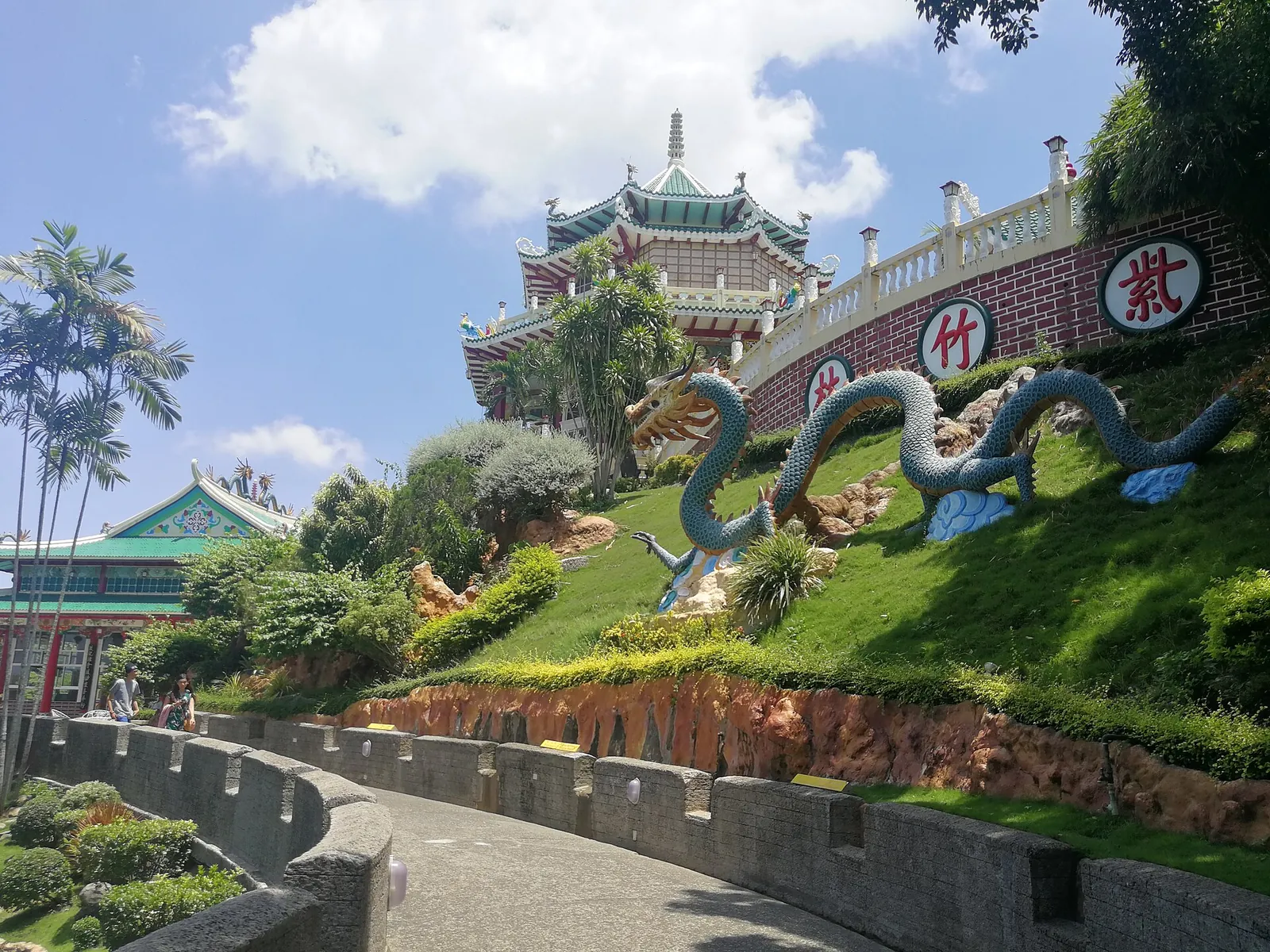
Today brings temples, views and the sea. Head into the hills above the city while the air is still cool. Begin at the Taoist Temple in the Beverly Hills neighbourhood, a colourful temple with dragons, pagoda roofs and wide city views. Dress modestly and follow the posted visitor rules.
Continue up the winding road to the Temple of Leah, a grand Roman-style monument on the hilltop with columns, statues and sweeping views over Cebu and the sea. The roads up here are steep and curvy, so we suggest hiring a car with a driver for the morning rather than riding a scooter. Entry fees at these privately run sites change, so carry cash and check when you arrive.
Afternoon
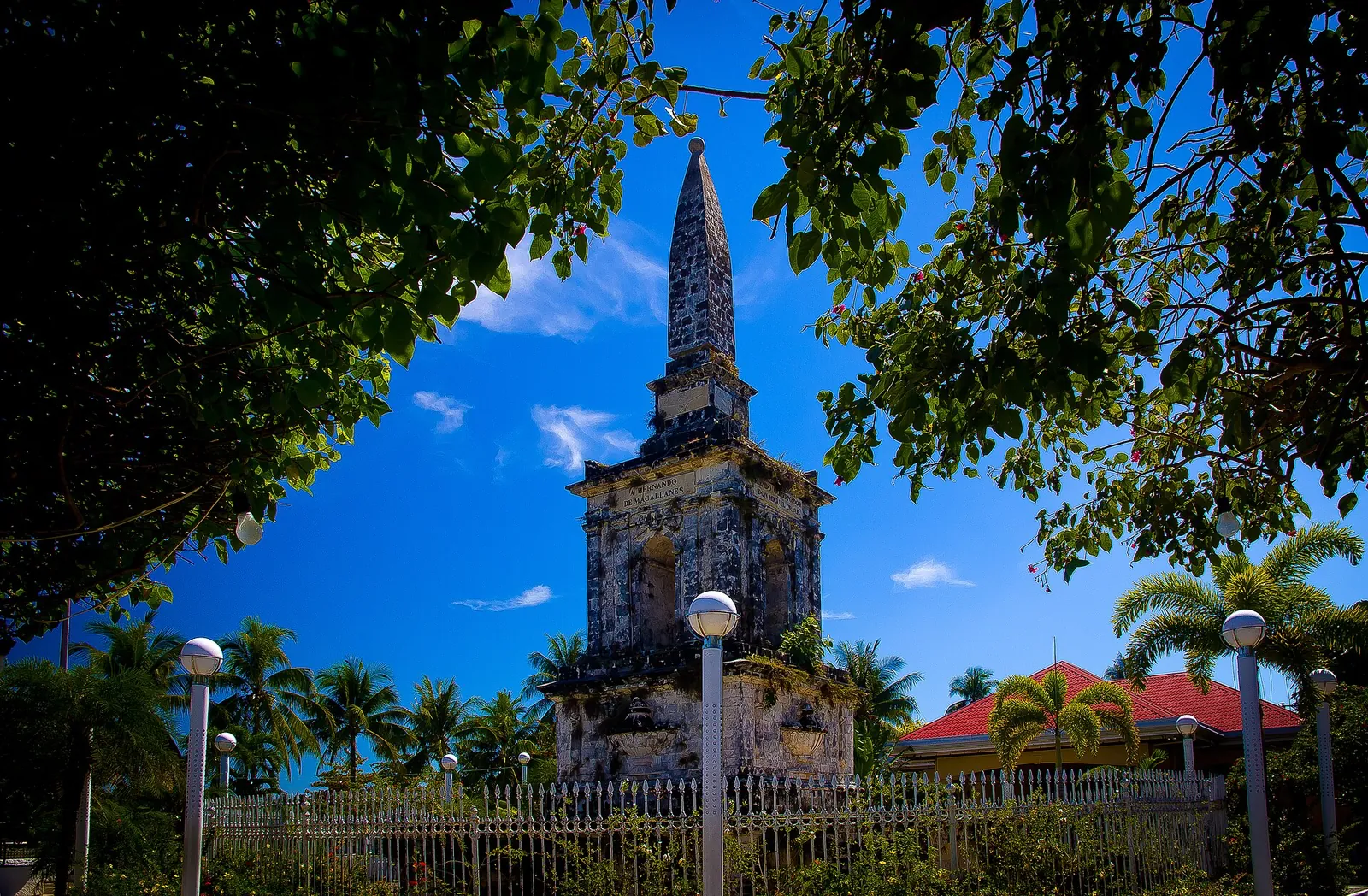
Drop back to the city and cross one of the bridges to Mactan Island. Visit the Mactan Shrine, often called the Liberty Shrine. It honours Lapu-Lapu, the local chief who defeated Magellan in 1521.
If you’d rather spend the afternoon on the water, island-hopping and snorkelling trips also leave from Mactan. Book only with registered operators that your accommodation recommends, and check there are life jackets on board before you leave the shore.
Evening
Stay on Mactan for a seafood dinner by the water, where you pick your fish and choose how it’s cooked. Turn in early: tomorrow starts with a morning ferry.
Day 3: Sail to Bohol and slow down on Panglao
Morning
Island time is calling! Take a taxi or Grab to the Cebu port for a morning OceanJet fast ferry to Tagbilaran, Bohol’s capital. OceanJet runs several departures a day on this route. In March 2026 the company added a fuel surcharge to several routes and says these changes are temporary. Check the current fare, departure times, pier and journey time on the official OceanJet website, and book ahead for weekends and holidays.
Get to the port well before departure to check in your luggage. OceanJet sells tourist or open-air seats, plus pricier business class.
Afternoon
At Tagbilaran port, arrange a car or van with a driver for the ride towards Panglao. On the way, stop at the Blood Compact Shrine (Sandugo). This seaside monument marks the 1565 friendship pact between the Spanish explorer Miguel López de Legazpi and the Boholano chief Datu Sikatuna.
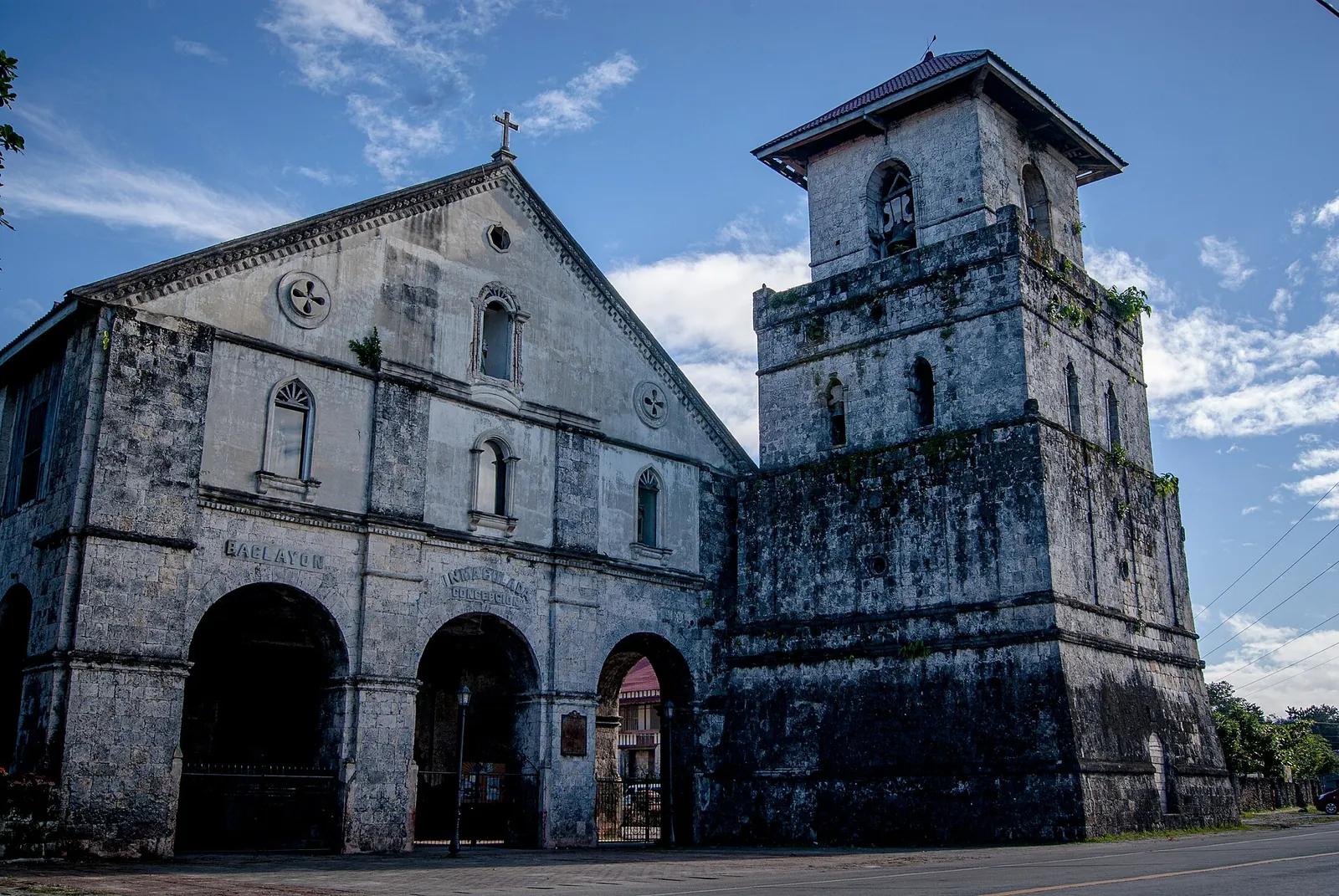
If you still have energy, take a short detour east along the coast to Baclayon Church, one of the oldest stone churches in the Philippines, restored after the 2013 earthquake. Then cross the bridge onto Panglao Island and check in.
Evening
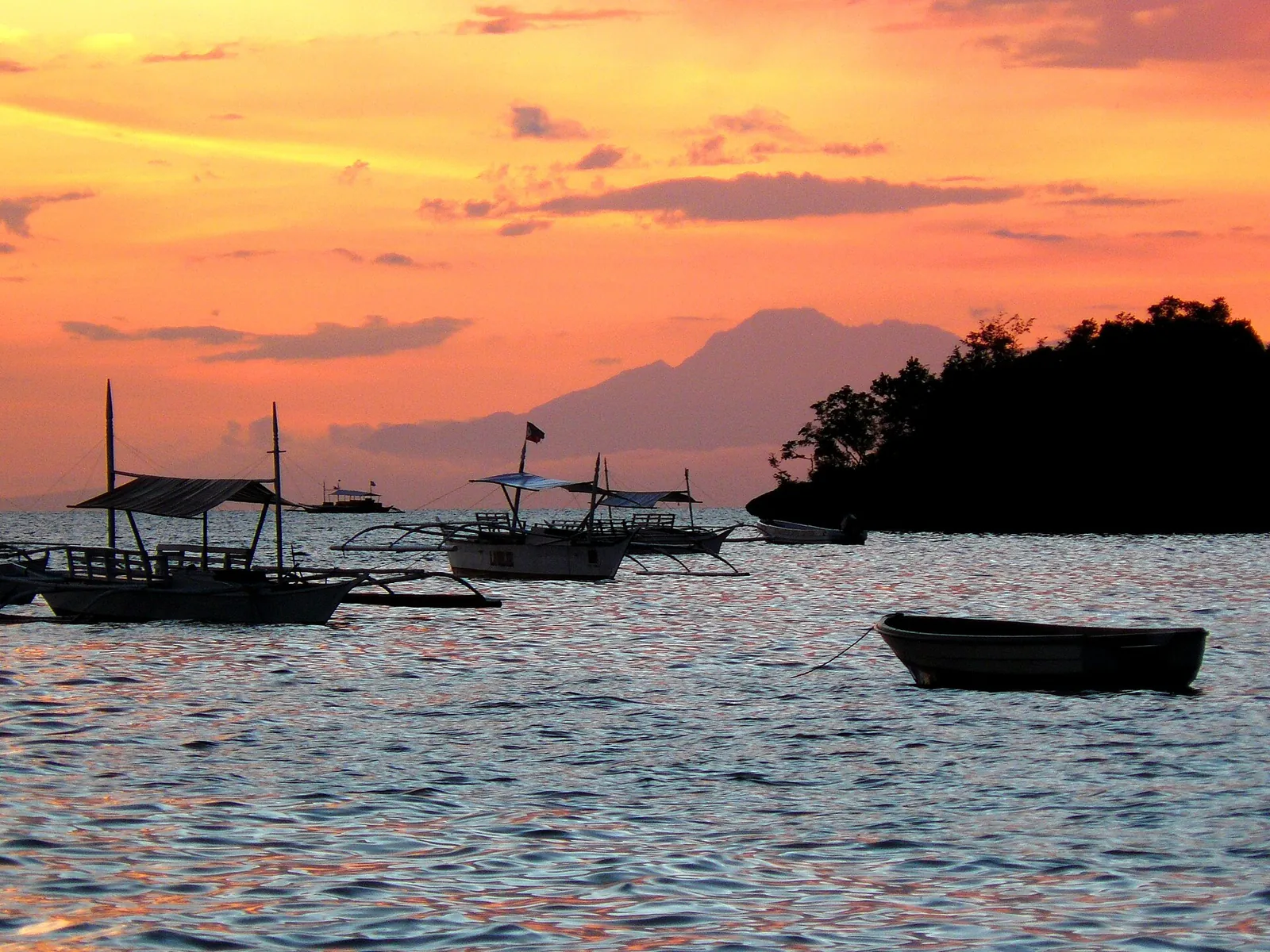
Spend your first Bohol evening on Alona Beach, Panglao’s liveliest stretch of sand, with beachfront restaurants and a lovely sunset.
Day 4: Chocolate Hills, river and tarsiers
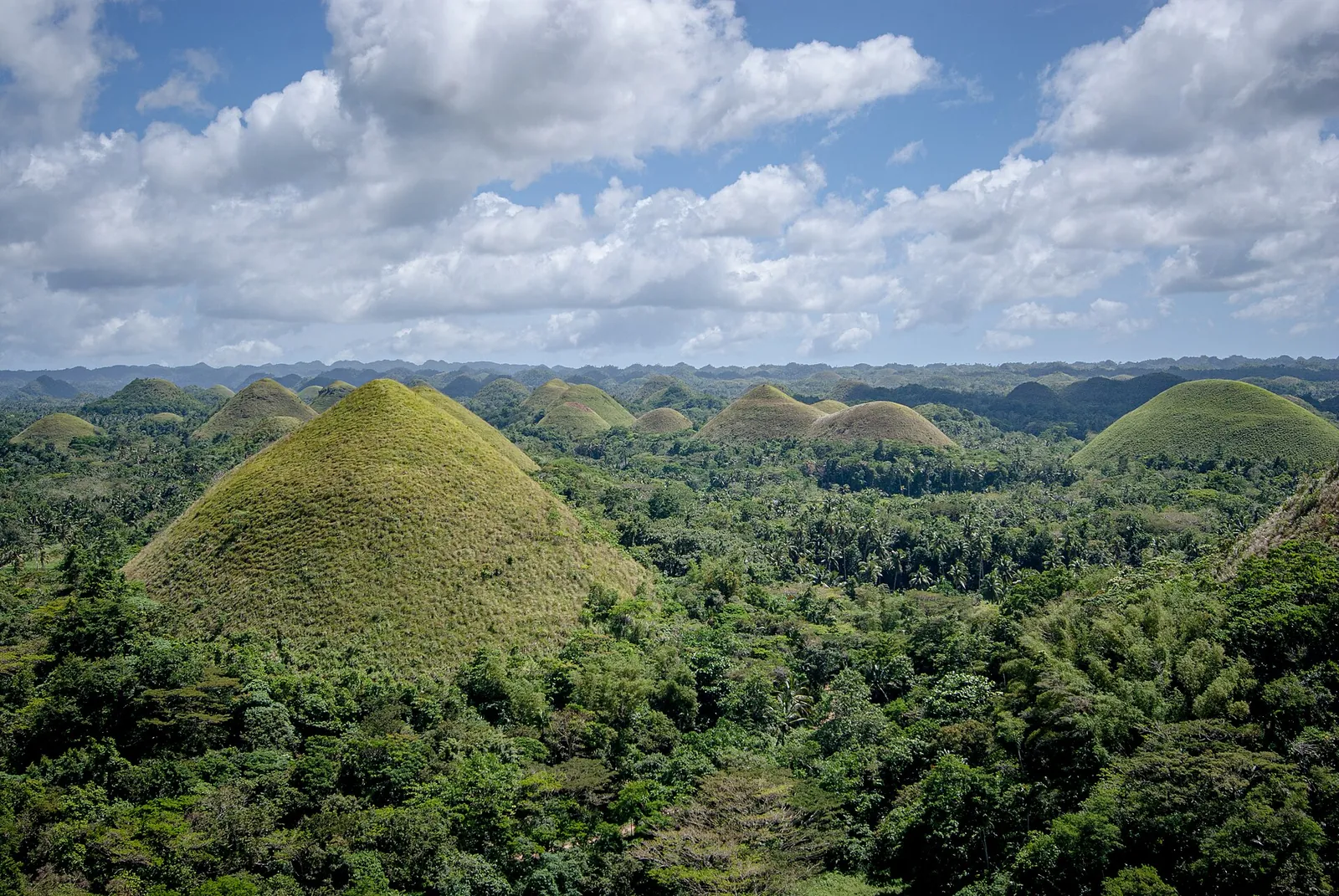
This is your big Bohol day, and it’s a beauty. Hire a car or van with a driver for the whole day. Public transport between these sites is slow, and timing matters because the tarsier sanctuary closes mid-afternoon.
Morning
Set off early for the town of Carmen and the Chocolate Hills Complex. From the viewing deck you look out over rolling, rounded, grassy hills that turn brown in the dry months, which is how they got their name. Expect a steep flight of steps up to the deck. Pay the entrance fee at the gate, and check current rates and hours with the Bohol tourism office.
On the drive back south you pass through the Bilar man-made forest, a dense tunnel of mahogany trees along the road. Take care if you stop for photos, as it’s a working highway.
Afternoon
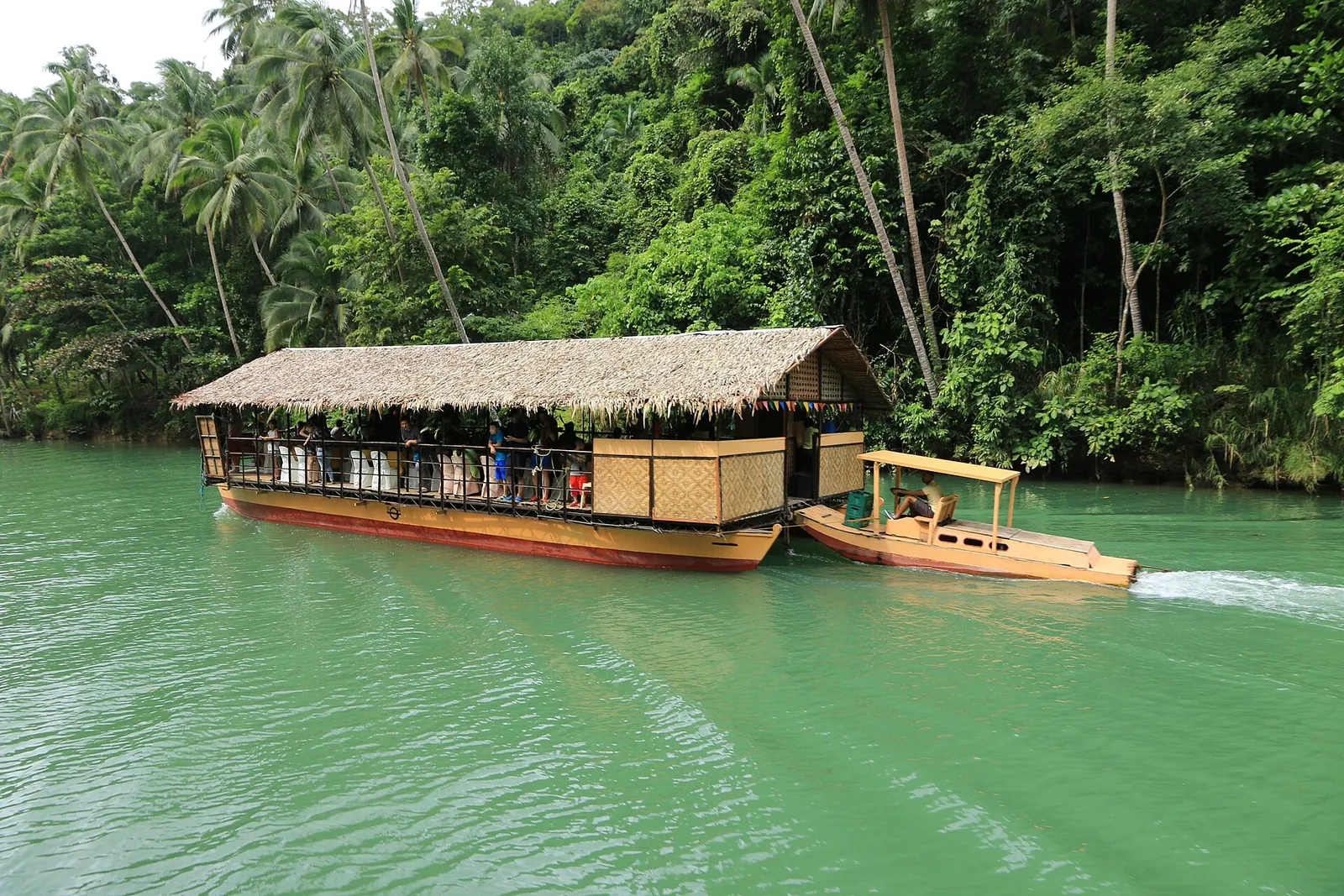
Have lunch on the Loboc River, where floating restaurants drift slowly past the jungle while musicians play. Check the current price of the lunch cruise with the Loboc municipal tourism office or your driver.
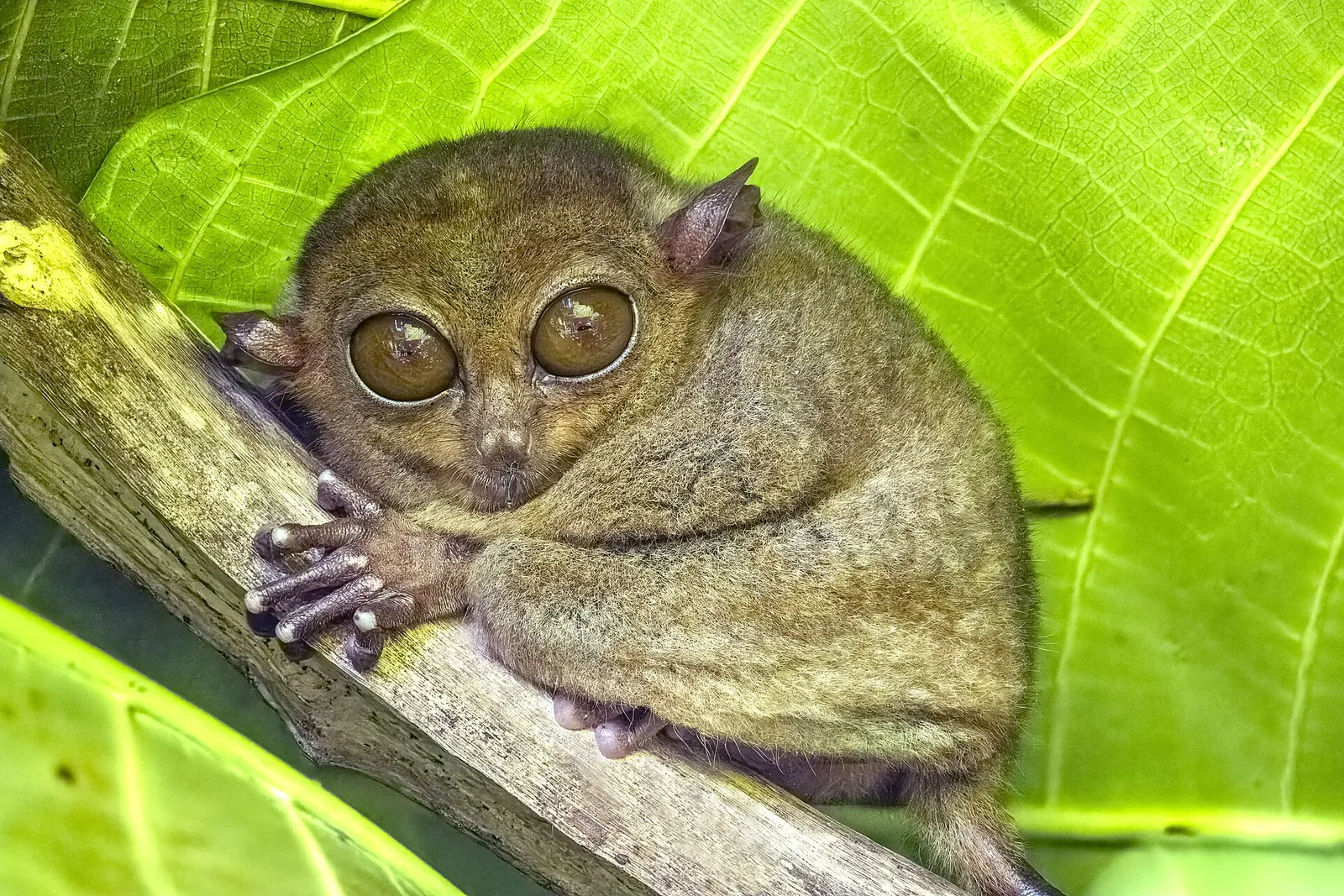
Then continue to the Philippine Tarsier Sanctuary in Corella, run by the Philippine Tarsier Foundation. The foundation suggests coming in the afternoon, because tour groups tend to arrive in the morning. It opens at 8:30 am and closes at 3:30 pm to protect the tarsiers and other wildlife, so aim to arrive by about 2:30 pm. You don’t need to book ahead. Entry costs PHP 150 per person, or PHP 120 for seniors, students and persons with disabilities, and every peso goes to the foundation’s conservation work. Your ticket includes a guided walk through the forest where the tarsiers sleep during the day.
Tarsiers are tiny, nocturnal and easily stressed, so follow the foundation’s rules:
- No flash.
- Keep your voice very low.
- Never touch them, and let only the guide handle them.
- Spend no more than about five minutes with each one.
The trail runs through natural forest and gets muddy and slippery after rain. Wear proper shoes and pack a raincoat rather than an umbrella.
Evening
Head back to Panglao for a lazy evening and a quiet sunset away from the main Alona strip.
Day 5: Island morning and onward travel
Morning
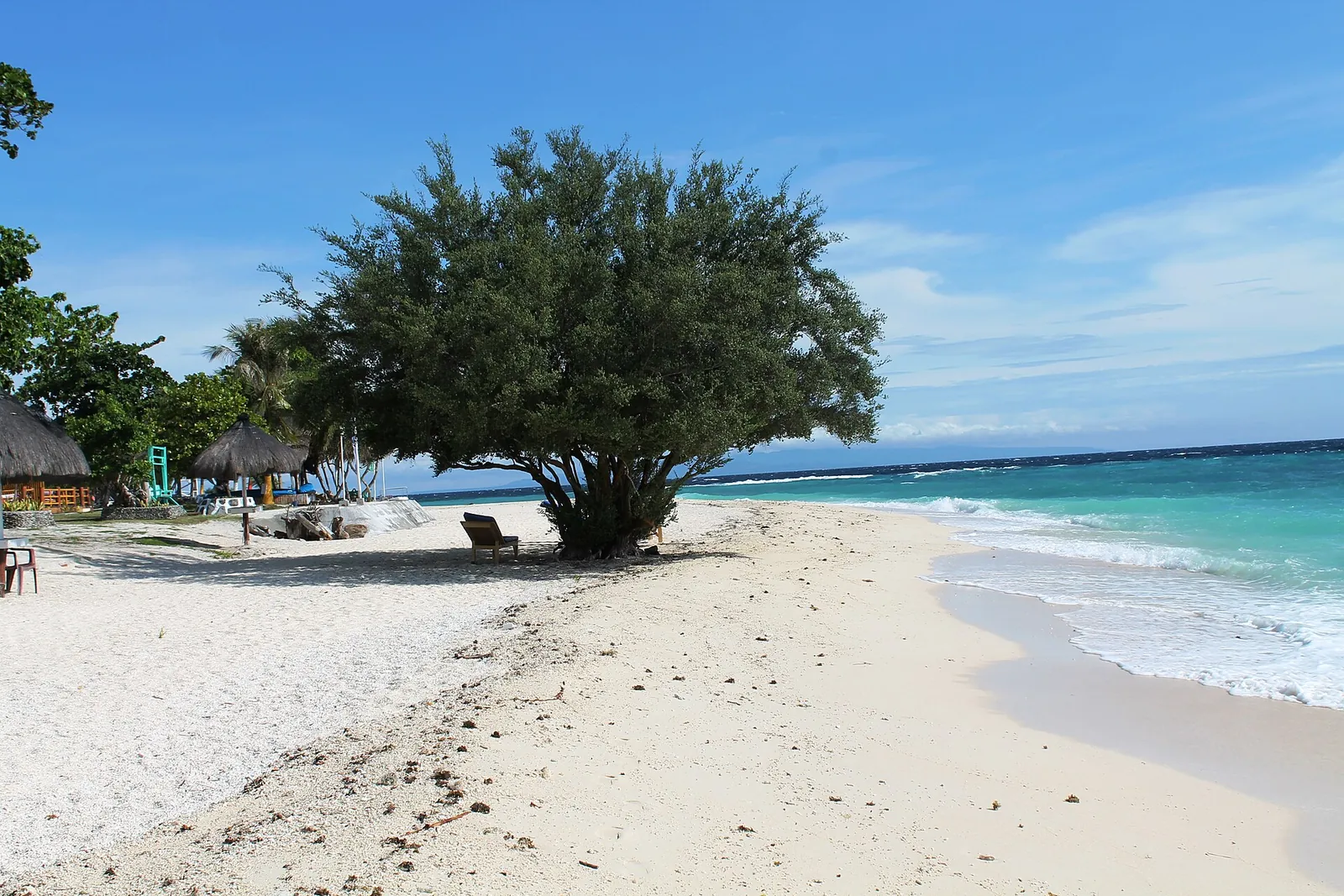
Make your last morning a sparkling one. Panglao is known for morning island-hopping trips to nearby islands with reefs and clear water, often combined with dolphin watching. Boats leave early, so book the evening before through your accommodation. Choose an operator that provides life jackets and a safety briefing. Be back by late morning, especially if you have a flight or ferry to catch.
Afternoon
You have two ways out:
- Fly out from Bohol-Panglao International Airport on Panglao Island, a short drive from Alona Beach.
- Take the ferry back to Cebu from Tagbilaran and fly out of Mactan-Cebu International Airport. Leave plenty of spare time, because rough seas can delay or cancel crossings.
If you leave late in the day, enjoy a final swim and a long lunch.
Evening
Staying an extra night? Enjoy one more Panglao sunset. If not, head off with happy memories of hills, tarsiers and turquoise water.
Getting there and getting around
Arriving. Most international visitors land at Mactan-Cebu International Airport (CEB) on Mactan Island, which is linked to Cebu City by bridges. Bohol has its own airport, Bohol-Panglao International Airport (TAG). An open-jaw ticket, flying into Cebu and out of Bohol, saves you one ferry ride.
Airport to the city. From Mactan-Cebu airport you can take the MyBus airport bus, a metered airport taxi or a car booked through the Grab app. Fares, routes and hours change, so check the Transport Guide on the official airport website (mactancebuairport.com) before you land. Use only the official taxi ranks or a ride booked through an app.
Getting around Cebu. There’s no metro. Grab and metered taxis are the easiest choice for visitors, and MyBus links the airport with key city hubs. Jeepneys are iconic but confusing for first-timers. There’s no tourist transport card to buy, so carry small notes and coins.
Cebu to Bohol. OceanJet fast ferries run between Cebu City and Tagbilaran. See Day 3 for booking tips.
Getting around Bohol. For the countryside day, a car or van with a driver is the most comfortable option. Tricycles cover short hops on Panglao. Scooter rental is everywhere, but UK government advice warns of poor road conditions and dangerous driving. Only ride if you’re experienced, licensed and insured.
Where to stay
Cebu IT Park and Lahug (Cebu). Modern, walkable and packed with restaurants and cafes. Great for first-timers, food lovers and anyone heading into the hills.
Downtown and the Fuente Osmeña area (Cebu). Close to Magellan’s Cross, the basilica and Colon Street, with plenty of budget and mid-range options. Best for history fans who want to walk to the old sights.
Mactan Island (Cebu). Beach resorts and quick access to the airport. Ideal for families, honeymooners and anyone with an early flight, though sightseeing in the city means crossing the bridge in traffic.
Panglao and Alona Beach (Bohol). The natural base for your Bohol nights, with beaches, restaurants, island-hopping boats and a short drive to the airport. If you prefer quiet, stay a little away from the main Alona strip. Tagbilaran city is a practical, more local alternative close to the ferry port.
Budget
Prices in Cebu and Bohol change with the season, fuel costs and local rules. We only print figures we could confirm today on an official source. For everything else, check the official site or ask at the counter.
| Item | Typical cost |
|---|---|
| Philippine Tarsier Sanctuary, Corella | PHP 150 per adult; PHP 120 for seniors, students and PWD |
| OceanJet fast ferry, Cebu to Tagbilaran | Check the official OceanJet site (fuel surcharges added in 2026) |
| Chocolate Hills Complex entrance | Check at the gate or with the Bohol tourism office |
| Fort San Pedro entrance | Check at the gate |
| Loboc River lunch cruise | Check with the Loboc tourism office |
| MyBus airport bus, taxis, Grab | Check the airport’s official Transport Guide and the Grab app |
| Full-day car with driver on Bohol | Agree the price in advance with your accommodation or driver |
| Accommodation and meals | Varies widely by season and neighbourhood |
Not included: international and domestic flights, travel insurance, visa or extension fees, diving courses, shopping and tips.
Practical tips
- Entry paperwork. Before you fly, register on eTravel, the Philippines’ arrival and departure data system. The Philippine Department of Foreign Affairs says registration is free and only available on the official site, etravel.gov.ph.
- Visas. The rules depend on your nationality, so check the official Bureau of Immigration site (immigration.gov.ph) and the Philippine embassy in your country before you book. If you need to stay longer, you can apply to the Bureau of Immigration for an extension.
- Dress code. Cebu is deeply Catholic. At the basilica, churches and temples, cover your shoulders and knees and keep your voice low during services.
- Best season. UK government travel advice says most typhoons hit between June and November, and accidents at sea are more common from June to December. January to May is the safer bet for ferries and boat trips.
- Heat and sun. Sightsee early, rest at midday and drink plenty of water.
- Money. The currency is the Philippine peso (PHP). Cards work in malls and larger hotels, but you’ll need cash for entrance fees, tricycles, small eateries and boat trips. Keep small notes handy.
- SIM and eSIM. You can buy a local SIM at the airport or use an eSIM. Ask at the counter about current SIM registration rules and keep your passport with you.
Heads-up
Cebu and Bohol are joyful, welcoming places, and a little preparation keeps your trip that way. These points come from official government advice and the operators themselves.
- Taxis. UK government advice says to use only taxis from reputable companies, including to and from the airport, because some drivers and their accomplices have robbed passengers. Book through an app or an official rank, or arrange a hotel transfer.
- Ferries and boats. UK advice says the ferry and passenger boat network has a poor safety record. Choose established operators, check for life jackets and don’t board overcrowded boats, especially in the rainy season.
- Typhoons and earthquakes. Around 20 typhoons hit the Philippines each year. If a storm is forecast, follow PAGASA (the state weather agency) and local authorities, as ferries may be suspended. A magnitude 6.9 earthquake struck northern Cebu near Bogo City on 30 September 2025. If you plan side trips to the north, check the current situation with local authorities first and make sure your insurance covers natural disasters.
- Fake eTravel websites. The Department of Foreign Affairs warns about websites that charge a fee for eTravel registration. The real one, etravel.gov.ph, is free.
- Drinks. UK advice warns about methanol poisoning from contaminated alcohol. Stick to sealed, branded drinks from reputable venues.
- Valuables on public transport. Don’t show cash or jewellery on jeepneys and buses. Armed hold-ups have been reported, especially in large cities.
- Diving and snorkelling. Before you sign up, check the dive operator’s credentials, insurance and safety equipment, including oxygen on board.
- Tarsiers. See them at the Philippine Tarsier Foundation sanctuary in Corella, where fees support conservation. Never touch a tarsier or use flash.
- Where not to go. UK government advice warns against travel to parts of Mindanao and the Sulu archipelago. Cebu and Bohol aren’t among those areas, but always check your own government’s latest advice before you travel.
FAQ
Is five days enough for Cebu and Bohol?
Yes, for the highlights, with time left over for the beach. Add a day or two for diving or southern Cebu.
Should I visit Bohol as a day trip from Cebu?
You can, but it means two ferry crossings and a rushed countryside loop in one day. With at least two nights on Bohol, you can see the Chocolate Hills and tarsiers at a calm pace and enjoy Panglao’s beaches.
Do I need to book the tarsier sanctuary in advance?
No. The Philippine Tarsier Foundation says you don’t need to book. Just arrive before it closes at 3:30 pm, ideally in the afternoon when there are fewer tour groups.
How do I get from Cebu to Bohol?
Most people take an OceanJet fast ferry from Cebu City to Tagbilaran, with several departures a day. Check current fares and schedules on the official OceanJet site.
When is the best time to visit?
January to May is usually the most reliable time for ferries and beach days, since most typhoons hit between June and November.
Is it safe to swim and go island hopping?
Generally yes, if you choose sensibly. Use registered operators, wear a life jacket on boats, skip trips when the sea is rough or a storm is forecast, and follow local advice on currents.
Sources
Prices, hours and rules change. We checked these on 24 October 2026; please confirm on the official page before you book.
- Philippine Tarsier Foundation: Visiting the Tarsiers
- OceanJet Advisory: Schedule Adjustments and Temporary Fare Updates Amid Fuel Price Increase
- GOV.UK: Philippines travel advice
- GOV.UK: Philippines travel advice, Safety and security
- Bureau of Immigration Philippines: Temporary Visitor (9A) Visa Waiver
- Philippine Embassy (DFA) Advisory: eTravel Registration
Photo credits (12)
- Rolling green Chocolate Hills under a blue sky, Bohol: P199, CC BY-SA 3.0, via Wikimedia Commons
- The pavilion of Magellan's Cross in Cebu City: Elmer B. Domingo, CC BY-SA 4.0, via Wikimedia Commons
- Sculptures of the Heritage of Cebu Monument, Parian: Ralff Nestor Nacor, CC BY-SA 4.0, via Wikimedia Commons
- Golden roast lechon, Cebu's famous dish: Bjeweld, CC BY-SA 4.0, via Wikimedia Commons
- Dragon sculpture and pagoda roofs at Cebu's Taoist Temple: Neigo Genetiano, CC BY-SA 4.0, via Wikimedia Commons
- The Mactan Shrine framed by palms on Mactan Island: Ipepot, CC BY-SA 3.0, via Wikimedia Commons
- Coral-stone Baclayon Church under a bright sky: Philip Nalangan, CC BY 4.0, via Wikimedia Commons
- Bangka boats at sunset off Alona Beach, Panglao: yeowatzup, CC BY 2.0, via Wikimedia Commons
- Grassy domes of the Chocolate Hills near Carmen: Philip Nalangan, CC BY-SA 4.0, via Wikimedia Commons
- Floating restaurant cruising the green Loboc River: Øyvind Holmstad, CC BY-SA 4.0, via Wikimedia Commons
- A wide-eyed Philippine tarsier on a branch, Bohol: Charles J. Sharp, CC BY-SA 4.0, via Wikimedia Commons
- White sand and turquoise water on Balicasag Island: Ric V Obedencio, CC BY-SA 4.0, via Wikimedia Commons
This is a researched plan, not a personal trip report. How we research · Affiliate disclosure