
3 Days in Copenhagen: A Day-by-Day Itinerary
A 3-day Copenhagen plan: Rosenborg, the Round Tower, Christiansborg, Tivoli, Nyhavn, Christianshavn, with verified 2026 prices, metro fares and seasonal hours.
- 🗓️ Trip length
- 3 days
- ☀️ Best time
- May to September, or December for Christmas
- 💰 Daily spend
- From about DKK 350 (USD 52) for sights and transport
- ✅ Facts checked
- 24 October 2026
Get ready for a city that does everything beautifully: Renaissance castles with crown jewels in the basement, colourful harbour fronts, a 19th-century amusement park that glows after dark, and a cycling culture you can feel the moment you step outside. This 3-day plan suits first-time visitors who want the classic highlights without rushing, plus a little time to wander, snack and soak up the famous Danish cosiness.
The pace is relaxed to moderate. Copenhagen is compact, and VisitCopenhagen notes that most top attractions are within walking distance of the city centre, so you will spend most of your time on foot, with the odd metro hop. Each day is grouped by area, so you are never zig-zagging across town. Plan less, see more.
At a glance
| Day | Area | Highlights |
|---|---|---|
| 1 | Nørreport, Latin Quarter, Slotsholmen, Tivoli | Rosenborg Castle and crown jewels, the Round Tower, Christiansborg Palace, Tivoli Gardens |
| 2 | Nyhavn, Frederiksstaden, Østerbro waterfront | Nyhavn, canal tour, Amalienborg, the Marble Church, Kastellet, the Little Mermaid |
| 3 | City centre, Christianshavn | National Museum, Christianshavn canals, Freetown Christiania, farewell evening |
Day 1: Castles, towers and Tivoli lights
Morning
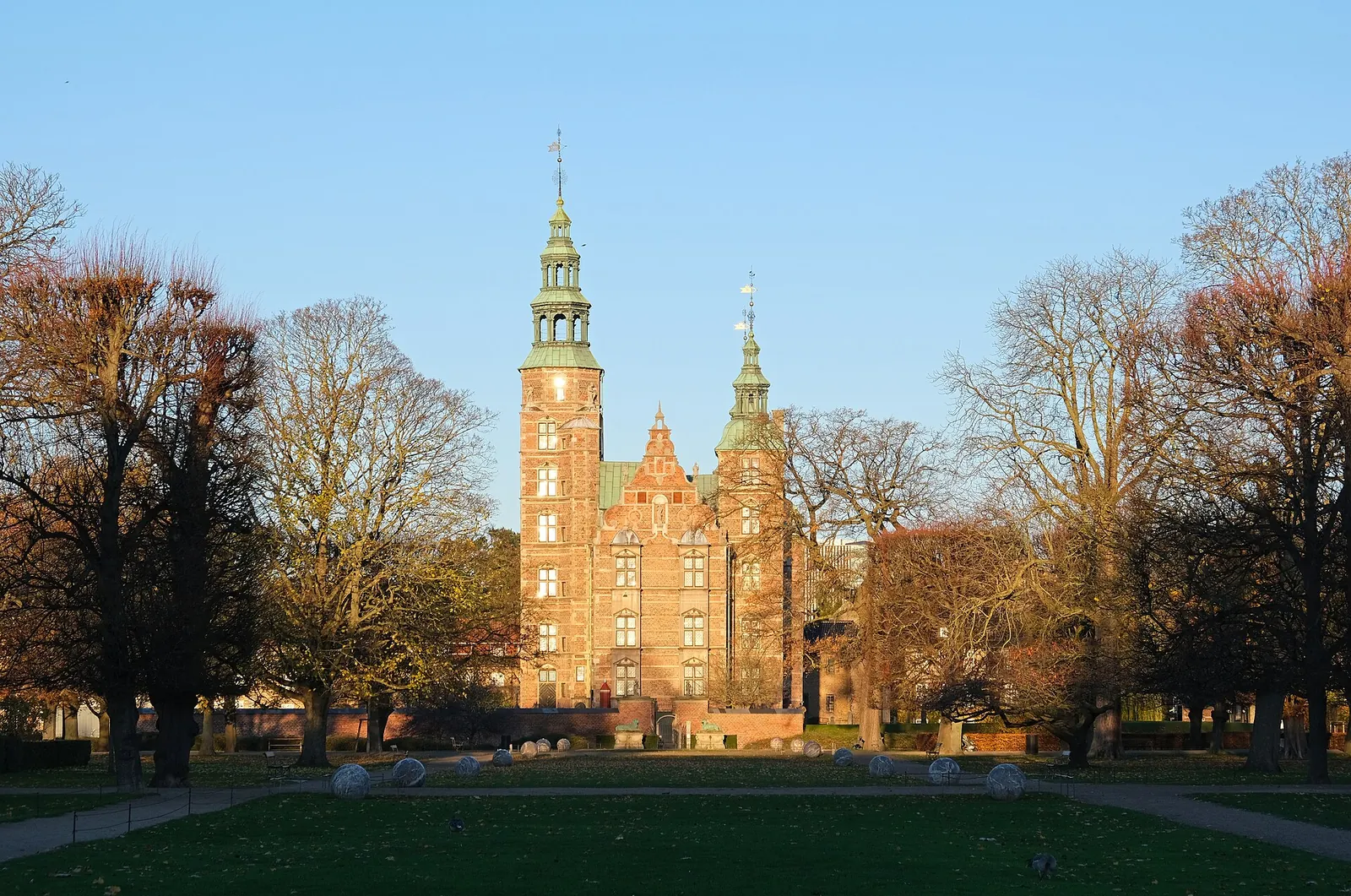
This is the day for crown jewels, rooftop views and twinkling lights. Start at Rosenborg Castle, built between 1606 and 1634 by Christian IV as a pleasure palace, with the Danish crown jewels and royal crowns in the basement. It sits in the King’s Garden, just 200 metres from Nørreport Station.
- Pre-book: entry is by time slot (every ten minutes), and the castle says slots sell out in peak season. Book on the official Royal Danish Collection site.
- Price: adults DKK 140 online or DKK 150 at the door; under 18s free.
- Hours: daily 10:00 to 17:00 until 1 November 2026. From 2 November to 23 December it is closed on Mondays and open 10:00 to 16:00 Tuesday to Sunday.
- Bags: backpacks are not allowed inside and handbags must be small (max 15 x 23 x 15 cm, worn in front). Free lockers are available, but there is no space for suitcases.
- Saving tip: visiting Christiansborg and Amalienborg too? The Royal Palace Pass (see Day 2) covers all three and costs less than Rosenborg plus a Christiansborg Palace Ticket bought separately.
After the castle, take a stroll through the King’s Garden, Denmark’s oldest royal garden.
Afternoon
Walk about 10 minutes through the Latin Quarter to the Round Tower (Rundetaarn). Instead of stairs, you climb a wide spiral ramp to a 360-degree view over the rooftops.
- Price: adults DKK 60, students DKK 40, children 0 to 17 free. Tickets are sold only at the tower’s ticket office, with no pre-purchase (except for events).
- Hours: winter season (1 October to 31 March) Monday and Tuesday 10:00 to 21:00, Wednesday to Sunday 10:00 to 18:00. Summer season (1 April to 30 September) daily 10:00 to 20:00.
- Bonus: in winter, the observatory opens for stargazing on Monday and Tuesday evenings, 18:00 to 21:00, weather permitting.
- Check the official site before you go: in October 2026 the tower posted a notice about maintenance work on the Spiral Ramp.
From here, wander down the pedestrian shopping street Strøget and on to Christiansborg Palace on Slotsholmen, roughly 15 minutes on foot (nearest metro: Gammel Strand). Christiansborg packs five sights into one island: the Royal Reception Rooms, the Ruins, the Royal Kitchen, the Royal Stables and the Palace Chapel.
- Palace Ticket (best value if you want several parts): adults DKK 215 online or DKK 225 at the door; ages 0 to 17 free.
- Single sights: Royal Reception Rooms DKK 140 online (DKK 150 at the door); the Ruins, the Royal Kitchen and the Royal Stables DKK 75 online each (DKK 85 at the door).
- Hours (30 March to 1 November 2026): Reception Rooms, Ruins and Kitchen daily 10:00 to 17:00; Royal Stables daily 13:30 to 16:00; Palace Chapel Sundays only. Winter hours differ, so check the official opening hours page.
- Good to know: parts of the palace can close without notice for official state or royal events.
Evening
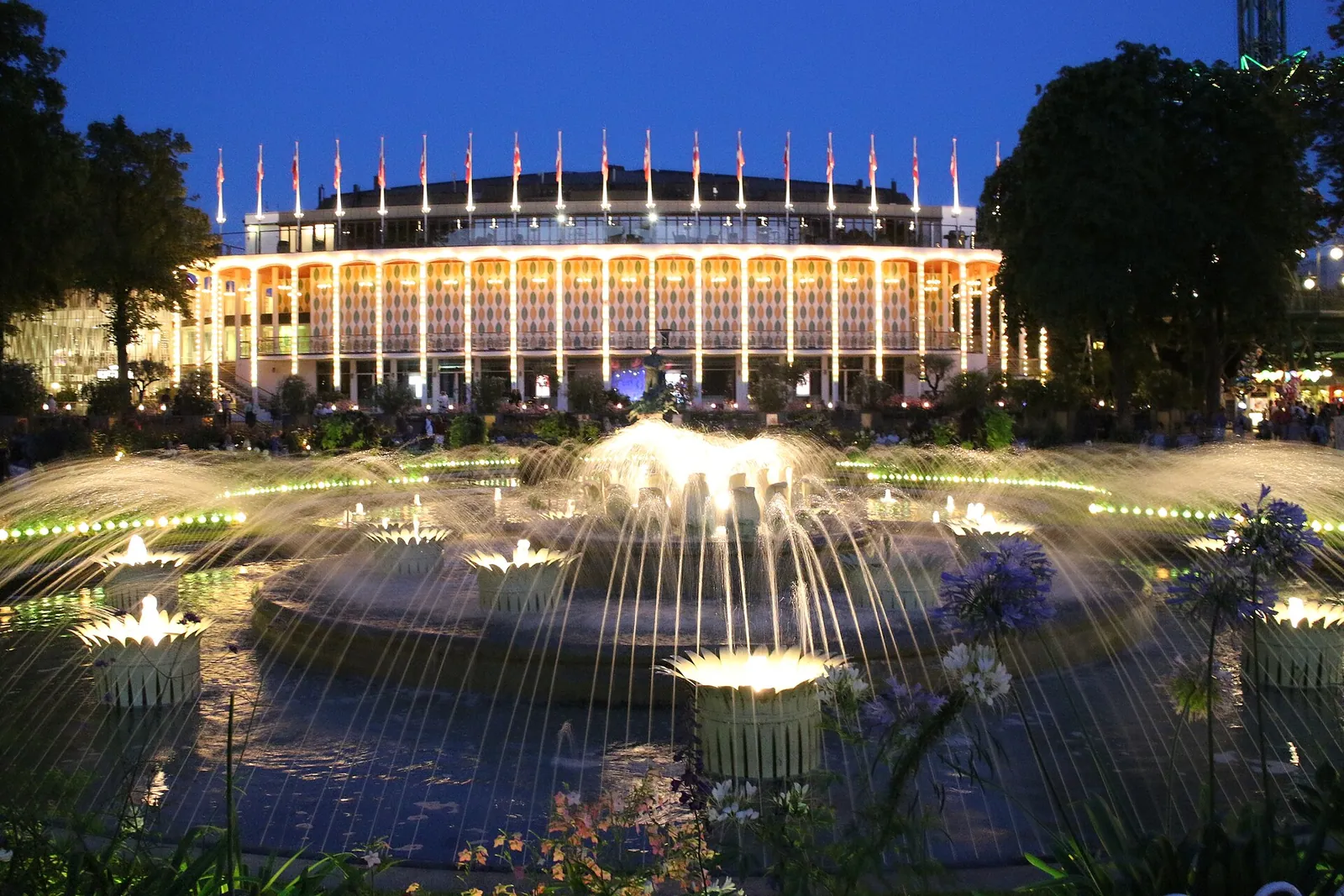
Walk about 15 minutes to Tivoli Gardens for an evening of lights, rides and atmosphere. Tivoli runs in seasons, so timing matters:
- In 2026, the Halloween season runs until Sunday 1 November, with free-with-entrance Halloween Illuminations shows on the lake at 19:30, 20:30 and 21:30.
- The Christmas season opens on Friday 13 November 2026 at 11:00. Between the two seasons, the Gardens are not open for regular visits.
- Tickets: prices vary by date and ticket type, so check the official Tivoli site. Tivoli entry is included with the Copenhagen Card.
Not here during a Tivoli season? Head back to the Round Tower on a Monday or Tuesday evening in winter for its late opening instead.
Day 2: Harbour life and royal Copenhagen
Morning
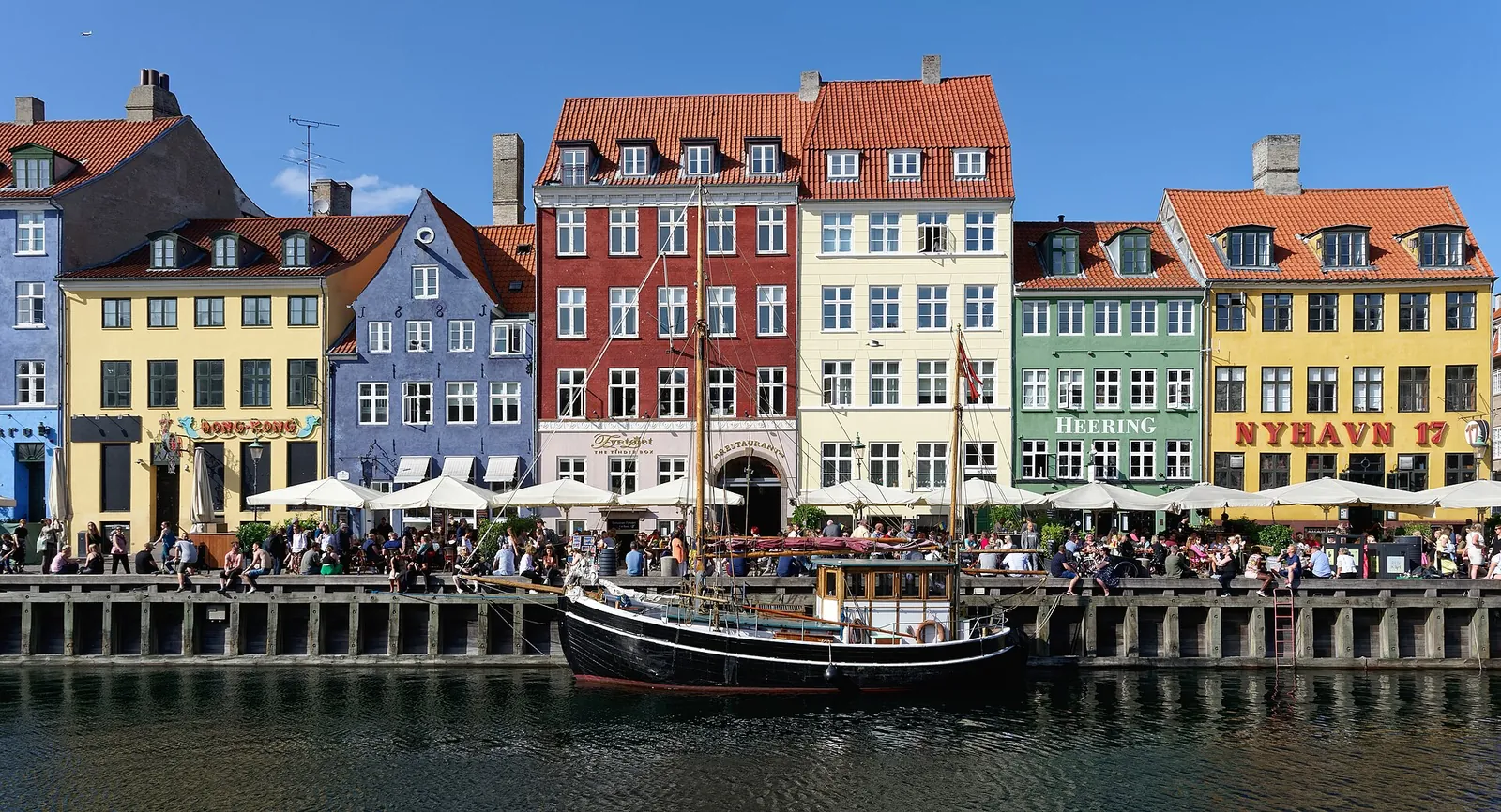
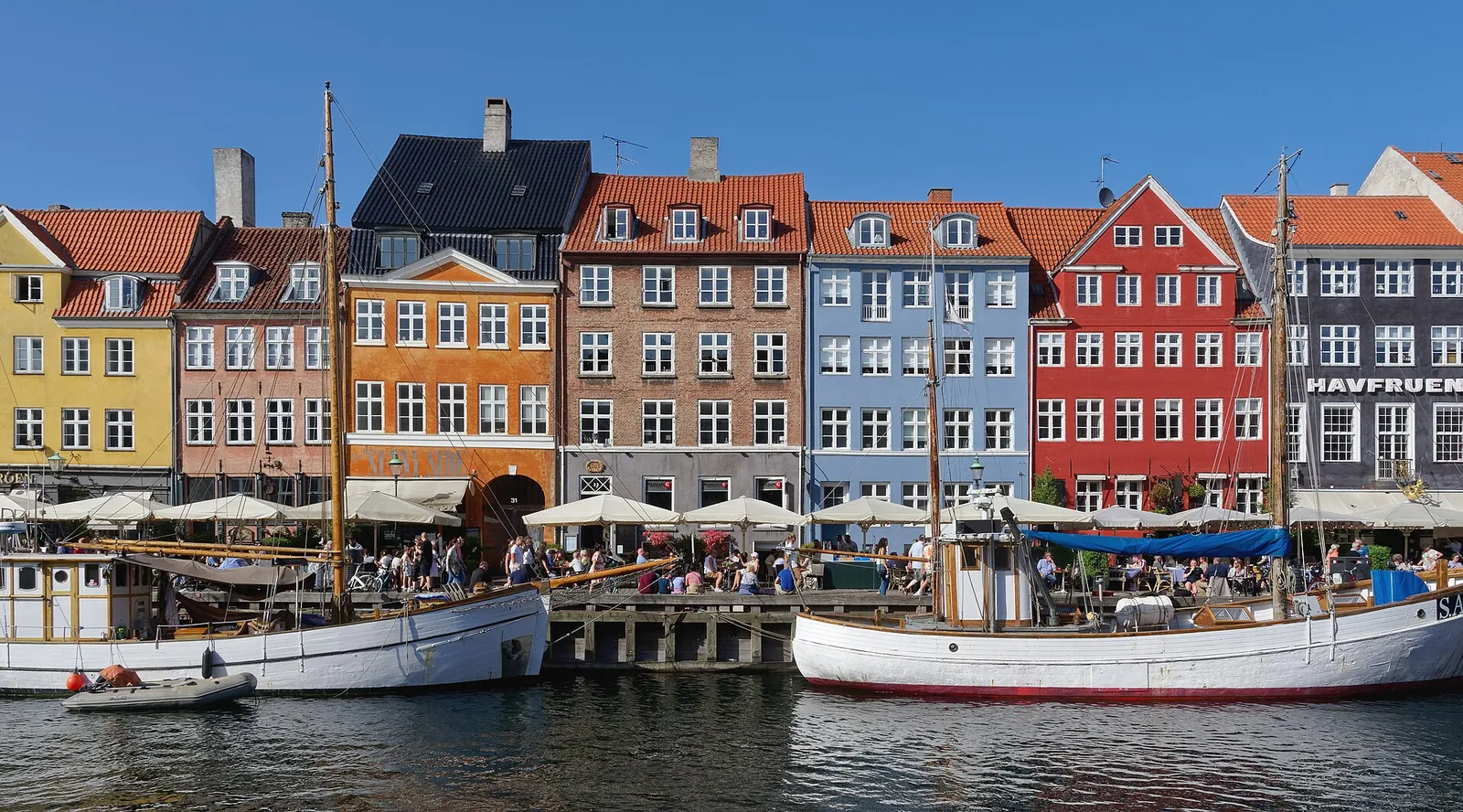
Get your camera ready: today is all about the water. Take the metro to Kongens Nytorv, which the metro operator flags as the handy stop for Nyhavn, and stroll a few minutes to Nyhavn, the postcard canal of painted townhouses and wooden ships. Come early for calmer photos.
A canal or harbour boat tour from the Nyhavn area is one of the best ways to understand how the city is built around water. Several operators run tours; prices, departure points and winter schedules vary, so check the operator’s official website and book ahead in summer.
Afternoon
Walk about 10 minutes north to Amalienborg, home of the Danish royal family, where four palaces face an elegant octagonal square. The Amalienborg Museum is included in the Royal Palace Pass (DKK 245 online or DKK 255 at the door), which also covers Rosenborg and Christiansborg over 3 days. If you are visiting all three, it is cheaper than buying separate tickets. For the timing of the changing of the guard, check the official royal sites on the day.
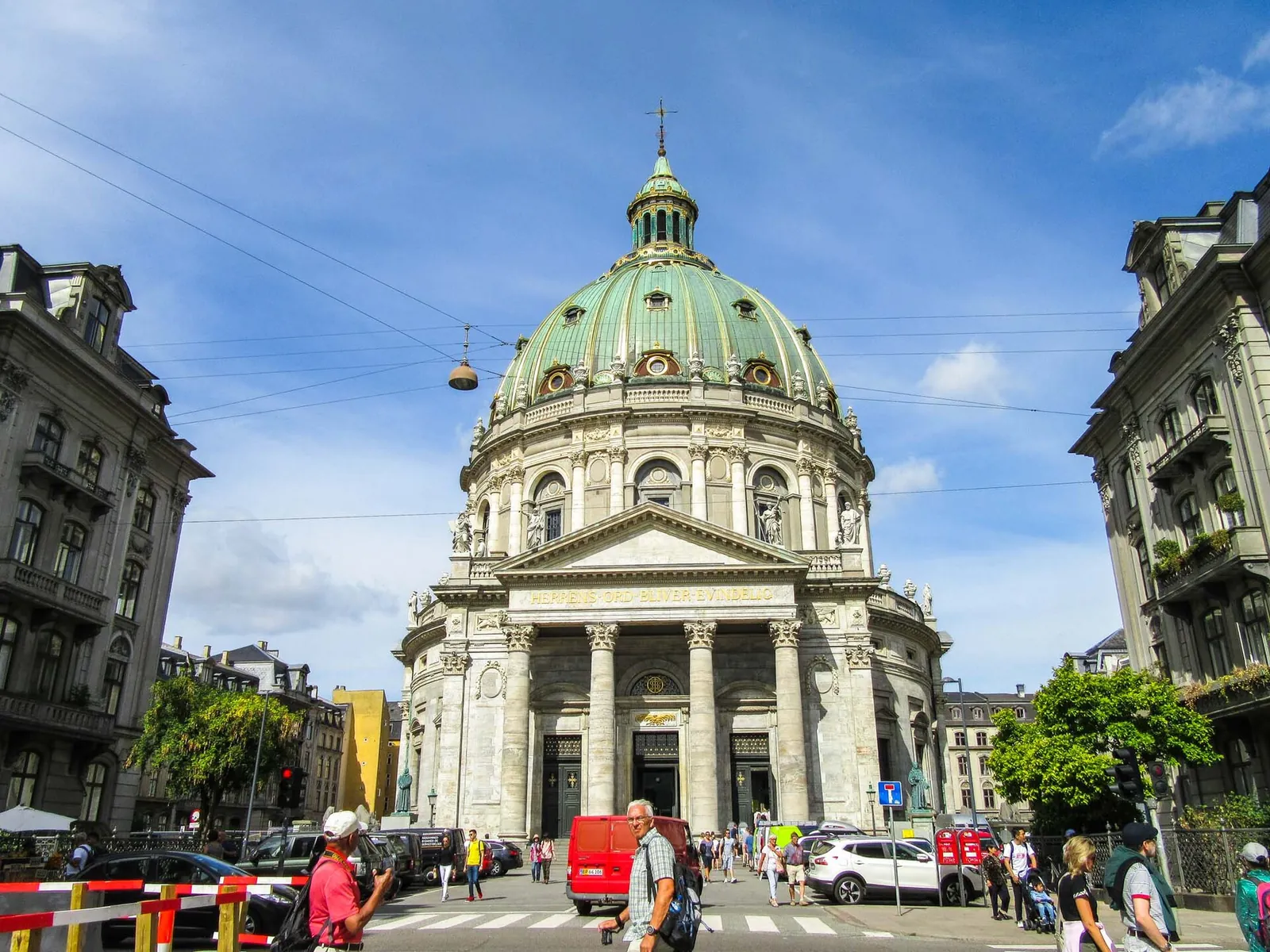
Right behind the square rises the Marble Church (Frederik’s Church), which VisitCopenhagen calls the city’s most impressive church, with views from the top. Check its official site for dome access times.
Continue about 15 minutes on foot to Kastellet, the star-shaped fortress with grassy ramparts, then a few minutes more to the Little Mermaid, Copenhagen’s most famous sculpture. Enjoy the waterfront walk as much as the statue itself.
Evening
Head back towards Nyhavn or Kongens Nytorv for dinner. Copenhagen’s food scene, from street food to New Nordic tasting menus, is a highlight in itself; book popular restaurants ahead.
Day 3: Vikings, canals and Christianshavn
Morning
Vikings, canals and houseboats: this is a day full of stories. Spend the morning at the National Museum (Nationalmuseet) at Ny Vestergade 10, where you travel from the Vikings and the Middle Ages to everyday Danish life.
- Price: adults DKK 150, or DKK 135 online; under 18s free. Your ticket is valid for a year.
- Hours: April to October daily 10:00 to 17:00. November to March, closed on Mondays (except in week 7 and at Easter), Tuesday to Sunday 10:00 to 17:00. Closed 24, 25 and 31 December.
- Exhibitions start closing gradually from 16:45, so don’t arrive too late.
Art lovers can swap or add SMK, the National Gallery of Denmark, the country’s largest art museum, near Nørreport. Check SMK’s official site for current hours and prices.
Afternoon
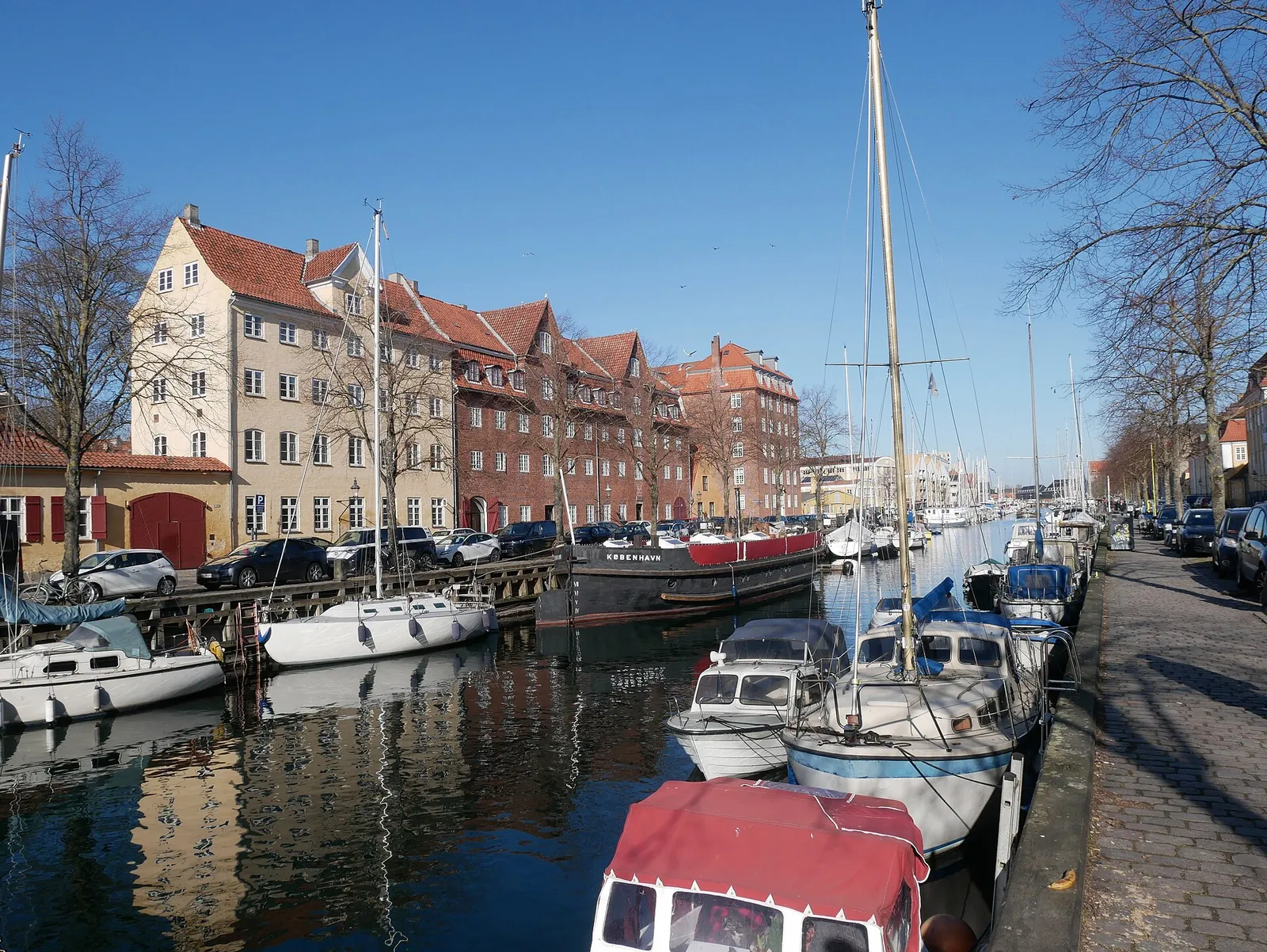
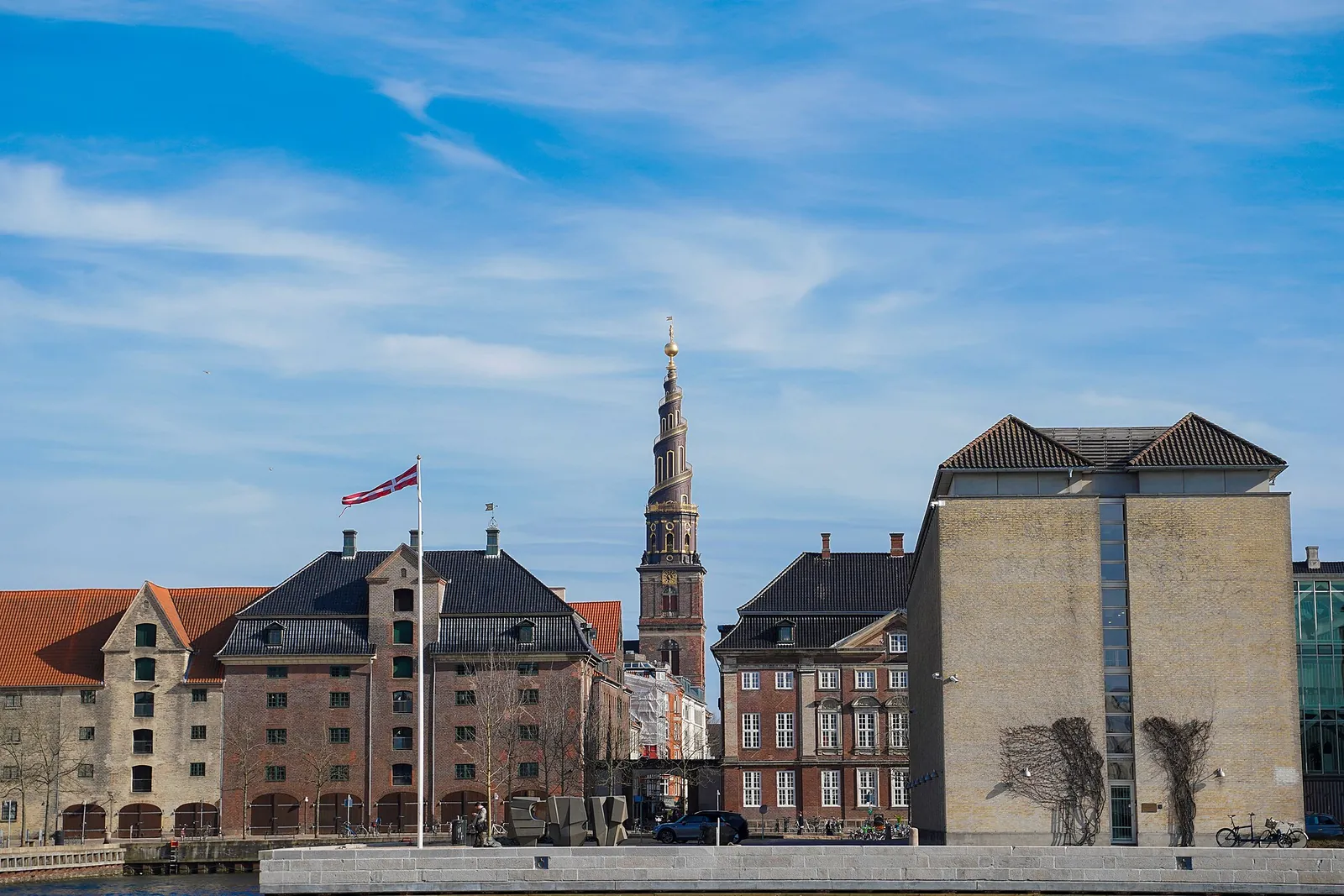
Walk about 20 minutes across the harbour to Christianshavn (or ride the M2 to Christianshavn station). With its canals, houseboats and 17th-century streets, it is one of the city’s most charming corners. Look up at the corkscrew spire of the Church of Our Saviour, and check the church’s official site if you want to climb it.
From here it is a short walk to Freetown Christiania, the self-governing community famous for its art, gardens and handmade houses. Visit in daylight, follow the signs and respect residents’ wishes, and read the Heads-up section below first: cannabis is illegal in Denmark, and UK government advice asks visitors to take extra care here, particularly late at night.
Evening
Celebrate with a canal-side dinner in Christianshavn or a final harbour stroll. Skipped Tivoli on Day 1? This is your chance.
Getting there and getting around
Airport to city. Copenhagen Airport has its own metro station at Terminal 3, a short walk from arrivals. Take the M2 towards Vanløse: it stops at Christianshavn, Kongens Nytorv and Nørreport, and the metro operator says the ride to the city centre takes 14 minutes. A 3-zone ticket costs DKK 30 and is valid for 1 hour and 30 minutes.
Trains also run directly from the airport station (also at Terminal 3) to Copenhagen Central Station, which is handy if you are staying in Vesterbro. Metro and train share the same ticket system, so you don’t need a separate ticket. Taxis wait outside the airport; they cost more than public transport and depend on traffic, so check the fare before you set off.
Getting around. Walking covers most of this plan. For the metro, buses and trains:
| Ticket | Price | Notes |
|---|---|---|
| 2-zone single | DKK 24 | Valid 1 hour 15 minutes; enough for most central trips |
| 3-zone single | DKK 30 | Covers airport to city centre and all metro lines; valid 1 hour 30 minutes |
| City Pass, 24 hours | DKK 100 | Unlimited travel in zones 1 to 4, including the airport. Longer versions exist: check the DOT site |
| Copenhagen Card Discover, 72 hours | DKK 1,039 | 80+ attractions plus public transport in the whole Capital Region, including the airport |
Buy tickets at the ticket machines at every metro station or in the official apps (the Rejsebillet app for single tickets, or the Rejsekort app to check in and out). With Rejsekort or a Basiskort you travel 20% cheaper outside rush hour. On the metro, an adult can bring two children under 12 for free. Ticket inspections happen and travelling without a valid ticket can mean a fine.
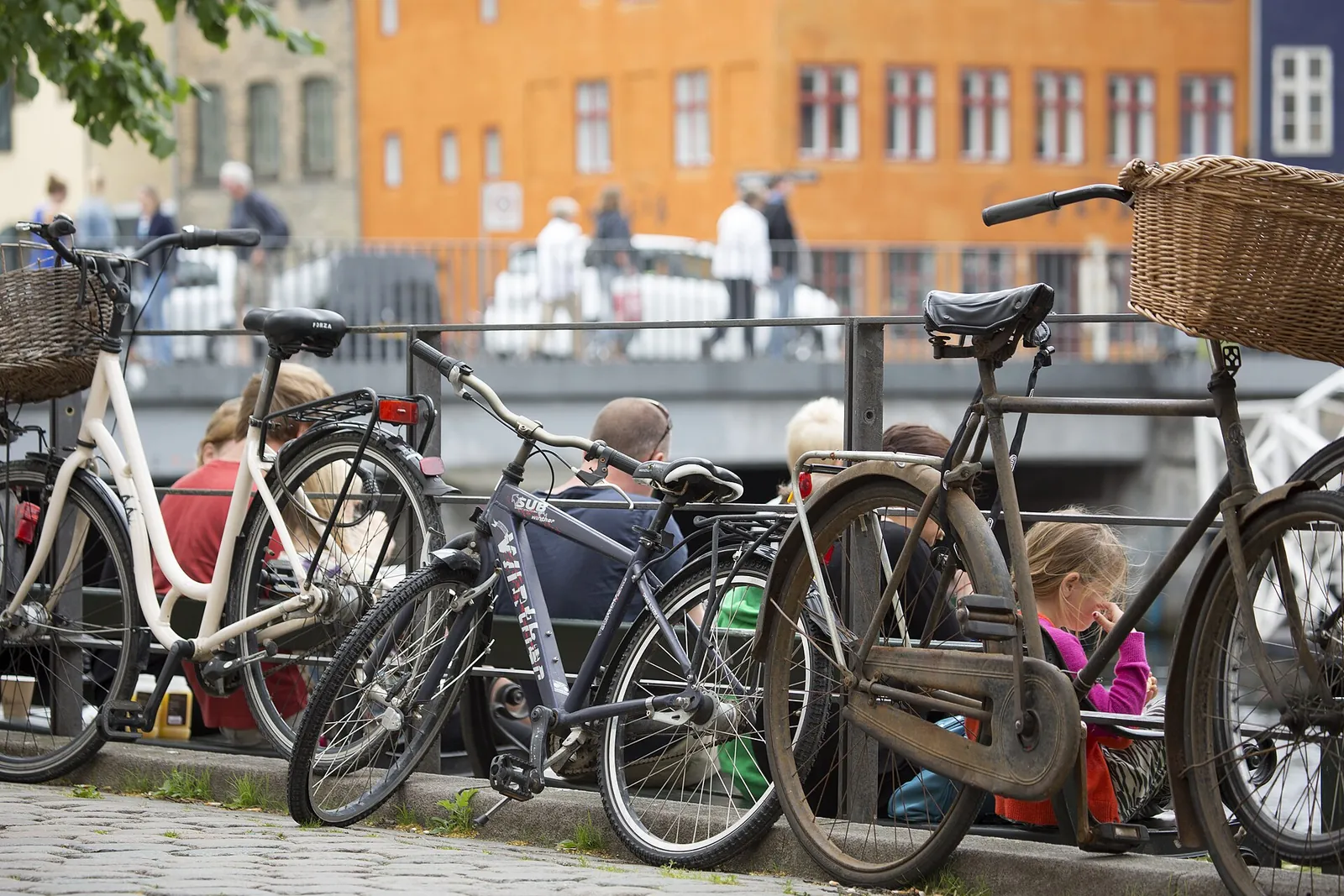
Biking is the local way to move. VisitCopenhagen suggests beginners avoid rush hours (7:00 to 9:00 and 15:00 to 17:00) and learn the cycling rules first.
Where to stay
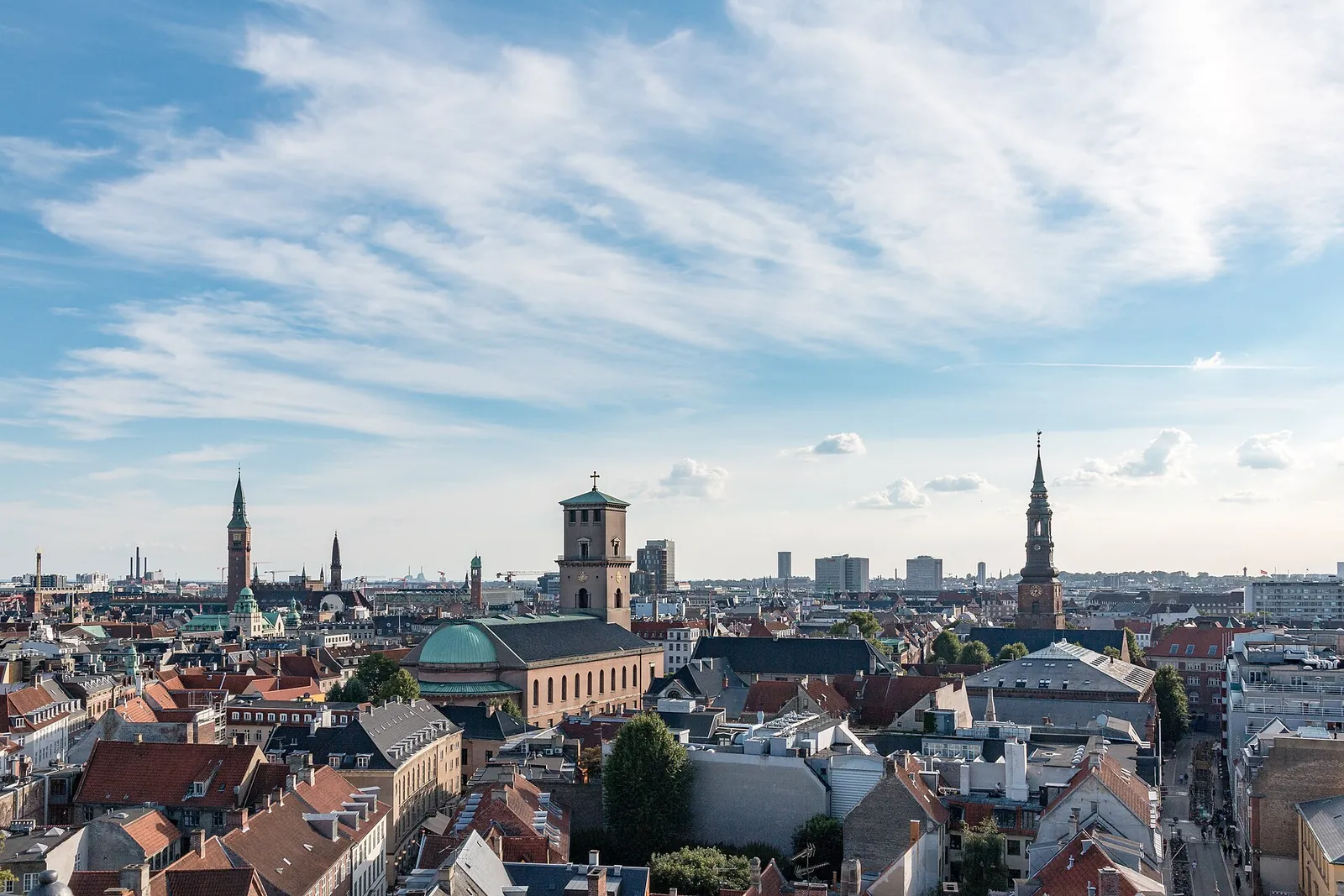
- Indre By (inner city, around Kongens Nytorv and Nyhavn): best for first-timers who want to walk everywhere. You are close to the M2 for an easy airport run, and Day 1 and Day 2 start on your doorstep. Expect higher prices and busier streets.
- Christianshavn: canals, houseboats and a calmer, village-like feel, yet a quick M2 ride from the airport and the centre. Great for couples and repeat visitors.
- Around Nørreport and the Latin Quarter: a lively student area near Rosenborg, the Botanical Garden and a major hub for metro, trains and buses. Good for travellers who want cafés and easy connections.
- Vesterbro (near Copenhagen Central Station): direct trains from the airport, a short walk to Tivoli, and a buzzing food and bar scene. Ideal if you arrive late or plan day trips by train. Keep an eye on your belongings around the station.
Budget

These are verified 2026 prices for the sights and transport in this plan. They exclude flights, accommodation, food and drink, Tivoli entry and canal tours (check the official sites for those).
| Item | Typical cost |
|---|---|
| Metro, airport to city (3 zones) | DKK 30 |
| Metro, central single (2 zones) | DKK 24 |
| City Pass, 24 hours (zones 1 to 4) | DKK 100 |
| Rosenborg Castle, adult | DKK 140 online / DKK 150 at the door |
| Round Tower, adult | DKK 60 |
| Christiansborg Palace Ticket, adult | DKK 215 online / DKK 225 at the door |
| Royal Palace Pass (Rosenborg, Amalienborg Museum, Christiansborg) | DKK 245 online / DKK 255 at the door |
| National Museum, adult | DKK 135 online / DKK 150 at the door |
| Copenhagen Card Discover, 72 hours, adult | DKK 1,039 (about USD 156) |
The frontmatter figure (about DKK 350 a day) is the 72-hour Copenhagen Card divided by three. It covers public transport and entry to many paid sights, including Rosenborg and Tivoli. Budget separately for your hotel and meals.
Practical tips
- Kids go free a lot: under 18s enter Rosenborg, Christiansborg and the National Museum free, and 0 to 17s enter the Round Tower free. The Copenhagen Card lets you bring up to two children aged 0 to 11 free.
- Watch the Monday pattern in winter: from November, the National Museum closes on Mondays (November to March) and Rosenborg closes on Mondays from 2 November to 23 December. Put museums on Tuesday to Sunday.
- Dress code: there is no strict dress code at these sights, but Danish law bans clothing that conceals your face in public, with legal exemptions such as health masks. The fine is DKK 1,000.
- Bags: pack light for Rosenborg (no backpacks inside) and keep large luggage at your hotel.
- Money: Denmark uses the Danish krone (DKK). Cards are routine at the sights in this plan; the National Museum, for example, accepts Mastercard, Visa and MobilePay.
- SIM/eSIM: check your home provider’s roaming rates before you fly, or set up a travel eSIM in advance so the journey planner and ticket apps work from the moment you land.
- Visa and entry: Denmark is part of the Schengen area. Requirements depend on your nationality, so check the Danish government’s official immigration portal, New to Denmark, well before you travel. The EU’s Entry/Exit System (EES) is being rolled out, so you may need to register fingerprints and a photo at the border on your first Schengen entry.
Heads-up
Copenhagen is easygoing, and a few simple habits keep it that way:
- Pickpockets: UK government travel advice says crime levels are generally low, but pickpockets and bag-snatchers operate in crowded areas. Hotspots named include the Central Station, Nørreport Station, Strøget, Christiania, Nyhavn, Kongens Nytorv and inside the airport. Keep an eye on luggage on airport trains too.
- Christiania and Nørrebro at night: the same advice asks visitors to take extra care in these areas, particularly late at night, citing some instances of gang violence. Our plan visits Christiania in daylight for this reason.
- Cannabis is illegal: whatever you may have heard about Christiania, illegal drugs including cannabis are strictly prohibited in Denmark, even in small quantities, with severe penalties.
- Bike lanes are not footpaths: cyclists often have right of way, and many accidents happen when pedestrians don’t give way to bikes. Look both ways before stepping off the kerb.
- E-scooters and alcohol don’t mix: riding a hired scooter under the influence can be prosecuted as drink-driving.
- Seasonal closures: Tivoli is closed between its Halloween and Christmas seasons (in 2026, after 1 November until 13 November), and Christiansborg can close at short notice for state events. Check official pages the day before.
- Stay aware: UK advice notes that terrorist attacks in Denmark cannot be ruled out, so follow local instructions if anything happens.
FAQ
Is the Copenhagen Card worth it for 3 days?
Often, if you’ll visit several paid sights plus Tivoli. The 72-hour Discover card costs DKK 1,039 for adults and includes 80+ attractions and public transport across the Capital Region, including the airport. Add up your must-sees first using the card’s official calculator.
How do I get from Copenhagen Airport to the city centre?
The easiest way is the M2 metro from Terminal 3 towards Vanløse: about 14 minutes to the centre, with a 3-zone ticket for DKK 30. Trains run directly to Copenhagen Central Station too.
Do I need to book anything in advance?
Book Rosenborg’s timed tickets online (they sell out in peak season and are cheaper online). Christiansborg and the National Museum are also cheaper online. The Round Tower sells tickets only on site.
Which day of the week is best to avoid?
From November to March, avoid planning museum-heavy Mondays: the National Museum closes on Mondays, and Rosenborg closes on Mondays from 2 November to 23 December.
Is Copenhagen good for families?
Very. Under 18s get free entry to Rosenborg, Christiansborg and the National Museum, the Round Tower is free for 0 to 17s, and two children under 12 ride the metro free with an adult.
Can I visit Tivoli at any time of year?
No, Tivoli opens in seasons. In 2026, the Halloween season ends on 1 November and the Christmas season starts on 13 November. Check the official Tivoli programme for exact dates and ticket prices.
Sources
Prices, hours and rules change. We checked these on 24 October 2026; please confirm on the official page before you book.
- Metroselskabet: Tickets (Copenhagen Metro)
- Metroselskabet: Københavns Lufthavn Metro Station
- Metroselskabet: From Copenhagen Airport to Copenhagen Central Station
- DOT: City Pass for tourists and travellers
- Copenhagen Card: Prices
- Rundetaarn: Visit Us (opening hours and prices)
- The Royal Danish Collection: Plan your visit to Rosenborg Castle
- The Royal Danish Collection: Opening hours for Rosenborg Castle
- The Royal Danish Collection: Plan your visit to Christiansborg Palace
- The Royal Danish Collection: Opening hours for Christiansborg Palace
- Nationalmuseet: Information (tickets and opening hours)
- Tivoli Gardens: Programme
- VisitCopenhagen: Top attractions in Copenhagen
- VisitCopenhagen: Rosenborg Castle
- VisitCopenhagen: Explore Copenhagen's biking culture
- GOV.UK Foreign Travel Advice: Denmark, Safety and security
- GOV.UK Foreign Travel Advice: Denmark, Entry requirements
- New to Denmark (Danish immigration portal): You want to apply
Photo credits (10)
- Colourful townhouses and boats along Nyhavn: Jakub Hałun, CC BY-SA 4.0, via Wikimedia Commons
- Rosenborg Castle glowing in late afternoon sun: kallerna, CC BY-SA 4.0, via Wikimedia Commons
- Tivoli Gardens fountains and lights at dusk: Suicasmo, CC BY-SA 4.0, via Wikimedia Commons
- Sailing ships moored along the Nyhavn canal: Jakub Hałun, CC BY-SA 4.0, via Wikimedia Commons
- The green dome of the Marble Church under blue sky: JD Lasica from Pleasanton, CA, US, CC BY 2.0, via Wikimedia Commons
- Boats and colourful houses on Christianshavn Canal: Doyle of London, CC BY-SA 4.0, via Wikimedia Commons
- The spiral spire of the Church of Our Saviour: OleNeitzel, CC BY 4.0, via Wikimedia Commons
- Colourful open sandwiches, Danish smørrebrød: Kritzolina, CC BY-SA 4.0, via Wikimedia Commons
- Bicycles parked by the water in Copenhagen: Jenny Andersson / News Oresund, CC BY 2.0, via Wikimedia Commons
- Copenhagen rooftops seen from the Round Tower: Dietmar Rabich, CC BY-SA 4.0, via Wikimedia Commons
This is a researched plan, not a personal trip report. How we research · Affiliate disclosure