

6 Days in India's Golden Triangle: Delhi, Agra and Jaipur
A 6-day Golden Triangle plan: Old and New Delhi, the Taj Mahal at sunrise and Agra Fort, then Jaipur's Amber Fort and Pink City, with official ticket prices.
- 🗓️ Trip length
- 6 days
- ☀️ Best time
- October to March
- 💰 Daily spend
- Delhi and Agra entry fees INR 600-2,500 per day (foreign visitors); other costs vary
- ✅ Facts checked
- 24 October 2026
Get ready for one of the best first trips to India you can plan. The Golden Triangle links three cities that each feel like a different world. Delhi has Mughal forts and leafy boulevards, Agra has the Taj Mahal glowing at dawn, and Jaipur has pink sandstone bazaars and hilltop palaces. Six days gives you time to see the famous sights without rushing.
This plan is perfect for first-time visitors, couples, families with older kids and anyone who wants a steady but relaxed pace. Expect early starts, because the light and the crowds are both better in the morning. You’ll take a calm break at midday and spend evenings on food and markets. The plan includes two travel days, and each city gets at least one full day.
At a glance
| Day | Area | Highlights |
|---|---|---|
| 1 | Old Delhi | Red Fort, Jama Masjid, Chandni Chowk lanes and street food |
| 2 | New Delhi | Qutb Minar, Humayun’s Tomb, Lodhi Garden, India Gate |
| 3 | Delhi to Agra | Train to Agra, Itimad-ud-Daulah, sunset at Mehtab Bagh |
| 4 | Agra to Jaipur | Taj Mahal at sunrise, Agra Fort, optional Fatehpur Sikri, onward to Jaipur |
| 5 | Jaipur | Amber Fort, Jal Mahal viewpoint, City Palace, Jantar Mantar, Hawa Mahal |
| 6 | Jaipur | Bazaars, museums or Nahargarh views, then onward travel |
One rule before you book anything: the Taj Mahal is closed on Fridays. Arrange your dates so that Day 4 is not a Friday.
Day 1: Old Delhi, forts and food
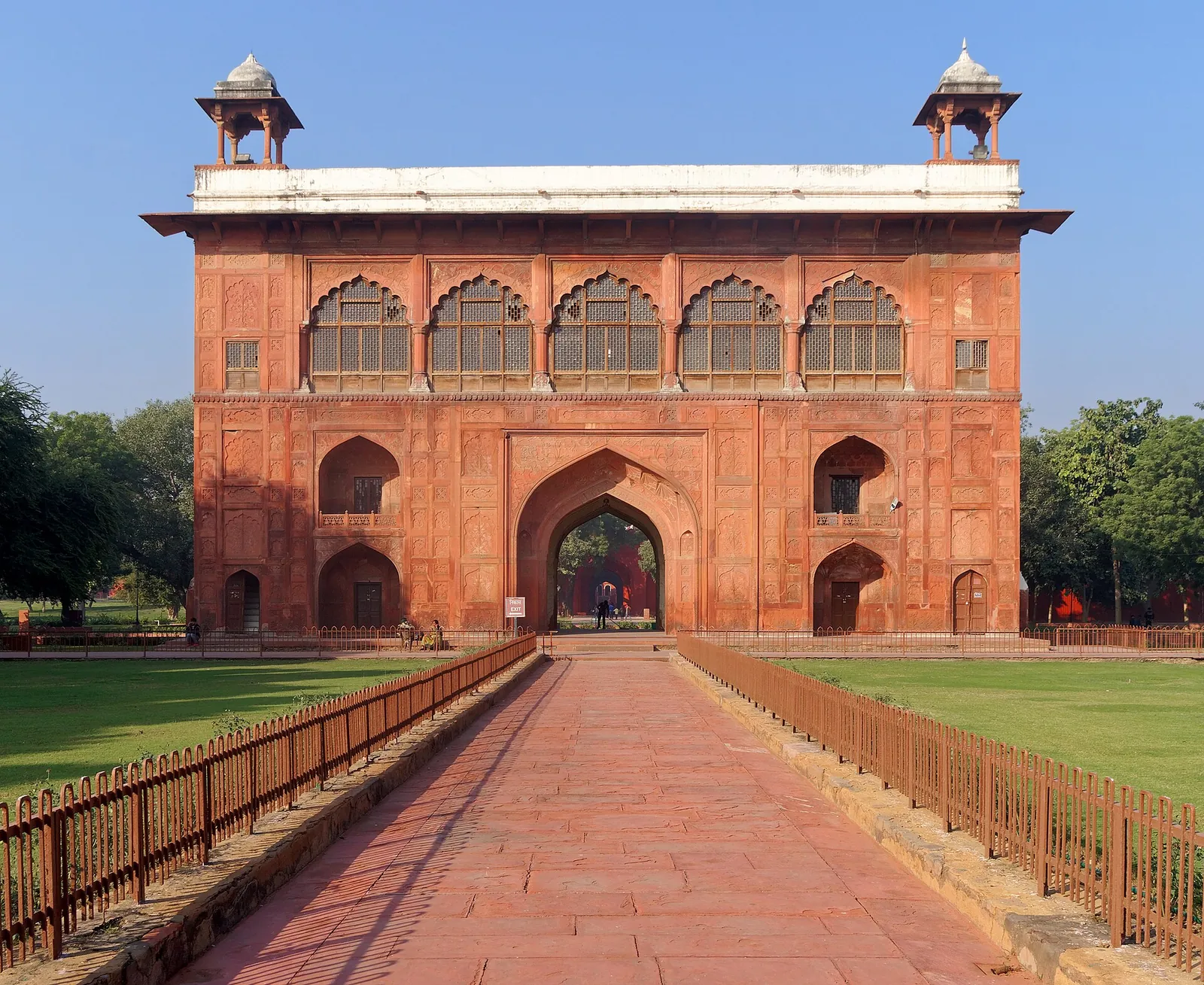
Morning
Your adventure begins at the Red Fort (Lal Qila), Shah Jahan’s red sandstone citadel. The Archaeological Survey of India (ASI) lists these fees:
- Foreign visitors: INR 600 in cash or INR 550 online
- Visitors from SAARC and BIMSTEC countries: INR 50 in cash or INR 35 online
- Children under 15: free
Book online on the ASI ticketing portal to save money and skip the counter.
Good news if you’re planning a Monday. Older guides say the fort closes on Mondays, but ASI issued an order in February 2026 to open it every day of the week. Allow two to three hours to walk the gates, audience halls and marble pavilions.
Afternoon
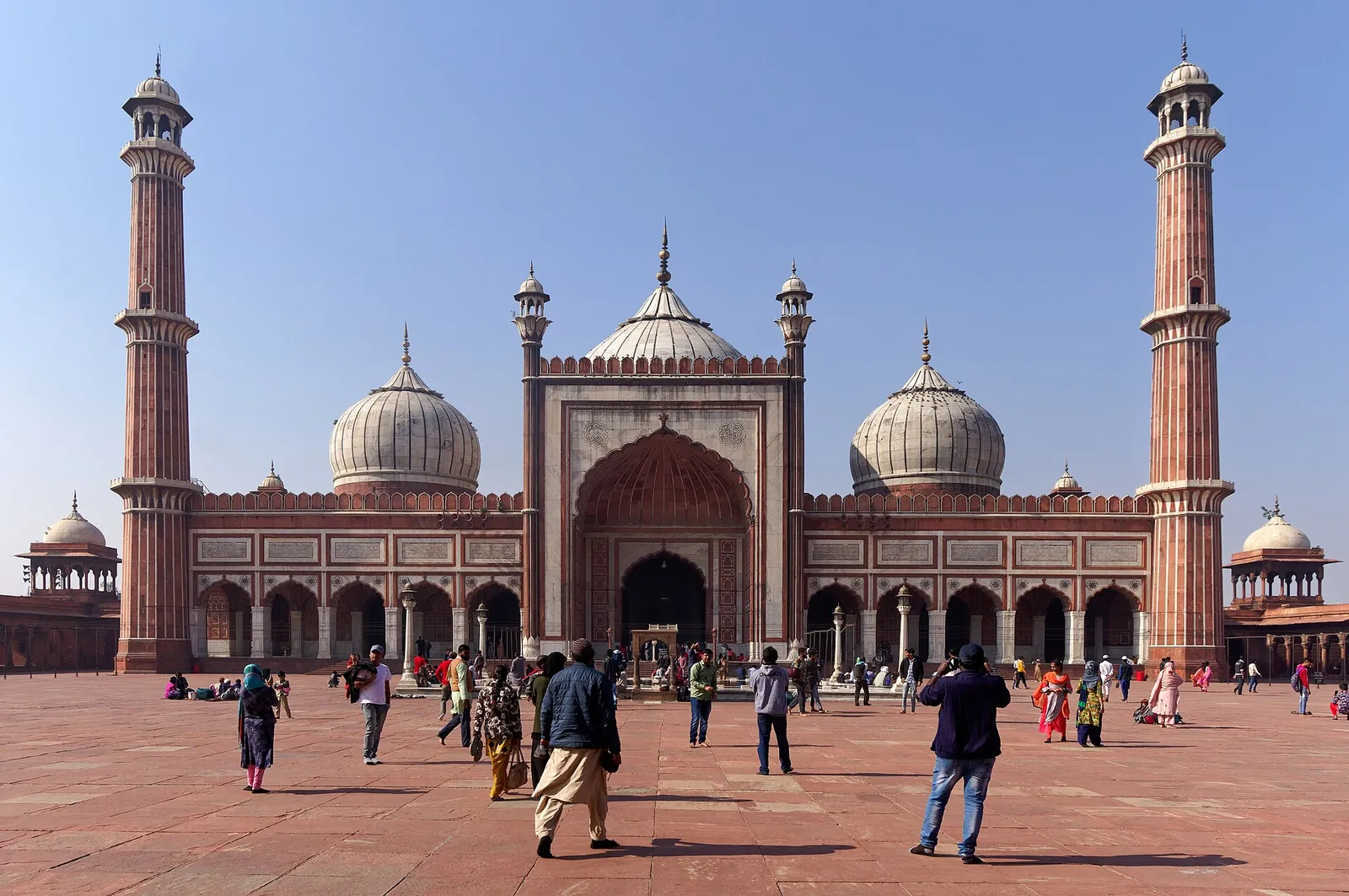
Walk out of the fort and into the lanes of Old Delhi. The Jama Masjid, one of India’s great mosques, is a short walk or cycle-rickshaw ride away. Check visiting times locally, because prayer times affect access. Dress modestly, with shoulders and knees covered.
Afterwards, wander happily through Chandni Chowk, the old Mughal market street. Snack as you go: parathas, chaat and syrupy jalebi are all part of the experience. Choose busy stalls where the food is cooked fresh in front of you.
Evening
Rest at your hotel, then head to Connaught Place for dinner. Its Georgian-style colonnades are lively in the evening, and it’s a handy metro hub for getting home.
Day 2: New Delhi, tombs and gardens
Morning
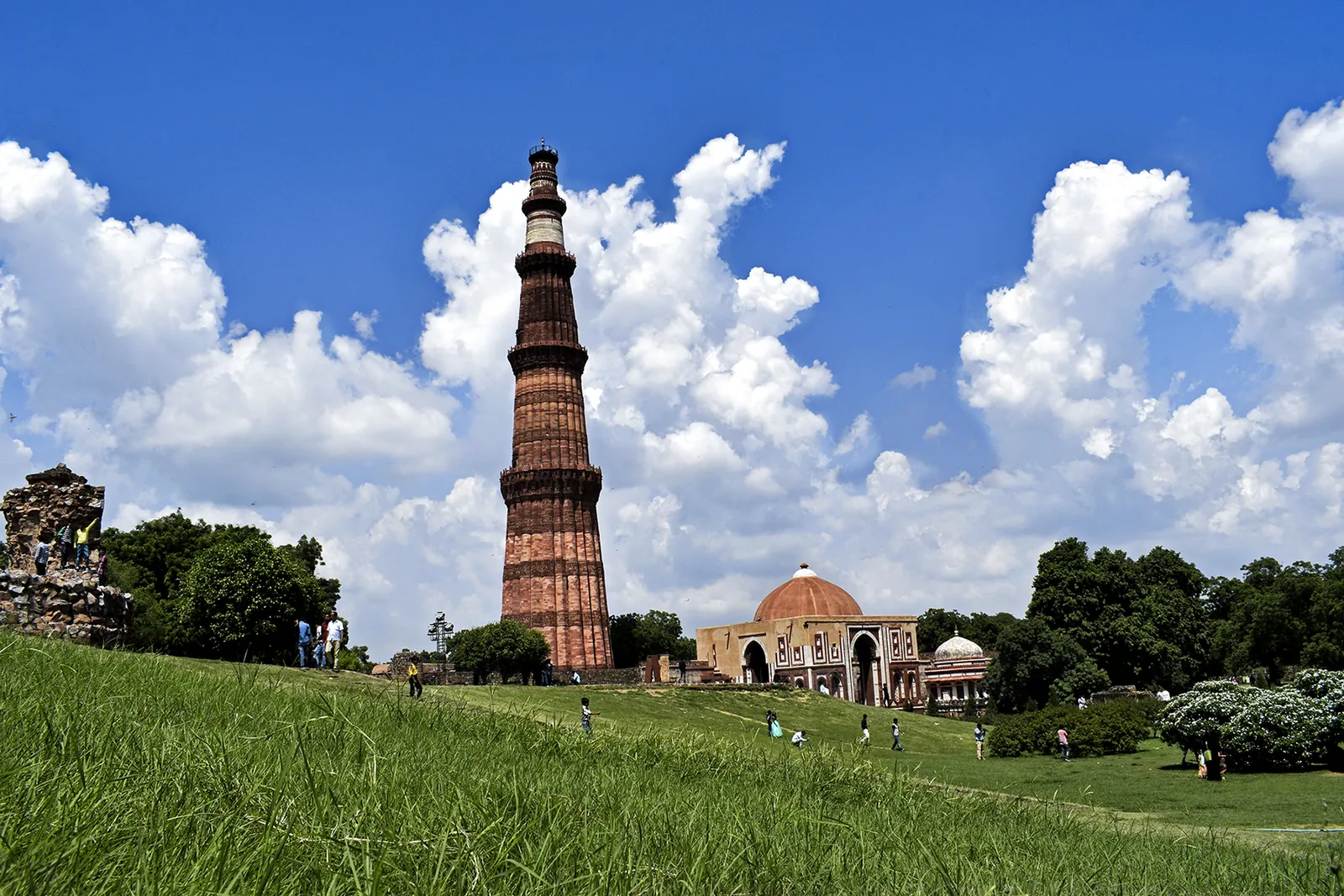
Today is all about grand towers and peaceful gardens. Start in the south at Qutb Minar, a soaring 12th-century victory tower covered in carved bands. It’s an ASI monument, so book on the ASI portal and check the current fee and hours there before you go. Allow around two hours.
Afternoon
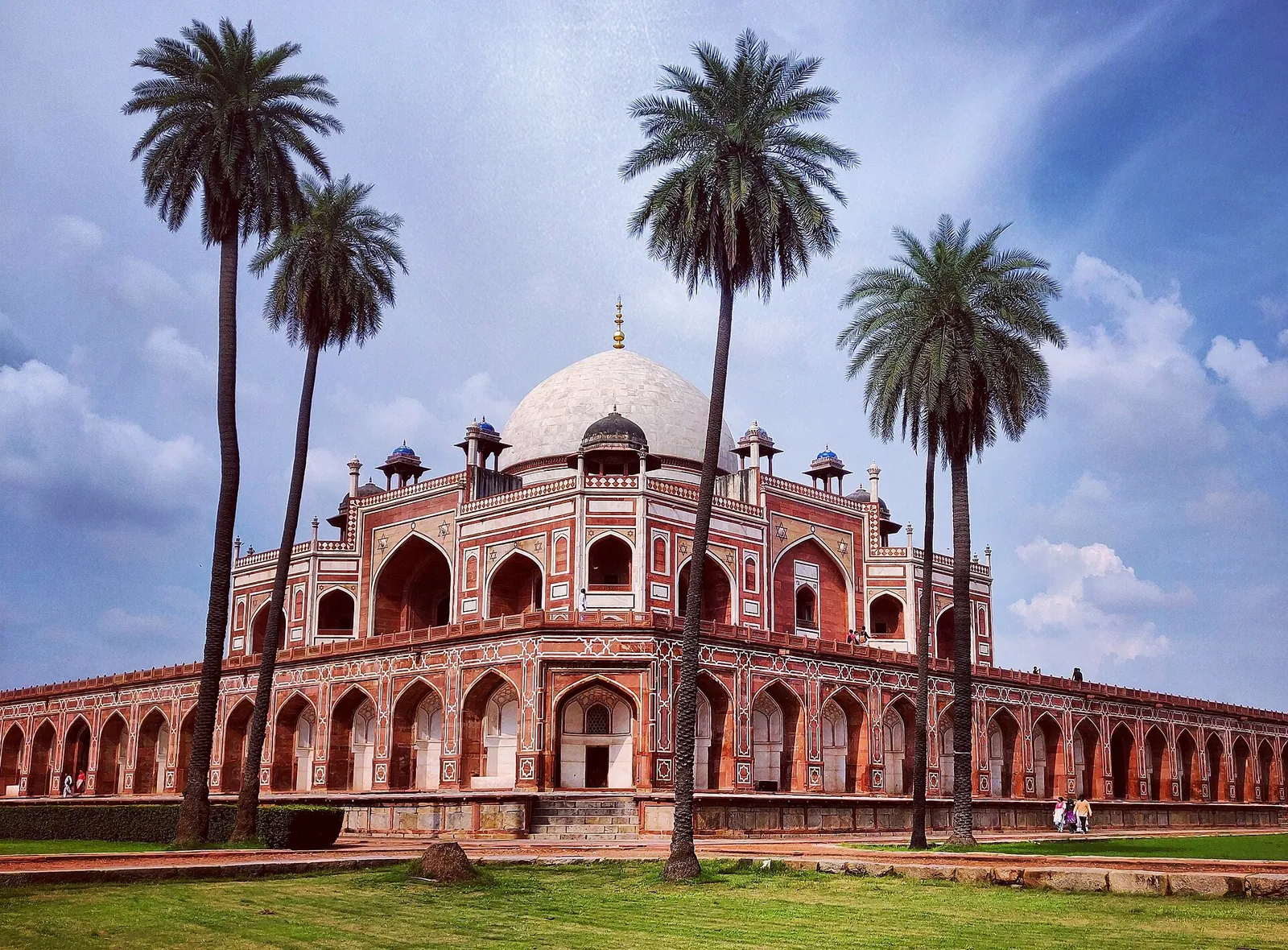
Take a cab north to Humayun’s Tomb, the garden tomb that inspired the Taj Mahal. Delhi Tourism lists it as open daily from sunrise to sunset, with an entry fee of INR 600 for foreign visitors. The nearest metro station is JLN Stadium. Give yourself two hours for the main tomb, its water channels and the smaller tombs in the grounds.
From here, a short taxi ride takes you to Lodhi Garden, a green park dotted with 15th- and 16th-century tombs. It’s perfect for a slow walk when you need a break from monuments.
Evening
Finish at India Gate and the Kartavya Path boulevard at dusk, when families come out for an evening stroll and ice cream. Pack your bags tonight, because tomorrow is a travel day.
Day 3: Delhi to Agra, the river side of the Taj
Morning
Hop on a morning train from Delhi to Agra, with your first view of the Taj waiting at sunset. Several trains run on this route every day, including fast premium services. Times and fares change, so check and book on IRCTC, Indian Railways’ official booking site, as early as you can. Popular trains sell out, especially in peak season.
Afternoon
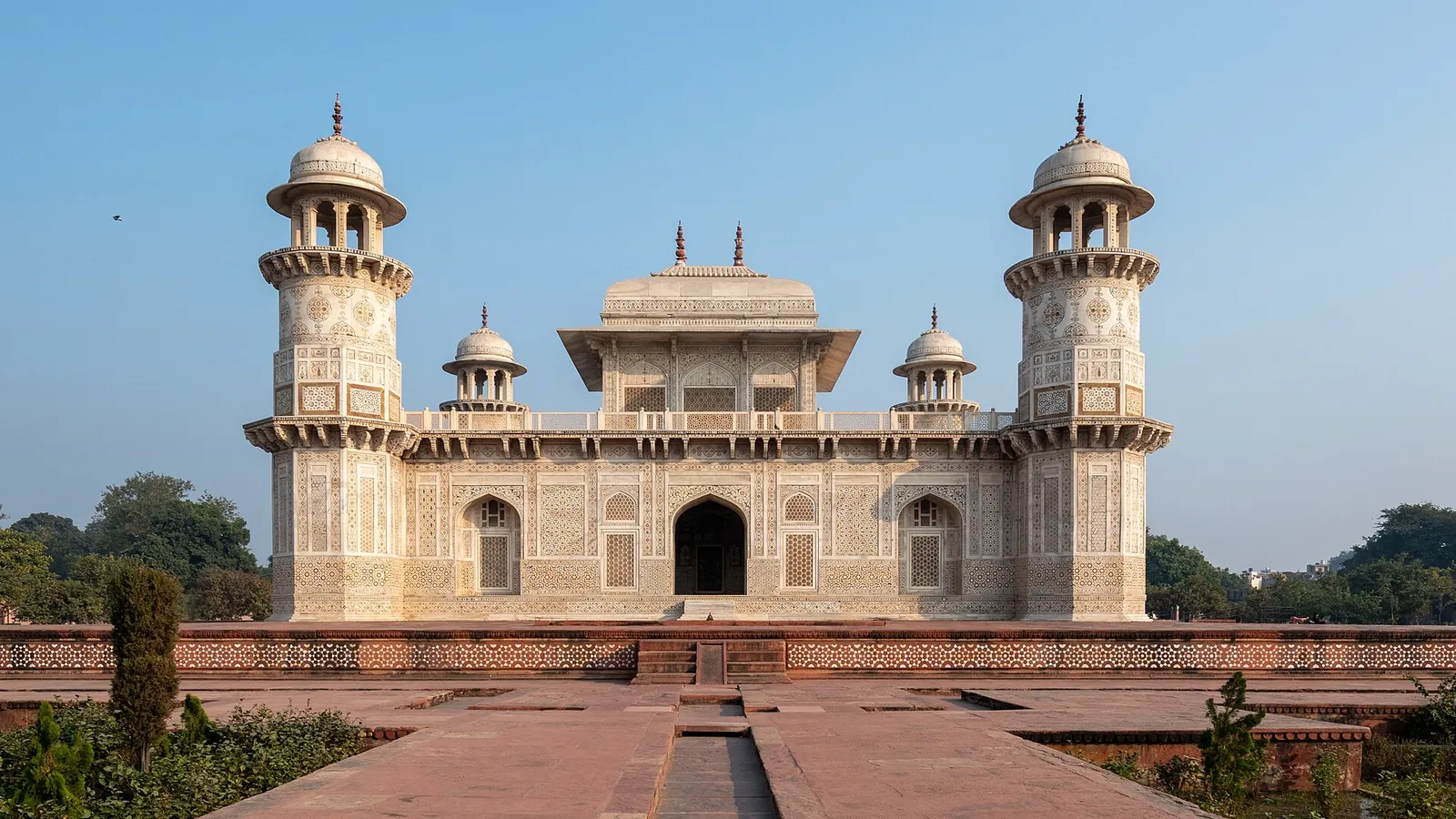
Check in and have lunch. Then cross the Yamuna River to Itimad-ud-Daulah, often called the “Baby Taj” for its delicate marble inlay. The Uttar Pradesh tourism fee table lists INR 310 for foreign visitors, or INR 300 on Fridays.
Evening
Walk or ride on to Mehtab Bagh, the garden directly across the river from the Taj Mahal. The official fee is INR 300 for foreign visitors. As the sun goes down, you see the Taj glowing without the crowds. It’s a magical first view.
Have an early dinner and set your alarm. Tomorrow starts before sunrise.
Day 4: Taj Mahal at sunrise, then on to Jaipur
Morning
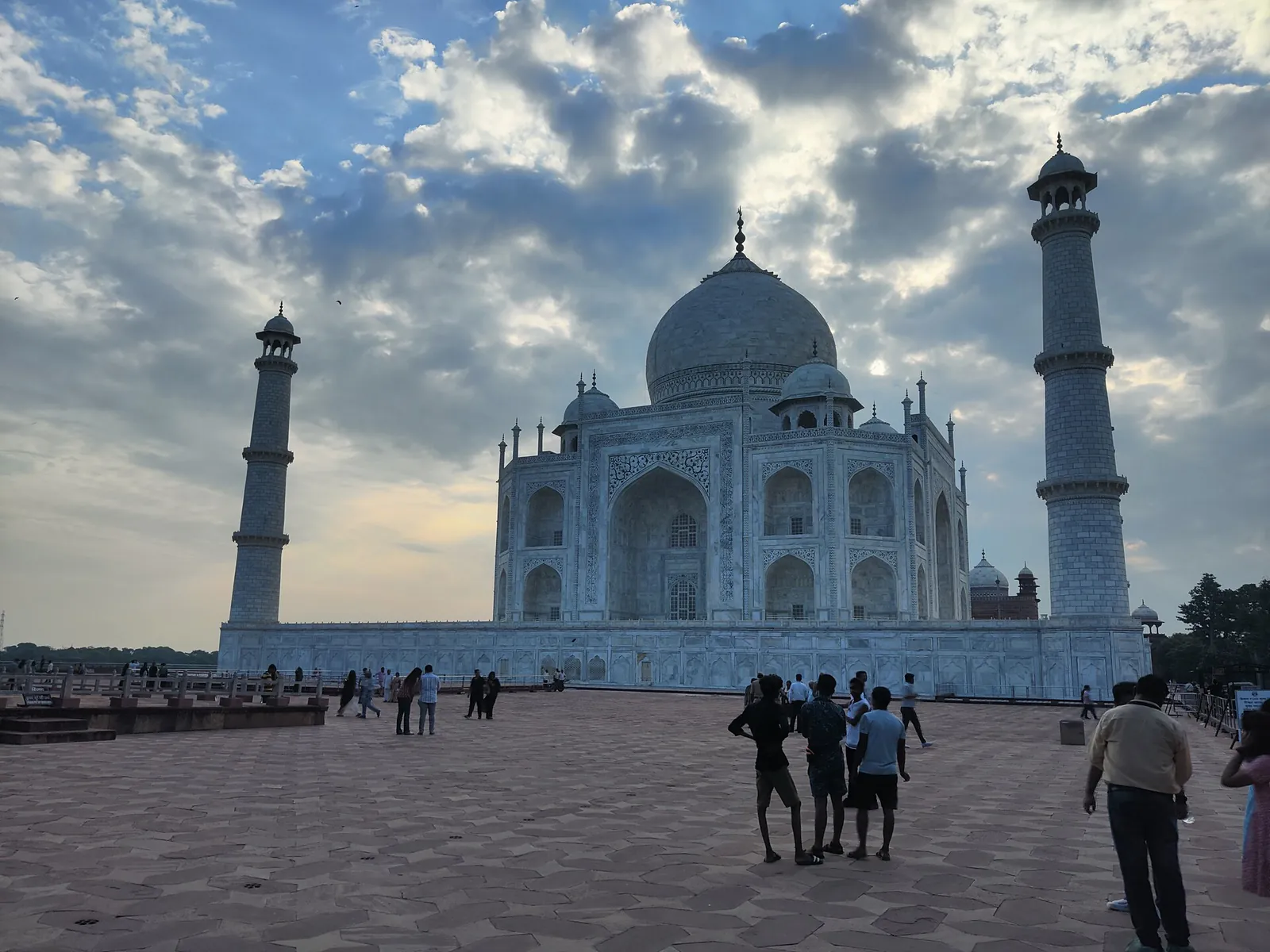
This is the big one, the moment you’ve been waiting for. The Taj Mahal opens 30 minutes before sunrise and closes 30 minutes before sunset. It’s closed on Fridays. These official fees include ASI and Agra Development Authority (ADA) charges:
- Foreign tourists: INR 1,100
- Citizens of SAARC and BIMSTEC countries: INR 540
- Indian citizens and OCI cardholders: INR 50
- Main mausoleum: an extra INR 200 (optional, but we highly recommend it)
- Children under 15: free
Buy your ticket online in advance. The official Taj Mahal site names asi.payumoney.com and asiagracircle.in as the booking portals. Foreign visitors who book online get INR 50 off. You enter through the Western or Eastern Gate, which both have ticket counters, and the Southern Gate is exit only. Foreign and domestic visitors queue separately.
Spend two to three hours inside. See the gardens, the mosque and the guest house on either side, and the marble mausoleum itself.
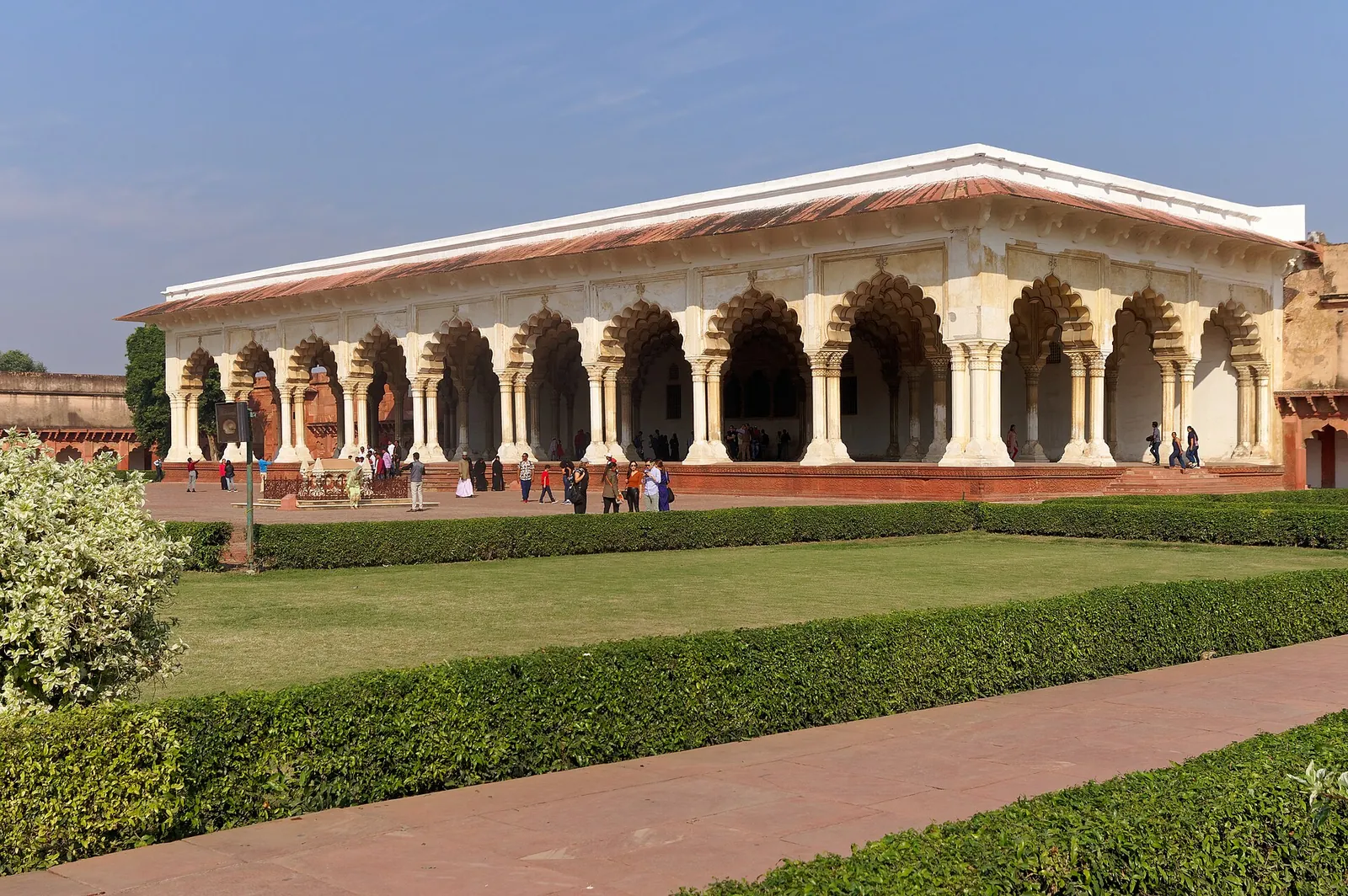
After breakfast, head to Agra Fort, the red sandstone fortress where Shah Jahan spent his last years looking out at the Taj. ASI lists it as open from sunrise to sunset. Its fee for foreign visitors is INR 600 in total, or INR 550 online. The Uttar Pradesh tourism table gives INR 650 on regular days and INR 600 if you’ve already visited the Taj, so keep your Taj ticket handy. Allow about two hours.
Afternoon
Travel to Jaipur by road or rail. If you go by road, Fatehpur Sikri makes a great stop on the way. It’s Akbar’s abandoned red sandstone capital. The official Agra fee table lists INR 610 for foreign visitors, or INR 600 after visiting the Taj. If you’d rather take the train, check and book on IRCTC.
Evening
Arrive in Jaipur and check in, then keep the evening easy. A simple dinner and an early night will set you up for Amber Fort.
Day 5: Jaipur, palaces of the Pink City
Morning
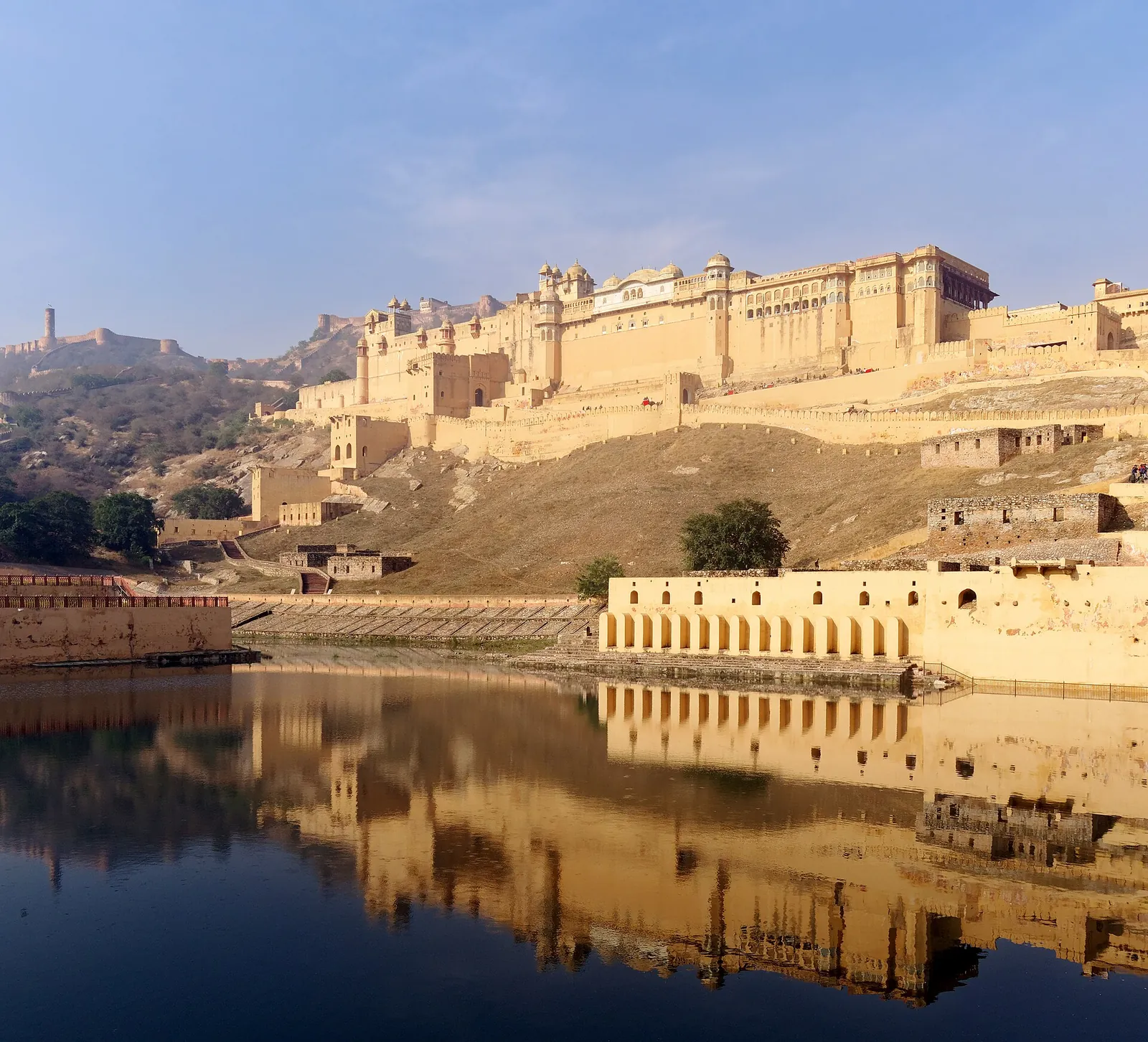
Welcome to the Pink City! Go early to Amber Fort (Amer Palace), the honey-coloured palace on the hill above Maota Lake. A highlight is the Sheesh Mahal, a hall covered in mirror work. Book your ticket on OBMS, the Government of Rajasthan’s official online booking portal (obms-tourist.rajasthan.gov.in). Check the current prices and opening hours there, because unofficial websites quote conflicting figures.
On the way back to town, stop at the roadside viewpoint for Jal Mahal, a palace that seems to float in Man Sagar Lake.
Afternoon
Spend the afternoon in the walled Old City. Three classic sights sit close together here, so you can walk between them:
- City Palace: still home to Jaipur’s former royal family, with courtyards, museums and painted gateways. A private trust runs it, so check prices and hours on its own official website.
- Jantar Mantar: a UNESCO-listed set of giant 18th-century astronomical instruments. Book through OBMS.
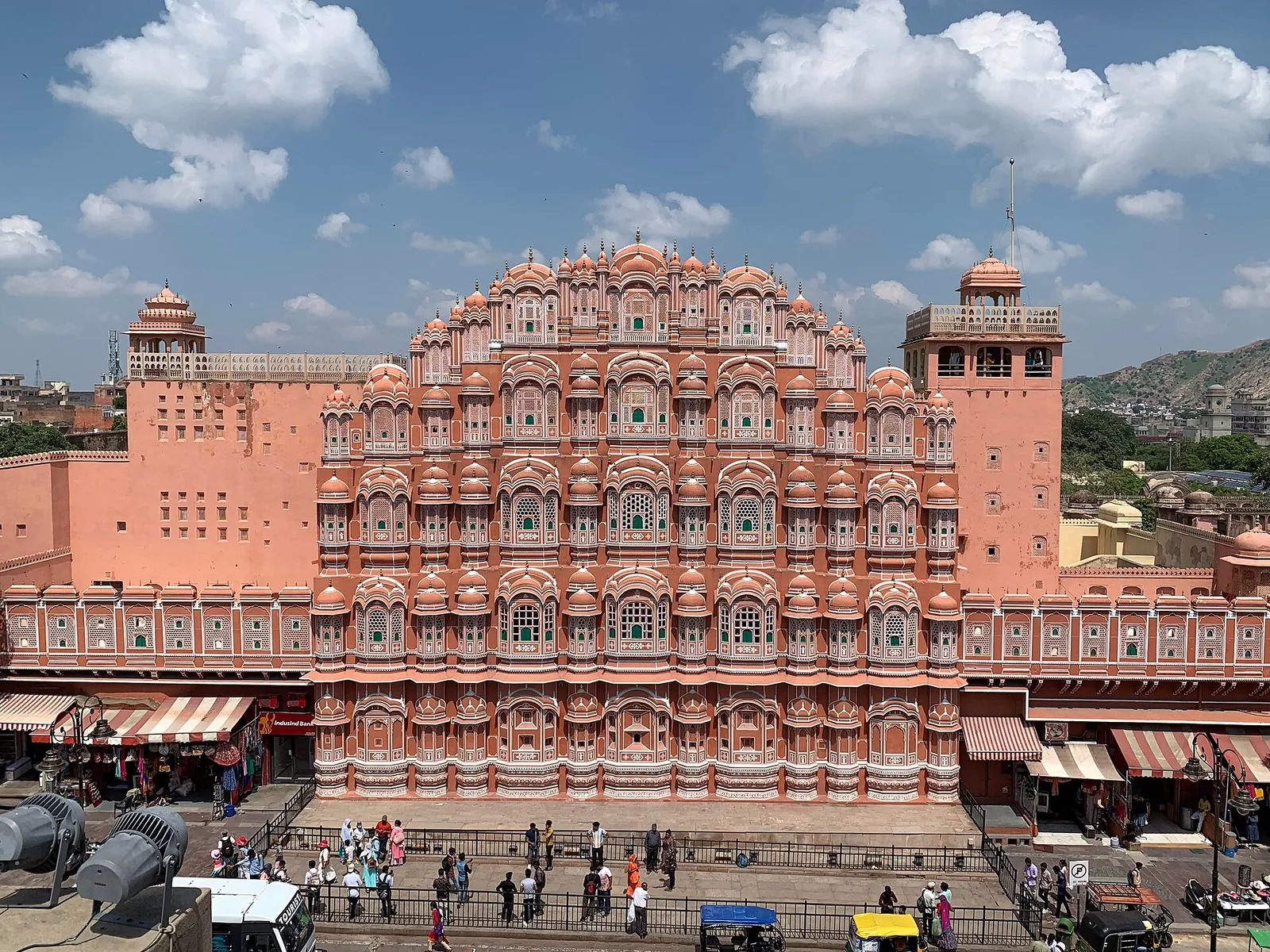
- Hawa Mahal: the “Palace of Winds”, with its famous honeycomb front. Book through OBMS.
Rajasthan sells combined tickets that cover several government-run sights. Compare the options on OBMS before you buy.
Evening
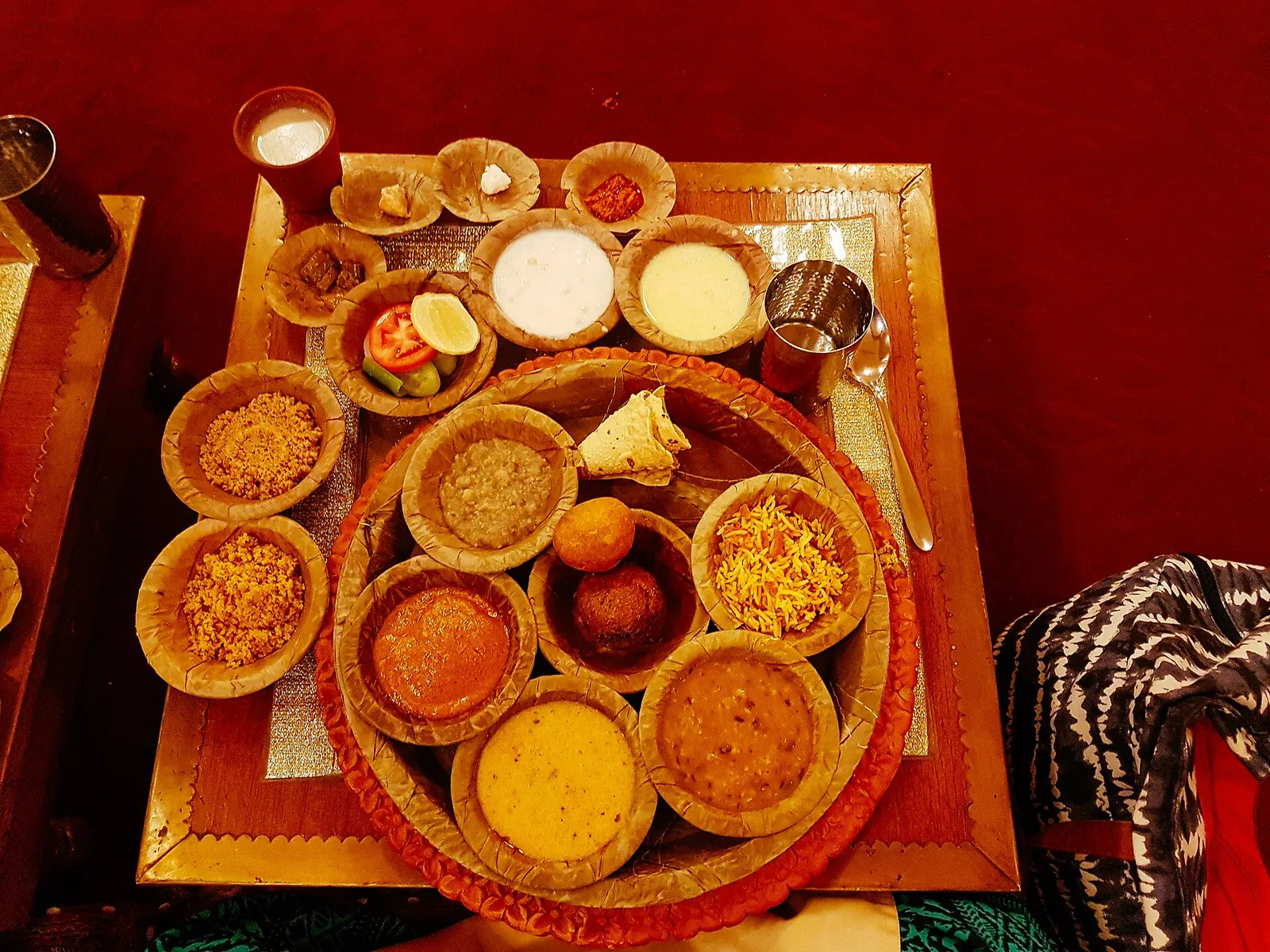
Browse Johari Bazaar and Bapu Bazaar for block-printed textiles, jewellery and juttis (embroidered slippers). Then treat yourself to a Rajasthani thali. Dal baati churma is the local classic.
Day 6: Jaipur at your own pace, then onward
Morning
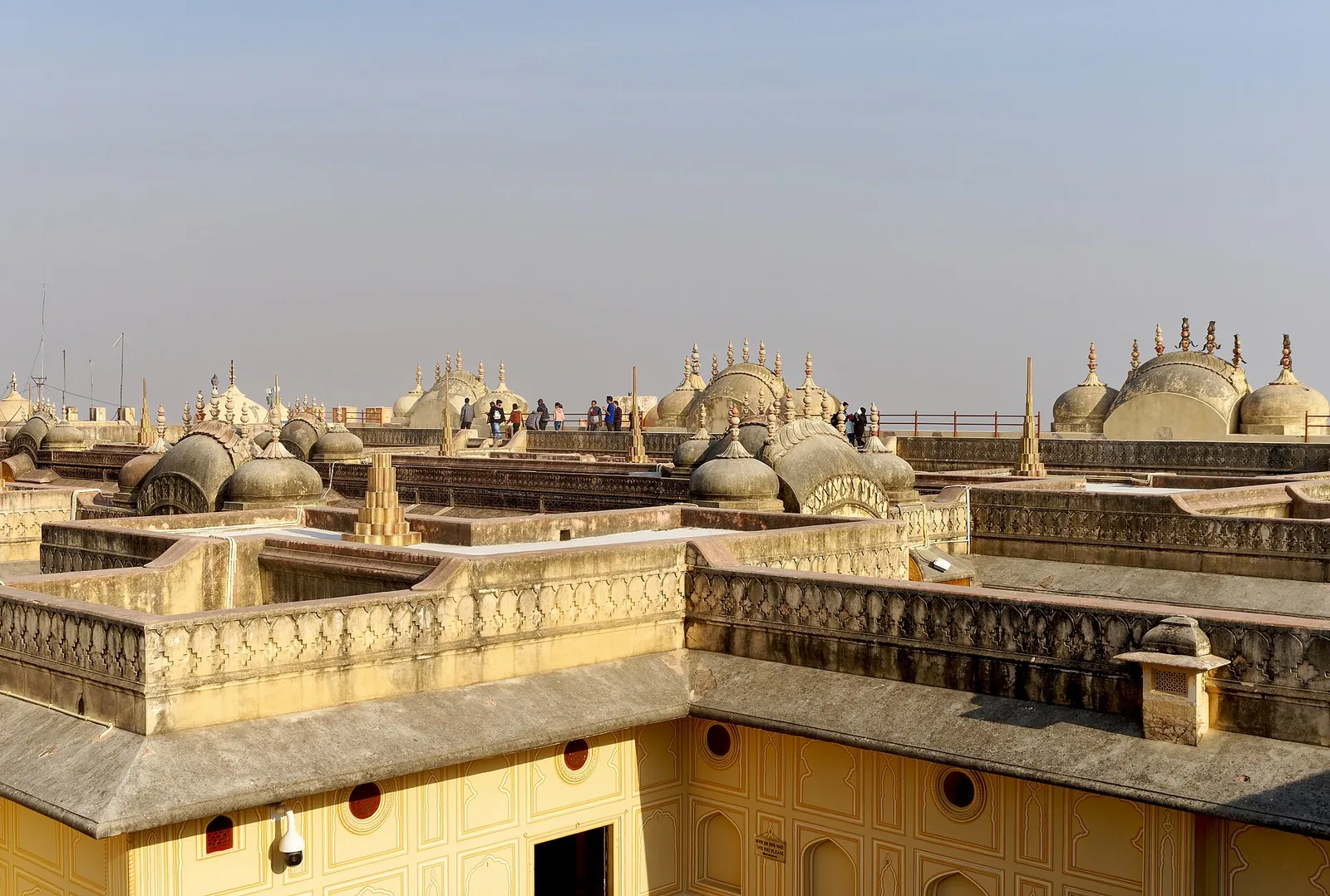
Your last day is yours to shape, so pick your favourite. The Albert Hall Museum has grand Indo-Saracenic architecture and varied collections. Nahargarh Fort has sweeping views over the Pink City. Check prices and hours for both on OBMS.
Afternoon
Do some last-minute shopping, enjoy a long lunch and stroll past the pink buildings of the Old City. Then head to Jaipur’s railway station or airport, either back to Delhi or straight home.
Evening
If you’re back in Delhi, celebrate with a final dinner near your hotel. Six days, three cities, one unforgettable loop.
Getting there and getting around
Arriving in Delhi. Most international travellers land at Indira Gandhi International Airport. The Delhi Metro’s Airport Express Line (Orange Line) runs between New Delhi Railway Station and Yashobhoomi Dwarka Sector 25. It connects directly to Terminal 3. Check current fares, hours and journey times on the Delhi Metro’s official site. For other options, including taxis, see the transport pages on the airport’s official website.
Getting around Delhi. The Delhi Metro is the easiest way to beat the traffic. You can buy single-journey tokens or a top-up card. Check the Delhi Metro’s official site for current card types and prices. App-based cabs are handy for places the metro doesn’t reach.
Between the cities. Trains link Delhi to Agra, Agra to Jaipur and Jaipur to Delhi. Book on IRCTC and check the times there, because we couldn’t confirm current journey times and fares today. Many visitors hire a car with a driver for the Agra to Jaipur leg so they can stop at Fatehpur Sikri.
In Agra and Jaipur. Use app-based cabs or auto-rickshaws. If the driver doesn’t use the meter, agree the fare before you get in. In Jaipur’s Old City, walking between the main sights is the nicest option.
Where to stay
- Connaught Place and central New Delhi: best for first-timers. It’s central, well served by the metro and close to New Delhi Railway Station. The Airport Express ends there, and many trains to Agra leave from there.
- South Delhi (around Lodhi Colony and Defence Colony): quieter and greener, with good cafés and restaurants. It suits couples and families who prefer calm evenings.
- Taj Ganj, near the Taj’s Eastern and Western Gates, Agra: you can walk to the gates for sunrise, which is exactly what this plan needs.
- Around the Old City and C-Scheme, Jaipur: a short ride to the bazaars, Hawa Mahal and City Palace, with plenty of restored heritage houses and family-run guesthouses.
Budget
The entry fees below are official rates for foreign visitors, with the cash price shown first. Indian citizens and SAARC or BIMSTEC nationals pay much less at ASI and Agra sites.
| Item | Typical cost |
|---|---|
| Red Fort, Delhi | INR 600 (INR 550 online) |
| Humayun’s Tomb, Delhi | INR 600 |
| Qutb Minar, Delhi | Check the ASI portal |
| Taj Mahal | INR 1,100 (INR 50 less online) + INR 200 for the main mausoleum |
| Agra Fort | INR 600 to 650 depending on the day (INR 550 online per ASI) |
| Itimad-ud-Daulah | INR 310 |
| Mehtab Bagh | INR 300 |
| Fatehpur Sikri | INR 610 (INR 600 after visiting the Taj) |
| Jaipur sights (Amber Fort, Hawa Mahal, Jantar Mantar) | Check OBMS |
| City Palace, Jaipur | Check its official website |
| Trains between cities | Check IRCTC |
| Airport Express Line | Check the Delhi Metro site |
The Delhi and Agra sights with confirmed prices cost a foreign visitor about INR 3,700 at cash rates, or about INR 4,300 with Fatehpur Sikri. This excludes hotels, food, local transport, guides, tips and flights. We couldn’t confirm typical prices for those on official sources today.
Practical tips
- Dress code: at mosques, temples and gurdwaras, cover your shoulders and knees and carry a scarf. You’ll take off your shoes at many religious sites.
- Closing days: the Taj Mahal is closed on Fridays. The Red Fort is now open every day under the February 2026 ASI order. Always double-check on the official sites before your visit.
- Book online: ASI monuments are cheaper online, and the Taj Mahal gives foreign visitors a discount for booking online.
- Children: under-15s get into ASI monuments and the Taj Mahal free.
- SIM and eSIM: buy a local SIM at an official mobile network store, and bring your passport for the ID check. Or set up an eSIM before you fly. Mobile data makes cabs, maps and online tickets much easier.
- Money: cards and mobile payments are widely used in the cities. Carry some cash for small stalls, rickshaws and tips.
- Pace yourself: start early, rest at midday, and drink plenty of bottled or filtered water.
Heads-up
A few friendly warnings so nothing spoils your trip:
- Don’t plan the Taj Mahal for a Friday. It’s closed for general viewing every Friday. Missing this is the easiest way to ruin a Golden Triangle plan.
- Buy tickets only on official sites. For the Taj Mahal, the official site names asi.payumoney.com and asiagracircle.in. For ASI monuments, use the ASI portal. For Rajasthan’s government-run sights, use OBMS. We don’t recommend buying monument tickets from street sellers or unofficial websites.
- Don’t trust old fee tables. Prices and closing days at Indian monuments change. Many unofficial guides still say the Red Fort closes on Mondays. Check the official pages listed in our sources.
- Read your government’s travel advice. The UK government, for example, advises against all travel to parts of India. Check your own government’s latest advice before you book and again before you fly.
- Be careful with transport offers on arrival. Use the metro or the options on Delhi airport’s official website. Don’t accept rides from people who approach you in the terminal.
- Respect the heat. North Indian summers are very hot, which is why we suggest travelling between October and March. Whenever you go, plan sightseeing for the mornings and late afternoons.
Visa and entry
Most visitors need a visa for India, and many nationalities can apply for an e-Visa online. The rules depend on your nationality and change from time to time. Apply only through the official Government of India portal: indianvisaonline.gov.in.
FAQ
Is the Taj Mahal open every day?
No, it’s closed on Fridays. On other days it opens 30 minutes before sunrise and closes 30 minutes before sunset.
Do I need to pay extra to go inside the Taj Mahal mausoleum?
Yes. The main mausoleum costs an extra INR 200 on top of the regular ticket. It’s optional, but well worth it.
Is the Red Fort closed on Mondays?
Not any more. In February 2026, ASI ordered the Red Fort to open every day of the week, including Mondays. Check the ASI portal before you go in case of security closures or special events.
Can I book Jaipur monument tickets online?
Yes. You can book Amber Fort, Hawa Mahal, Jantar Mantar and other government-run sights on OBMS, the Government of Rajasthan’s official portal. City Palace is run privately and sells its own tickets.
Is 6 days enough for the Golden Triangle?
Six days covers the highlights comfortably. With an extra day, you could add a second day in Jaipur or a day trip from Agra. With less time, the hardest part to fit in is the overnight stay in Agra that the sunrise visit needs.
Do children pay entry fees?
Children under 15 get in free at the Taj Mahal and at ASI monuments such as the Red Fort and Agra Fort. Check OBMS for child rates at Jaipur sights.
Sources
Prices, hours and rules change. We checked these on 24 October 2026; please confirm on the official page before you book.
- Taj Mahal: Visiting Hours and Ticketing (Department of Tourism, Government of Uttar Pradesh)
- Ticketing and Entry Fee of Monuments in Agra (Department of Tourism, Government of Uttar Pradesh)
- Agra Fort (1983), Uttar Pradesh: Archaeological Survey of India
- World Heritage Site: Red Fort, Delhi: Archaeological Survey of India
- Humayun's Tomb: Delhi Tourism (Government of NCT of Delhi)
- Metro To and From Delhi Airport: Delhi International Airport
- India travel advice: GOV.UK (Foreign, Commonwealth and Development Office)
- No more Monday closure: Red Fort to now remain open daily (Business Today, reporting ASI order of 13 February 2026)
Photo credits (12)
- The Taj Mahal reflected in still water under a cloudy blue sky: Antrix3, CC BY-SA 4.0, via Wikimedia Commons
- Red sandstone Naubat Khana gateway inside the Red Fort, Delhi: Jakub Hałun, CC BY-SA 4.0, via Wikimedia Commons
- Domes and minarets of Jama Masjid in Old Delhi: Jakub Hałun, CC BY-SA 4.0, via Wikimedia Commons
- Qutb Minar rising against a bright blue sky in Delhi: Shankey007, CC BY-SA 4.0, via Wikimedia Commons
- Humayun's Tomb framed by tall palm trees: Heidi Sande Mariam, CC BY-SA 4.0, via Wikimedia Commons
- White marble tomb of Itimad-ud-Daulah, the Baby Taj, in Agra: Rohit Sharma, CC BY-SA 4.0, via Wikimedia Commons
- Morning light on the Taj Mahal in Agra: Shivansh2401, CC0, via Wikimedia Commons
- Arched hall of Diwan-i-Am inside Agra Fort: Jakub Hałun, CC BY-SA 4.0, via Wikimedia Commons
- Amber Fort reflected in Maota Lake near Jaipur: Jakub Hałun, CC BY-SA 4.0, via Wikimedia Commons
- Pink honeycomb facade of Hawa Mahal in Jaipur: Chainwit., CC BY-SA 4.0, via Wikimedia Commons
- Rooftops and domes of Nahargarh Fort above Jaipur: Jakub Hałun, CC BY-SA 4.0, via Wikimedia Commons
- A colourful Rajasthani thali with many small dishes: Ashwin Kumar from Bangalore, India, CC BY-SA 2.0, via Wikimedia Commons
This is a researched plan, not a personal trip report. How we research · Affiliate disclosure