
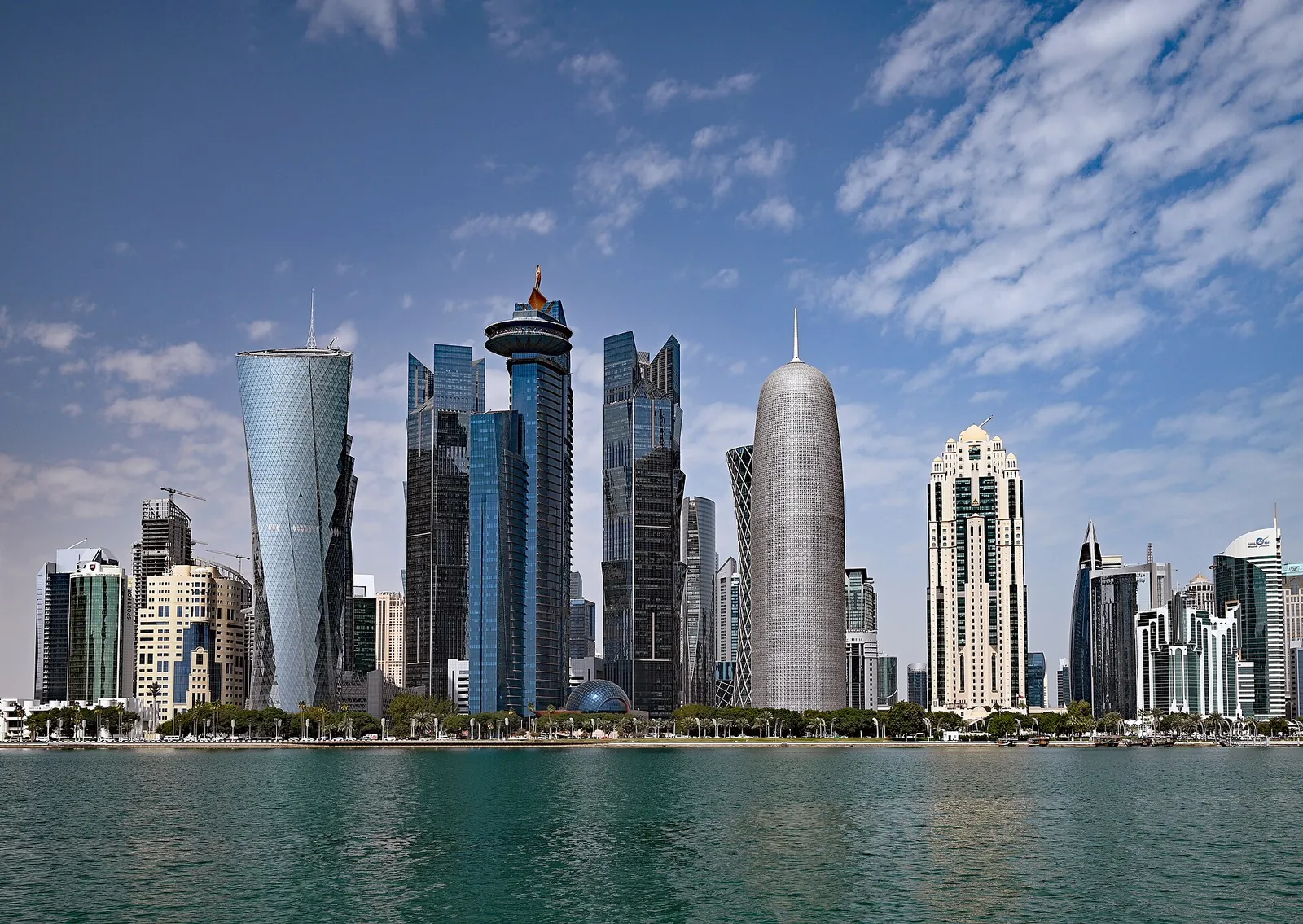
3 Days in Doha: A Day-by-Day Itinerary
A 3-day Doha plan: National Museum, Souq Waqif, Museum of Islamic Art, Msheireb, Lusail and Education City, with checked museum hours and metro tips.
- 🗓️ Trip length
- 3 days
- ☀️ Best time
- The cooler winter months
- 💰 Daily spend
- Metro capped at QAR 6/day; hotels, food and tickets vary
- ✅ Facts checked
- 24 October 2026
Get ready for a city that packs a lot into a small space. Doha has world-class museums, a lively old market, a long waterfront promenade and a sleek driverless metro. Three days is enough to see the best of it without rushing. This plan works well for first-time visitors, long stopovers, families and anyone who likes culture, good food and sunset walks more than ticking off a long list.
The pace is relaxed. Each day has one big museum or anchor sight in the cooler morning, an easy afternoon and a slow evening outdoors. Each day stays in one part of the city, so most of your travel is on the metro or a short taxi ride. Opening days matter a lot in Doha, so read the day notes before you decide which day of the week to start.
At a glance
| Day | Area | Highlights |
|---|---|---|
| Day 1 | Old Doha and the Corniche | National Museum of Qatar, Souq Waqif, MIA Park at sunset |
| Day 2 | Museum of Islamic Art, Msheireb and Lusail | Museum of Islamic Art, Msheireb Tram, Lusail by tram in the evening |
| Day 3 | Education City and Sport City | Education City Tram, Qatar National Library, 3-2-1 Qatar Olympic and Sports Museum, Katara |
Best start day: the museums close on different weekdays (details below). If Day 1 is a Monday, everything lines up. Don’t put Day 1 or Day 3 on a Tuesday, or Day 2 on a Wednesday.
Day 1: Old Doha, the National Museum and Souq Waqif
Morning
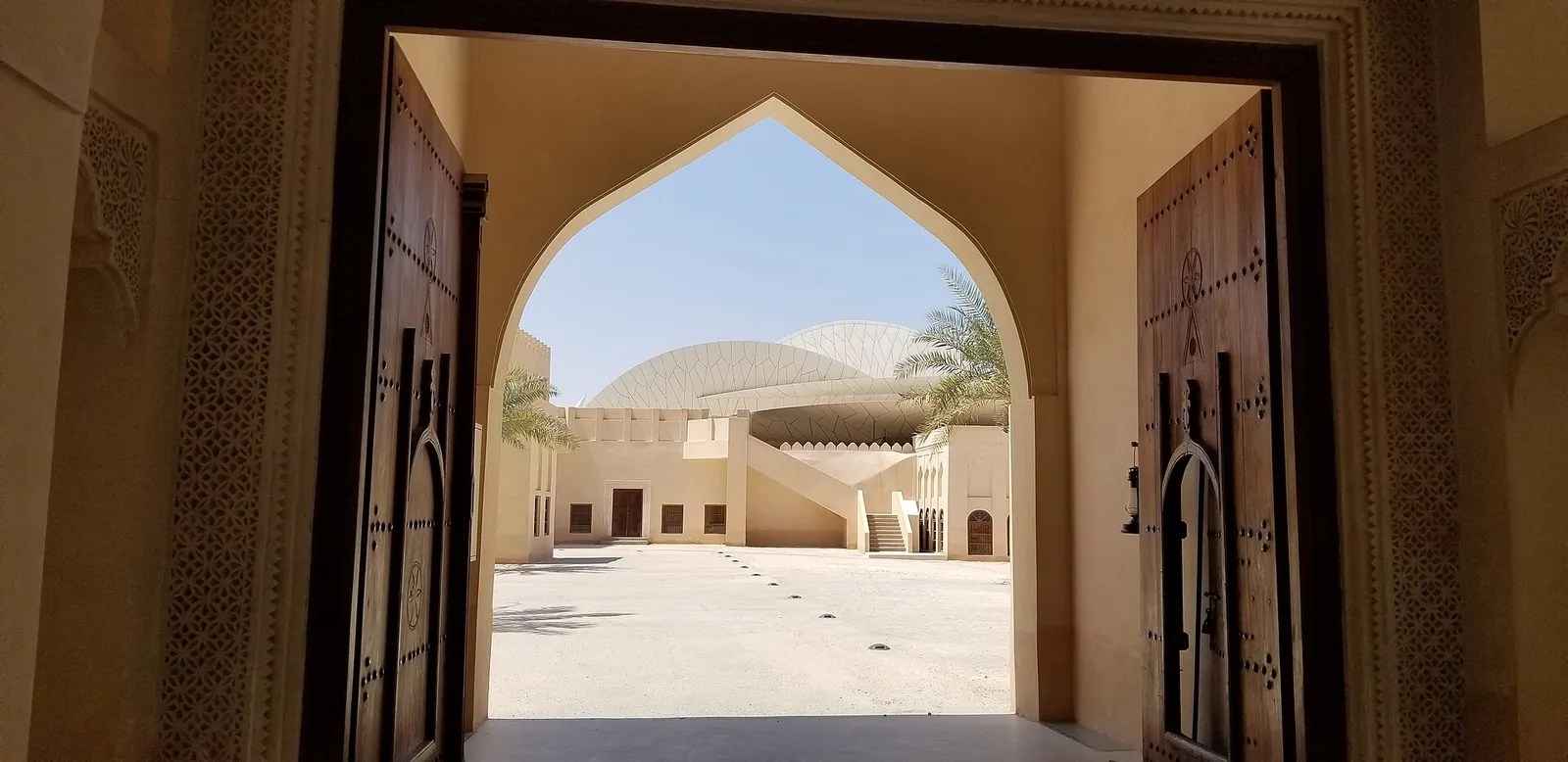
Your first day opens with a stunner: the National Museum of Qatar (NMoQ), the desert-rose building that tells the story of the country and its people. Take the metro’s Gold Line to its National Museum stop. The museum’s own site also lists car, bus and walking as ways to get there.
Official hours are 9am to 7pm on Sunday, Monday, Wednesday and Saturday. Thursday runs late, 9am to 9pm, and Friday opens at 1:30pm (until 7pm). It is closed on Tuesdays. Last entry is 45 minutes before closing. The museum also notes that some galleries may be closed for enhancement work, so don’t be surprised if a room is shut.
Book your ticket on the official Qatar Museums ticket page, which is linked from the museum’s “Plan Your Visit” page. Prices weren’t shown in a form we could check today, so look at the current price when you book.
Afternoon
Next, ride the Gold Line to the Souq Waqif stop. Trains are fast: Visit Qatar says the average trip between stations is about 3 minutes.
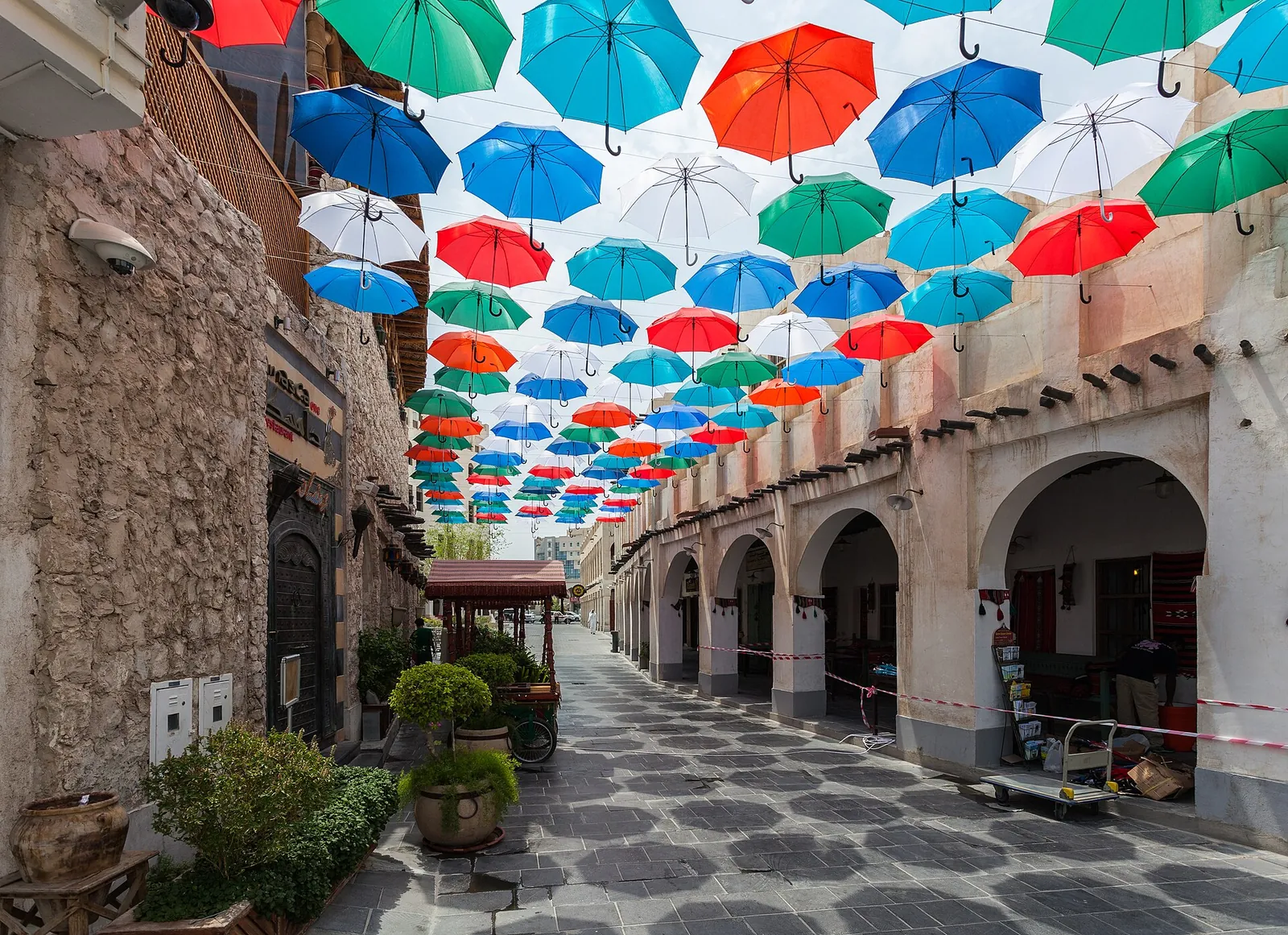
Souq Waqif is Doha’s atmospheric old market. Wander its lanes of spice stalls, textiles, perfume and handicrafts, and stop for a long, lazy lunch at one of the many restaurants. This is the ideal place to rest during the warmest part of the day, with shaded alleys and plenty of cafes.
Evening
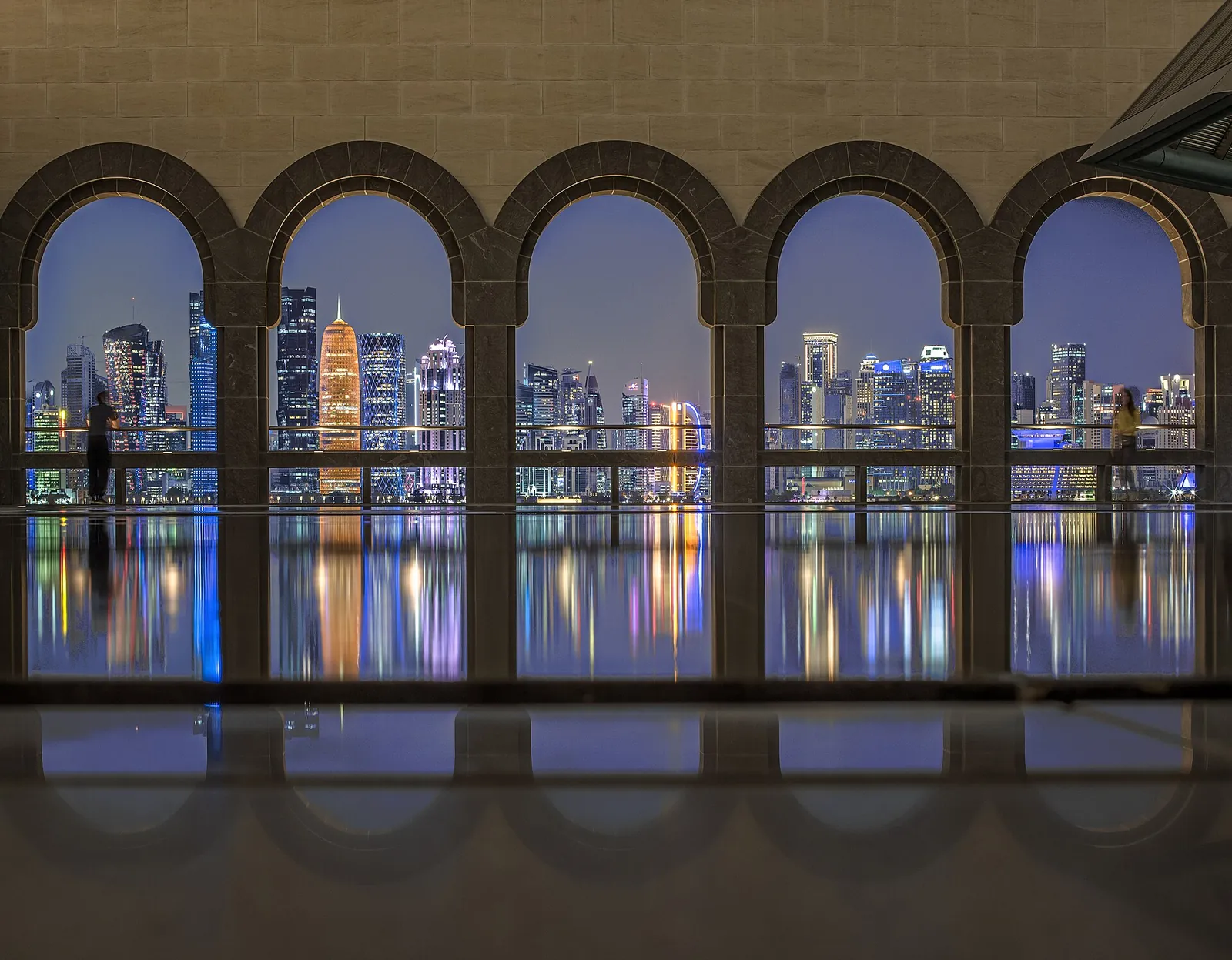
As the heat fades, walk out to the waterfront and follow the Corniche, the bay-side promenade that Visit Qatar describes as 7 km long. Head for MIA Park, next to the Museum of Islamic Art. The museum says the park is open 24 hours, and the views of the West Bay skyline as the towers light up are wonderful.
Finish back at Souq Waqif for dinner. The souq is at its liveliest after dark.
Day 2: Museum of Islamic Art, Msheireb and Lusail
Morning
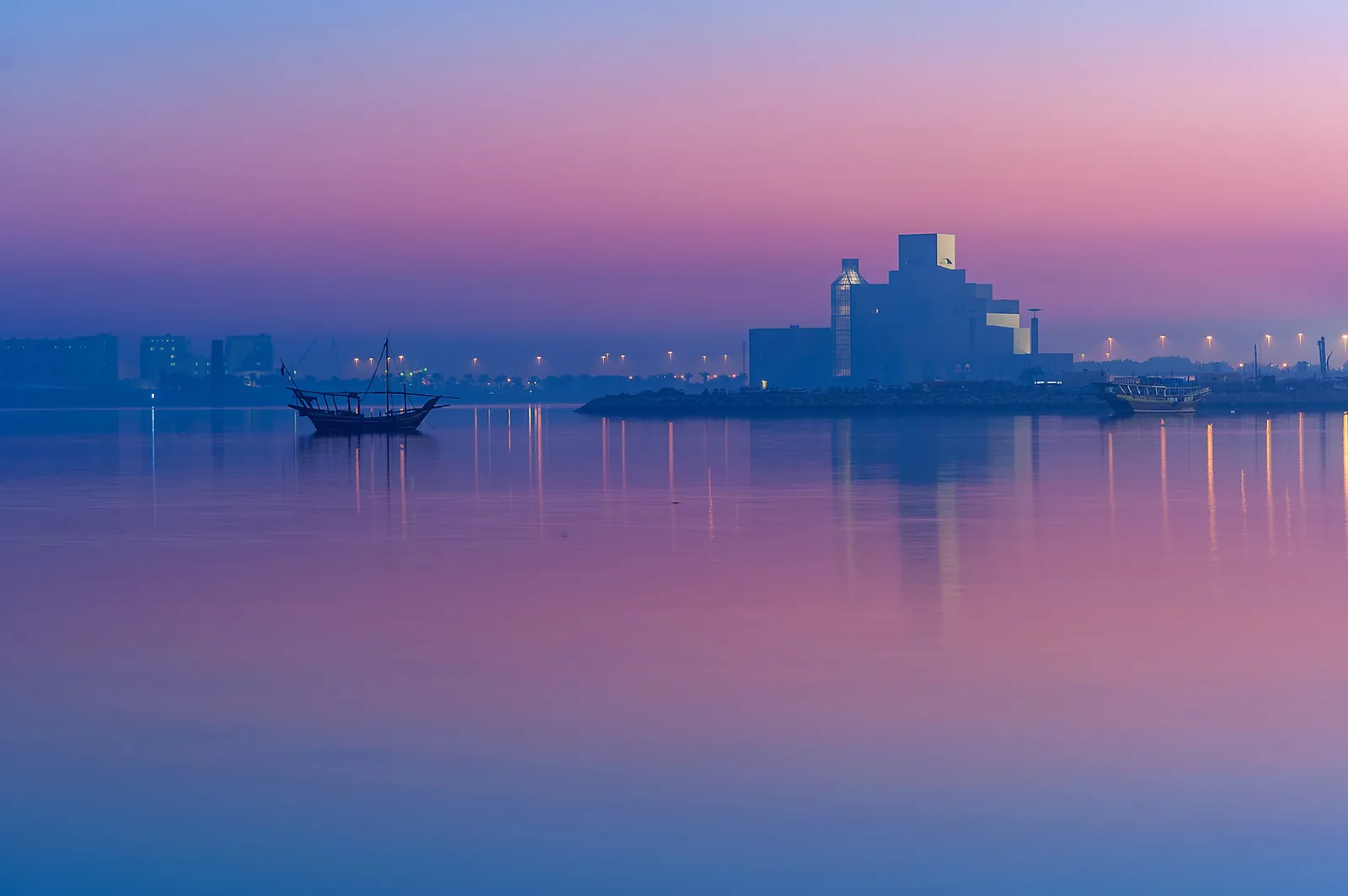
Save your morning for a real treat, because today belongs to the Museum of Islamic Art (MIA). It sits on the Corniche and its galleries cover several floors. The museum suggests allowing at least two hours.
Official hours are 9am to 7pm on Sunday, Monday, Tuesday and Saturday, 9am to 9pm on Thursday, and 1:30pm to 7pm on Friday. MIA is closed on Wednesdays. MIA lists taxis and its own free shuttle buses as ways to arrive. There is a taxi stand in the museum car park, and you can also hail taxis on the Corniche outside the front gate.
Reserve your ticket on the official Qatar Museums ticket page. Check the dress code in the next paragraph before you leave your hotel.
Dress code: MIA asks visitors to dress modestly with shoulders and knees covered, and says entry may be refused if your clothing is judged unsuitable. The museum has a cafe and free Wi-Fi, which is handy for a mid-visit break.
Afternoon
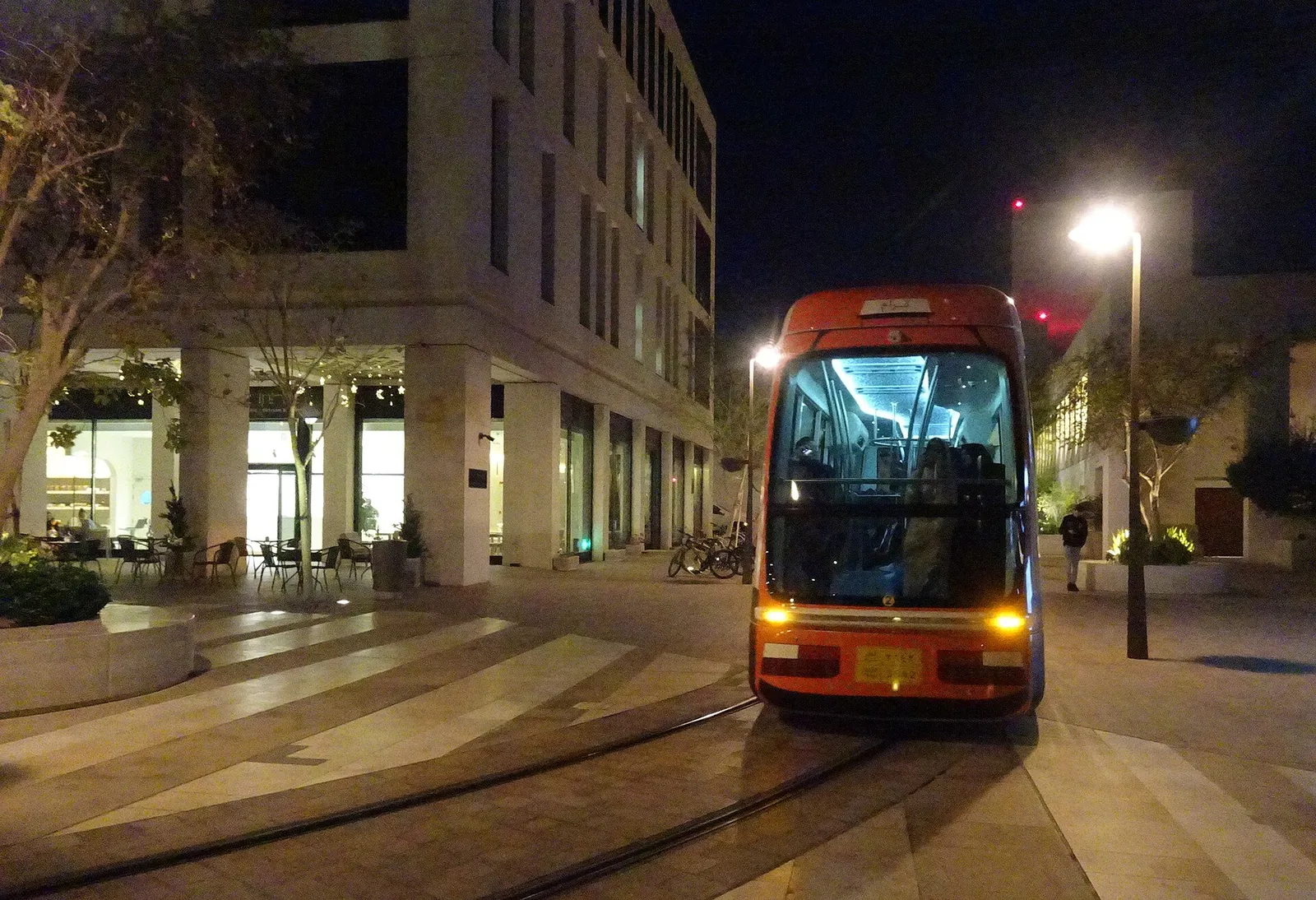
Take a taxi or the metro to Msheireb Downtown Doha, a modern district built in a contemporary Qatari style. Msheireb station is the main interchange where the Red, Green and Gold Lines all meet. Visit Qatar calls it the biggest station on the network.
The fun way to get around here is the Msheireb Tram. Visit Qatar says it is free and runs on a 2 km closed loop through the district. Hop on and off to explore the shaded streets, galleries and cafes. If you want to visit the Msheireb Museums, check their current opening hours on the official site before you go.
Evening
For a glossy, modern contrast, ride the Red Line north towards Lusail. According to Visit Qatar, the Lusail Tram connects with the metro at Lusail and Legtaifiya stations. It has four lines and 25 stations, and you pay with your normal metro travel card.
Spend the evening strolling Lusail’s waterfront and boulevards, then have dinner with a view before riding the metro back.
Day 3: Education City, sport and Katara

Morning
Ready for bold architecture and sport? Take the Green Line west. Visit Qatar lists Education City and Qatar National Library among its stops. Education City is a huge campus of striking architecture, and the Education City Tram makes it easy to explore. Visit Qatar says it is free, has three lines (Yellow, Blue and Green) and offers free Wi-Fi.
The Qatar National Library is a lovely, cool place to spend an hour. Check its current visitor hours on the library’s official site before you go.
Afternoon
Go next to the 3-2-1 Qatar Olympic and Sports Museum at Khalifa International Stadium. Visit Qatar lists the Gold Line’s Sport City stop as the one for the stadium. From Education City, a taxi is usually the most direct option, or you can change lines at Msheireb.
The museum’s official hours are 9am to 7pm on Sunday, Monday, Wednesday and Saturday, 9am to 9pm on Thursday, and 1:30pm to 7pm on Friday. It is closed on Tuesdays. Book on the official Qatar Museums ticket page.
Afterwards, if the weather is pleasant, enjoy Aspire Park next door. Visit Qatar mentions it as a place to rent a bike.
Evening
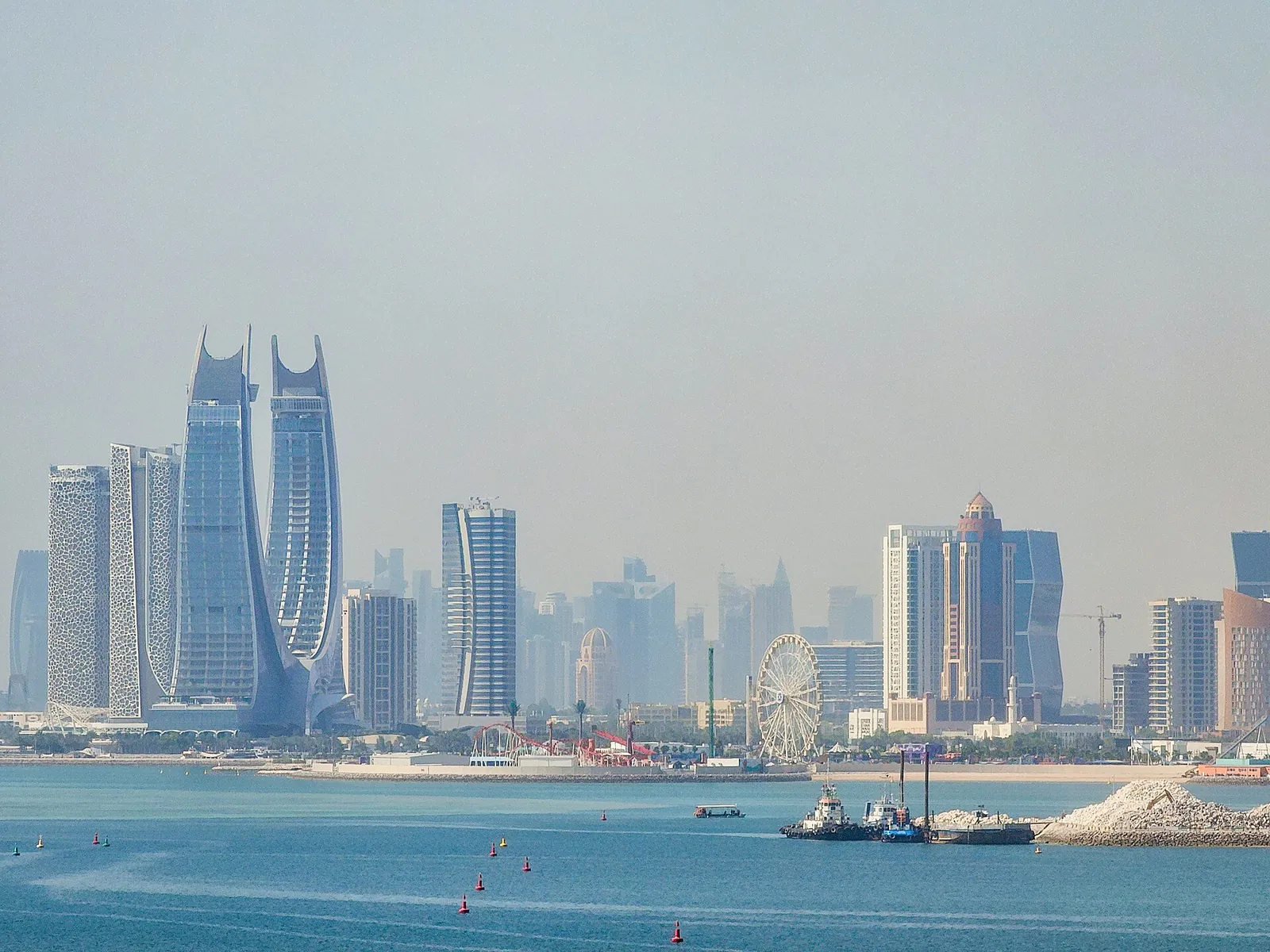
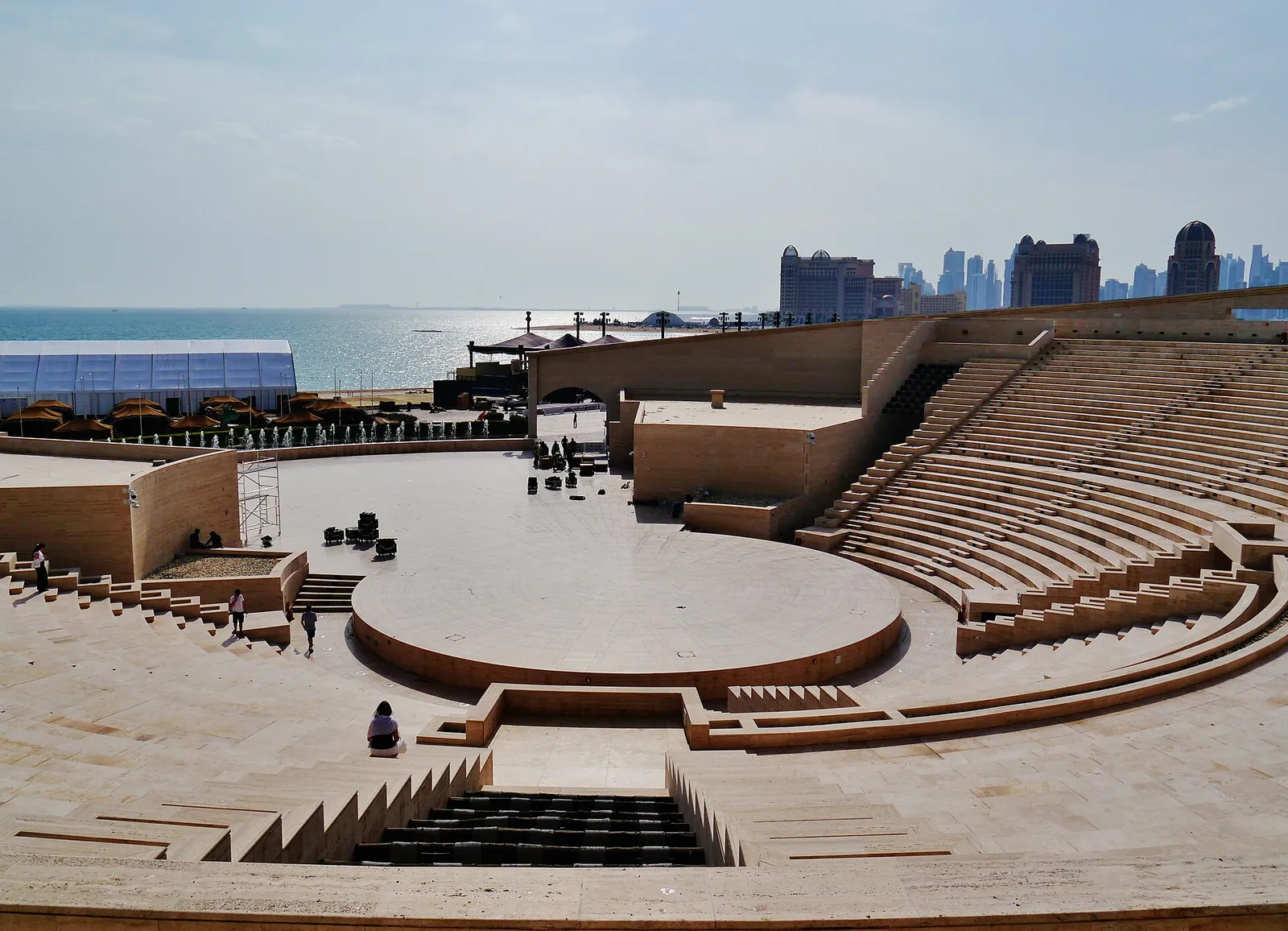
End your trip at Katara Cultural Village, which has its own Red Line station (Katara). Its amphitheatre, mosques, galleries and beachfront promenade are a beautiful place for a final dinner and an evening walk.
Alternative for Day 3: if you’d rather see the desert, book a half-day trip with a licensed tour operator. The UK government’s travel advice warns that desert trips can be hazardous unless you are in a properly equipped 4x4. It recommends travelling in convoy with water and a phone, so leave self-drive dune trips to the professionals.
Getting there and getting around
From the airport
Hamad International Airport (DOH) is Doha’s gateway. Visit Qatar confirms that the metro’s Red Line connects the airport at Terminal 1 with the city centre. It’s the easiest budget option if you’re travelling light. For the current journey time and first and last trains, check the Qatar Rail app or website.
Visit Qatar also lists Karwa taxis from the airport, which you can book on +974 800 8294, and public buses run by Mowasalat. Fares depend on distance and time. Check the estimate in the Karwa app before you ride rather than relying on outdated figures.
The Doha Metro
The metro has three lines: Red, Green and Gold. They all meet at Msheireb, and together they reach the airport, the old centre, West Bay, Katara, Lusail, Education City and Sport City.
- Tickets: buy a travel card from any station vending machine, then top it up. You tap in and tap out on every trip.
- Cost: Visit Qatar says you can ride all day for a maximum of QAR 6 in Standard class. Goldclub is the premium class and costs more.
- Children: under-5s ride free, according to Visit Qatar.
- Carriages: Standard, Family and Goldclub.
- Friday mornings: Visit Qatar notes a Friday morning shutdown for Friday prayers. Check the Qatar Rail app for exact times.
Taxis and ride-hailing
Visit Qatar recommends Karwa taxis (the turquoise ones) and the Karwa app. In some areas the app can book a free shared ride to the nearest metro or tram station. Uber is also widely used.
Where to stay
Souq Waqif and Msheireb (Old Doha). This is the best area if it’s your first visit and you want atmosphere. You can walk to the souq, reach the Corniche easily and use the three-line metro interchange at Msheireb. It’s great for culture lovers and anyone without a car.
West Bay. This is the skyline district at the northern end of the Corniche, with the Red Line running through it. It suits travellers who want a modern high-rise base, sea views and quick metro access to the airport, Katara and Lusail.
Lusail. This is a newer city to the north, with waterfront promenades and the Lusail Tram linked to the metro. It suits families and couples who want a resort-style feel and don’t mind a longer ride into the old centre.
Near Katara and The Pearl. This area has beaches, marinas and promenades. It suits slower trips and travellers who want seaside evenings, with the Red Line’s Katara station nearby.
Budget
Only figures we could check today on official sources are shown. For everything else, check the official site or app before you go.
| Item | Typical cost |
|---|---|
| Doha Metro, Standard class, all day | Maximum QAR 6 per day (Visit Qatar) |
| Metro for children under 5 | Free |
| Msheireb Tram and Education City Tram | Free |
| MIA Park, Corniche walk, Souq Waqif browsing | No ticket needed to wander |
| MIA, NMoQ and 3-2-1 museum tickets | Check the official Qatar Museums ticket page |
| Karwa taxi rides | Check the fare estimate in the Karwa app |
| Visa on arrival fee (only some travellers) | QAR 100 where it applies, per Visit Qatar’s visa checker |
| Hotels and meals | Vary widely by season and area, so check current rates |
Not included: flights, travel insurance, shopping, desert tours and other paid excursions, and drinks in licensed venues.
Heads-up
Doha is a welcoming city. Visit Qatar describes it as one of the safest destinations in the world, and the UK government says crime levels are low. A few things are still worth knowing before you go.
- Check government travel advice before you book and before you fly. The UK FCDO’s Qatar page flags regional tensions, and the situation in the Gulf has changed during 2026. Read your own government’s latest advice and make sure your travel insurance covers your trip.
- Closures on 25 October 2026. MIA’s website says the museum is closed on Sunday, 25 October 2026. NMoQ will close at 3pm that day (last gallery entry 2:15pm).
- Weekly closing days. NMoQ and 3-2-1 are closed on Tuesdays, and MIA is closed on Wednesdays. On Fridays all three open only at 1:30pm.
- Dress-code refusals are real. The FCDO says men and women should cover their shoulders and knees in public. This is strictly enforced in government buildings, healthcare facilities and banks, where you may be refused entry. MIA can also refuse entry for unsuitable clothing.
- Photos of people. The FCDO warns that photographing people and sharing the images without their consent can lead to imprisonment or a fine of up to QAR 100,000. Always ask first, and avoid filming near military, government or construction sites.
- Vaping, alcohol and medicines. Using e-cigarettes is illegal. Drinking alcohol or being drunk in public is illegal, and alcohol is sold only in licensed venues. Drug laws are zero-tolerance, even for transit passengers, and some medicines that are legal elsewhere are banned. Check the rules for any medication you carry.
- Taxis at night. For women travelling alone in particular, the FCDO advises using pre-booked taxis from reputable companies or recognised apps. Check the registration number and confirm the driver has your name.
- Heat. Visit Qatar recommends walking in the cooler months. In hot weather, plan outdoor time for early morning and evening, and spend the middle of the day indoors.
- Self-driving. The FCDO says road discipline is poor and speeds are high. If you aren’t used to driving in the region, use the metro and taxis.
Practical tips
- Visa and entry: depending on your nationality and residency, you may be able to enter visa-free, get a visa on arrival or need an e-visa through the Hayya platform. Rules change, so use the official checker on Visit Qatar’s visa page before you book.
- Carry ID: the FCDO says to always carry your passport. A copy is usually accepted, but you may sometimes need to show the original.
- Ramadan: dates change every year. During Ramadan, don’t eat, drink or smoke in public in daytime, and expect different opening hours.
- Fridays: plan Friday mornings slowly. The metro starts late, and Visit Qatar notes that many museums, restaurants and sights close during Friday prayers.
- Behaviour: public displays of affection, swearing and rude gestures can lead to arrest, according to the FCDO.
- Money: the currency is the Qatari riyal (QAR). Keep a little cash for small souq purchases.
- SIM or eSIM: buy a plan from a licensed Qatari mobile operator, and compare prices on the operators’ own websites.
- Emergencies: Visit Qatar lists 999 for emergencies and the Qatar Tourism hotline 106.
FAQ
Can I take the metro from the airport to the city?
Yes. The Red Line links Hamad International Airport Terminal 1 with the city centre, including the Msheireb interchange. Check the Qatar Rail app for current journey times and service hours.
Do I need to book museum tickets in advance?
We suggest booking MIA, NMoQ and the 3-2-1 museum on the official Qatar Museums ticket page before you go, especially for weekends. Check current prices there, because we couldn’t confirm today’s rates.
Which days should I avoid for museums?
NMoQ and the 3-2-1 Olympic and Sports Museum close on Tuesdays, and MIA closes on Wednesdays. On Fridays they open at 1:30pm. On Thursdays all three stay open until 9pm, which is great for an evening visit.
What should I wear in Doha?
Dress modestly. Cover your shoulders and knees, especially in museums, government buildings, healthcare facilities and banks. Light, loose layers are ideal in the heat.
Is Doha walkable?
Parts of it are, especially Souq Waqif, Msheireb, Katara and the 7 km Corniche. Visit Qatar recommends walking in the cooler months. For longer distances, use the metro or a Karwa taxi.
How much does public transport cost?
According to Visit Qatar, unlimited Standard-class metro travel costs a maximum of QAR 6 per day. The Msheireb and Education City trams are free.
Sources
Prices, hours and rules change. We checked these on 24 October 2026; please confirm on the official page before you book.
- Plan Your Visit, Museum of Islamic Art
- Museum of Islamic Art Visitor Guidelines
- Plan Your Visit, National Museum of Qatar (NMoQ)
- Plan Your Visit, 3-2-1 Qatar Olympic and Sports Museum
- Visit Qatar: Travel on the Doha Metro
- Visit Qatar: Getting around in Qatar
- Visit Qatar: Hamad International Airport (DOH)
- Visit Qatar: Visas (Visa-free entry or Hayya e-visa)
- Visit Qatar: Your safety in Qatar
- GOV.UK Foreign travel advice: Qatar, Safety and security
Photo credits (9)
- Doha's West Bay skyline rising above turquoise water: P. Hughes, CC BY 4.0, via Wikimedia Commons
- Colourful umbrellas shading a lane in Souq Waqif: Diego Delso, CC BY-SA 3.0, via Wikimedia Commons
- The Museum of Islamic Art across the bay at pink dusk: Alex Sergeev (www.asergeev.com), CC BY-SA 3.0, via Wikimedia Commons
- The National Museum of Qatar framed by a carved doorway: CallMeBarcode, CC BY-SA 4.0, via Wikimedia Commons
- Lusail's skyline and the Katara Towers across the water: Alwaleed Khaled, CC BY 4.0, via Wikimedia Commons
- Bright shelves and terraces inside Qatar National Library: Mohammed Abdul Mutallib, CC BY-SA 4.0, via Wikimedia Commons
- Katara's open-air amphitheatre looking out to the sea: Zairon, CC BY 4.0, via Wikimedia Commons
- The Msheireb tram gliding through the district at night: Michael Coghlan @ Flickr, CC BY-SA 2.0, via Wikimedia Commons
- West Bay towers glowing through the MIA arches: Marek Śliwecki, CC BY-SA 4.0, via Wikimedia Commons
This is a researched plan, not a personal trip report. How we research · Affiliate disclosure