
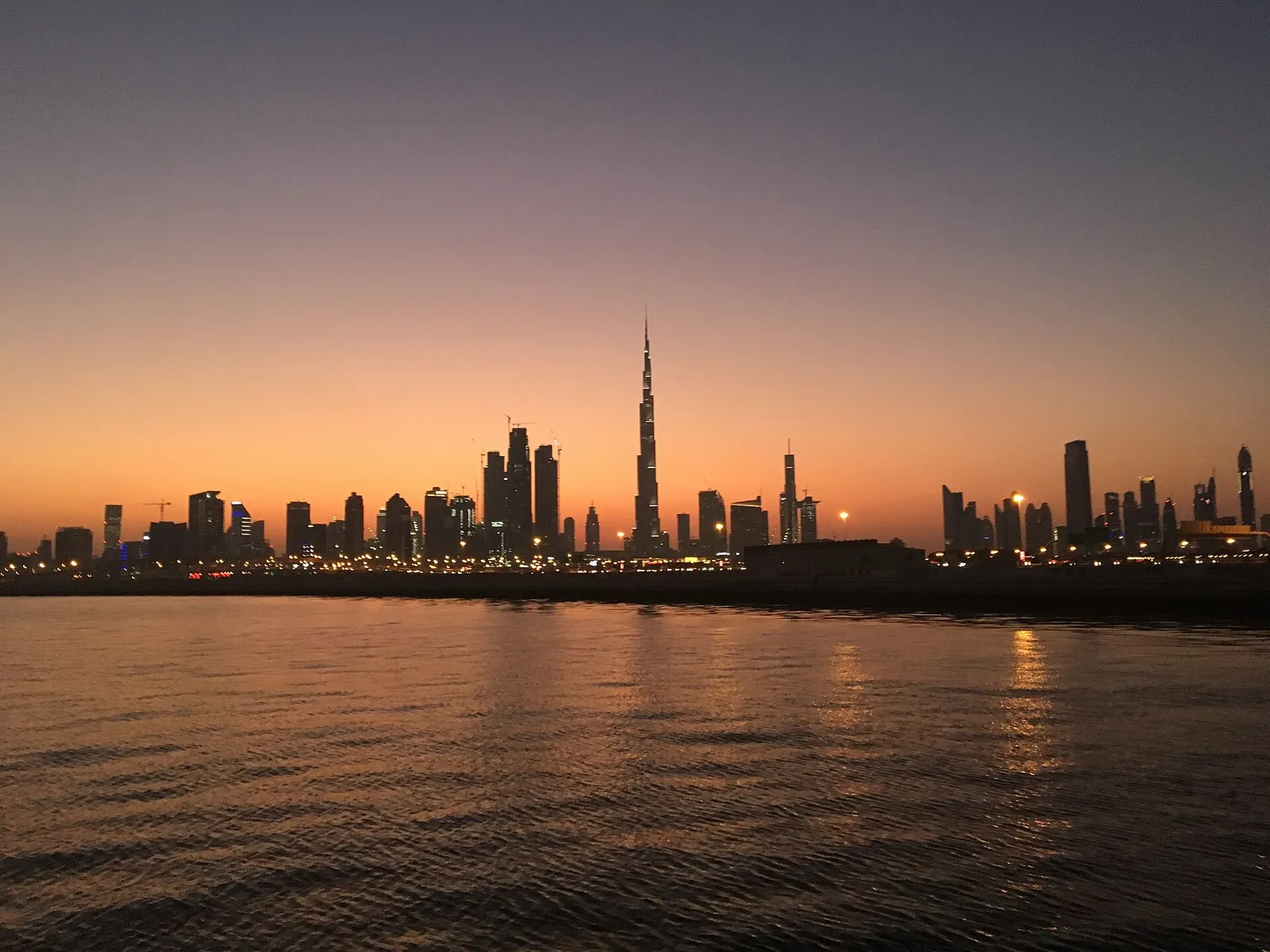
3 Days in Dubai: A Day-by-Day Itinerary
A 3-day Dubai plan: Old Dubai's creek and souks, Burj Khalifa and the fountain, then Dubai Frame and Global Village, with verified fares and hours.
- 🗓️ Trip length
- 3 days
- ☀️ Best time
- November to March
- 💰 Daily spend
- AED 70-260 for sights and transport (about USD 20-70), excl. hotel and meals
- ✅ Facts checked
- 22 October 2026
Get ready for a city that is much easier to enjoy in three days than its size suggests! The metro runs along the main spine of the city, the old creek district is compact and walkable, and the big-ticket sights in Downtown sit next to each other. This upbeat plan is made for first-time visitors who want a balance of heritage, skyline views and one fun evening out, without spending half the trip in taxis.
The pace is moderate, so you can soak it all in: one main area per day, the hottest hours spent indoors, and the evenings outside when the air cools down. Each day works on public transport with a single nol card. If you are travelling in the cooler months (roughly November to March), you can stretch the outdoor parts; in summer, shift everything outdoors to early morning and after sunset.
At a glance
| Day | Area | Highlights |
|---|---|---|
| 1 | Old Dubai (Bur Dubai and Deira) | Al Shindagha Museum, Al Fahidi lanes, abra across the creek, spice and gold souks |
| 2 | Jumeirah and Downtown | Jumeirah Mosque tour, beach time, Burj Khalifa at sunset, Dubai Fountain |
| 3 | Zabeel and the city’s fun side | Dubai Frame, Dubai Marina walk, Global Village in the evening |
Day 1: Old Dubai and the Creek
Morning
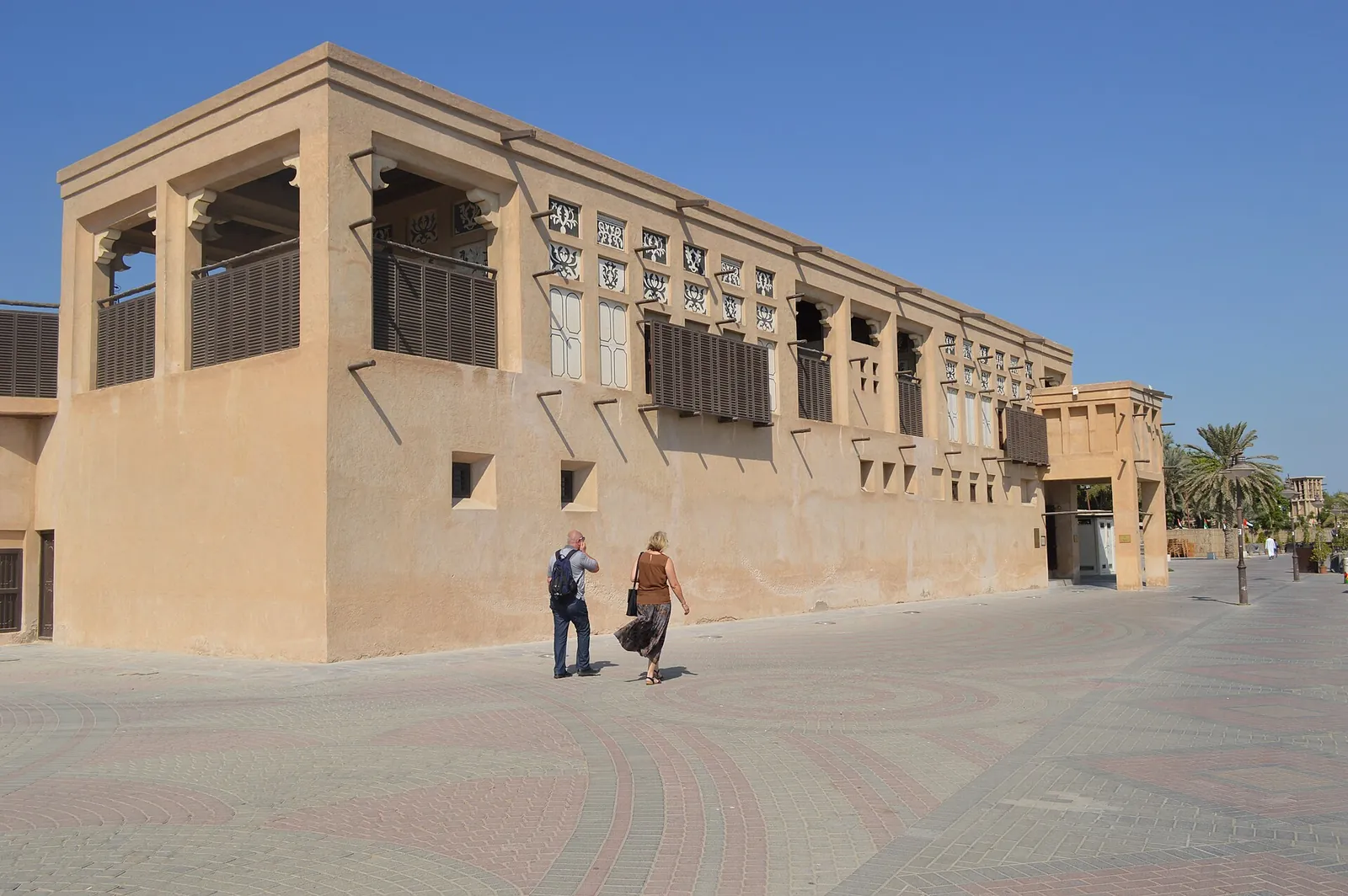
This is the day for wind towers, wooden boats and spice-scented lanes. Kick things off where the city started: on Dubai Creek. Take the metro Green Line to Al Ghubaiba station, then walk along the waterfront to Al Shindagha Museum, a cluster of restored houses telling the story of Dubai before oil, from pearl diving to trade. The museum opens daily from 10:00 to 20:00 (last entry 19:00). The official site lists the houses ticket at AED 50 for adults and AED 20 for students, with free entry for children. You can buy online on the museum’s booking page or at the door.
Allow two hours here. The Perfume House is a highlight, and the whole site is shaded and air-conditioned in parts, which helps on warm days.
Afternoon
Walk south along the creek to the Al Fahidi Historical Neighbourhood, a maze of sand-coloured lanes and wind towers. It is a pleasant, mostly shaded stroll from Al Shindagha, and a good place for lunch at one of the small cafes in the courtyards.
From the Bur Dubai side, cross the creek by traditional abra, the wooden water taxis that have shuttled people across for generations. According to RTA, the Bur Dubai to Deira Old Souq crossing costs AED 1 per passenger, per trip, paid in cash, so keep a few coins or small notes handy. The ride takes only a few minutes.
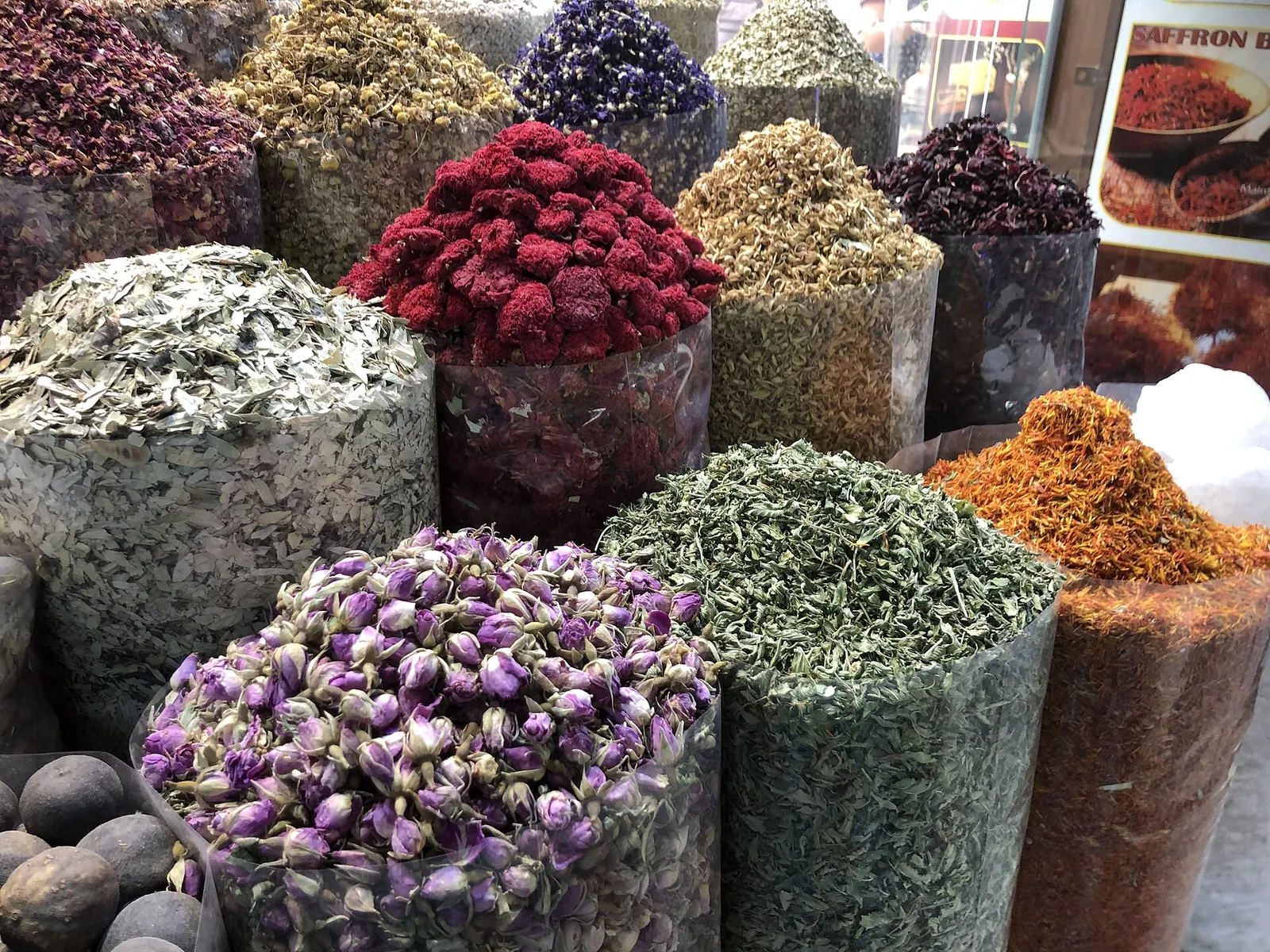
On the Deira side, wander through the Spice Souk and then the Gold Souk next door. You don’t need to buy anything: the window displays alone are worth the walk. Bargaining is normal in the souks, so take your time.
Evening
Cross back by abra and finish at Al Seef, the restored waterfront promenade on the Bur Dubai side, which is lovely after sunset. There are plenty of restaurants along the creek. From Al Seef, the nearest metro is on the Green Line; check the S’hail app (RTA’s official journey planner) for the closest station and live timings back to your hotel.
Day 2: Jumeirah and Downtown
Morning
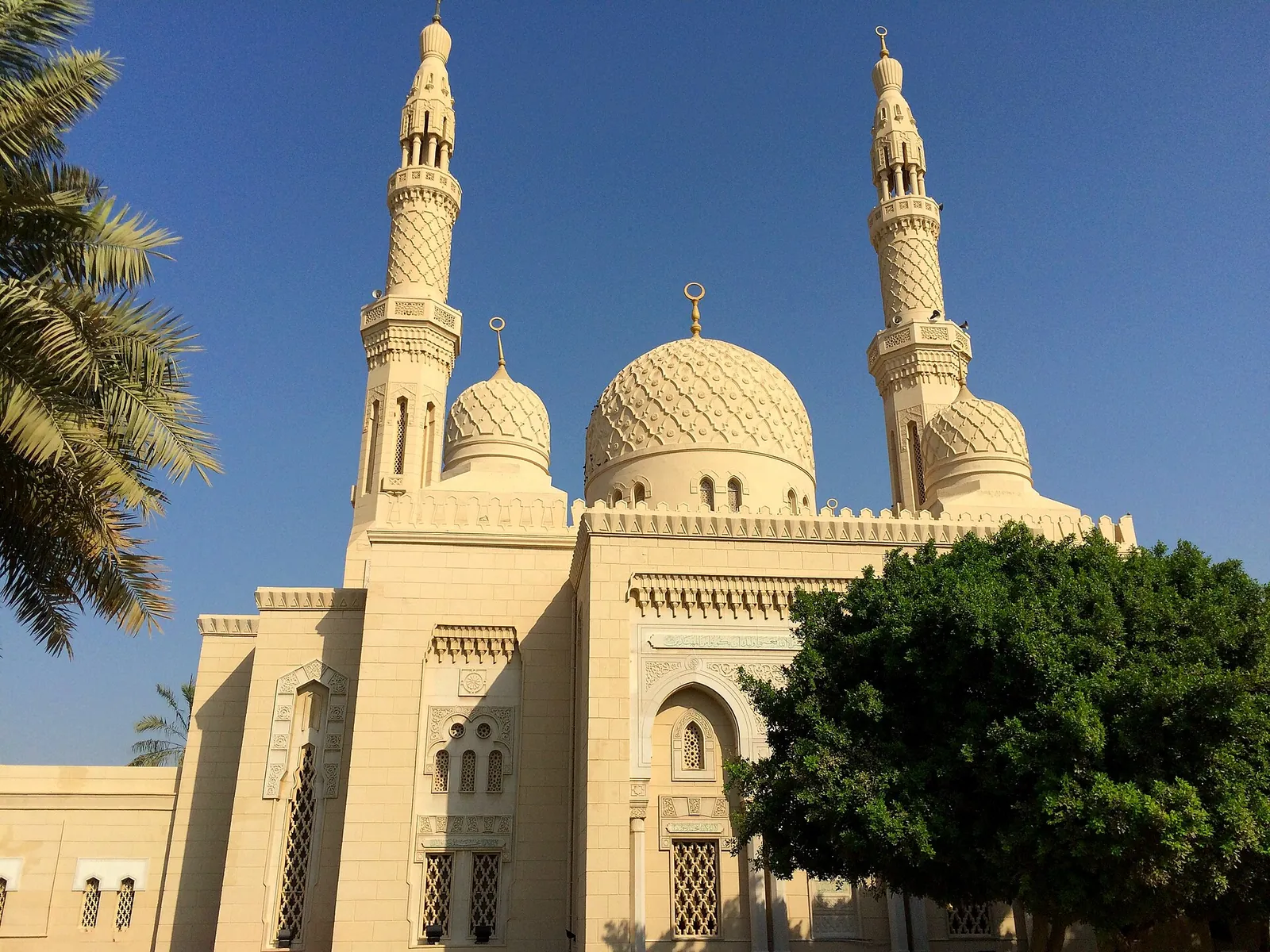
Get ready for a day of culture, sea breezes and sky-high views! Head to Jumeirah Mosque for the guided “open doors, open minds” visit run by the Sheikh Mohammed Centre for Cultural Understanding. It is one of the best ways to learn about Emirati culture and Islam in a relaxed, question-friendly setting. The centre lists the visit at AED 45 per person, every day except Friday, at 10:00 and 14:00, lasting about 1 hour 15 minutes, with refreshments included. Prior booking is not required: registration starts 30 minutes before the programme.
Dress modestly: cover shoulders and knees, and women should bring a scarf for the hair. The mosque is on Jumeirah Beach Road, away from the metro, so a taxi from the nearest Red Line station is the simplest option.
Afternoon
After the tour, spend an hour or two at one of the public beaches along Jumeirah, such as Kite Beach or Jumeirah Public Beach, both reachable by a short taxi ride. In the hotter months, swap the beach for a long, slow lunch indoors.
Mid-afternoon, move to Downtown Dubai (Red Line, Burj Khalifa/Dubai Mall station). The Dubai Mall is enormous, so pick a few things rather than trying to see it all.
Evening
Time your At the Top, Burj Khalifa visit for sunset, so you see the city in daylight, at golden hour and lit up. Emaar’s official page lists starting prices of AED 199 for Silver (levels 124 and 125) and AED 399 for Gold (levels 148, 124 and 125), and notes that prices vary by date and time. Sunset slots are the most in demand, so book a timed ticket on the official At the Top site a few days ahead. Opening hours change with the season, so confirm your slot time when booking.
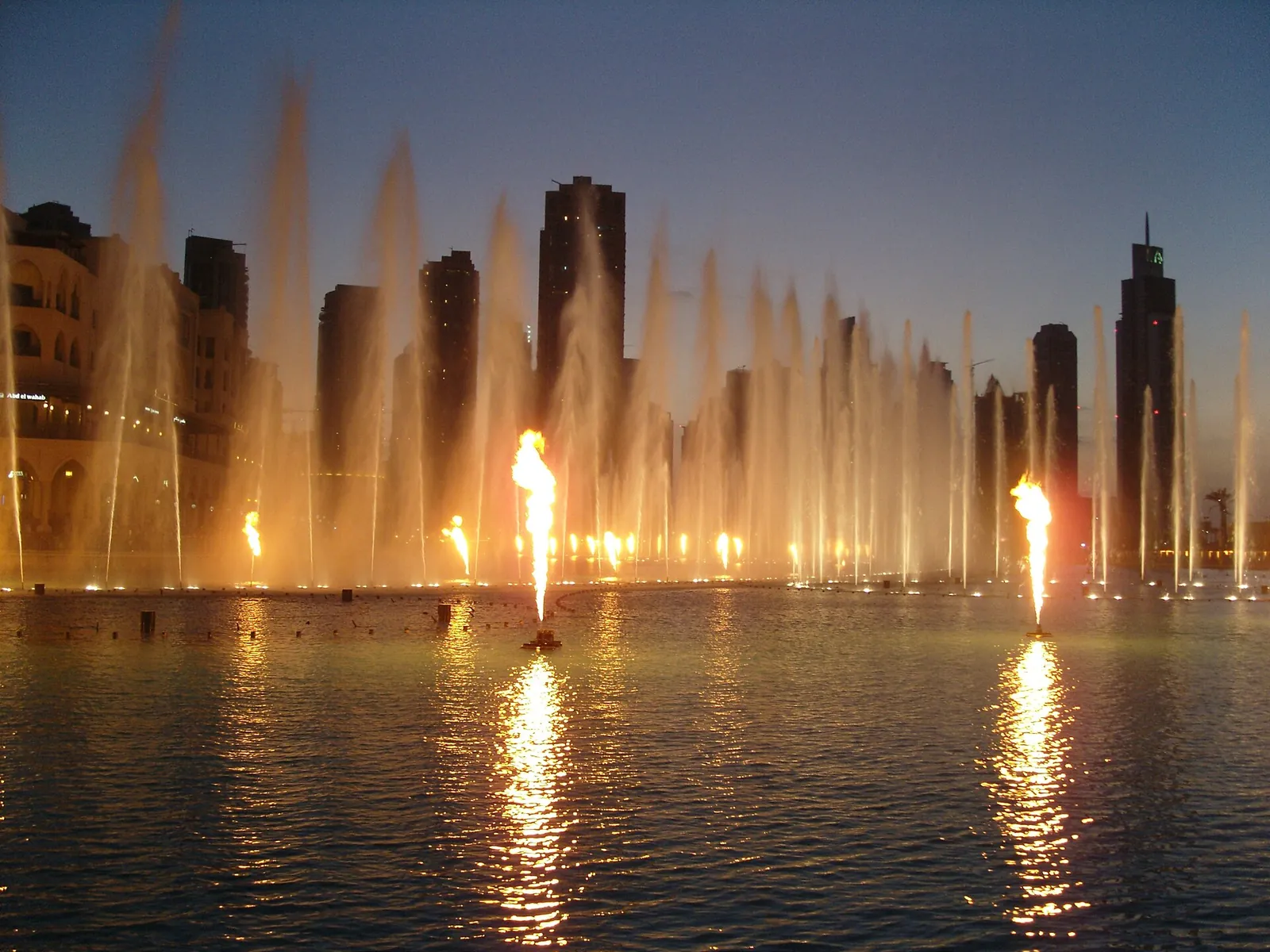
Afterwards, step out to the lake for the Dubai Fountain. Emaar lists evening shows daily from 18:00 to 23:00 every 30 minutes, plus afternoon shows at 13:00 and 13:30 (Saturday to Thursday) and 14:00 and 14:30 (Friday). Watching from the promenade is free. Timings can change for operational reasons or bad weather, so check Emaar’s page on the day.
Day 3: Dubai Frame, the Marina and Global Village
Morning
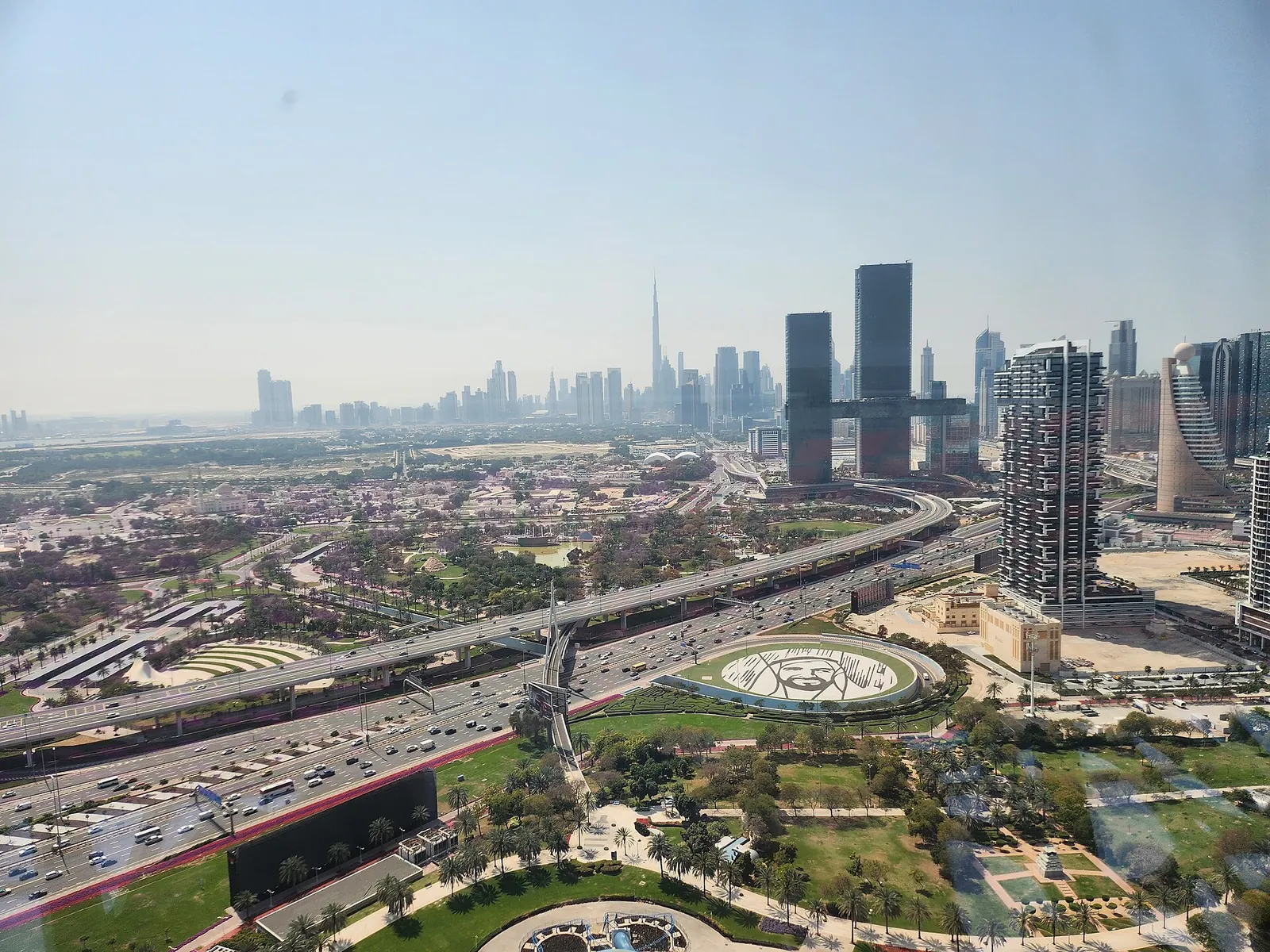
Save plenty of energy for a fun-packed finale! Start early at the Dubai Frame in Zabeel Park (gate 4), a giant picture frame with a glass-floored sky deck that “frames” old Dubai on one side and the new skyline on the other. The official site lists hours of 08:00 to 21:00 and tickets at AED 50 for adults and AED 20 for children aged 3 to 12, with infants free. The nearest metro station named by the official site is Al Jafiliya (Green Line). Going at opening time means cooler air in the park and shorter queues for the lifts.
A note on the Museum of the Future: its official FAQ says it temporarily closed in early September 2026 and is set to reopen in the first quarter of 2027. You can still see the striking building from Sheikh Zayed Road, but don’t plan a visit inside until it reopens.
Afternoon
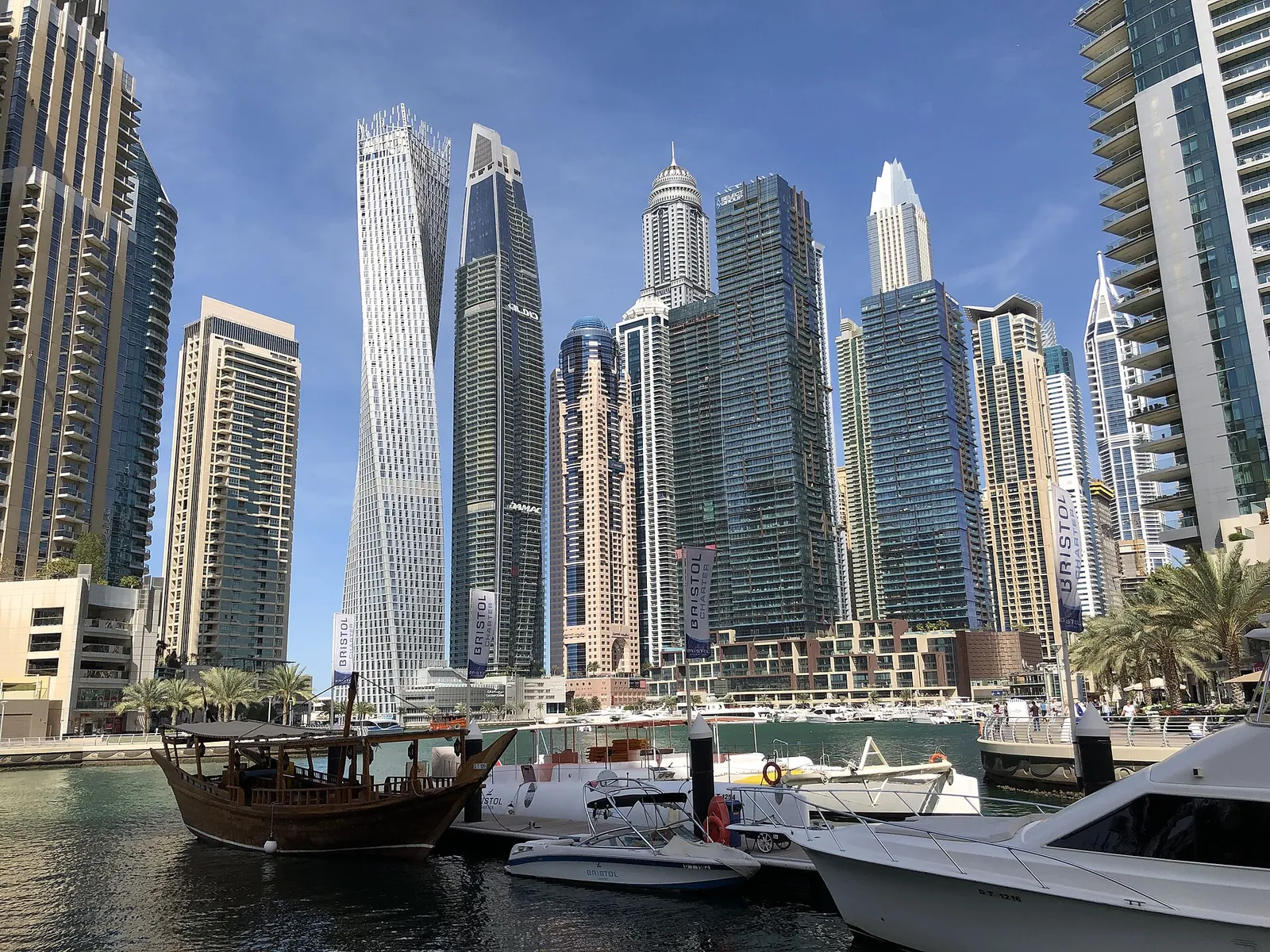
Ride the Red Line south to Dubai Marina. Walk the Marina promenade under the towers, then cross to JBR beach for an afternoon swim or a coffee by the sea. If you’d like to see the Palm Jumeirah too, plan the route with the S’hail app, which combines tram, metro and other connections.
For a cheap way to see the Marina from the water, RTA operates water transport there; check the RTA marine timetable page for current routes and fares, as these change by season.
Evening
End the trip at Global Village, a huge open-air festival park with pavilions from dozens of countries, street food from around the world and live shows. Season 31 runs from 14 October 2026 to May 2027. The official site lists hours of 16:00 to 00:00 Sunday to Wednesday, and 16:00 to 01:00 Thursday to Saturday and on public holidays. Tickets are AED 30 for an any-day ticket and AED 25 for a weekday ticket (Monday to Thursday, excluding public holidays). Note that Tuesdays (unless a public holiday) are reserved for families, couples and ladies.
Getting there on public transport is straightforward: Global Village lists seasonal buses from several metro stations, including route 102 from CentrePoint and route 106 from Mall of the Emirates, running roughly every evening during the season. Check the timetable on the day, then take a taxi back if you stay late.
If you visit outside the Global Village season (roughly June to mid-October), a desert safari with an evening camp is a popular alternative. Compare inclusions carefully and book with an established, licensed operator.
Getting there and getting around
From the airport
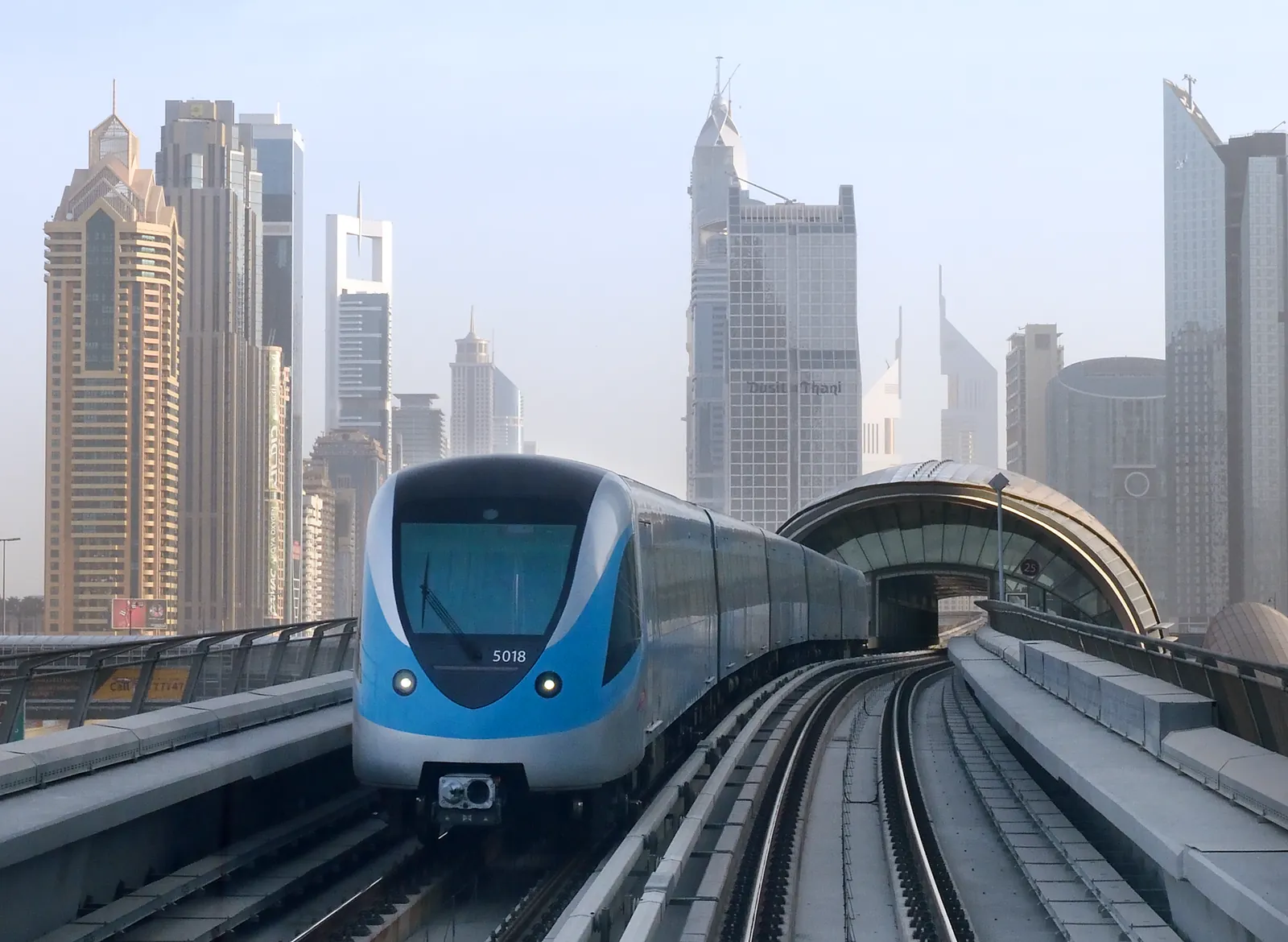
Dubai International Airport (DXB) is close to the city. The metro Red Line stops at Terminal 1 and Terminal 3, according to Dubai Airports, and you can buy tickets and nol cards at ticket offices and machines in both terminals. Dubai Airports notes a limit of two pieces of luggage, including hand luggage, on the metro, so travellers with big suitcases may prefer a taxi. If you land at a terminal other than 1 or 3, use a taxi or bus.
Metro hours (RTA, all lines):
| Day | Hours |
|---|---|
| Monday to Thursday | 05:00 to 00:00 |
| Friday | 05:00 to 01:00 (next day) |
| Saturday | 05:00 to 00:00 |
| Sunday | 08:00 to 00:00 |
Hours are often extended on public holidays and during big celebrations.
Taxis wait in marked queues outside arrivals. RTA lists the minimum fare as AED 12 for a street pickup and AED 13 when booked through an app, and fares are metered. Airport pickups carry their own starting fare, so check the RTA taxi page for the current amount. Taxis accept cash, cards and nol cards among other methods.
Getting around the city
Buy a nol card as soon as you arrive. It works on the metro, tram and public buses, and on some water transport. The Silver card costs AED 25, which includes AED 19 of credit. Fares depend on how many of Dubai’s 7 zones you cross:
| Trip | nol Silver | nol Gold (Gold Class carriage) | Red paper ticket |
|---|---|---|---|
| Within 1 zone | AED 3 | AED 6 | AED 4 |
| 2 adjacent zones | AED 5 | AED 10 | AED 6 |
| More than 2 zones | AED 7.50 | AED 15 | AED 8.50 |
Children aged 5 and under travel free. Transfers between bus and metro within one journey are charged by total zones rather than per ride. If you plan heavy use, RTA sells a 7-day pass on an anonymous Silver card: AED 50 for 1 zone, AED 80 for 2 zones, or AED 110 for all zones.
Gold Class seats need a Gold card (or the Gold fare on a Red ticket), so stick to the regular carriages with a Silver card. Check the rules posted in stations and on the RTA site, as fines apply for breaking them.
Where to stay
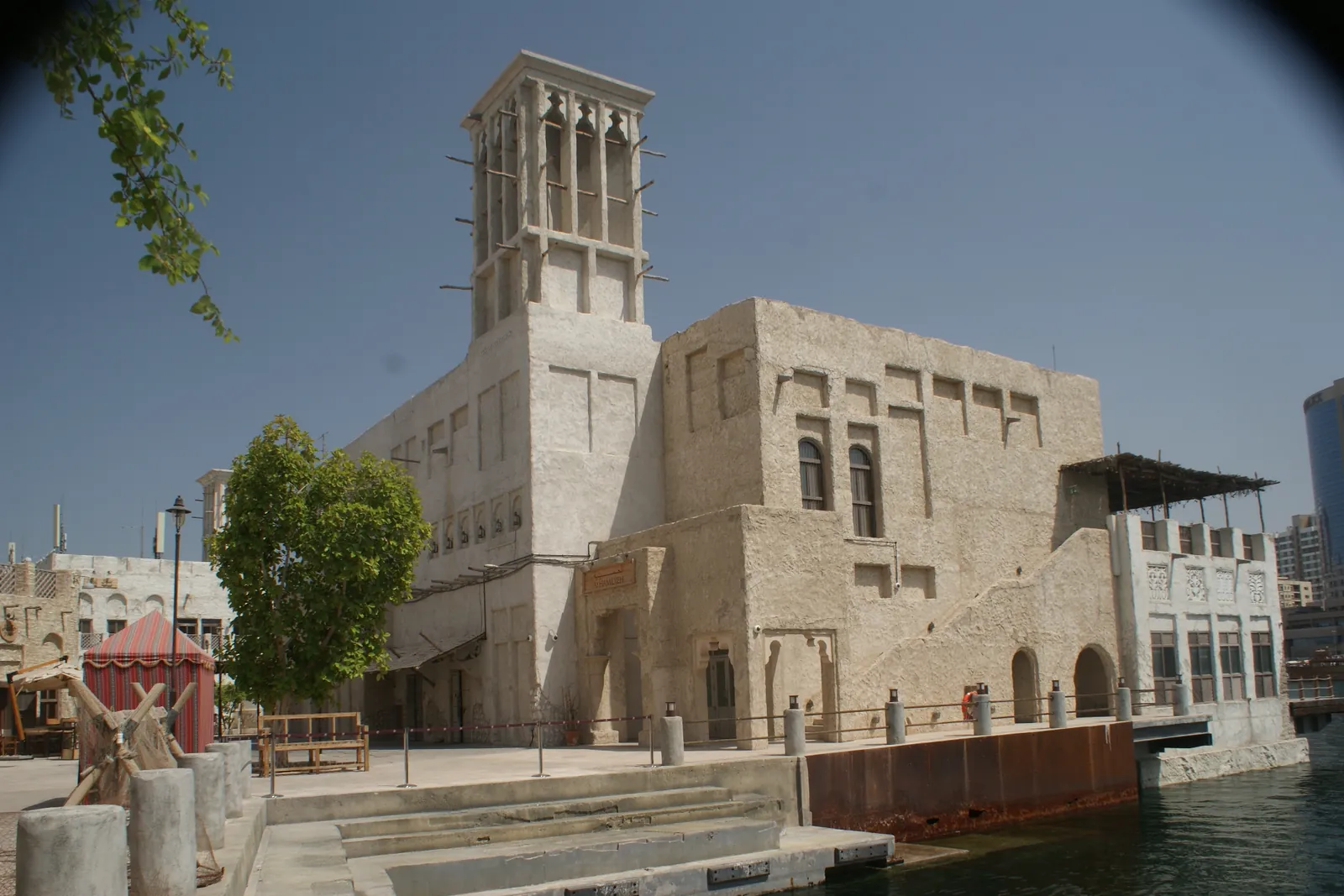
Downtown Dubai. Best for first-timers who want to walk out to the Burj Khalifa, the fountain and the mall. It is central on the Red Line, and evenings are lively. It is usually among the pricier areas.
Bur Dubai and Al Seef. Ideal if you want character and value. You’re close to the creek, the abras and the souks, with Green and Red Line stations nearby, and plenty of affordable South Asian and Middle Eastern food.
Dubai Marina and JBR. Good for a beach-and-city mix, with a waterfront promenade and the tram on your doorstep. It’s further from Old Dubai, so Day 1 means a longer metro ride.
Deira. Practical and often budget-friendly, close to the airport and the souks, with good metro access. Less polished, but very convenient for short stays and late arrivals.
Budget
The daily figure at the top of this page covers only sights and local transport, based on official prices checked on 2026-10-22. Accommodation, meals, tours and shopping are excluded because they vary too widely to state reliably.
| Item | Typical cost |
|---|---|
| nol Silver card (includes AED 19 credit) | AED 25 |
| Metro trip, within 1 zone / more than 2 zones (Silver) | AED 3 / AED 7.50 |
| 7-day all-zones pass (anonymous Silver card) | AED 110 |
| Traditional abra across the creek | AED 1 (cash) |
| Al Shindagha Museum, adult | AED 50 |
| Jumeirah Mosque guided visit | AED 45 |
| At the Top, Burj Khalifa, Silver | from AED 199 (varies by date and time) |
| Dubai Fountain show | free |
| Dubai Frame, adult | AED 50 |
| Global Village entry | AED 25 weekday / AED 30 any day |
| Taxi minimum fare (street pickup) | AED 12 |
USD conversions on this page are approximate (the dirham is pegged to the US dollar at AED 3.6725 per USD, per the UAE government portal).
Practical tips
Entry and visas. Rules depend on your nationality and residence: some visitors get a visa on arrival, others must apply before travelling. Check the official UAE government portal (u.ae: do you need a visa) or your airline before you book.
Dress code. Dubai is relaxed in malls, beaches and hotels, but modest clothing is expected in mosques, traditional areas and government buildings. Covering shoulders and knees is a safe default in Old Dubai. Swimwear belongs on the beach or by the pool.
Heat. Visit Dubai describes winter as the peak season, with averages around 23°C, against around 41°C in summer. In the hot months, plan outdoor sightseeing for early morning and after dark, and carry water.
Opening days. Note that the metro opens late on Sundays (08:00), and the Jumeirah Mosque visit does not run on Fridays. During Ramadan, opening hours across the city change, so check each attraction’s site.
Money. Cards are accepted almost everywhere, but keep some cash for abras, souk stalls and small cafes.
SIM and eSIM. Local operators sell tourist SIMs and eSIMs at the airport and in malls. Compare plans on the operators’ official sites, as prices and bundles change often.
Getting help. RTA’s S’hail app is the official journey planner for the metro, tram, buses and water transport, with live timings.
Heads-up: what to watch out for
Dubai is a joy to explore, and a few simple habits keep it that way.
- Licensed taxis only. The UK government advises using only licensed taxis or recognised apps such as Careem and Uber. Easy to spot: Dubai’s official taxis are cream with coloured roofs, and the pink-roofed ones have female drivers.
- Cross at the crossings. Crossing a road anywhere other than a designated pedestrian crossing is illegal and can bring a fine. Good to know: cars often do not stop at painted zebra crossings, so wait until the road is clear.
- Swim where the lifeguards are. Rip currents can occur at any beach, including the Jumeirah ones on Day 2. Easy to avoid: swim only at approved beaches with lifeguards and flags, and stay out of the water when the red flag is up.
- Check your medicines and vape refills before you fly. Some medicines that are legal at home are controlled in the UAE and need advance approval from the UAE Ministry of Health, which you can apply for online. Products containing CBD, including some skincare items and e-cigarette refills, are illegal and can be confiscated, so leave them at home.
- Keep the party indoors. Drinking or being drunk in a public place is illegal anywhere in the UAE; alcohol belongs in licensed venues such as hotel bars and restaurants. Swearing, rude gestures (online too) and kissing in public can also lead to arrest, so keep it friendly and low-key.
- Ask before you snap. Do not photograph people without their permission, and avoid pointing your camera at government buildings or military sites. The skyline, the souks and the fountain are all fair game.
- Pick reputable tour and boat operators. Desert trips are only safe in properly equipped 4x4 vehicles, so choose an established company with good safety procedures and check your insurance covers it. On tourist boats, make sure there are life jackets for everyone.
FAQ
Is 3 days enough for Dubai?
Yes, for a first visit. Three days covers the historic creek, Downtown’s landmarks and one evening out. Add a fourth day for a desert trip, a day at a water park or a visit to Abu Dhabi.
Can I get from the airport to the city by metro?
Yes, if you arrive at Terminal 1 or 3. The Red Line stops at both, and you can buy a nol card in the terminal. With more than two bags, a taxi is easier.
Is the Museum of the Future open?
Not right now. Its official FAQ says it closed temporarily in early September 2026 and is set to reopen in the first quarter of 2027. Check the museum’s site for the reopening date before you plan a visit.
Do I need to book the Burj Khalifa in advance?
It’s strongly recommended, especially for sunset. Prices vary by date and time, and popular slots sell out. Book a timed ticket on the official At the Top site.
What is the cheapest way to get around?
A nol Silver card on the metro, tram and buses, combined with walking in Old Dubai and Downtown. The abra across the creek costs AED 1 and is both the cheapest and the most memorable ride in town.
Can I visit a mosque in Dubai as a non-Muslim?
Yes. The Jumeirah Mosque visit, run by the Sheikh Mohammed Centre for Cultural Understanding, is designed for visitors of all backgrounds. It runs every day except Friday at 10:00 and 14:00, and modest dress is required.
Sources
Prices, hours and rules change. We checked these on 22 October 2026; please confirm on the official page before you book.
- RTA: Public transport timetable (Metro, Tram, Marine)
- RTA: nol Fares
- RTA: nol Cards
- RTA: About Marine (abra fares)
- RTA: Transport Using Taxi Vehicles
- Dubai Airports: Dubai Metro at DXB
- Emaar: At The Top, Burj Khalifa
- Emaar: Dubai Fountain
- Dubai Frame: Plan Your Visit
- Al Shindagha Museum: Plan Your Visit
- Sheikh Mohammed Centre for Cultural Understanding: Jumeirah Mosque Visit
- Global Village: Plan Your Visit
- Museum of the Future: Get Help (FAQ)
- UAE Government Portal: Check if you need a visa to enter the UAE
- UAE Government Portal: About the UAE (currency peg)
- Visit Dubai: Winter in Dubai
- UK FCDO: United Arab Emirates travel advice, safety and security
- UK FCDO: United Arab Emirates travel advice, health
Photo credits (11)
- Dubai skyline and Burj Khalifa glowing at sunset: Sergei Gussev, CC BY 2.0, via Wikimedia Commons
- Restored heritage houses in the Shindagha district: Michael Gaylard, CC BY 2.0, via Wikimedia Commons
- Colourful spices piled high in Deira's Spice Souk: Frodlekis, CC BY-SA 4.0, via Wikimedia Commons
- Jumeirah Mosque's domes and minarets against a blue sky: Aidas U., CC BY 3.0, via Wikimedia Commons
- The Dubai Fountain dancing at dusk in Downtown: Cory M. Grenier, CC BY-SA 2.0, via Wikimedia Commons
- Downtown skyline seen from the Dubai Frame: Saaremees, CC BY-SA 4.0, via Wikimedia Commons
- Dubai Marina towers and boats under a blue sky: Davide Mauro, CC BY-SA 4.0, via Wikimedia Commons
- Dubai Metro train gliding past the city towers: Tim Adams, CC BY 3.0, via Wikimedia Commons
- Heritage-style waterfront at Al Seef, Bur Dubai: Alan & Flora Botting, CC BY-SA 2.0, via Wikimedia Commons
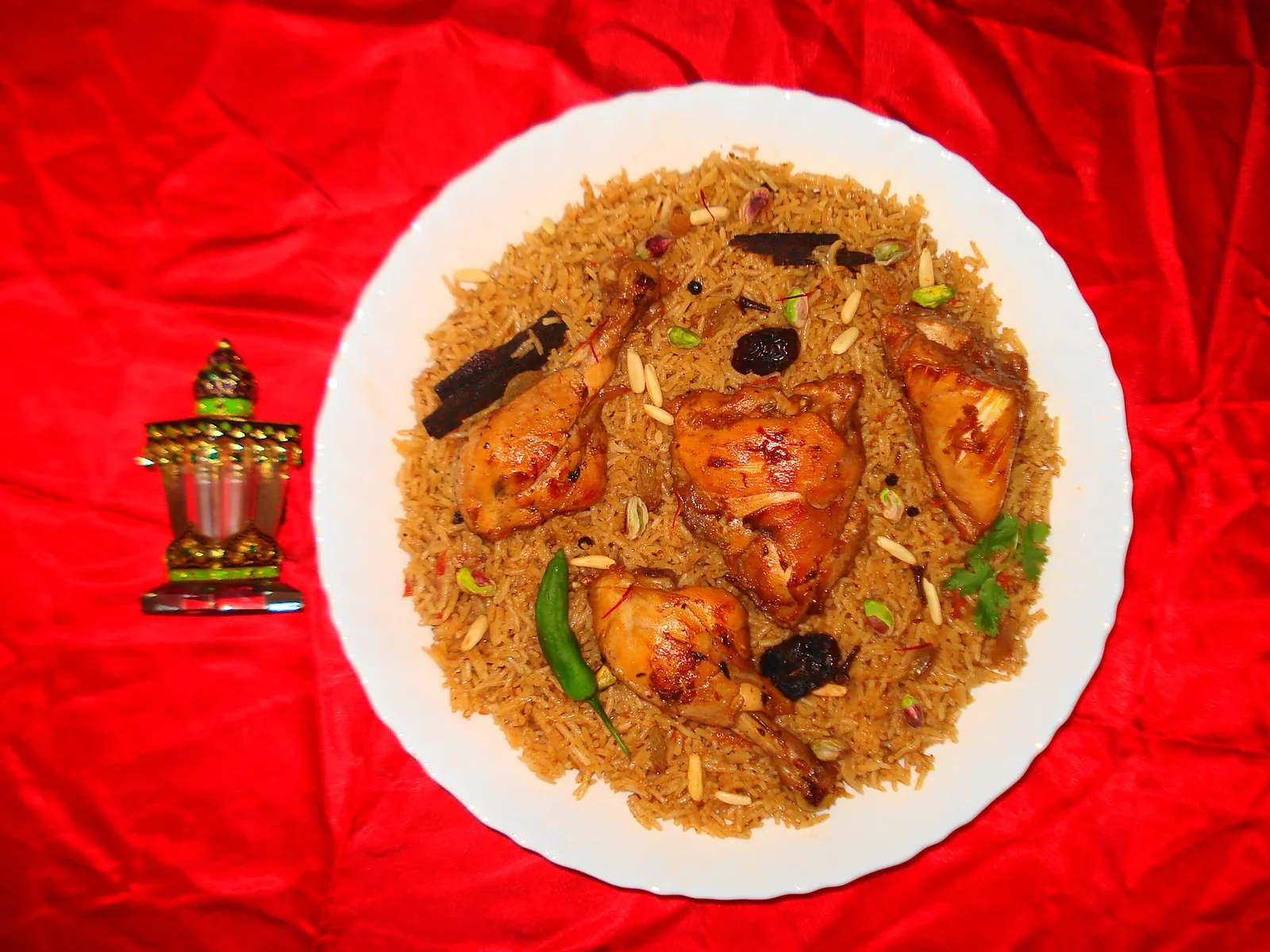
- A plate of machboos, a classic Emirati rice dish: Miansari66, CC0, via Wikimedia Commons
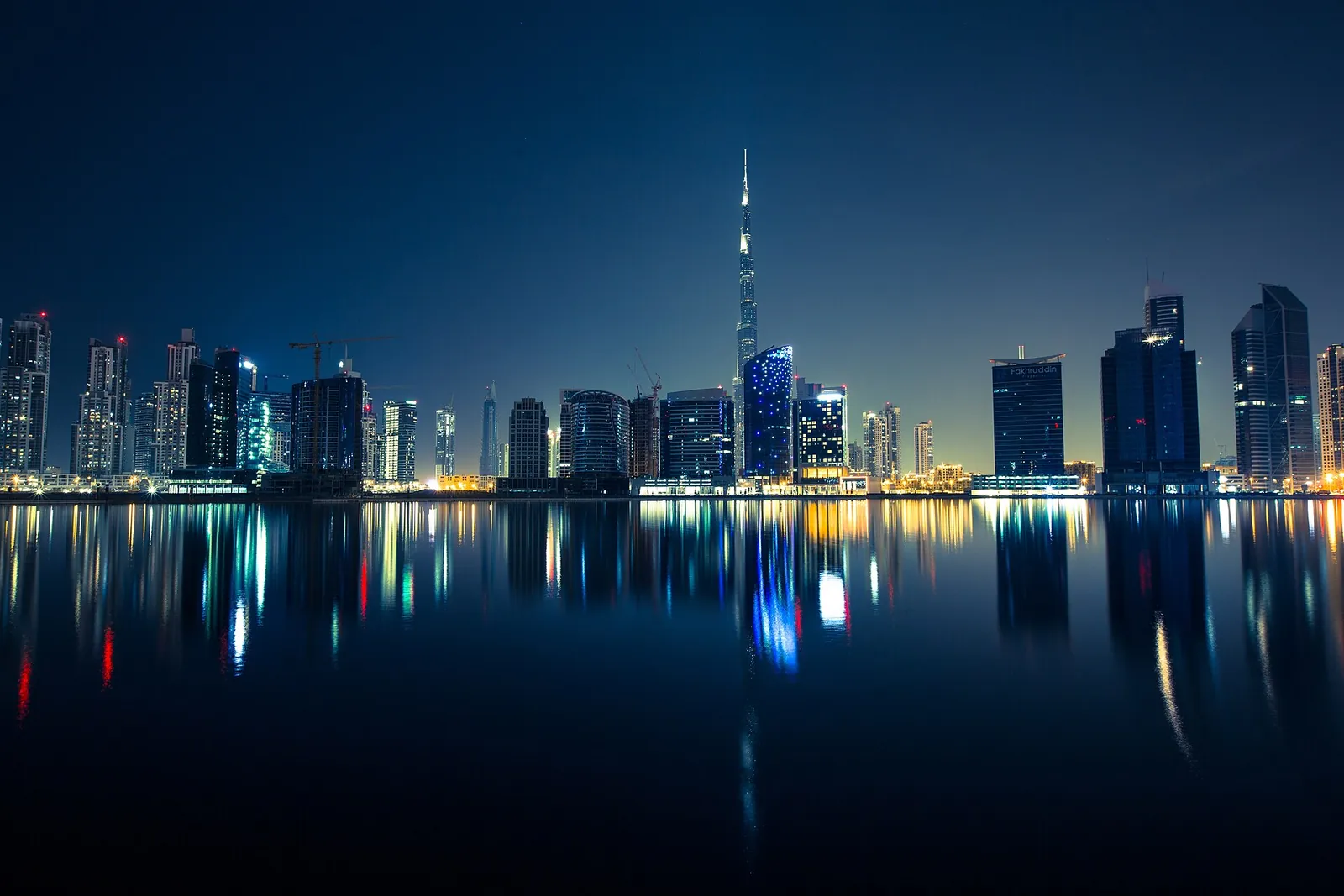
- Dubai skyline and Burj Khalifa reflected at night: Robert Bock, CC0, via Wikimedia Commons
This is a researched plan, not a personal trip report. How we research · Affiliate disclosure