
8 Days in Egypt: Cairo, Luxor, Nile Cruise and Aswan
An 8-day Egypt plan: Giza Pyramids and the Grand Egyptian Museum, historic Cairo, Luxor's temples and tombs, a Nile cruise and Aswan's Philae Temple.
- 🗓️ Trip length
- 8 days
- ☀️ Best time
- October to April
- 💰 Daily spend
- Varies by cruise and transport: see the Budget section
- ✅ Facts checked
- 24 October 2026
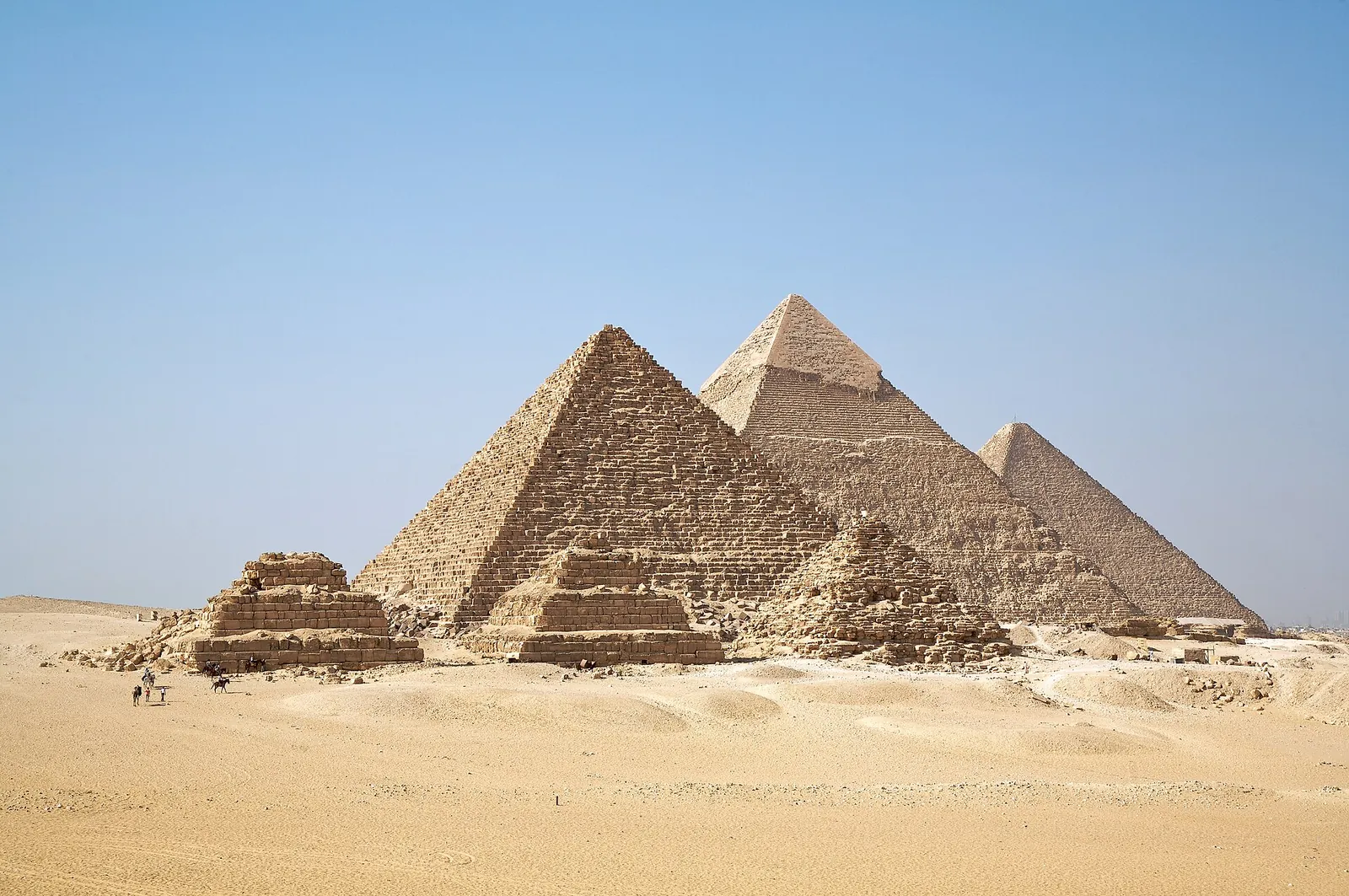
Get ready for one of the world’s great journeys. In eight days you’ll stand in front of the Pyramids of Giza and meet Tutankhamun’s treasures at the Grand Egyptian Museum. You’ll also walk through the giant columns of Karnak and drift up the Nile to Aswan, where the river is wide, blue and lined with palms. This plan suits first-time visitors who want the classic highlights without rushing from dawn to midnight every day.
The pace is steady but relaxed. Mornings start early because the big sites open early and the light is soft. You keep the hottest part of the day for lunch, a rest or a slow cruise deck, then head out again in the evening. You’ll travel from Cairo to Luxor by train or domestic flight, sail south from Luxor to Aswan on a Nile cruise, and fly back to Cairo at the end (or onwards home).
At a glance
| Day | Area | Highlights |
|---|---|---|
| 1 | Giza | Pyramids of Giza, Great Sphinx, Grand Egyptian Museum |
| 2 | Historic Cairo | Citadel, Al-Muizz Street, Khan el-Khalili, Nile evening |
| 3 | Cairo to Luxor (East Bank) | Travel south, Karnak Temple, Luxor Temple at dusk |
| 4 | Luxor (West Bank) | Valley of the Kings, Temple of Hatshepsut, board your cruise |
| 5 | Nile cruise | Sailing south, Edfu Temple |
| 6 | Nile cruise to Aswan | Kom Ombo Temple, arrive in Aswan |
| 7 | Aswan | Philae Temple, felucca sail, Nubian culture |
| 8 | Abu Simbel (optional) and departure | Ramesses II’s rock temples, fly onwards |
Day 1: Pyramids and the Grand Egyptian Museum
Morning
Get ready for the moment you’ve dreamed of! The Giza plateau opens at 07:00 every day, and last entry is at 16:00 all year according to the Ministry of Tourism and Antiquities ticketing site. Aim to arrive close to opening, while it’s still cool and the crowds are thinner.
A standard adult ticket for foreign visitors costs EGP 700, and students pay EGP 350. Student tickets need a valid ID, and students must be 24 or younger. Children under six enter free, and taking photos on your mobile phone is free. You can buy online on the Ministry’s e-ticketing site (egymonuments.com), which saves queueing at the gate. Going inside the Great Pyramid needs a separate ticket, so check the official site for the current price.
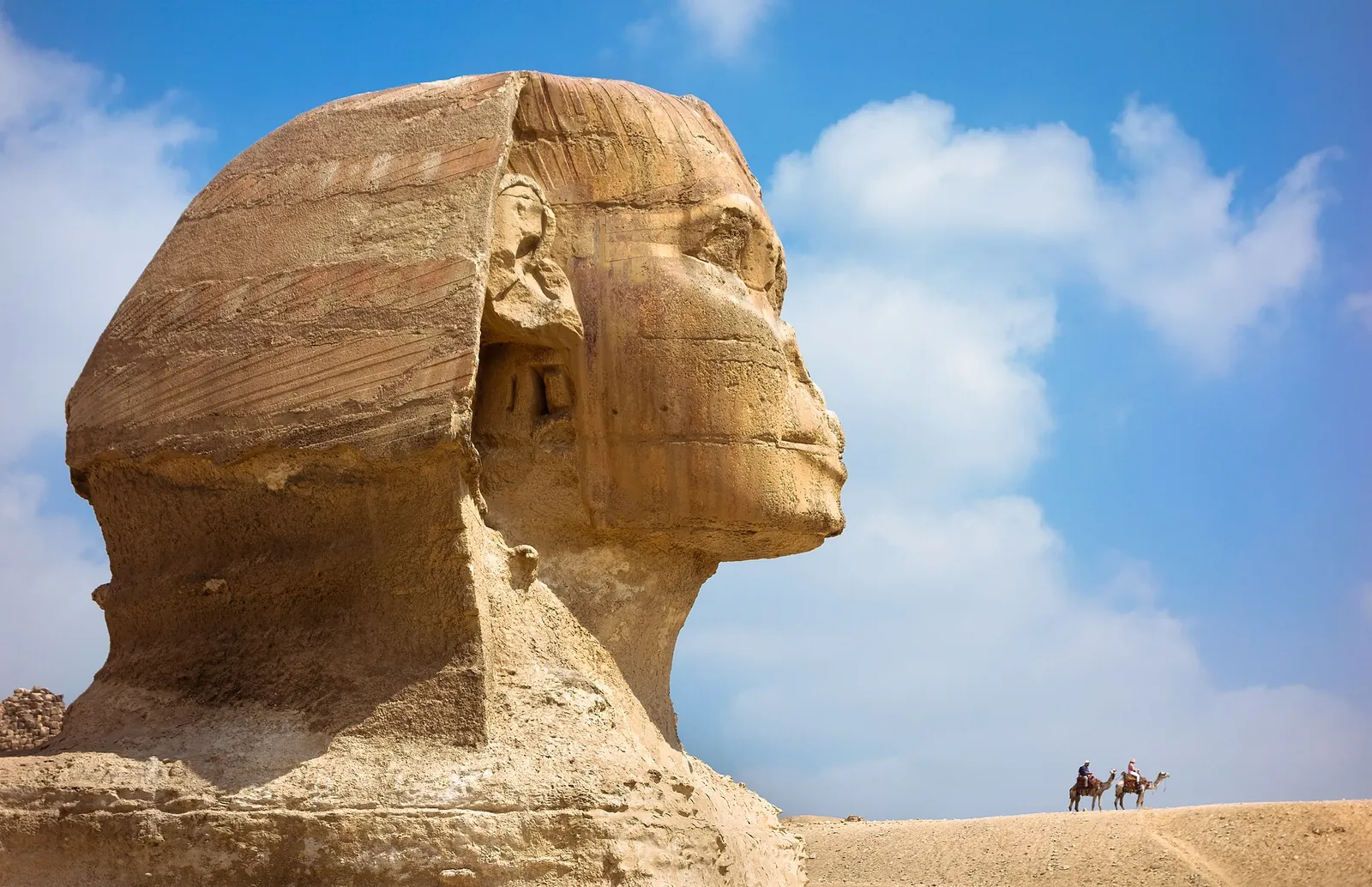
Give yourself two to three hours to walk between the three great pyramids and the panoramic viewpoint, then go down to the Great Sphinx.
Afternoon
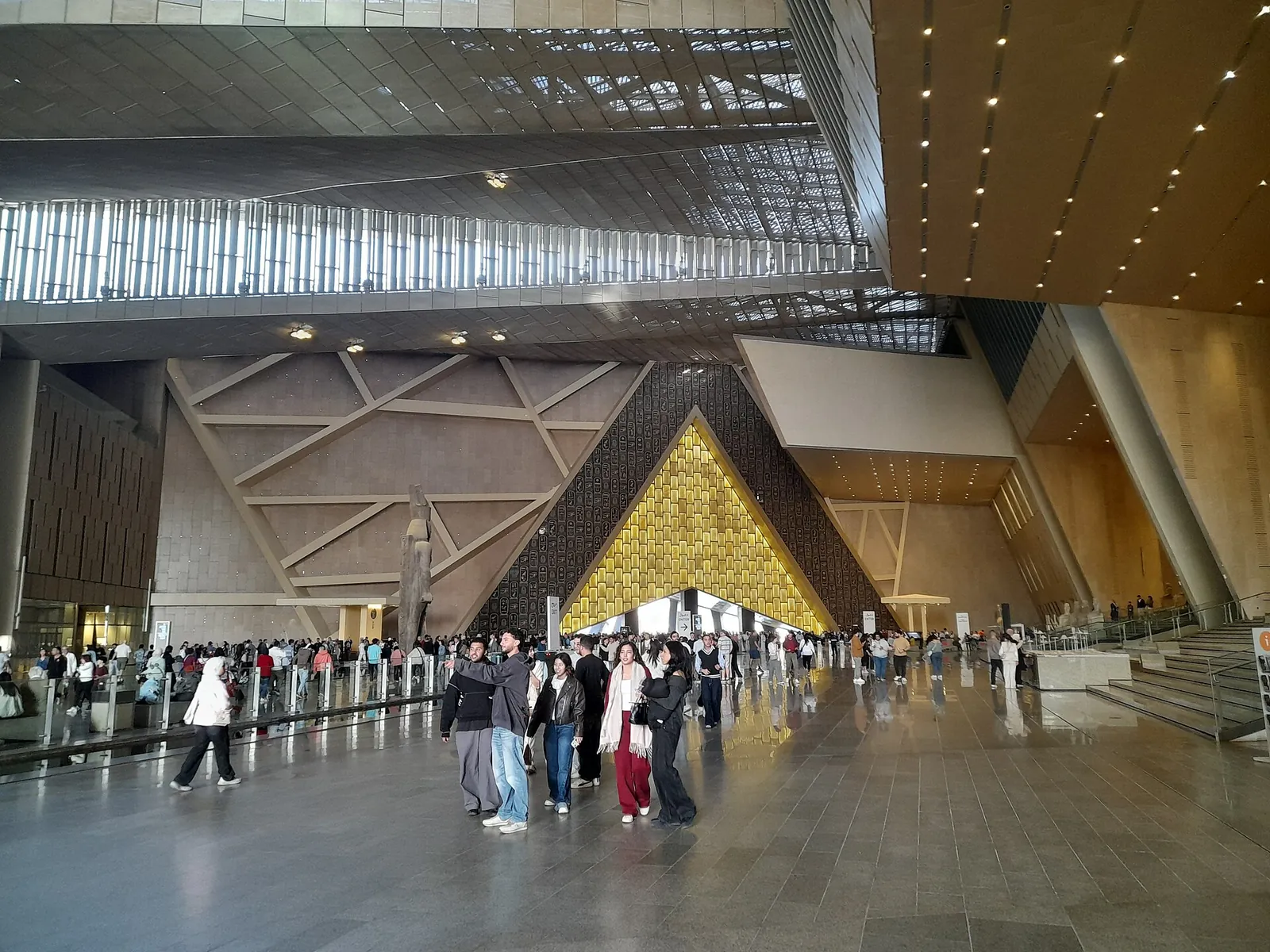
After lunch, head to the Grand Egyptian Museum (GEM). It sits at El Remayah Square on the Cairo-Alexandria Desert Road, right next to the Giza plateau, so the transfer is short. Your ticket covers:
- the Tutankhamun Galleries
- the Main Galleries
- the Grand Hall and Grand Stairs
- the Khufu’s Boats Museum
- the outdoor gardens
Opening hours on the official GEM pages:
- Sunday, Monday, Tuesday, Thursday, Friday: complex 08:30 to 19:00, galleries 09:00 to 18:00, last entry 17:00
- Wednesday and Saturday: complex 08:30 to 22:00, galleries 09:00 to 21:00, last entry 20:00
Pre-book: buy a timed ticket on tickets.gem.eg, which the museum says is its only official ticketing website. Tickets are valid only for the date and time you choose, are non-refundable and allow a single entry. Check the current price on that site.
Evening
If Day 1 falls on a Wednesday or Saturday, the late gallery hours let you split the museum into a relaxed afternoon and evening. Otherwise, head back to your hotel, rest your legs and have an early dinner. Tomorrow is a walking day.
Day 2: Historic Cairo
Morning
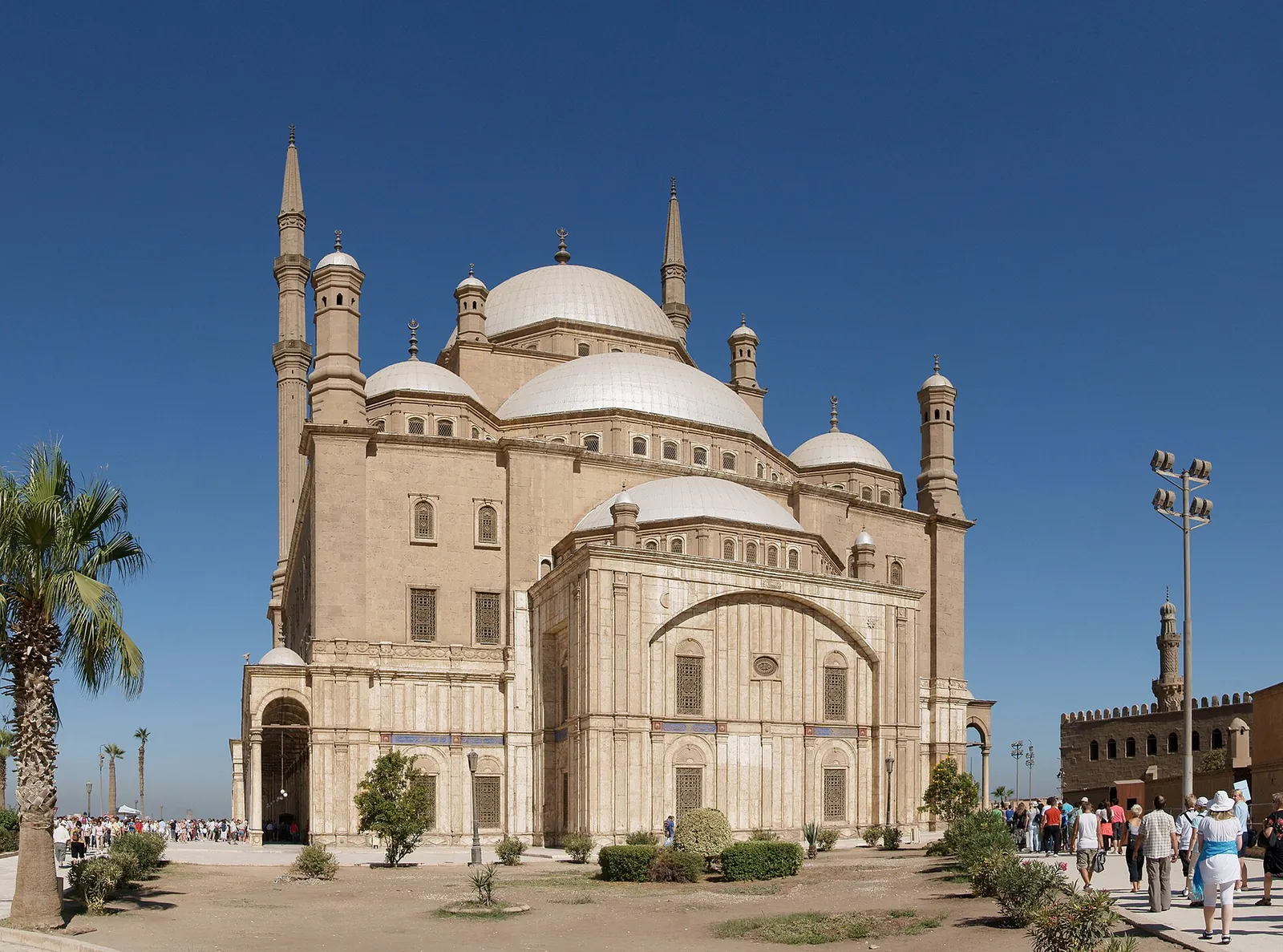
Today you get to explore medieval Cairo, a whole different and wonderfully atmospheric side of the city. Start at the Saladin Citadel on its hill for wide views over the minarets. Visit the Mosque of Muhammad Ali inside the complex. Check the official Ministry site for current Citadel hours and ticket prices.
Afternoon
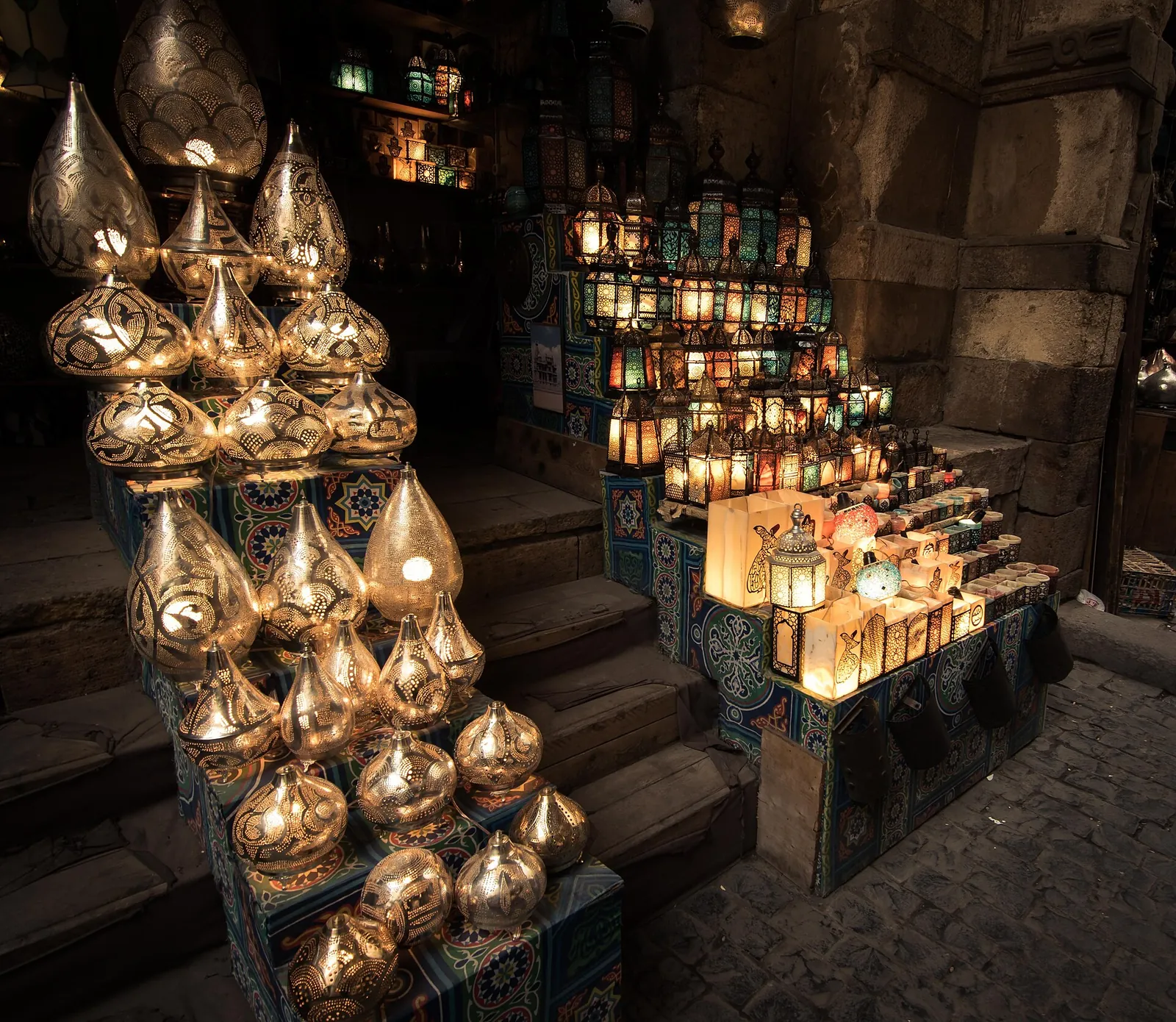
Take a short taxi or ride-hailing trip down to Al-Muizz Street, one of the richest streets of Islamic architecture anywhere. Walk it slowly, past mosques, madrasas and old merchant houses. It leads straight into the Khan el-Khalili bazaar, so this part of the day is all on foot.
Dress modestly for mosque visits: cover your shoulders and knees, and women should carry a scarf for their hair.
Evening
Finish with tea in the bazaar, or move to the river for a sunset walk along the Nile corniche or a short felucca ride. Agree on felucca prices before you set off, as there’s no official fare to quote.
If you’re taking the overnight train to Luxor, this is your departure evening. See Day 3.
Day 3: Luxor’s East Bank
Morning
Off to Luxor, the open-air museum of Egypt! Travel south; you have two main options:
- Domestic flight: quickest door to door. Check airline schedules for current times.
- Egyptian National Railways (ENR) train: day trains and overnight services run on the Cairo-Luxor-Aswan line.
According to the Cairo Governorate, ENR tickets are sold at station counters and booking offices, on the ENR website and through the “Egyptian National Railways” mobile app. Fares on the governorate page are local prices, and foreign visitors may be charged differently. Check current fares and timetables with ENR before you book.
Afternoon
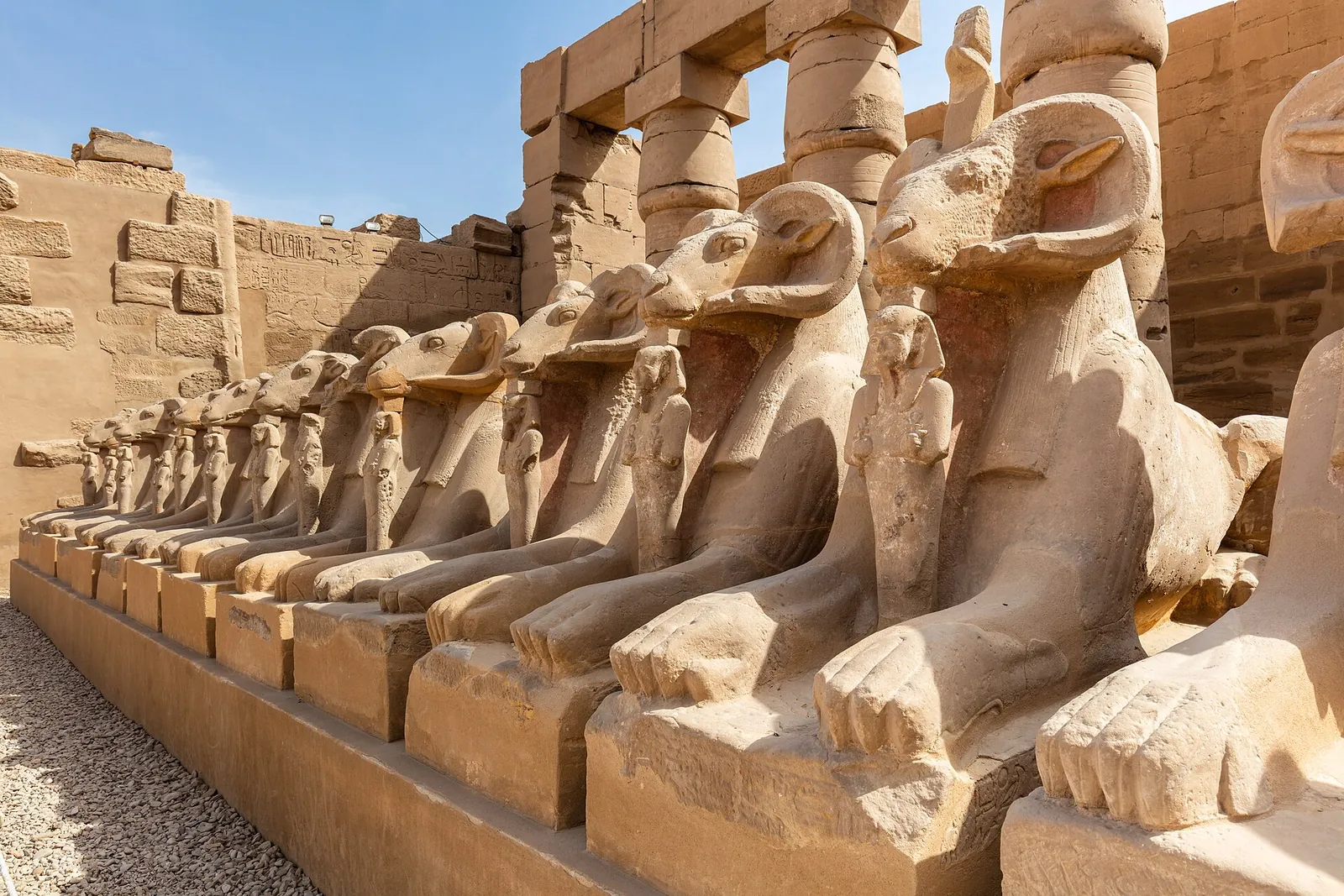
Check into your Luxor hotel or cruise boat, then head to Karnak Temple. Karnak opens at 06:00 with last entry at 16:00, so time your visit carefully if you arrive midday. An adult ticket for foreign visitors is EGP 600 (students EGP 300).
The Great Hypostyle Hall, with its forest of 134 columns, is simply unforgettable. Allow at least two hours. You can buy tickets on egymonuments.com.
Evening
Luxor Temple, in the centre of town and linked to Karnak by the restored Avenue of Sphinxes, is magical once its lights come on. Check the Ministry’s official site for current evening hours and the ticket price.
Day 4: Valley of the Kings and the West Bank
Morning
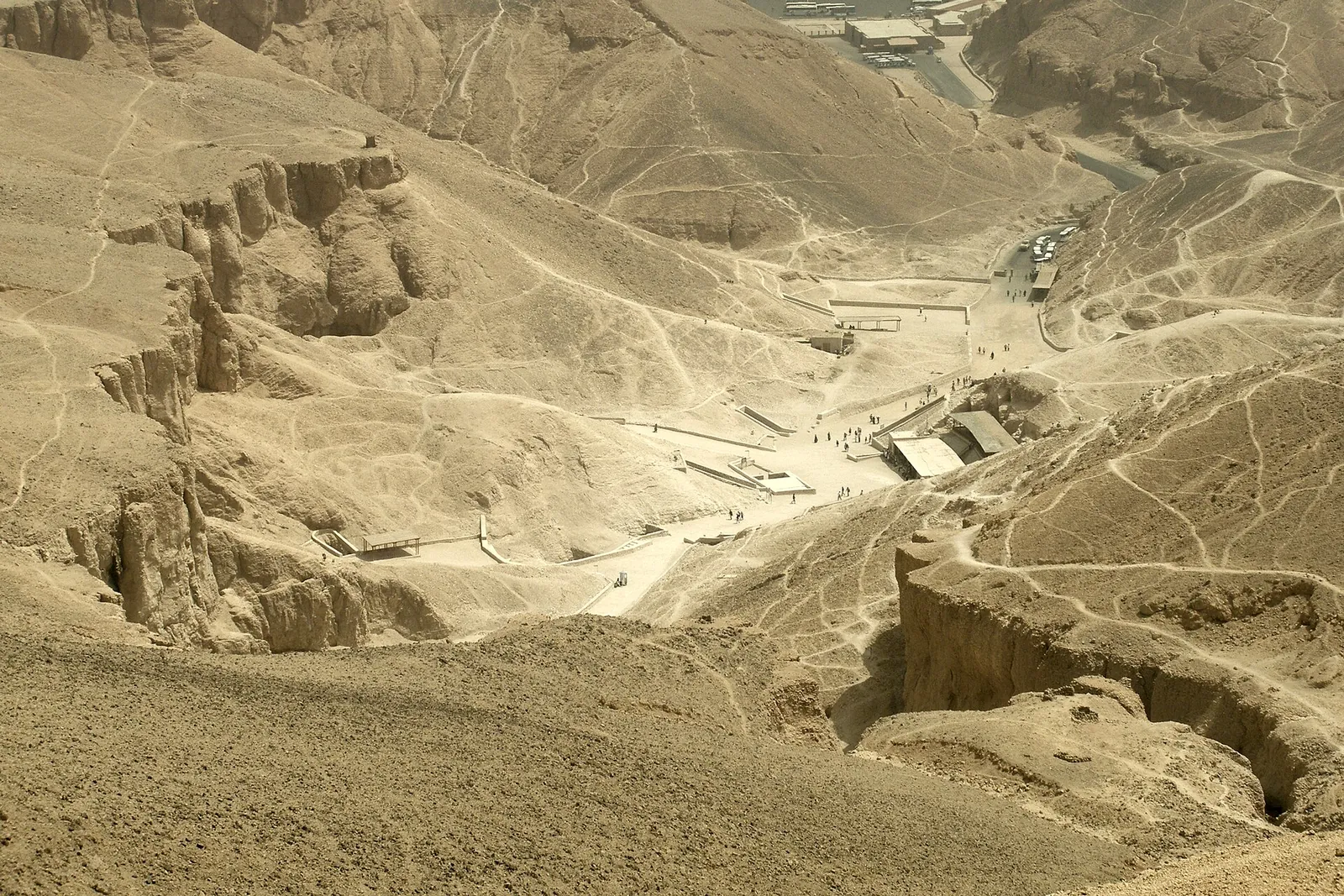
This is the day for pharaohs’ tombs, so cross to the West Bank early. The Valley of the Kings is the highlight, with painted royal tombs carved deep into the desert hills. Your general ticket includes a set number of tombs. Some famous tombs, such as Tutankhamun’s, need an extra ticket. Check the official site for current prices and which tombs are open, because the open tombs rotate.
Afternoon
Go on to the terraced Temple of Hatshepsut at Deir el-Bahari, a short drive from the Valley, and stop at the Colossi of Memnon on your way back to the river. Check the official site for prices and hours.
The West Bank gets very hot and exposed after midday, so carry plenty of water and a hat.
Evening
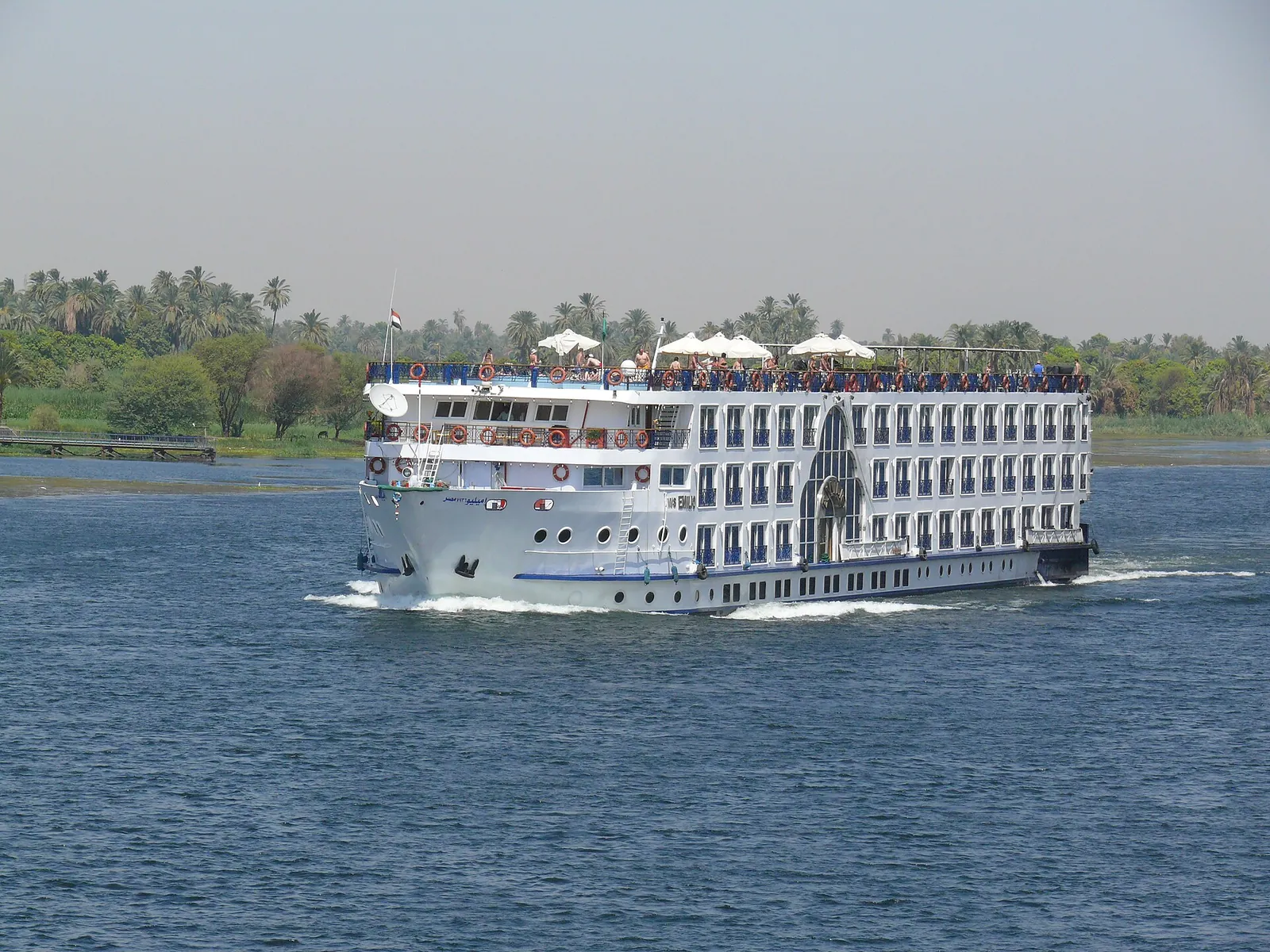
Board your Nile cruise. Most Luxor to Aswan cruises sail over three or four nights, and routes vary by company. Check your boat’s itinerary for exact stops and times. Enjoy your first dinner on deck with the West Bank hills glowing at sunset.
Day 5: Sailing the Nile to Edfu
Morning
This is your slow, sunny day on the river, and you’ve earned it. Watch village life, sugar cane fields and herons go by from the sun deck. Many cruises pass through the lock at Esna. Your boat’s programme will tell you when.
Afternoon
Most cruises stop at Edfu for the Temple of Horus, one of the best-preserved temples in Egypt. Its pylon, courtyards and dark inner sanctuary give you a real sense of how a temple worked. Entry is usually arranged through your cruise. If you buy your own ticket, check the price on the official site.
Evening
Back on board, enjoy the evening on deck. The Nile at night, with stars above the desert, is a highlight in itself.
Day 6: Kom Ombo and arrival in Aswan
Morning
Kick back on deck and enjoy the view as the landscape changes. South of Edfu the desert comes closer to the river, and the light turns golden.
Afternoon
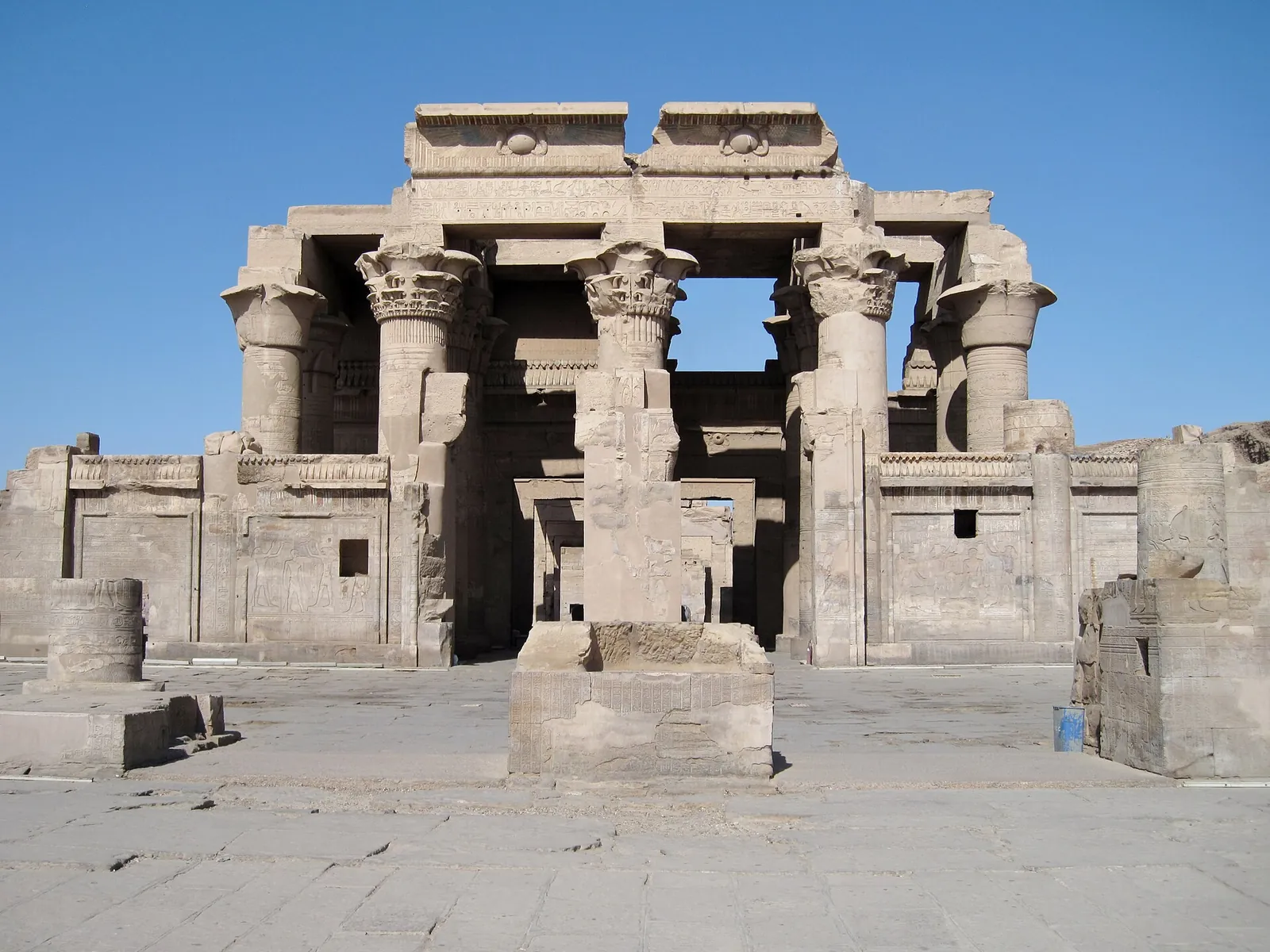
The twin temple of Kom Ombo sits right on the riverbank and is dedicated to two gods: Sobek, the crocodile god, and Haroeris. Look for the crocodile mummies in the small museum beside it. Again, check whether entry is included in your cruise.
Evening
Arrive in Aswan, Egypt’s most laid-back city. Take a stroll along the corniche as feluccas glide past Elephantine Island.
Day 7: Aswan, Philae and the Nile at its most beautiful
Morning
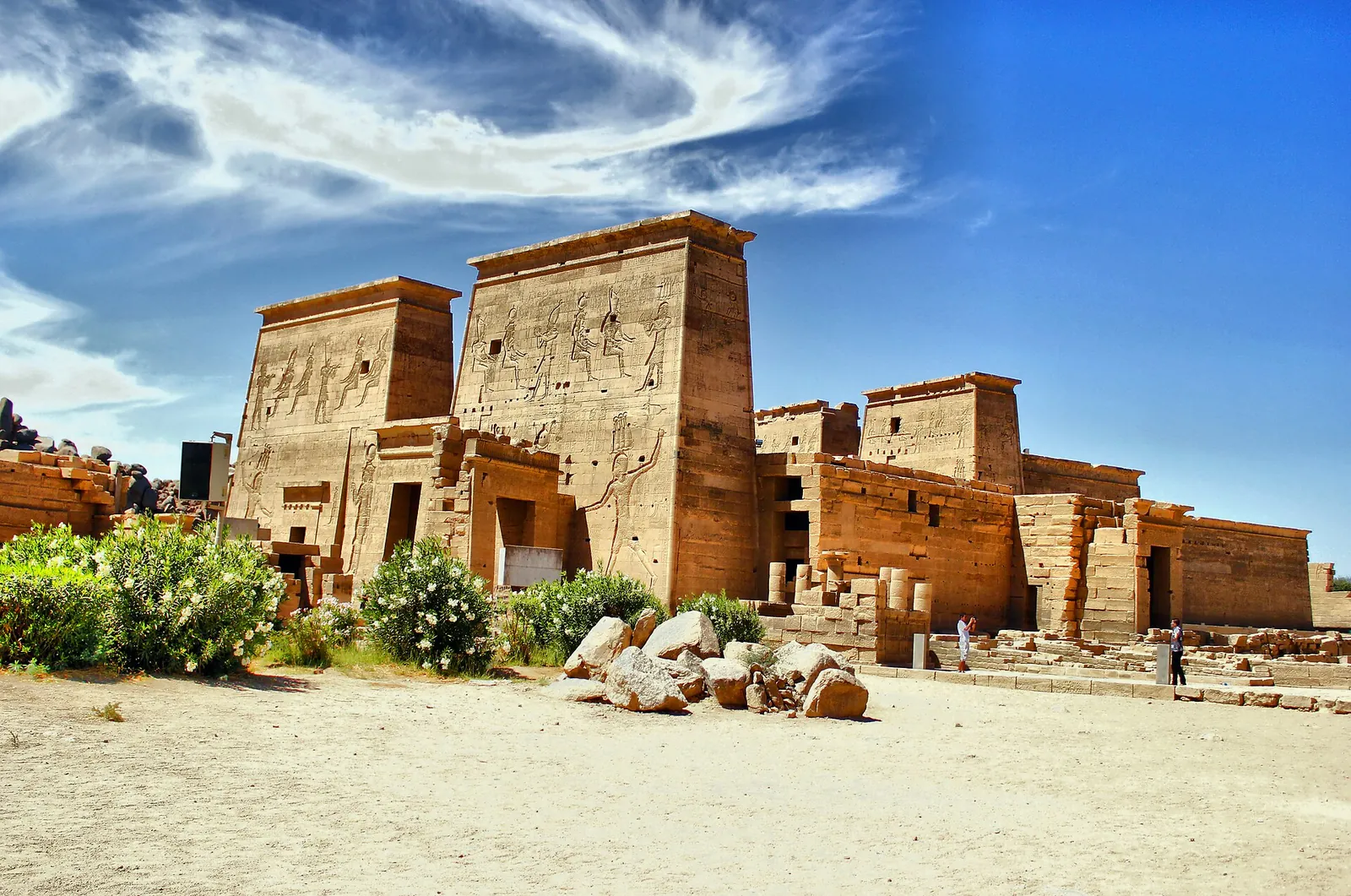
Save your best camera battery for today! Head early to Philae Temple, the island temple of Isis, which was moved stone by stone to Agilkia Island to save it from the rising waters. Philae opens at 07:00 with last entry at 15:00. An adult ticket for foreign visitors is EGP 550 (students EGP 275). The site is reached by a short motorboat ride from the jetty. Check boat fares locally, as there’s no official fare to quote here.
Nearby, you can add the Unfinished Obelisk and the Aswan High Dam. Check the official site for hours and prices.
Afternoon
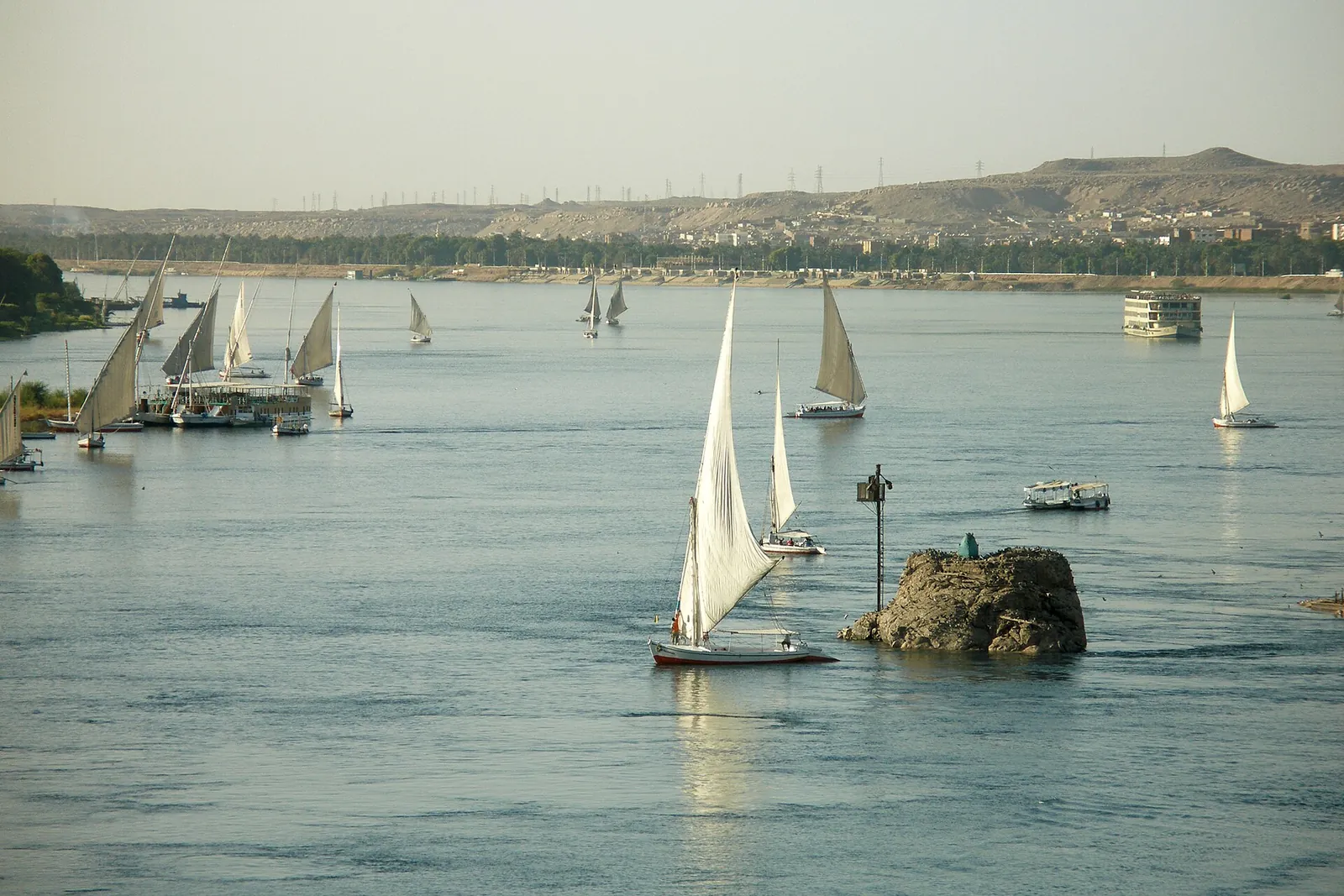
Take a long lunch, then go for Aswan’s signature experience: a felucca sail around Elephantine and Kitchener’s Island (the Aswan Botanical Garden) in the late afternoon breeze. Agree on the price and duration with the boat captain before boarding.
Evening
Visit a Nubian village on the West Bank for colourful houses, local food and a warm welcome. Many cruise companies and hotels can arrange this trip.
Day 8: Abu Simbel (optional) and departure
Morning
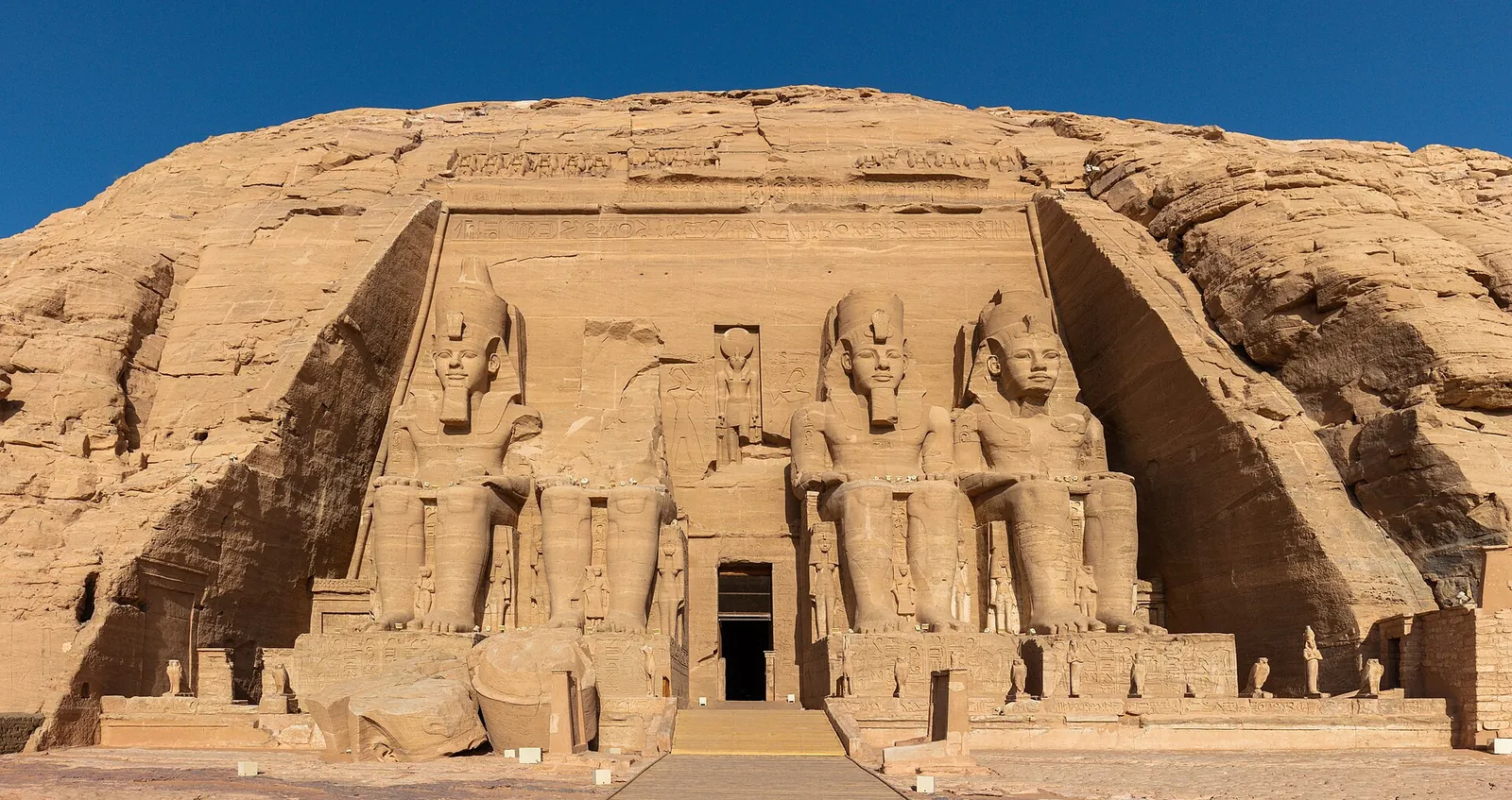
Finish on a high: if you have the energy, make the early trip south to Abu Simbel, where Ramesses II carved two colossal temples into the cliffs. It’s a long road trip or a short flight from Aswan, so book through a licensed operator or check flight schedules in advance. Check the official site for the ticket price and hours.
Afternoon
Fly back to Cairo for your onward connection, or continue to another part of Egypt.
Evening
Leave a buffer of several hours between Abu Simbel and any international flight from Cairo.
Getting there and getting around
Arriving in Cairo: Most international visitors land at Cairo International Airport. Options into the city include:
- official airport taxis
- ride-hailing apps
- pre-arranged hotel transfers
- public buses
Check fares and journey times with your chosen operator. Prices change, and traffic can double journey times at rush hour.
In Cairo: The Cairo Metro is cheap and handy for the city centre, but it doesn’t reach the Giza plateau or the GEM directly. For those, a taxi or ride-hailing car is easiest. Check the operator’s current information for metro fares and ticket cards.
Cairo to Luxor and Aswan: Choose between domestic flights and ENR trains (see Day 3). Book ahead in the busy October to April season.
Luxor to Aswan: The Nile cruise is the classic choice. Trains and road transfers are quicker alternatives.
Where to stay
- Downtown Cairo and Zamalek: central, with good restaurants and easy access to historic Cairo and the Nile. Zamalek, an island neighbourhood, feels calmer and greener. Good for first-timers and food lovers.
- Giza, near the Pyramids: wake up with pyramid views and walk to the GEM. Best if you want an early, crowd-free start on Day 1. It’s further from historic Cairo, though.
- Luxor East Bank: walkable to Luxor Temple and the corniche, with easy taxis to Karnak. Good for one night before your cruise.
- Aswan corniche or the islands: riverside hotels with sunset views. Elephantine Island feels village-like and peaceful.
Budget
Costs vary widely depending on your cruise category and whether you fly or take the train. These are the prices we could confirm today on official sources:
| Item | Typical cost |
|---|---|
| Giza plateau entry (adult, foreign visitor) | EGP 700 (students EGP 350) |
| Karnak Temple entry (adult, foreign visitor) | EGP 600 (students EGP 300) |
| Philae Temple entry (adult, foreign visitor) | EGP 550 (students EGP 275) |
| Grand Egyptian Museum | Check tickets.gem.eg |
| Valley of the Kings, Luxor Temple, Hatshepsut, Abu Simbel | Check the official site |
| Cairo to Luxor train | Check ENR (foreign visitor fares may differ from local fares) |
| Nile cruise, 3 to 4 nights | Varies by boat and season: check with the operator |
Not included: international and domestic flights, visas, travel insurance, tips, extra tomb tickets, felucca rides and guides. Children under six enter many sites free, so check each site’s rules.
Practical tips
- Buy tickets officially. For monuments, use the Ministry’s e-ticketing site (egymonuments.com). For the GEM, use only tickets.gem.eg.
- Arrive early. The Ministry asks visitors to arrive at least one hour before a site closes. Keep your ticket with you during the whole visit.
- Dress code. The GEM requires appropriate clothing. At mosques, cover your shoulders and knees, and women should bring a scarf.
- Bags at the GEM. Bags larger than 40 by 40 cm must go to the cloakroom. Tripods, monopods, selfie sticks, drones and flash photography are not allowed.
- Late opening at the GEM. The museum opens late on Wednesdays and Saturdays, so plan your Giza day around that if you can.
- Money. The currency is the Egyptian pound (EGP). Carry small notes for tips, water and small purchases. Cards work in many hotels and larger shops.
- SIM and eSIM. Buy a local SIM from an operator’s own store, or use an eSIM. Bring your passport, as ID is usually requested.
- Visa and entry. Entry rules depend on your nationality and change from time to time. Egypt’s Ministry of Tourism and Antiquities points travellers to the official e-visa portal, visa2egypt.gov.eg. Check your requirements there, or with your nearest Egyptian embassy, well before you fly.
Heads-up
Egypt welcomes millions of happy visitors, and a little preparation keeps your trip smooth.
- Areas to avoid. The UK Foreign, Commonwealth & Development Office (FCDO) advises against all travel to North Sinai and to within 20 km of the Egypt-Libya border. It also advises against all but essential travel to some other areas. Luxor, Qina, Aswan, Abu Simbel and the Valley of the Kings are listed as exceptions to its Western Desert warning. Read the latest advice from your own government before you go.
- Fake ticket sellers. The GEM says tickets.gem.eg is its only official ticketing website and that it isn’t responsible for tickets bought through other platforms. Book there, and avoid touts selling “museum tickets”.
- Tickets are strict. GEM tickets are non-refundable, valid only for the date and time you chose, and allow one entry. If you leave, you can’t go back in.
- Health and insurance. The FCDO recommends travel insurance that covers local treatment and medical evacuation. It lists dengue among the health risks. For an ambulance in Egypt, call 123.
- Heat. Temple sites and the West Bank have little shade. Start early, rest at midday, drink plenty of water and wear a hat and sunscreen.
FAQ
Is eight days enough for Egypt?
Yes, for the classic Cairo, Luxor and Aswan route. You’ll see the Pyramids, the GEM, Karnak, the Valley of the Kings, a Nile cruise and Philae. Add a few days if you want the Red Sea or Alexandria too.
Should I book tickets in advance?
For the GEM, yes: book a timed ticket on tickets.gem.eg. For Giza, Karnak, Philae and other monuments, you can buy online on egymonuments.com and skip the ticket queue.
What time do the Pyramids open?
The Giza plateau opens at 07:00 every day, with last entry at 16:00 according to the Ministry’s ticketing site. Arrive near opening time for cooler weather and fewer crowds.
Can I take photos at the sites?
Mobile phone photography is free at Ministry sites like Giza, Karnak and Philae. At the GEM, you can take personal photos with phones and cameras, but no flash, tripods, selfie sticks or drones.
Train or plane from Cairo to Luxor?
Flying is quickest. The train is scenic, and the overnight option saves a hotel night. Check ENR for train times and fares, as foreign visitor prices can differ from local fares.
Do I need a visa?
It depends on your nationality. Check the official portal at visa2egypt.gov.eg or your nearest Egyptian embassy before you travel.
Sources
Prices, hours and rules change. We checked these on 24 October 2026; please confirm on the official page before you book.
- Grand Egyptian Museum: Official Ticketing Website
- Grand Egyptian Museum: Opening Hours
- Experience Egypt (Ministry of Tourism and Antiquities): The Grand Egyptian Museum
- Ministry of Tourism and Antiquities e-ticketing: Giza plateau
- Ministry of Tourism and Antiquities e-ticketing: Karnak Temple
- Ministry of Tourism and Antiquities e-ticketing: Philae Temple
- Ministry of Tourism and Antiquities: Now easily, the E-visa online
- Cairo Governorate: Railway
- GOV.UK (FCDO): Egypt travel advice
- GOV.UK (FCDO): Egypt regional risks
- GOV.UK (FCDO): Egypt health
Photo credits (13)
- The three Pyramids of Giza under a clear blue sky: Ricardo Liberato, CC BY-SA 2.0, via Wikimedia Commons
- The Great Sphinx of Giza against fluffy white clouds: Petar Milošević, CC BY-SA 4.0, via Wikimedia Commons
- The bright entrance hall of the Grand Egyptian Museum: Amr F.Nagy, Public domain, via Wikimedia Commons
- Muhammad Ali Mosque crowning the Cairo Citadel: kallerna, CC BY-SA 3.0, via Wikimedia Commons
- Glowing brass lanterns in Khan el-Khalili market: Mohammed Moussa, CC BY-SA 4.0, via Wikimedia Commons
- Avenue of ram-headed sphinxes at Karnak Temple: Diego Delso, CC BY-SA 4.0, via Wikimedia Commons
- The Valley of the Kings seen from the desert hills: Vyacheslav Argenberg, CC BY 4.0, via Wikimedia Commons
- A Nile cruise boat gliding past green riverbanks: Ad Meskens, CC BY-SA 3.0, via Wikimedia Commons
- Columns of Kom Ombo Temple under a blue sky: Olaf Tausch, CC BY 3.0, via Wikimedia Commons
- Philae's Temple of Isis on its island by the Nile: M.ramadan2014, CC BY-SA 3.0, via Wikimedia Commons
- White-sailed feluccas on the Nile at Aswan: Vyacheslav Argenberg, CC BY 4.0, via Wikimedia Commons
- The giant statues of Ramesses II at Abu Simbel: Diego Delso, CC BY-SA 4.0, via Wikimedia Commons
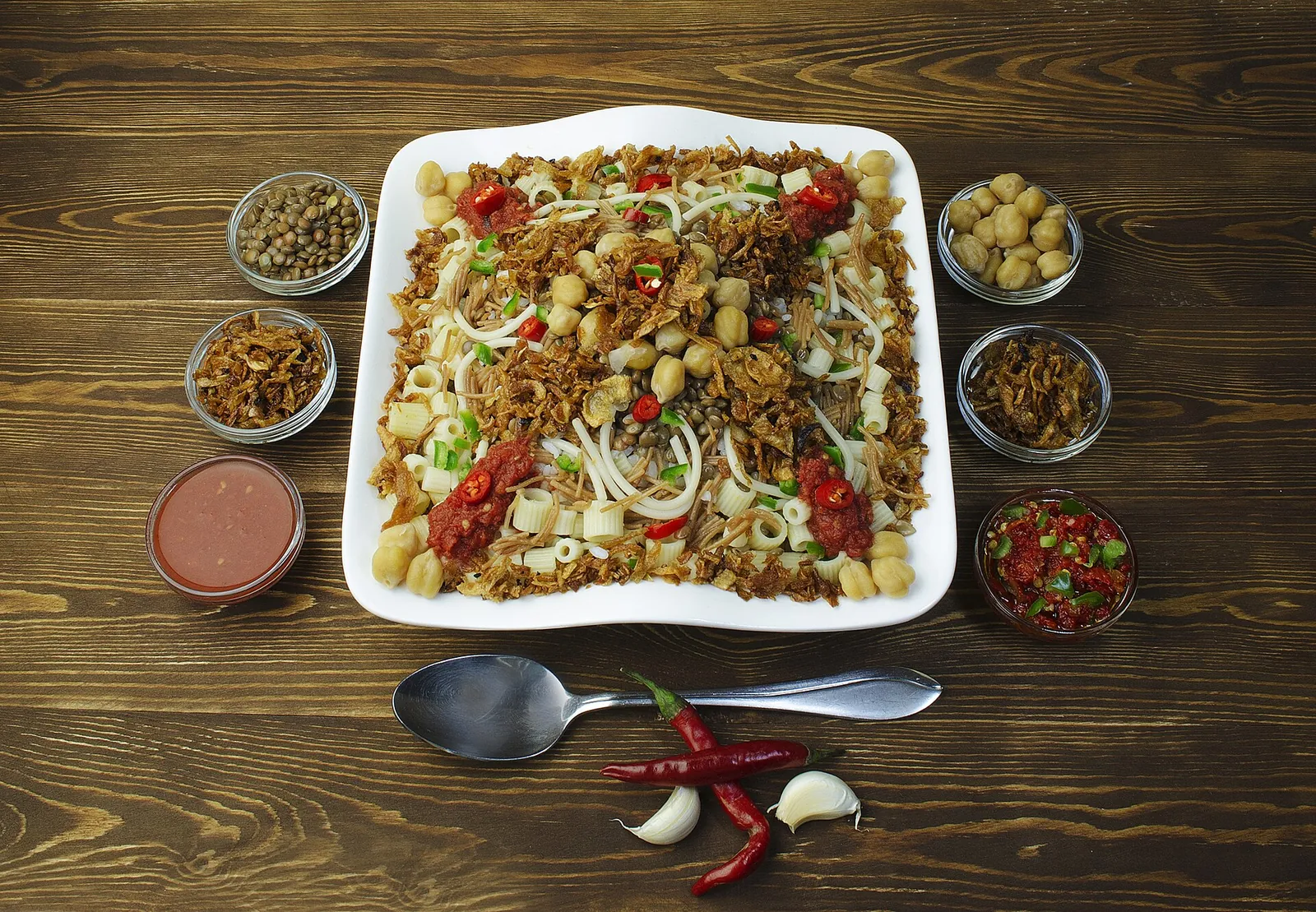
- A big dish of koshary with spices on the side: Dina Said, CC BY-SA 4.0, via Wikimedia Commons
This is a researched plan, not a personal trip report. How we research · Affiliate disclosure