
7 Days in Georgia: Tbilisi, Kazbegi, Kakheti and Batumi
A 7-day Georgia itinerary: Tbilisi's old town and cable car, the Military Road to Kazbegi, Kakheti wine country and Batumi on the Black Sea.
- 🗓️ Trip length
- 7 days
- ☀️ Best time
- May to June, September to October
- 💰 Daily spend
- Varies by season: see verified costs in Budget
- ✅ Facts checked
- 24 October 2026
Get ready for one of the most rewarding, joy-filled weeks you can plan in the Caucasus! In seven days you’ll go from the balconies and sulphur baths of old Tbilisi to the high peaks around Kazbegi, then on to Kakheti’s vineyards and finally the palm-lined seafront of Batumi on the Black Sea. You get mountains, wine, history and a beach town, all packed into one small and wonderfully welcoming country.
The plan suits first-time visitors, couples, friends and active families who like a medium pace. You’ll have two full days in Tbilisi, a night in the mountains, a wine-country day trip and two days by the sea. You don’t need to hike far, although you’ll climb plenty of cobbled streets. We’ve grouped stops by area so you spend your time looking around, not sitting in traffic.
At a glance
| Day | Area | Highlights |
|---|---|---|
| 1 | Old Tbilisi | Rike Park, Narikala cable car, sulphur baths, Bridge of Peace |
| 2 | Central and modern Tbilisi | Rustaveli Avenue, Georgian National Museum, Dry Bridge market, Turtle Lake, Fabrika |
| 3 | Georgian Military Road | Jvari Monastery near Mtskheta, Ananuri, mountain viewpoints, night in Stepantsminda |
| 4 | Kazbegi to Tbilisi | Gergeti Trinity Church at sunrise, drive back to the capital |
| 5 | Kakheti | Sighnaghi, Bodbe Monastery, a winery visit |
| 6 | Tbilisi to Batumi | Train or flight to the coast, Batumi Boulevard at sunset |
| 7 | Batumi | Botanical Garden, old town, seaside evening or departure |
Day 1: Old Tbilisi, cable cars and sulphur baths
Morning
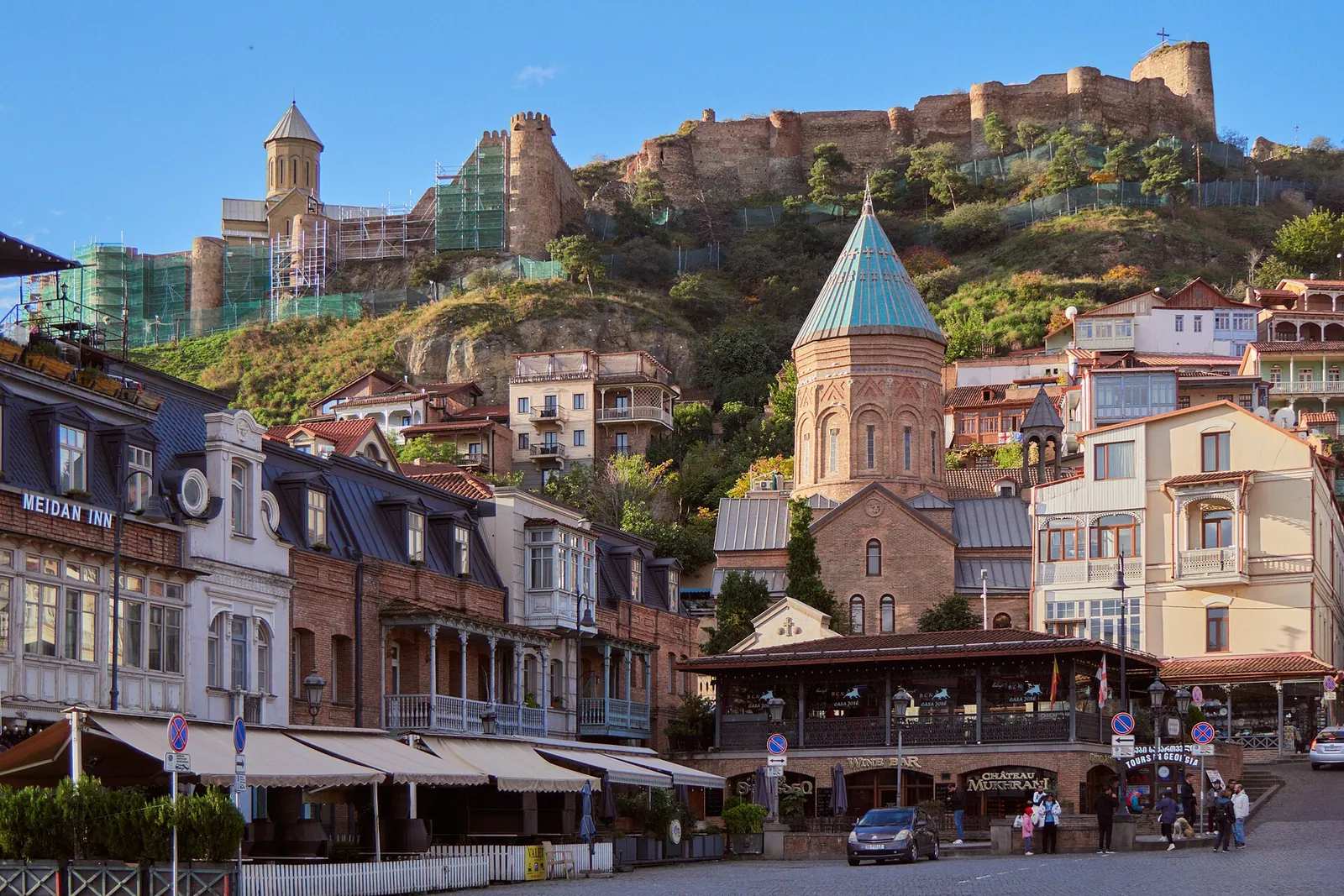
Your Georgian adventure kicks off right where the city began, by the Mtkvari river. Stroll through Rike Park and cross the glass-roofed Bridge of Peace, then look up: the walls of Narikala Fortress sit right above you.
The easy way up is the Rike-Narikala ropeway. Tbilisi Transport Company lists the one-way fare as 2.5 GEL. From the top station you can walk along the ridge to Kartlis Deda, the “Mother of Georgia” statue, and enjoy wide views over the red rooftops.
Afternoon
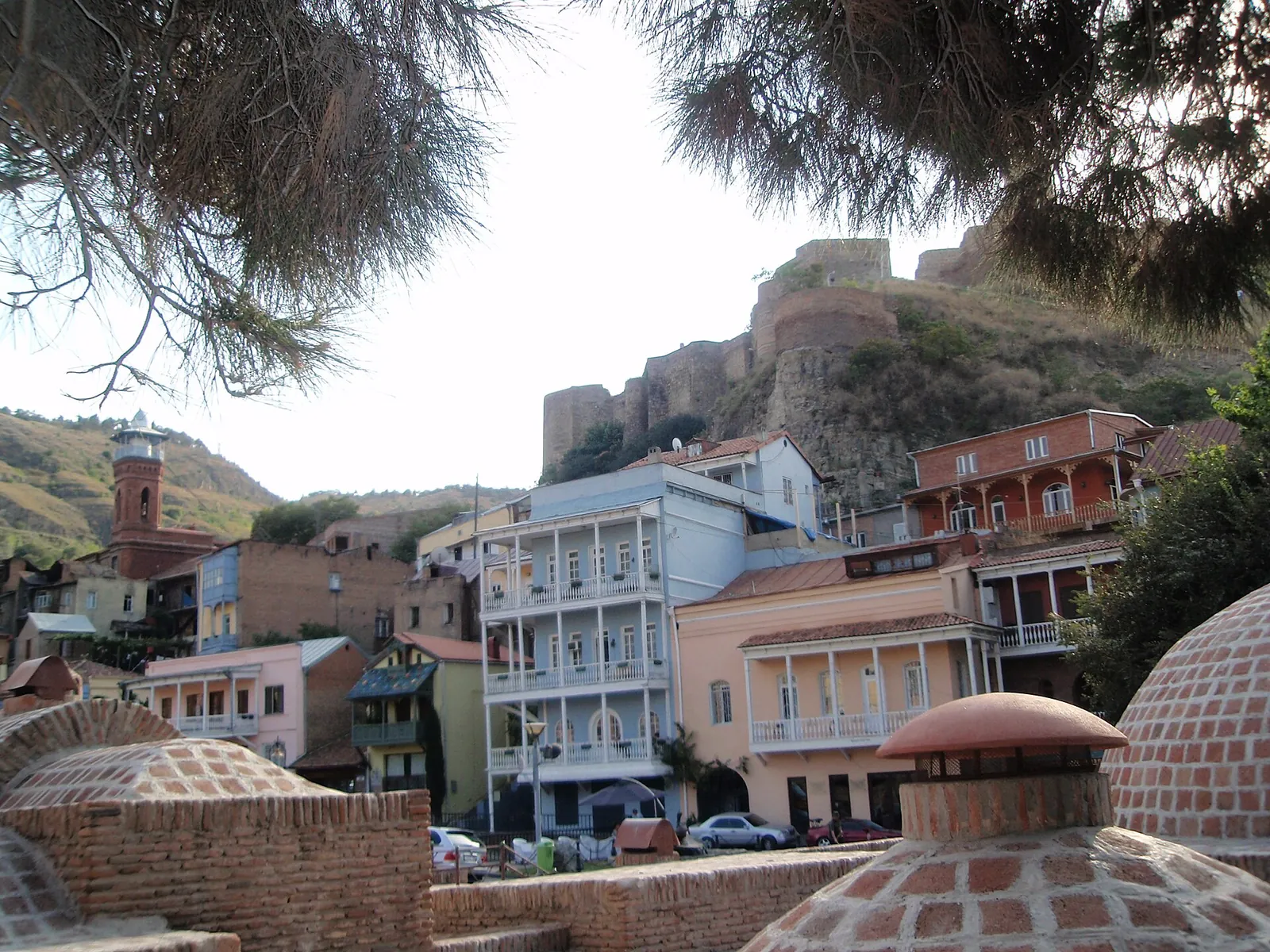
Walk down through the fortress area into Abanotubani, the old bath district with its brick domes. It’s a short downhill walk. Follow the little gorge behind the baths to the Leghvtakhevi waterfall, a cool, shady spot on a hot day.
Next, wander through Sololaki and along Shardeni Street for cafés, wine bars and carved wooden balconies. Have your first khachapuri (cheese bread) and khinkali (dumplings) here. Ask for a menu with prices before you order.
Evening
Book a private room at one of the sulphur bathhouses for the evening. Many bathhouses sell time slots, so reserve ahead, especially at weekends. Prices vary by bathhouse and room size, so check directly with the bathhouse. Then head back to the river to see the Bridge of Peace and Metekhi Church lit up at night.
Day 2: Central Tbilisi, museums and markets
Morning
Today is all about the buzz of central Tbilisi. Take the metro or a bus to Rustaveli Avenue, the city’s grand boulevard. A single ride costs 1 GEL and gives you 90 minutes of unlimited transfers when you tap a Metromoney card or a bank card (see Getting around).
Start at the Georgian National Museum on Rustaveli Avenue. Its treasury of ancient gold jewellery is a must-see. Opening hours, ticket prices and the weekly closing day can change, so check the Georgian National Museum’s official site before you go.
Afternoon
Walk north-east from Rustaveli towards the river to the Dry Bridge market, an open-air flea market full of Soviet-era badges, old cameras, paintings and vinyl. It’s fun to browse even if you don’t buy anything.
Afterwards, head up to Turtle Lake on the city’s western edge for fresh air and forest paths. Tbilisi Transport Company runs the Turtle Lake ropeway with a one-way fare of 1 GEL. The lower station sits next to Vake Park, so a ride-hailing car or a bus to Vake is the simplest way to get there. Use the official TTC journey planner to find the best route on the day.
Evening
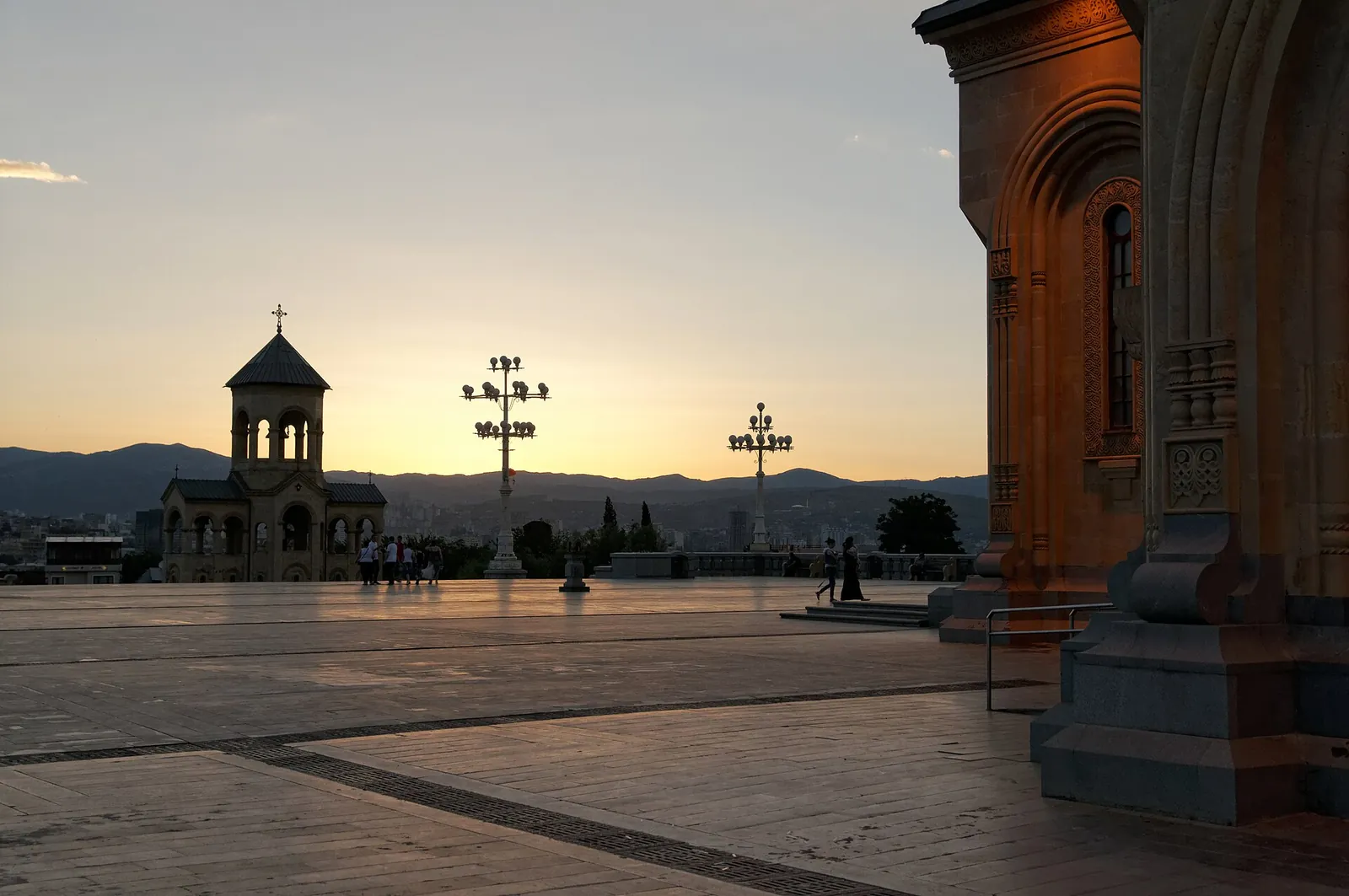
Spend the evening in Marjanishvili, on the left bank. Fabrika, a former Soviet sewing factory turned hostel and courtyard of bars and street art, is a lively place for dinner and drinks. If you’d like a classic view instead, the gold dome of Sameba (Holy Trinity Cathedral) glows beautifully after dark.
A friendly heads-up: FCDO notes that demonstrations in Tbilisi focus mainly on the Parliament building on Rustaveli Avenue, especially on Saturday evenings. If your Day 2 falls on a Saturday, do the museum in the morning and spend the evening on the other side of the river.
Day 3: The Georgian Military Road to Kazbegi
Morning
This is the day for big mountain views! You head north into the Greater Caucasus along the Georgian Military Road, one of the most scenic drives in the country. Most visitors hire a driver for the day or join a small-group tour. That lets you stop wherever you like. Public minibuses also run to Stepantsminda, the town at the foot of Mount Kazbek. Check current departure points, times and fares locally, as we couldn’t confirm them on an official source.
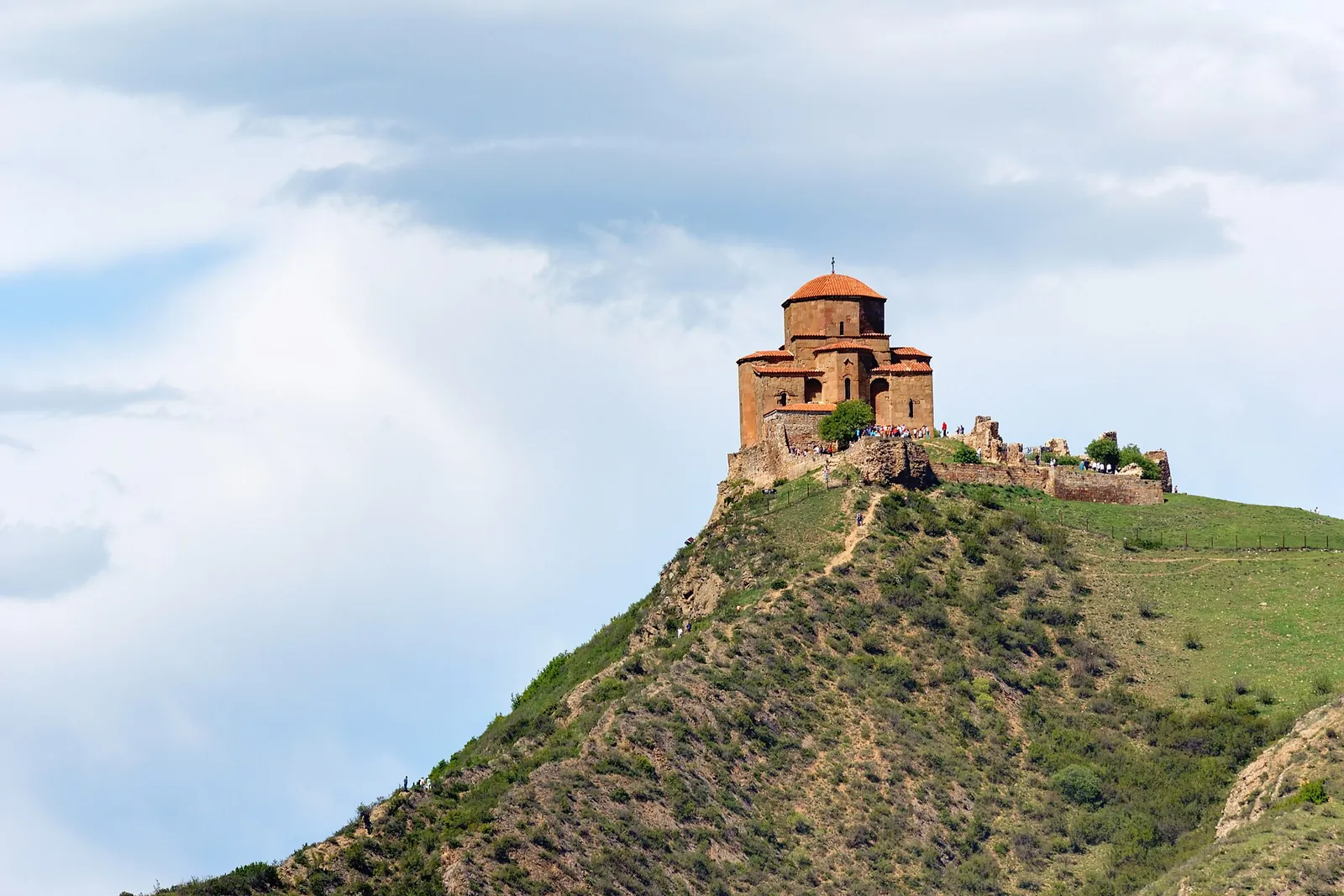
Make your first stop at Jvari Monastery, high above Mtskheta where two rivers meet. The town is one of Georgia’s oldest religious centres. If you have time, drop down into Mtskheta to see Svetitskhoveli Cathedral.
Afternoon
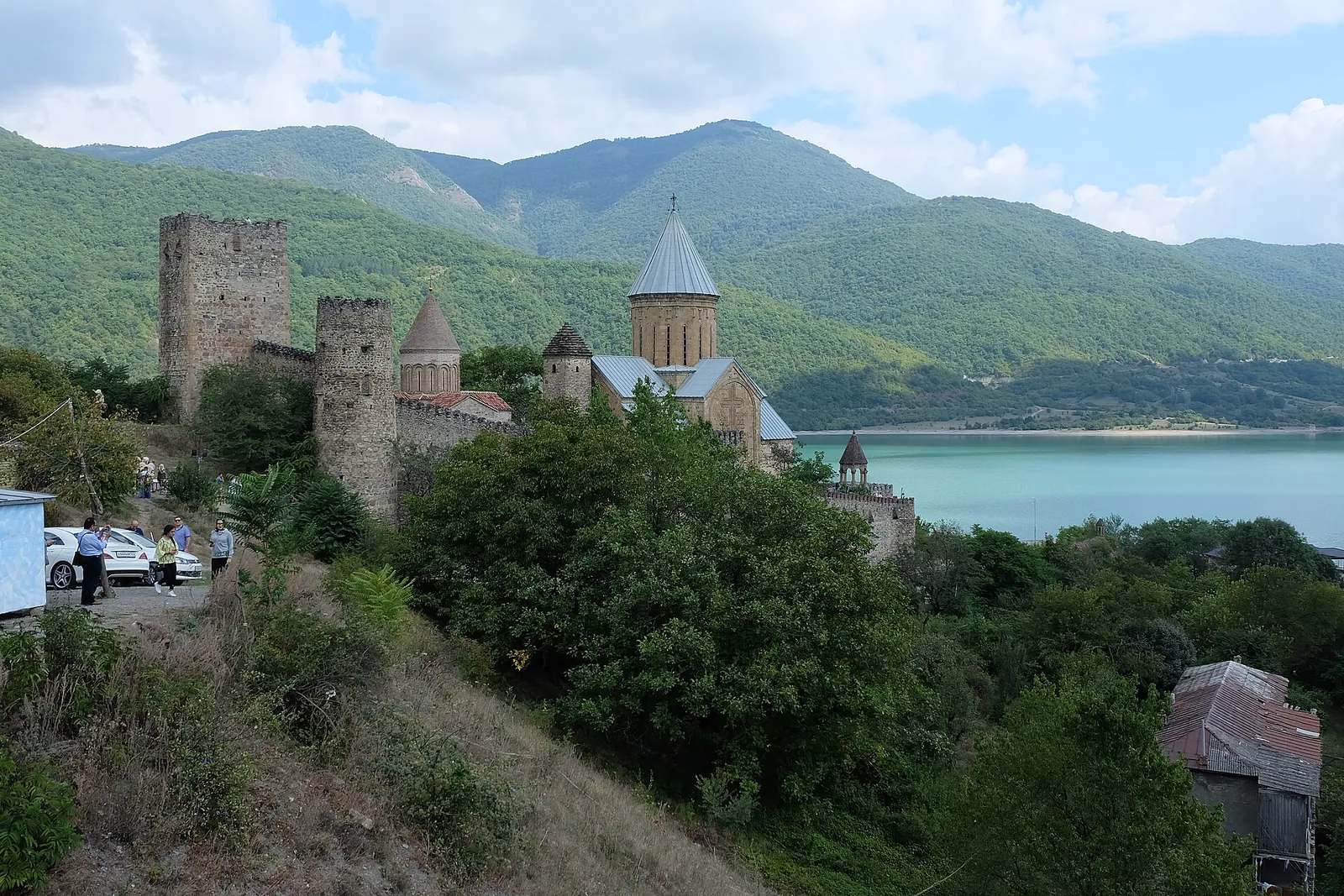
Continue to Ananuri, a fortress complex with two churches overlooking a turquoise reservoir. Further up, the road climbs past the ski area of Gudauri towards the Jvari Pass. Stop at the panoramic viewpoint with the colourful Soviet-era mosaic monument over the gorge.
Driving times on this road depend on weather, roadworks and border traffic heading to Russia. Allow a full day with stops, and ask your driver or tour operator for a realistic estimate.
Evening
Check in to a guesthouse in Stepantsminda. Many have terraces facing Mount Kazbek, so watch the sunset over the glacier with a hot dinner and an early night. Tomorrow starts early.
Day 4: Gergeti Trinity Church and back to Tbilisi
Morning
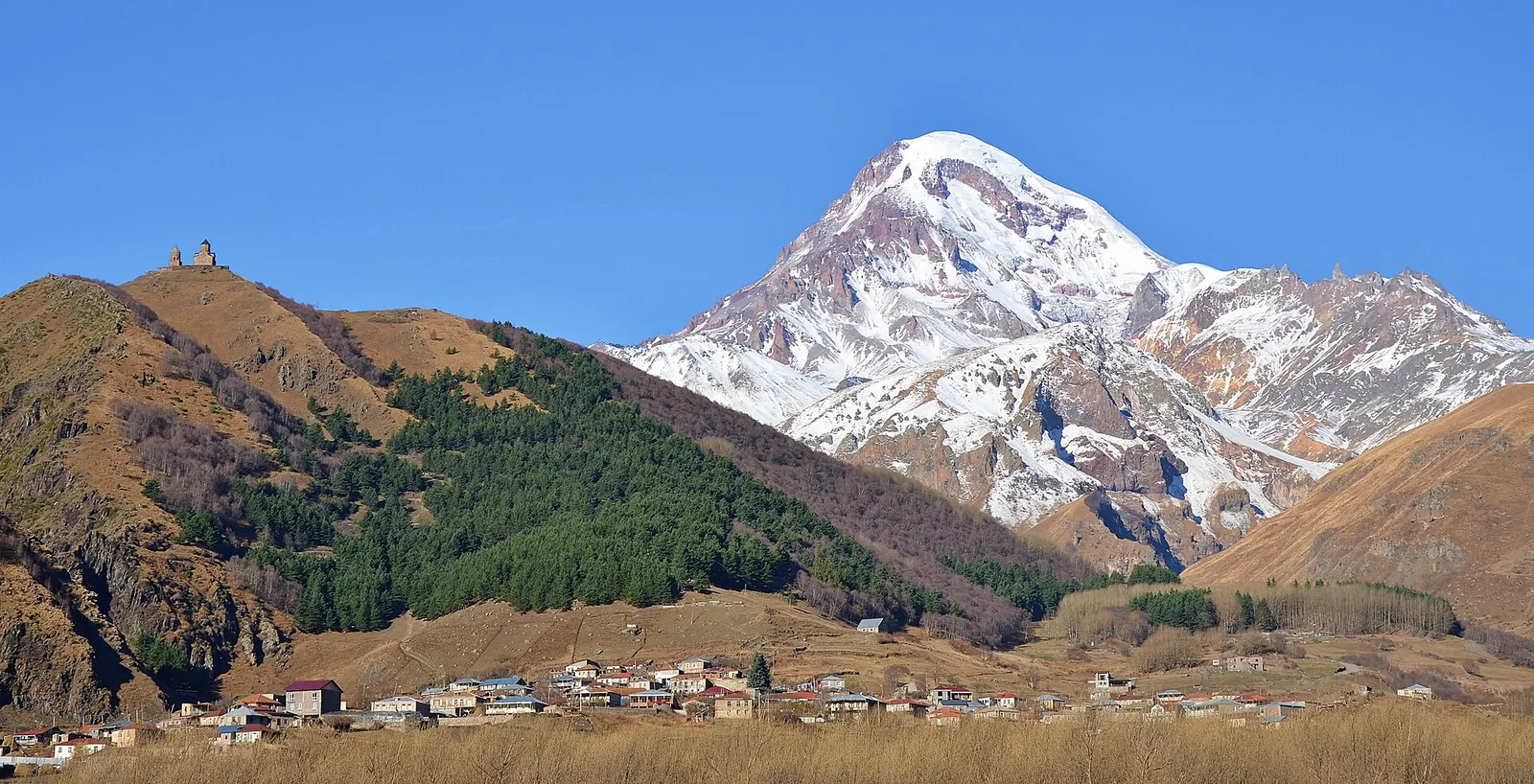
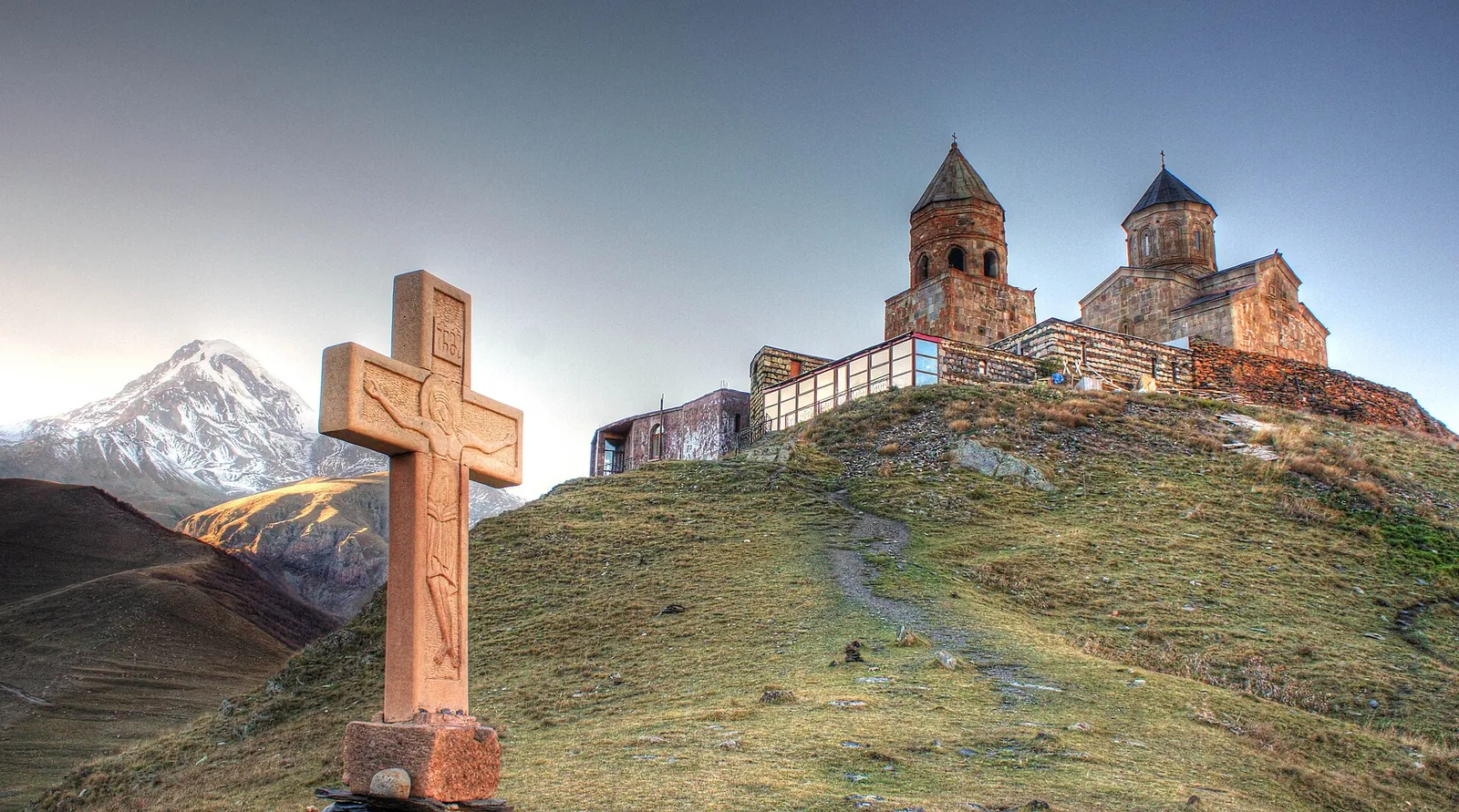
Wake up to a postcard moment: Gergeti Trinity Church, a 14th-century church on a green ridge with Mount Kazbek rising behind it, is one of Georgia’s most iconic sights. Go early for soft light and fewer people. Fit walkers can hike up from the village on a steep trail. Everyone else can take a local 4x4 up the access road.
Dress modestly. FCDO points out that modest dress matters in places of worship. Plan for covered shoulders and knees, and women may be asked to cover their hair. Be respectful when taking photos inside churches.
Afternoon
After a slow lunch in Stepantsminda, head back down the Military Road to Tbilisi. If the weather is clear and you have time, ask your driver about a short detour to a nearby valley or viewpoint.
Evening
Spend a relaxed evening back in Tbilisi. Try a supra-style feast with shared plates, or keep it simple at a neighbourhood bakery with fresh shoti bread from a clay oven.
Day 5: Kakheti wine country
Morning
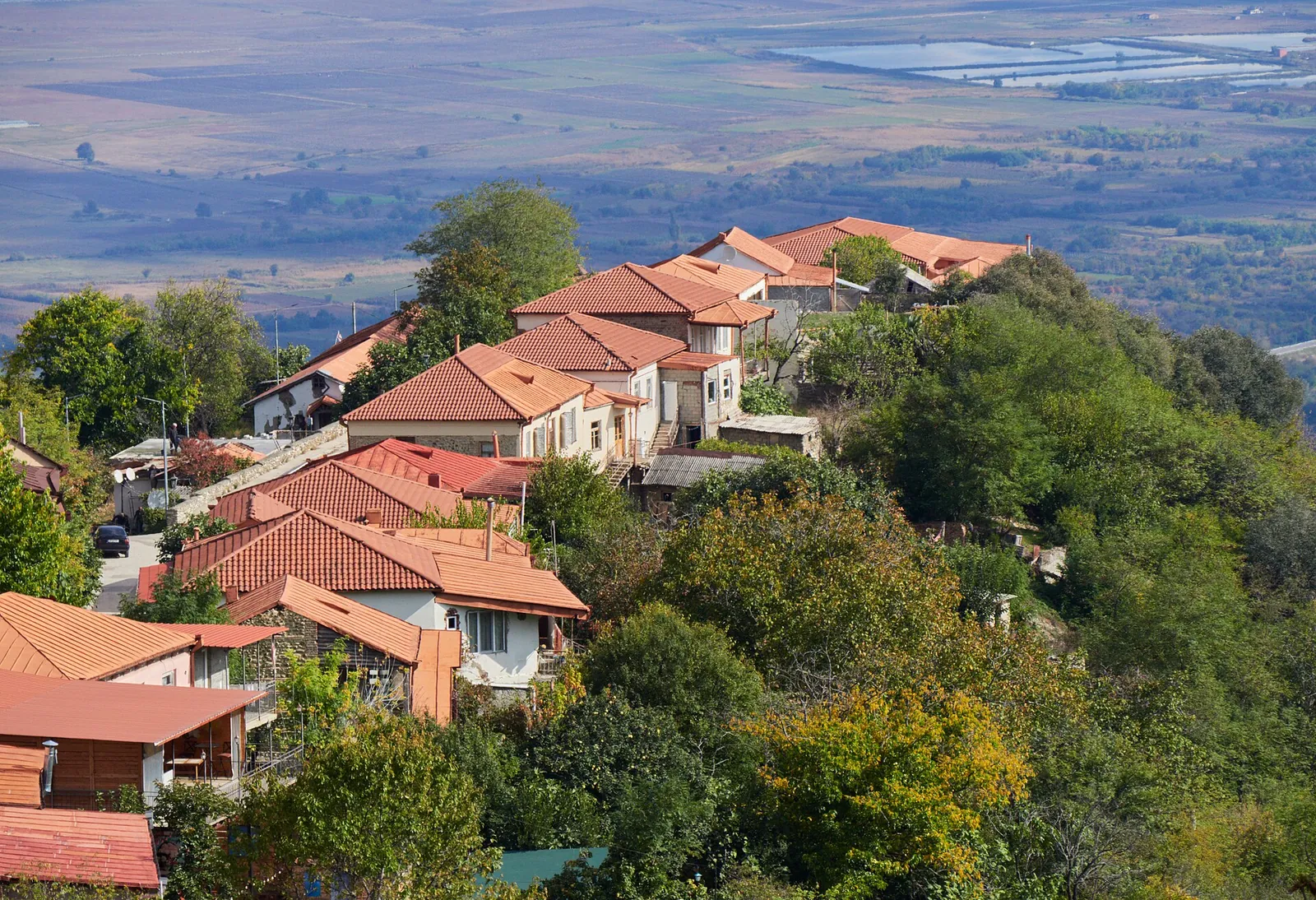
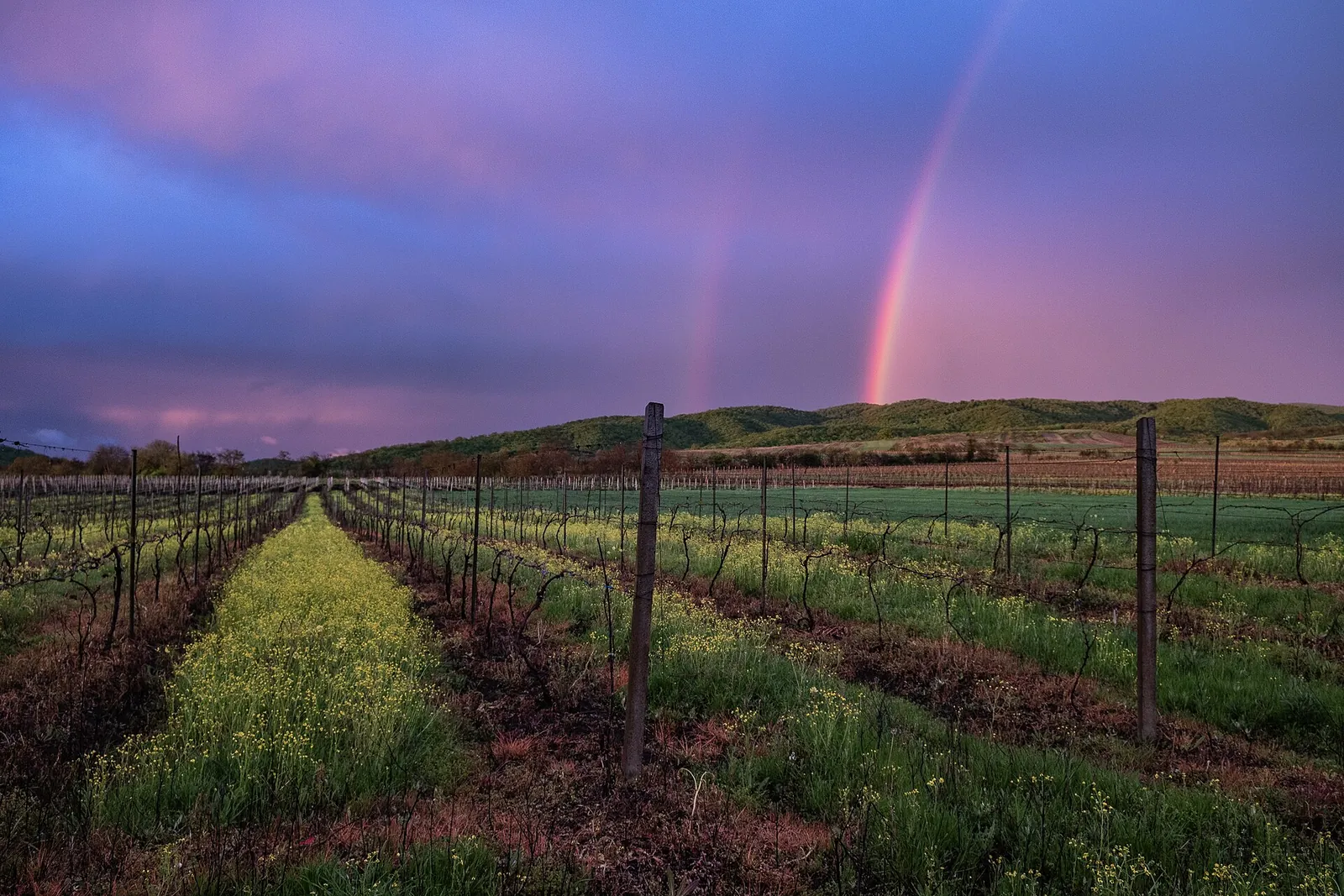
Raise a glass, because today you head to Kakheti, east of Tbilisi, the heartland of Georgian wine. The country’s ancient tradition of fermenting wine in clay qvevri vessels is still alive here. A day trip by private driver or tour is the easiest option. Head first to Sighnaghi, a hilltop town ringed by old defensive walls, with sweeping views over the Alazani Valley towards the Caucasus.
Afternoon
Just outside Sighnaghi, visit Bodbe Monastery, closely linked to Saint Nino, who brought Christianity to Georgia. The same modest dress applies. Then stop at a winery or family marani (wine cellar) for a tasting of qvevri wines such as Saperavi and Rkatsiteli. Many wineries prefer advance bookings for tastings and lunch, so reserve the day before.
Alternative: some travellers swap Sighnaghi for the cave monastery of Davit Gareja in the semi-desert south-east of Tbilisi. If you choose it, read the Heads-up section first. The site sits right on the unmarked Georgia-Azerbaijan border.
Evening
Return to Tbilisi and pack for the coast. If you’re taking an early train tomorrow, stay close to the central railway station or plan a ride-hailing pickup.
Day 6: Tbilisi to Batumi
Morning
Hello, seaside! Today you travel across the country to Batumi on the Black Sea. You have two main options:
- Train: Georgian Railway runs direct trains between Tbilisi and Batumi. Timetables, journey times and fares change by season, so check and book on Georgian Railway’s official website. Book well ahead in summer, when trains fill up.
- Flight: Batumi has an international airport. Check current schedules and fares with the airlines.
Afternoon
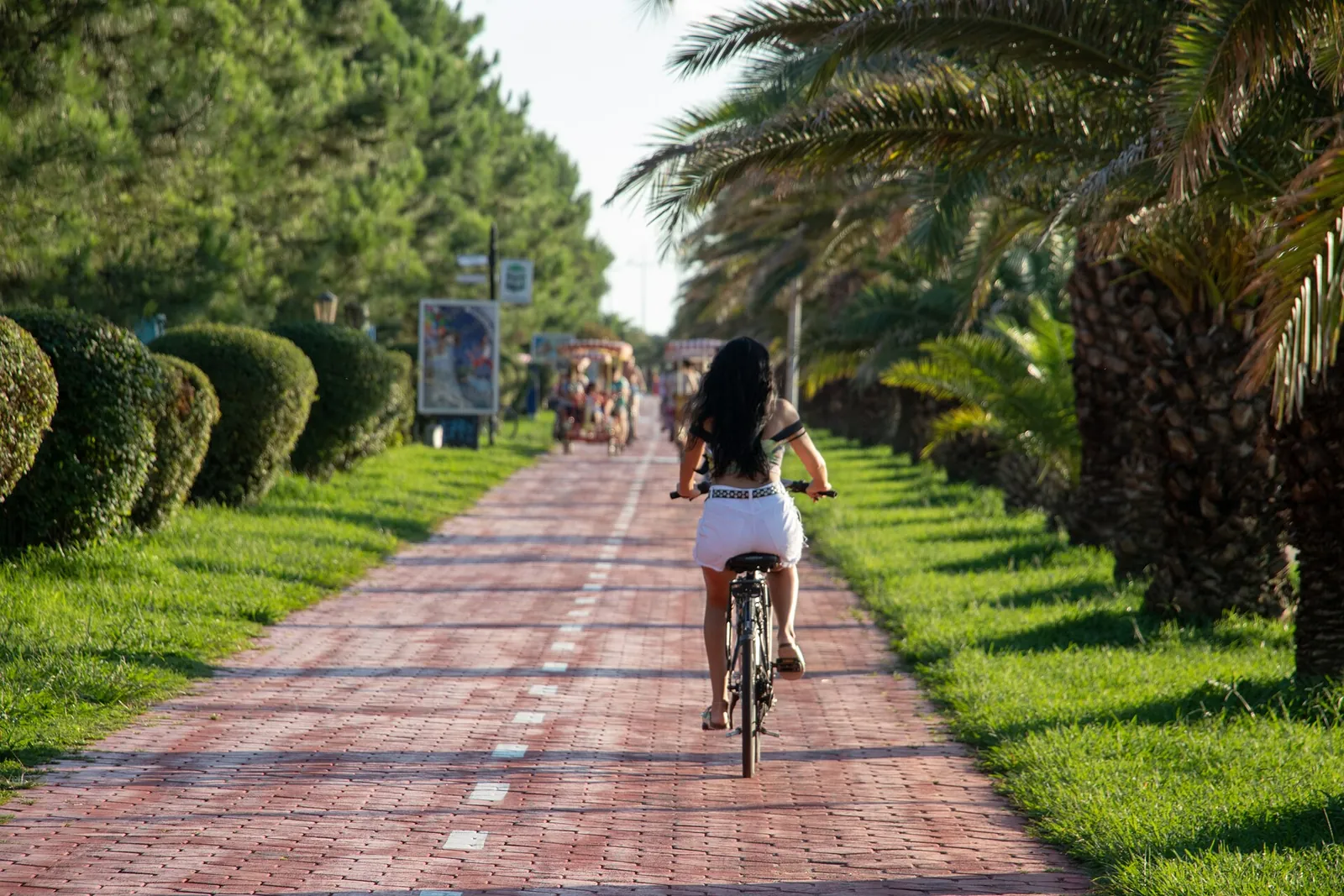
Drop your bags and head to Batumi Boulevard, the long seafront promenade with gardens, cycle paths and a pebbly beach. Wander into the Old Town for cafés and restored 19th-century buildings around Europe Square.
Evening

Batumi comes alive after dark. Walk along the seafront towards the moving “Ali and Nino” statue and the Alphabetic Tower. Dinner is a must: try Adjarian khachapuri, the boat-shaped cheese bread topped with egg and butter.
Day 7: Batumi Botanical Garden and farewell
Morning
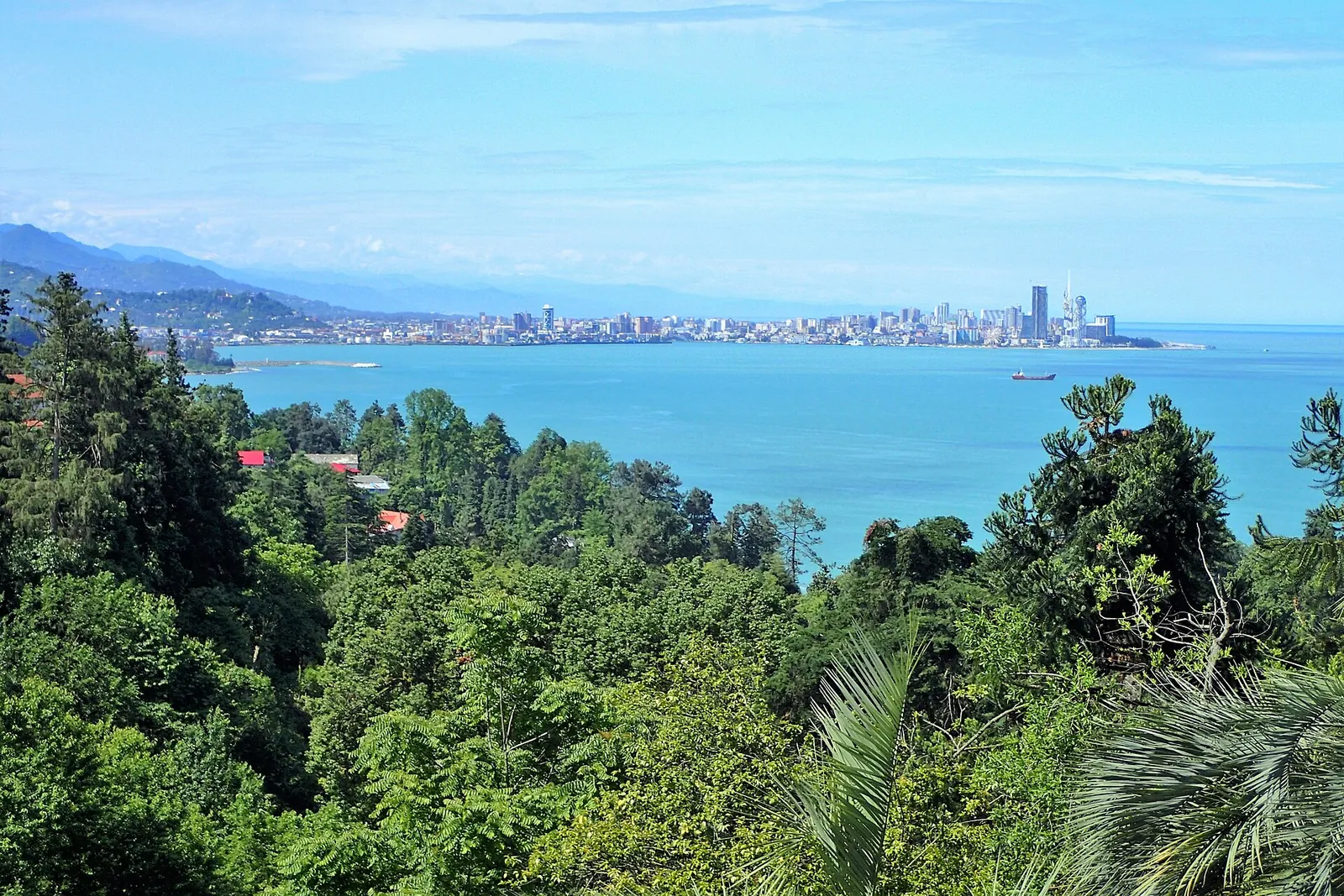
Spend your last full day among palms and sea views at the Batumi Botanical Garden, just north of the city, a huge subtropical garden on a hillside above the sea. Allow a good few hours and wear comfortable shoes, as the paths go up and down. Ticket prices, opening hours and any shuttle options are on the garden’s official site, so check them before you go.
Afternoon
Back in town, take one of Batumi’s cable cars up for a bird’s-eye view of the coast, or pick up souvenirs such as churchkhela (walnut and grape-must sweets), spices and local wine.
Evening
Enjoy a final sunset on the boulevard. If you fly home from Batumi, you’re already in place. If your flight leaves from Tbilisi, take the train back today or first thing tomorrow, and check Georgian Railway’s official site for times.
Getting there and getting around
Entry and visas. Entry rules depend on your passport, so check the official Georgian Ministry of Foreign Affairs portal at geoconsul.gov.ge before booking. FCDO also notes that all visitors must have health and accident insurance covering their whole stay, with cover of at least 30,000 GEL. Your airline or border officers may ask for proof.
From Tbilisi International Airport to the city:
| Option | Fare | Notes |
|---|---|---|
| Bus 337 | 1 GEL | Stop in front of the Arrivals hall. Runs to the city centre via Rustaveli Avenue and Freedom Square to Station Square. Airport timetable lists 06:59 to 22:59. |
| Airport taxi | 40-60 GEL (meter) | Kerbside outside Arrivals, 24 hours. 20-30 minutes depending on traffic. |
| Ride-hailing app | Varies | FCDO recommends pre-booking taxis through an app rather than flagging them in the street. |
Getting around Tbilisi. Metro, buses, minibuses and the city’s ropeways are run by Tbilisi Transport Company (TTC). Fares:
- 1 GEL for 90 minutes of unlimited travel when you pay with a Metromoney card or a bank card
- 3 GEL for a 1-day pass and 20 GEL for a 1-week pass, both loaded onto a card
- The Metromoney card costs 2 GEL at metro ticket offices and Bank of Georgia express branches. Keep the receipt: TTC says it’s needed to restore a lost card.
If you pay by mobile app or cash, the 90-minute transfer deal doesn’t apply. For a 7-day trip with only 3 full days in Tbilisi, tapping a bank card per ride is usually the simplest choice.
Out of town. For Kazbegi and Kakheti, a hired driver or small-group tour gives you the most flexibility. If you hire a car, read FCDO’s notes on driving conditions in the Heads-up section first.
Where to stay
- Old Tbilisi and Sololaki: Best for first-timers. You’re within walking distance of the cable car, the baths, Shardeni Street and the river. Expect hills and cobbles, and some noise at night near the bars.
- Vera: A leafy, quieter neighbourhood just off Rustaveli Avenue, with independent cafés and easy access to the museum and the metro. Great for couples and slower travellers.
- Marjanishvili and Chughureti: On the left bank, with a creative, younger vibe around Fabrika and good metro links. Handy for budget travellers and anyone catching an early train.
- Batumi Old Town: Stay near Europe Square and the boulevard so you can walk to the sea, restaurants and evening sights.
For your night in the mountains, choose a guesthouse in Stepantsminda itself so you’re close to the Gergeti trail and 4x4 pickups.
Budget
The table shows only costs we could confirm on official sources today. Everything else varies a lot by season and provider. It excludes international flights, accommodation, meals, drivers and tours, wine tastings, and travel insurance.
| Item | Typical cost |
|---|---|
| Tbilisi metro, bus or minibus (90 minutes, card or bank card) | 1 GEL |
| Tbilisi 1-day transport pass | 3 GEL |
| Tbilisi 1-week transport pass | 20 GEL |
| Metromoney card | 2 GEL |
| Rike-Narikala ropeway (one way) | 2.5 GEL |
| Turtle Lake ropeway (one way) | 1 GEL |
| Bus 337, airport to city | 1 GEL |
| Airport taxi to the city (meter) | 40-60 GEL |
| Tbilisi to Batumi train | Check Georgian Railway’s official site |
| Georgian National Museum, Batumi Botanical Garden | Check the official sites |
| Sulphur bath private room | Check with the bathhouse |
Heads-up
Georgia is a welcoming, easy country to travel in, and FCDO describes crime levels as low. A few things are still worth knowing:
- Do not travel to Abkhazia or South Ossetia. FCDO advises against all travel to these Russian-occupied regions and against all but essential travel near their boundary lines, which are often unmarked and away from roads. Nothing in this itinerary goes there.
- Davit Gareja border. If you visit the Udabno caves at Davit Gareja, take care not to cross the Georgia-Azerbaijan border, which is unmarked and disputed there. Ask the border guards if you’re unsure.
- Protests in Tbilisi. Demonstrations focus mainly on the Parliament building on Rustaveli Avenue, especially on Saturday evenings. Avoid large gatherings. FCDO warns that foreigners who take part may face extra questioning when leaving or be refused re-entry.
- Taxis. Don’t flag taxis in the street. Pre-book through an app and check the seatbelts work.
- Drink spiking. There have been reports of drink spiking. Be wary of strangers who invite you to a restaurant or nightclub, buy your own drinks and keep them in sight.
- Medicines. Georgia has very strict drug laws, and some everyday medicines (for example, non-prescription medicines containing codeine) are illegal. Check before you pack.
- Mountain roads. Heavy rain, snow at altitude and landslides can make roads difficult or impossible to use, and roads outside cities are often poorly lit. Check conditions before driving to Kazbegi, especially outside summer, and avoid driving at night.
- Outdoor safety. Emergency response may be limited if you get into trouble while hiking. Make sure your insurance covers your activities.
In an emergency, call 112.
Practical tips
- Dress code: Cover your shoulders and knees for churches and monasteries. FCDO notes attitudes are more conservative outside cities and asks visitors to be sensitive when photographing religious sites.
- Closing days: Museums and some attractions close one day a week. Check official sites before planning a museum-heavy day.
- Money: Prices may be quoted in US dollars or euros, but you pay in Georgian lari (GEL). Cards work in Tbilisi and Batumi, but take enough cash for rural areas such as Kazbegi and Kakheti, where ATMs and card payments may be scarce.
- SIM and eSIM: A local SIM or an eSIM helps with ride-hailing apps and maps. Check current plans directly with operators, and keep your phone charged, as FCDO suggests.
- ID: You don’t have to carry ID at all times, but you may be asked to show your passport at hotels or banks.
- Drones: Drones with cameras must be registered with Georgia’s Civil Aviation Agency before use in public places.
- Power cuts: Short power cuts can happen, and pavements can be uneven, so a small torch is handy.
FAQ
Do I need a visa for Georgia?
It depends on your passport. Check the official Ministry of Foreign Affairs portal at geoconsul.gov.ge before you book. Remember the mandatory health and accident insurance too.
Is Georgia safe for tourists?
FCDO describes crime levels as low. Take normal precautions against pickpockets, avoid demonstrations, use app taxis and stay away from the occupied regions and their boundary lines.
How do I pay for public transport in Tbilisi?
Tap a contactless bank card or a Metromoney card (2 GEL) on metro, buses and minibuses. One ride costs 1 GEL with 90 minutes of free transfers, or buy a 3 GEL day pass on a card.
Can I visit Kazbegi in winter?
Often yes, but snow at altitude and landslides can close or disrupt roads. Keep your plan flexible, check conditions locally and travel with an experienced driver.
Should I take the train or fly to Batumi?
The train is scenic and goes city centre to city centre. Flying saves time. Compare current times and fares on Georgian Railway’s and the airlines’ official sites.
What should I wear to churches?
Modest clothing that covers your shoulders and knees. Women may want to bring a light scarf to cover their hair.
Sources
Prices, hours and rules change. We checked these on 24 October 2026; please confirm on the official page before you book.
- Georgia travel advice (GOV.UK, FCDO)
- Georgia travel advice: Safety and security (GOV.UK, FCDO)
- Georgia travel advice: Regional risks (GOV.UK, FCDO)
- Georgia travel advice: Entry requirements (GOV.UK, FCDO)
- Standard tariff (Tbilisi Transport Company)
- To and From the Airport: Bus (Tbilisi International Airport)
- To and From the Airport: Taxi (Tbilisi International Airport)
Photo credits (12)
- Gergeti Trinity Church below snowy Mount Kazbek: MaxBenidze, CC BY-SA 4.0, via Wikimedia Commons
- Old Tbilisi rooftops with Narikala Fortress above: lumoplank, CC0, via Wikimedia Commons
- Brick domes of the sulphur baths in Abanotubani: Ephraim Stillberg, Public domain, via Wikimedia Commons
- Sunset over the courtyard of Sameba Cathedral: Vyacheslav Argenberg, CC BY 4.0, via Wikimedia Commons
- Jvari Monastery perched on its hilltop near Mtskheta: Alexxx1979, CC BY-SA 4.0, via Wikimedia Commons
- Ananuri Fortress above the turquoise reservoir: shankar s. from Dubai, united arab emirates, CC BY 2.0, via Wikimedia Commons
- Gergeti Trinity Church on its green ridge: Roberto Strauss from Frankfurt am Main, Deutschland, CC BY 2.0, via Wikimedia Commons
- Red roofs of hilltop Sighnaghi above the Alazani Valley: lumoplank, CC0, via Wikimedia Commons
- Rainbow over vineyard rows in Kakheti: Vladimir Pankratov, CC BY-SA 4.0, via Wikimedia Commons
- Palm-lined cycle path on Batumi Boulevard: Sosotedrd, CC BY-SA 4.0, via Wikimedia Commons
- Batumi Botanical Garden looking out over the Black Sea: Krzysztof Ziarnek, Kenraiz, CC BY-SA 4.0, via Wikimedia Commons
- Adjarian khachapuri with egg and butter: Eugene Krasnaok, CC BY 4.0, via Wikimedia Commons
This is a researched plan, not a personal trip report. How we research · Affiliate disclosure