
3 Days in Ho Chi Minh City: A Day-by-Day Itinerary
A 3-day Ho Chi Minh City plan: Independence Palace, War Remnants Museum, Cholon temples, Metro Line 1 and Cu Chi, with verified ticket prices and metro fares.
- 🗓️ Trip length
- 3 days
- ☀️ Best time
- December to April (dry season)
- 💰 Daily spend
- Sights VND 40,000-80,000 each; hotels and food vary
- ✅ Facts checked
- 24 October 2026
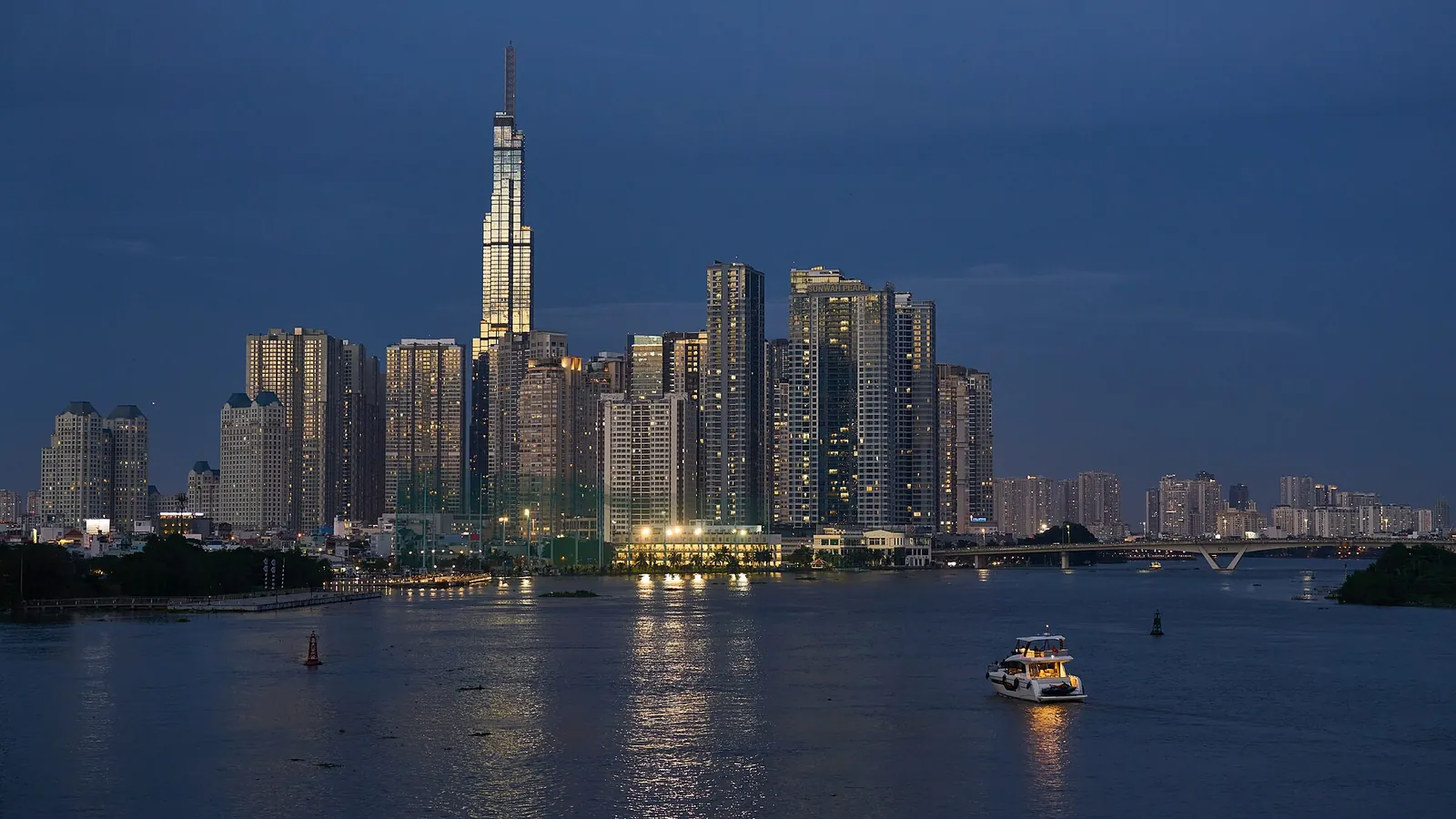
Get ready for a city that never sits still. Ho Chi Minh City (most people still call it Saigon) mixes French colonial boulevards, pagodas full of incense, powerful war history, busy street food corners and a shiny new metro line. Three days is a sweet spot. It’s enough time to see the headline sights without rushing and still get a taste of the neighbourhoods where daily life happens.
This plan suits first-time visitors and city-breakers who like a steady pace. Expect two or three big sights a day, lots of walking in the compact centre, short rides for anything further away and long breaks for coffee and food. Start early each morning to beat the heat, slow down after lunch and save your energy for the lively evenings.
At a glance
| Day | Area | Highlights |
|---|---|---|
| 1 | Central Saigon (old District 1) and District 3 edge | Independence Palace, War Remnants Museum, Notre-Dame Cathedral exterior, Central Post Office, Nguyen Hue walking street |
| 2 | Da Kao, Tan Dinh, Cholon, Ben Thanh | Jade Emperor Pagoda, Tan Dinh Church, Binh Tay Market, Thien Hau Temple, Ben Thanh Market, District 4 food street |
| 3 | Cu Chi (optional) and Thao Dien | Cu Chi Tunnels half day, Metro Line 1 ride, riverside cafes, skyline views |
A quick note on addresses: Vietnam has reorganised its local administrative units, so official addresses now use new ward names. For example, the Independence Palace lists its address in Ben Thanh Ward and the War Remnants Museum in Xuan Hoa Ward. Locals, taxis and many maps still use the old district numbers, so you will hear both.
Day 1: Palaces, war history and colonial Saigon
Morning
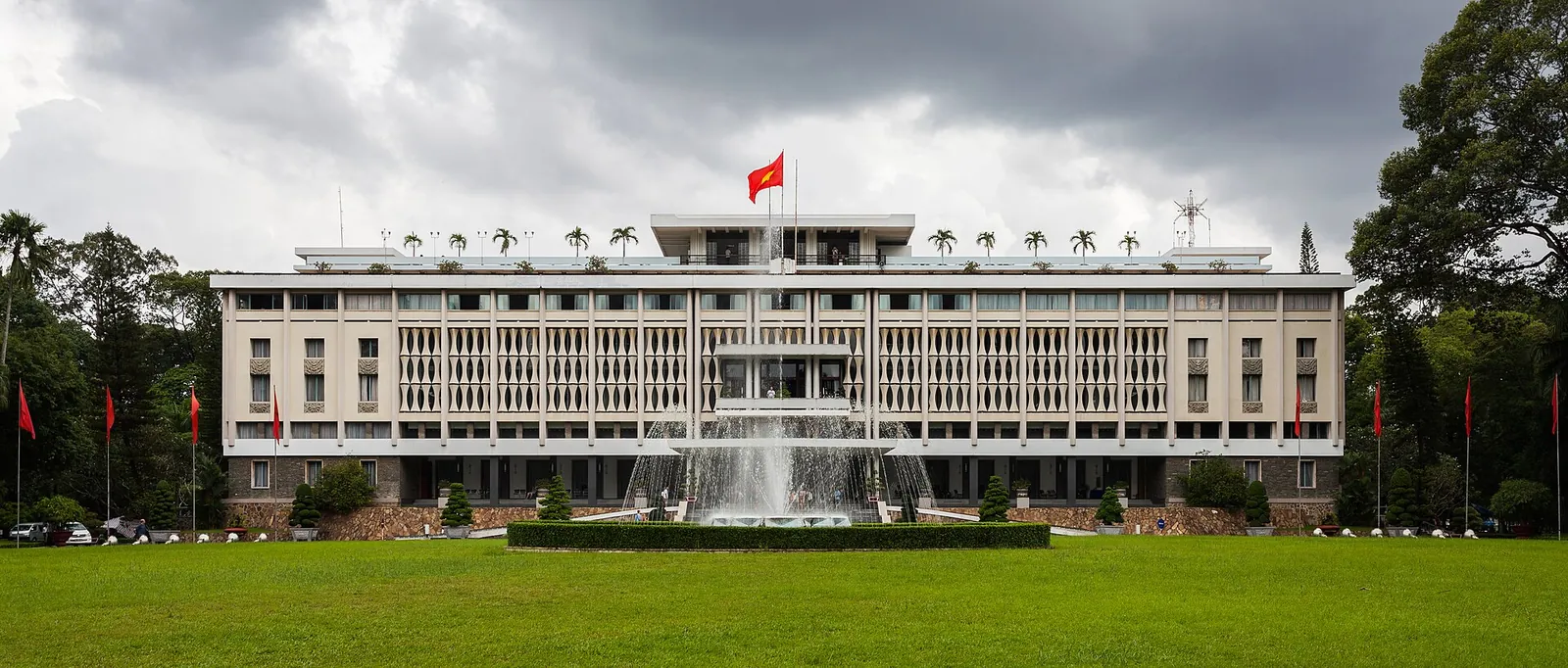
Dive straight into Saigon’s story at the Independence Palace (Dinh Doc Lap), the former presidential palace and a key site in modern Vietnamese history. The official site says it opens every day from 7:00 to 18:00, including holidays and Tet, except in special cases that are announced separately. The official site lists admission at VND 80,000 for adults (about USD 3), VND 40,000 for students and seniors and VND 20,000 for children aged 6 to 17. You can book online through the palace’s official ticketing page and skip the queue. Allow about 90 minutes, including the basement bunker.
From the palace, walk about 10 minutes to the War Remnants Museum at 28 Vo Van Tan Street. It opens daily from 7:30 to 17:30, including holidays. The ticket counter at the Vo Van Tan gate closes at 17:00. Tickets cost VND 40,000 per person (about USD 1.50). Children under 6 get in free and students get 50 percent off. Since February 2026 the museum has sold timed e-tickets on its official website. You pick a time, pay online and get a QR code by email, so we suggest booking ahead. The exhibitions are moving and some images are graphic, so give yourself two hours and some quiet time afterwards.
Afternoon
Have lunch near the museum. Then walk 15 to 20 minutes back past the palace grounds to Notre-Dame Cathedral Basilica of Saigon. Its restoration began in 2017 and new gold-plated crosses went up on the towers in March 2026. However, VietnamPlus reports that completion is expected around 2027 or later, so plan to admire it mainly from outside.
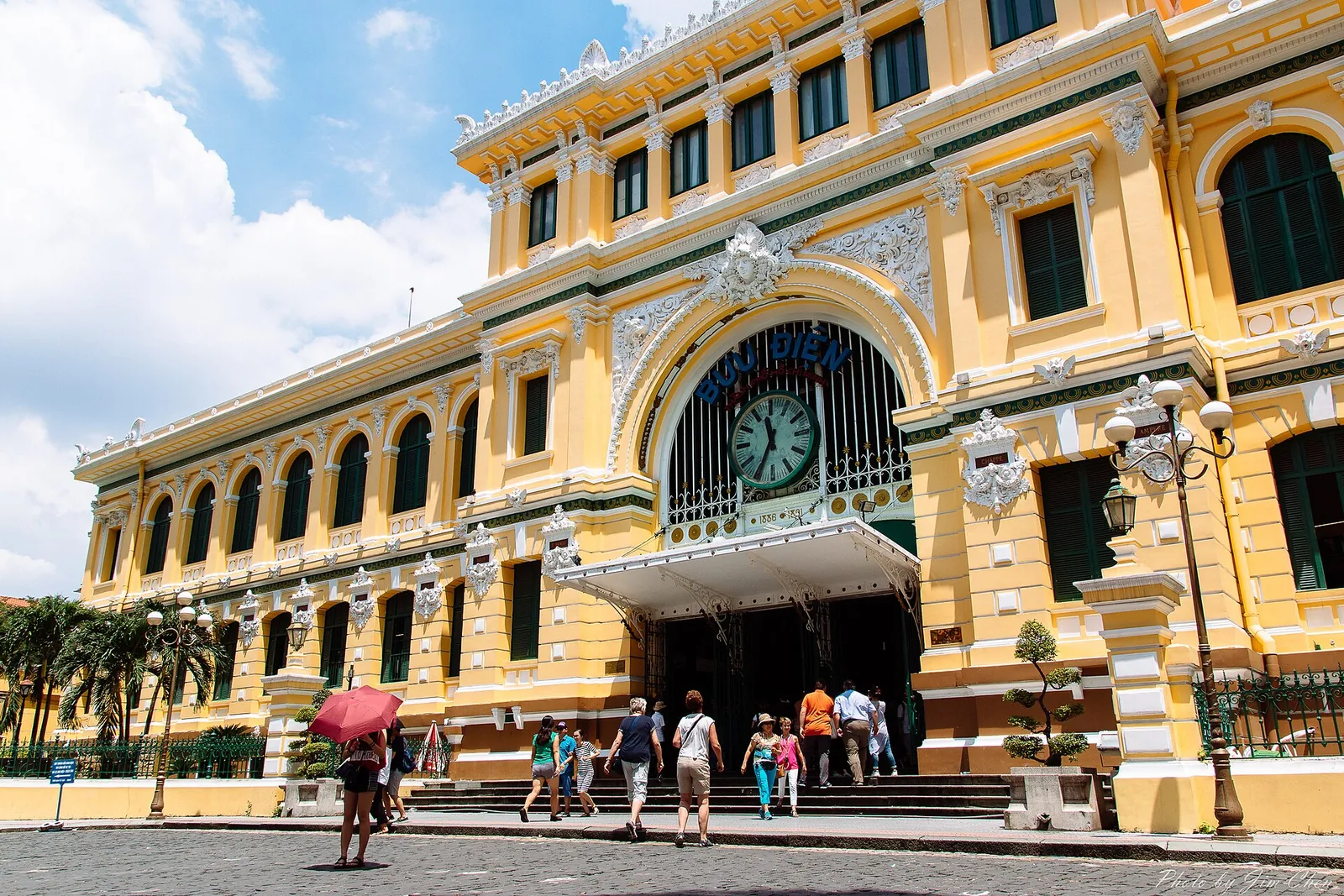
Right across the square is the Saigon Central Post Office, a grand French-era hall that still works as a post office. Pop in to send a postcard, then browse the bookshops and cafes on Book Street (Nguyen Van Binh) next door.
From here it’s about 10 minutes on foot to the People’s Committee building (photograph it from outside) at the top of Nguyen Hue walking street. Stroll down the boulevard and take a look at the Saigon Opera House on Dong Khoi. Then duck into one of the old apartment blocks full of tiny cafes for an iced coffee.
Evening
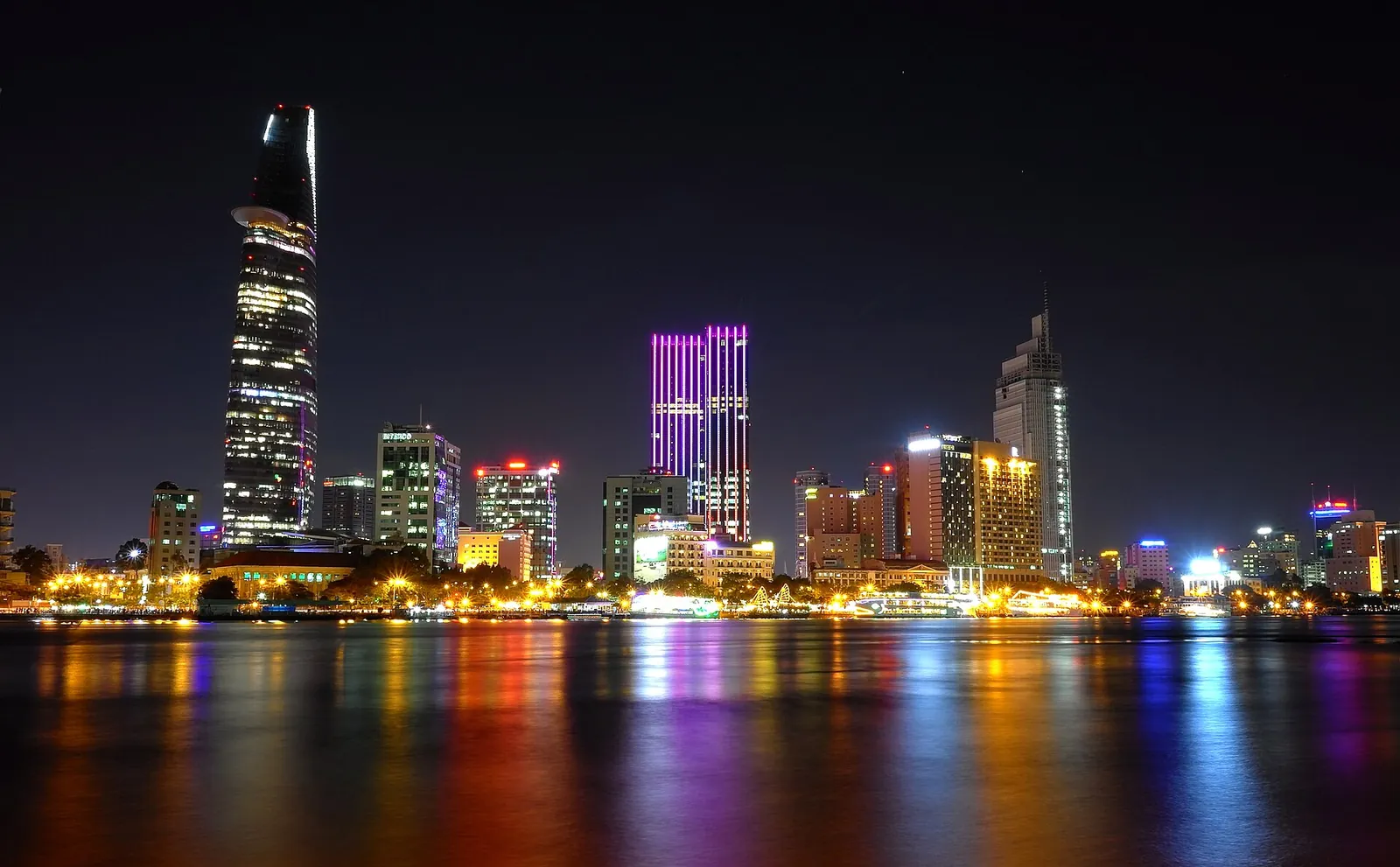
As the sun drops, Nguyen Hue fills with families, street performers and snack sellers. Walk five to ten minutes to the riverside at Bach Dang Wharf for breezy views of the Saigon River and the lit-up skyline. If you’d like a view from above, the observation deck in the Bitexco Financial Tower is just around the corner. Check the official site for current hours and prices before you go. Finish with a street food dinner nearby. Broken rice (com tam), banh xeo pancakes and a cold sugarcane juice make a classic Saigon combo.
Day 2: Pagodas, Cholon and markets
Morning
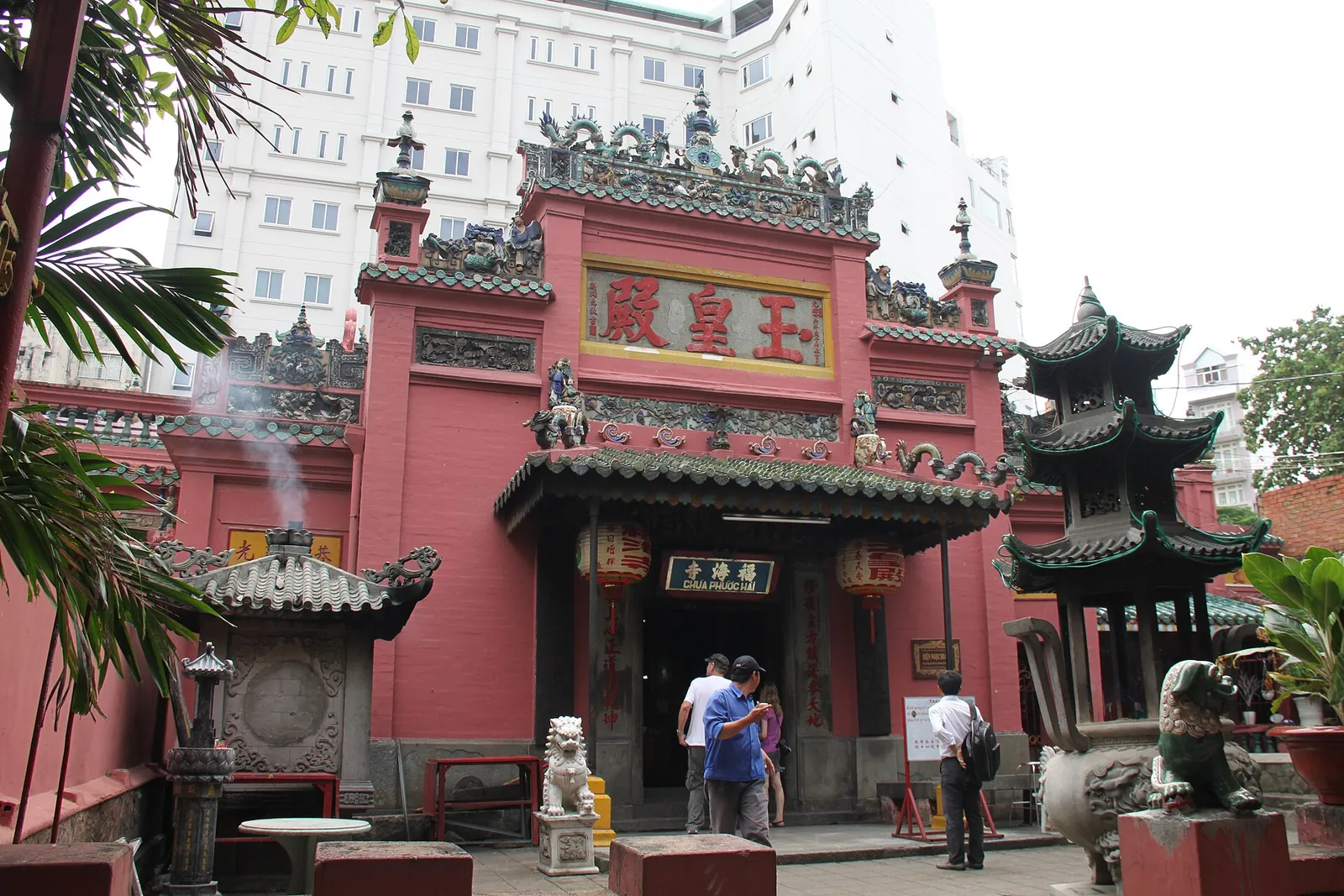
Today is all about incense, colour and bustling markets. Head north to the Jade Emperor Pagoda (Chua Ngoc Hoang) in the Da Kao area, a short ride from the centre. Its smoky halls full of carved deities make it one of the city’s most atmospheric places of worship. Dress modestly and move quietly.
From the pagoda, walk around 15 to 20 minutes to Tan Dinh Church on Hai Ba Trung Street. This famous candy-pink church makes a great photo stop from the street.
Next, take a ride-hailing car or a taxi to Cholon, the historic Chinese quarter in the west of the city. Depending on traffic, allow roughly 25 to 40 minutes.
Afternoon
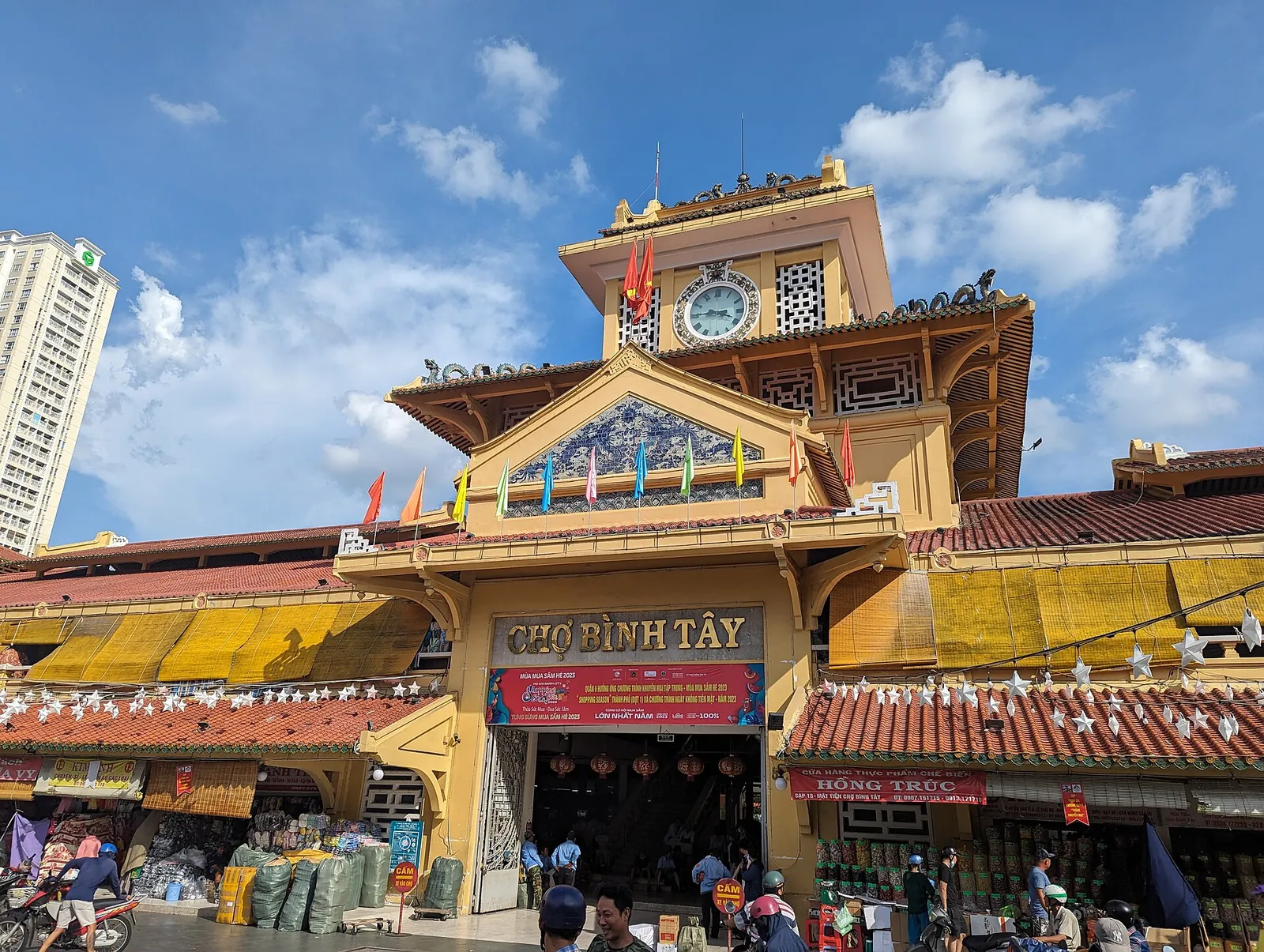
Explore Binh Tay Market, Cholon’s big wholesale market, where aisles are packed with dried goods, sweets, spices and household items. Grab lunch in the surrounding streets, which are full of Chinese-Vietnamese noodle shops and dim sum spots.
Then ride about 10 minutes (or walk around 25) to Thien Hau Temple on Nguyen Trai Street, which is dedicated to the sea goddess. Look up at the giant incense coils hanging from the ceiling and the detailed ceramic figures on the roof.
Head back to the centre (roughly 20 to 30 minutes by car) for the Ho Chi Minh City Museum of Fine Arts, which is housed in a beautiful colonial mansion. Check current hours and prices on its official channels. From there, walk about five minutes to Ben Thanh Market. It’s touristy but fun, and the food stalls inside let you try several dishes in one go.
Evening
Cross the canal to Vinh Khanh Street in the old District 4, about 10 minutes by car from Ben Thanh. This lively food street is packed with grilled seafood stalls, snails and plastic stools spilling onto the pavement. Street stalls rarely post prices, so ask before you order. If you still have energy, the backpacker street of Bui Vien (near Pham Ngu Lao) stays loud and busy late into the night.
Day 3: Cu Chi Tunnels or a slow morning, then Thao Dien by metro
Morning
Your last day, your choice! You have two options:
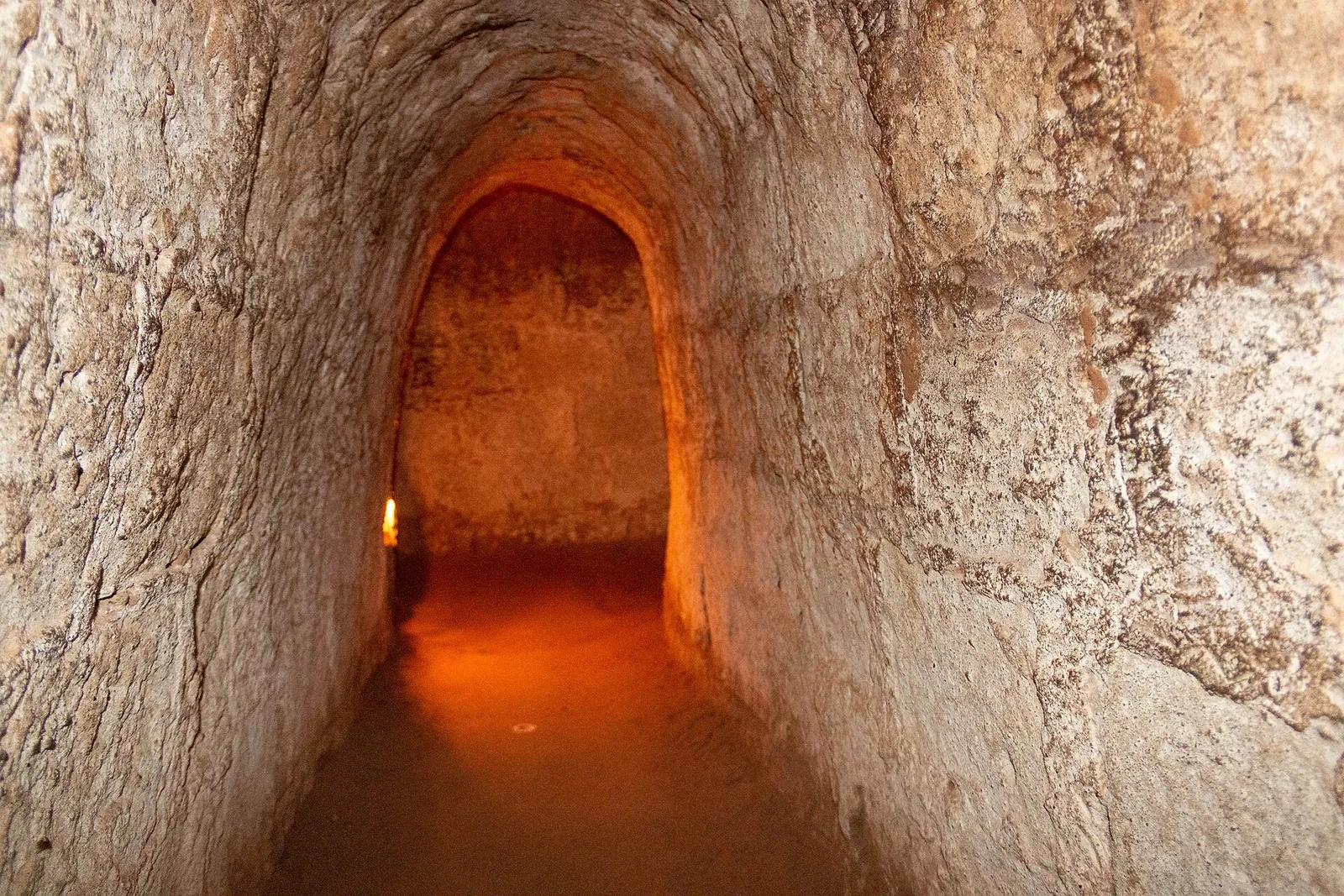
Option A: Cu Chi Tunnels. This tunnel network outside the city is the most popular day trip from Saigon. There are two main visitor sites, Ben Dinh and Ben Duoc. The drive out of the city is long and public transport is complicated, so most visitors book a half-day guided tour with a licensed operator and leave early. Entry fees vary between sources, so check the current price at the site or with your tour operator rather than trusting old figures. If you plan to try a tunnel section, wear closed shoes and clothes you don’t mind getting dusty.
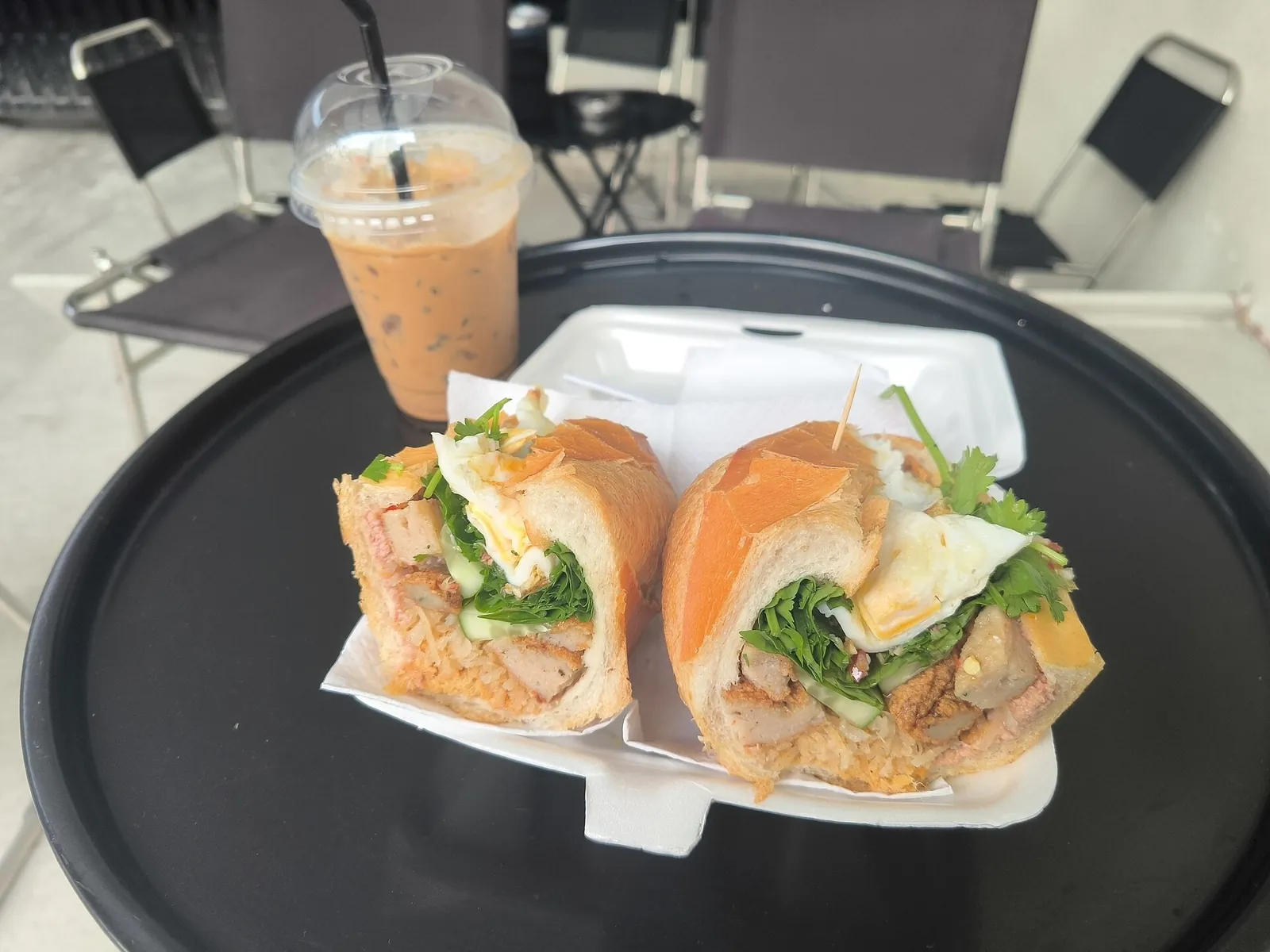
Option B: Slow city morning. Stay in town and take your time over a Vietnamese coffee (try a ca phe sua da, iced coffee with condensed milk). You can also go back to anything you missed on Day 1, such as the Post Office or the riverside.
Afternoon
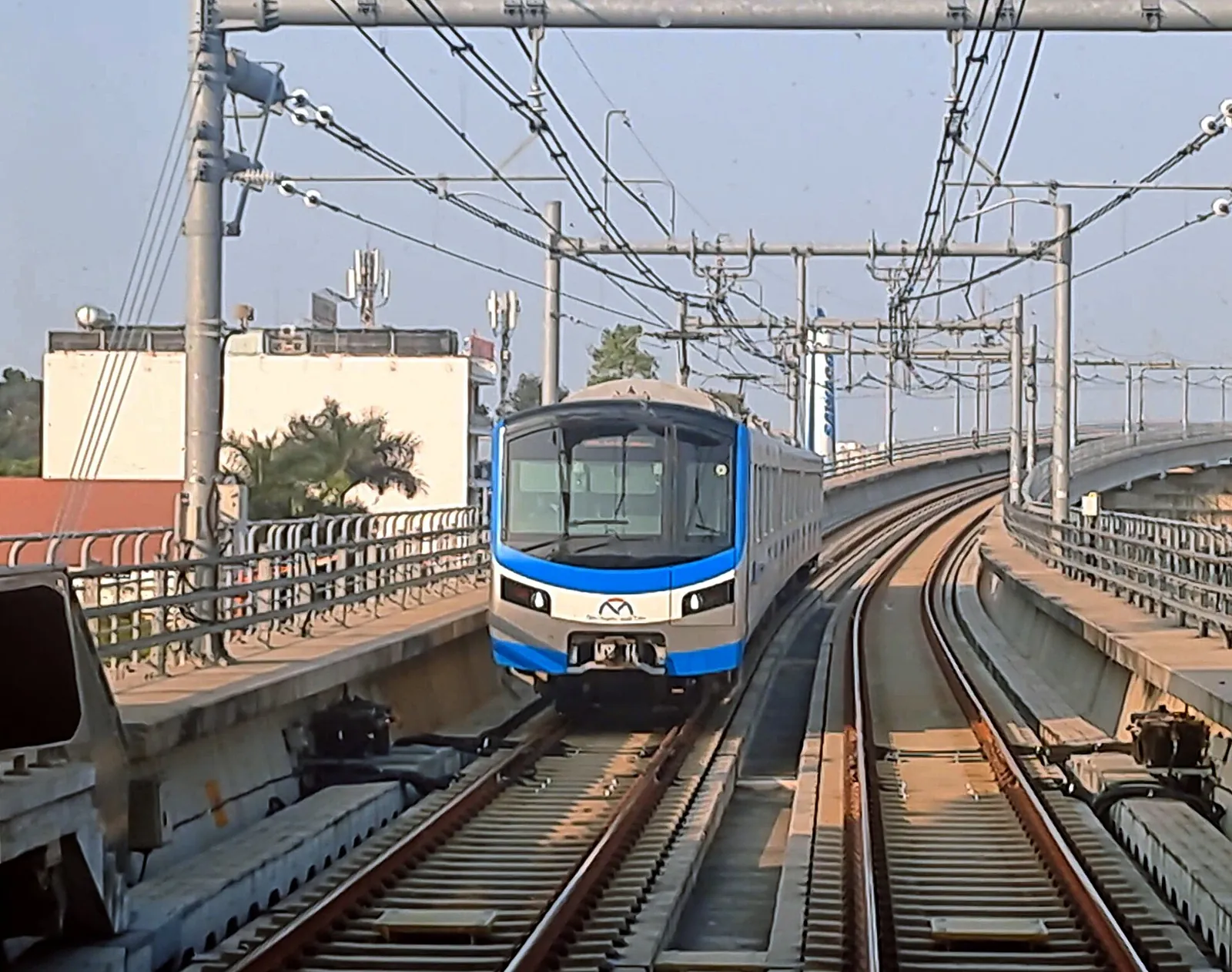
Ride Metro Line 1 (Ben Thanh to Suoi Tien), the city’s first metro line. Board at the underground Ben Thanh station and head east towards Thao Dien. The elevated section gives you views over the river. Under the fares set by the city, single tickets cost VND 7,000-20,000 in cash depending on distance, or VND 6,000-19,000 if you pay cashless.
In Thao Dien, wander leafy lanes of cafes, bakeries, design shops and riverside restaurants. It’s a relaxed contrast to the busy centre and a lovely spot for a late lunch.
Evening
For a final skyline moment, head to Landmark 81, the city’s tallest tower, a short ride from Thao Dien. Its SkyView observation deck has sweeping sunset views. Check the official site for current tickets and opening hours. Then head back to the centre for a farewell dinner of pho or bun thit nuong (grilled pork with noodles), or a riverside drink near Bach Dang Wharf.
Getting there and getting around
From the airport. Tan Son Nhat International Airport (SGN) sits inside the city, north of the centre. You can get into town by ride-hailing app, by metered taxi from the official ranks or by public bus towards the Ben Thanh area. Fares and journey times depend heavily on traffic and change often. Check current bus routes and fares on the official Ho Chi Minh City public transport channels or at the airport information desk. If you book a car, check the price in the app first. The U.S. State Department notes that Tan Son Nhat is one of the busiest airports in Southeast Asia and gets very congested at peak times, so allow extra time when you fly out.
Metro Line 1. The line runs from Ben Thanh in the centre to Suoi Tien in the east. These are the fares set by the city:
- Single ticket: VND 7,000-20,000 in cash or VND 6,000-19,000 cashless, depending on distance
- 1-day pass: VND 40,000 (unlimited rides)
- 3-day pass: VND 90,000 (unlimited rides for three days in a row)
- Children under 6 ride free with an adult
When fares started in January 2025, you could tap a contactless Mastercard at the gates, and other card types were due to follow. Day passes were sold in the official HCMC Metro app, which gives you a QR code to scan at the gates. Check at the station which cards work now. Train frequency and operating hours have changed several times, so check the operator HURC1’s current timetable before late-night trips.
Getting around day to day. The historic centre is very walkable. For longer trips (Cholon, District 4, Landmark 81), ride-hailing apps are easiest because you see the price up front. U.S. advice tells visitors to be careful with informal or unregulated transport, so avoid unmarked cars and drivers who approach you on the street.
Where to stay
- Ben Thanh and Dong Khoi (old District 1): Best for first-timers. You can walk to the Independence Palace, the Post Office, Nguyen Hue and the Ben Thanh metro station. Expect more traffic noise and higher prices.
- Pham Ngu Lao and Bui Vien: Cheap and social, with lots of inexpensive food and nightlife. It gets very loud late at night, so light sleepers should pick a side street.
- District 3 (old district name): Leafy, more local and a little calmer. It’s close to the War Remnants Museum and the Jade Emperor Pagoda, with great cafes and street food.
- Thao Dien: Relaxed and green, popular with expats and families, with riverside restaurants. It sits along Metro Line 1, but you’ll need rides to reach Cholon or District 4.
Budget
This table only includes prices verified on official sources today. Flights, hotels, meals, ride-hailing, tours and shopping are left out because they vary widely, so check current rates directly.
| Item | Typical cost |
|---|---|
| Independence Palace, adult | VND 80,000 (about USD 3) |
| Independence Palace, student or senior / child 6-17 | VND 40,000 / VND 20,000 |
| War Remnants Museum | VND 40,000 (about USD 1.50), under 6 free |
| Metro Line 1 single ticket | VND 7,000-20,000 cash, VND 6,000-19,000 cashless |
| Metro Line 1 1-day / 3-day pass | VND 40,000 / VND 90,000 |
| Vietnam e-visa fee (if you need one) | USD 25 single entry, USD 50 multiple entry |
| Cu Chi Tunnels entry, observation decks, other museums | Check the official site or operator |
Practical tips
- Dress code: At pagodas, temples and churches, cover your shoulders and knees and follow any signs about shoes or photos. It shows respect and means you’ll be welcome everywhere.
- Closing days: The Independence Palace and the War Remnants Museum both say they open every day, including holidays. The palace notes that special closures are announced separately, so check its site the day before.
- Money: Smartraveller notes that ATMs are widespread in Ho Chi Minh City. Before you travel, check with your bank that your card will work in Vietnam. Carry small notes for street food and markets.
- SIM and eSIM: A local SIM or eSIM makes ride-hailing and maps much easier. Buy from an official operator store or a reputable eSIM provider, and keep your passport handy for registration. U.S. advice recommends Zalo, Vietnam’s main messaging app.
- Visa and entry: Entry rules depend on your passport, so check them yourself. If you need an e-visa, apply only on Vietnam’s official National Electronic Visa portal at evisa.gov.vn, also reachable at thithucdientu.gov.vn. Smartraveller advises double-checking your visa details for errors. It also notes that travellers arriving at Ho Chi Minh City’s airport are encouraged to fill in a Digital Pre-Arrival Form online within 72 hours of arrival.
- Weather apps: U.S. advice suggests the Vietnam Weather KTTV app for storm and flood alerts. For Ho Chi Minh City, it suggests the UDI Maps app for street flooding and high-tide alerts.
Heads-up
Saigon is a joy to explore, and a little awareness keeps it that way. These points come from government travel advice and official sources:
- Traffic is the big one. The U.S. State Department says dense motorbike traffic is a major safety concern and motorbike accidents are common. Cross streets slowly and steadily, and use crossings where you can.
- Skip informal transport. The same advice tells visitors to be careful with informal or unregulated transport. Use ride-hailing apps or official taxi ranks, and turn down drivers who approach you.
- Watch your bag and phone. Smartraveller lists Ho Chi Minh City among the places where aggravated theft happens. When walking, keep your phone away from the kerb and carry your bag on the side away from traffic.
- Card skimming. Smartraveller warns that card skimming happens throughout Vietnam. Use ATMs inside banks or malls and cover your PIN.
- Scam calls and links. U.S. advice says to hang up on scam calls and never share personal or financial details over the phone. Don’t click links from people claiming to be delivery agents.
- Use the real visa portal. The Immigration Department gives evisa.gov.vn and thithucdientu.gov.vn as the e-visa portal’s addresses, so don’t apply through lookalike sites.
- Notre-Dame works. The cathedral’s restoration is expected to run until around 2027 or later, so don’t plan your day around going inside.
- Heat and rain. Plan outdoor walking for the morning and late afternoon, drink plenty of water and keep a rain jacket handy. Use UDI Maps if the streets start flooding.
FAQ
Is three days enough for Ho Chi Minh City?
Yes, for the highlights. You’ll see the main history sights, Cholon, the markets and either Cu Chi or Thao Dien. Add a fourth day for a Mekong Delta trip.
Is Metro Line 1 useful for tourists?
Yes. It’s great for getting to Thao Dien and the east side of the city, and the ride itself is fun. Single fares are VND 7,000-20,000 in cash, and a 1-day pass costs VND 40,000. For Cholon and District 4 you’ll still need a car or taxi.
Should I pre-book anything?
We suggest booking a timed e-ticket for the War Remnants Museum on its official website and Independence Palace tickets on the palace’s official ticketing page. If you choose Cu Chi, book a licensed tour a day or two ahead.
Can I go inside Notre-Dame Cathedral?
The restoration that began in 2017 is still going, and completion is expected around 2027 or later. Enjoy the restored facade from the square and ask locally about visiting.
Do I need cash?
Carry some cash for street food, markets and small shops. Card and app payments are more and more common, and the metro gives a small discount if you pay cashless.
When is the best time to visit?
The dry months, roughly December to April, are the most comfortable for walking. In the rainy season, plan indoor sights for the afternoon, when showers are common.
Sources
Prices, hours and rules change. We checked these on 24 October 2026; please confirm on the official page before you book.
- Independence Palace (Dinh Doc Lap) official site: admission fee and opening hours
- War Remnants Museum official site: Visit
- SGGP: War Remnants Museum in Ho Chi Minh City begins online ticketing
- HCMC Party Committee portal: Metro Line 1 ticket types and payment methods from 21/1/2025
- Ho Chi Minh City Portal: HCMC announces ticket prices for Metro Line No.1 Ben Thanh - Suoi Tien
- Vietnam National Electronic Visa system (Immigration Department)
- Smartraveller (Australian Government): Vietnam travel advice
- U.S. Department of State: Vietnam Travel Advisory
- VietnamPlus: Key milestone reached in restoration of Saigon Notre-Dame Cathedral
Photo credits (9)
- Ho Chi Minh City skyline over the Saigon River at blue hour: Radek Kucharski, CC BY 2.0, via Wikimedia Commons
- Independence Palace behind its fountain and lawn: Diego Delso, CC BY-SA 3.0, via Wikimedia Commons
- The yellow facade of Saigon Central Post Office: Jim 陳, CC BY-SA 2.0, via Wikimedia Commons
- Saigon's towers lighting up the river at night: Phi Phi Hoang, CC BY 2.0, via Wikimedia Commons
- Red walls and roofs of the Jade Emperor Pagoda: Gary Todd from Xinzheng, China, CC0, via Wikimedia Commons
- Clock tower of Binh Tay Market in Cholon: Syced, CC0, via Wikimedia Commons
- Banh mi and iced coffee in Saigon: 源義信, CC BY 4.0, via Wikimedia Commons
- A narrow, lamp-lit passage in the Cu Chi Tunnels: MinhVN123, CC BY-SA 4.0, via Wikimedia Commons
- A Metro Line 1 train on the elevated tracks: Kateru Zakuro, CC BY 4.0, via Wikimedia Commons
This is a researched plan, not a personal trip report. How we research · Affiliate disclosure