
3 Days in Hoi An: A Day-by-Day Itinerary
A relaxed 3-day Hoi An plan: lantern-lit Old Town, the Cham temples of My Son and the countryside, with checked 2026 ticket prices and airport bus details.
- 🗓️ Trip length
- 3 days
- ☀️ Best time
- February to April
- 💰 Daily spend
- Varies: see Budget section for verified fixed costs
- ✅ Facts checked
- 24 October 2026
Get ready for lantern light on the Thu Bon River, saffron-yellow shophouses and some of the best street food in Vietnam. Hoi An is small and slow, and best explored on foot or by bicycle. That makes it a great city break if you want culture without the rush of a big capital.
This plan suits first-timers, couples, families and anyone who likes a gentle pace. You spend Day 1 in the UNESCO-listed Ancient Town and Day 2 at the Cham temples of My Son. Day 3 is for the countryside and the coast. Most days have a quiet midday break, because Hoi An is at its best early in the morning and after dark.
At a glance
| Day | Area | Highlights |
|---|---|---|
| 1 | Ancient Town | Japanese Covered Bridge or Quan Cong Temple, assembly halls, a museum, tea ceremony, folk performance, lantern-lit evening |
| 2 | My Son Sanctuary and riverside | Cham temple towers in a jungle valley, Cham dance show, An Hoi riverside evening |
| 3 | Countryside and coast | Vegetable gardens, pottery village, beach time, farewell walk on Phan Chau Trinh street |
Day 1: The Ancient Town
Morning
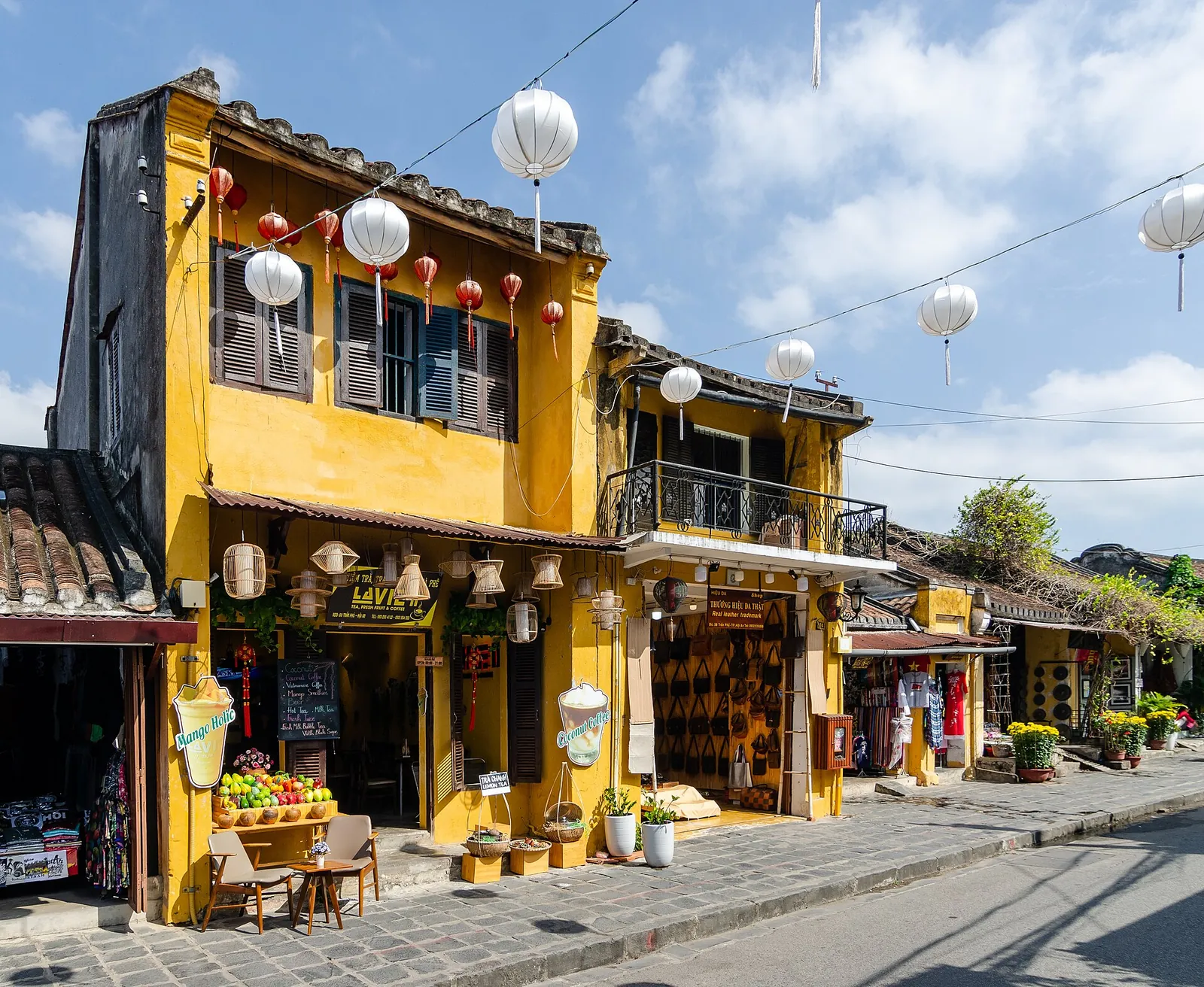
Today belongs to the Ancient Town, so start early, before the tour groups arrive. Your first stop is an official ticket counter. Hoi An’s heritage office asks visitors to buy an entrance ticket before entering the Ancient Town, and the money goes towards preserving the town.
According to the official Hoi An World Heritage site, the VND 120,000 ticket covers:
- the general Ancient Town landscape
- one historic site: either the Japanese Covered Bridge or Quan Cong Temple
- one museum from the town’s museum system
- three more heritage sites of your choice
The Da Nang City tourism portal also lists a cheaper VND 80,000 ticket. It covers the bridge or Quan Cong Temple plus two other sites, with no museum. Ask at the counter which option applies to you. The good news for a 3-day trip: the city portal says one ticket can be used for up to three days of your stay. So keep it safe.
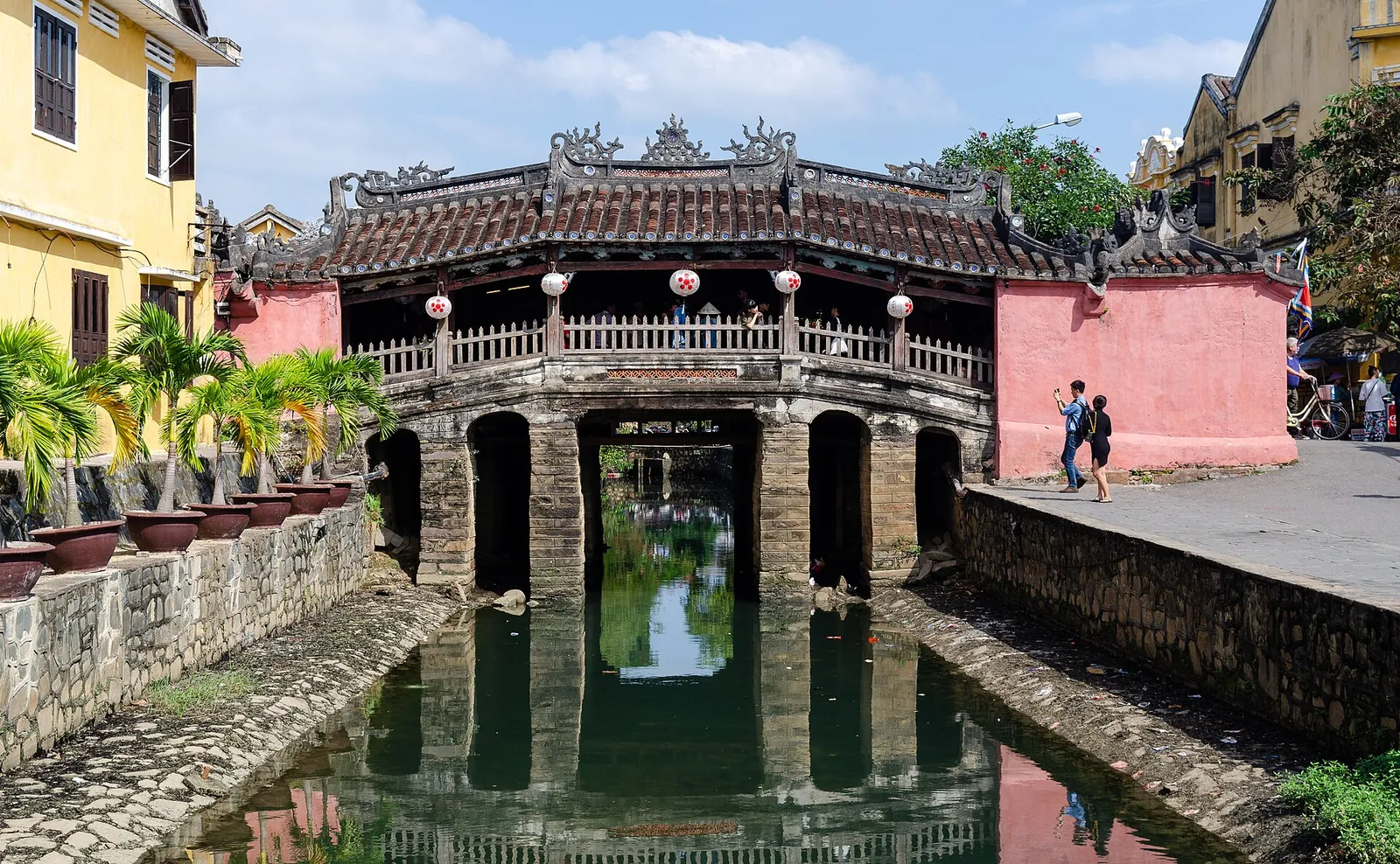
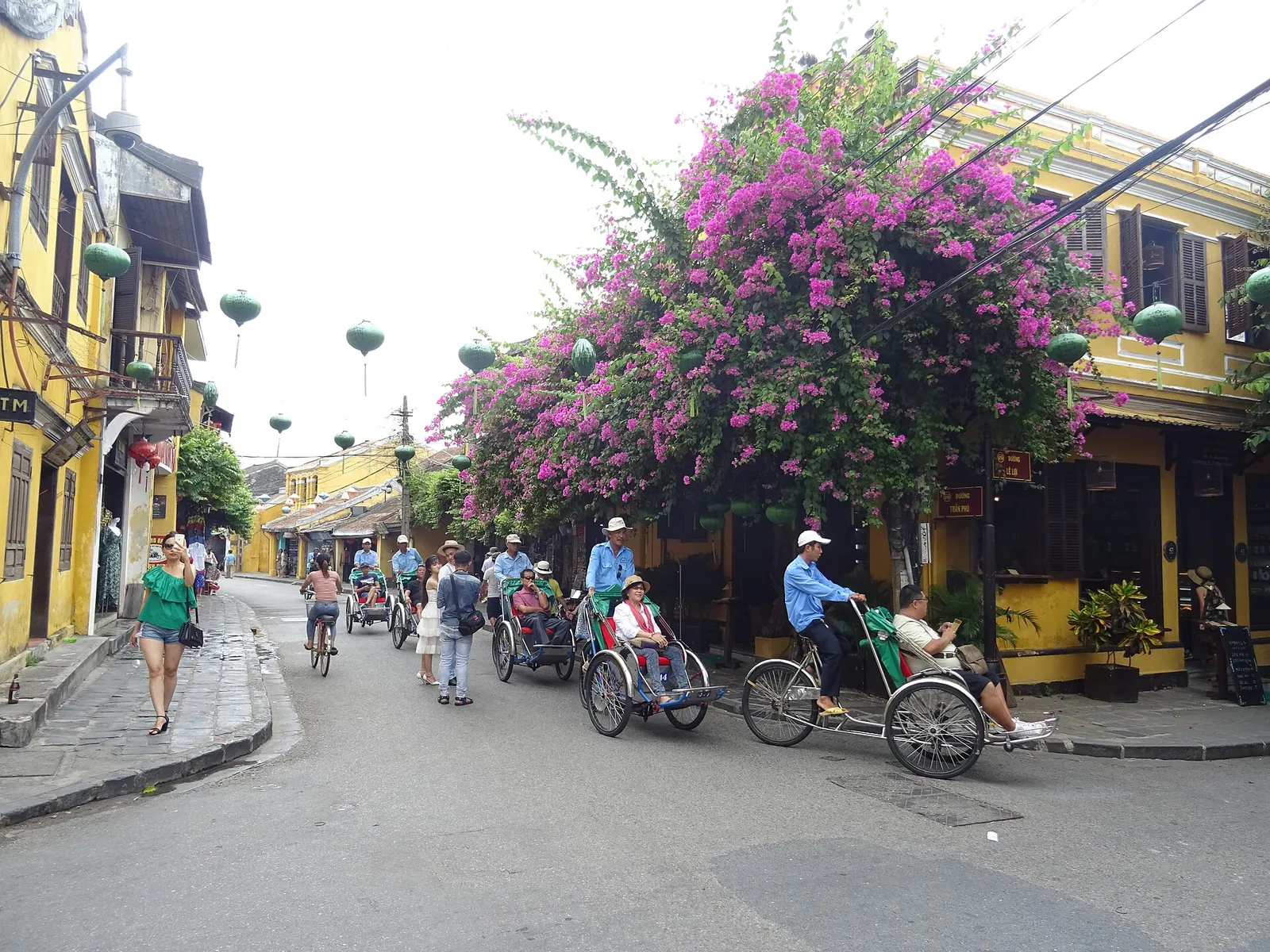
We’d begin at the Japanese Covered Bridge, the town’s best-known landmark. From there, wander east along the old streets and choose your three extra sites. Good picks are one of the Chinese assembly halls, a historic merchant house and a family chapel.
If you’re near Nguyen Thi Minh Khai Street at 09:30, stop at the Japanese Culture Gallery (06 Nguyen Thi Minh Khai). It holds a free Japanese tea ceremony demonstration for ticket holders every day at 09:30 and 16:30. All of these stops are a short, flat stroll apart inside the compact old quarter.
Afternoon
Take a long lunch and try cao lau or a Hoi An banh mi. Then rest through the hottest part of the day.
In mid-afternoon, use your museum entry. The Museum of History and Culture or the Museum of Trade Ceramics both work well, and they’re cooler than the streets.
Next, catch the traditional art performance: folk songs, dances and traditional instruments. The Da Nang tourism portal lists shows daily at 10:15, 15:15 and 16:15. Since 7 March 2026 the venue has been Hoai River Square, 01 Cao Hong Lanh Street (2nd floor hall), so ignore older guides that say Bach Dang Street. If you missed the morning tea ceremony, the 16:30 session fits in nicely afterwards.
Evening
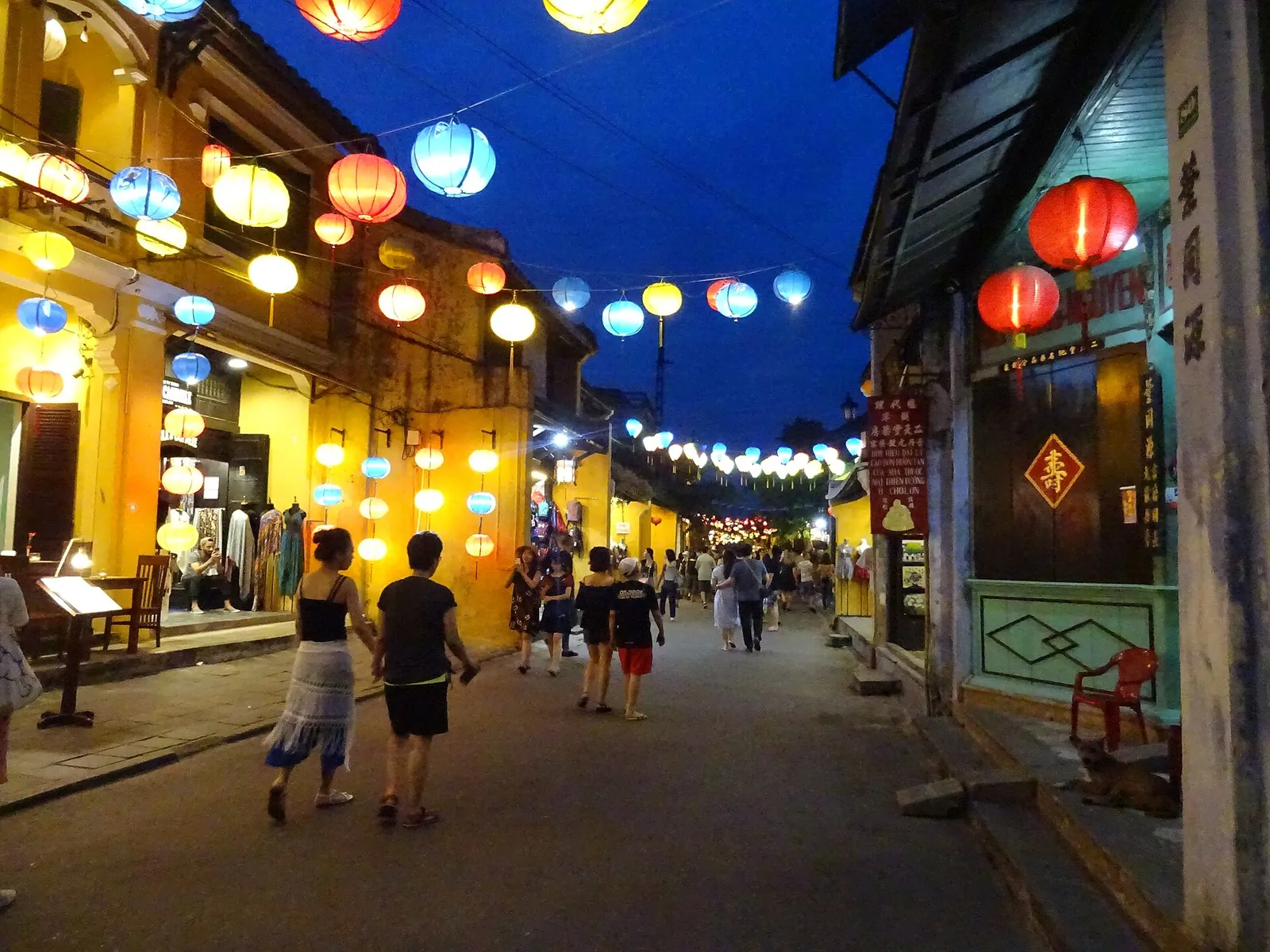
This is when Hoi An really shines. During pedestrian hours, motorbikes are kept out of the Ancient Town. The official hours are:
- Ancient Town: 09:00 to 21:30 in summer, 09:00 to 21:00 in winter
As the lanterns come on, the “Night Streets” programme brings community culture onto the streets. You’ll find the traditional bai choi bingo game, folk games, folk singing sessions and street music. Wander the riverbank and have dinner on a side lane, then just enjoy the glow.
Day 2: My Son Sanctuary and the riverside
Morning
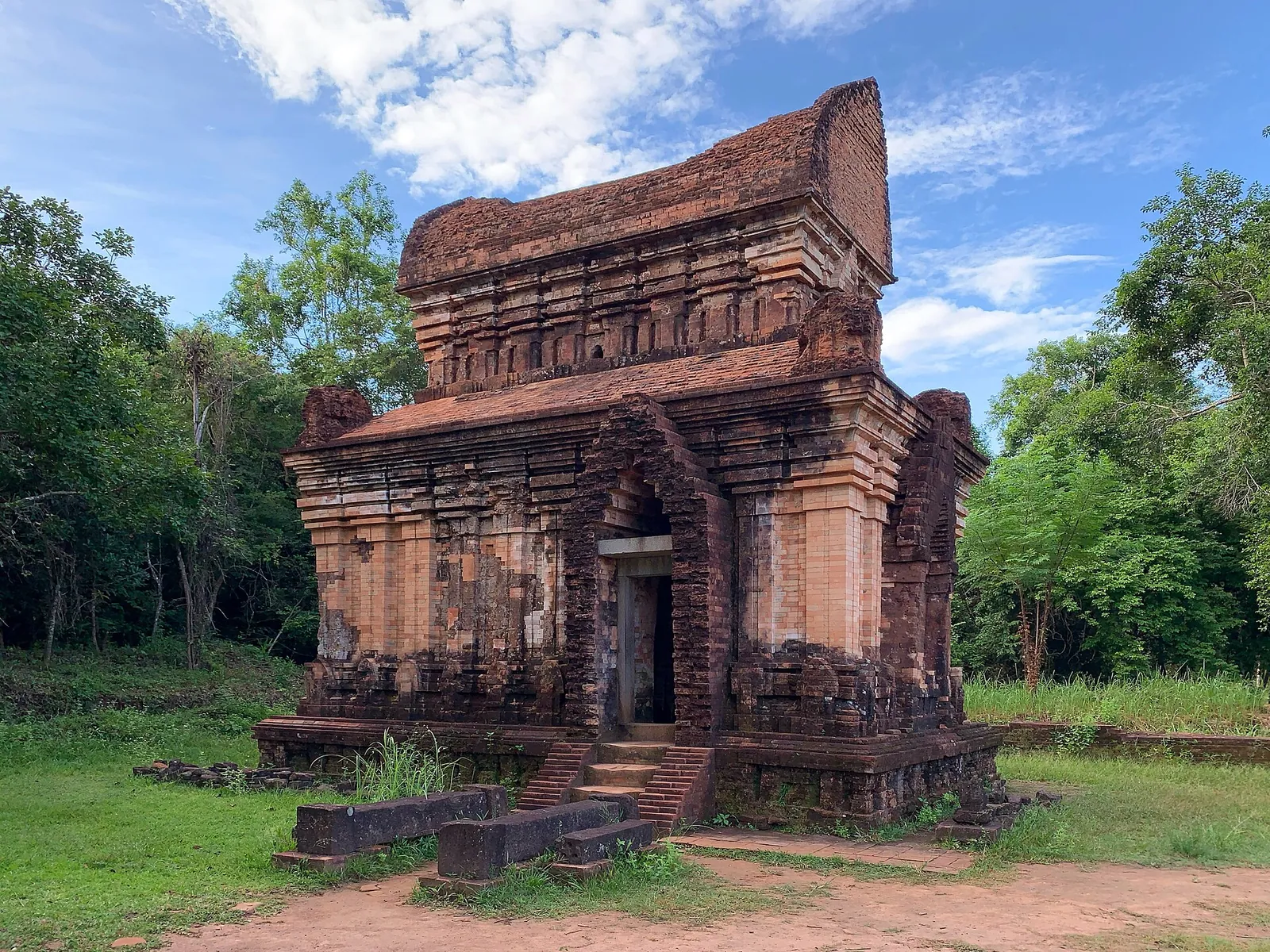
Get ready for one of Southeast Asia’s most atmospheric ruins. My Son Sanctuary is a valley of Cham temple towers built between the 4th and 13th centuries. It sits inland from Hoi An, in Thu Bon Commune, Da Nang City.
The management board’s official site says My Son is open every day, including public holidays, from 06:00 to 17:00. The Da Nang tourism portal recommends arriving early in the morning. You avoid the midday heat, and the towers look beautiful in the soft morning light.
Getting there: don’t plan on the 01DL tourist bus (Hoi An to My Son). DanangBus announced the route is suspended for six months from 15 September 2026. Instead, book a car or taxi, or join an organised tour. Arrange it the evening before so you can leave early.
Tickets: the official My Son site lists VND 150,000 for international visitors, including sightseeing and service fees. In January 2026, though, the management board announced a single VND 250,000 price for all visitors, as reported by Tuoi Tre. Check the official site or ask at the gate before you go.
Time your visit around the free cultural shows. The official schedule lists:
- Performance hall: daily at 09:45, 10:30, 11:15, 14:00 and 16:00
- Group G towers: 09:00 and 14:45
- “Echoes of My Son” show: at the BCD tower group on the 15th of every month
Shows can be cancelled at short notice for operational reasons.
Afternoon
Head back to Hoi An for a tasty lunch and a well-earned rest. If you still have heritage sites left on your ticket, now is a good time to use them. Keep your ticket stub, because the heritage office says you may need it to re-enter the Ancient Town.

Evening
Cross the river to the An Hoi side for a different view of the lantern-lit waterfront. Then stroll back into the Ancient Town before pedestrian hours end. If you want a quieter night, pick a riverside café, slow down and watch the town light up.
Day 3: Countryside, crafts and the coast
Morning
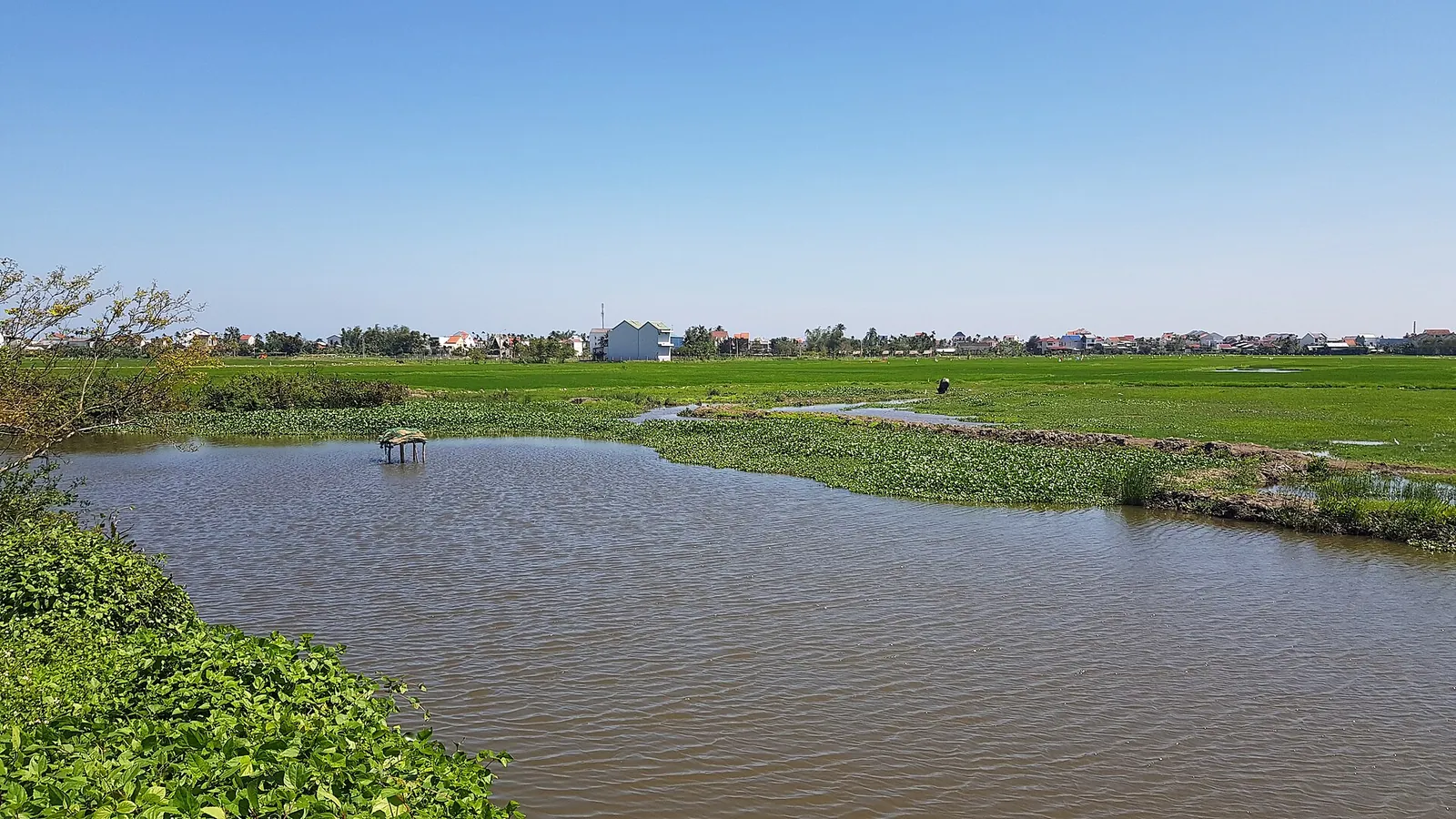
This is the day for fresh air and open fields! Rent a bicycle and leave the old quarter for the green edges of Hoi An. We suggest:
- Tra Que, a village known for its organic herb and vegetable gardens.
- Thanh Ha, the pottery village west of town. Hoi An’s heritage office notes that Thanh Ha pottery has been added to Vietnam’s national list of intangible cultural heritage.
Both are easy cycling outings on mostly flat roads, but distances add up. Check routes in a maps app before you set off, and carry water.
Afternoon
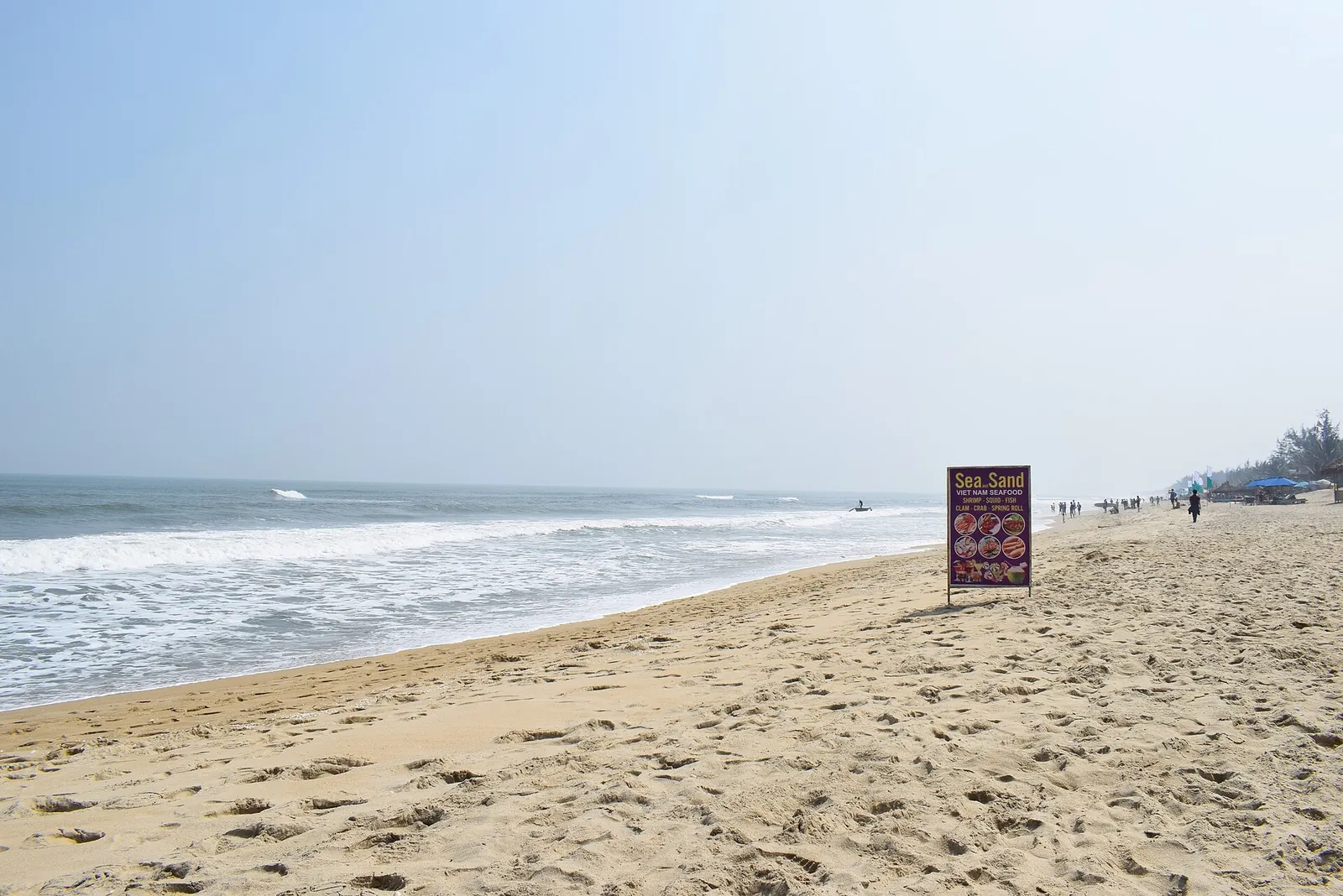
Spend the afternoon by the sea. An Bang and Cua Dai are the beaches closest to town and are reachable by bicycle, taxi or ride-hailing app. Another option is the Cam Thanh coconut palm area east of town, famous for round basket boats. Agree any boat price clearly before you get in, and check that life jackets are provided.
Evening
Finish with a farewell walk on Phan Chau Trinh Street, which becomes pedestrian-only in the evening:
- Phan Chau Trinh Street: 17:30 to 21:30 in summer, 17:30 to 21:00 in winter
Your ticket is still valid on day three, so finish any last heritage sites. Then find a spot for one more bowl of noodles under the lanterns.
Getting there and getting around
Visa and entry: entry rules depend on your nationality and change from time to time. Check the official Vietnam National Electronic Visa portal at evisa.gov.vn before you book, and apply only through official government channels.
Airport: Hoi An has no airport of its own. Most visitors fly into Da Nang International Airport (DAD). The tourist information desk is next to baggage belt 03 in the Terminal 1 arrivals hall. It has free maps and transport advice.
Airport bus to Hoi An: the airport website lists a Hai Van Bus suburban route from the airport to Hoi An:
- Fare: VND 120,000 per trip
- Hours: daily, 07:30 to 16:00
- Route: along the coast via Vo Nguyen Giap and Truong Sa, passing 497 Hai Ba Trung in Hoi An, then ending at the Cua Dai parking lot
- Waiting time: the airport estimates 5 to 30 minutes
DanangBus describes this airport-to-Hoi An service as route 01SB.
Taxi: metered taxis wait outside the arrivals halls of both terminals and run 24/7. The airport publishes per-kilometre rates on its website. It notes that an airport access fee of VND 10,000 to 30,000 may be added, or may already be included. A taxi fare chart for common routes is posted at pillar 02 in the public arrivals area. If your route isn’t listed, ask the airport staff for the fare. Have cash ready, because the airport says only a few taxi companies take Visa or Mastercard.
Da Nang city to Hoi An by bus: route 02 runs from Da Nang Central Bus Station to the Hai Ba Trung parking lot in Hoi An. Since 28 August 2026 it uses electric buses every 15 to 30 minutes. The Da Nang tourism portal lists fares by distance:
- VND 8,000 up to 10 km
- VND 20,000 for 10 to 25 km
- VND 30,000 for over 25 km
Check the current timetable on the DanangBus route finder.
In Hoi An: walk the Ancient Town and use a bicycle for the countryside. For longer hops, such as the beach or My Son, use a metered taxi or a ride-hailing app. Hoi An has no metro and no tourist transport card. You pay cash per trip.
Where to stay
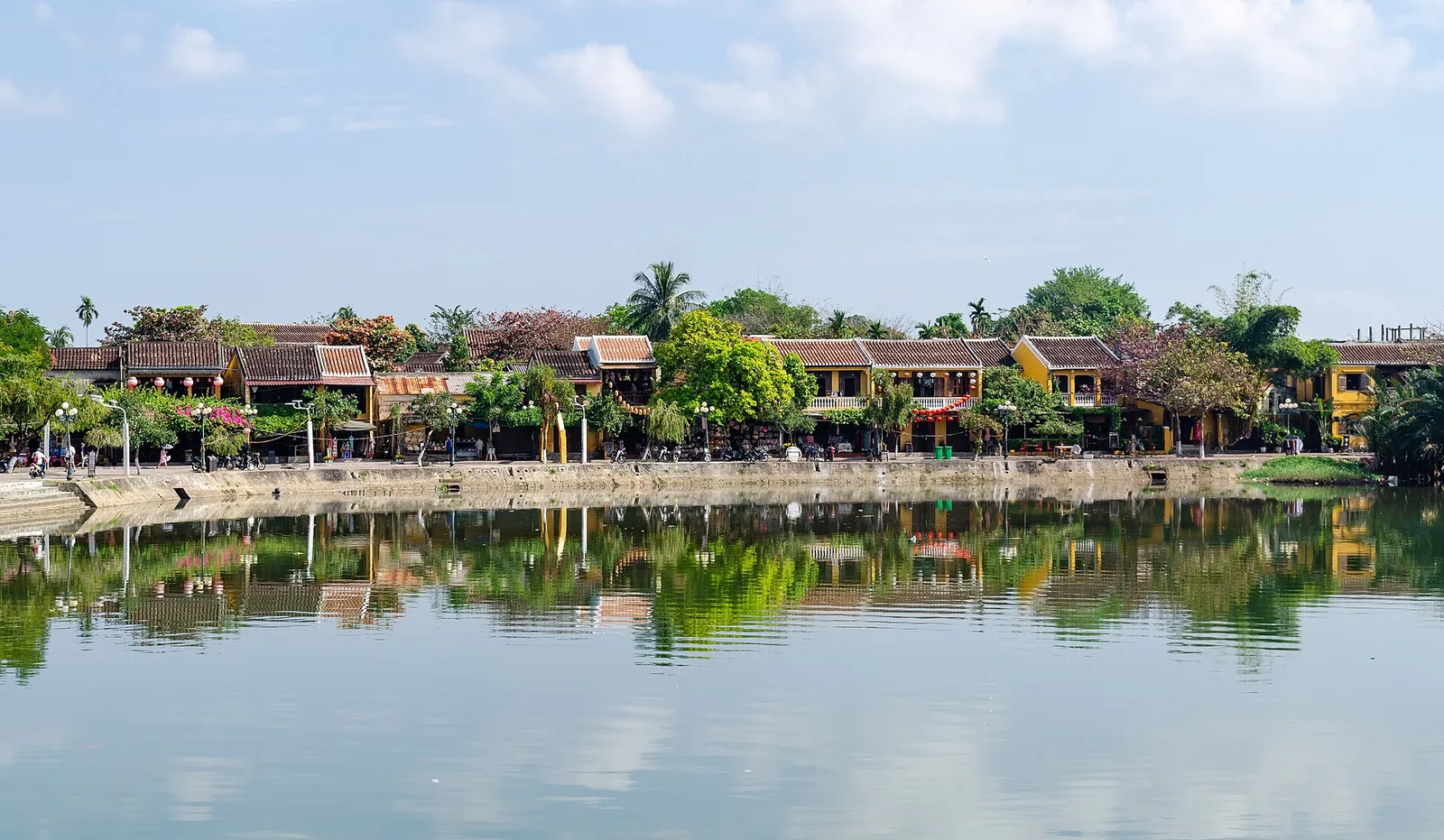
- Ancient Town and its edges: best for first-timers and short stays. You can walk to the sights and the lanterns, and slip back for a midday rest. Expect more noise and crowds at night.
- An Hoi: just across the river from the old quarter. It suits travellers who want night views and an easy walk into town, with a slightly more relaxed feel.
- Rice field and village areas (towards Tra Que and Cam Thanh): good for families and slow travellers who want green views and quiet nights. You’ll cycle or take a taxi into town.
- An Bang and Cua Dai beach areas: ideal if you want a beach-and-culture mix. Mornings by the sea, evenings in the Ancient Town by taxi.
Budget

Only costs we could check on official sources are shown as figures. Accommodation and meal prices change by season, so compare current listings.
| Item | Typical cost |
|---|---|
| Ancient Town entrance ticket (valid up to 3 days) | VND 120,000 (VND 80,000 option with fewer sites) |
| My Son Sanctuary entrance | VND 150,000 listed for international visitors; VND 250,000 single price announced for 2026, so check before you go |
| Airport to Hoi An, Hai Van Bus | VND 120,000 per trip |
| Da Nang to Hoi An, bus route 02 | VND 8,000 to 30,000 by distance |
| Airport taxi access fee | VND 10,000 to 30,000 (may be included in fare) |
| Taxi | Metered; check rates on the airport website |
| Accommodation, meals, bike rental, tours | Varies; check current prices |
Not included: flights, visa fees, travel insurance, accommodation, food and drink, guided tours, private cars and shopping (Hoi An’s tailors are tempting).
Practical tips
- Buy one Ancient Town ticket and use it across the trip. Plan your sites over three days instead of rushing them on Day 1.
- Free guide for groups: groups buying eight or more tickets get a free tour guide from the heritage management board.
- Dress respectfully at temples and assembly halls. At My Son, the Da Nang tourism portal asks visitors to wear neat, modest clothing and not to touch, climb or carve on the monuments.
- Opening times: My Son is open every day. In the Ancient Town, build your plans around the pedestrian hours and the fixed performance and tea ceremony times above.
- Money: the Vietnamese dong (VND) is the currency. Carry small notes for snacks, bike rental and taxis, because card acceptance is patchy.
- SIM/eSIM: major Vietnamese mobile networks sell tourist plans. Compare current offers on the operators’ own websites or at their official stores, and avoid unofficial resellers.
- Weather: the Da Nang tourism portal calls February to April the most pleasant time to visit. The rainy season runs from around September to January.
Heads-up
Hoi An is a friendly, easy place to explore. A few things are worth knowing so nothing spoils the fun.
- Rainy season and floods (now): according to the Da Nang tourism portal, the rainy season from around September to January often brings heavy rain, slippery paths and occasional flooding in the My Son valley. If you travel in this window, check the weather forecast and local announcements every day, and keep plans flexible.
- The My Son tourist bus is not running. DanangBus suspended route 01DL (Hoi An to My Son to Dong Giang) for six months from 15 September 2026. Don’t rely on older guides that recommend it.
- My Son prices are changing. A single VND 250,000 price was announced for 2026, while the official site still shows VND 150,000 for international visitors. Check before you go so you’re not surprised at the gate.
- Taxis from the airport: use the metered taxis outside arrivals, or the companies listed on the airport website. Check the fare chart at pillar 02, and ask staff if your route isn’t listed.
- Keep your ticket stub. The heritage office says you may need it to re-enter the Ancient Town, and the ticket is valid for multiple days.
- Heat and sun: officials recommend early-morning visits to My Son to avoid the midday heat. Wear a hat, use sunscreen and carry water whenever you cycle.
- Respect the monuments. Climbing on or touching the Cham brickwork is not allowed and damages a World Heritage site.
FAQ
Do I need a ticket just to walk around the Ancient Town?
Yes. The official heritage site asks all visitors to buy an entrance ticket before entering the Ancient Town. The money helps conserve the town’s heritage.
How long is the Hoi An ticket valid?
The Da Nang City tourism portal says one ticket can be used for up to three days of your stay. That covers this whole itinerary.
Can I get from Da Nang airport to Hoi An by public bus?
Yes. The airport website lists a Hai Van Bus service to Hoi An for VND 120,000. It runs daily from 07:30 to 16:00 and ends at the Cua Dai parking lot, passing 497 Hai Ba Trung on the way.
Is there a public bus to My Son?
Not right now. The 01DL tourist route is suspended for six months from 15 September 2026, so book a car, taxi or organised tour instead.
When is the best time to visit Hoi An?
The Da Nang tourism portal says February to April has the most pleasant weather. The rainy season runs from around September to January and can bring flooding.
Is Hoi An part of Da Nang now?
Yes. Official addresses now list places like “Hoi An Ward” and “Thu Bon Commune, Da Nang City”. You may see both the old and new names on maps and signs.
Sources
Prices, hours and rules change. We checked these on 24 October 2026; please confirm on the official page before you book.
- Hoi An tourism information (Hoi An World Heritage)
- Hoi An Ancient Town Entrance Tickets (Danang Fantasticity, Da Nang City Tourism Information Portal)
- My Son Sanctuary (Danang Fantasticity, Da Nang City Tourism Information Portal)
- Gia ve tham quan (My Son World Cultural Heritage Management Board)
- Gio mo, dong cua va lich bieu dien van nghe (My Son World Cultural Heritage Management Board)
- My Son ap dung ve tham quan dong gia 250.000 dong (Tuoi Tre Online)
- Airport Guide / Arrival Guide (Da Nang International Airport)
- Xe buyt Da Nang: lo trinh, gia ve, gio chay (Danang Fantasticity)
- Cac tuyen xe buyt ket noi San bay Da Nang (DanangBus)
- Thong bao tam dung khai thac tuyen xe buyt du lich Hoi An - My Son - Cong troi Dong Giang (DanangBus)
- Thong bao chuyen doi xe buyt dien tuyen 02, 13 va 21 (DanangBus)
Photo credits (10)
- The Japanese Covered Bridge reflected in the canal, Hoi An: Steffen Schmitz (more photos), CC BY-SA 4.0, via Wikimedia Commons
- Yellow shophouses and paper lanterns in the Ancient Town: Steffen Schmitz (more photos), CC BY-SA 4.0, via Wikimedia Commons
- Lantern-lined street in Hoi An at dusk: Christophe95, CC BY-SA 4.0, via Wikimedia Commons
- Cham brick temple among the trees at My Son: Chainwit., CC BY 4.0, via Wikimedia Commons
- Lantern boats on the Thu Bon River at night: lumoplank, CC0, via Wikimedia Commons
- Green fields and ponds near Tra Que village: Andre Hospers, CC BY 4.0, via Wikimedia Commons
- Golden sand and waves at An Bang Beach: Mig Gilbert from Brighton, CC BY-SA 2.0, via Wikimedia Commons
- Bikes and cyclos under bougainvillea in Hoi An: Christophe95, CC BY-SA 4.0, via Wikimedia Commons
- Riverside houses mirrored in the Thu Bon River: Steffen Schmitz (more photos), CC BY-SA 4.0, via Wikimedia Commons
- A bowl of cao lau noodles with pork and greens: Chainwit., CC BY 4.0, via Wikimedia Commons
This is a researched plan, not a personal trip report. How we research · Affiliate disclosure