
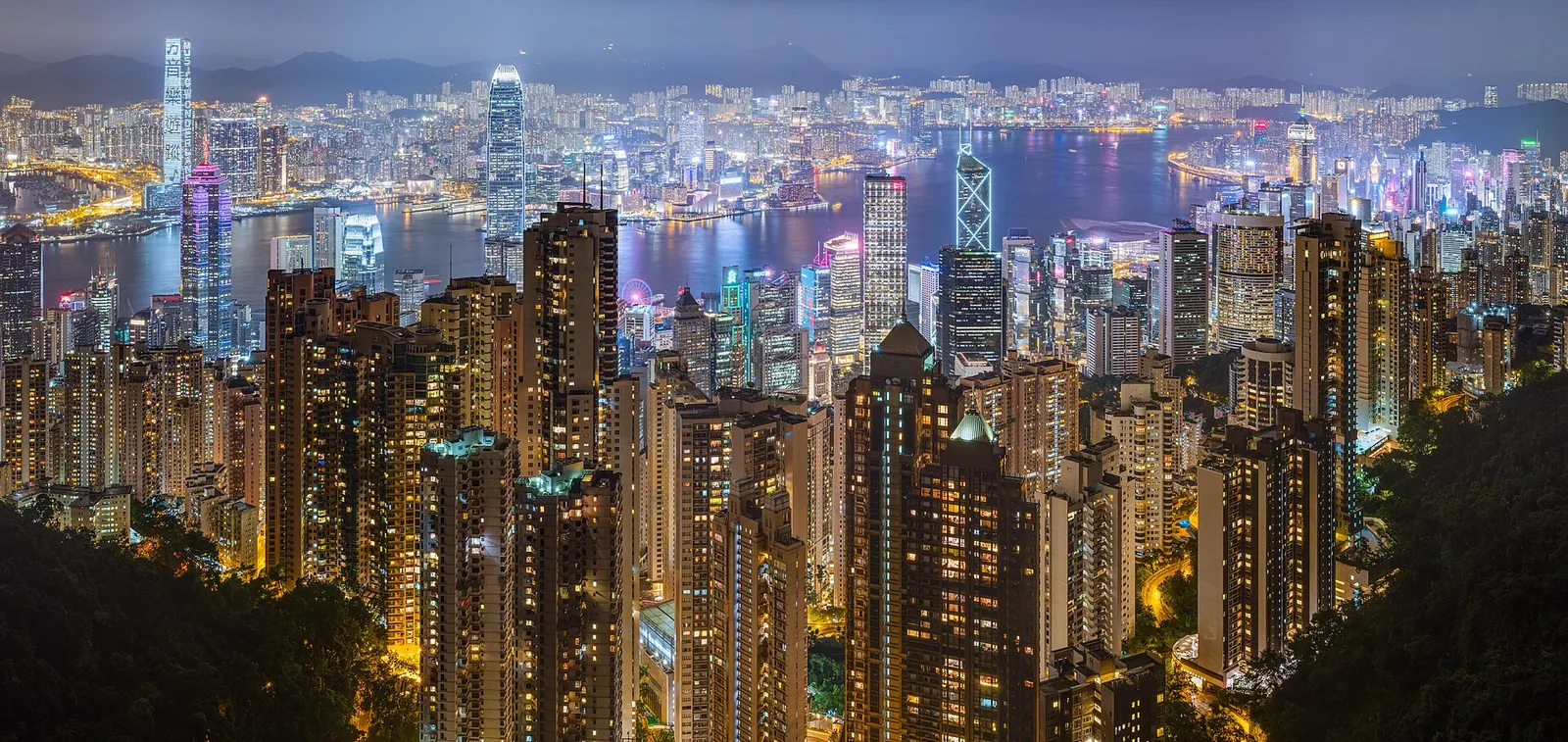
3 Days in Hong Kong: A Day-by-Day Itinerary
A 3-day Hong Kong plan: Central and the Peak Tram, the Star Ferry and Kowloon's markets, M+ in West Kowloon, then Lantau's Big Buddha and Tai O.
- 🗓️ Trip length
- 3 days
- ☀️ Best time
- November and December (sunny, breezy and comfortable)
- 💰 Daily spend
- HKD 150-450 (about USD 20-60) for transport and main paid sights; food, hotel and the Lantau cable car extra
- ✅ Facts checked
- 22 October 2026
Get ready for Hong Kong, a city that packs skyscrapers, mountain trails, temples, night markets and one of the world’s great harbours into a space you can cross in a ferry ride. Three days is a wonderful amount of time here: enough to ride the historic Peak Tram, eat your way through Kowloon and spend a full day out on Lantau with the Big Buddha and a stilt-house fishing village.
This plan suits first-time visitors, couples, friends and families with older children. The pace is lively but not frantic: one area per day, public transport between stops, and a big view or harbour moment every evening. Everything runs on one Octopus card, so you can spend your energy on dumplings and sunsets instead of ticket machines.
At a glance
| Day | Area | Highlights |
|---|---|---|
| 1 | Hong Kong Island | Central’s old and new streets, Peak Tram, Sky Terrace 428, Peak walk, Star Ferry at dusk |
| 2 | Kowloon | Tsim Sha Tsui promenade, M+ in West Kowloon, Mong Kok street markets, Temple Street Night Market |
| 3 | Lantau Island | Ngong Ping 360 cable car, Tian Tan Big Buddha, Po Lin Monastery, Tai O fishing village, Ding Ding tram ride |
Day 1: Hong Kong Island and the Peak
Morning
This is the day for the Hong Kong you have seen in a thousand photos! Start in Central, where glass towers stand right next to steep lanes, street stalls and colonial-era buildings. Wander uphill on foot (Central is compact, and the Mid-Levels escalators help with the climb), poke into the side streets of Sheung Wan, and stop for breakfast at a local cha chaan teng (Hong Kong-style café) for milk tea and a pineapple bun.
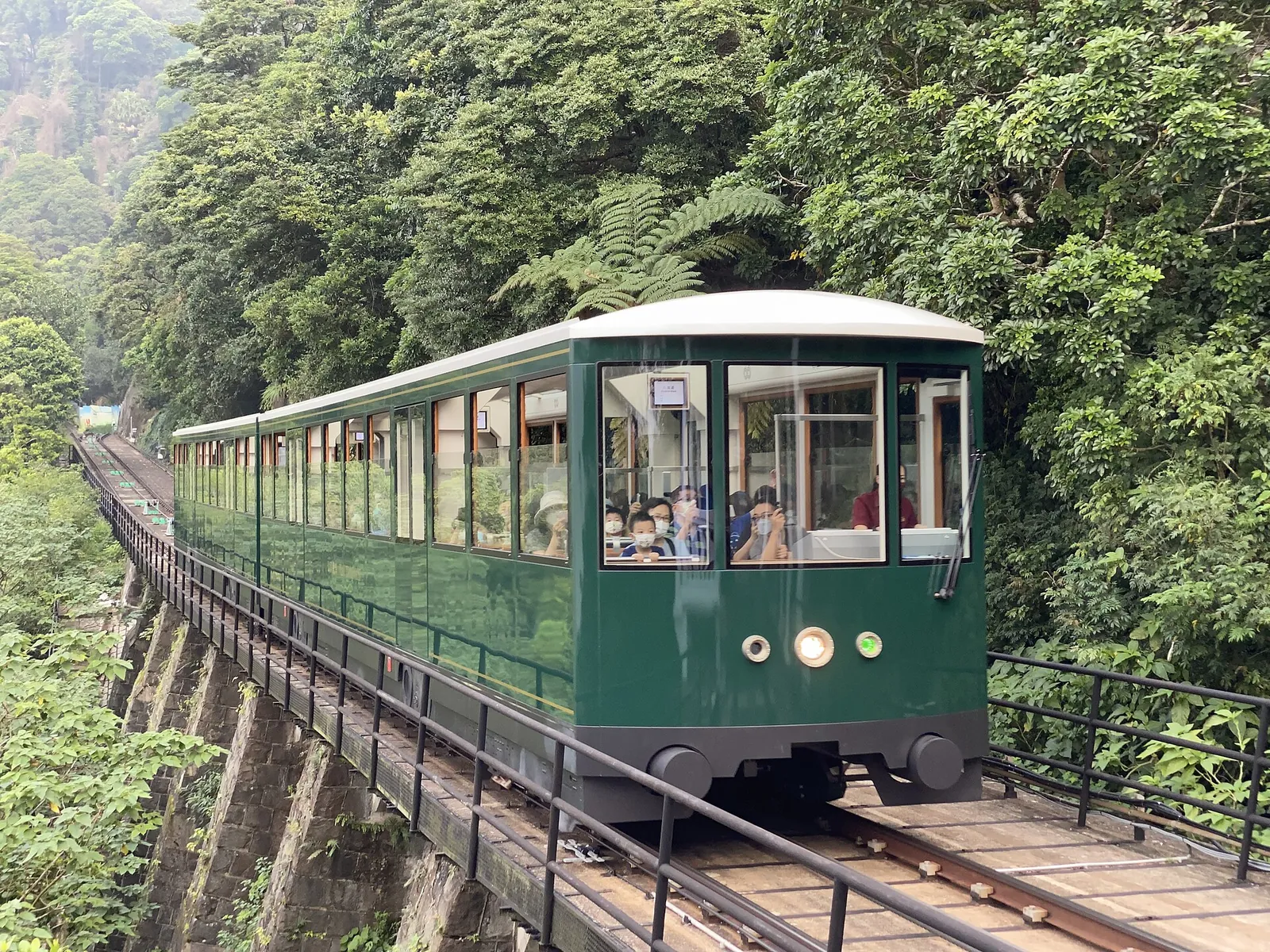
Late morning, head to the Peak Tram Central Terminus. The Peak’s official site says the walk from Central MTR Station takes about 10 to 15 minutes: leave by Exit J2 and follow the signed pedestrian route. The tram runs from 7:30 am to 11 pm every day and climbs about 396 metres up gradients of up to 25.7 degrees, so the city outside really does seem to tilt.
Tickets: the official webstore lists Peak Tram tickets from HK$82 for adults, and Special Combo tickets (tram plus Sky Terrace 428) from HK$146. There are also Morning (before noon) and Night (after 7 pm) combos at HK$155 for adults, covering a return tram ride and the terrace. You can buy timed e-tickets online in advance, which we recommend at weekends, or at the terminus on the day. Note that the FAQ says Octopus cannot be used for direct entry, but you can pay with Octopus at the ticket counters.
Afternoon
At the top, step out onto Sky Terrace 428, the highest viewing platform in Hong Kong at 428 metres above sea level (open 8:30 am to 10 pm; HK$80 for adults if bought separately). On a clear day the whole harbour lies at your feet.
Then trade the crowds for green: the Peak’s nature walks circle the summit along shaded paths with views over the skyline on one side and the South China Sea on the other. Take it at an easy pace and bring water. Ride the tram back down mid to late afternoon.
Evening
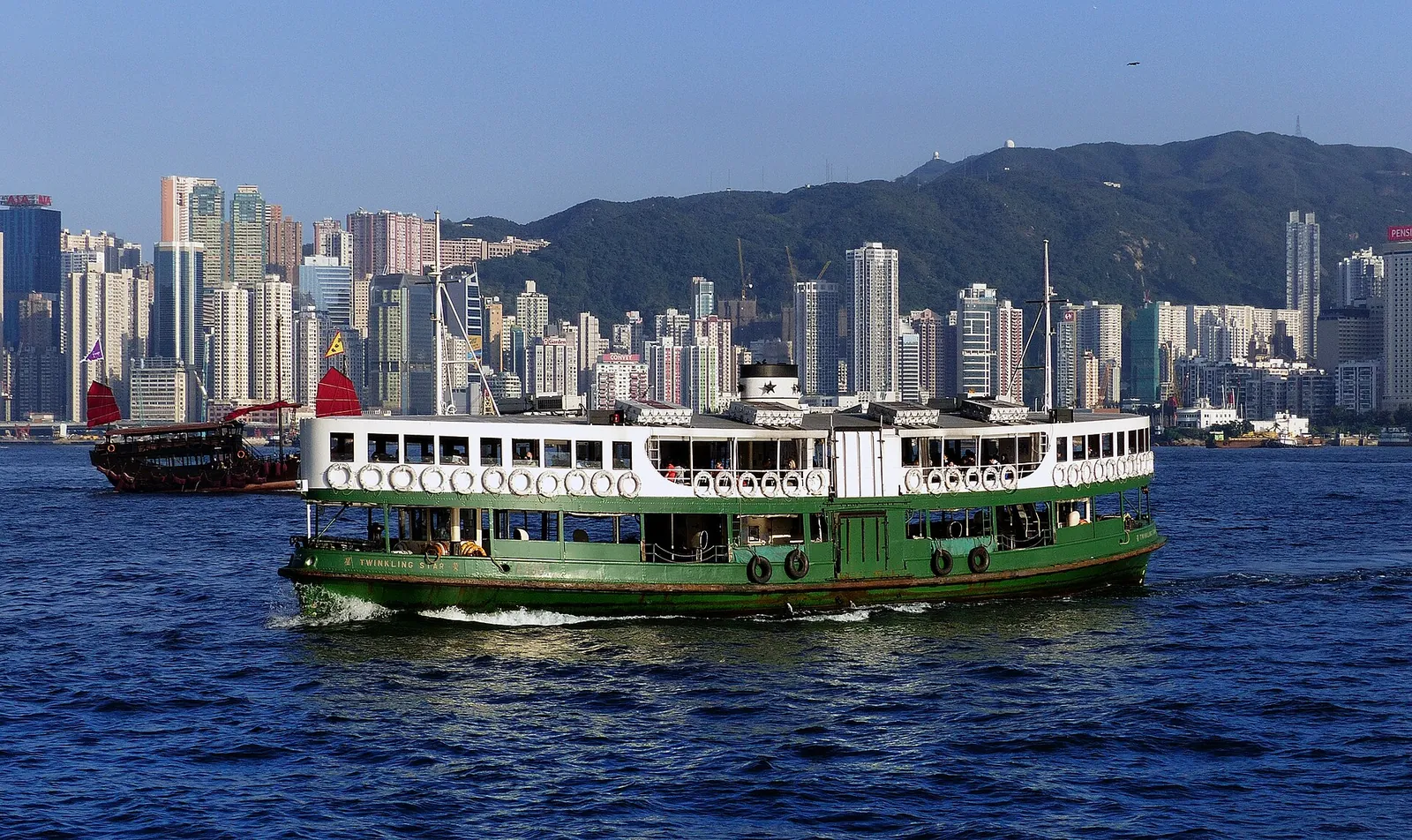
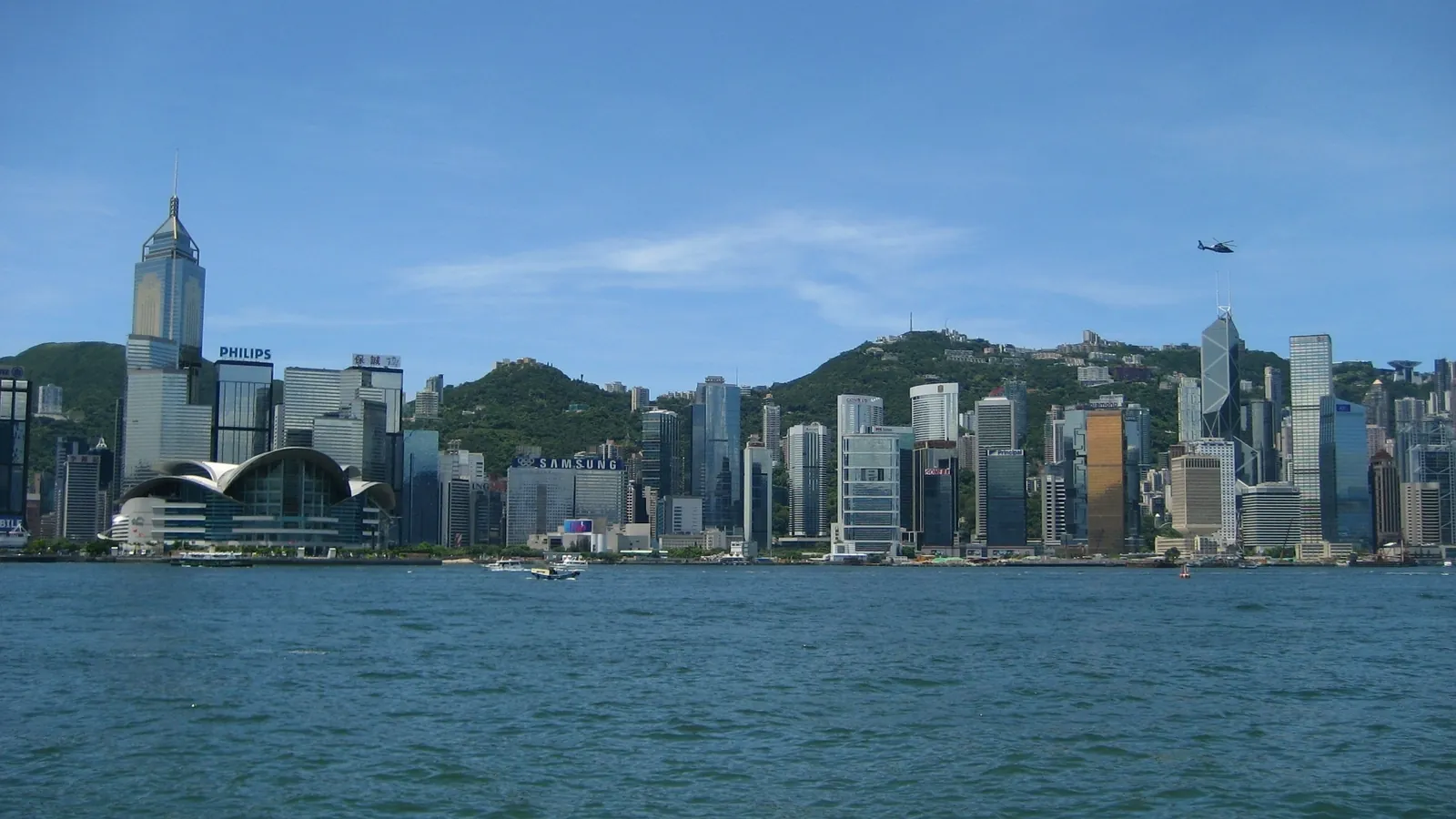
From Central, walk to Central Pier and hop on the Star Ferry to Tsim Sha Tsui. It is one of the world’s great bargain rides: adult upper-deck fares are HK$5 on weekdays and HK$6.50 at weekends and public holidays, with boats every 6 to 8 minutes for most of the day and services from 6:30 am to 11:30 pm. Ride at dusk and watch the Hong Kong Island skyline light up behind you.
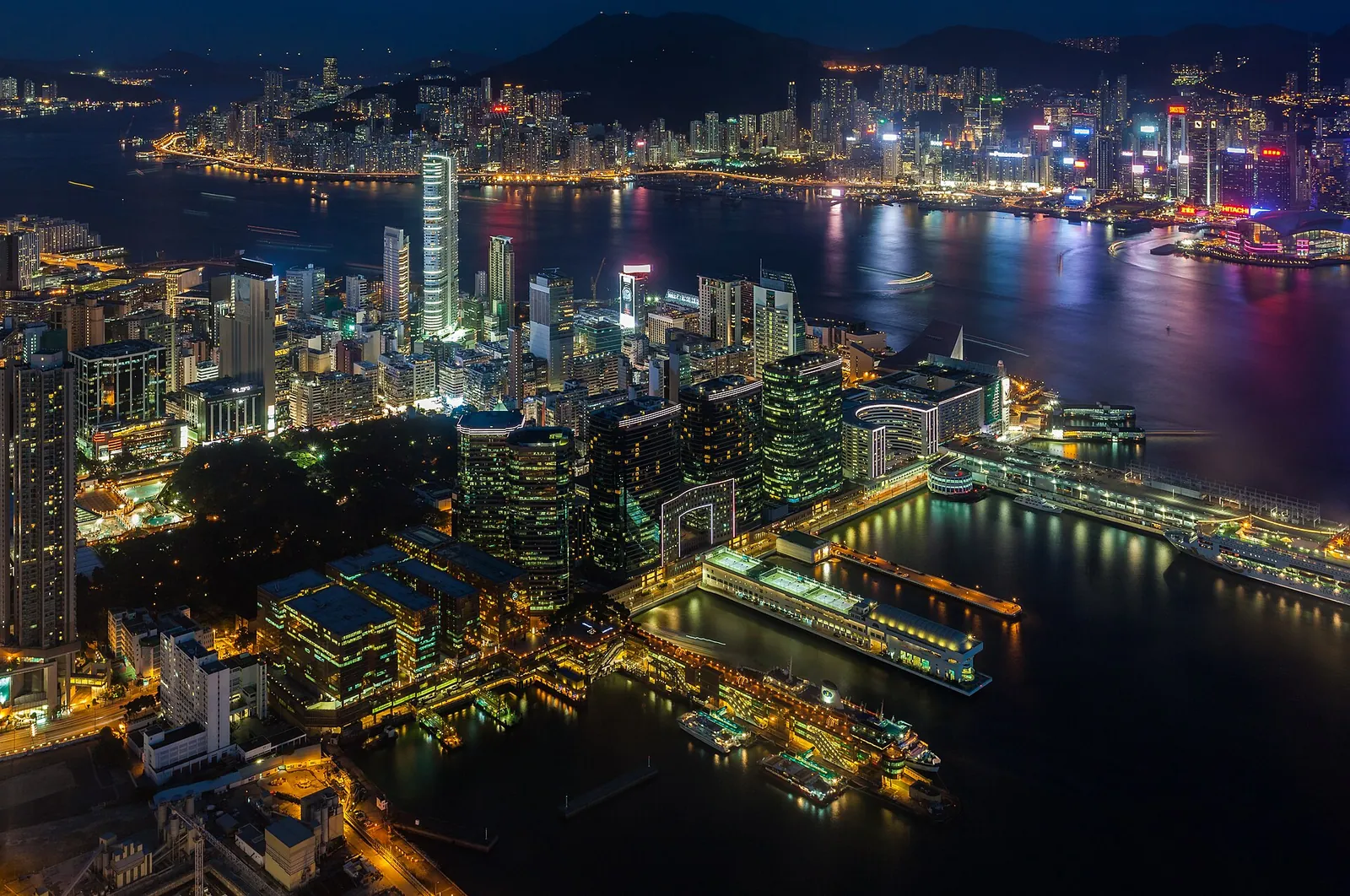
Stay on the Kowloon side for dinner, then catch “A Symphony of Lights”, staged every night at 8 pm with lights and lasers across the harbourfront buildings. Good spots are the waterfront outside the Hong Kong Cultural Centre and the Avenue of Stars. The show is cancelled if Typhoon Signal No. 3 or above or a Red or Black Rainstorm Signal is issued at or after 3 pm, and the government has announced plans to replace it with a new light show, so check the Tourism Commission page on the day.
Day 2: Kowloon, art and night markets
Morning
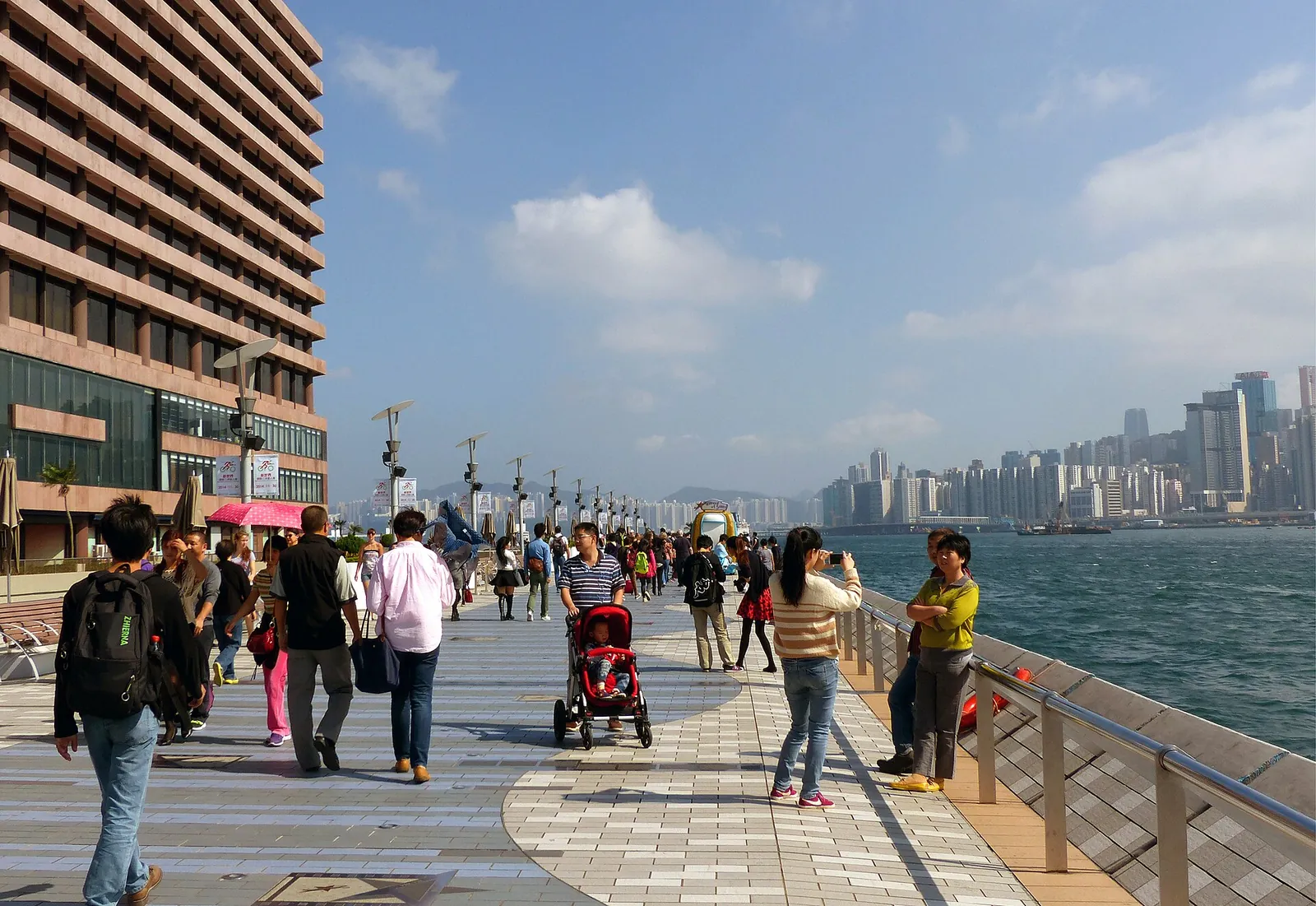
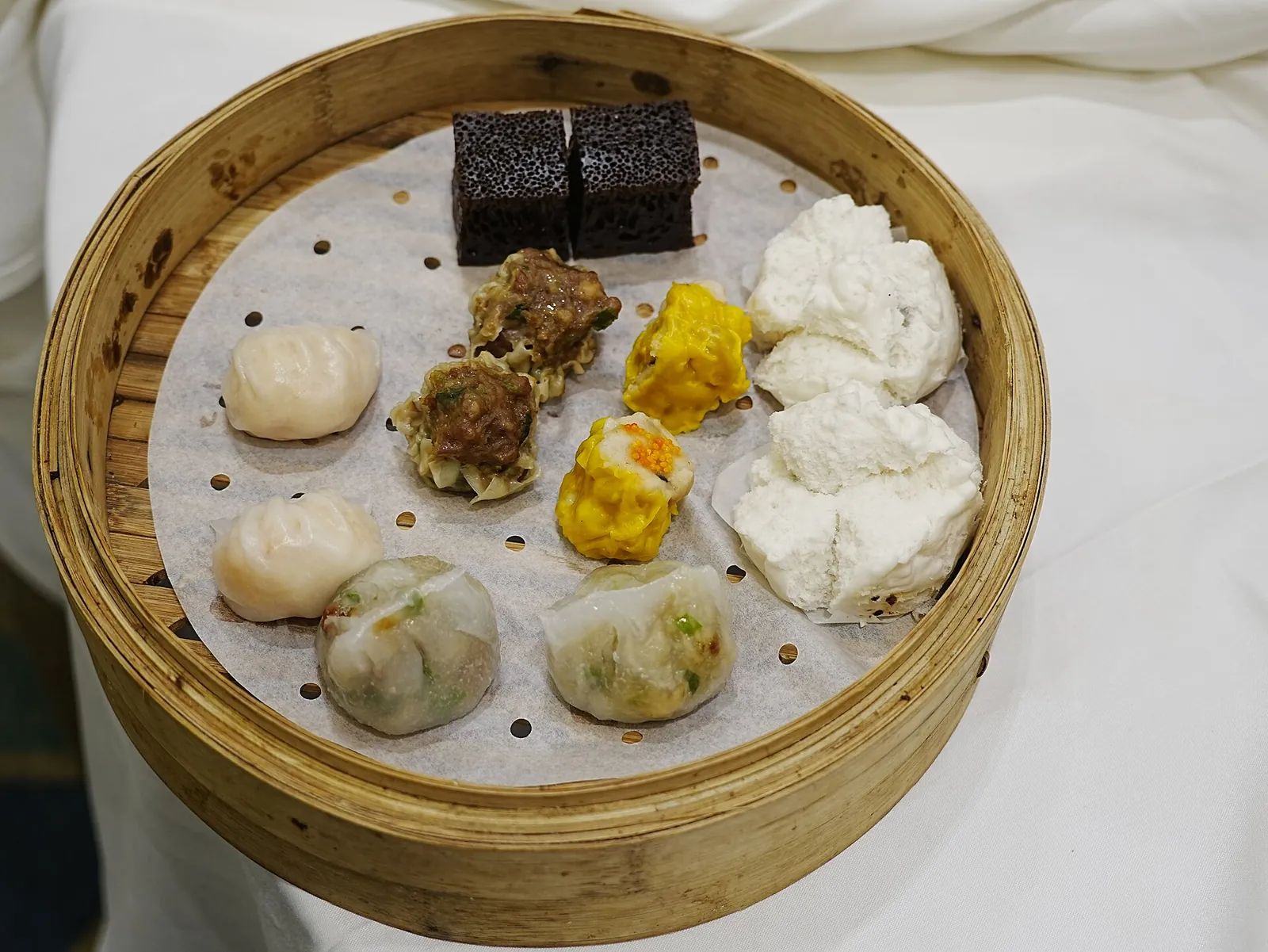
Save your appetite, because today is all about Kowloon’s energy and flavours! Begin with a morning stroll along the Tsim Sha Tsui promenade and the Avenue of Stars, when the light on the Hong Kong Island skyline is soft and the waterfront is calm. Grab a dim sum brunch nearby: steamed baskets of har gow and siu mai are a Hong Kong rite of passage.
From the promenade, continue west into the West Kowloon Cultural District (an easy waterfront walk, or a short MTR or taxi hop) for M+, Asia’s global museum of contemporary visual culture.
Afternoon
M+ opens Tuesday to Thursday and at weekends from 10 am to 6 pm, and on Fridays until 10 pm; it is closed on Mondays (last admission 30 minutes before closing). Adult tickets are HK$190 and cover all galleries, while several spaces, including the Roof Garden, are free. Check the Plan Your Visit page for special closures before you go: for example, M+ is closed on 31 October 2026. If your Day 2 falls on a Monday, swap it with Day 3.
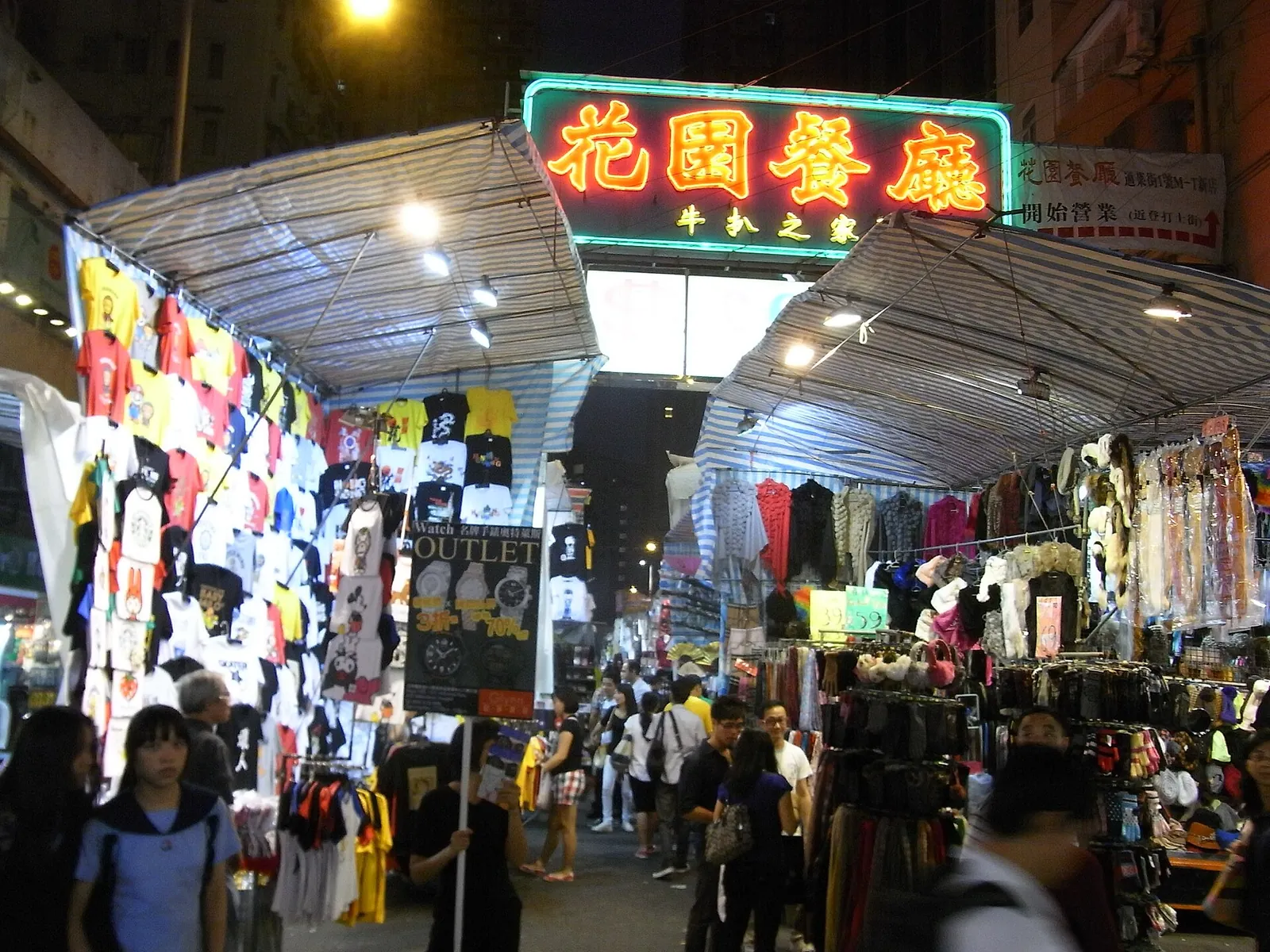
From the Roof Garden, the harbour view back towards Central is a highlight in its own right. Afterwards, take the MTR north to Mong Kok, one of the busiest neighbourhoods on earth. Browse the street markets around Tung Choi Street (the Ladies’ Market), the goldfish and flower stalls, and the sneaker shops, snacking as you go on curry fish balls and egg waffles.
Evening
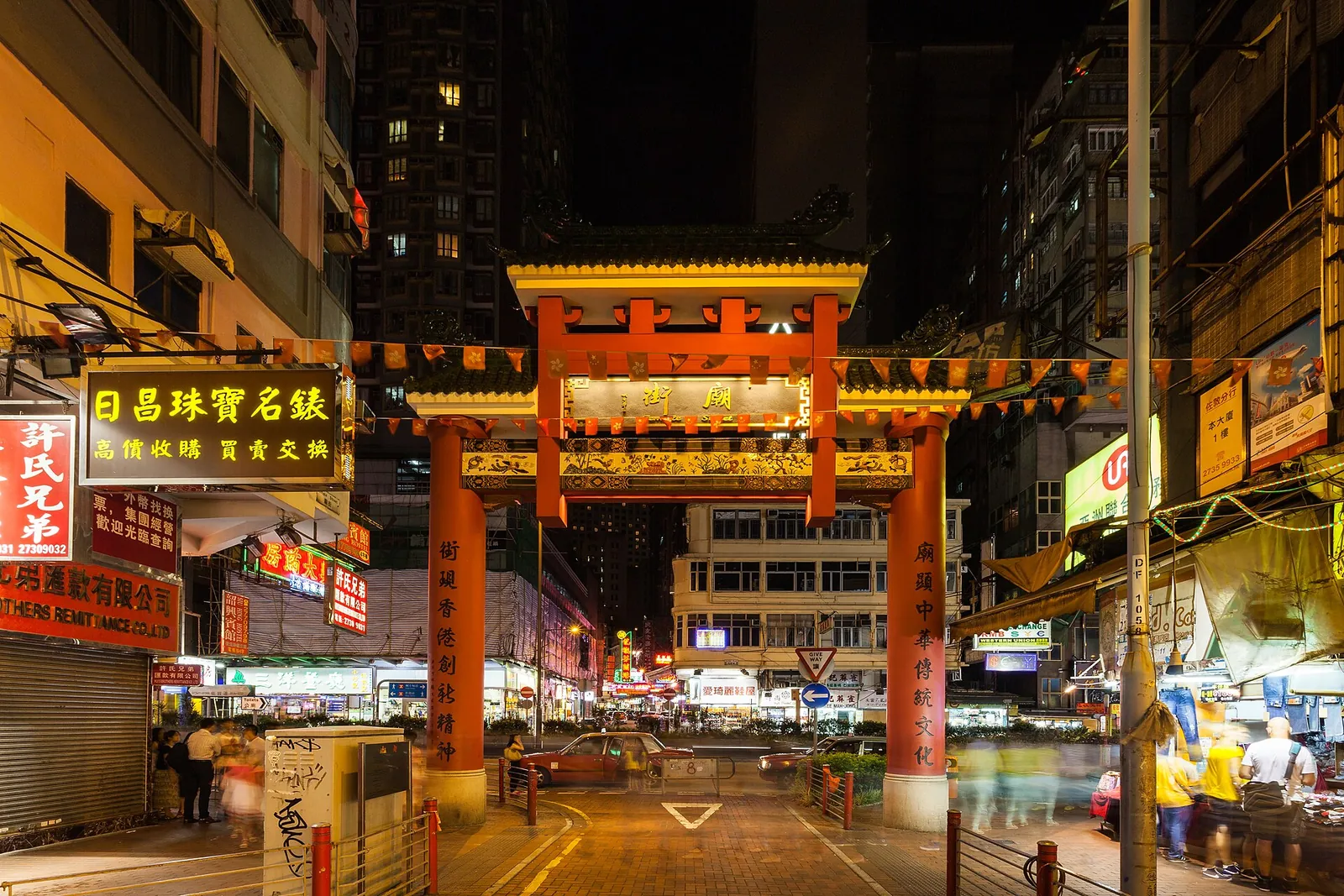
As the sun goes down, head south to Yau Ma Tei for Temple Street Night Market, where stalls of gadgets, souvenirs and fortune tellers sit beside open-air seafood and clay-pot rice. It is lively, loud and great fun. Haggling is normal at the stalls, so smile and agree a price before you pay. Ride the MTR back to your hotel when your feet give up.
Day 3: Lantau Island, Big Buddha and Tai O
Morning
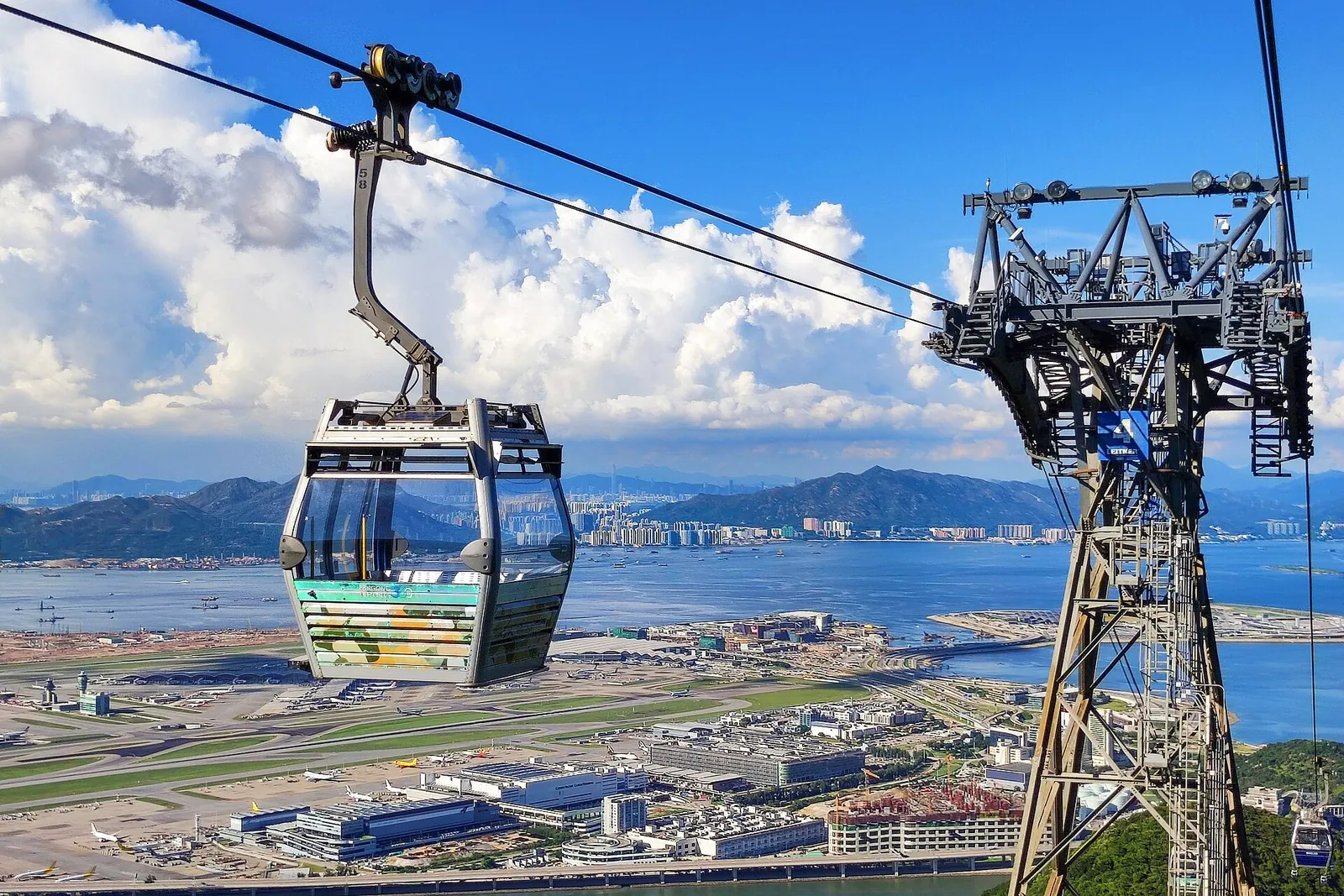
Get ready for a day of mountains, monasteries and sea air! Take the MTR Tung Chung Line to Tung Chung (use the MTR app or journey planner to check your route and time). The Ngong Ping 360 cable car station is right outside the MTR station, and the ride up to Ngong Ping takes about 25 minutes, with wide views over the airport, the sea and Lantau’s green peaks.
Ngong Ping 360 sells standard and glass-floored cabin tickets; check the official site for current fares, opening hours and any scheduled maintenance closures, and book ahead for weekends. If the cable car is closed or the queue is long, Po Lin Monastery’s official visitor page notes that New Lantao Bus route 23 from outside Tung Chung MTR Station reaches Ngong Ping in about 45 minutes.
Afternoon
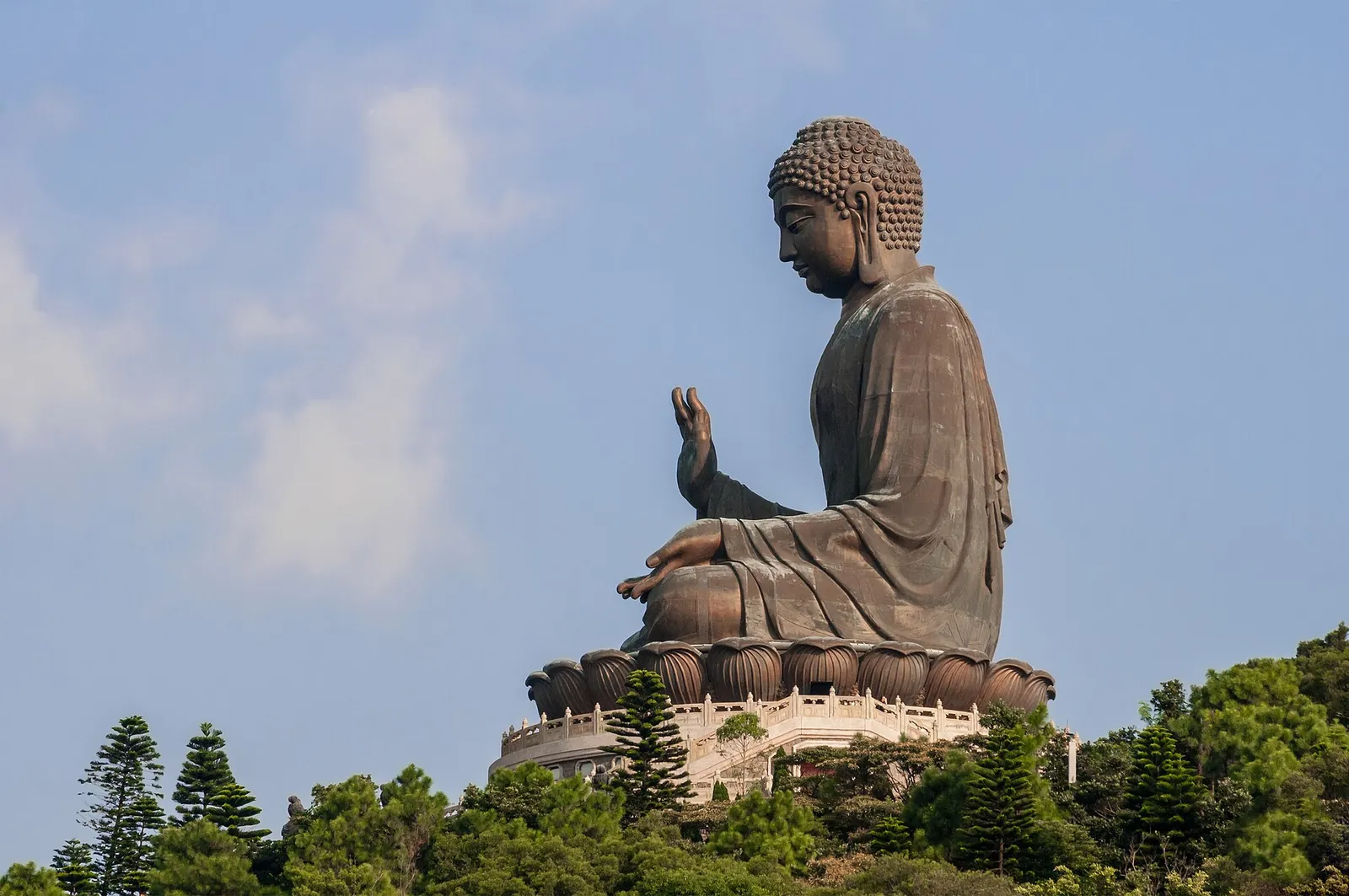
From the cable car station it is about a 10-minute walk to Po Lin Monastery. Climb the steps to the Tian Tan Big Buddha (open daily 10 am to 5:30 pm), one of the largest seated bronze Buddhas in the world, then explore the colourful halls of the monastery (9 am to 6 pm). The monastery’s Vegetarian Kitchen serves lunch from 11:30 am to 4:30 pm, a lovely way to refuel. Dress respectfully: shoulders and knees covered.
Mid-afternoon, take bus 21 from Ngong Ping to Tai O, about 15 minutes according to the monastery’s visitor information. Tai O is a fishing village of stilt houses over tidal creeks, dried-seafood stalls and grilled snacks. Wander the lanes, look out over the water and try a fresh egg puff or shrimp-paste treat. Return the same way to Ngong Ping for the cable car or bus back to Tung Chung, and leave yourself plenty of time before the cable car’s last ride.
Evening
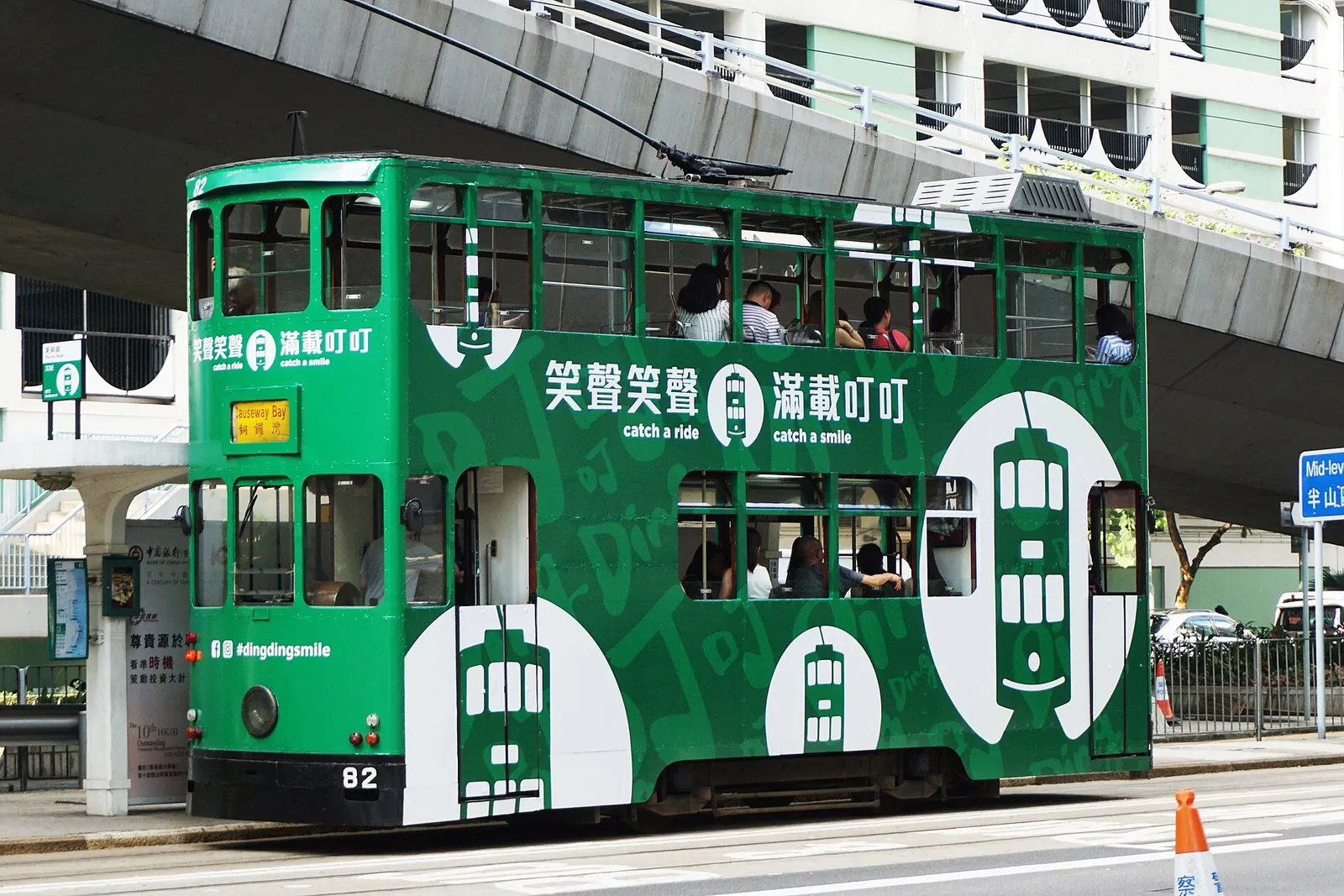
Back in the city, end your trip in the most Hong Kong way possible: on the upper deck of a Ding Ding, the double-decker trams that rattle along the north shore of Hong Kong Island. The adult fare is a flat HK$3.30, paid with Octopus when you get off. Ride east from Central towards Causeway Bay, watch the neon and the crowds flow past the window, then hop off for a celebratory dinner and dessert.
Getting there and getting around
From the airport. The Airport Express is the fastest route: about 24 minutes to Hong Kong Station in Central, with trains roughly every 10 minutes from 5:54 am to 12:48 am. Adult fares to Hong Kong Station are HK$120 with Octopus or HK$130 with a single ticket; to Kowloon Station they are HK$105 with Octopus or HK$115 with a single ticket. A red urban taxi from the airport costs about HK$375 to Central or HK$290 to Tsim Sha Tsui according to the airport’s guide, plus possible baggage charges.
Octopus card. Buy a Tourist Octopus (HK$39, no deposit, no stored value included, so add credit) and use it for the MTR, buses, trams, ferries and minibuses, plus convenience stores, cafés and fast-food chains. Octopus also works on iPhone and Apple Watch.
Getting around. The MTR covers almost everything in this plan. The Star Ferry and the trams are cheap, scenic and a joy in their own right. Taxis are plentiful; red ones serve the urban areas, blue ones Lantau.
Entry. Visa rules depend on your nationality, and many visitors can enter visa-free for a set stay. Check the Hong Kong Immigration Department’s official page on visit visa and entry permit requirements before you book.
Where to stay
- Tsim Sha Tsui (Kowloon): Harbour views, shopping, easy Star Ferry access and the Symphony of Lights on your doorstep. Great for first-timers.
- Central and Sheung Wan (Hong Kong Island): Right by the Peak Tram, the Airport Express terminus and the best bars and cafés. Ideal if you love walking and nightlife.
- Causeway Bay and Wan Chai: Lively, full of food and malls, well linked by MTR and tram. Often slightly better value than Central.
- Yau Ma Tei and Mong Kok: Local, buzzing and close to the night markets. Good for travellers who want street life and lower prices.
Budget
Prices below are verified on official sites today. Hong Kong dollars are pegged to the US dollar within a band of HK$7.75 to 7.85 per USD, so HK$100 is roughly USD 13.
| Item | Typical cost |
|---|---|
| Airport Express, airport to Hong Kong Station (Octopus) | HK$120 |
| Tourist Octopus card (credit extra) | HK$39 |
| Peak Tram ticket (adult) | from HK$82 |
| Peak Tram + Sky Terrace 428 combo (adult) | from HK$146 |
| Star Ferry, upper deck (adult) | HK$5 weekdays, HK$6.50 weekends |
| Ding Ding tram (adult, any distance) | HK$3.30 |
| M+ admission (adult) | HK$190 |
| Ngong Ping 360 cable car | check the official site |
| Big Buddha and Po Lin Monastery | free to visit |
The daily range in the header covers transport and the main paid sights only. Meals, hotel, shopping and the cable car are extra. Food can be very affordable at cha chaan tengs and street stalls, or very lavish, so budget to taste.
Practical tips
- Weather: The Hong Kong Observatory describes November and December as pleasant, sunny and breezy, and many locals see them as the best months. May to August is hot and humid with showers, and tropical cyclones are possible from May to November.
- Typhoon and rainstorm signals: Watch the Hong Kong Observatory. Some attractions, including the Symphony of Lights and the Peak Tram, may be suspended in bad weather.
- Closing days: M+ is closed on Mondays. Always check the Ngong Ping 360 website for maintenance closures.
- Temples: Cover shoulders and knees at Po Lin Monastery and other temples, and be quiet around worshippers.
- Money: Octopus and cards are widely accepted, but keep some cash for small market stalls.
- SIM and data: Prepaid SIMs and eSIMs are easy to buy at the airport and convenience stores.
Heads-up: what to watch out for
Hong Kong is a joy to explore, and a few simple habits keep it that way.
- Check the typhoon signals: Typhoon season runs from May to November, and public transport and offices shut down when Typhoon Signal No. 8 is raised. Good to know: follow the Hong Kong Observatory before outdoor days like the Peak or Lantau, and keep a flexible plan B.
- Mind your pockets in crowds: Violent crime is low, but pickpocketing happens in busy places. Easy to avoid: keep passports, cards and phones zipped away in packed markets, ferries and MTR stations.
- Watch your drink: Drink spiking is rare but does happen. Never leave drinks unattended and do not accept drinks from strangers on a night out.
- No littering, spitting or jaywalking: These can earn you an on-the-spot fine. Use the bins and wait for the green man, even when locals dash across.
- CBD is illegal here: All cannabis products, including CBD oils, creams and snacks, are banned, and drug laws are very strict, even in transit. Leave anything like that at home.
- Skip ivory souvenirs: Importing and re-exporting elephant ivory, including small tourist trinkets, is illegal and can mean a fine or prison.
- Be aware of national security laws: Hong Kong’s national security laws apply to everyone, can be interpreted broadly and cover what you post online. Avoid political protests and steer clear of military sites with your camera.
- Stay on marked trails: If you add a walk or hike around the Peak or Lantau, keep to the marked paths and leave valuables behind.
- Get travel insurance: Medical treatment for uninsured visitors is expensive. In an emergency, call 999.
FAQ
Is 3 days enough for Hong Kong?
Yes. Three days lets you cover Hong Kong Island, Kowloon and Lantau at a comfortable pace. With extra days, add a beach or hiking day, or the outlying islands.
Do I need to pre-book the Peak Tram?
It is not required, but timed e-tickets on the official site help you avoid queues at weekends and on public holidays.
What is the best way from the airport to the city?
The Airport Express: about 24 minutes to Central, with frequent trains and an Octopus fare of HK$120 to Hong Kong Station.
When is the Symphony of Lights?
Every night at 8 pm, unless cancelled for bad weather. The government plans to replace it with a new light show, so check the Tourism Commission page for the latest status.
Can I use one card for everything?
Mostly, yes. A Tourist Octopus covers the MTR, buses, trams, ferries and many shops and cafés. The Peak Tram needs a ticket, but you can buy it with Octopus at the counter.
Sources
Prices, hours and rules change. We checked these on 22 October 2026; please confirm on the official page before you book.
- Hong Kong International Airport: Airport Express
- Hong Kong International Airport: Taxis
- MTR: Airport Express Taxi Interchange Offer
- The Peak: Online ticketing and opening hours
- The Peak: Transportation to the Peak Tram Central Terminus
- The Peak: FAQ
- Star Ferry: Ferry Services, timetable and fares
- Avenue of Stars: A Symphony of Lights
- Tourism Commission: A Symphony of Lights special announcements
- M+: Plan Your Visit
- M+: Single-price admission (press release)
- Po Lin Monastery: Visitor Information
- Ngong Ping 360 (official site)
- Hong Kong Tramways: Schedules and Fares
- Octopus: Tourist Octopus (Sold version)
- Octopus: What is Octopus?
- Hong Kong Observatory: Climate of Hong Kong
- Hong Kong Monetary Authority: Linked Exchange Rate System
- Immigration Department: Visit Visa / Entry Permit Requirements
- UK FCDO: Hong Kong travel advice, Safety and security
- UK FCDO: Hong Kong travel advice, Health
Photo credits (12)
- Hong Kong's glittering skyline and Victoria Harbour at night: Benh LIEU SONG (Flickr), CC BY-SA 4.0, via Wikimedia Commons
- A green Peak Tram climbing through the trees: LN9267, CC BY-SA 4.0, via Wikimedia Commons
- A Star Ferry crossing Victoria Harbour under blue skies: Bernard Spragg. NZ from Christchurch, New Zealand, CC0, via Wikimedia Commons
- Strolling the sunny Tsim Sha Tsui promenade by the harbour: Bernard Spragg. NZ from Christchurch, New Zealand, CC0, via Wikimedia Commons
- Temple Street's red gateway glowing at night: Diego Delso, CC BY-SA 3.0, via Wikimedia Commons
- Ngong Ping 360 cabin gliding above Lantau's coast: Sparktour, CC BY-SA 4.0, via Wikimedia Commons
- The Tian Tan Big Buddha against a blue sky: Béria Lima de Rodríguez, CC BY-SA 3.0, via Wikimedia Commons
- A bamboo basket of colourful Hong Kong dim sum: Peachyeung316, CC BY-SA 4.0, via Wikimedia Commons
- A green double-decker Ding Ding tram in the city: Exploringlife, CC BY-SA 4.0, via Wikimedia Commons
- Hong Kong Island's skyline across Victoria Harbour: User:Ahleong, CC BY-SA 3.0, via Wikimedia Commons
- Neon signs and stalls in Mong Kok at night: Ekratoem, CC BY-SA 3.0, via Wikimedia Commons
- Kowloon and Victoria Harbour lit up after dark: Diego Delso, CC BY-SA 3.0, via Wikimedia Commons
This is a researched plan, not a personal trip report. How we research · Affiliate disclosure