
7 Days in Ireland: Dublin, Galway, the Cliffs of Moher and Killarney
A 7-day Ireland plan by train, bus or car: Dublin, Galway and Connemara, the Cliffs of Moher, Killarney and the Ring of Kerry, with checked fares and hours.
- 🗓️ Trip length
- 7 days
- ☀️ Best time
- May to September (longer days); winter hours apply at many sites
- 💰 Daily spend
- Sights and transport about EUR 15-45 per adult a day; rooms and meals extra
- ✅ Facts checked
- 1 November 2026
Get ready for a week of green hills, music spilling out of pubs, wild Atlantic cliffs and lakes ringed by mountains. This seven-day plan crosses Ireland from east to west and down to the southwest: a first taste of Dublin, then Galway and Connemara, the Cliffs of Moher, and finally Killarney and the Ring of Kerry before heading back to Dublin.
It suits first-timers, couples, friends and families who want the big hitters at a comfortable pace. You can do it by train and bus, or rent a car for the west, which gives you more freedom on the scenic routes. For a deeper look at the capital, see our separate 3 days in Dublin plan. Plan less, see more.
At a glance
| Day | Area | Highlights |
|---|---|---|
| 1 | Dublin | Georgian squares, Temple Bar, the River Liffey |
| 2 | Dublin to Galway | Train west, Latin Quarter, Spanish Arch |
| 3 | Connemara | Lakes, bog and mountains, Kylemore Abbey |
| 4 | Cliffs of Moher and the Burren | The cliffs, O’Brien’s Tower, Doolin |
| 5 | Galway to Killarney | Travel south, first evening in Killarney |
| 6 | Ring of Kerry | Coastal loop drive or tour |
| 7 | Killarney National Park | Muckross House, lakes, train back to Dublin |
Day 1: Dublin, a lively first taste
Morning
Welcome to Ireland! Land, drop your bags and ease in with a walk. Dublin’s centre is compact: St Stephen’s Green, Grafton Street and Trinity College sit within a few minutes’ walk of each other. If you want to see the Book of Kells at Trinity, book a timed ticket on the official site, as slots sell out.
Afternoon
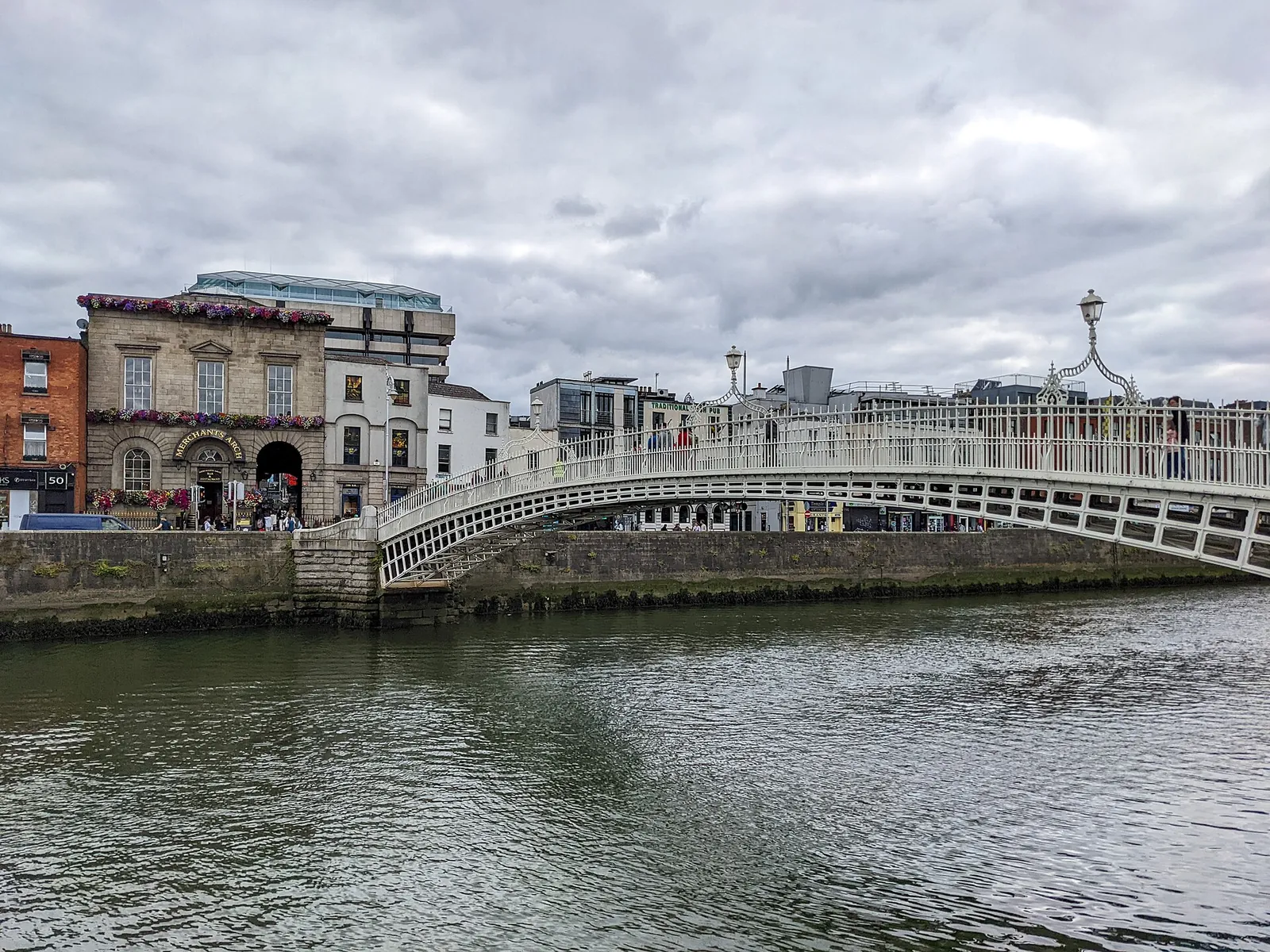
Cross the River Liffey on the Ha’penny Bridge, wander Temple Bar’s cobbled lanes and keep going west to Dublin Castle and Christ Church Cathedral. Everything here is walkable, and for longer hops the city’s buses, Luas trams and DART trains cover the rest.
Evening
Dublin evenings are about food and music. Find a pub with a traditional session, or stroll the quays as the lights come on. Get an early night: tomorrow you head west.
Day 2: West to Galway
Morning
This is the day you cross the country. Trains to Galway leave from Dublin Heuston. Irish Rail’s fare table for the Dublin to Galway line lists adult singles up to EUR 30.45 and open returns up to EUR 43.35, and the operator says to book online in advance for its lowest web fares. Check journey times and departures on the Irish Rail journey planner. If you are renting a car, many travellers pick it up in Galway rather than driving out of Dublin.
Afternoon
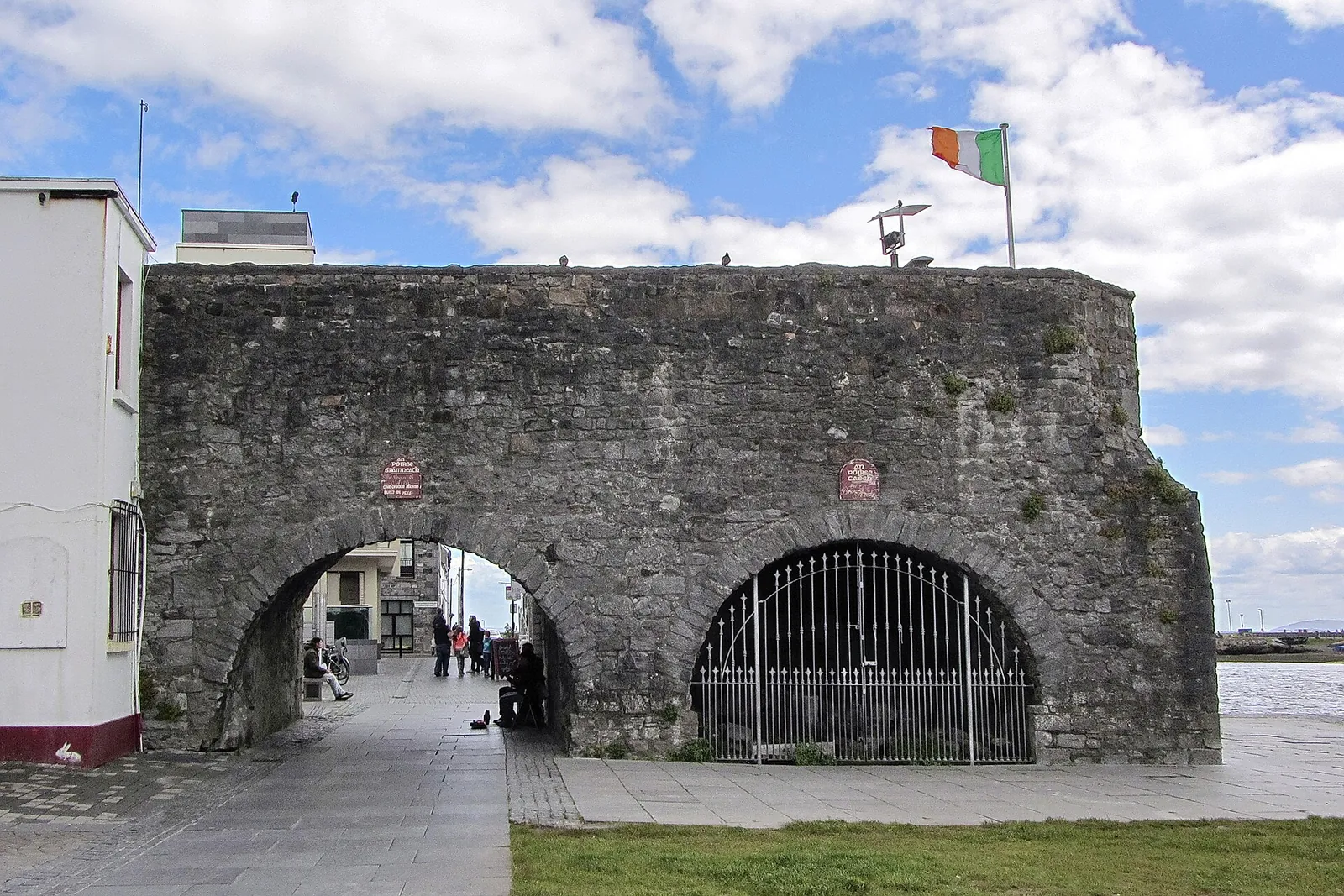
Galway is small, colourful and made for wandering. Start in the pedestrian streets of the Latin Quarter, then follow the river down to the Spanish Arch where the Corrib meets Galway Bay. Street performers, bookshops and cafés fill the gaps in between.
Evening
Walk out along the bay to the Salthill promenade for sunset over the water, then come back into town for dinner and a session. Galway is famous for live traditional music, so you will rarely have to look far.
Day 3: The wild beauty of Connemara
Morning
Save your camera battery for this one. Connemara, west of Galway, is a sweep of lakes, bogland and mountains that feels a world away from the city. With a car, the drive west through Oughterard and on into the hills is the trip itself. Without one, a day tour from Galway is the easy option.
Afternoon
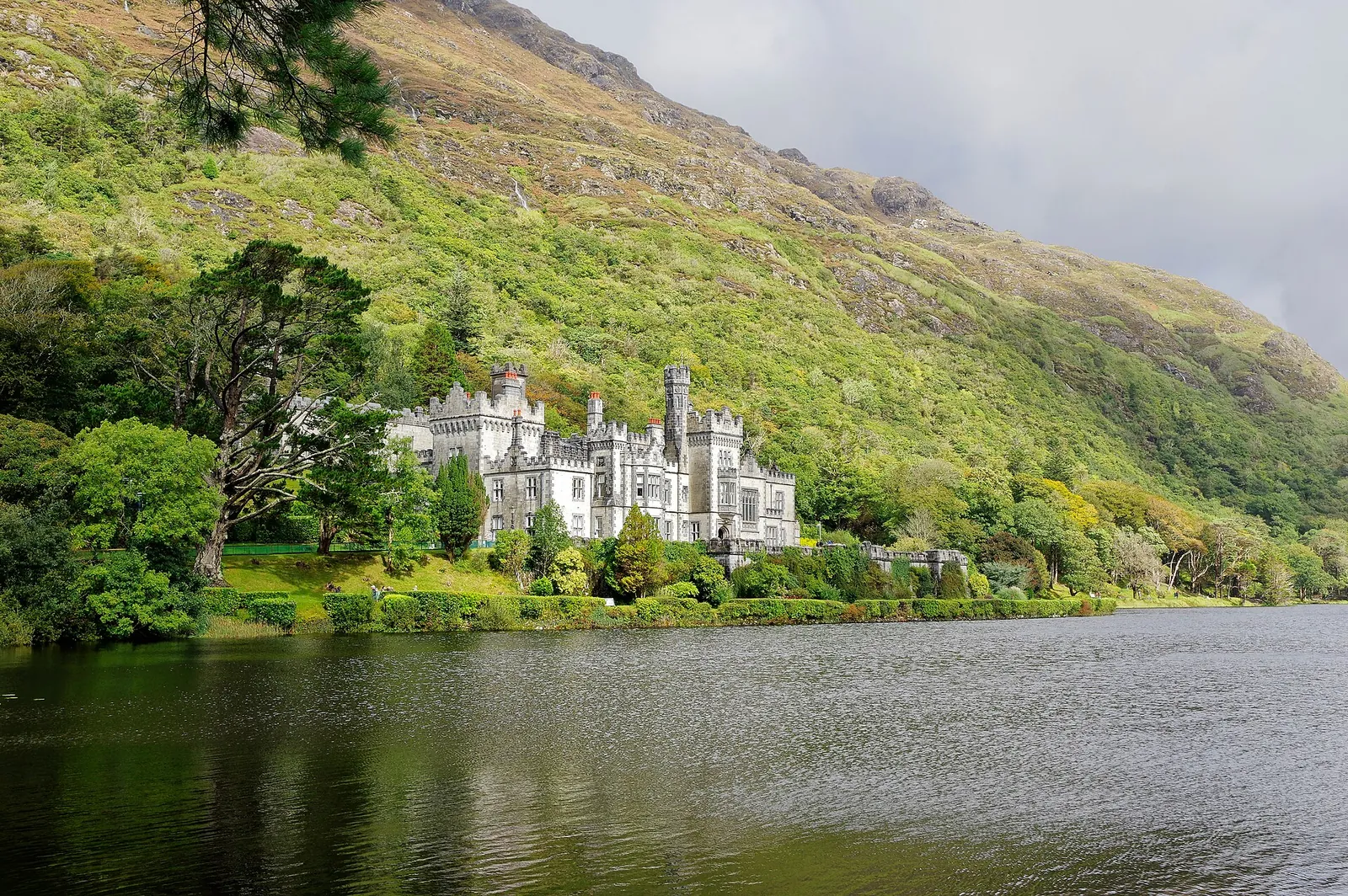
The postcard stop is Kylemore Abbey, a castle-like house on the edge of a lake with a walled Victorian garden. Hours change by season and ticket prices are not published in a form we could confirm today, so check the official site (kylemoreabbey.com) and book ahead to get in faster. Pair it with a walk in Connemara National Park or a stop in the little town of Clifden.
Evening
Head back to Galway for a relaxed dinner. If you are driving, allow plenty of time: Connemara’s roads are narrow and winding, and it gets dark early in winter.
Day 4: The Cliffs of Moher and the Burren
Morning
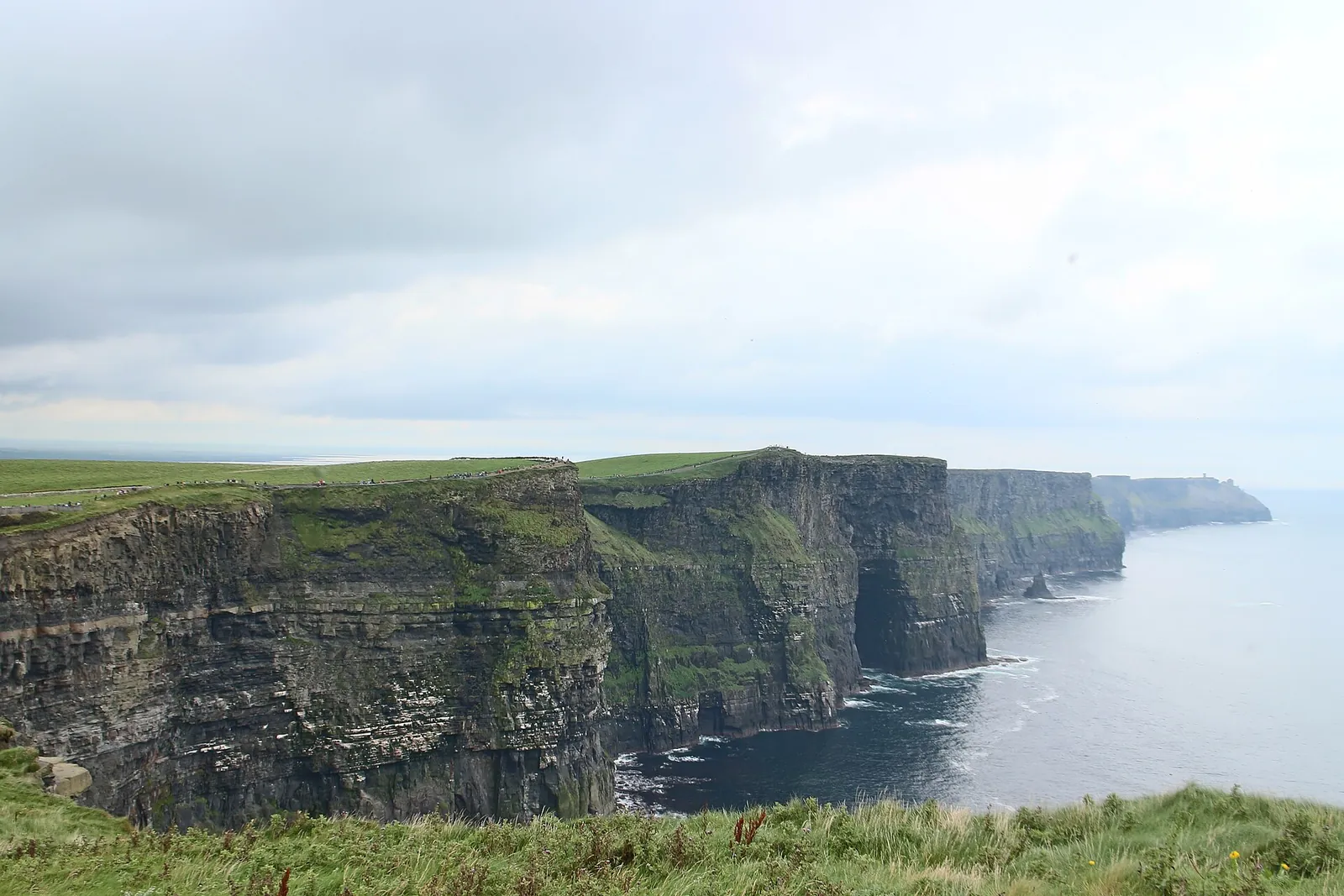
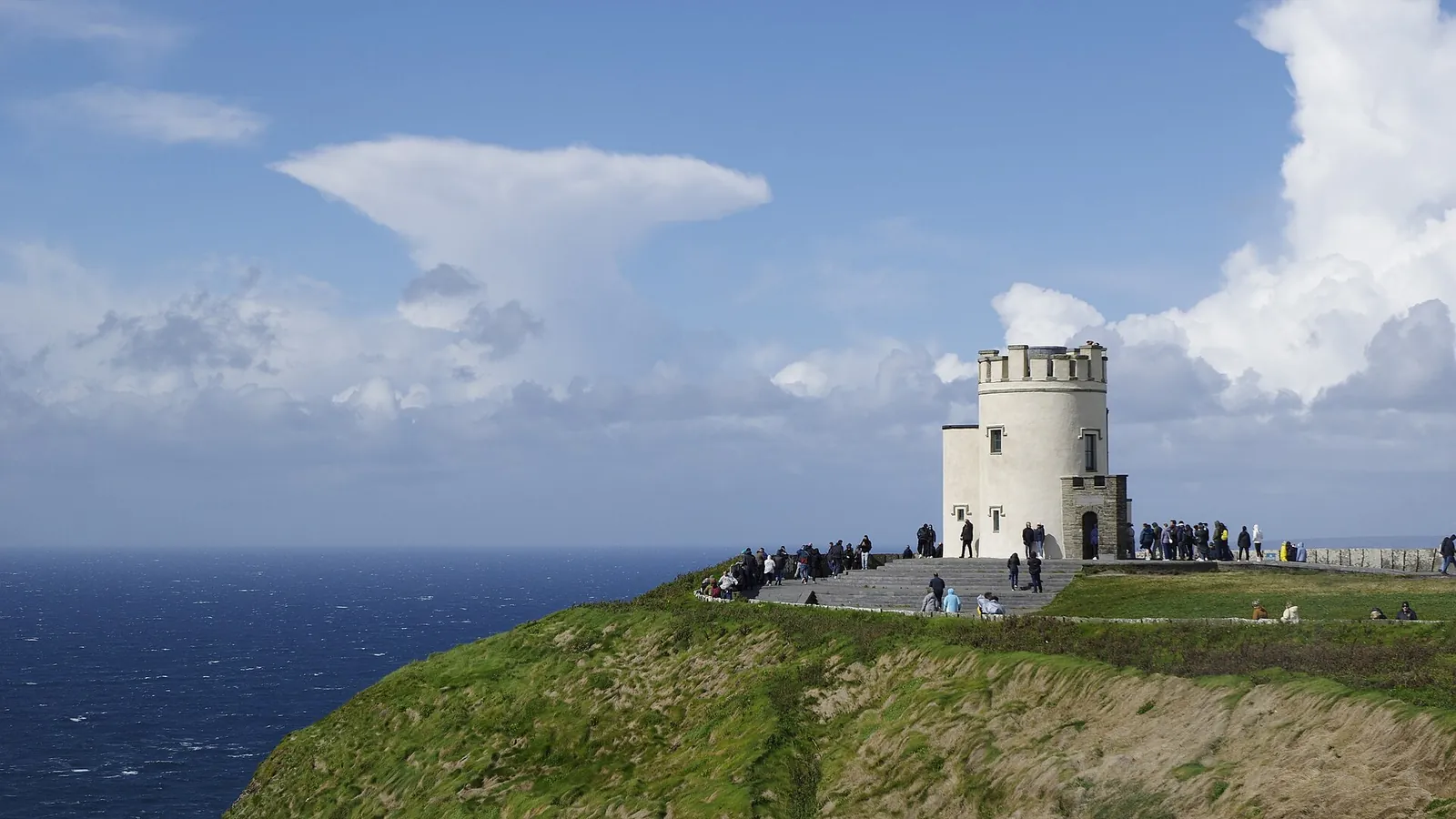
This is the big one. The Cliffs of Moher rise straight out of the Atlantic in County Clare, south of Galway. By public transport, the Cliffs of Moher Experience says Bus Éireann route 350 runs between Galway, the Cliffs of Moher and Ennis, with up to ten services a day each way in summer, and TFI Local Link route 351 runs four services a day each way between Galway and the cliffs. Check the current timetable before you go. By car, the road south through the Burren’s grey limestone landscape is a highlight in itself.
Afternoon
Admission includes parking, the visitor centre and exhibition, the paved cliff paths and O’Brien’s Tower, and the official site says a 2026 ticket allows a two-hour visit from your entry time. The 2026 gate price is EUR 15 per adult, children under 12 go free (up to four per accompanying adult), and online booking is cheaper, especially outside the 11am to 4pm peak. Opening hours are 9am to 5pm from 1 November, after 8am to 7pm in October, so check the site for your dates. Stay well back from the edge and stick to the paved paths.
Evening
The village of Doolin, just north of the cliffs, is a classic stop for music and a seafood dinner before heading back to Galway.
Day 5: Galway to Killarney
Morning
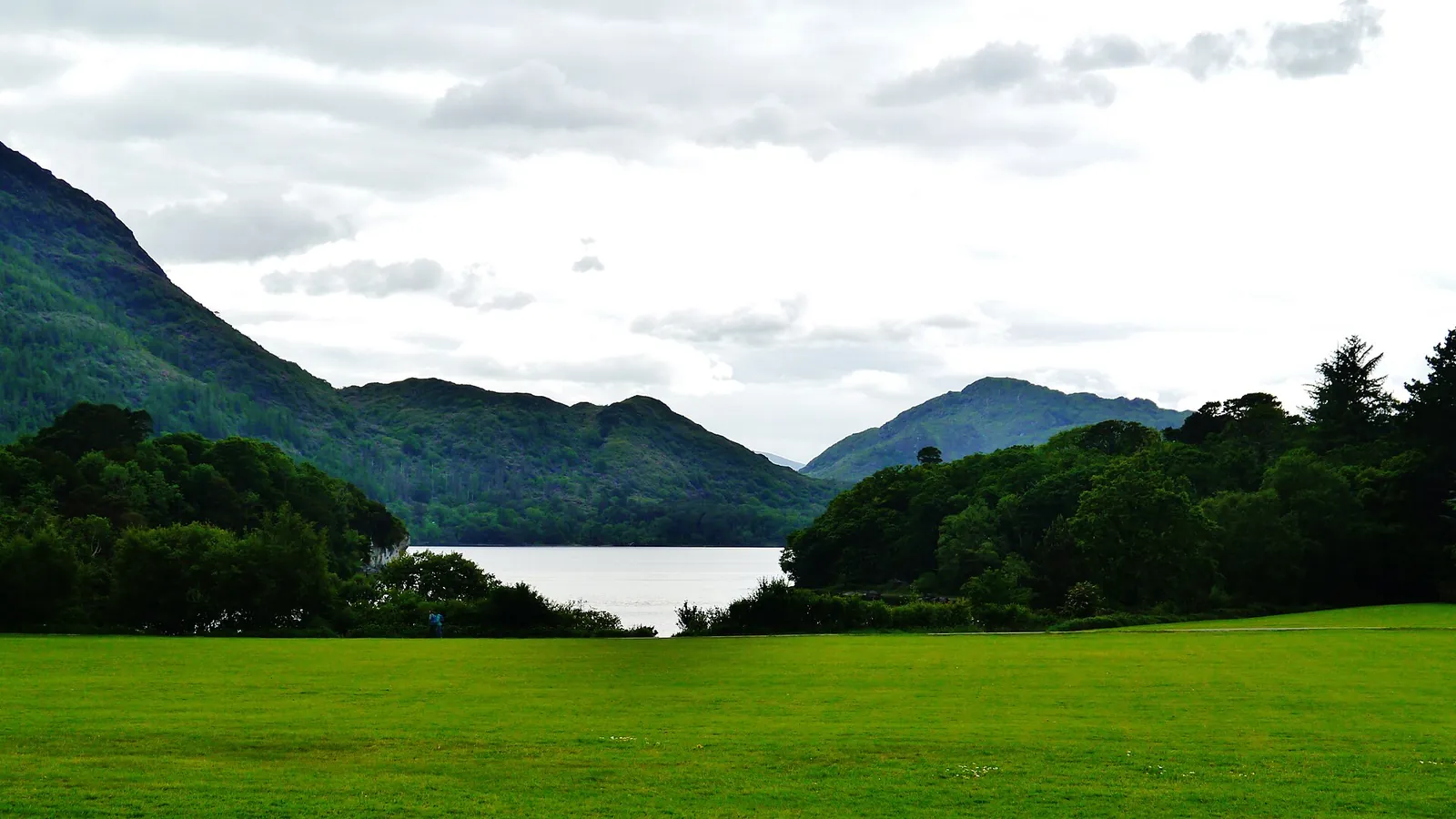
Today you swap the west coast for the mountains and lakes of County Kerry. By car, the trip south runs past Limerick and into Kerry. Without a car, plan your bus or train connections on the Transport for Ireland journey planner or the Bus Éireann and Irish Rail sites, as the route usually involves a change.
Afternoon
Arrive in Killarney, a lively market town right on the edge of Killarney National Park. Check in, then walk the main streets and loosen up after the journey.
Evening
Killarney has plenty of pubs and restaurants within a few minutes of each other. Have an early night if you plan to set off on the Ring of Kerry in the morning.
Day 6: The Ring of Kerry
Morning
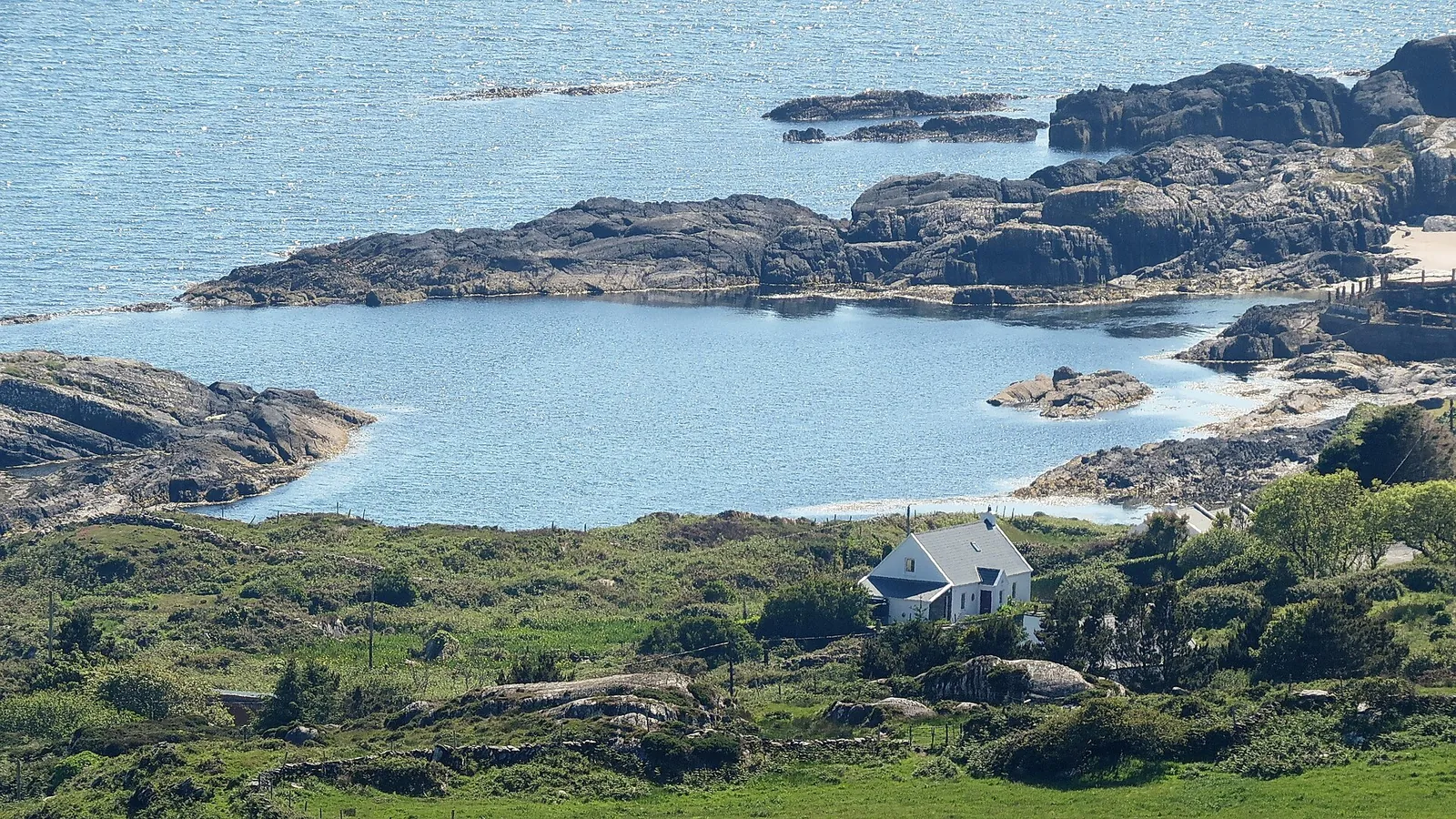
Get ready for one of Ireland’s most famous scenic routes. The Ring of Kerry is a long coastal loop around the Iveragh Peninsula, starting and ending in Killarney, with mountain passes, beaches and views across the Atlantic. Start early, whether you drive yourself or join a coach tour from town.
Afternoon
Take your time with the viewpoints and small villages along the way, such as Kenmare, Sneem and Waterville. Coach tours usually run the loop in one direction, so if you are driving, ask locally or check signs about the recommended direction and take extra care on narrow bends.
Evening
Back in Killarney, treat yourself to a good dinner. You have earned it.
Day 7: Killarney National Park and back to Dublin
Morning
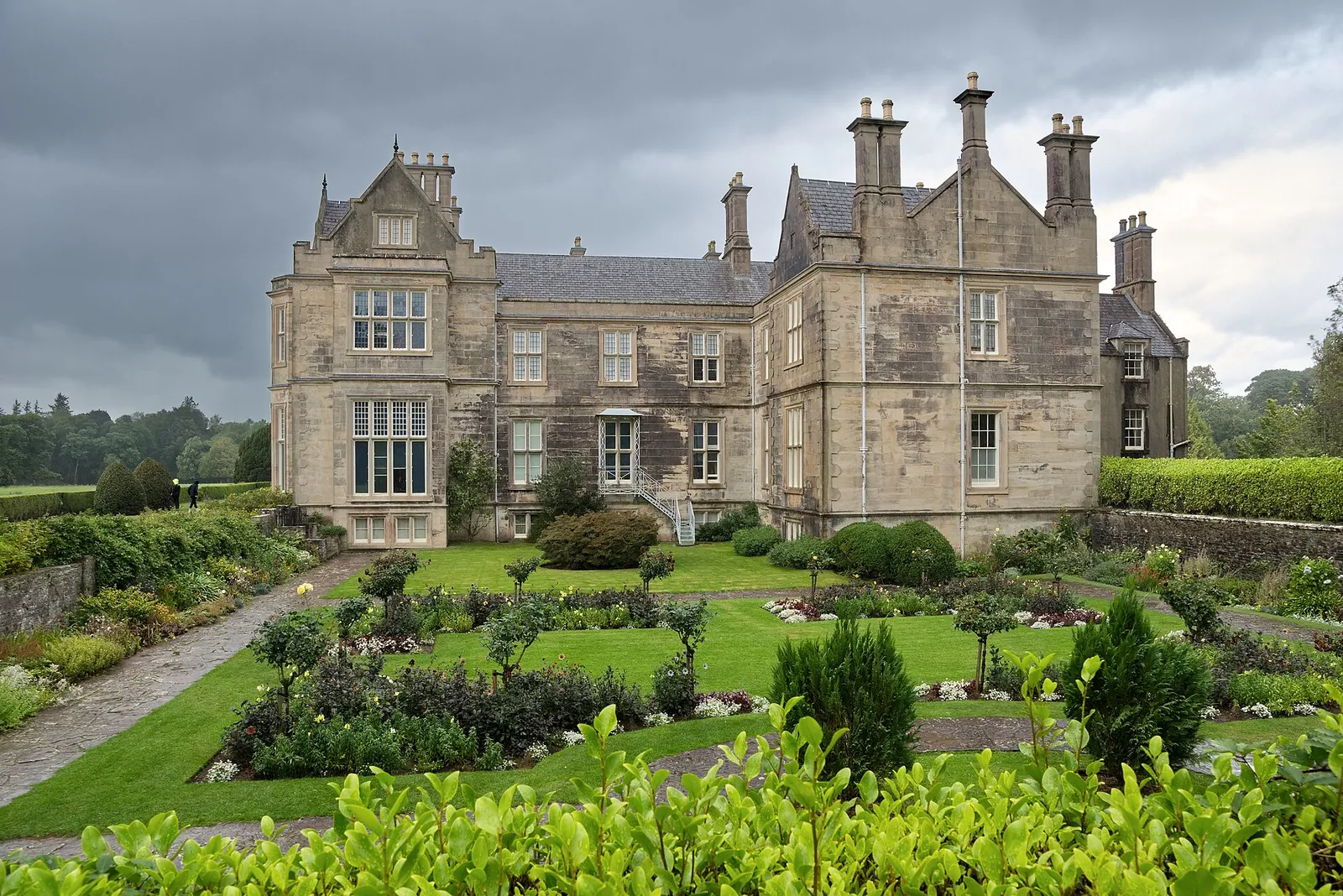
End on a high. Killarney National Park is free to enter, and so are Muckross Gardens, according to Muckross House. Walk or cycle the lakeside paths to Muckross House, a 19th century mansion set between the lakes. In 2026 house admission is EUR 9 for adults, EUR 7.50 for students and seniors, EUR 6 for children aged 6 to 18 and free for under 6s, with a family ticket at EUR 26. Visits are self-guided and no pre-booking is needed. In November and December the house opens 9.15am to 5.30pm (last admission 4pm). The Traditional Farms are closed November to February.
Afternoon
Squeeze in a last lakeside walk, then head to the station. Killarney is on Irish Rail’s Dublin Heuston to Tralee InterCity line, so check the journey planner for a convenient train back to Dublin for your flight.
Evening
Arrive back in Dublin for a final evening, or stay near the airport if you fly out early.
Getting there and getting around
From Dublin Airport to the city
Dublin Express runs routes 782, 783 and 784 from both terminals, up to every 15 minutes through the day, with fares from EUR 9 one way when booked online. The fastest trip takes as little as 14 minutes via the Dublin Port Tunnel, and it takes longer at peak times. Route 782 stops at Heuston station, which is handy for the train west.
In Dublin
The Leap Visitor Card covers Dublin Bus, Go-Ahead Ireland city services, Luas, DART and Commuter Rail. It costs EUR 8 for 24 hours, EUR 18 for 72 hours and EUR 24 for 7 days, starting from first use. It is not valid on Bus Éireann or hop-on hop-off tours. You can buy it at Dublin Airport (WHSmith in Terminal 1, Spar in Terminal 2) and at outlets in the city.
Across the country
Irish Rail covers the main intercity routes, including Dublin to Galway and Dublin to Killarney. Bus Éireann and TFI Local Link fill in the gaps, such as Galway to the Cliffs of Moher. For Connemara and the Ring of Kerry, a car or a day tour gives you the most flexibility.
Driving
Ireland drives on the left. You need a valid full national driving licence or an international driving permit, everyone must wear a seat belt, and you must never use your phone while driving. Speed limits in the Republic are in kilometres. The M50 ring road around Dublin has a barrier-free toll, which you must pay online or at an outlet before 8pm the next day.
Where to stay
- Dublin, city centre around Temple Bar and the south side: walkable to everything on Day 1, with plenty of food and music. Can be noisy at night.
- Galway, near Eyre Square and the Latin Quarter: close to the train and bus stations and the old town, and a good base for both Connemara and the Cliffs of Moher. Staying two or three nights here keeps Days 2 to 4 simple.
- Killarney town centre: close to the station, restaurants and the park, and the starting point for Ring of Kerry tours.
- Doolin or Clare villages: an option if you have a car and want a quiet coastal night near the cliffs.
Budget
Checked prices for transport and key sights (adult):
| Item | Typical cost |
|---|---|
| Dublin Express airport bus to the city | From EUR 9 one way online |
| Leap Visitor Card, Dublin | EUR 8 for 24 hours, EUR 18 for 72 hours |
| Train Dublin to Galway | Up to EUR 30.45 single, lower web fares when booked ahead |
| Cliffs of Moher Experience | EUR 15 at the gate in 2026, cheaper online |
| Muckross House | EUR 9 |
| Killarney National Park and Muckross Gardens | Free |
| Kylemore Abbey, buses to the cliffs, Killarney train, car hire | Check the official sites |
The per-day budget in the summary covers sights and transport only. Rooms, meals, drinks, car hire and fuel are extra and vary a lot by season.
Practical tips
- Weather: pack a rain jacket and comfortable walking shoes, even in summer.
- Winter hours: many attractions shorten their hours from November, and some farm or seasonal sections close until spring. Muckross Traditional Farms, for example, are closed November to February.
- Book ahead: online tickets for the Cliffs of Moher are cheaper than the gate price, and Book of Kells slots fill up.
- Leap Visitor Card is Dublin only: it does not work on Bus Éireann routes in the west.
- Money and phones: Ireland uses the euro, and cards are widely accepted. Local SIMs and eSIMs are easy to find.
- Visas: entry rules depend on your nationality. Check the official Irish Immigration Service page “Coming to visit Ireland” (irishimmigration.ie) before you book.
Heads-up
A few friendly warnings from official sources so nothing spoils the fun:
- Cliff edges are sheer. At the Cliffs of Moher, stay on designated paths, do not go beyond walls or barriers, and respect closures. As of 1 August 2026, the southern section of the coastal walk from Liscannor is fully closed for safety reasons, and from Doolin the walk is open only as far as Surfers Path, where walkers are advised to turn back. There is no access to the Cliffs of Moher Experience from Doolin on foot. Avoid walking on the road at Surfers Path, which the site describes as hazardous.
- Driving on the left takes getting used to, especially at roundabouts and on narrow country lanes. Ireland.com notes roads range from motorways to winding country lanes, so slow down and take breaks.
- Don’t forget the M50 toll: there is no booth, so it is easy to miss paying by 8pm the next day.
- Pickpockets: the UK government’s travel advice says to take precautions against bag-snatching and pickpocketing, avoid carrying valuables and large amounts of cash, and lock your car, noting that most incidents happen in the larger cities.
- Check the weather: on stormy days, coastal paths can be dangerous. Check the forecast before heading out to the cliffs.
FAQ
Is seven days enough for Ireland?
It is enough for a satisfying first loop of Dublin, Galway, the Cliffs of Moher and Killarney. You will not see the north or the southeast, so save those for a second trip.
Do I need a car?
Not strictly. Trains link Dublin with Galway and Killarney, and buses reach the Cliffs of Moher. A car makes Connemara and the Ring of Kerry much easier, or you can join day tours.
How much does the Cliffs of Moher cost?
In 2026 the gate price is EUR 15 per adult, and booking online is cheaper. Children under 12 go free with an adult, up to four per adult. Parking and the visitor centre are included.
Can I use the Leap Visitor Card outside Dublin?
No. It covers Dublin Bus, Go-Ahead Ireland city services, Luas, DART and Commuter Rail, but not Bus Éireann.
What is the best time to visit?
May to September brings the longest days and the most services, such as more buses to the cliffs. Winter is quieter, but many sites close earlier, so plan your days around daylight.
Sources
Prices, hours and rules change. We checked these on 1 November 2026; please confirm on the official page before you book.
- Cliffs of Moher Experience: Book online (ticket prices and opening hours)
- Cliffs of Moher Experience: Directions on getting here
- Cliffs of Moher Experience: Cliffs of Moher Coastal Walk
- Irish Rail: Dublin Galway rail fares
- Dublin Express: Bus to Dublin City
- Muckross House Killarney: Plan your visit
- TFI Leap Card: Leap Visitor Card
- Ireland.com (Tourism Ireland): Driving in Ireland
- GOV.UK: Ireland travel advice, Safety and security
- Immigration Service Delivery: Coming to visit Ireland
Photo credits (8)
- The Cliffs of Moher stretching along the Atlantic: Suicasmo, CC BY-SA 4.0, via Wikimedia Commons
- Ha'penny Bridge over the River Liffey in Dublin: The wub, CC BY-SA 4.0, via Wikimedia Commons
- The Spanish Arch in Galway under a blue sky: Robert Linsdell from St. Andrews, Canada, CC BY 2.0, via Wikimedia Commons
- Kylemore Abbey by its lake in Connemara: Berthold Werner, CC BY-SA 4.0, via Wikimedia Commons
- O'Brien's Tower on the Cliffs of Moher: Berthold Werner, CC BY-SA 4.0, via Wikimedia Commons
- Green lawn, lake and mountains near Killarney: Zairon, CC BY 4.0, via Wikimedia Commons
- Rocky bays along the Ring of Kerry coast: Robert Linsdell from St. Andrews, Canada, CC BY 2.0, via Wikimedia Commons
- Muckross House and its gardens in Killarney National Park: Berthold Werner, CC BY-SA 4.0, via Wikimedia Commons
More Ireland itineraries
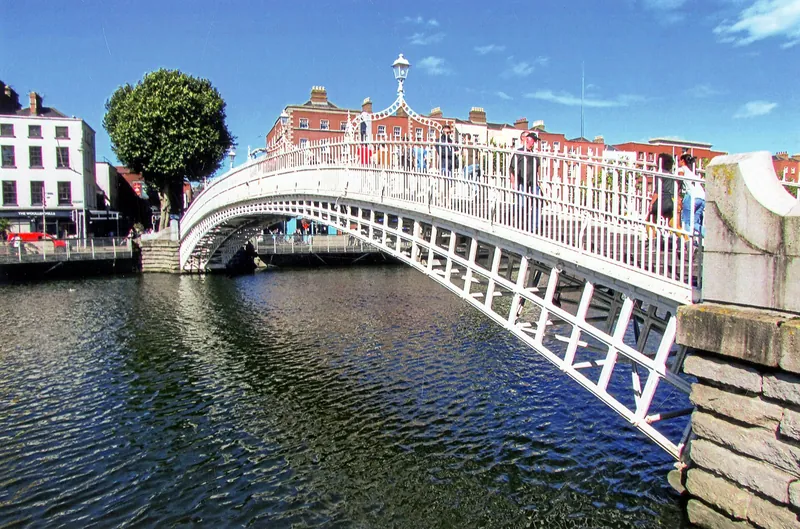 3 days
3 Days in Dublin: A Day-by-Day Itinerary
A 3-day Dublin itinerary: Book of Kells, Dublin Castle, Kilmainham Gaol, Guinness Storehouse and a Howth sea day, with verified prices and hours.
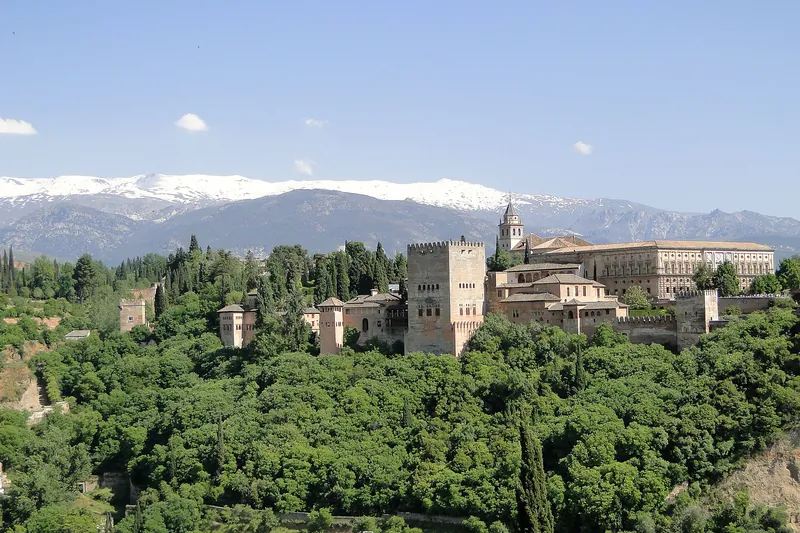 7 days
7 Days in Andalusia: A Day-by-Day Road Trip Itinerary
A 7-day Andalusia itinerary by road from Seville to Málaga via Córdoba and Granada, with checked ticket prices, opening hours and booking tips.
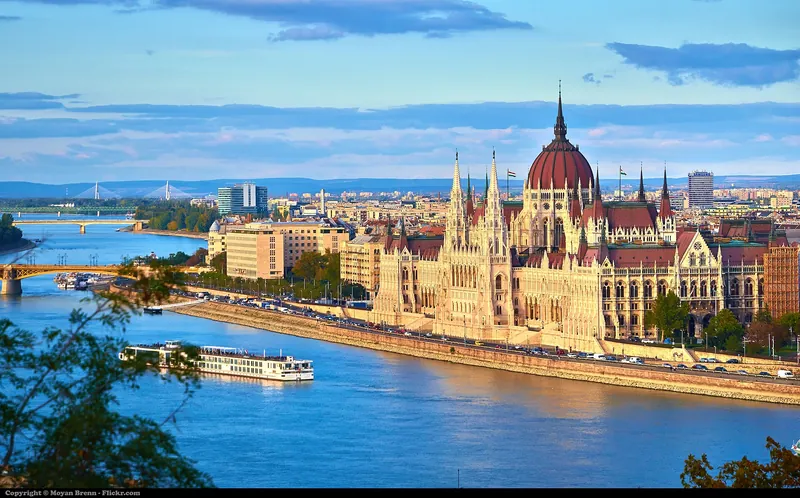 7 days
7 Days in Hungary: Budapest, Danube Bend, Eger, Balaton
A 7-day Hungary itinerary: three days in Budapest, the Danube Bend, Eger's castle and wine cellars, then Lake Balaton, with official prices.
Compare all Ireland itineraries →
This is a researched plan, not a personal trip report. How we research · Affiliate disclosure