
3 Days in Istanbul: A Day-by-Day Itinerary
A 3-day Istanbul plan: Sultanahmet and Topkapı, the bazaars and Galata, then Dolmabahçe and a ferry to the Asian side, with verified tickets and transport.
- 🗓️ Trip length
- 3 days
- ☀️ Best time
- April to May, September to November
- 💰 Daily spend
- Tickets and transit about TRY 2,000-3,000 a day, excl. hotel and food
- ✅ Facts checked
- 22 October 2026
Get ready for one of the most thrilling cities on earth! Istanbul packs two continents, three imperial eras and a working sea lane into one city, so three days is a joyful sprint, not a survey. This plan is built for first-time visitors who want the big landmarks without spending half the trip on transit: each day stays in one or two neighbouring districts, and the moves between them use trams, funiculars and ferries rather than taxis in traffic.
The pace is moderate and fun. Expect roughly 12,000 to 18,000 steps a day, with hills in Galata and Beyoğlu, and plan on one sit-down break each afternoon. Two of the big palaces have weekly closing days (Topkapı on Tuesday, Dolmabahçe on Monday), so check which weekday each of your three days falls on before you lock the order. If needed, swap Day 1 and Day 3.
At a glance
| Day | Area | Highlights |
|---|---|---|
| 1 | Sultanahmet | Hagia Sophia, Blue Mosque, Hippodrome, Topkapı Palace and Harem |
| 2 | Old City bazaars and Galata | Grand Bazaar, Süleymaniye Mosque, Spice Bazaar, Galata Bridge, Galata Tower |
| 3 | Bosphorus and the Asian side | Dolmabahçe Palace, Beşiktaş, ferry to Kadıköy, Moda seafront |
Day 1: Sultanahmet, the imperial core
This is the day for Istanbul’s showstoppers, and you will love how close together they are! Everything today sits within a 15-minute walk of the Sultanahmet tram stop on the T1 Kabataş-Bağcılar tram line. Do not plan this day on a Tuesday, when Topkapı Palace is closed.
Morning
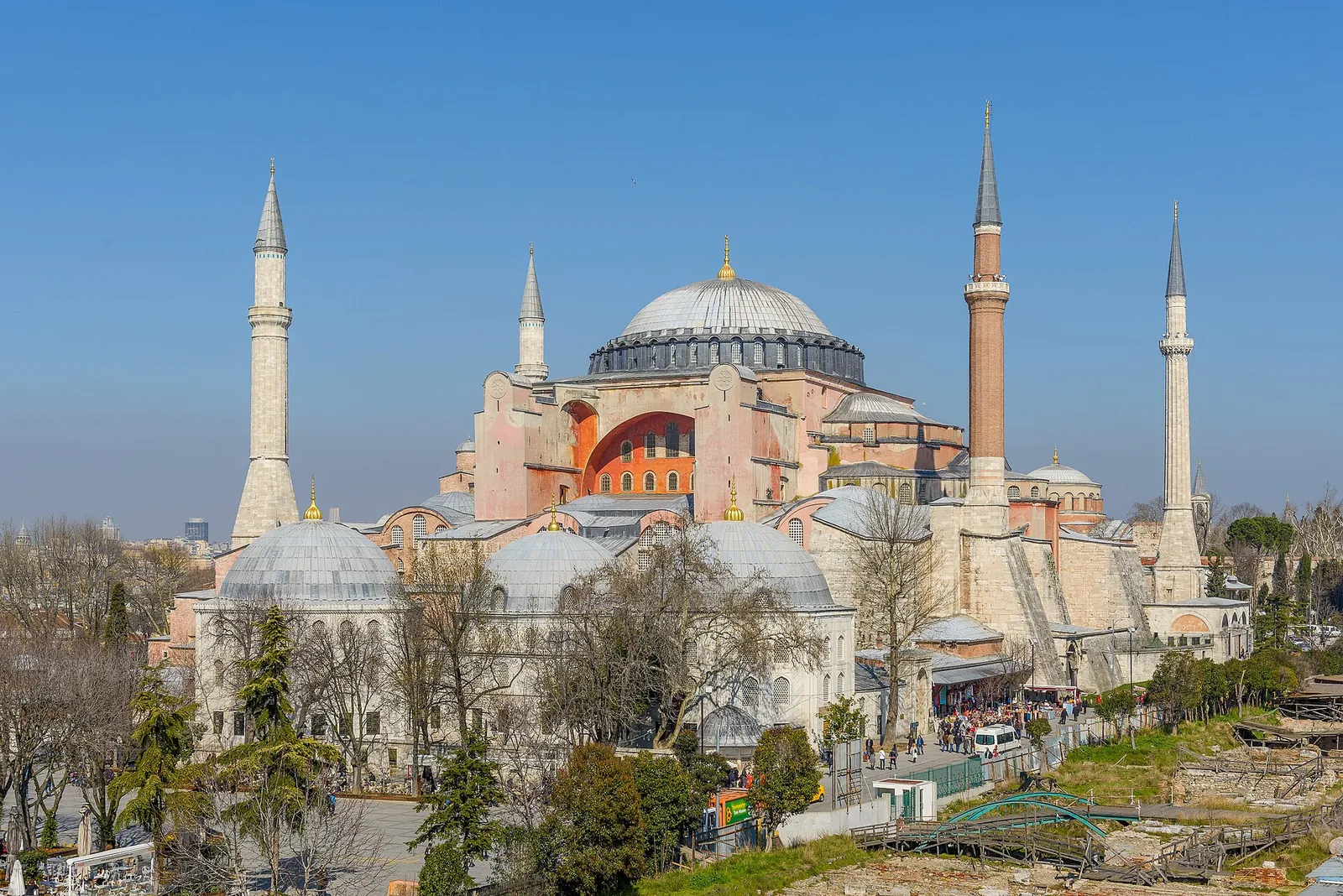
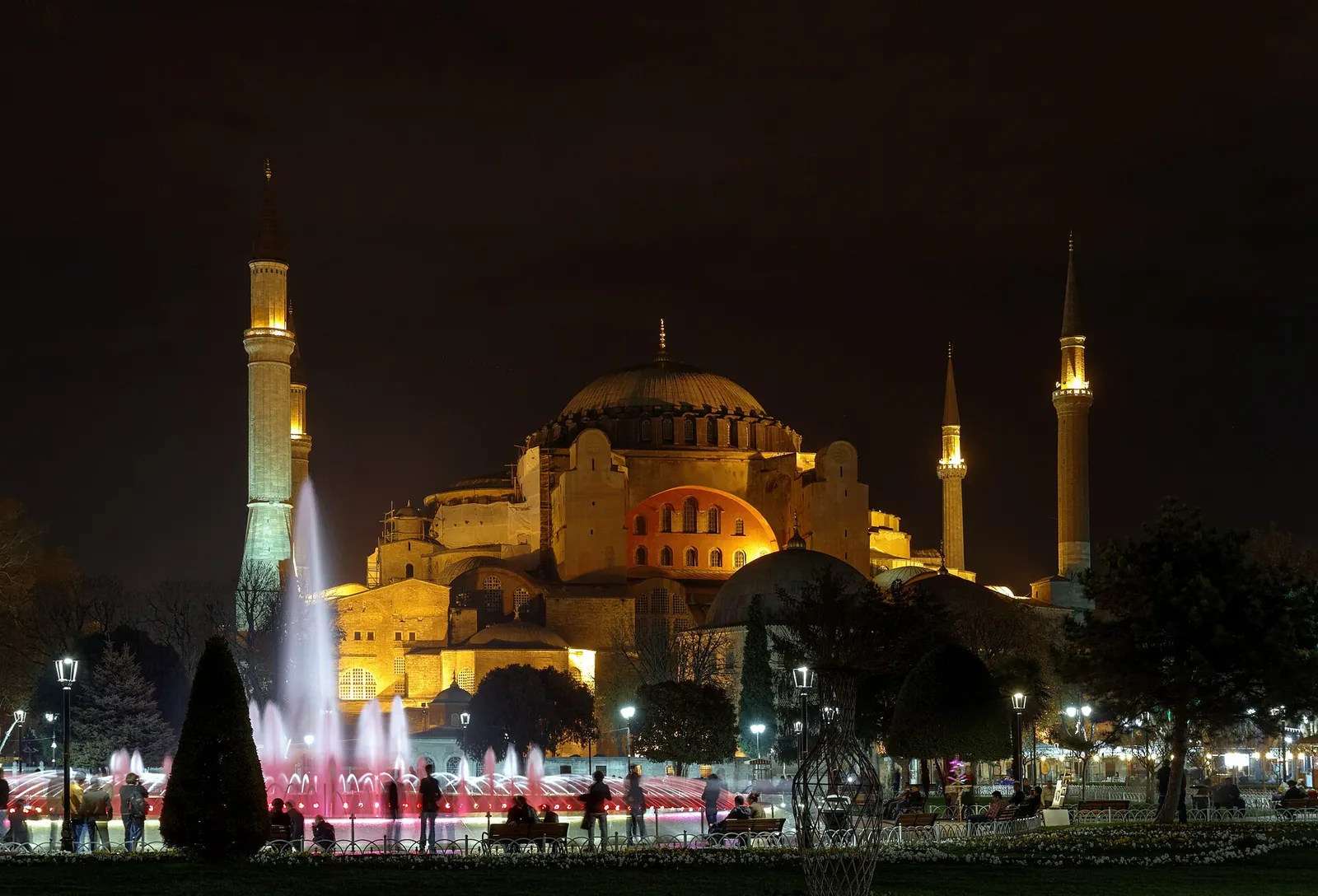
Start early at Hagia Sophia. It is an active mosque, and since 2024 foreign visitors on a sightseeing visit use a separate, ticketed route to the upper gallery, while worshippers use the ground-floor entrance. The fee and visiting hours have changed several times, so check the current price and times through official Ministry of Culture and Tourism channels before you go, and expect a pause around Friday midday prayers. Cover shoulders and knees; women should bring a scarf for their hair.
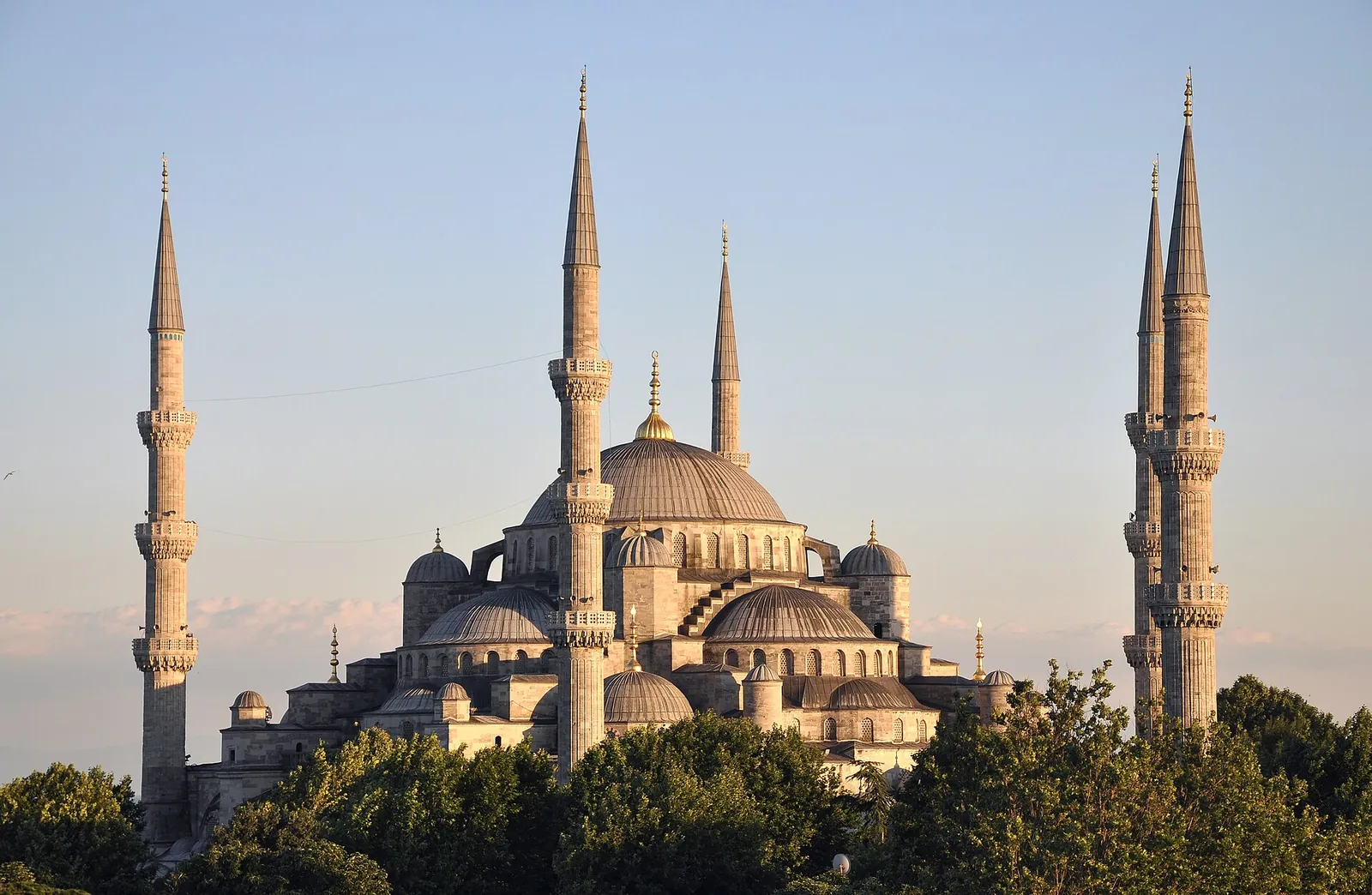
From Hagia Sophia it is a 5-minute walk across the gardens to the Blue Mosque (Sultanahmet Mosque). As a working mosque it closes to visitors during the five daily prayers, so arriving between prayer times saves a wait. Shoes come off at the entrance, so wear something easy to slip on.
Step out of the mosque’s west side into the Hippodrome, the long square that was once Byzantine Constantinople’s chariot track. The Egyptian Obelisk and the Serpent Column are free to see and take about 20 minutes.
Afternoon
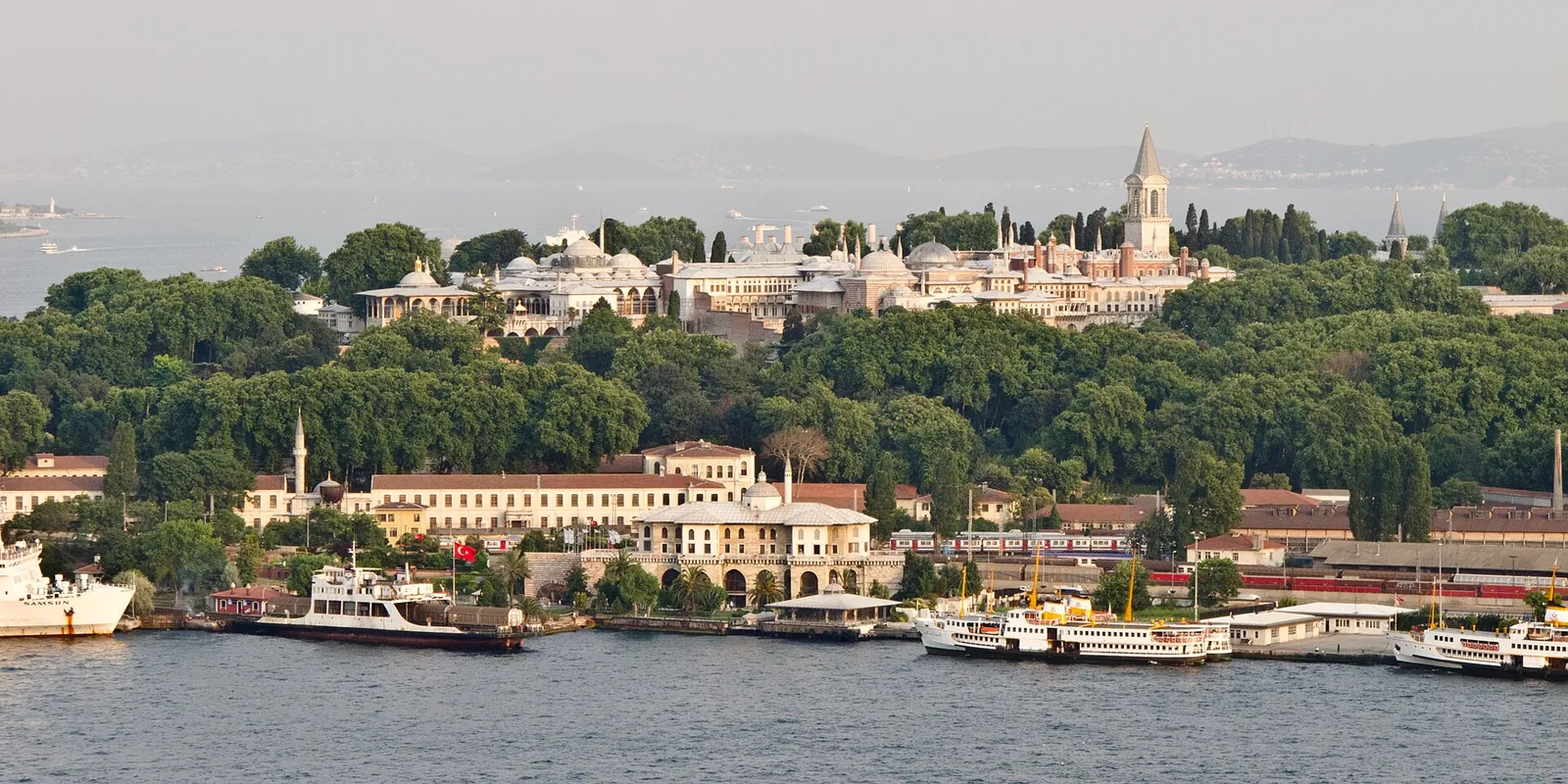
Walk 10 minutes back past Hagia Sophia to the gate of Topkapı Palace, the Ottoman sultans’ residence for centuries. According to the National Palaces administration, the ticket offices are open 09:00 to 17:00 and the palace is closed on Tuesdays. The combined ticket (Palace, Hagia Irene and Harem) costs TRY 2,750 for foreign visitors and is valid for one day from purchase. Separate Harem and Hagia Irene tickets are TRY 1,050 each for foreign visitors.
We’d suggest the combined ticket: the Harem is the most memorable part of the complex, and Hagia Irene, a Byzantine church in the first courtyard, is rarely crowded. Allow at least three hours, and buy tickets on the official channel rather than from touts at the gate. Note that the MüzeKart museum card is not accepted for the Harem and Hagia Irene sections.
If you have energy left, the Istanbul Archaeological Museums sit just inside the palace’s outer walls, a 5-minute walk downhill. The Ministry lists them as open daily 09:00 to 18:30, with the ticket office closing at 17:30 (they are closed for one day on 24 October 2026). Check the ticket price on the official site.
Evening
Walk down through Gülhane Park (about 10 minutes) as the light fades, then continue to Sirkeci or back up to Sultanahmet for dinner. The area around the Hippodrome is quietest after the tour groups leave.
About the Basilica Cistern: the underground Byzantine cistern near Hagia Sophia had a change of management in 2026 and its opening status has changed during the year. Check the official Yerebatan website on the day before you plan around it. The smaller Şerefiye (Theodosius) Cistern, about a 10-minute walk west, is a common alternative; check its hours and ticket price before going.
Day 2: Bazaars, the Golden Horn and Galata
Save your appetite and your shopping energy for today! It runs downhill from the Grand Bazaar to the water, crosses the Golden Horn on foot and ends at Galata Tower for the view.
Morning
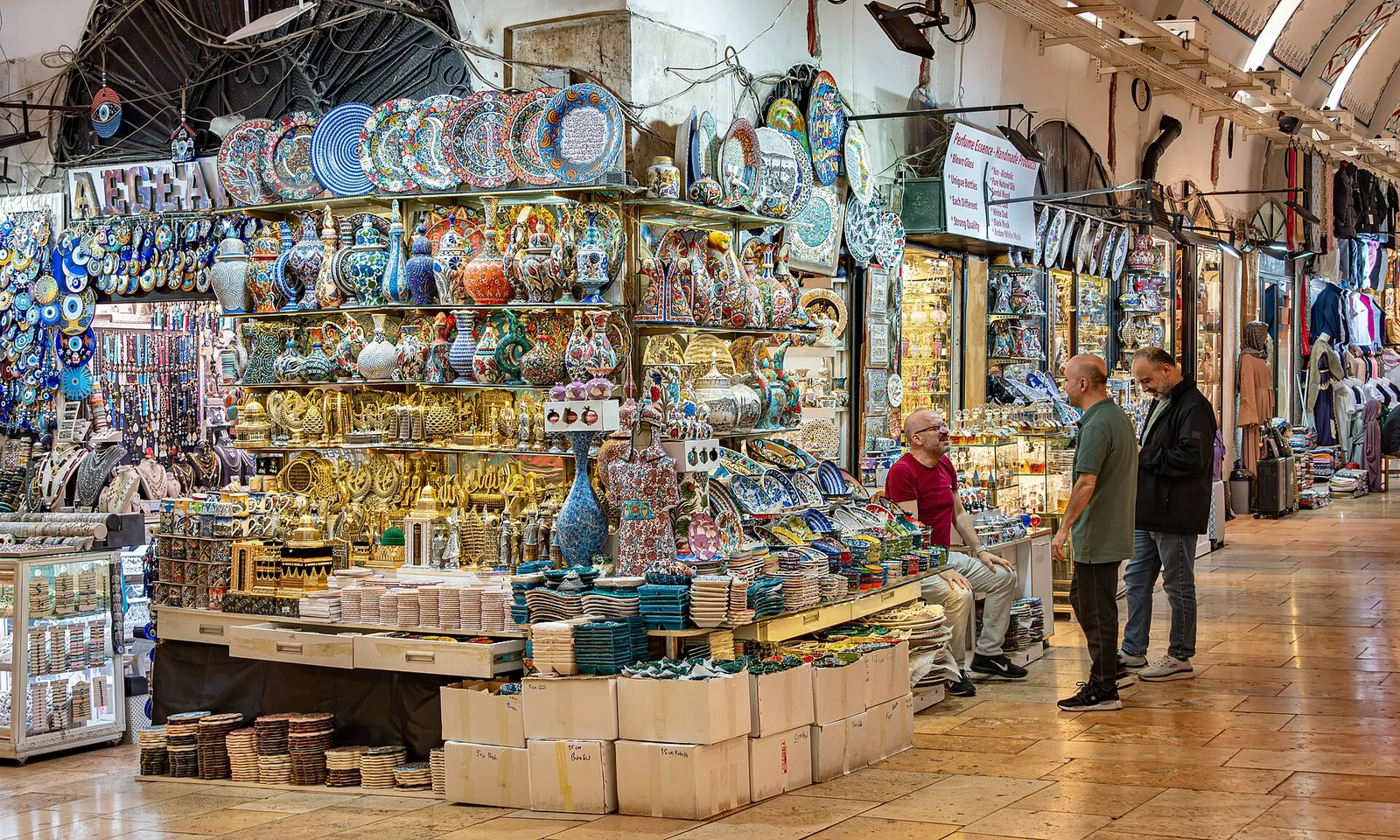
Take the T1 tram to Beyazıt-Kapalıçarşı (or walk about 15 minutes from Sultanahmet) and enter the Grand Bazaar, one of the oldest covered markets in the world. Go in the first hour after opening, before it gets crowded. The bazaar keeps its own opening days and closes on some public and religious holidays, so check the official bazaar site before you schedule it. Bargaining is normal; agree a price before an item is wrapped.
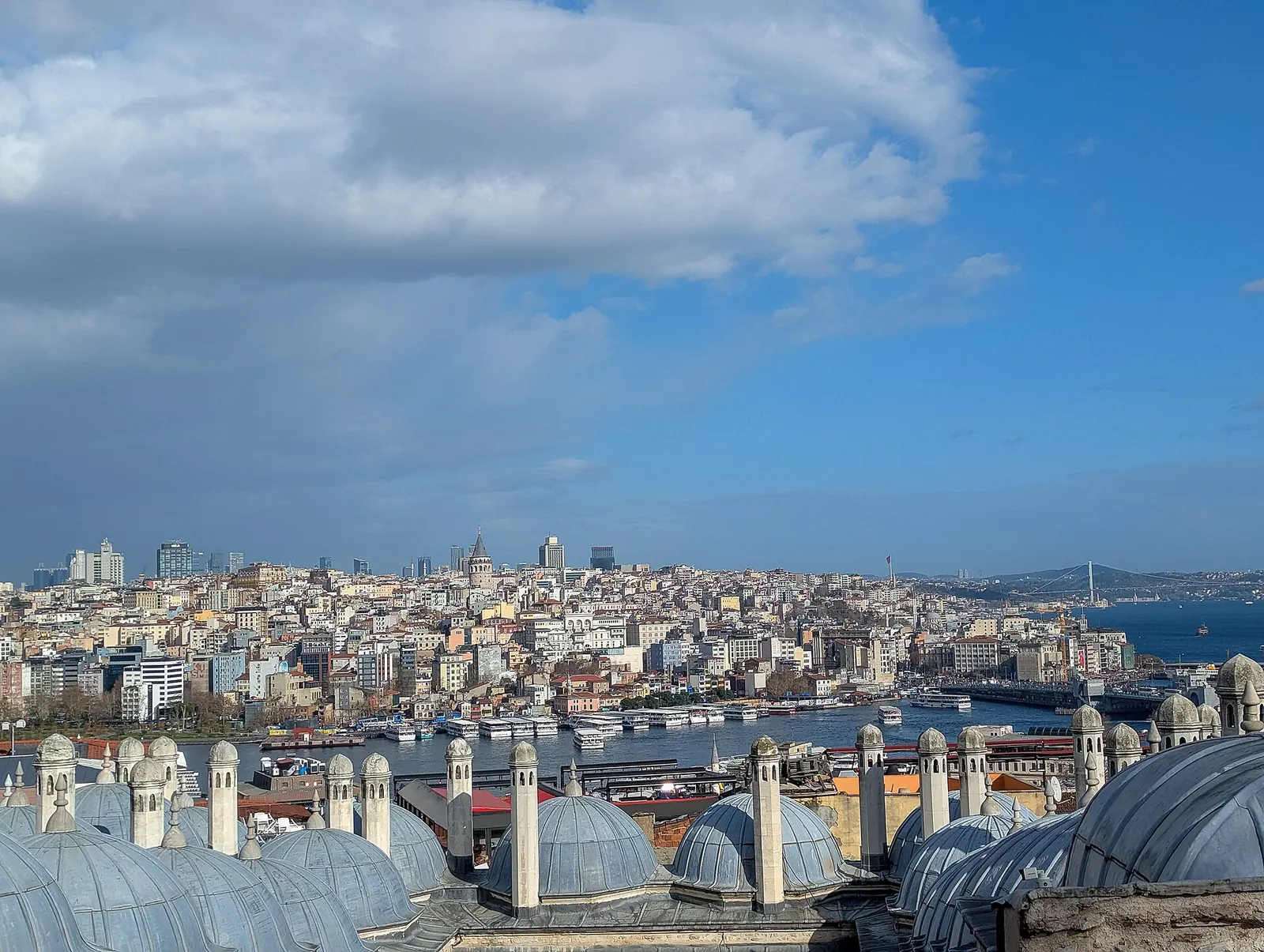
Exit by the bazaar’s north side and walk uphill for about 10 minutes, past the old book market, to the Süleymaniye Mosque, the masterpiece of the architect Sinan. Its terrace has one of the best free views over the Golden Horn. The same prayer-time and dress rules apply as at the Blue Mosque.
Afternoon
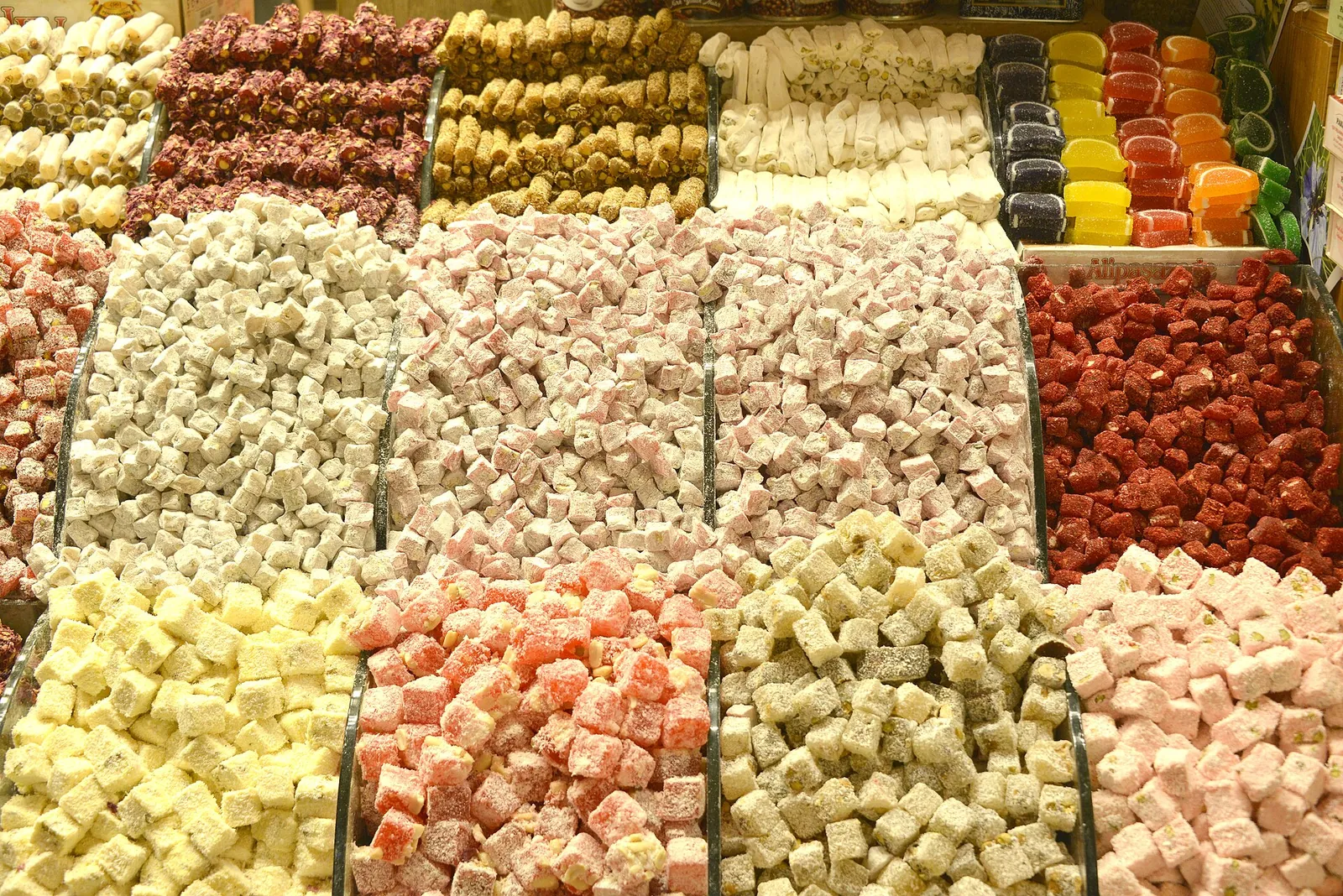
Walk downhill (about 15 minutes) through the wholesale lanes of Tahtakale to the Spice Bazaar (Mısır Çarşısı) next to the New Mosque in Eminönü. This is the place for Turkish delight, dried fruit, nuts, tea and spices. Buy vacuum-packed products if they are going in your luggage.
From Eminönü, cross the Galata Bridge on foot (about 10 minutes). The lower deck is lined with fish restaurants and the upper deck with anglers. If you want a Bosphorus boat trip today, Eminönü is the main departure point for the city ferry operator’s Bosphorus tours; check the current timetable and fare on the Şehir Hatları website, as departure times change by season.
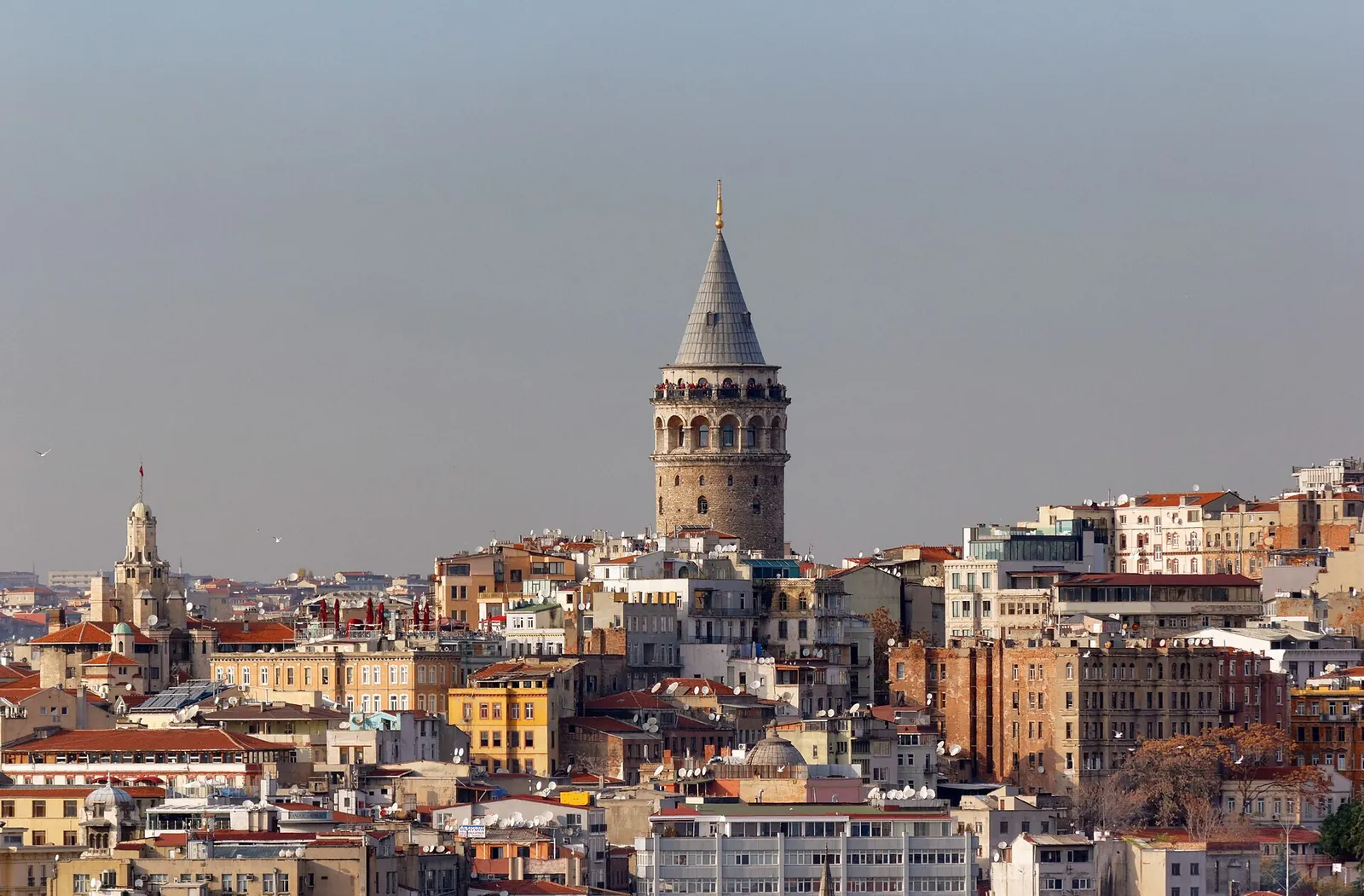
On the Karaköy side, climb the steep lanes up to the Galata Tower (about 10 minutes, uphill).
Evening
The Ministry lists Galata Tower Museum as open daily 08:30 to 18:30, with the ticket office closing at 18:14, plus an evening session from 18:30 to 22:00 every day. The evening slot is the one to aim for if you want the city lights. Check the ticket price on the official MüzeKart site before you go. Children under 18 must be accompanied by a parent.
After the tower, walk north through Galata and up İstiklal Avenue towards Taksim (about 20 minutes on foot), or stay in Karaköy for dinner by the water. To get back to the Old City, take the T1 tram from Karaköy.
Day 3: Dolmabahçe, the Bosphorus and the Asian side
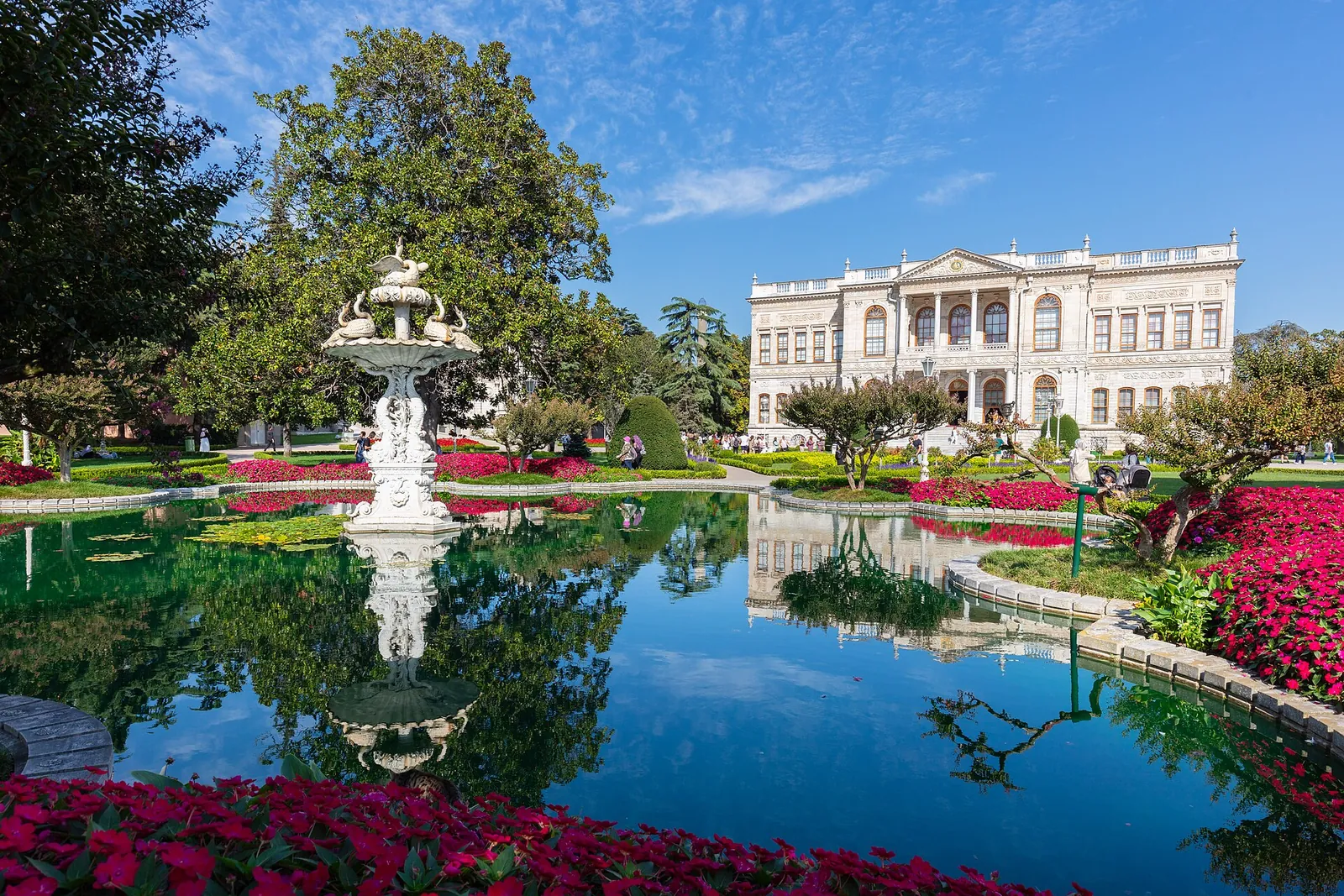
Get ready for palace glamour, sea breezes and a sunset on another continent! Today follows the European shore of the Bosphorus, then crosses to Asia by public ferry. Do not plan this day on a Monday, when Dolmabahçe Palace is closed.
Morning
Take the T1 tram to its end at Kabataş, then walk 5 minutes along the shore to Dolmabahçe Palace, the 19th-century palace that replaced Topkapı as the seat of the Ottoman court. According to the National Palaces administration, the ticket offices are open 09:00 to 17:00 and the palace is closed on Mondays, as well as on New Year’s Day and the first day of the two religious holidays. The ticket for the Selamlık, Harem and Painting Museum costs TRY 2,000 for foreign visitors. Visits to the main building are guided in groups, so arrive close to opening and allow two to three hours.
Coming from Taksim instead, the F1 Taksim-Kabataş funicular drops you at Kabataş in a couple of minutes.
Afternoon
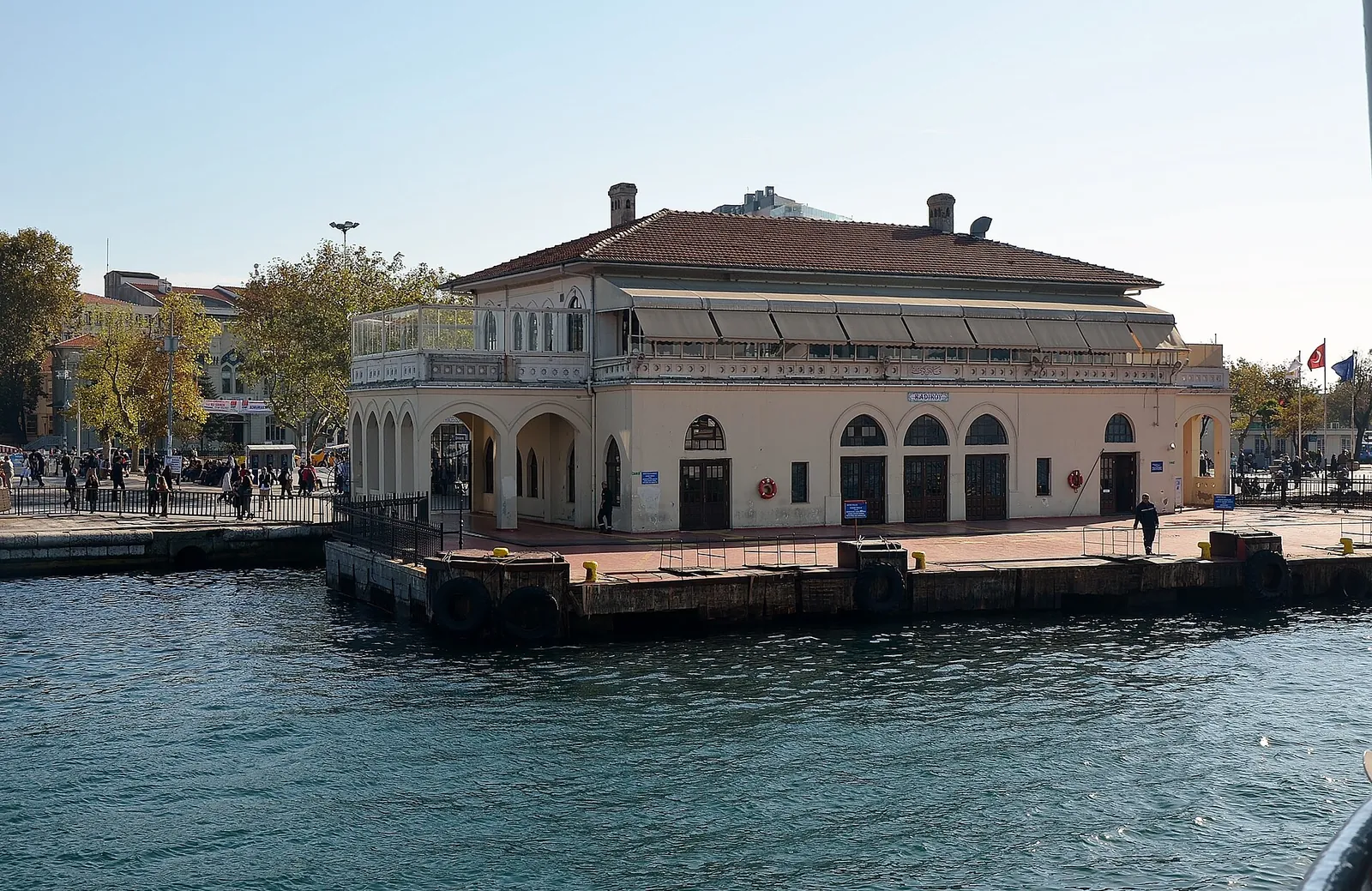
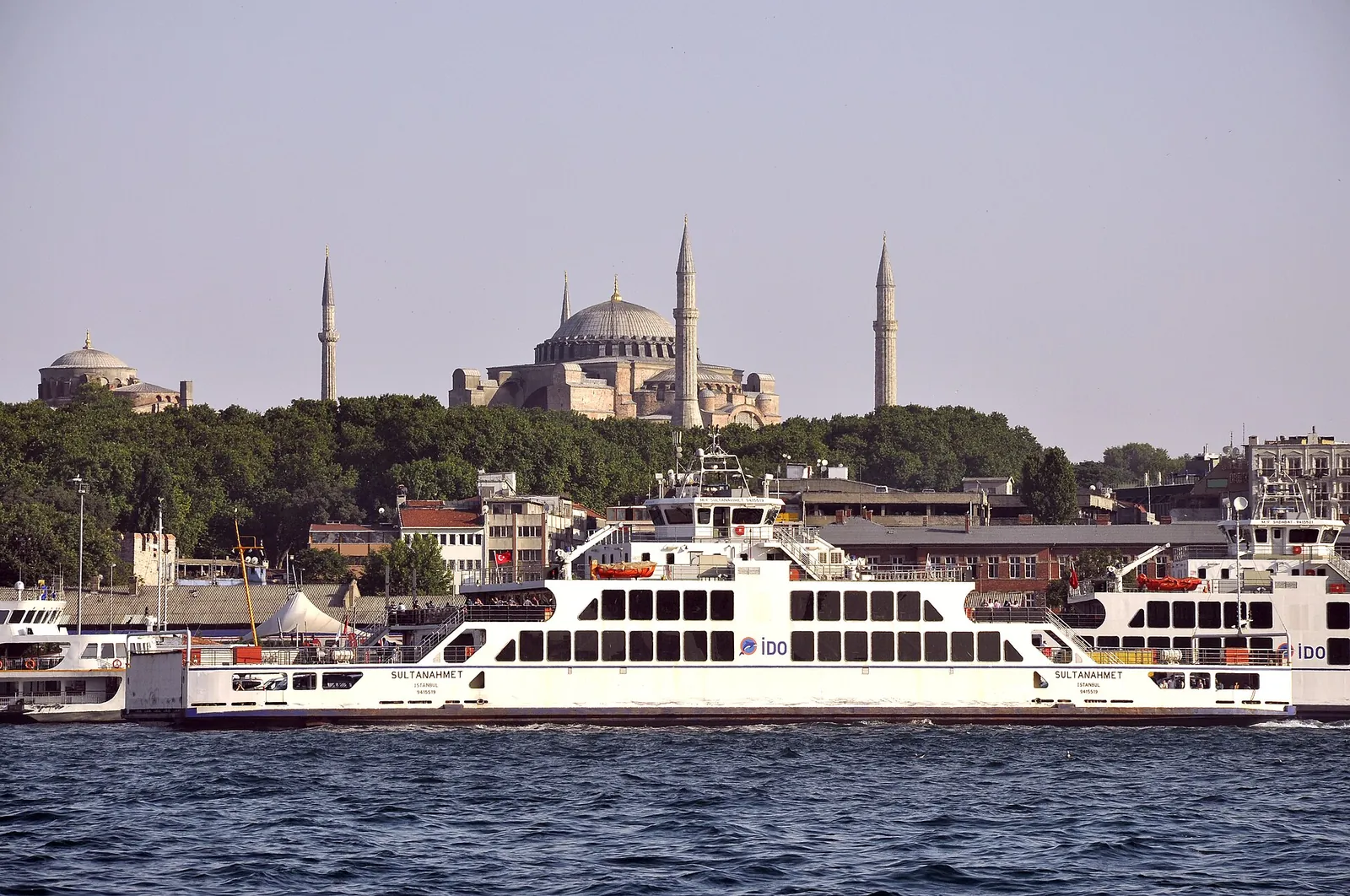
Walk about 15 minutes north along the waterfront to Beşiktaş, a lively local district with good-value lunch places around the fish market and the square. From Beşiktaş pier, take a city ferry to Kadıköy on the Asian side; it is a short crossing and one of the cheapest ways to see the Bosphorus skyline from the water. Pay with your Istanbulkart. Ferries from Kabataş and Karaköy also serve Kadıköy and Üsküdar, so pick whichever pier is nearest.
In Kadıköy, wander the food market streets around the pier, then walk about 20 minutes south to the Moda seafront for the sunset.
Evening
Kadıköy has a dense mix of meyhanes, kebab houses and cafés, and it is a good place for a final dinner. To return to the European side, take a ferry back to Eminönü or Karaköy, or use the Marmaray rail tunnel under the Bosphorus. If you are flying out of Sabiha Gökçen Airport, the M4 Kadıköy-Sabiha Gökçen Airport metro line starts here.
Getting there and getting around
Visas and entry. Requirements depend on your nationality and passport type, and some travellers are eligible for an e-Visa. Check the Ministry of Foreign Affairs visa information page and apply only through the official e-Visa portal, not through third-party sites.
From Istanbul Airport (IST). There are two main public options:
- M11 metro. The airport metro runs underground towards Gayrettepe, where you change to the M2 line for Taksim or towards Yenikapı. From Yenikapı you can continue towards the Old City. Its fare may differ from Metro İstanbul lines, so check the current fare and hours at the station before you travel.
- Havaist buses. The official airport bus service runs lines to Taksim, Sultanahmet and other districts. Havaist does not take advance seat reservations, and fares are shown on its own ticketing page, so check the current fare and timetable on the official Havaist site.
Taxis are available at the arrivals level. Use a metered taxi and confirm your destination before setting off.
From Sabiha Gökçen Airport (SAW). The M4 Kadıköy-Sabiha Gökçen Airport metro line connects the airport with Kadıköy on the Asian side, from where ferries cross to Eminönü, Karaköy and Beşiktaş.
Istanbulkart. The rechargeable Istanbulkart works on metro, tram, funicular, bus and city ferries. On Metro İstanbul lines, a full-fare ride with Istanbulkart costs TRY 46.20, while a single-use electronic ticket costs TRY 65, so the card pays for itself quickly. Buy and top up at the machines in stations and piers.
The lines you will actually use:
| Line | Route | Useful for |
|---|---|---|
| T1 tram | Kabataş to Bağcılar | Sultanahmet, Grand Bazaar (Beyazıt), Eminönü, Karaköy, Kabataş |
| F1 funicular | Taksim to Kabataş | Linking Taksim with the tram and ferries |
| M2 metro | Yenikapı to Hacıosman | Taksim, Şişhane (Galata), Gayrettepe (airport metro) |
| M4 metro | Kadıköy to Sabiha Gökçen Airport | Asian side and SAW airport |
| City ferries | Eminönü, Karaköy, Kabataş, Beşiktaş to Kadıköy, Üsküdar | Crossing the Bosphorus |
Where to stay
- Sultanahmet. Best for first-timers who want to walk to Hagia Sophia, the Blue Mosque and Topkapı. It is quiet at night and has fewer dining options after dark, but the T1 tram stop makes the rest of the city easy.
- Sirkeci and Eminönü. Just below Sultanahmet, near the ferry piers and the Spice Bazaar. Good if you want to use ferries a lot and value transport links over quiet streets.
- Karaköy and Galata. Stylish, central and full of cafés and restaurants, with the tram, ferries and the M2 (Şişhane) all close by. Expect steep streets.
- Kadıköy (Asian side). A local, lively base with excellent food and good ferry links, best suited to repeat visitors or those arriving at Sabiha Gökçen.
Budget
Prices below are the verified official figures as of 22 October 2026. Meals, accommodation, Hagia Sophia and other attractions with unverified prices are excluded; check those on official sites.
| Item | Typical cost |
|---|---|
| Topkapı Palace combined ticket (Palace, Hagia Irene, Harem), foreign visitor | TRY 2,750 |
| Topkapı Harem only, foreign visitor | TRY 1,050 |
| Dolmabahçe Palace (Selamlık, Harem, Painting Museum), foreign visitor | TRY 2,000 |
| Metro İstanbul ride with Istanbulkart (full fare) | TRY 46.20 |
| Metro İstanbul single-use electronic ticket | TRY 65 |
| Blue Mosque, Süleymaniye, Hippodrome, Galata Bridge | No entry ticket |
On this plan, palace tickets plus a handful of transit rides come to roughly TRY 2,000 to 3,000 per day, before food, hotel, Hagia Sophia, Galata Tower and any cistern visit.
Practical tips
- Closing days. Topkapı Palace is closed on Tuesdays and Dolmabahçe Palace on Mondays. Both have special rules on public and religious holidays, listed on the National Palaces website.
- Mosque etiquette. Cover shoulders and knees, women cover their hair, shoes off at the door, and avoid visiting during prayers. Friday midday prayers are the busiest.
- Pay in lira. Official ticket prices are in Turkish lira. When paying by card, choose to be charged in TRY rather than accepting a currency conversion at the terminal.
- Buy tickets officially. Use the ticket offices or official websites of the National Palaces and the Ministry’s MüzeKart system, not touts outside the gates.
- SIM and eSIM. Tourist SIM cards and eSIMs are sold at the airport and in operator shops; bring your passport and compare prices on the operators’ official sites.
- Ferries are transport, not just tours. The commuter ferries are the cheapest Bosphorus views in town and take the Istanbulkart.
Heads-up: what to watch out for
Istanbul is a joy to explore, and a few simple habits keep it that way.
- Pickpockets in the crowds. The UK government notes that street robbery and pickpocketing are common in Istanbul’s major tourist areas. Easy to avoid: keep your phone and wallet in a zipped front pocket or cross-body bag, especially on the T1 tram and in the bazaars.
- Over-friendly strangers. Be wary of people who approach you offering to change money or to take you to a restaurant or nightclub. Good to know: choose your own venue, buy your own drinks and keep them in sight.
- Unofficial taxis. Lifts from unofficial drivers are risky. Use a registered taxi, note the registration number before you get in and make sure the meter is running.
- Counterfeit spirits. People in Istanbul have died or fallen seriously ill after drinking illegally produced or counterfeit spirits, and methanol cannot be detected by taste or smell. Stick to sealed, branded bottles from reputable bars and shops.
- Carry your passport. It is illegal not to carry photo ID in Türkiye, and the authorities may run ID checks in busy parts of Istanbul. Keep your passport with you rather than in the hotel safe.
- Demonstrations. Protests take place regularly in Istanbul and can turn violent. Easy to avoid: steer clear of any gathering and leave the area if one starts.
- Laws visitors break by accident. Do not photograph military or official installations, do not buy or export antiquities, and remember that smoking is banned on public transport and in indoor public places. Insulting the nation, the flag or Atatürk is a criminal offence.
- Busy roads. Road accidents are common, mostly due to reckless driving. Good to know: stay alert near traffic and take extra care on the roads at night.
FAQ
Is three days enough for Istanbul?
Three days covers the main landmarks of the Old City, Galata and a first taste of the Asian side. You will not see the upper Bosphorus villages or the Princes’ Islands without a fourth day.
Which day should I see Topkapı Palace?
Any day except Tuesday, when it is closed. Arrive near the 09:00 opening and allow at least three hours with the Harem.
Do I need to pay to enter Hagia Sophia?
Foreign visitors on a sightseeing visit go through a ticketed gallery route, while worshippers enter free on the ground floor. Check the current fee and opening times on official channels before your visit, as they have changed.
Is the Basilica Cistern open?
Its status changed during 2026 after a change of management. Check the official Yerebatan website shortly before your trip, and consider the Şerefiye (Theodosius) Cistern as an alternative.
What is the cheapest way from Istanbul Airport to the city?
The M11 airport metro, changing to the M2 at Gayrettepe, is usually the cheapest. Havaist buses go directly to Taksim and Sultanahmet. Check current fares on the operators’ official sites.
Do I need an Istanbulkart for a short stay?
Yes. A Metro İstanbul ride costs TRY 46.20 with the card against TRY 65 for a single-use ticket, and the card also works on trams, funiculars, buses and city ferries.
Sources
Prices, hours and rules change. We checked these on 22 October 2026; please confirm on the official page before you book.
- National Palaces: Topkapı Palace visiting information and ticket prices
- National Palaces: Dolmabahçe Palace visiting information and ticket prices
- Ministry of Culture and Tourism (MüzeKart): Galata Tower Museum
- Ministry of Culture and Tourism (MüzeKart): Istanbul Archaeological Museums
- Metro İstanbul: ticket fares
- Metro İstanbul: lines in operation
- Havaist airport buses (official site)
- Republic of Türkiye Ministry of Foreign Affairs: visa information for foreigners
- Republic of Türkiye e-Visa application system
- UK FCDO travel advice: Turkey, safety and security
Photo credits (11)
- Hagia Sophia glowing under a clear blue sky: Arild Vågen, CC BY-SA 3.0, via Wikimedia Commons
- The Blue Mosque's domes and minarets in warm evening light: Moonik, CC BY-SA 3.0, via Wikimedia Commons
- Topkapı Palace among the trees above the waterfront: Carlos Delgado, CC BY-SA 3.0, via Wikimedia Commons
- Colourful ceramics stacked high in the Grand Bazaar: Jorge Franganillo, CC BY 4.0, via Wikimedia Commons
- Galata Tower rising above the rooftops of Karaköy: Alexxx1979, CC BY-SA 4.0, via Wikimedia Commons
- Dolmabahçe Palace gardens with a fountain and flowerbeds: Diego Delso, CC BY-SA 4.0, via Wikimedia Commons
- Kadıköy's old ferry pier on a sunny afternoon: CeeGee, CC BY-SA 4.0, via Wikimedia Commons
- A city ferry on the Bosphorus below Hagia Sophia: Moonik, CC BY-SA 3.0, via Wikimedia Commons
- Galata and the Golden Horn seen from Süleymaniye: Sourabh.biswas003, CC BY-SA 4.0, via Wikimedia Commons
- Trays of Turkish delight at the Spice Bazaar: Miomir Magdevski, CC BY-SA 4.0, via Wikimedia Commons
- Hagia Sophia lit up at night beside the fountain: Alexxx1979, CC BY-SA 4.0, via Wikimedia Commons
This is a researched plan, not a personal trip report. How we research · Affiliate disclosure