
10 Days in Japan: Tokyo, Hakone, Kyoto, Nara, Osaka and Hiroshima
A 10-day Japan route by rail: Tokyo, a Hakone onsen night, Kyoto, Nara, Osaka, Hiroshima and Miyajima, with verified fares, entry fees and what to book ahead.
- 🗓️ Trip length
- 10 days
- ☀️ Best time
- March to May, October to November
- 💰 Daily spend
- Varies by hotel; verified fares and fees in Budget section
- ✅ Facts checked
- 24 October 2026
Get ready for Japan’s classic first-timer route! In ten days you’ll go from neon-lit Tokyo to a hot-spring night in the Hakone mountains, then on to Kyoto’s temples, Nara’s giant Buddha, Osaka’s food streets and the moving, hopeful story of Hiroshima, finishing on the island of Miyajima. It’s almost all by train, so you can leave the car hire and the long drives to someone else.
It’s a joyful, varied loop, and this plan suits first-time visitors, couples, friends and families with older kids who are happy with a fairly active pace. Expect lots of walking, plenty of early starts at popular sights (the best way to beat the crowds) and relaxed evenings. You’ll change hotels four times, so pack light.
At a glance
| Day | Area | Highlights |
|---|---|---|
| 1 | Tokyo east | Asakusa, Ueno, Akihabara |
| 2 | Tokyo west | Meiji Jingu, Harajuku, Shibuya, Shinjuku |
| 3 | Hakone | Freepass loop: mountain railway, ropeway, lake cruise, onsen night |
| 4 | Hakone to Kyoto | Slow morning, Shinkansen, evening in Gion |
| 5 | Kyoto east | Fushimi Inari, Kiyomizu-dera, Higashiyama lanes |
| 6 | Kyoto north and west | Kinkaku-ji, Arashiyama |
| 7 | Nara, then Osaka | Todai-ji, Nara Park, Dotonbori by night |
| 8 | Osaka | Osaka Castle, market grazing, Umeda views |
| 9 | Hiroshima | Peace Memorial Park and Museum, okonomiyaki |
| 10 | Miyajima | Itsukushima Shrine, ferry, onward travel |
Day 1: Old Tokyo in Asakusa and Ueno
Morning
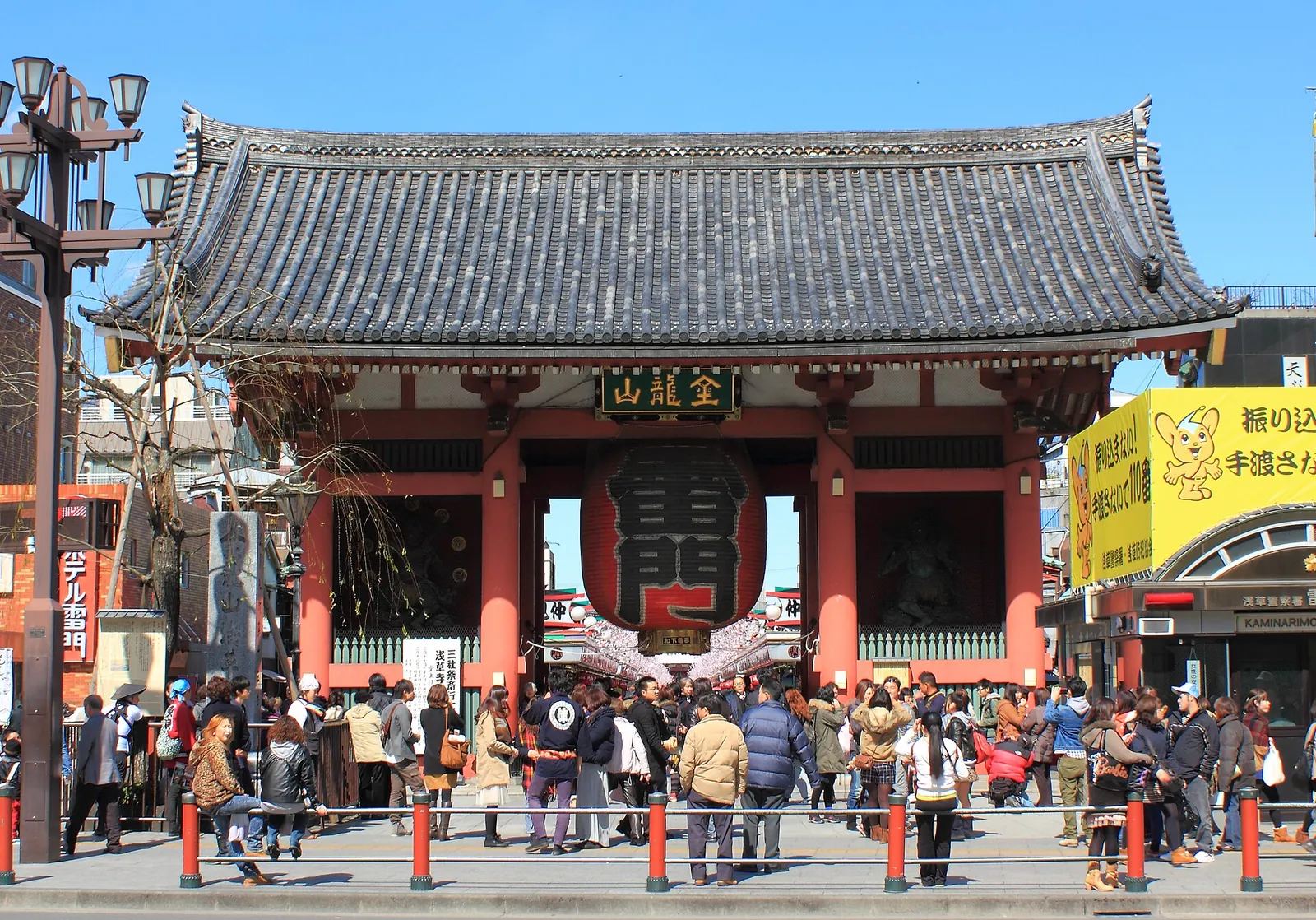
Welcome to Tokyo! Kick things off in Asakusa at Senso-ji, the city’s most famous temple. Walk under the big lantern gate and browse the shopping street that leads to the main hall. Go early: the street fills up quickly from mid-morning.
Afternoon
Ride a few stops on the subway to Ueno. Ueno Park has museums, a pond and shady paths, which makes it a good place for a jet-lagged afternoon. Ameyoko, the market street beside the railway tracks, is fun for snacks.
Evening
Head to Akihabara, one JR stop or a short walk from Ueno, for anime shops, arcades and electronics. Use a route app for live train times, because Tokyo’s network is dense and timings change by line.
Day 2: Shrines, fashion and city lights in west Tokyo
Morning
Get ready for a day of contrasts, from calm forest to dazzling neon. Begin at Meiji Jingu, a forested shrine right beside Harajuku station. The wide gravel paths under tall trees feel a long way from the city.
Afternoon
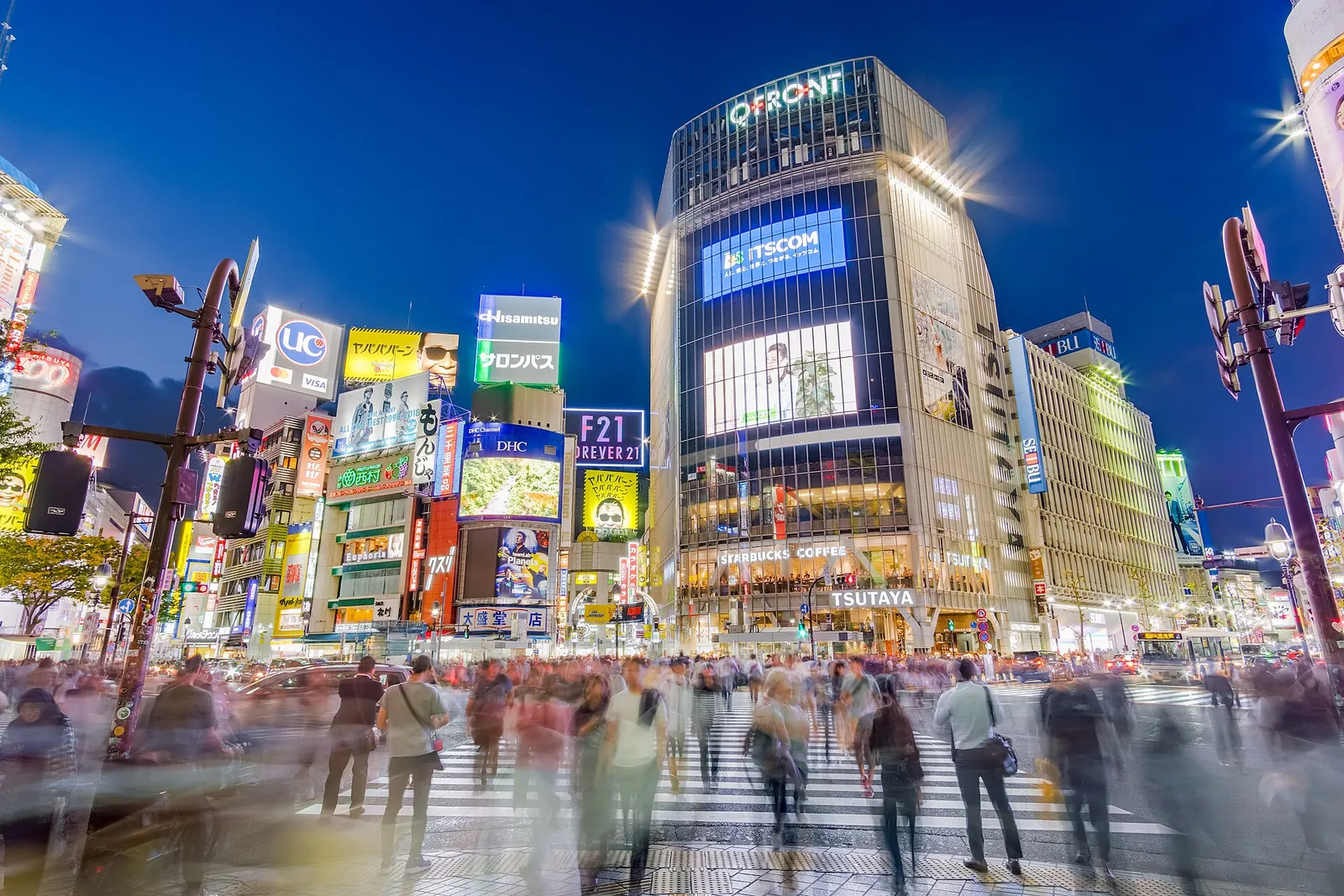
Walk out into Harajuku for Takeshita Street’s crepes and quirky fashion, then stroll down Omotesando’s tree-lined avenue. Carry on to Shibuya for the famous scramble crossing. Harajuku and Shibuya are next to each other, so you can walk it or hop one stop on the JR Yamanote Line.
Evening
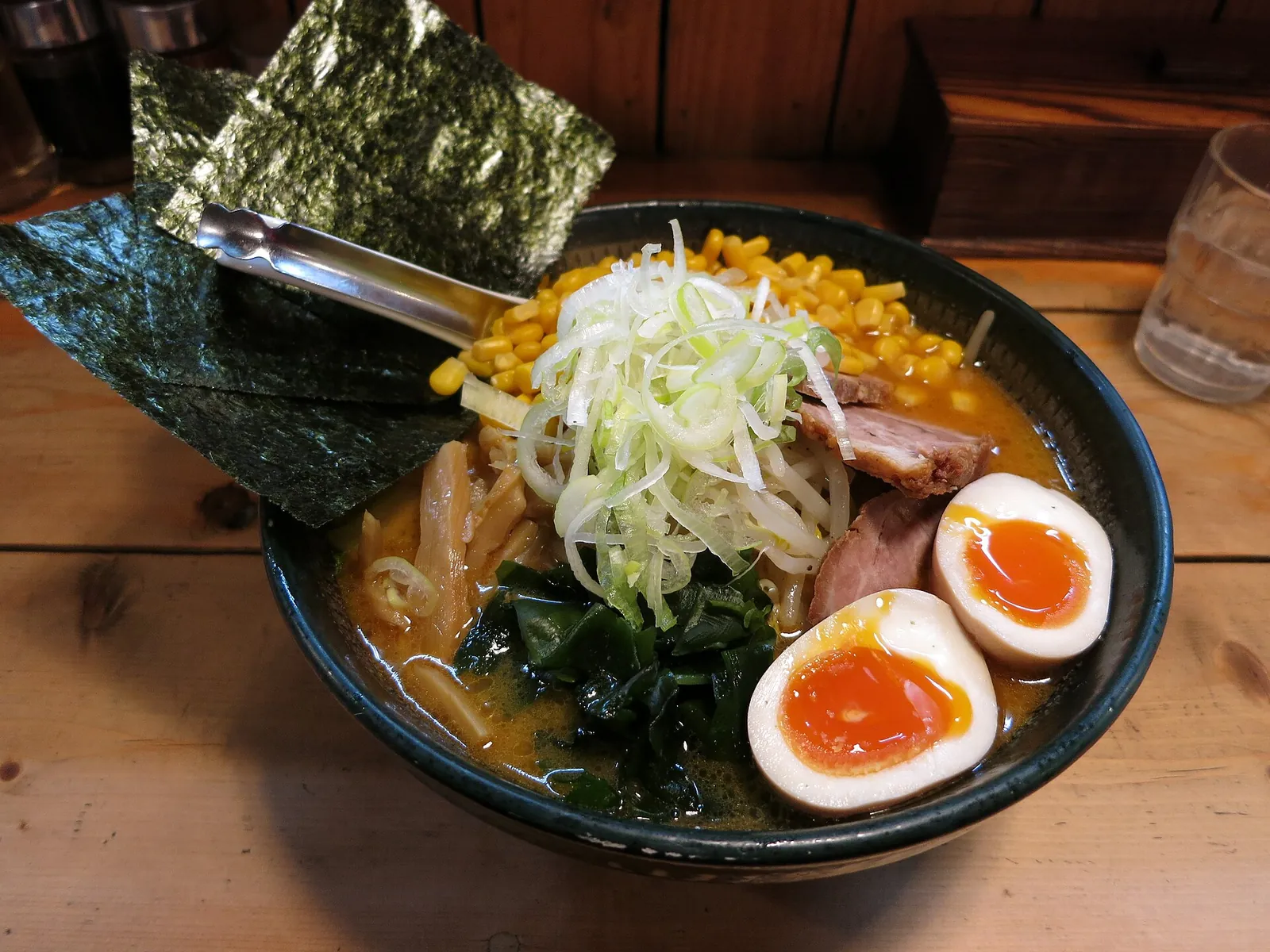 Finish in Shinjuku: bright lights, tiny bars in the old alleys and endless ramen counters. If you’re heading to Hakone tomorrow, this is also where your train leaves from, so it’s a handy area to sleep.
Tonight: pack a small overnight bag. Many travellers send their big suitcase ahead to Kyoto with a luggage forwarding service. Ask your hotel desk how it works.
Day 3: The Hakone loop and an onsen night
Morning
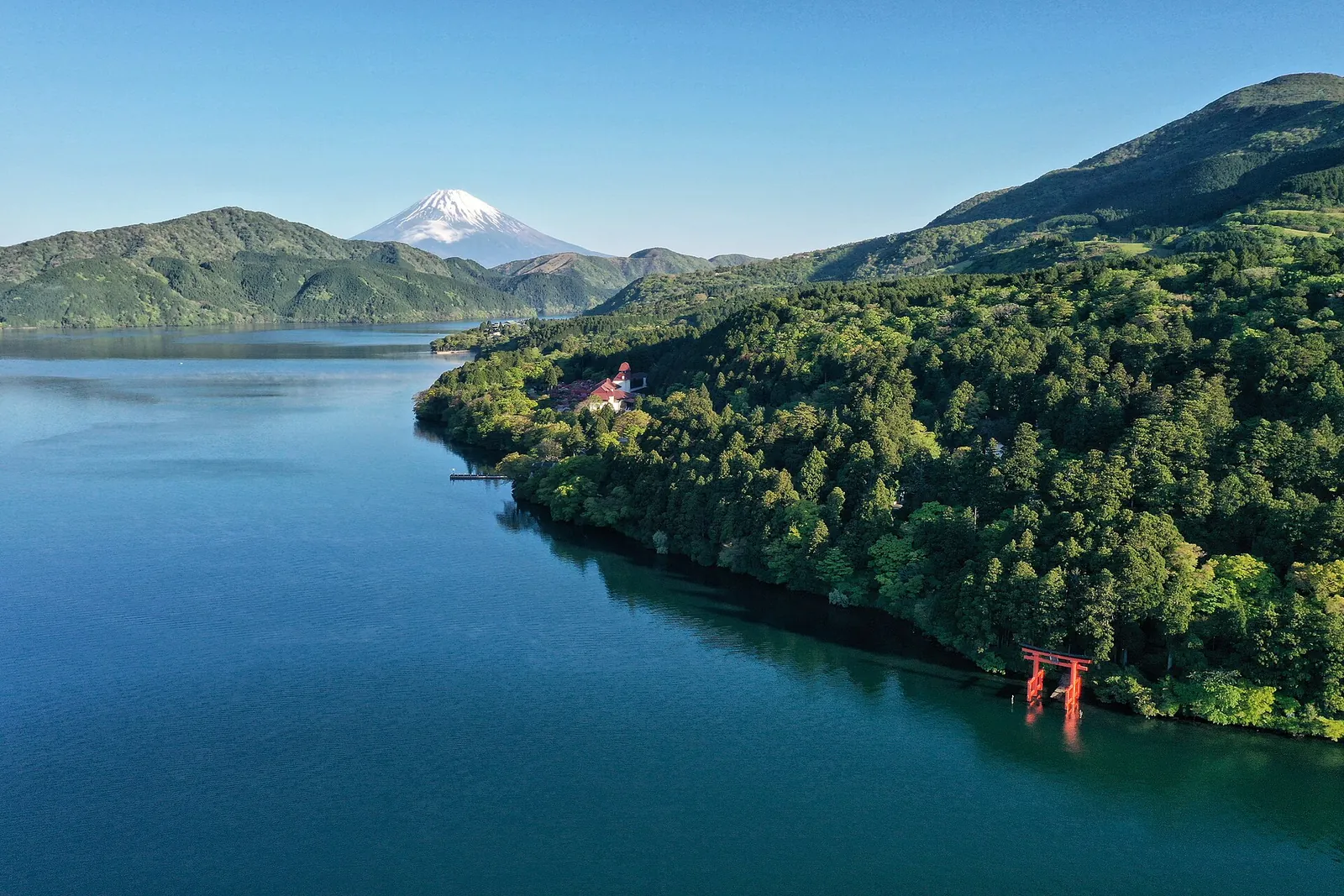
Today you swap skyscrapers for mountains, lakes and hot springs. Buy the Hakone Freepass from Shinjuku. It includes a return trip on the Odakyu Line plus unlimited rides on the Hakone Tozan Railway, Tozan Cable Car, Hakone Ropeway, Hakone Sightseeing Cruise and buses in designated areas. If you want the faster “Romancecar” limited express, you pay an extra fee on top. The pass also gives discounts at around 70 tourist spots.
Afternoon
Do the classic loop: mountain railway up to Gora, cable car to Sounzan, then the ropeway over the steaming Owakudani valley down to Lake Ashi, and the sightseeing cruise across the lake. On a clear day, look out for Mount Fuji.
Evening
Check in to a traditional inn (ryokan) or onsen hotel, slip into a yukata and enjoy a long soak and a multi-course dinner. This is the slow, restorative night that makes the rest of the trip feel easier.
Day 4: Hakone to Kyoto
Morning
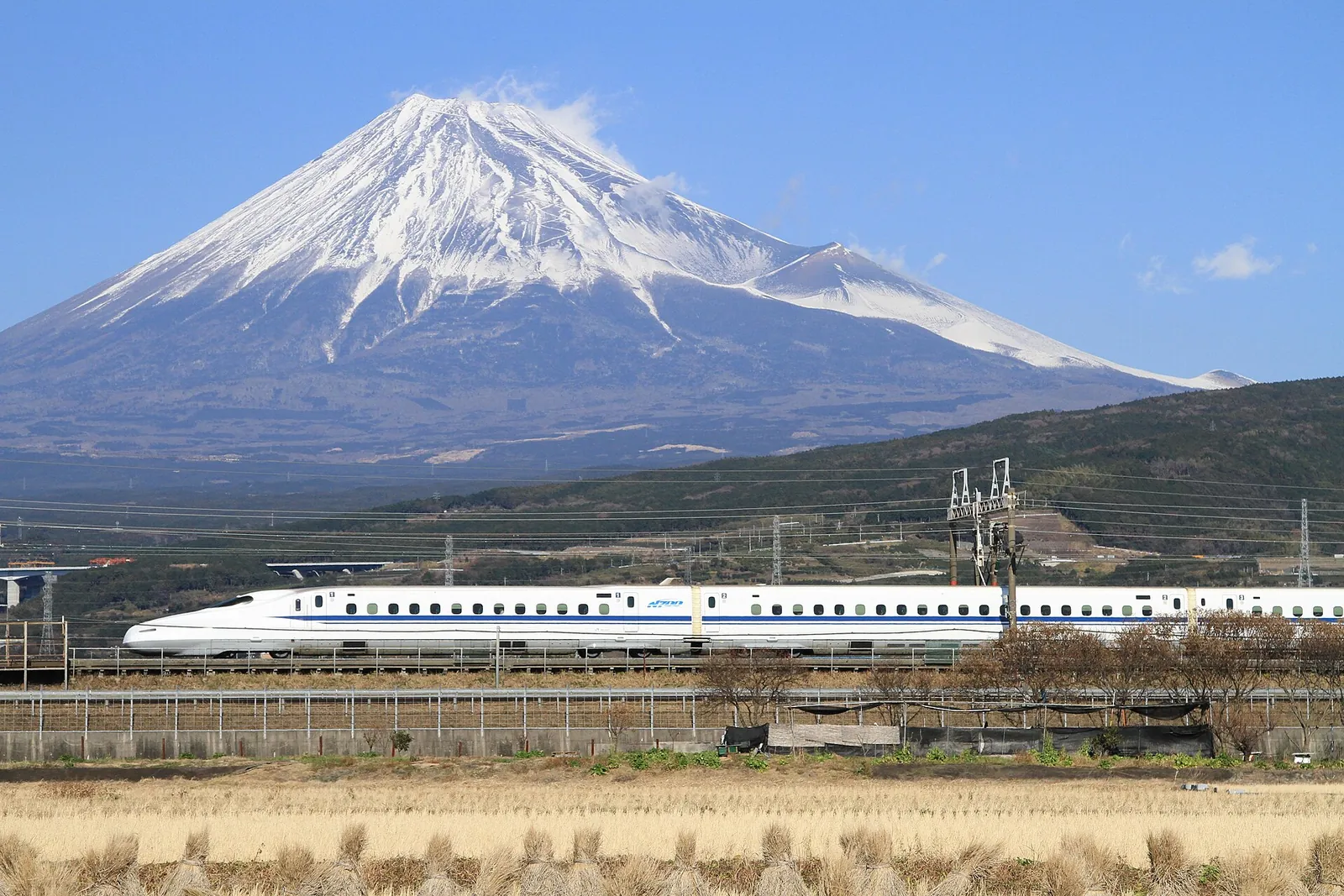
Enjoy a lazy breakfast, take one last blissful bath and head down to Odawara. That’s where you join the Tokaido Shinkansen to Kyoto. If you’re using a 7-day Japan Rail Pass, today is a good day to start it (see “Getting there and getting around”).
Afternoon
Ride the Shinkansen to Kyoto. Reserve your seat ahead. You can book Tokaido and Sanyo Shinkansen tickets before you arrive in Japan with JR’s Smart EX service, and if your suitcase is large you need a seat with an oversized baggage area (see “Heads-up”).
Evening
Drop your bags and walk through Gion and the lantern-lit Pontocho alley along the river. It’s a gentle first look at Kyoto. Follow any posted signs about photography and private lanes, and remember that these are people’s homes and workplaces.
Day 5: Kyoto’s east side
Morning
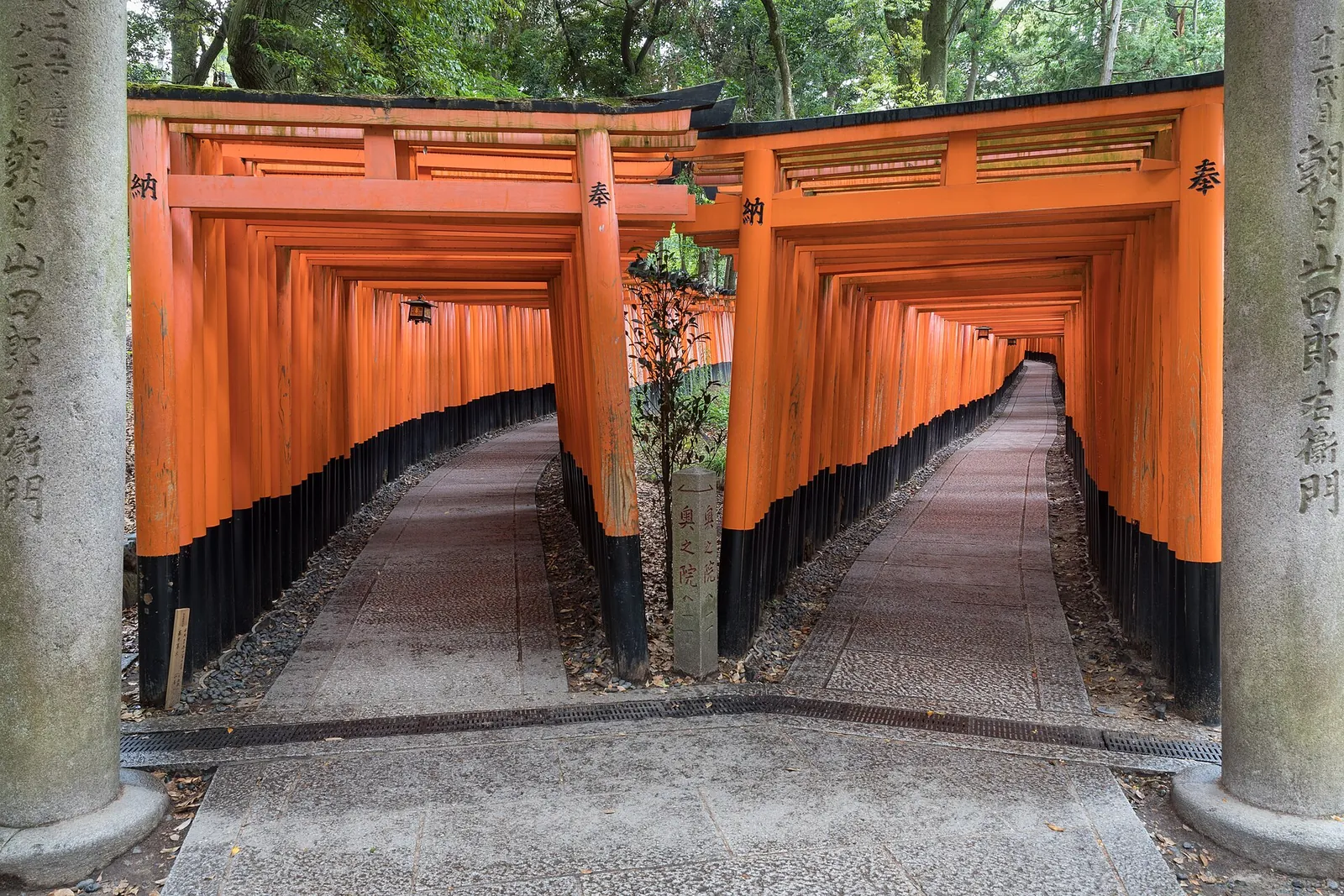
This is the day you’ll want your camera ready! Start early at Fushimi Inari Taisha, with its tunnels of orange torii gates winding up the mountain. Most visitors only walk the lower section, so the gates get much quieter the higher you climb. Check the shrine’s own site for any up-to-date visitor notices.
Afternoon
Travel back towards central Kyoto and up to Kiyomizu-dera, famous for its huge wooden stage over the hillside. The temple opens at 6:00, and closing time depends on the season and special night viewings, so check the official site for the day you visit. Please don’t eat or drink while walking around the grounds (cafes and tea houses are fine), and leave drones, monopods and tripods at the hotel, because they are not allowed.
From Kiyomizu-dera, wander downhill through Sannenzaka and Ninenzaka, the stone-paved lanes lined with wooden shops. Then carry on towards Yasaka Shrine. It’s all downhill and all on foot.
Evening
Have dinner around Gion or along the Kamo River, which is lovely for an evening stroll.
Day 6: Golden Pavilion and Arashiyama
Morning
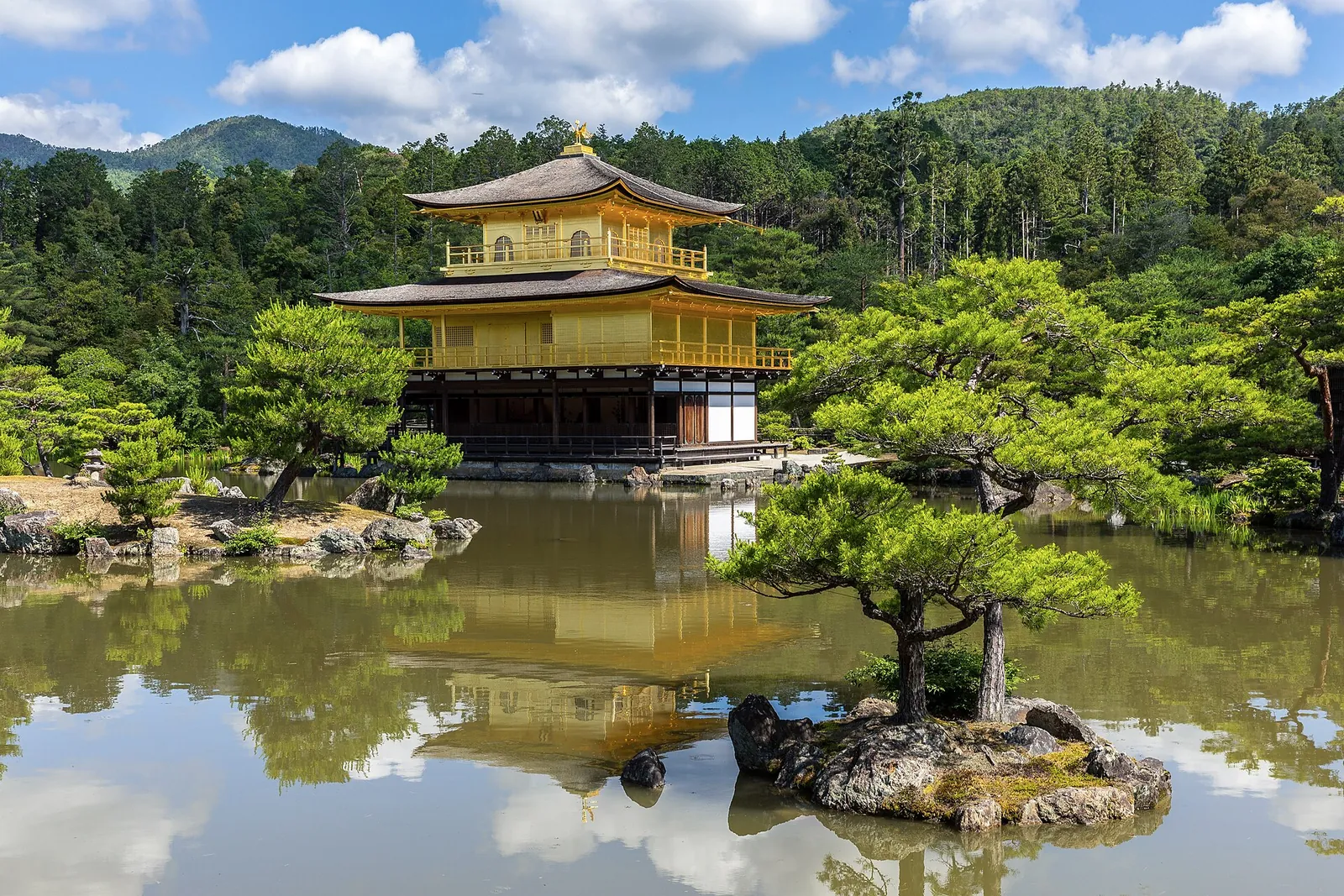
Gold, gardens and bamboo are on today’s menu. Be at Kinkaku-ji (the Golden Pavilion) for its 9:00 opening. It’s open all year from 9:00 to 17:00, and admission is ¥500 for adults (¥300 for primary and middle school students). Hours can change during special exhibitions. To get there, take Kyoto City Bus 12, 59, 205 or M1 to the Kinkakuji-michi stop.
Afternoon
Head west to Arashiyama for the bamboo grove, the Togetsukyo bridge and riverside temples. Bus and train links can be slow at busy times, so use a route app and build in some buffer time.
Evening
Return to central Kyoto. Nishiki Market is a fun stop for snacks, but it winds down early in the evening, so the restaurants around Kawaramachi are your best bet for a relaxed dinner.
Day 7: Nara’s great Buddha, then on to Osaka
Morning
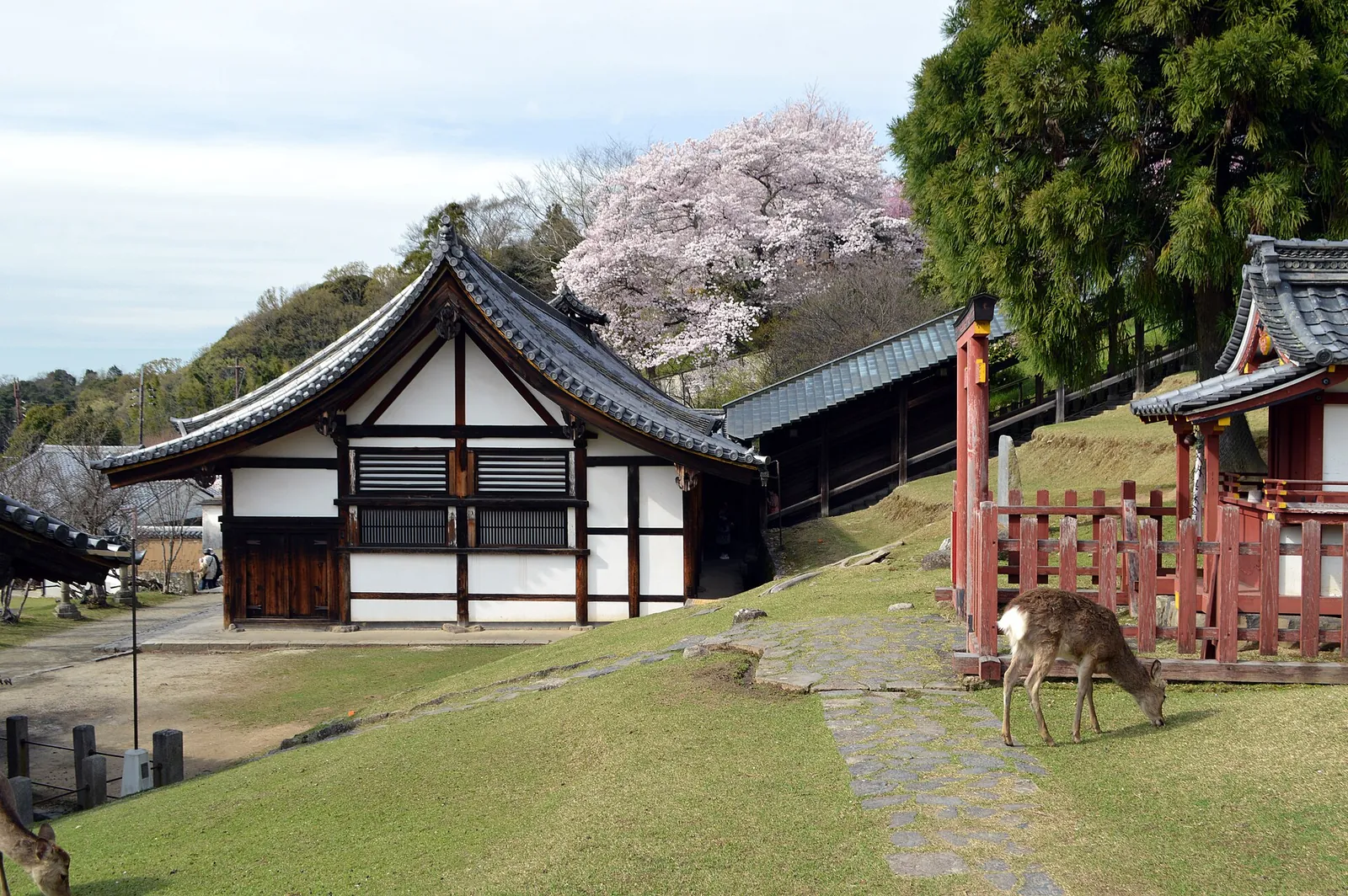
Say hello to Nara’s famous deer today! Check out of Kyoto, store your bags or send them on to Osaka, and take a train to Nara. Both JR and Kintetsu run trains between the two cities, so check the times for whichever you’re using. Walk through Nara Park, where deer wander freely. Treat them as wild animals, keep snacks out of sight and supervise children.
Make Todai-ji your main stop. Its Great Buddha Hall (Daibutsu-den) opens 7:30 to 17:30 from April to October and 8:00 to 17:00 from November to March. Adults pay ¥800 and children aged 6 to 12 pay ¥400. You can rent an audio guide just past the Great Buddha Hall ticket point.
Afternoon
Wander on through the park to the lantern-lined paths of Kasuga Taisha, or relax in one of the gardens near Todai-ji. Then take the train to Osaka.
Evening
Dive into Dotonbori: neon signs, canal-side crowds and street food like takoyaki. Prepare to eat a lot.
Day 8: Osaka Castle and food streets
Morning
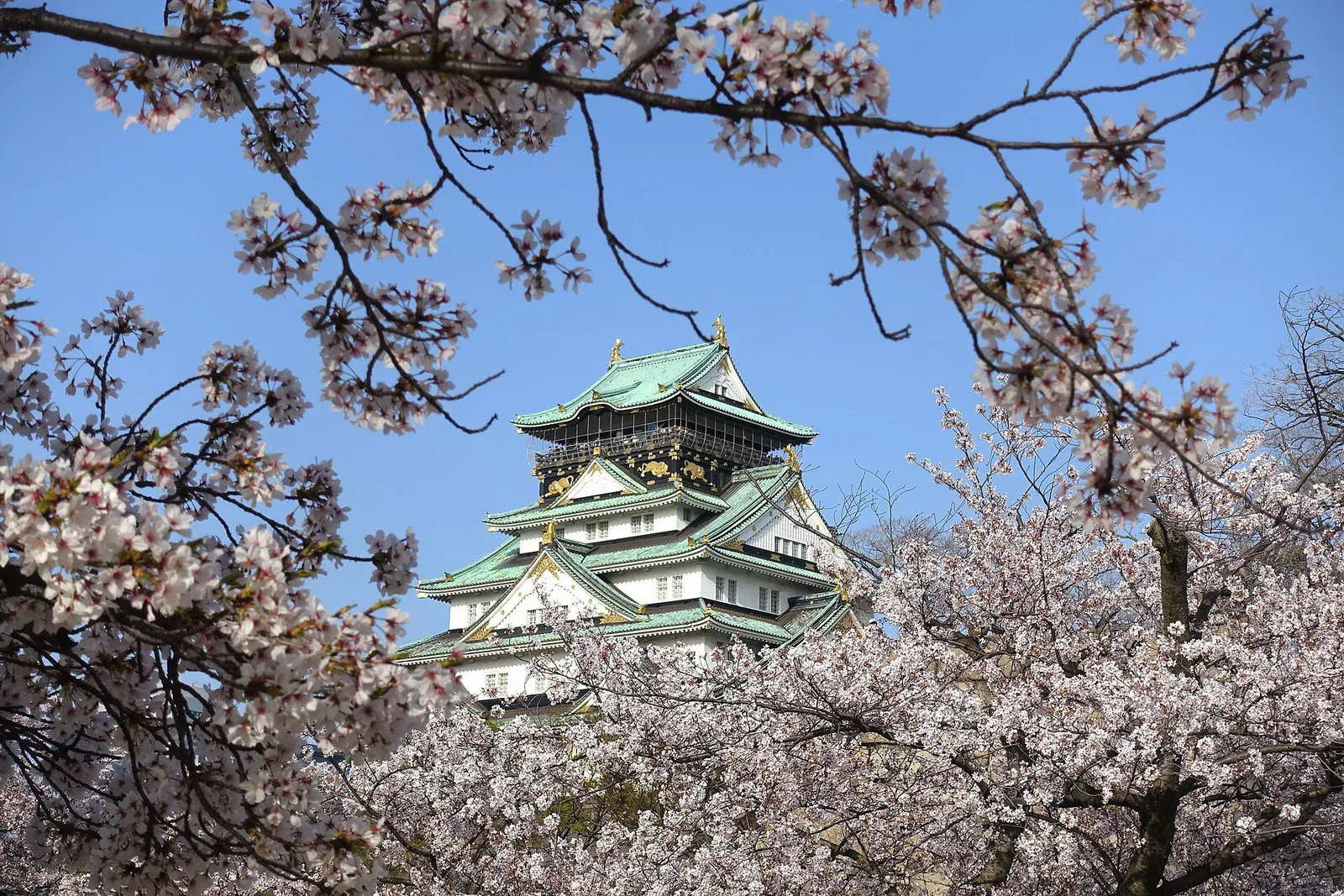
Save your appetite for tonight’s food streets! First, visit Osaka Castle. The main tower is a museum, and the official site lets you buy admission tickets online in advance. Check the official site for current prices and hours, and allow extra time to walk the moats and stone walls in the park around it.
Afternoon
Graze your way through Kuromon Market, then head to retro Shinsekai for kushikatsu (deep-fried skewers) with Tsutenkaku tower overhead.
Evening
Go up to Umeda for city views and big-station dining, or return to Namba for one more round of street food. Pack tonight: tomorrow is an early Shinkansen.
Day 9: Hiroshima
Morning
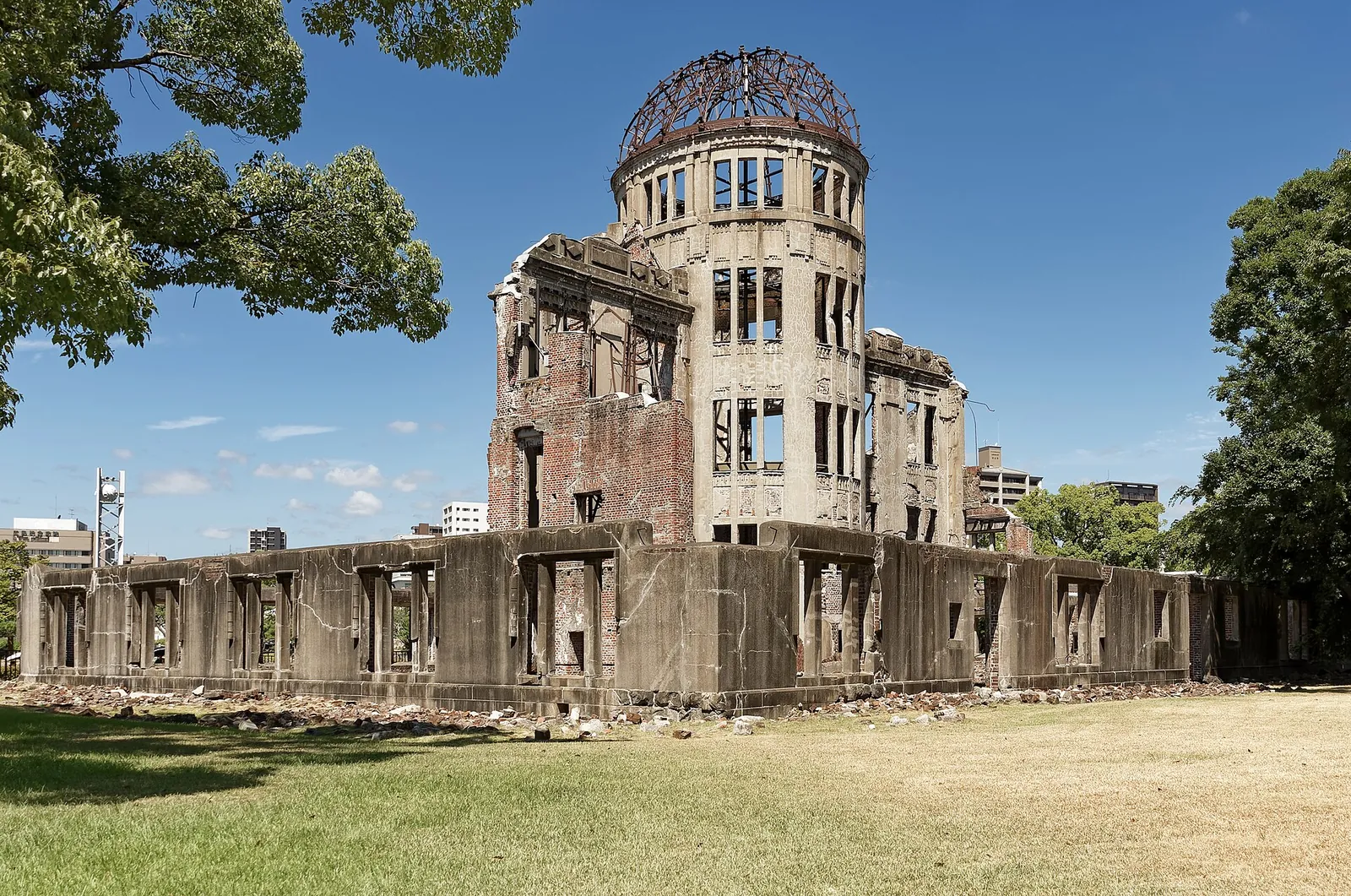
Today brings one of the most moving, hopeful stops of the trip. Take the Sanyo Shinkansen from Shin-Osaka to Hiroshima (reserve seats as before). Go straight to the Peace Memorial Park and the Hiroshima Peace Memorial Museum. Admission is ¥200 for adults, ¥100 for high school students and free for junior high school students and younger. Visitors aged 65+ pay ¥100 if they show their passport.
From September to November the museum opens 7:30 to 19:00 (December to February: 7:30 to 18:00). It’s closed on 30 and 31 December and for a period in mid-February. Pre-book: to enter the permanent exhibition between 7:30 and 8:30, or in the early-evening extended slot, you need an online reservation in advance. This is a quiet, emotional visit, so give it time.
Afternoon
Walk around the park to the Atomic Bomb Dome and the memorials, then take a gentle wander through the city centre.
Evening
Try Hiroshima-style okonomiyaki, layered with noodles and cooked on a hot griddle in front of you. It’s a cheerful way to end a reflective day.
Day 10: Miyajima and onward
Morning
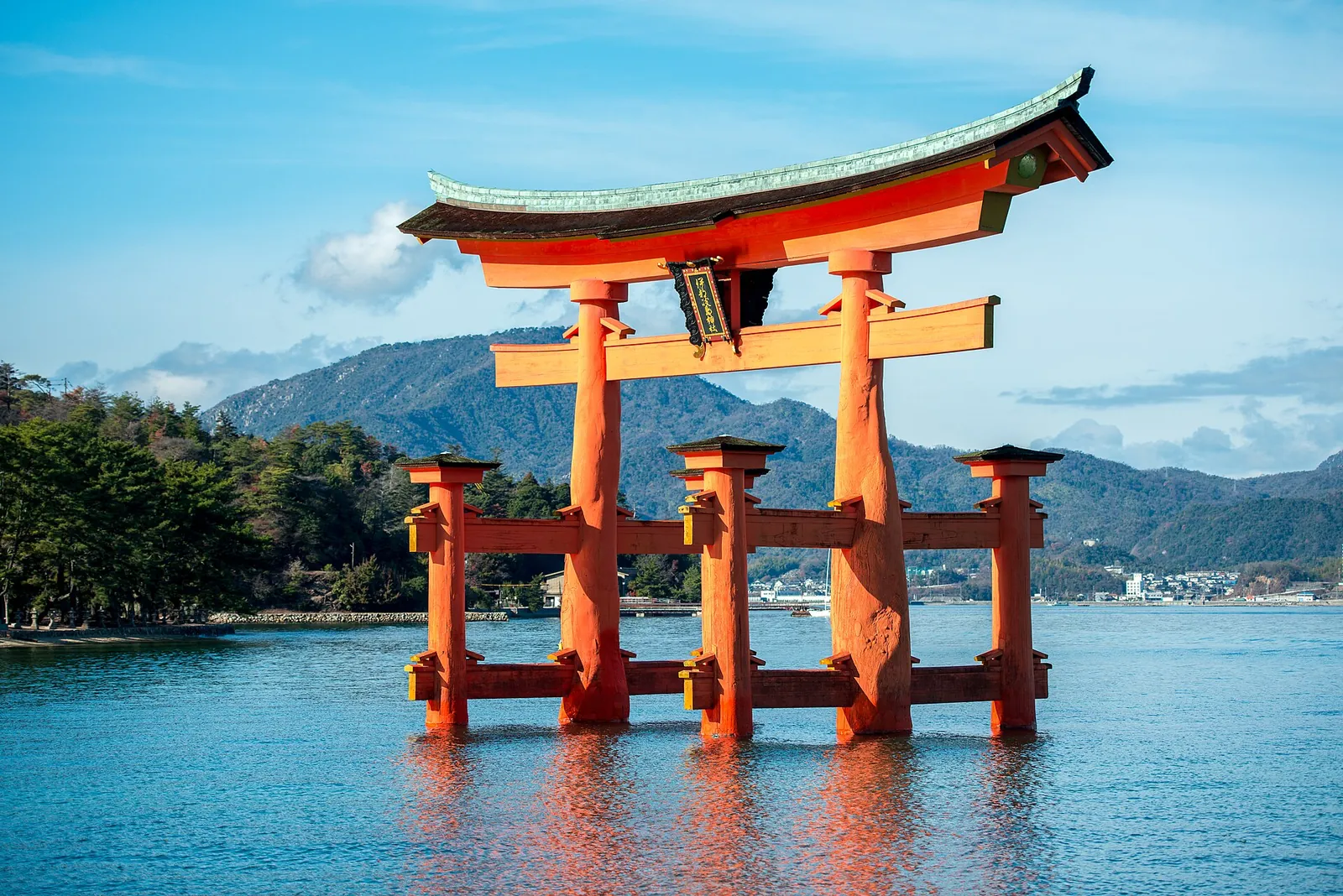
End on a high note with a short ferry hop to a sacred island. Head to Miyajimaguchi and take the JR Miyajima Ferry across. The adult fare is ¥180 each way (children ¥90), and IC cards are accepted. Everyone landing on Miyajima also pays the Miyajima Visitor Tax of ¥100, which Hatsukaichi City collects separately. Preschool children are exempt. Visit Itsukushima Shrine and the famous torii gate in the water. Check the shrine’s own notices for fees and opening times.
Afternoon
Have grilled oysters or a maple-leaf cake (momiji manju), then ferry back and catch the Shinkansen to Osaka, Tokyo or your departure airport. Leave plenty of buffer time before your flight.
Getting there and getting around
Visas and entry: Entry rules depend on your passport, and they change. Check the Ministry of Foreign Affairs of Japan visa page before you book: https://www.mofa.go.jp/j_info/visit/visa/index.html
From Narita Airport:
- Narita Express (N’EX), JR East: ¥3,140 to Tokyo Station and ¥3,330 to Shinagawa, Shibuya or Shinjuku (ordinary car, one way). JR East also sells the N’EX TOKYO Round Trip Ticket for ¥5,200, valid for 14 days. Check eligibility and booking on JR East’s site.
- Keisei Skyliner: ¥2,470 from Narita Airport to Ueno or Nippori, or ¥2,465 if you tap an approved IC card such as Suica or PASMO at the gate. Ueno is perfect for this plan’s Day 1.
From Haneda Airport:
- Tokyo Monorail: ¥520 (¥519 by IC card) from Haneda Airport Terminal 3 to Hamamatsucho, where you change to JR lines.
IC cards: Suica works on trains and buses and for shopping with a single tap. The visitor version, Welcome Suica, is sold at JR EAST Travel Service Centers (including at Narita Airport Terminal 1, Terminal 2·3, Haneda Airport Terminal 3, Tokyo, Shibuya, Shinjuku and Ueno) and at vending machines at those airport stations. In principle, it’s limited to one card per person. JR East also offers a Welcome Suica Mobile app. In Kansai, JR West’s own IC card is ICOCA.
Japan Rail Pass: A 7-day pass can cover Day 4 (Odawara to Kyoto) through Day 10. Prices have changed recently, so check current prices, which trains are included and whether it beats single tickets on the official site, japanrailpass.net. If you skip the pass, you can book single Shinkansen tickets with Smart EX, which you can use before you arrive in Japan.
Journey times: We haven’t listed Shinkansen journey times or fares between cities because they depend on the train type. Check them on Smart EX or the JR West booking pages when you plan your dates.
Where to stay
- Tokyo: Shinjuku is ideal for Day 3, because Hakone trains leave from here. It’s lively at night and has huge transport links. Ueno or Asakusa are calmer, often better value, and easy to reach on the Skyliner from Narita.
- Hakone: Gora or Lake Ashi area. Gora sits right on the Freepass loop. The lakeside is quieter and more scenic. Either way, choose somewhere with a hot-spring bath.
- Kyoto: Kyoto Station area suits travellers with luggage and early trains. Central Kyoto (Shijo, Kawaramachi, Gion edge) puts you within walking distance of evening dining and Higashiyama.
- Osaka: Namba is the place for food lovers and nightlife. Umeda is better for easy Shinkansen days (Shin-Osaka is close) and day trips.
Budget
This plan doesn’t give a daily figure because hotel and meal costs swing widely by season and style. Here are the fares and fees we could verify on official sites today.
| Item | Typical cost |
|---|---|
| N’EX Narita Airport to Tokyo / Shinjuku (one way) | ¥3,140 / ¥3,330 |
| N’EX TOKYO Round Trip Ticket | ¥5,200 |
| Skyliner Narita Airport to Ueno | ¥2,470 (¥2,465 with IC card) |
| Tokyo Monorail Haneda T3 to Hamamatsucho | ¥520 (¥519 IC) |
| Hakone Freepass, 2 days, from Shinjuku / Odawara | ¥7,100 / ¥6,000 (Romancecar extra) |
| Kinkaku-ji | ¥500 |
| Todai-ji Great Buddha Hall | ¥800 |
| Hiroshima Peace Memorial Museum | ¥200 |
| JR Miyajima Ferry (each way) | ¥180 |
| Miyajima Visitor Tax | ¥100 |
| Japan Rail Pass, Kiyomizu-dera, Osaka Castle, Itsukushima Shrine | Check the official sites |
The verified entry fees above add up to about ¥1,960 per adult, including the return ferry and visitor tax. Not included: flights, accommodation, meals, the Japan Rail Pass or single Shinkansen tickets, city metro and bus rides, luggage forwarding and shopping.
Practical tips
- Pre-book list: Shinkansen seats (Smart EX or your pass), oversized luggage seats, early or late entry to the Hiroshima museum, Osaka Castle tickets online and your Hakone ryokan.
- Start early: Kiyomizu-dera opens at 6:00 and Todai-ji at 7:30 (April to October), so you can enjoy calm photos before the tour groups arrive.
- Temple etiquette: speak quietly, follow the signs, and don’t eat while walking inside temple grounds (Kiyomizu-dera asks for this explicitly). Shoulders-covered, comfortable clothing and easy-to-remove shoes help at temples where you go indoors.
- Closing days: the Hiroshima Peace Memorial Museum closes on 30 and 31 December and for a period in mid-February.
- Free Wi-Fi: in Kyoto, the free KYOTO Wi-Fi service is available near the Kiyomizu-dera entrance and in nearby shops and cafes. For the whole trip, an eSIM or local SIM bought before you fly keeps maps and train apps running.
- Money: cards and IC cards are widely used for transport, but carry some cash for small shops, market stalls and shrine offerings.
Heads-up
A few friendly warnings, all taken from official operators:
- Narita Express disruption, 6 to 8 November 2026: JR East says some N’EX services will be suspended on these dates. If you land then, check JR East’s notice or use the Keisei Skyliner.
- Big suitcases on the Shinkansen: on the Tokaido and Sanyo Shinkansen, bags with total dimensions (length + width + height) of up to 160 cm need no reservation. Bags of 161 to 250 cm need a seat with an oversized baggage area. If you board without one, you’ll pay a ¥1,000 fee. Bags over 250 cm are not allowed on board.
- Hakone weather: Hakone Freepass transport can be suspended in bad weather. Have a backup plan, such as more onsen time or a museum.
- Hiroshima museum bags: large bags are not allowed inside the museum. Coin lockers are available.
- Kiyomizu-dera rules: no smoking anywhere on the grounds, and no drones, monopods or tripods.
- Welcome Suica limits: it’s sold only at certain locations and, in principle, one per person, so don’t count on buying spares.
- Natural disasters: JR East links to a disaster information guide from the Japan Tourism Agency on its traveller homepage. Save it to your phone before you go.
FAQ
Is a Japan Rail Pass worth it for this route?
It depends on current prices and how many long Shinkansen rides you take. Compare the pass price on japanrailpass.net with single tickets on Smart EX for Odawara to Kyoto, Osaka to Hiroshima and your return journey.
Do I need to book Shinkansen seats in advance?
It’s strongly recommended, especially at weekends and in peak seasons. It’s essential if you have a large suitcase, because oversized baggage seats are limited.
Which Hakone Freepass should I buy?
If you leave from Shinjuku, the Shinjuku version (¥7,100 for 2 days) includes the Odakyu train there. If you’re already near Odawara, the Odawara version (¥6,000) is cheaper. The Romancecar costs extra.
Can I visit Hiroshima and Miyajima in one day from Osaka?
Yes, it’s possible, but it’s a long day. This plan spends a night in Hiroshima so you can visit the museum calmly and reach Miyajima in the morning.
What do I need to pay to visit Miyajima?
The JR Miyajima Ferry is ¥180 each way for adults, and the Miyajima Visitor Tax is ¥100 per person, collected separately.
What should I wear to temples and shrines?
Wear comfortable, modest clothes and shoes that are easy to slip off. Follow each site’s posted rules, such as Kiyomizu-dera’s ban on eating while walking around the grounds.
Sources
Prices, hours and rules change. We checked these on 24 October 2026; please confirm on the official page before you book.
- JR-EAST: N'EX (Narita Express) Tickets
- JR-EAST: Official Website for travellers (Suica, Welcome Suica notice)
- Keisei Electric Railway: Skyliner Fares from Major Stations
- Tokyo Monorail: Fare table
- Hakone Navi: Hakone Freepass Details
- Shokoku-ji: Kinkaku-ji Access and Visit
- Kiyomizu-dera Temple: FAQ
- Todai-ji: Opening Hours / Admission Fees
- Hiroshima Peace Memorial Museum: Hours and Admission
- JR West Miyajima Ferry: Fares
- Hatsukaichi City: Miyajima Visitor Tax
- Osaka Castle Museum (official site)
- JR-WEST: Tickets and Passes
- JR-WEST: Other Rail Passes (Japan Rail Pass link)
- Japan Rail Pass: Oversized baggage size restrictions and rules (PDF)
Photo credits (12)
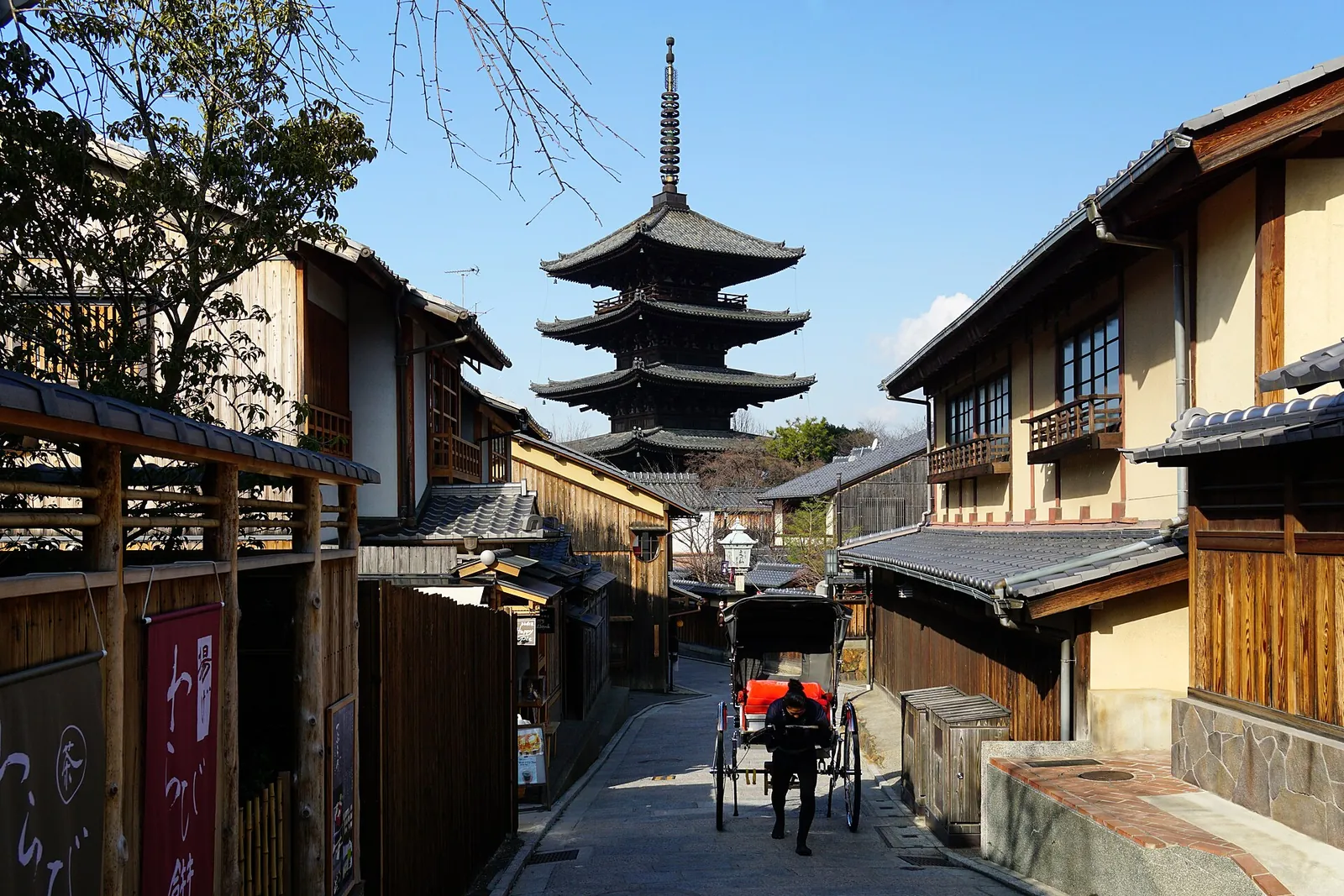
- Yasaka pagoda above a quiet lane in Kyoto's Higashiyama: 663highland, CC BY 2.5, via Wikimedia Commons
- Kaminarimon gate and its giant red lantern at Senso-ji: Kakidai, CC BY-SA 3.0, via Wikimedia Commons
- Shibuya scramble crossing glowing at dusk: Benh LIEU SONG (Flickr), CC BY-SA 2.0, via Wikimedia Commons
- Shinkansen bullet train gliding past Mount Fuji: tansaisuketti, CC BY-SA 3.0, via Wikimedia Commons
- Twin paths of orange torii gates at Fushimi Inari: Basile Morin, CC BY-SA 4.0, via Wikimedia Commons
- Golden Pavilion reflected in its pond on a sunny day: Basile Morin, CC BY-SA 4.0, via Wikimedia Commons
- A deer grazing under cherry blossoms at Todai-ji, Nara: DimiTalen, CC0, via Wikimedia Commons
- Osaka Castle framed by spring cherry blossoms: Luka Peternel, CC BY-SA 4.0, via Wikimedia Commons
- The Atomic Bomb Dome under a clear blue sky: Jakub Hałun, CC BY 4.0, via Wikimedia Commons
- Itsukushima's great torii standing in the sea: JordyMeow, CC BY-SA 3.0, via Wikimedia Commons
- Steaming bowl of ramen with soft-boiled eggs: Douglas Paul Perkins, CC0, via Wikimedia Commons
- Lake Ashi with Mount Fuji and Hakone Shrine's red torii: Charlie fong, CC BY-SA 4.0, via Wikimedia Commons
This is a researched plan, not a personal trip report. How we research · Affiliate disclosure