
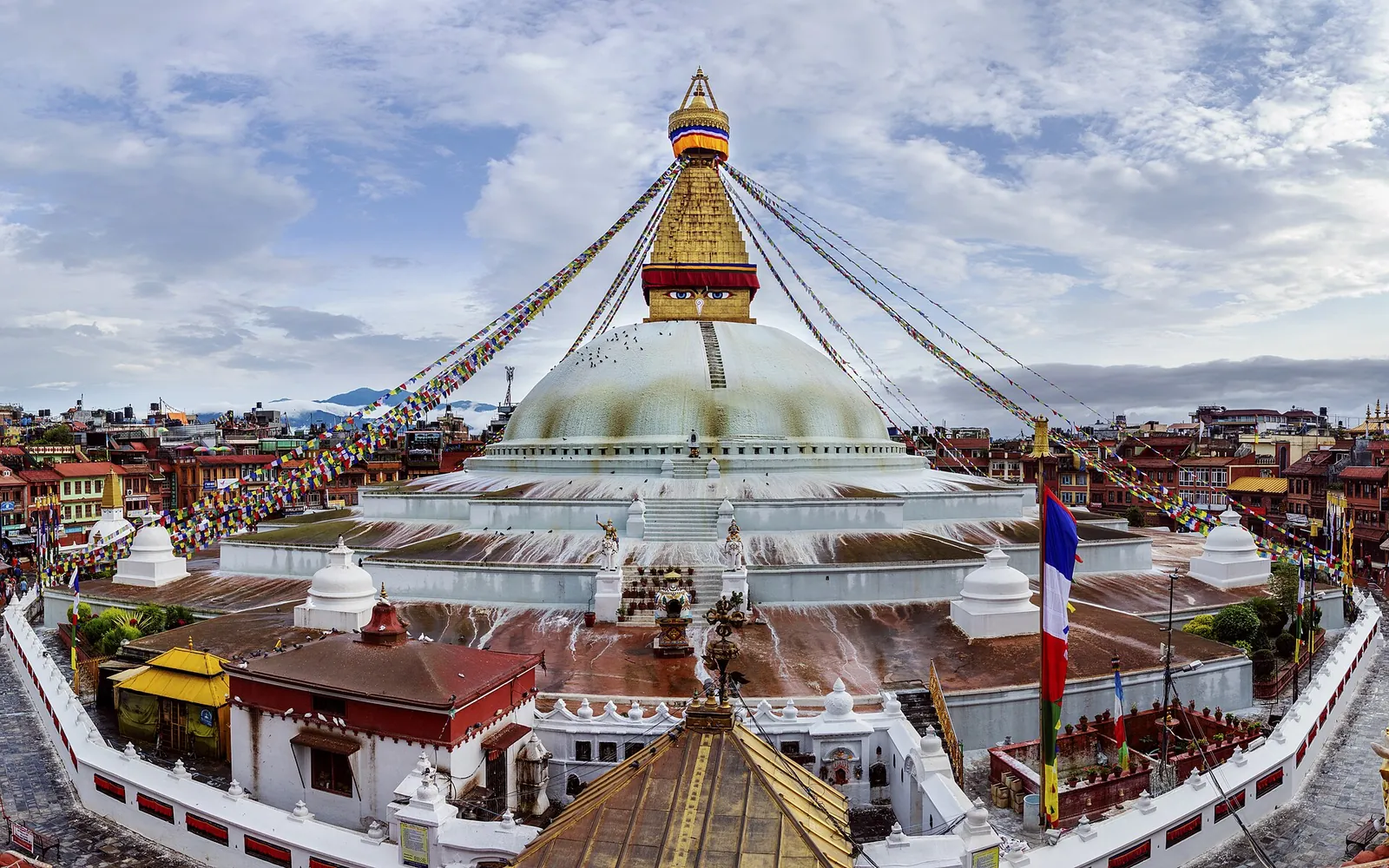
4 Days in Kathmandu and the Kathmandu Valley: A Day-by-Day Itinerary
A 4-day Kathmandu Valley plan: Swayambhu, Durbar Square, Boudha, Pashupatinath, Patan and Bhaktapur, with official entry fees and safety tips.
- 🗓️ Trip length
- 4 days
- ☀️ Best time
- October to November, or spring
- 💰 Daily spend
- Entry fees NPR 1,000-2,100 a day, plus stay, food and taxis
- ✅ Facts checked
- 24 October 2026
Get ready for prayer flags snapping in the breeze, butter lamps flickering in temple courtyards and some of the most beautiful wood carving on the planet. The Kathmandu Valley packs three former royal cities, two of the world’s most famous Buddhist stupas and one of Nepal’s holiest Hindu temples into an area you can explore entirely by taxi and on foot. Four days is the sweet spot: enough time to see the big UNESCO-listed sites without rushing, with space left over for chai stops and getting happily lost in brick-paved lanes.
This plan is perfect for first-time visitors, culture lovers and anyone arriving before or after a trek. The pace is moderate: one main area per day, the busiest sights in the morning and relaxed evenings. You don’t need to pre-book any of the heritage sites below. The Nepal Tourism Board says entry fees are paid at the entry point, so just carry Nepalese rupees (NPR) in small notes.
At a glance
| Day | Area | Highlights |
|---|---|---|
| 1 | Old Kathmandu | Swayambhu Stupa, Kathmandu Durbar Square, Indra Chowk and Asan bazaars, Garden of Dreams, Thamel |
| 2 | East Kathmandu | Boudha Stupa kora, Tibetan monasteries, Pashupatinath Temple and the riverside evening aarti |
| 3 | Patan (Lalitpur) | Patan Durbar Square and Patan Museum, Golden Temple, courtyards and craft workshops |
| 4 | Bhaktapur | Changunarayan Temple, Bhaktapur Durbar Square, Taumadhi and Dattatreya squares, optional Nagarkot |
Day 1: Old Kathmandu and the Monkey Temple
Morning
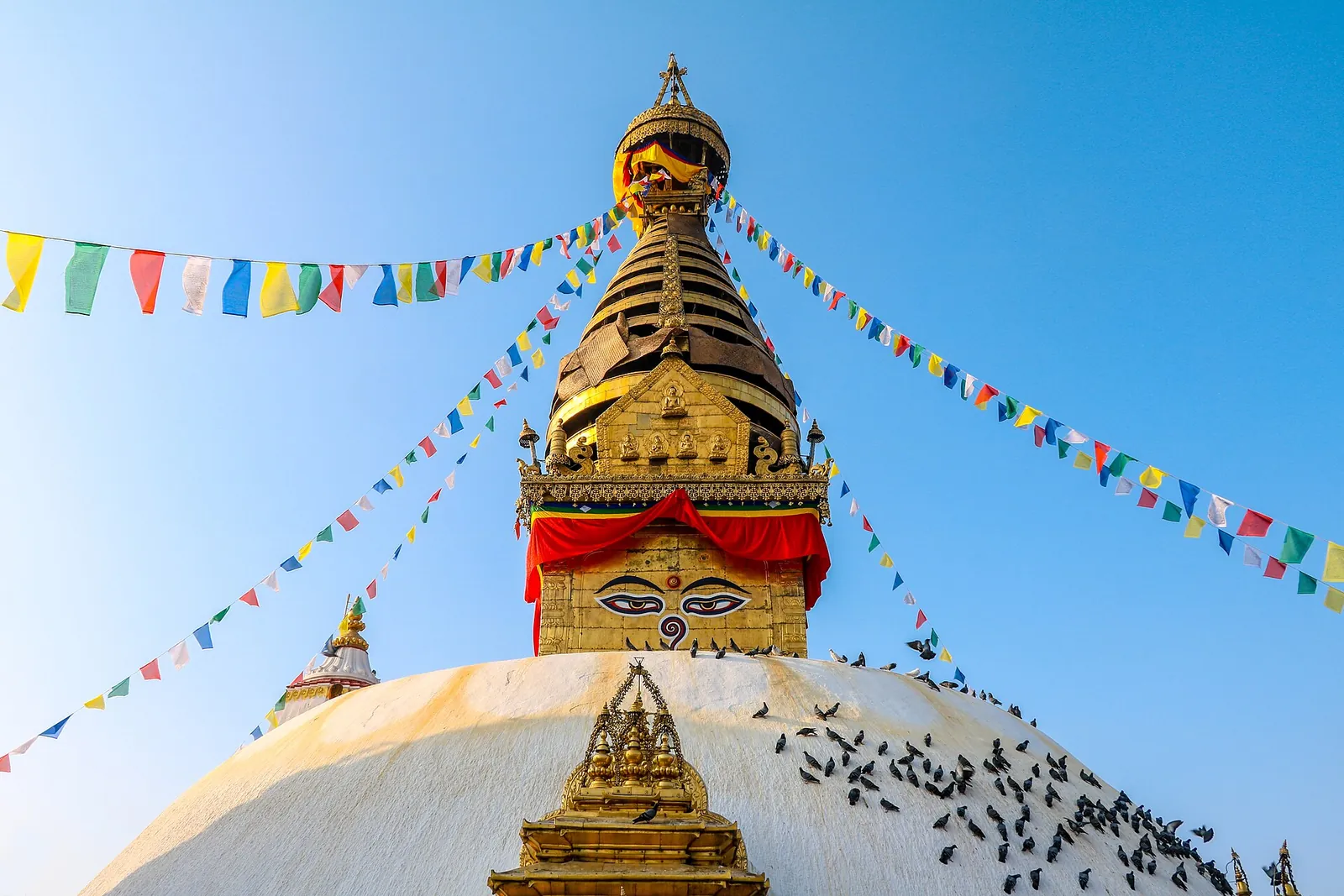
Your first morning comes with a view! Start early at Swayambhu Stupa, the hilltop stupa on the western side of the city that’s often called the Monkey Temple. Climb the eastern stairway, walk clockwise around the white dome and look up at the painted eyes of the Buddha gazing over the valley. Local devotees come in the morning to spin the prayer wheels, and on a clear day the city views are wonderful.
The Nepal Tourism Board lists entry at NPR 200 for foreign nationals and NPR 50 for SAARC nationals. Children under 10 go free.
Afternoon
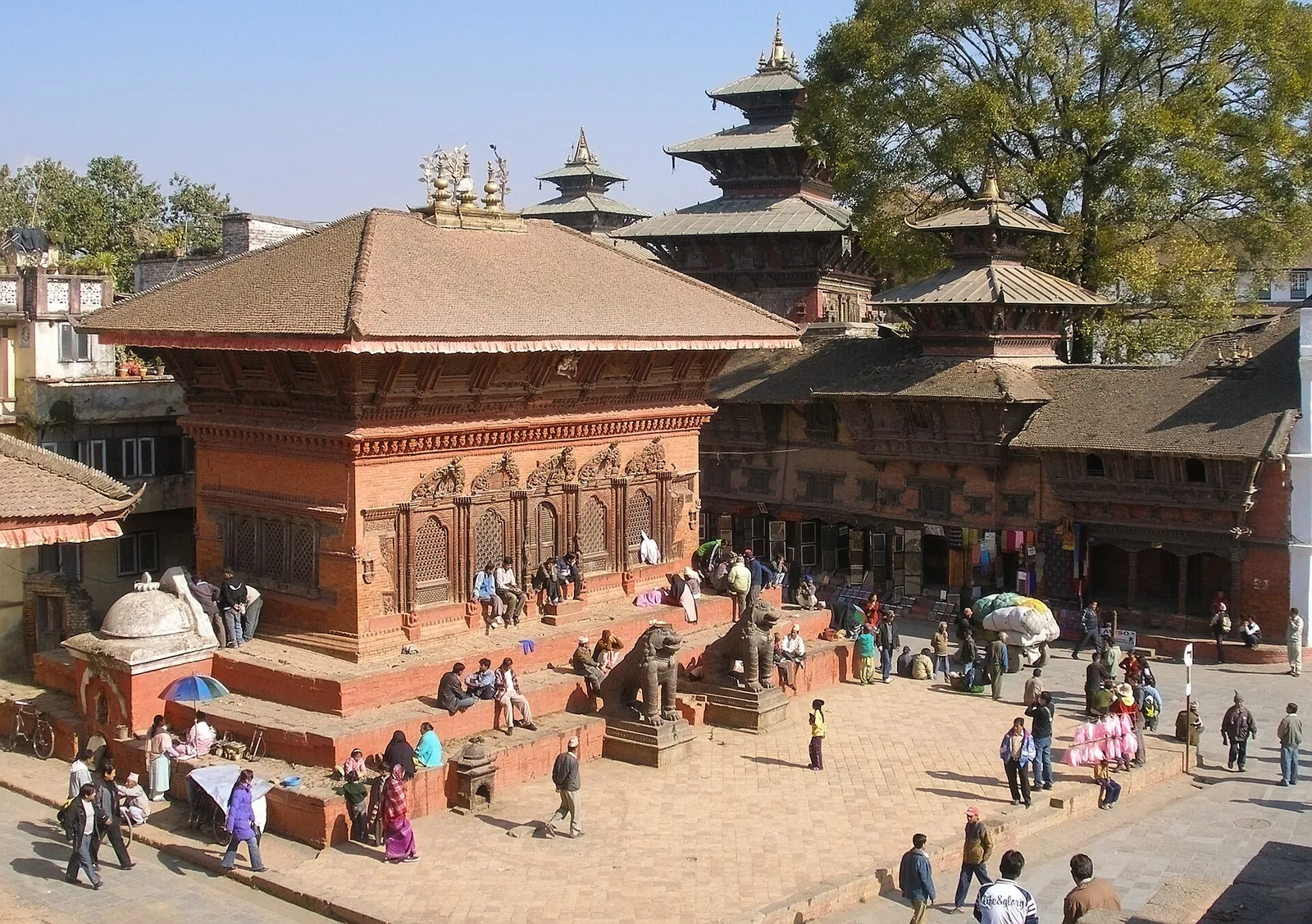
Take a taxi down to Kathmandu Durbar Square (also called Basantapur or Hanuman Dhoka), the old royal heart of the city. One ticket covers the square and the Tribhuvan Museum inside the palace complex. It costs NPR 1,000 for foreign nationals and NPR 500 for BIMSTEC nationals, and children under 10 go free.
Give yourself at least two hours here. Wander between the tiered temples, peek into the courtyards of the old palace and look out for the Kumari Ghar, home of the living goddess.
Then walk north through the old bazaars. The lanes through Indra Chowk and Asan are a riot of spice stalls, brass shops and tiny shrines tucked into walls. They lead you naturally towards Thamel, so you won’t need a taxi.
Evening
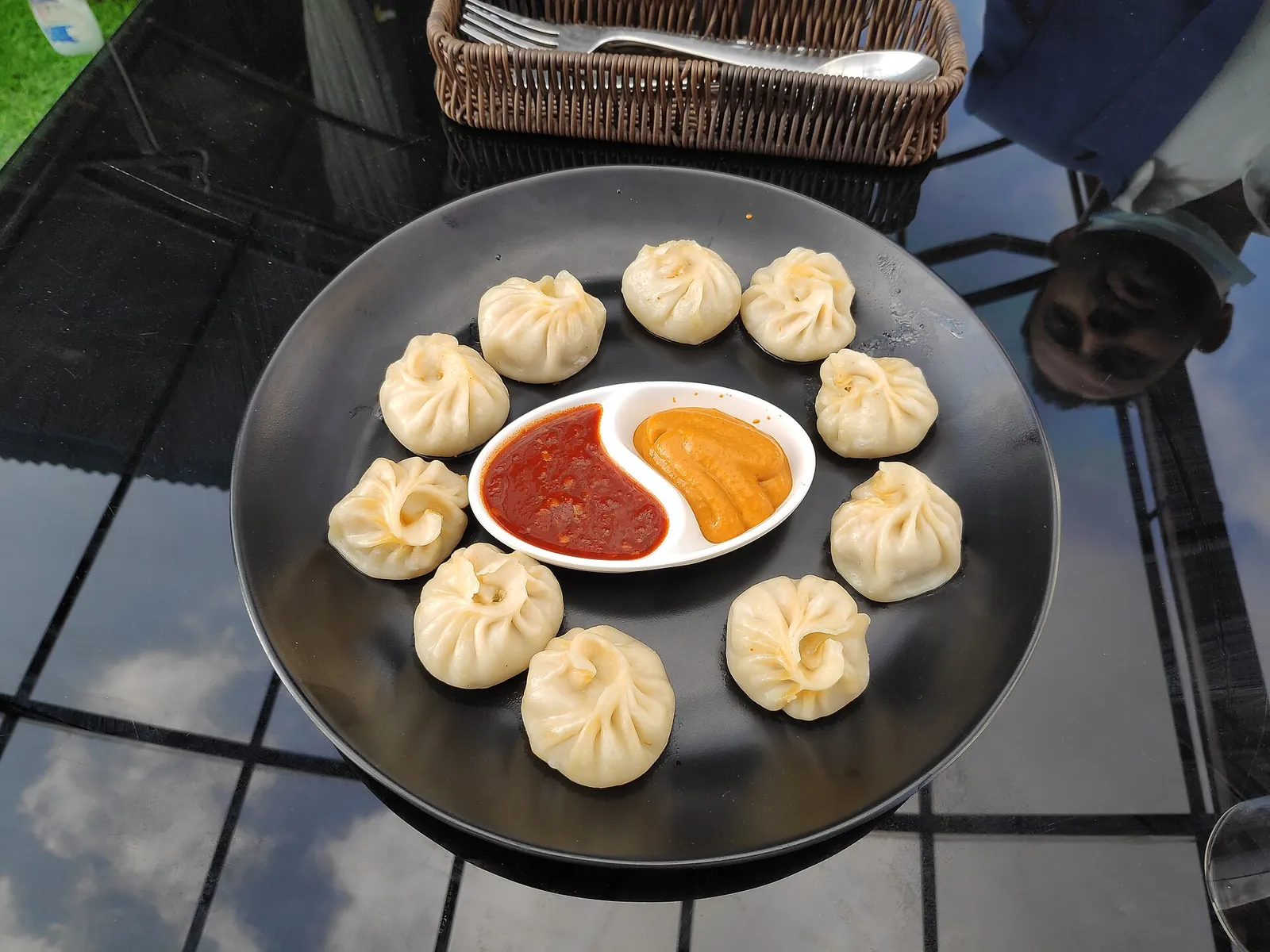
Just before you reach Thamel, the Garden of Dreams is a calm neo-classical garden and a lovely place to pause at sunset. Entry is NPR 400 for all foreign visitors. Opening hours couldn’t be confirmed on an official source, so check them before you go. Finish in Thamel for dinner, where momos, dal bhat and Newari snacks are all easy to find.
Day 2: Boudha and Pashupatinath
Morning
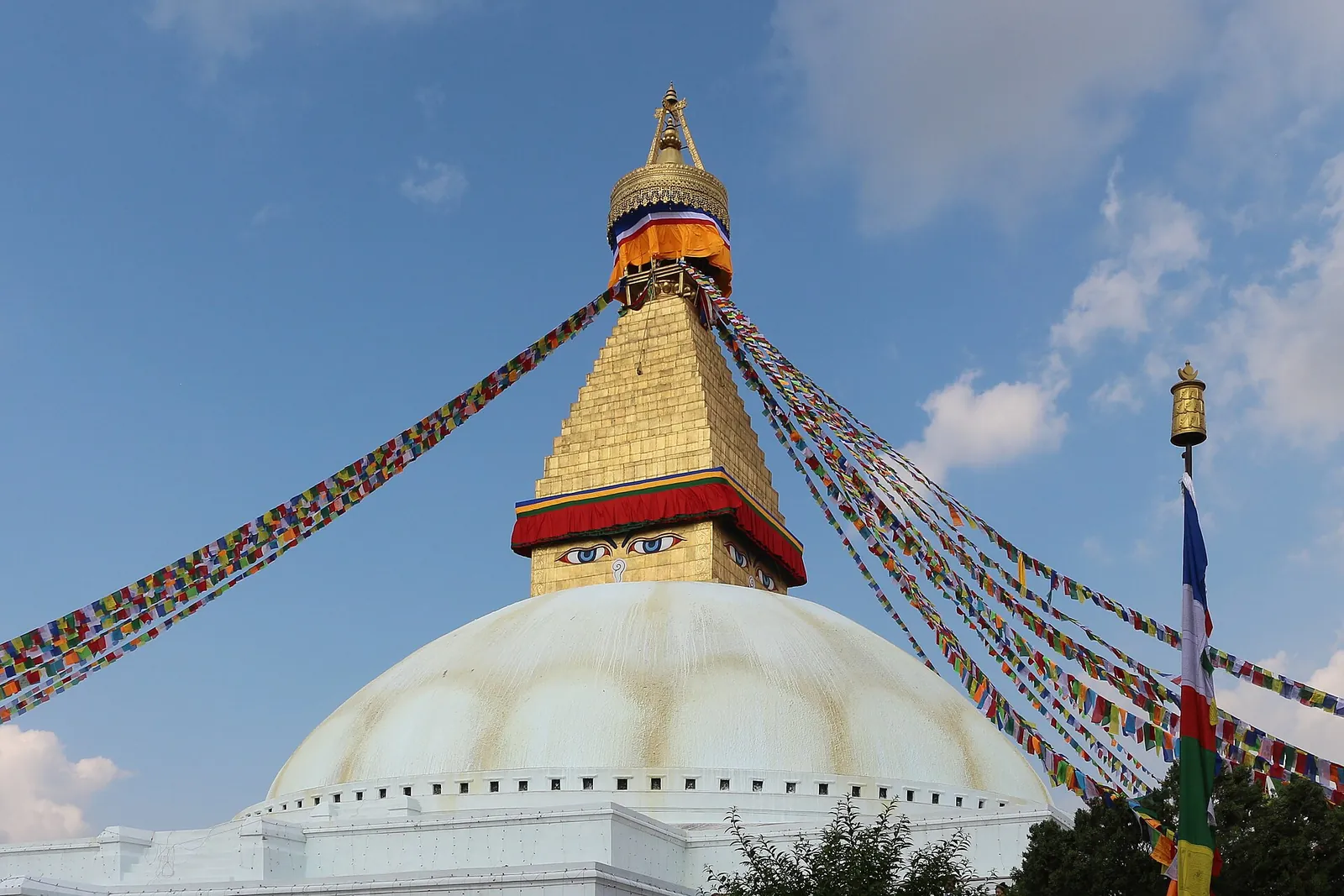
Get ready for one of the most uplifting places in the valley. Head east to Boudha Stupa, a vast white dome at the centre of Tibetan Buddhist life in Kathmandu. Arrive early and join the pilgrims walking the kora, the clockwise circuit around the stupa. Then explore the monasteries in the lanes behind it. A rooftop café with a view of the dome makes a perfect breakfast spot.
Entry is NPR 400 for foreign nationals and NPR 100 for SAARC nationals. Children under 10 go free.
Afternoon
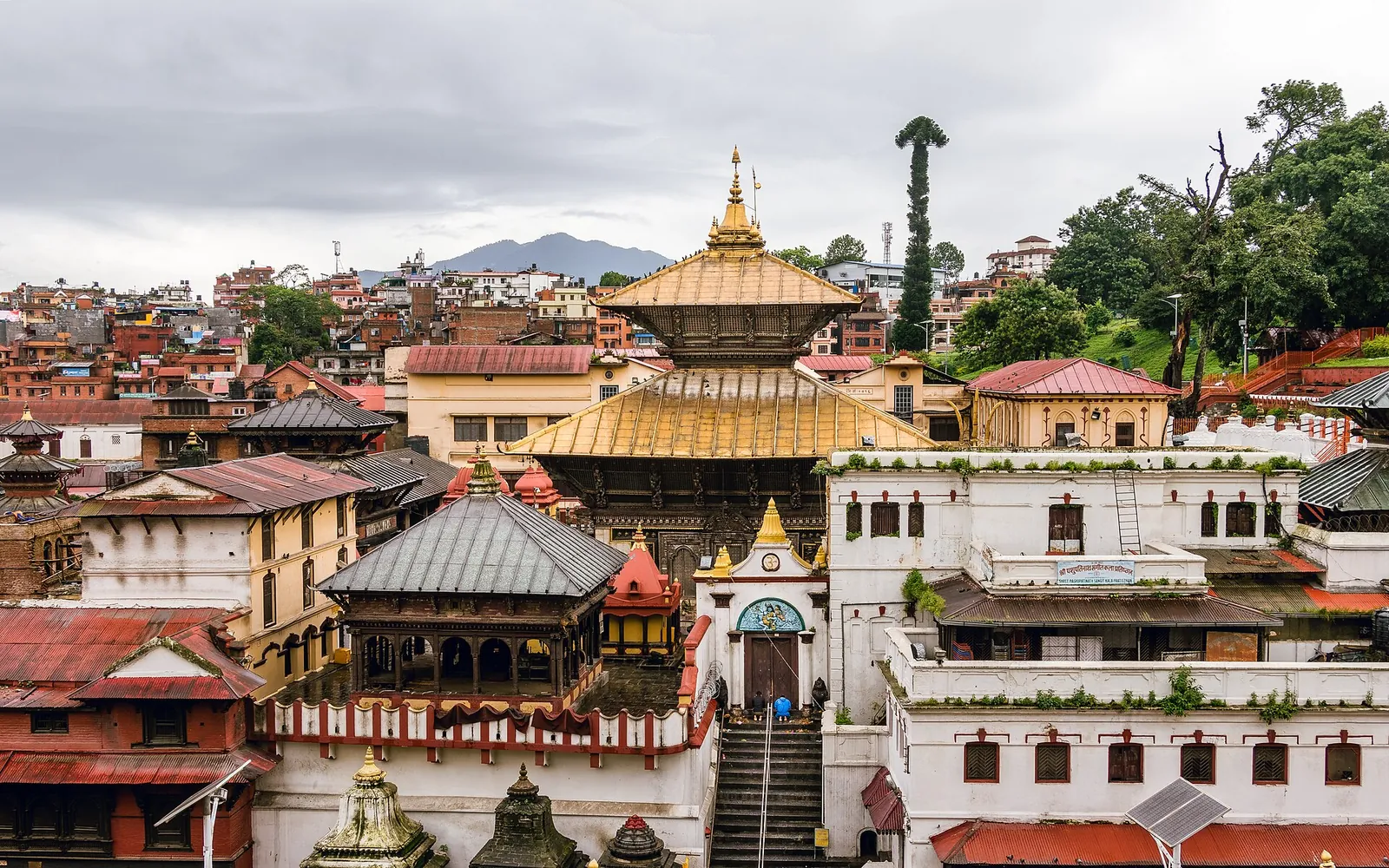
Pashupatinath Temple stands on the banks of the Bagmati River and is one of the most sacred Hindu temples in Nepal. It’s close to Boudha, so getting there is a short taxi ride, not a trip across the city. The fee is NPR 1,000 per day per entry for foreign and SAARC nationals, and the Nepal Tourism Board lists it as free for Indian nationals.
Please note that non-Hindus can’t enter certain parts of Hindu temples. The Nepal Tourism Board says tourists can view the main temple from the back premises. You can still explore the riverside ghats, the shrines and the terraces across the river. Open-air cremations take place on the ghats, so stay quiet and respectful and never photograph grieving families.
Evening
Stay by the river for the evening aarti, a devotional ceremony with lamps, bells and chanting that draws a big local crowd. Timings change with the seasons, so ask at the site. Because the fee is charged per entry, plan to stay rather than leave and come back. Afterwards, take a taxi back to your hotel.
Day 3: Patan, the city of fine arts
Morning
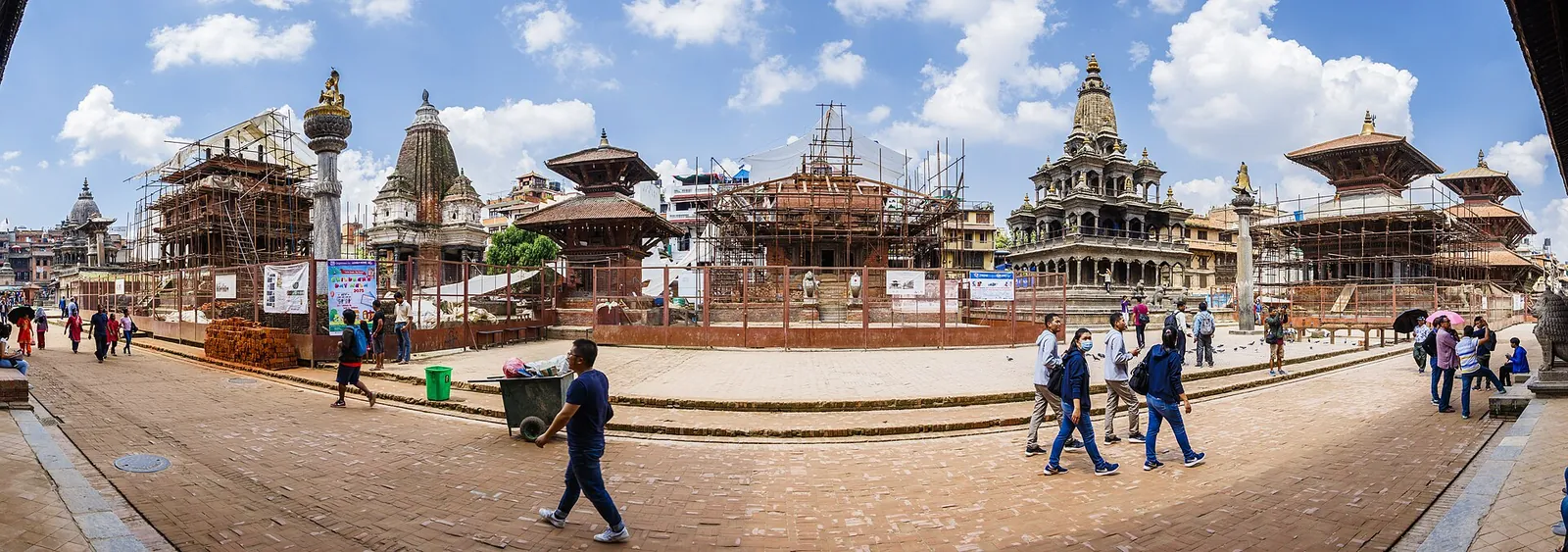
Today is a treat for anyone who loves art and craftsmanship. Cross the Bagmati River south to Patan (Lalitpur), a short taxi ride from central Kathmandu. Patan Durbar Square is arguably the most harmonious of the valley’s three royal squares, with the stone Krishna Mandir facing the old palace.
Your ticket includes the Patan Museum, which sits inside the beautifully restored palace and is full of Hindu and Buddhist art. Entry is NPR 1,000 for foreign nationals and NPR 500 for BIMSTEC and Chinese nationals. Check the museum’s opening hours at the gate.
Afternoon
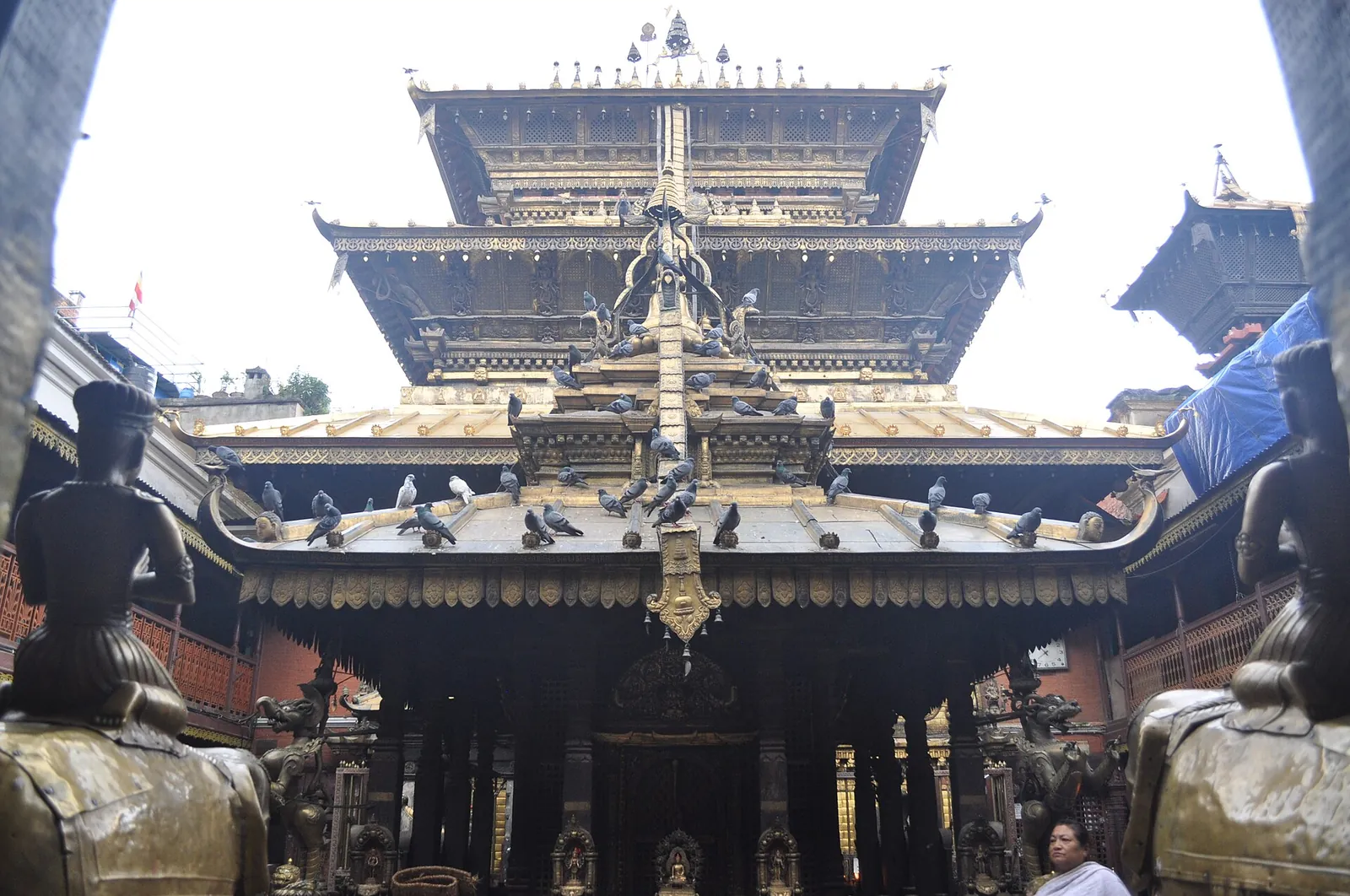
Walk north from the square into Patan’s maze of courtyards. Look for the Golden Temple (Hiranya Varna Mahavihar), a gilded Buddhist monastery behind a plain-looking entrance, then carry on to the Kumbeshwar temple area. On the way you’ll pass metalwork and woodcarving workshops where artisans still use traditional techniques. Everything here is an easy walk apart.
Evening
Stay south of the river for dinner. Jhamsikhel, Sanepa and Kupondol are full of cafés and restaurants and have a relaxed evening buzz. Keep an eye on your bag, because the UK government warns about pickpockets and bag-snatchers in Sanepa and Kupondol.
Day 4: Bhaktapur and Changunarayan
Morning
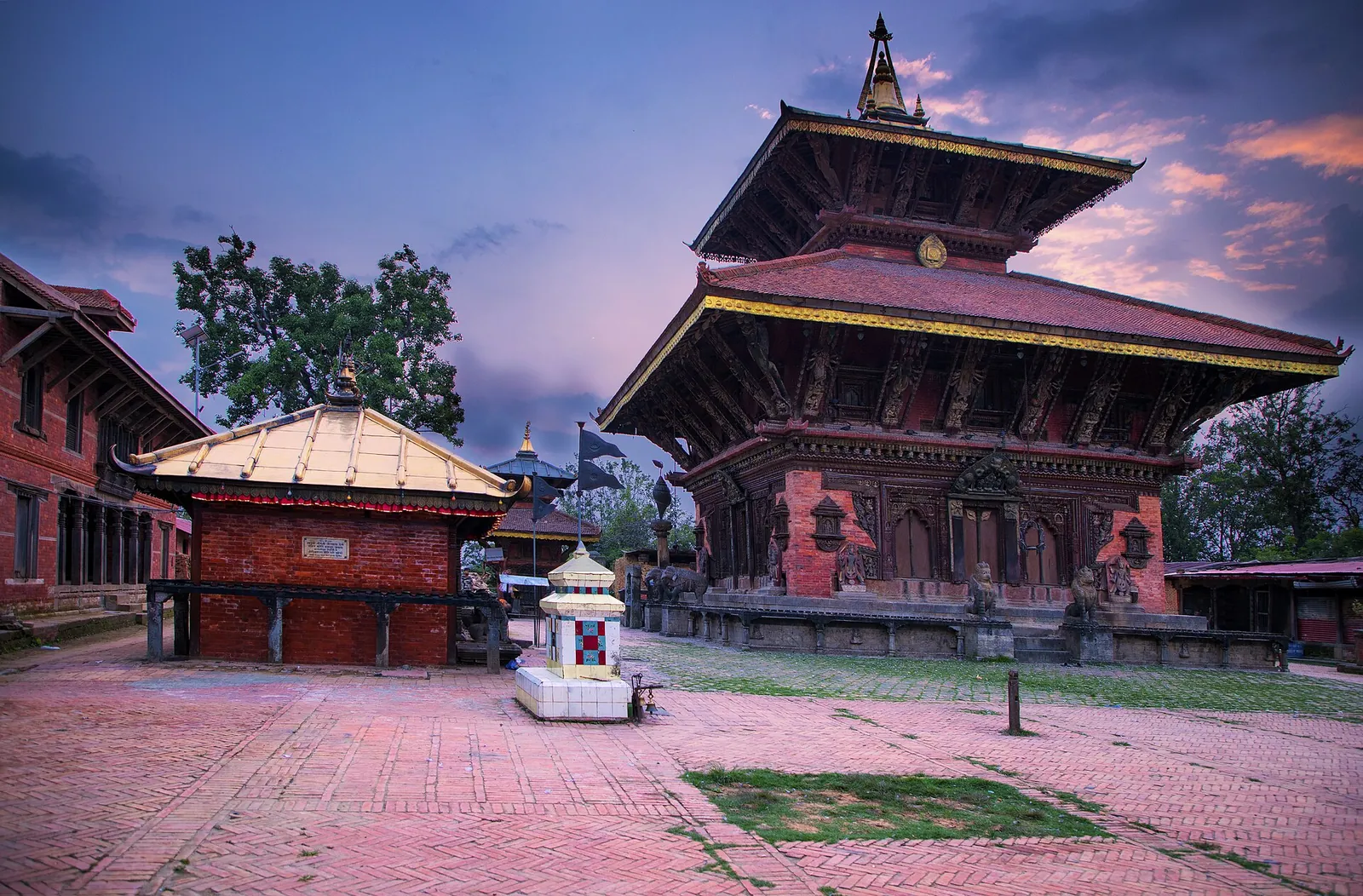
Save the best-preserved royal city for your grand finale! Today is a day trip to the east of the valley. We’d start with Changunarayan Temple, a hilltop temple north of Bhaktapur known for its ancient stone sculptures and carved roof struts. It’s quieter than the city sites and makes a peaceful first stop. Entry is NPR 300 for foreign nationals and NPR 100 for SAARC nationals. Book a taxi for the day, or hire a car through a travel agent, which the Nepal Tourism Board lists as an option.
Afternoon
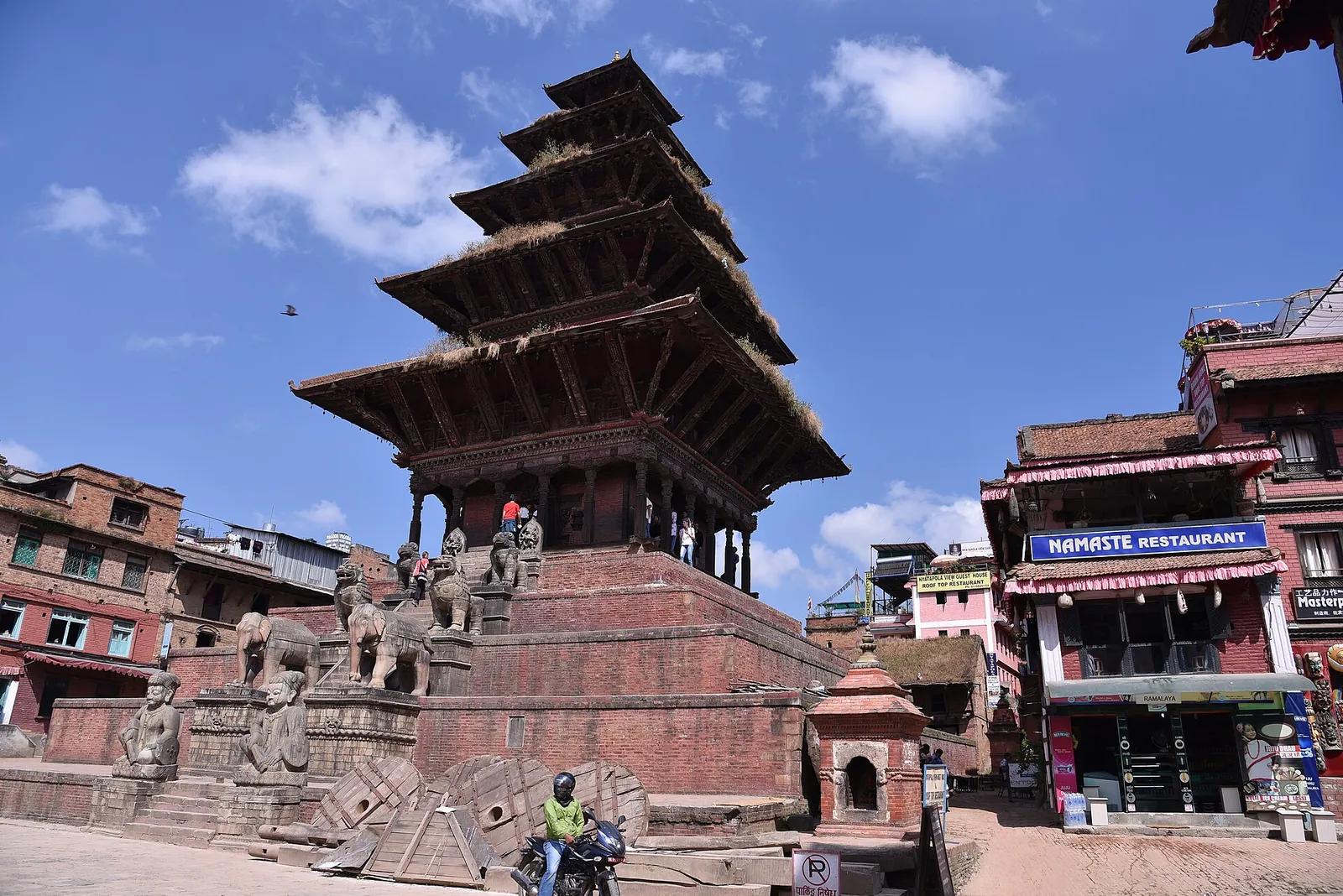
Drop down to Bhaktapur, often called the best-preserved of the three royal cities. The heritage-area ticket costs NPR 1,800 (listed as US$18) for foreign nationals and NPR 500 for SAARC and Chinese nationals. Children under 10 go free.
Walk a loop through the three main squares:
- Bhaktapur Durbar Square, with the Golden Gate and the 55-Window Palace
- Taumadhi Square, with the soaring five-tiered Nyatapola Temple
- Dattatreya Square, in the old town
Try juju dhau, Bhaktapur’s famous creamy “king curd” served in clay pots, and watch the potters at work in Pottery Square.
If you like museums, add the National Art Museum (NPR 150, closed Tuesdays). The same ticket covers the woodcarving museum and the brass and bronze museum in Dattatreya Square.
Evening
Head back to Kathmandu for a farewell dinner. If you have an extra night, carry on up to Nagarkot, a hill station on the valley rim that the Nepal Tourism Board promotes for sunrise and sunset views of the Himalaya. You’re most likely to get clear mountain views in October and November.
Getting there and getting around
Arriving. International flights land at Tribhuvan International Airport in Kathmandu. There’s a 24-hour prepaid taxi counter just before you leave the terminal building, past the tourist information centre. You pay a fixed rate and get a receipt to hand to your driver. The operator adds a NPR 100 surcharge after 21:30. Fares and journey times depend on your destination, so check the rate list at the counter rather than trusting a figure you found online.
Visa. Entry rules depend on your passport. Many travellers can get a tourist visa on arrival at the airport, but some nationalities have to apply in advance at a Nepali embassy. Before you fly, check the official Nepal Tourism Board visa page and the Department of Immigration’s online form at nepaliport.immigration.gov.np. Expect long queues in peak season.
Taxis. Licensed taxis have a taxi sign on the roof and a black licence plate. The Nepal Tourism Board notes that no tip is expected. We suggest agreeing the fare before you set off.
Buses. The government-run green Sajha buses run along the valley’s main north-south and east-west roads and only stop at designated stops. Other local buses and battery-run three-wheelers also operate.
Walking and cycling. The old centres of Kathmandu, Patan and Bhaktapur are best explored on foot. You can hire bicycles and mountain bikes in Thamel and Jhochhen (Freak Street).
Kathmandu has no metro and no city transport card, so taxis are the easiest way to get between each day’s areas. Traffic is heavy at busy times, so leave extra time when you move between neighbourhoods.
Where to stay
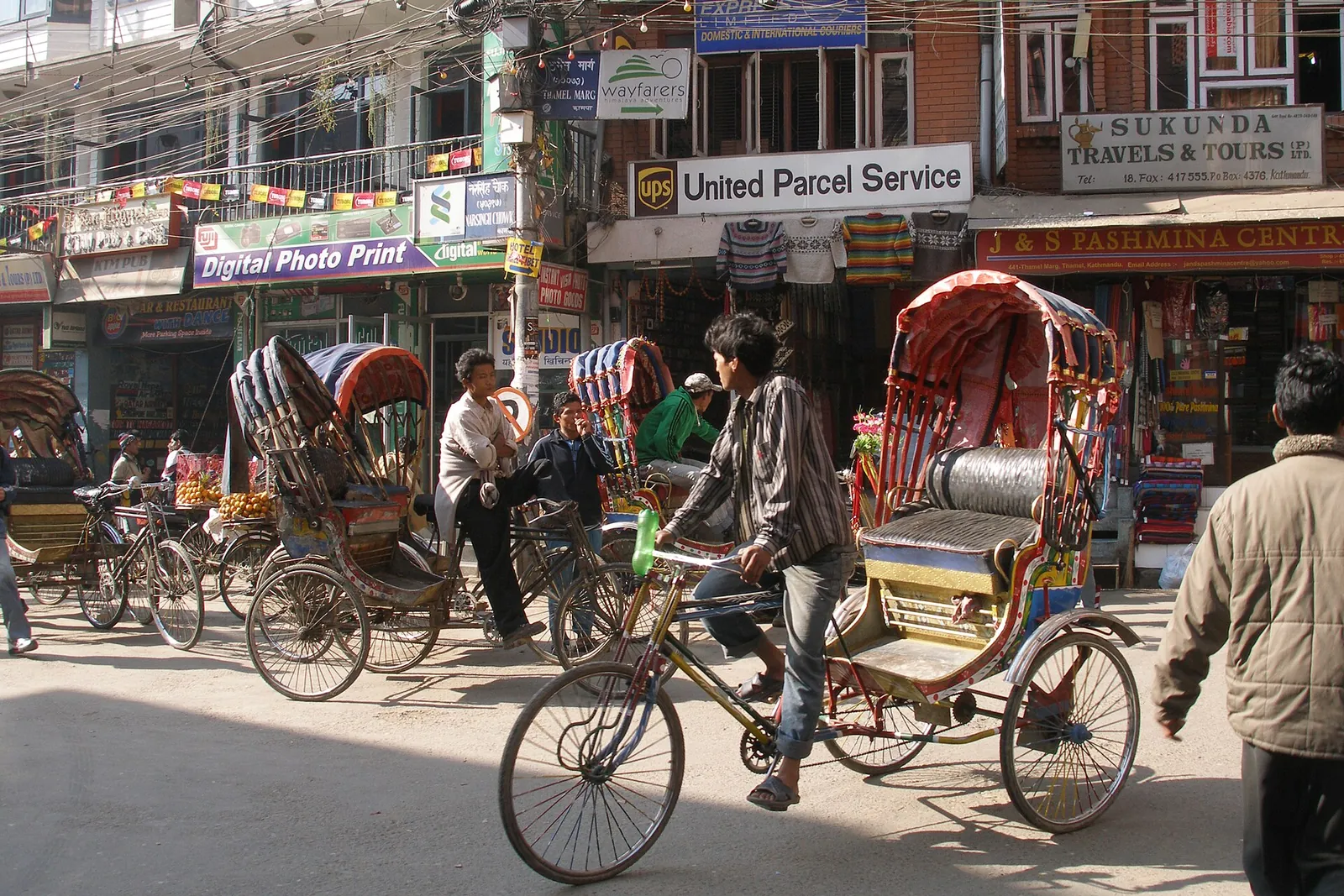
- Thamel: the classic traveller hub, packed with guesthouses, restaurants, gear shops and agencies. It’s ideal for first-timers and trekkers who want everything on the doorstep. It’s also busy and noisy, and the UK government warns about pickpockets here.
- Around Kathmandu Durbar Square and Freak Street (Jhochhen): stay right in the old city and see the temples before the crowds arrive. Good if you love heritage and prefer atmosphere to polish.
- Boudha: peaceful mornings and evenings beside the stupa, with plenty of monastery guesthouses. Great for a slower, more spiritual stay, and handy for the airport and Pashupatinath.
- Patan: calmer and more local than Kathmandu, with restored courtyard houses and a strong café scene nearby. Suits couples, families and repeat visitors.
Budget
These are the official entry fees for the sites in this plan, as listed by the Nepal Tourism Board:
| Item | Foreign nationals | SAARC nationals |
|---|---|---|
| Swayambhu Stupa | NPR 200 | NPR 50 |
| Kathmandu Durbar Square incl. Tribhuvan Museum | NPR 1,000 | NPR 500 (BIMSTEC) |
| Garden of Dreams | NPR 400 | NPR 400 |
| Boudha Stupa | NPR 400 | NPR 100 |
| Pashupatinath Temple | NPR 1,000 per day per entry | NPR 1,000 (free for Indian nationals) |
| Patan Durbar Square incl. Patan Museum | NPR 1,000 | NPR 500 (BIMSTEC) |
| Changunarayan Temple | NPR 300 | NPR 100 |
| Bhaktapur Durbar Square | NPR 1,800 (US$18) | NPR 500 |
| National Art Museum, Bhaktapur (optional) | NPR 150 | NPR 50 |
| All core sites, 4 days | NPR 6,100 | varies by nationality |
| Tourist visa, 15 days multiple entry | US$30 | check the visa page |
| Airport prepaid taxi | fixed rate at counter, plus NPR 100 after 21:30 | same |
For foreign nationals, that comes to about NPR 1,000 to 2,100 a day in entry fees. This figure leaves out flights, accommodation, meals, taxis, guides and shopping. Those costs vary a lot, and typical prices couldn’t be confirmed on an official source. Check current rates directly with your accommodation and agree taxi fares in advance.
Practical tips
- Dress code: avoid shorts and sleeveless tops in temples and holy places, and take your shoes off where asked. Walk clockwise around stupas and prayer wheels.
- Closing days: the National Museum in Chhauni and the National Art Museum in Bhaktapur close on Tuesdays. No closing day is listed for the heritage squares themselves, but check museum hours on site.
- Best time: the Nepal Tourism Board says the clearest skies come after the monsoon in October and November, and spring is the other favourite season. Winter temperatures in the Kathmandu Valley average about 2°C to 12°C, so pack layers from December to February.
- SIM cards: you can buy a local SIM in the arrivals hall at Tribhuvan airport. The Nepal Tourism Board suggests bringing a spare passport photo for this. If you’d rather use an eSIM, check with your provider whether Nepal is covered.
- Money: the currency is the Nepalese rupee (NPR). Carry small notes for entry fees and snacks. ATMs aren’t reliable outside the main tourist areas, and the UK government advises changing all your Nepali currency before you leave the country.
- Cash limits: you must declare cash worth more than US$5,000 on arrival, or more than US$10,000 in notes and travellers’ cheques combined.
- Carry your passport: the UK government advises keeping it with you and leaving a copy somewhere safe.
- Tourist Police: dial 1144 for the free Tourist Police hotline, or 100 for the police. There are Tourist Police units at Thamel, Basantapur, Swayambhu, Boudha, Pashupati, Patan, Bhaktapur, Nagarkot and the airport.
Heads-up
Kathmandu is welcoming and generally relaxed, and a little preparation keeps it that way. These points come from the UK and US governments and the Nepal Tourism Board:
- Protests and strikes: demonstrations are fairly common and can start at short notice. They sometimes turn violent and disrupt transport. The US State Department rates Nepal at Level 2, “exercise increased caution”, because of possible isolated political violence. Avoid crowds and check the local news.
- Pickpockets and night walks: watch your belongings at the airport, on buses and in Thamel, Sanepa and Kupondol. Avoid walking alone in poorly lit areas after dark.
- Drinks: don’t leave drinks unattended or accept them from strangers. The UK government also warns about methanol poisoning from alcoholic drinks in travel destinations worldwide.
- Drugs, including CBD: penalties are severe, even for small amounts of marijuana. CBD products can be seized and treated as drug possession.
- Roads and buses: road accidents are a major cause of death in Nepal. Avoid overcrowded buses and travelling by bus at night.
- Monsoon: the monsoon (normally June to October, according to the UK government) can bring floods and landslides.
- Earthquakes: tremors are common across Nepal. Check where the emergency exits are wherever you stay.
- Health: dengue and air pollution are listed health risks, and there’s no central public ambulance service, so get good travel insurance.
- Orphanage volunteering: the UK government warns that some orphanage volunteer schemes are run for profit and can contribute to child exploitation. We don’t recommend them.
- Wildlife souvenirs: buying or selling wild animal parts is illegal.
- Public affection: showing affection in public is seen as inappropriate, so keep it low-key.
FAQ
Is 4 days enough for Kathmandu and the valley?
Yes, for the highlights. Four days covers all the major heritage sites in this plan at a comfortable pace. Add a fifth day for Nagarkot or a slower look at Bhaktapur.
Do I need to book tickets in advance?
No. You pay the entry fees for the heritage sites at the entrance, so carry rupees in small notes.
Can non-Hindus visit Pashupatinath?
Yes. You can visit the complex, the riverside ghats and the surrounding shrines, but non-Hindus can’t enter certain parts of the main temple. The Nepal Tourism Board says tourists can view the temple from the back premises.
Are entry fees cheaper for Indian and SAARC travellers?
Often, yes. SAARC nationals pay reduced fees at most sites, and Pashupatinath is listed as free for Indian nationals. See the budget table above.
How do I get from the airport to my hotel?
Use the 24-hour prepaid taxi counter inside the terminal. The fare is fixed, you get a receipt, and there’s a NPR 100 surcharge after 21:30.
When is the best time to visit?
October and November bring the clearest skies, and spring is lovely too. Avoid the monsoon if you want mountain views and dry streets.
Sources
Prices, hours and rules change. We checked these on 24 October 2026; please confirm on the official page before you book.
- Nepal Tourism Board: Heritage Site Entry Fees
- Nepal Tourism Board: Tourist Visa
- Nepal Tourism Board: Local Transportation
- Nepal Tourism Board: Tourist Police
- Nepal Tourism Board: Climate
- GOV.UK Foreign travel advice: Nepal, Warnings and insurance
- GOV.UK Foreign travel advice: Nepal, Safety and security
- GOV.UK Foreign travel advice: Nepal, Entry requirements
- GOV.UK Foreign travel advice: Nepal, Health
- U.S. Department of State: Nepal Travel Advisory
- Bimansthal Hawai Yatru Yatayat Sewa (Tribhuvan Airport prepaid taxi service)
Photo credits (11)
- Boudhanath Stupa strung with prayer flags under a blue sky: Bijay Chaurasia, CC BY-SA 4.0, via Wikimedia Commons
- Swayambhu Stupa's golden spire and painted Buddha eyes: Nirmal Dulal, CC BY-SA 4.0, via Wikimedia Commons
- Tiered temples in sunny Kathmandu Durbar Square: Vyacheslav Argenberg; derivative work by UnpetitproleX, CC BY 4.0, via Wikimedia Commons
- Prayer flags fluttering over the white dome of Boudha Stupa: Bernard Gagnon, CC BY-SA 4.0, via Wikimedia Commons
- The golden roofs of Pashupatinath Temple above the Bagmati: Bijay Chaurasia, CC BY-SA 4.0, via Wikimedia Commons
- Temples and pagodas across Patan Durbar Square: Nrik kiran, CC BY-SA 4.0, via Wikimedia Commons
- The gilded Golden Temple monastery in Patan: Megh shakya, CC BY-SA 4.0, via Wikimedia Commons
- Changunarayan Temple's tiered roofs at dusk: Mithun Kunwar, CC BY-SA 4.0, via Wikimedia Commons
- Five-tiered Nyatapola Temple in Bhaktapur under a blue sky: shankar s. from Poona (pune), India, India, CC BY 2.0, via Wikimedia Commons
- A plate of steamed momos with two dipping sauces: Gaurav Dhwaj Khadka, CC BY-SA 4.0, via Wikimedia Commons
- Cycle rickshaws on a busy, sunny street in Thamel: Vyacheslav Argenberg, CC BY 4.0, via Wikimedia Commons
This is a researched plan, not a personal trip report. How we research · Affiliate disclosure