
5 Days in Kenya: A Day-by-Day Nairobi and Masai Mara Safari Itinerary
A 5-day Kenya plan: baby elephants, giraffes and a Nairobi game drive, then a short flight to the Masai Mara for two full days of safari.
- 🗓️ Trip length
- 5 days
- ☀️ Best time
- June to September, January to February
- 💰 Daily spend
- Varies widely by safari camp; verified fixed fees in Budget section
- ✅ Facts checked
- 24 October 2026
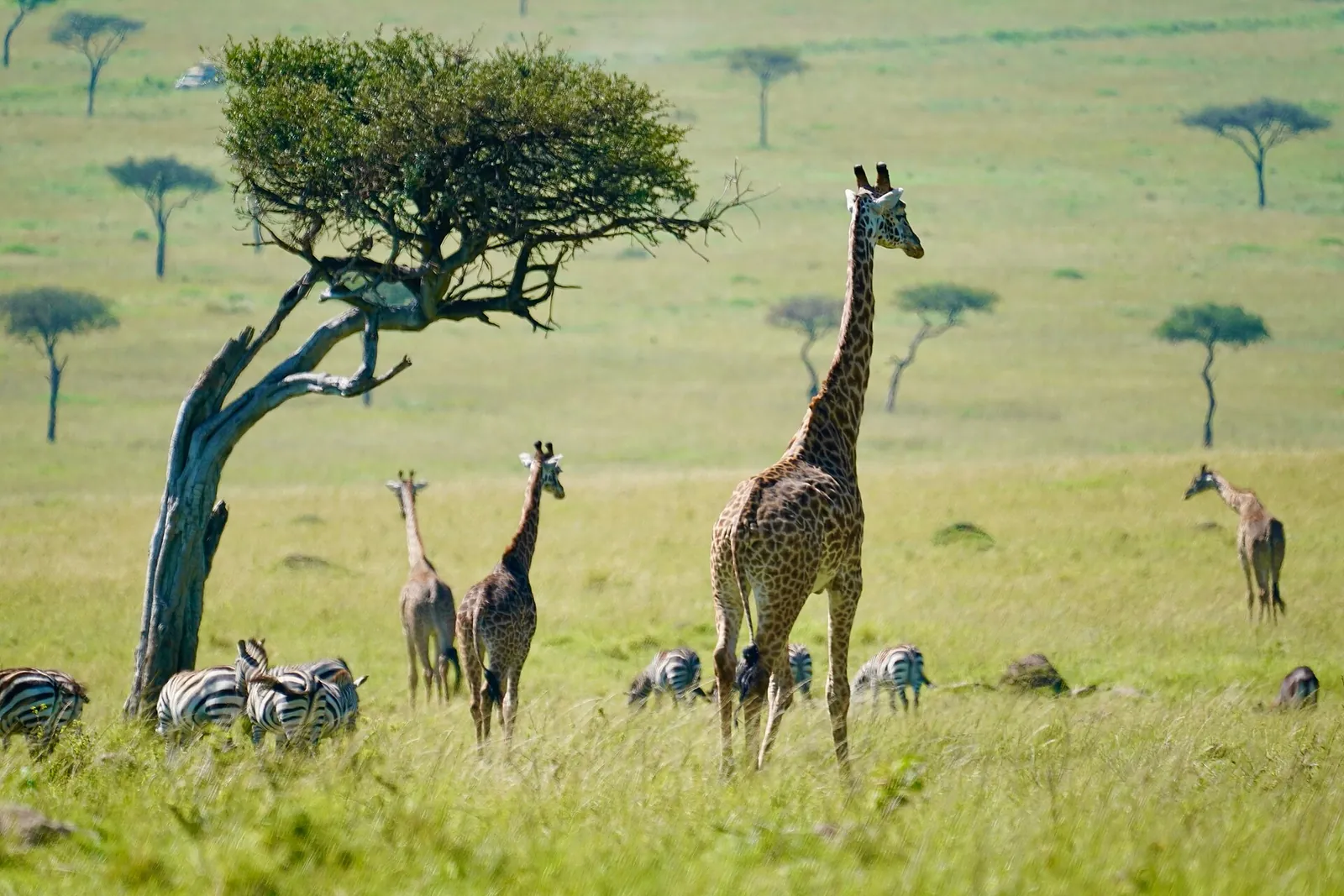
Get ready for one of the most thrilling short trips on the planet. In just five days you can fill your camera roll with orphaned baby elephants at milk time, meet giraffes eye to eye, spot rhinos with Nairobi’s skyline behind them, and then hop on a short flight to the Masai Mara, where lions, elephants and huge herds roam the open savannah.
This plan suits first-time safari travellers, couples and families who want a big wildlife experience without a long holiday. The pace is relaxed in Nairobi and early-to-bed in the Mara, because the best wildlife viewing happens at dawn and late afternoon. You fly to the Mara rather than drive, which gives you two full safari days instead of losing them on the road.
At a glance
| Day | Area | Highlights |
|---|---|---|
| 1 | Nairobi (Lang’ata and Karen) | Arrive, Giraffe Centre, easy evening |
| 2 | Nairobi National Park | Sheldrick elephant nursery, afternoon game drive |
| 3 | Masai Mara | Morning flight from Wilson Airport, first game drive |
| 4 | Masai Mara | Full safari day, optional balloon, community visit |
| 5 | Masai Mara to Nairobi | Dawn drive, flight back, onward travel |
Day 1: Arrival and giraffes at eye level
Morning
Welcome to Nairobi! After landing at Jomo Kenyatta International Airport (JKIA), head to your hotel. The UK government advises using the Mombasa Road or the Nairobi Expressway between JKIA and the city. The risk of carjacking is higher on the old airport road (Airport South Road) and Jogoo Road. Pre-arrange a pickup with your hotel or safari operator so someone is waiting for you in arrivals.
If you land early, rest up. A long-haul flight followed by Nairobi traffic is plenty for one morning.
Afternoon
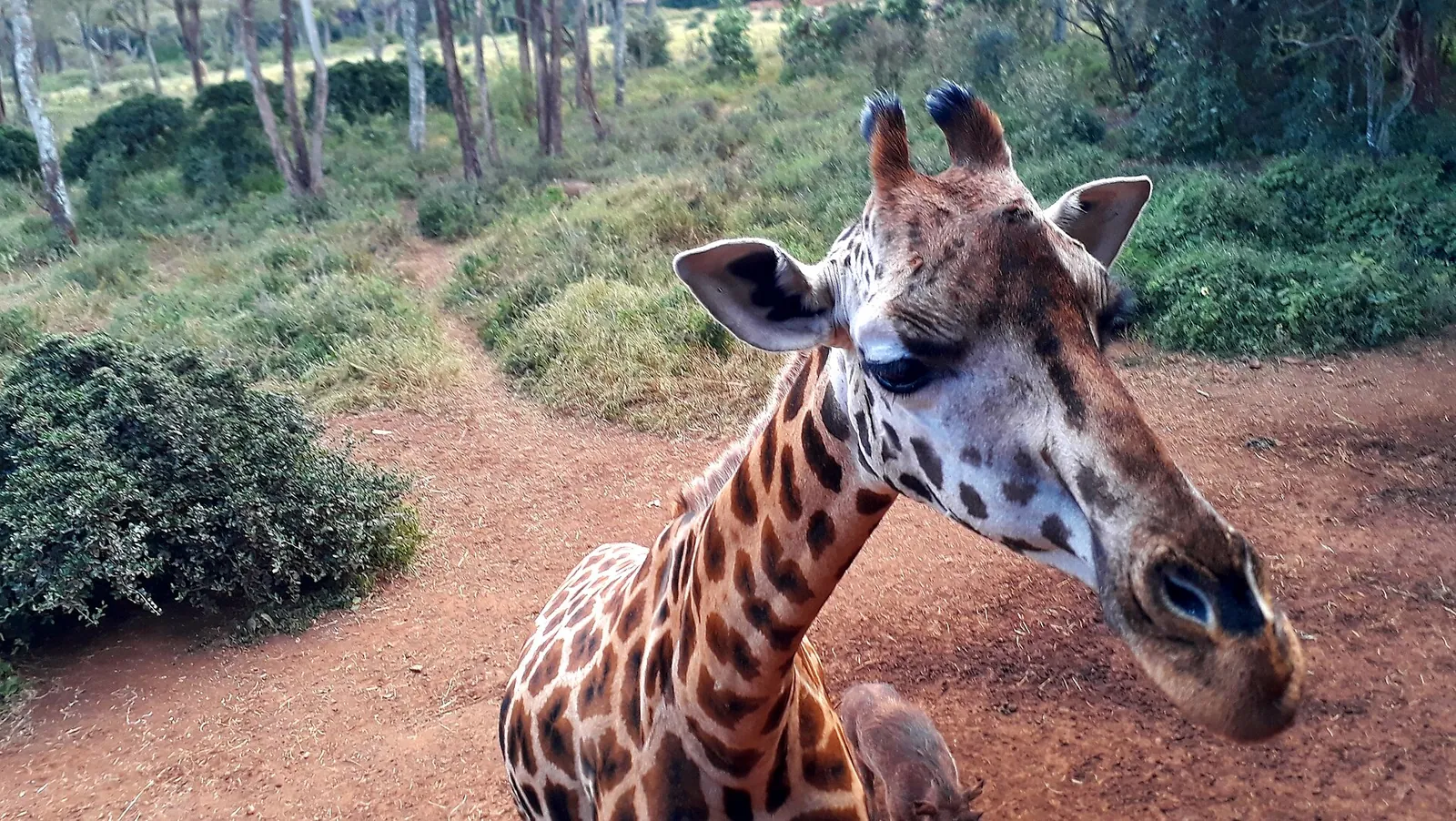
Make your way to the Giraffe Centre in Lang’ata, about 15 km from the city centre on Nyumbi Road, off Duma Road. It opens from 9am to 5pm every day, including weekends and public holidays. Here you can feed endangered Rothschild’s giraffes from a raised platform, listen to a short talk and stroll the centre’s nature trail.
Good to know:
- Busiest times are 11am to 1pm on weekdays, so a mid-afternoon visit is usually calmer. Weekends and holidays are busy all day.
- Plan 1.5 to 2 hours.
- Payment is cashless only: M-Pesa, Visa or Mastercard.
Evening
Settle into your neighbourhood (Karen and Lang’ata are handy for tomorrow) and keep it simple: an early dinner at your hotel and a good night’s sleep. Tomorrow’s elephant visit has a strict start time.
Day 2: Baby elephants and a game drive in the city
Morning
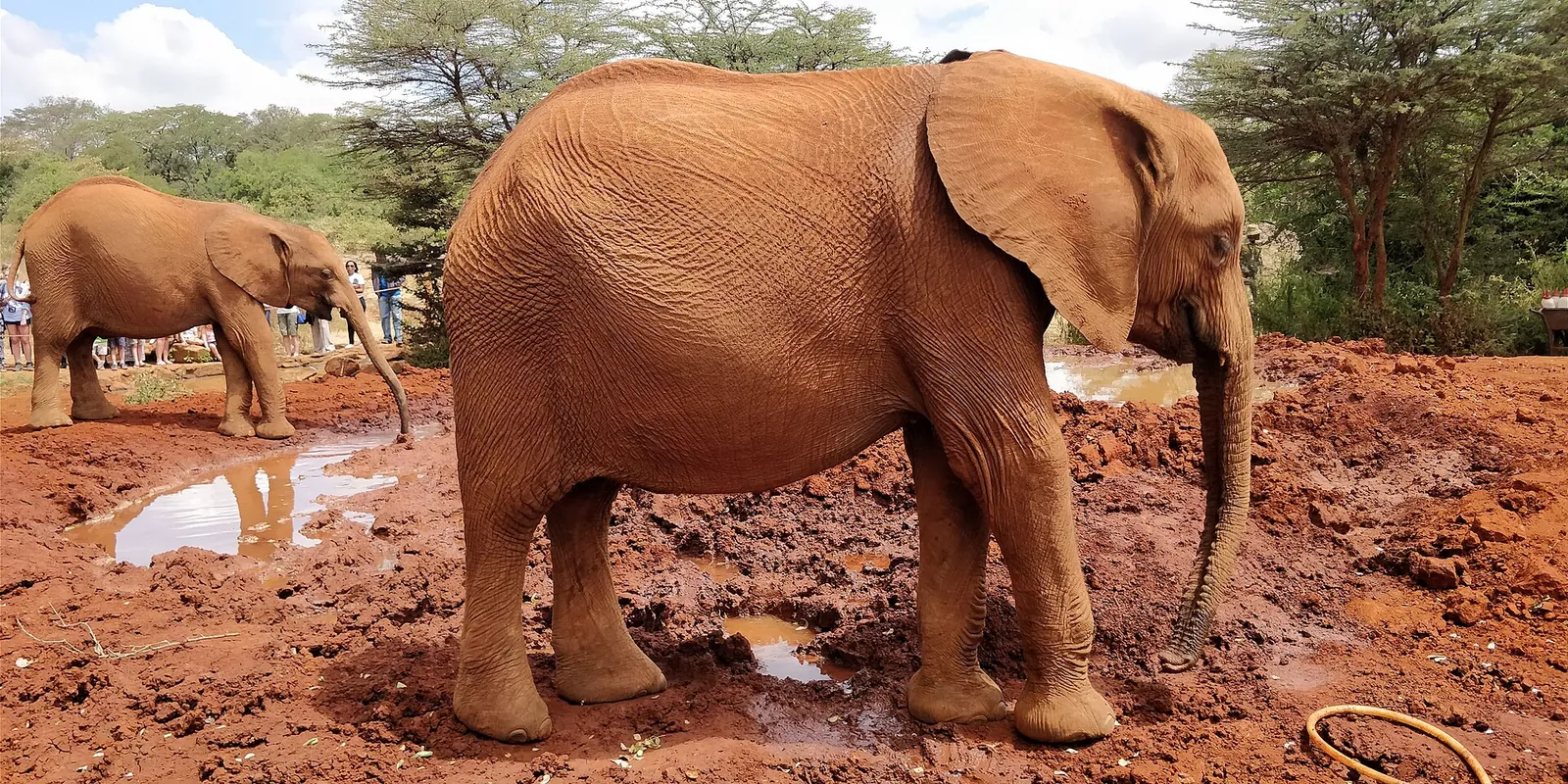
Get ready for some serious cuteness. Today is a highlight for many visitors. The Sheldrick Wildlife Trust Nairobi Nursery cares for orphaned baby elephants inside Nairobi National Park. Its public visit runs every day except 25 December, from 11am to 12 noon. You watch the orphans charge out for their milk bottles, then play in the mud while a senior Keeper introduces each one.
Plan your morning around three key rules from the Trust:
- Book ahead by email only. You can only get in with an advance booking. Bookings open up to three months ahead, and same-day bookings are not possible. The Trust does not accept bookings made through third-party platforms, so make sure any operator gives you the Trust’s own confirmation email.
- Pay the Kenya Wildlife Service (KWS) park fee. Every nursery visitor must pay the Nairobi National Park entry fee on top of the nursery donation. Pay online in advance through KWS’s eCitizen platform to avoid queues.
- Arrive by 10:30am at the KWS Mbagathi Gate (also called the Workshop Gate) on Magadi Road. The visit cannot be delayed or extended for late arrivals.
Bring a hat, sunscreen and water, because no refreshments are sold. Also bring cash for the minimum entry donation, which you pay on the day.
Afternoon
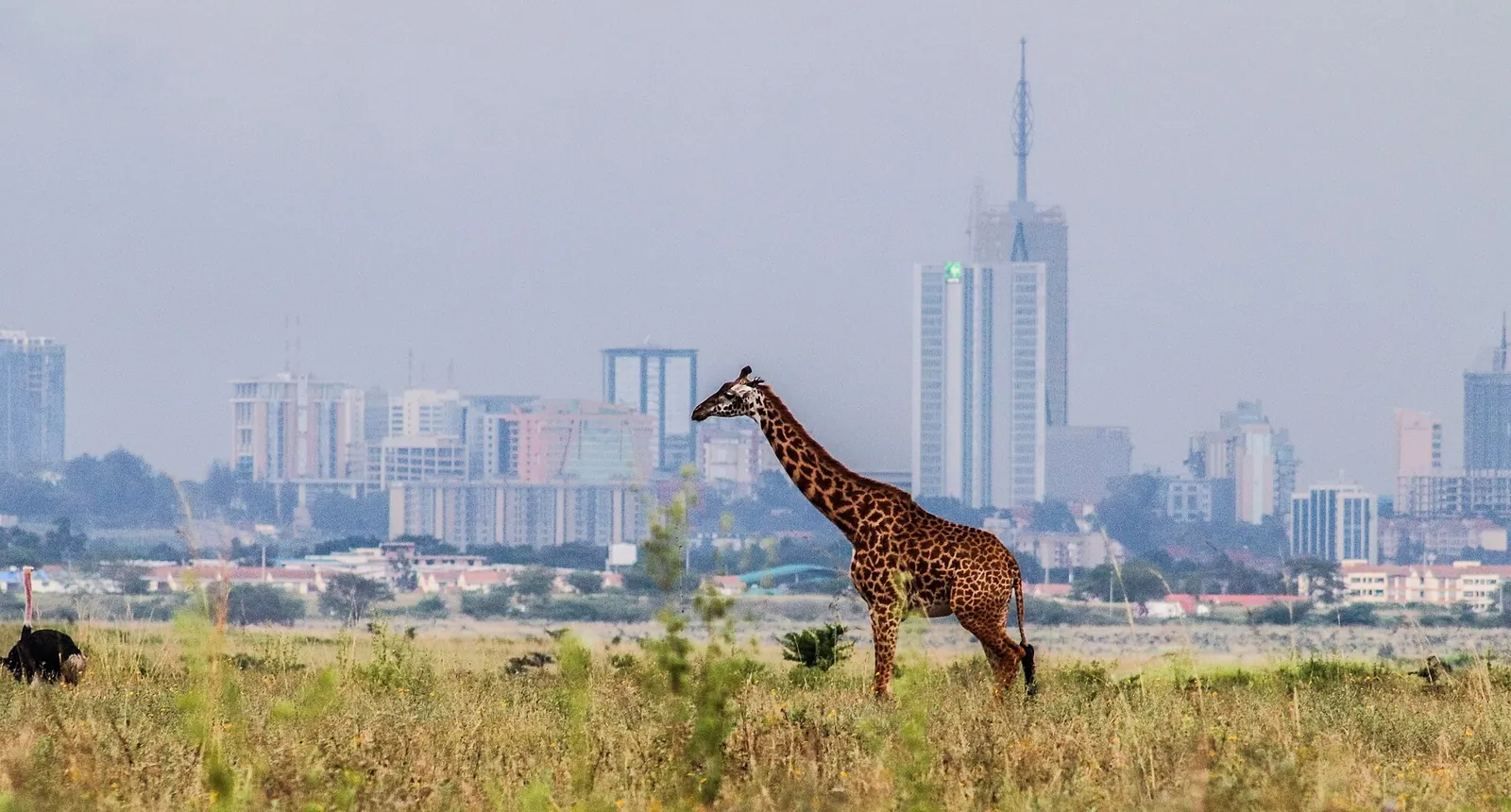
You have already paid the park fee, and the Trust itself encourages visitors to add a game drive after the nursery. Grab a picnic lunch and head out into Nairobi National Park with your driver-guide. Rhinos, lions, giraffes, buffaloes and zebras all live here, with city towers on the horizon: a truly unusual safari photo. Vehicles also pay a park entry fee, so confirm your driver has this covered.
Check the park’s closing time on your KWS ticket or with your guide, and leave yourself time to exit before it.
Evening
Pack for tomorrow’s light-aircraft flight. Light aircraft have strict baggage limits, so check Safarilink’s baggage allowance page for the current weight and bag rules. Ask your Nairobi hotel whether it can store any extra luggage. If you have energy left, the Karen Blixen Museum is nearby in Karen. Check the National Museums of Kenya official site for current hours and fees before planning a visit.
Day 3: Fly into the Masai Mara
Morning
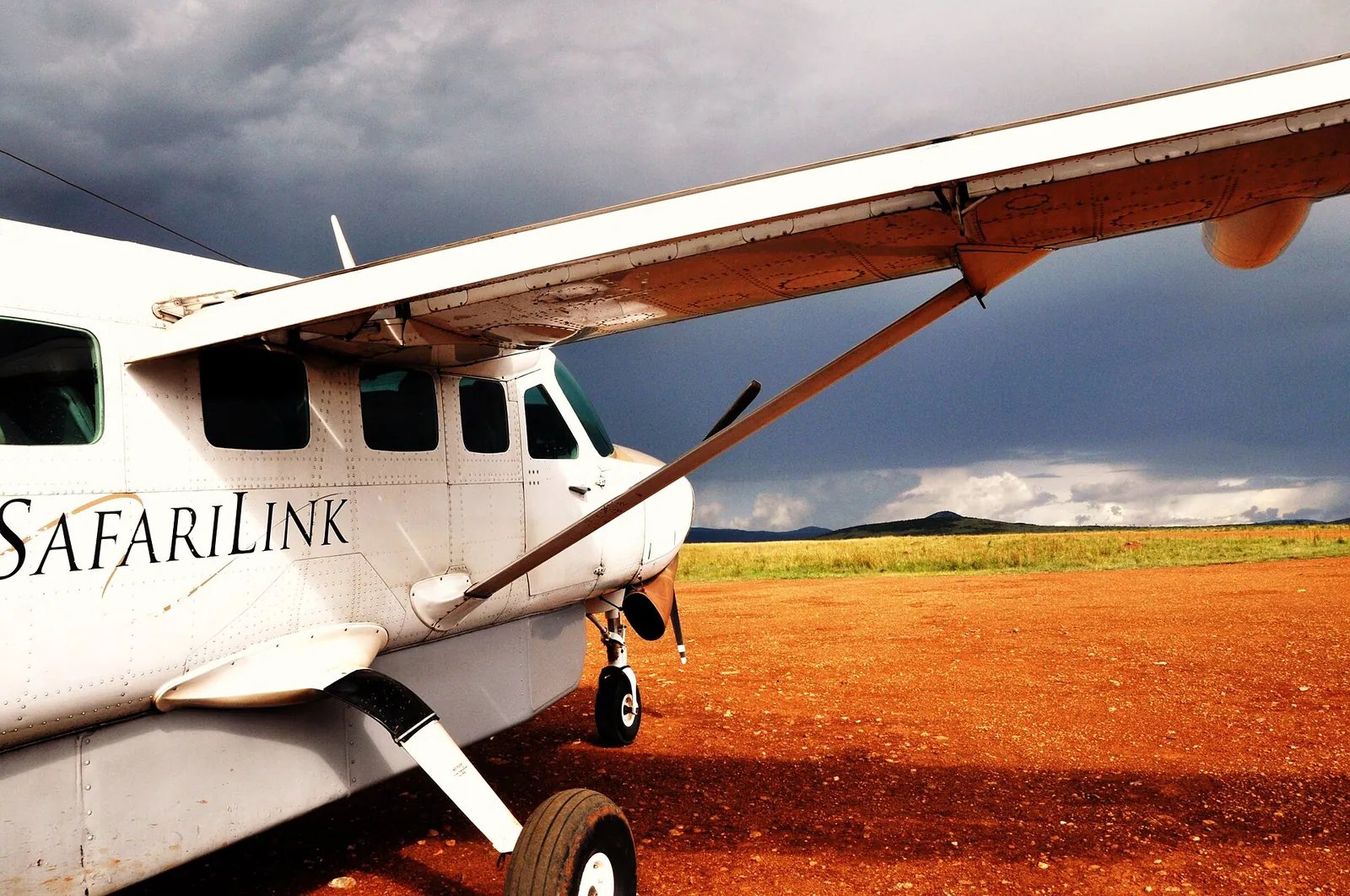
Safari time is here! Rise early and head to Wilson Airport, Nairobi’s domestic and safari airport. Safarilink lists daily scheduled flights from Wilson to the Masai Mara at 07:30, 10:00, 14:15 and 16:00, each about one hour in the air. We’d pick the 07:30 or 10:00 flight so you arrive in time for lunch and an afternoon drive. Book your seats well in advance, especially in Safarilink’s high season (16 December to 31 March and 1 July to 31 October). Check current fares on the airline’s official site.
Your camp will collect you from the airstrip, and often your first animals appear on the drive in.
Afternoon
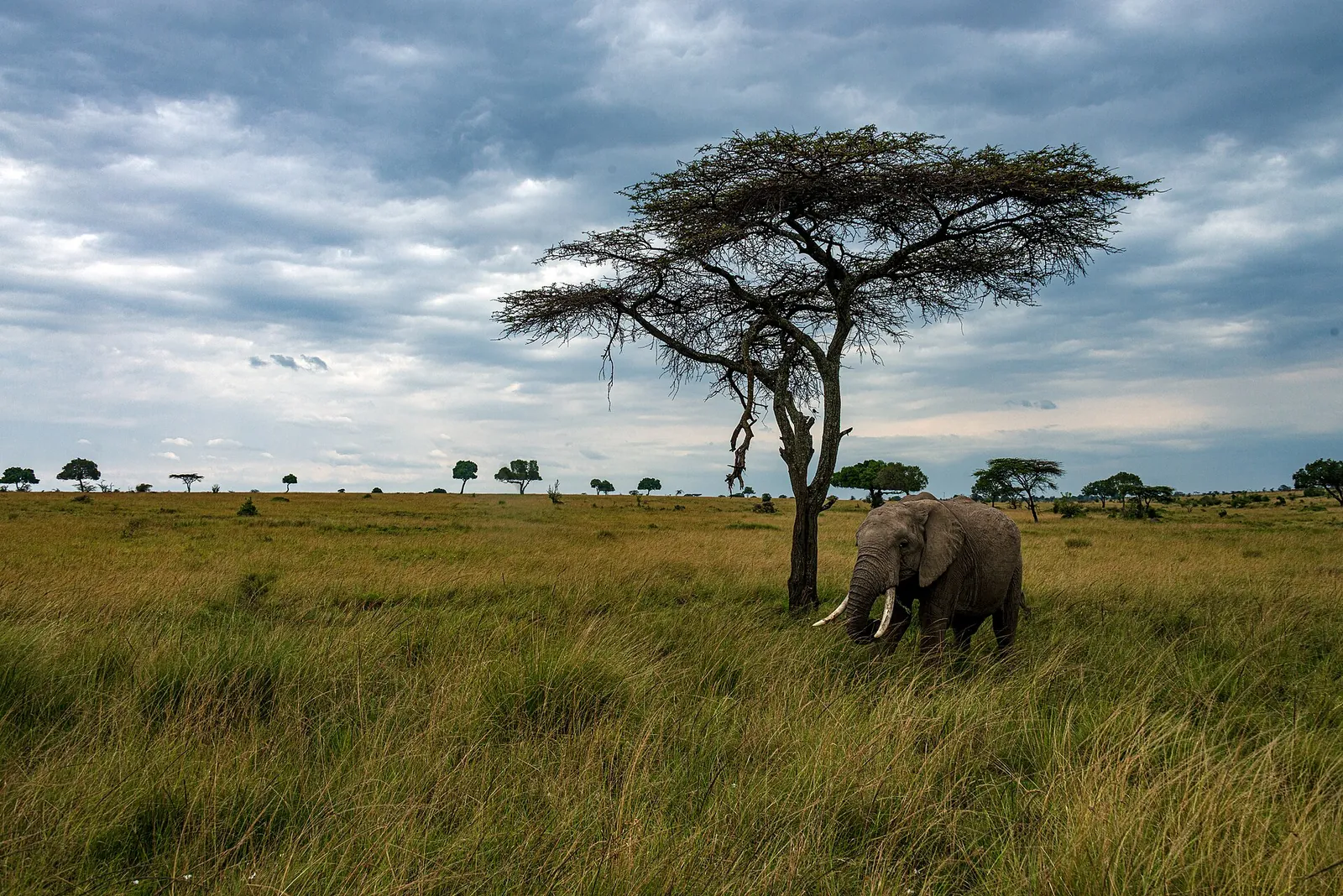
After lunch and a rest, set out on your first game drive in the late afternoon light. The Mara’s open plains make it easy to spot elephants, giraffes, buffaloes, zebras and topi. With luck, you’ll see lions or cheetahs too. Follow your guide’s instructions and park rules at all times.
Evening
Back at camp, enjoy dinner under the stars. Wild animals can wander through safari camps, so always follow your camp’s safety briefing after dark.
Day 4: A full day on the savannah
Morning
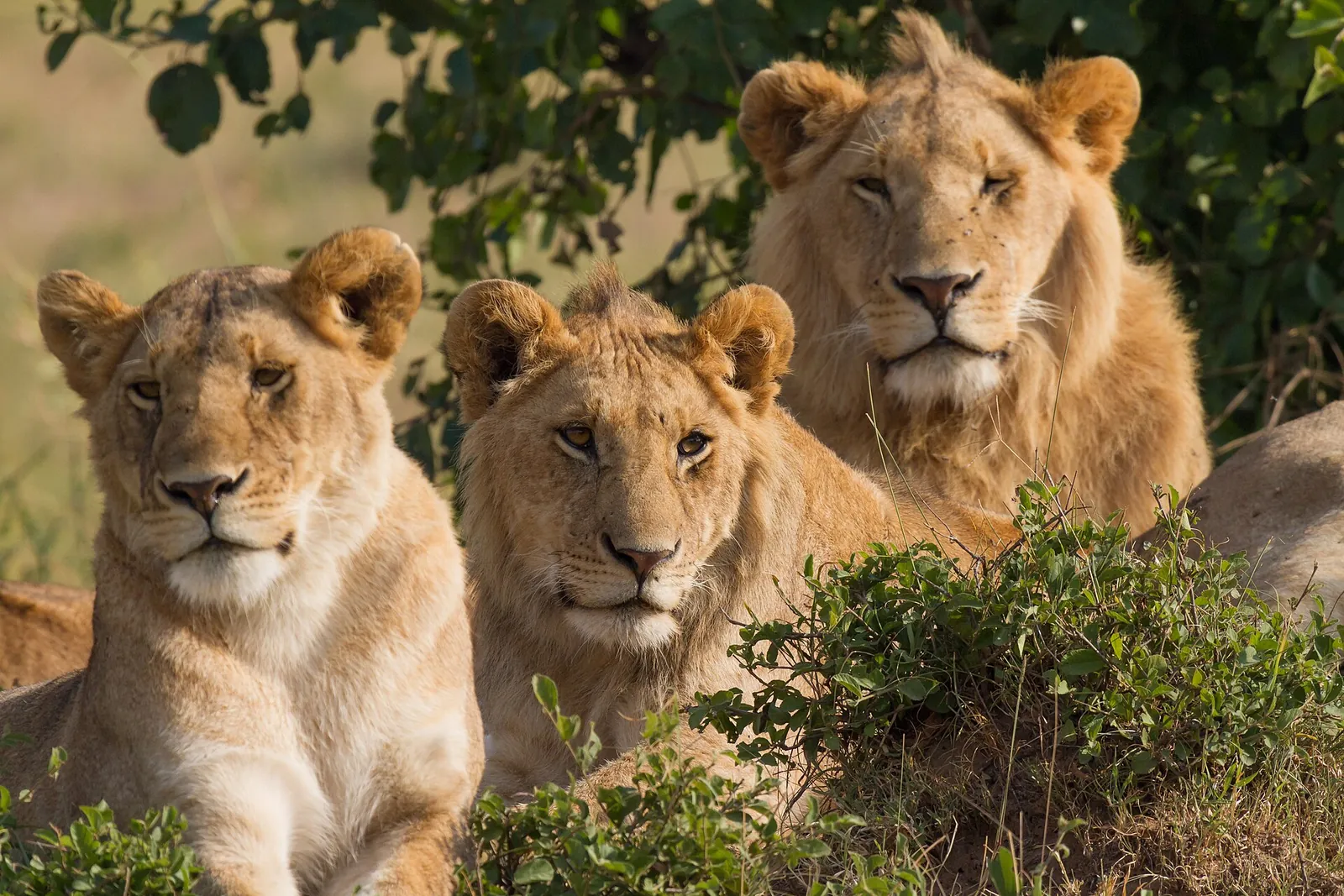
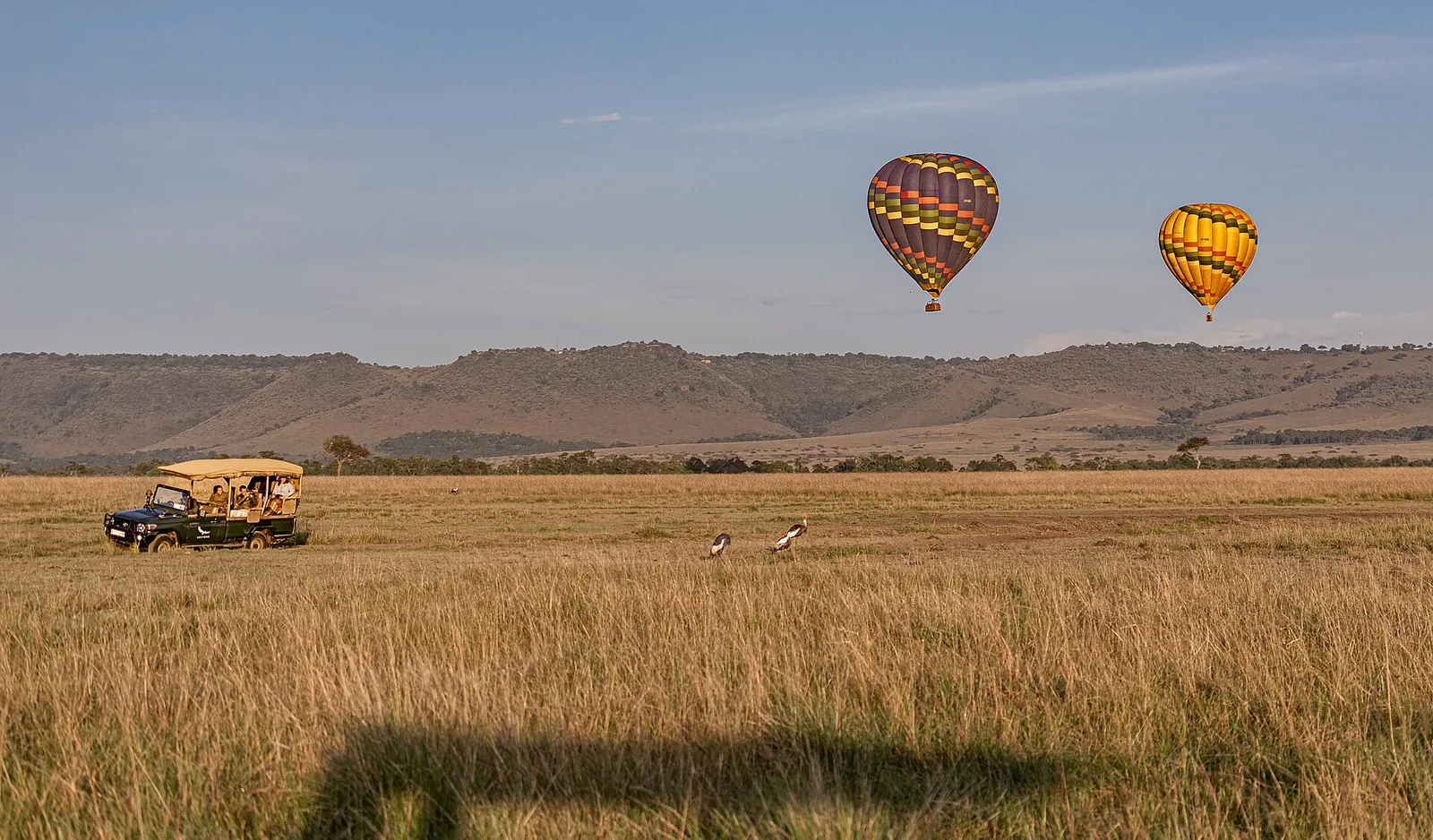
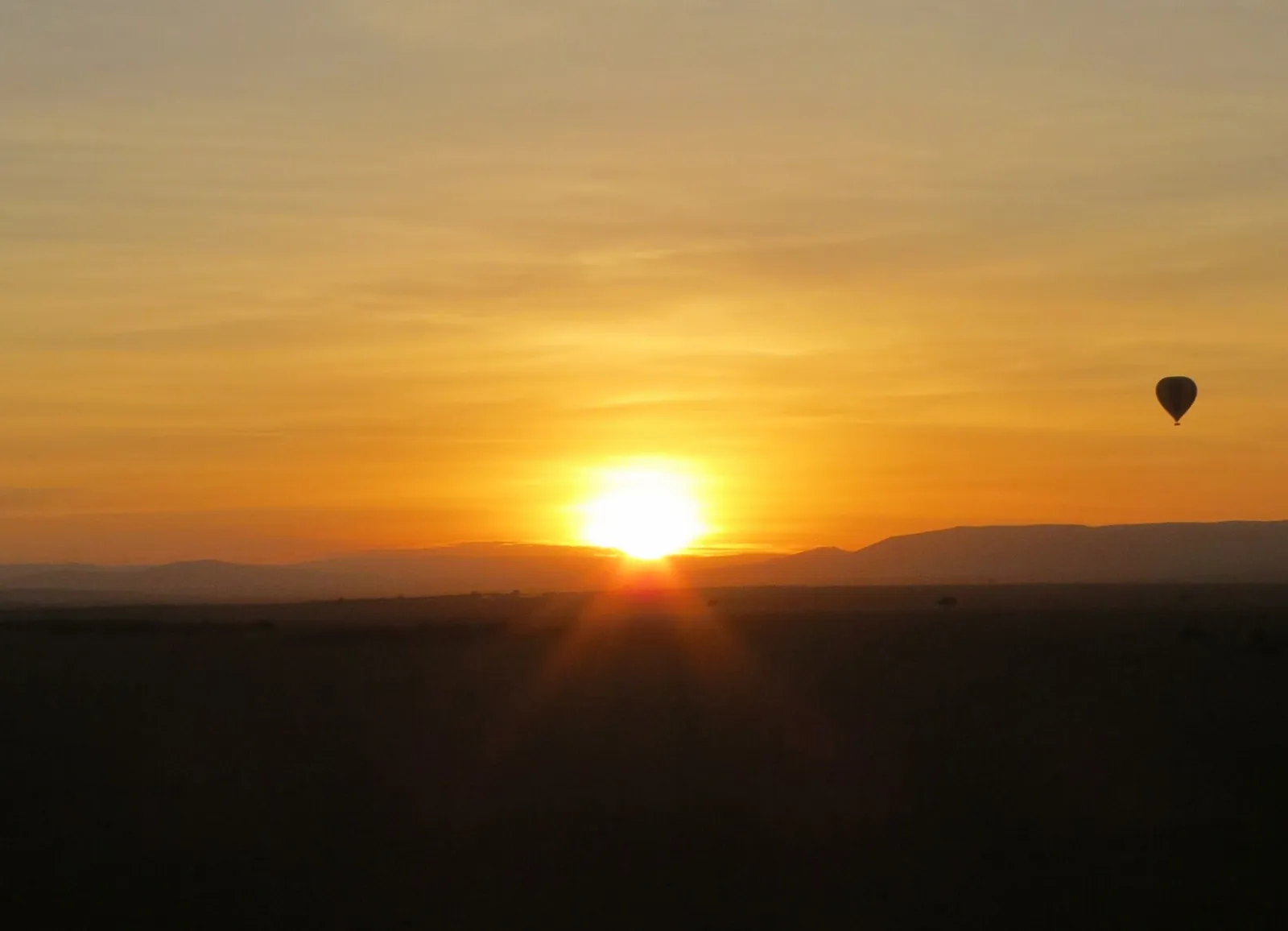
This is the day you came for. Head out at first light, when predators are most active and the light is golden. Many visitors also book a hot-air balloon flight over the Mara at dawn. If that sounds like a bucket-list moment, ask your camp to arrange it with a licensed operator and check the price before you travel.
Afternoon
You have two good options. A full-day drive with a picnic lunch lets you range further, for example toward the Mara River. Or rest at camp over midday and go out again in the afternoon. Remember that swimming in rivers and lakes is illegal in Kenya’s national parks and dangerous elsewhere because of wildlife.
If you’d like to learn about Maasai culture, ask your camp to arrange a respectful community visit with people it works with directly. Always ask before taking photos of people.
Evening
Sundowners, stories with your guide, and an early night. Tomorrow starts before sunrise.
Day 5: Dawn drive and back to Nairobi
Morning
Savour one last golden morning and squeeze in a final dawn game drive, then return to camp for breakfast and checkout. Safarilink’s schedule shows Mara to Wilson flights at 08:30, 11:00, 15:15 and 17:00, taking about one hour to one hour 20 minutes.
Afternoon
If you have an international flight out tonight, we suggest the 11:00 departure from the Mara, which lands at Wilson at 12:20. The UK government warns that the Mombasa Road can get very busy during rush hour and that check-in at JKIA can take several hours. A vehicle security check outside the airport may also add time. Build in a generous buffer.
Evening
Fly home with a phone full of elephant photos, or extend your trip with a night in Nairobi before moving on.
Getting there and getting around
Entry paperwork. Most visitors must apply online for an Electronic Travel Authorisation (eTA) before travelling. Apply only on the official portal, etakenya.go.ke, allow time for processing, and check the current rules for your passport there. From 5 October 2026, most visitors also need Kenyan government travel health insurance. You can buy it during the eTA application or on the eCitizen insurance portal. Airlines have been asked to check it before boarding.
Airport to city. JKIA is the main international airport. Use a pre-booked hotel or operator transfer, or a licensed taxi or ride-hailing app. Ask your driver to take the Mombasa Road or the Nairobi Expressway. Check current fares and Expressway toll charges with your provider, as we could not verify them on an official source.
Getting around Nairobi. There is no metro and no tourist transport card. For a short visit, a private driver arranged by your hotel or safari operator is the simplest and safest choice, and ride-hailing apps are widely used. The UK government warns of serious accidents and hijackings involving matatus (minibuses), so we don’t recommend them for visitors on a tight schedule.
Nairobi to the Masai Mara. Scheduled light aircraft fly from Wilson Airport in about an hour. Driving is possible but takes far longer. If you go by road, use a reputable operator, travel only in daylight, and ask for current journey times.
Where to stay
Karen and Lang’ata. Leafy, quieter suburbs in the south-west, close to the Giraffe Centre, the Sheldrick nursery’s Mbagathi Gate and Wilson Airport. Ideal for this itinerary and for families.
Westlands. A lively hub with restaurants, malls and nightlife, good if you want an evening out. It is further from the wildlife sights, so allow extra time in traffic.
Masai Mara camps and lodges. You can stay inside the national reserve or in the private conservancies around it. Conservancy camps can feel more private and may offer different activities, while reserve camps put you right in the classic Mara landscapes. Ask whether park or conservancy fees, game drives and airstrip transfers are included in your nightly rate.
Budget
Safari costs depend mostly on your camp, so we only list fees we could verify on official sources today. For everything else, check the official site or get an operator quote.
| Item | Typical cost |
|---|---|
| Kenya eTA | From USD 30 (standard, up to 72 hours); expedited processing costs an extra USD 100 |
| Kenyan travel health insurance (mandatory) | Check the price on the eCitizen insurance portal |
| Nairobi National Park, non-resident adult | USD 80 per day (child USD 40; African citizens pay USD 40 adult) |
| Sheldrick nursery visit | Minimum donation USD 20 per adult (12+), USD 5 per child under 12, cash on the day |
| Giraffe Centre | KES 1,500 non-resident adult, KES 750 child (3 to 12), under 3 free |
| Wilson to Masai Mara return flight | Check Safarilink’s official site |
| Masai Mara reserve entry fees | Seasonal; confirm the current official rate with your camp or operator |
| Mara camp or lodge, per night | Check with the camp; often includes meals and game drives |
Not included: international flights, Nairobi hotels, meals in Nairobi, tips for guides and camp staff, balloon flights, souvenirs and personal travel insurance.
Practical tips
- Rainy seasons. The Sheldrick Trust notes rainy seasons in March to April and October to December, when sites can be muddy. Pack sturdy shoes and a light rain jacket.
- What to wear. On safari, wear comfortable layers, a hat and sunscreen. On the coast, the UK government advises dressing conservatively away from resorts, particularly in Mombasa.
- Carry ID. You must always carry ID in Kenya. A passport copy is normally acceptable, but police may ask for the original.
- Money. The currency is the Kenyan shilling (KES). Mobile money (M-Pesa) and cards are widely used, and some sites, like the Giraffe Centre, are cashless only. Keep some cash for the Sheldrick donation and tips.
- SIM and eSIM. Buy a local SIM or an eSIM from an official operator shop or app, and expect to show your passport for registration. Mobile data makes ride-hailing and M-Pesa much easier.
- Health. The UK government lists malaria and dengue among health risks in Kenya. See a travel health professional at least 8 weeks before your trip about vaccines and malaria tablets. You need a yellow fever certificate if you arrive from a country with a yellow fever transmission risk.
- Emergency number. Dial 999 and ask for an ambulance.
- Smoking. Smoking in public places outside designated areas is illegal, with fines of up to KES 50,000.
Heads-up
Kenya welcomes huge numbers of happy safari travellers, and a little preparation keeps it that way. These points come from the UK and US governments’ official travel advice.
- No insurance, no entry. If you arrive without the mandatory Kenyan health insurance, you may not be allowed in. Buy it before you fly and save the policy on your phone.
- Ebola screening. Kenya’s Ministry of Health confirmed its first imported Ebola case on 6 October 2026. Expect health screening at the border, especially if you arrive from Uganda, Ethiopia or the DR Congo, and follow updates from the Kenyan Ministry of Health.
- Official advisories. The US government currently rates Kenya at Level 3, “Reconsider Travel”. The UK advises against travel to some border and coastal areas far from this route. Read both before booking and check your insurance is valid for your plans.
- Don’t buy safaris from touts. The UK government advises using reputable tour operators, arriving at reserves in daylight, and never buying safari tours from touts.
- Street crime in Nairobi. Mugging and bag-snatching happen, especially in the Central Business District, Eastleigh, and informal settlements such as Kibera and Mathare. Avoid walking alone in isolated areas, even by day, and keep valuables out of sight.
- Fake officials. Thieves sometimes pose as police officers or security guards. Always ask for identification.
- Protests. Demonstrations are common in Nairobi and can turn violent. Steer clear of crowds and follow local news.
- Drinks. Don’t accept food or drinks from strangers in bars, because drink spiking has been reported.
- Photos and drones. Photographing official buildings or airports is illegal. Bringing a drone requires prior approval from the Kenya Civil Aviation Authority.
- Wildlife souvenirs. Buying or selling protected animal products is illegal.
FAQ
Is five days enough for a Kenya safari?
Yes, for a first taste. Flying to the Mara gives you two full days of game drives plus a dawn drive on departure day. Nairobi adds elephants, giraffes and rhinos on top.
When is the best time to visit the Masai Mara?
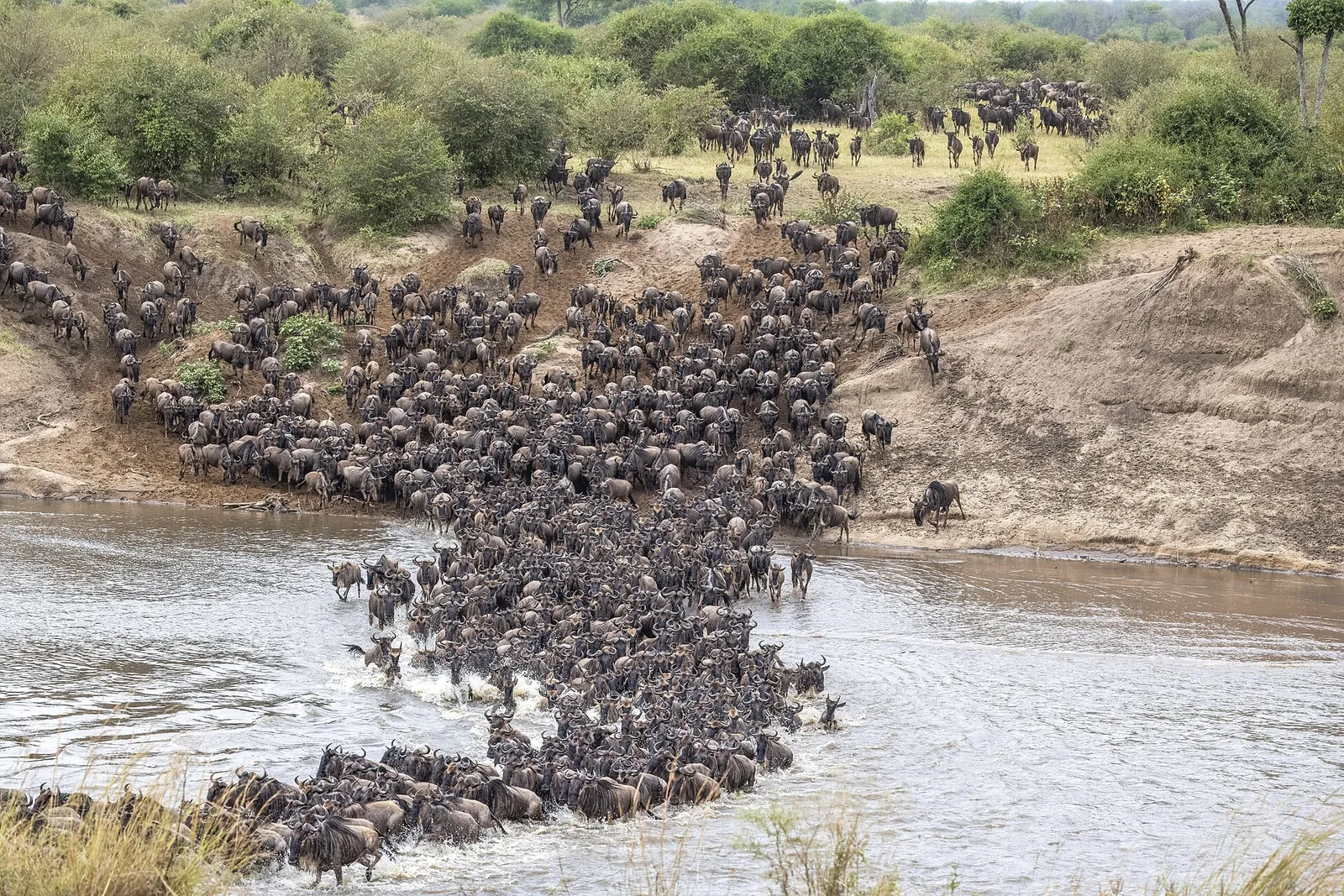
The drier months, roughly June to September and January to February, are generally easiest for game viewing. The Great Migration usually brings huge herds into the Mara in the second half of the year. That is also peak season, so book early.
Do I need to book the Sheldrick elephant nursery in advance?
Yes. Visits are by advance email booking only, up to three months ahead, with no same-day bookings. You’ll also need a Nairobi National Park ticket from KWS.
How do I get from Nairobi to the Masai Mara?
The quickest way is a scheduled flight from Wilson Airport, which takes about one hour. Road transfers take much longer, so travel with a reputable operator and only in daylight.
Do I need a visa for Kenya?
Most visitors need an eTA plus mandatory Kenyan travel health insurance. Rules vary by nationality, so check the official eTA portal before you book.
Can I pay with cash in Kenya?
Partly. Some places are cashless only, like the Giraffe Centre, while the Sheldrick donation is paid in cash. Carry a mix of a card, M-Pesa and some Kenyan shillings or US dollars.
Sources
Prices, hours and rules change. We checked these on 24 October 2026; please confirm on the official page before you book.
- Electronic Travel Authorization of Kenya (eTA): FAQs
- GOV.UK Foreign travel advice: Kenya
- GOV.UK Kenya travel advice: Safety and security
- GOV.UK Kenya travel advice: Entry requirements
- GOV.UK Kenya travel advice: Health
- U.S. Embassy in Kenya: Tourists Entering Kenya Must Purchase Local Health Insurance
- Sheldrick Wildlife Trust: Visiting the Nairobi Nursery
- Giraffe Centre (AFEW Kenya): Frequently Asked Questions
- Safarilink: Flights to Masai Mara
- Kenya Wildlife Service: Conservation Fees, October 2025 (PDF)
Photo credits (11)
- Giraffes and zebras among acacias in the Maasai Mara: Bit Boy from san francisco, usa, CC BY 2.0, via Wikimedia Commons
- A Rothschild's giraffe up close at the Giraffe Centre: GioRan, CC BY-SA 4.0, via Wikimedia Commons
- Orphaned baby elephants at the Nairobi nursery: Sara Ahmed Naqvi, CC BY-SA 4.0, via Wikimedia Commons
- A giraffe grazing with Nairobi's skyline behind it: Alexmbogo, CC BY-SA 4.0, via Wikimedia Commons
- A Safarilink plane on a Masai Mara airstrip: Wajahat Mahmood, CC BY-SA 2.0, via Wikimedia Commons
- An elephant beneath an acacia on the Mara plains: Daniel Case, CC BY-SA 4.0, via Wikimedia Commons
- A pride of lions resting in the Masai Mara: Benh LIEU SONG, CC BY-SA 3.0, via Wikimedia Commons
- Wildebeest crossing the Mara River: Charles J. Sharp, CC BY-SA 4.0, via Wikimedia Commons
- Hot-air balloons drifting over a Mara game drive: Ninara, CC BY 2.0, via Wikimedia Commons
- Golden sunset over the Masai Mara savannah: Danijel Mihajlovic, CC BY-SA 4.0, via Wikimedia Commons
- Sunrise and a balloon over the Masai Mara: Carine06 from UK, CC BY-SA 2.0, via Wikimedia Commons
This is a researched plan, not a personal trip report. How we research · Affiliate disclosure