
3 Days in Krakow: A Day-by-Day Itinerary
Three well-paced days in Krakow: Wawel, the Old Town, Kazimierz and Podgórze, plus Auschwitz-Birkenau or Wieliczka, with checked prices and transport tips.
- 🗓️ Trip length
- 3 days
- ☀️ Best time
- May to September
- 💰 Daily spend
- PLN 80-210 for sights and transport (excl. hotel and meals)
- ✅ Facts checked
- 24 October 2026
Get ready for one of Europe’s best city breaks. Krakow fits a lot into a small, walkable centre: a royal castle on a hill, a huge medieval market square, a Jewish quarter full of history and cafés, and two day trips to UNESCO-listed sites. Three days is about right. You can see the big sights without rushing and still have evenings free to sit in a square and hear the trumpet call from St Mary’s tower.
This plan suits first-timers, couples, friends and families with older children who like a steady, comfortable pace. You’ll spend Days 1 and 2 on foot in the centre, with a tram ride if your legs need a break. On Day 3 you choose between the Auschwitz-Birkenau Memorial, a deeply moving visit, and the underground chambers of the Wieliczka Salt Mine. Prices below were checked on official sites on 24 October 2026. Krakow’s museums change their hours by season, so check each site before you go.
At a glance
| Day | Area | Highlights |
|---|---|---|
| 1 | Wawel Hill and Old Town | Wawel Cathedral and Castle, St Mary’s Basilica, Main Square, Rynek Underground |
| 2 | Kazimierz and Podgórze | Jewish quarter, Vistula footbridge, Ghetto Heroes Square, Oskar Schindler’s Enamel Factory |
| 3 | Day trip | Auschwitz-Birkenau Memorial (full day) or Wieliczka Salt Mine (half day) |
Day 1: Royal Krakow and the Old Town
Morning
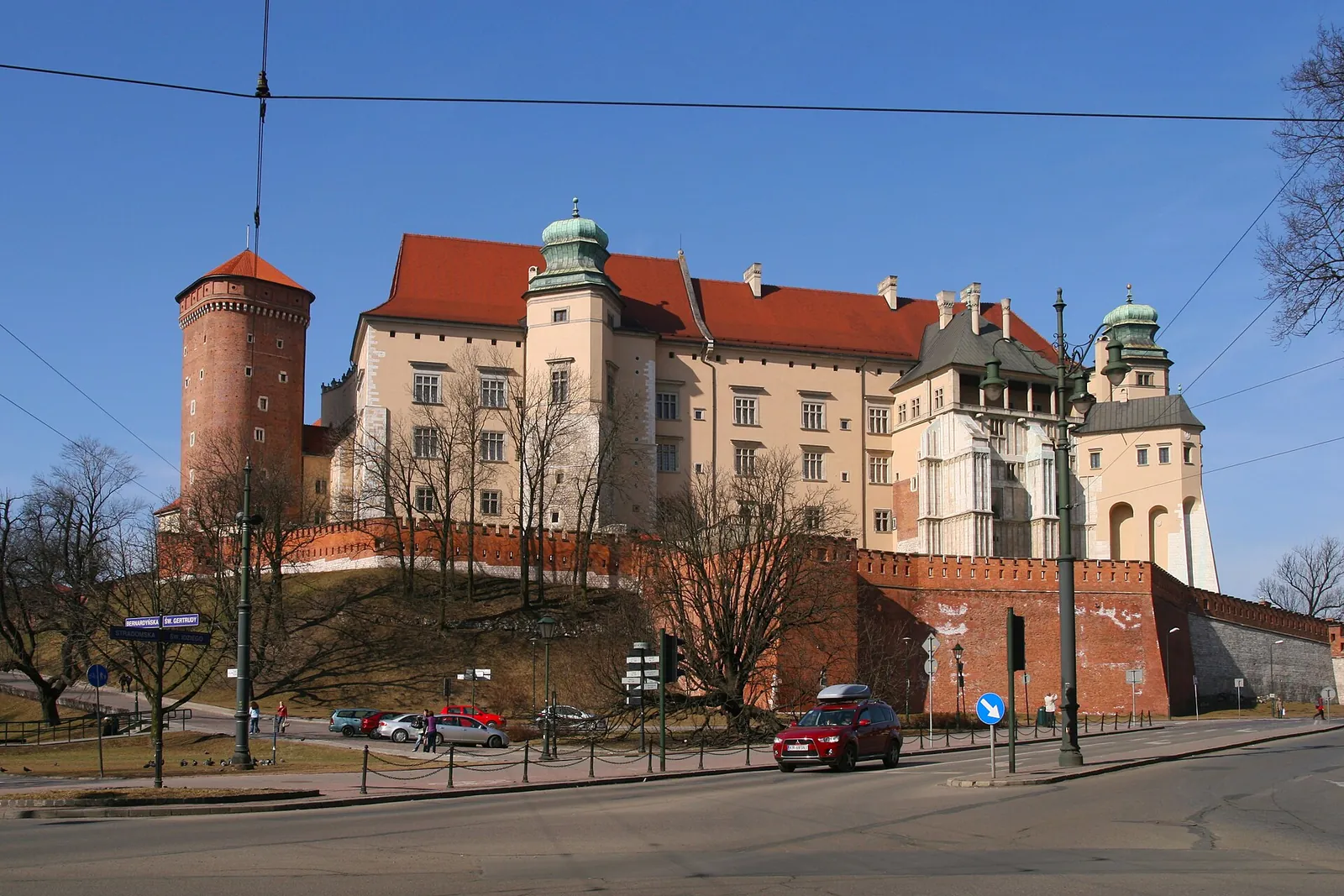
This is the day for royal Krakow! Start early on Wawel Hill, where Polish kings once lived. Begin with Wawel Cathedral, where one ticket covers the cathedral, the Sigismund Bell, the Royal Tombs, the Cathedral Museum and the Archdiocesan Museum. The cathedral’s official site lists 25 PLN for individual tourists (17 PLN concession). It currently shows visiting hours of 9:00 to 15:30 Monday to Saturday and 12:30 to 15:30 on Sunday, so you can’t go on a Sunday morning.
Next, go into Wawel Royal Castle. It’s run separately and sells its own tickets. Under the current schedule the castle opens 9:00 to 17:00, Tuesday to Sunday. The route that covers the most is the Castle 1st and 2nd floor ticket: the royal rooms, the Porcelain Cabinet, the State Rooms, the Ottoman Turkish Tents and the Wawel Recovered exhibition. It costs 95 PLN regular or 71 PLN reduced, and an audio guide is included. If you want something smaller, the Crown Treasury and The Armoury cost 47 PLN each.
Pre-book: buy timed castle tickets on the official ticket site, bilety.wawel.krakow.pl, especially for weekends.
Good to know: on Mondays (10:00 to 16:00) some castle exhibitions are free, but only a limited number of free tickets are given out. In November 2026 the castle runs its “Free November” programme, with several exhibitions free on timed tickets. The castle is closed on 1 November.
Afternoon
Walk down from Wawel along Grodzka Street to the Main Square (Rynek Główny). It’s a flat, easy walk of about 15 minutes.
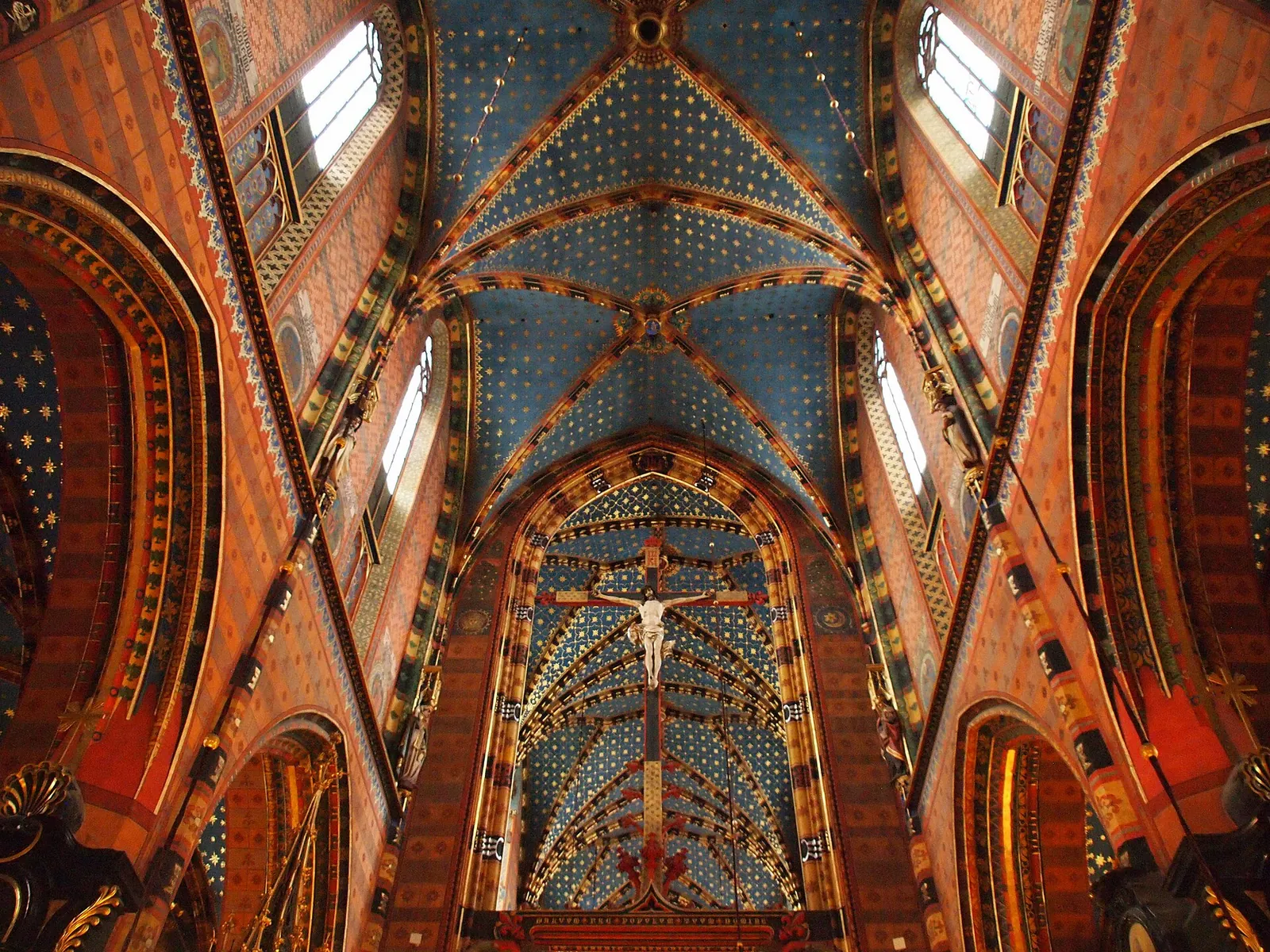
Go into St Mary’s Basilica and look up at the blue, star-covered ceiling. Visitors can come in 11:30 to 18:00 Monday to Saturday, and 14:00 to 18:00 on Sundays and public holidays. The suggested donation is 20 PLN (10 PLN reduced). Try to be inside at 11:50, when the great high altar by Veit Stoss is opened in a short ceremony. If you leave Wawel by about 11:30 you’ll make it.
The taller of the two towers is where the bugle call is played. You can only climb it in season: the tower is closed from November to April. From May to October it opens 10:00 to 17:30 Tuesday to Saturday and 13:00 to 17:30 on Sunday. The climb costs 20 PLN (15 PLN reduced), you can’t book ahead, and children under 8 aren’t allowed up.
After lunch, head underground. The Rynek Underground museum lies right beneath the square and shows what medieval Krakow was like. A normal ticket is 45 PLN. Opening hours:
- Monday, Wednesday and Thursday: 10:00 to 19:00
- Tuesday: 10:00 to 15:00
- Friday to Sunday: 10:00 to 20:00
Last entry is 75 minutes before closing. The museum is closed on the second Monday of each month. Entry is free on Tuesdays, with a limited number of same-day tickets at the box office.
Pre-book: buy a timed Rynek Underground ticket on the Museum of Krakow ticket site.
Evening
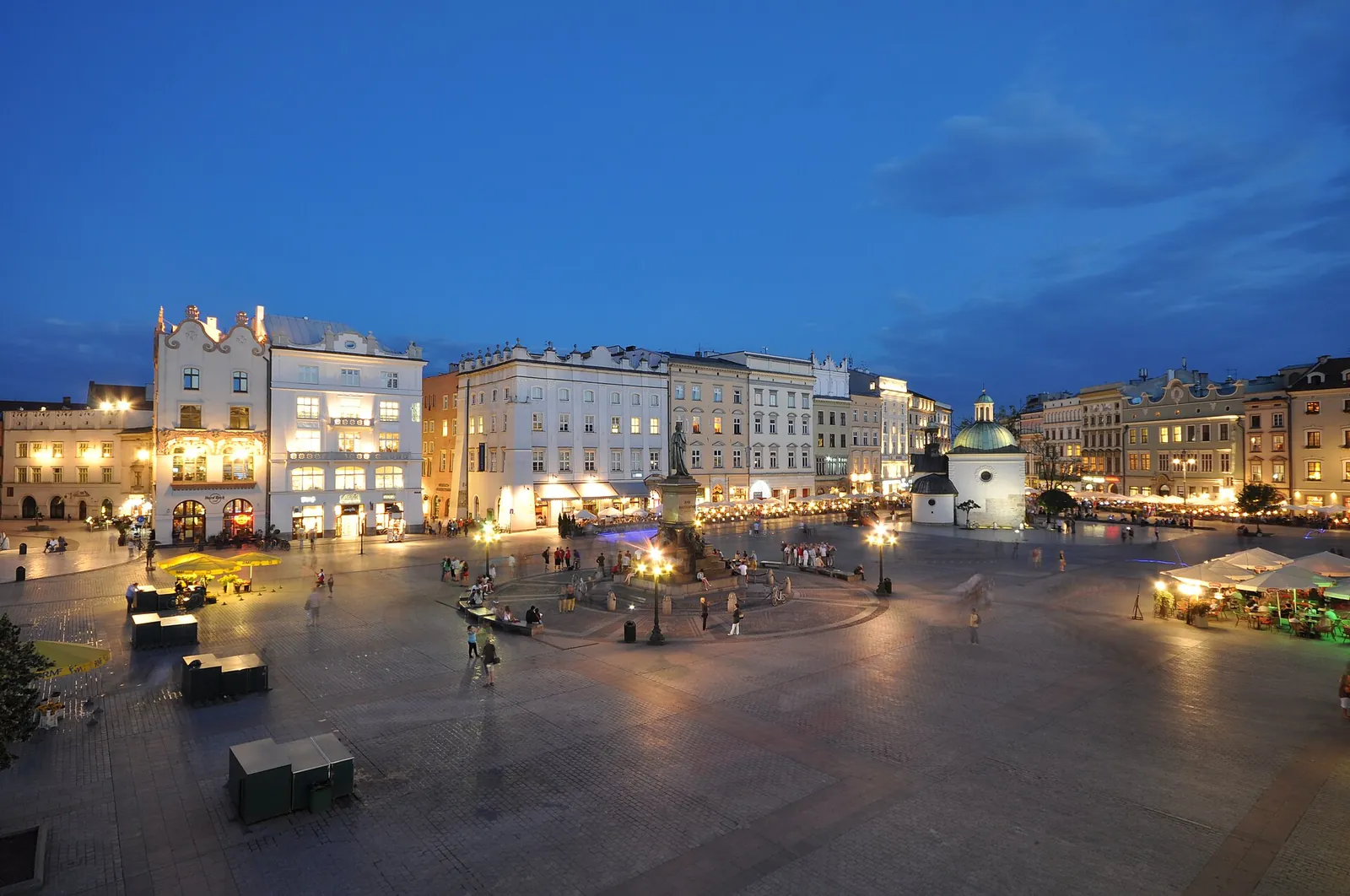
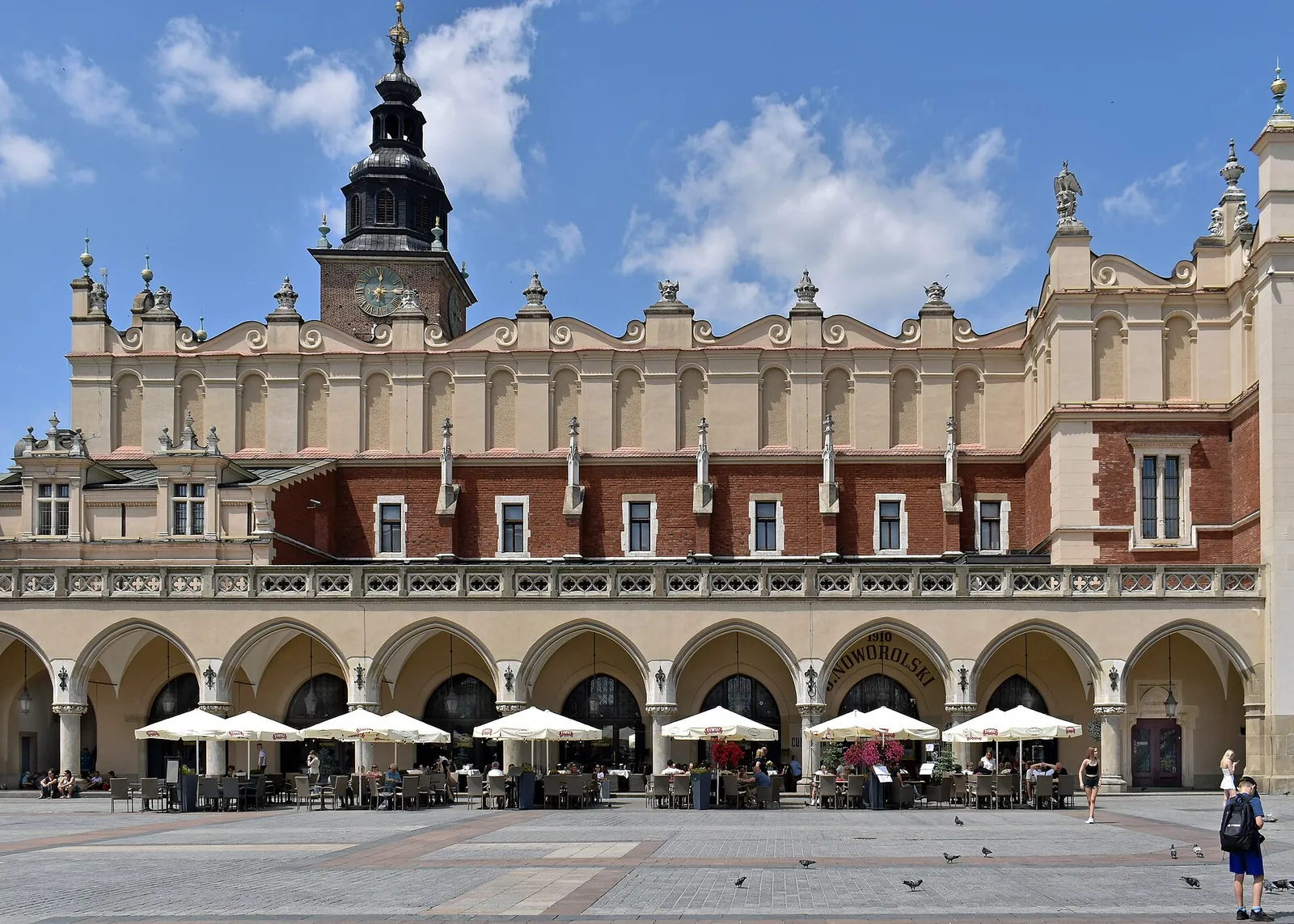
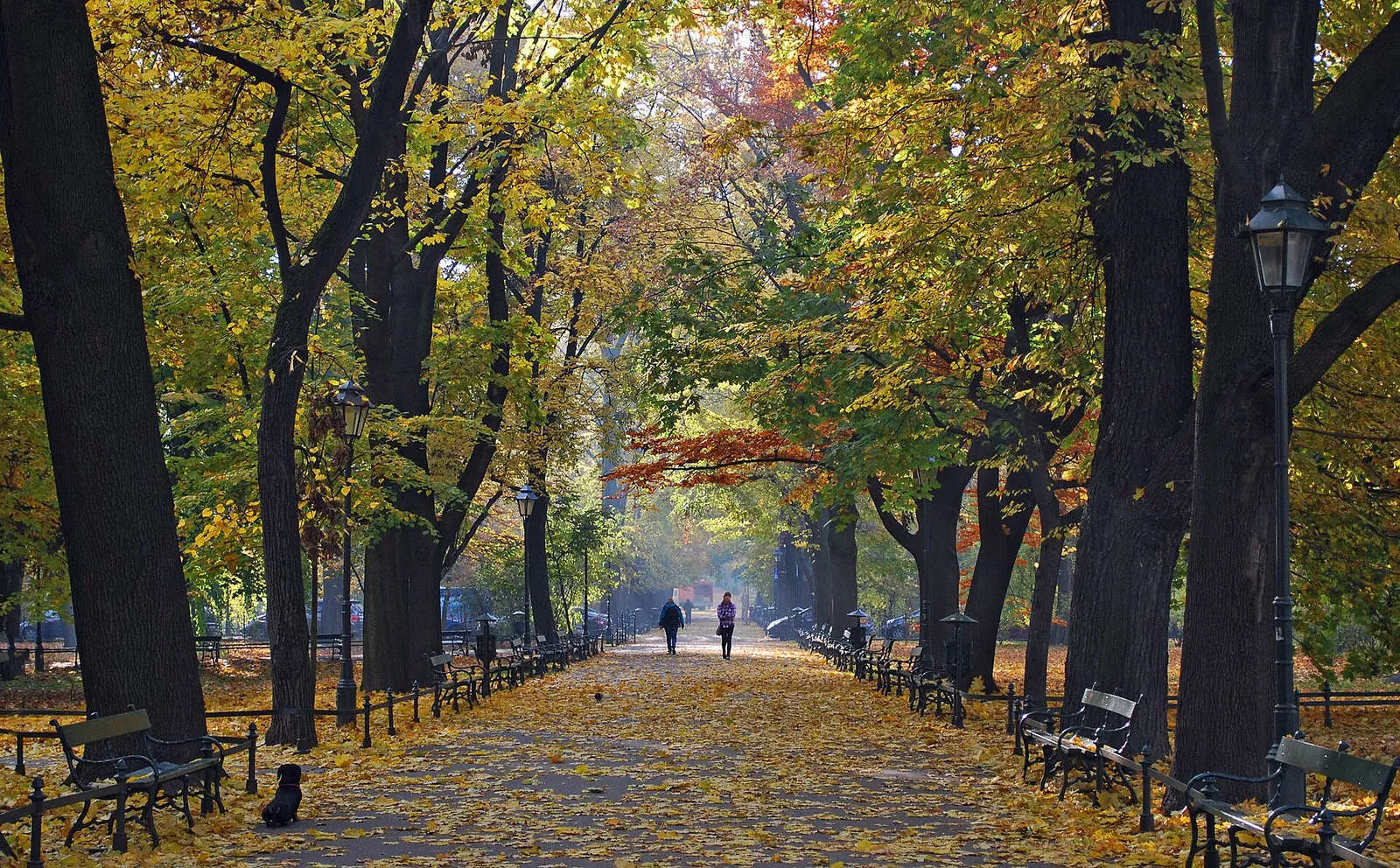
Wander through the arcades of the Cloth Hall in the middle of the square. Then walk a loop of the Planty, the park that circles the Old Town where the medieval walls once stood. Be near the square on the hour: the hejnał bugle call is played from St Mary’s tower every hour, all day, once in each of four directions. Listen for the tune stopping halfway through a note. Legend says it remembers a watchman who was shot mid-call.
Day 2: Kazimierz and Podgórze
Morning
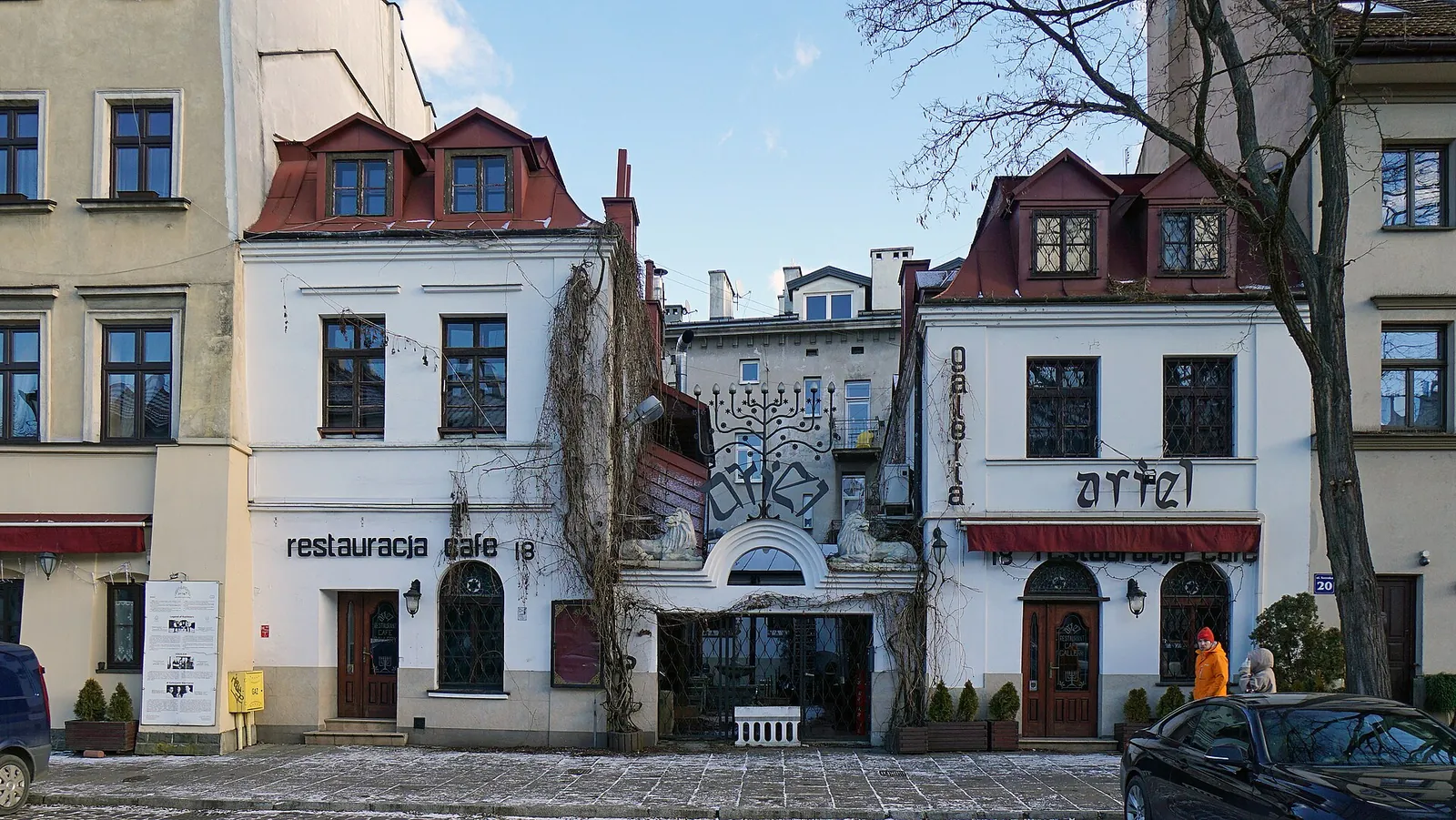
Get ready for Krakow’s most atmospheric neighbourhood. From the Main Square, walk south along Grodzka and Stradom streets to Kazimierz. It takes about 20 to 25 minutes on foot, or you can take a tram. For centuries this was a centre of Jewish life in Poland. Today its streets mix synagogues, old courtyards, galleries and some of the city’s most relaxed cafés.
Start at Szeroka Street, the heart of the old Jewish quarter, then explore the synagogues and the lanes around Plac Nowy. Each synagogue has its own opening days and some close on certain days, so check their websites before you go. Dress respectfully for religious sites.
Afternoon
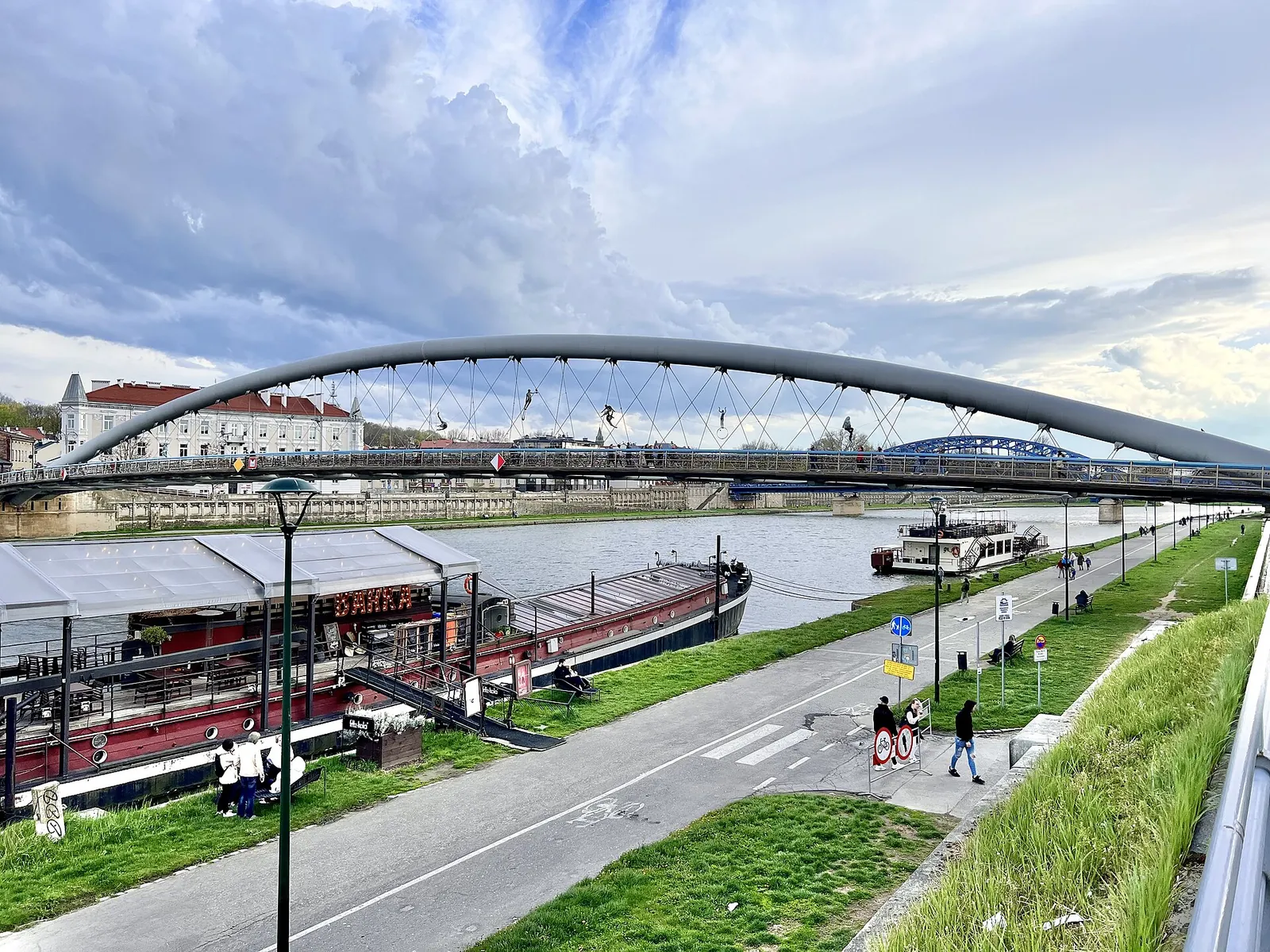
Cross the Father Bernatek footbridge over the Vistula into Podgórze. This is the district where the Nazi German occupiers set up the Kraków Ghetto. Stop at Ghetto Heroes Square, with its memorial of empty chairs, and visit the Eagle Pharmacy on the square.
Then walk about 10 minutes to Oskar Schindler’s Enamel Factory. This Museum of Krakow branch tells the story of the city under Nazi German occupation, and it’s a powerful visit.
- Tickets: 60 PLN normal, 45 PLN reduced. Your ticket also gets you into the Eagle Pharmacy and the Pomorska Street site within 7 days of the date printed on it.
- Hours: 10:00 to 15:00 on Monday, 9:00 to 20:00 Tuesday to Sunday. Last entry is 1.5 hours before closing.
- Closed: the first Tuesday of each month.
- Free Mondays: entry is free on Mondays, but tickets are limited and can’t be booked in advance.
If you’d like a guide, the museum runs English tours Tuesday to Sunday at 10:00, 12:00 and 16:00 (90 PLN normal).
Pre-book: this is Krakow’s most popular museum. Buy a timed ticket on the official Museum of Krakow ticket site, where sales open 90 days ahead. If you buy personal tickets online, bring your original ID on the day.
Evening
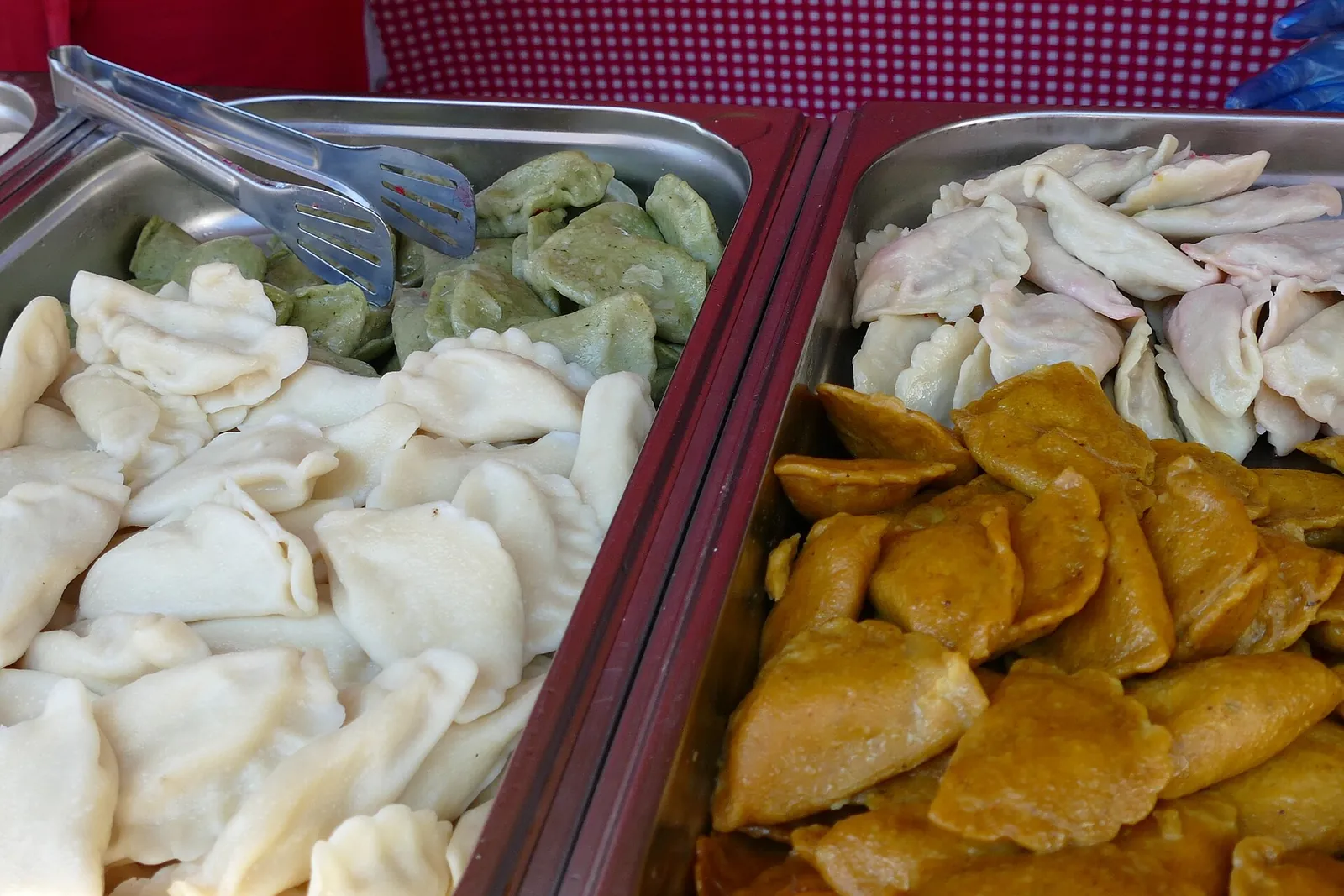
Go back to Kazimierz for dinner. The streets around Plac Nowy and Szeroka are lively in the evening. Finish with a slow walk along the Vistula riverside paths, with Wawel Castle lit up above the river.
Day 3: Choose your day trip
Morning
Today you pick the trip that matters most to you.
Option A: Auschwitz-Birkenau Memorial (full day). The former German Nazi concentration and extermination camp near Oświęcim is now a memorial. A visit is quiet and heavy, and very important. Key facts from the Memorial:
- Entry to the grounds is free, but you need a personal entry pass, and you can only book it at visit.auschwitz.org.
- You can reserve free passes for visits without a guide from 90 to 7 days before you go. Guided tours can be booked up to three months ahead.
- The standard guided tour covers both Auschwitz I and Auschwitz II-Birkenau and lasts about three and a half hours. For guide fees, check the official site.
- Arrive at least 30 minutes before your time slot for security checks.
- Bags can’t be bigger than 35 x 25 x 15 cm. There is paid luggage storage.
- The Memorial does not recommend visits for children under 14.
Getting there: Lajkonik buses run from Kraków directly to the Museum car park (check the timetable on the bus company’s website). The Museum is about 1,500 metres from Oświęcim railway station.
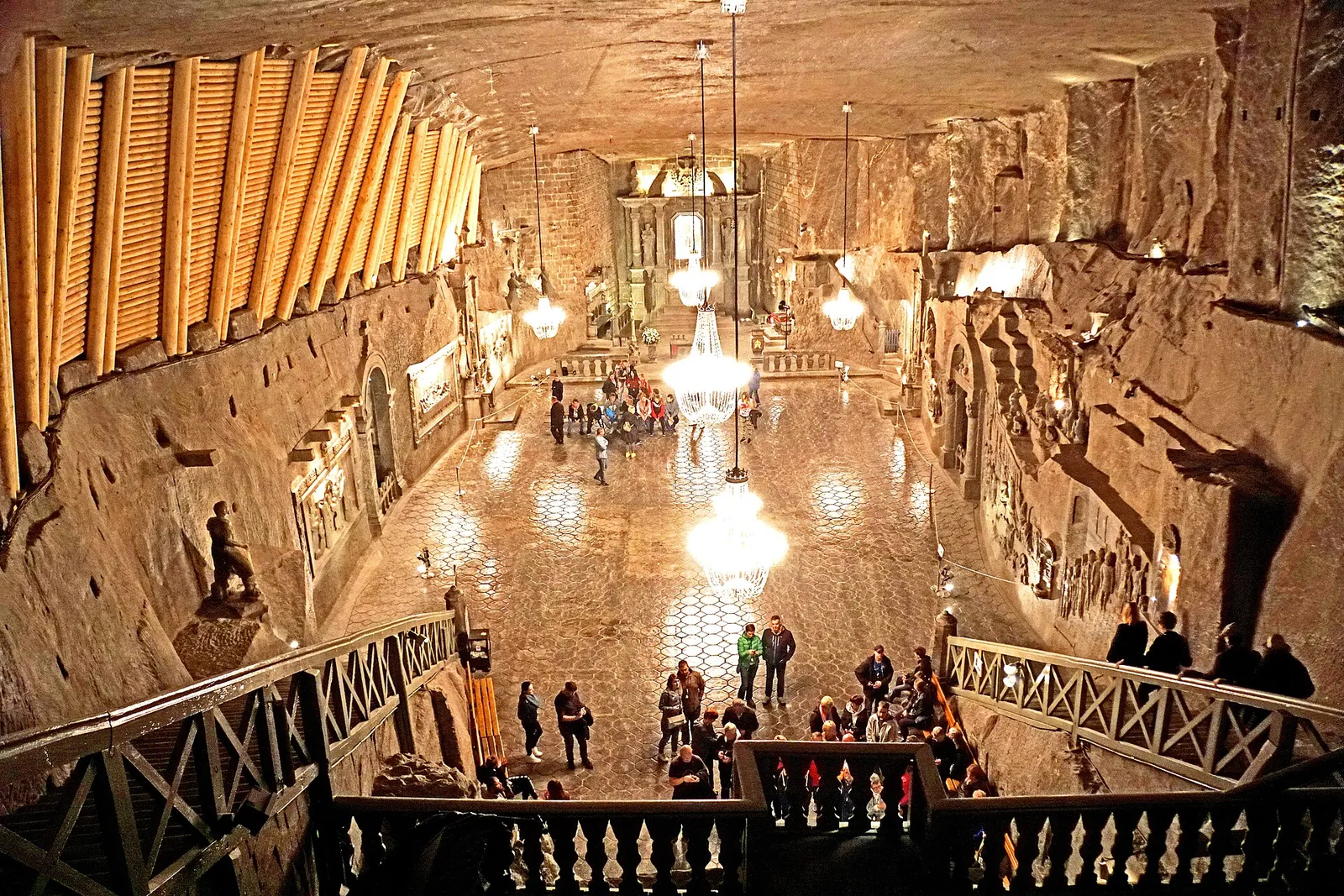
Option B: Wieliczka Salt Mine (half day). Take the Koleje Małopolskie train from Kraków Główny to Wieliczka Rynek Kopalnia. It takes about 25 minutes and costs 7 PLN one way. The Tourist Route takes you past chapels, chambers and lakes cut out of salt, down to 135 metres below ground.
- Time and effort: 2 to 3 hours, 3.5 km of walking and more than 800 steps.
- Temperature: 17 to 18°C underground, so bring a light layer.
- Hours: the route runs from 8:00 to 18:00.
- Price: the official site lists tickets from 121 PLN per person, depending on ticket type. Check the official ticket shop for the exact price for your tour and language.
Pre-book: tours in languages other than Polish or English must be bought online in advance. English tours sell out at busy times, so book ahead anyway.
Afternoon
If you chose Auschwitz, most of the afternoon goes on the Memorial and the trip back. The last entry time changes by month: 17:00 in March and October, 15:00 in November and January, 14:00 in December, and up to 19:00 in summer. The Memorial is closed on 1 January, 25 December and Easter Sunday.
If you chose Wieliczka, you’ll be back in Krakow by early afternoon. Use the time for whatever you missed: the Crown Treasury at Wawel, a café on the Main Square, or a slow loop of the Planty.
Evening
Keep your last evening gentle, especially after Auschwitz. A quiet dinner in the Old Town and one last hejnał on the hour make a lovely goodbye.
Getting there and getting around
From Kraków Airport (Balice). The airport is about 11 km from the centre.
| Option | Journey time (airport figures) | Fare |
|---|---|---|
| Koleje Małopolskie train to Kraków Główny | about 20 min | 20 PLN |
| City bus 300 (day) or 902 (night) | about 45 min | standard KMK time ticket, for example 60-minute ticket 8 PLN |
| Kraków Airport Taxi | about 25 min | check the official site |
The airport station is right next to the terminal, joined to it by a covered footbridge. You can buy train tickets from the machines on board (cash or card), on the Koleje Małopolskie website, or from the conductor. Luggage travels free. Public transport tickets can only be bought in PLN.
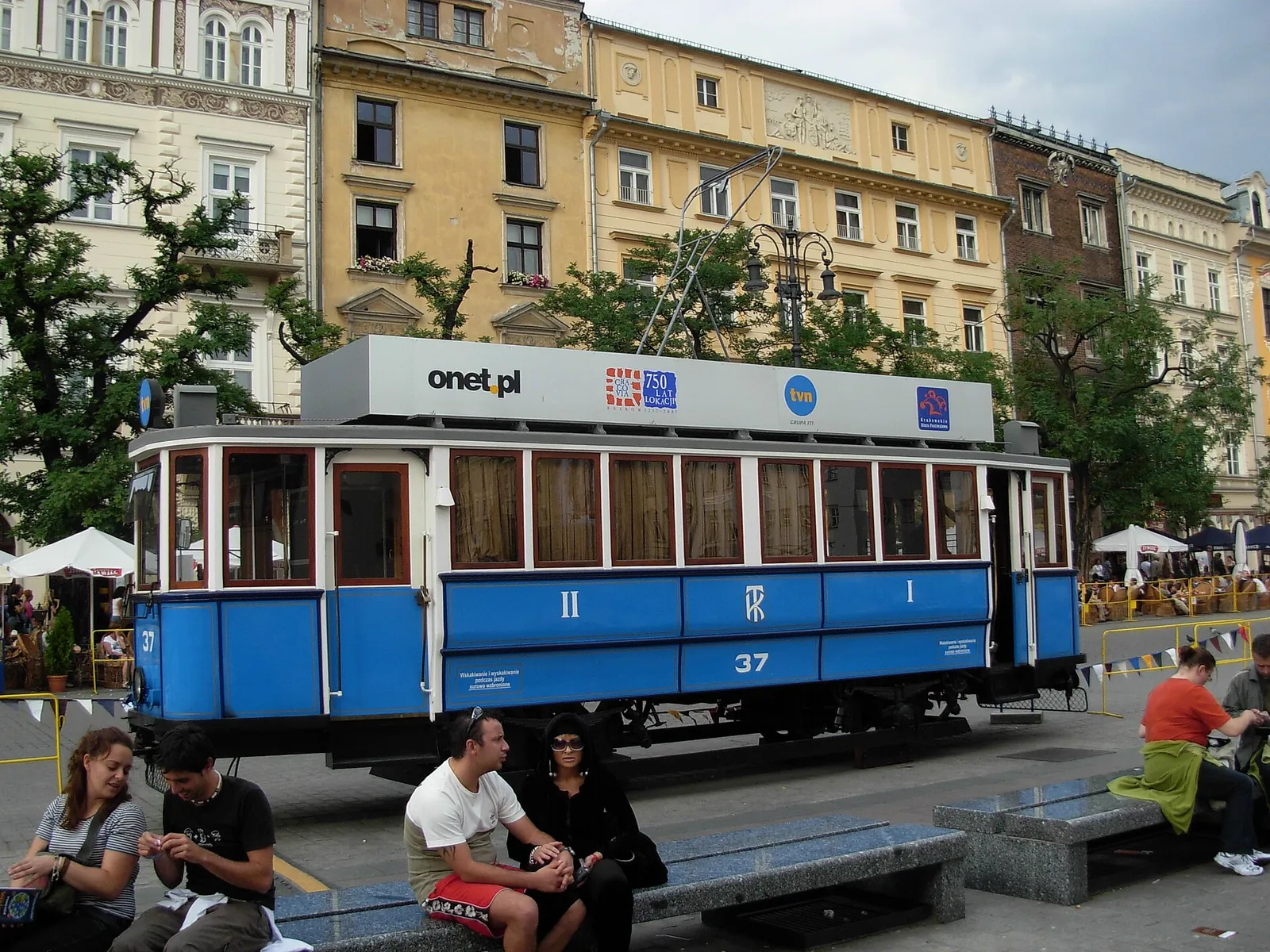
Around town: KMK trams and buses. Tram and bus tickets come from MPK Kraków, the city transport company. You must validate paper and machine tickets. Useful full-price fares:
- 30-minute or single trip: 6 PLN
- 60-minute: 8 PLN
- 24-hour, zone I (the city): 20 PLN
- 48-hour, all zones: 40 PLN
- 72-hour, all zones: 55 PLN
You can walk to almost everything in this plan. A 24-hour ticket is handy on the day you arrive or on Day 2.
Where to stay
- Old Town (Stare Miasto): best for first-timers who want to walk straight out onto the Main Square. It’s busy and lively at night, so light sleepers may prefer a side street.
- Kazimierz: full of character, cafés and restaurants, and a short walk from both Wawel and Podgórze. Great for food lovers and couples.
- Podgórze: across the river, calmer and greener, close to Schindler’s Factory, and well connected to the centre by tram and footbridges.
- Near Kraków Główny (railway station): practical for early trains to the airport, Wieliczka or Oświęcim, and a short walk from the Old Town.
Budget
| Item | Typical cost |
|---|---|
| Airport train to Kraków Główny | 20 PLN |
| KMK 24-hour ticket (zone I) / 72-hour (all zones) | 20 PLN / 55 PLN |
| Wawel Cathedral (incl. Sigismund Bell and Royal Tombs) | 25 PLN |
| Wawel Castle, 1st and 2nd floor route | 95 PLN |
| Crown Treasury or Armoury (each) | 47 PLN |
| St Mary’s Basilica | 20 PLN donation |
| Rynek Underground | 45 PLN |
| Oskar Schindler’s Enamel Factory | 60 PLN (English guided tour 90 PLN) |
| Auschwitz-Birkenau entry pass | free (guide fees: check the official site) |
| Wieliczka Tourist Route | from 121 PLN |
| Train Kraków Główny to Wieliczka | 7 PLN each way |
The daily figure in this guide (PLN 80 to 210) covers sights and local transport only. It doesn’t include flights, accommodation, food and drink, or the bus to Oświęcim. Check current prices for those when you book.
Practical tips
- Closing days to plan around:
- Rynek Underground closes on the second Monday of the month.
- Schindler’s Factory closes on the first Tuesday of the month.
- Wawel Castle is closed on 1 November.
- Both of these Museum of Krakow branches close on 1 and 11 November and on 24 and 25 December.
- The St Mary’s tower climb is closed November to April.
- Free days: some Wawel Castle exhibitions are free on Mondays, Schindler’s Factory is free on Mondays and Rynek Underground is free on Tuesdays. Free tickets are limited and given out on the day, so arrive early.
- Churches: keep quiet, don’t sightsee during Mass, and dress modestly. At St Mary’s, part of the church is kept for prayer only.
- Carry ID: UK government advice is to carry ID at all times. Museums also ask to see your original ID if you bought personal tickets online.
- Money: Poland uses the złoty (PLN). If a card machine offers to charge you in your home currency, choose PLN so you’re not stuck with the machine’s exchange rate.
- SIM and eSIM: a local prepaid SIM, or an eSIM bought before you fly, keeps your maps and ticket apps working. Compare current offers before you travel.
Visa and entry: Poland is in the Schengen Area, and the rules depend on your passport. Check the official requirements for your nationality on the Polish government’s Office for Foreigners portal (https://www.mos.cudzoziemcy.gov.pl/en/categories-information/visas-movement-free/rules-for-entry-and-short-term-stay/) and with your nearest Polish consulate well before you book.
Heads-up
Krakow is a joy to explore, and a few precautions keep it that way:
- Book Auschwitz only on visit.auschwitz.org. The Memorial says this is the only authorised system for entry passes. It has warned about middlemen who copy its website, and about messages saying visits were cancelled shortly before arrival. The Memorial says those messages are untrue.
- Use official taxis only. UK travel advice warns that unofficial drivers often overcharge, and some passengers have been attacked. Official taxis show the company name and phone number on the door and roof, plus a rate card in the window. A crest with no company name doesn’t make a taxi official. At the airport, the official option is Kraków Airport Taxi.
- Watch your drink and your bill. UK advice reports drinks being spiked and people robbed in bars and clubs, and visitors being overcharged when paying by card at the end of the night. Don’t leave drinks unattended, and check your bill.
- Mind your pockets. UK advice warns of pickpockets in crowds, at tourist spots and at main railway stations.
- No drinking in public. It’s illegal to drink alcohol in public places in Poland, and police can fine or arrest you.
- Cross at crossings. Police can fine you for jaywalking.
- Wieliczka is a workout. There are more than 800 steps and it’s a cool 17 to 18°C underground. Wear good shoes and bring a layer.
- Auschwitz isn’t recommended for under-14s, and large bags aren’t allowed inside.
FAQ
Is 3 days enough for Krakow?
Yes. Two days comfortably cover the Old Town, Wawel, Kazimierz and Podgórze, and the third day fits one big day trip. Add a fourth day if you want to see both Auschwitz-Birkenau and Wieliczka.
Can I visit Auschwitz-Birkenau and Wieliczka on the same day?
You can, but we suggest picking one. The standard Auschwitz guided tour alone takes about three and a half hours, and Wieliczka’s Tourist Route takes 2 to 3 hours, before you add travel time. Doing them on separate days gives each one the time it deserves.
Do I need to book tickets in advance?
For Auschwitz, yes: entry passes are only available online at visit.auschwitz.org. We also strongly recommend booking ahead for Schindler’s Factory, Wawel Castle, Rynek Underground and Wieliczka.
How do I get from Kraków Airport to the Old Town?
The easiest way is the Koleje Małopolskie train to Kraków Główny, which takes about 20 minutes and costs 20 PLN. The Old Town is a short walk from the station.
When is the best time to visit?
May to September brings long days and outdoor café life, and the St Mary’s tower climb is open from May to October. Winter is quieter, and in November 2026 Wawel Castle runs its Free November programme.
Is Krakow good for families?
Yes, with a little planning. The centre is easy to walk, and Wieliczka is open to all ages, though it involves a lot of steps. Children under 8 can’t climb St Mary’s tower, and Auschwitz isn’t recommended for children under 14.
Sources
Prices, hours and rules change. We checked these on 24 October 2026; please confirm on the official page before you book.
- Wawel Royal Castle: What to See (opening hours and ticket prices)
- Wawel Royal Castle: Booking, guides, audio guides
- The Wawel Royal Cathedral (official site)
- St. Mary's Basilica in Krakow: For tourists
- Krakow.travel (official city tourism portal): St Mary's Church
- Museum of Krakow: Rynek Underground
- Museum of Krakow: Oskar Schindler's Enamel Factory
- Auschwitz-Birkenau Memorial: Basic information
- Auschwitz-Birkenau Memorial: Opening hours
- Auschwitz-Birkenau Memorial: Getting to the Museum
- Auschwitz-Birkenau Memorial: Museum appeals to visitors to be cautious about external tour offers
- Auschwitz-Birkenau Memorial reservation system: FAQ
- Wieliczka Salt Mine: Tourist Route (individual tourist)
- Wieliczka Salt Mine: Online store
- Koleje Małopolskie: Wieliczka Salt Mine - Kraków Main Station - Kraków Airport
- Kraków Airport: Train
- Kraków Airport: FAQ, access to the airport and city centre
- MPK Kraków: KMK ticket guide
- GOV.UK Foreign travel advice: Poland, safety and security
Photo credits (10)
- The Cloth Hall on Krakow's Main Square: Zygmunt Put, CC BY-SA 4.0, via Wikimedia Commons
- Wawel Royal Castle on its hill in Krakow: Lestat (Jan Mehlich), CC BY-SA 3.0, via Wikimedia Commons
- The blue, star-covered ceiling of St Mary's Basilica: Paul Arps from The Netherlands, CC BY 2.0, via Wikimedia Commons
- Historic houses on Szeroka Street in Kazimierz: Igor123121, CC BY 4.0, via Wikimedia Commons
- Krakow's Main Square glowing at dusk: Jorge Láscar from Australia, CC BY 2.0, via Wikimedia Commons
- The Father Bernatek footbridge arching over the Vistula: Kgbo, CC BY-SA 4.0, via Wikimedia Commons
- St Kinga's Chapel, carved from salt, deep in Wieliczka: Dennis G. Jarvis, CC BY-SA 2.0, via Wikimedia Commons
- Golden autumn trees along the Planty park: Zygmunt Put Zetpe0202, CC BY-SA 4.0, via Wikimedia Commons
- Trays of freshly made pierogi in Krakow: Kritzolina, CC BY-SA 4.0, via Wikimedia Commons
- A vintage blue tram in Krakow's Old Town: myself (User:Piotrus), CC BY-SA 3.0, via Wikimedia Commons
This is a researched plan, not a personal trip report. How we research · Affiliate disclosure