
3 Days in Kyoto: A Day-by-Day Itinerary
A 3-day Kyoto plan: Fushimi Inari and Kiyomizu-dera, Arashiyama and the Golden Pavilion, then Nijo Castle, Nishiki Market and Ginkaku-ji.
- 🗓️ Trip length
- 3 days
- ☀️ Best time
- March to May and October to November
- 💰 Daily spend
- Sights JPY 500-1,300 each, transit pass JPY 1,100; lodging and food extra
- ✅ Facts checked
- 22 October 2026
Get ready for the city that feels like Japan’s living storybook. Kyoto packs vermilion shrine gates climbing a forested hill, a wooden temple stage hanging over a valley, a pavilion covered in gold leaf, a bamboo grove that hums in the wind and lantern-lit lanes where tea houses still open their doors at dusk. This plan suits first-time visitors who want the big icons in three days without feeling rushed, plus time to eat their way through a market and wander the riverside at night.
The pace is moderate with early starts. Kyoto’s famous sights get busy by mid-morning, so each day opens with one headline place at or near opening time, then groups the rest by area so you spend more time walking pretty streets and less time on buses. Prices are in Japanese yen (JPY) and were checked on official sites on 22 October 2026.
At a glance
| Day | Area | Highlights |
|---|---|---|
| 1 | Fushimi and Higashiyama | Fushimi Inari Taisha at dawn, Kiyomizu-dera, Sannenzaka and Ninenzaka, Yasaka Shrine, Gion |
| 2 | Arashiyama and northwest Kyoto | Bamboo grove, Tenryu-ji garden, Togetsukyo Bridge, Kinkaku-ji, Pontocho |
| 3 | Central and northeast Kyoto | Nijo Castle, Nishiki Market, Ginkaku-ji, Philosopher’s Path, Nanzen-ji area |
Day 1: Torii gates, temple stages and old Gion
Morning
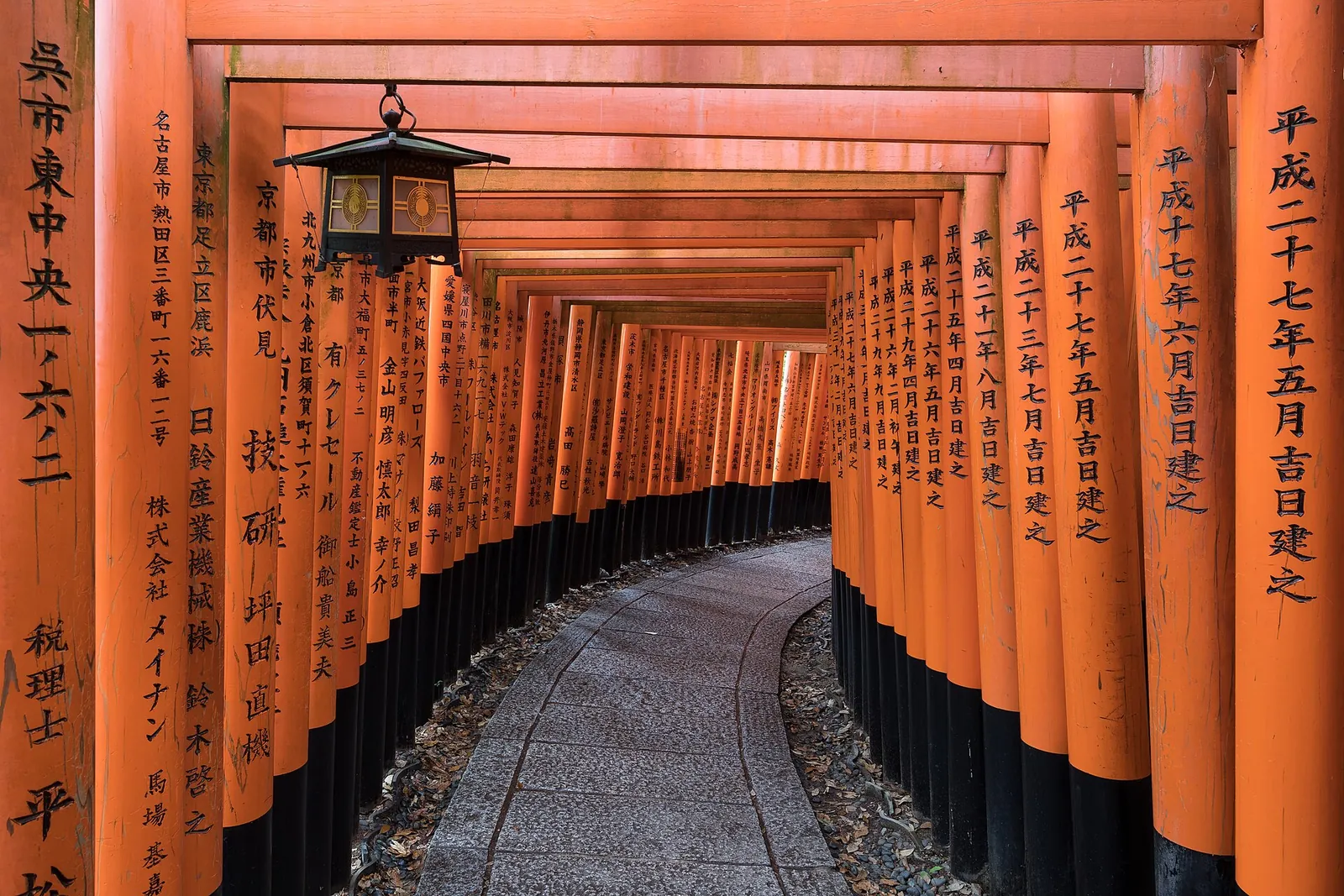
This is the day for Kyoto’s most famous postcard. Start early at Fushimi Inari Taisha, the shrine of thousands of vermilion torii gates winding up Mount Inari. It sits right next to Inari Station on the JR Nara Line, two stops and about 5 minutes from Kyoto Station, and Fushimi-Inari Station on the Keihan Main Line is a 5-minute walk away. The Kyoto City Official Travel Guide notes the shrine is open twenty-four hours a day, and the gates look especially magical in the soft dawn light, before the crowds arrive.
You do not need to climb all the way to the summit. Walking through the dense tunnel of gates known as Senbon Torii and a little beyond gives you the classic views in about an hour. Wear comfortable shoes: the paths are made of steps, and they keep going uphill.
Afternoon
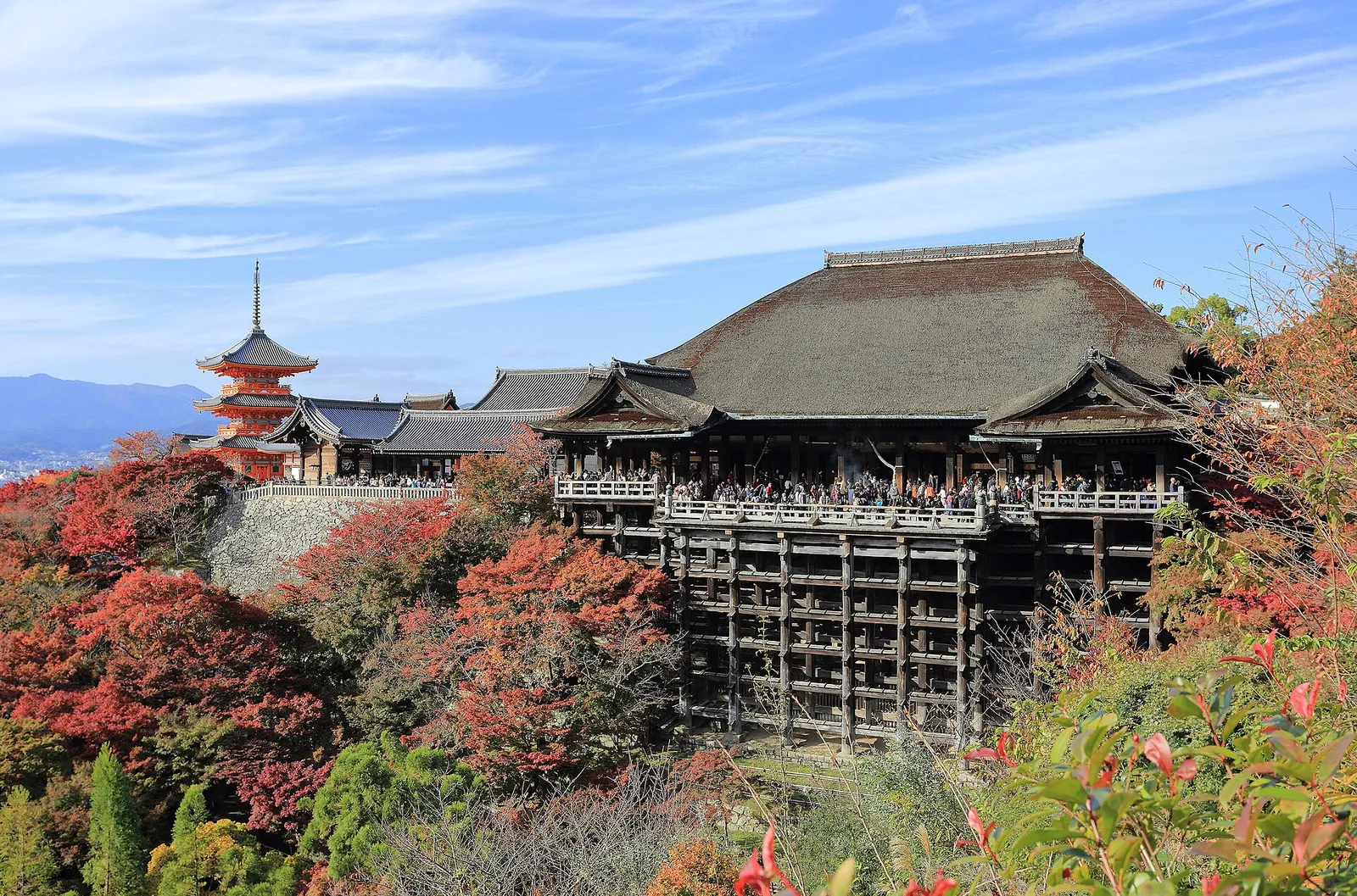
Take the Keihan line north to Kiyomizu-Gojo Station, then walk up the slopes toward Kiyomizu-dera, the temple famous for its wooden stage jutting out over the hillside. The temple opens at 6:00 every day. In 2026 it closes at 18:00 from 1 September to 20 November and again in December, and stays open until 21:30 (last entry 21:00) for the autumn night viewing from 21 to 30 November. There is an admission fee for the main hall area, paid at the gate; check the current price on the official site. The temple also warns that some map apps suggest routes that do not actually lead into the temple grounds, so follow the official access map.
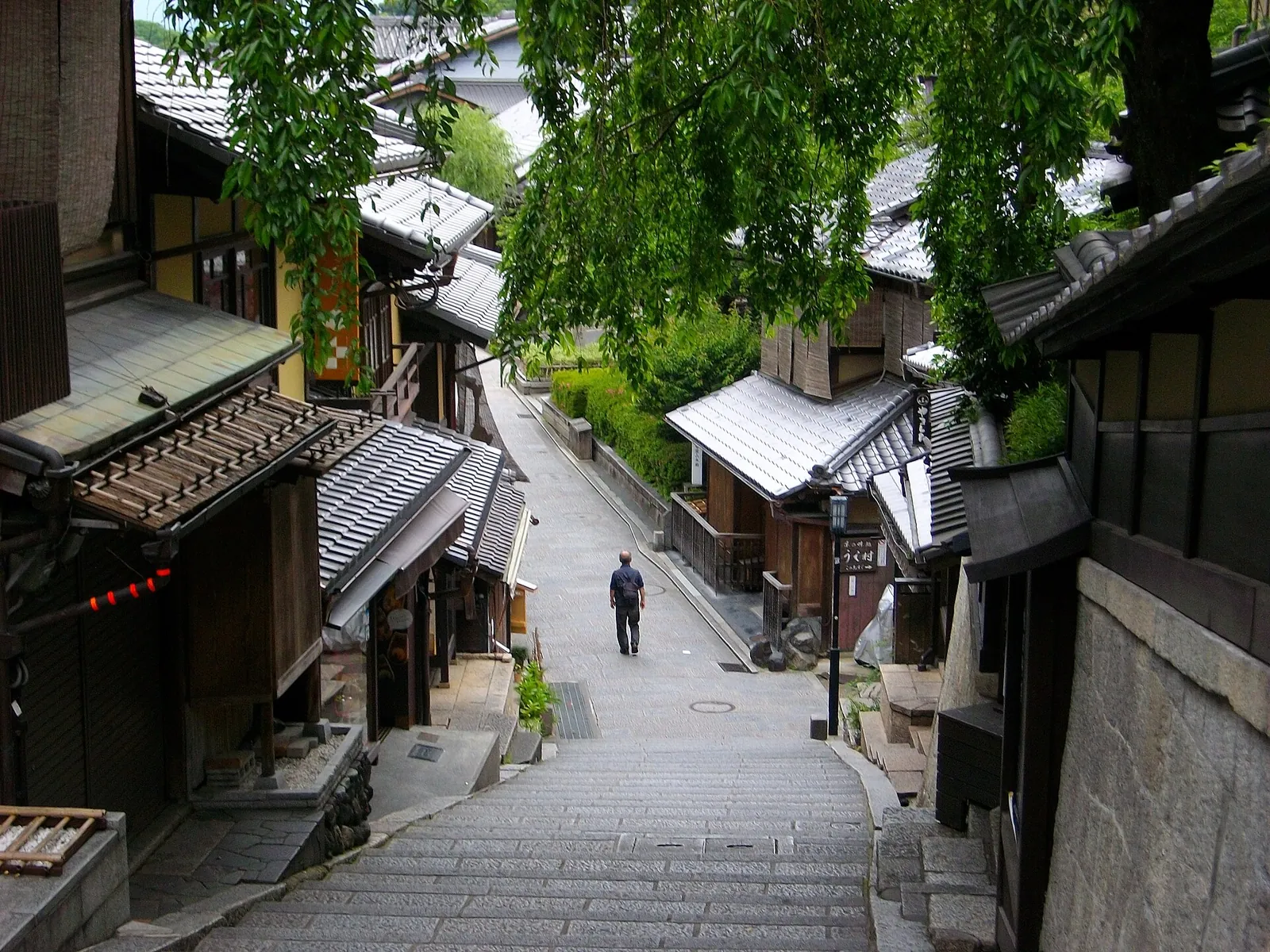
From the temple, stroll down Sannenzaka and Ninenzaka, two stone-paved lanes lined with wooden shops selling sweets, pottery and tea. Keep going north on foot through quiet backstreets to Yasaka Shrine, about 15 to 20 minutes at an easy pace with stops.
Evening
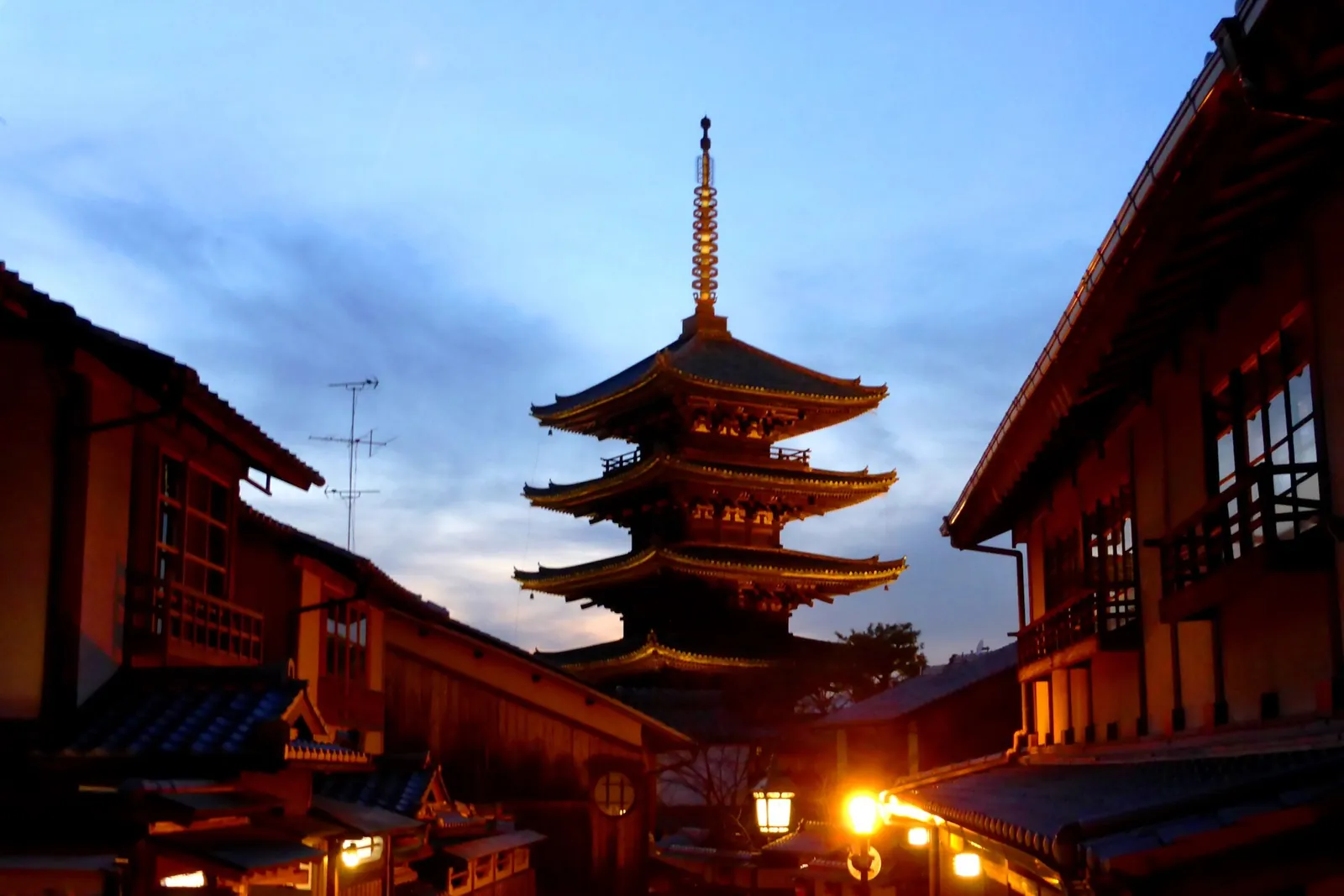
Cross from Yasaka Shrine into Gion, Kyoto’s historic geiko district. Wander Hanamikoji Street and the canal-side Shirakawa area as the lanterns come on. This is a living neighbourhood, and the city asks visitors not to touch, follow or photograph geiko and maiko without permission, and not to step into private lanes. Find dinner around Gion or cross the Kamo River to the Kawaramachi area, where options are plentiful.
Day 2: Bamboo, a riverside temple and the Golden Pavilion
Morning
Save your earliest alarm for this one. Arashiyama is a joy at opening time and very crowded later. Get there by the Randen (Keifuku) Arashiyama Line to Arashiyama Station, 5 minutes’ walk from Tenryu-ji, or by the JR Sagano Line to Saga-Arashiyama, a 13-minute walk. City buses 11, 28 and 93 stop at Arashiyama Tenryu-ji Mae.
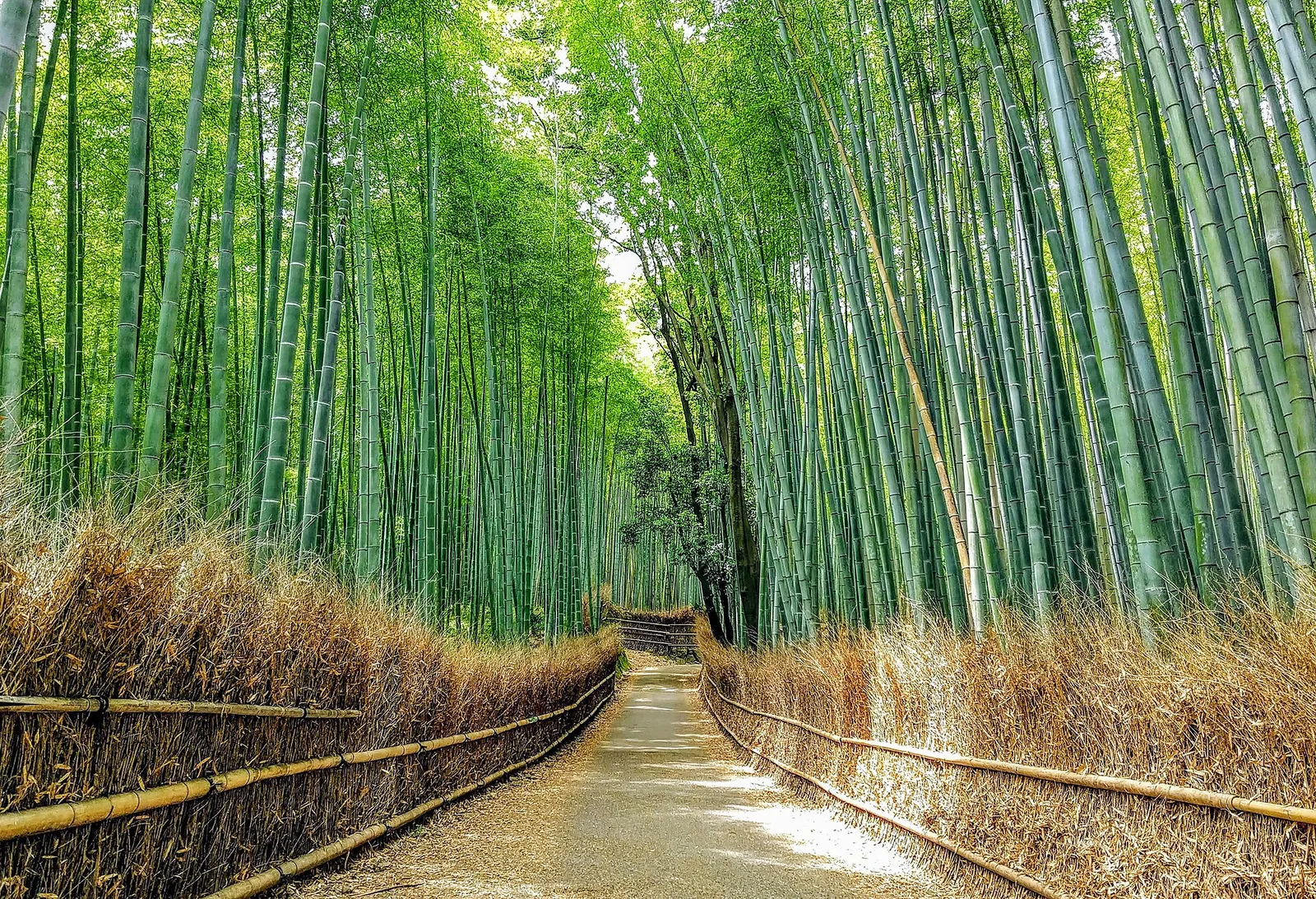
Walk the bamboo grove first, while it is quiet and the light filters green through the stalks. Then step into Tenryu-ji, a Zen temple with a celebrated landscape garden. It opens 8:30 to 17:00 (last admission 16:50). The garden costs JPY 500 for high school students and older, JPY 300 for elementary and middle school students, and preschoolers enter free; entering the buildings as well costs JPY 300 more. The Dharma Hall with its cloud dragon ceiling has a separate fee and opens mainly on weekends, holidays and special periods.
Finish the morning at Togetsukyo Bridge over the Katsura River, with forested hills behind it.
Afternoon
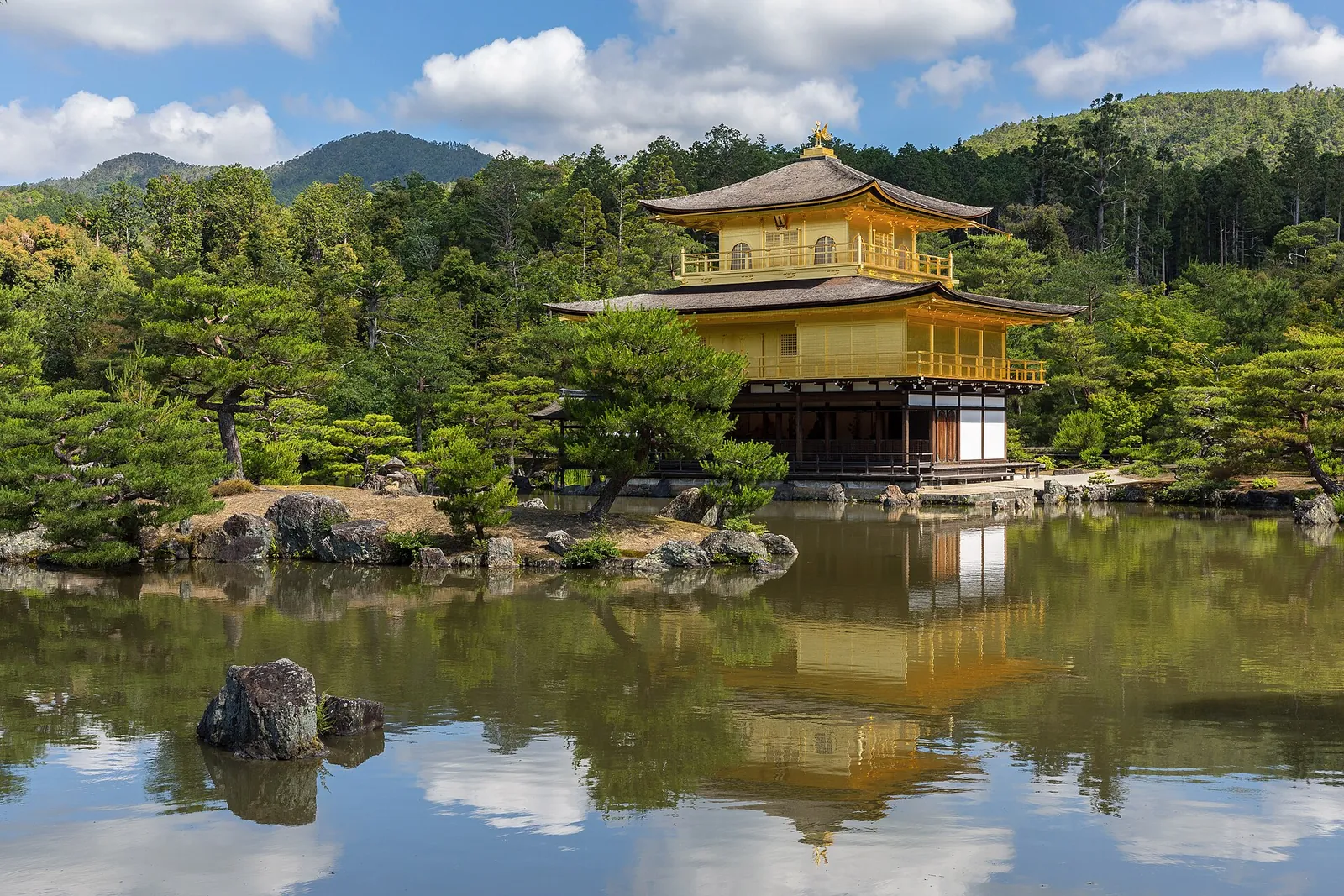
Head to the northwest for Kinkaku-ji, the Golden Pavilion. City buses 12, 59, 205 and M1 stop at Kinkakuji-michi; from Arashiyama, a journey planner will give you the best current connection, or take a taxi to save time. The temple opens 9:00 to 17:00, and adult admission is JPY 500 (JPY 300 for elementary and middle school students). Your ticket is a paper talisman, a lovely little souvenir.
The pavilion glows best when the sun is out and reflects in the pond, so if the morning was cloudy and the afternoon is bright, you are in luck.
Evening
Spend the evening in Pontocho, a narrow lantern-lit alley running parallel to the Kamo River between Sanjo and Shijo. Restaurants line both sides, and a walk along the riverbank afterwards is one of Kyoto’s simple pleasures. Many Pontocho places show menus outside; check prices before you sit down.
Day 3: Shogun palaces, a food market and the Silver Pavilion
Morning
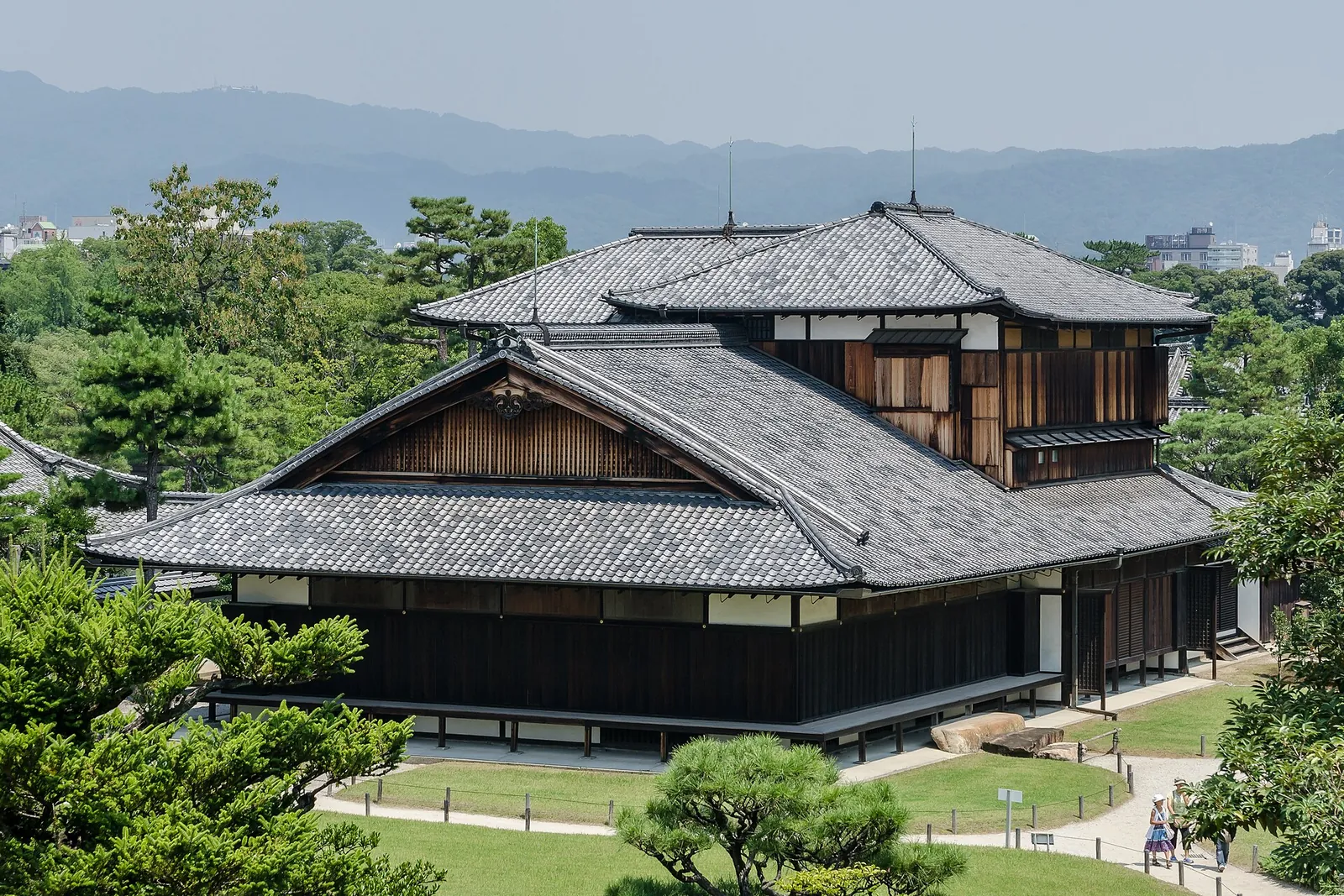
Get ready to walk on floors that sing. Nijo-jo Castle was the Kyoto residence of the Tokugawa shoguns, and the corridors of its Ninomaru-goten Palace are famous for squeaking “nightingale floors”. The castle opens at 8:45, with last entry at 16:00 and closing at 17:00; Ninomaru-goten Palace reception runs 8:45 to 16:10.
Adult tickets are JPY 800 for the castle grounds or JPY 1,300 including Ninomaru-goten Palace. The Honmaru-goten Palace needs an advance reservation and a separate JPY 1,000 ticket on top of castle admission. Web tickets with time selection are available on the official site. The castle closes 29 to 31 December, and Ninomaru-goten Palace closes every Tuesday in January, July, August and December, plus 26 to 28 December and 1 to 3 January. Holders of the Subway and Bus 1-Day Pass get JPY 100 off adult castle admission on the day of travel.
Afternoon
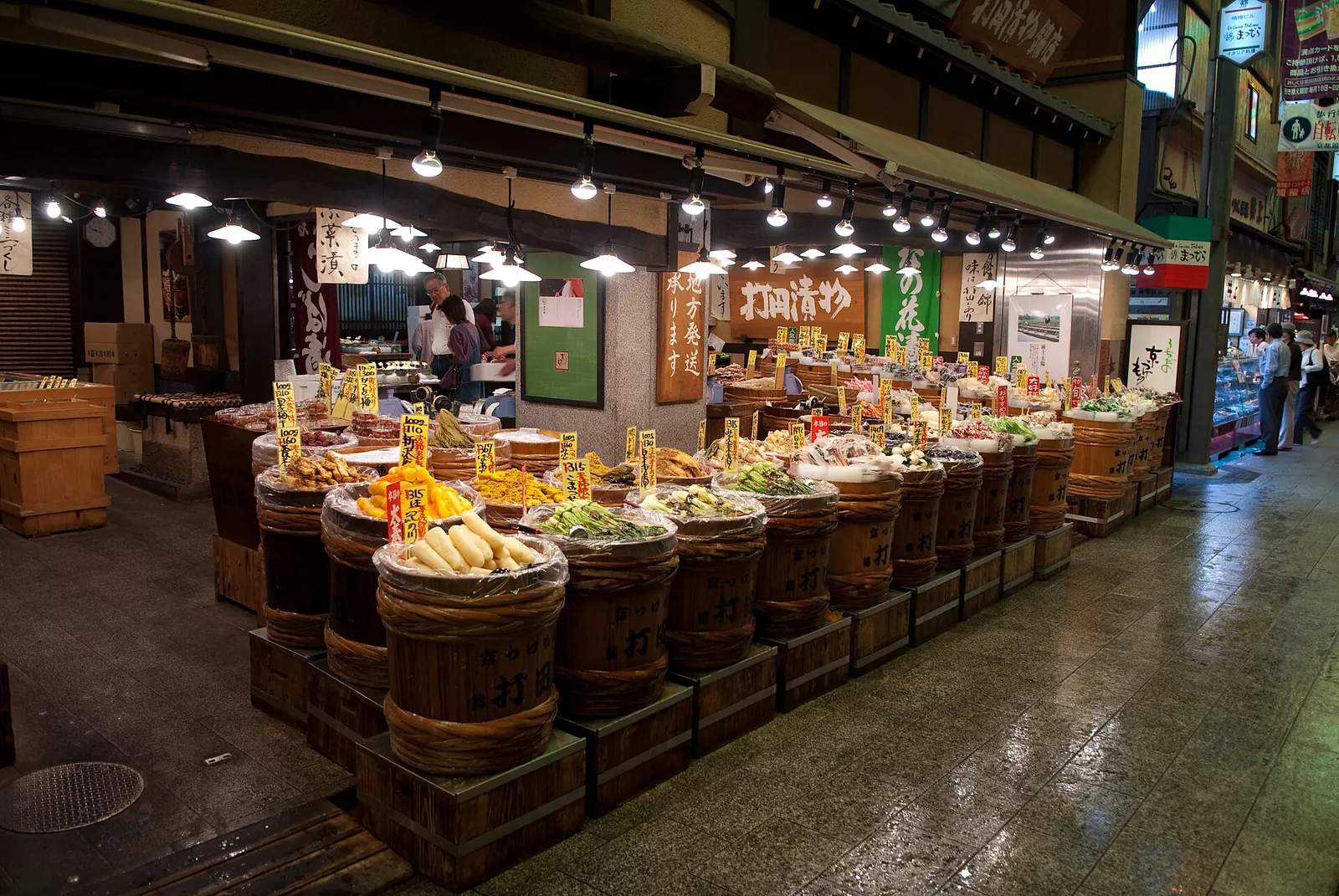
Ride the subway toward Karasuma and walk to Nishiki Market, a covered street of food stalls known as “Kyoto’s kitchen”. Graze on pickles, tofu treats, grilled seafood skewers and sweets for lunch. Many stalls close in the late afternoon, so earlier is better; individual hours vary by shop.
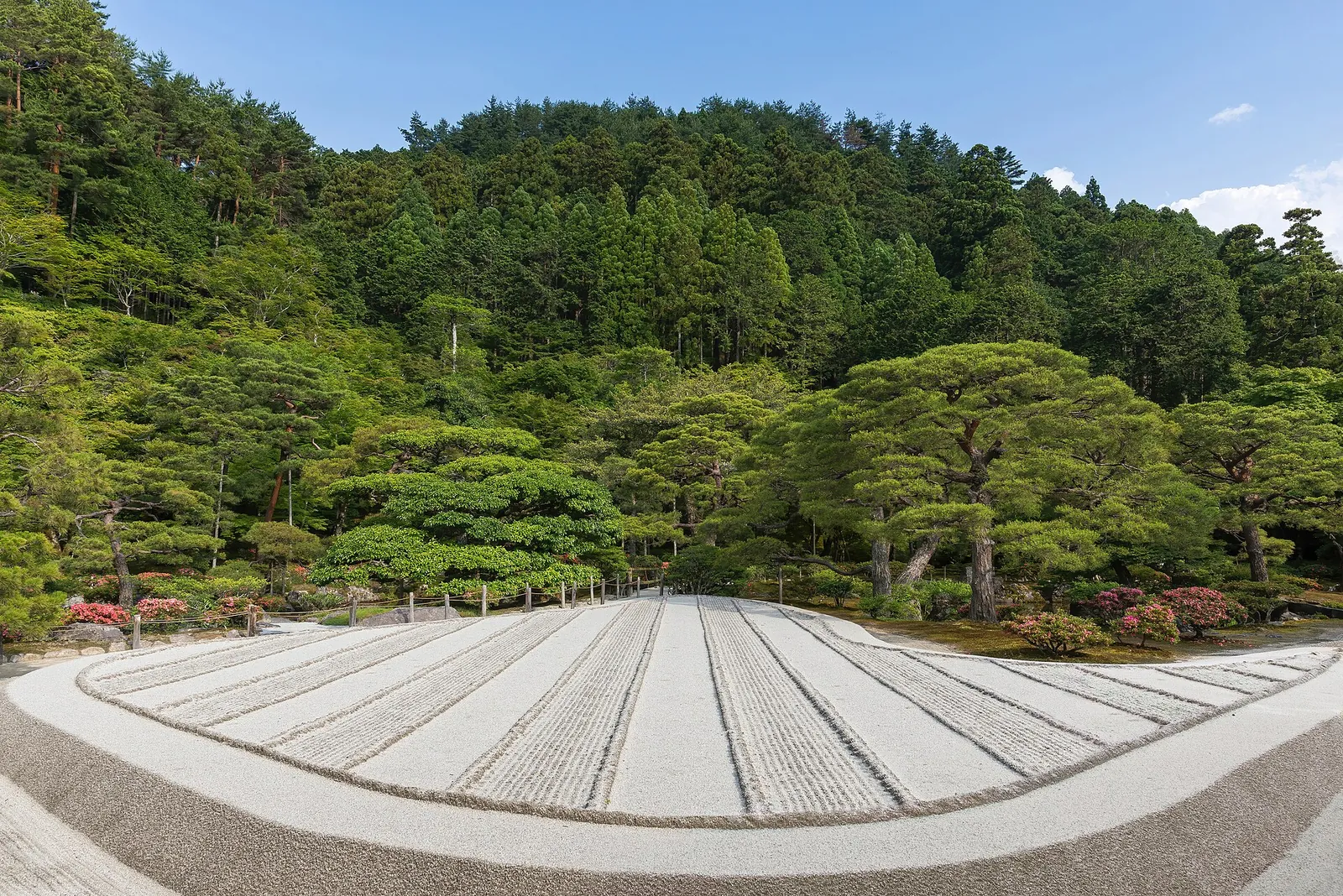
Then head northeast to Ginkaku-ji, the Silver Pavilion, with its raked sand garden and moss-covered hillside path. The Sightseeing Limited Express Bus EX100 reaches the Ginkakuji-mae stop in about 30 minutes from Kyoto Station. From 1 March to 30 November it opens 8:30 to 17:00, and from 1 December to the end of February 9:00 to 16:30. Note the new price: since 1 April 2026, admission is JPY 1,000 for adults (high school and older) and JPY 500 for elementary and middle school students.
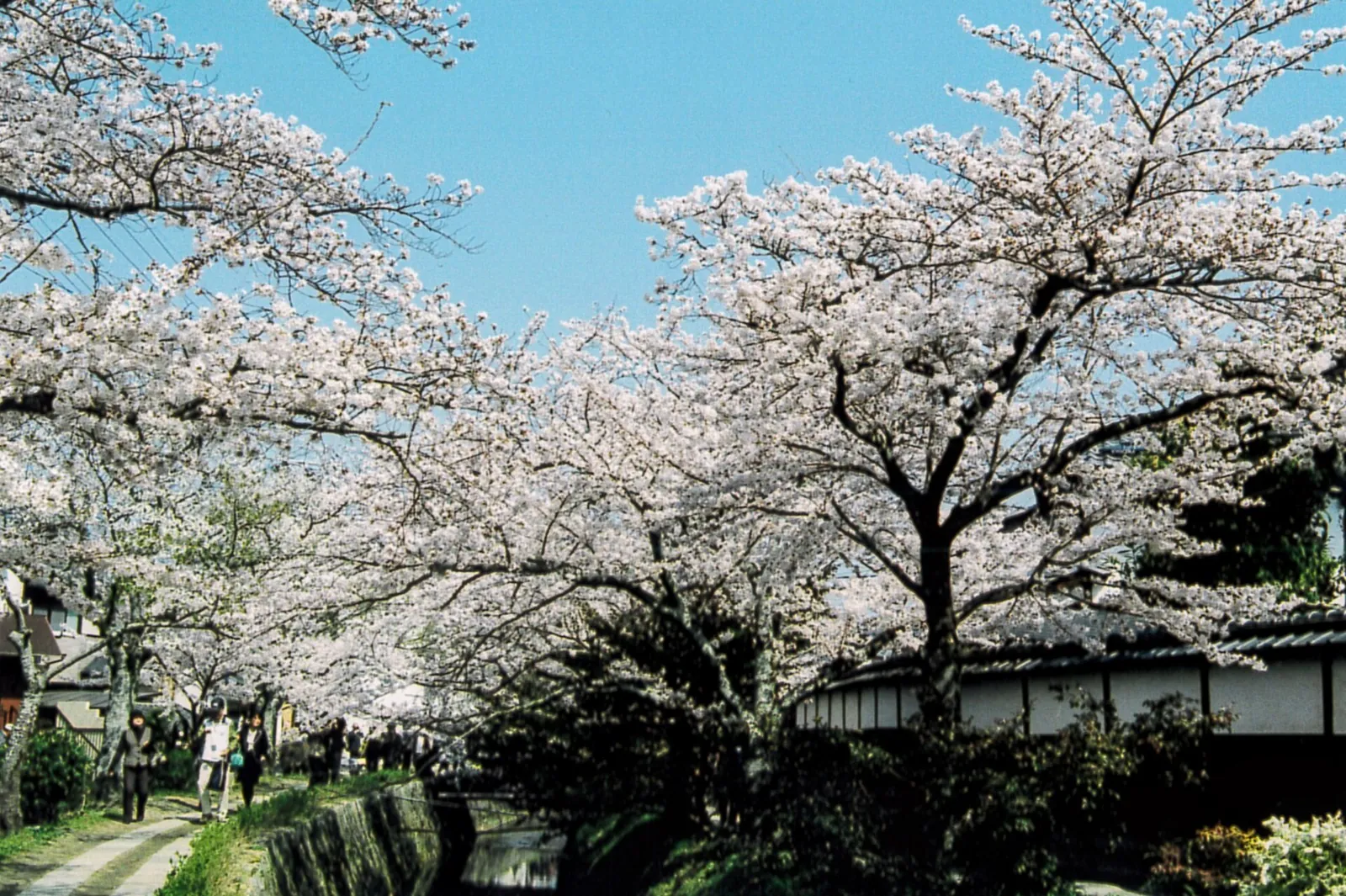
From Ginkaku-ji, follow the Philosopher’s Path south along a small canal lined with cherry trees, an easy, mostly flat walk of roughly an hour with stops, with cafes and small temples along the way. It brings you toward the Nanzen-ji area, where the grounds and the brick aqueduct are lovely in late afternoon light.
Evening
For your last night, choose your favourite neighbourhood for a farewell dinner. Downtown Kawaramachi and Karasuma have the widest choice, and Gion is close by if you want one more lantern-lit stroll.
Getting there and getting around
Entry and visas
Many nationalities can visit Japan without a visa for short tourist stays, but the rules depend on your passport. Check the list of visa exemption arrangements on the Ministry of Foreign Affairs of Japan site and the JNTO visa page before booking. Always carry your passport in Japan.
From the airports
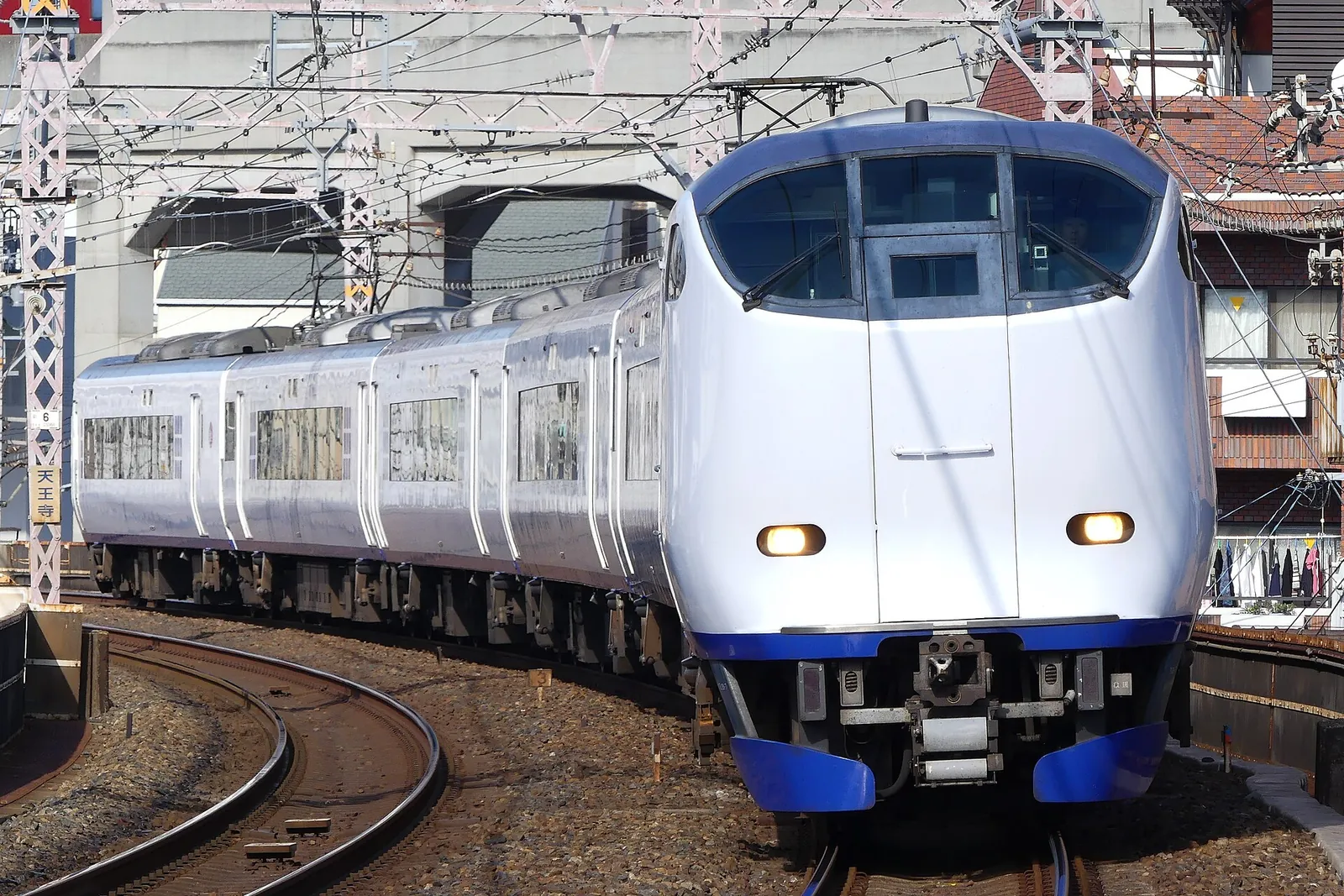
- From Kansai International Airport (KIX): the JR Limited Express Haruka runs directly to Kyoto Station in about 80 minutes. JR West’s HARUKA One-way Ticket for foreign passport holders entering as Temporary Visitors costs JPY 2,200 for adults (JPY 1,100 for children) when sold through 31 October 2026, and JPY 2,700 (JPY 1,350) for tickets sold from 1 November 2026. Check eligibility and booking on the JR West site.
- From Tokyo: the Tokaido Shinkansen takes about 130 minutes from Tokyo Station to Kyoto Station on a Nozomi train, or about 170 minutes on a Hikari.
- From Osaka Itami Airport (ITM): limousine buses and trains link to Kyoto; check the Kyoto City Official Travel Guide for current options.
Getting around the city
- City buses: a flat JPY 230 for adults (JPY 120 for children) within the flat-fare zone. On most routes you board at the rear door and pay when you get off at the front. The Sightseeing Limited Express buses EX100 and EX101 cost JPY 500, and on these you board at the front and pay as you get on. Drivers do not give change, credit cards are not accepted on board, and the Japan Rail Pass is not valid on city buses.
- IC cards: ICOCA, Suica, PASMO and PiTaPa can be used on city buses.
- Subway and Bus 1-Day Pass: JPY 1,100 for adults (JPY 550 for children), unlimited rides on the subway, city buses and some Kyoto Bus, Keihan Bus and West Japan JR Bus routes. It is valid for the calendar day you use it, not 24 hours.
- Other passes: a Bus 1-Day Pass (JPY 700, flat-fare zones) and a Kyoto City Subway 1-Day Pass (JPY 800).
For this plan, the 1-Day Pass pays off on Day 2 and Day 3, when you take several buses.
Where to stay
- Kyoto Station area: best for arrivals and departures with luggage, and for the Haruka and Shinkansen. Convenient, if less atmospheric.
- Downtown (Kawaramachi, Karasuma, Shijo): the most central base, close to Nishiki Market, Pontocho and good subway and bus links. A great choice for first-timers.
- Gion and Higashiyama: the most romantic, with lantern-lit lanes on your doorstep and easy early walks to Kiyomizu-dera. Expect busy daytime streets.
- Arashiyama: quiet and green in the evening, ideal if you want the bamboo grove at dawn, but further from the other sights.
Budget
| Item | Typical cost |
|---|---|
| Kiyomizu-dera | Admission fee at the gate; check the official site |
| Tenryu-ji garden (adult) | JPY 500 (buildings JPY 300 extra) |
| Kinkaku-ji (adult) | JPY 500 |
| Nijo-jo Castle with Ninomaru-goten Palace (adult) | JPY 1,300 |
| Ginkaku-ji (adult) | JPY 1,000 |
| Subway and Bus 1-Day Pass (adult) | JPY 1,100 |
| City bus single ride (adult, flat-fare zone) | JPY 230 |
| Haruka from KIX, foreign visitor one-way ticket (adult) | JPY 2,200 (sold to 31 Oct 2026), JPY 2,700 (from 1 Nov 2026) |
| Kyoto accommodation tax, per person per night | JPY 200 to JPY 10,000, by room rate |
The table covers sights and transport only. Hotels, meals, shopping and flights are not included. Kyoto’s accommodation tax rose on 1 March 2026: JPY 200 for room rates under JPY 6,000, JPY 400 for JPY 6,000 to under 20,000, JPY 1,000 for JPY 20,000 to under 50,000, JPY 4,000 for JPY 50,000 to under 100,000, and JPY 10,000 from JPY 100,000, per person per night. Check whether your booking already includes it.
Practical tips
- Start early. Fushimi Inari, Kiyomizu-dera and Arashiyama are far more pleasant in the first hour of the day.
- Carry coins and small notes. Buses give no change, and some temple gates and market stalls prefer cash.
- Dress for temples. Wear shoes that slip off easily, since some halls ask you to remove footwear, and modest clothing feels respectful inside temple buildings.
- Use luggage services. The city encourages “hands-free” sightseeing: send or store bags so you are not hauling suitcases onto crowded buses.
- Check seasonal hours. Temples change closing times through the year and add night openings in spring, summer and autumn.
- Rubbish: public bins can be scarce, so carry a small bag and dispose of trash in designated bins.
Heads-up: what to watch out for
Kyoto is a joy to explore, and a few simple habits keep it that way.
- Check your medicines before you fly. Japan’s strict anti-stimulant law makes some everyday medicines illegal to carry, including Vicks inhalers, cold and flu remedies containing pseudoephedrine and some codeine painkillers. Check anything you pack with the Japanese embassy in your country first.
- Respect Gion’s geiko and maiko. Do not touch, follow or photograph geiko and maiko without permission, and do not step into private lanes or properties. Stalking and blocking the street can be fined, and the city asks visitors to treat Gion as the living neighbourhood it is.
- Never carve the bamboo. Carving names or symbols into bamboo in Arashiyama or Fushimi Inari is property damage and a criminal offence, with fines of up to JPY 300,000. Keep your memories in photos.
- Use licensed taxis only. Private cars with white number plates carrying paying passengers are illegal at airports and tourist spots and may not be insured. Look for green plates or use an official ride-hailing app.
- Take summer heat seriously. Japanese summers are hot and humid, often above 35 degrees in July and August. Start early, drink plenty of water, rest in the shade and check the heat stroke alerts from Japan’s Environment Ministry.
- Know what to do in an earthquake or storm. Japan is in a major earthquake zone, and typhoon season runs from June to December, peaking July to September. Follow instructions in your hotel and at stations, and save the JNTO Japan Visitor Hotline (+81 50 3816 2787) for English help during a disaster.
- Skip the street touts. Do not follow touts into bars, check menu prices before ordering and never leave a drink unattended; UK advice warns of drink spiking and inflated bills in nightlife areas across Japan.
- Carry your passport. Visitors must carry their passport at all times, and police can ask to see it.
FAQ
Is three days enough for Kyoto?
Three days covers the headline sights at a comfortable pace: Fushimi Inari, Kiyomizu-dera, Gion, Arashiyama, Kinkaku-ji, Nijo Castle and Ginkaku-ji. Add a fourth day for Nara or a slower look at the temples of northern Kyoto.
Is the Subway and Bus 1-Day Pass worth it?
At JPY 1,100 it pays for itself after about five bus rides at JPY 230, and it also gives JPY 100 off adult admission at Nijo-jo Castle on the day of travel. It is valid for the calendar day only.
How much does Ginkaku-ji cost now?
Since 1 April 2026 admission is JPY 1,000 for adults and JPY 500 for elementary and middle school students, up from JPY 500 and JPY 300.
Can I use a credit card on Kyoto city buses?
No. The Kyoto City Bus guide says credit, debit and cash cards cannot be used on board. Use an IC card such as ICOCA, a day pass, or exact coins.
What should I book in advance?
Book the Haruka online if arriving at Kansai Airport, and consider timed web tickets for Nijo-jo Castle. The Honmaru-goten Palace at Nijo requires an advance reservation.
Do I need a visa for Japan?
It depends on your passport. Check the Ministry of Foreign Affairs of Japan list of visa exemption arrangements and the JNTO visa page before you book.
Sources
Prices, hours and rules change. We checked these on 22 October 2026; please confirm on the official page before you book.
- Kiyomizu-dera: Access and opening hours 2026
- Kinkaku-ji (Shokoku-ji): Kinkaku-ji official page and FAQ
- Kinkaku-ji: Notice of admission fee revision (500 yen from 1 April 2023)
- Ginkaku-ji (Shokoku-ji): Opening hours
- Ginkaku-ji: Notice of admission fee revision (from 1 April 2026)
- Tenryu-ji: Admission and access
- Nijo-jo Castle: Fees and tickets
- Nijo-jo Castle: Opening hours and days closed
- Nijo-jo Castle: Access
- Fushimi Inari Taisha: Access
- Kyoto City Official Travel Guide: 11 secret tips for enjoying Kyoto from a local taxi driver
- Kyoto City Official Travel Guide: Getting to Kyoto
- Kyoto City Official Travel Guide: Transportation tickets and passes for Kyoto
- Kyoto City Official Travel Guide: Kyoto's accommodation tax to change starting March
- JR West: HARUKA One-way Ticket information
- Kyoto City Bus and Subway Information Guide: Kyoto City Bus fare
- Kyoto City Bus and Subway Information Guide: How to take the bus
- Kyoto City Bus and Subway Information Guide: Sightseeing Limited Express Bus EX100, EX101
- Kyoto City Bus and Subway Information Guide: Subway and Bus 1-Day Pass
- Japan National Tourism Organization: Japan visa requirements
- UK FCDO: Japan travel advice, safety and security
- UK FCDO: Japan travel advice, health
- Kyoto City Official Travel Guide: 4 guidelines to follow when visiting Kyoto
- Kyoto City Official Travel Guide: Gion manner (message from Southern Gionmachi)
Photo credits (11)
- Kiyomizu-dera's wooden stage above autumn maples, Kyoto: Martin Falbisoner, CC BY-SA 4.0, via Wikimedia Commons
- Vermilion torii tunnel at Fushimi Inari Taisha: Basile Morin, CC BY-SA 4.0, via Wikimedia Commons
- Yasaka Pagoda glowing at dusk between wooden houses: ttshr1970, CC BY 3.0, via Wikimedia Commons
- Green bamboo path in Arashiyama's Sagano grove: Naokijp, CC BY-SA 4.0, via Wikimedia Commons
- Kinkaku-ji's golden pavilion reflected in its pond: Basile Morin, CC BY-SA 4.0, via Wikimedia Commons
- Honmaru Palace roofs inside Nijo Castle grounds: DXR, CC BY-SA 3.0, via Wikimedia Commons
- Raked sand garden at Ginkaku-ji on a sunny day: Basile Morin, CC BY-SA 4.0, via Wikimedia Commons
- Barrels of colourful pickles at a Nishiki Market stall: collinox, CC BY 2.0, via Wikimedia Commons
- The Haruka airport express train on the tracks: MaedaAkihiko, CC BY-SA 4.0, via Wikimedia Commons
- Quiet stone lane of old wooden houses in Higashiyama: 京都新観光提言懇談会メンバー, CC BY-SA 4.0, via Wikimedia Commons
- Cherry blossoms along the Philosopher's Path canal: Kirin7739, CC BY-SA 4.0, via Wikimedia Commons
This is a researched plan, not a personal trip report. How we research · Affiliate disclosure