
7 Days in the Philippines: Manila, El Nido and Coron
A 7-day Philippines plan: two days of Intramuros and free national museums in Manila, then lagoons in El Nido and lakes and wrecks in Coron, Palawan.
- 🗓️ Trip length
- 7 days
- ☀️ Best time
- December to May (dry season)
- 💰 Daily spend
- Varies with island tours and flights, see Budget section
- ✅ Facts checked
- 24 October 2026
Get ready for a week that starts among Spanish-era stone walls and ends floating in some of the clearest water in Asia. This plan gives you two full days in Manila for history, museums and food, then flies you to Palawan for the limestone lagoons of El Nido and the lakes, reefs and wrecks of Coron.
It’s a great fit for first-timers who want the big hitters without rushing every hour. The pace is steady: one main area per day, island hopping on two full days, and one travel day by sea in the middle. If you love beaches more than cities, you can trim Manila to one day and add a lazy beach day in El Nido.
At a glance
| Day | Area | Highlights |
|---|---|---|
| 1 | Manila: Intramuros | Fort Santiago, the old city walls, San Agustin Church, Manila Bay sunset |
| 2 | Manila: Rizal Park and Binondo | Free National Museum complex, Rizal Park, Chinatown food crawl |
| 3 | Fly to El Nido | Town beach, Las Cabanas sunset |
| 4 | El Nido: Bacuit Bay | Full-day island hopping, lagoons by kayak |
| 5 | El Nido to Coron | Sea crossing, Mt. Tapyas viewpoint, Maquinit Hot Spring |
| 6 | Coron: island hopping | Kayangan Lake, Twin Lagoon, snorkelling or wreck diving |
| 7 | Coron to Manila | Slow morning, fly back and connect home |
Day 1: Intramuros, Manila’s walled city
Morning
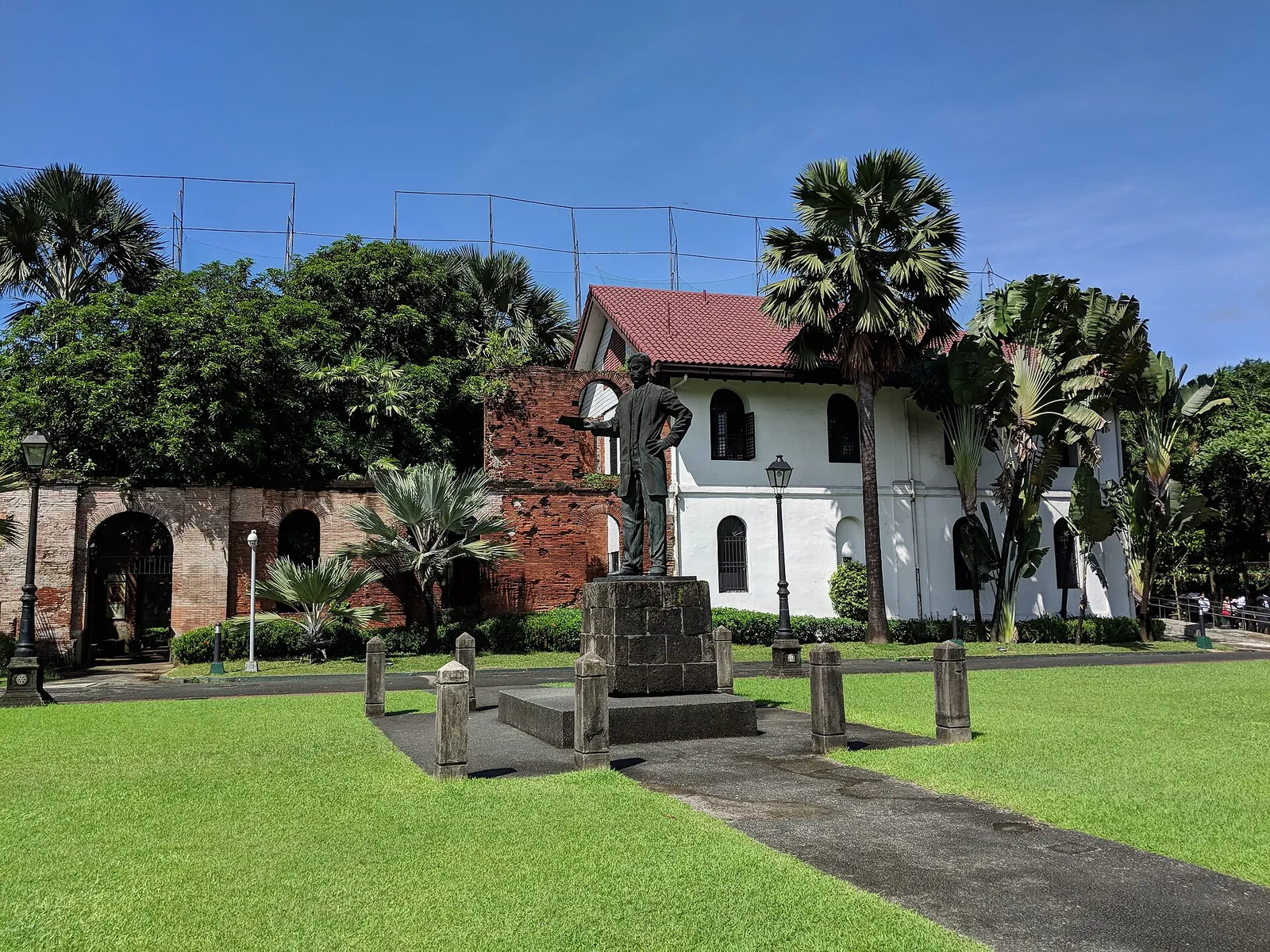
Kick off your adventure early at Fort Santiago, the citadel at the northern tip of Intramuros. According to the Intramuros Administration, it opens Monday to Friday from 8 am to 10 pm (last entry 8 pm) and on weekends from 6 am to 10 pm (last entry 8:30 pm). Entry is PHP 75, or PHP 50 for students, senior citizens and persons with disabilities. Arriving at opening time means softer light and cooler air for the gardens, ramparts and the Rizal Shrine area.
From the fort, walk south through the grid of old streets. Intramuros is compact and very walkable, and you will pass Manila Cathedral on the way to the next stop.

Afternoon
Continue a short walk to San Agustin Church, one of the Baroque Churches of the Philippines on the UNESCO World Heritage List. It is an active church, so cover shoulders and knees and keep quiet during services. Check the church’s own channels for museum hours and fees, as we could not confirm them.
Across the street is Casa Manila, a recreated Spanish-colonial townhouse. The Intramuros Administration lists it as open Tuesday to Sunday, 9 am to 6 pm (last entry 5 pm), and closed on Mondays. Check the official site for the current ticket price.
Later in the afternoon, head to Baluarte de San Diego, a restored bastion with a garden at the southern side of the walls. It is open daily from 8 am to 5 pm, with last entry at 4 pm. If you want more context, the Centro de Turismo Intramuros has a free visitor centre and a paid access option (PHP 150 regular, PHP 120 concession) that includes the Museo de Intramuros. Both the Centro and the Museo are closed on Mondays.
Evening
Walk or take a short ride to the Manila Bay waterfront for sunset, one of the city’s classic free shows. Then dig into Filipino favourites like adobo, sinigang and lechon in nearby Ermita and Malate.
Planning tip: if your Day 1 falls on a Monday, swap Day 1 and Day 2. The national museums open every day, but several Intramuros sites close on Mondays.
Day 2: National Museums, Rizal Park and Binondo

Morning
This is a day for art, history and serious snacking. Spend the morning at the National Museum of the Philippines complex beside Rizal Park. The good news: admission is free, and the central complex in Manila (National Museum of Fine Arts, National Museum of Anthropology and National Museum of Natural History) is open every day from 9 am to 6 pm.
Walk-in visitors are welcome, and only groups of 20 or more need to book ahead through the museum’s official reservation site. On Sundays, the museum runs a free Museum Sunday Joiners’ Tour at 10:30 am and 2 pm for walk-in visitors, first come, first served, with registration closing at 10 am and 1:30 pm.
Pick two museums rather than rushing all three. Fine Arts holds the famous Spoliarium by Juan Luna, while Natural History has a striking atrium built around a tree-of-life structure. Know before you go: big bags, food and drinks, disposable water bottles, umbrellas, selfie sticks and tripods must be checked in at the baggage counter, and flash photography is not allowed.
Afternoon
Stroll through Rizal Park (also called Luneta) to the Rizal Monument, then take a Grab or taxi to Binondo, Manila’s historic Chinatown. Traffic in Manila can be heavy, so allow extra time for even short hops by road.
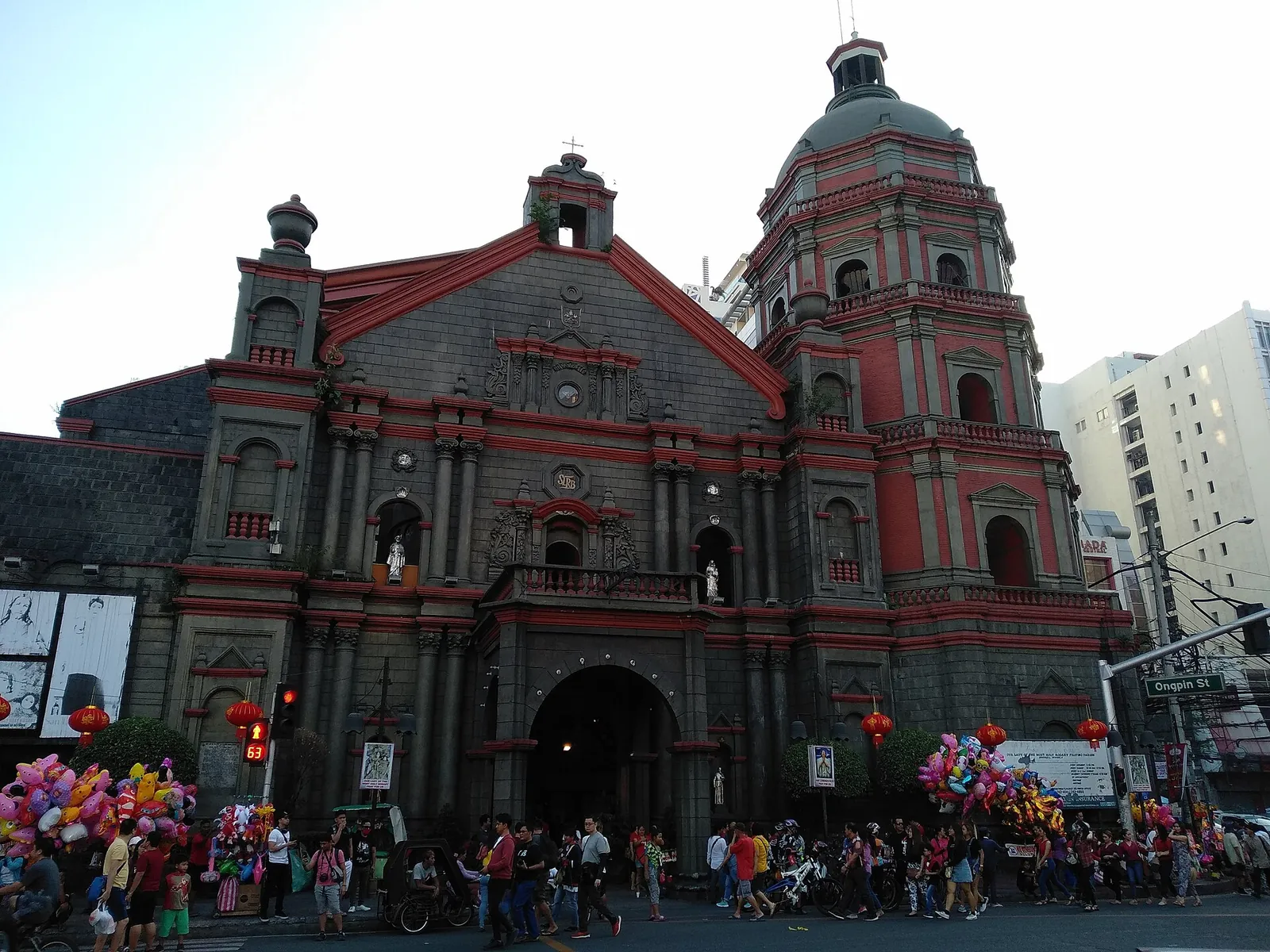
Save your appetite, because Binondo is made for grazing: dumplings, hopia pastries, fresh lumpia and noodle soups. Pop into Binondo Church and wander the side streets around Ongpin Street.
Evening
Head to Makati or Bonifacio Global City (BGC) for a modern Manila evening of rooftop views, food halls and walkable streets. Get an early night if your El Nido flight leaves in the morning.
Day 3: Fly to El Nido
Morning
It’s island time! Fly to El Nido. The Municipal Tourism Office of El Nido says there are direct flights by Cebu Pacific and AirSWIFT from Manila (MNL), Cebu (CEB) and Clark (CRK) to El Nido (ENI), taking about 1 hour 15 minutes. Book this flight early, as seats on small aircraft sell out, and check baggage allowances carefully on the airline’s site.
The alternative is to fly to Puerto Princesa (PPS) and travel overland by van or private car to El Nido, which the tourism office puts at roughly 5 to 6 hours. That costs you most of a day, so we suggest the direct flight if your budget allows.
Afternoon
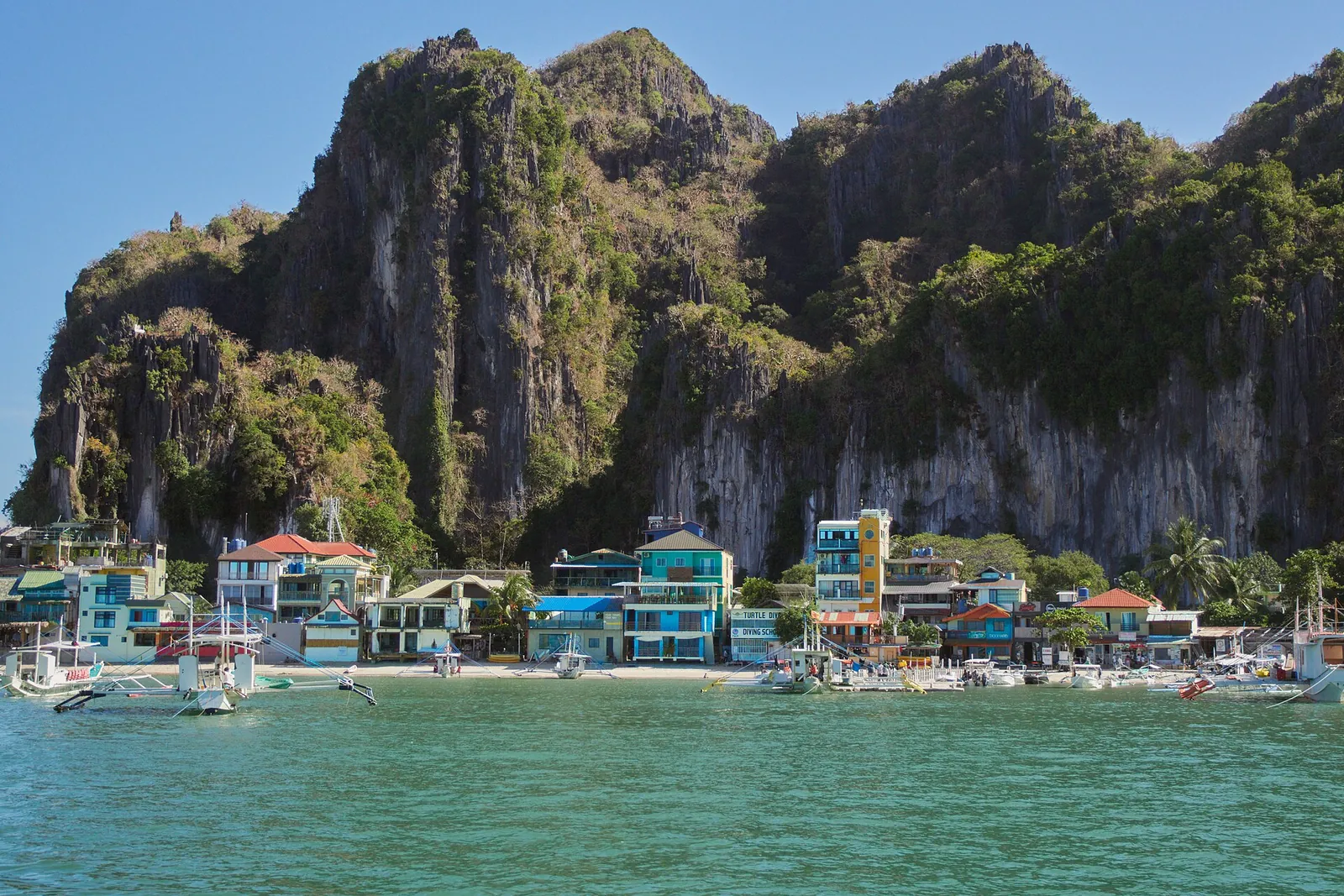
Check in, then wander El Nido town and its beach, framed by dramatic limestone cliffs. This is a good time to confirm tomorrow’s island-hopping tour with a DOT-accredited operator (more on that in the Heads-up section).
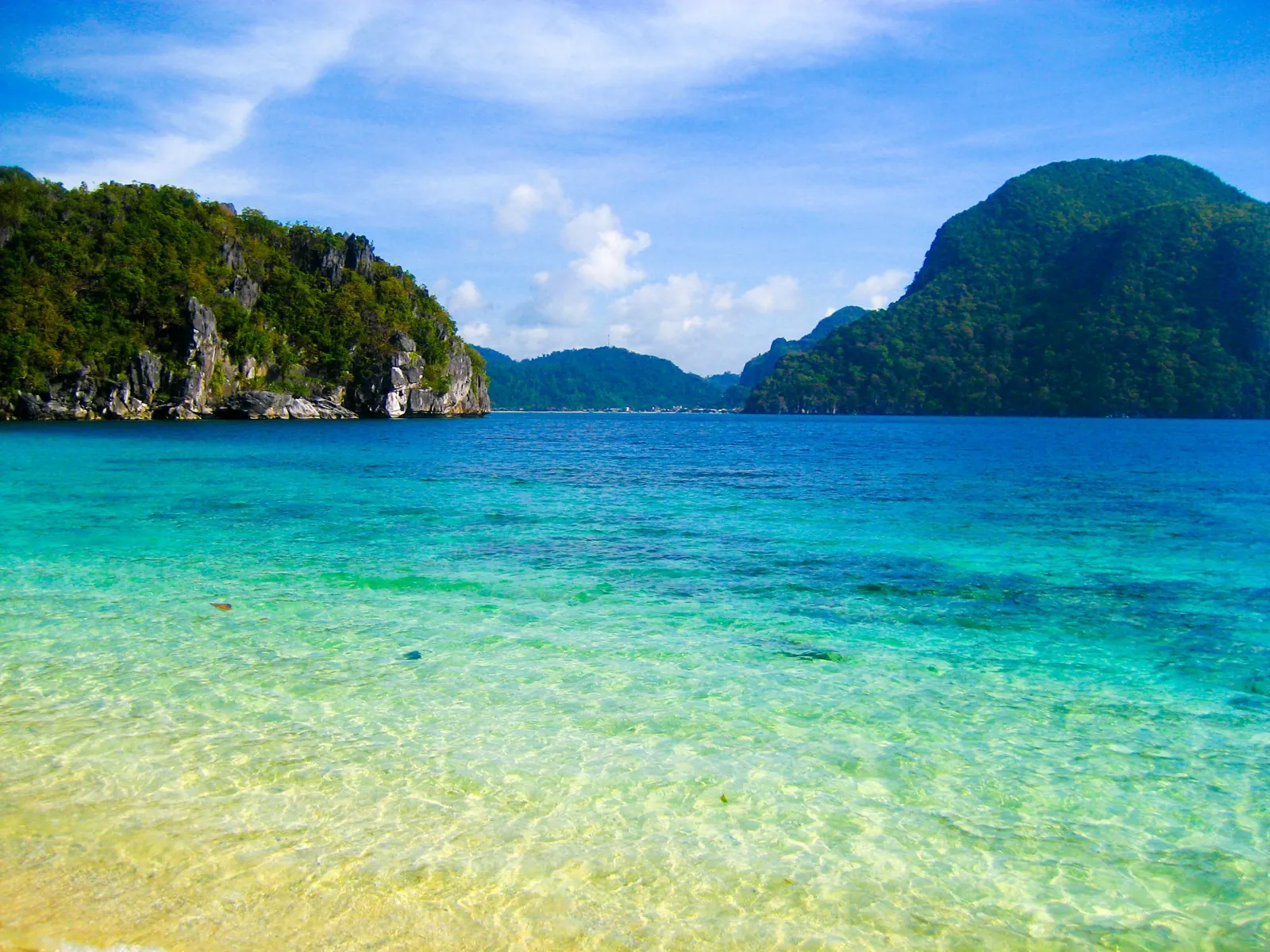
Evening
Catch sunset at Las Cabanas Beach, a short ride south of town, then return for seafood dinner in town.
Day 4: Island hopping in Bacuit Bay
Morning
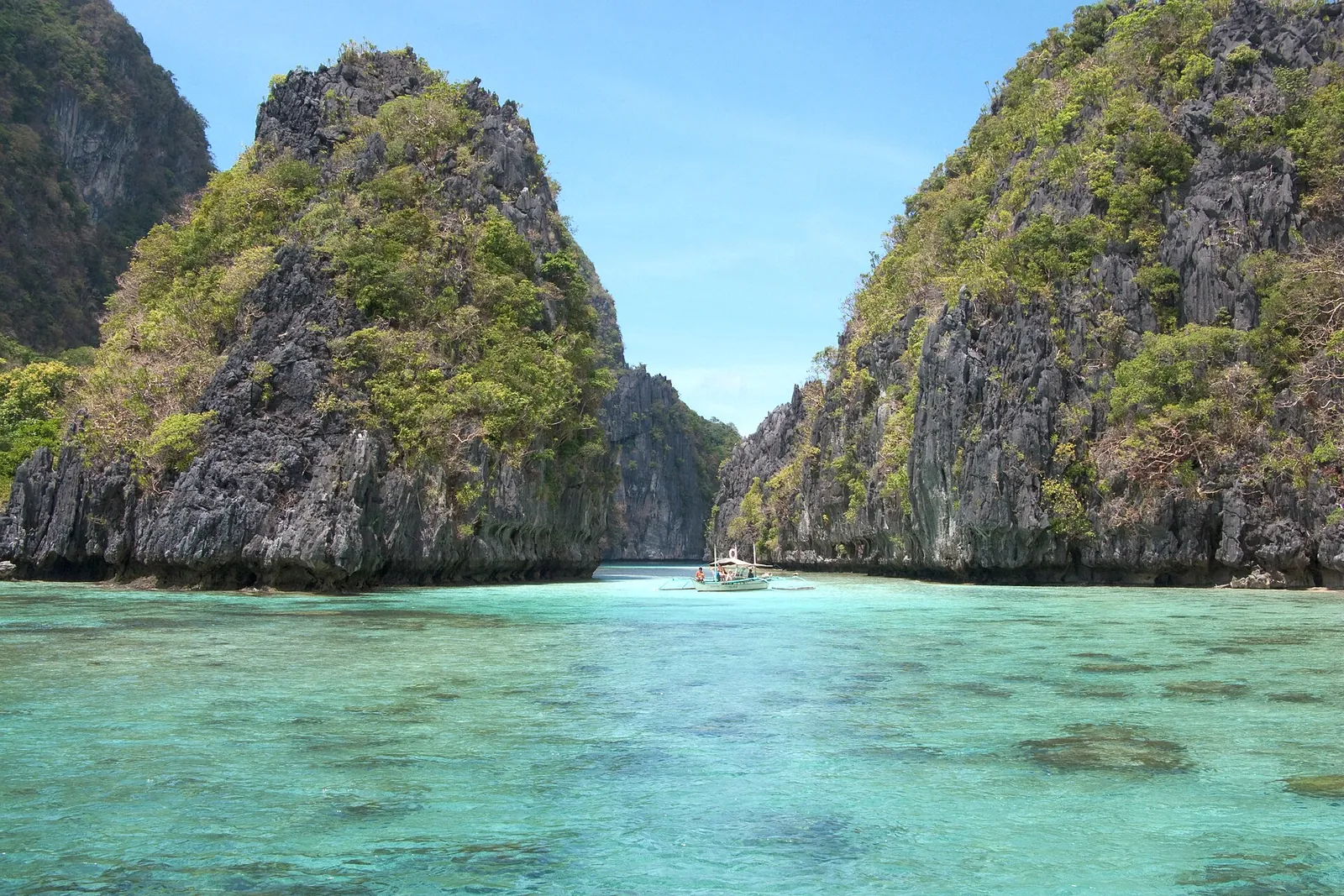
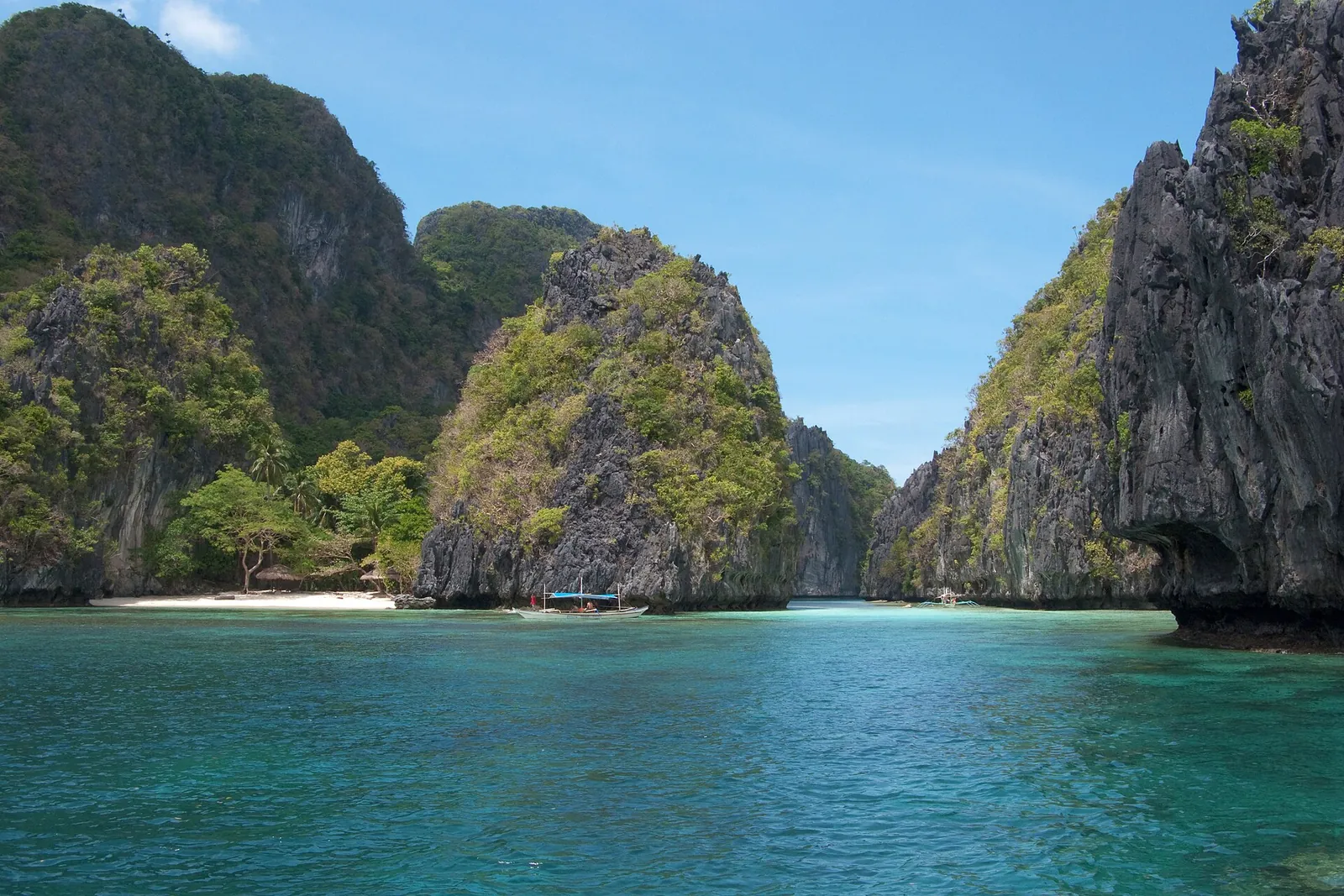
Today is the day you came for, so get ready to paddle, swim and gasp at the views. El Nido sits within the El Nido-Taytay Managed Resource Protected Area, which includes 45 islands and islets of the Bacuit Archipelago, according to the municipal tourism office. Local operators sell set island-hopping routes, usually labelled Tour A, B, C and D.
We’d start with Tour A if you want the famous Big Lagoon and Small Lagoon by kayak, or Tour C for hidden beaches and snorkelling spots. The lagoons are managed with visitor limits to protect the ecosystem, so book a day or two ahead and ask whether your tour includes lagoon slots.
Fees: island-hopping visitors pay environmental and eco-tourism fees on top of the tour price. Check the current amounts with the El Nido Municipal Tourism Office or your accredited operator before you go, as figures online are often out of date.
Afternoon
Most tours return in the late afternoon. Pack reef-friendly sunscreen, a dry bag, water shoes and plenty of water.
Evening
Relax with a beachfront dinner, or try a massage after a long day on the boat.
Day 5: Cross to Coron
Morning
New island, new adventures! Travel from El Nido to Coron by sea. Fast ferries link the two towns, but schedules, operators and fares change with the season and the weather, so check with the operator directly and book a day or more ahead. Some travellers fly between El Nido and Busuanga instead; check with the airlines for current flights.
Sea crossings can be cancelled in rough weather, as the Philippine Coast Guard controls boat departures. Keep this day flexible and avoid booking a tight onward connection.
Afternoon
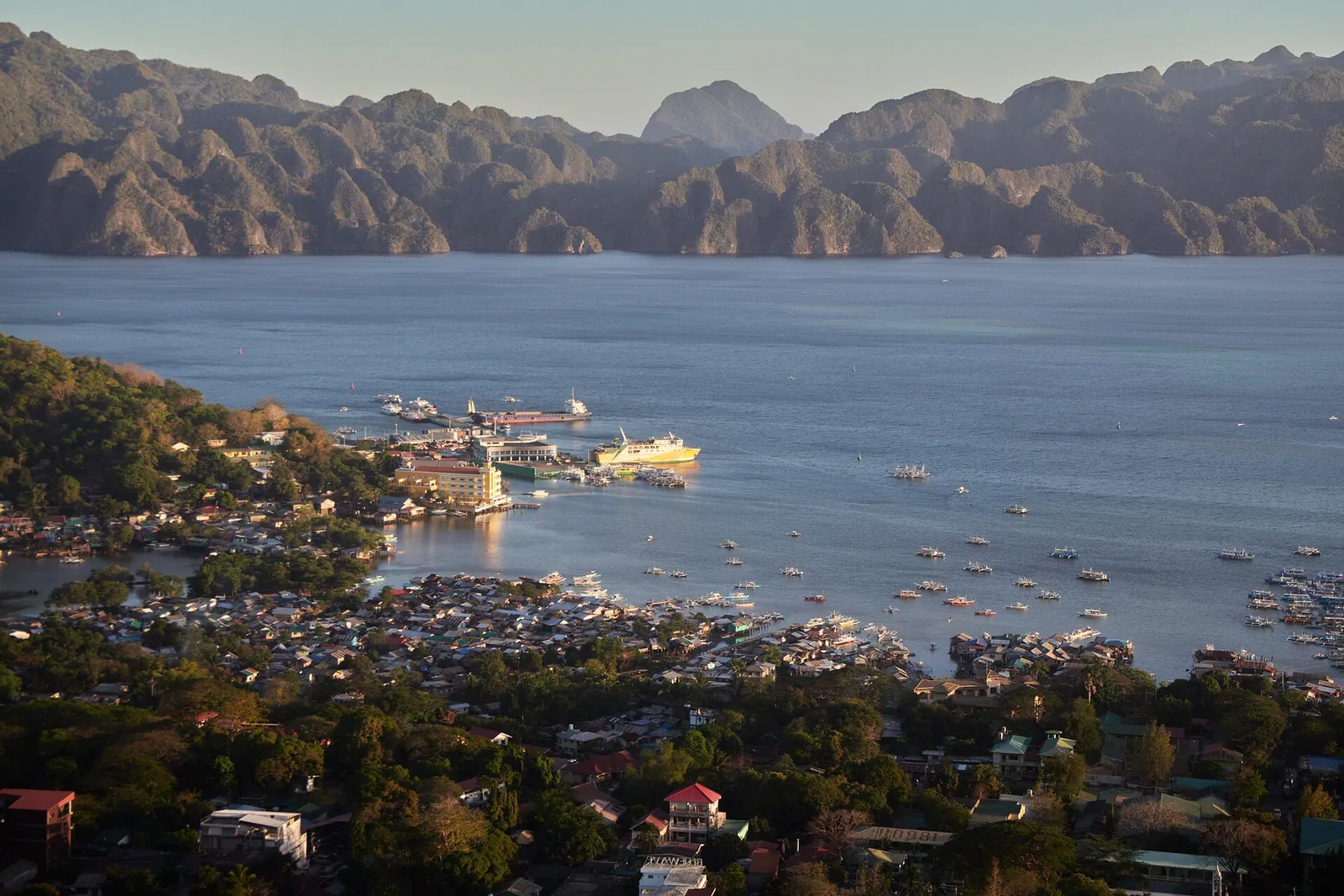
Settle into Coron town. If you still have energy, climb Mt. Tapyas in the late afternoon. It is a long staircase to the hilltop cross, rewarding you with sweeping views over Coron Bay at sunset.
Evening
Soak in the Maquinit Hot Spring, a saltwater hot spring near the sea, which is especially pleasant after dark. Check opening hours and the entrance fee locally.
Day 6: Coron island hopping
Morning
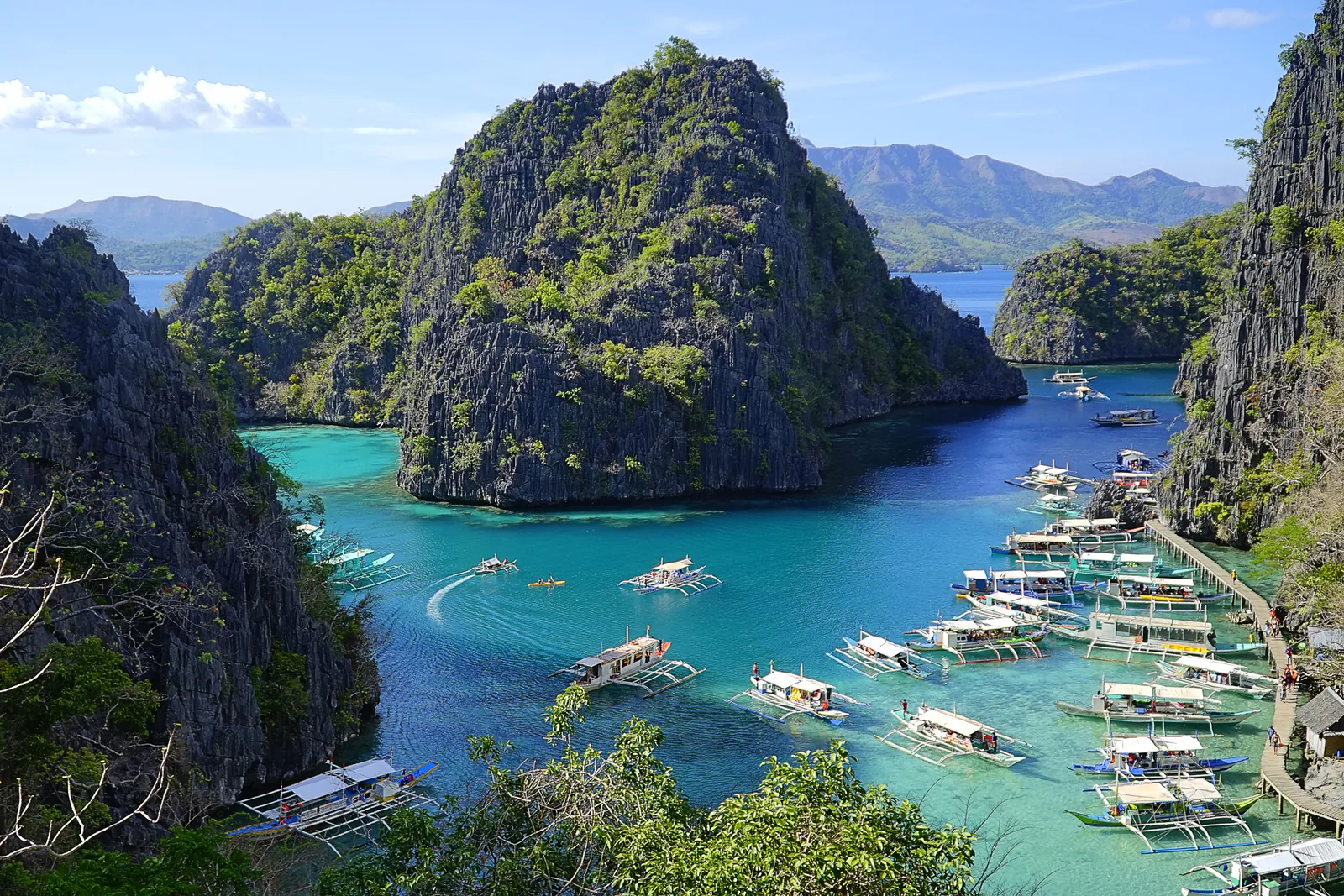
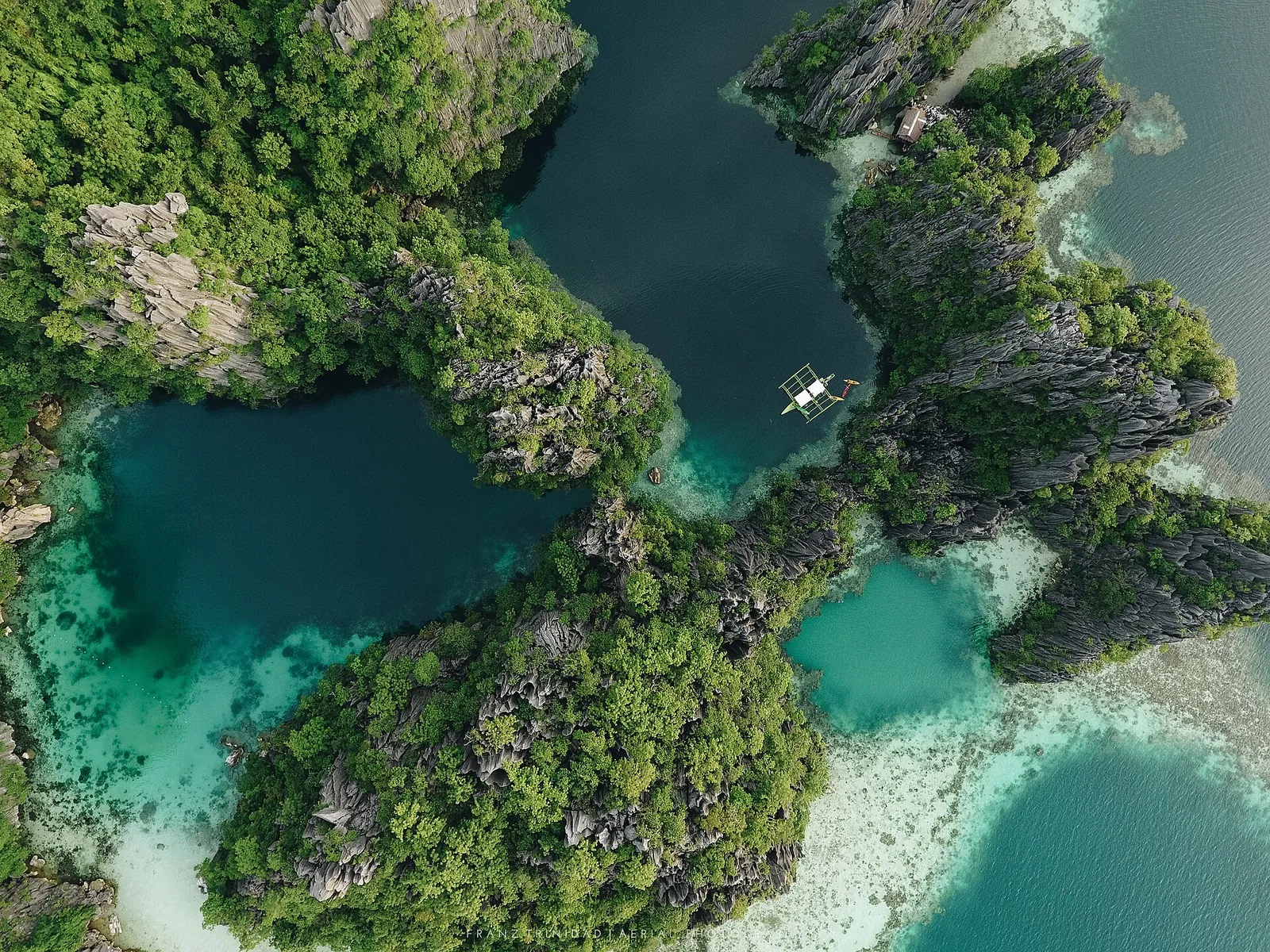
Get ready for one of the most beautiful days of the trip. Join a Coron island tour, which typically combines Kayangan Lake, Twin Lagoon and beach or reef stops. Kayangan Lake is reached by a short but steep climb, and the viewpoint on the way is one of the most photographed spots in the Philippines. Check entrance fees and any site rules with your accredited operator.
Certified divers can swap the island tour for a day of wreck diving on the Japanese World War II ships sunk around Coron Bay, a world-famous dive site. Book with a reputable dive centre and dive within your certification.
Afternoon
Continue to Twin Lagoon, where you swim or paddle through a narrow gap between limestone walls to a second lagoon. Many tours add a snorkelling stop at a reef or a lunch stop on a quiet beach.
Evening
Enjoy your last island dinner in Coron town and pack for tomorrow’s flight.
Day 7: Coron to Manila and home
Morning
Savour a slow breakfast and one last look at the bay, then transfer to Francisco B. Reyes Airport (USU) in Busuanga, which serves Coron. The airport is outside town, so confirm the transfer time with your accommodation and leave a generous buffer.
Afternoon
Fly back to Manila. If you are connecting to an international flight on the same day, leave several hours between flights. A night in Manila before flying home is the safest option.
Evening
If you have a final night in Manila, stay near the airport or in Makati or BGC for an easy last dinner.
Getting there and getting around
Arriving in Manila. International flights land at Ninoy Aquino International Airport (NAIA). Common ways into the city are ride-hailing apps such as Grab, official airport taxis and airport buses. Fares and journey times vary a lot with traffic and terminal, so check the official airport or operator sites before you land. Always use official taxi ranks or app bookings.
Getting around Manila. For this itinerary, ride-hailing and walking are the simplest options. Intramuros is best explored on foot. Manila’s rail lines use the contactless beep card, but check routes and fares on the operators’ sites before relying on them.
Manila to El Nido. Direct flights take about 1 hour 15 minutes; the road route via Puerto Princesa takes roughly 5 to 6 hours (see Day 3).
El Nido to Coron. Fast ferries link the towns; check fares and times with the operator (see Day 5).
Coron to Manila. Flights leave from Francisco B. Reyes Airport (USU) in Busuanga. Check current schedules on the airlines’ sites.
Entry. All travellers should check entry and visa requirements for their own nationality on the official Philippine government sites before booking. The Bureau of Immigration (immigration.gov.ph) covers visas, and arrivals and departures are registered through the official eTravel portal (etravel.gov.ph). Make sure you are on the official government site before entering your details.
Where to stay
Manila: Intramuros, Ermita and Malate. Best for history lovers. You can walk to Fort Santiago, the museums and Manila Bay, which saves you hours in traffic on Days 1 and 2.
Manila: Makati or BGC. Best for first-timers who want modern malls, restaurants and an easy, walkable base. Expect longer rides to Intramuros, but good access to the airport.
El Nido town or nearby beaches. Stay in town for walking access to restaurants and tour pickups, or pick a quieter beach area such as Corong-Corong or Las Cabanas for sunsets. Book DOT-accredited accommodation, as the municipal tourism office recommends.
Coron town. Most island tours and dive trips start from the town pier area, so staying in town keeps logistics easy.
Budget
Costs in Palawan are driven mostly by domestic flights, ferries and island tours, which change by season and operator. Here is what we could verify on official sources today.
| Item | Typical cost |
|---|---|
| Fort Santiago entry | PHP 75 (PHP 50 students, seniors, PWD) |
| Centro de Turismo Intramuros paid access | PHP 150 (PHP 120 concession) |
| Centro de Turismo visitor centre | Free |
| National Museum complex, Manila | Free |
| Casa Manila, Baluarte de San Diego | Check the official site |
| El Nido island-hopping tour plus eco and environmental fees | Check the tourism office or accredited operator |
| El Nido to Coron ferry | Check the ferry operator |
| Coron island tour and site fees | Check your accredited operator |
| Domestic flights (MNL to ENI, USU to MNL) | Check the airline |
Excluded: international flights, accommodation, food, travel insurance and diving. Book flights and the ferry early for the best fares, and carry extra cash for island fees.
Practical tips
- Closing days: Casa Manila, Centro de Turismo Intramuros and Museo de Intramuros are closed on Mondays. Fort Santiago and Baluarte de San Diego open daily, and the national museums open every day.
- Dress code: cover shoulders and knees in churches. The National Museum asks guests to dress appropriately and be mindful of other visitors’ sensitivities.
- Museum rules: no flash photography, and large bags, food and drink, umbrellas and tripods go to the baggage counter.
- Money: the currency is the Philippine peso (PHP). Carry enough cash for island fees and smaller businesses in El Nido and Coron, as card acceptance is patchier than in Manila.
- SIM and eSIM: local SIM cards must be registered with your passport details. Buying one at the airport or using an eSIM gives you data for Grab and maps from day one.
- Sun and water: pack reef-friendly sunscreen, a hat, a dry bag and water shoes for island days.
Heads-up
Travel here is wonderfully rewarding, and a little know-how keeps it that way.
- Book only with DOT-accredited businesses in El Nido. The El Nido Municipal Tourism Office urges visitors to book and transact only with Department of Tourism accredited accommodation, travel agencies and establishments, and publishes a list of accredited operators on its website. Accredited operators are checked for safety, permits and environmental practices.
- Boat trips can be cancelled for weather. The Philippine Coast Guard controls boat dispatch in El Nido, and tours can be stopped in bad weather. Build a spare half day into your plan and never pressure a crew to sail.
- Typhoon season. The UK government’s travel advice includes guidance on the typhoon season. Check the forecast before and during your trip, especially for boat days.
- Areas to avoid. The UK FCDO advises against all travel to parts of the Philippines, mainly in Mindanao. This itinerary does not go there, but always read your own government’s latest advice.
- Respect the lagoons. Fees from the protected area fund conservation in Bacuit Bay, and visitor numbers in the lagoons are limited. Don’t stand on coral, feed fish or leave rubbish behind.
- Use official entry sites only. Register on the official eTravel portal at etravel.gov.ph and double-check the web address before entering passport details.
- Heat and sun. Manila afternoons and long days on boats are hot. Start sightseeing early, drink plenty of water and rest in the midday heat.
FAQ
Is 7 days enough for Manila, El Nido and Coron?
Yes, if you keep to one base per area and accept one travel day between El Nido and Coron. With less time, choose either El Nido or Coron.
Are the National Museums in Manila really free?
Yes. The National Museum of the Philippines states that admission is free, and the central complex is open every day from 9 am to 6 pm. Only groups of 20 or more need to book ahead.
Should I book El Nido tours in advance?
We suggest booking a day or two ahead with a DOT-accredited operator, especially for lagoon tours, which have visitor limits. In peak season, book before you arrive.
Can I get from Manila to El Nido without flying to Puerto Princesa?
Yes. The El Nido tourism office confirms direct flights from Manila, Cebu and Clark to El Nido (ENI), taking about 1 hour 15 minutes.
What if my ferry to Coron is cancelled?
Weather cancellations happen. Keep your Coron days flexible, contact your ferry operator for rebooking options, and avoid tight same-day flight connections.
Do I need to register before arriving in the Philippines?
Arrivals and departures are registered through the official eTravel system. Check the official portal at etravel.gov.ph shortly before your flight, and check visa rules for your nationality with the Bureau of Immigration.
Sources
Prices, hours and rules change. We checked these on 24 October 2026; please confirm on the official page before you book.
- Intramuros Administration: Intramuros Sites, Hours and Fees
- National Museum of the Philippines: PAMANA Book a Tour and Visitor Guidelines
- Philippine Information Agency: National Museum now open every day starting 2025
- Municipal Tourism Office of El Nido, Palawan
- Philippine News Agency: Getting tourism management better in El Nido
- Bureau of Customs: eTravel, Philippine One-Stop Electronic Travel Declaration System
- UK FCDO Foreign Travel Advice: Philippines (change record of the gov.uk page, July 2026)
Photo credits (12)
- Turquoise Kayangan Lake viewpoint on Coron Island: Theglennpalacio, CC BY-SA 4.0, via Wikimedia Commons
- Rizal Shrine and gardens inside Fort Santiago: Lyuk98, CC BY-SA 4.0, via Wikimedia Commons
- Chandeliers and painted ceiling inside San Agustin Church: Jeromi Mikhael, CC BY-SA 4.0, via Wikimedia Commons
- National Museum of Fine Arts glowing at golden hour: PhiliptheNumber1, CC BY 4.0, via Wikimedia Commons
- Binondo Church in Manila's historic Chinatown: Elmer B. Domingo, CC BY-SA 4.0, via Wikimedia Commons
- El Nido town beneath towering limestone cliffs: lumoplank, CC0, via Wikimedia Commons
- Clear turquoise water and green islands near El Nido: Guido, CC BY-SA 2.0, via Wikimedia Commons
- Limestone cliffs around a lagoon in Bacuit Bay: Vyacheslav Argenberg, CC BY 4.0, via Wikimedia Commons
- Hidden white-sand beach in Bacuit Bay, El Nido: Vyacheslav Argenberg, CC BY 4.0, via Wikimedia Commons
- Coron town and bay seen from Mt. Tapyas: lumoplank, CC0, via Wikimedia Commons
- Twin Lagoon from above, Coron, Palawan: Franz C. Trinidad, CC BY-SA 4.0, via Wikimedia Commons
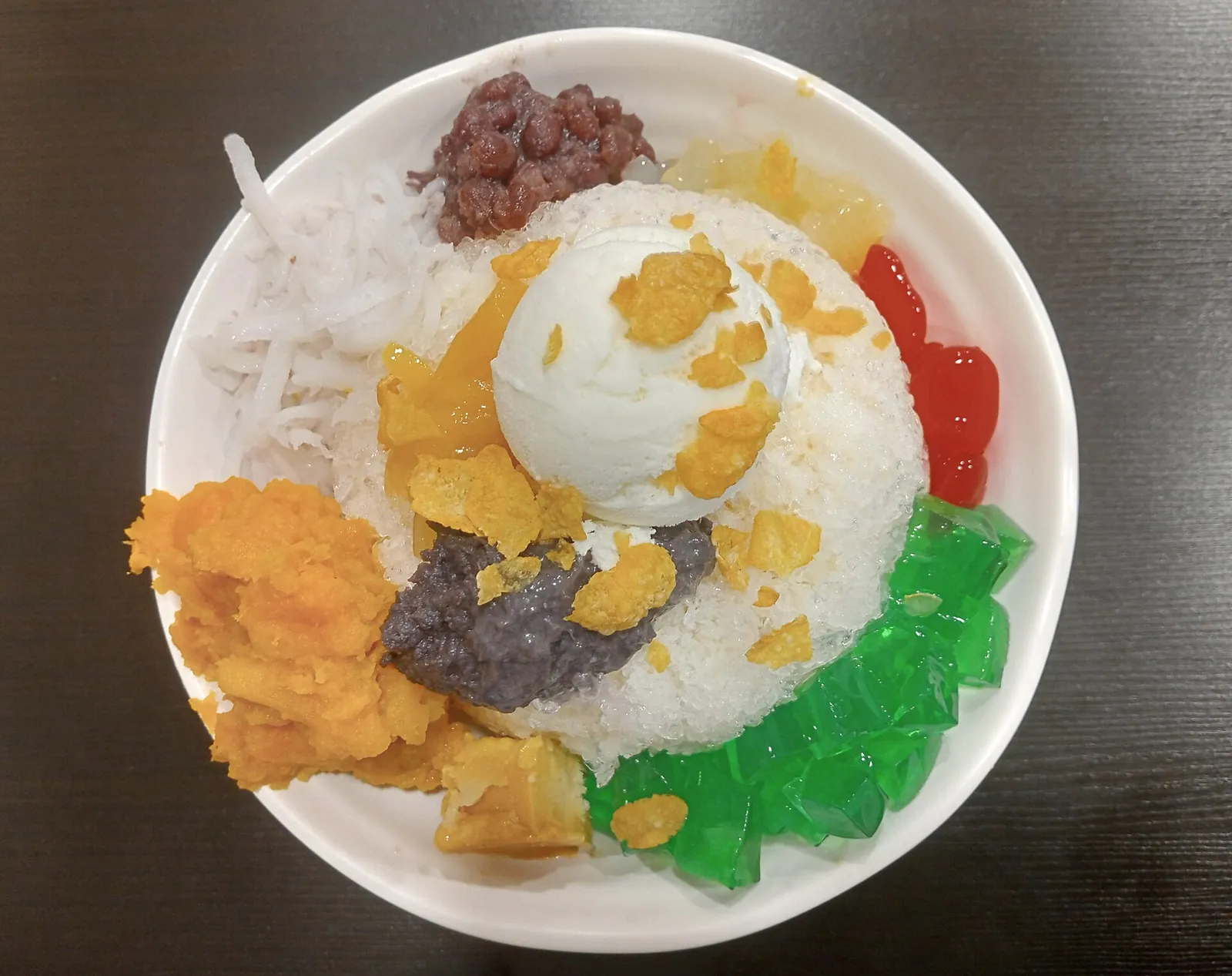
- Colourful halo-halo, a favourite Filipino shaved-ice treat: Ralff Nestor Nacor, CC BY-SA 4.0, via Wikimedia Commons
This is a researched plan, not a personal trip report. How we research · Affiliate disclosure