
6 Days in Mauritius: A Day-by-Day Itinerary
Six days in Mauritius: Port Louis, the north coast, Ile aux Cerfs, Chamarel, Le Morne and Blue Bay, with official airport taxi fares and current safety advice.
- 🗓️ Trip length
- 6 days
- ☀️ Best time
- June to October (outside cyclone season)
- 💰 Daily spend
- Check current prices (see Budget section)
- ✅ Facts checked
- 24 October 2026
Get ready for turquoise lagoons, volcanic peaks, sugar-cane fields and one of the most delicious food scenes in the Indian Ocean. This six-day plan suits first-time visitors who want more than a sunbed: a day of history and street food in Port Louis, the botanical gardens and beaches of the north, a boat day in the east, the dramatic south-west around Chamarel and Le Morne, and a final morning in the lagoon at Blue Bay, close to the airport.
The pace is relaxed but full, with sunshine and sea breezes all the way. Each day has one “big” outing and plenty of time to swim. Mauritius is compact, but the roads are busy and winding, so we group sights by coast and suggest two bases: the north (days 1 to 3) and the west or south-west (days 4 to 6). Plan less, see more, and leave room for a long lunch by the sea.
At a glance
| Day | Area | Highlights |
|---|---|---|
| 1 | Port Louis | Aapravasi Ghat, Central Market, Caudan Waterfront |
| 2 | North | SSR Botanic Garden at Pamplemousses, Cap Malheureux, Grand Baie sunset |
| 3 | East | Boat day to Ile aux Cerfs, Belle Mare beach |
| 4 | Central plateau and south-west | Trou aux Cerfs crater, Grand Bassin, Black River Gorges, Chamarel |
| 5 | South-west | Le Morne, lagoon time, Tamarin and Flic en Flac sunset |
| 6 | South-east | Mahebourg, Blue Bay lagoon, Ile aux Aigrettes, airport |
Day 1: Port Louis, the capital’s story and flavours
Morning
Your island adventure starts in the lively capital, where the layered history is easy to read on foot. Begin at the Aapravasi Ghat, the UNESCO World Heritage immigration depot where indentured labourers, many from India, first arrived. It is a moving stop, especially for visitors with family roots in South Asia. Opening hours and any entry fee: check the official site before you go.
If you are staying in the north, a taxi is the simplest way in. If you are based near the central towns, the Metro Express light rail runs into Port Louis (see “Getting there and getting around”).
Afternoon
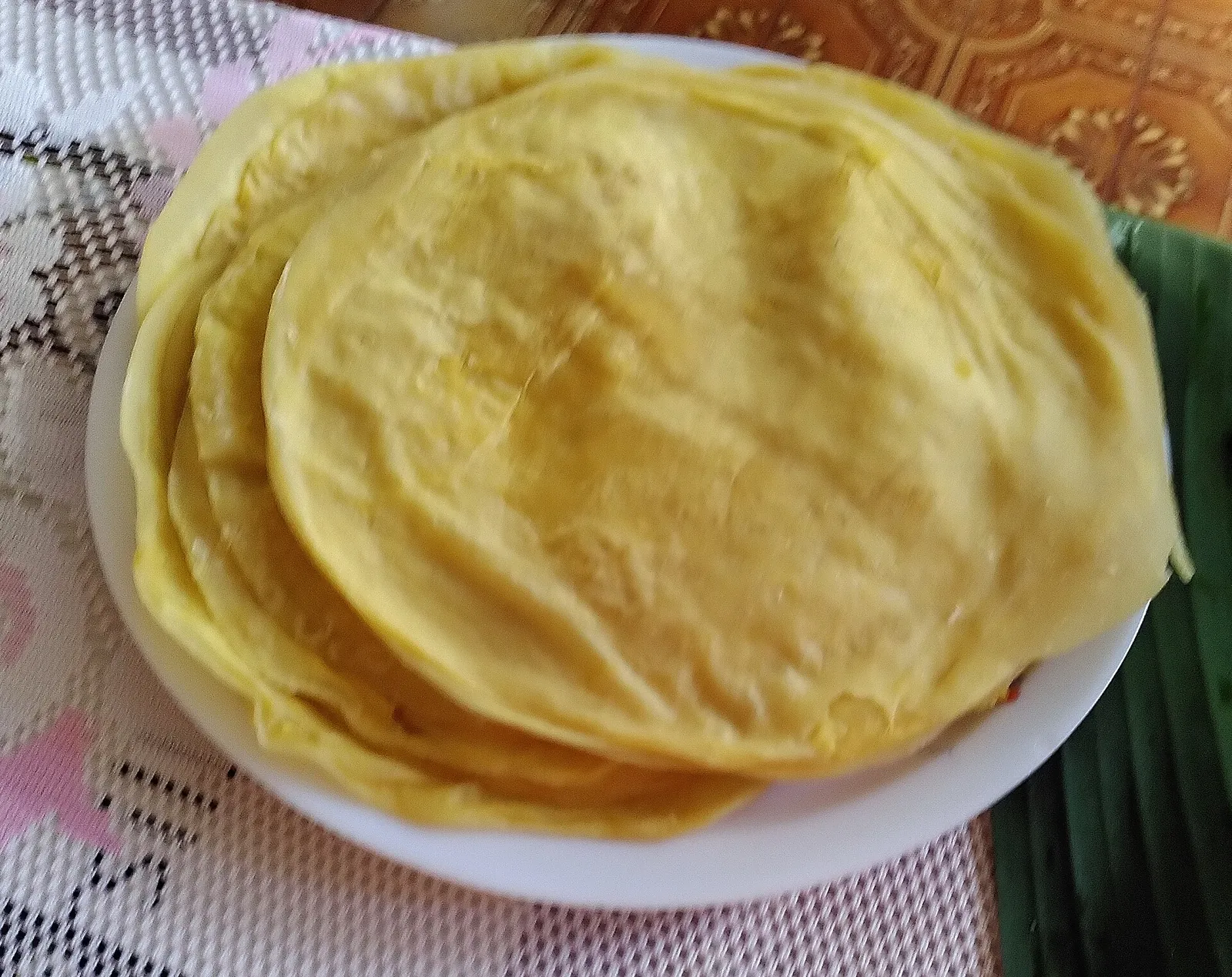
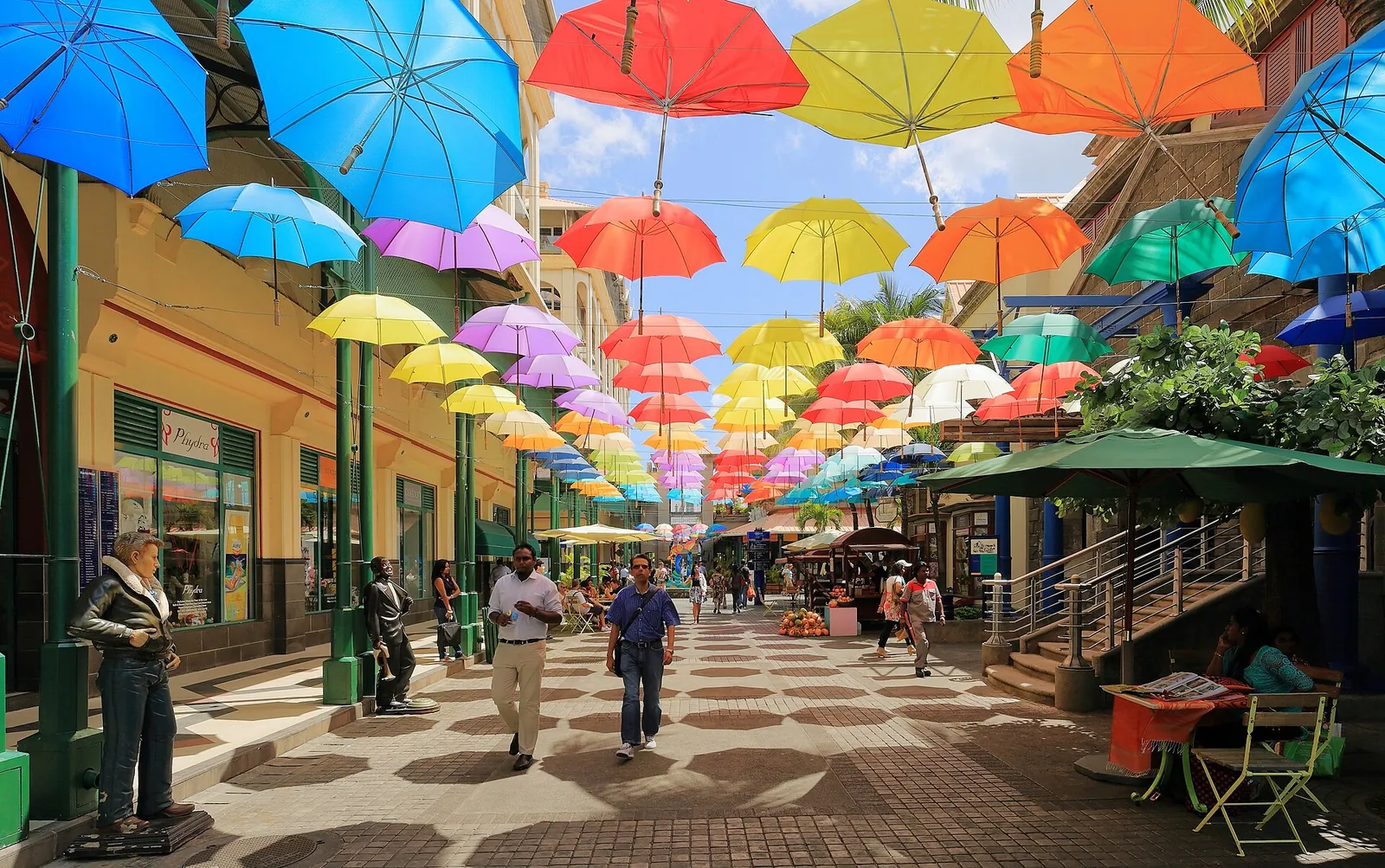
Walk to the Central Market for tropical fruit, spices and street snacks. Dholl puri and gateaux piments are classic local bites, so come hungry. Afterwards, stroll down to the Caudan Waterfront for shops, the harbour views and a cool drink. Everything here is in the compact city centre, so you can link these stops on foot.
Evening
Head back to your northern base for dinner. Port Louis quietens down after office hours, and the UK government advises against walking alone at night in poorly lit areas, particularly the backstreets of the business district. Grand Baie has a livelier evening scene.
Day 2: The north, gardens, chapels and beaches
Morning
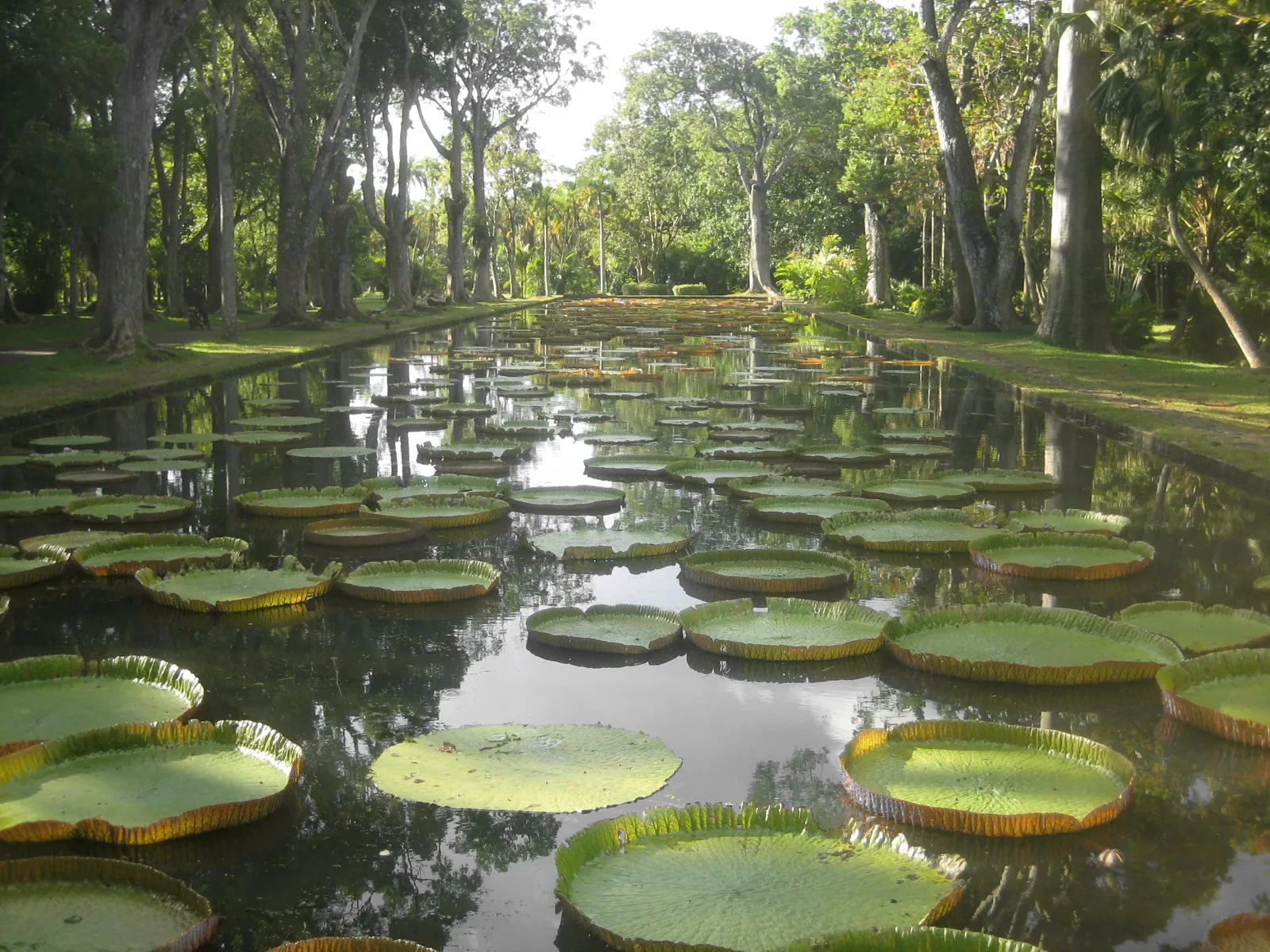
Today is all about gardens, postcard views and beach time. Go early to the SSR Botanic Garden in Pamplemousses, famous for its giant water lilies, palms and spice trees. Mornings are cooler and calmer. Ticket prices and opening hours: check the official site or ask at the entrance, as we could not verify current figures today. Local guides often wait at the gate; agree on any fee clearly before you start.
Afternoon
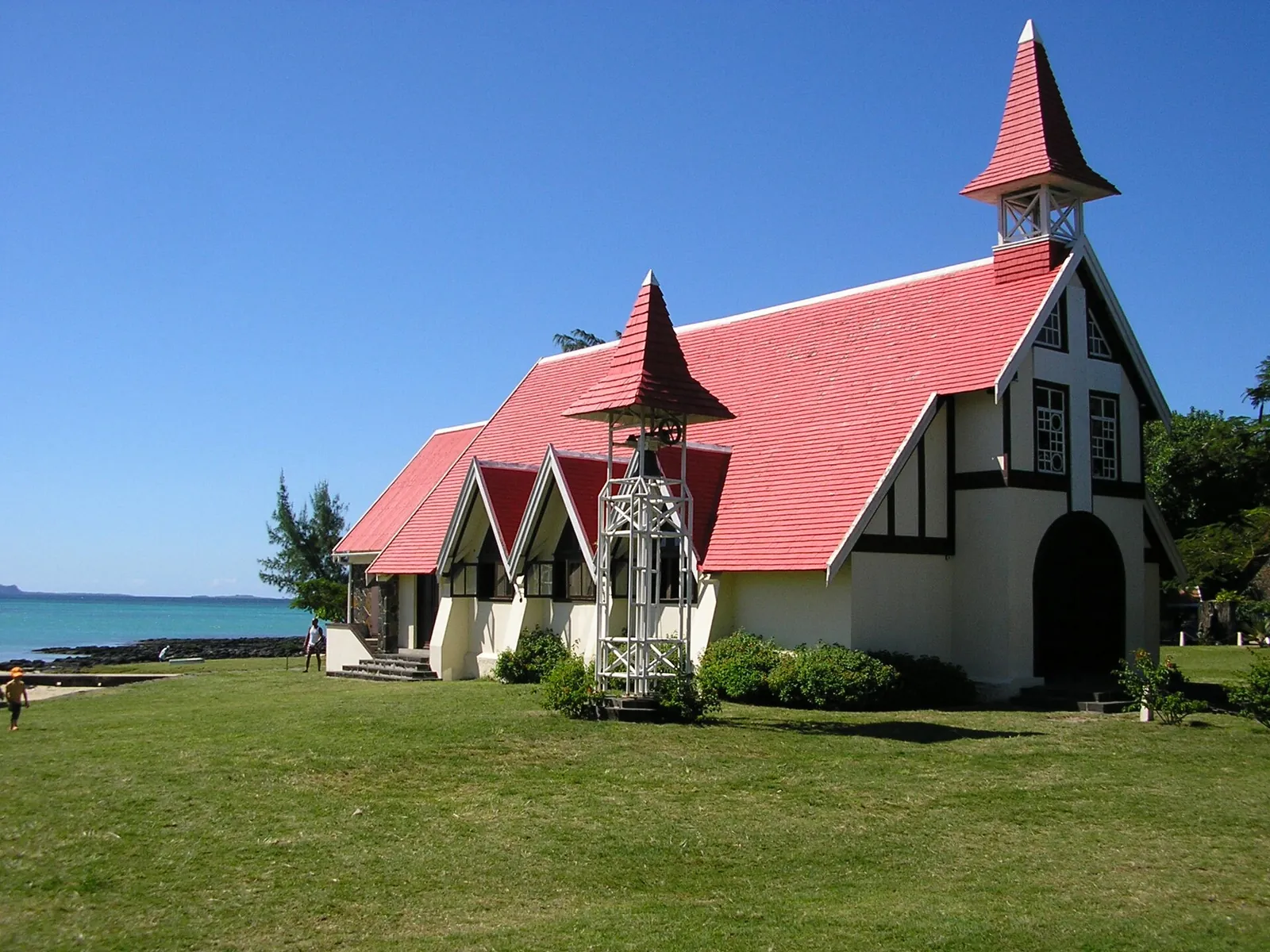
Drive north to Cap Malheureux, where the red-roofed chapel faces the island of Coin de Mire, one of the most photographed views in Mauritius. Then pick a beach: Pereybere is a popular swimming spot between Cap Malheureux and Grand Baie. Swim only where locals and lifeguards do, and respect any flags.
Evening
Watch the sunset over Grand Baie and treat yourself to seafood or a Mauritian curry. Remember that petty crime is common in tourist areas including Grand Baie, so keep bags close and valuables in your accommodation safe.
Day 3: Island-hopping in the east
Morning
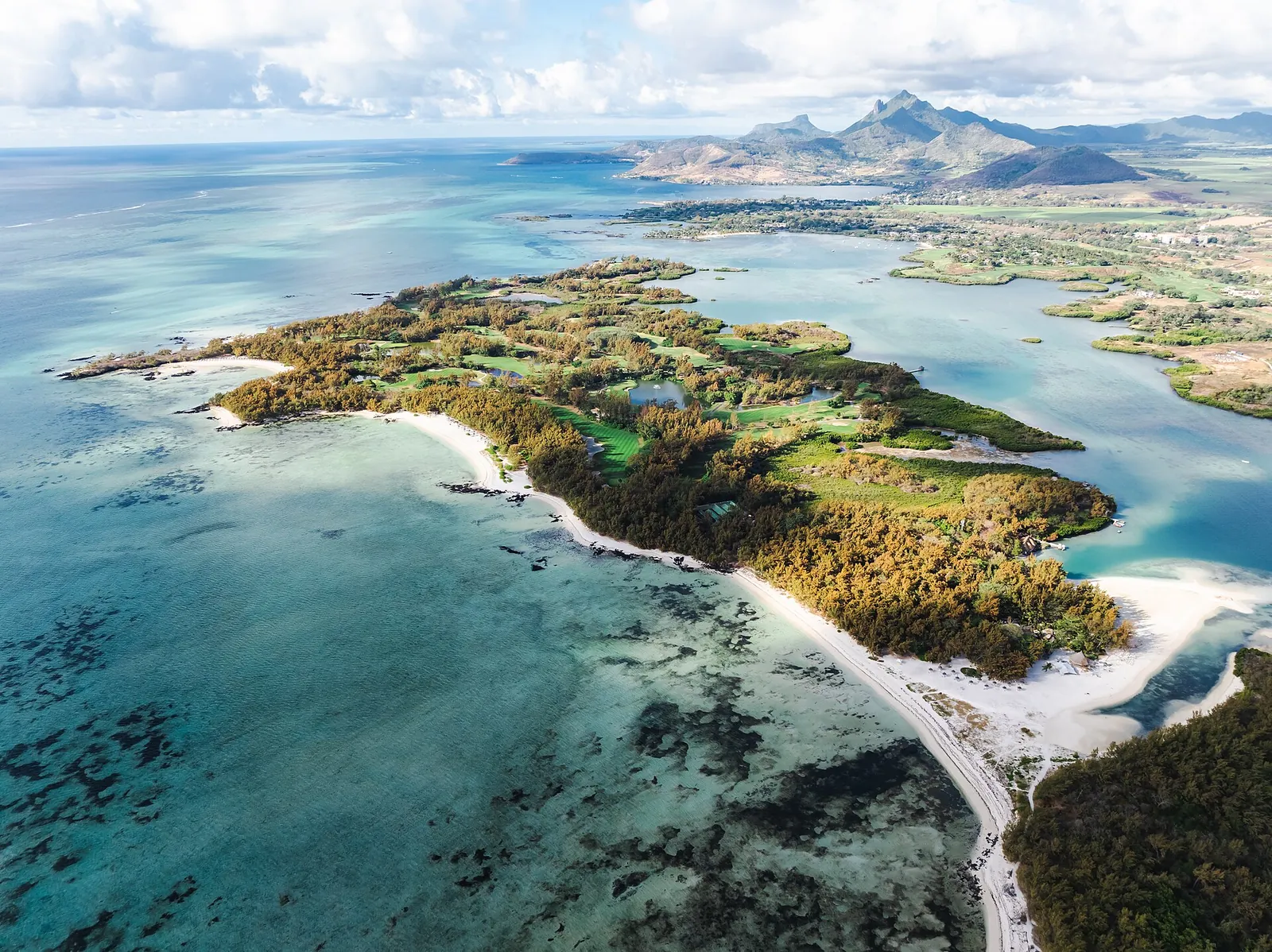
Today is a boat day, and it might just be your favourite! Ile aux Cerfs, off the east coast, is the classic lagoon trip, with sandbanks, snorkelling and clear shallow water. Most visitors join a boat or catamaran trip from the east coast. Book a day ahead through a licensed operator. The UK government advises checking that the operator holds a valid permit from the Ministry of Tourism, that there are enough life jackets on board and that the captain can contact the coastguard.
Allow plenty of time for the drive from the north to the east coast and check the route on a maps app the evening before.
Afternoon
Spend the afternoon on the island or back on the mainland at Belle Mare, a long, gentle east-coast beach. Reef shoes are a good idea in the lagoon: stonefish stings are rare but can be serious (see “Heads-up”).
Evening
Return to your northern base for a relaxed final night there, or move to the west tonight if you prefer a shorter drive tomorrow.
Day 4: Craters, a sacred lake and the colours of Chamarel
Morning
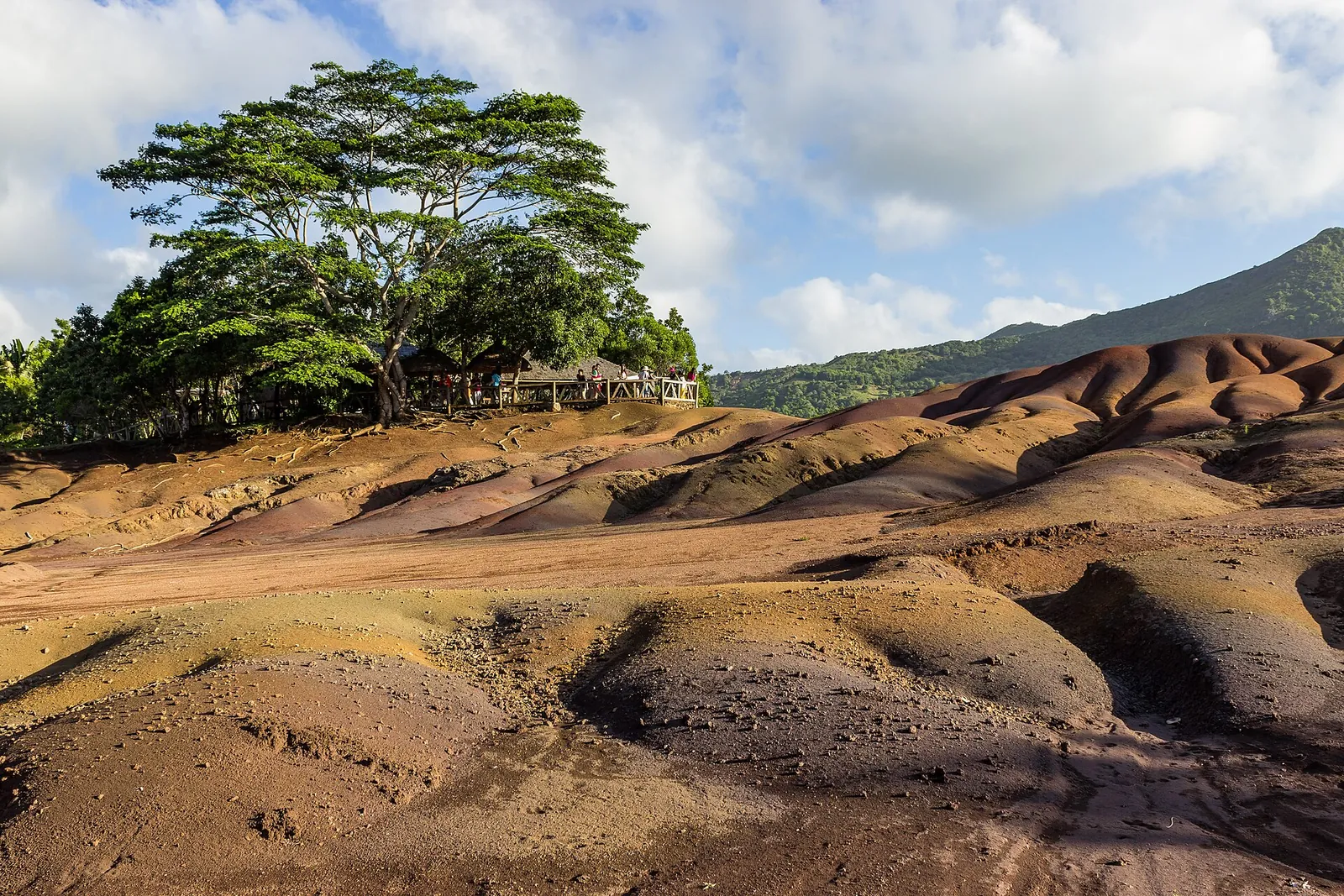
Get ready for craters, waterfalls and rainbow-coloured earth as you cross the cool central plateau. First stop: Trou aux Cerfs in Curepipe, a dormant volcanic crater with a viewing path around the rim. Then continue to Grand Bassin (Ganga Talao), a sacred crater lake and the most important Hindu pilgrimage site on the island, with a giant Shiva statue nearby. We suggest covering shoulders and knees, and taking off your shoes where signs ask you to.
Afternoon
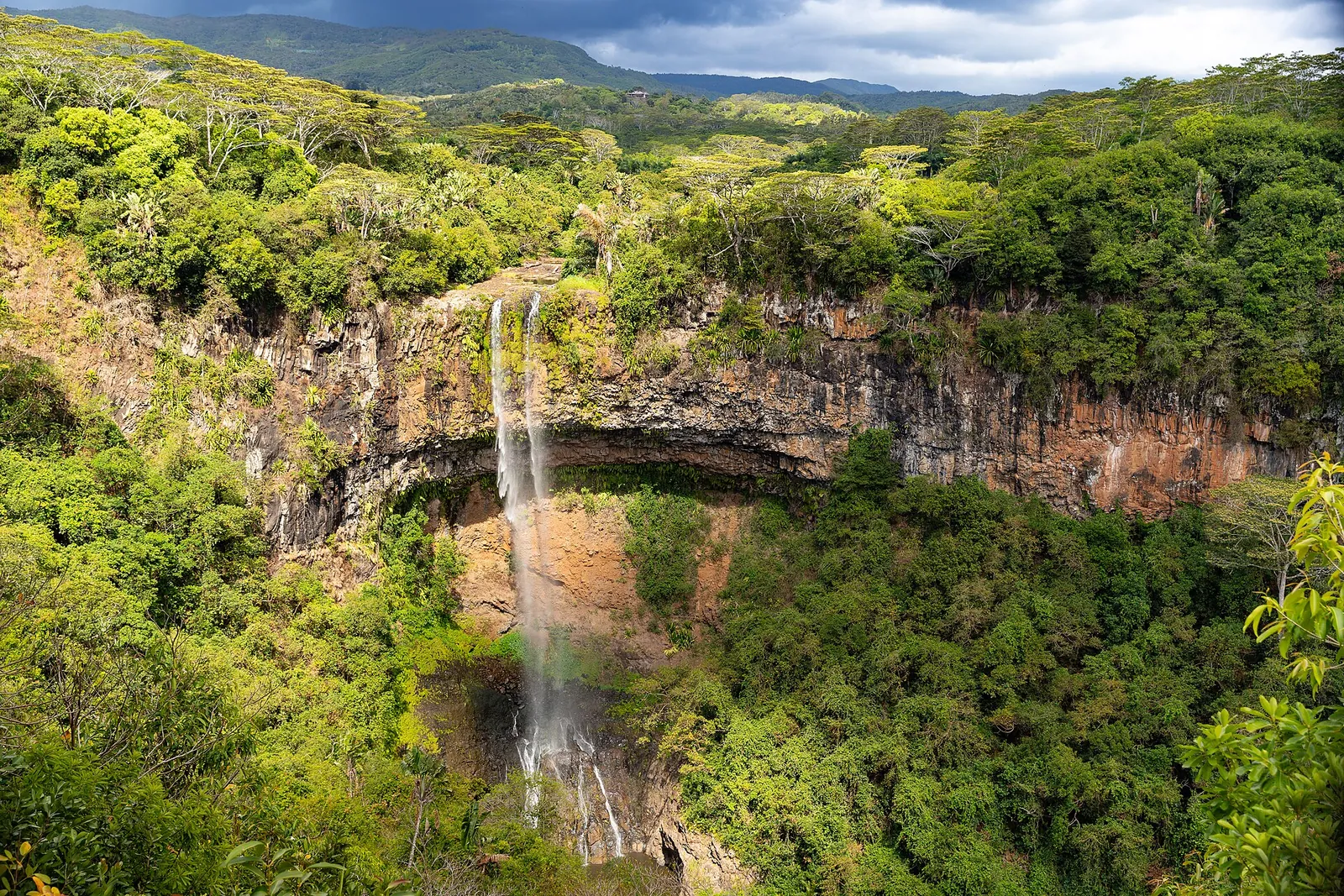
Drive through the Black River Gorges National Park, stopping at the roadside viewpoints over the forested valleys. Then head down to Chamarel for the Seven Coloured Earth dunes and the nearby Chamarel waterfall. Entry fees and opening hours for both: check the official site, as we could not confirm current prices today.
Evening
Move to your second base in Flic en Flac or Tamarin on the west coast. Do not leave driving the mountain roads until after dark: roads can be narrow, often have no pavements, and motorbikes may ride without headlights.
Day 5: Le Morne and the wild south-west
Morning
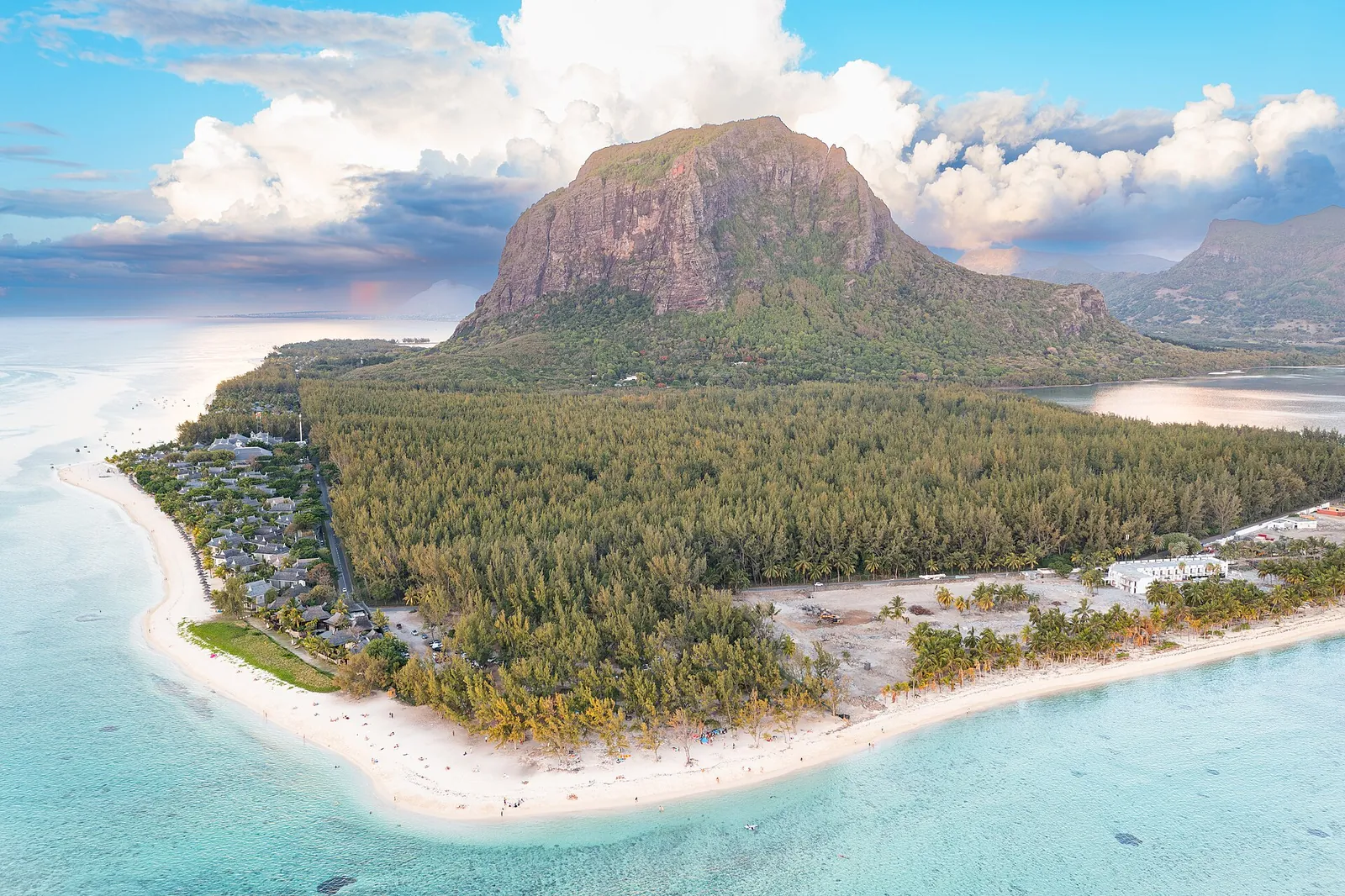
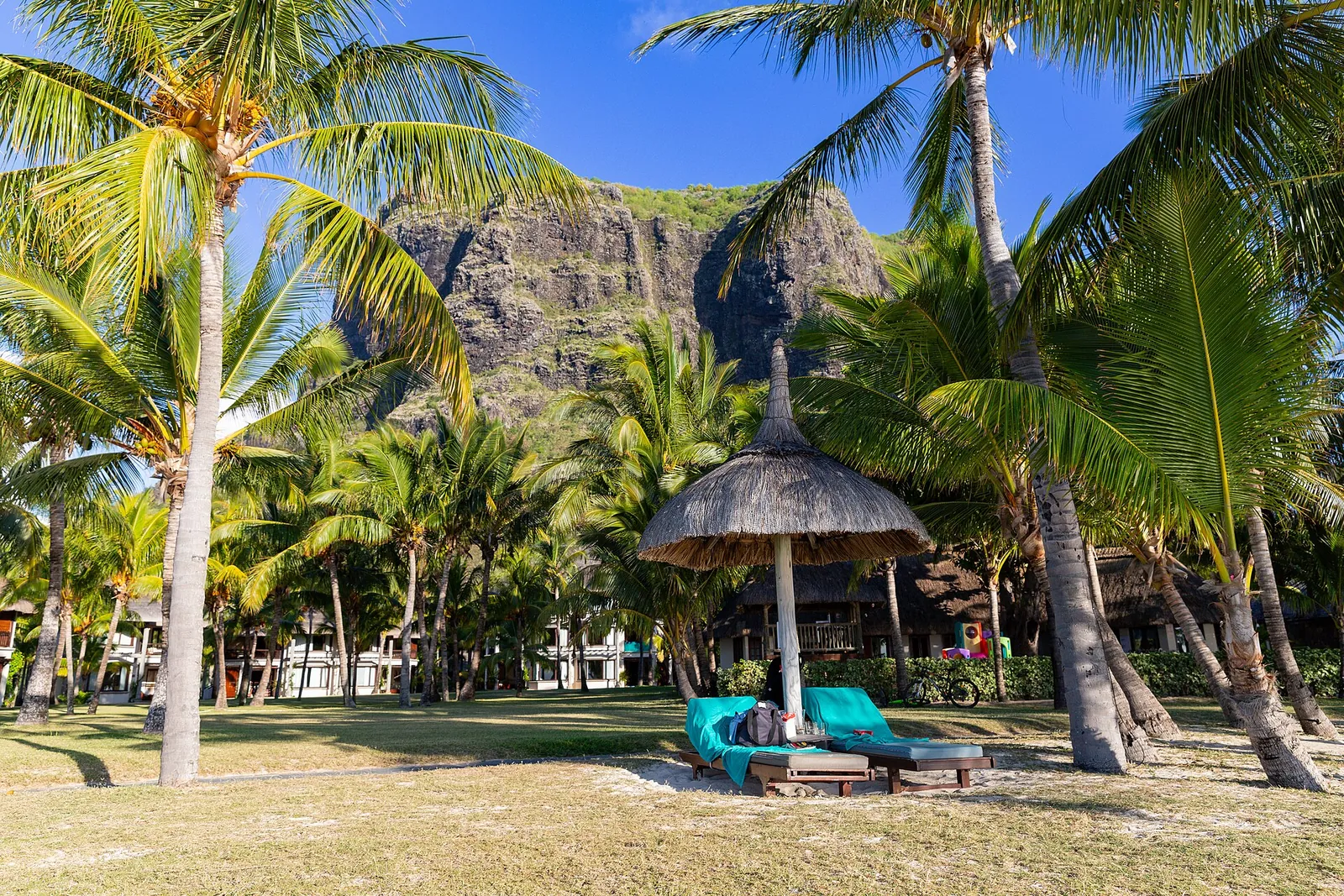
This is the day for big views and dreamy sand. Head to Le Morne Brabant, the basalt mountain at the south-west tip of the island. It is a UNESCO World Heritage cultural landscape, a symbol of resistance to slavery, and a powerful place to pause. The mountain hike is steep near the top. If you want to climb, we suggest going with a registered local guide and starting early before the heat builds. Check current access rules and guiding requirements locally before you go.
Afternoon
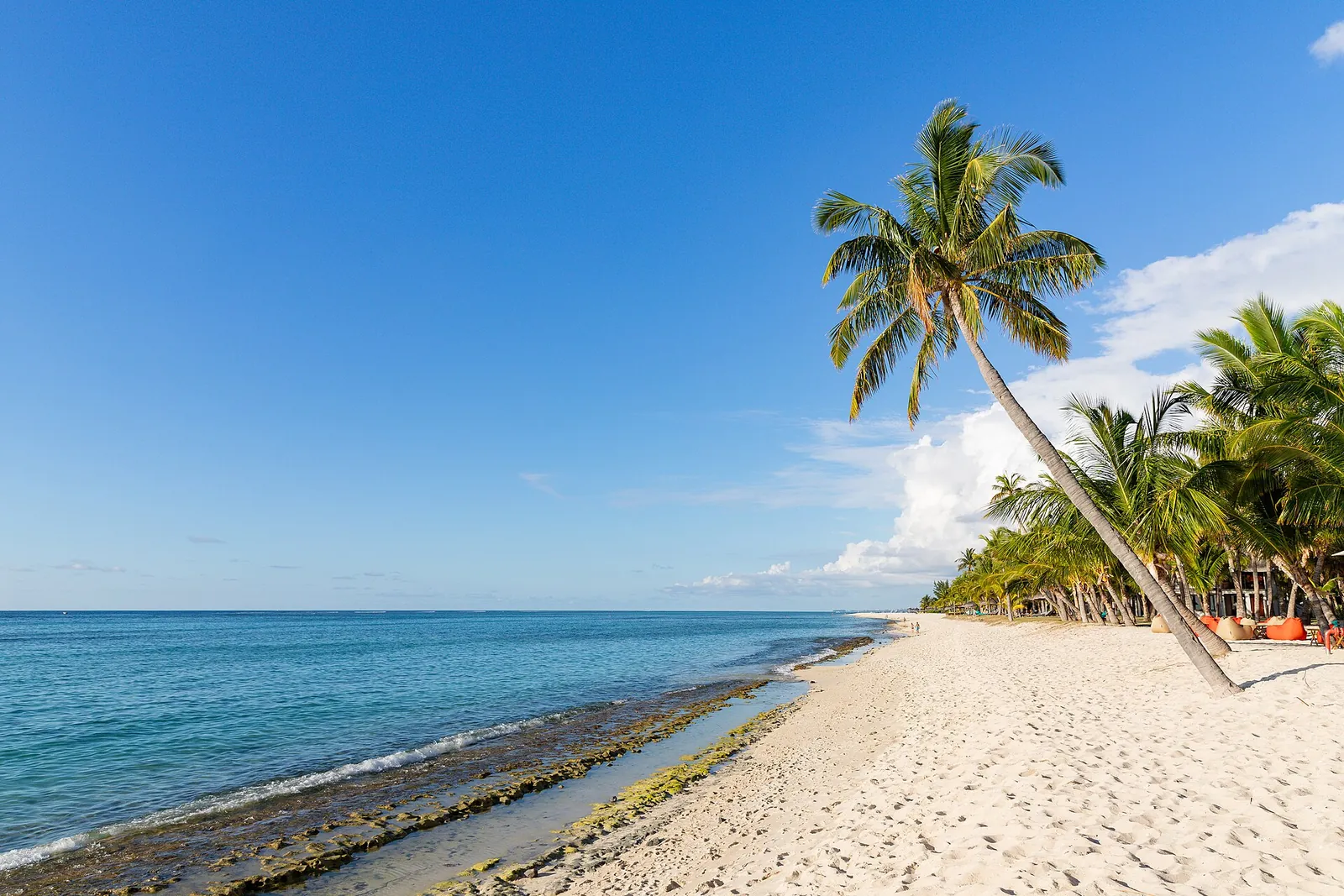
Unwind on Le Morne beach, one of the most beautiful stretches of sand on the island, with a sheltered lagoon. Kitesurfers love this area. If you want to try water sports, the same permit and life-jacket checks apply.
Evening
Drive back up the coast for sunset at Tamarin Bay or Flic en Flac, both famous for golden-hour views. Flic en Flac is also listed by the UK government as a petty-crime hotspot, so keep an eye on belongings on the beach.
Day 6: Mahebourg, Blue Bay and departure
Morning
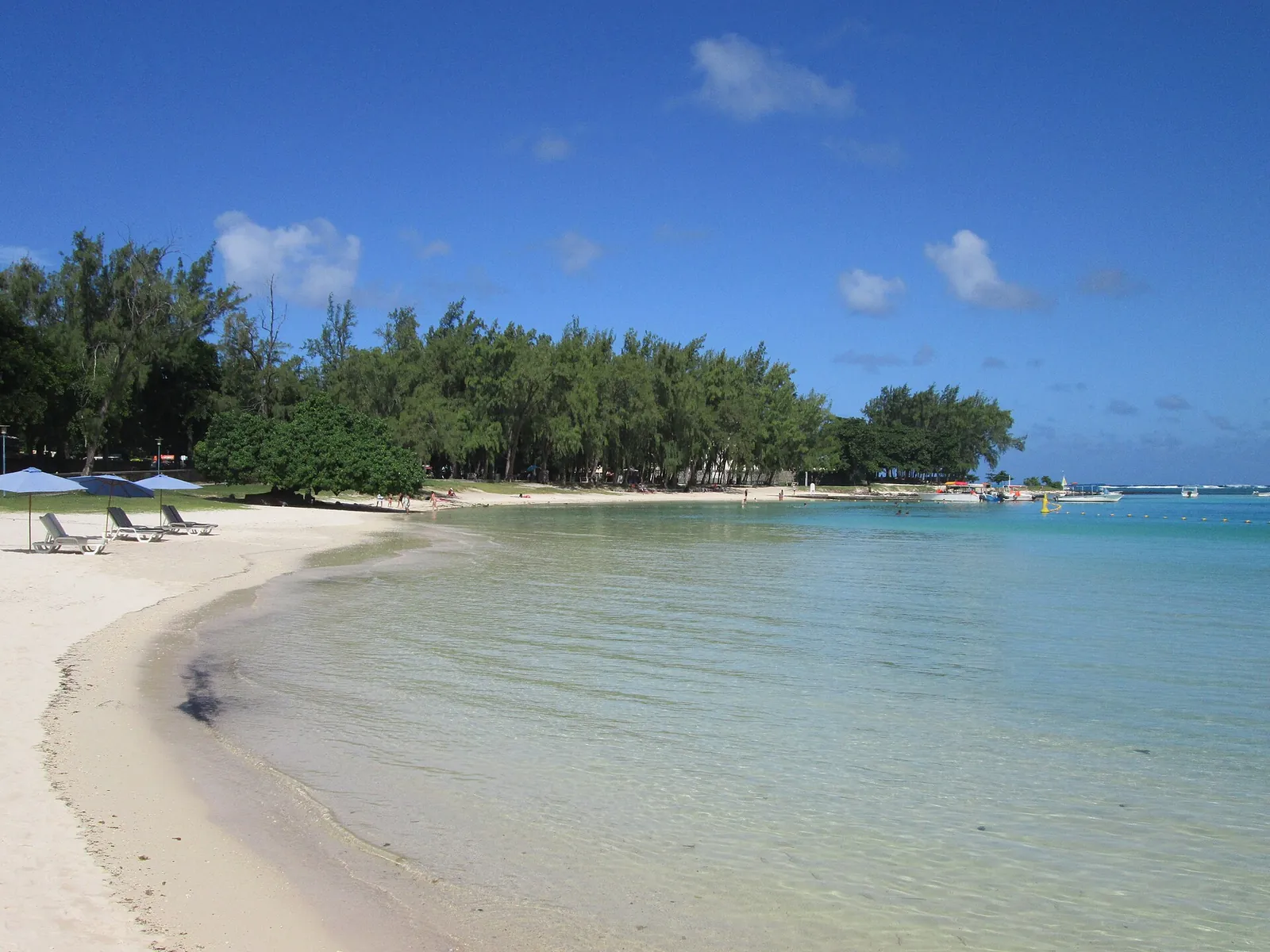
Squeeze in one last splash before you fly! Check out early and drive to the south-east. Blue Bay has a marine park lagoon that is ideal for snorkelling or a glass-bottom boat trip. Again, choose an operator with a Ministry of Tourism permit.
Nature lovers can instead visit Ile aux Aigrettes, a small nature reserve island off Mahebourg where conservation teams protect rare native plants and birds. Visits are by guided tour only. Book ahead and check tour times and prices on the operator’s official site.
Afternoon
Have lunch in the fishing town of Mahebourg and walk along its waterfront. This corner of the island is very close to the airport: the official airport taxi list gives about 20 minutes from Blue Bay to the airport, which makes it a stress-free last stop.
Evening
Head to SSR International Airport for your flight. If your flight is late in the evening, many travellers spend the last hours on the beach at Blue Bay or Pointe d’Esny.
Getting there and getting around
From the airport
Flights land at Sir Seewoosagur Ramgoolam (SSR) International Airport in the south-east. The official airport taxi counter is on Level 0, in the Tour Operators Hall, opposite the customs exit.
The airport publishes an official taxi fare list (effective January 2026). Sample fixed fares from the airport:
| Destination | Official fare |
|---|---|
| Mahebourg / Blue Bay / Pointe d’Esny | Rs 1,000 |
| Curepipe | Rs 1,500 |
| Port Louis | Rs 2,500 |
| Flic en Flac / Wolmar | Rs 3,000 |
| Tamarin / Grande Riviere Noire | Rs 3,200 |
| Trou aux Biches / Mont Choisy | Rs 3,300 |
| Grand Baie / Pereybere | Rs 3,500 |
| Belle Mare / Palmar | Rs 3,500 |
| Le Morne / Chamarel | Rs 3,500 |
Good to know from the same fare list:
- Night time (23:00 to 05:00): a 10 to 20% extra charge may apply.
- Card payment: accepted, with a 10% card surcharge. Cash avoids this.
- Waiting time: the first 10 minutes are free.
- Estimated journey times: north about 1 hour to 1 hour 30, west about 1 hour to 1 hour 15, south about 1 hour to 1 hour 20, east about 1 hour to 1 hour 30, Blue Bay about 20 minutes.
The airport website also lists car hire options. Public buses run on the island, but we could not verify current airport routes and fares on an official source, so check locally before relying on them.
Getting around the island
For this itinerary, a hire car, a taxi for the day or organised tours are the most practical choices, because most sights are spread around the coast and the interior. If you drive: traffic keeps to the left, drink-driving limits are very low, and drivers are expected to carry yellow chalk or a yellow marker for marking the vehicle’s position after an accident. Hire companies may require an International Driving Permit, so check with yours.
Metro Express
The Metro Express light rail links Port Louis with central towns including Rose-Hill, Quatre Bornes, Vacoas and Curepipe, and has a station at Caudan in Port Louis. It is handy for day 1 if you stay in the central area. Key points from the operator:
- The MECard Adult costs Rs 150, including Rs 100 credit, and is sold at ticket machines at all stations.
- Single-use tickets are also sold at the machines.
- Fares depend on the number of zones travelled, and the MECard is 5 to 10% cheaper per trip than a single ticket.
Current operating hours: check the official site, as the published times may not be up to date.
Where to stay
- Grand Baie and Pereybere (north): best for first-timers who want restaurants, shops, boat trips and an easy evening scene. A good base for days 1 to 3.
- Flic en Flac and Tamarin (west): sunsets, long beaches and quick access to Black River Gorges, Chamarel and Le Morne. Ideal for days 4 to 6.
- Belle Mare (east): a quieter, resort-style coast with soft beaches. Suits couples and families who want calm water and are happy to drive further for sightseeing.
- Mahebourg and Blue Bay (south-east): local feel, a beautiful lagoon and very close to the airport. Great for a first or last night.
Whichever you choose, the UK government advises renting only accommodation registered with the Mauritius Tourism Authority.
Budget
Prices in Mauritius are in Mauritian rupees (Rs / MUR). We could only verify transport costs on official sources today, so attraction prices are marked “check the official site”.
| Item | Typical cost |
|---|---|
| Airport taxi to Port Louis | Rs 2,500 (official fare) |
| Airport taxi to Grand Baie | Rs 3,500 (official fare) |
| Airport taxi to Flic en Flac | Rs 3,000 (official fare) |
| Airport taxi to Blue Bay / Mahebourg | Rs 1,000 (official fare) |
| Night surcharge on airport taxis (23:00 to 05:00) | 10 to 20% extra may apply |
| Metro Express MECard Adult | Rs 150 (includes Rs 100 credit) |
| SSR Botanic Garden entry | Check the official site |
| Chamarel Seven Coloured Earth entry | Check the official site |
| Boat trip to Ile aux Cerfs | Check with a licensed operator |
| Ile aux Aigrettes guided tour | Check the official site |
Not included: flights, accommodation, meals, car hire, fuel, travel insurance and tips. Because we could not verify typical hotel, meal and car-hire prices on primary sources today, we have not given a daily total. Compare current prices before you book.
Heads-up
Mauritius is a warm and welcoming place, and a little preparation keeps it that way. Everything below comes from the UK government’s official travel advice (see sources), so check the latest version before you fly.
- Recent unrest (October 2026): demonstrations and community unrest broke out in parts of the island after a police shooting on 9 October 2026, causing road closures, transport disruption and interruptions to public services. Temporary night curfews covered most of the main island from 12 to 18 October and ended at 4.30am on Monday 19 October. Stay away from demonstrations and large gatherings, follow local authorities, and check the latest advice just before travelling.
- Petty crime: common in tourist areas such as Port Louis, Grand Baie and Flic en Flac. Keep passports in the hotel safe, never leave bags unattended on the beach, and avoid walking alone at night on beaches or in poorly lit areas.
- Street and beach vendors: the official advice is not to do business with them. Book trips through your accommodation or a licensed operator instead.
- Unlicensed boat trips: only use water-sports operators with a valid Ministry of Tourism permit, enough life jackets and a captain who can contact the coastguard.
- Stonefish: stings are rare but can be fatal. Wear reef shoes in the lagoon and get urgent medical help if stung. Many hotels stock anti-venom.
- Mosquito-borne illness: dengue and chikungunya are listed health risks, along with schistosomiasis. Use repellent and check vaccine advice with your doctor or travel clinic well before your trip.
- Cyclones and landslides: the cyclone season usually runs from November to May. During a cyclone you are not allowed to leave your accommodation, and car insurance policies often become invalid. Follow the Mauritius Meteorological Services warnings.
- Roads: accidents are common, some roads are narrow without pavements, and pedestrians and cyclists use main roads day and night. Avoid long drives after dark.
- Strict laws: possessing or importing cigarette papers is illegal, and drug offences (including cannabis) carry long jail sentences. Pack your own bags and never carry anything for anyone else.
- Tourist police: call 999. For an ambulance, call 999 or 114.
Practical tips
- Entry and visas: entry rules depend on your nationality, so check them on the official Passport and Immigration Office visa requirements page before you book. Mauritius also uses an online All in One travel form at safemauritius.govmu.org, so check whether you need to complete it before arrival.
- Health screening: if you arrive from a country where malaria is common, border officials may ask for a blood sample. This is routine, so do not be alarmed.
- Medicines: bring a copy of your prescription. Strong painkillers, tranquillisers and similar medicines need prior authorisation from the Ministry of Health and Wellness.
- Dress codes: beachwear is for the beach. At temples such as Grand Bassin, and at mosques and churches, we suggest covered shoulders and knees.
- Money: carry some rupees in cash for taxis, markets and small eateries. Airport taxis take cards but add 10%.
- SIM and eSIM: local mobile operators sell prepaid SIM cards. Check whether your phone supports eSIM and compare data packages before you land.
- Insurance: the UK government notes that good private healthcare is available but can be expensive, and complex cases may need evacuation to Reunion or South Africa. Take comprehensive travel insurance.
FAQ
Is it safe to visit Mauritius right now?
Mauritius is generally a relaxed holiday destination, but there was serious unrest in October 2026 and night curfews ended on 19 October. Check the latest official travel advice for your country just before you go, avoid demonstrations and follow local authorities.
When is the best time to visit Mauritius?
June to October falls outside the cyclone season, which usually runs from November to May. You can visit year-round, but cyclone-season trips need flexible plans and good insurance.
How much is a taxi from the airport to Grand Baie?
The official airport fare list (effective January 2026) gives Rs 3,500 to Grand Baie and Pereybere. Expect up to 20% extra between 23:00 and 05:00, and 10% more if you pay by card.
Do I need a car in Mauritius?
Not strictly, but it helps. The Metro Express only covers Port Louis and the central towns, so for Chamarel, Le Morne and the coasts most visitors hire a car, book a taxi for the day or join tours.
Can I use the Metro Express as a tourist?
Yes. Buy an MECard Adult (Rs 150, including Rs 100 credit) or a single-use ticket at the station machines. It is most useful if you stay in or near Port Louis, Rose-Hill, Quatre Bornes or Curepipe.
Do I need a visa for Mauritius?
It depends on your passport. Check the official Passport and Immigration Office visa requirements page before booking, and allow time for any application.
Sources
Prices, hours and rules change. We checked these on 24 October 2026; please confirm on the official page before you book.
- GOV.UK Foreign Travel Advice: Mauritius (Warnings and insurance)
- GOV.UK Foreign Travel Advice: Mauritius, Safety and security
- GOV.UK Foreign Travel Advice: Mauritius, Health
- GOV.UK Foreign Travel Advice: Mauritius, Entry requirements
- Passport and Immigration Office Mauritius: Visa Requirements
- Airports of Mauritius (SSR International Airport): Airport Taxi
- Airport Taxi Owners Association: Official Airport Taxi Fare List (effective January 2026)
- Metro Express Mauritius: My Journey (fares, MECard, ticketing)
- Metro Express Mauritius: Phase 2 (Rose-Hill to Curepipe stations)
- Metro Express Mauritius: Press Releases
Photo credits (11)
- Le Morne Brabant rising above turquoise lagoon and white beach: "dronepicr", CC BY 2.0, via Wikimedia Commons
- Colourful umbrellas over a lane at Caudan Waterfront: Martin Falbisoner, CC BY-SA 4.0, via Wikimedia Commons
- Giant water lilies at the botanic garden in Pamplemousses: Condem at English Wikipedia, Public domain, via Wikimedia Commons
- The red-roofed chapel at Cap Malheureux by the sea: otterboris, CC BY 3.0, via Wikimedia Commons
- Aerial view of Ile aux Cerfs and its turquoise lagoon: Arne Müseler, CC BY-SA 3.0 de, via Wikimedia Commons
- Rippled dunes of the Seven Coloured Earth in Chamarel: CEphoto, Uwe Aranas, CC BY-SA 3.0, via Wikimedia Commons
- Chamarel Waterfall plunging into a green gorge: "dronepicr", CC BY 2.0, via Wikimedia Commons
- Palm trees on Le Morne beach below the mountain: "dronepicr", CC BY 2.0, via Wikimedia Commons
- Soft white sand and leaning palm on Le Morne beach: "dronepicr", CC BY 2.0, via Wikimedia Commons
- Calm turquoise water and white sand at Blue Bay: GrandEscogriffe, CC BY-SA 4.0, via Wikimedia Commons
- A stack of freshly made dholl puri flatbreads: Yoann74, CC BY-SA 4.0, via Wikimedia Commons
This is a researched plan, not a personal trip report. How we research · Affiliate disclosure