
4 Days in Mexico City: A Day-by-Day Itinerary
A 4-day Mexico City plan: Centro Histórico, Chapultepec and the Anthropology Museum, a Teotihuacan day trip, then Coyoacán and Xochimilco, with fares checked.
- 🗓️ Trip length
- 4 days
- ☀️ Best time
- November to April (drier months)
- 💰 Daily spend
- MXN 220-550 for entry tickets and transit; hotel and meals extra
- ✅ Facts checked
- 24 October 2026
Get ready for one of the world’s great city breaks. In Mexico City, Aztec temples sit under colonial cathedrals, a whole national museum is set inside a forest park, and an ancient pyramid city is close enough for a day trip. Four days is enough to see the big highlights without rushing, and you’ll still have time for long lunches and evening strolls.
This plan is perfect for first-timers who love culture and want a steady but relaxed pace. It covers one main area per day, and the stops within each day are grouped so you aren’t zigzagging across a huge city. Mexico City sits at 2,240 m, so go easy on Day 1 while your body adjusts to the altitude.
At a glance
| Day | Area | Highlights |
|---|---|---|
| 1 | Centro Histórico | Zócalo, Metropolitan Cathedral, Templo Mayor, Calle Madero, Palacio de Bellas Artes, Alameda Central |
| 2 | Chapultepec, Polanco, Roma | National Museum of Anthropology, Bosque de Chapultepec, dinner in Roma or Condesa |
| 3 | Teotihuacan day trip | Avenue of the Dead, Pyramid of the Sun, site museums |
| 4 | Coyoacán and Xochimilco | Frida Kahlo’s Casa Azul, Coyoacán’s plazas, a trajinera boat ride on the canals |
Planning tip: many major museums close on Mondays, including the Anthropology Museum, Templo Mayor and the Frida Kahlo Museum. Teotihuacan opens every day, so if your trip includes a Monday, make that your pyramid day.
Day 1: The historic heart
Morning
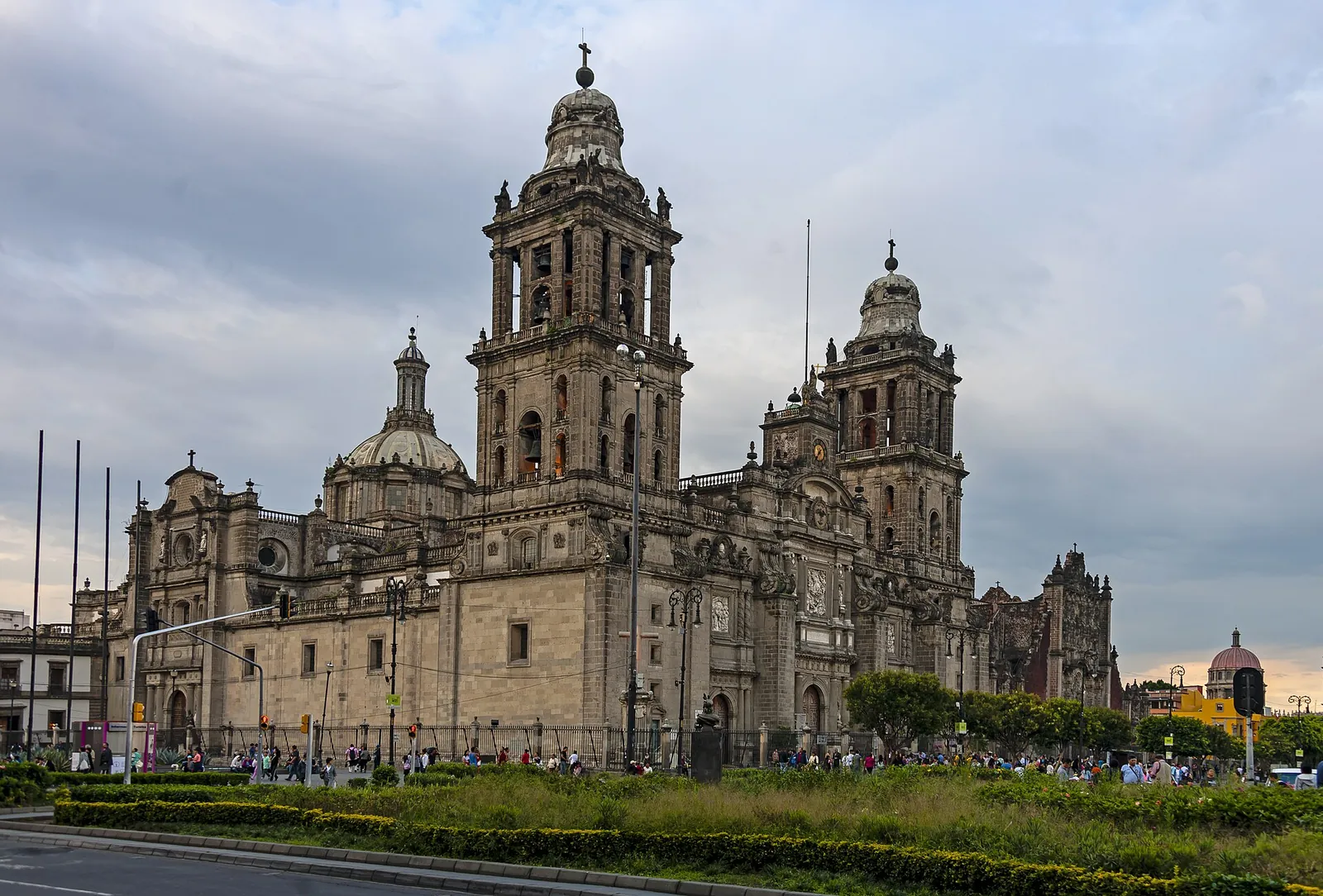
Dive straight into the beating heart of the city. Start at the Zócalo, the city’s vast main square, which you can reach on Metro Line 2. The Metropolitan Cathedral stands on the north side. Dress modestly if you go inside, because it is an active place of worship.
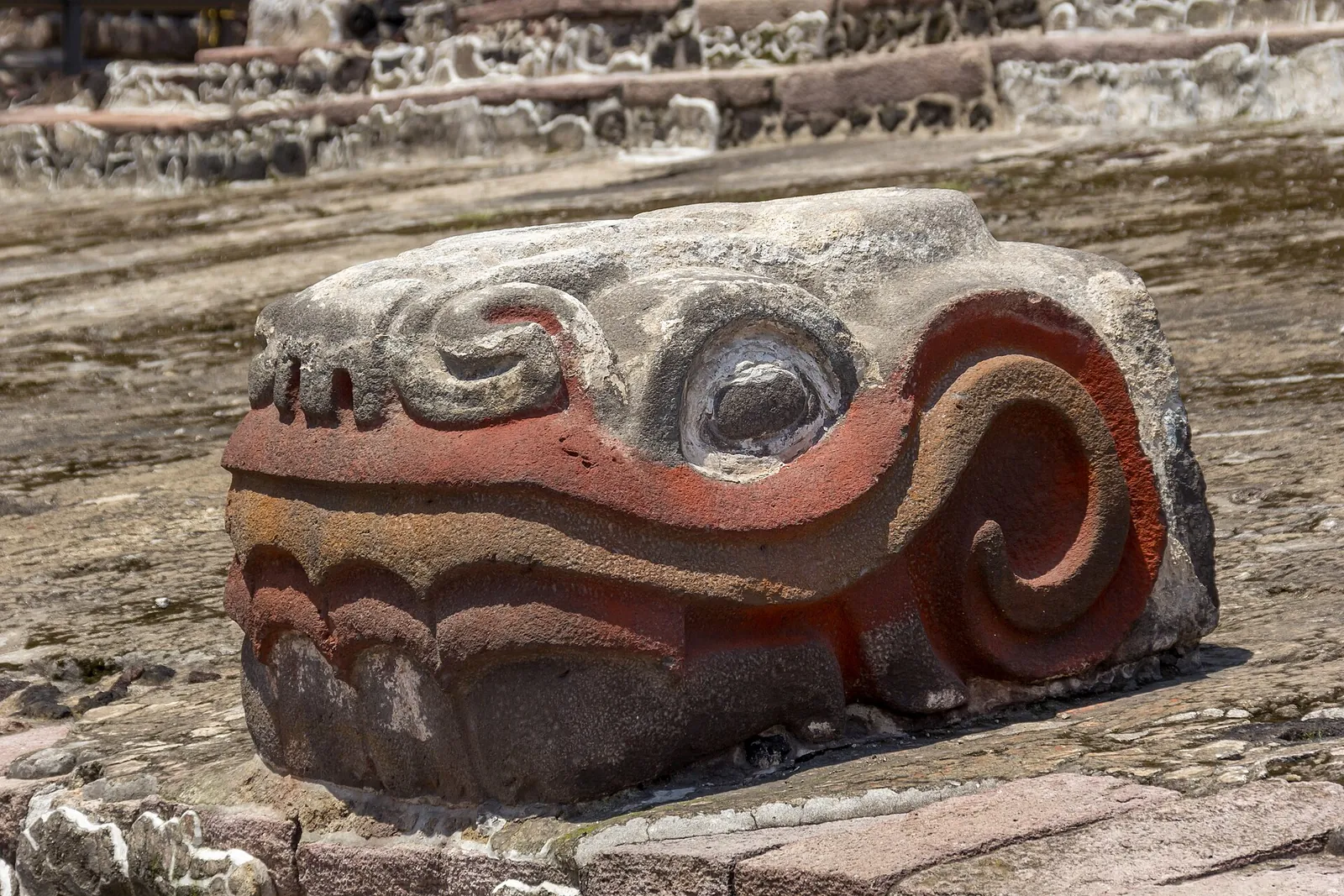
From the cathedral it’s only a few minutes on foot to the Templo Mayor, the main temple of the Aztec (Mexica) capital, Tenochtitlan. The site and its museum are open Tuesday to Sunday, 9:00 to 17:00, and a ticket for foreign visitors costs MXN 210. Give yourself about two hours, and arrive early so you see it before the crowds.
Afternoon
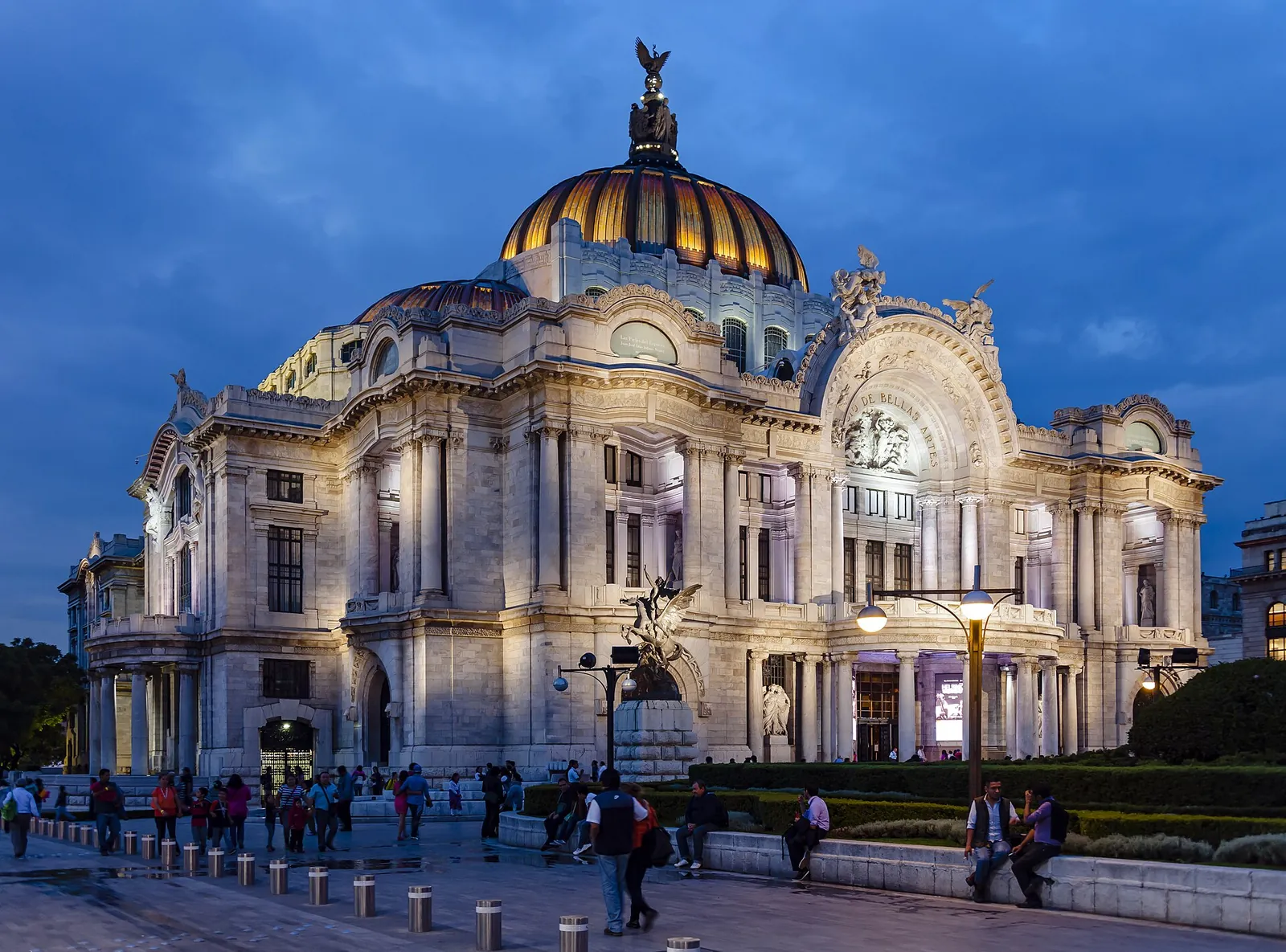
Walk west along pedestrianised Calle Madero. It’s about 15 minutes at a gentle pace, longer if you stop to browse. Then you reach the Palacio de Bellas Artes, an Art Nouveau landmark with famous murals inside. We couldn’t confirm museum hours and ticket prices today, so check the official museum site (museopalaciodebellasartes.inba.gob.mx) before you go. The marble facade is free to admire from outside.
Next door is Alameda Central, a leafy park and a nice place to rest your legs.
Evening
Stay in the Centro for dinner, or head to your neighbourhood early. On your first night at altitude, an early, light evening is a smart choice. Use an app-booked or official taxi to get back after dark (see Heads-up).
Day 2: Chapultepec and the Anthropology Museum
Morning
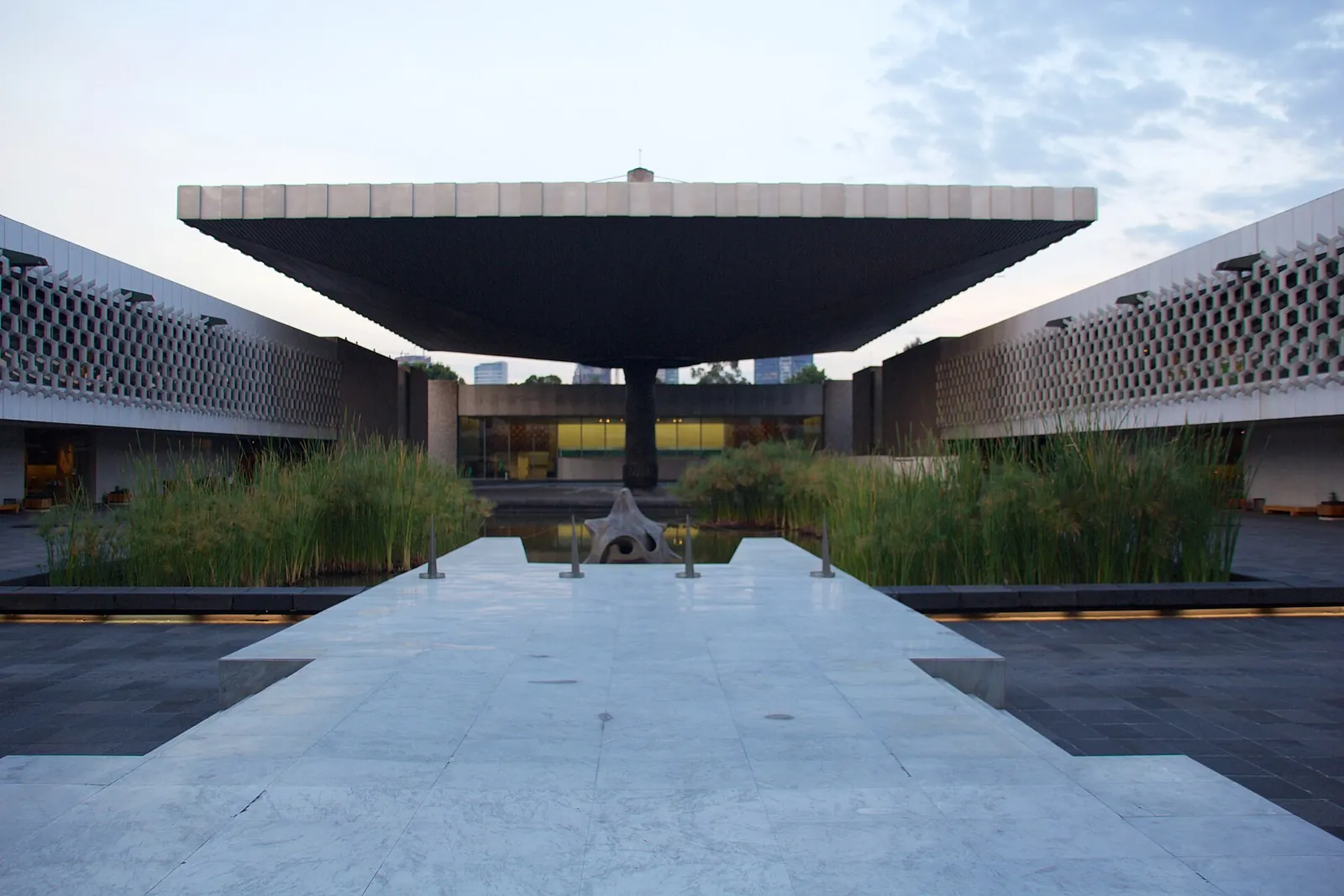
Today is a feast for history lovers. Aim to be at the Museo Nacional de Antropología when it opens. It has the country’s most important archaeological and ethnographic collections, in a building that is a modernist landmark in its own right. It’s open Tuesday to Sunday, 9:00 to 18:00, and tickets cost MXN 210 (MXN 110 for Mexican nationals and residents). Allow at least three hours. The Mexica room, with the famous Sun Stone, is the one most people come for.
The museum is on Paseo de la Reforma inside Bosque de Chapultepec. Metro Line 7 (Auditorio station) and Line 1 (Chapultepec station) both serve the park. From either one you’ll have a walk through the greenery.
Afternoon
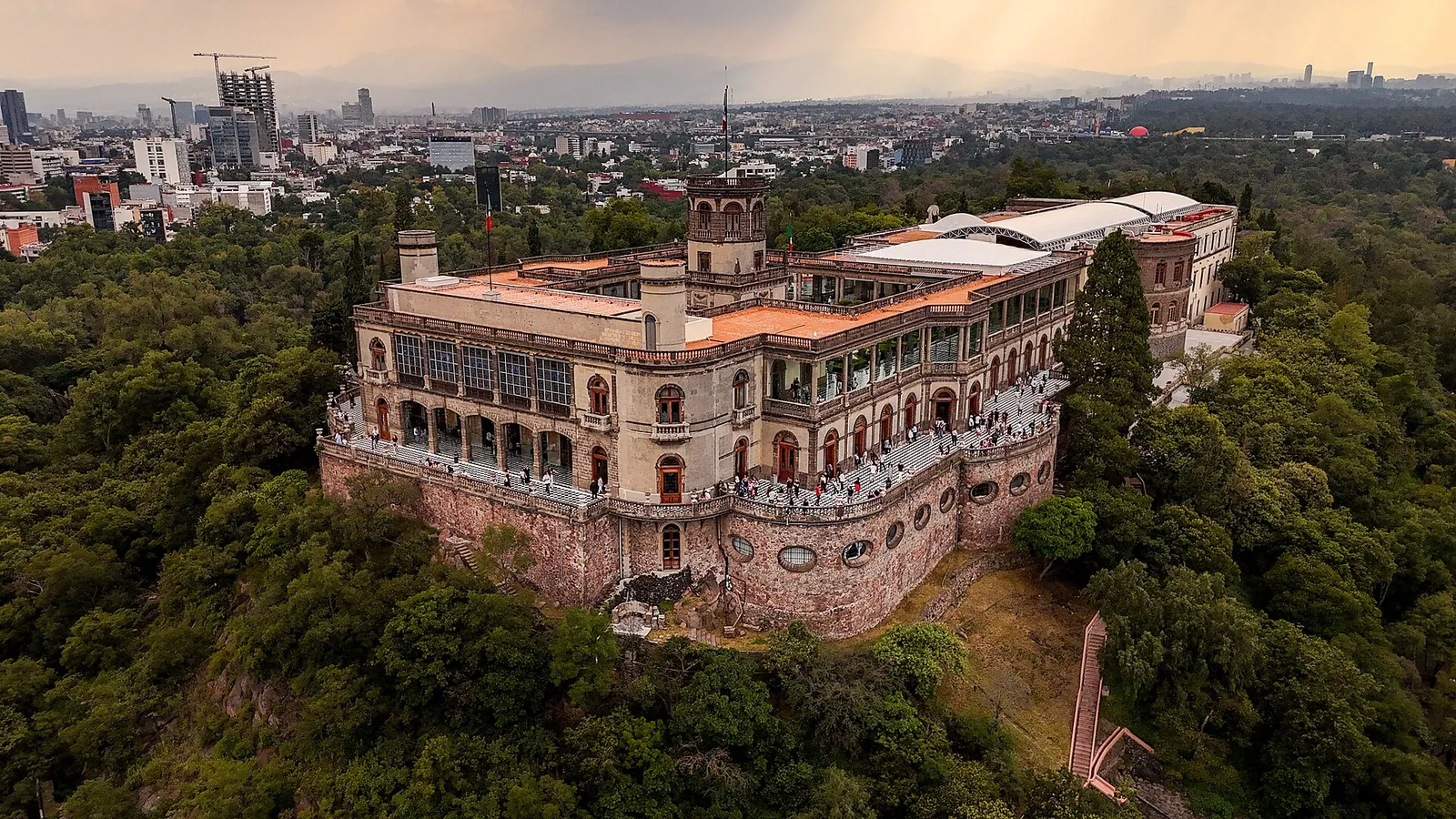
Explore the park. Chapultepec Castle, on the hill, houses the National Museum of History and has sweeping views over Reforma. We couldn’t verify its hours and fees today, so check the INAH website before you climb up.
Afterwards, walk or take a short ride north into Polanco for lunch and window-shopping on its tree-lined streets.
Evening
Take a taxi app or the Metrobús to Roma Norte or Condesa for the evening. Both are walkable neighbourhoods with Art Deco buildings, leafy parks and a big restaurant scene. It’s a lovely way to end a museum day.
Day 3: Day trip to Teotihuacan
Morning
Pyramid day is here! Set off early. Teotihuacan, the “place where the gods were made”, was one of the largest cities in ancient Mesoamerica, with more than 100,000 people at its peak. It is in the State of Mexico, northeast of the capital.
The site is open every day, 8:00 to 17:00, with last entry at 16:30. Entry costs MXN 210 (MXN 105 for nationals and residents).
Getting there: the simplest way to go independently is an intercity bus from Terminal Central del Norte (Metro Line 5, Autobuses del Norte station). Buy your ticket at the bus company’s counter inside the terminal and check departure times and fares there. Canada’s travel advice recommends bus companies with executive-class service on toll roads, travelling in daylight and taking care at bus stations. Another option is a guided tour run by a reputable company.
Afternoon
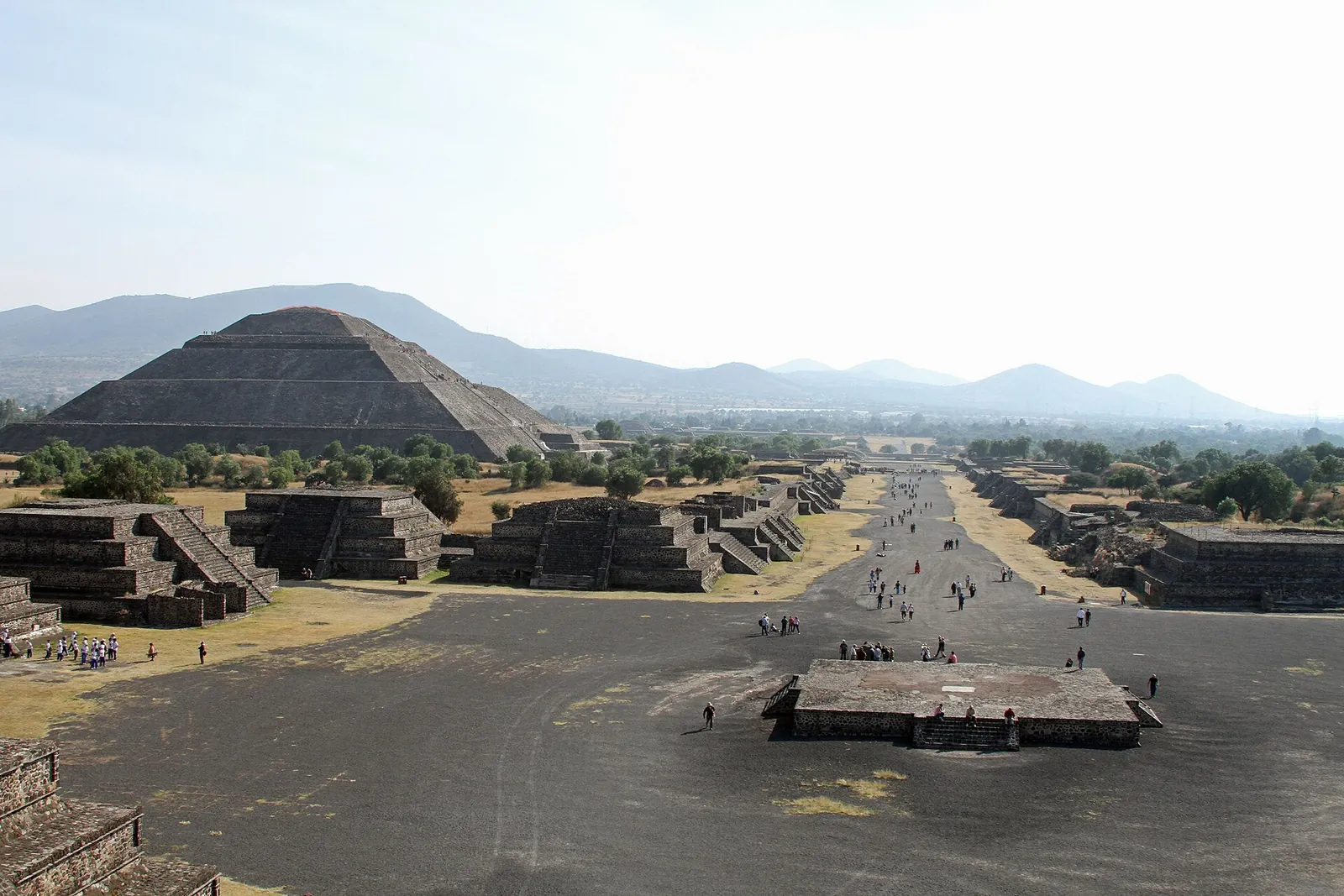
Walk the Avenue of the Dead and see the Pyramid of the Sun. Then visit the site museums, which reopened together with the archaeological zone in April 2026. There’s very little shade, so bring water, a hat and sunscreen, and wear good shoes. At this altitude the sun is strong even when the air feels cool.
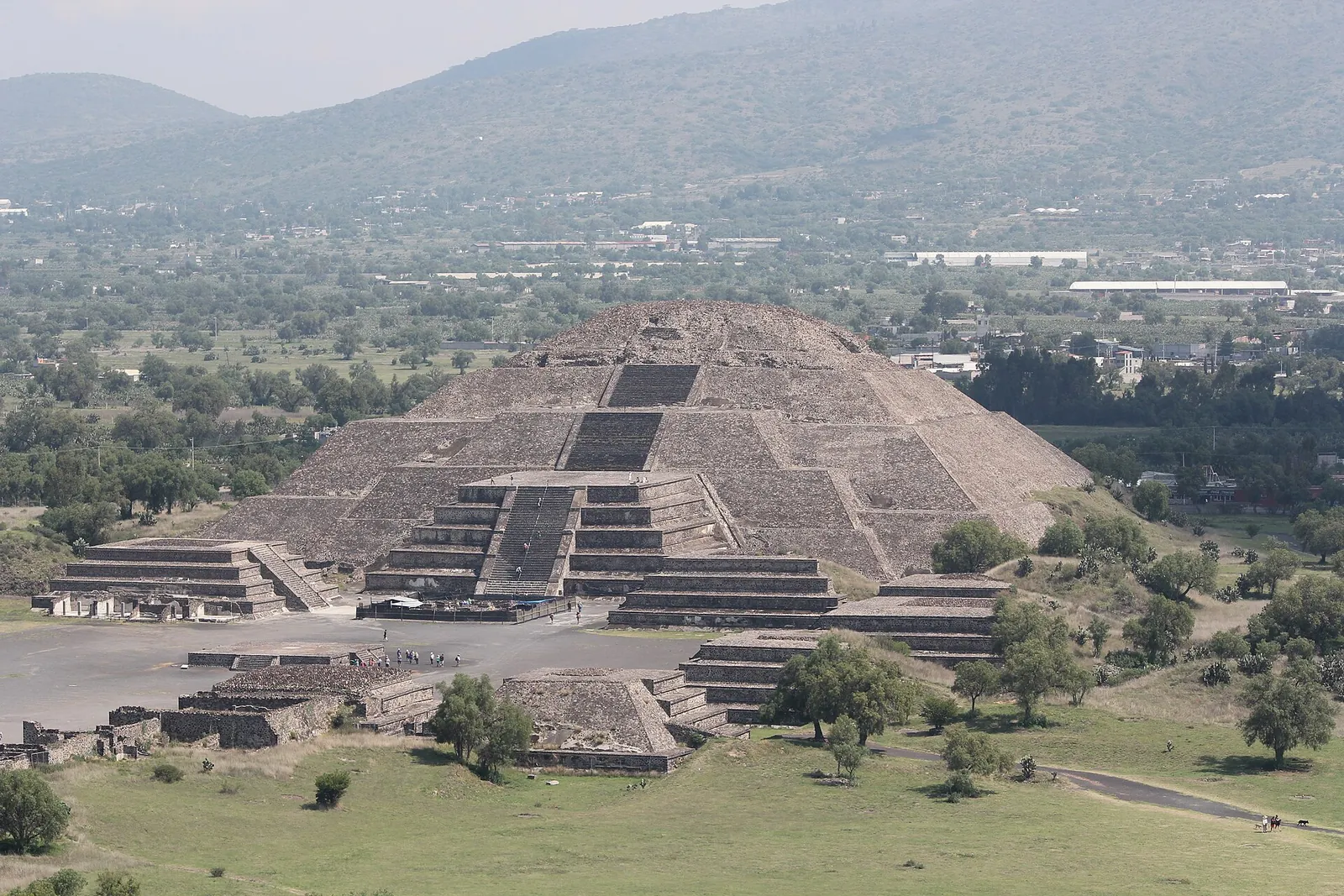
Climbing access changes. After a security incident in April 2026, INAH reopened the site with reinforced security and said access to the Pyramid of the Moon would stay closed until further notice. Check INAH’s channels for the current rules before you go.
Evening
Head back to the city before dark. After a long day in the sun, a relaxed dinner close to your accommodation is ideal.
Day 4: Coyoacán and Xochimilco
Morning
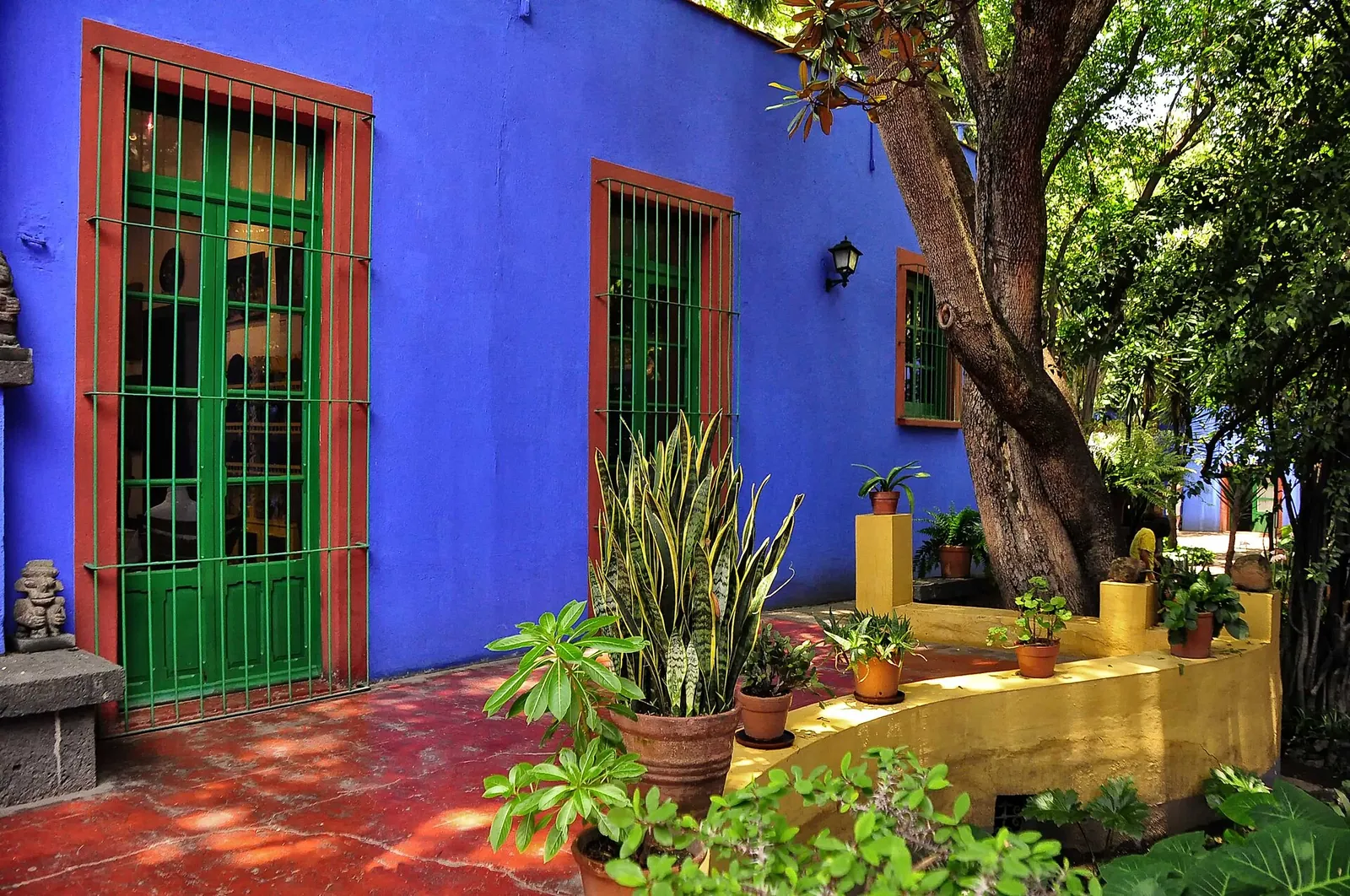
Your last day is all about Frida Kahlo and floating gardens. The Casa Azul (Museo Frida Kahlo) at Londres 247 in Coyoacán is where she was born, lived and died. Inside you’ll find her personal belongings, paintings, folk art and a lovely garden.
Book ahead: entry uses timed slots, released every 15 minutes from 10:00 on the official ticket site, and popular days sell out. When we checked, a general ticket cost MXN 320, children under 6 went free, and the Anahuacalli Museum (dedicated to Diego Rivera) was offered as a free add-on. The museum’s published schedule doesn’t include Monday opening. On Thursdays it runs “Noches Azules” (Blue Nights), with evening visits from 17:15 to 21:00.
Metro Line 3 is the useful line for Coyoacán. From the Coyoacán or Viveros/Derechos Humanos stations, allow roughly 20 minutes on foot to the museum, or take a short taxi-app ride.
Afterwards, walk to Coyoacán’s central plazas, Jardín Centenario and Jardín Hidalgo, about 10 to 15 minutes away, for coffee, churros and people-watching.
Afternoon
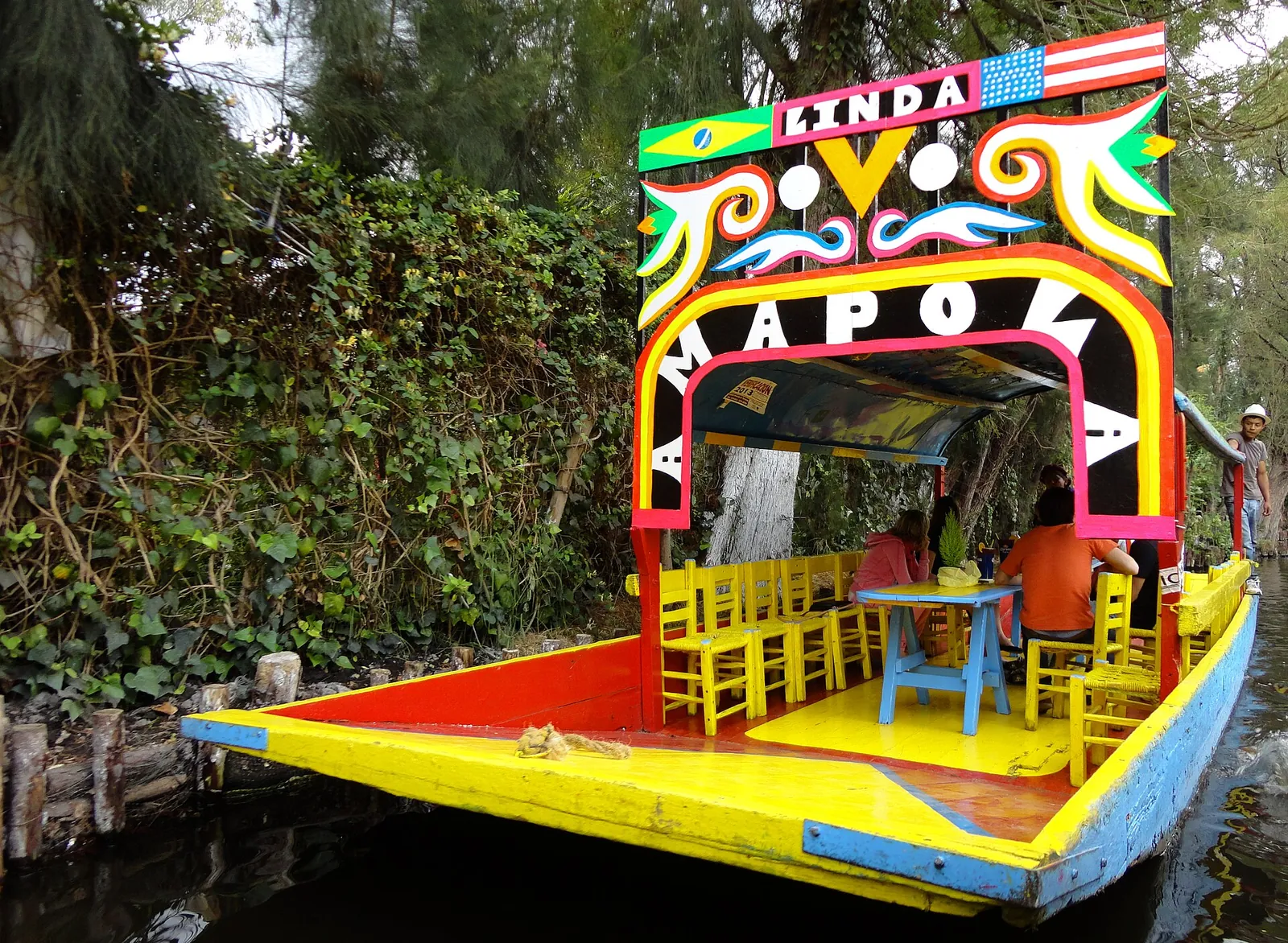
Head south to Xochimilco, whose canals and chinampas (floating gardens) date from the pre-Hispanic era. Colourful trajinera boats take you along the waterways while musicians and food vendors float past.
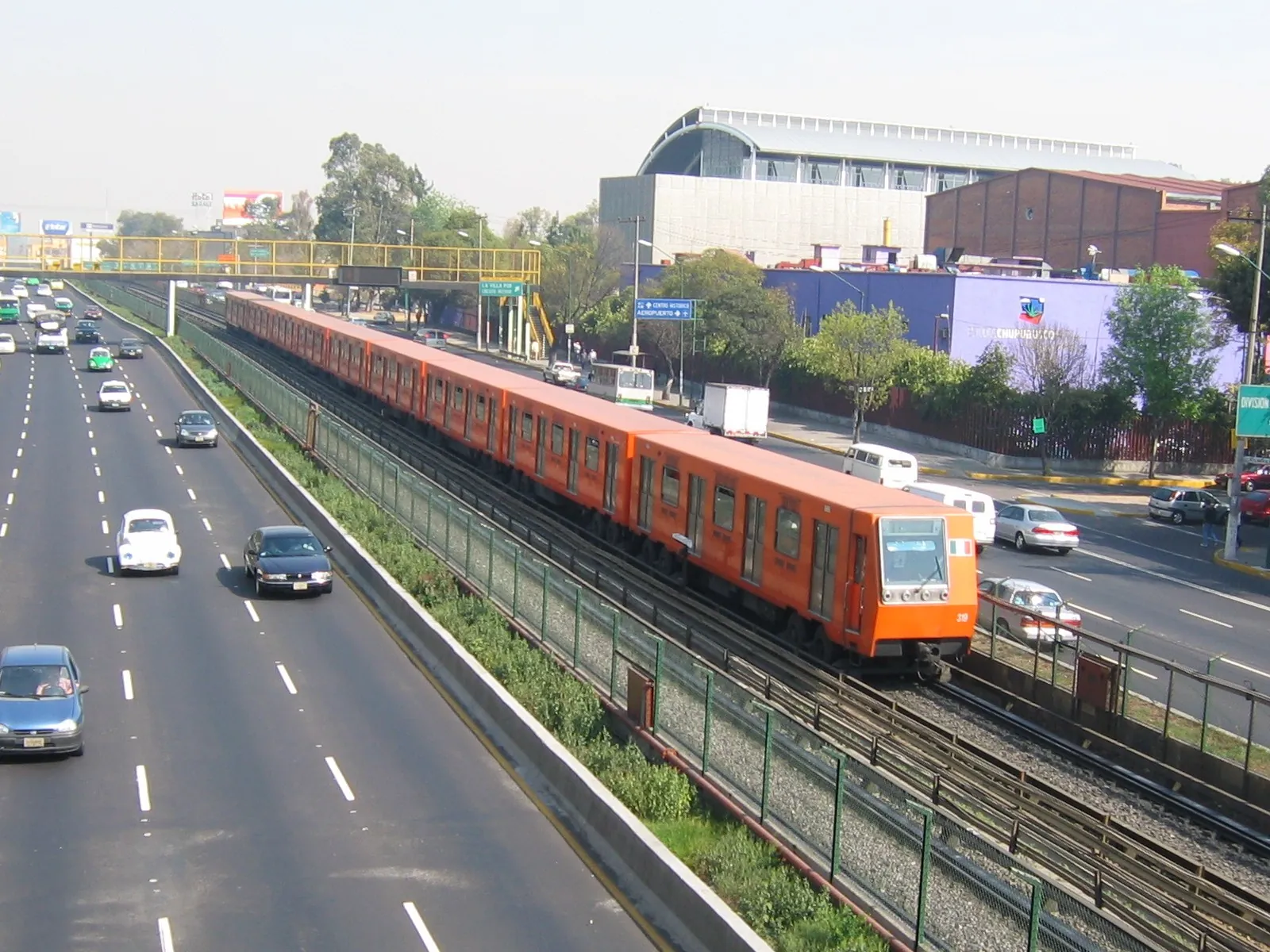
Take Metro Line 2 to its southern end at Tasqueña (also spelled Taxqueña), then the Light Rail (Tren Ligero) south to Xochimilco. Your MI card works on both. A taxi app is the easier choice if you’re tired.
We couldn’t verify official trajinera fares today, so agree the total price and the trip length before you board.
Evening
Back in the city, toast the end of your trip in Roma, Condesa or Coyoacán. If your last day falls on a Thursday, you could flip the order: Xochimilco first, then a Blue Night visit to the Casa Azul.
Getting there and getting around
From the airport (AICM): Mexico City International Airport has two terminals.
- Metrobús Line 4: the airport service connects Terminals 1 and 2 directly with the Centro Histórico. A ride costs MXN 30, against MXN 6 on other Metrobús routes. You pay with the MI card or a contactless bank card. Metrobús runs Monday to Saturday 04:30 to 24:00, and Sundays and holidays 05:00 to 24:00.
- Metro Line 5 connects directly with Terminal 1. It’s cheap (MXN 5) but can be a squeeze with luggage at rush hour.
- Authorised airport taxis: buy at the official taxi company counters inside the terminal. The AICM website lists the authorised companies. The airport has said that app-based taxi services are not authorised to operate in the airport’s federal zone, so stick to the official counters at arrival. Check fares at the counter, because we couldn’t verify them today.
The MI card (Tarjeta de Movilidad Integrada): buy one for MXN 15 at Metro ticket booths or at machines in Metrobús, Cablebús and Light Rail stations. The machines take cash and bank cards, and the maximum balance is MXN 500. Metro and Metrobús turnstiles also accept contactless bank cards and phone wallets.
Metro: a flat MXN 5 per trip, whatever the distance or number of transfers. It runs Monday to Friday 05:00 to 24:00, Saturdays 06:00 to 24:00, and Sundays and holidays 07:00 to 24:00. Rush hours are 7:00 to 10:00 and 17:00 to 21:00. On most trains, the first three cars are reserved for women and children under 12.
Taxis: use app-booked rides or official taxis rather than hailing on the street (see Heads-up).
Entry and visas: entry rules depend on your nationality and can change, so check the official Mexican government portal before booking. Start at the National Migration Institute (INM) at https://www.gob.mx/inm and the Ministry of Foreign Affairs (SRE) at https://www.gob.mx/sre, or contact your nearest Mexican consulate.
Where to stay
- Centro Histórico: for history lovers who want to walk to the Zócalo, Templo Mayor and Bellas Artes. Some streets get very quiet at night, so choose a well-lit, central block.
- Roma Norte and Condesa: our top pick for most first-timers. These leafy, walkable neighbourhoods have lots of cafés and restaurants and handy links to the rest of the city. Great for couples, foodies and solo travellers.
- Polanco: upscale, calm and right next to Chapultepec and the Anthropology Museum. It suits families and travellers who want a polished base.
- Coyoacán: relaxed and village-like, with colonial plazas. It’s further from the centre, so it suits slower travellers or a return visit.
Budget
These are the costs we could verify on official sources today. Entry prices are the rates for foreign visitors.
| Item | Typical cost |
|---|---|
| Museo Nacional de Antropología | MXN 210 |
| Templo Mayor (site and museum) | MXN 210 |
| Teotihuacan archaeological zone | MXN 210 |
| Museo Frida Kahlo, general ticket | MXN 320 |
| MI transit card (one-off) | MXN 15 |
| Metro ride (any distance) | MXN 5 |
| Metrobús ride (standard) | MXN 6 |
| Metrobús Line 4 airport service | MXN 30 |
Our frontmatter figure of MXN 220-550 per day covers entry tickets and city transit only. Day 2 comes in at about MXN 220, and Day 4 is higher because of the Casa Azul ticket and the longer trip south. Not included: accommodation, meals, flights, the intercity bus or tour to Teotihuacan, trajinera hire, Chapultepec Castle and Bellas Artes tickets, airport taxis and taxi-app rides. Check current rates for these before you go.
Practical tips
- Closing days: the Anthropology Museum, Templo Mayor and the Frida Kahlo Museum are closed on Mondays. Teotihuacan opens daily.
- Pre-book: buy Frida Kahlo Museum tickets for a timed slot on the official ticket site, ideally several days ahead.
- Dress: wear layers for cool mornings and strong midday sun, plus comfortable walking shoes. Cover your shoulders and knees in churches.
- Altitude and air: the city sits at 2,240 m. Drink plenty of water and pace yourself on Day 1. Air pollution tends to peak between December and March, so speak to your doctor before the trip if you have heart or lung conditions.
- Rainy season: heavy rain is most likely between May and November. Pack a light rain jacket and allow extra travel time, because the Metro and Metrobús both slow down in the rain.
- Money: carry some pesos for small purchases, and use contactless cards where you can, for example on the Metro and Metrobús turnstiles. Canada’s travel advice suggests avoiding withdrawing or exchanging money in the public areas of the airport.
- SIM and eSIM: an eSIM bought before you fly is the easiest option. You can also buy a local SIM at an official carrier store in the city. Check current plans and ID requirements with the carrier.
Heads-up
Mexico City is a joy to explore, and a bit of street smarts makes it even better. These points come from official sources:
- Taxis: Canada’s travel advice warns against hailing taxis on the street. It describes “express kidnappings”, where criminals working with or posing as taxi drivers force victims to withdraw cash at ATMs. Use reputable taxi companies, official stands or ride-hailing apps. Authorised Mexico City taxis are pink and white, with plates starting with “A” or “B”. Card fraud has also been reported in taxis hailed on the street.
- Pickpockets: petty theft happens, including on the Metro and at busy tourist sites. The city’s own Metro guidance suggests wearing your bag on your front in crowds, keeping wallets and phones out of back and outer pockets, and watching your belongings during transfers.
- Spiked drinks: Canada warns that drinks, food, gum or cigarettes are sometimes drugged in bars, clubs and taxis. Never leave your drink unattended, and don’t accept items from strangers.
- Demonstrations: protests are frequent in Mexico City and can block roads and disrupt transport. Steer clear of them, because it is illegal for foreigners to take part in political activity in Mexico.
- Police shakedowns: if someone demands cash on the spot, Canada advises not handing over money or your passport. Ask for the officer’s name and badge number and request a written fine.
- Teotihuacan access: after the April 2026 incident, the site reopened with reinforced security and the Pyramid of the Moon closed until further notice. Check current access before you go.
- Earthquakes: Mexico lies in an active seismic zone, and Mexico City is among the areas where earthquakes occur. Take a moment to learn your accommodation’s emergency procedures.
- Altitude: altitude illness can be serious. Rest if you feel unwell, and get medical help if your symptoms get worse.
FAQ
Is four days enough for Mexico City?
Yes, for a first visit. Four days covers the Centro, Chapultepec, Teotihuacan and Coyoacán with Xochimilco at a comfortable pace. If you have more time, add markets, more museums or a slower day in Roma and Condesa.
Which day should I visit Teotihuacan?
Monday, if your dates include one. Teotihuacan opens daily from 8:00 to 17:00, while many big city museums close on Mondays.
Can I climb the pyramids at Teotihuacan?
Access rules change. After April 2026, INAH said access to the Pyramid of the Moon would stay closed until further notice. Check INAH’s official channels just before your visit.
Can I pay for the Metro with my bank card?
Yes. Metro and Metrobús turnstiles accept contactless bank cards and phone wallets. You can also buy an MI card for MXN 15 and top it up.
What’s the best way from the airport to the centre?
Metrobús Line 4 (MXN 30) runs from both terminals to the Centro Histórico. You can also use an authorised taxi from the official counters inside the terminal. App-based taxis aren’t authorised in the airport’s federal zone.
Do I need to book the Frida Kahlo Museum in advance?
It’s strongly recommended. Entry is by timed slot through the official ticket site, and popular times can sell out.
Sources
Prices, hours and rules change. We checked these on 24 October 2026; please confirm on the official page before you book.
- INAH: Museo Nacional de Antropología
- INAH: Museo del Templo Mayor
- INAH: Zona Arqueológica Teotihuacan
- INAH Boletín 166: La Zona Arqueológica de Teotihuacan reabrirá al público este miércoles 22 de abril
- Museo Frida Kahlo: Official tickets, Casa Azul
- Mexico City Tourism (CDMX): Using the Metro
- Mexico City Tourism (CDMX): Traveling by Metrobús
- AICM: Taxis autorizados
- AICM: Grupo Aeroportuario Marina sostiene reunión con agrupaciones de taxis en el AICM
- Government of Canada: Mexico travel advice and advisories
Photo credits (11)
- Palacio de Bellas Artes glowing at dusk: Daniel Case, CC BY-SA 3.0, via Wikimedia Commons
- The Metropolitan Cathedral rising over the Zócalo: Daniel Case, CC BY-SA 3.0, via Wikimedia Commons
- A carved serpent head at the Templo Mayor ruins: Mike Peel (www.mikepeel.net), CC BY-SA 4.0, via Wikimedia Commons
- The great umbrella courtyard of the Anthropology Museum: Mike Peel (www.mikepeel.net), CC BY-SA 4.0, via Wikimedia Commons
- Chapultepec Castle on its wooded hill above the city: ProtoplasmaKid, CC BY-SA 4.0, via Wikimedia Commons
- The Pyramid of the Sun beyond the Avenue of the Dead: Greg Schechter from San Francisco, USA, CC BY 2.0, via Wikimedia Commons
- The Pyramid of the Moon and the plaza at Teotihuacan: Arian Zwegers from Brussels, Belgium, CC BY 2.0, via Wikimedia Commons
- Cobalt-blue walls and plants at the Casa Azul: Rod Waddington from Kergunyah, Australia, CC BY-SA 2.0, via Wikimedia Commons
- A brightly painted trajinera boat on a Xochimilco canal: Juan Carlos Fonseca Mata, CC BY-SA 3.0, via Wikimedia Commons
- A plate of street tacos topped with onion and coriander: LWYang from USA, CC BY 2.0, via Wikimedia Commons
- An orange Mexico City Metro train beside a busy road: Daniel Manrique (Roadmaster), CC BY-SA 3.0, via Wikimedia Commons
This is a researched plan, not a personal trip report. How we research · Affiliate disclosure