
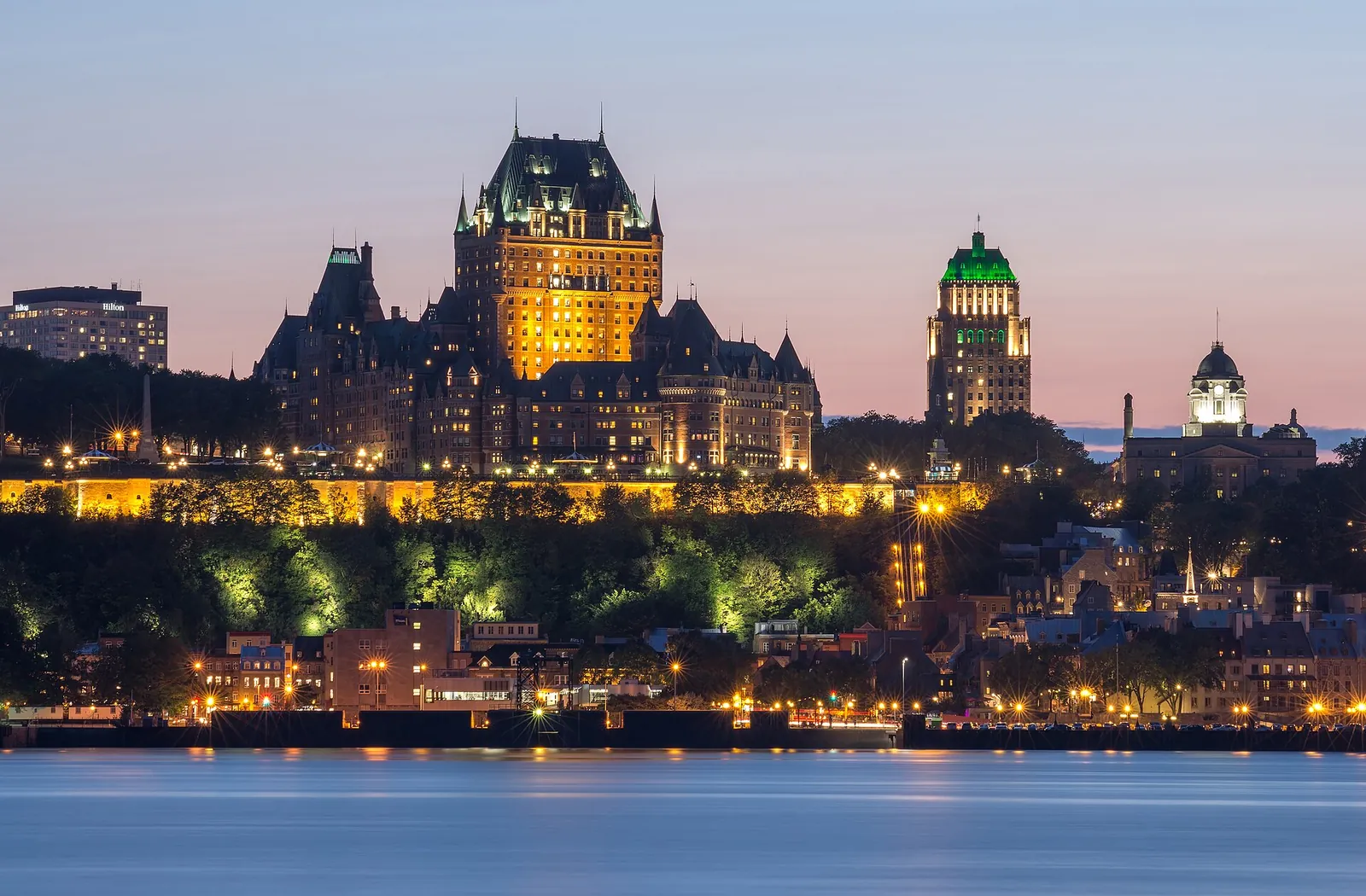
5 Days in Montreal and Quebec City: A Day-by-Day Itinerary
A 5-day Montreal and Quebec City itinerary: Old Montreal, Mount Royal and Jean-Talon market, then the train to Old Quebec and Montmorency Falls.
- 🗓️ Trip length
- 5 days
- ☀️ Best time
- June to September; December to March for snow and winter festivals
- 💰 Daily spend
- CAD 25-80 for sights and local transport (excl. intercity train, room and meals)
- ✅ Facts checked
- 1 November 2026
Get ready for a little slice of Europe in North America. Montreal and Quebec City share a language, a long history and a love of good food, yet they feel very different. Montreal is big, creative and full of neighbourhoods to wander, while Quebec City is a walled old town of stone houses, steep lanes and river views. Five days is a sweet spot: enough to see the highlights of both without rushing.
You’re going to love it. This plan suits first-time visitors who don’t want to rent a car. You spend two full days in Montreal, take the train to Quebec City on Day 3, and finish with Old Quebec and Montmorency Falls. Each day is grouped by area so you spend your time exploring, not commuting. Prices and hours below were checked on official sites on 1 November 2026. Things change, so take a quick look at each official site before you go.
5 days in Montreal and Quebec City at a glance
| Day | Area | Highlights |
|---|---|---|
| 1 | Old Montreal | Notre-Dame Basilica, Place d’Armes, Place Jacques-Cartier, Bonsecours Market, Old Port, AURA show |
| 2 | Markets and the mountain | Jean-Talon Market, Little Italy, the Plateau and Mile End, sunset on Mount Royal |
| 3 | Train to Quebec City | VIA Rail to Gare du Palais, Lower Town, Place Royale, Petit-Champlain, Dufferin Terrace |
| 4 | Upper Town | La Citadelle, Plains of Abraham, the city walls, Chateau Frontenac area by night |
| 5 | Montmorency Falls | Bus 800 to the falls, suspension bridge and staircase, last stroll in Old Quebec |
Language tip: French is the main language in Quebec. In both cities you will be fine in English at hotels, museums and most restaurants, but a friendly “Bonjour” goes a long way. Signs, menus and transit announcements are often in French first.
Day 1: Old Montreal
Morning
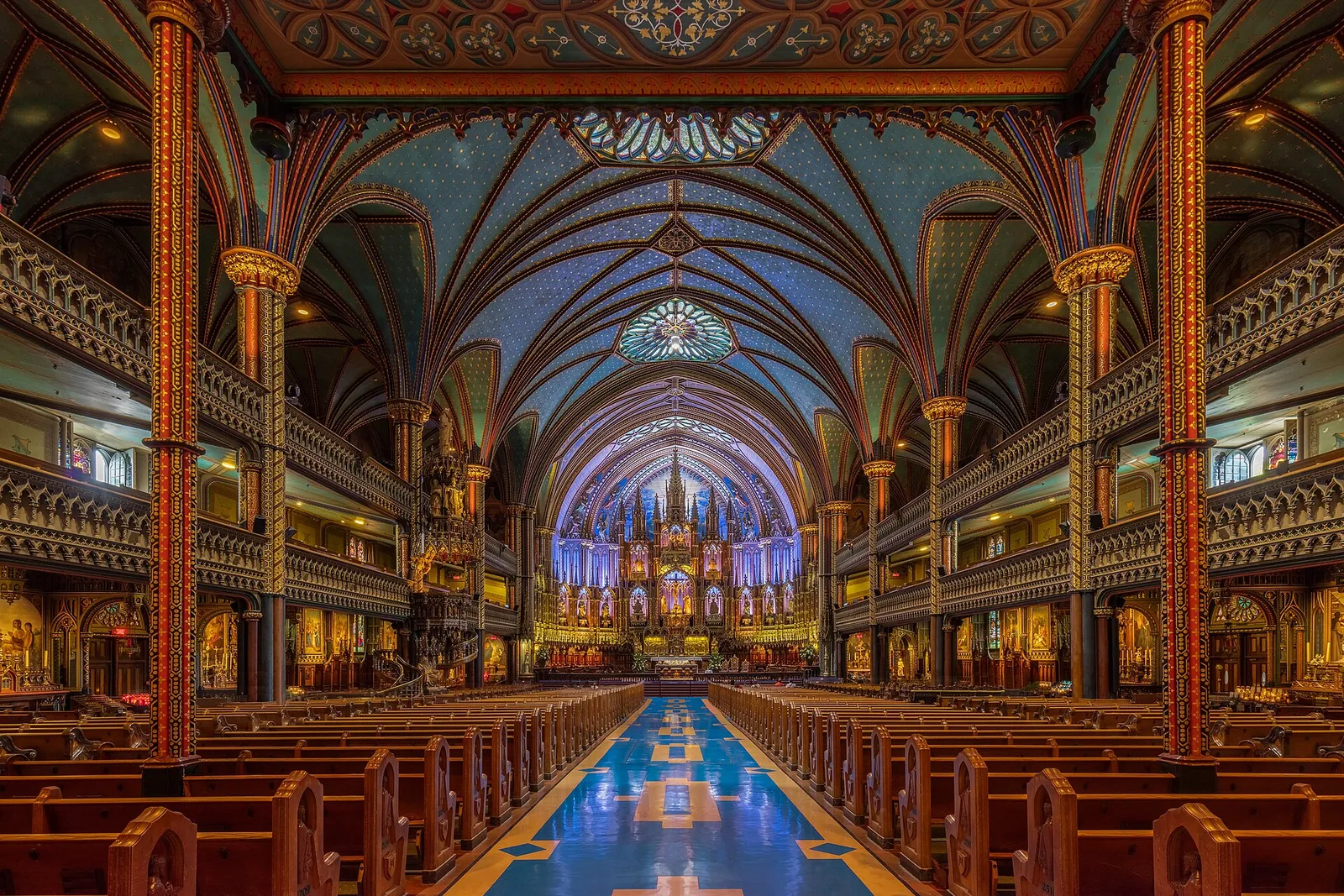
Get ready for a postcard-pretty start in Old Montreal (Vieux-Montreal), the historic quarter by the St. Lawrence River, with cobbled streets and grey stone buildings. Head first to Place d’Armes and the Notre-Dame Basilica at 110 Notre-Dame Street West. Its deep blue, gold and carved wood interior is the main reason people come to Old Montreal.
The daytime sightseeing visit runs Monday to Saturday from 9 am to 4 pm and Sunday from 12:30 pm to 4 pm. Prices start at, before tax:
- CAD 16 for adults
- CAD 15 for seniors (65+)
- CAD 14 for students (17 to 22)
- CAD 10 for children (6 to 16)
- Free for children 5 and under
Family tickets are also available. The Basilica is an active church, so visiting hours can change for services and events. Check the official site on the day.
Afternoon
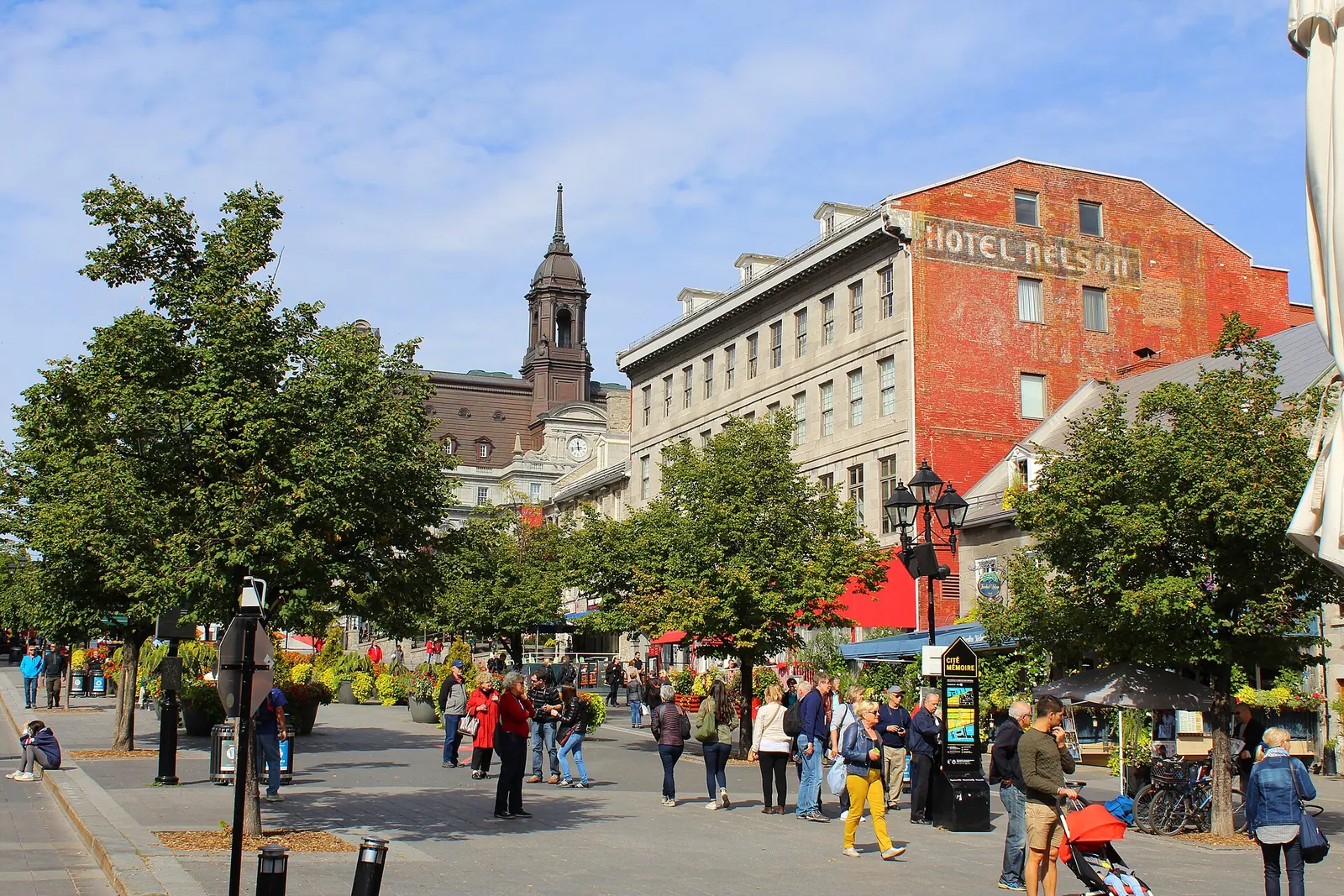
Walk east along Notre-Dame Street to Place Jacques-Cartier, a sloping square lined with terraces, and then down to the Old Port. The waterfront promenade is free and lovely for a stroll at any time of year. Pop into Bonsecours Market, the long building with the silver dome, for local design shops, then wander the lanes around Rue Saint-Paul and Rue Saint-Amable.
Lunch is easy here: cafes and bistros fill the old streets. If you would rather eat cheaply, grab something to go and sit by the water.
Evening
Come back to the Basilica for AURA, an evening light and sound show inside the church. Ticket prices start at CAD 37 for adults, CAD 32 for seniors, CAD 31 for students and CAD 22 for children (6 to 16), before tax. Show times are not listed on the Basilica’s rates page, so check the ticketing page before you go. A combined daytime visit and AURA offer starts from CAD 43.50. Ticket sales are final, and after 4 pm tickets can only be bought online or by phone.
Day 2: Jean-Talon Market and Mount Royal
Morning
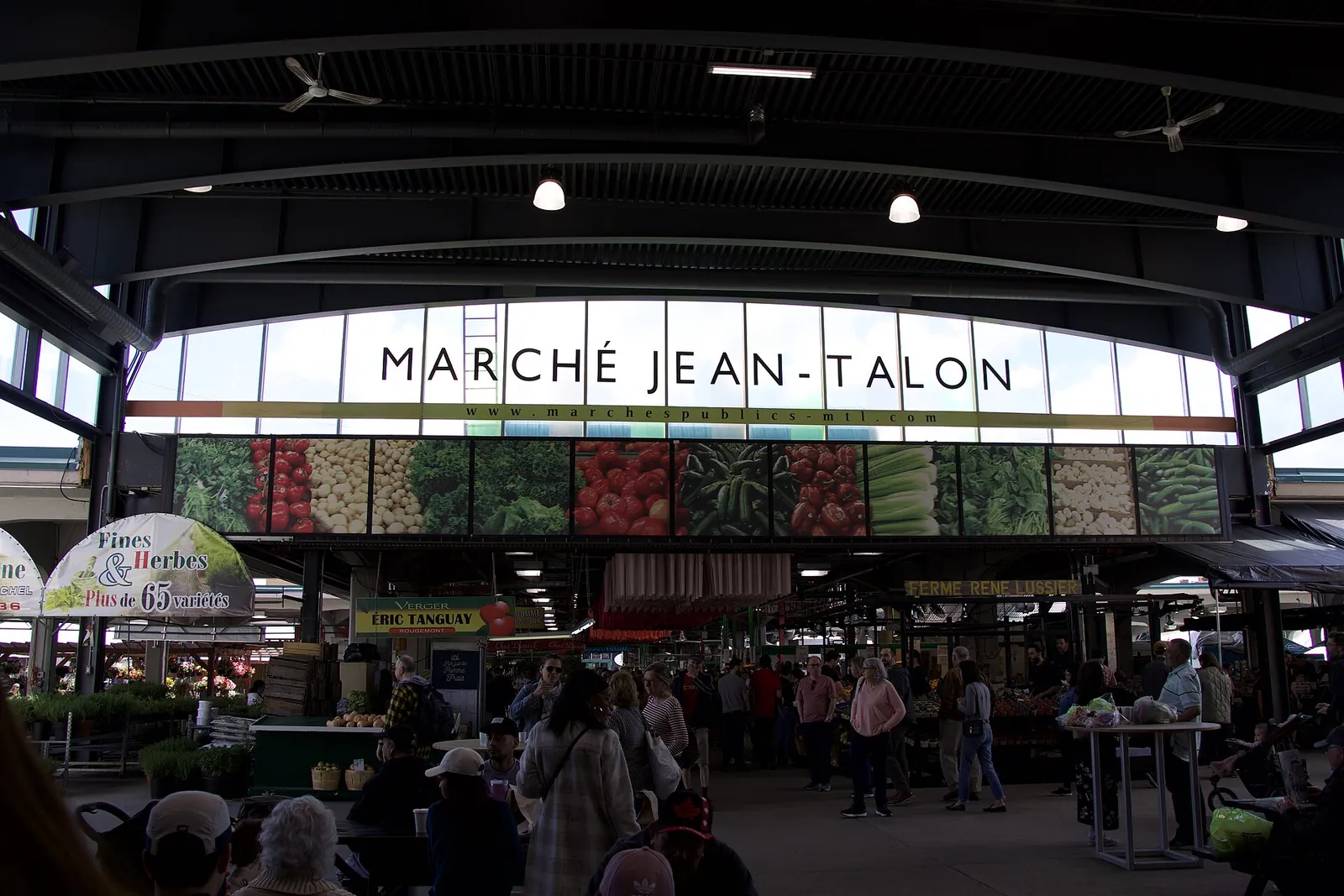
Save your appetite for this morning! Take the metro to Jean-Talon or De Castelnau station for Jean-Talon Market, one of North America’s best-loved open-air markets, at 7070 Henri-Julien Avenue. It opens Monday to Saturday from 8 am to 6 pm and Sunday from 8 am to 5 pm. Come hungry: you will find Quebec cheeses, maple products, fresh fruit, bakeries and small food counters.
The market changes with the seasons. From around late April to October the stalls fill the outdoor aisles, and as winter approaches the market moves indoors. From June to October the aisles are closed to cars from Thursday to Sunday between 11 am and 5 pm, which makes those days especially pleasant.
Afternoon
Walk south from the market into Little Italy for an espresso, then take the metro or a bus towards the Plateau Mont-Royal and Mile End. These are Montreal’s most photogenic residential neighbourhoods, known for colourful row houses with outdoor spiral staircases, murals, independent shops and the city’s famous bagel bakeries. Take your time: this is a day for strolling and snacking.

Evening
Finish on Mount Royal (Mont-Royal), the wooded hill that gives Montreal its name. The classic goal is the Kondiaronk Belvedere, a terrace in front of the Chalet du Mont-Royal with a sweeping view over downtown and the river. Many visitors walk up from the downtown side via the stairs and paths that start near Peel Street, which takes roughly 30 to 45 minutes uphill at a steady pace. If you’d rather save your legs, STM bus 11 runs across the mountain and stops near the Chalet. Check current routes in the STM planner or the Chrono app.
Go up about an hour before sunset and bring a layer, because it is often windier at the top. Head back down while there is still some light, then have dinner downtown or back on the Plateau.
Day 3: Train to Quebec City and the Lower Town
Morning
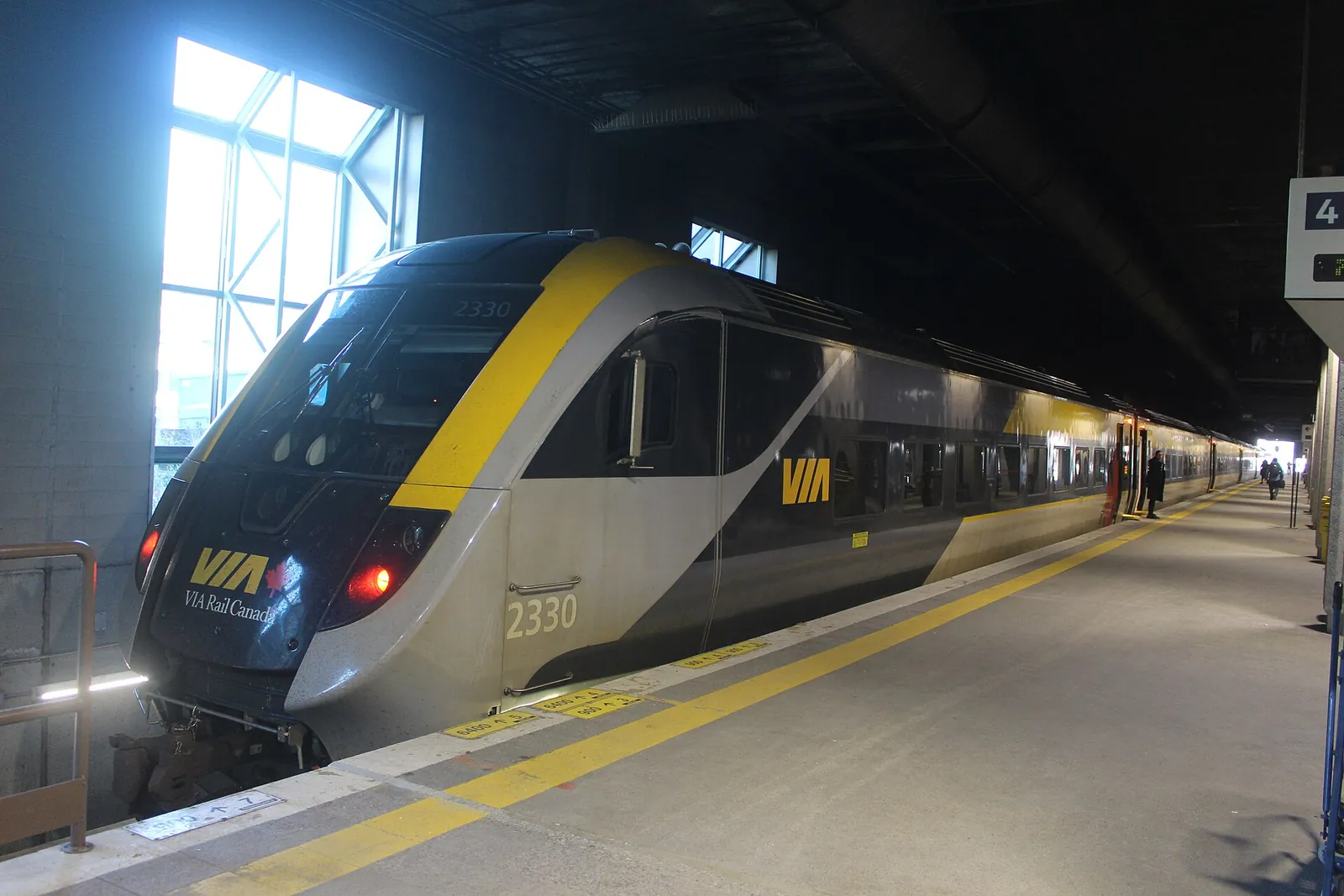
Today you swap cities, and the ride is part of the fun. Take the train from Montreal Central Station (Gare Centrale) downtown to Quebec City’s Gare du Palais at 450 rue de la Gare du Palais. VIA Rail runs several departures a day, and the trip usually takes a little over three hours, depending on the train. Fares vary with the fare type and how early you book, so compare prices on the official VIA Rail site and book ahead for the best deals. Note that some trains also stop at Sainte-Foy in the suburbs: stay on until Gare du Palais, which is at the foot of the old town.
Prefer the bus? Orleans Express coaches run between Montreal and Quebec City several times a day. Check the network status page before you travel, as the company currently lists service changes and major work at the Montreal Bus Terminal.
Afternoon
Drop your bags and start with Quebec City’s Lower Town (Basse-Ville). Old Quebec is a UNESCO World Heritage Site, so even the shortest walk is full of history.
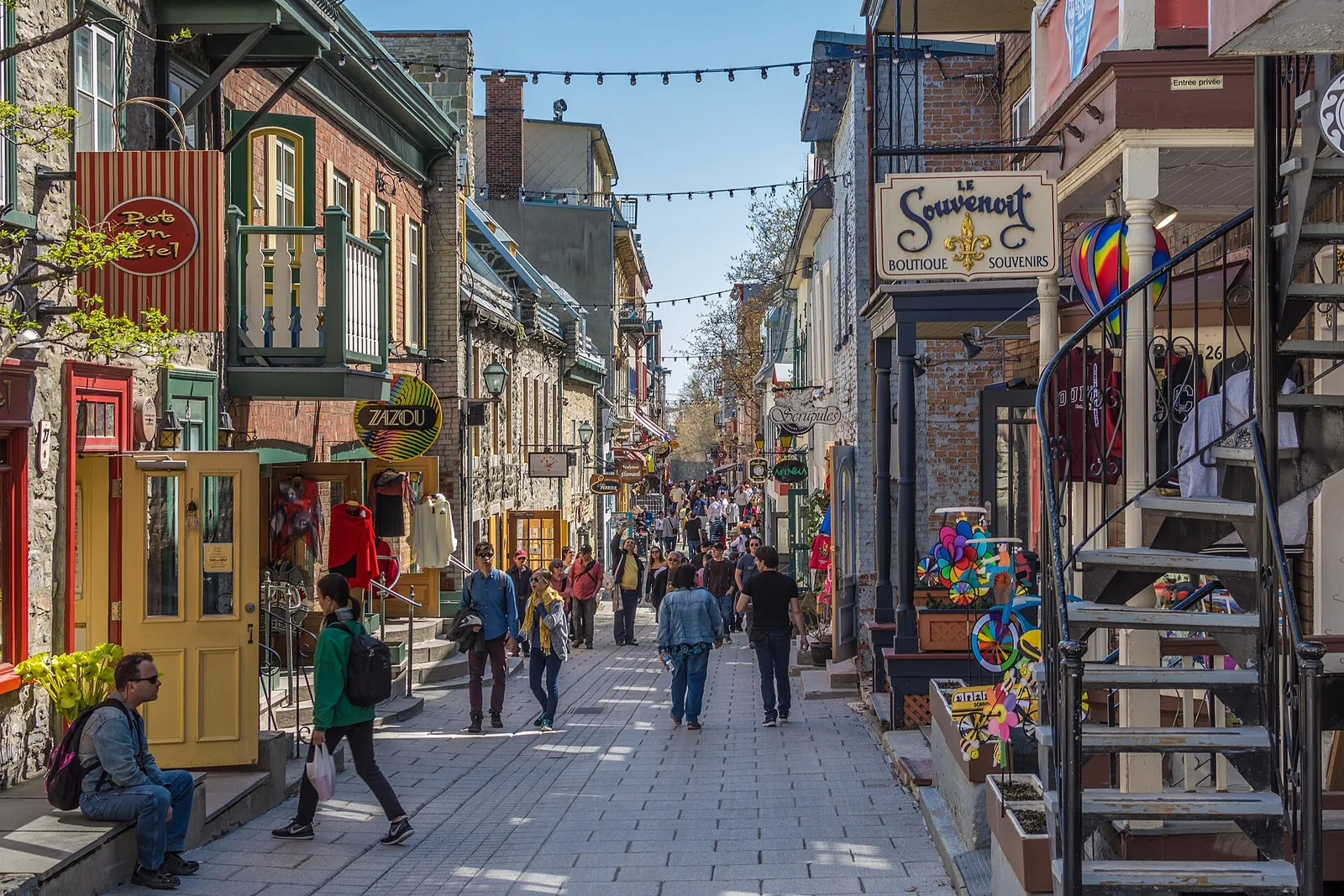
Head to Place Royale, the small square where French settlement in the city began, with the stone church of Notre-Dame-des-Victoires. Then wander Quartier Petit-Champlain, a narrow pedestrian street of boutiques and cafes. Look for the large painted murals on the building ends nearby.
Evening
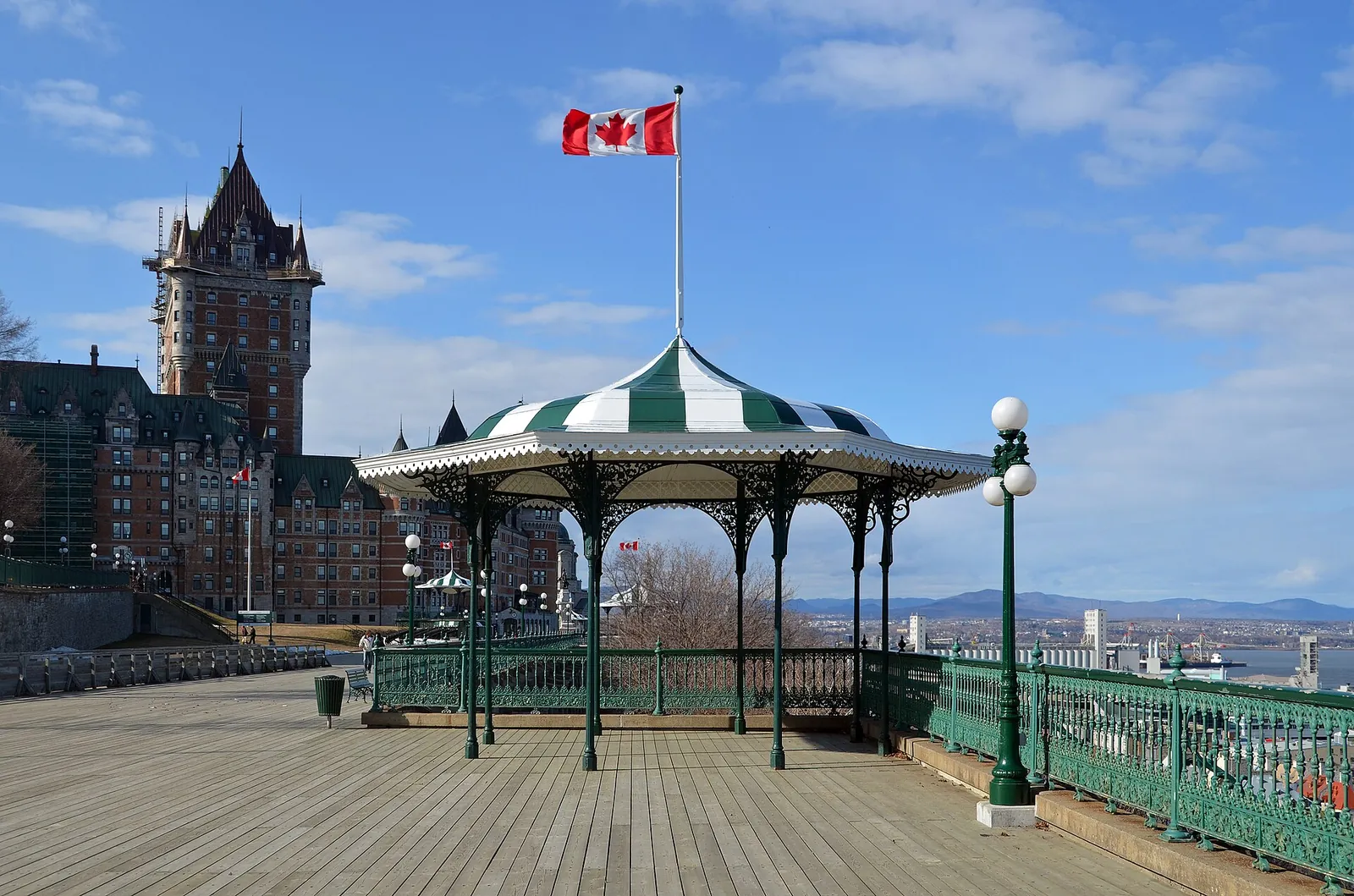
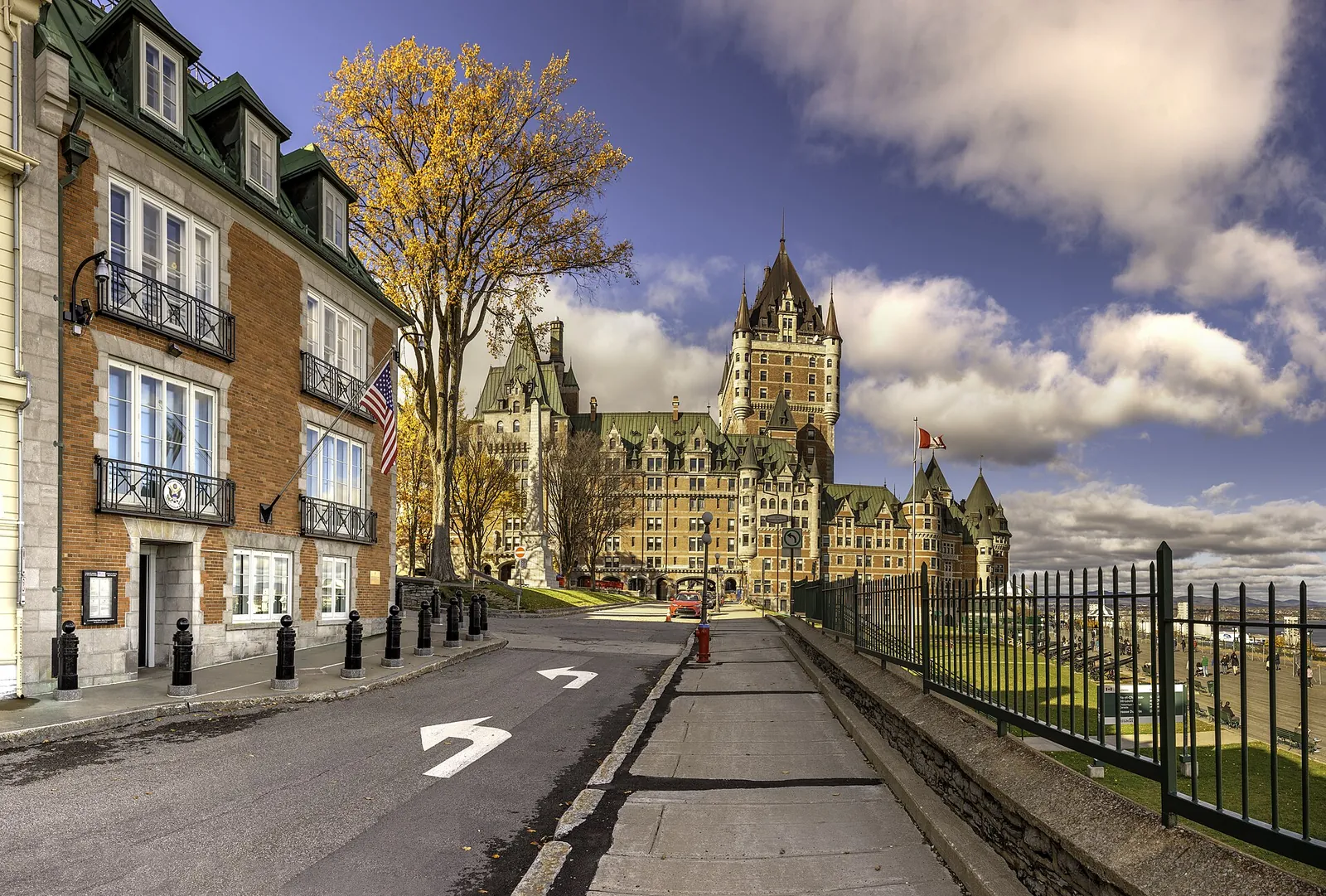
Ride the Old Quebec Funicular or climb the steep Breakneck Stairs (Escalier Casse-Cou) up to the Dufferin Terrace, the wooden boardwalk beside the Chateau Frontenac. The castle-like hotel, with its green copper roofs, is the most photographed building in the city, and the terrace view over the St. Lawrence at dusk is a highlight of the whole trip. The funicular fare is only a few dollars, but it is not published clearly online. Check the price at the base station, and bring a little cash in case cards are not accepted.
Day 4: The Upper Town, the Citadelle and the Plains
Morning
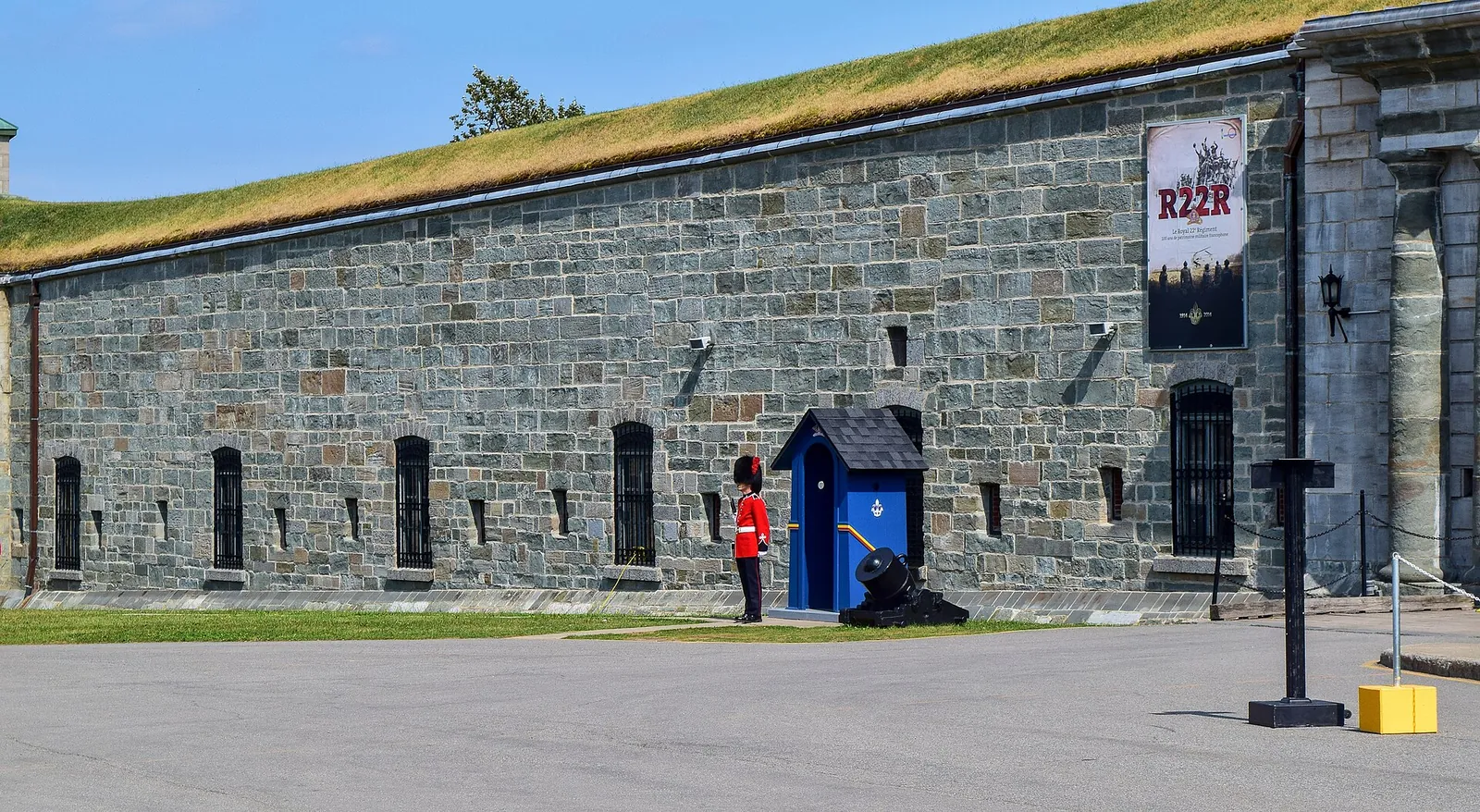
This is the day for ramparts, gates and big river views. Walk to La Citadelle de Quebec, the star-shaped fortress on Cap Diamant. It is still an active military base, so you can only visit with a guide. For fall and winter 2026 (1 September 2026 to 21 May 2027), it opens daily from 10 am to 5:30 pm. Adult admission is CAD 22, which includes a 60-minute outdoor guided tour and entry to the Royal 22e Regiment Museum. The museum is closed on 25 December and 1 January. In summer some ceremonies, such as the changing of the guard, may be open to the public, so check the official site for dates and times.
Afternoon
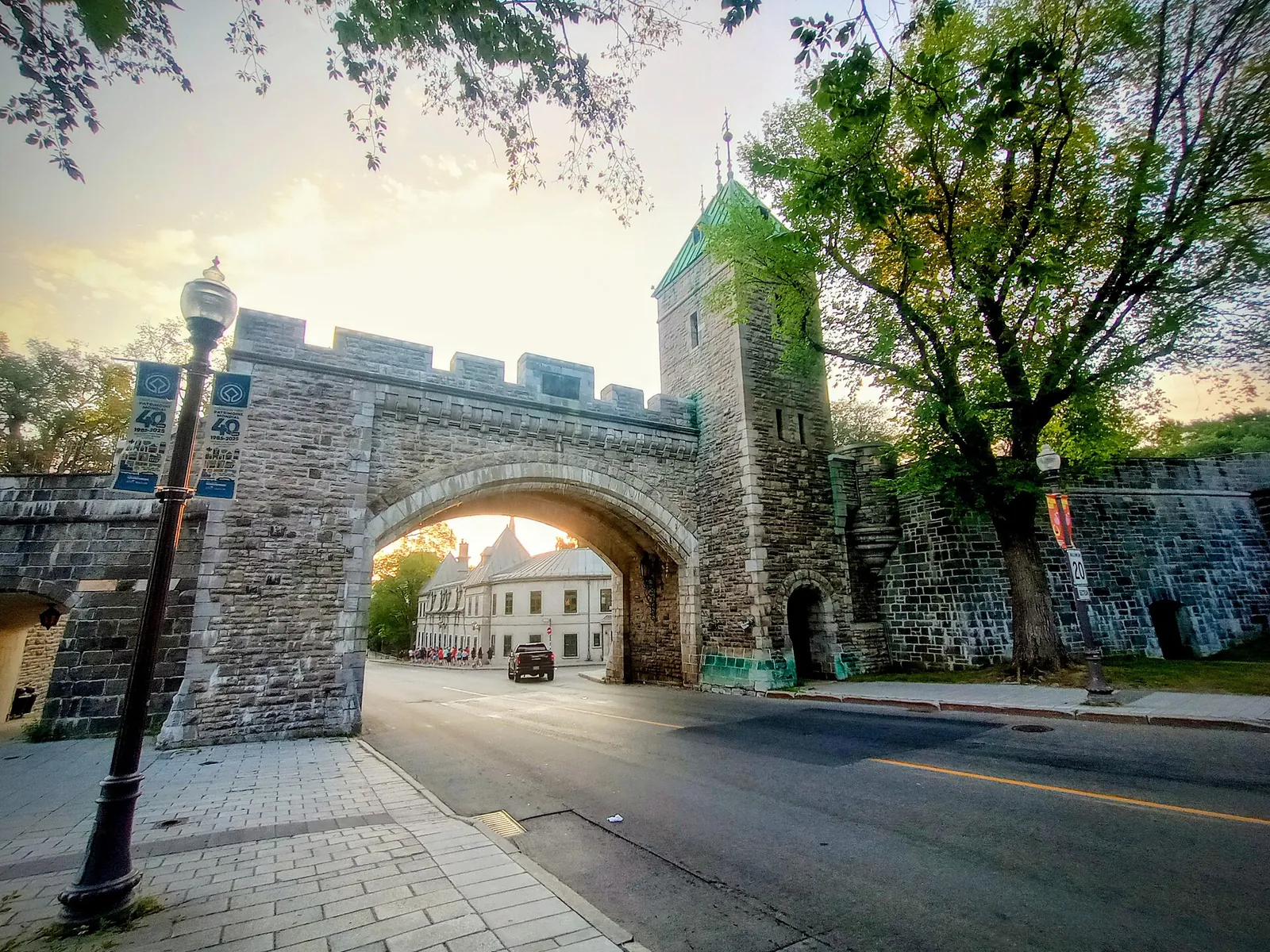
Step out of the Citadelle onto the Plains of Abraham, the huge park where the 1759 battle between British and French forces took place. Today it is a place for picnics and walks in summer and for cross-country skiing and snowshoeing in winter. Then follow the city walls around the Upper Town. You can walk sections of the ramparts and pass through the old gates, such as Porte Saint-Louis and Porte Saint-Jean.
From Porte Saint-Jean, stroll along Rue Saint-Jean, a lively street of shops, cafes and pubs, and peek into the side streets of the Latin Quarter.
Evening
Treat yourself to dinner in the Upper Town and finish with an evening walk past the floodlit Chateau Frontenac and the Dufferin Terrace. In winter, look out for the toboggan slide that sometimes runs beside the terrace, and check the city’s events calendar, as Quebec City is famous for its winter carnival in late January and February.
Day 5: Montmorency Falls and a last look at Old Quebec
Morning
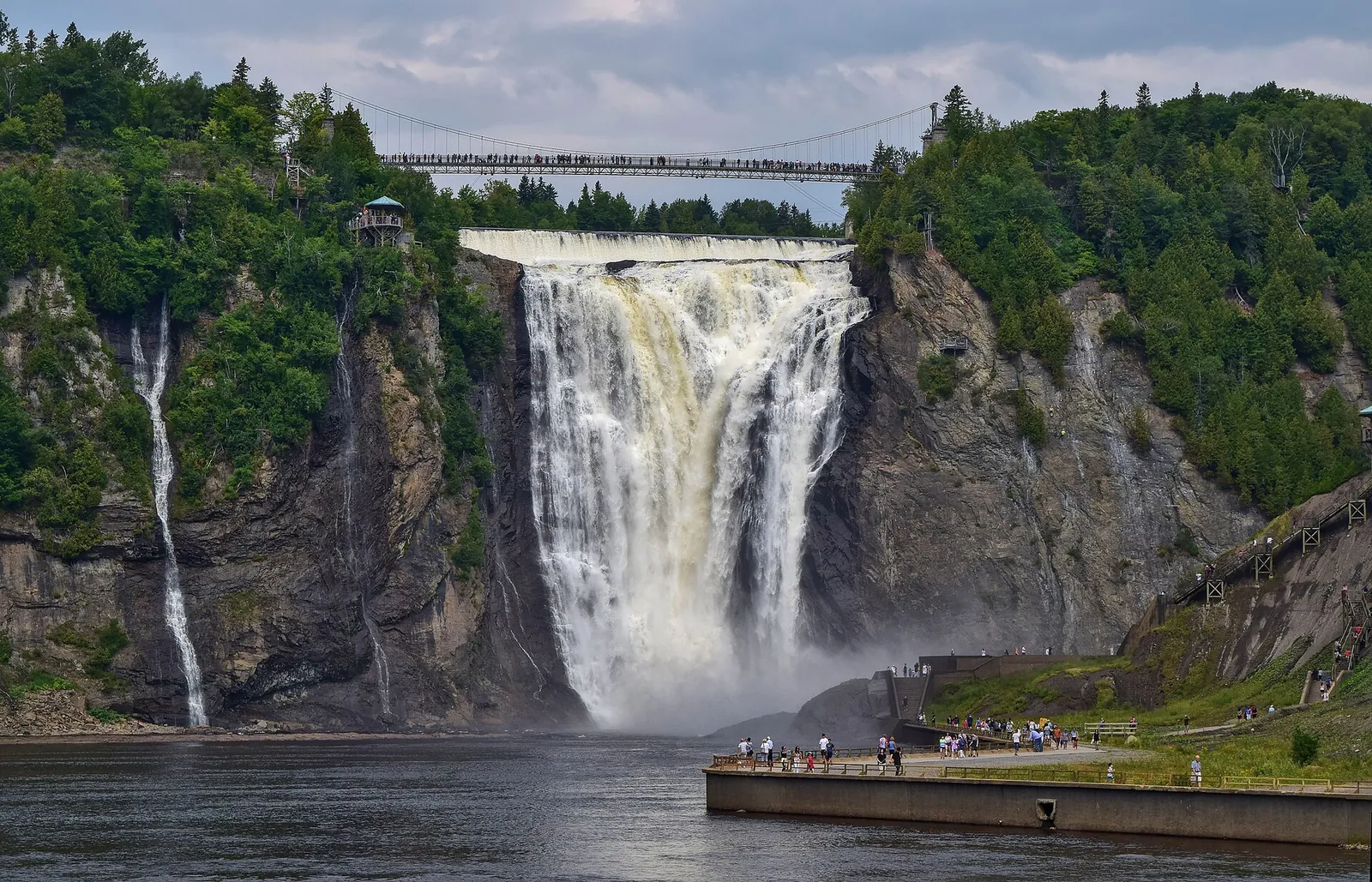
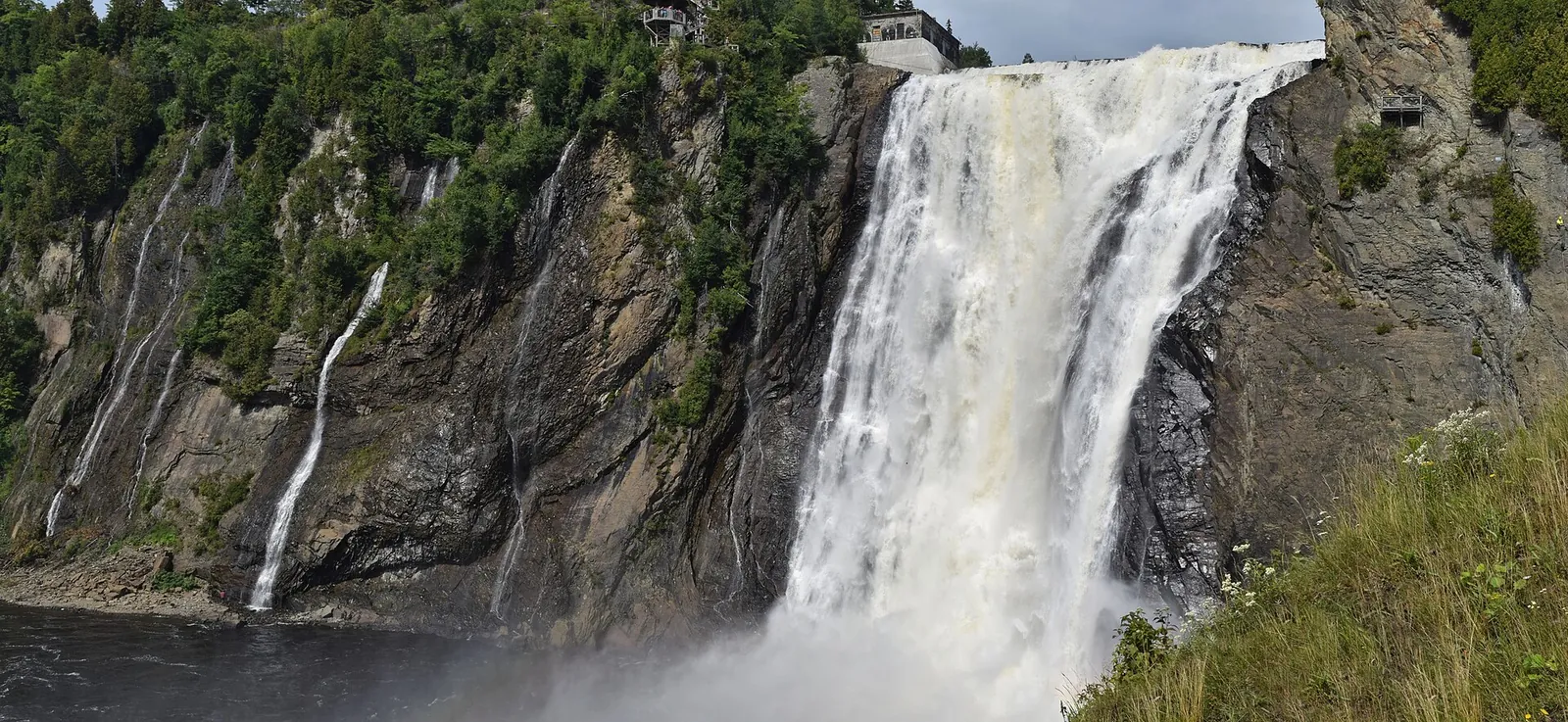
Finish your trip with a splash! Head out to Montmorency Falls (Parc de la Chute-Montmorency), about 15 minutes from Old Quebec by car. At 83 metres, the falls are about 30 metres taller than Niagara Falls.
To go by public transport, take RTC bus 800 towards Beauport and get off at the des Rapides stop (number 3473). From there it is a few minutes’ walk to the parking area at the top of the falls. RTC introduced new fares on 1 July 2026, so check the RTC website for the current single fare and day pass before you set off.
Afternoon
At the park, cross the suspension bridge over the top of the falls, then take the 487-step panoramic staircase down the cliff for views of the falls from different angles. The stairs are mainly a summer activity and climbing back up is a real workout. A cable car links the foot of the falls with the Manor at the top, and there are also zipline and via ferrata activities in season. Fees apply for the cable car and activities, and prices are not shown on the tourism page, so check the park’s official site before you go. The park is open year-round but closes on 25 December, and hours change by season. In winter, the frozen spray builds a huge cone of ice at the base of the falls.
Evening
Return to the old town for a last stroll and dinner. If you’re heading home tomorrow, you can take an evening train back to Montreal, or fly out of Quebec City’s Jean Lesage airport instead and save the return trip.
Getting there and getting around
Visa and entry: the rules depend on your nationality and how you arrive. Use the official Entry requirements by country tool on Canada.ca. If you are flying in on a passport from a visa-exempt country, you need an eTA. Apply only on the Government of Canada eTA page, where it costs CAN$7. Lawful permanent residents of the United States do not need one.
Montreal airport (YUL) to downtown: take STM bus 747, which links Montreal-Trudeau airport with downtown 24 hours a day.
- The 747 fare is CAD 11.25. It gives you 24 hours of travel on buses, the metro, trains and the REM in zone A.
- If you buy a 24-hour or 3-day All Modes A pass, it is also valid on the 747, so you don’t need a separate airport ticket.
- REM to the airport: the REM light rail is not yet running to the airport. The operator says the airport branch is scheduled to open in 2027. Until then, the 747 bus is the main public transport link.
Around Montreal: the STM runs the metro and buses, and the REM light rail runs in zone A too. Fares from 1 July 2026 (regular adult):
| Fare | Price |
|---|---|
| 1 trip, All Modes A | CAD 3.75 |
| 2 trips, All Modes A | CAD 7.00 |
| 24 hours, All Modes A | CAD 11.25 |
| 3 days, All Modes A (until 11:59 pm on day 3) | CAD 21.75 |
| Weekly, All Modes A (Monday to Sunday) | CAD 33.25 |
| Unlimited Evening (6 pm to 5 am) | CAD 6.75 |
| Unlimited Weekend (Friday 4 pm to Monday 5 am) | CAD 17.00 |
For this plan, the 3-day All Modes A pass is the best value: it covers your airport bus on arrival and all your trips on Days 1 and 2. Children 11 and under travel free when accompanied by someone aged 14 or older with a valid fare.
Montreal to Quebec City: VIA Rail from Gare Centrale to Gare du Palais, or the Orleans Express coach. Book on the official sites.
Around Quebec City: Old Quebec is very walkable, though steep between the Lower and Upper Town. Use the RTC bus network for Montmorency Falls and check current fares on the RTC website.
Where to stay
- Montreal, Old Montreal: cobbled streets and the Basilica on your doorstep. Romantic and great for evening walks, though pricier.
- Montreal, downtown near Gare Centrale: the most practical base. Close to the metro, the 747 bus route and the train to Quebec City.
- Montreal, Plateau Mont-Royal: a local, lively neighbourhood with lots of restaurants and an easy walk to Mount Royal.
- Quebec City, Upper Town inside the walls: close to the Citadelle, Rue Saint-Jean and the Dufferin Terrace. The classic choice.
- Quebec City, Lower Town and Old Port: quieter evenings, pretty streets and a short walk from Gare du Palais, which helps with luggage.
Budget
| Item | Typical cost |
|---|---|
| STM 3-day All Modes A pass (includes the 747 airport bus) | CAD 21.75 |
| STM single trip, All Modes A | CAD 3.75 |
| Notre-Dame Basilica daytime visit, adult | From CAD 16 plus tax |
| AURA show, adult | From CAD 37 plus tax |
| Jean-Talon Market and Mount Royal | Free |
| Montreal to Quebec City by VIA Rail or coach | Check the official sites, fares vary |
| La Citadelle de Quebec, adult | CAD 22 |
| Old Quebec Funicular | A few dollars per ride, check on site |
| RTC bus to Montmorency Falls | Check the RTC website |
| Montmorency Falls cable car and activities | Check the official site |
Sights and local transport come to roughly CAD 25 to 80 per day, depending on the day. Not included: flights, the intercity train or coach, accommodation, meals and drinks, travel insurance and the eTA fee. Many prices in Quebec are shown before tax, and sales taxes are added when you pay.
Practical tips
- Seasons: summer is warm and festive, while winter is cold and snowy but magical, especially in Old Quebec. If you visit between November and April, pack a warm coat, hat, gloves and boots with good grip.
- Book ahead: the AURA show, your train to Quebec City and summer accommodation in Old Quebec, which fills up quickly.
- Basilica timing: do the daytime visit in the morning, because on-site ticket sales stop when visiting hours end at 4 pm.
- Money: cards and phone payments are widely accepted, but carry a little cash for small purchases. Tipping is normal at sit-down restaurants.
- SIM and eSIM: buy a Canadian prepaid SIM or a travel eSIM before you fly, or check your home provider’s roaming rates. Live transit times in apps make getting around much easier.
- Quebec City hills: the climb from the Lower Town to the Upper Town is steep. Wear comfortable shoes and use the funicular if you need a break.
Heads-up
Montreal and Quebec City are friendly and easy to explore. A few tips will keep things smooth:
- Apply for your eTA only on the official site. The Government of Canada page is the official place to apply, and the fee is CAN$7. Check the web address and the price before paying anywhere else.
- Petty crime: the UK government’s travel advice for Canada suggests not leaving bags unattended, keeping luggage out of sight in cars and storing valuables and your passport somewhere safe.
- Winter weather: the same advice notes that freezing rain, blizzards and hail are common across much of Canada, especially from November to April. Follow local weather warnings, and take care on icy streets and stairs in Old Quebec.
- Cannabis and borders: recreational cannabis is legal in Canada, but rules vary by province, and you cannot take it across the border without a permit. Leave it behind before you fly.
- Ticket sales are final at the Basilica: tickets for the visit and AURA cannot be refunded or exchanged, so double-check your date and time.
- Stay on the paths at Montmorency: the cliffs and stairs can be wet or icy. Hours and access change with the seasons, so check before you go.
FAQ
Is the train or the bus better between Montreal and Quebec City?
Both work well. The VIA Rail train runs from downtown Gare Centrale to Gare du Palais, right below the old town, and usually takes a little over three hours. The Orleans Express coach is an alternative. Compare times and fares on the official sites for your date.
Can I take the REM from Montreal airport?
Not yet. The REM airport branch is scheduled to open in 2027. For now, use STM bus 747, which runs 24 hours a day and costs CAD 11.25, or covers your trip if you already have a 24-hour or 3-day All Modes A pass.
Do I need a car?
No. The metro, buses, the train and RTC bus 800 to Montmorency Falls cover everything in this plan, and both old towns are best explored on foot.
Is it worth visiting in winter?
Yes, if you dress warmly. Old Quebec looks magical under snow, the frozen Montmorency Falls are spectacular, and Quebec City’s winter carnival runs in late January and February. Some outdoor activities are seasonal, so check opening times before you go.
Do I need to speak French?
No, but it helps. Most people working in tourism speak English, especially in Montreal. Learning “Bonjour”, “Merci” and “S’il vous plait” is appreciated.
How long should I spend at Montmorency Falls?
Allow half a day including travel. That gives you time to cross the suspension bridge, walk part of the staircase or ride the cable car, and get back to Old Quebec for lunch.
Sources
Prices, hours and rules change. We checked these on 1 November 2026; please confirm on the official page before you book.
- ARTM: Transit fares (Greater Montreal)
- ARTM: Fare schedule, fares in effect starting 1 July 2026 (accessible version)
- REM: When will the REM be fully operational?
- Notre-Dame Basilica of Montreal: Hours and rates
- Montreal public markets: Jean-Talon Market
- VIA Rail: Montreal station
- VIA Rail: Quebec City station (Gare du Palais)
- Orleans Express: intercity coaches
- La Citadelle de Quebec: Admission and hours
- Quebec City Tourism: Parc de la Chute-Montmorency
- RTC Quebec City: New fare schedule 2026
- Government of Canada: Electronic travel authorization (eTA), How to apply
- GOV.UK: Canada travel advice, Safety and security
Photo credits (13)
- Quebec City and the Chateau Frontenac glowing at dusk: Wilfredor, CC BY-SA 4.0, via Wikimedia Commons
- Blue and gold nave of Notre-Dame Basilica, Montreal: Diego Delso, CC BY-SA 4.0, via Wikimedia Commons
- Sunny Place Jacques-Cartier in Old Montreal: Ken Lund from Reno, Nevada, USA, CC BY-SA 2.0, via Wikimedia Commons
- Colourful stalls inside Jean-Talon Market, Montreal: Brandon Moore (Raskuly), CC BY 4.0, via Wikimedia Commons
- Downtown Montreal lights from the Kondiaronk Belvedere at dusk: Paolo Costa Baldi, CC BY-SA 4.0, via Wikimedia Commons
- Lively Rue du Petit-Champlain in Old Quebec: Wilfredor, CC BY-SA 4.0, via Wikimedia Commons
- Dufferin Terrace and the Chateau Frontenac under blue sky: Selbymay, CC BY-SA 3.0, via Wikimedia Commons
- Gate and stone walls of La Citadelle de Quebec: The Cosmonaut, CC BY-SA 2.5 ca, via Wikimedia Commons
- Porte Saint-Louis city gate in Old Quebec: Dpalma01, CC BY-SA 4.0, via Wikimedia Commons
- Montmorency Falls with the suspension bridge on top: The Cosmonaut, CC BY-SA 2.5 ca, via Wikimedia Commons
- Montmorency Falls plunging down green cliffs: The Cosmonaut, CC BY-SA 2.5 ca, via Wikimedia Commons
- A VIA Rail Corridor train at the platform: wltmauc, CC BY-SA 4.0, via Wikimedia Commons
- Old Quebec street leading to the Chateau Frontenac: Wilfredor, CC0, via Wikimedia Commons
More Canada itineraries
 5 days
5 Days in Banff and Jasper: A Canadian Rockies Itinerary
A 5-day Banff and Jasper itinerary: Banff town and Sulphur Mountain, Lake Louise and Moraine Lake by shuttle, the Icefields Parkway, then Jasper's lakes.
 4 days
4 Days in Toronto and Niagara Falls: A Day-by-Day Itinerary
A 4-day Toronto and Niagara Falls itinerary: CN Tower views, top museums, Toronto Island and Niagara Falls by GO train, fares checked.
 3 days
3 Days in Vancouver: A Day-by-Day Itinerary
A 3-day Vancouver itinerary: Gastown, Chinatown and Stanley Park, Capilano on the North Shore, then Granville Island and UBC's Museum of Anthropology.
Compare all Canada itineraries →
This is a researched plan, not a personal trip report. How we research · Affiliate disclosure