
8 Days in Morocco: Marrakech, the Sahara, Fes and Chefchaouen
An 8-day Morocco route: Marrakech palaces and souks, a night in the Erg Chebbi dunes, the Fes medina and blue Chefchaouen, with verified entry fees and safety tips.
- 🗓️ Trip length
- 8 days
- ☀️ Best time
- Spring and autumn (avoid summer heat)
- 💰 Daily spend
- Varies by season; verified sight tickets MAD 50-100 each
- ✅ Facts checked
- 24 October 2026
Get ready for eight days of pure contrast. You start among the rose-coloured walls, palaces and busy squares of Marrakech. Then you cross the High Atlas to sleep among the golden dunes of Erg Chebbi, get happily lost in the medieval lanes of Fes, and finish in the calm blue streets of Chefchaouen in the Rif mountains.
This plan suits first-time visitors who want Morocco’s big classics in one trip without rushing every day. The city days move at a moderate pace. The three desert days are full-on, with long hours on the road. If you prefer to travel more slowly, add a night in Fes or Chefchaouen.
At a glance
| Day | Area | Highlights |
|---|---|---|
| 1 | Marrakech, southern medina | Koutoubia, Saadian Tombs, Badii Palace, Bahia Palace, Jemaa el-Fna |
| 2 | Marrakech, Gueliz and northern medina | Jardin Majorelle, Ben Youssef Madrasa, the souks |
| 3 | High Atlas to the Dades Valley | Mountain pass, Aït Benhaddou, kasbah country |
| 4 | Todra Gorge to Merzouga | Gorge walk, camel ride, night in a desert camp |
| 5 | Erg Chebbi to Fes | Dune sunrise, Middle Atlas scenery |
| 6 | Fes el-Bali | Madrasas, Quaraouiyine, tanneries, souks |
| 7 | Fes to Chefchaouen | Bus through the countryside, blue medina, sunset viewpoint |
| 8 | Chefchaouen | Ras el Ma, Kasbah, onward travel |
Day 1: Palaces and the great square of Marrakech
Morning
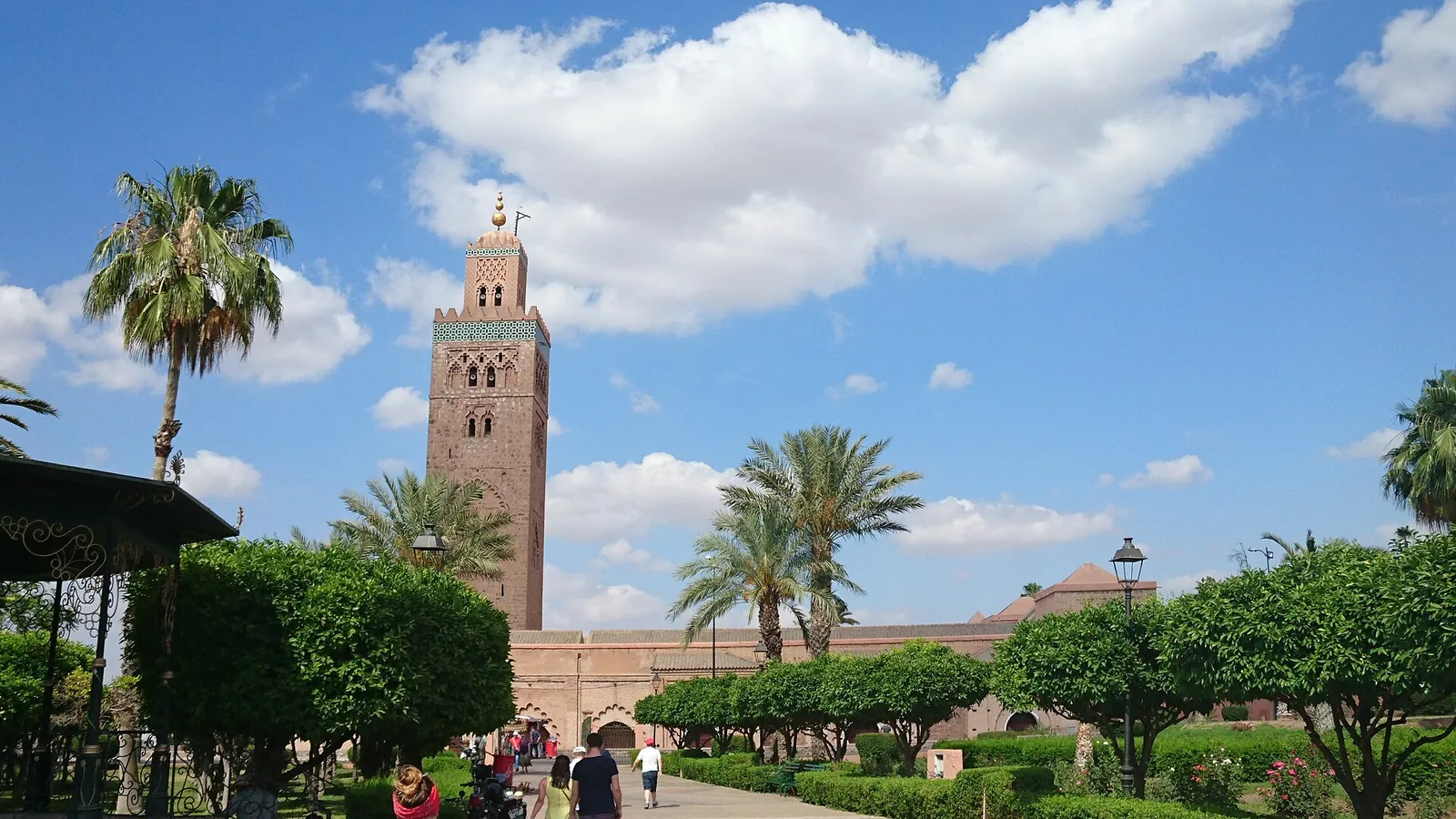
Welcome to Marrakech, the perfect place to fall in love with Morocco. Start at the Koutoubia, the minaret that marks Marrakech’s skyline, and stroll through its gardens. As at most active mosques in Morocco, the prayer hall is for Muslims only, so non-Muslim visitors admire it from outside.
From here, walk south through Bab Agnaou into the Kasbah quarter to the Saadian Tombs. The huge ruined Badii Palace is a short walk further on. The Ministry of Culture runs both sites, and each costs MAD 100 for foreign adults (MAD 50 for foreign children aged 7 to 13). You can buy tickets in advance on the ministry’s official e-services site, Khadamat Culture.
Afternoon
Carry on walking past the Mellah, the old Jewish quarter, to the Bahia Palace. This 19th-century residence is a series of courtyards and gardens decorated with carved cedar and zellij tilework. Entry is also MAD 100 for foreign adults and MAD 50 for children aged 7 to 13, and you can book on the same ministry site. Go after lunch, when tour groups thin out, and stop for a mint tea along the way.
Evening
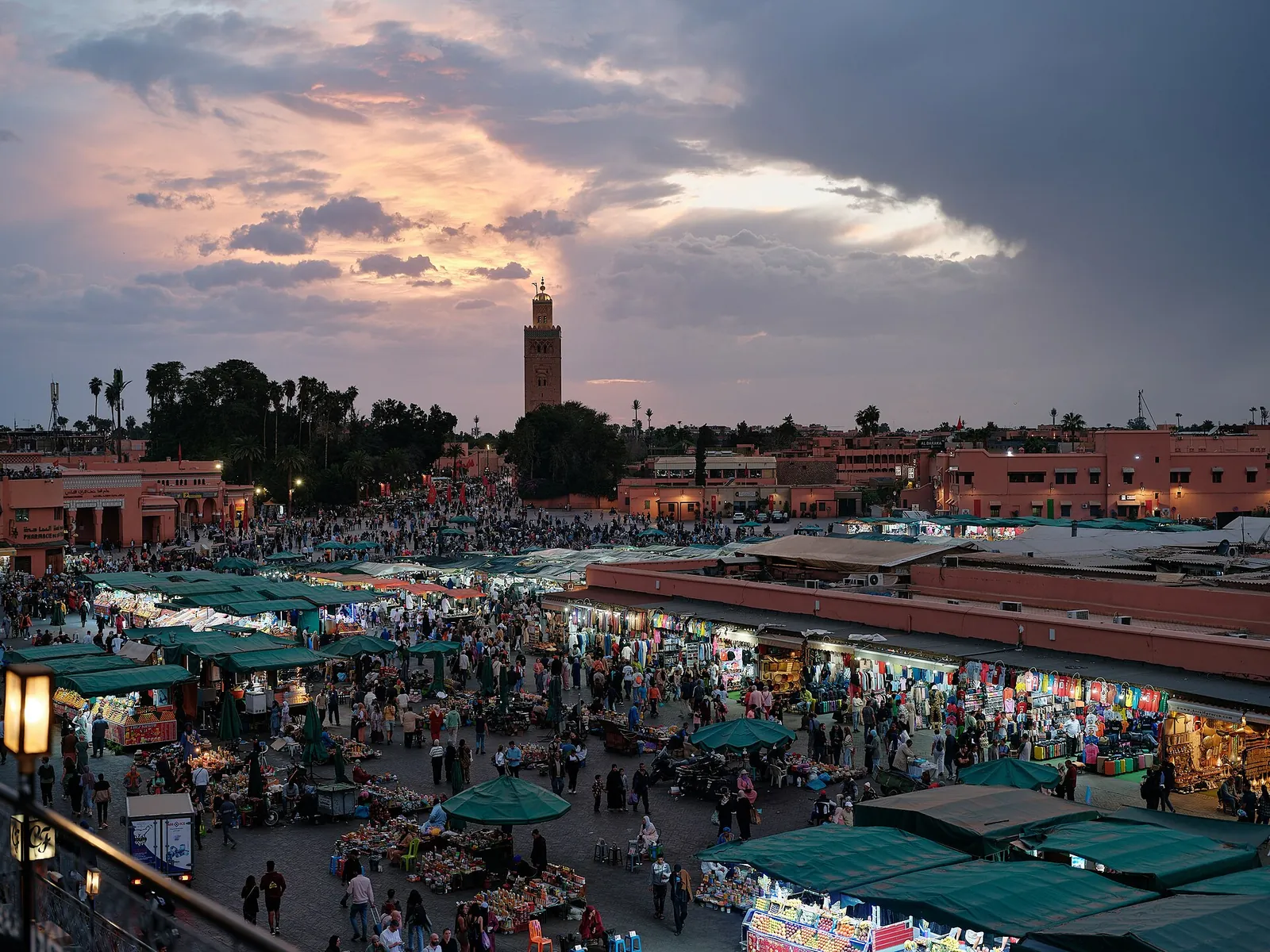
Wander back north to Jemaa el-Fna as the sun goes down. At night the square turns into an open-air food court of grills, snail stalls and musicians. Agree any price before you eat or photograph performers, and keep your phone and wallet zipped away in the crowds.
Day 2: Gardens, a madrasa and the souks
Morning
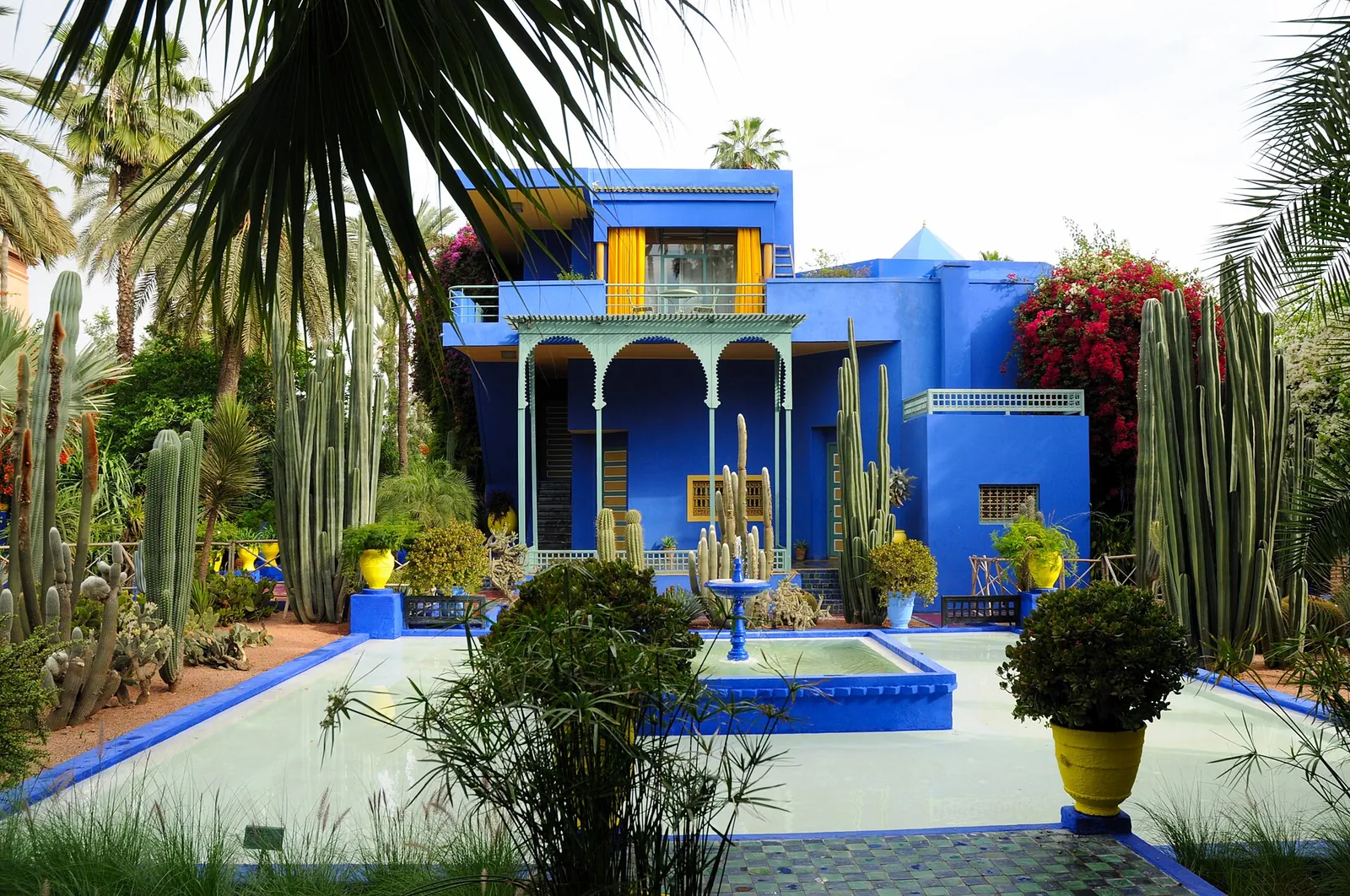
Today is full of colour, from cobalt-blue gardens to glowing lantern stalls. Take a petit taxi out of the medina to Gueliz and be at the Jardin Majorelle when it opens at 8 a.m. It opens every day. Closing time changes with the season: when we checked, the official homepage listed last entry at 5 p.m., so confirm on the day. The Pierre Bergé Museum of Berber Arts is inside the garden. The Private Garden of the Villa Oasis is closed on Wednesdays.
Important: tickets are sold online only. The official site says tickets.jardinmajorelle.com is the only valid seller, and tickets bought on other websites will not get you in. Book a timed slot a few days ahead and check the current price there.
Afternoon
Take a taxi back into the medina to the Ben Youssef Madrasa, a 16th-century Koranic school with a beautiful courtyard of marble, stucco and carved wood. It is open daily from 9 a.m. to 7 p.m. Tickets cost MAD 50 (MAD 10 for children under 12). Online sales are paused for now, so buy at the entrance.
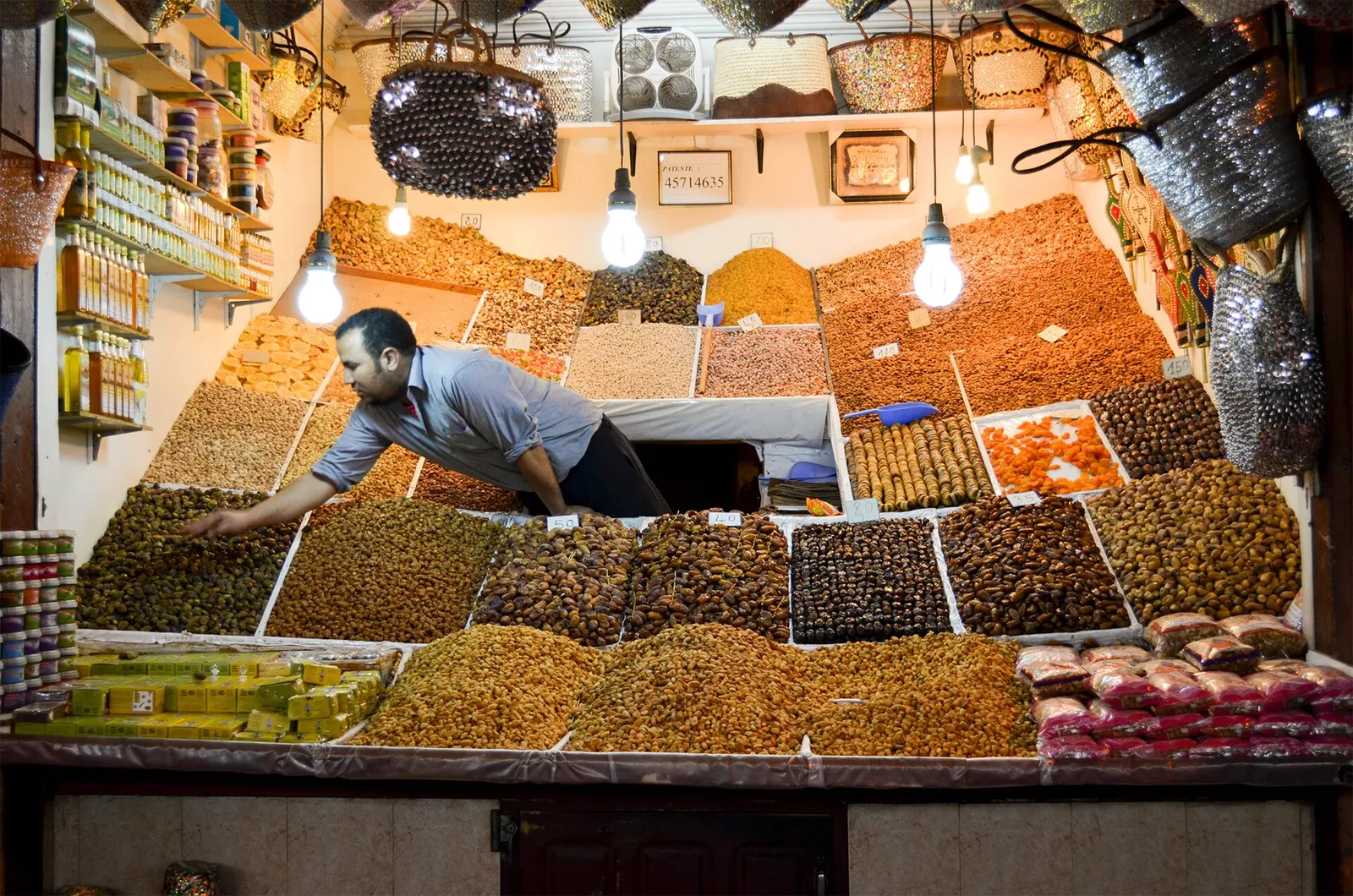
Then drift south through the souks towards Jemaa el-Fna, past spice stalls, lantern makers, leather workers and dyers. Haggling is normal, so smile, take your time and never feel you have to buy.
Evening
Enjoy a relaxed rooftop dinner and pack a small day bag for the desert. Many multi-day tours from Marrakech to Merzouga can end in Fes, so ask your operator how they handle luggage.
Day 3: Over the High Atlas to Aït Benhaddou
Morning
Your desert adventure begins, and the scenery is about to get spectacular. We suggest booking a three-day Marrakech to Fes desert tour, or a private driver, with a licensed operator. Arrange it through your accommodation or a reputable travel agency, as Canada’s official travel advice recommends. The road climbs over the High Atlas via the Tizi n’Tichka pass, with hairpin bends and Berber villages on the slopes. Expect a long day in the vehicle, with photo stops.
Afternoon
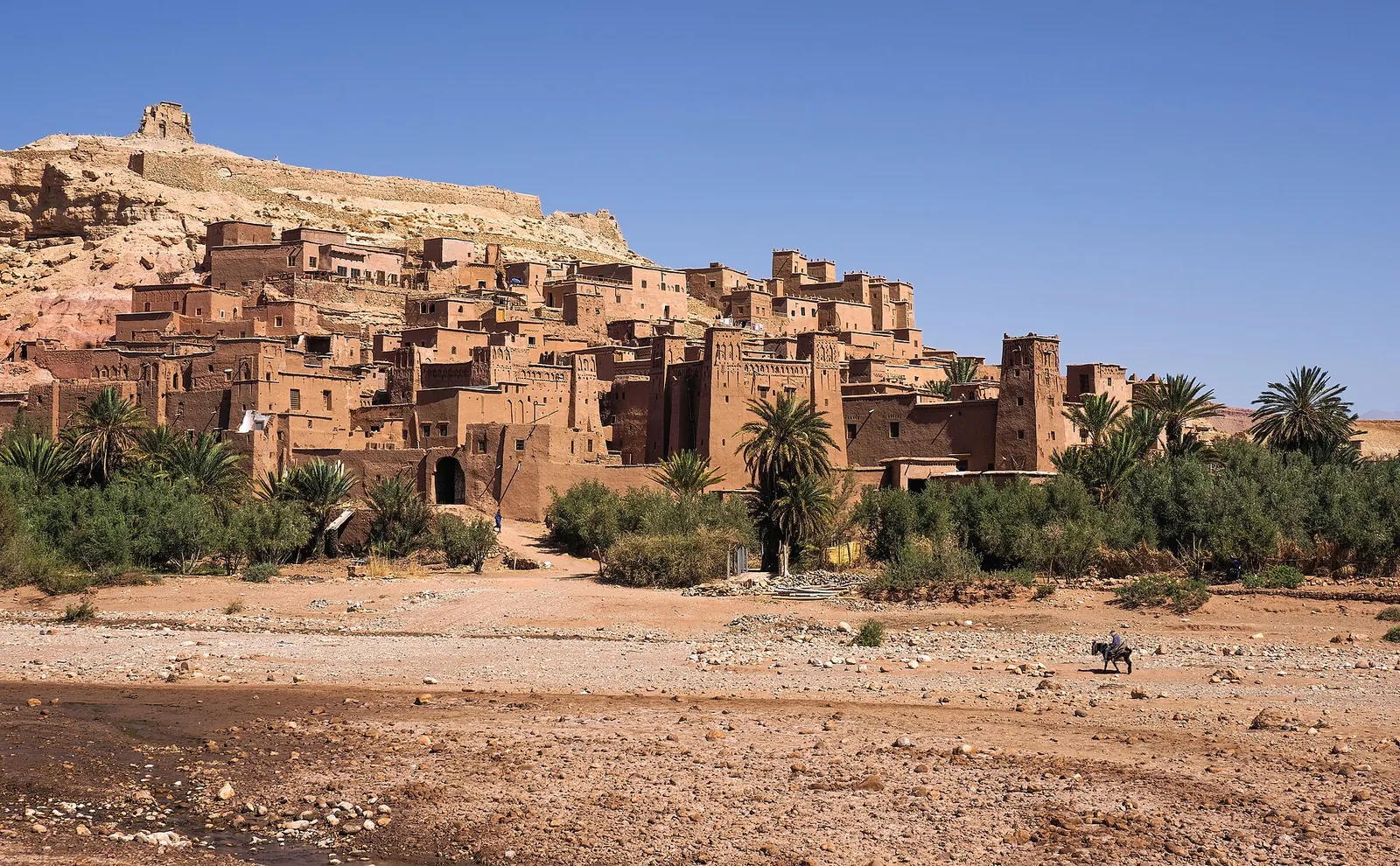
Stop at Aït Benhaddou, the UNESCO-listed fortified village built of earth that has appeared in many films. Walk up to the old granary at the top for wide views over the valley.
Evening
Continue via Ouarzazate into the Dades Valley, the “valley of a thousand kasbahs”, and spend the night in a guesthouse or kasbah hotel.
Day 4: Todra Gorge and a night in the dunes
Morning
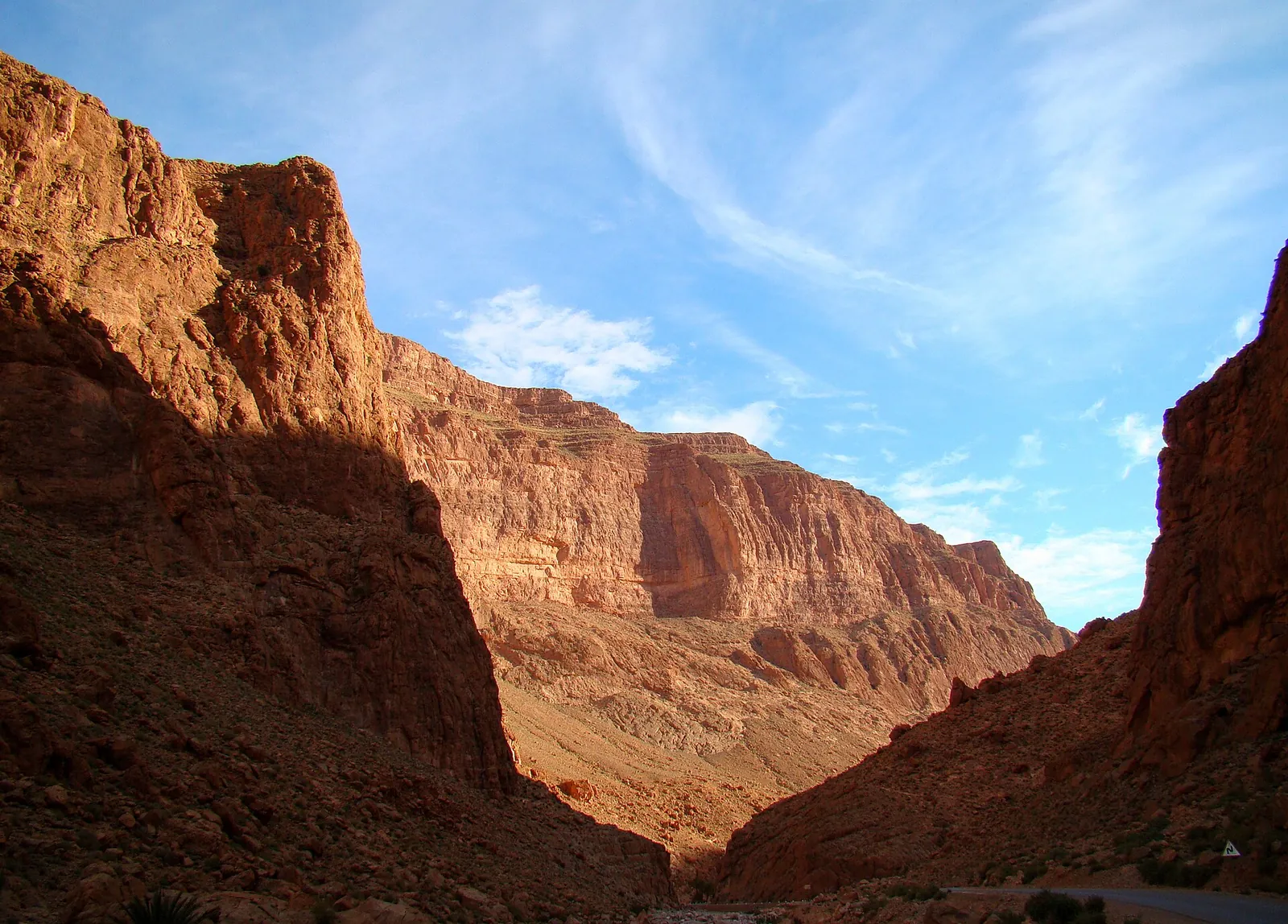
This is the day for canyons and camels. Drive to Todra Gorge, where sheer rock walls rise on either side of a narrow canyon. Take a gentle walk along the riverbed before heading east again.
Afternoon
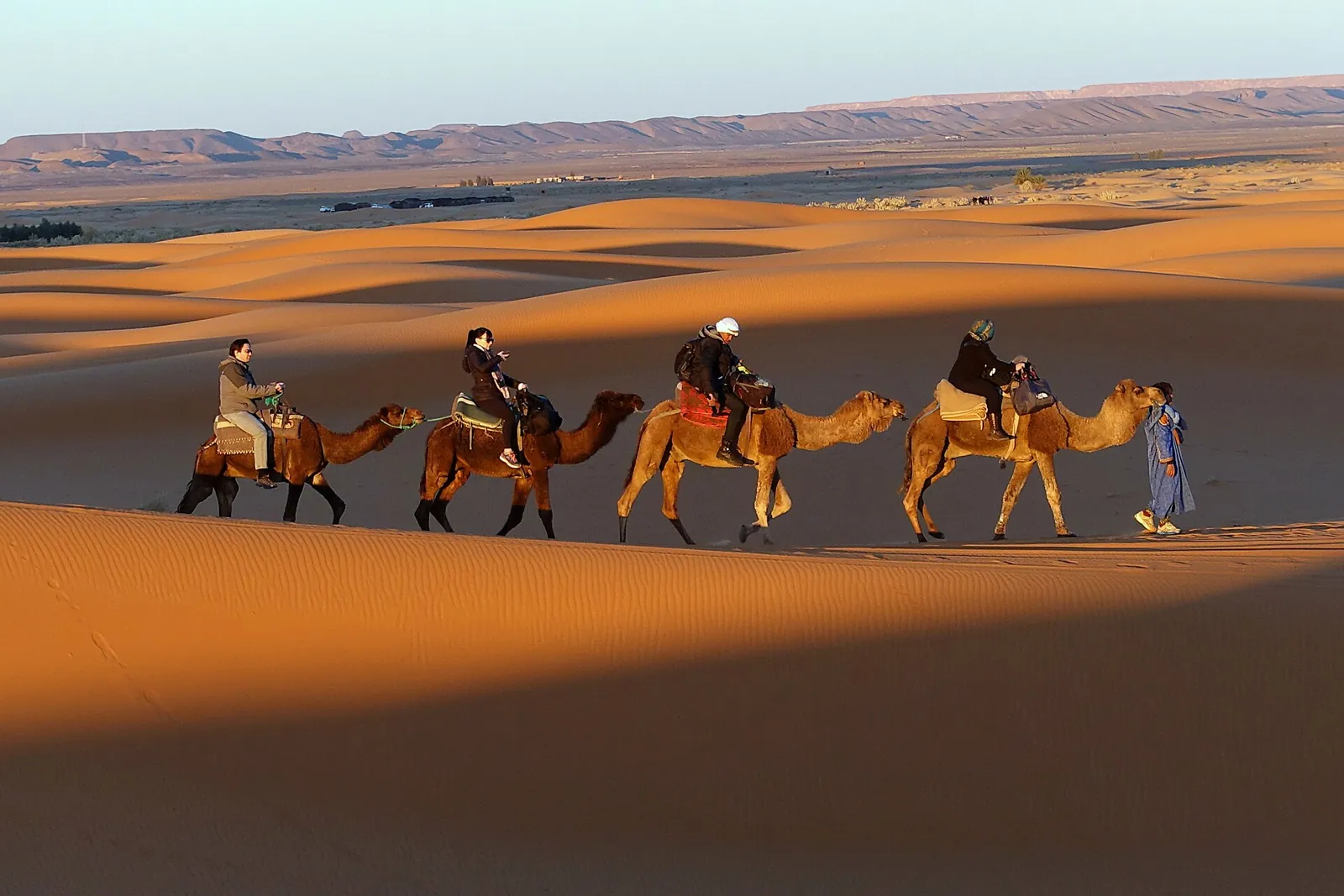
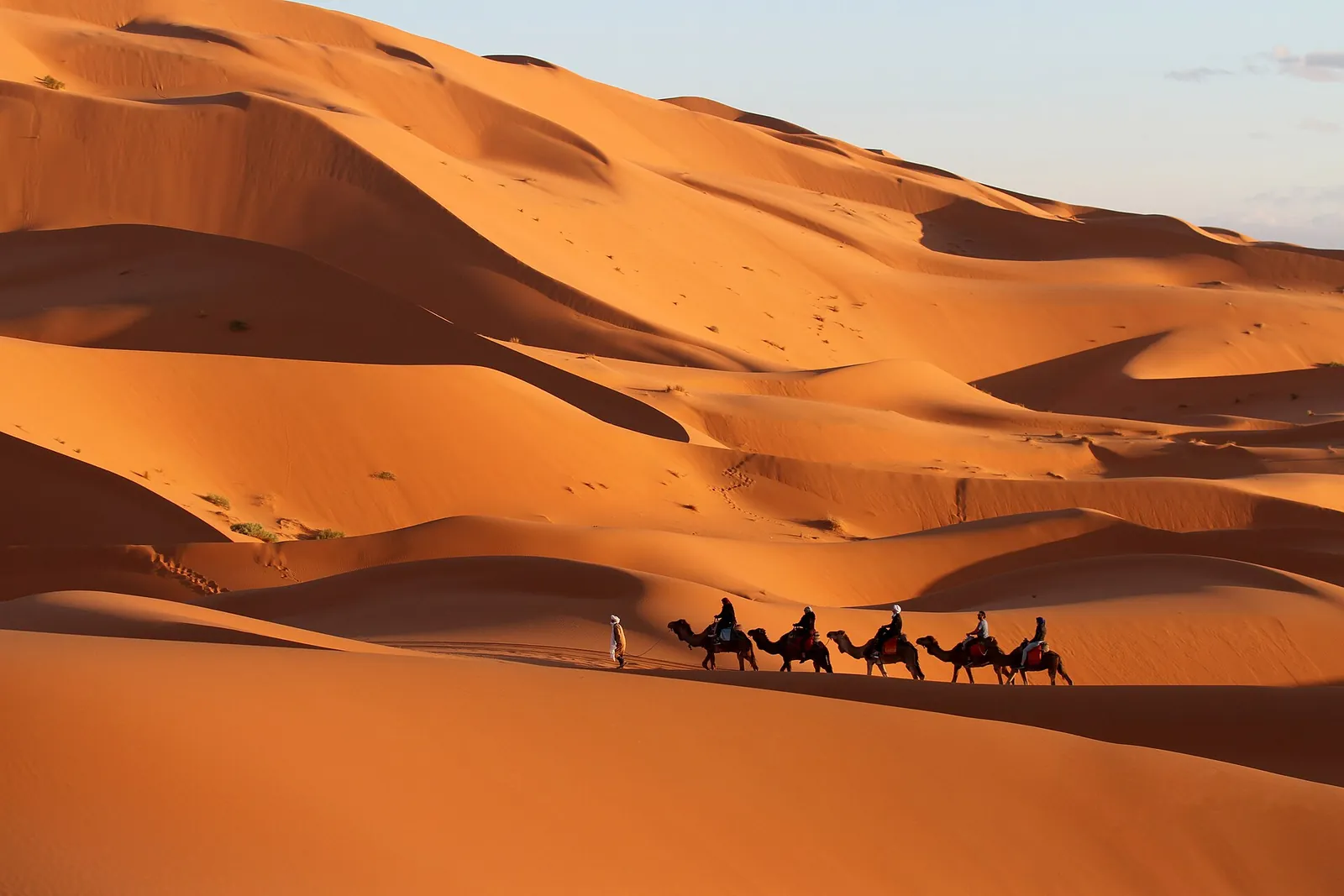
Arrive near Merzouga on the edge of Erg Chebbi, Morocco’s best-known sea of sand dunes. Late in the afternoon, ride a camel (or go by 4x4) into the dunes as the light turns gold.
Evening
Expect dinner, drumming and a sky full of stars at your desert camp. Pack warm layers: the U.S. State Department notes that desert temperatures change a lot between day and night.
Day 5: Sunrise over Erg Chebbi, then north to Fes
Morning
Set your alarm, because this is one sunrise you will never forget. Climb a dune for sunrise, then ride back to the edge of the dunes for breakfast.
Afternoon
This is the longest driving day. You head north through the Ziz Valley and the cedar-covered Middle Atlas. Ask your driver for regular breaks.
Evening
Arrive in Fes, check in and keep it simple: a quiet dinner near your riad and an early night.
Day 6: The medieval medina of Fes
Morning
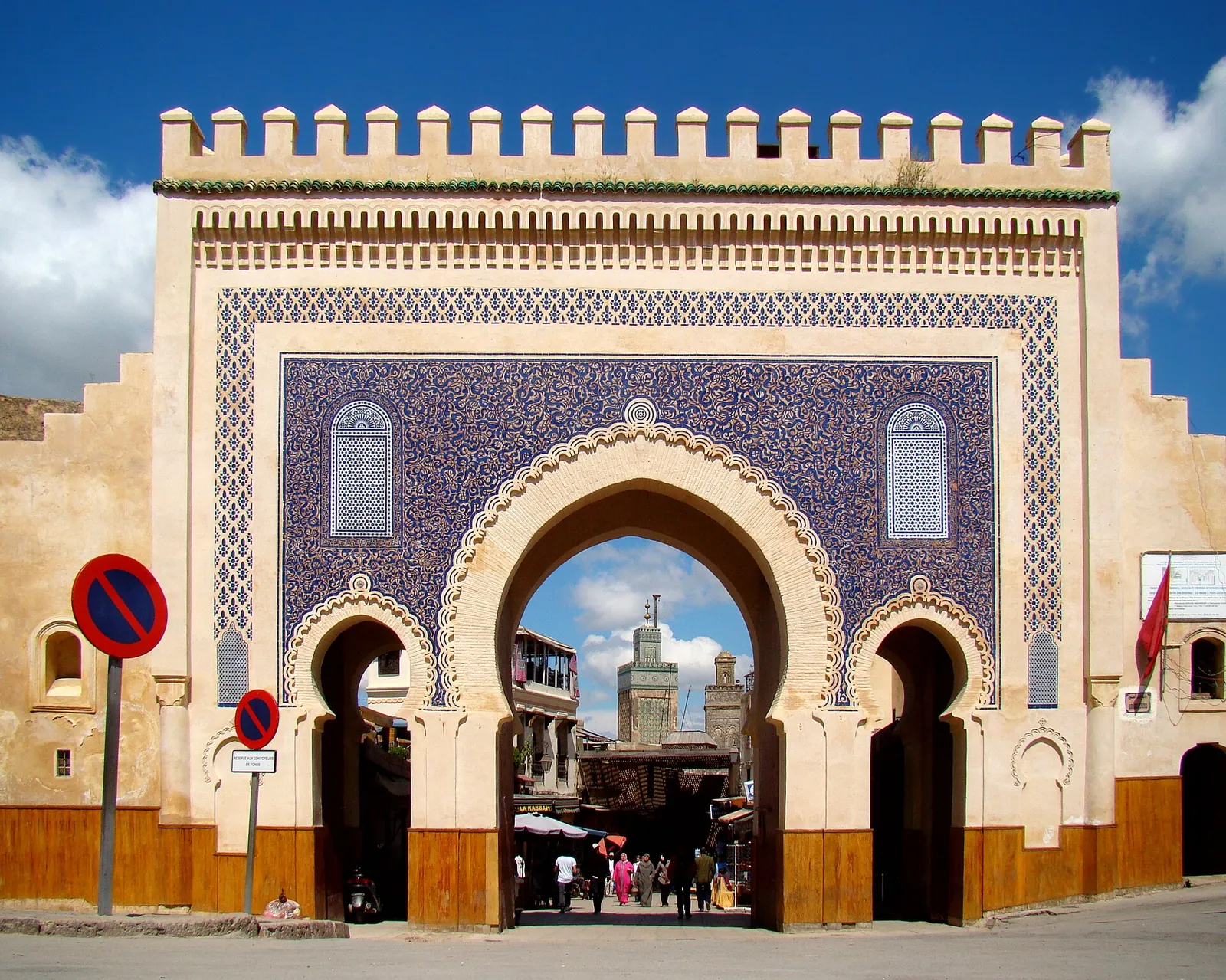
Get ready to step back in time. Fes el-Bali is one of the world’s largest car-free medinas and a UNESCO World Heritage Site. We strongly suggest a licensed guide for at least half a day, because the lanes really are a maze. The UK government advises that a medina guide should carry an official badge.
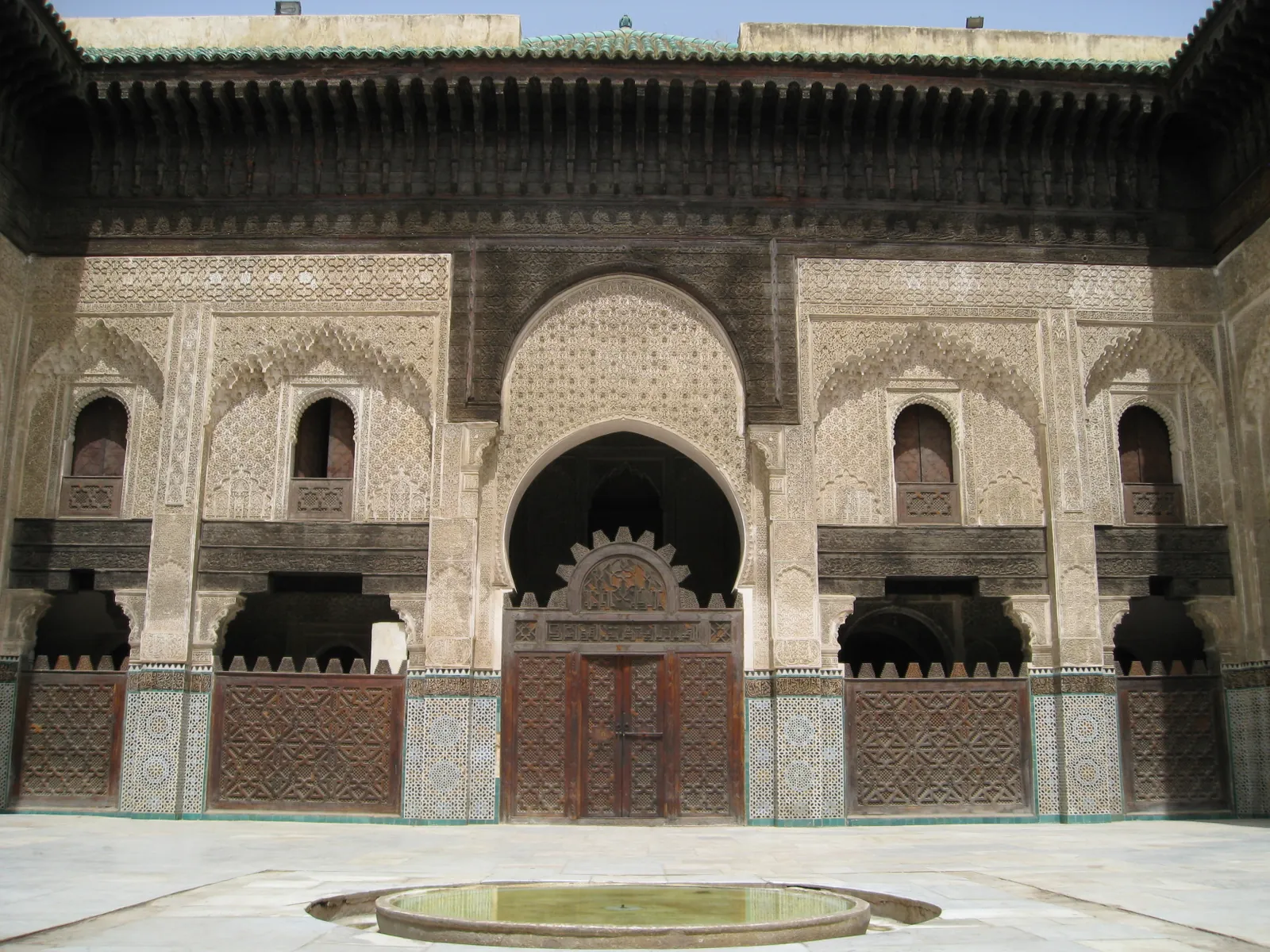
Enter through the blue-tiled Bab Bou Jeloud and walk down the main lane, Talaa Kebira, to the Bou Inania Madrasa. Continue downhill to the Al-Attarine Madrasa, a fine example of Marinid tilework and carving. Both charge a small entry fee, so check the current price at the gate.
Afternoon
Next door is the Al Quaraouiyine mosque and university, often described as the oldest university in the world still operating. As with the Koutoubia, the prayer halls are for Muslims only, but you can look into the courtyard through the doorways. Wander through Seffarine Square, where coppersmiths hammer away, then follow the smell to the Chouara Tannery. You view it from the terraces of the leather shops around it.
Evening
Take a petit taxi up to the Marinid Tombs on the hill north of the medina to watch the sun set over thousands of rooftops.
Day 7: Fes to the blue city
Morning
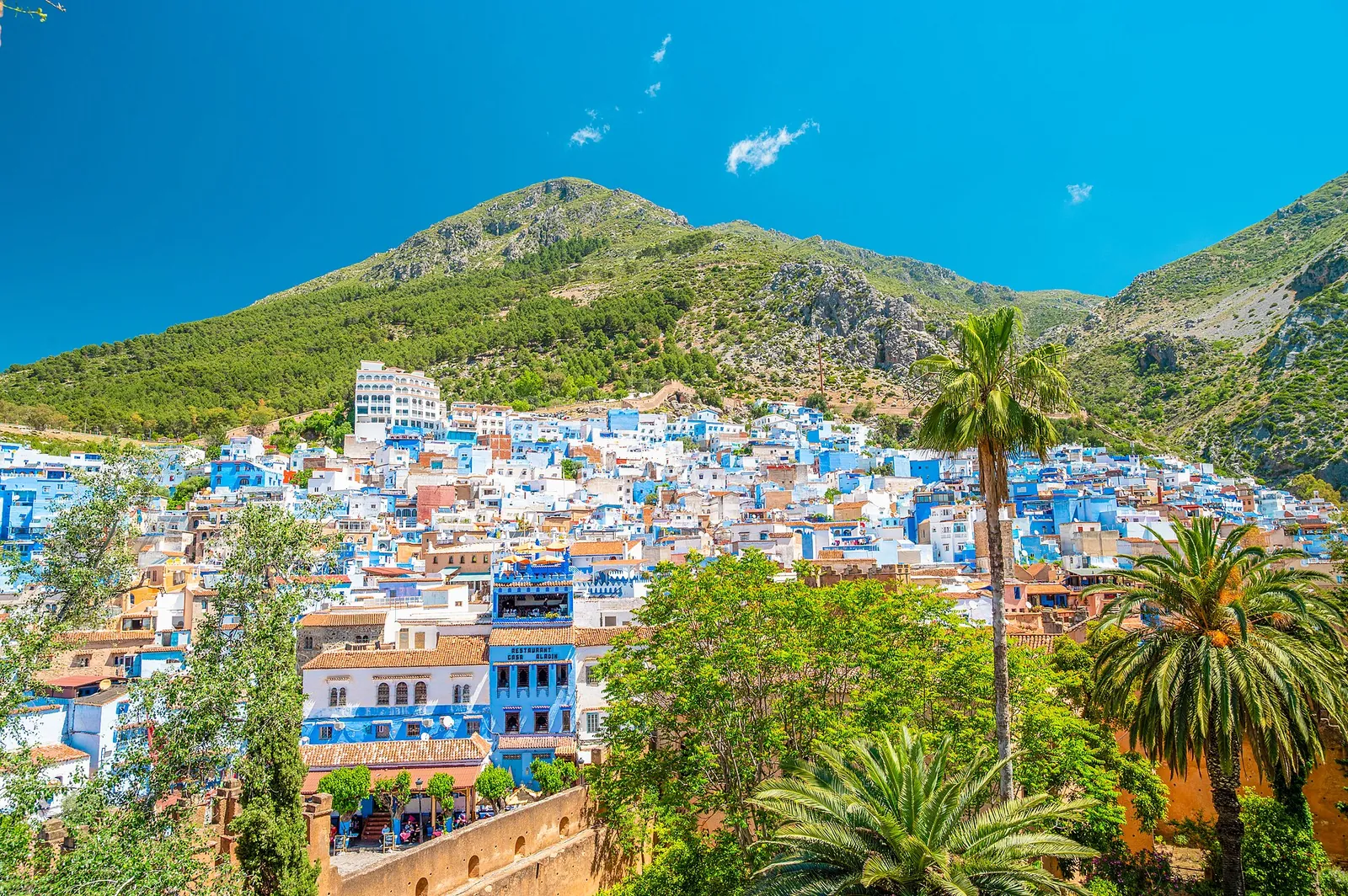
Today you swap the maze of Fes for the dreamy blue streets of Chefchaouen. Catch a morning CTM bus from Fes to Chefchaouen. Expect the trip to take up most of the morning. A day or two ahead, check departure times, the exact journey time and fares on CTM’s official booking site, ctm.ma.
Afternoon
Check in, then get lost in the blue-washed lanes of the medina. Head to Outa el Hammam, the main square. The Kasbah here, listed as the Qasba of Chefchaouen on the Ministry of Culture ticketing site, has a garden, a small museum and a tower with views over the town. Check the current ticket price on the ministry site.
Evening
Walk up the hillside path east of town to the Spanish Mosque for sunset. The climb is short but steady, so bring water and good shoes, and walk back down before it gets fully dark.
Day 8: Slow morning in Chefchaouen and onward
Morning
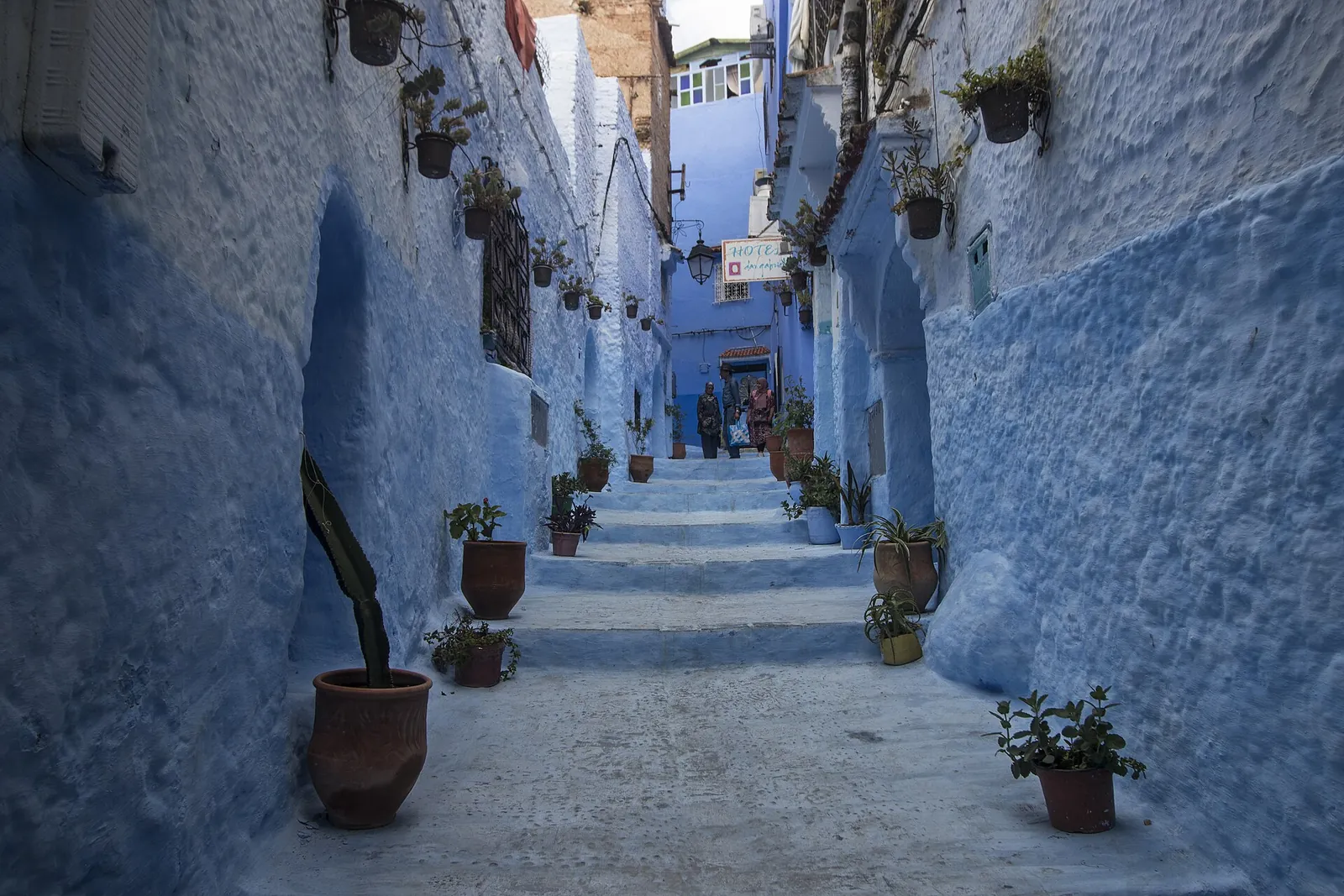
Enjoy one last lovely morning in the blue city. Get up early, when the streets are quietest and best for photos. Stroll to Ras el Ma, the spring at the edge of the medina where locals still wash clothes, and grab a fresh orange juice.
Afternoon
Most travellers go on to Fes or Tangier for flights, or continue to other cities. Check CTM’s timetable for buses from Chefchaouen and leave plenty of time before any flight.
Getting there and getting around
Visa and entry. Whether you need a visa depends on your nationality. Morocco’s national tourist office points to the official Acces Maroc portal for e-visa and electronic travel authorisation (AEVM) applications. Check your own requirements there, or with your nearest Moroccan embassy, well before you travel.
Flying in and out. This route works best if you fly into one city and out of another. Fly into Marrakech Menara Airport (RAK) and out of Fes-Saïss Airport (FEZ), or out of Tangier if that suits your connections.
Airport to city. In Marrakech, the city bus operator ALSA runs an airport bus service. Check the current line, fare and hours on the official ALSA website. Taxis take you door to door. The UK government advises agreeing the fare in advance or making sure the meter is running. It also warns that many cars booked through ride-hailing apps may be unlicensed.
In the cities. Medinas are best explored on foot. For longer trips, use small “petit taxis”. Drivers often pick up other passengers on the way, which is normal.
Between cities. ONCF, the national railway, links Marrakech and Fes if you skip the desert. Check timetables and fares on oncf-voyages.ma. CTM runs intercity buses, including Fes to Chefchaouen. There is no transport card to buy: you pay for each ticket or ride.
Where to stay
- Marrakech medina: riads (traditional courtyard houses) close to Jemaa el-Fna and the palaces. Perfect for atmosphere and for walking everywhere. Expect noise and narrow lanes that taxis cannot enter.
- Gueliz and Hivernage, Marrakech: the modern “new town”, with wider streets, cafés and easy access to taxis. A good fit for families or anyone who wants a calmer base close to the Jardin Majorelle.
- Fes el-Bali, near Bab Bou Jeloud: riads at the top of the medina are close to taxis and the main sights. If you prefer modern hotels near the train station, try the Ville Nouvelle.
- Chefchaouen medina: stay inside or just below the old town so you can enjoy the quiet early mornings and evenings.
Budget
Prices for accommodation, meals and tours vary a lot by season and standard, so we only list prices we could verify on official sites. The table excludes flights, accommodation, meals, tips, travel insurance and shopping.
| Item | Typical cost |
|---|---|
| Bahia Palace (foreign adult) | MAD 100 |
| Badii Palace (foreign adult) | MAD 100 |
| Saadian Tombs (foreign adult) | MAD 100 |
| Ben Youssef Madrasa (adult) | MAD 50 |
| Jardin Majorelle | Check tickets.jardinmajorelle.com |
| Fes madrasas, Chefchaouen Kasbah | Check at the gate or on the ministry site |
| Three-day desert tour, Marrakech to Fes | Get written quotes from licensed operators |
| CTM bus, Fes to Chefchaouen | Check ctm.ma |
Together, the four verified Marrakech sights cost MAD 350 per adult.
Practical tips
- Dress code: Canada’s official advice is to dress conservatively and respect religious traditions. Loose clothing that covers shoulders and knees works well for everyone and also helps in the sun.
- Ramadan: the next Ramadan is expected to begin in early February 2027. Avoid eating, drinking or smoking in public during daylight hours, and expect opening hours to change.
- Money: the Moroccan dirham (MAD) is a closed currency, so you can only get it inside Morocco. ATMs are widespread. Most hotels and some restaurants and shops accept Visa and Mastercard. Exchange offices will ask for your passport. Carry small notes for taxis, tips and the souks.
- Card safety: Canada warns of card fraud and theft at ATMs. Use machines inside banks or in busy public areas, and cover your PIN.
- SIM and eSIM: airports and phone shops sell prepaid SIM cards from Morocco’s mobile operators, and an international eSIM is another option. Check package prices on the operators’ own websites.
- Alcohol: drinking is only legal in licensed bars, restaurants and hotels, not in the street.
- Photos: ask before photographing people, especially children.
- Emergency numbers: police 190, ambulance and fire 150.
Heads-up
Morocco is a joy to explore, and a little preparation keeps it that way. Here is what official sources flag:
- Fake guides: the UK government says people posing as official guides often approach tourists. Only use guides with an official badge, ideally booked through your accommodation.
- Scams and petty crime: pickpocketing and bag-snatching are common in medinas. The UK government also warns about card fraud and about sellers swapping goods for inferior ones after you pay, so watch your purchase being packed.
- Unlicensed taxis: the U.S. State Department recommends registered taxis over unmarked cars. Agree the fare first or insist on the meter.
- Terrorism: the U.S. advisory for Morocco is Level 2, “exercise increased caution”, because of the risk of terrorism. Stay alert in crowded tourist spots and follow instructions from local authorities.
- Desert and mountain roads: Canada advises against driving at night and recommends using only official guides for desert trips. The rainy season, usually November to March, can bring flash floods, especially in High Atlas valleys.
- Heat and cold: heatwaves are common in summer, and desert nights can be very cold. Carry water, sunscreen and a warm layer.
- Activities: the UK government notes that adventure activity providers may not meet UK safety standards. Always wear a helmet on quad bikes, and only book hot-air balloon rides through licensed operators.
- Drones: you need permission from Morocco’s civil aviation authority to fly one. Without it, you risk fines and having the drone confiscated.
- Stray animals and henna: do not approach or feed stray dogs, because rabies is present. Henna tattoos can cause allergic reactions.
- Drugs and alcohol: Morocco has zero tolerance for drugs, including cannabis. The UK government also reports methanol poisoning from illegally made alcoholic drinks, so only drink in licensed venues.
FAQ
Is 8 days enough for Morocco?
Yes, for a classic first trip. You will see two imperial cities, the Sahara and Chefchaouen. Days 3 to 5 involve long hours on the road.
Do I need to book Jardin Majorelle in advance?
Yes. Tickets are sold only online through the official ticketing site, with timed entry. Tickets from unofficial sellers are not valid.
Can I visit the Sahara without a tour?
You can hire a car, but the drive is long and crosses mountain roads. Canada’s official advice favours official guides for desert areas, and the UK warns that mountain roads can be hazardous in bad weather. That is why most first-timers book a tour or a private driver.
Can non-Muslims enter mosques in Morocco?
Most active mosques, including the Koutoubia and Al Quaraouiyine, are for Muslims only. Madrasas such as Ben Youssef, Bou Inania and Al-Attarine are open to all visitors.
When is the best time to go?
Spring and autumn are the most comfortable seasons. U.S. official guidance notes very hot summers and cold winters inland. Canada notes the risk of flash floods in the November to March rainy season.
Can I pay by card?
Yes in hotels and many larger shops. In the souks, small cafés and taxis, you’ll need cash in dirhams.
Sources
Prices, hours and rules change. We checked these on 24 October 2026; please confirm on the official page before you book.
- Jardin Majorelle, official website
- The Jardin Majorelle (official garden page)
- Khadamat Culture (Moroccan Ministry of Culture e-services): The Bahia Palace
- Khadamat Culture: The Badii Palace
- Khadamat Culture: Tombeaux Saadiens
- Khadamat Culture: ticketed heritage sites
- Official website of the Ben Youssef Medersa in Marrakech
- Visit Morocco (Moroccan National Tourist Office): Travel formalities
- GOV.UK (FCDO): Morocco travel advice, safety and security
- GOV.UK (FCDO): Morocco travel advice, entry requirements
- GOV.UK (FCDO): Morocco travel advice, health
- U.S. Department of State: Morocco Travel Advisory
- Government of Canada: Morocco travel advice and advisories
Photo credits (12)
- A camel caravan crossing golden Saharan dunes in Morocco: Fbrandao.1963, CC BY-SA 4.0, via Wikimedia Commons
- The Koutoubia minaret rising above palms in Marrakech: Max221B, CC BY-SA 4.0, via Wikimedia Commons
- Jemaa el-Fnaa buzzing with stalls at sunset: Herokk, CC BY-SA 4.0, via Wikimedia Commons
- The cobalt-blue villa and cactus beds of Jardin Majorelle: Viault, CC BY-SA 4.0, via Wikimedia Commons
- Dried fruit and nuts piled high at a Marrakech souk stall: J. Ligero Loarte, CC BY-SA 3.0, via Wikimedia Commons
- The earthen ksar of Aït Benhaddou under a blue sky: Petar Milošević, CC BY-SA 4.0, via Wikimedia Commons
- Towering red walls of Todra Gorge: Bjørn Christian Tørrissen, CC BY-SA 3.0, via Wikimedia Commons
- A camel line winding across the dunes of the Moroccan Sahara: Merzougaloisirs, CC BY-SA 4.0, via Wikimedia Commons
- The blue-tiled Bab Bou Jeloud gate into the Fes medina: Bjørn Christian Tørrissen, CC BY-SA 3.0, via Wikimedia Commons
- Carved courtyard of the Bou Inania Madrasa in Fes: Patrick Barry from san francisco, ca, usa, CC BY-SA 2.0, via Wikimedia Commons
- Blue-washed Chefchaouen spread below green Rif mountains: Badr Rachadi, CC BY-SA 4.0, via Wikimedia Commons
- A blue stepped lane with flower pots in Chefchaouen: Buiobuione, CC BY-SA 4.0, via Wikimedia Commons
This is a researched plan, not a personal trip report. How we research · Affiliate disclosure