
6 Days in Oman: Muscat, Nizwa and Wahiba Sands Itinerary
Six days in Oman: Muscat's Grand Mosque and old town, the forts of Nizwa, Bahla and Jabreen, and a desert night in Wahiba Sands, with checked fees and hours.
- 🗓️ Trip length
- 6 days
- ☀️ Best time
- October to April
- 💰 Daily spend
- Entry fees OMR 3-8 per site; hotels, camps and car hire vary
- ✅ Facts checked
- 24 October 2026
Get ready for one of the most rewarding short trips in the Middle East. In six days you’ll go from Muscat’s white-domed mosque and breezy seafront to the mud-brick forts of the interior. Then you’ll finish under a sky full of stars in the dunes of Wahiba Sands.
This plan suits first-time visitors, couples, friends and families who are happy to drive or hire a driver. The pace is steady: two full days in Muscat, two days around Nizwa and one night in the desert on the way back. Mornings start early to beat the heat, afternoons leave time for a rest, and evenings are for souqs, sunsets and slow dinners.
At a glance
| Day | Area | Highlights |
|---|---|---|
| 1 | Old Muscat and Mutrah | National Museum, Bait Al Zubair, Al Alam Palace, Mutrah Souq and the seafront |
| 2 | Bawshar and Qurum | Sultan Qaboos Grand Mosque, Royal Opera House tour, Qurum Beach |
| 3 | Muscat to Nizwa | Drive inland, Nizwa Fort in the late afternoon, Nizwa Souq |
| 4 | Bahla and Jabreen | Bahla Fort (UNESCO), Jabreen Castle, evening in Nizwa |
| 5 | Nizwa to A’Sharqiyah (Wahiba) Sands | Desert camp, dunes at sunset, stargazing |
| 6 | Sands to Muscat | Sunrise on the dunes, drive back for your flight |
Quick planning note: three Muscat visits only run Saturday to Thursday. These are non-Muslim visits to the Grand Mosque, the Royal Opera House tours and Bait Al Zubair. Try to keep Fridays off your two Muscat days. A Friday works well as a road or desert day.
Day 1: Old Muscat, museums and the Mutrah seafront
Morning
Get ready for a gentle, fascinating first day in Muscat. Start at the National Museum, the country’s main cultural institution. It sits opposite Al Alam Palace in Old Muscat. Doors open at 10:00 and the ticket desk closes at 16:30. A tourist ticket costs OMR 5, and you can only pay by Visa or Mastercard, so bring a card. The museum’s own pages give different Friday hours, so if you’re going on a Friday, check the official site the day before.
Allow about two hours, then step outside for photos of Al Alam Palace, the ceremonial palace known for its blue and gold front. The nearby Al Jalali and Al Mirani forts frame the harbour. The Portuguese rebuilt Al Mirani in 1588.
Afternoon
Bait Al Zubair is about 400 metres from the museum, a 5 to 10 minute walk. The Zubair family founded this private museum in 1998. It brings together several traditional Omani houses filled with weapons, jewellery, clothing and household items. It’s open Saturday to Thursday, 9:30 to 18:00. Entry is OMR 3 for foreign visitors, and children under 12 go free.
After lunch, head back to your hotel and rest through the hottest part of the day.
Evening
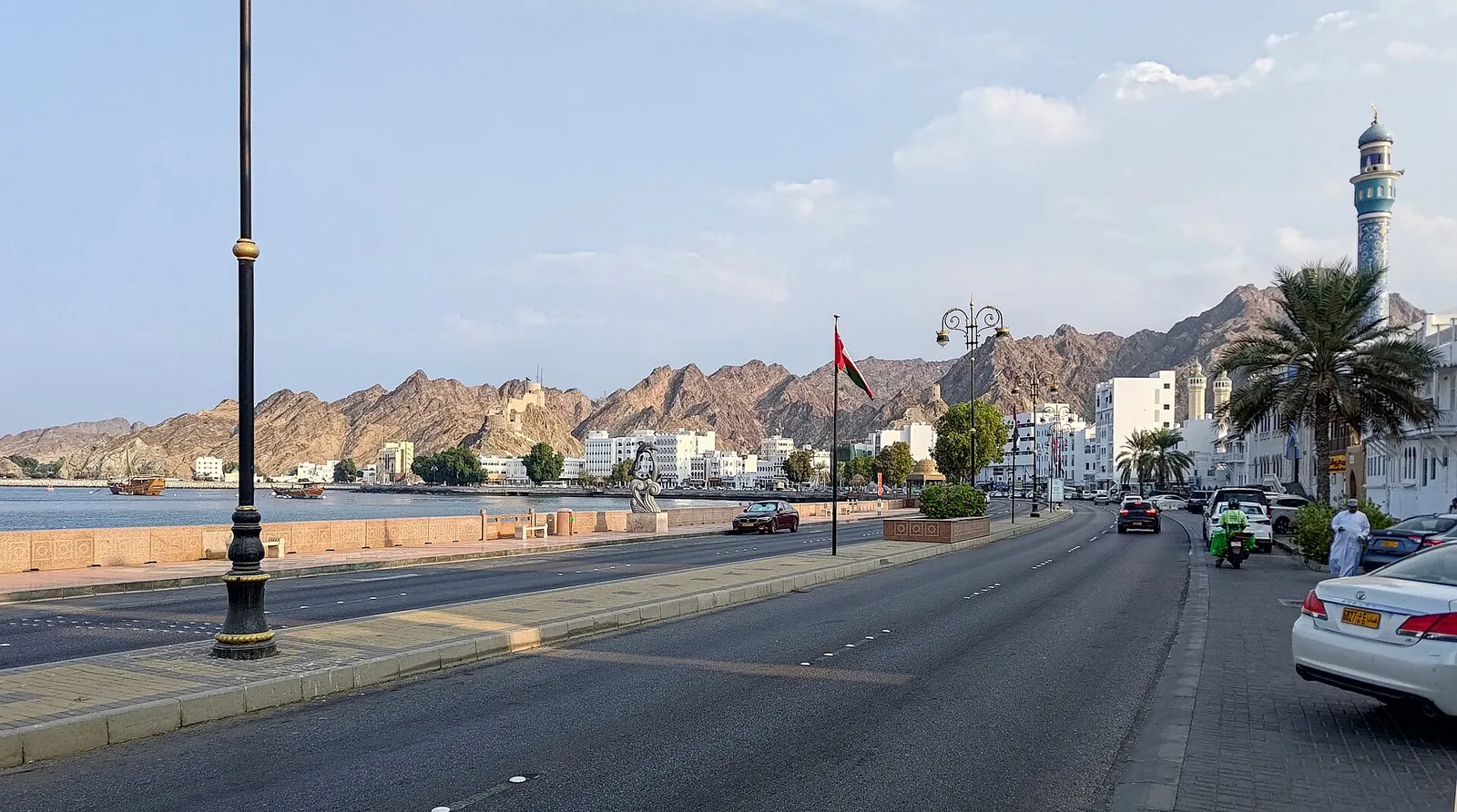
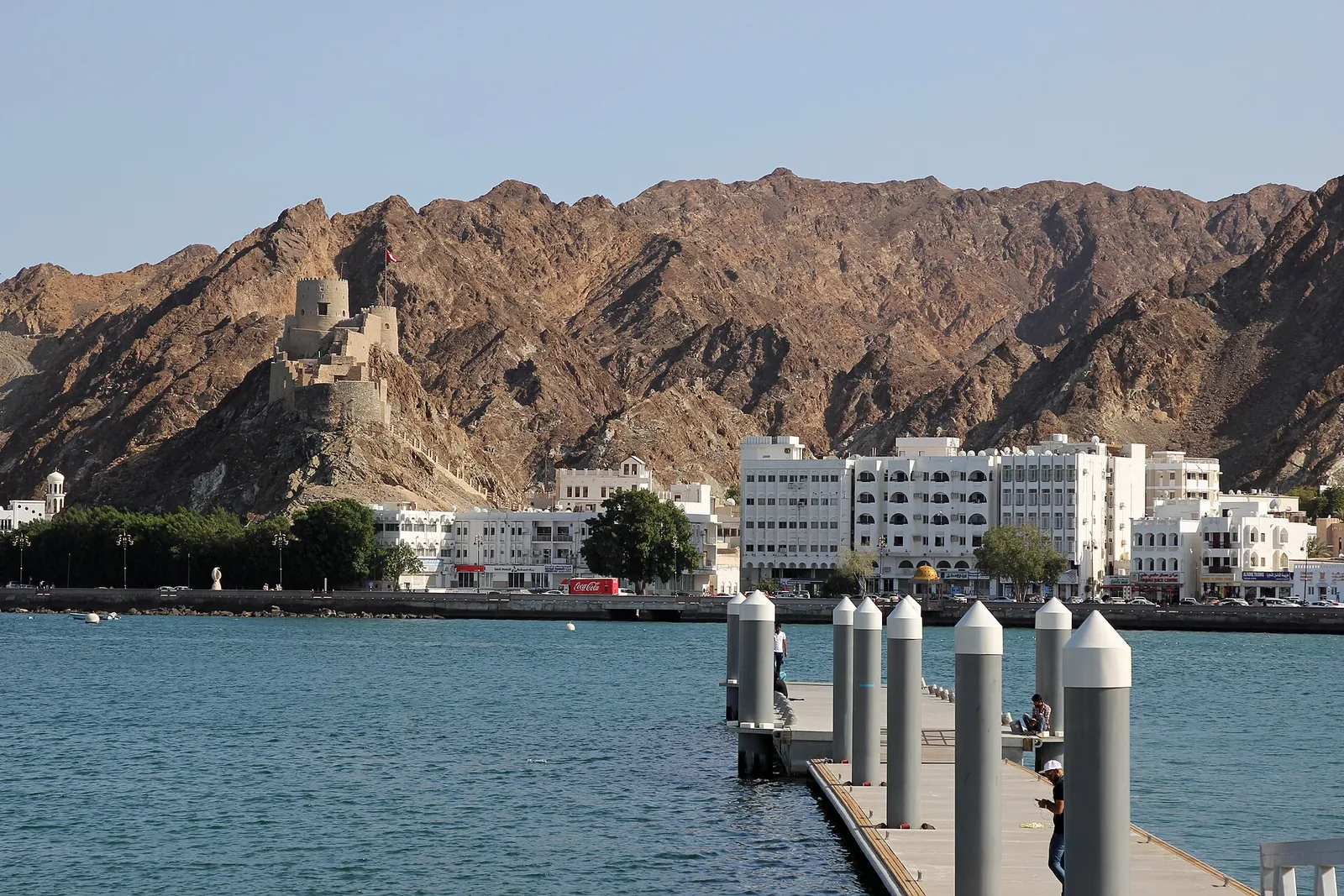
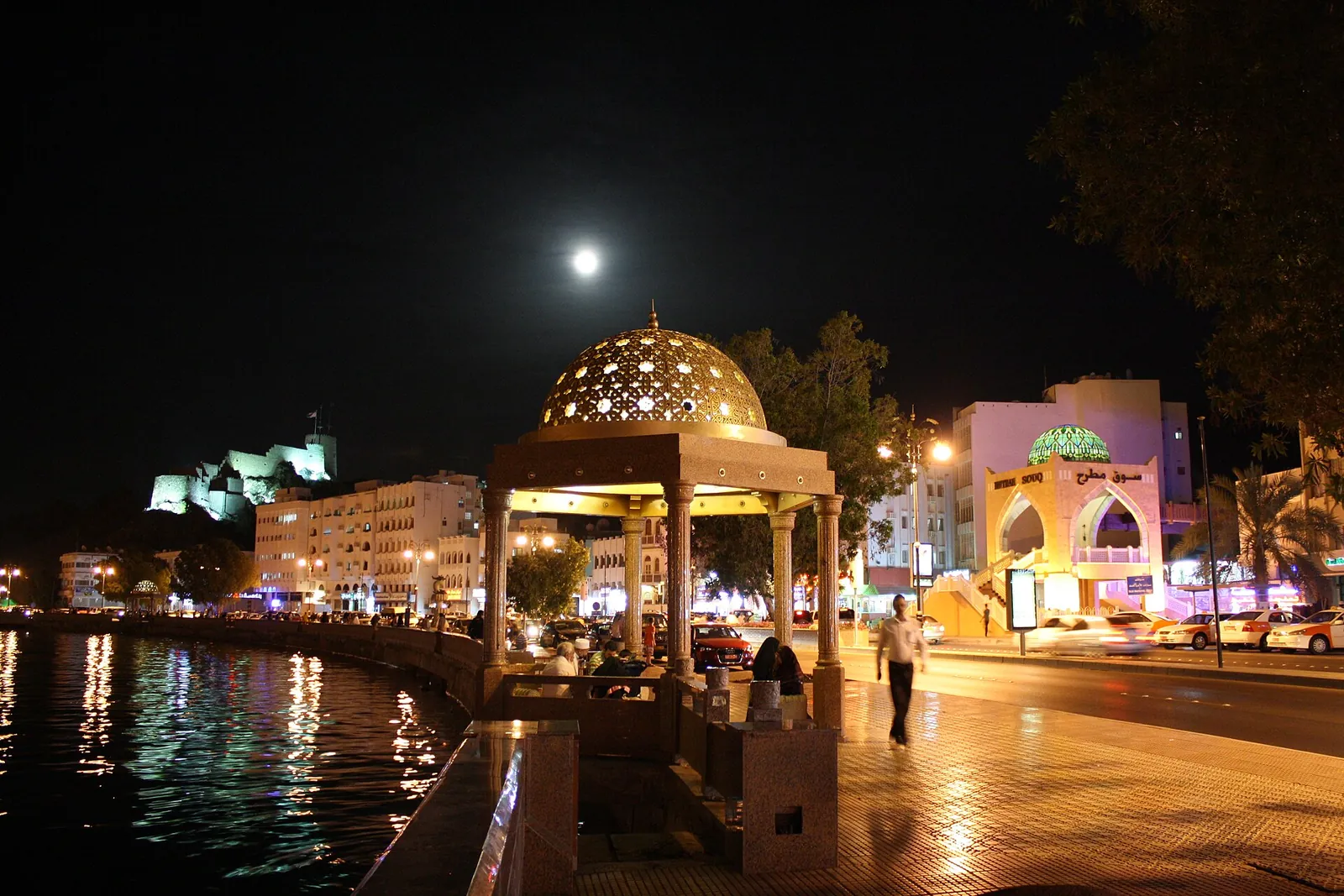
Take a short taxi ride, about 4 km, to Mutrah. Walk along the seafront as the light softens and look out for Mutrah Fort, a fine example of Omani military architecture. Then step into Mutrah Souq, a maze of alleys full of frankincense, silver, fabrics and spices. Opening times vary by shop, so just take your time and browse.
Day 2: The Grand Mosque, the Opera House and Qurum
Morning
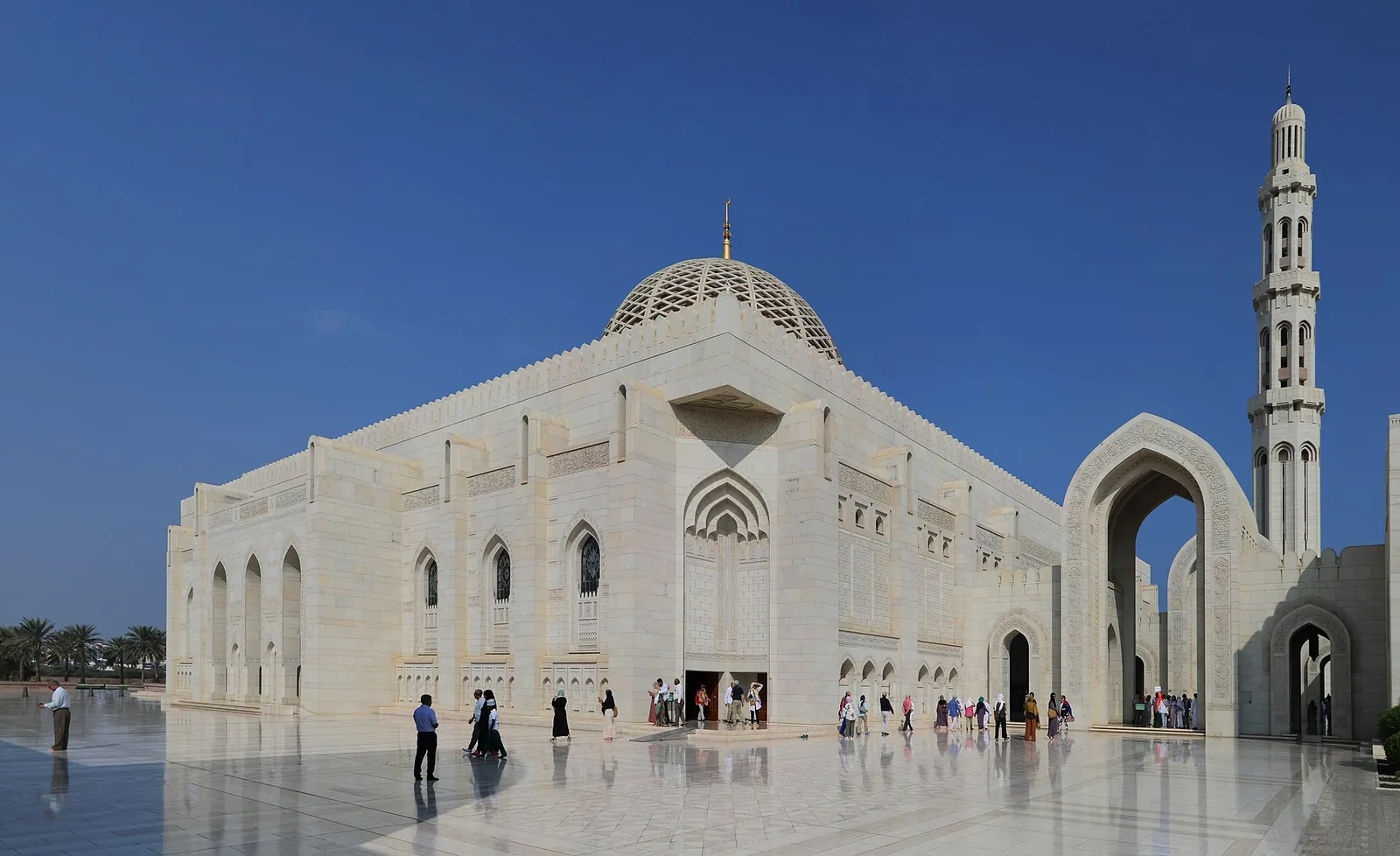
Set an early alarm: this is the day for Muscat’s showpieces. The Sultan Qaboos Grand Mosque only welcomes non-Muslim visitors on mornings from Saturday to Thursday, until 11:00. Experience Oman, the tourism ministry’s site, says visits start at 8:00, while the mosque’s own website says 8:30. To be safe, aim to arrive around 8:30.
Experience Oman lists an admission fee of OMR 8. Older guides often say entry is free, so go by the official figure and bring a card or some cash just in case.
Inside you’ll find the world’s second-largest hand-woven Persian carpet, a 50-metre dome and five minarets. The dress code is strict: cover your shoulders and knees, and women should also cover their hair. You can borrow abayas and headscarves at the entrance. Take your shoes off before the prayer hall and keep your voice down.
Afternoon
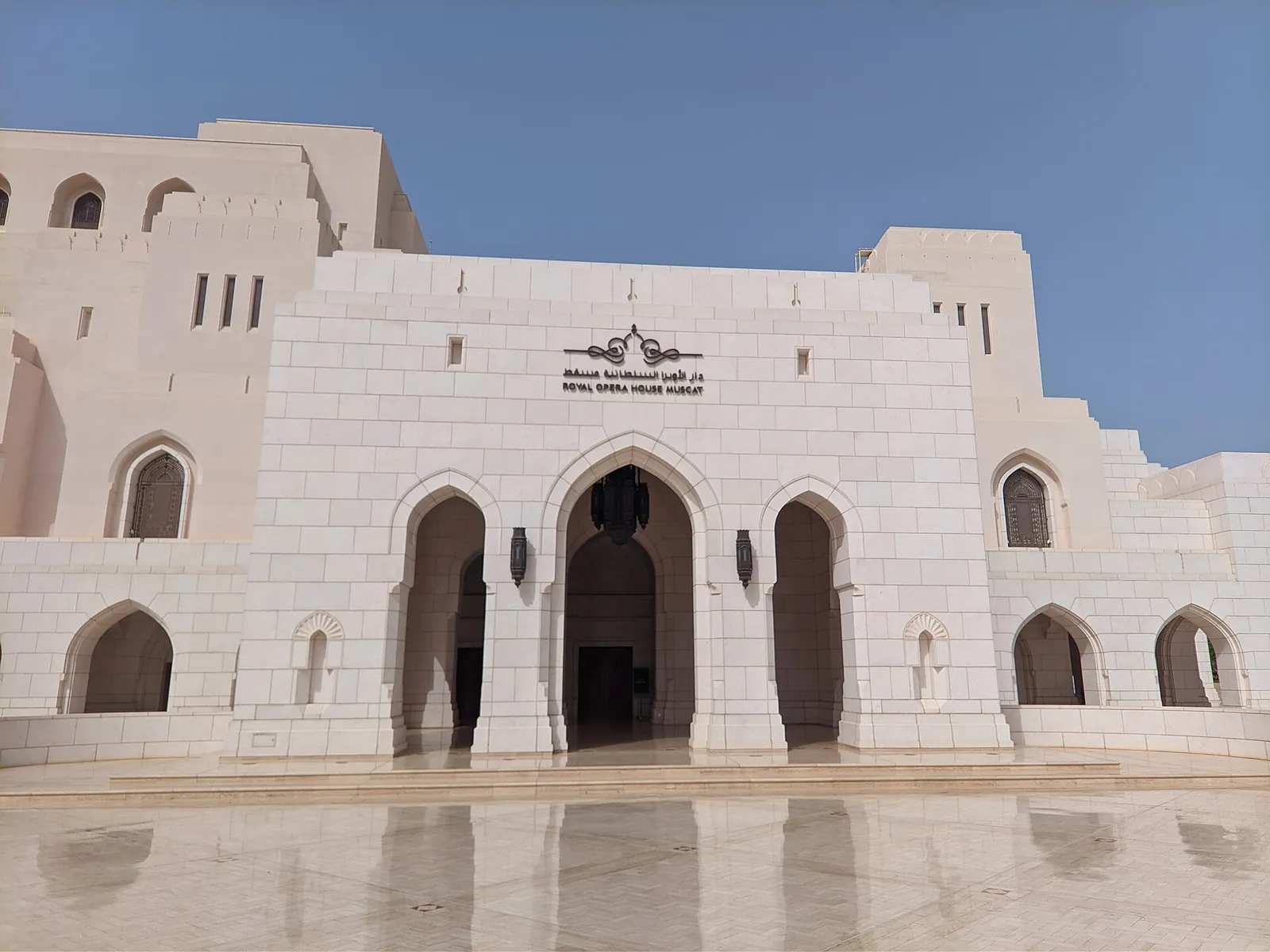
The Royal Opera House Muscat is about 9 km east of the mosque, a short taxi ride. It opened in 2011 as the Gulf’s first opera house. Guided visits run Saturday to Thursday, 8:30 to 17:30. Adult tickets are OMR 3.15 for either the Opera House or its museum, or OMR 4.2 for both. To book, email tours@rohmuscat.org.om or check the official site, rohmuscat.org.om.
Afterwards, relax at Qurum Beach, a popular sandy beach with a promenade. Swimwear is fine on tourist beaches, but cover up when you leave the sand.
Evening
If there’s a show during your stay, a night at the Opera House is a lovely way to end your time in Muscat. Check the programme on the official website. Otherwise, have a relaxed dinner and an early night before your road trip.
Day 3: Into the interior, Nizwa Fort and the souq
Morning
Road trip time! Pick up your rental car, or meet your licensed driver, and head inland to Nizwa. Plan the route on a live maps app and leave early so you arrive before lunch. Fill up with fuel and water before you set off.
Afternoon
Check in, rest and let the midday heat pass. Nizwa Fort is open Saturday to Thursday from 8:00 to 20:00. On Fridays it opens 8:00 to 11:30 and again 13:30 to 20:00. You buy tickets at the reception desk. Check the current price there or on the official site.
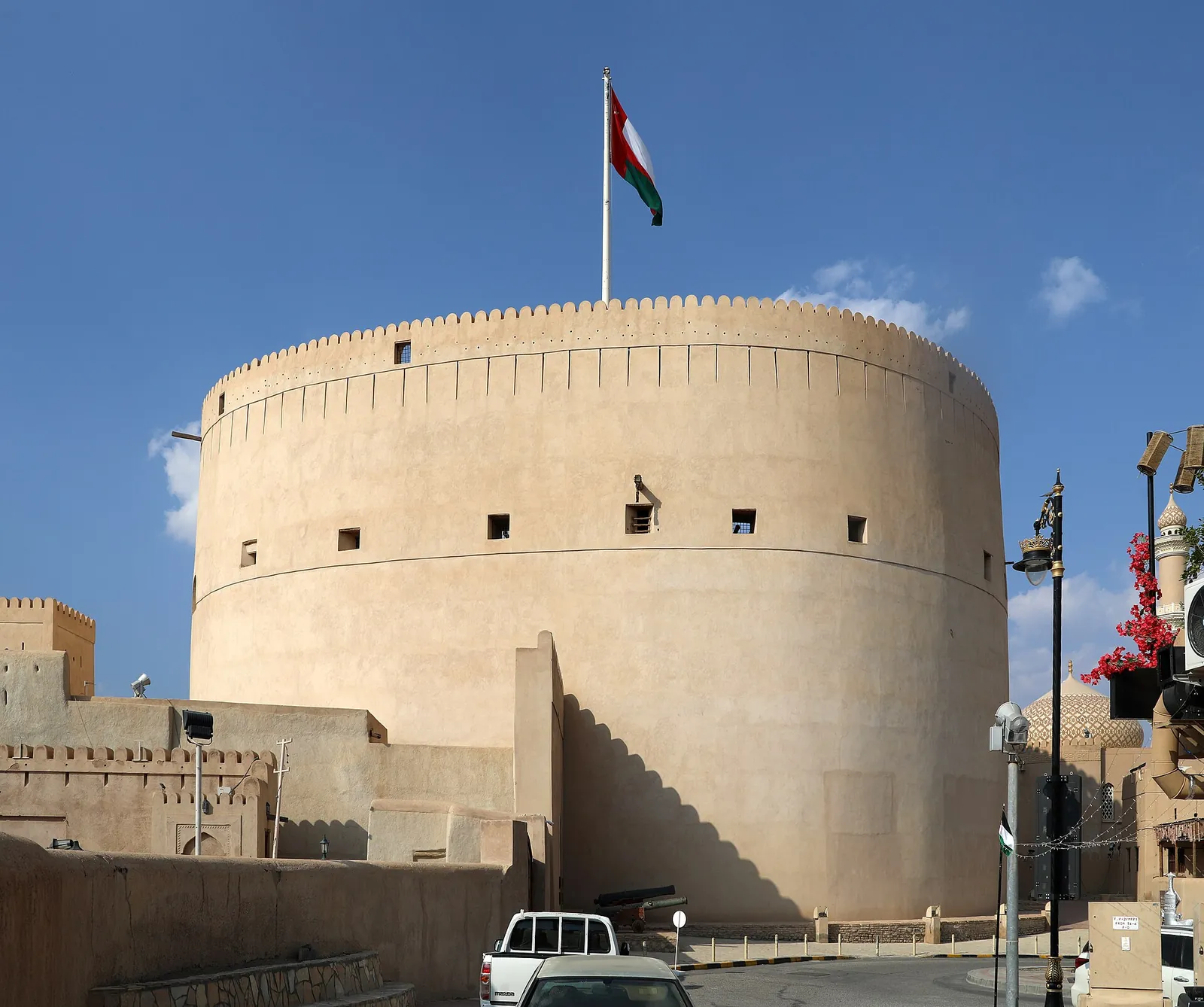
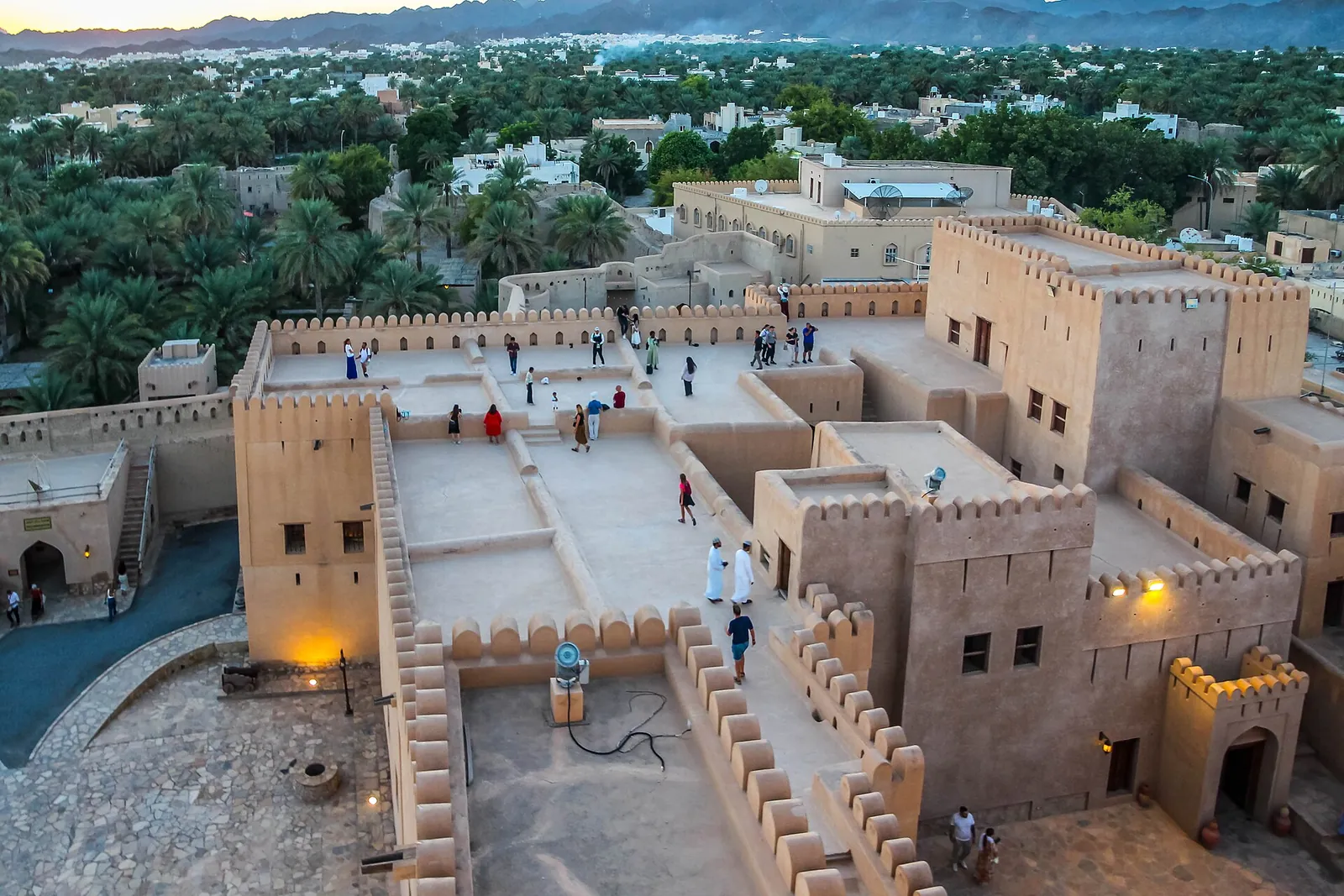
The fort is famous for its huge round tower, 34 metres high and 45 metres across. It was built in the mid-17th century under Imam Sultan bin Saif Al Ya’rubi. You climb a narrow H-shaped staircase through seven fortified doors, and the views from the top over the palms and mountains are superb. Inside, look out for the craft and halwa-making workshops, the date store and the Imam’s room.
Evening
The traditional Nizwa Souq is right next to the fort, so you can walk straight from the gate into its covered lanes of silverwork, pottery and dates. Ask at your hotel whether the weekly livestock auction is on during your stay. It’s a lively local tradition and worth planning around.
Day 4: Bahla Fort and Jabreen Castle
Morning
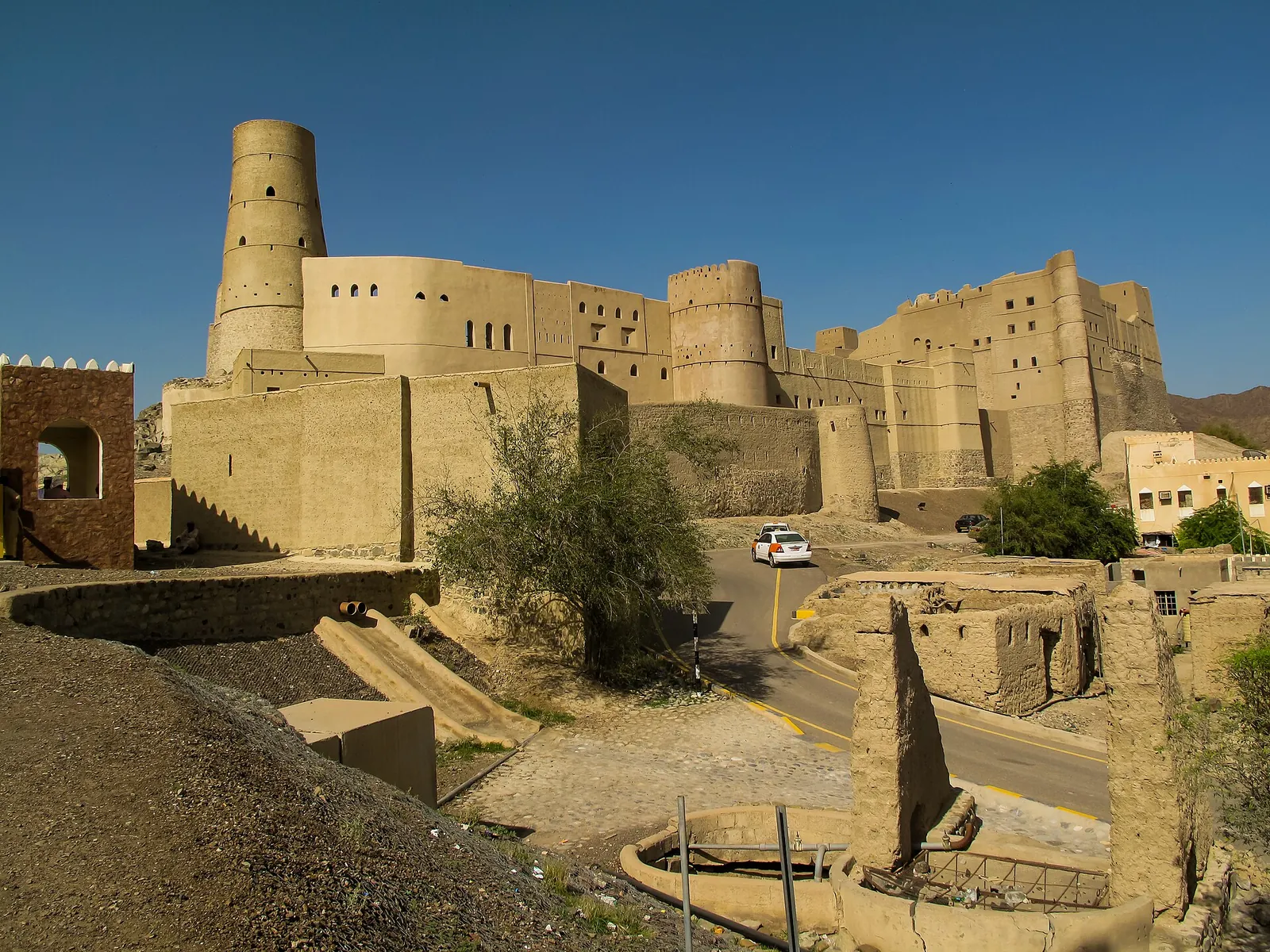
Today is all about castles. Drive to Bahla Fort, which in 1987 became the first site in Oman on the UNESCO World Heritage List. It’s open daily from 8:00 to 19:00, and you buy tickets at the reception desk. The fort sits on a hill in a palm oasis, and the old oasis walls run for more than 12 km around it. Bahla is also known for its pottery, so look out for workshops.
Afternoon
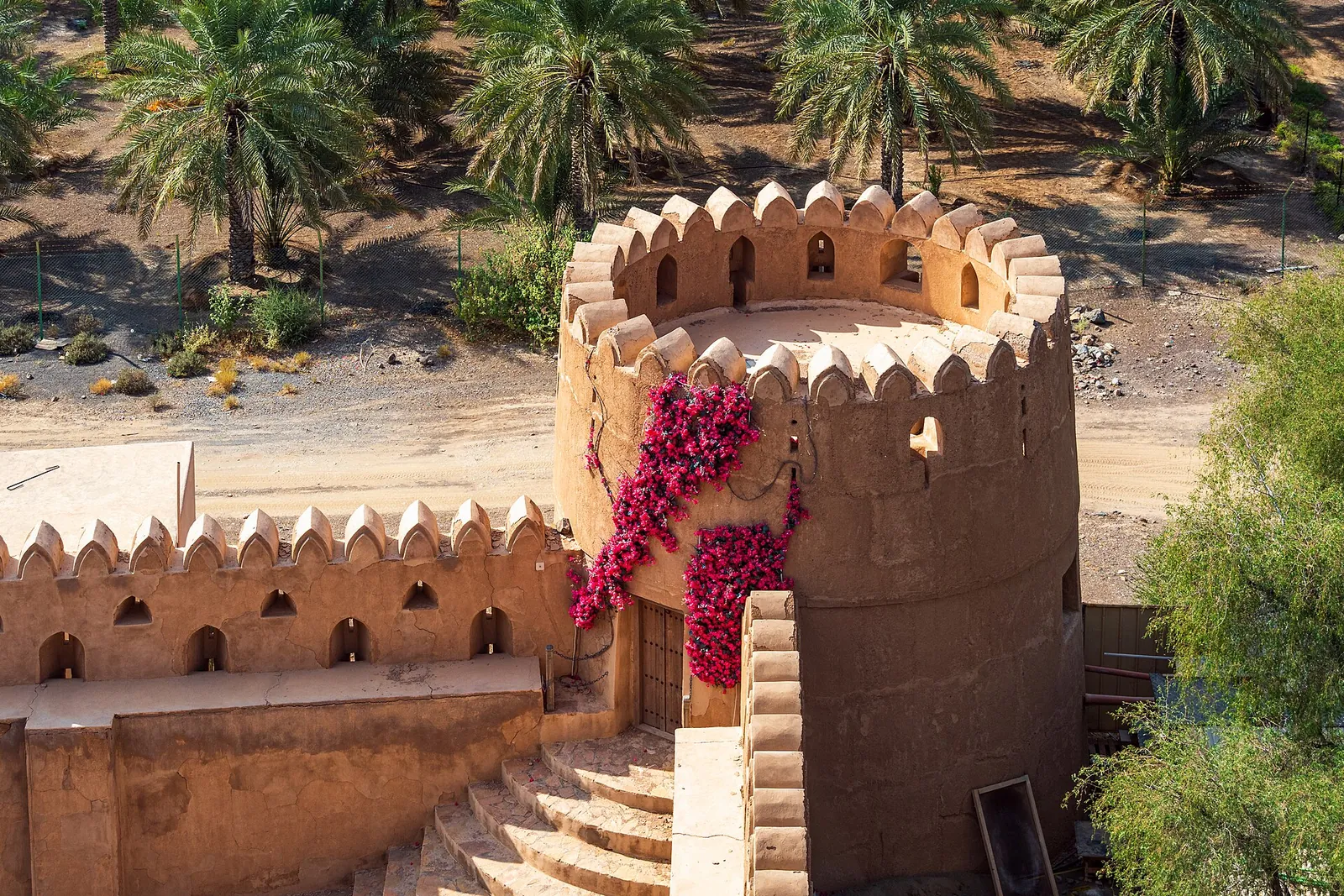
Jabreen Castle is just 8 km from central Bahla and about 20 km from Nizwa, so it’s an easy hop. It was built in 1675 under Imam Bil’arab bin Sultan Al Ya’rubi, as a centre of learning as much as a fortress. Look for the richly decorated rooms and the Sun and Moon Room. Don’t miss the openings once used to pour boiling oil and date syrup on attackers. It’s open daily from 7:30 to 21:00, with tickets at the desk and a self-guided audio tour. There’s a cafe on site. Lunch and dinner buffets need booking in advance.
Evening
Head back to Nizwa for a slow evening and an early night. Tomorrow is desert day.
Day 5: Into A’Sharqiyah (Wahiba) Sands
Morning
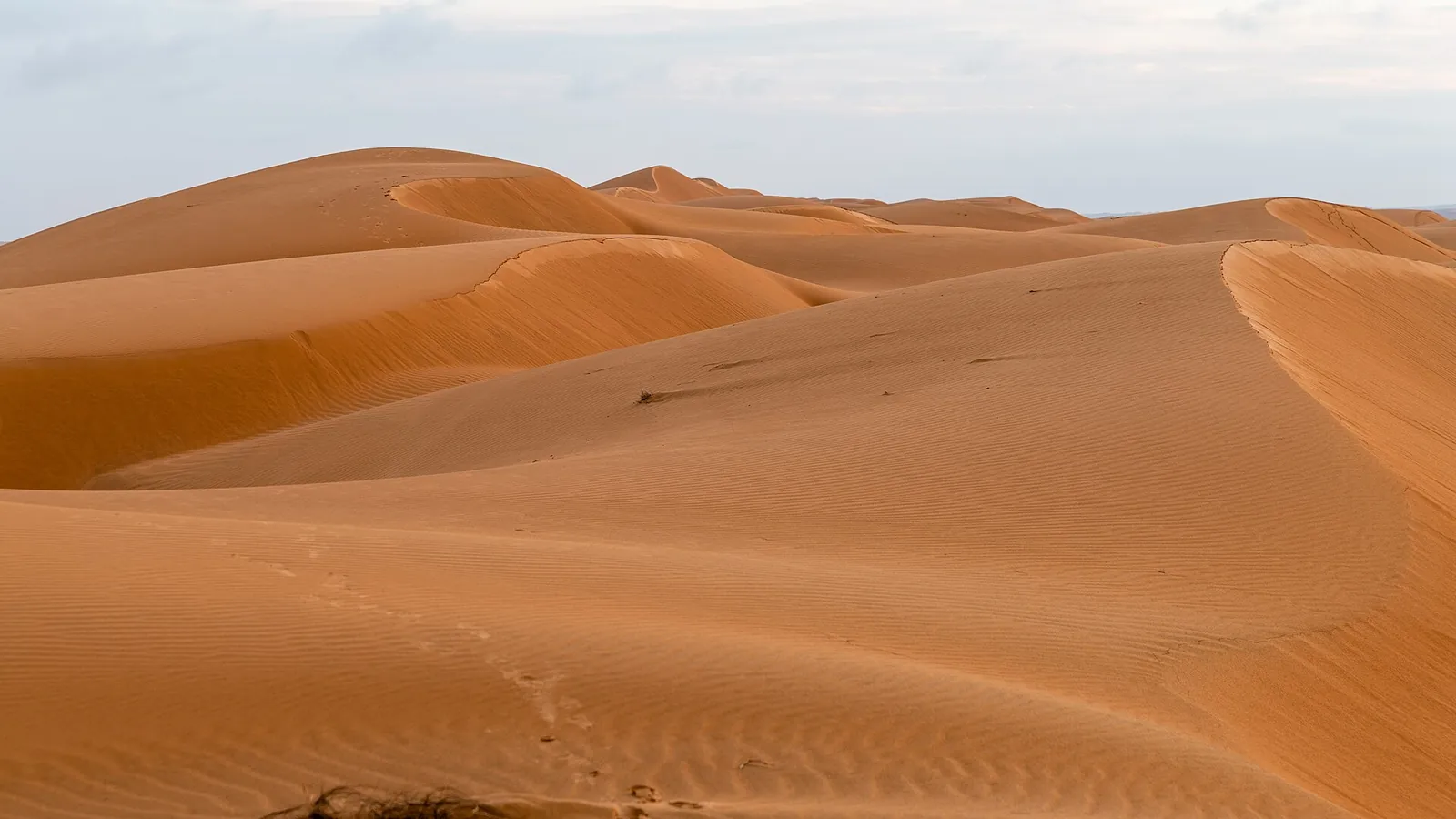
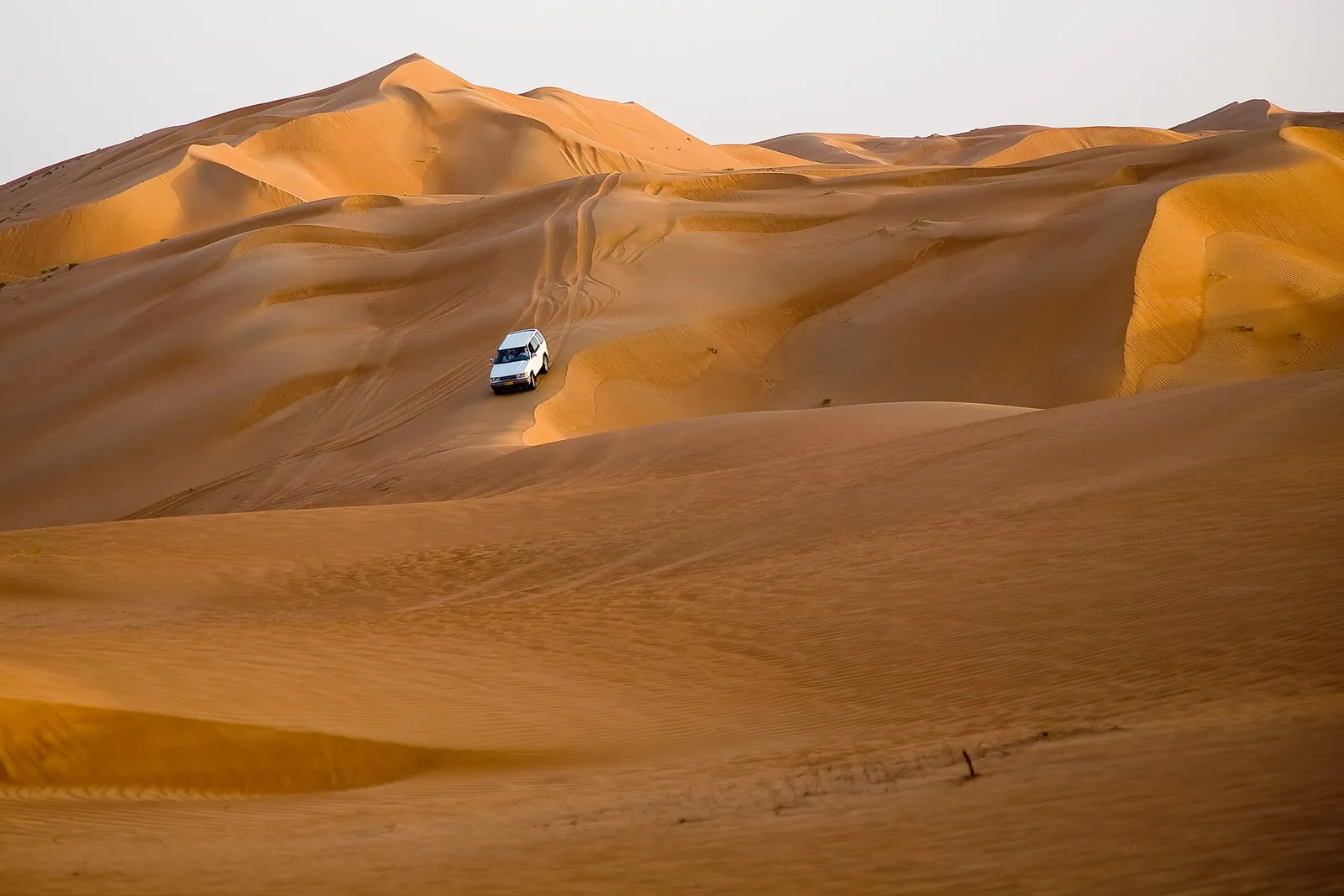
Save your energy for the dunes. Check out and drive east to A’Sharqiyah Sands, widely known as Wahiba Sands. The desert covers about 10,000 square kilometres. Its dunes change from pale yellow to rusty red and orange as the day goes on. If the weather is settled, you could stop on the way at Wadi Bani Khalid. Check the forecast first, though (see Heads-up).
Book your desert camp in advance and ask whether they offer a pickup from the paved road. Unless you have sand-driving experience and a well-equipped four-wheel drive, let the camp drive you in.
Afternoon
Settle into camp and rest in the shade. Popular activities include dune drives with a professional driver, camel rides, sandboarding and visits to Bedouin villages. Wear suitable clothes, use sunscreen and carry plenty of water.
Evening
Climb a dune for sunset, then enjoy dinner at camp under one of the best night skies of the trip. Stargazing out here is unforgettable.
Day 6: Desert sunrise and back to Muscat
Morning
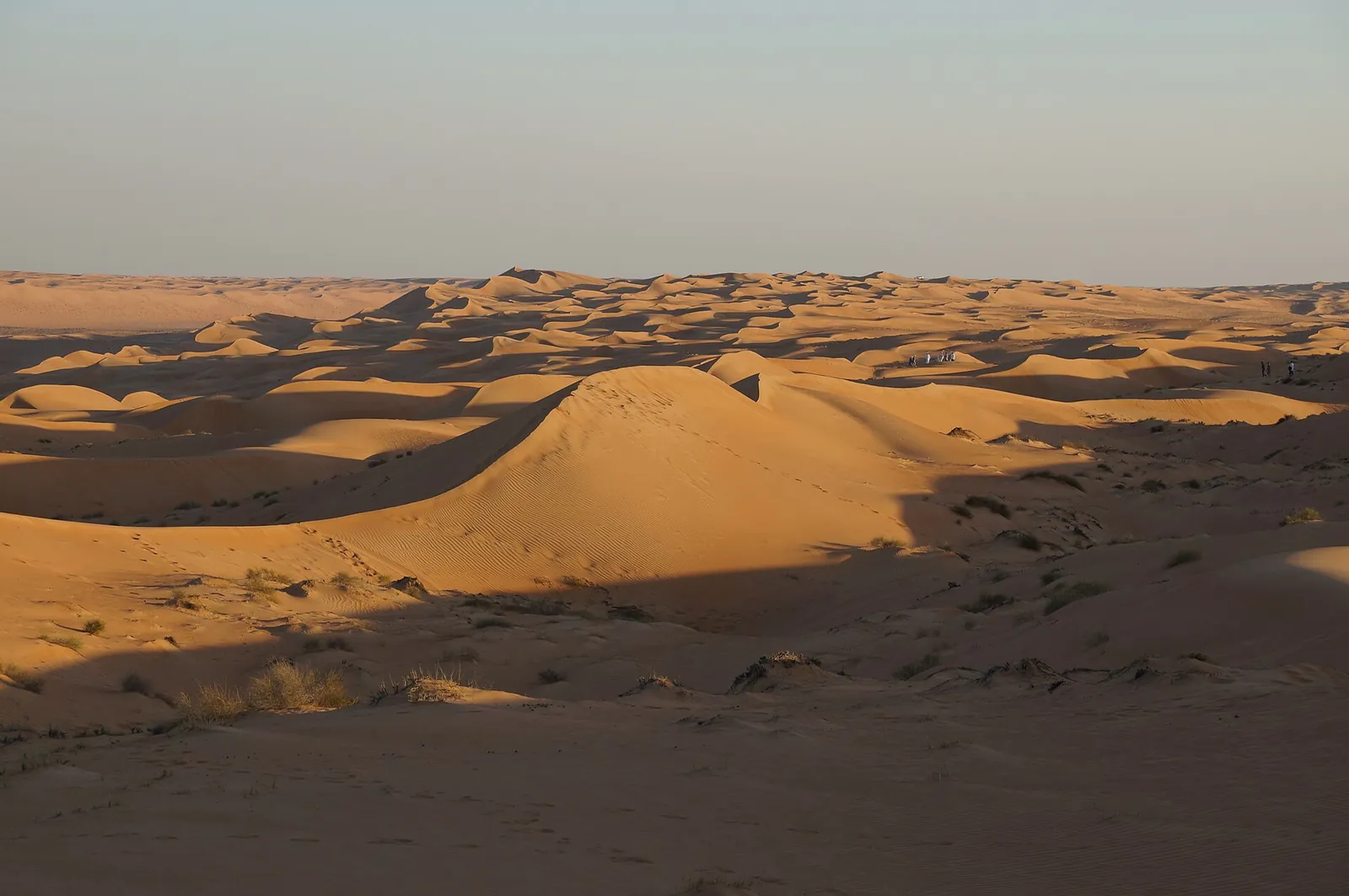
Your last morning is a magical one: get up early for sunrise over the sand, when the dunes are cool and the colours are at their best. After breakfast, head back towards Muscat.
Afternoon
Leave plenty of time before your flight. Pay any traffic fines before you return your car (see Heads-up), and pick up some last-minute frankincense or dates.
Evening
Fly home with sand in your shoes, or add a last night in Muscat if your flight leaves tomorrow.
Getting there and getting around
Most visitors fly into Muscat International Airport, about 35 km from the National Museum in Old Muscat.
Taxis and apps. Experience Oman links to several taxi apps, including OTaxi, Marhaba Taxi and Tasleem Taxi. Fares change, so check the price in the app before you ride.
Buses. Mwasalat, the national transport company, runs city buses in Muscat and intercity buses to towns including Nizwa. The National Museum mentions Mwasalat route 4 for Old Muscat. Routes, fares and timetables change, so check mwasalat.om before you travel. The hop-on hop-off Big Bus also stops at the National Museum.
Car hire. For Nizwa, Bahla, Jabreen and the desert, a rental car or a licensed driver gives you the most freedom. The UK government’s advice for desert and mountain trips:
- use a well-equipped four-wheel drive
- travel with another vehicle where possible
- carry water and a phone
- leave your plans with someone
- get suitable insurance
Check with your home licensing authority and your rental company that your licence is accepted.
Tours. If you’d rather not drive, Experience Oman has a list of tour operators at experienceoman.om/tour-operators.
Visa and entry
Entry rules depend on your nationality and can change at short notice. Check the Royal Oman Police eVisa portal (https://www.rop.gov.om/OnlineServices/eVisa/en/) and Experience Oman’s visa page (https://experienceoman.om/visa) before you book. If you need a visa, allow time for processing.
Where to stay
- Old Muscat and Mutrah: best for history lovers who want to walk to the National Museum and Bait Al Zubair and wander the seafront and souq in the evening.
- Qurum: a good middle ground, with the beach and promenade on your doorstep and an easy ride to the Opera House and the Grand Mosque. Suits families and anyone who wants beach time between sights.
- Nizwa old town: stay close to the fort and souq so you can walk there at sunset. Great for couples and culture fans.
- A’Sharqiyah Sands: a desert camp is the whole point. Choose one that matches your comfort level, from simple tents to more polished camps. Experience Oman lists places to stay at experienceoman.om/accommodation.
Budget
These are the entry fees we could confirm on official sources today. Everything else depends on the season and how comfortably you travel, so check current prices when you book.
| Item | Typical cost |
|---|---|
| National Museum (tourist ticket, card only) | OMR 5 |
| Sultan Qaboos Grand Mosque (as listed by Experience Oman) | OMR 8 |
| Bait Al Zubair Museum (foreign visitors) | OMR 3 |
| Royal Opera House guided visit (adult) | OMR 3.15, or OMR 4.2 with the museum |
| Nizwa Fort, Bahla Fort, Jabreen Castle | Paid at the desk; check on arrival |
| Desert camp | Check with the camp when booking |
| Car hire, fuel, hotels, meals | Check current rates |
Not included: international flights, visa fees, travel insurance and shopping. The four Muscat entry fees above come to about OMR 19 per adult, before the forts around Nizwa.
Practical tips
- Dress code: in public places, including malls, cover the tops of your arms and your legs to below the knee. Tight clothes attract attention. Swimwear is only for tourist beaches and pools.
- Closing days: Grand Mosque visits for non-Muslims, Royal Opera House tours and Bait Al Zubair don’t run on Fridays. The National Museum is closed on the first two days of Eid al-Fitr and Eid al-Adha.
- Money: the currency is the Omani rial (OMR), which divides into 1,000 baisa. Carry a Visa or Mastercard, as some places, like the National Museum, only take cards.
- Ramadan: if you travel during Ramadan, don’t eat, drink, smoke or chew gum in public during the day, even in your car. Avoid loud music, and be patient with shorter opening hours.
- Alcohol: only served in licensed places such as hotels, restaurants and clubs. The legal drinking age is 21. Drinking in public and drink-driving are illegal.
- Drones and photos: flying a drone without a valid licence is illegal. Ask before you photograph people, and don’t photograph military sites, government buildings or airports.
- SIM and eSIM: Oman’s mobile networks sell prepaid plans for visitors. Compare prices on the operators’ official sites and bring an unlocked phone. Download offline maps for the desert, where the signal can be patchy.
Heads-up
Oman is warm and welcoming, and a little preparation keeps it that way. These points come from official advice.
- Regional tensions: the UK government’s Oman advice was updated on 22 July 2026 and is still current today. It reports that since 8 July, Iran has carried out strikes and retaliatory attacks in several places in the region, including Oman. It warns of possible flight cancellations and airspace closures. Check your own government’s latest advice before you book and again before you fly. Follow local authorities and keep your plans flexible.
- Flash floods in wadis: wadis (dry valleys) can flood suddenly after heavy rain from October to March, which is also peak travel season. Check the forecast and stay away from wadis when heavy rain is expected and for at least a day afterwards. Never try to cross flowing water. If you get caught out, head for high ground.
- Heat: extreme heat has caused deaths in Oman from dehydration and heat exhaustion. Start early, rest at midday, drink plenty of water and stick to marked trails when hiking.
- Roads: driving outside Muscat can be dangerous. Watch for camels and goats on the road, and remember that rain can flood roads that cross dry riverbeds. We don’t recommend driving into the dunes unless you have a well-equipped four-wheel drive and experience.
- Boats: tourist boats may not meet the safety standards you’re used to. Make sure there are life jackets for everyone.
- Traffic fines: foreign visitors must pay all debts and traffic fines before leaving Oman. Check for fines on the Royal Oman Police app or website before you return your car.
- Dress codes: at the Grand Mosque, cover your shoulders and knees, and women should also cover their hair. Coverings are provided, but arriving dressed for it saves time.
FAQ
Can non-Muslims visit the Sultan Qaboos Grand Mosque?
Yes, on mornings from Saturday to Thursday, until 11:00. Arrive around 8:30 and dress modestly. You can borrow coverings at the entrance.
Do I need a 4x4 for this itinerary?
Not for Muscat, Nizwa, Bahla and Jabreen, which are on paved roads. For the desert, the UK government advises a well-equipped four-wheel drive. Most visitors either hire one or let their camp drive them into the sands.
When is the best time to visit?
Experience Oman suggests October to April for the forts around Nizwa and September to April for A’Sharqiyah Sands. Watch the rain forecast during these months, because of wadi flash floods.
Can I pay by card?
Often, yes. The National Museum only takes Visa and Mastercard. Carry some rials in cash for small souq buys and roadside stops.
Is it safe to travel to Oman right now?
There has been regional tension in the Gulf in 2026. Read your government’s current travel advice before you book and again before you leave, and follow instructions from local authorities.
Sources
Prices, hours and rules change. We checked these on 24 October 2026; please confirm on the official page before you book.
- Experience Oman (Ministry of Heritage and Tourism): Sultan Qaboos Grand Mosque
- Sultan Qaboos Grand Mosque official website
- The National Museum, Sultanate of Oman: Ticket Fees
- The National Museum, Sultanate of Oman: Working Hours
- The National Museum, Sultanate of Oman: Frequently Asked Questions
- Experience Oman: Royal Opera House
- Experience Oman: Bait Al Zubair Museum
- Experience Oman: Mutrah Souq
- Experience Oman: Nizwa Fort
- Nizwa Fort official website
- Experience Oman: Bahla Fort
- Experience Oman: Jabreen Fort
- Experience Oman: A'Sharqiyah Sands
- GOV.UK Foreign Travel Advice: Oman, Warnings and insurance
- GOV.UK Foreign Travel Advice: Oman, Safety and security
- GOV.UK Foreign Travel Advice: Oman, Getting help
Photo credits (12)
- Rippled golden dunes of Wahiba Sands: Christoph Strässler, CC BY-SA 2.0, via Wikimedia Commons
- Mutrah's seafront below rugged mountains: Eduard Marmet, CC BY-SA 2.0, via Wikimedia Commons
- The palm-lined Mutrah corniche on a sunny day: Francesco Bini, CC BY-SA 4.0, via Wikimedia Commons
- The Mutrah corniche glowing under the moon: Omar AV, CC BY 3.0, via Wikimedia Commons
- The white Sultan Qaboos Grand Mosque under a blue sky: Francesco Bini, CC BY-SA 4.0, via Wikimedia Commons
- The elegant white facade of the Royal Opera House Muscat: Taha Al-Hayali, CC BY-SA 4.0, via Wikimedia Commons
- The great round tower of Nizwa Fort: Francesco Bini, CC BY-SA 4.0, via Wikimedia Commons
- Nizwa Fort and the palm oasis seen from above: Dr. Thomas Liptak, CC BY-SA 4.0, via Wikimedia Commons
- Bahla Fort's mud-brick towers in the sunshine: Francisco Anzola, CC BY 2.0, via Wikimedia Commons
- Jabreen Castle's walls framed by palm trees: dconvertini, CC BY-SA 2.0, via Wikimedia Commons
- A 4x4 crossing the orange dunes of Wahiba Sands: Andries Oudshoorn, CC BY-SA 2.0, via Wikimedia Commons
- Soft morning light over the Wahiba dunes: albinfo, CC BY-SA 4.0, via Wikimedia Commons
This is a researched plan, not a personal trip report. How we research · Affiliate disclosure