
3 Days in Osaka: A Day-by-Day Itinerary
A 3-day Osaka plan: Osaka Castle and Dotonbori, Sumiyoshi Taisha, Shinsekai and Abeno Harukas, then Umeda views. Includes checked fares and booking tips.
- 🗓️ Trip length
- 3 days
- ☀️ Best time
- Spring and autumn
- 💰 Daily spend
- Sights JPY 0-3,500 a day, plus hotel, meals and transport
- ✅ Facts checked
- 24 October 2026
Get ready for neon canals, sizzling street food and some of the best skyline views in Japan. Osaka is a city you can taste, and it rewards curious travellers who like to wander, snack and look up. This 3-day plan suits first-time visitors, families and food lovers who want the big hitters without rushing from dawn to midnight.
It’s a happy, hungry kind of trip, and the pace is relaxed to moderate. Each day sticks to one part of the city, so you spend more time exploring and less time on trains. You’ll get one castle day, one day for shrines and retro towers, and one day for the waterfront and sky views. Mornings start reasonably early, afternoons leave room for a break, and every evening ends somewhere lit up.
At a glance
| Day | Area | Highlights |
|---|---|---|
| Day 1 | Osaka Castle and Minami | Osaka Castle Park, Main Tower, Shinsaibashi shopping street, Dotonbori at night |
| Day 2 | South Osaka: Sumiyoshi, Shinsekai, Tennoji | Sumiyoshi Taisha, Tsutenkaku Tower, Abeno Harukas Observatory at sunset |
| Day 3 | Bay area and Umeda | Osaka Aquarium Kaiyukan or a slow morning, Umeda shopping, Kuchu Teien Observatory |
Day 1: Castle grounds and the neon heart of Minami
Morning
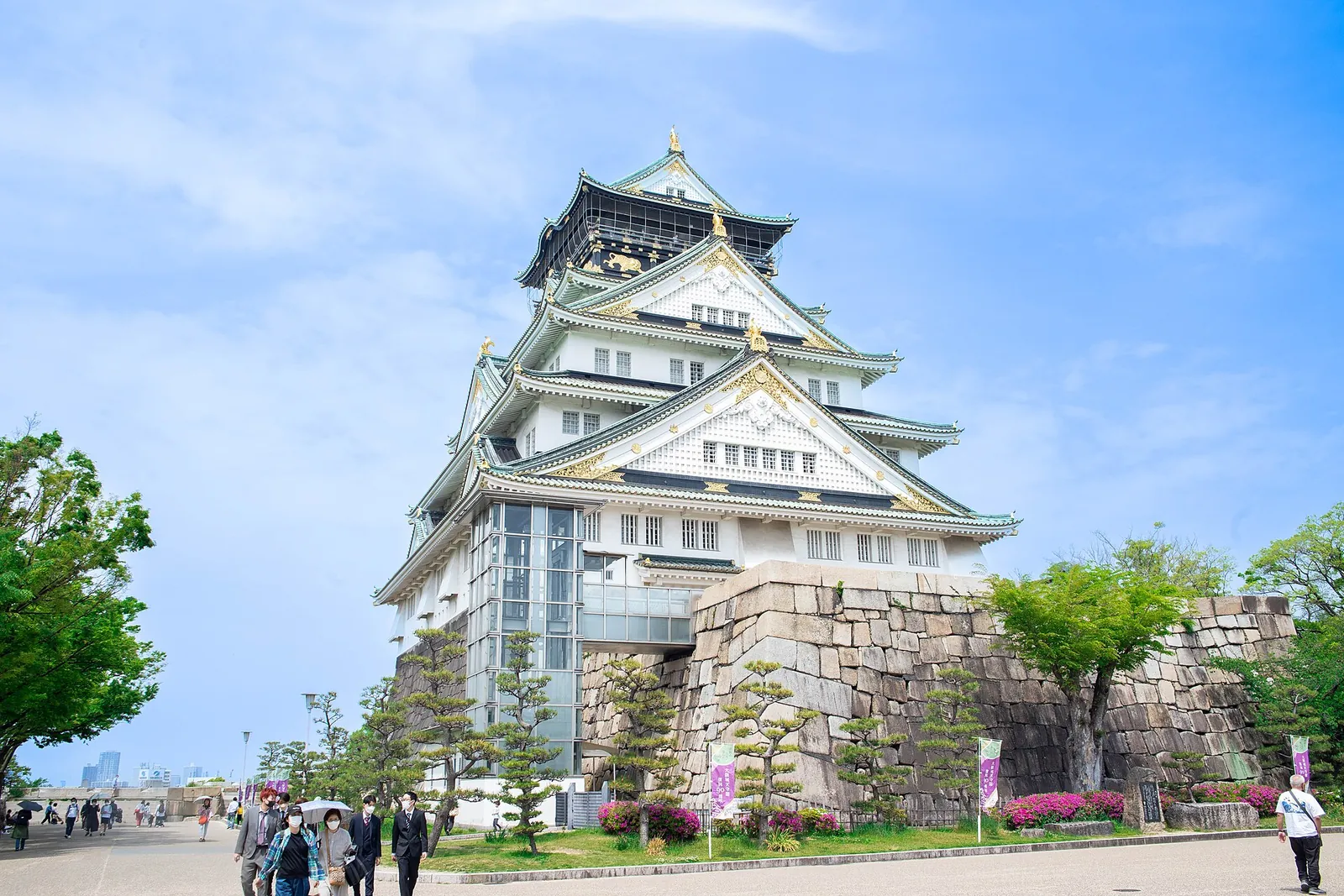
Welcome to Osaka! Start your story at Osaka Castle Park. The wide moats, huge stone walls and the white-and-green Main Tower make a wonderful first impression, and the park itself is lovely for an early stroll before the tour groups arrive.
Inside the Main Tower you’ll find a museum about the castle’s history and an observation level near the top. Opening hours and admission change from time to time, so check the official Osaka Castle Main Tower site for current hours, prices and any holiday closures before you go. Give yourself two to three hours for the park and the tower together.
Several Osaka Metro and JR stations sit around the edge of the park. Use a route planner app to find the closest one to your hotel, and expect a pleasant walk through the grounds to reach the tower.
Afternoon
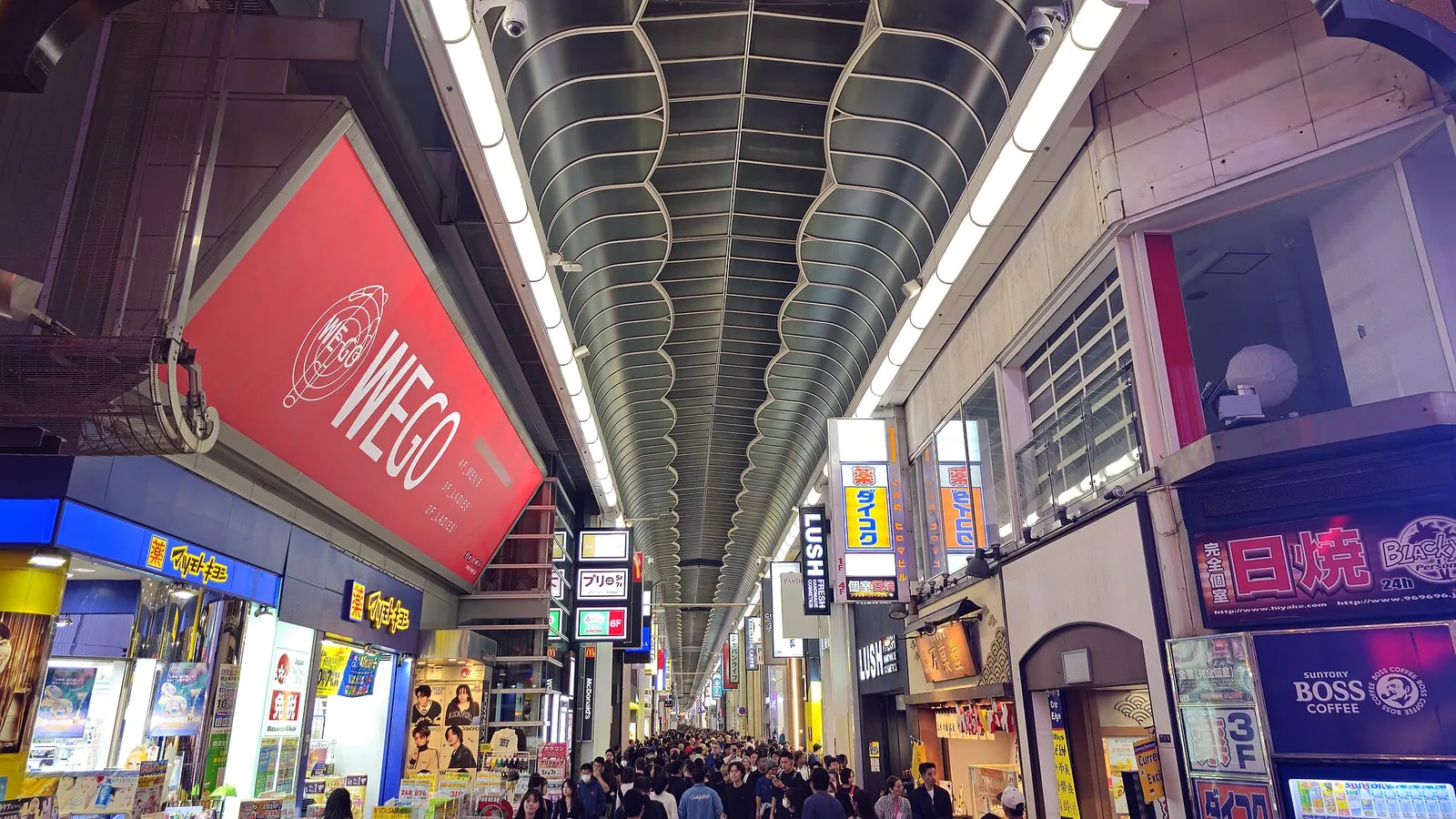
Head south to Minami, the city’s lively downtown, by metro. A good plan is to grab lunch near Namba or Shinsaibashi, then wander the long covered Shinsaibashi-suji shopping street. It’s ideal on hot or rainy days because you stay under cover while you browse fashion, drugstores and snack shops.
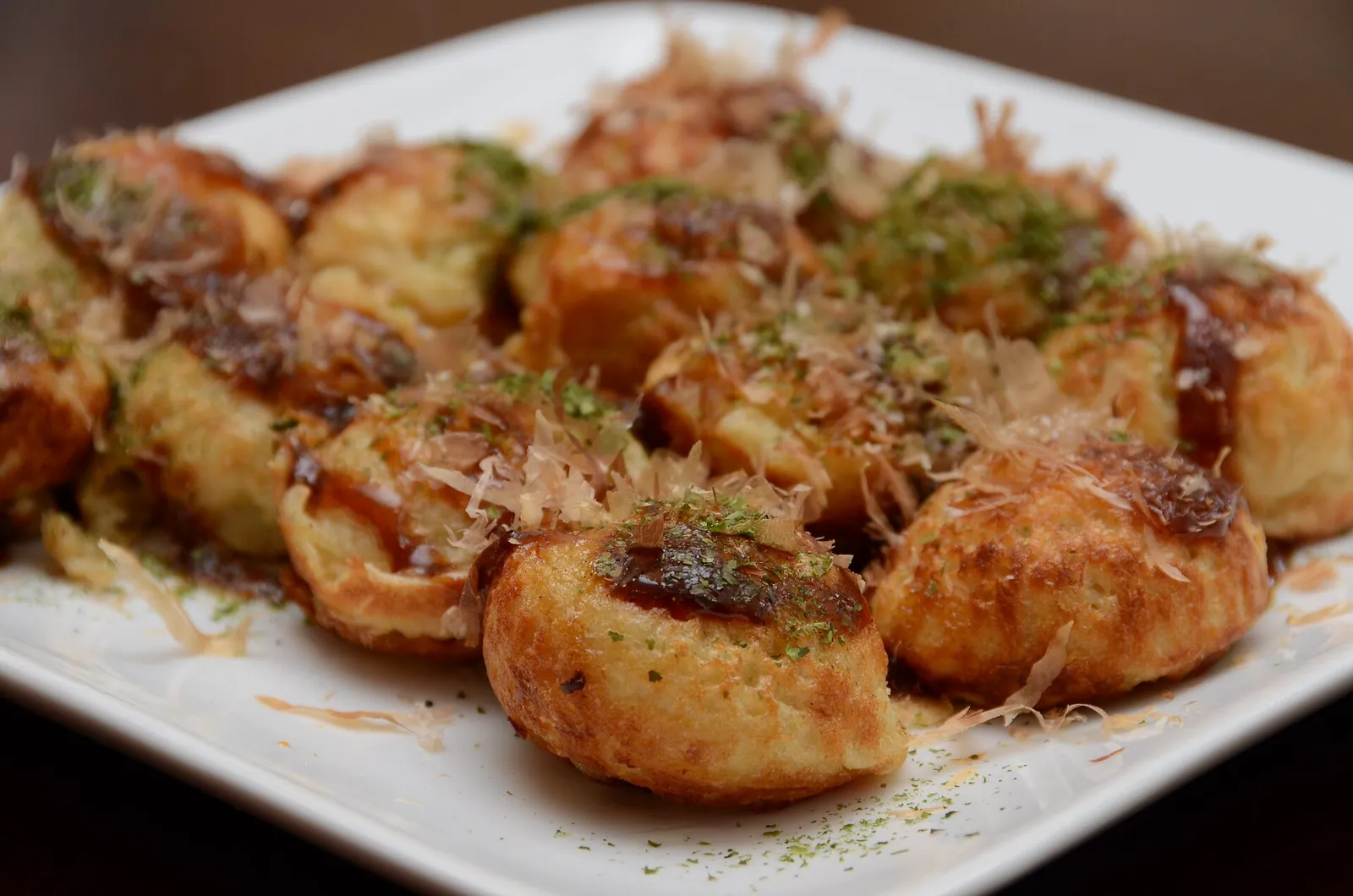
If you’re feeling peckish mid-afternoon, there are plenty of places around Namba selling takoyaki (octopus balls) and okonomiyaki (savoury pancakes). We’d save some room for the evening, though.
Evening
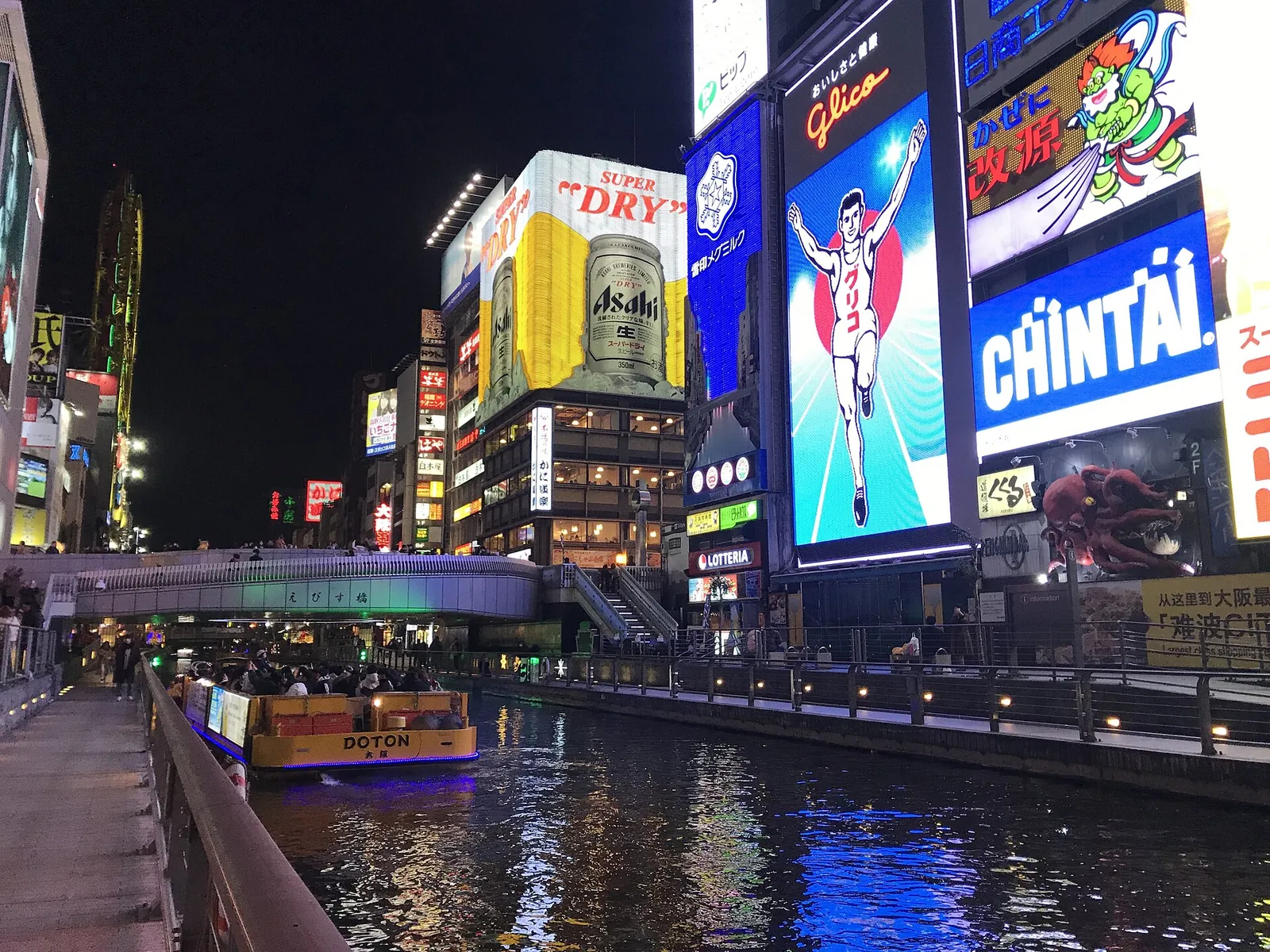
As the sun goes down, walk to Dotonbori. This canal-side strip is Osaka at full volume: giant 3D signs, glowing billboards and the famous running-man sign reflected in the water. Stroll both banks, cross the bridges for photos, and graze your way along the street food stalls.
Dotonbori is right next to Shinsaibashi-suji, so there’s no transport needed. When you’re done, Namba is a short walk away for trains home.
Day 2: Ancient shrines, retro towers and a sunset view
Morning
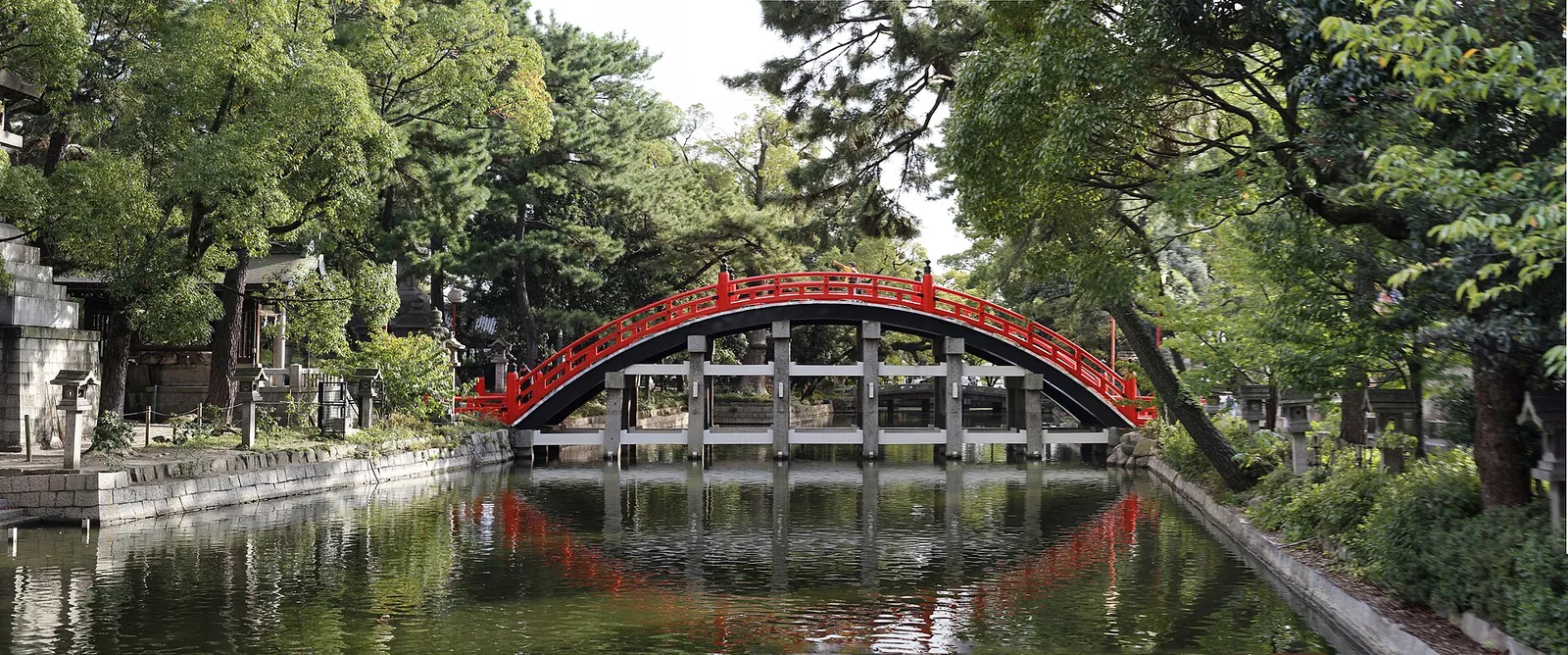
Today mixes peaceful shrines, retro fun and a glowing sunset. Begin calmly at Sumiyoshi Taisha, one of Japan’s most respected shrines. The shrine describes itself as the head of approximately 2,300 Sumiyoshi shrines throughout Japan, and its arched red bridge and distinctive old shrine buildings are beautiful in the soft morning light.
Good news for early risers: entry is free. From October to March the grounds are open 6:30 am to 5 pm, and from April to September 6 am to 5 pm. The souvenir shop opens 9 am to 5 pm, and the shrine says it has no fixed holidays.
Keep these shrine rules in mind: no eating, drinking or smoking on the grounds, and drones are not allowed. Credit cards are not accepted, so bring cash (Japanese yen) if you’d like to buy a protective charm or a souvenir. There’s no Wi-Fi at the shrine either, so download your maps beforehand.
Sumiyoshi Taisha is in the south of the city. Check the shrine’s access page or a route app for the best train from where you’re staying, and plan about one to one and a half hours here.
Afternoon
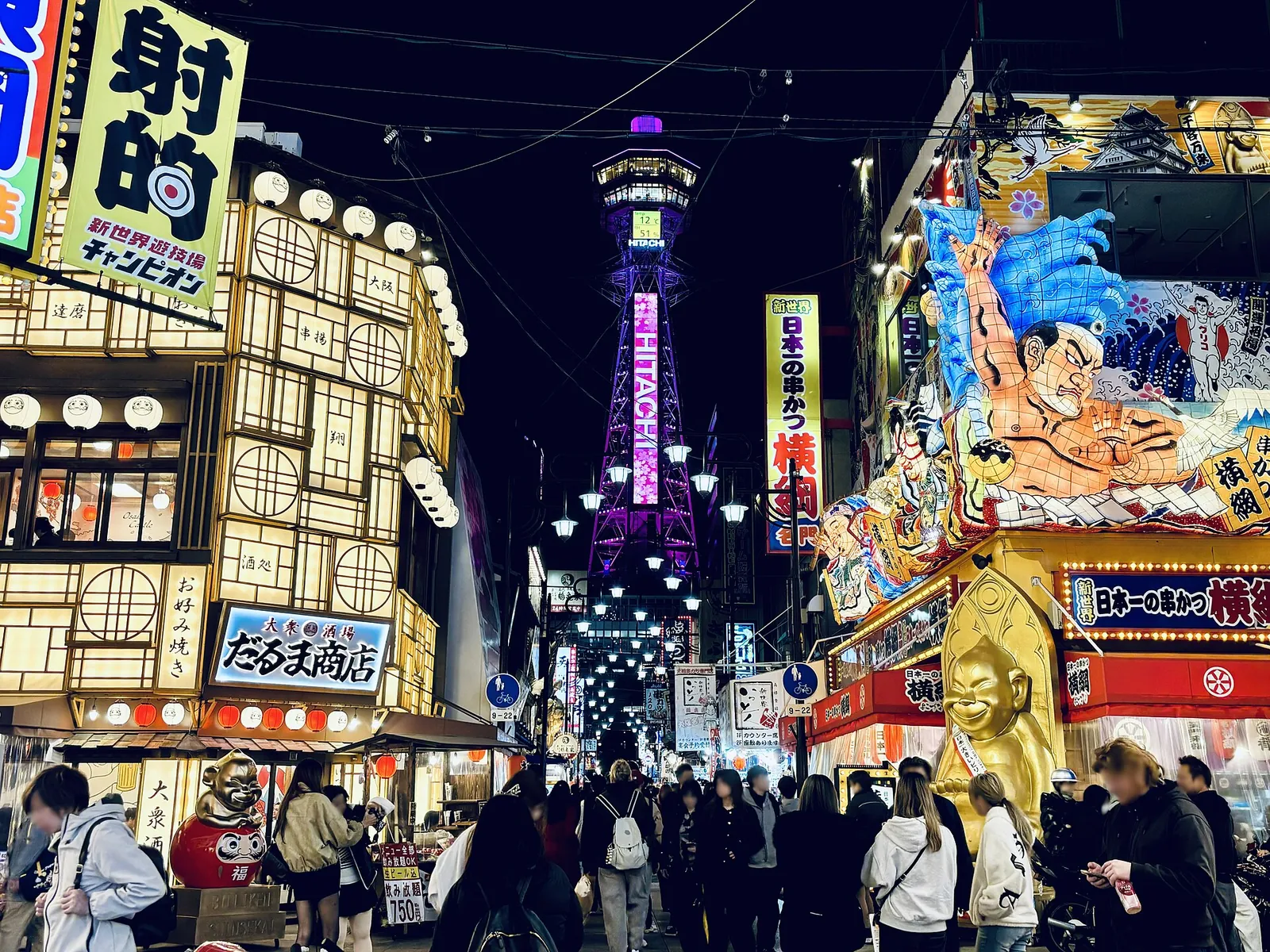
Ride back north to Shinsekai, a nostalgic neighbourhood full of retro signs, kushikatsu (deep-fried skewers) restaurants and old-school charm. Its centrepiece is Tsutenkaku Tower, which the Osaka tourism bureau lists as a registered national tangible cultural property.
The current tower was rebuilt in 1956 and reaches 108 metres including the lightning rod. Up on the golden observation deck you’ll meet Billiken, a cheerful figure said to bring good fortune to anyone who touches the soles of his feet.
Need-to-knows from Tsutenkaku’s official site:
- Admission: 1,500 yen for adults (15 and over), 800 yen for children aged 5 to 14.
- Hours: the general observation deck is open 9:00 to 21:45, last entry 21:15.
- Timed entry: you need a time slot for every ticket type. The tower recommends buying online in advance and warns that tickets can sell out from early evening onwards. Book a timed ticket on the official site.
- Getting there: about a 3-minute walk from Ebisucho Station on the Osaka Metro Sakaisuji Line, or about 6 minutes on foot from JR Shin-Imamiya Station on the Osaka Loop Line.
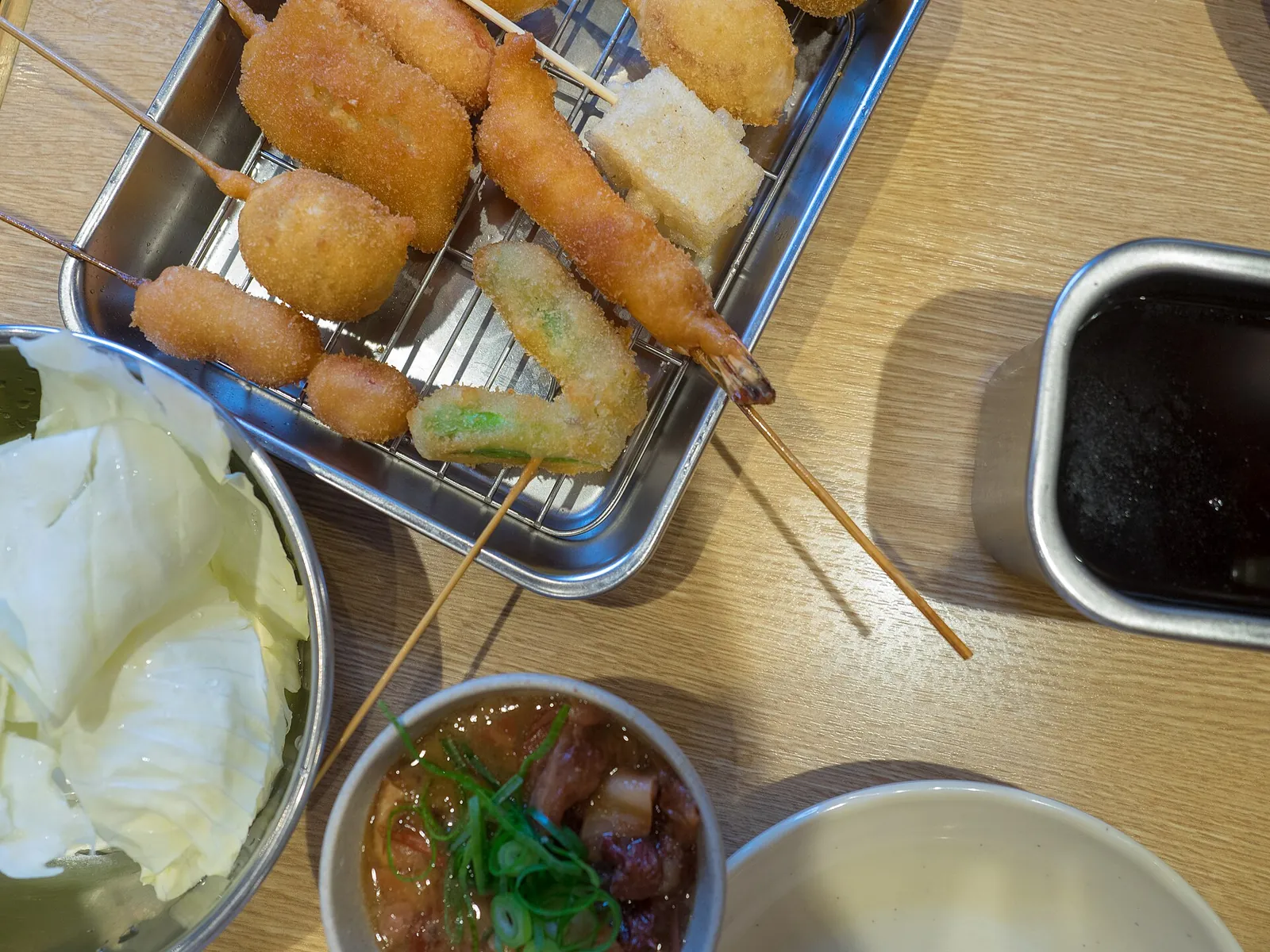
After the tower, sit down for a late kushikatsu lunch. It’s practically a rite of passage in Shinsekai.
Evening
Walk east through the Tennoji area to Abeno Harukas and ride up to the Harukas 300 Observatory for sunset. On a clear evening the city stretches out in every direction, and watching the lights come on below you is unforgettable.
Details from the observatory’s official page:
- Hours: 9:00 to 22:00, open all year. Last admission is 30 minutes before closing.
- Same-day tickets: 2,000 yen for adults (18 and over), 1,200 yen for ages 12 to 17, 700 yen for ages 6 to 11, and 500 yen for ages 4 to 5. Children under 3 go free.
- Where to buy: same-day tickets are sold at the 16th-floor ticket counter, first come, first served. Re-entry is not allowed.
Sunset is the busiest time, so arrive a little early. Afterwards, the Tennoji area has plenty of restaurants for dinner.
Day 3: Waterfront wonders and Umeda in the sky
Morning
Your last day is all about sea creatures and sky-high views! You have two good options for the morning:
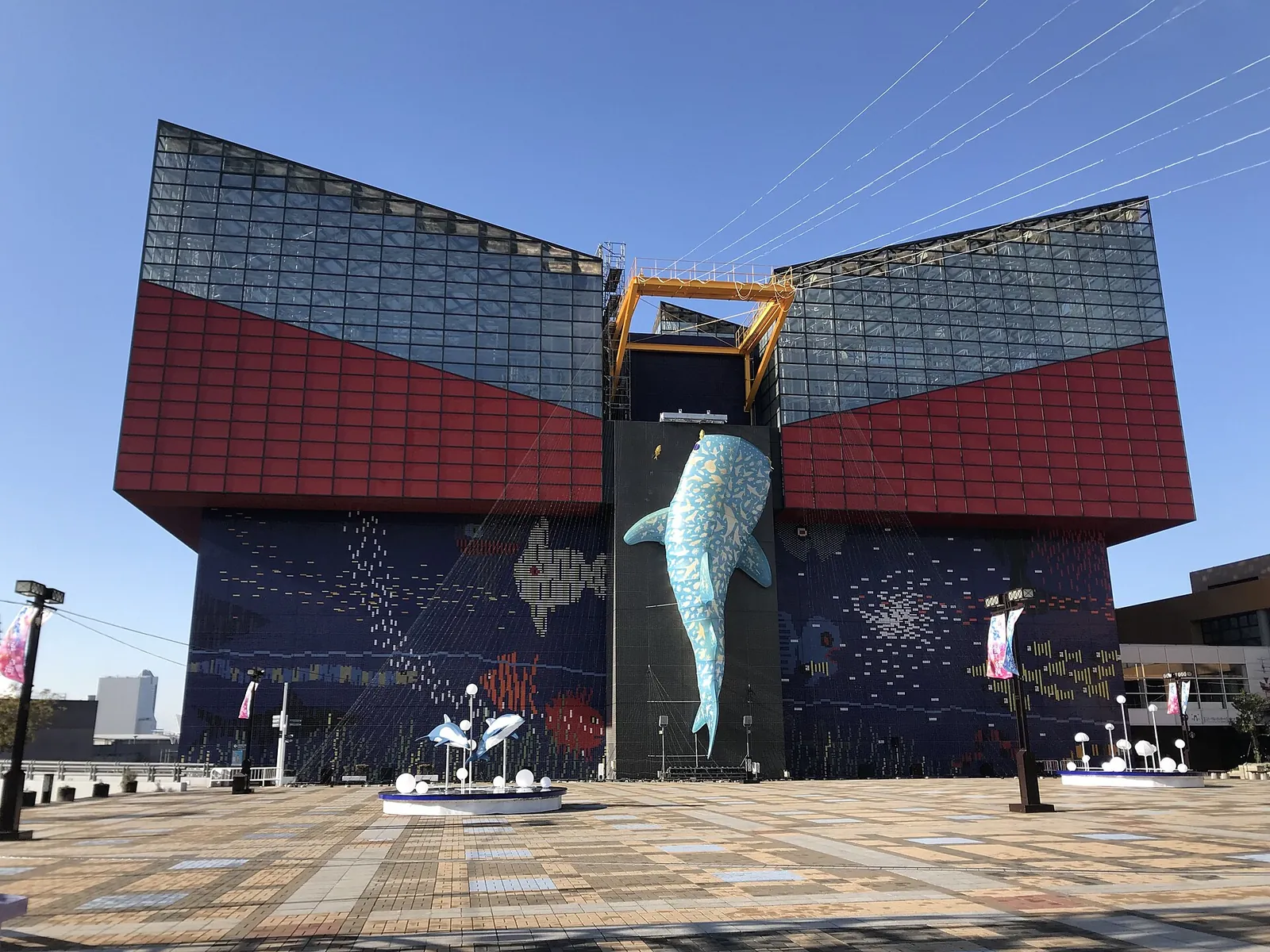
- Osaka Aquarium Kaiyukan in the bay area is a favourite with families and anyone who loves marine life. Ticket types and prices can vary, so check the official Kaiyukan site for current tickets and opening times before you go.
- A slow morning back in Minami or near your hotel, picking up anything you missed on Day 1, works just as well, especially if Day 2 left your legs tired.
Afternoon
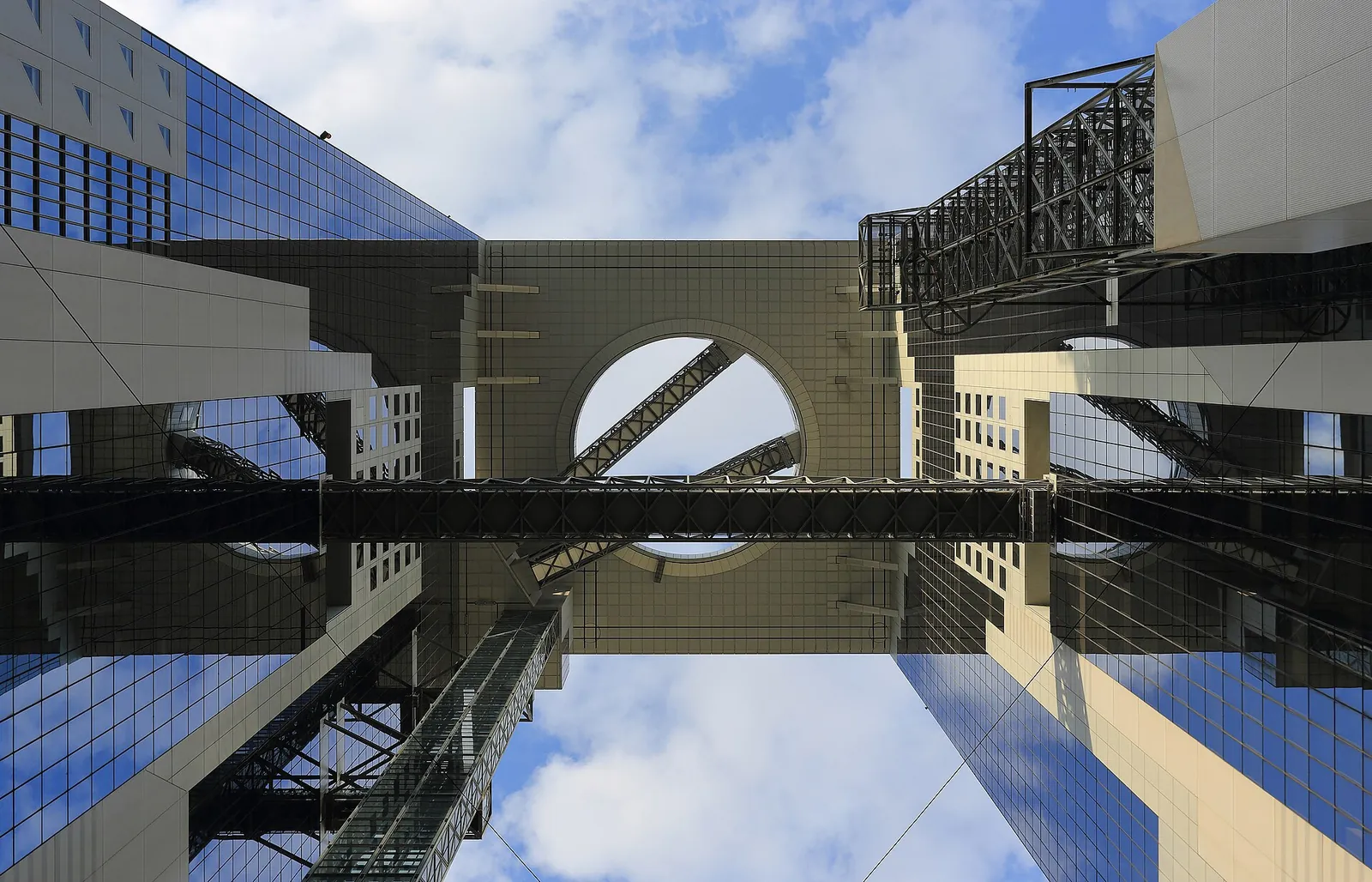
Make your way to Umeda, the big commercial hub in the north. It’s a maze of department stores, underground shopping streets and food halls, which makes it a great place for last-minute gifts and a relaxed lunch. Give yourself extra time for finding your way around. The underground passages are huge, and following the signs for your exit really helps.
Evening
Finish your trip at the Umeda Sky Building, where the Kuchu Teien Observatory links the building’s East and West towers across the 39th floor, the 40th floor and the rooftop. The highlight is the 360-degree open-air rooftop, a perfect place to say goodbye to Osaka as the city lights up.
Check the official Umeda Sky Building site for current admission prices and last entry times, as well as any special event days when separate tickets apply.
Getting there and getting around
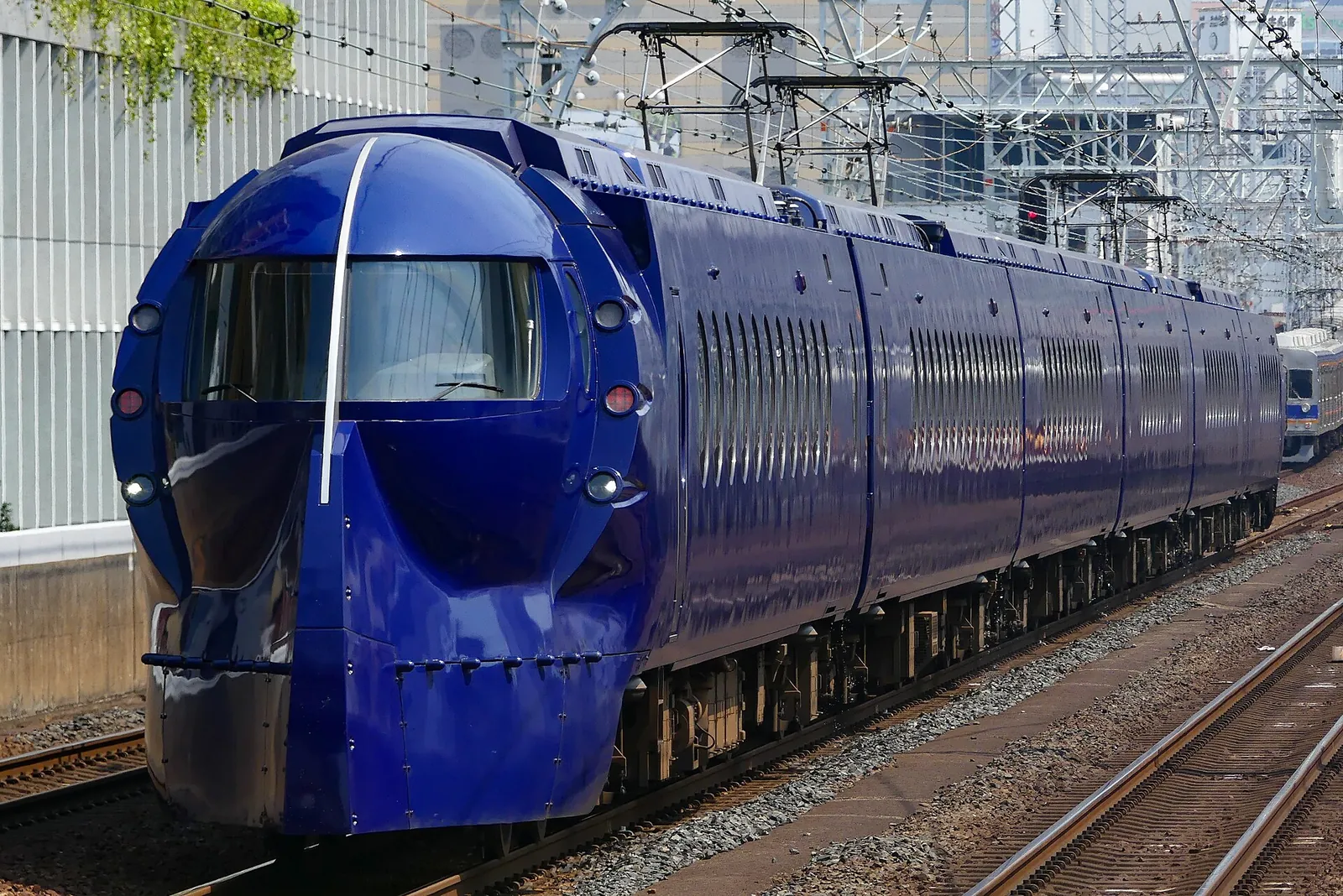
From Kansai International Airport (KIX)
Kansai Airport Station connects directly to the 2nd floor of Terminal 1 and to the Aeroplaza building, so you can walk straight from arrivals to the trains.
Nankai to Namba (best for Minami stays): the limited express Rapi:t links Kansai-Airport Station and Nankai Namba Station in as little as 34 minutes. On top of the regular train fare, you pay a limited express charge:
| Rapi:t seat | Adult | Child |
|---|---|---|
| Regular Seat | 700 yen | 350 yen |
| Super Seat | 910 yen | 560 yen |
Nankai adds 300 yen if you buy the limited express ticket on board, and its ticketless service is 150 yen cheaper than the prices above. Nankai Airport Express trains also run between Kansai-Airport and Namba. For the full fare on either service, use Nankai’s fare search on its official site.
JR West (best for Tennoji, Osaka/Umeda or Shin-Osaka): JR trains run from the same airport station towards Tennoji, Osaka and Shin-Osaka. Check JR West’s official site for current fares, journey times and which train type suits you.
Airport limousine buses: the airport website lists bus services to areas such as Osaka Station/Umeda, OCAT near Namba, Abeno Harukas, and Universal Studios Japan and Tenpozan (for Kaiyukan). See the airport’s access page for timetables and fares.
Getting around the city: get an ICOCA
The easiest way to travel is with an ICOCA, JR West’s rechargeable IC card. You just tap it at the ticket gates, and you can use it on trains and buses across Japan and in shops that display the IC mark.
- A card bought at the ticket machine costs 2,000 yen, which gives you 1,500 yen to spend plus a 500 yen deposit.
- You can’t pay for an ICOCA with a credit card, so have cash ready.
- You can top it up to a maximum of 20,000 yen.
- Return the card to a JR West ticket office when you leave to get your 500 yen deposit back.
- iPhone users can add ICOCA on Apple Pay instead of a physical card.
Osaka Metro fares and day passes change from time to time, so check the Osaka Metro official site for current prices.
Where to stay
Namba and Shinsaibashi (Minami): perfect for first-timers and food lovers. Dotonbori is on your doorstep, the Rapi:t comes straight in from the airport, and you can walk home after a late dinner.
Umeda (Kita): a great choice if you’re heading on to Kyoto, Kobe or elsewhere by train, or if you love department stores. It’s polished and practical, and the Umeda Sky Building is right there.
Tennoji and Abeno: a good-value, well-connected base in the south. It puts you close to Shinsekai, Tsutenkaku and Abeno Harukas, and handy for an early start at Sumiyoshi Taisha.
Budget
Here are the costs we could confirm on official sites today. Hotel and meal prices vary hugely by season and style, so they aren’t included. Check current rates when you book.
| Item | Typical cost |
|---|---|
| ICOCA card (first purchase) | 2,000 yen (1,500 yen to spend + 500 yen refundable deposit) |
| Rapi:t limited express charge, Regular Seat | 700 yen adult, on top of the regular Nankai fare |
| Tsutenkaku observation deck | 1,500 yen adult / 800 yen child (5 to 14) |
| Harukas 300 Observatory, same-day ticket | 2,000 yen adult |
| Sumiyoshi Taisha | Free |
| Osaka Castle Main Tower | Check the official site |
| Kuchu Teien Observatory (Umeda Sky) | Check the official site |
| Osaka Aquarium Kaiyukan | Check the official site |
| Hotel, meals, metro rides | Not included: varies widely |
Not included: flights, accommodation, food and drink, city transport fares, shopping and travel insurance. With the confirmed prices above, sights come to around 0 to 3,500 yen per person per day.
Practical tips
- Bring cash: Japan is becoming more card-friendly, but some places only take cash. Sumiyoshi Taisha’s shop is one of them, and an ICOCA bought from a machine has to be paid in cash too.
- Shrine etiquette: dress neatly, speak quietly, and follow posted rules. At Sumiyoshi Taisha that means no eating, drinking, smoking or drones on the grounds.
- Book timed entry where you can: Tsutenkaku runs a timed-entry system and suggests buying online in advance.
- Opening hours change: the Harukas observatory notes that its hours can change without notice. Check official sites the day before.
- Stay connected: sort out a SIM or eSIM before you fly or when you land, and download offline maps. Some sights, such as Sumiyoshi Taisha, have no Wi-Fi.
- Visa and entry: entry rules depend on your nationality and change over time. Please check the official Ministry of Foreign Affairs of Japan visa page at https://www.mofa.go.jp/j_info/visit/visa/index.html and your own government’s guidance before you book.
Heads-up
Osaka is a joy to explore. Here are a few things the official sources say are worth knowing, so nothing catches you out:
- Evening sell-outs at Tsutenkaku: the tower warns that tickets can sell out from early evening. If you want a sunset slot, book ahead rather than turning up on the day.
- Long queues at Harukas 300: same-day tickets are first come, first served, and at busy times the observatory hands out numbered tickets to buy them. Once those run out, only people holding one can buy. Same-day ticket sales can also be suspended, and there’s no re-entry.
- Pay before you board the Rapi:t: buying your limited express ticket on the train costs 300 yen extra, children included.
- Early closing at the shrine: Sumiyoshi Taisha closes at 5 pm all year, so don’t leave it until late afternoon.
- Cash-only moments: you can’t use a credit card for an ICOCA from the machine or at Sumiyoshi Taisha, so keep some yen on you.
- Official safety advice: for current guidance on natural hazards, health and personal safety in Japan, read your own government’s travel advice before you go.
FAQ
Is 3 days enough for Osaka?
Yes, 3 days is enough for a satisfying first visit. This plan covers the castle, Dotonbori, Sumiyoshi Taisha, Shinsekai and two big skyline views without feeling rushed. If you have more time, add a day trip or a theme park.
What’s the fastest way from Kansai Airport to Namba?
The Nankai Rapi:t connects Kansai-Airport and Namba in as little as 34 minutes. You pay a 700 yen limited express charge (Regular Seat, adult) plus the regular fare.
Do I need to book Tsutenkaku in advance?
We strongly suggest it. Every ticket needs an entry time slot, the tower recommends buying online, and evening slots can sell out.
Is Sumiyoshi Taisha free to visit?
Yes, entry is free. From October to March it’s open 6:30 am to 5 pm, and from April to September 6 am to 5 pm.
Can I use my phone instead of a transport card?
If you have an iPhone, you can add ICOCA on Apple Pay and tap your phone at the gates. Otherwise, buy a physical ICOCA for 2,000 yen, which includes a refundable 500 yen deposit.
Which observation deck should I choose if I only have time for one?
For the highest view and a sunset, go to Harukas 300 (open until 22:00). For an open-air rooftop between two towers, choose the Kuchu Teien Observatory at the Umeda Sky Building. For retro charm and a lucky Billiken, choose Tsutenkaku.
Sources
Prices, hours and rules change. We checked these on 24 October 2026; please confirm on the official page before you book.
- Umeda Sky Building / Kuchu Teien Observatory (official site)
- ABENO HARUKAS OBSERVATORY: Operation information
- Sumiyoshi Taisha: FAQ
- Tsutenkaku: Business information (営業案内)
- OSAKA-INFO (Osaka Convention & Tourism Bureau): Tsutenkaku Tower
- Nankai Electric Railway: Limited Express Rapi:t
- Nankai Electric Railway: Kansai-Airport Station Access Guide
- Kansai International Airport: From the airport to your destination
- JR West: ICOCA
- JR West: How to purchase ICOCA
Photo credits (10)
- Dotonbori's neon signs glowing over the canal at night: そらみみ, CC BY-SA 4.0, via Wikimedia Commons
- Osaka Castle's Main Tower on a bright spring day: Dick Thomas Johnson, CC BY 2.0, via Wikimedia Commons
- The long covered Shinsaibashi-suji shopping street: WPPilot, CC BY-SA 4.0, via Wikimedia Commons
- A plate of takoyaki topped with sauce and bonito flakes: gaku., CC BY 2.0, via Wikimedia Commons
- The arched red Sorihashi Bridge at Sumiyoshi Taisha: chiron3636, CC BY 2.0, via Wikimedia Commons
- Retro signs of Shinsekai lit up below Tsutenkaku Tower: Sakai Yayoi, CC0, via Wikimedia Commons
- Golden kushikatsu skewers with dipping sauce in Shinsekai: Ajay Suresh from New York, NY, USA, CC BY 2.0, via Wikimedia Commons
- The colourful Osaka Aquarium Kaiyukan under blue sky: そらみみ, CC BY-SA 4.0, via Wikimedia Commons
- Looking up at the Umeda Sky Building's floating garden: Martin Falbisoner, CC BY-SA 4.0, via Wikimedia Commons
- The blue Nankai Rapi:t airport express train: MaedaAkihiko, CC BY-SA 4.0, via Wikimedia Commons
This is a researched plan, not a personal trip report. How we research · Affiliate disclosure