
3 Days in Oslo: A Day-by-Day Itinerary
A 3-day Oslo plan: Opera roof and MUNCH, Bygdøy's polar and Kon-Tiki museums, Vigeland Park and Holmenkollen, with 2026 prices and transport tips.
- 🗓️ Trip length
- 3 days
- ☀️ Best time
- May to September
- 💰 Daily spend
- About NOK 350-700 for transport and entry tickets (excl. hotel and meals)
- ✅ Facts checked
- 24 October 2026
Get ready for a capital where you can see a world-famous painting in the morning, stand on the deck of a real polar ship after lunch and look down a ski jump before dinner. Oslo is compact and easy to get around, and it packs in an amazing amount of art, sea air and Nordic history for a city of its size. This plan suits first-time visitors, families and anyone on a city break who wants the highlights without rushing.
The pace is relaxed but full: two or three big sights a day, grouped by area so you spend your time exploring rather than travelling. Each day has one clear theme: the harbour and city centre, the Bygdøy museum peninsula, then sculpture parks, art and the hills. Prices and opening hours below were checked on official sites on 24 October 2026. Hours change with the seasons, so check them again before you go.
At a glance
| Day | Area | Highlights |
|---|---|---|
| 1 | Bjørvika and the harbour | Opera House roof, MUNCH, Akershus Fortress, Aker Brygge waterfront |
| 2 | Bygdøy peninsula | Fram Museum, Kon-Tiki Museum, Norsk Folkemuseum open-air museum |
| 3 | Frogner, Holmenkollen and the centre | Vigeland Park, Holmenkollen Ski Museum and Tower, National Museum |
Day 1: Opera, Munch and the harbour
Morning
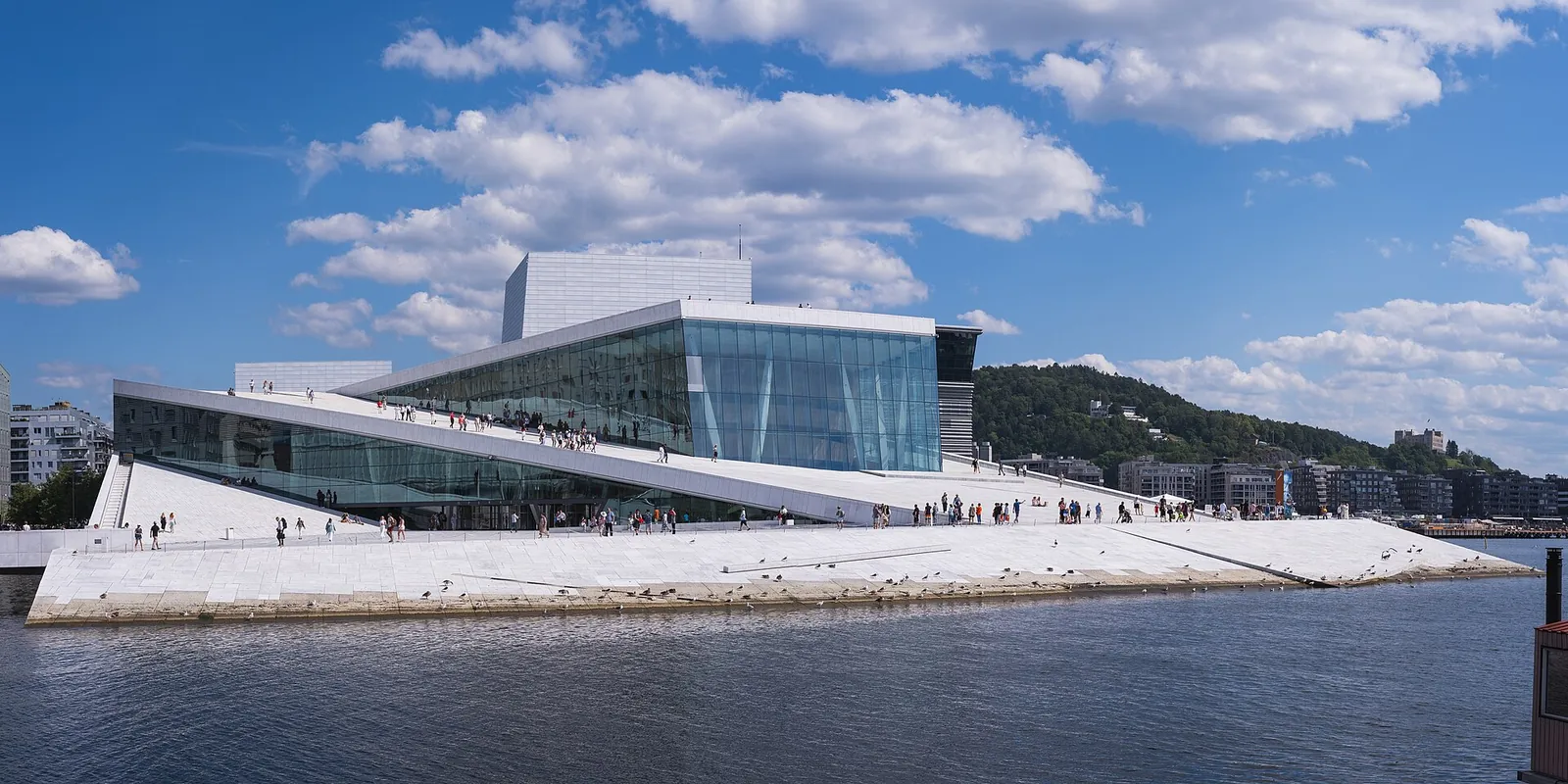
Welcome to Oslo! Get ready for a day of sea air, bold architecture and world-famous art. Start at Oslo Central Station (Oslo S), where the airport trains arrive. From there it’s a short walk to the Oslo Opera House in Bjørvika. The sloping white roof rises straight out of the fjord, and walking up it for views over the harbour is one of the best free things to do in the city. Come early for softer light and fewer people.
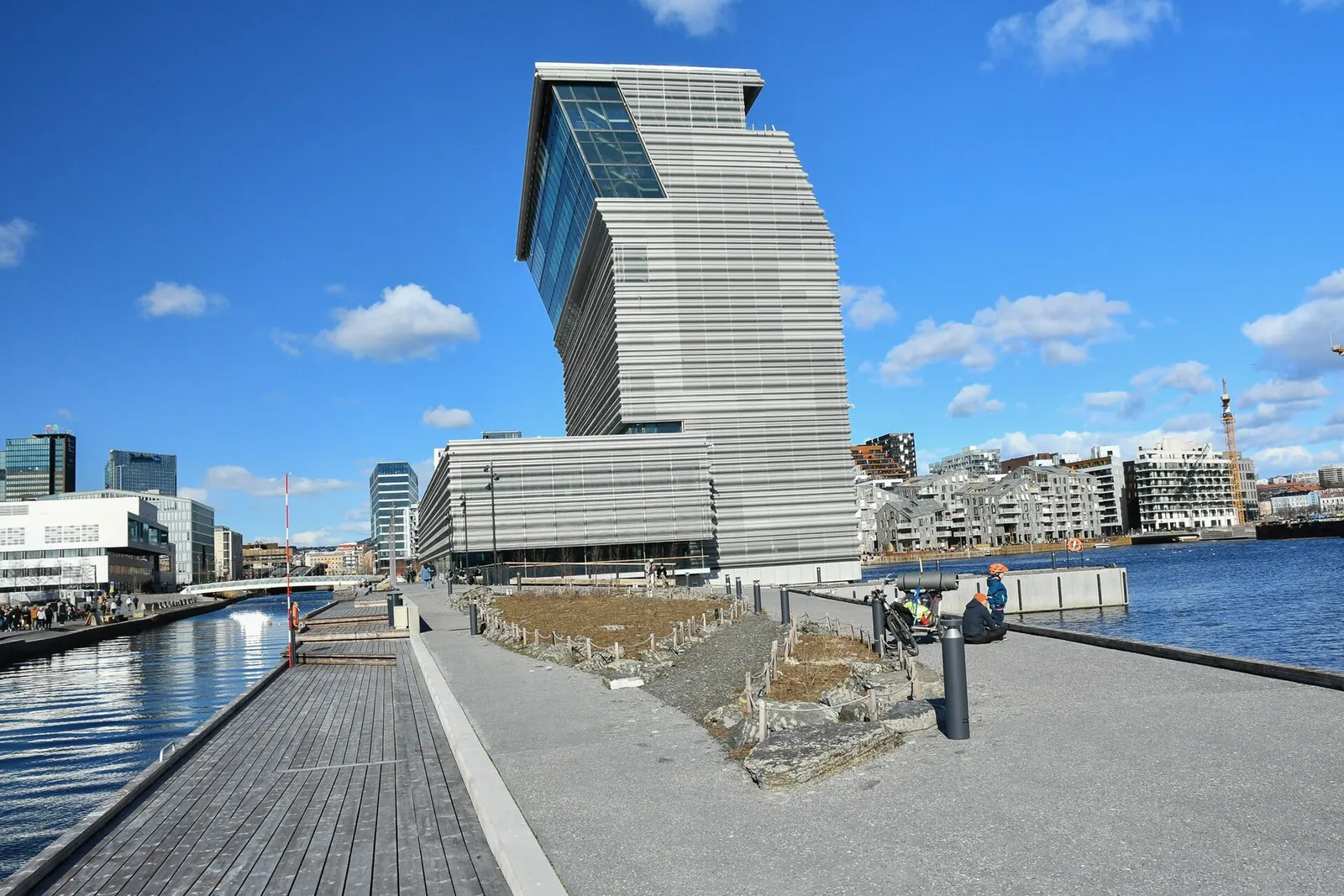
Then stroll a few minutes along the waterfront to MUNCH, the tall museum devoted to Edvard Munch, home of The Scream. MUNCH opens at 10:00. It closes at 18:00 from Sunday to Tuesday and at 21:00 from Wednesday to Saturday. Adult tickets cost NOK 220, visitors under 25 pay NOK 100, and children up to 17 go free. The museum asks you to book a timed entrance ticket in advance on the official site, so sort this out before your trip. Give yourself at least two hours. MUNCH is closed on 1 May and has shorter hours on some holidays, including 10:00 to 14:00 on 24 and 31 December.
Afternoon
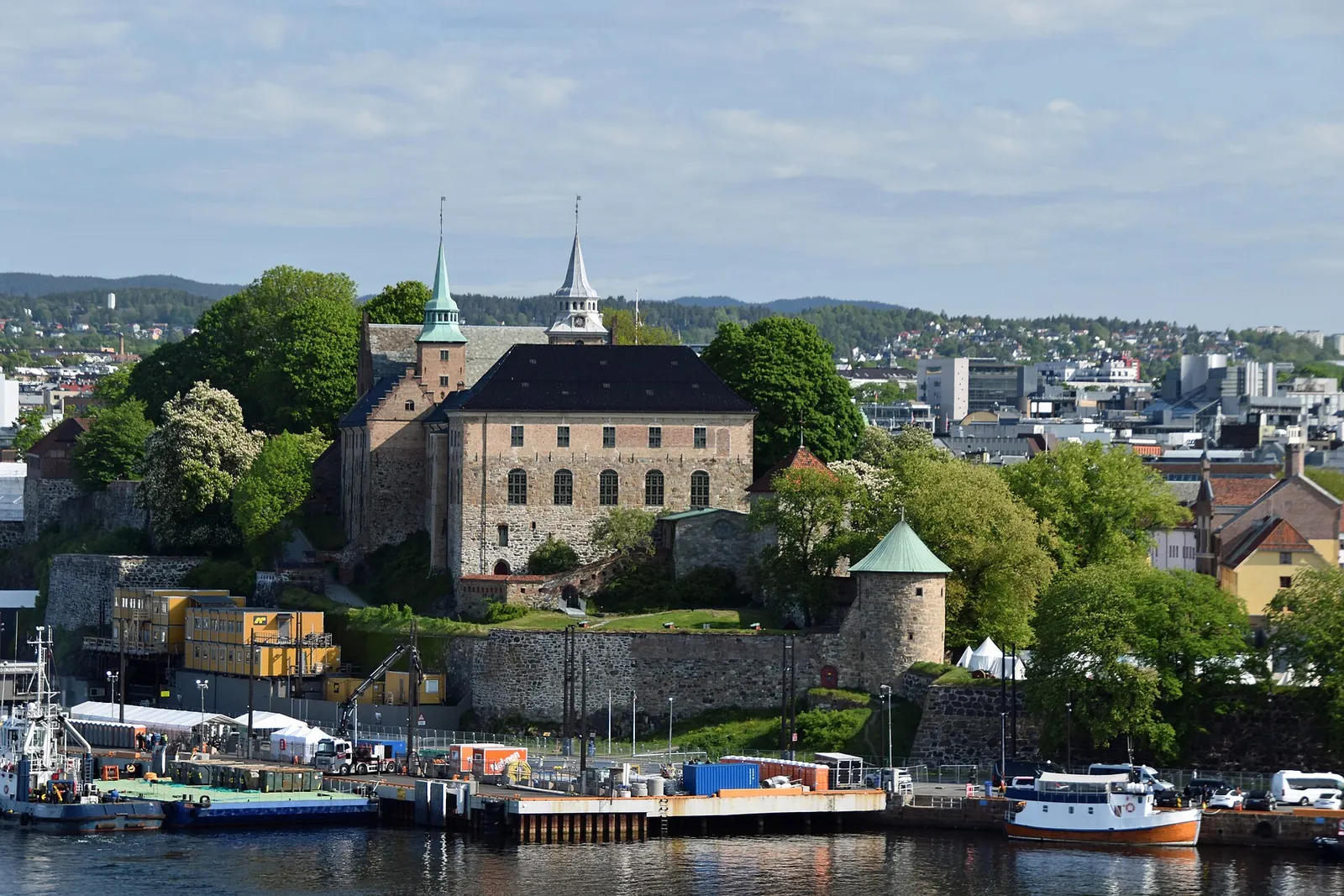
Walk west along the harbour to Akershus Fortress, the medieval castle and fortress that guards the inner harbour. The walk takes roughly 20 to 25 minutes, or you can take a short tram or bus ride. Wander the ramparts for big fjord views. Opening hours for the buildings inside vary, so check the official site before you go.
From the fortress, keep going along the water past City Hall Square to Aker Brygge and Tjuvholmen, about 15 minutes on foot. This is Oslo’s lively waterfront district, with boardwalks, modern architecture and plenty of places to sit by the water.
Evening
If you visit MUNCH from Wednesday to Saturday, you could also swap things around: do the fortress and waterfront first, then spend the evening at MUNCH, which stays open until 21:00 on those days. Finish with dinner around Aker Brygge or a stroll up Karl Johans gate, the main street running from Oslo S towards the Royal Palace.
Day 2: Bygdøy, ships and Norwegian life
This is the day for polar ships, rafts and fairy-tale farmhouses. Bygdøy is a green peninsula about 5 km from the city centre, packed with museums. Avoid doing this day on a Monday between October and April, because Norsk Folkemuseum is closed on Mondays in that season.
Morning
Take bus 30 from Jernbanetorget (next to Oslo S), City Hall or Solli plass. The Kon-Tiki Museum says it runs every 10 minutes. Ride it to the Bygdøynes end of the peninsula, where two great museums stand side by side. Check the stop names and journey time in the Ruter app.
In the warmer months there’s also a ferry from the piers in front of City Hall. The Kon-Tiki Museum lists it as running every 20 minutes from April to October, with stop no. 2 (Bygdøynes) about 200 m from the museum. Pier numbers and season dates differ slightly between sources, so check the current timetable before you go.
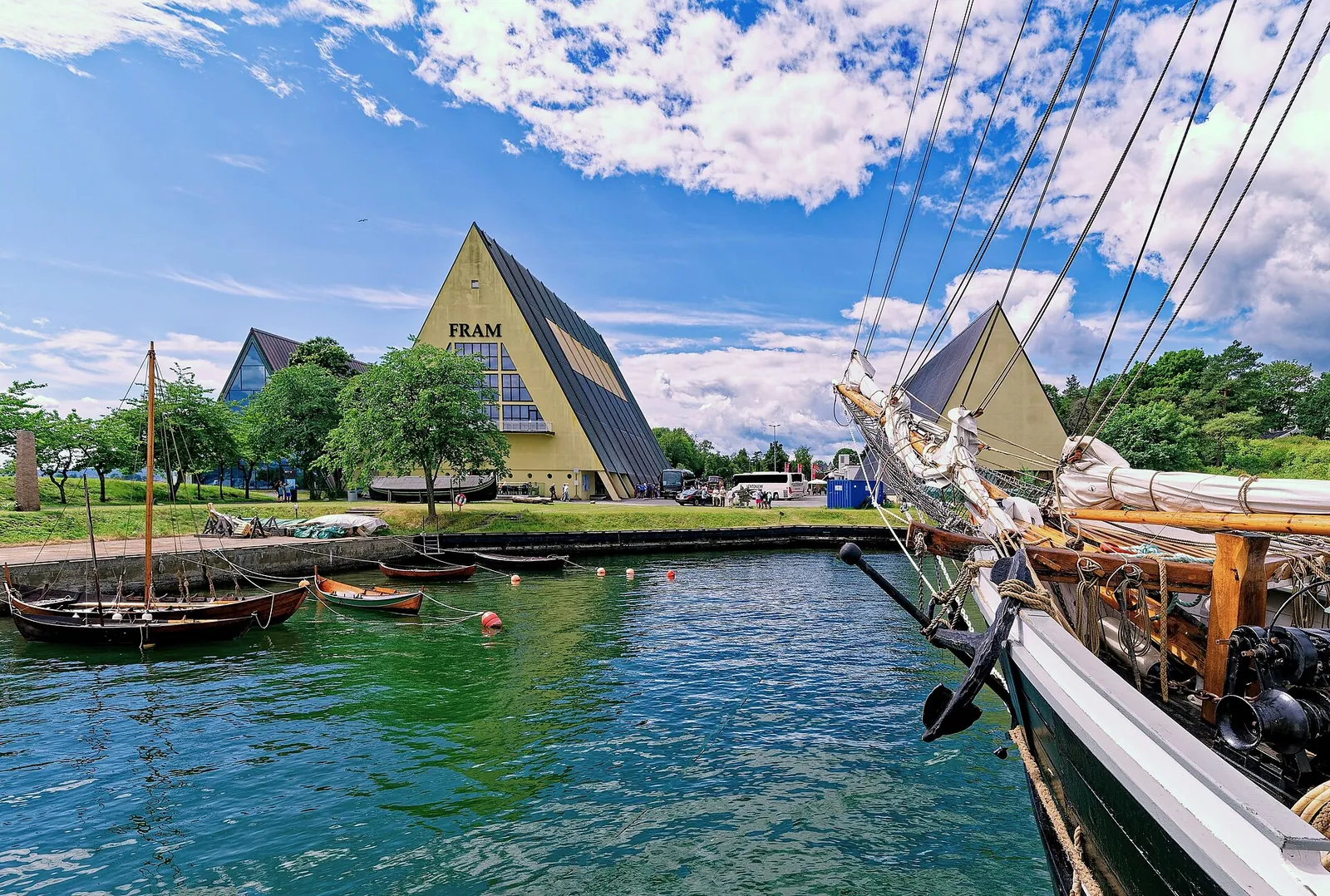
Start at the Fram Museum, home to the polar ship Fram, which you can actually walk aboard. It’s open every day of the year: 10:00 to 17:00 from 1 October to 30 April, and 09:30 to 18:00 from 1 May to 30 September. Adult tickets cost NOK 180. Children and students pay NOK 70, and a family ticket (2 adults and up to 5 children) costs NOK 400.
Next, walk across to the Kon-Tiki Museum, home of Thor Heyerdahl’s famous balsa raft. A new exhibition around and beneath the raft opened in summer 2026. The museum is open every day: 10:00 to 17:00 from September to April, 10:00 to 18:00 in May and 09:30 to 18:00 from June to August. Adult tickets cost NOK 180, children aged 6 to 17 pay NOK 70, and a family ticket costs NOK 400.
Afternoon
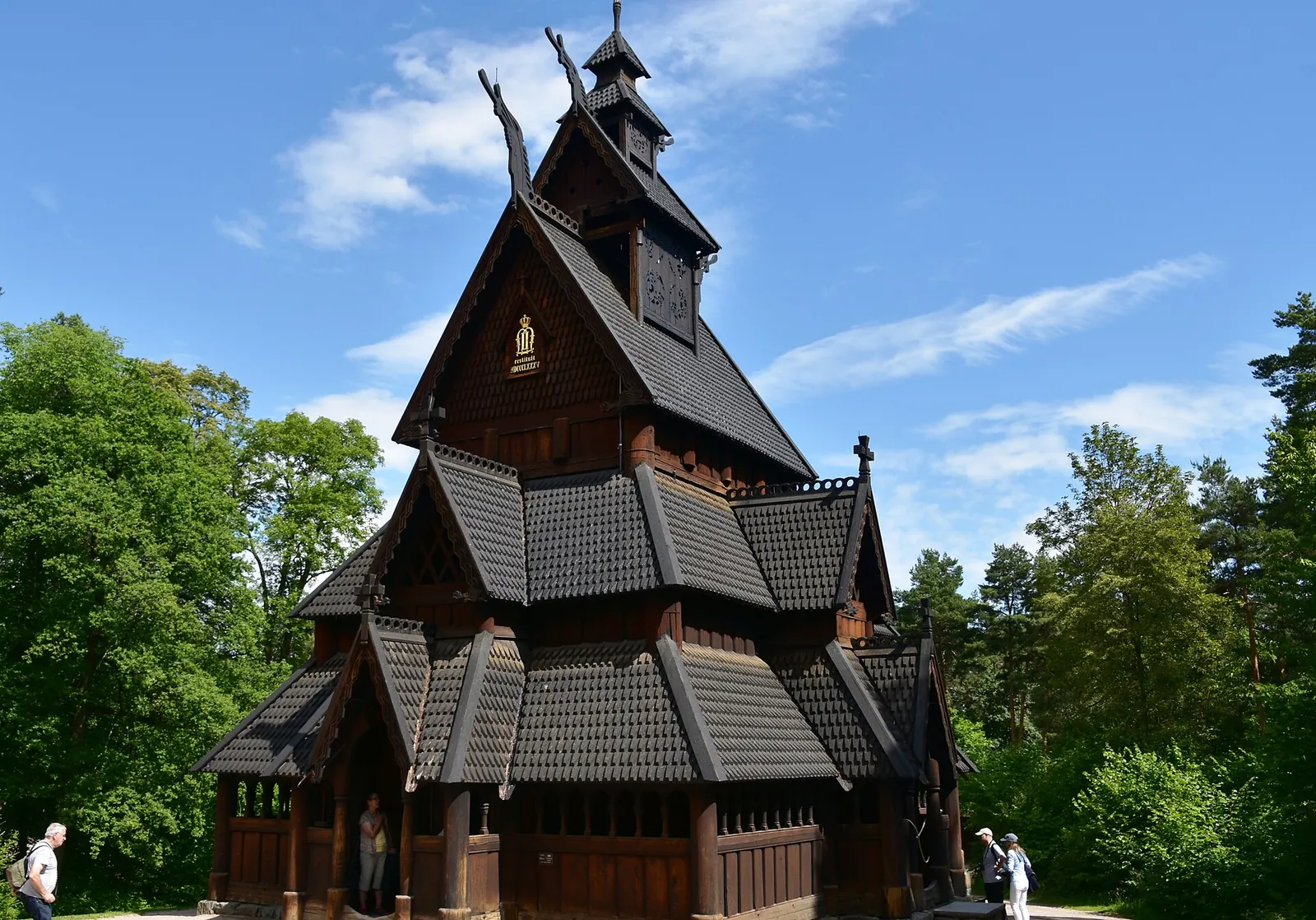
Head inland to Norsk Folkemuseum, a huge open-air museum full of historic farmhouses, town buildings and a stave church. The museum describes the Bygdøy museums as within walking distance of each other, or you can hop back on bus 30 to the Folkemuseet stop. Check the app for the quickest option.
Opening hours from 5 October to 30 April are Tuesday to Sunday, 11:00 to 16:00, closed Mondays. From 1 May to 4 October it’s open daily, 10:00 to 17:00. Adult tickets cost NOK 200 and children go free. In the short winter season, aim to arrive by about 13:00 so you have time to explore before it closes.
Note: the old Viking Ship Museum on Bygdøy is closed while the new Museum of the Viking Age is being built. Check the museum’s website for opening news before you plan around it.
Evening
Take bus 30 back to the centre. If the ferry is running, the crossing back to City Hall is a lovely way to end the day. Have dinner in the city, or head to Grünerløkka for a more neighbourhood feel.
Day 3: Sculptures, ski jumps and Norway’s art treasures
Morning
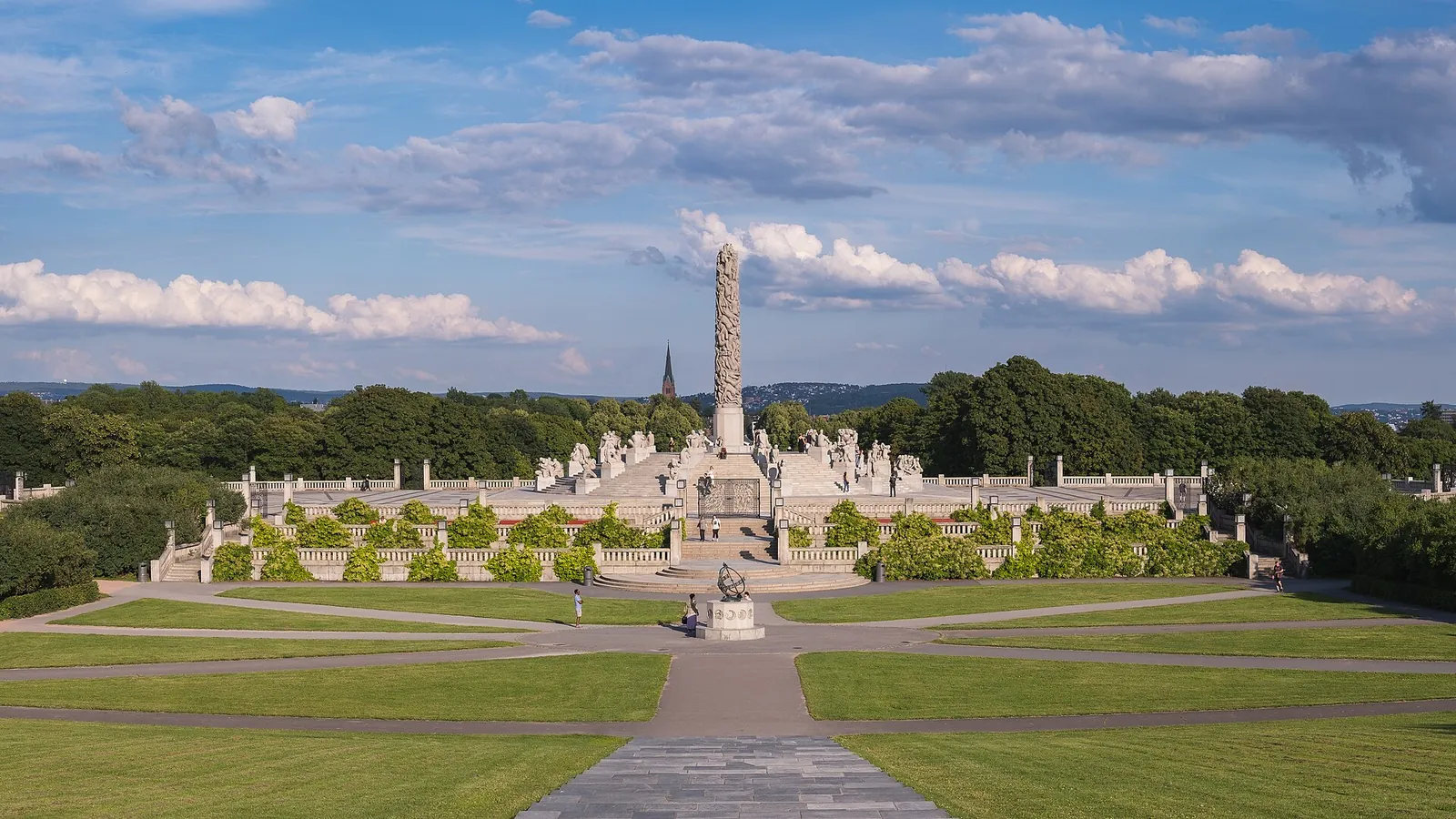
Your last day brings sculptures, big views and Norway’s art treasures. Take tram 12 or 15, or bus 20 to the Vigelandsparken stop. Vigeland Park is free and, in the words of its museum, “always open - 24/7”. More than 200 of Gustav Vigeland’s sculptures line the avenues, from the cheeky Angry Boy (Sinnataggen) on the bridge to the towering Monolith. Early morning is magical and quiet.
If you’d like to see more, the Vigeland Museum, the artist’s former home and studio, is at Nobels gate 32, one stop away at Frogner plass. It’s closed on Mondays. Check its current hours and prices on the official site.

Afternoon
Head up into the hills to Holmenkollen, home of the famous ski jump. All of Oslo, including the last stops on the metro, falls within Ruter’s zone 1, so a normal city ticket covers the trip. Use the Ruter app’s journey planner for the best route and current journey time.
The Holmenkollen Ski Museum and Tower is open every day of the year: 10:00 to 16:00 from October to April and 10:00 to 17:00 from May to September. On 17 May, 24 December and 31 December it’s open 10:00 to 14:00. In 2026, adult tickets cost NOK 200, young adults under 30 pay NOK 150 and children aged 6 to 17 pay NOK 100. Every ticket covers both the museum and the observation deck at the top of the jump tower. In the colder months, aim to arrive by early afternoon to make the most of the daylight and opening hours.
Evening
Ride back down to the centre for the National Museum (Brynjulf Bulls plass 3, near the harbour by Aker Brygge), Norway’s big collection of art, architecture and design. Visit Oslo lists these hours for 1 September to 23 December 2026:
- Tuesday and Wednesday: 10:00 to 20:00, which makes it perfect for an evening visit.
- Thursday to Sunday: 10:00 to 17:00.
- Mondays: closed.
From 1 June to 31 August it was open daily, with late opening on Tuesday and Wednesday. If your third day isn’t a Tuesday or Wednesday, swap the order and visit the museum in the morning. Check ticket prices and book on the official site.
Finish with a farewell dinner along the waterfront.
Getting there and getting around
From Oslo Airport (Gardermoen):
- Flytoget (Airport Express Train): the fastest option. It takes 19 minutes to Oslo Central Station and leaves every 10 minutes. A single adult ticket costs NOK 276. Seniors, students, young people and children pay NOK 138. Tickets are valid for 90 days from the date of purchase.
- Vy regional trains: Ruter tickets are valid on Vy trains in Oslo and Akershus, so you can use a Ruter ticket on these trains. The airport is outside the city, so make sure your ticket covers all the zones between the airport and Oslo. Check the exact fare in the Ruter app.
- Taxi: order from an established company. See the Heads-up section below.
Getting around the city with Ruter:
Ruter runs Oslo’s buses, trams, metro and local ferries. Buy your tickets in the Ruter app or on a travel card. Prices for zone 1 (all of Oslo), valid from 25 January 2026:
| Ticket | Adult price |
|---|---|
| Single ticket (valid 60 minutes, transfers included) | NOK 46 |
| 24-hour ticket | NOK 137 |
| 7-day ticket | NOK 379 |
Good to know:
- A single ticket is valid for 60 minutes after you activate it, plus 30 minutes for each extra zone.
- Children under 6 travel free.
- A physical card for 7-day and longer tickets costs NOK 50. You can also buy tickets at Ruter’s customer service centre and at Narvesen and 7-Eleven shops.
For this plan, a 7-day ticket or three 24-hour tickets both work well. Three 24-hour tickets cost NOK 411 in total, so the 7-day ticket (NOK 379) is cheaper even for a 3-day stay.
Where to stay
- Sentrum and around Oslo S: the most practical base. Airport trains arrive here, bus 30 to Bygdøy leaves from Jernbanetorget, and the Opera House and MUNCH are a short walk away. Great for first-timers and short stays.
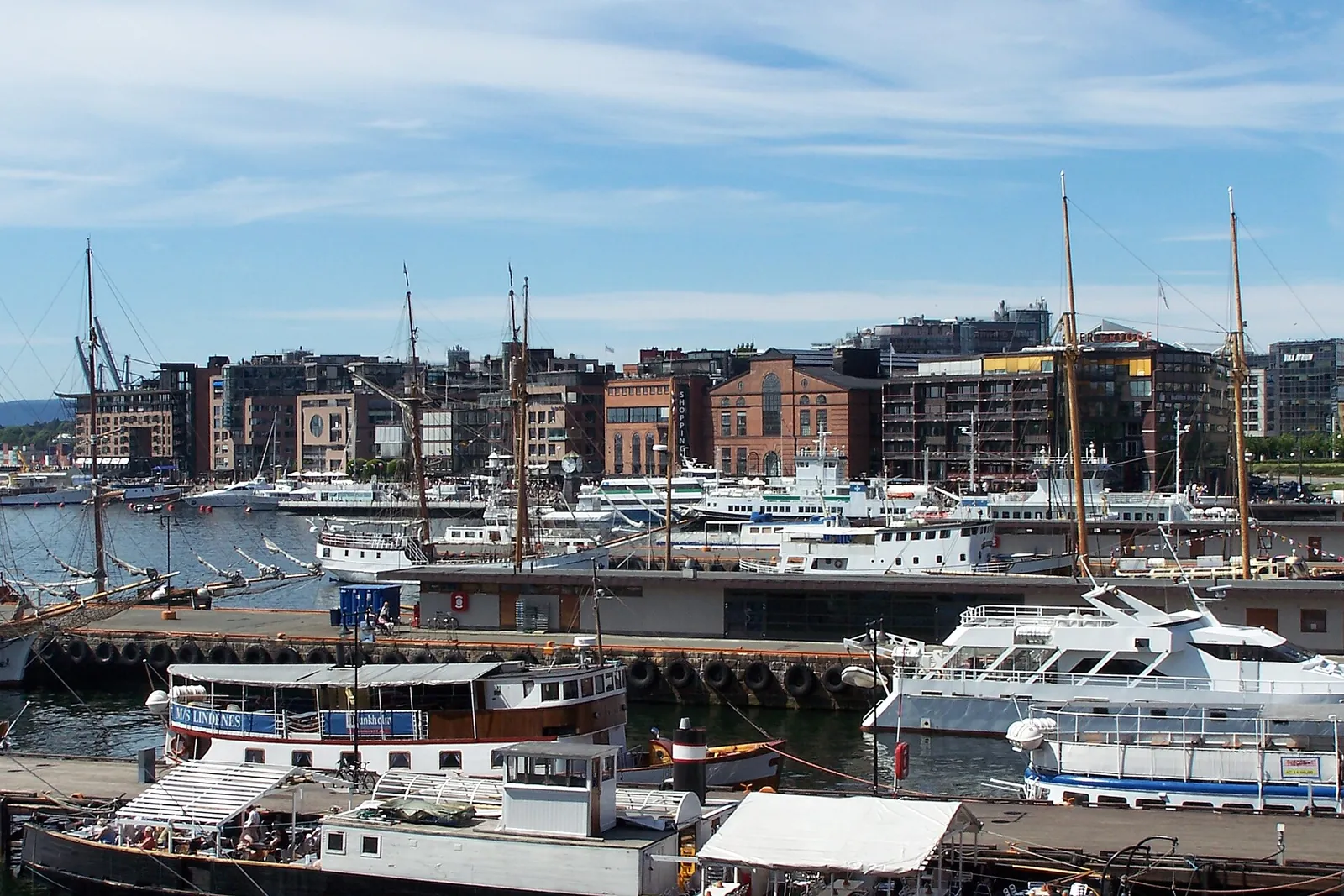
- Bjørvika and the Aker Brygge/Tjuvholmen waterfront: for harbour views and evening strolls by the water. Ideal if you love being close to the museums and the fjord.
- Grünerløkka: a creative neighbourhood north of the centre with independent cafés, vintage shops and parks. Suits younger travellers and repeat visitors who want a local vibe.
- Frogner and Majorstuen: leafy, residential and elegant, close to Vigeland Park. Good for families and travellers who prefer quiet evenings.
Budget
Typical sightseeing costs for one adult on this plan (official 2026 prices, NOK):
| Item | Typical cost |
|---|---|
| Flytoget, airport to Oslo S (one way) | NOK 276 |
| Ruter single ticket, zone 1 | NOK 46 |
| Ruter 24-hour ticket, zone 1 | NOK 137 |
| Ruter 7-day ticket, zone 1 | NOK 379 |
| MUNCH entry | NOK 220 |
| Fram Museum entry | NOK 180 |
| Kon-Tiki Museum entry | NOK 180 |
| Norsk Folkemuseum entry | NOK 200 |
| Holmenkollen Ski Museum and Tower | NOK 200 |
| National Museum entry | Check the official site |
| Vigeland Park | Free |
| Oslo Pass, adult (24h / 48h / 72h) | NOK 580 / 845 / 995 |
What the daily budget covers: the figure at the top of this page (about NOK 350 to 700 a day) includes public transport and entry tickets only. It excludes flights, accommodation, meals, drinks and shopping, which vary a lot by season and taste.
Is the Oslo Pass worth it? Visit Oslo says the pass gives free entry to more than 30 museums and attractions, plus unlimited public transport, including to and from Oslo Airport Gardermoen. The Fram Museum confirms free entry with the pass. Paying separately for the five priced museums above plus a 7-day Ruter ticket comes to NOK 1,359, before the National Museum. That’s more than the 72-hour pass at NOK 995. Before you buy, check the “what’s included” list on Visit Oslo to confirm that every sight on your plan is covered, and which airport trains the pass includes.
Practical tips

- Plan around closing days. Norsk Folkemuseum is closed on Mondays from October to April. The National Museum is closed on Mondays from September to December. The Vigeland Museum is closed on Mondays. The Fram Museum, Kon-Tiki Museum and Holmenkollen are open every day, and MUNCH only closes on 1 May. A Monday is a good day for Fram, Kon-Tiki, MUNCH and Holmenkollen.
- Winter hours are short. From autumn to spring, several museums close at 16:00 or 17:00, so start early and save late-opening venues (MUNCH, the National Museum) for the evening.
- Dress in layers. Oslo’s museums have no special dress codes, but outdoor sights like the Opera roof, Vigeland Park and Holmenkollen are exposed to wind and cold. Wear comfortable, grippy shoes and bring a warm layer even in summer evenings.
- Pre-book: MUNCH timed tickets on the official site. Booking ahead for the National Museum and the Bygdøy museums saves time at the door.
- Money: Norway uses the Norwegian krone (NOK). Ask your bank about foreign card fees before you travel.
- SIM/eSIM: buying an eSIM before you fly means you can use the Ruter app for tickets and the journey planner as soon as you land.
- Tourist information: the Oslo Visitor Centre is open Monday to Friday 10:00 to 16:00 and Saturday 10:00 to 15:00 from October to December. It’s closed on Sundays and on 24 and 25 December.
Visa and entry: Norway is part of the Schengen Area, and entry rules depend on your nationality and passport. Check the current requirements well before you travel on the official Norwegian Directorate of Immigration (UDI) website: udi.no/en.
Heads-up
Oslo is a welcoming, easy city to explore. Keep these few things in mind and your trip will go smoothly:
- Fraudulent taxis: Visit Oslo warns about fraudulent taxis, especially in busy places like the airport. Drivers must tell you the price before the trip if you ask, so always ask. You can book Oslo Taxi on 02323 within Norway or +47 22 38 80 90 from abroad. Or skip the issue entirely and take the train into town.
- Buy tickets before you board: buying a single ticket on board a bus or boat adds a NOK 20 surcharge for adults. Buy and activate your ticket in the Ruter app first.
- Check your zones to the airport: a zone 1 ticket covers the city only. On the way to or from Gardermoen, make sure your ticket covers every zone you travel through.
- The Viking ships are closed for now: the former Viking Ship Museum is closed while the new Museum of the Viking Age is being built. Don’t plan your Bygdøy day around it. Check the museum’s official site for opening news.
- Seasonal ferry: the Bygdøy ferry doesn’t run all year. Bus 30 is your reliable year-round option.
- Early closings in the dark season: Holmenkollen and Norsk Folkemuseum close at 16:00 in winter. Arrive late and you could miss them, so start your day early.
FAQ
Is 3 days enough for Oslo?
Yes. Three days lets you cover the harbour and MUNCH, the Bygdøy museums, Vigeland Park and Holmenkollen at a comfortable pace. With extra days, you could add more museums, island-hopping in summer or hiking in the forests around the city.
How do I get from Oslo Airport to the city centre?
Flytoget takes 19 minutes to Oslo Central Station and leaves every 10 minutes. A single adult ticket costs NOK 276. Vy regional trains also accept Ruter tickets, as long as your ticket covers the right zones. Check that fare in the Ruter app.
Is Vigeland Park free?
Yes. Vigeland Park is free and open 24 hours a day, all year round. Take tram 12 or 15, or bus 20, to the Vigelandsparken stop.
Can I see the Viking ships in Oslo right now?
Not at the moment. The former Viking Ship Museum is closed while the new Museum of the Viking Age is being built. Keep an eye on its official website for opening news.
Which museums are open on Mondays?
The Fram Museum, Kon-Tiki Museum, Holmenkollen Ski Museum and Tower and MUNCH are open on Mondays. Norsk Folkemuseum (October to April), the National Museum (September to December) and the Vigeland Museum are closed on Mondays.
Should I buy the Oslo Pass?
For a busy 3-day plan, the 72-hour pass (NOK 995 for adults) can cost less than paying for each museum and a 7-day transport ticket separately. Before you buy, check the official list of what’s included to be sure it covers your must-see sights.
Sources
Prices, hours and rules change. We checked these on 24 October 2026; please confirm on the official page before you book.
- MUNCH: Visit us
- MUNCH: Opening hours
- Norsk Folkemuseum: Plan your visit
- Fram Museum: Plan Your Visit
- Kon-Tiki Museum: Visit
- Museum of the Viking Age (University of Oslo): Home
- Holmenkollen Ski Museum and Tower: Opening hours and prices
- Vigeland Museum: Frequently Asked Questions
- Visit Oslo: The National Museum
- Ruter: Single ticket
- Visit Oslo: Getting around in Oslo
- Visit Oslo: Taxis in Oslo
- Visit Oslo: Oslo Pass
- Flytoget: Tickets
Photo credits (10)
- The white marble roof of Oslo Opera House rising from the fjord: Christian David, CC BY-SA 4.0, via Wikimedia Commons
- The tall MUNCH museum on the Bjørvika waterfront: Helge Høifødt, CC BY-SA 4.0, via Wikimedia Commons
- Akershus Fortress above the harbour on a sunny day: Thomas Dahlstrøm Nielsen, CC BY-SA 4.0, via Wikimedia Commons
- The Fram Museum by the water on Bygdøy: Holger Uwe Schmitt, CC BY-SA 4.0, via Wikimedia Commons
- The medieval stave church at Norsk Folkemuseum: Richard Mortel from Riyadh, Saudi Arabia, CC BY 2.0, via Wikimedia Commons
- The Monolith and sculpture terraces of Vigeland Park: Christian David, CC BY-SA 4.0, via Wikimedia Commons
- Holmenkollen ski jump with views over Oslo and the fjord: Kvtvfinn, CC BY-SA 4.0, via Wikimedia Commons
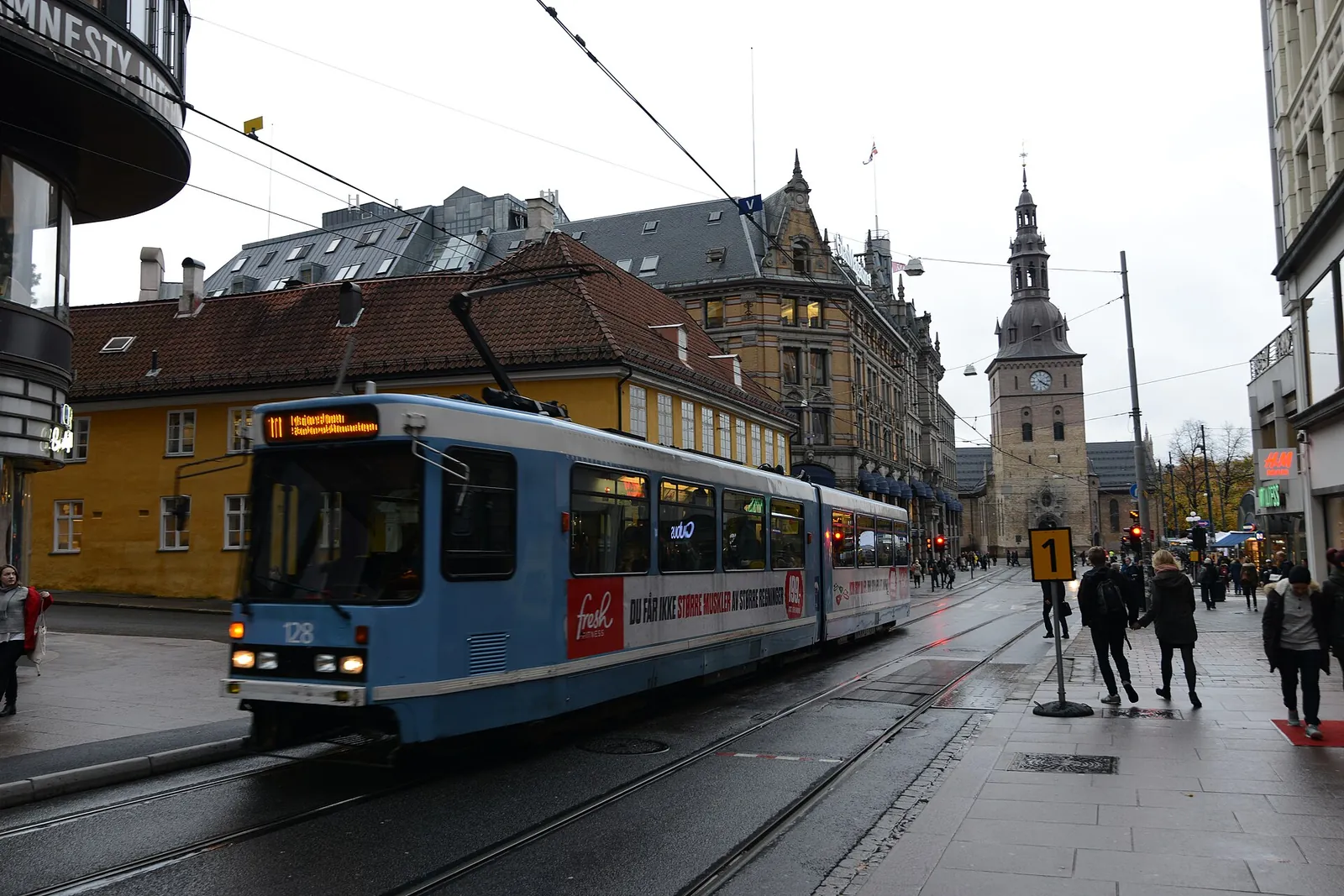
- A blue Oslo tram passing near Oslo Cathedral: Jorge Láscar from Melbourne, Australia, CC BY 2.0, via Wikimedia Commons
- Boats and waterfront buildings at Aker Brygge: Chris Nyborg, CC BY-SA 3.0, via Wikimedia Commons
- A glowing orange sunset over the Oslofjord: Geir Hval (www.MacWhale.eu), CC BY-SA 4.0, via Wikimedia Commons
This is a researched plan, not a personal trip report. How we research · Affiliate disclosure