
4 Days in Reykjavik and the Golden Circle: A Day-by-Day Itinerary
A 4-day Reykjavik plan: Hallgrímskirkja, harbour museums, geothermal pools and a Golden Circle day, with checked bus fares, City Card prices and safety tips.
- 🗓️ Trip length
- 4 days
- ☀️ Best time
- June to August for long days, September to March for auroras
- 💰 Daily spend
- ISK 4,000-6,000 for sights and city buses (excl. hotel, meals, tours)
- ✅ Facts checked
- 24 October 2026
Get ready for steaming pools, colourful rooftops and a day out among rifts, geysers and thundering waterfalls. This 4-day plan gives you two relaxed days in Reykjavik, one big day on the Golden Circle and a gentle final morning before your flight. It suits first-timers, couples, families and anyone who wants Iceland’s highlights without spending every day in a car.
The pace is easy: one main area per day, plenty of time for coffee and a swim, and short walks between stops in the compact city centre. Walking times below are rough estimates for an unhurried pace. Every price and opening time was checked on official sites on 24 October 2026, but Iceland’s weather and seasons can change plans quickly, so always confirm on the day.
At a glance
| Day | Area | Highlights |
|---|---|---|
| 1 | Downtown (101) | Hallgrímskirkja tower, Skólavörðustígur and Laugavegur, Sundhöllin pool, Harpa waterfront |
| 2 | Old town and harbour | National Museum, Tjörnin pond, Settlement Exhibition, Old Harbour and Grandi, a neighbourhood pool |
| 3 | Golden Circle | Þingvellir National Park, Geysir geothermal area, Gullfoss waterfall |
| 4 | City and departure | Art museum or Viðey, last swim, airport transfer (optional Blue Lagoon stop) |
Day 1: Downtown, church tower and your first geothermal swim
Morning
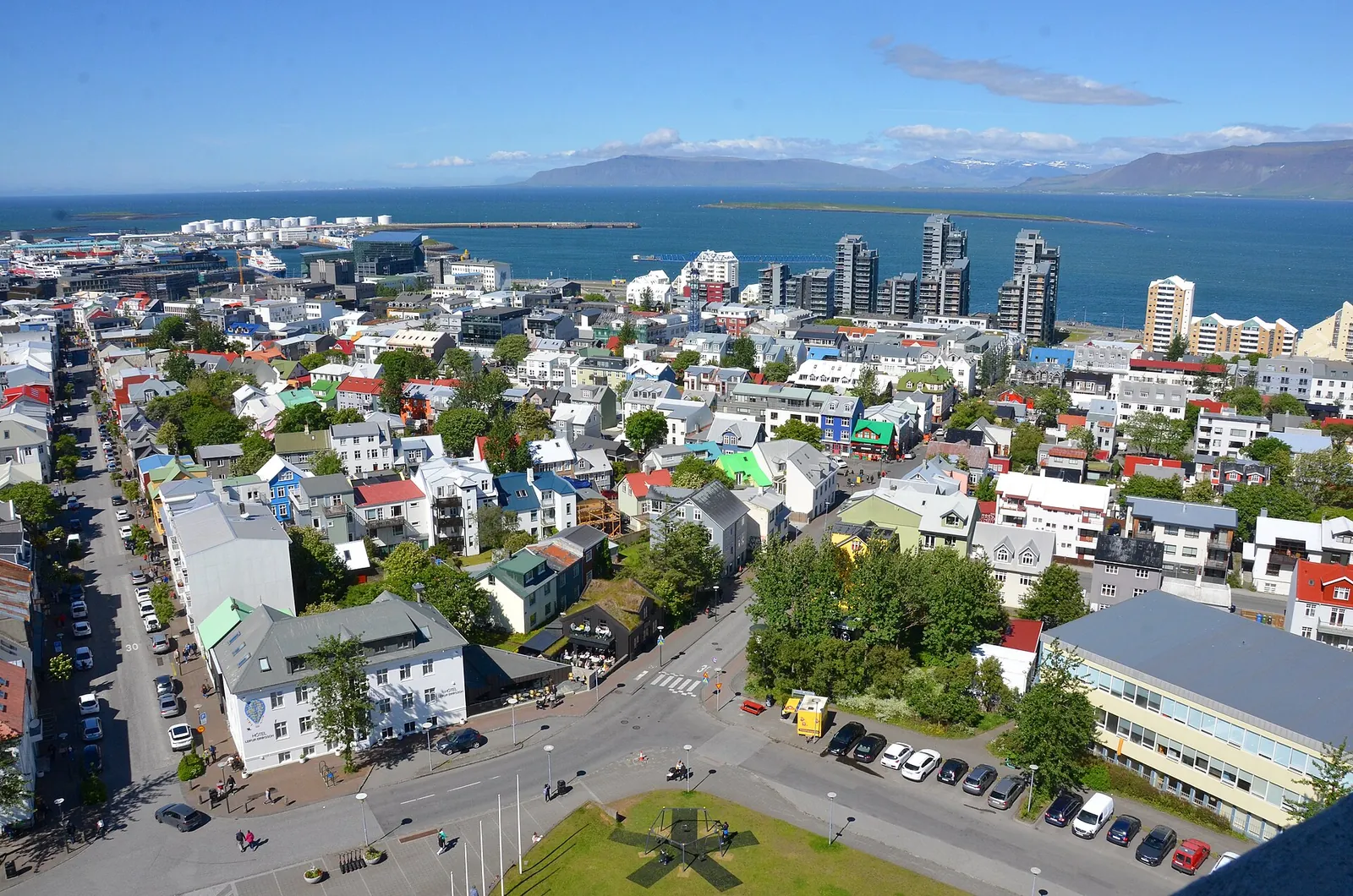
Welcome to Reykjavik! Drop your bags and head straight for Hallgrímskirkja, the soaring concrete church that crowns the city. Winter opening started on 1 September, with the church open 10:00 to 17:00 and last entry to the tower at 16:45, according to the church’s own opening-hours page. Access to the church and tower is restricted during services, ceremonies and concerts, so glance at the weekly schedule on the official site before you go.
The tower lift gives you the classic view over Reykjavik’s painted roofs, the bay and the mountains beyond. Visit Reykjavík lists tower tickets at ISK 1,400 for adults, ISK 200 for children aged 7 to 16, and ISK 1,000 for seniors, students and disabled visitors with a valid card. Tickets are sold in the church shop and are valid for one visit on the day of purchase.
Afternoon
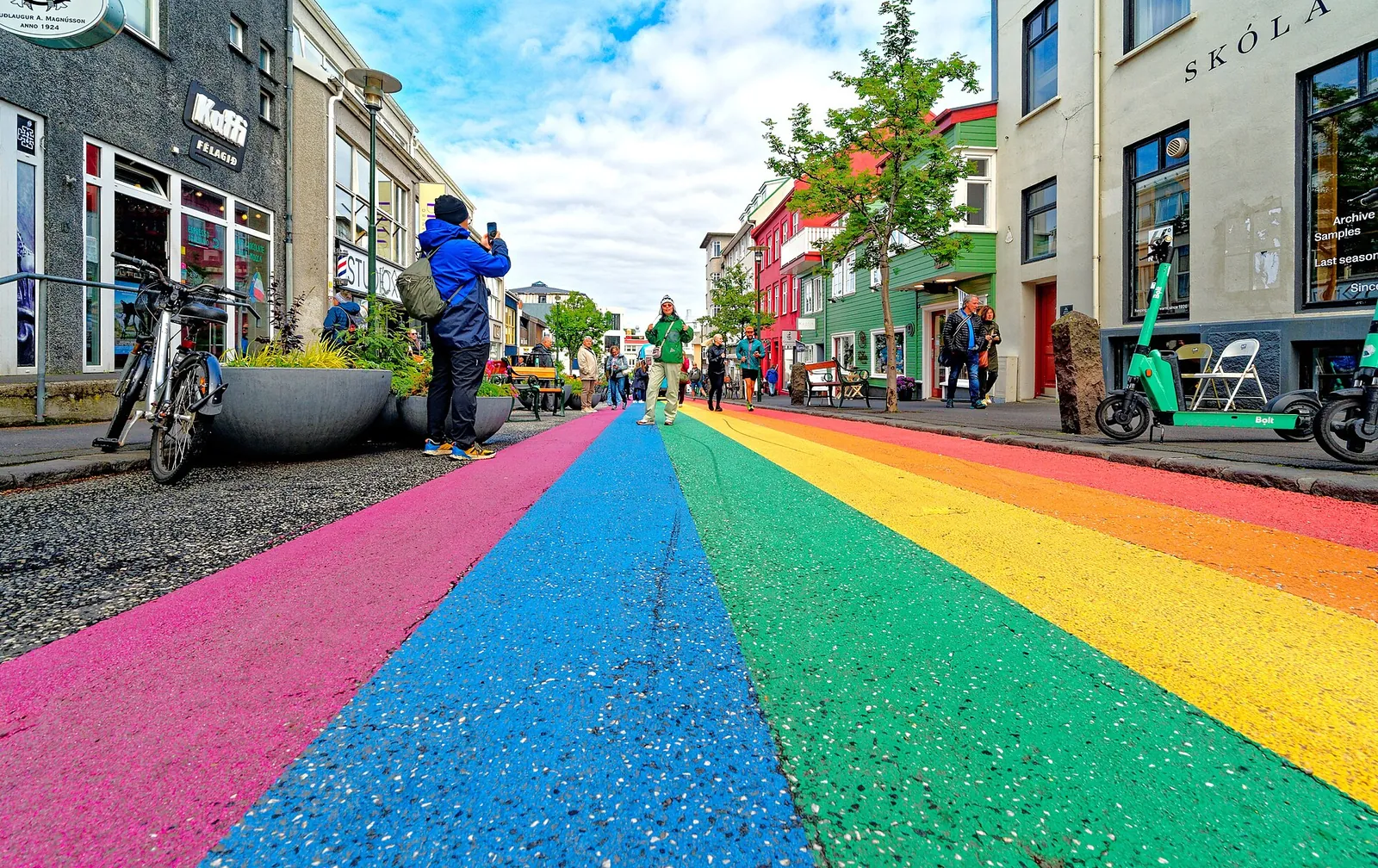
Wander downhill along Skólavörðustígur, the rainbow-painted street lined with design shops and cafés, then drift along Laugavegur, the main shopping street (roughly 10 minutes on foot from the church). Stop for a long lunch: this is a great day to slow down after your flight.
Late afternoon, walk back up to Sundhöll Reykjavíkur (Sundhöllin), the city’s classic public pool just behind Hallgrímskirkja (a few minutes’ walk). Entry is included in the Reykjavík City Card, which covers eight public geothermal pools. Soaking in a hot pot while the sky darkens is one of the most local things you can do here.
Card tip: If you plan to follow Days 1 and 2 closely, a 48-hour City Card (ISK 8,500) activated at lunchtime on Day 1 covers buses, pools and museums until lunchtime on Day 3. The countdown starts when you activate it, not when you buy it.
Evening
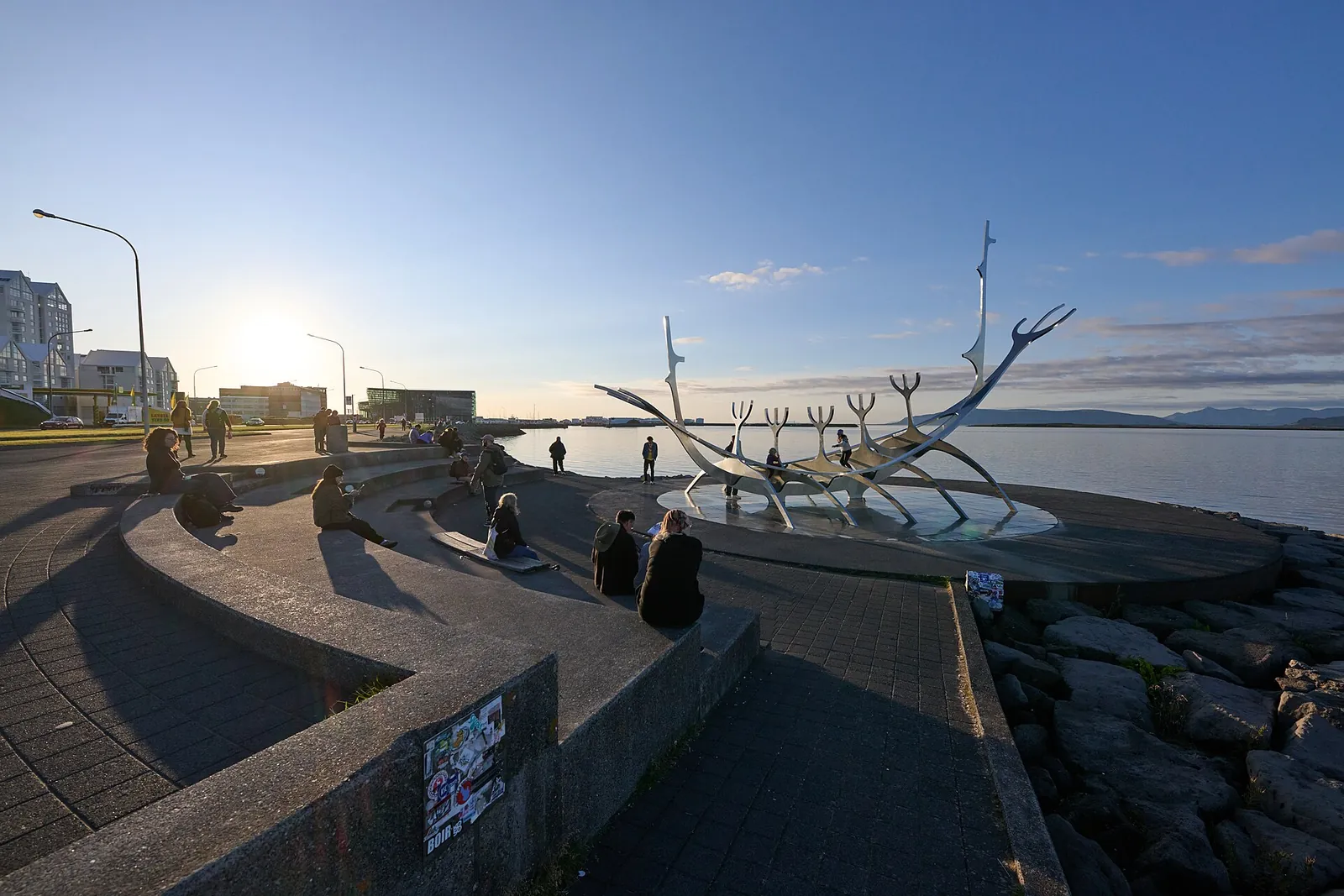
Stroll down to the waterfront (about 15 minutes from Laugavegur) to see Harpa, the glittering glass concert hall, and the Sun Voyager sculpture along the shoreline path. If you want to step inside Harpa or catch a concert, check opening times and programmes on its official site.
In the darker months, keep one eye on the sky. The Icelandic Met Office publishes an aurora forecast at en.vedur.is, which Visit Reykjavík points travellers to for northern lights planning.
Day 2: History, the pond and the old harbour
Morning
Get ready for a day of stories, swans and sea air. Start at the National Museum of Iceland (Suðurgata 41), a journey from the Settlement to the present day. It is open daily 10:00 to 17:00. Adult admission is ISK 3,300, students and seniors pay ISK 1,600, and children under 18 go free. Entry is included in the Reykjavík City Card. Note that the museum café is temporarily closed, so plan coffee elsewhere.
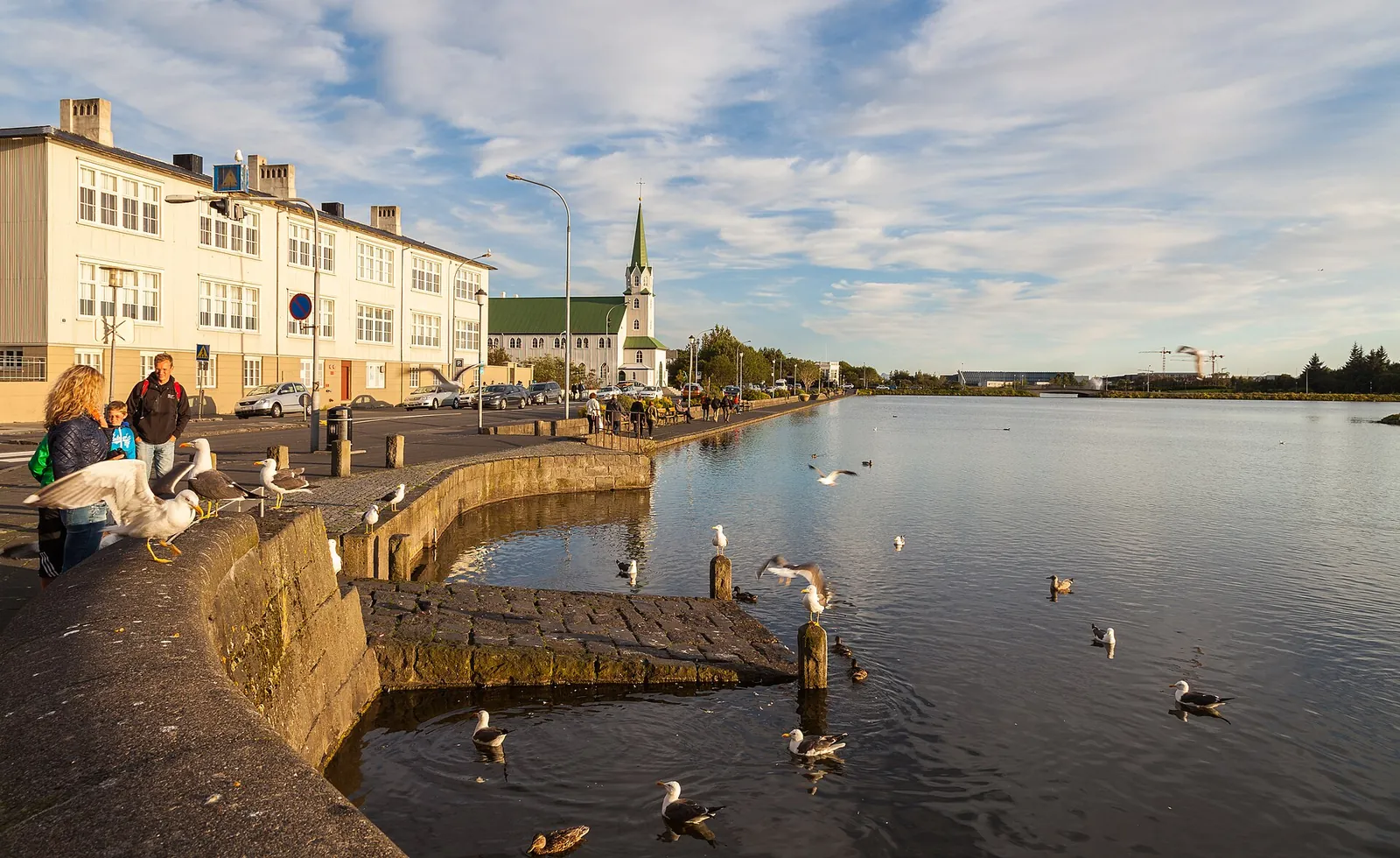
From the museum, walk about 10 minutes to Tjörnin, the city pond, with City Hall on its northern edge. Swans, ducks and pastel houses make this a lovely, easy loop.
Afternoon
Head a few minutes north to Aðalstræti: The Settlement Exhibition, built around remains from Reykjavik’s earliest days. It is one of the 17 museums and attractions included in the City Card.
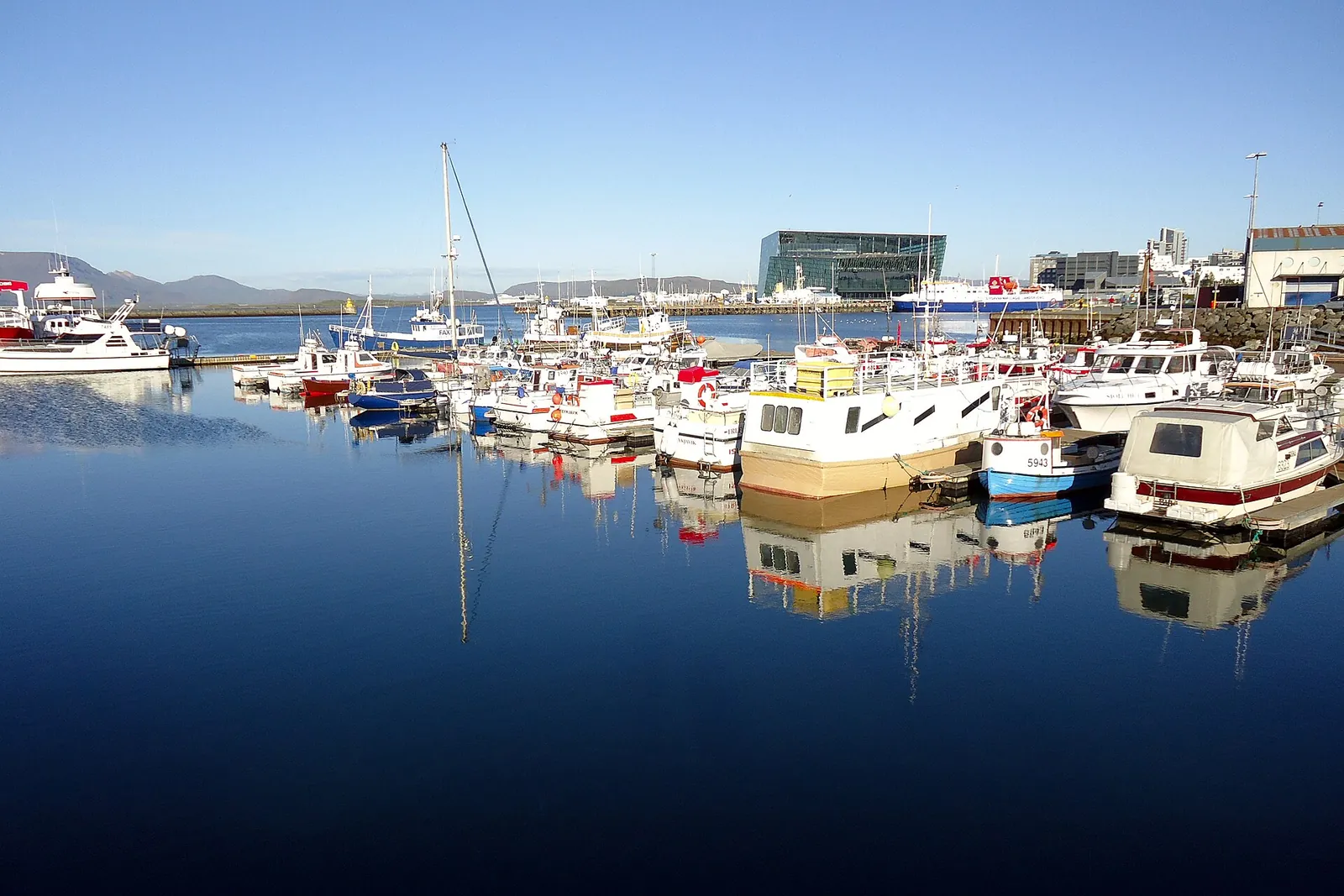
Then walk about 10 to 15 minutes to the Old Harbour. Here you can visit the Reykjavík Maritime Museum (City Card included) and continue into the Grandi district for food halls, galleries and harbour views. Art lovers can swap one stop for Reykjavík Art Museum Hafnarhús, close to the harbour and also on the City Card list.
Evening
Warm up at Vesturbæjarlaug, a much-loved neighbourhood pool in the west of the city, also covered by the City Card. Take a city bus if you are tired: buses are unlimited with the card, or a single adult fare is ISK 690 by contactless payment. Dinner in 101 or Grandi rounds off the day.
Before bed, confirm your Golden Circle plans. If you are joining a tour, check the pickup point and time. If you are driving, check the road and weather conditions (see below).
Day 3: The Golden Circle
Today is the big one, and it’s spectacular: a loop through some of Iceland’s most famous landscapes. Most visitors do the Golden Circle on a guided day tour or by rental car. Book a tour in advance, especially in summer and on weekends. If you are driving, check live conditions on road.is and the forecast on en.vedur.is before you leave. Check driving times in your map app too, since winter daylight is short.
Morning: Þingvellir National Park
Start at Þingvellir, the rift valley where you can walk between continental plates and stand where Iceland’s ancient parliament met. Begin at the Visitor Centre at Hakið (parking area P1), at the top of the Almannagjá gorge. It is open 09:00 to 18:00 from April to October and 09:00 to 17:00 from November to March, with special hours around Christmas and New Year. The exhibition explaining the tectonic movements costs 1,200 kr. for adults.
Parking is paid. A passenger car with five or fewer seats is ISK 1,000, and one payment covers that day in all the park’s paid lots (P1, P2 and P5). The system reads licence plates by camera, so pay at the machines (at the Visitor Centre, the nearby restroom building and P2) or online via the park’s website.
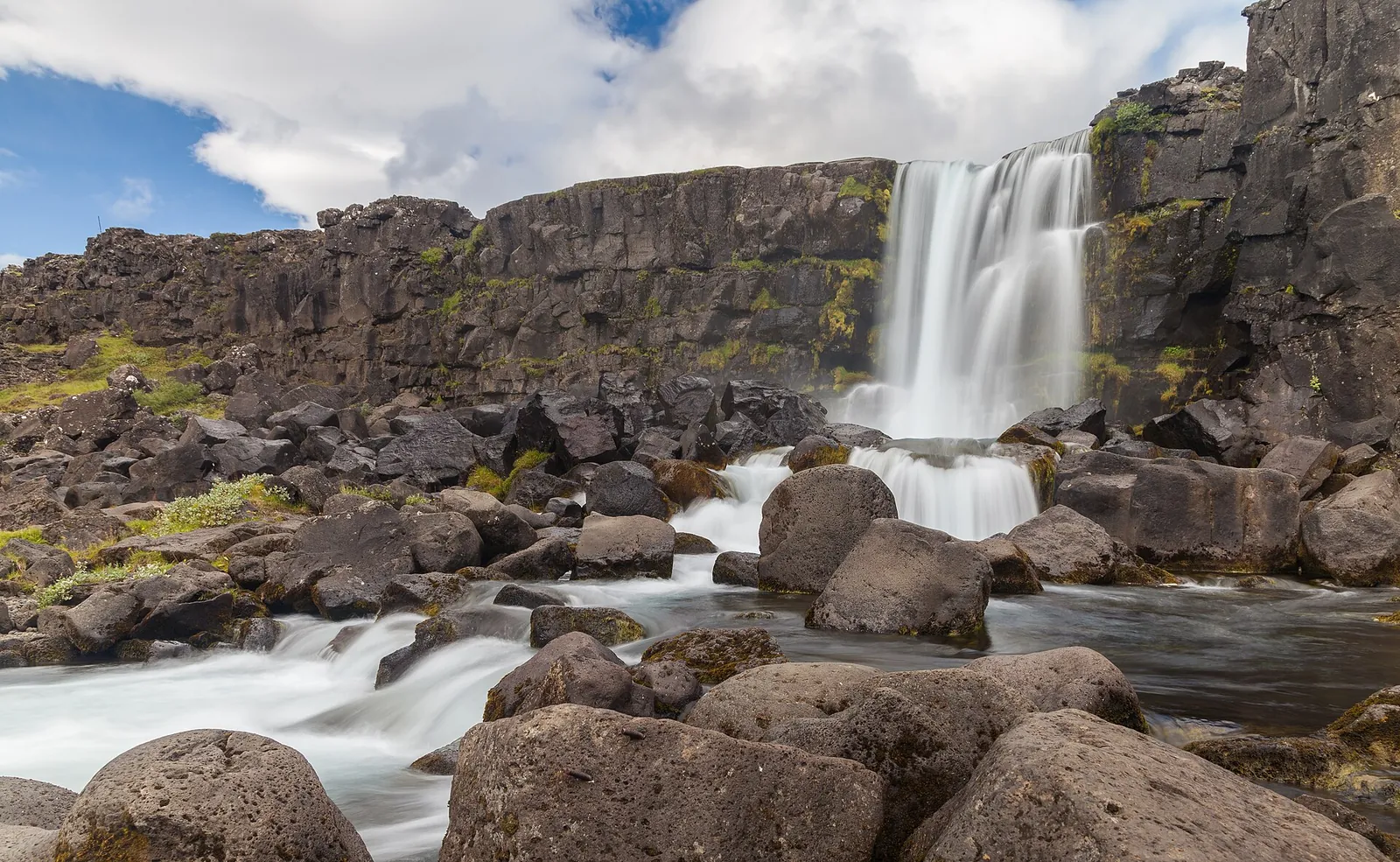
Walk down through Almannagjá and, if time allows, drive on to P2 (Efri-Vellir) below the Öxarárfoss waterfall. Divers and snorkellers head to Silfra, the closest parking for which is P5 (Valhöll). Silfra snorkelling and diving trips are run by tour operators, so book ahead.
Afternoon: Geysir and Gullfoss
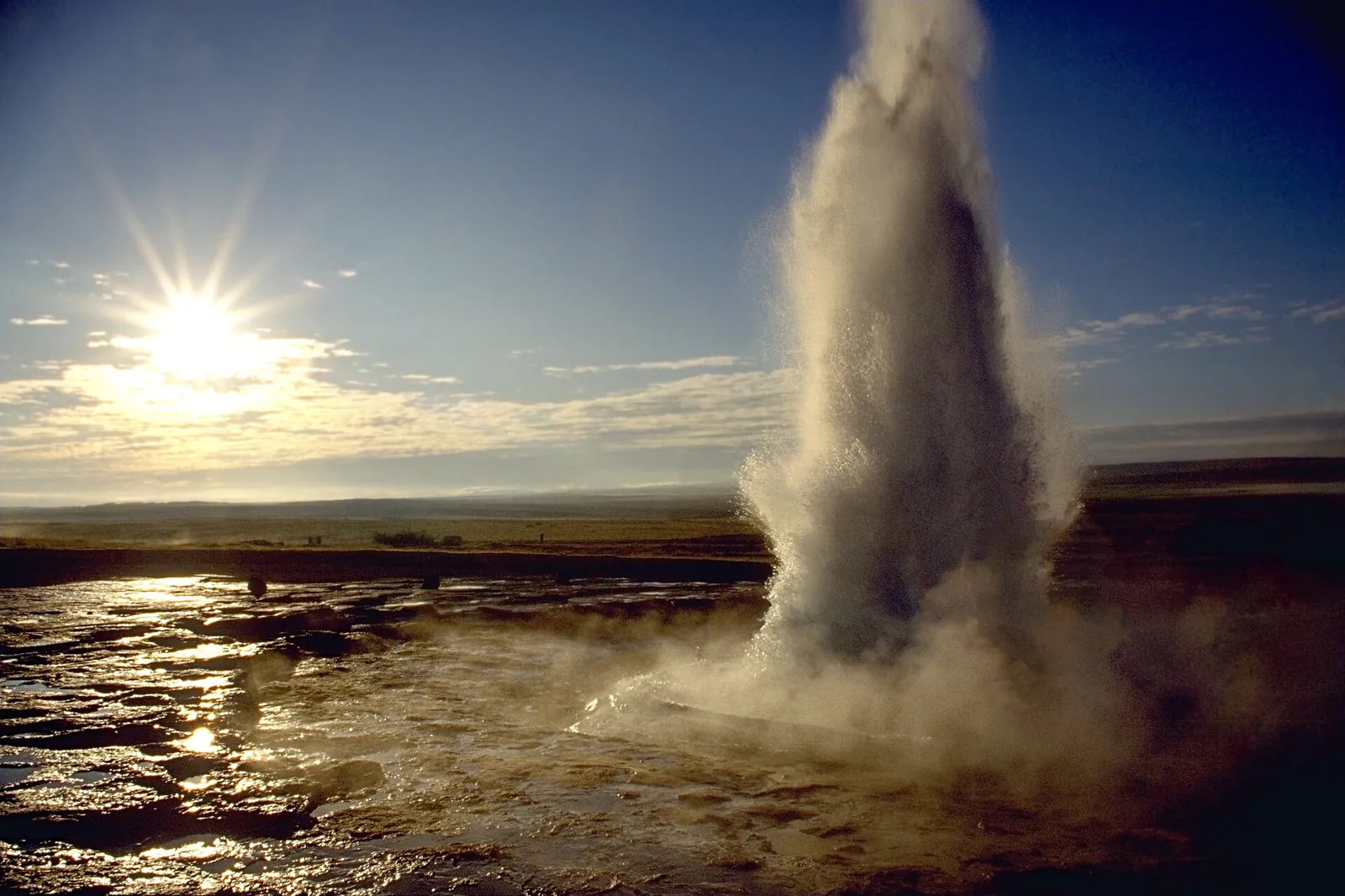
Continue to the Geysir geothermal area in Haukadalur. The Great Geysir itself is mostly quiet, but its neighbour Strokkur erupts regularly, so you won’t wait long for that whoosh of steam and water. Stay on marked paths and behind ropes: Visit Iceland warns that unstable ground at hot springs can be life-threatening.
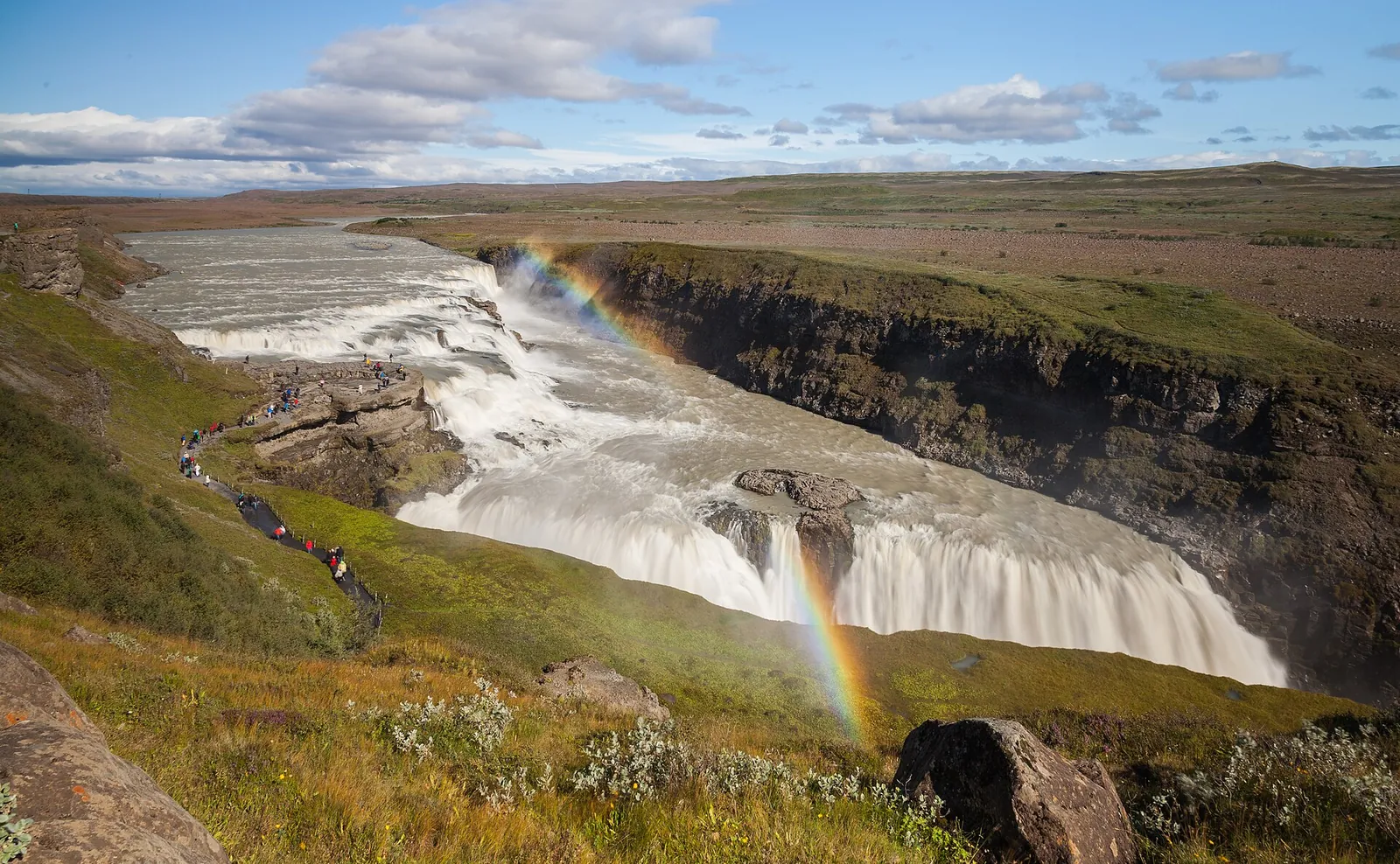
A short drive further on, Gullfoss tumbles in two great steps into a canyon. Bring waterproofs: spray is part of the fun. In winter, paths can be icy, so follow any closures or signs.
Evening
Drive or ride back to Reykjavik. If you still have energy, a soak in a city pool is the perfect way to thaw out. Otherwise, enjoy a slow dinner and an early night.
Optional extras: Many tours add the Kerið crater, a greenhouse visit or a lagoon. Check fees and opening times on each place’s official site or with your tour operator before you go.
Day 4: Art, island air or a lagoon, then the airport
Morning
Squeeze in one last Icelandic treat! Pick one of these depending on your flight time:
- Reykjavík Art Museum Kjarvalsstaðir, in Klambratún park, a gentle way to spend a grey morning (City Card included).
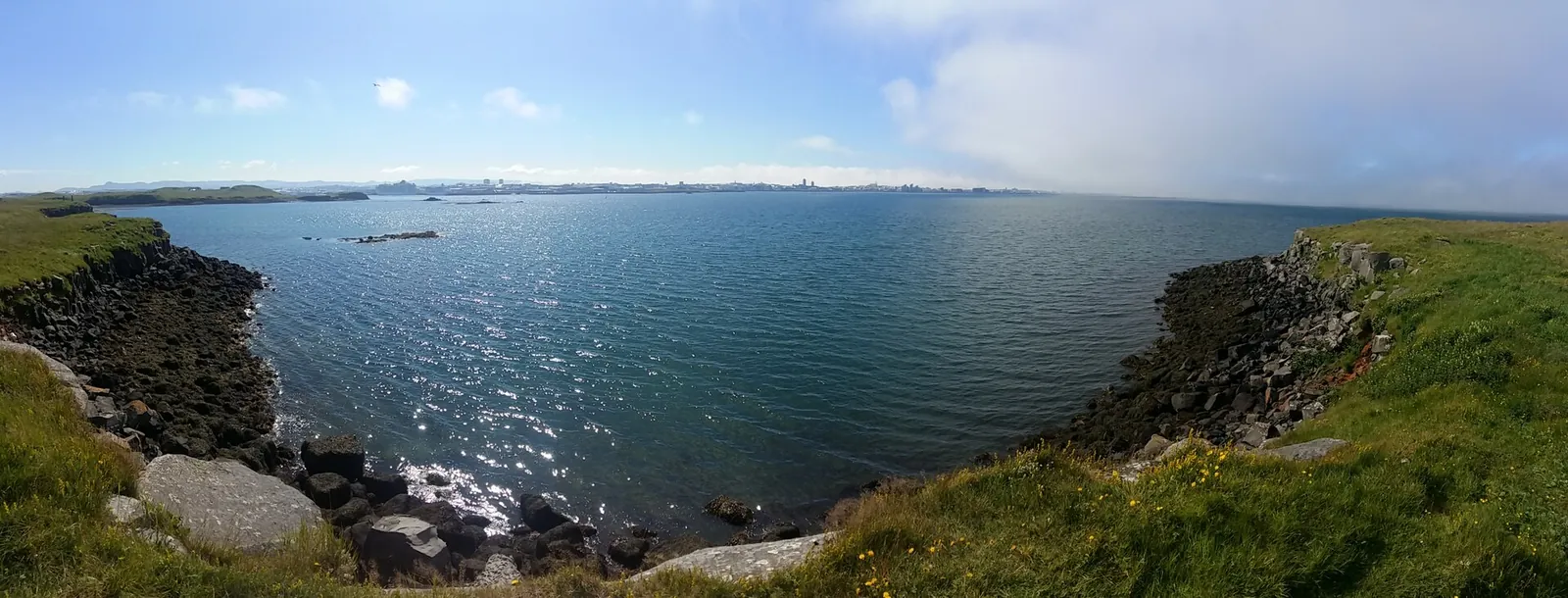
- Viðey Island, a short ferry hop from the city with walking paths and art. A ferry ride is included in the City Card. Check the current ferry schedule on the official site, as winter service can be limited.
- Árbær Open Air Museum, for old turf houses and village life (City Card included).
If your City Card has expired, a 24-hour card is ISK 6,100, or simply pay per entry.
Afternoon
Head for Keflavík Airport. Flybus recommends boarding at least 3 hours before your flight from BSÍ Bus Terminal or a pickup stop. Flybus also runs transfers that combine the airport, Reykjavik and the Blue Lagoon, a popular way to fit in one last soak. If you choose this, book your lagoon slot and transfer in advance on the official sites.
Evening
Fly home relaxed, smelling faintly of geothermal water. Perfect.
Getting there and getting around
From Keflavík Airport (KEF) to Reykjavik
Visit Reykjavík lists four options: rental car, private bus, taxi and the public bus 55.
- Flybus: Fixed fares from ISK 3,999 one way, with a journey of about 45 minutes to BSÍ Bus Terminal. Buses leave 30 to 60 minutes after each flight arrival, and if your flight is late you board the next departure. Hotel drop-off is available for an additional fee. The fare includes two bags up to 23 kg each plus a small carry-on. Book online or at kiosks at KEF and BSÍ.
- Strætó bus 55: Runs every day. Adult fare to Garðabær and Reykjavík is ISK 2,400 (ISK 1,800 to Fjörður in Hafnarfjörður), with ISK 1,200 for ages 12 to 17 and 67+, and free for children 11 and under. You can pay by debit or credit card or in cash. Arriving passengers board at the Strætó stop in the Bus B pickup area. Not every trip goes to BSÍ, as some run to and from Fjörður in Hafnarfjörður, so check the timetable.
- Taxi or rental car: Convenient but more expensive for one or two people. Check fares directly with the operator.
Getting around Reykjavik
The centre is very walkable. For longer hops, Strætó city buses cost ISK 690 per adult single fare, including contactless payment. Young people aged 12 to 17 and seniors 67+ pay ISK 345, and children 11 and under ride free. Strætó’s account-based ticketing system is called Klapp, and a Klapp card or keychain costs ISK 1,000. The Reykjavík City Card includes unlimited use of city buses.
Where to stay
- Downtown 101 (Laugavegur, Skólavörðustígur, around Hallgrímskirkja): Best for first-timers and short stays. You can walk to most of Days 1 and 2.
- Old Harbour and Grandi: Great for food lovers and anyone who likes waking up to sea views and boats. It is an easy walk into 101.
- Around Hlemmur and the eastern end of Laugavegur: A short walk from the centre, a little more local, and handy for city buses.
- Laugardalur: Quieter and greener, close to the large Laugardalslaug pool (City Card included). Good for families and travellers who don’t mind a bus ride into the centre.
If you have an early flight, staying within easy reach of BSÍ Bus Terminal makes the Flybus simple.
Budget
Prices below come from official sites, checked on 24 October 2026. Accommodation, meals, tours and car hire are excluded, as they vary widely by season. Reykjavik is an expensive city, so check current prices when you book.
| Item | Typical cost |
|---|---|
| Flybus KEF to BSÍ, one way | from ISK 3,999 |
| Strætó bus 55 airport to Reykjavík, adult | ISK 2,400 |
| Strætó city bus, single adult fare | ISK 690 |
| Reykjavík City Card 24 / 48 / 72 hours | ISK 6,100 / 8,500 / 10,500 |
| Hallgrímskirkja tower, adult | ISK 1,400 |
| National Museum of Iceland, adult | ISK 3,300 (free with City Card) |
| Þingvellir parking, car up to 5 seats | ISK 1,000 per day |
| Þingvellir Visitor Centre exhibition, adult | 1,200 kr. |
| Golden Circle tour or car rental | check the operator’s official site |
Our daily estimate of ISK 4,000-6,000 covers sights and city transport only. For example, a 48-hour City Card plus the church tower works out at just under ISK 5,000 per day over Days 1 and 2.
Practical tips
- Money: The currency is the Icelandic króna (ISK). Visit Reykjavík notes that cards, Apple Pay and Google Pay are accepted almost everywhere, and you rarely need cash.
- Water: Reykjavik’s tap water is well monitored and safe to drink, so bring a refillable bottle.
- Pools: Icelandic pools expect you to shower thoroughly without your swimsuit before getting in. Follow the signs in the changing rooms.
- Dress in layers: Weather changes fast. SafeTravel publishes a clothing guide, and Visit Iceland sums it up as layers, layers, layers. A waterproof jacket, warm hat and good shoes are essentials year-round.
- Phones and eSIMs: Icelandic networks no longer operate 2G or 3G, so older phones may struggle. Make sure your phone or eSIM supports 4G or 5G.
- Church visits: Hallgrímskirkja is a working church, and access can be limited during services and events.
- Tax refunds: If you are eligible, you can claim a VAT refund before departing from Keflavík International Airport.
- Visas and entry: Iceland is part of the Schengen Area, and Visit Reykjavík reminds visitors to carry valid travel documents accepted for border crossing. Entry rules depend on your nationality, so check with Iceland’s official Directorate of Immigration (Útlendingastofnun) on the government’s island.is portal, and read the Visit Reykjavík practical information page, well before you book.
Heads-up
Iceland is a very safe country for visitors, but nature here deserves respect. These points come from Iceland’s official tourism and safety sources.
- Weather can change in minutes. Snowstorms, strong winds and icy roads are normal, especially in winter. Check SafeTravel.is, road conditions on road.is and forecasts on en.vedur.is every morning, and be ready to switch days around.
- Hot springs are hot. At Geysir, stay on paths and behind ropes. Visit Iceland warns that unstable ground at hot springs, slippery stones at waterfalls and strong beach currents can be life-threatening.
- Respect rails and signs. They are there for a reason, even if other visitors ignore them.
- No off-road driving. Visit Iceland states it is strictly forbidden and damages fragile vegetation for decades. Stay on marked roads and in designated parking.
- Beaches on the South Coast. If you extend your trip, Reynisfjara black sand beach has powerful sneaker waves and strong currents that have claimed lives. Keep well back from the water.
- Volcanic areas. Around recent eruption sites on the Reykjanes Peninsula, new lava can stay hot and unstable under the surface. Follow official paths and local instructions.
- Don’t forget Þingvellir parking. It is camera-checked, so pay on the day.
- In an emergency, call 112. SafeTravel offers a free app and SMS service, and you can leave a travel plan if you hike outside a tour group.
FAQ
Is the Reykjavík City Card worth it for this plan?
For Days 1 and 2, usually yes. The 48-hour card (ISK 8,500) covers pools, city buses and museums such as the National Museum (ISK 3,300 on its own). The card is built around the capital area, not the Golden Circle, so time it around your city days.
Can I do the Golden Circle without a car?
Yes. Most visitors without a car join a guided day tour from Reykjavik. Book ahead and check the pickup point.
Flybus or bus 55 from the airport?
Flybus (from ISK 3,999, about 45 minutes) is timed to flight arrivals and waits if your flight is late. Bus 55 is cheaper at ISK 2,400 for adults but follows a fixed timetable, and some trips run to Hafnarfjörður rather than BSÍ.
When can I see the northern lights?
You need dark, clear skies, so the darker months from roughly September to March are your best bet. Check the aurora forecast on en.vedur.is and head away from bright streetlights.
Is Reykjavik walkable?
Very. Days 1 and 2 are almost entirely on foot, with city buses (ISK 690 single fare) for longer hops.
Do I need cash?
Rarely. Cards and mobile payments are accepted almost everywhere, according to Visit Reykjavík.
Sources
Prices, hours and rules change. We checked these on 24 October 2026; please confirm on the official page before you book.
- Flybus: Keflavík Airport to Reykjavík Transfer
- Strætó: Bus to/from KEF-Airport (Route 55)
- Strætó: Changes in Prices for Period Passes (price list from 16 July 2026)
- Visit Reykjavík: Reykjavík City Card
- Hallgrímskirkja: Opening hours
- Visit Reykjavík: Hallgrímskirkja Church Tower
- National Museum of Iceland
- Þingvellir National Park: Parking Service
- Þingvellir National Park: Visitor Centre
- Visit Iceland: Safe travel in Iceland
- Visit Iceland: Driving in Iceland
- Visit Reykjavík: Practical information
- Visit Reykjavík: Arriving by Airplane
Photo credits (10)
- Colourful Reykjavik rooftops and the bay from Hallgrímskirkja: Olga Ernst, CC BY-SA 4.0, via Wikimedia Commons
- The rainbow-painted street of Skólavörðustígur: Holger Uwe Schmitt, CC BY-SA 4.0, via Wikimedia Commons
- The Sun Voyager sculpture glinting by the sea: Halldór Kolbeins / European Commission Audiovisual Service, CC BY 4.0, via Wikimedia Commons
- Birds and pastel houses around Tjörnin pond: Diego Delso, CC BY-SA 4.0, via Wikimedia Commons
- Boats reflected in the calm Old Harbour: Aapo Haapanen from Tampere, Finland, CC BY 2.0, via Wikimedia Commons
- Öxarárfoss waterfall tumbling into Þingvellir: Diego Delso, CC BY-SA 4.0, via Wikimedia Commons
- Strokkur geyser shooting up into the sunlight: Andreas Tille, CC BY-SA 3.0, via Wikimedia Commons
- A rainbow over the two-step Gullfoss waterfall: Diego Delso, CC BY-SA 4.0, via Wikimedia Commons
- Calm bay and green shore on Viðey Island: Slawojar, CC BY-SA 4.0, via Wikimedia Commons
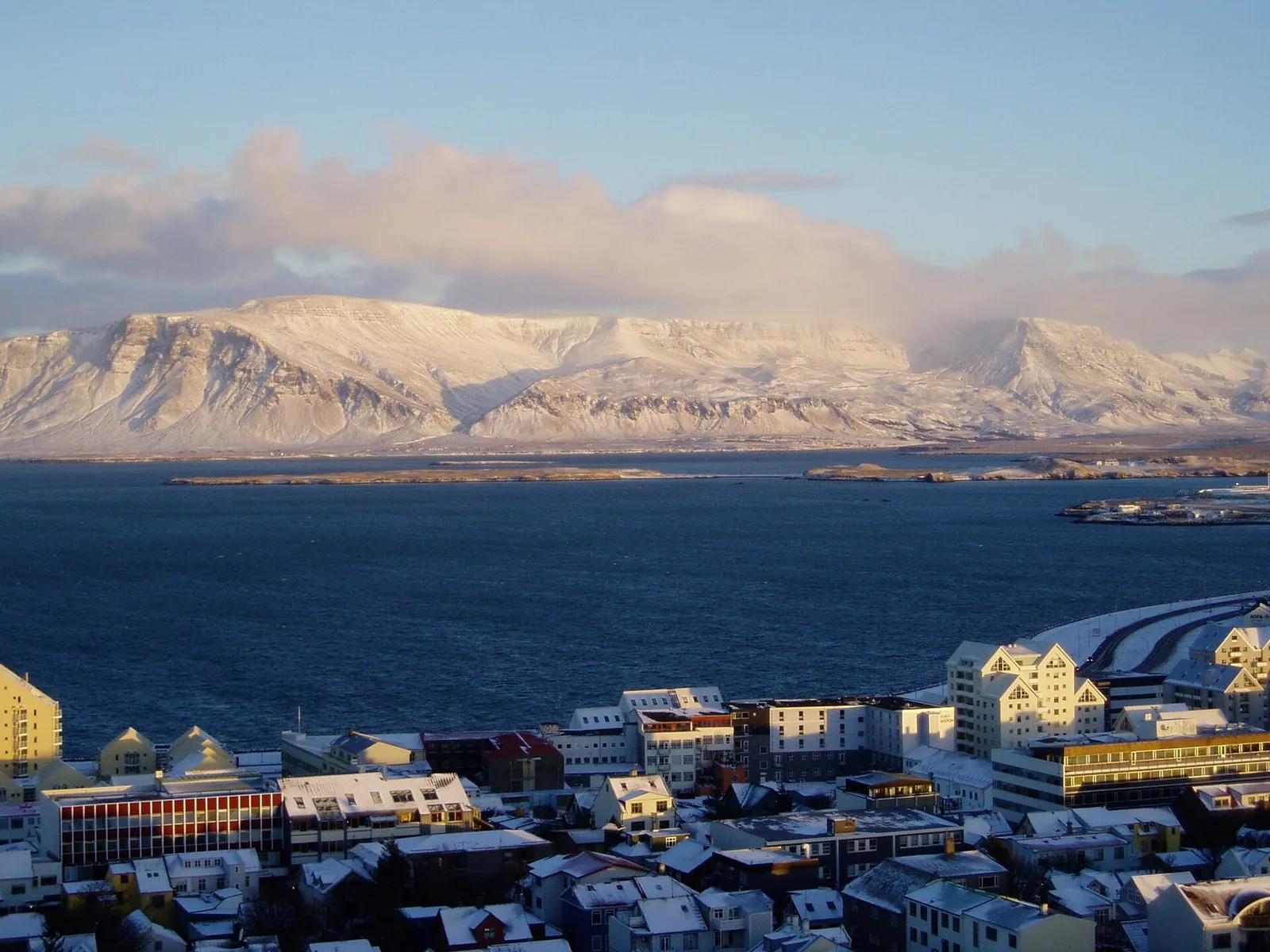
- Snow-capped mountains across the bay from Reykjavik: Grace Note, CC BY-SA 3.0, via Wikimedia Commons
This is a researched plan, not a personal trip report. How we research · Affiliate disclosure