
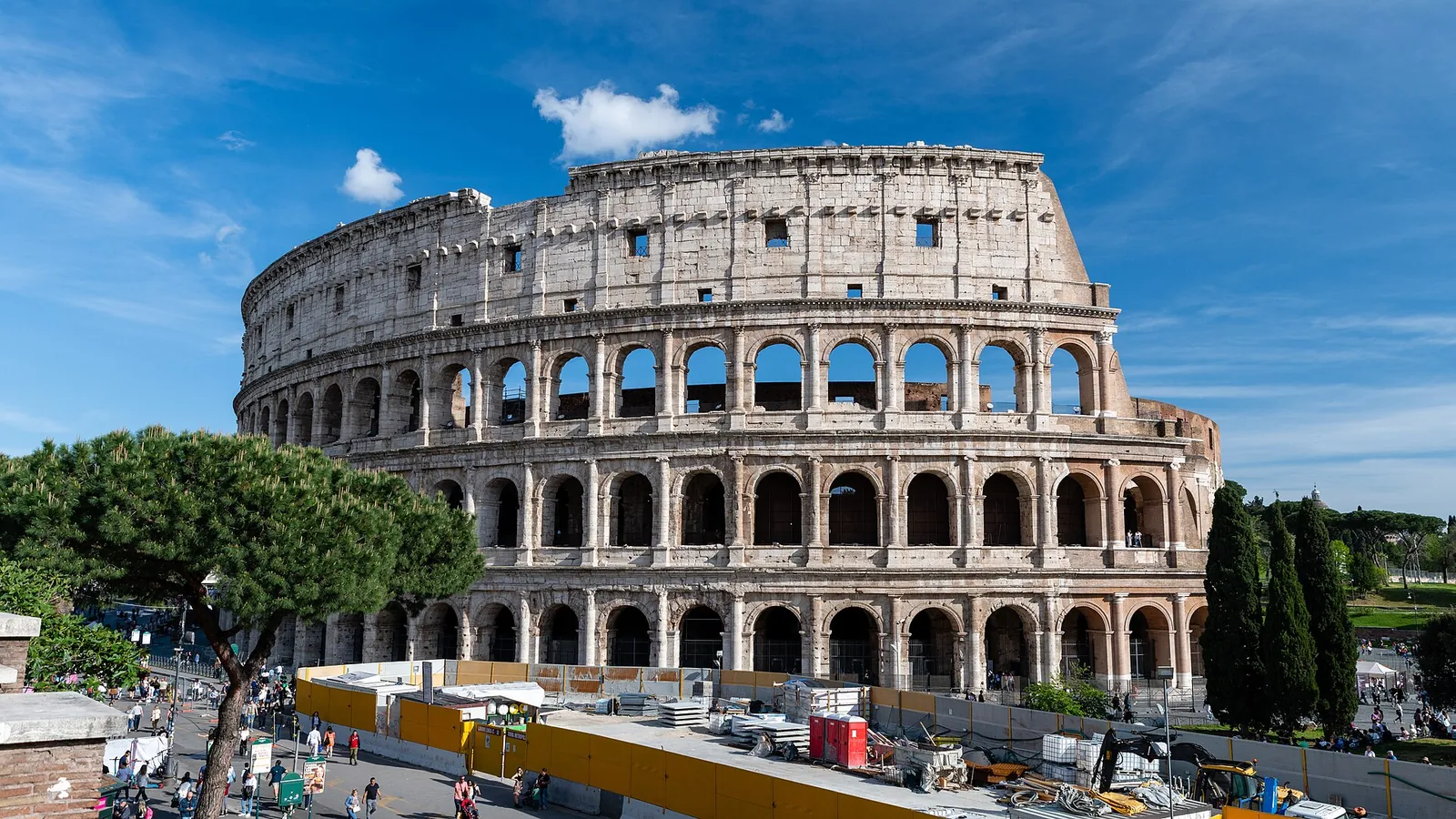
3 Days in Rome: A Day-by-Day Itinerary
A 3-day Rome plan: the Colosseum and Forum, the Vatican Museums and St. Peter's, then Borghese, Trevi and the Pantheon, with verified 2026 prices.
- 🗓️ Trip length
- 3 days
- ☀️ Best time
- April to June and September to October
- 💰 Daily spend
- EUR 25-50 for sights and transport (about USD 30-60), plus hotel and meals
- ✅ Facts checked
- 22 October 2026
Get ready for the city where you can stand in a 2,000-year-old arena in the morning, gaze up at Michelangelo’s Sistine Chapel the next day and finish with gelato beside a Baroque fountain. Rome is gloriously walkable, and three days are just right for the big icons: ancient Rome, the Vatican and the piazzas of the historic centre.
This plan suits first-time visitors who like a steady pace: one big pre-booked sight each morning, a walkable cluster of free highlights in the afternoon and a relaxed evening in a lively neighbourhood. Day 1 is ancient Rome, Day 2 is the Vatican and Trastevere, and Day 3 takes you from the Borghese Gallery through the Spanish Steps, the Trevi Fountain and the Pantheon to Piazza Navona.
At a glance
| Day | Area | Highlights |
|---|---|---|
| 1 | Ancient Rome and Monti | Colosseum, Roman Forum, Palatine Hill, Capitoline Hill, dinner in Monti |
| 2 | Vatican and Trastevere | Vatican Museums and Sistine Chapel, St. Peter’s Basilica and dome, Castel Sant’Angelo bridge, Trastevere evening |
| 3 | Villa Borghese and the historic centre | Borghese Gallery, Piazza del Popolo, Spanish Steps, Trevi Fountain, Pantheon, Piazza Navona |
Day 1: Ancient Rome
Morning
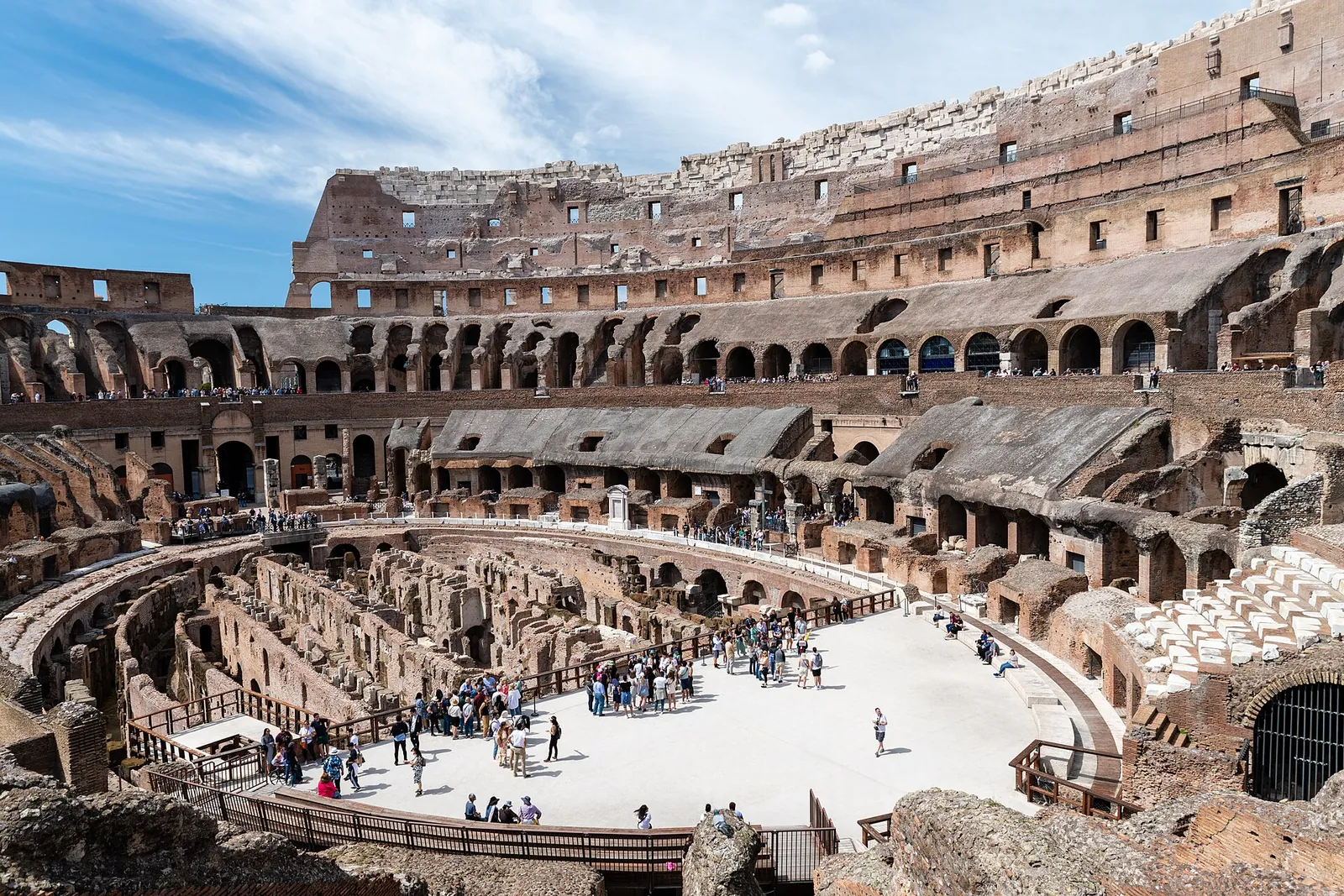
This is the day to walk where emperors walked. Start at the Colosseum, the most famous amphitheatre in the world. The standard 24-hour ticket (Colosseum, Roman Forum, Palatine) costs EUR 18, or EUR 2 for EU citizens aged 18 to 25. It gives one entry to the Colosseum’s first and second tiers (not the arena floor) and one entry to the Roman Forum and Palatine within 24 hours. The maximum stay inside the Colosseum on this ticket is 75 minutes.
The Full Experience tickets add areas such as the arena, the underground or the attic with its panoramic lift, valid for two consecutive days. The Full Experience Attico costs EUR 24; check the official site for the other variants.
Key booking points from the official site:
- Online sales open 30 days before your visit, and a timed entry slot for the Colosseum is mandatory.
- Tickets are named: bring ID that matches the ticket.
- From 25 October 2026 to 28 February 2027 the park closes at 16:30, with last entry at 15:30. Earlier in October it was open 8:30 to 18:30.
- Entry is free on the first Sunday of the month (1 November 2026) and on 4 November 2026, so expect big crowds on those days.
Book the earliest Colosseum slot you can get on the official ticketing site, ticketing.colosseo.it. Getting there: Metro line B to Colosseo stops right across the road.
Afternoon
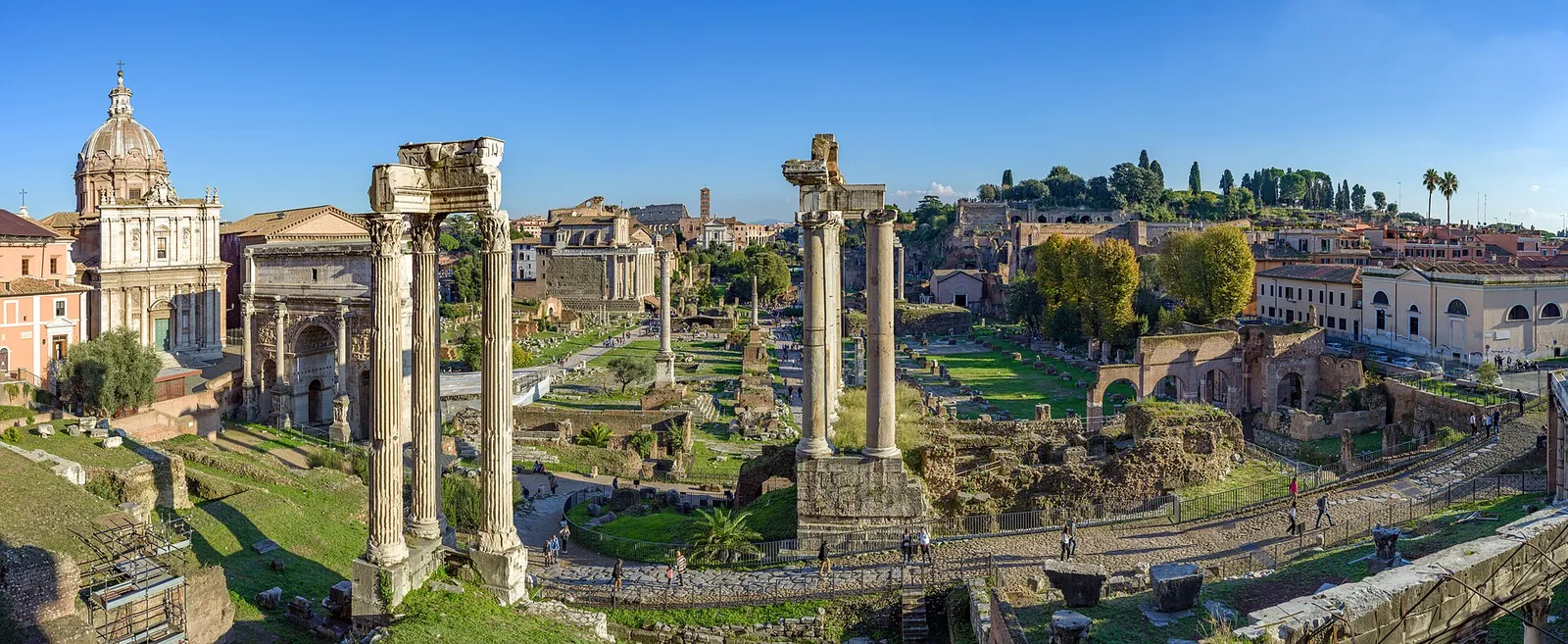
Use the same ticket for the Roman Forum and the Palatine Hill, a short walk from the Colosseum exit. Allow at least two hours for the temples, triumphal arches and imperial palaces, and climb the Palatine for sweeping views over the Forum and the Circus Maximus. In winter, go in early so you are not rushed before the 16:30 closing.
Leave the Forum towards Via dei Fori Imperiali and walk about 10 minutes up to the Capitoline Hill. The elegant Piazza del Campidoglio, designed by Michelangelo, is free to visit, and the terraces behind the town hall look straight down over the Forum, which is magical in late afternoon light.
Evening
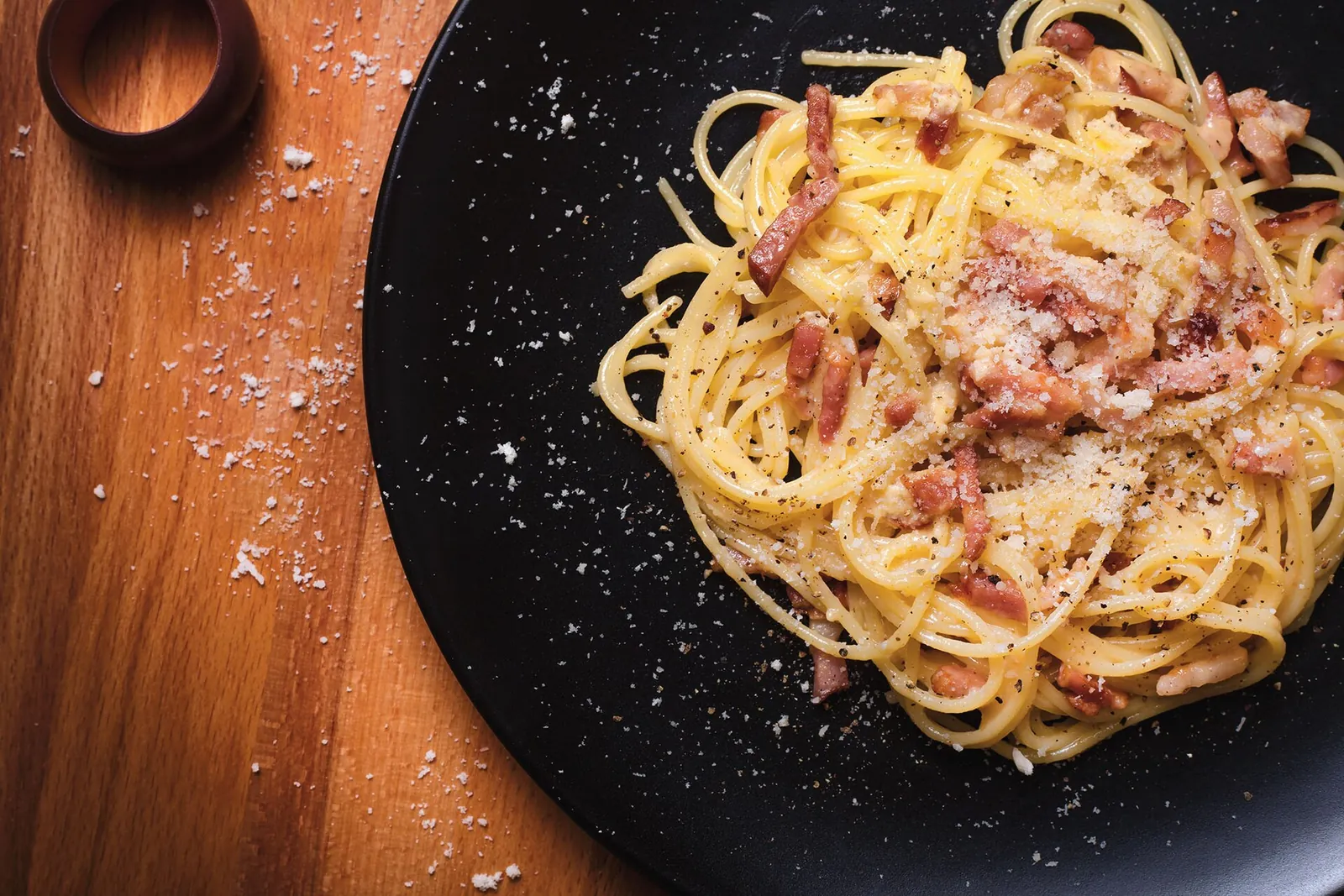
Walk about 15 minutes east to Monti, a hilly old neighbourhood of cobbled lanes, wine bars and small trattorias right behind the Forum. It is a lovely spot for a first Roman dinner of cacio e pepe or carbonara, and it is close to Cavour on Metro B for the ride home.
Day 2: The Vatican and Trastevere
Morning
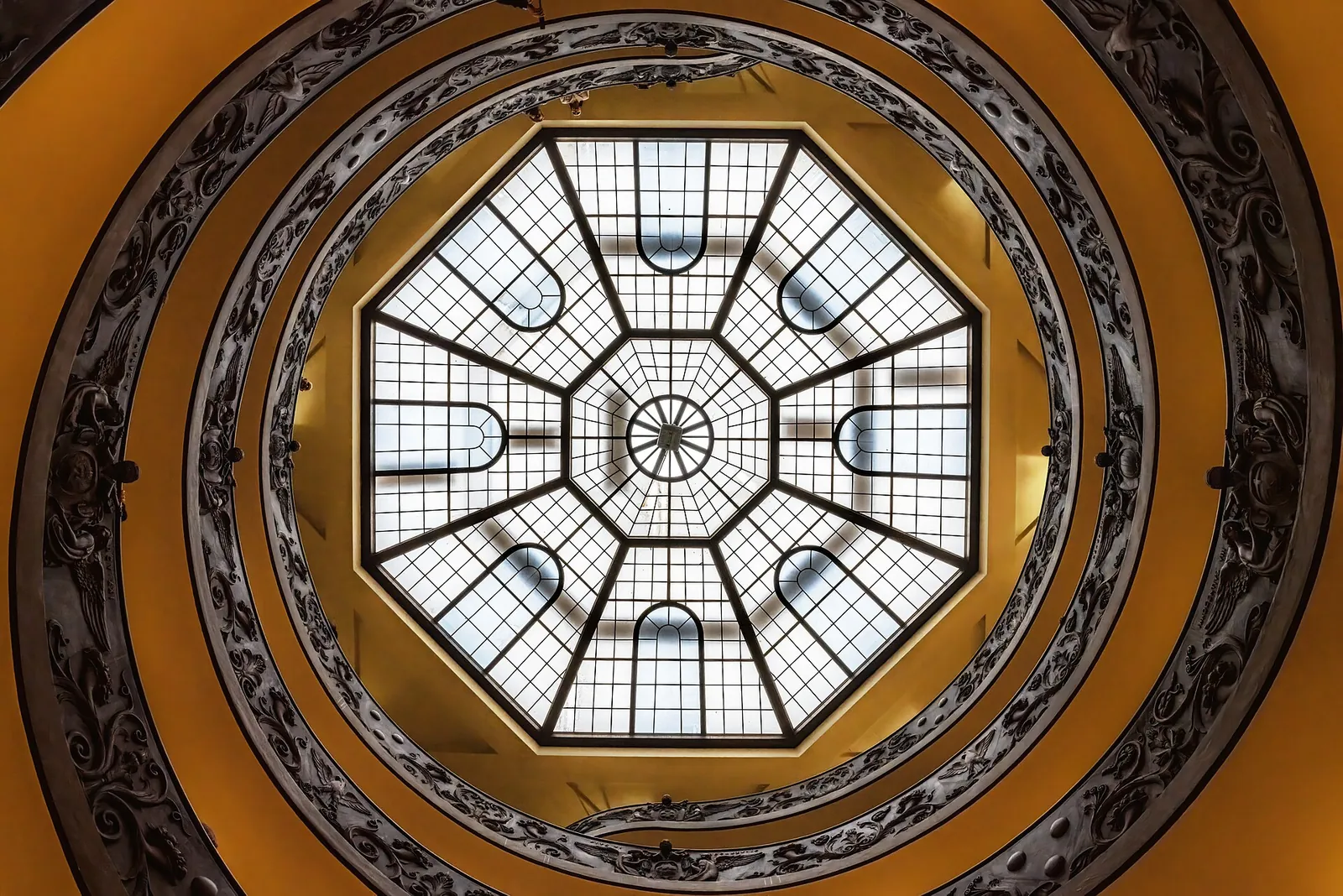
Save your energy for one of the greatest art collections on Earth. The Vatican Museums open Monday to Saturday 8:00 to 20:00, with final entry at 18:00. They are closed on Sundays, except the last Sunday of the month, when entry is free from 9:00 to 14:00 (final entry 12:30). Other closing days include 1 November and 8, 25 and 26 December.
Tickets:
| Ticket | Price |
|---|---|
| Full entry, at the ticket office | EUR 20 |
| Full entry, “Skip the Line” booked on the official site | EUR 20 + EUR 5 booking |
| Reduced (for example students) | EUR 10, or EUR 10 + EUR 5 booked online |
| Children under 7 | free |
The museums stress that the only official online ticket site is tickets.museivaticani.va, and warn about look-alike sites that charge much more. Book an early slot there, ideally close to opening. The ticket covers the museums and the Sistine Chapel, where photos and filming are forbidden and silence is requested. Allow three to four hours.
Getting there: Metro line A to Ottaviano or Cipro, then about 10 minutes on foot to the museum entrance on Viale Vaticano.
Afternoon
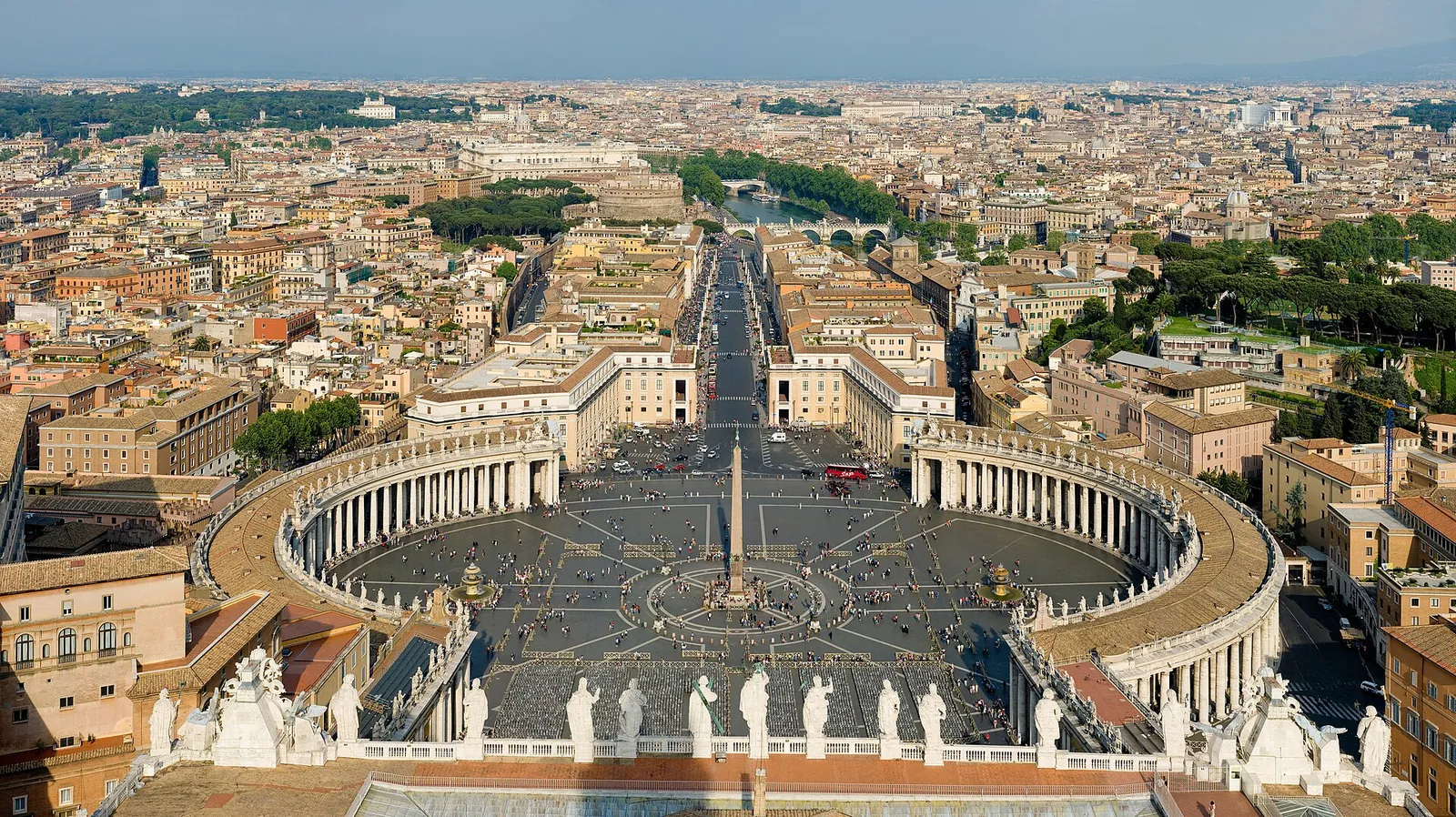
Walk around the Vatican walls to St. Peter’s Square, about 15 to 20 minutes. St. Peter’s Basilica is free to enter and is open daily 7:00 to 20:00 until 25 October 2026, then 7:00 to 19:00 from 26 October 2026 to 28 March 2027. Expect a security queue, so arrive with time to spare.
For a breathtaking view, climb the dome. You can choose a ticket with lift to the terrace level or with stairs the whole way, and both include access to the Basilica with a digital audio guide. The dome is open 7:00 to 18:00 in the summer period (to 25 October 2026) and 7:30 to 17:00 in the winter period. Check prices and book on the official Basilica site.
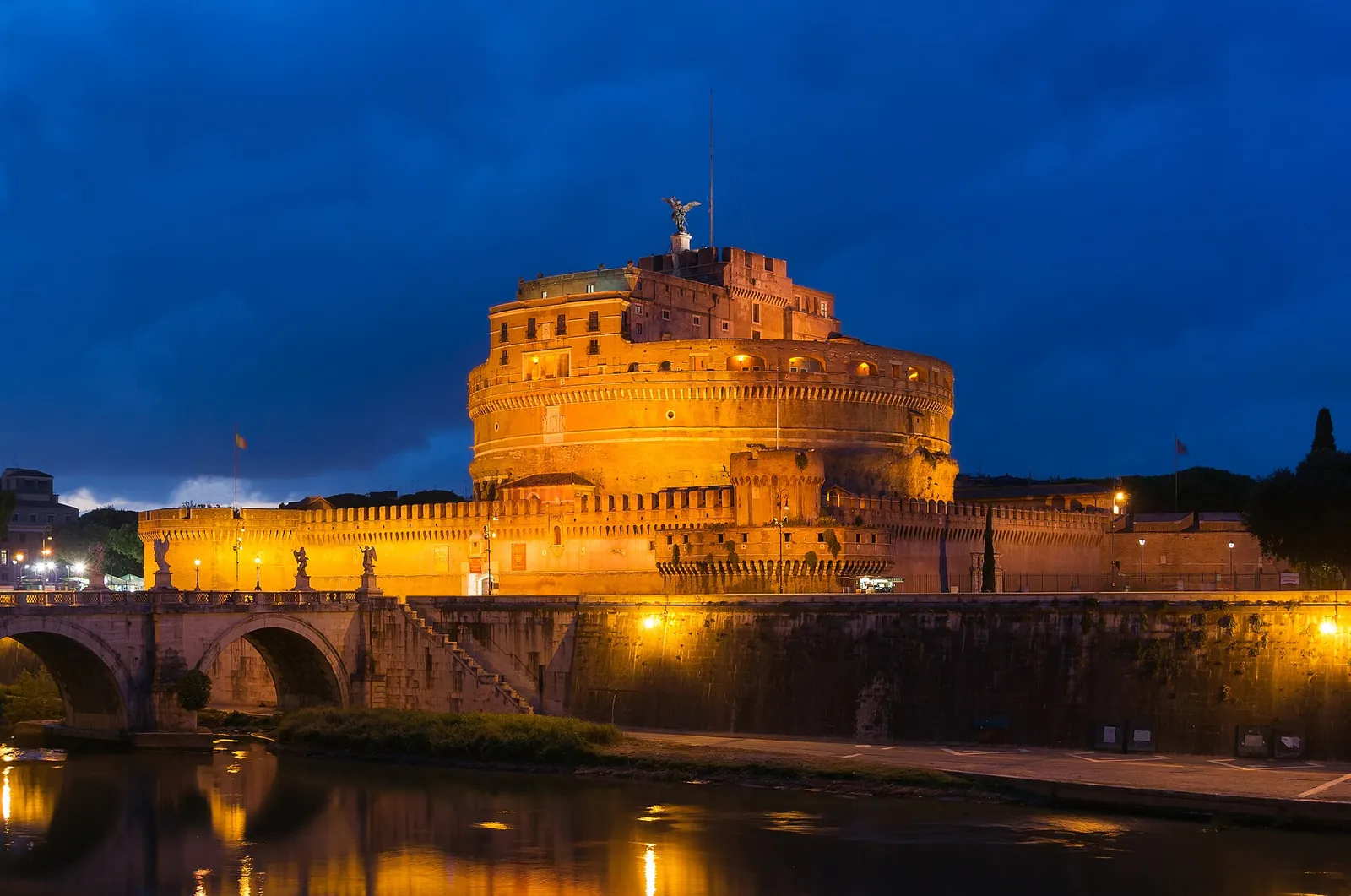
From the square, stroll down Via della Conciliazione to Castel Sant’Angelo, about 10 minutes, and cross the statue-lined Ponte Sant’Angelo for a classic photo of the castle over the Tiber. If you want to go inside the castle, check its hours and prices on the official site.
Evening
Follow the river south for about 25 to 30 minutes, or take a taxi, to Trastevere. Its ivy-covered lanes, little piazzas and buzzing trattorias make it one of the happiest places in Rome to spend an evening. The piazza in front of the church of Santa Maria in Trastevere is the heart of it all.
Day 3: Borghese, Trevi and the Pantheon
Morning
Your last day is a feast of masterpieces and famous piazzas. Start at the Borghese Gallery, home to Bernini’s breathtaking marble sculptures and paintings by Caravaggio. It opens Tuesday to Sunday, 9:00 to 19:00 (so it is closed on Mondays), with last entry at 17:45. Visits run in two-hour time slots (9:00, 10:00, 11:00 and so on), each limited to 180 people.
Booking is mandatory for every ticket type, including free tickets for under-18s. Buy only through the official site or by phone, and check the current price there, because it can change during special exhibitions. Only very small bags (up to 21 x 15 cm) are allowed inside; larger bags go to the cloakroom.
After your slot, walk through the gardens of Villa Borghese to the Pincio terrace, about 15 to 20 minutes, for a wonderful view over Piazza del Popolo and the domes of the city. Then walk down into the piazza.
Afternoon
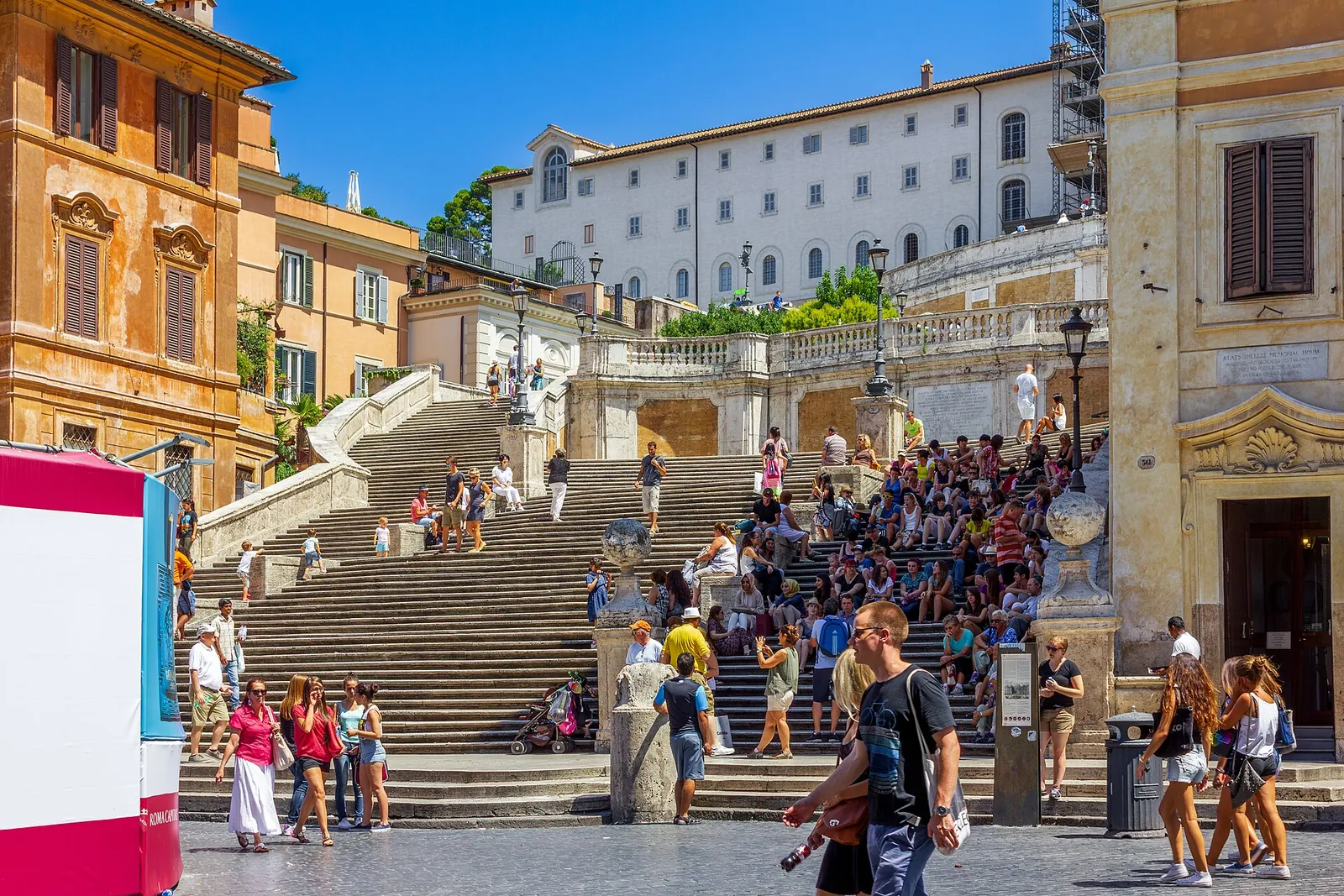
From Piazza del Popolo, stroll along Via del Babuino to the Spanish Steps (about 10 minutes). Admire them standing up: local rules in Rome restrict sitting on monument steps.
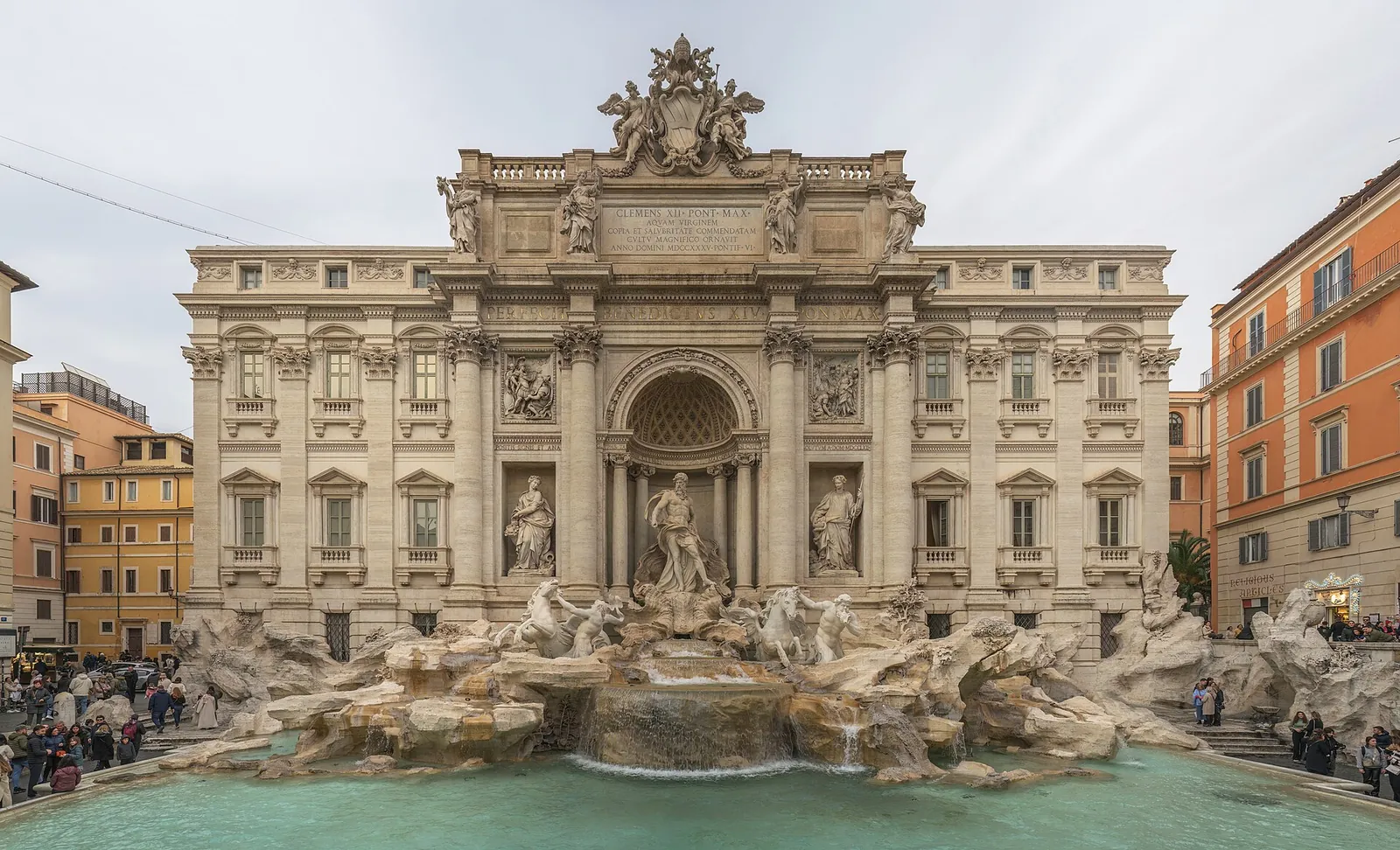
Then walk about 10 minutes to the Trevi Fountain. Since 2 February 2026, tourists and non-residents pay EUR 2 to enter the area closest to the basin, every day from 9:00 to 22:00. Residents, children up to 5 and people with disabilities and their carers go free. You can buy online through the official link on Turismo Roma’s Trevi Fountain page.
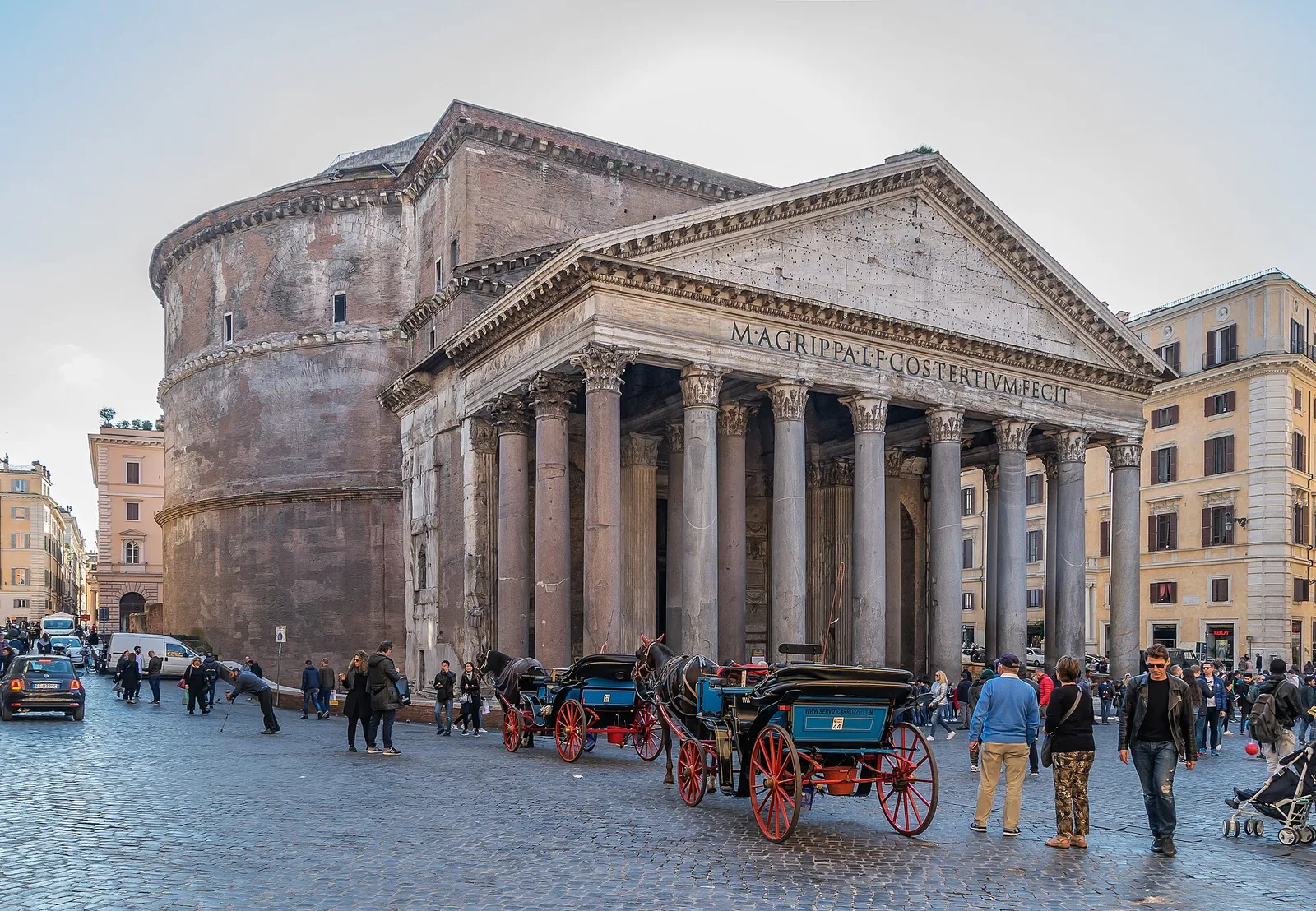
Next, about 10 minutes away, step into the Pantheon, the best-preserved building of ancient Rome, with its open oculus in the dome. A full ticket costs EUR 7 (since 1 July 2026), EUR 2 for ages 18 to 25, and it is free for under-18s. It is open daily 9:00 to 19:00, last entry 18:30, with ticket desks closing at 18:00. Booking on the official Musei Italiani portal is optional, but you need a ticket either way.
Evening
Walk about 5 minutes to Piazza Navona, with Bernini’s Fountain of the Four Rivers glowing at dusk, then wander on to Campo de’ Fiori for a farewell dinner. The lanes in between are perfect for a final gelato.
Getting there and getting around
From Fiumicino Airport (FCO):
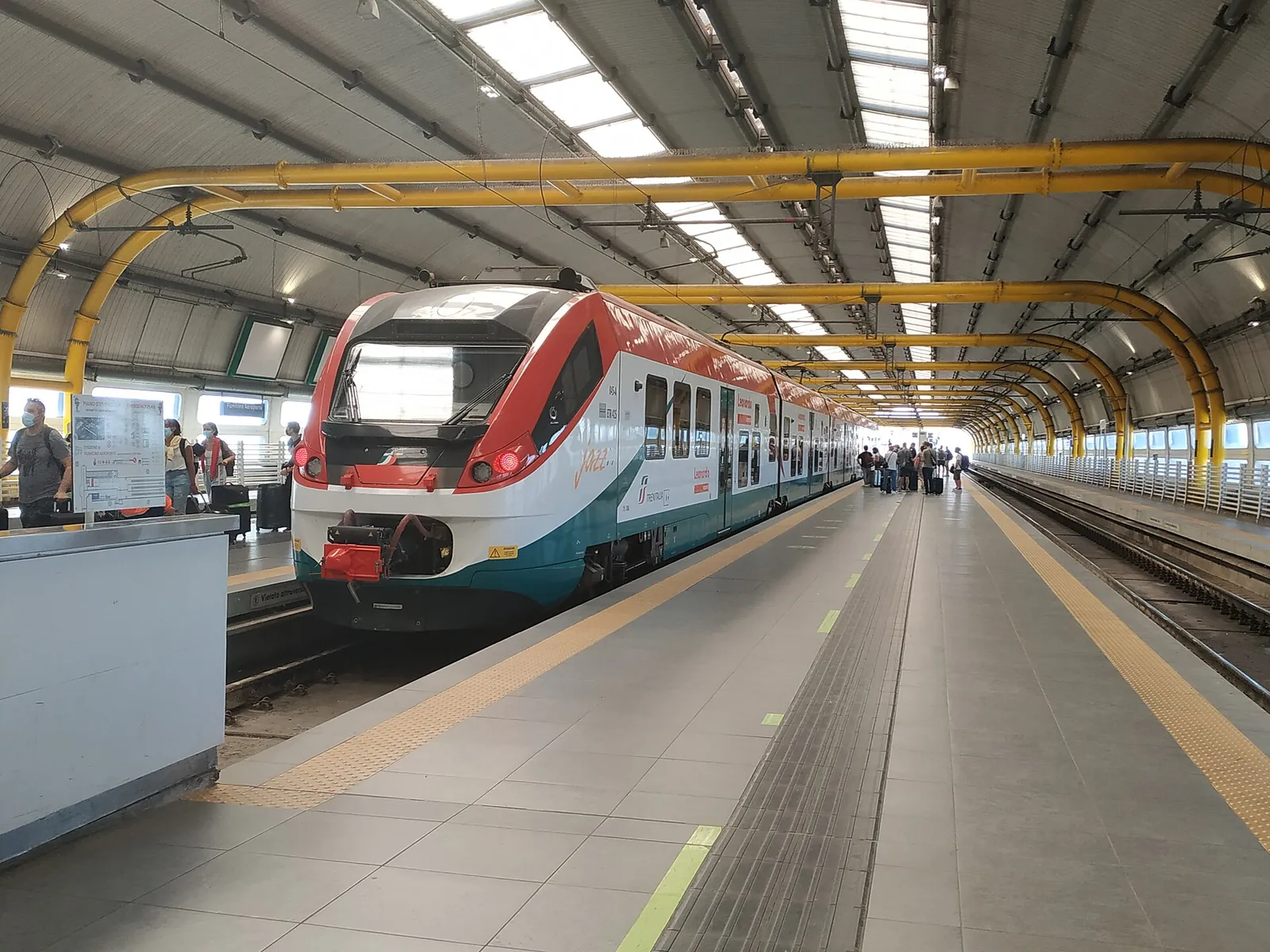
- Leonardo Express train: non-stop to Roma Termini in 32 minutes for EUR 14. Trains run about every 15 minutes (every 30 at some times), from Fiumicino 5:38 to 23:27 and from Termini 4:50 to 23:05. Regular ATAC city tickets and passes are not valid on this service.
- FL1 regional train: a slower option that serves stations such as Roma Tiburtina (48 minutes), with departures every 15 minutes on working days and every 30 minutes on Sundays and holidays. Check fares on the Trenitalia site.
- Taxi: the official fixed fare from Fiumicino to the city centre inside the Aurelian Walls is EUR 55, in either direction, including supplements. Use only the official white taxis at the marked ranks in front of Terminals 1 and 3.
From Ciampino Airport (CIA): the fixed taxi fare to the centre inside the Aurelian Walls is EUR 40. ATAC buses 520 and 720 to Ciampino are included in the ATAC 24, 48 and 72-hour tickets.
Public transport in the city: ATAC runs the metro, buses and trams. Current fares:
| Ticket | Price |
|---|---|
| BIT single ticket (100 minutes, one metro ride) | EUR 1.50 |
| ROMA 24H | EUR 8.50 |
| ROMA 48H | EUR 15 |
| ROMA 72H | EUR 22 |
| Weekly card (CIS) | EUR 29 |
For this plan, much of the sightseeing is on foot, so a few BIT tickets may be enough. If you will hop on the metro several times a day, the ROMA 72H is the easy choice. Always validate your ticket at the start of the journey. You can also pay by contactless card with ATAC’s Tap & Go system.
Where to stay
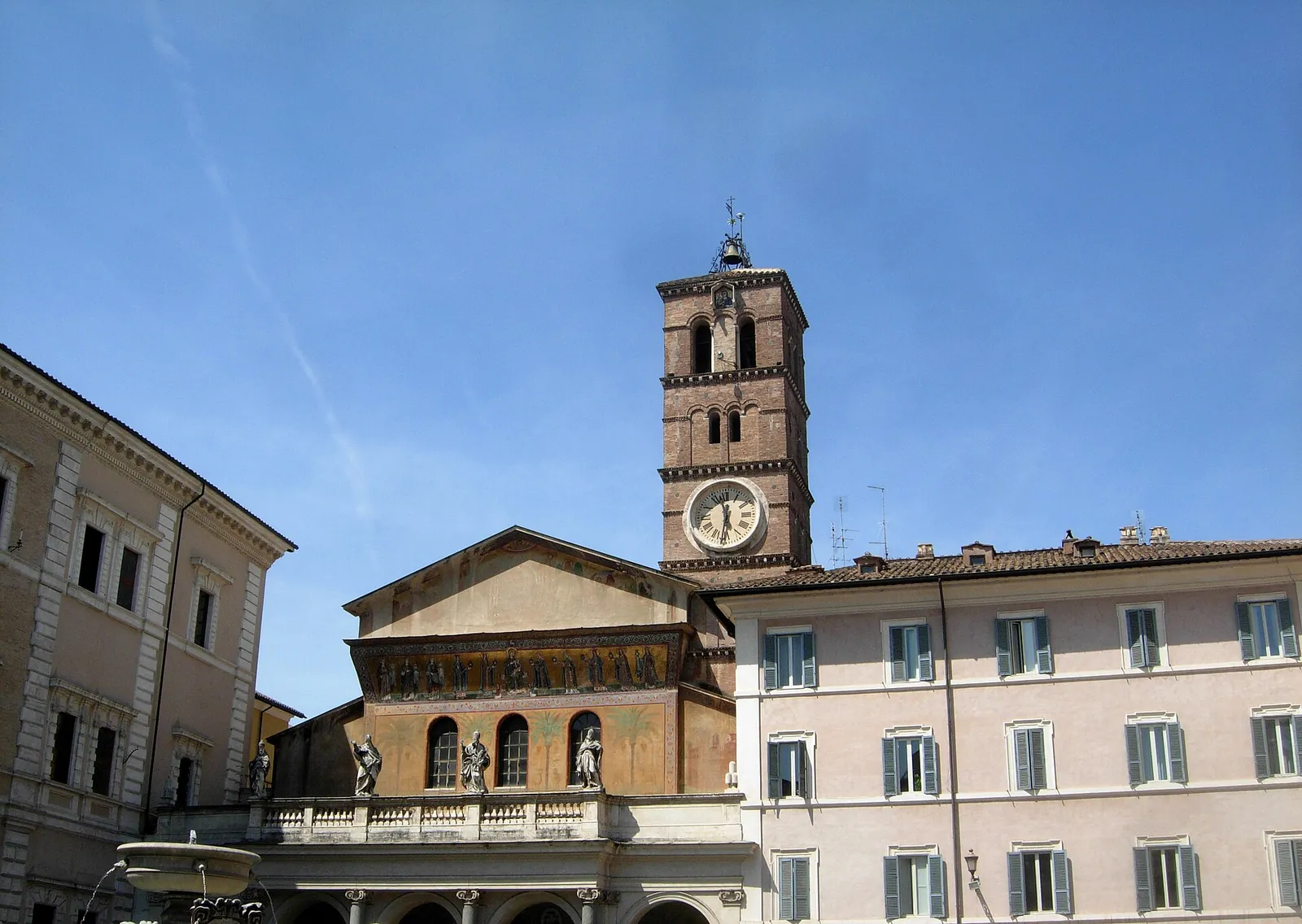
- Centro Storico (around the Pantheon and Piazza Navona): you can walk to most of Day 3 and much of Day 1. Ideal for a short first visit, though rooms are pricier and lanes busy late.
- Monti: central, characterful and close to the Colosseum and Metro B, with plenty of good places to eat. Great for travellers who like a village feel inside the city.
- Prati: calm, elegant streets next to the Vatican with Metro A at Ottaviano and Lepanto. Good for families and anyone who wants a quieter evening.
- Trastevere: full of atmosphere and restaurants, perfect for food lovers and night owls, but further from the metro and noisier at night.
Budget
The daily figure above covers the sights and transport in this plan only. It does not include accommodation, meals, drinks, the city tourist tax, tours or flights.
| Item | Typical cost (verified 2026 prices) |
|---|---|
| Leonardo Express, Fiumicino to Termini | EUR 14 |
| Taxi, Fiumicino to centre (fixed fare) | EUR 55 |
| ROMA 72H transport ticket | EUR 22 |
| Colosseum, Forum and Palatine, 24h ticket | EUR 18 |
| Colosseum Full Experience Attico | EUR 24 |
| Vatican Museums, booked online | EUR 20 + EUR 5 |
| St. Peter’s Basilica | free |
| St. Peter’s dome | check the official site |
| Trevi Fountain basin area | EUR 2 |
| Pantheon | EUR 7 |
| Borghese Gallery | check the official site |
Easy ways to save: walk instead of riding the metro in the centre, and use free days if you can handle crowds.
Practical tips
- Visas and entry: Italy is in the Schengen area, and entry rules depend on your nationality. Check them early on the official Visa for Italy portal of the Italian Ministry of Foreign Affairs. Non-EU travellers also go through the EU’s Entry/Exit System (EES) at the border.
- Dress code: the Vatican Museums, Sistine Chapel and St. Peter’s Basilica admit only appropriately dressed visitors. Sleeveless or low-cut tops, shorts above the knee, miniskirts and hats are not permitted. Carry a light scarf or long trousers.
- Closing days: the Borghese Gallery is closed on Mondays and the Vatican Museums on most Sundays. Swap Days 2 and 3 if your dates need it.
- Tourist tax: Rome charges a city tax per person per night, collected by your accommodation. Ask for a receipt.
- Money: Italy uses the euro. Cards are widely accepted, but carry some coins for small cafés.
- SIM and eSIM: EU visitors can usually roam on their home plan. Others can buy a local prepaid SIM from the main Italian operators or an eSIM before the trip; check the operator’s own site for current plans.
Heads-up: what to watch out for
Rome is a joy to explore, and a few simple habits keep it that way.
- Pickpockets at the big sights: UK government advice says petty crime is higher in city centres, at major tourist attractions and on public transport, and thieves use distraction techniques such as asking for help or directions. Easy to avoid: keep your phone and wallet zipped away and do not carry all your valuables in one place.
- Unlicensed airport rides: official Rome taxis are white with a “TAXI” roof sign and a licence number on the doors. Good to know: politely ignore anyone inside the airport offering you a ride, and head straight to the official rank for the EUR 55 fixed fare.
- Fake ticket websites: the Vatican Museums warn about look-alike sites that charge far more, and the Borghese Gallery warns against unauthorised resellers and “skip-the-line” offers. Simple fix: buy only on the official sites linked in this guide.
- Fountains and monument steps: it is an offence to enter or bathe in Rome’s public fountains, and local rules can restrict sitting on monument steps or eating and drinking right next to major churches and monuments. Enjoy your snack a few streets away.
- Unlicensed street sellers: buying from unlicensed street traders is illegal in Italy, and police can fine the buyer too. Shop in proper stores and markets instead.
- Validate your transport ticket: inspectors patrol the network, and travelling with an invalid or unvalidated ticket can cost EUR 100 to EUR 500 (reduced to EUR 50 if paid within 5 days). Validate every ride, or use contactless Tap & Go.
- Keep an eye on your drink: UK advice reports that victims of spiked drinks have been robbed and sometimes assaulted. Buy your own drinks and keep them in sight.
- Carry photo ID: Italian police can stop you for an identity check at any time, and the Colosseum and Pantheon issue named tickets. Keep your passport or ID card on you, safely tucked away.
- Crossing the road: use pedestrian crossings, and stay alert, since drivers do not always stop even though they are required to. You can be fined for crossing within 100 metres of a crossing without using it.
FAQ
Is three days enough for Rome?
Yes for a first visit: ancient Rome, the Vatican and the historic centre fit at a comfortable pace. Add a day for Ostia Antica or more museums.
Do I need to book the Colosseum in advance?
Yes. A timed entry slot for the Colosseum is mandatory, and online sales open 30 days before your visit. Book early, especially in spring and autumn.
What is the fastest way from Fiumicino to the centre?
The Leonardo Express train reaches Roma Termini in 32 minutes for EUR 14. A taxi costs a fixed EUR 55 to anywhere inside the Aurelian Walls.
Is St. Peter’s Basilica free?
Yes, entry to the Basilica is free, though you will pass a security check. Climbing the dome needs a ticket, with a lift or stairs option, bookable on the official Basilica site.
Do I have to pay to see the Trevi Fountain?
You can see it from the square for free. Since 2 February 2026, entering the area closest to the basin costs EUR 2 for tourists, daily from 9:00 to 22:00.
When is the best time to visit Rome?
April to June and September to October bring pleasant walking weather. Summer is hot and busy, while winter is quieter but sights close earlier, for example the Colosseum at 16:30 from late October.
Sources
Prices, hours and rules change. We checked these on 22 October 2026; please confirm on the official page before you book.
- Parco archeologico del Colosseo: Opening hours and tickets
- Parco archeologico del Colosseo: 24h ticket Colosseum, Roman Forum, Palatine
- Parco archeologico del Colosseo: Full Experience Attico
- Vatican Museums: Opening days and hours
- Vatican Museums: Prices and tickets
- Vatican Museums: Useful information for visitors (dress code, photography)
- St. Peter's Basilica: Opening hours
- St. Peter's Basilica: The Dome
- Italian Ministry of Culture: Pantheon
- Galleria Borghese: Visit (hours, time slots, booking)
- Turismo Roma: Trevi Fountain
- ATAC: BIT ticket
- ATAC: ROMA 72H ticket
- ATAC: Sono un turista, che biglietto scelgo?
- Trenitalia: Leonardo Express
- Trenitalia: Connections to and from Rome Fiumicino Airport
- Aeroporti di Roma: Fiumicino Airport taxi, fares and pick-up points
- Roma Capitale: Tariffario taxi (June 2026)
- Italian Ministry of Foreign Affairs: Visa for Italy
- European Union: Entry/Exit System (EES)
- UK FCDO: Italy travel advice, safety and security
Photo credits (12)
- The Colosseum under a bright blue Roman sky: Christoph Strässler, CC BY-SA 2.0, via Wikimedia Commons
- Inside the Colosseum, arches and arena on a sunny day: Christoph Strässler, CC BY-SA 2.0, via Wikimedia Commons
- Columns and temples of the Roman Forum in sunshine: Wolfgang Moroder, CC BY-SA 3.0, via Wikimedia Commons
- The famous spiral staircase of the Vatican Museums: Wilfredor, CC0, via Wikimedia Commons
- St. Peter's Square seen from the dome: Diliff, CC BY-SA 3.0, via Wikimedia Commons
- The Spanish Steps rising to Trinità dei Monti: Perituss, CC0, via Wikimedia Commons
- The Trevi Fountain and its turquoise basin: Wilfredor, CC0, via Wikimedia Commons
- Leonardo Express train at the Fiumicino Airport station: Kevin.B, CC BY-SA 4.0, via Wikimedia Commons
- Santa Maria in Trastevere and its bell tower: Acediscovery, CC BY 4.0, via Wikimedia Commons
- A plate of spaghetti carbonara: Javier Somoza, CC BY-SA 4.0, via Wikimedia Commons
- The Pantheon portico on Piazza della Rotonda: Krzysztof Golik, CC BY-SA 4.0, via Wikimedia Commons
- Castel Sant'Angelo glowing over the Tiber at dusk: Jebulon, CC0, via Wikimedia Commons
This is a researched plan, not a personal trip report. How we research · Affiliate disclosure