
4 Days in Samarkand and Bukhara: A Day-by-Day Itinerary
Two days in Samarkand, the Afrosiyob fast train, then two days in Bukhara: a walkable Silk Road plan with checked train times and fares.
- 🗓️ Trip length
- 4 days
- ☀️ Best time
- April to May, September to October
- 💰 Daily spend
- Estimate: UZS 1,000,000-2,000,000 (about USD 85-170); see Budget
- ✅ Facts checked
- 22 October 2026
Get ready for turquoise domes, glittering tilework and bazaars piled with sweets: Samarkand and Bukhara are the two great Silk Road cities of Uzbekistan, and they sit close enough together to share one short trip. This plan gives each city two full days, with the Afrosiyob high-speed train doing the hard work in between. It suits first-time visitors who want the big monuments, a bazaar or two and time to wander, without hiring a car or joining a coach tour.
You will love the pace: steady rather than rushed. Most sights in both old towns are within walking distance of each other, so you will spend mornings on the headline monuments, afternoons in markets and quieter lanes, and evenings watching the tilework change colour as the light goes. If you are flying in and out of Tashkent, the same Afrosiyob line links all three cities, and we show how to fit that in.
At a glance
| Day | Area | Highlights |
|---|---|---|
| 1 | Samarkand: Registan and centre | Registan Square, Gur-e-Amir, Registan at dusk |
| 2 | Samarkand: old town and north | Shah-i-Zinda, Bibi-Khanym Mosque, Siab Bazaar, Afrasiab |
| 3 | Afrosiyob train, Bukhara old town | Fast train, Lyabi-Hauz, trading domes, Poi-Kalon at night |
| 4 | Bukhara: Ark and west side | Ark Citadel, Bolo Hauz, Samanid Mausoleum, Chor Minor |
Day 1: Registan and Timur’s Samarkand
Morning
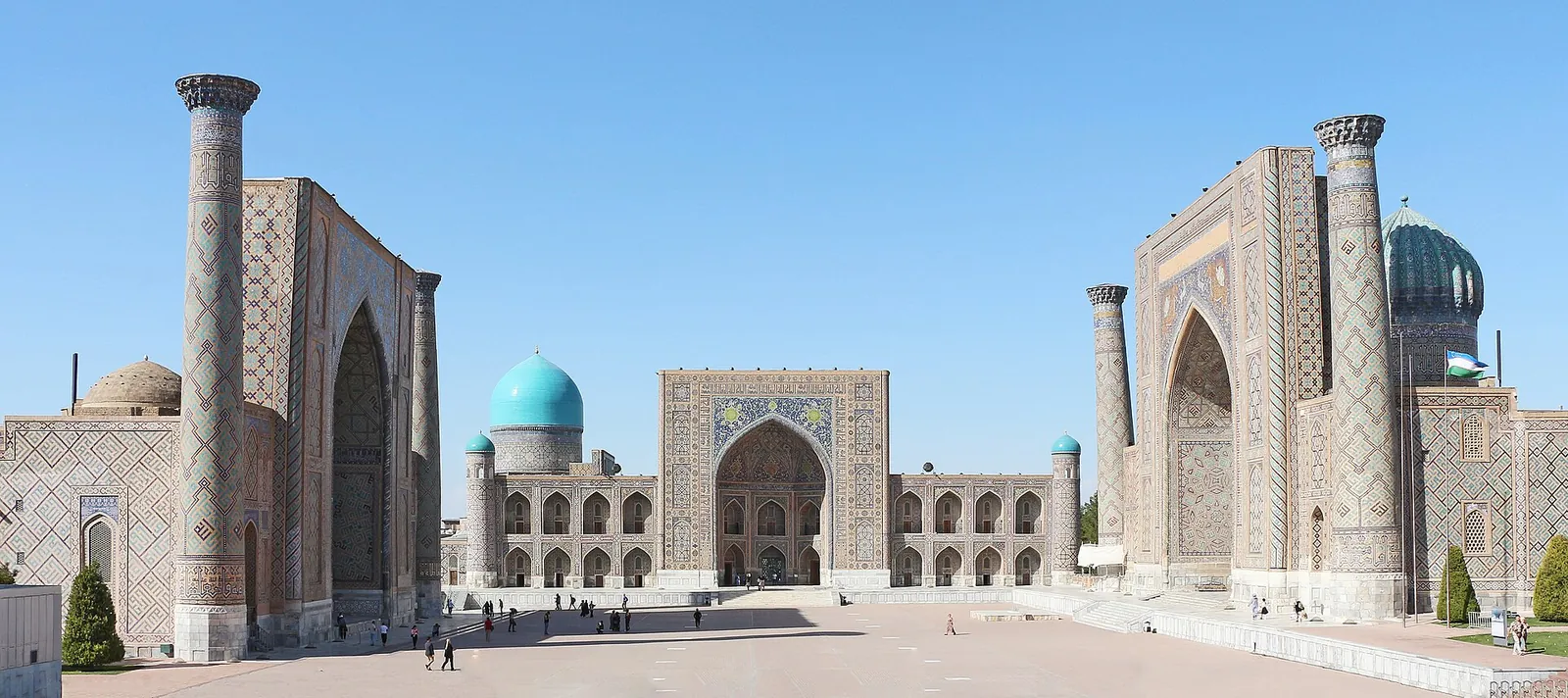
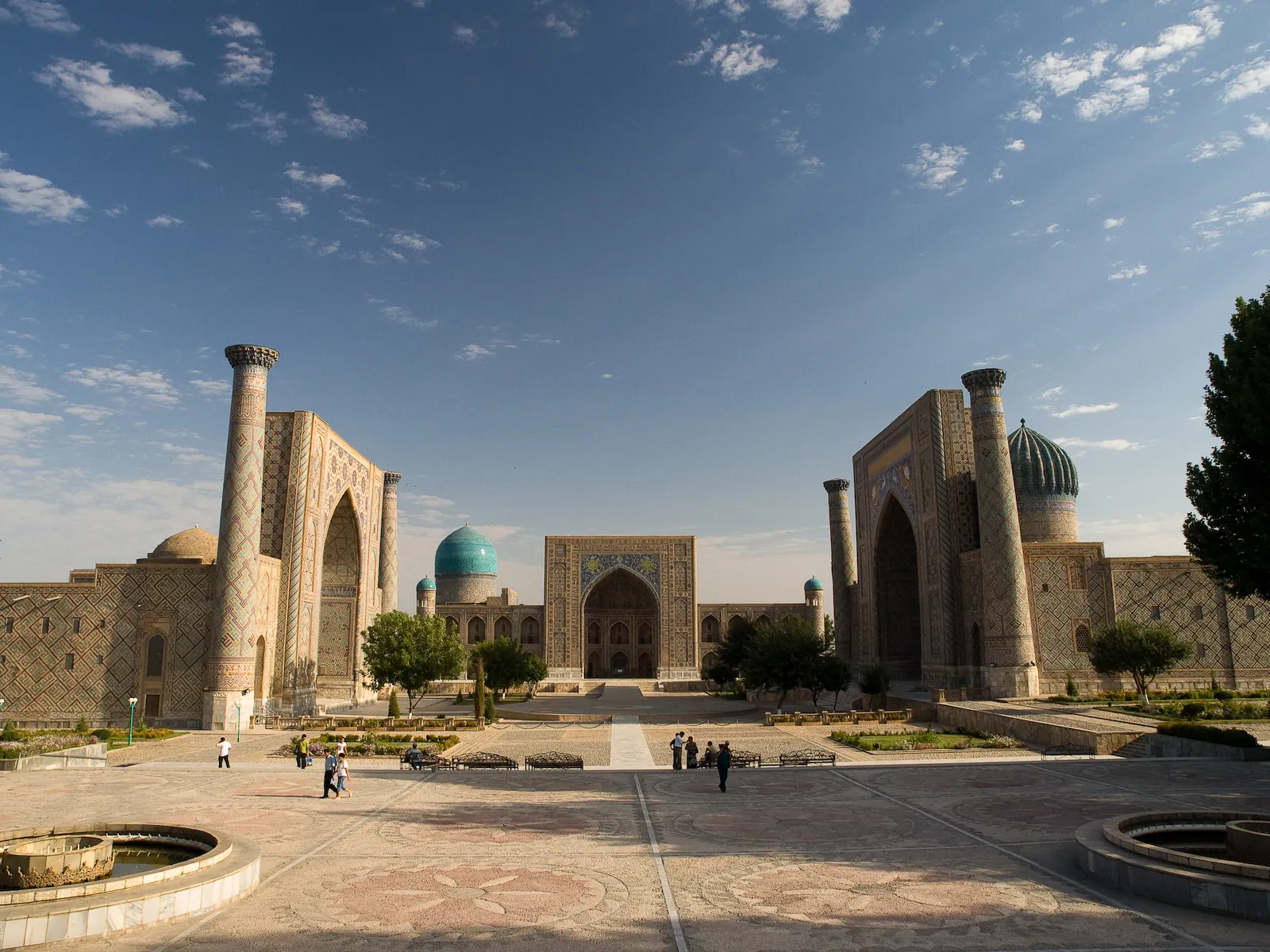
This is the day for the big wow moment. Start at Registan Square, which the national tourism portal calls the most recognisable landmark of Samarkand. Three madrasahs face the square: Ulugbek, Sher-Dor and Tilla-Kari. Go early, when the light is soft and tour groups have not yet arrived.
Tickets are sold online through the official Registan site, with separate tariffs for Uzbek citizens and foreign visitors. When we checked the official ticket system on 22 October 2026, the foreign-visitor entry ticket was UZS 100,000 for an adult and UZS 50,000 for a teenager. Buying online saves queuing at the gate, but check the current tariff on tickets.registon.uz before you pay.
On opening hours, the Registan directorate’s site says the ensemble opens every day with no closing day. It lists 07:00 to midnight in the main season (20 February to 20 November) and shorter winter hours, and it also carries a later notice about revised winter hours. Confirm the hours on registon.uz for your dates.
Allow two to three hours. Each madrasah has courtyards, former student cells (many now craft shops) and, at Tilla-Kari, a gilded interior that is worth the time on its own.
Afternoon
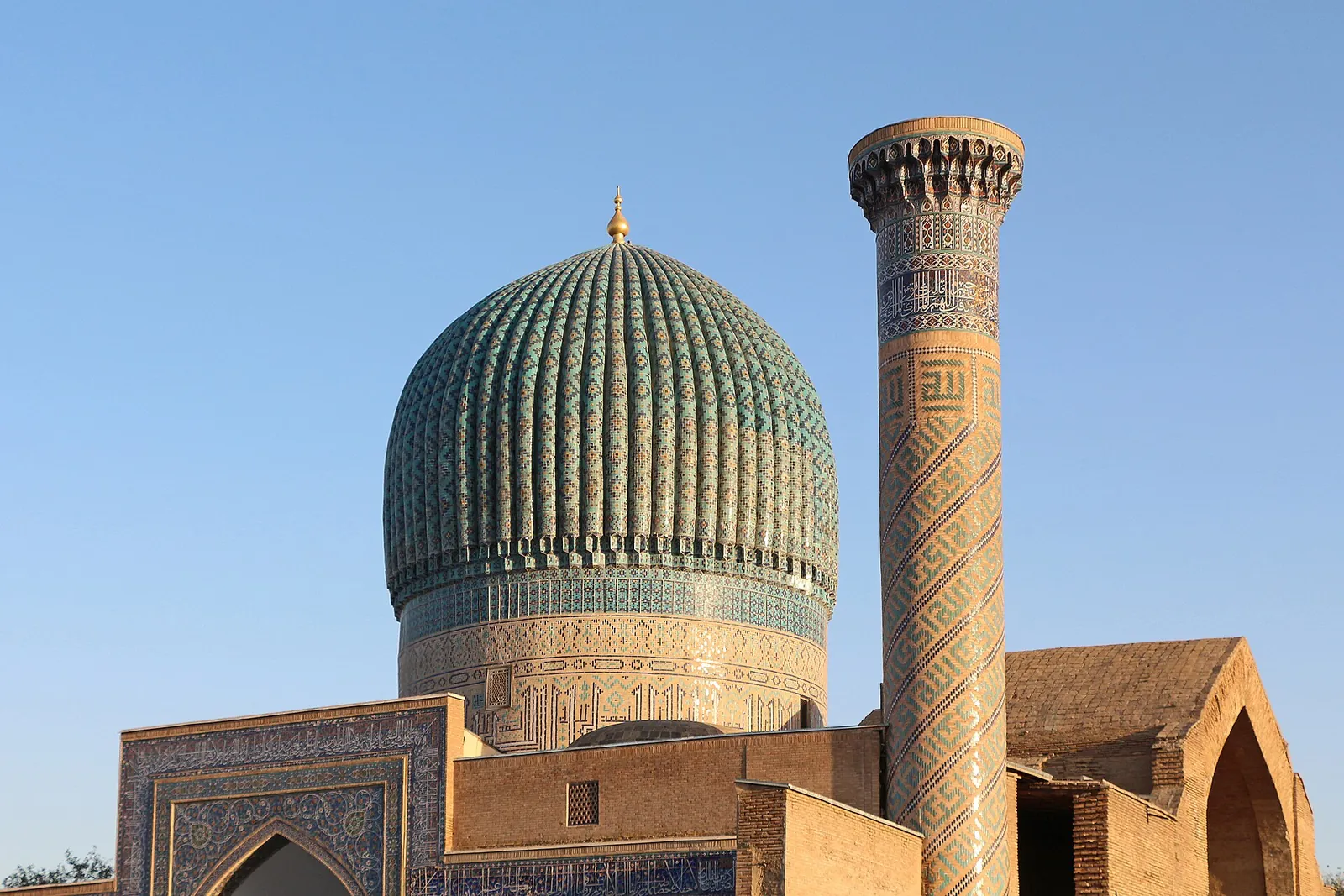
Walk south-west to Gur-e-Amir, the mausoleum of Amir Timur (Tamerlane), his teacher Mir Sayyid Baraka and members of his family. It is a short walk from Registan, roughly 15 minutes at an easy pace. The ribbed blue dome is one of the most photographed in Central Asia, and the interior is dense with gold and onyx.
Entry tickets are sold at the site. We could not verify the current price on an official source, so check at the ticket desk.
After Gur-e-Amir, take a slow late lunch and a rest. Uzbek afternoons can be hot outside the cooler months, and the best light at the monuments comes later.
Evening
Return to Registan for sunset and the early evening, when the facades are lit. You do not need to go inside again to enjoy the view from the square. Dinner nearby is easy: the streets around the centre have plenty of places serving plov, shashlik and fresh non bread.
Day 2: Shah-i-Zinda, Bibi-Khanym and the bazaar
Morning
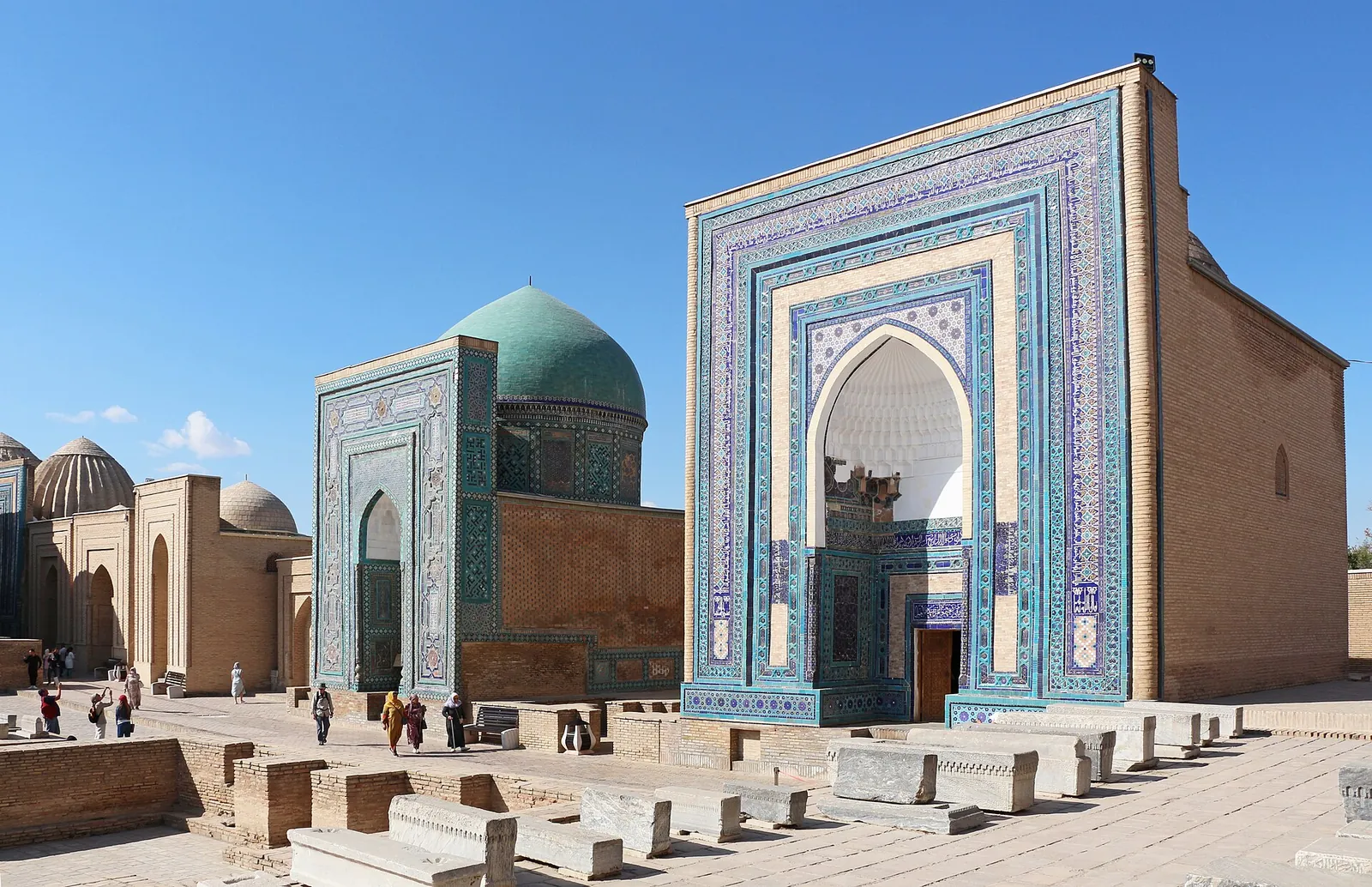
Get ready for a whole street of dazzling tiles. Head to the Shah-i-Zinda necropolis as early as you can. It is a narrow street of mausoleums climbing a hillside, each faced with a different pattern of blue, turquoise and green tilework, and it is at its most atmospheric before the crowds. This is a religious site, so dress modestly (see Practical tips).
Pay at the entrance. We could not verify the current ticket price on an official source.
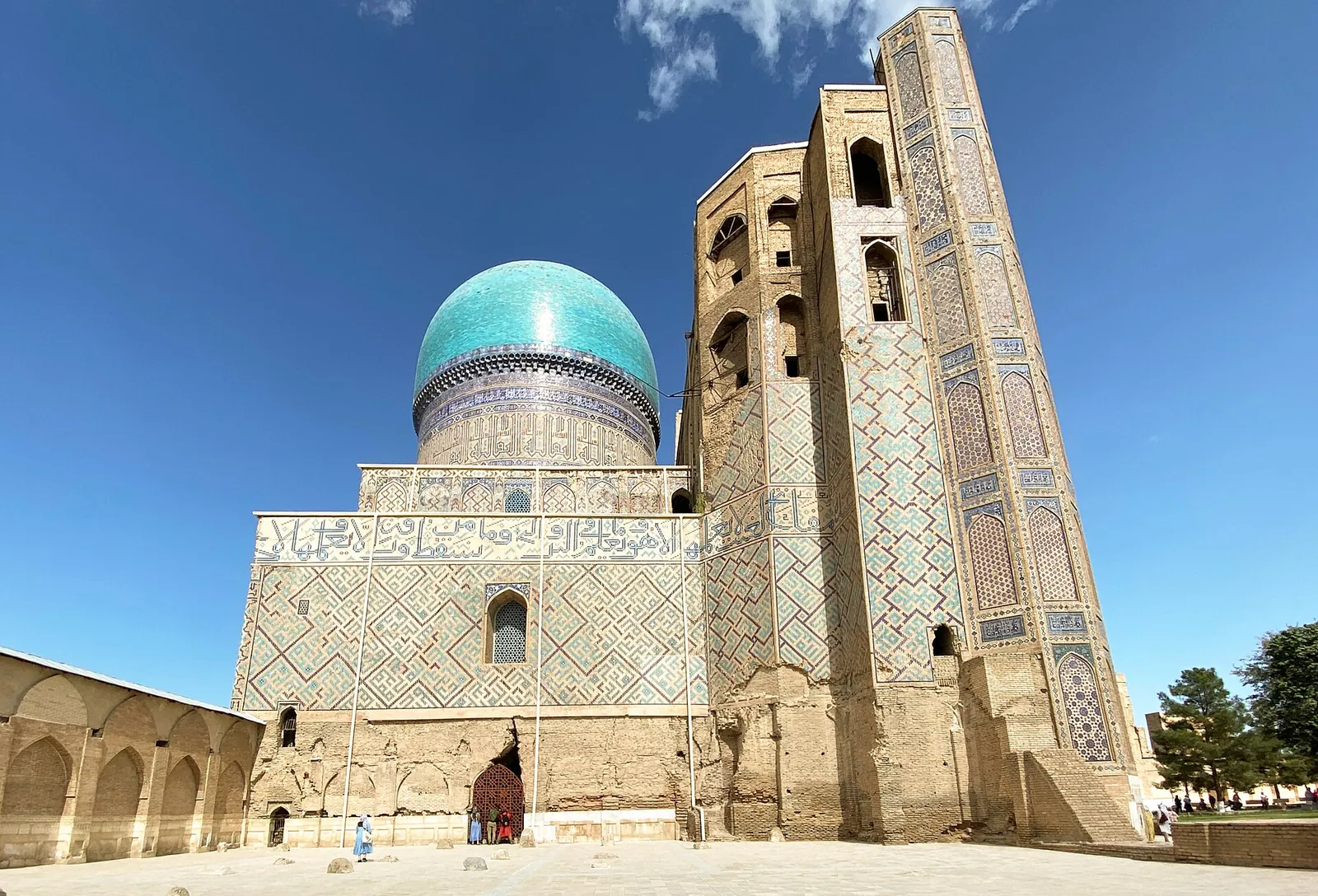
From Shah-i-Zinda it is a short walk downhill to Siab Bazaar and Bibi-Khanym Mosque, which sit side by side. Allow 10 to 15 minutes on foot.
Afternoon
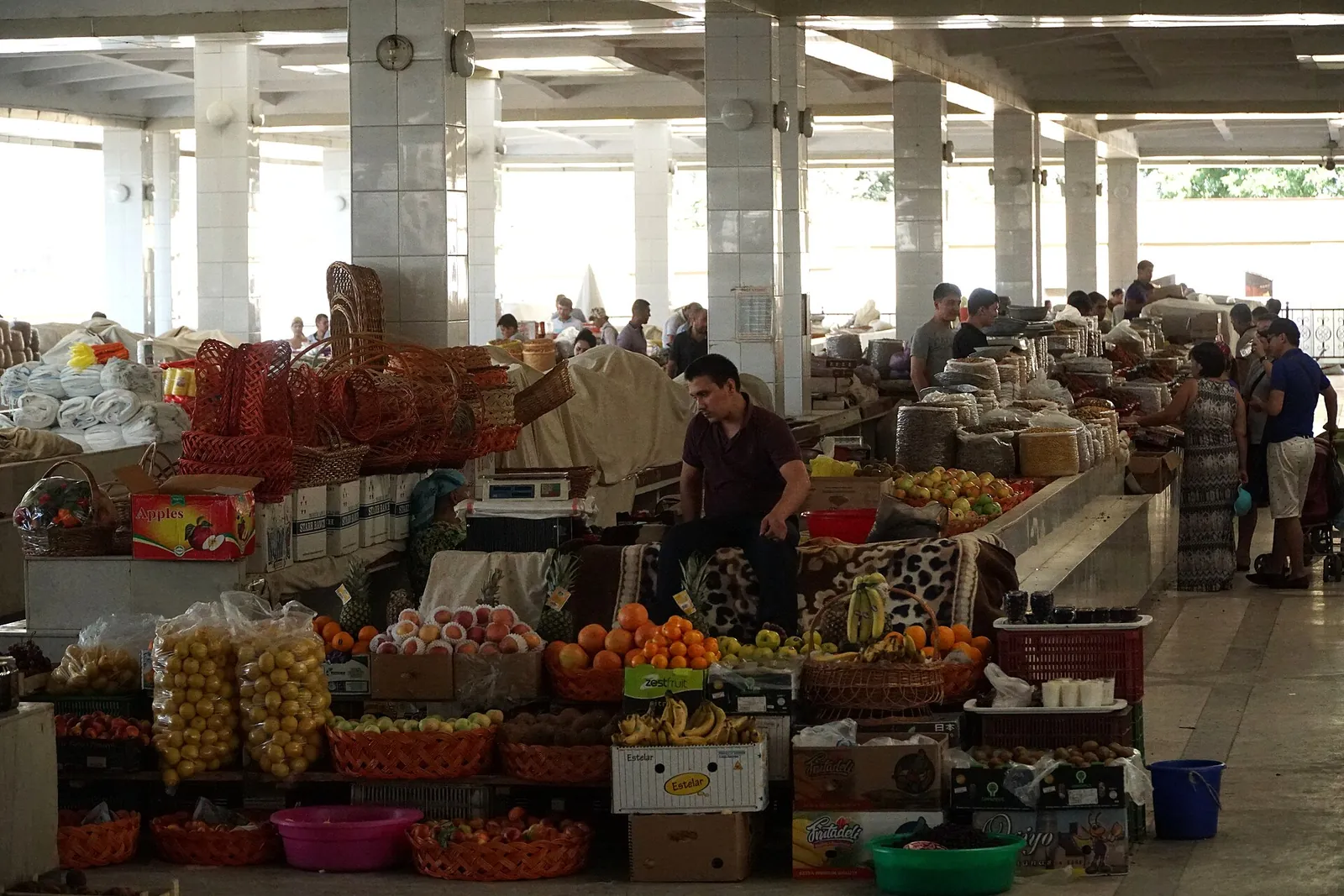
Bibi-Khanym Mosque was one of the largest mosques of the Timurid era, and its scale is still striking. Spend an hour inside the courtyard, then cross to Siab Bazaar next door. The national tourism portal describes it as abundant in dried fruits, nuts and sweets, and it is also the place to try fresh bread straight from the tandoor.
Later in the afternoon, take a short taxi ride north-east to the ancient settlement of Afrasiab, the site of the city that pre-dates Timur’s Samarkand. The national tourism portal notes that Samarkand was founded about 2,750 years ago, and the earthworks here are where that story starts. Check on arrival what is open and what the entry costs.
If you have energy left, the Ulugh Beg Observatory is in the same northern part of the city and remembers Timur’s grandson, who made Samarkand a centre of science.
Evening
Use the evening to pack and book a taxi for the morning train. Samarkand station is outside the old centre, so allow time for the transfer and arrive well before departure.
Day 3: Afrosiyob to Bukhara, Lyabi-Hauz and the domes
Morning
Today you swap one Silk Road gem for another. Hop on the Afrosiyob high-speed train from Samarkand to Bukhara. On the official Uzbekistan Railways schedule (checked 22 October 2026 for sample dates in November 2026), Afrosiyob services leave Samarkand for Bukhara at 09:53, 10:59 and 22:23, with journey times between 1 hour 37 minutes and 1 hour 46 minutes. The 09:53 arrives at 11:39 and the 10:59 at 12:36.
Fares shown on the official e-ticket site for this leg were UZS 225,000 in economy and UZS 332,000 in business (about USD 19 and USD 28 at the Central Bank rate on 22 October 2026). Schedules and fares can change by date, and seats sell out, so book on eticket.railway.uz as soon as your dates are fixed. Some departures on our sample dates were already showing no seats.
Bukhara’s railway station is outside the historic centre, so plan a taxi transfer into the old town.
Afternoon
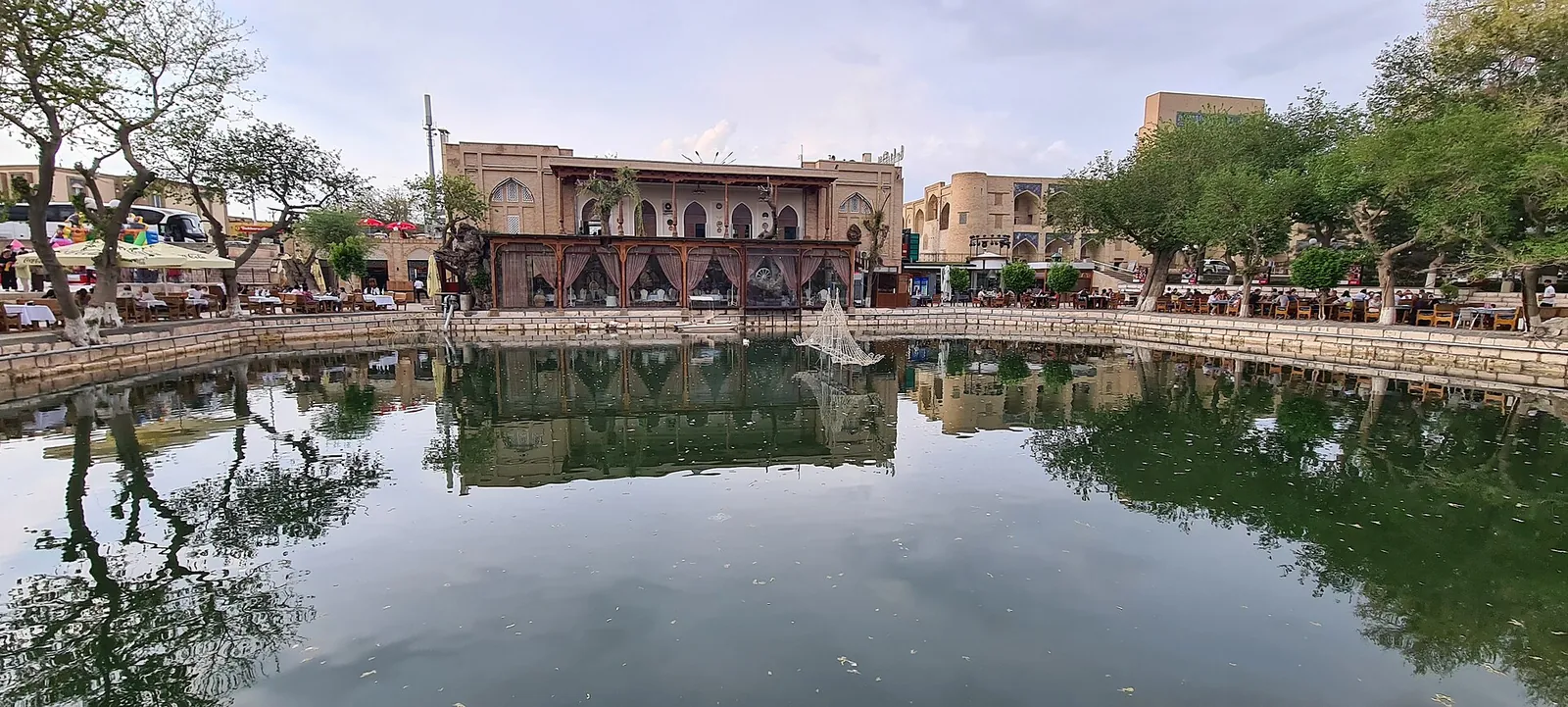
Drop your bags and walk to Lyabi-Hauz, the pool-side square at the heart of old Bukhara. Most shops and cafes in the old town cluster around here and in the domed trading arcades that run towards the Poi-Kalon ensemble. The Tim Abdullah Khan trading dome is one of the best preserved.
On the way, look in at the Magoki Attori Mosque, which sits below the modern street level and shows how much the ground has risen over the centuries. The walk from Lyabi-Hauz through the domes to Poi-Kalon takes about 10 to 15 minutes without stops, but plan on an unhurried afternoon.
Evening
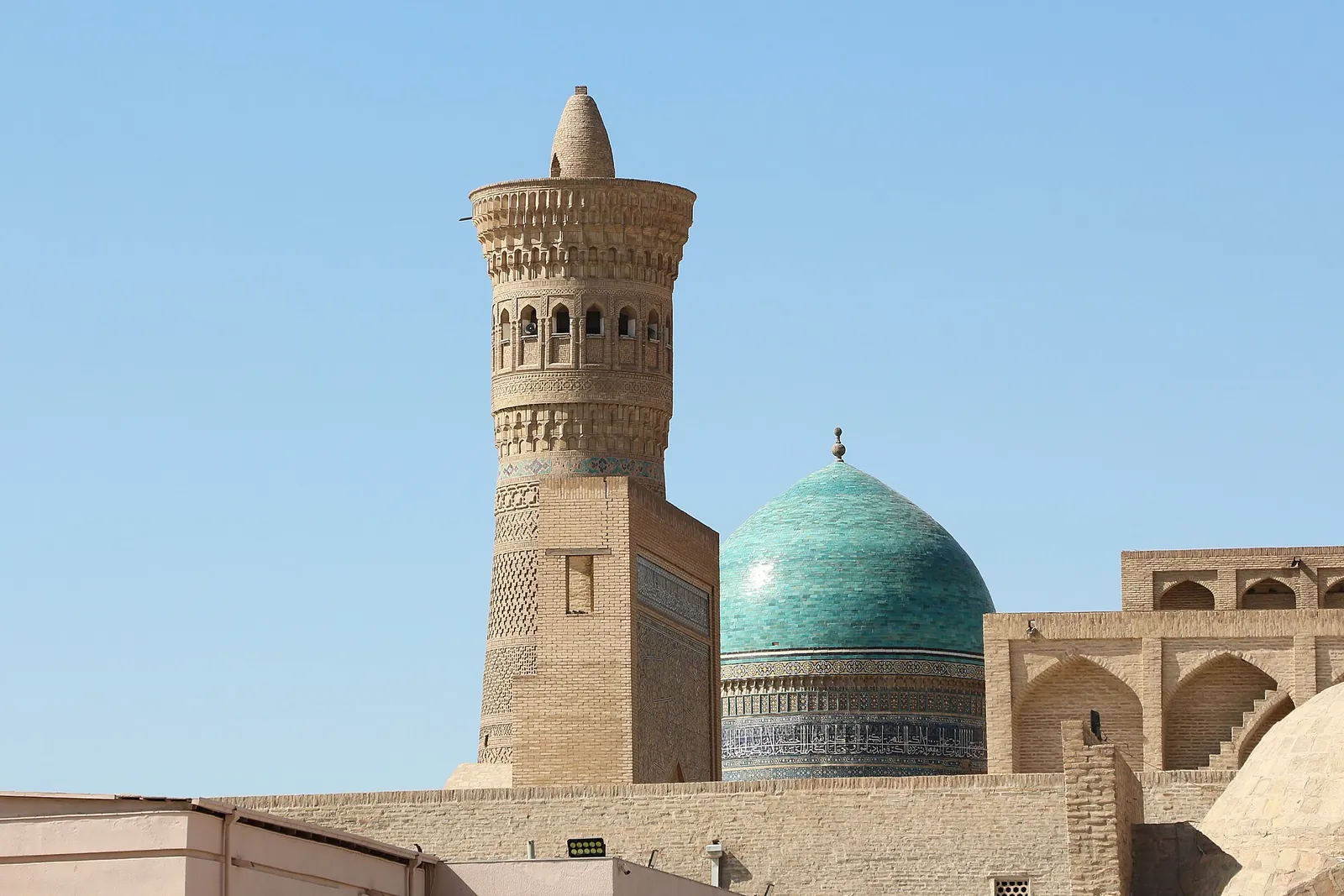
Finish at the Poi-Kalon ensemble: the Kalon Minaret, the Kalon Mosque and the Mir-i-Arab Madrasah. The square is beautiful in the late light and after dark. Then head back to Lyabi-Hauz for dinner by the water.
Day 4: The Ark and Bukhara’s west side
Morning
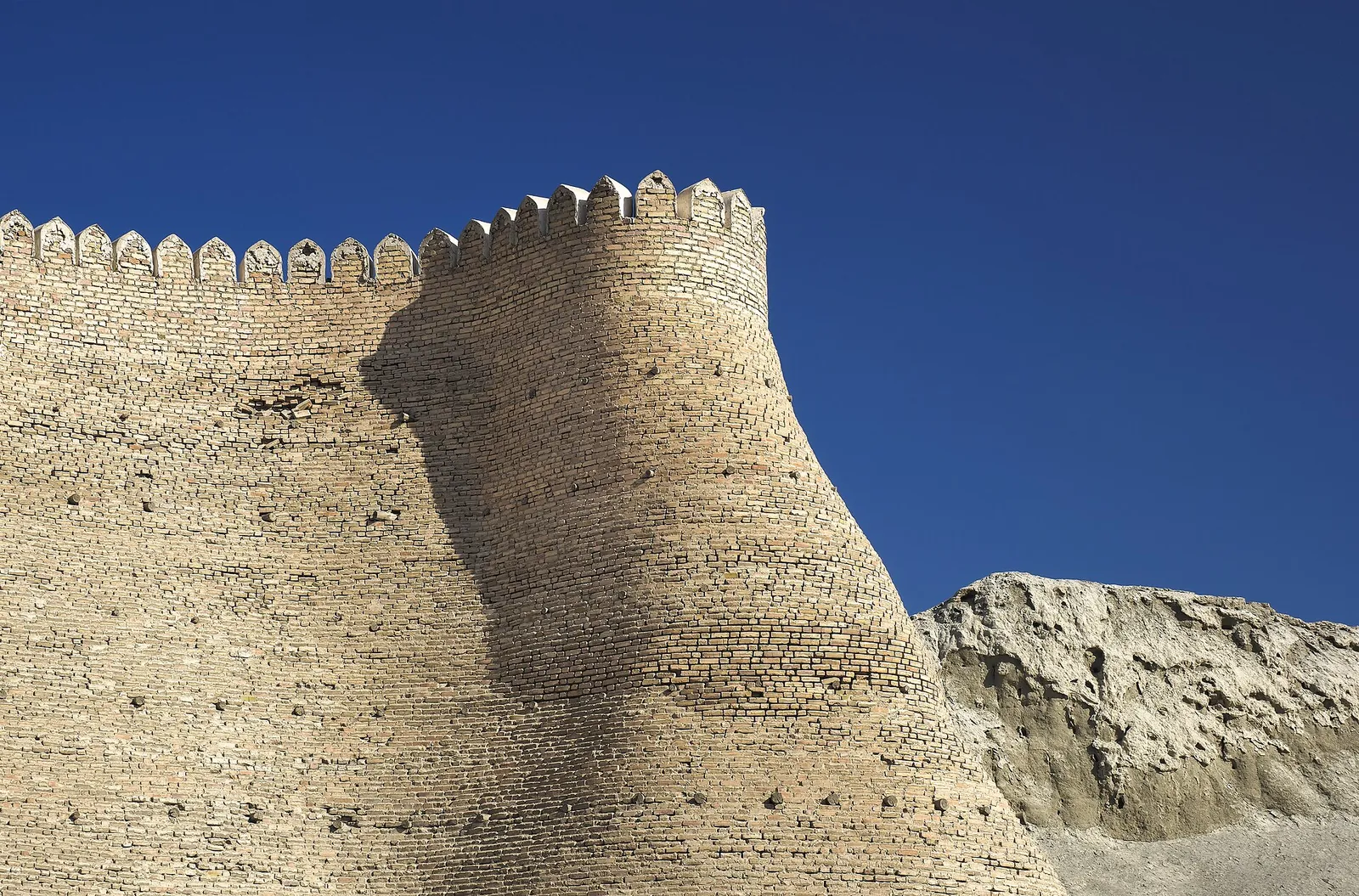
Save your energy for a final day full of Bukhara’s best. Start at the Ark Citadel, described by the national tourism portal as an ancient fortress that was destroyed and rebuilt many times over its thousand-year history. It was the residence of Bukhara’s rulers, and inside you will find museum rooms, courtyards and views over the old town.
Tickets are sold at the gate. We could not verify current prices or opening hours on an official source, so check at the entrance.
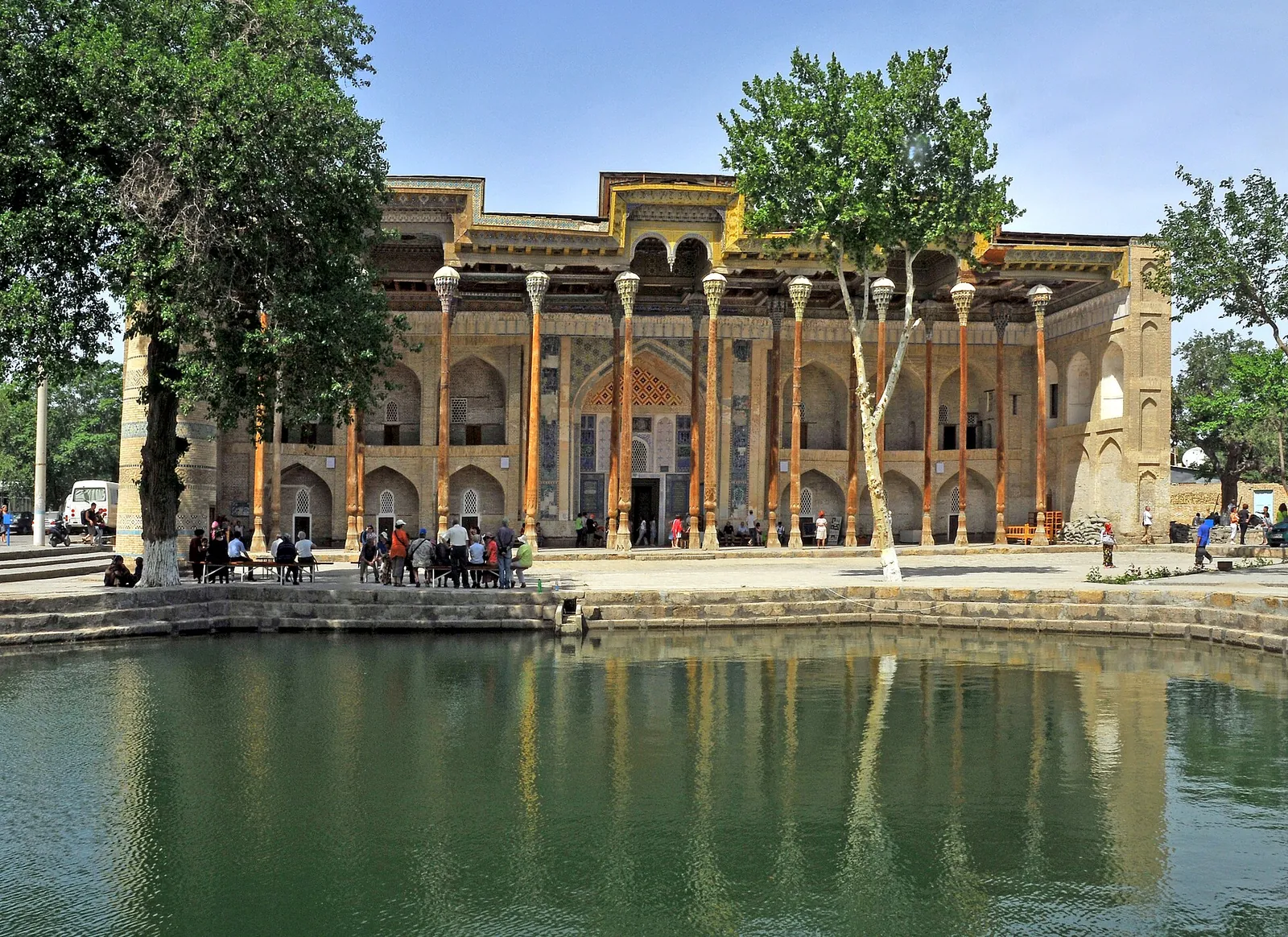
Across the road from the Ark is the Bolo Hauz Mosque, known for its tall carved wooden columns reflected in the pool in front. It takes only a few minutes to walk there.
Afternoon
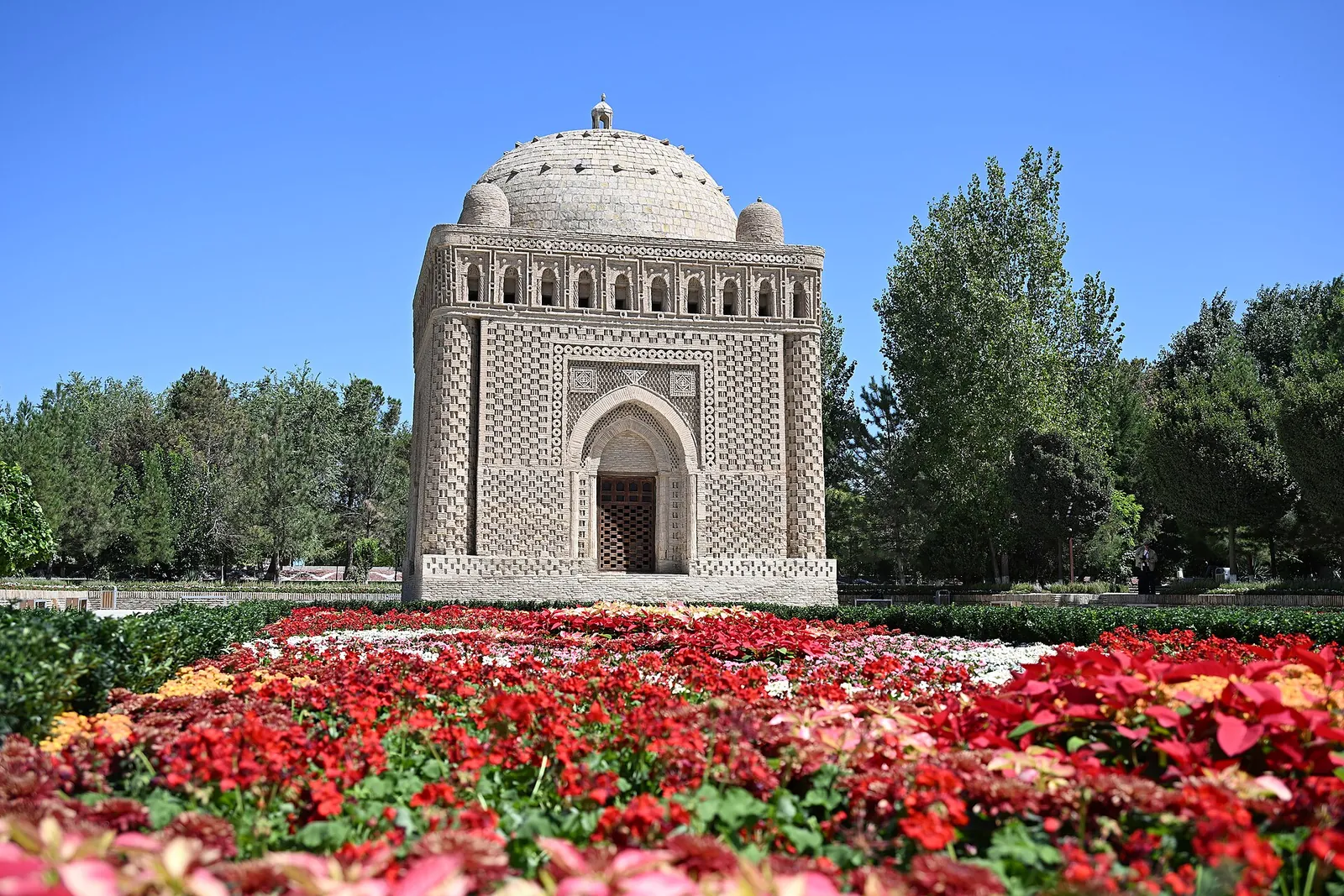
Walk west through the park to the Samanid Mausoleum, built by Ismail Samani, the second emir of the Samanid state. It is one of the oldest buildings in Bukhara, and its brickwork pattern seems to change with the angle of the sun. Allow around 10 minutes on foot from Bolo Hauz.
Then take a short taxi or a longer walk east to Chor Minor, the small gateway with four turquoise-capped towers. The national tourism portal notes that it opened in 1807. It sits in a residential lane, which makes for a pleasant contrast with the grand monuments.
If you are leaving by train for Tashkent, the official schedule showed Afrosiyob departures from Bukhara at 15:09 and 16:22 on our sample date, with a journey time of 4 hours 8 minutes. The fare shown for Bukhara to Tashkent was UZS 509,000 in economy and UZS 760,000 in business. Check the exact times for your date and book ahead.
Evening
If you are staying another night, spend a final evening around Lyabi-Hauz or return to Poi-Kalon for one more look at the minaret lit up against the sky.
Getting there and getting around
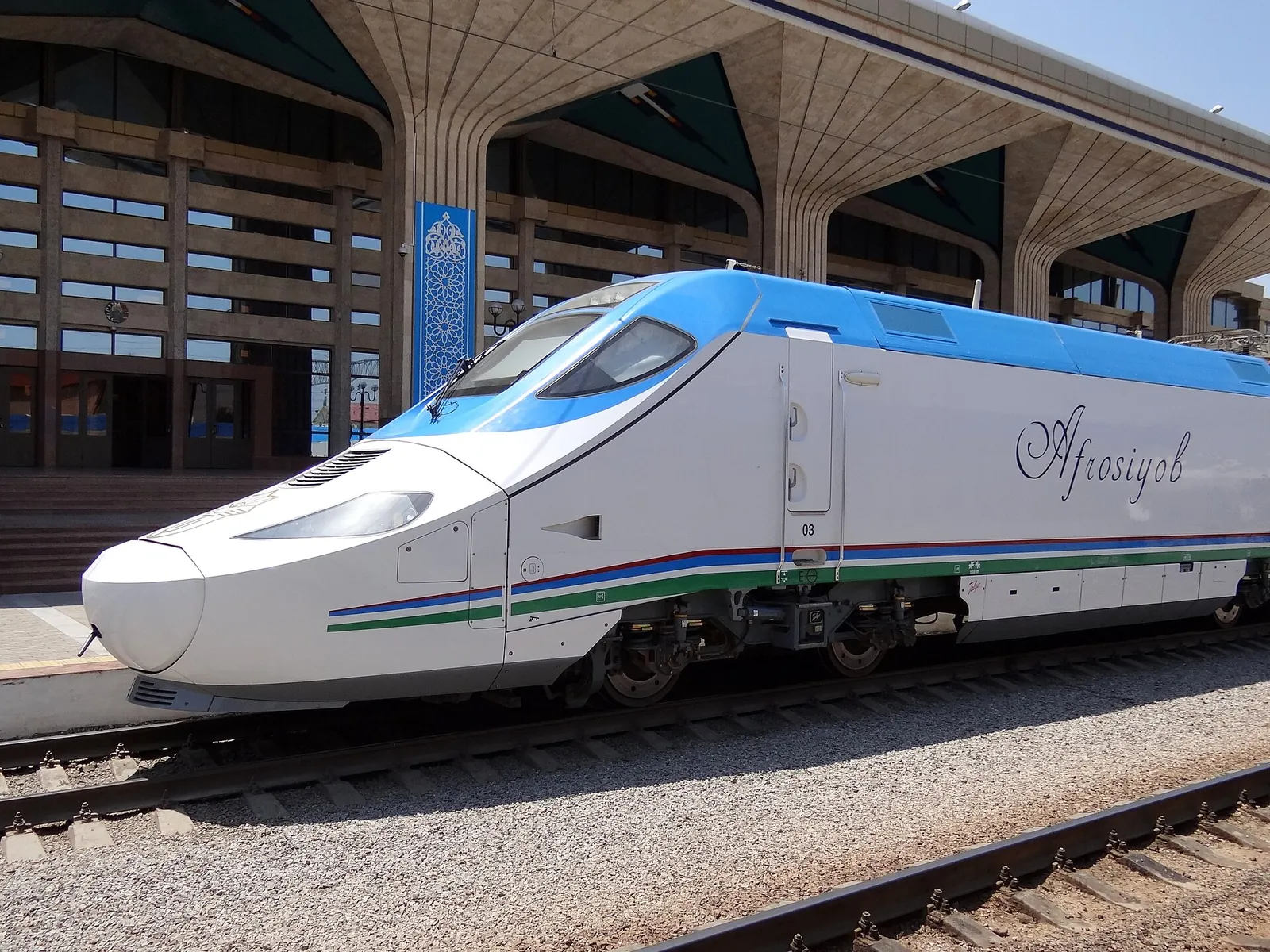
Arriving. Samarkand and Bukhara both have airports. Many international visitors arrive at Tashkent instead and continue by train. On the official Uzbekistan Railways schedule for sample dates in November 2026, Afrosiyob services from Tashkent Central to Samarkand left at 06:33, 07:30, 07:55, 08:30 and 19:48, taking 2 hours 13 minutes to 2 hours 30 minutes. Where seats were on sale, the fares were UZS 311,000 in economy and UZS 455,000 in business. This plan works in reverse as well: fly into Bukhara and leave from Samarkand.
Airport to city. We could not verify airport bus routes or official taxi fares for Samarkand or Bukhara. Ride-hailing apps are widely used in Uzbek cities; agree or check the price in the app before you set off.
The Afrosiyob. This is the high-speed service operated by Uzbekistan Railways. Book on the official e-ticket site, eticket.railway.uz, which also has the full schedule in English. Have your passport to hand when booking, and carry it on board. Tickets go on sale in advance and popular departures fill up, especially in spring and autumn.
In town. Both old towns are best explored on foot. For longer hops (stations, Afrasiab, the Ulugh Beg Observatory, outlying sights) use a ride-hailing app or a taxi.
Where to stay
Samarkand: around Registan and the old town. The best choice for a short stay. You can walk to Registan, Gur-e-Amir, Bibi-Khanym and Siab Bazaar, and return to the square in the evening without a taxi.
Samarkand: the newer centre (Russian-era district). Wider streets, more modern hotels and restaurants, and a short taxi ride to the monuments. A good fit if you prefer a quieter, more contemporary base.
Bukhara: around Lyabi-Hauz. The obvious pick for a first visit. Guesthouses in restored houses, cafes by the pool, and everything in this plan within walking distance.
Bukhara: near the Ark and Bolo Hauz. Slightly quieter in the evenings and handy for the west side of the old town, the Samanid Mausoleum and the park.
Budget
Prices below are the ones we could verify on official sources on 22 October 2026. USD conversions use the Central Bank of Uzbekistan rate for that day (USD 1 = UZS 11,965.51).
| Item | Typical cost |
|---|---|
| Registan entry, foreign adult | UZS 100,000 (about USD 8) |
| Registan entry, foreign teenager | UZS 50,000 (about USD 4) |
| Afrosiyob Samarkand to Bukhara, economy | UZS 225,000 (about USD 19) |
| Afrosiyob Samarkand to Bukhara, business | UZS 332,000 (about USD 28) |
| Afrosiyob Tashkent to Samarkand, economy | UZS 311,000 (about USD 26) |
| Afrosiyob Bukhara to Tashkent, economy | UZS 509,000 (about USD 43) |
| Other monument tickets (Gur-e-Amir, Shah-i-Zinda, Ark and others) | Check at the ticket desk |
| Taxis and ride-hailing | Check the price in the app |
The daily figure in the summary box (UZS 1,000,000 to 2,000,000) is a rough planning estimate for a mid-range traveller: a double room shared by two, three meals in local restaurants, a few taxis and the day’s entry tickets. It is not taken from an official price list. Flights, visas, travel insurance and the intercity train are excluded. Hotel prices in both cities rise noticeably in spring and autumn.
Practical tips
Dress code. The national tourism portal advises that at religious sites women should cover shoulders, back and legs. Shah-i-Zinda, Gur-e-Amir, Bibi-Khanym and the active mosques in Bukhara all fall into this group. Carry a light scarf and wear trousers or a long skirt on the days you visit them; men should avoid shorts at mosques too.
Heat and timing. The tourism portal notes that summers are hot and dry. Outside the cooler months, see the big monuments early, rest in the middle of the day and go out again in the late afternoon.
Opening days. Registan publishes that it opens every day, with no day off. For other monuments we could not find official opening-hour lists, so check on site or ask your accommodation the evening before.
Money. The currency is the Uzbek som (UZS). Official exchange rates are published daily by the Central Bank of Uzbekistan. Keep some cash in som for bazaars, small cafes and ticket desks, and use official exchange offices or bank branches rather than street changers.
SIM and eSIM. Local SIM cards and travel eSIMs are both available. Buy from an official operator shop and bring your passport.
Help line. The national tourism portal lists the Unified Safe Tourism Call Center on 1173.
Visa and entry. Rules depend on your nationality: many visitors can enter visa-free for a set period, others need an e-visa. Check your own case on the official electronic visa portal at e-visa.gov.uz before booking, and make sure your passport details match your train tickets exactly.
Heads-up: what to watch out for
Samarkand and Bukhara are a joy to explore, and a few simple habits keep it that way.
- Keep your passport on you. Carrying your passport at all times is a legal requirement in Uzbekistan, and the UK government notes that police often run checks. Easy to avoid: keep it in a zipped inner pocket, with a photo of the data page on your phone as a backup.
- Watch your bag in the bazaars. Pickpocketing and bag-snatching are common in crowded places, especially bazaars such as Siab Bazaar. Good to know: split your cash and cards, and be wary of anyone creating a distraction.
- Use licensed taxis or an app. Unlicensed taxis are still common, and many cars lack rear seatbelts. Easy to avoid: book through an app such as Yandex or MyTaxi, or take an official airport taxi, and ask for a modern car with seatbelts.
- Change money only at official desks. Black-market money changing is illegal and carries harsh penalties. Use banks or official exchange booths, and note that they refuse damaged or marked notes and US dollars issued before 2013.
- Ask before photographing sensitive spots, and leave the drone at home. Photos near airports, police stations, bridges, military sites and government buildings can cause trouble. Importing or flying a drone without prior permission can mean a fine, confiscation or even prison.
- Check your medicines before you pack. Some everyday medicines, including codeine, can cause problems on entry. Check Uzbekistan’s lists of prohibited and restricted medicines, bring your prescription and declare medicines on your customs form.
- Keep your registration slips. Visitors must be registered within 3 days of arrival, and again in each new city if staying more than 3 days. Hotels and licensed hosts do this for you; keep the slips they give you, because missing days can lead to fines.
- Respect the summer heat. The national tourism portal describes summers in both cities as very hot and arid. Good to know: carry water, a hat and sunscreen, and plan the open courtyards for early morning or late afternoon.
FAQ
Is four days enough for Samarkand and Bukhara?
Yes, for the main sights. Two days in each city covers the headline monuments at a comfortable pace. Add a day if you want to see Khiva or the countryside around Samarkand.
Should I visit Samarkand or Bukhara first?
Either works, because the Afrosiyob runs both ways. Starting in Samarkand suits travellers arriving from Tashkent, since the morning trains reach Samarkand first. Ending in Bukhara lets you take an afternoon Afrosiyob back to Tashkent.
How long is the train from Samarkand to Bukhara?
On the official Uzbekistan Railways schedule for sample dates in November 2026, the Afrosiyob took between 1 hour 37 minutes and 1 hour 46 minutes. Slower trains on the same route take longer. Check your exact date on eticket.railway.uz.
Can I buy Afrosiyob tickets at the station?
You may be able to, but popular departures sell out. Booking on the official e-ticket site in advance is the safer choice, especially in spring and autumn.
Do I need to pre-book monument tickets?
Registan sells tickets online through its official ticket site, which saves queuing at the gate. For most other monuments you pay at the gate on the day.
What is the best time of year to go?
Spring (April to May) and autumn (September to October) usually bring the most comfortable temperatures for walking. Summer is hot and dry, and winter is cold but quieter.
Sources
Prices, hours and rules change. We checked these on 22 October 2026; please confirm on the official page before you book.
- Uzbekistan Railways (JSC O'zbekiston temir yo'llari)
- Uzbekistan Railways e-ticket: train schedule and fares
- Registan Ensemble Directorate (official site)
- Registan Ensemble online tickets
- Uzbekistan Travel (national tourism portal): Samarkand
- Uzbekistan Travel (national tourism portal): Bukhara
- Uzbekistan Travel: Shah-i-Zinda memorial ensemble
- Uzbekistan Travel: Ark Citadel
- Electronic visa portal of the Republic of Uzbekistan
- Central Bank of Uzbekistan: official exchange rates
- UK FCDO travel advice: Uzbekistan, safety and security
- UK FCDO travel advice: Uzbekistan, entry requirements
Photo credits (12)
- Registan Square's three madrasahs under a clear blue sky: Bernard Gagnon, CC0, via Wikimedia Commons
- Registan Square in Samarkand under a sunny sky: Gustavo Jeronimo from Aranjuez, Spain, CC BY 2.0, via Wikimedia Commons
- The ribbed blue dome of Gur-e-Amir in Samarkand: Bgag, CC0, via Wikimedia Commons
- Turquoise-tiled mausoleums along the Shah-i-Zinda street: Bgag, CC0, via Wikimedia Commons
- Bibi-Khanym Mosque's turquoise dome and tall gateway: Bgag, CC0, via Wikimedia Commons
- The pool at Lyabi-Hauz, the heart of old Bukhara: BeshevI, CC BY-SA 4.0, via Wikimedia Commons
- Kalon Minaret and a turquoise dome in Bukhara: Bgag, CC0, via Wikimedia Commons
- The massive sloping walls of Bukhara's Ark Citadel: Petar Milošević, CC BY-SA 4.0, via Wikimedia Commons
- Samanid Mausoleum behind a bed of red flowers: Press Service of the President of the Republic of Azerbaijan, Public domain, via Wikimedia Commons
- An Afrosiyob high-speed train at Samarkand station: Adam Jones from Kelowna, BC, Canada, CC BY-SA 2.0, via Wikimedia Commons
- Bolo Hauz Mosque's wooden columns beside its pool: LBM1948, CC BY-SA 4.0, via Wikimedia Commons
- Fruit and dried goods piled high at Siab Bazaar: Adam Harangozó, CC BY-SA 4.0, via Wikimedia Commons
This is a researched plan, not a personal trip report. How we research · Affiliate disclosure