
6 Days in Sardinia: A Road-Trip Itinerary from Cagliari to Alghero
A 6-day Sardinia road trip: Cagliari, Nora, the Su Nuraxi nuraghe, Tharros and the Sinis coast, Bosa, Alghero, Neptune's Grotto and La Pelosa beach.
- 🗓️ Trip length
- 6 days
- ☀️ Best time
- May to June, September to early October
- 💰 Daily spend
- EUR 10-30 per person for sights (excl. car hire, fuel, stay and meals)
- ✅ Facts checked
- 1 November 2026
Get ready for turquoise water, Bronze Age towers and some of the prettiest coastal drives in the Mediterranean! Sardinia is big, so this plan treats it the way it rewards you most: as a happy, windows-down road trip. You fly into Cagliari in the south, pick up a hire car, and work your way up the west side of the island to Alghero in the north-west, where you fly home. Along the way you get a lively port city, Roman and Phoenician ruins on the sea, a UNESCO-listed nuraghe, a pastel river town and one of Italy’s most famous beaches.
This route suits first-timers, couples and families who like a mix of history and swimming. The pace is moderate: one main sight per half day, with beach or old-town time in between. You will change hotels three times (Cagliari, the Oristano area, Alghero), which keeps the driving days short. If you can, book an open-jaw flight (into Cagliari, out of Alghero) so you never have to drive back the way you came.
At a glance
| Day | Base | Highlights |
|---|---|---|
| 1 | Cagliari | Castello quarter, Bastione views, National Archaeological Museum, Poetto beach at sunset |
| 2 | Cagliari | Day trip south: Nora’s ruins by the sea, then the beaches around Chia |
| 3 | Oristano area | Su Nuraxi di Barumini (UNESCO), then on to the Sinis peninsula |
| 4 | Alghero | Tharros, Sinis beaches, colourful Bosa, coast road to Alghero |
| 5 | Alghero | Capo Caccia and Neptune’s Grotto, Alghero’s walls at sunset |
| 6 | Alghero | Stintino and La Pelosa beach, then the airport |
Two planning rules before you start. First, check closing days: the National Archaeological Museum in Cagliari is closed on Tuesdays, and Tharros closes on Mondays from 1 November to 31 March. Second, season matters a lot: La Pelosa needs a paid booking from 15 May to 15 October, while Neptune’s Grotto runs shorter winter hours and closes on Thursdays in winter. Each is covered below.
Day 1: Cagliari, the island’s capital
Morning
Welcome to Sardinia! Your adventure starts in a sunny, hilly port city. Pick up your car at Cagliari Elmas Airport, or leave it until Day 2 and take the train into town (details in Getting there below). Cagliari’s old centre is hilly and has limited-traffic zones, so a car is more hassle than help today.
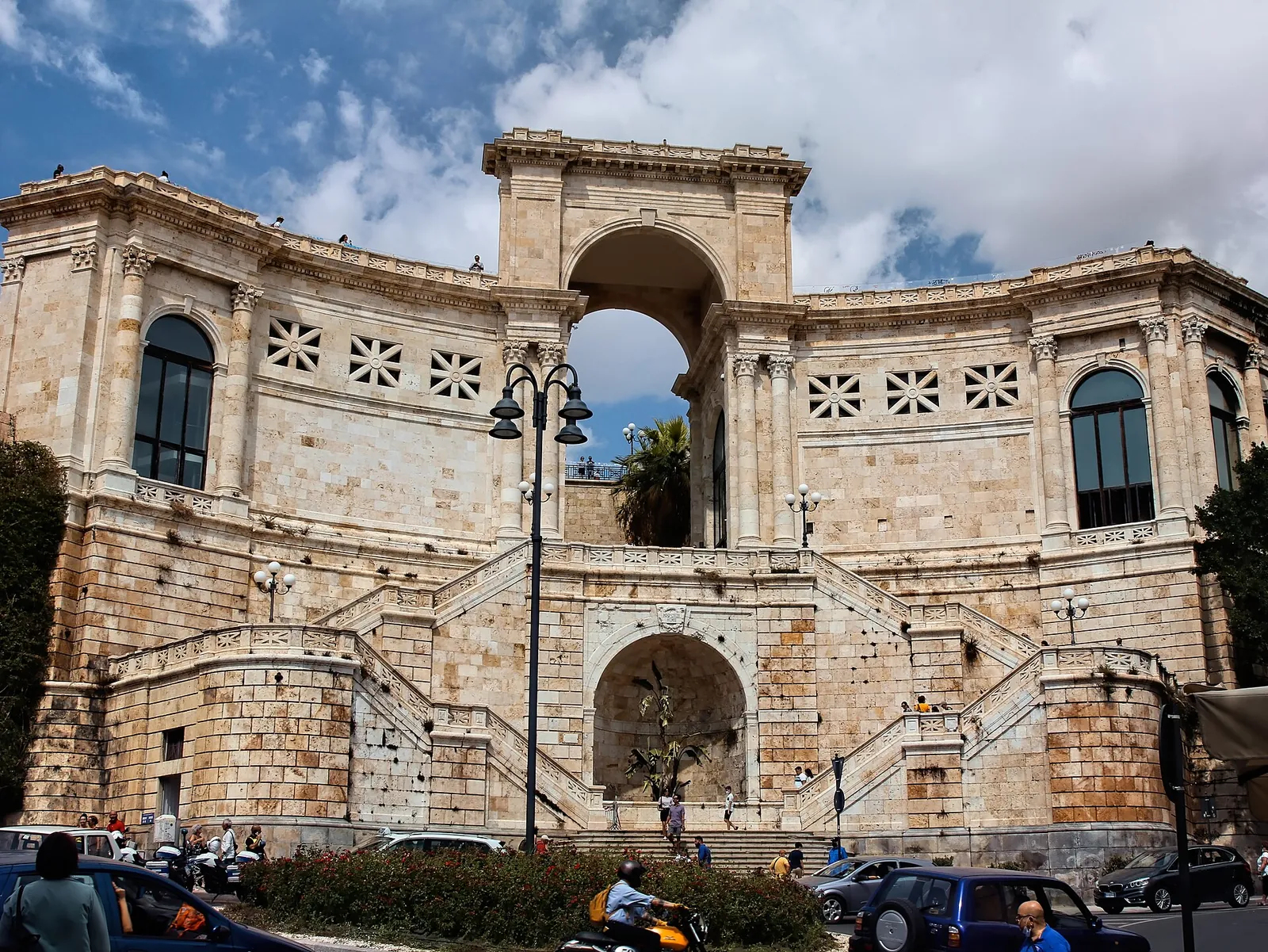
Start in Castello, the walled hilltop quarter. Wander its narrow lanes, then head to the Bastione di Saint Remy, the grand terrace with wide views over the rooftops, the port and the lagoons. It is a public space, so there is nothing to book.
Afternoon
Stay in Castello for the Museo Archeologico Nazionale di Cagliari, the best place on the island to meet the nuragic civilisation before you see its towers on Day 3. According to the Ministry of Culture, it opens Monday and Wednesday to Sunday from 8:30 am to 7:30 pm (ticket office until 6:45 pm) and is closed on Tuesdays. Full price is EUR 10, reduced EUR 5. Allow two hours.
Evening
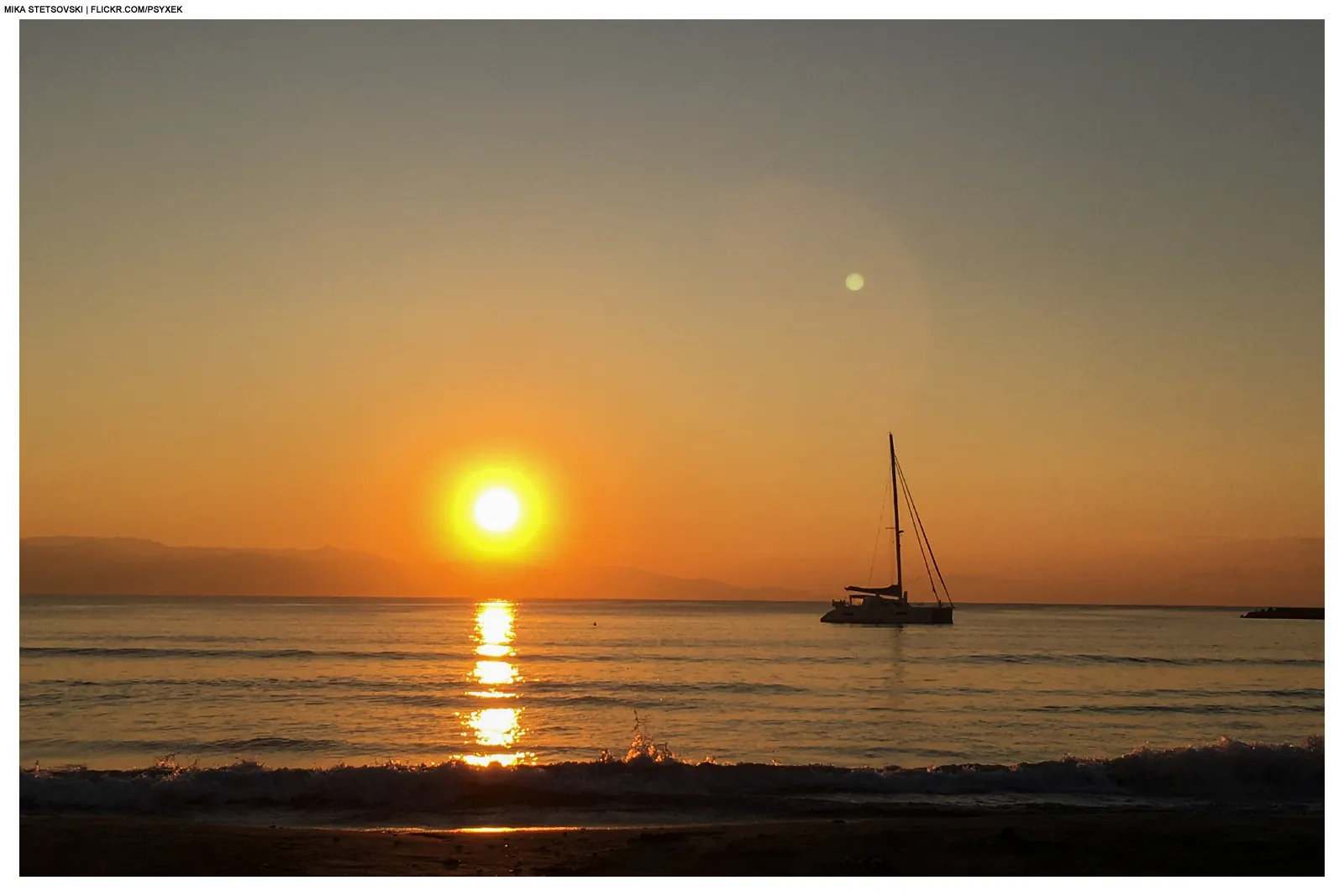
Drive or take a local bus out to Poetto, Cagliari’s long city beach, for a sunset walk along the sand. Then dine in the Marina district: try fregola (toasted pasta) and culurgiones, hand-pinched filled pasta.
Day 2: Nora and the Chia coast
Morning
This is the day for ruins by the sea and a long swim. Pick up the car today if you haven’t already, then head south-west along the coast to Pula and the ruins of Nora, founded as a Phoenician and Punic port and later a Roman town, set on a little headland with the sea on three sides. Mosaics, a small Roman theatre and the bathhouse ruins sit right by the water.
The Fondazione Pula Cultura, which runs the site, lists adult tickets at EUR 10, under-18s (6 to 17) at EUR 6 and free entry for children under 5. Hours change by month: 9:00 am to 5:00 pm from November to February, to 6:00 pm in March, and to 7:00 pm in April, May and October, with longer summer hours. Note that an online ticket does not include a guided tour: if you want a guide, the foundation asks you to book by phone or email. Buy on fondazionepulacultura.it to skip the queue.
Afternoon
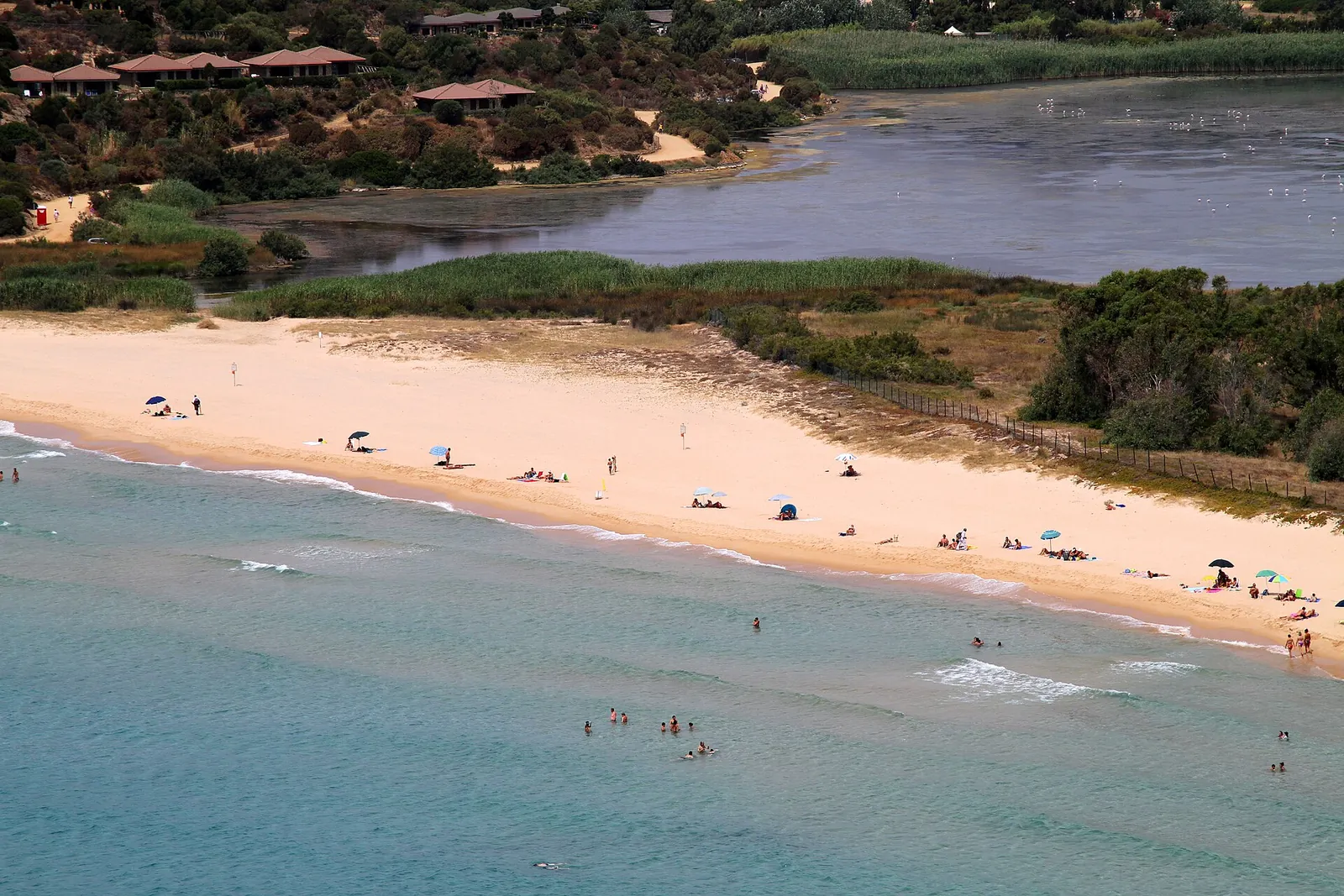
Continue west to the Chia area, a string of sandy coves with dunes, juniper and clear shallow water. It is perfect for a long, lazy afternoon swim.
Evening
Drive back to Cagliari for the night.
Day 3: Su Nuraxi di Barumini and on to the west coast
Morning
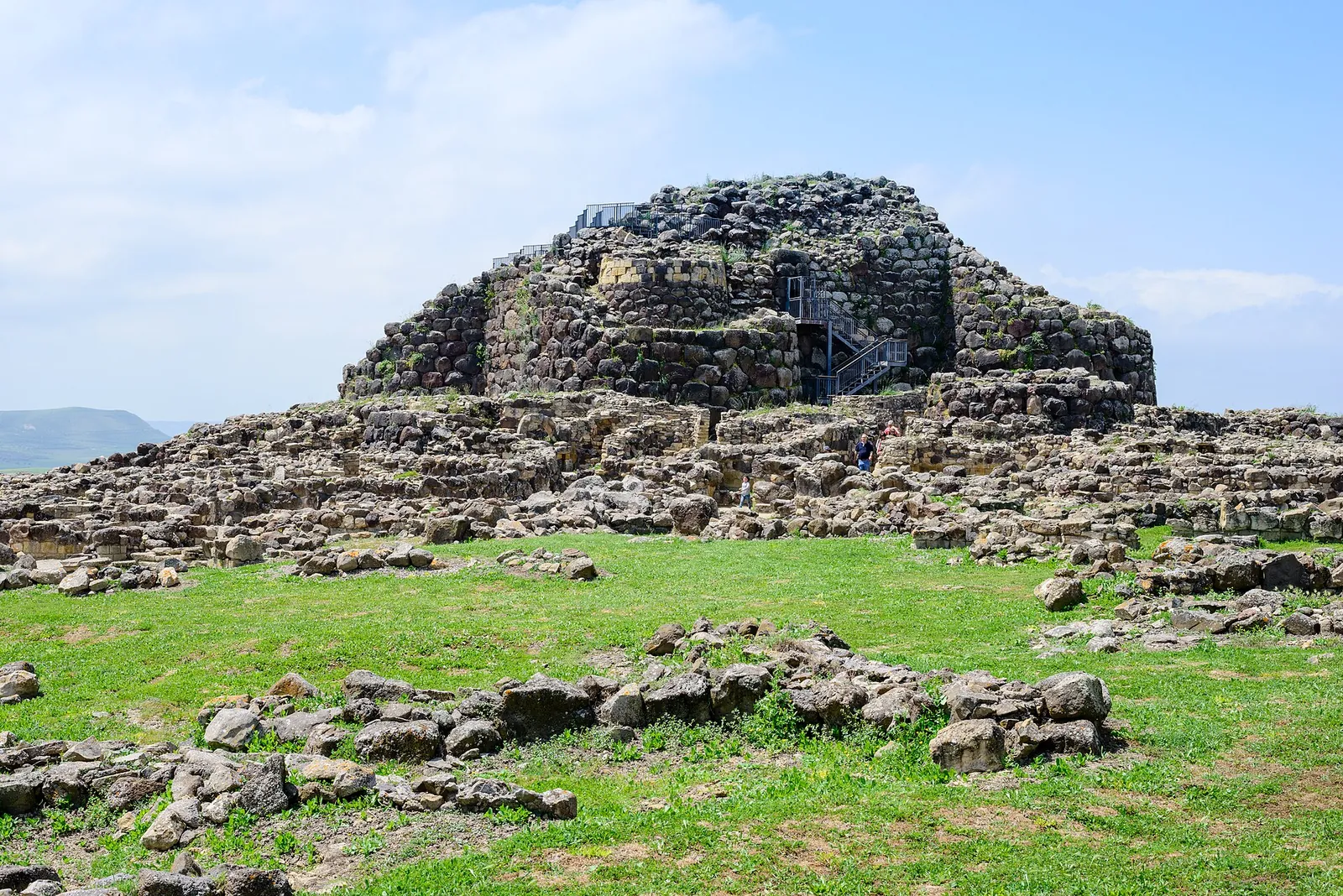
Today is the big history day, and it is a showstopper. Head north into the green Marmilla hills to Su Nuraxi di Barumini, Sardinia’s only UNESCO World Heritage Site: a fortress of stone towers from the Bronze Age, surrounded by the remains of a village.
The Fondazione Barumini’s 2026 timetable says all sites can only be visited with a guide, and tours start every half hour. The archaeological area opens daily at 9:00 am. Closing time depends on the month: 5:00 pm from November to February (last tour 4:00 pm), 8:00 pm from May to August (last tour 7:00 pm), with in-between hours in spring and autumn.
One single ticket covers Su Nuraxi, Casa Zapata and the Centro Giovanni Lilliu in the village. The 2026 price list gives EUR 16 for adults (18 and over), EUR 14 for ages 13 to 17, EUR 12 for ages 7 to 12, and free entry for children up to 6. On rainy days, if the archaeological area can only be seen from the outside for safety reasons, the ticket drops to EUR 8. Book ahead in July and August.
Afternoon
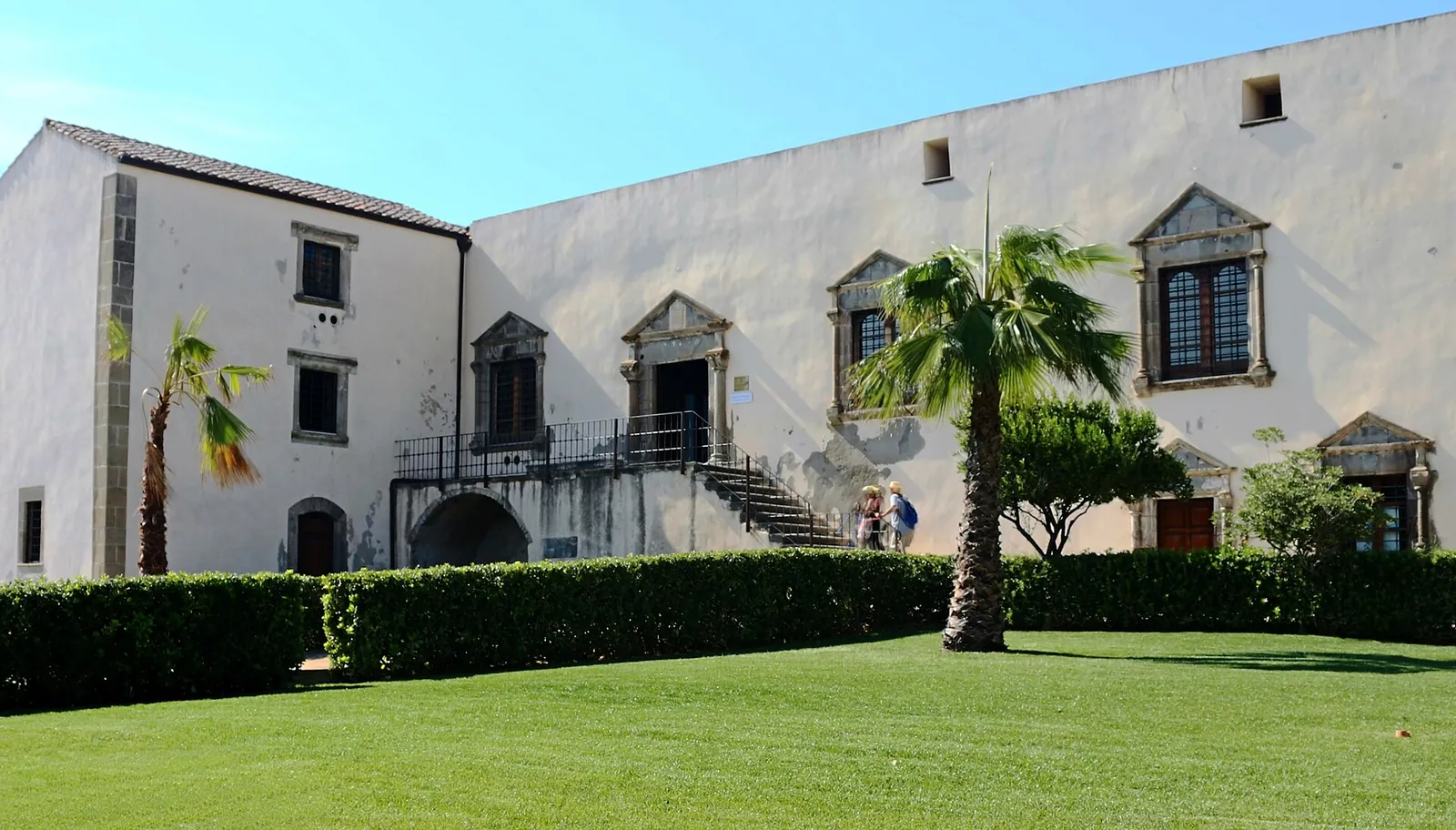
Have lunch in Barumini, then visit Casa Zapata, where a Spanish noble house was built right on top of another nuraghe; you walk over the ruins on glass walkways. Then drive west towards Oristano and the Sinis peninsula, your base for the night.
Evening
Stroll Oristano’s compact old centre, or stay out on the Sinis for a sunset by the lagoons. Cabras, on the peninsula, is known for its fish and for bottarga (cured mullet roe).
Day 4: Tharros, Bosa and the coast road to Alghero
Morning
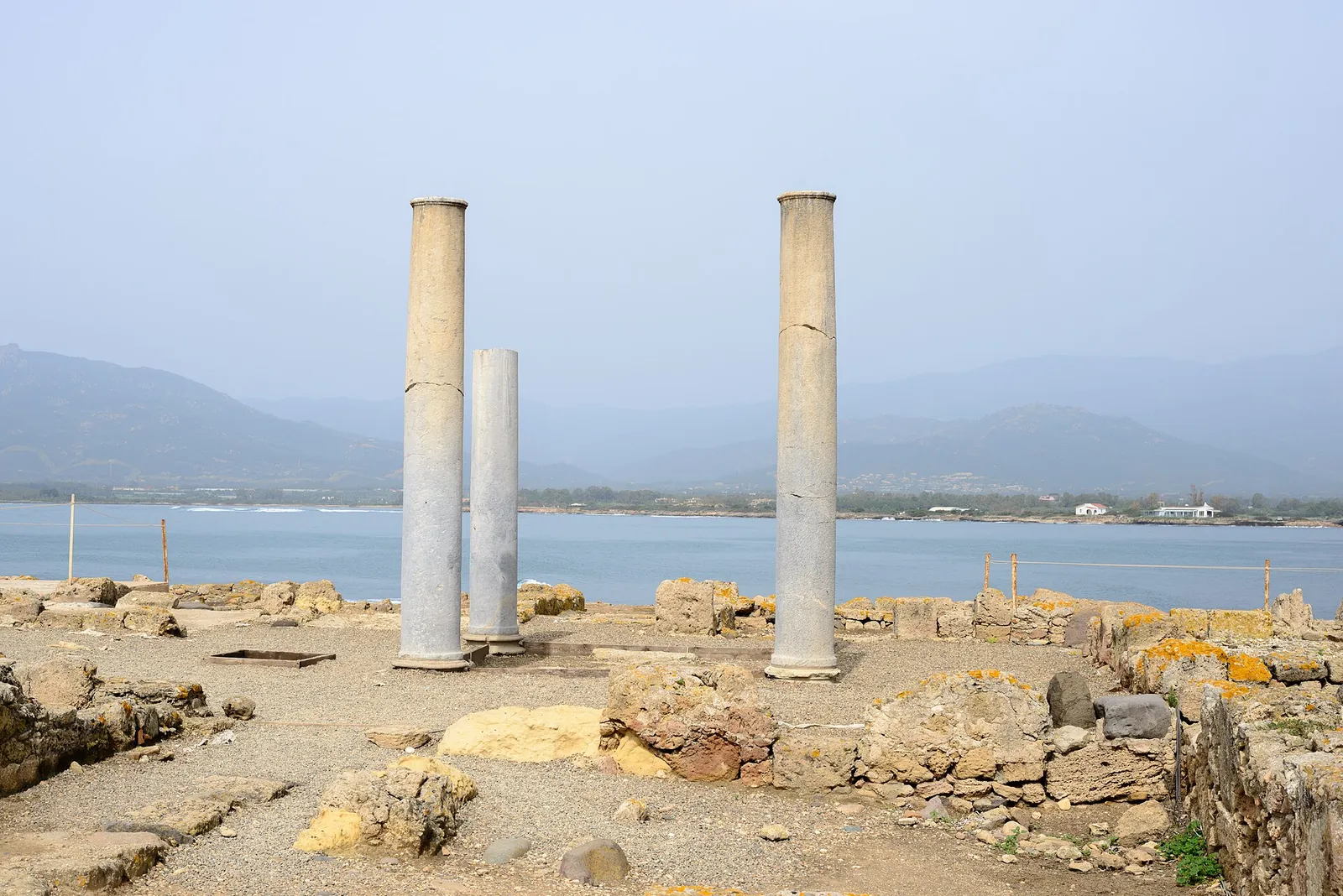
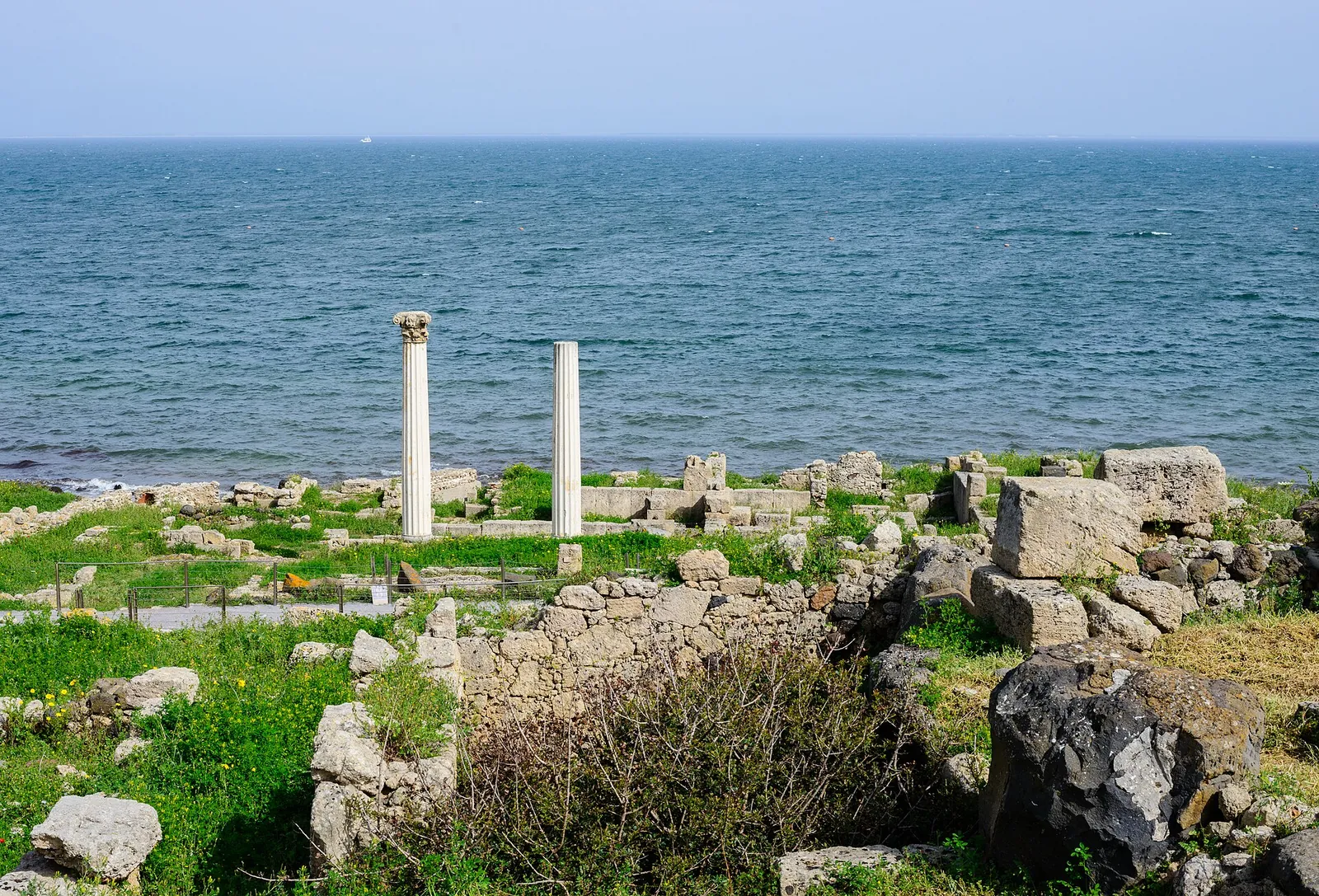
Get ready for one of the most scenic days of the trip. Start early at Tharros, the Phoenician and Roman city at the tip of the Sinis peninsula, with columns standing against the sea. CoopCulture, which handles its ticketing, lists hours of 9:00 am to 6:00 pm in April, May and October, 9:00 am to 8:00 pm in June to August, 9:00 am to 7:00 pm in September, and 9:00 am to 5:00 pm Tuesday to Sunday from 1 November to 31 March (closed Mondays in winter, plus 25 December and 1 January). The Ministry of Culture lists the full ticket at EUR 11 and reduced at EUR 9, and marks booking as mandatory, so reserve through CoopCulture or by phone before you go and confirm the price when you book.
Afternoon
Before leaving the Sinis, stop at one of its pale quartz-grain beaches for a swim. Please leave every grain where it is: the UK government’s travel advice warns that removing sand, shells or pebbles from Italian beaches is illegal and can bring a large fine.
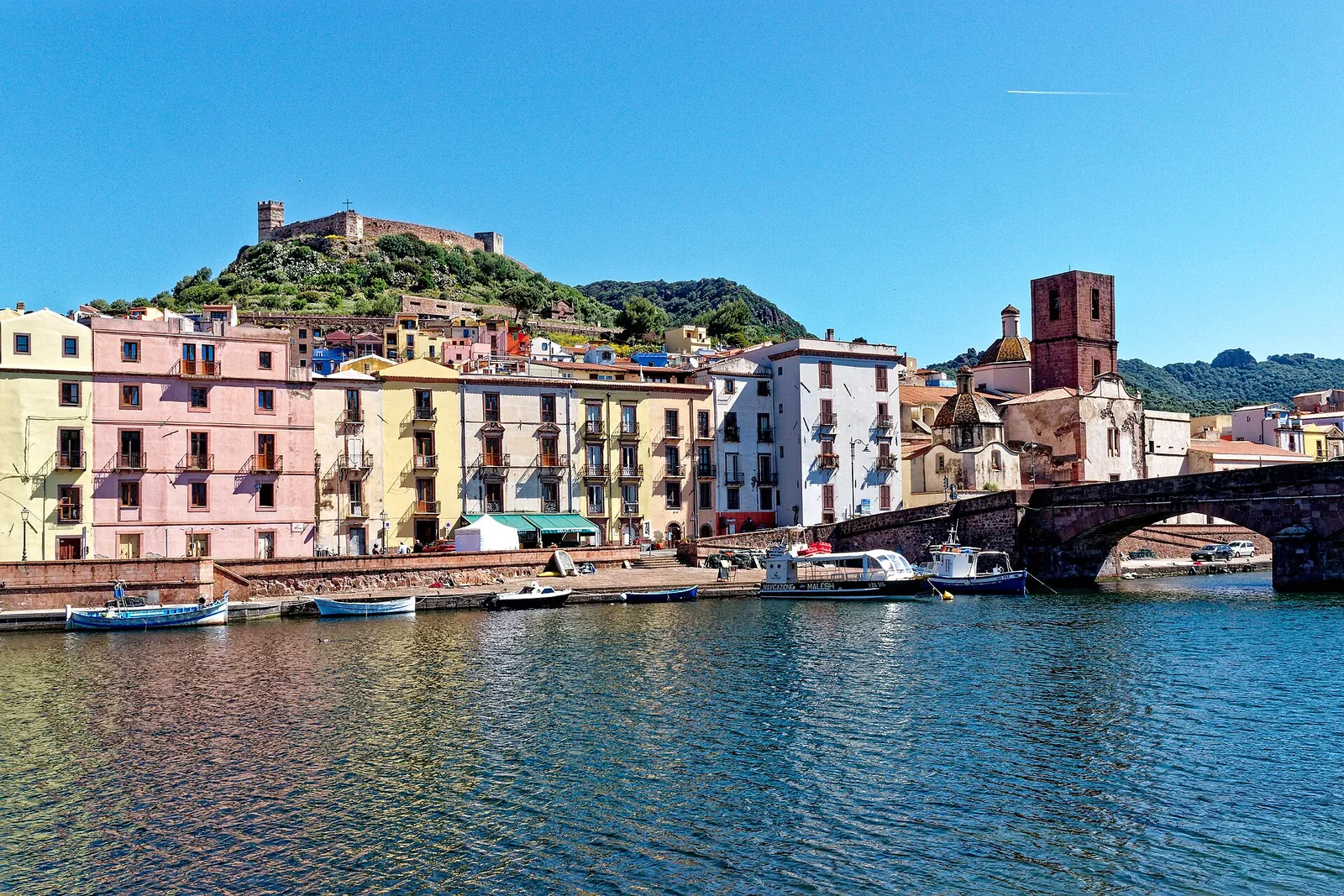
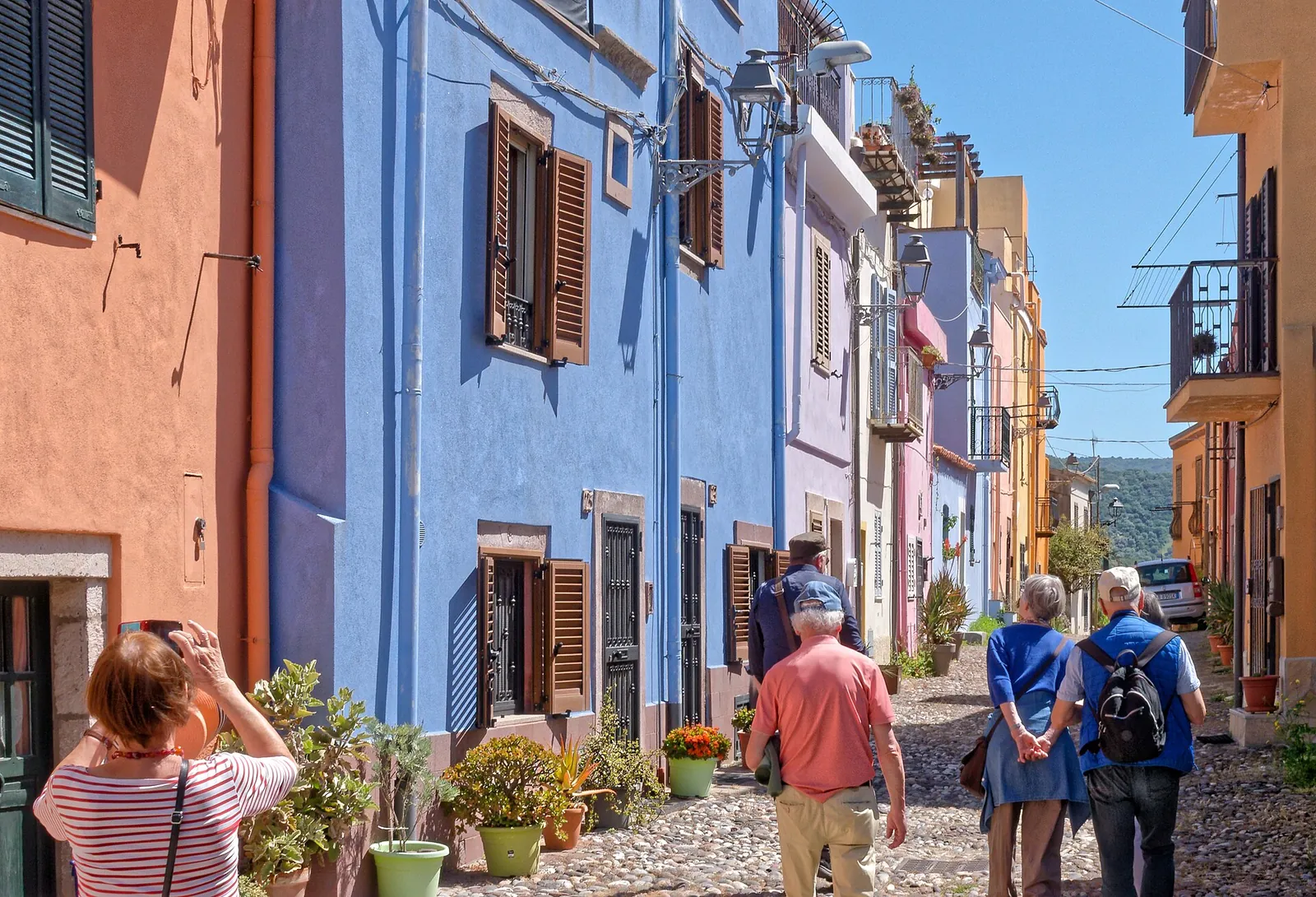
Then drive north to Bosa, one of the most photographed towns in Sardinia. Its rainbow of houses climbs from the Temo river up to the Malaspina castle; park by the river and wander.
Evening
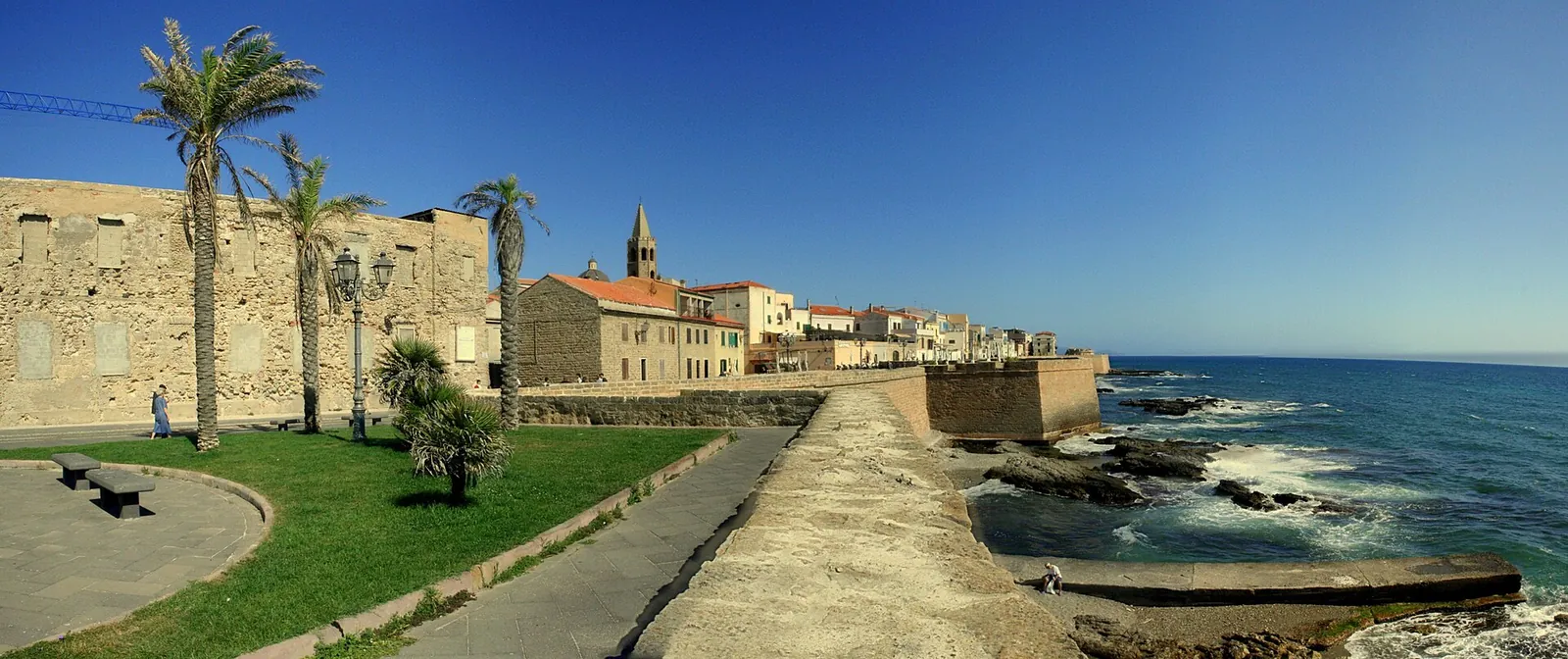
From Bosa, the coast road north to Alghero is one of the island’s great scenic drives, with cliffs and sea views most of the way. Take it in daylight and allow time for photo stops. Arrive in Alghero, check in, and walk the old town walls along the sea.
Day 5: Capo Caccia and Neptune’s Grotto
Morning
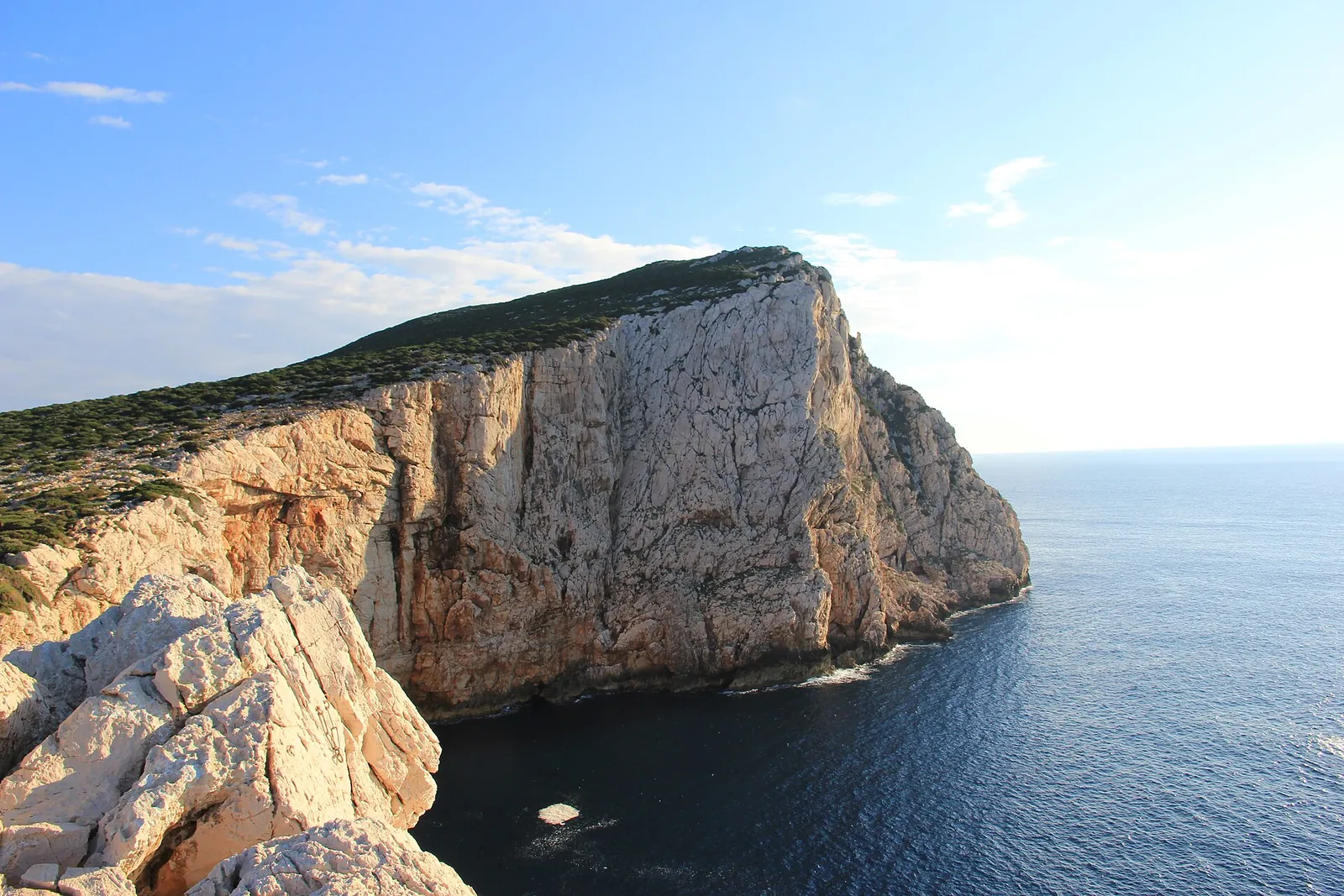
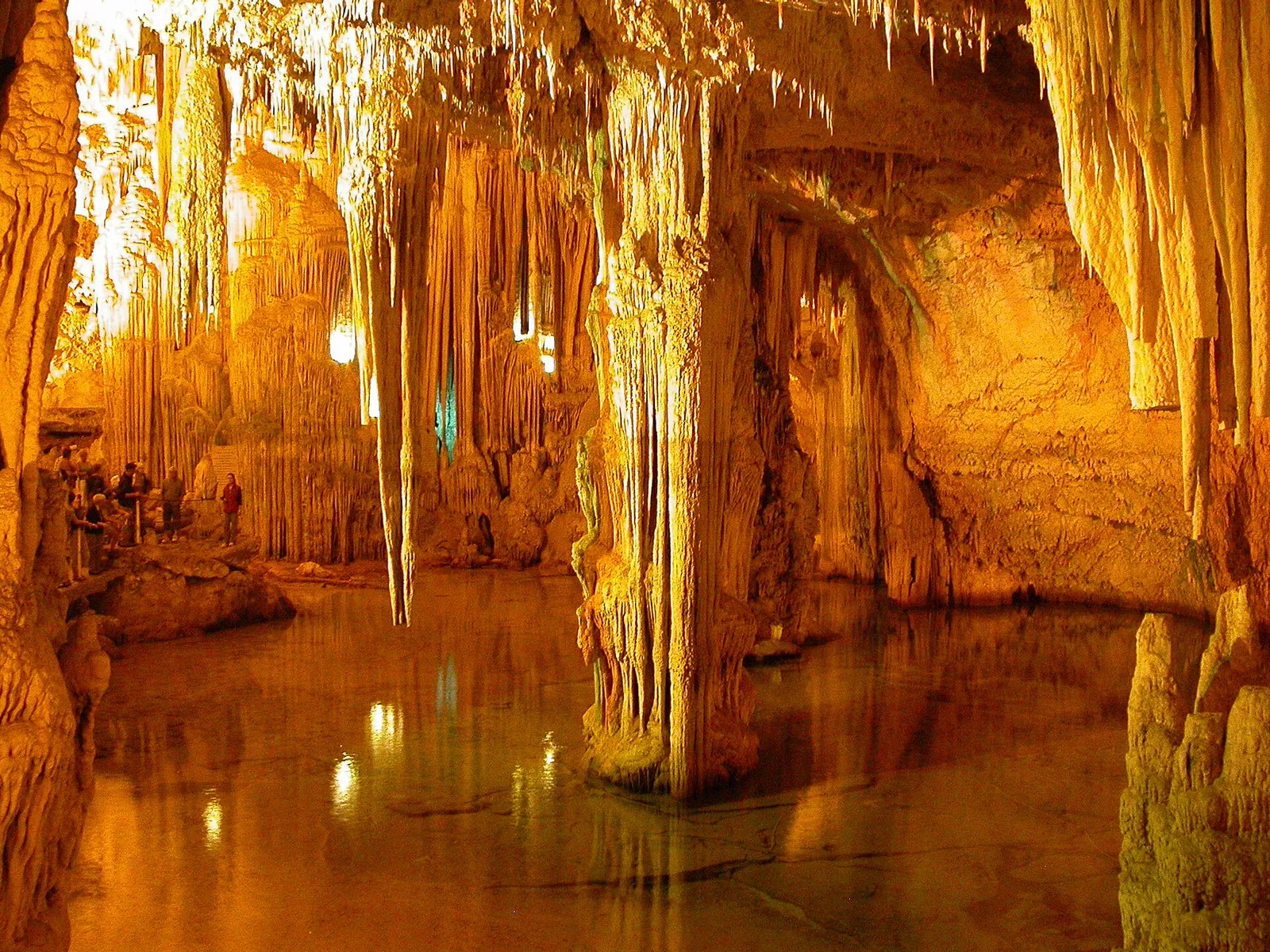
Save your energy for cliffs, caves and sea views today. Drive out to Capo Caccia, the dramatic limestone headland west of Alghero, for Neptune’s Grotto (Grotta di Nettuno), a sea cave full of stalactites and a saltwater lake. There are two ways in:
- On foot, down the Escala del Cabirol, a stairway of 654 steps cut into the cliff. The views are spectacular, but remember you climb back up.
- By boat from Alghero’s harbour or the Cala Dragunara pier in Porto Conte Park. The cave’s site says the trip takes about 40 minutes, runs from April and is suspended in rough seas. The boat ticket does not include cave entry.
The official site lists the full ticket at EUR 18 and reduced at EUR 10 (ages 6 to 17 and some other groups), with free entry for children under 6. Guided tours start every hour and last about 30 minutes. The current published hours are daily from 10:00 am to 3:00 pm (last entry 3:00 pm), weather and sea permitting, with the cave closed on Thursdays from 12 November to 18 March and on 24 and 25 December. Summer hours are longer, so check the site for your dates.
The cave recommends buying online through algheroexperience.it, and a time slot is mandatory for land visits. From June to October, the Capo Caccia ticket office is closed and you park at Casa Gioiosa and take a shuttle (not included in the ticket), arriving an hour before your slot. From November to May you drive straight to the square, arriving at least 40 minutes early. Late arrivals lose their booking.
Afternoon
Drive back slowly through Porto Conte Park and stop at a beach along the bay for a swim.
Evening
Spend the evening in Alghero’s old town, a maze of lanes inside sea walls with a strong Catalan heritage you will spot in street signs. Watch the sunset from the bastions, then try spiny lobster or a simple seafood pasta.
Day 6: Stintino and La Pelosa
Morning
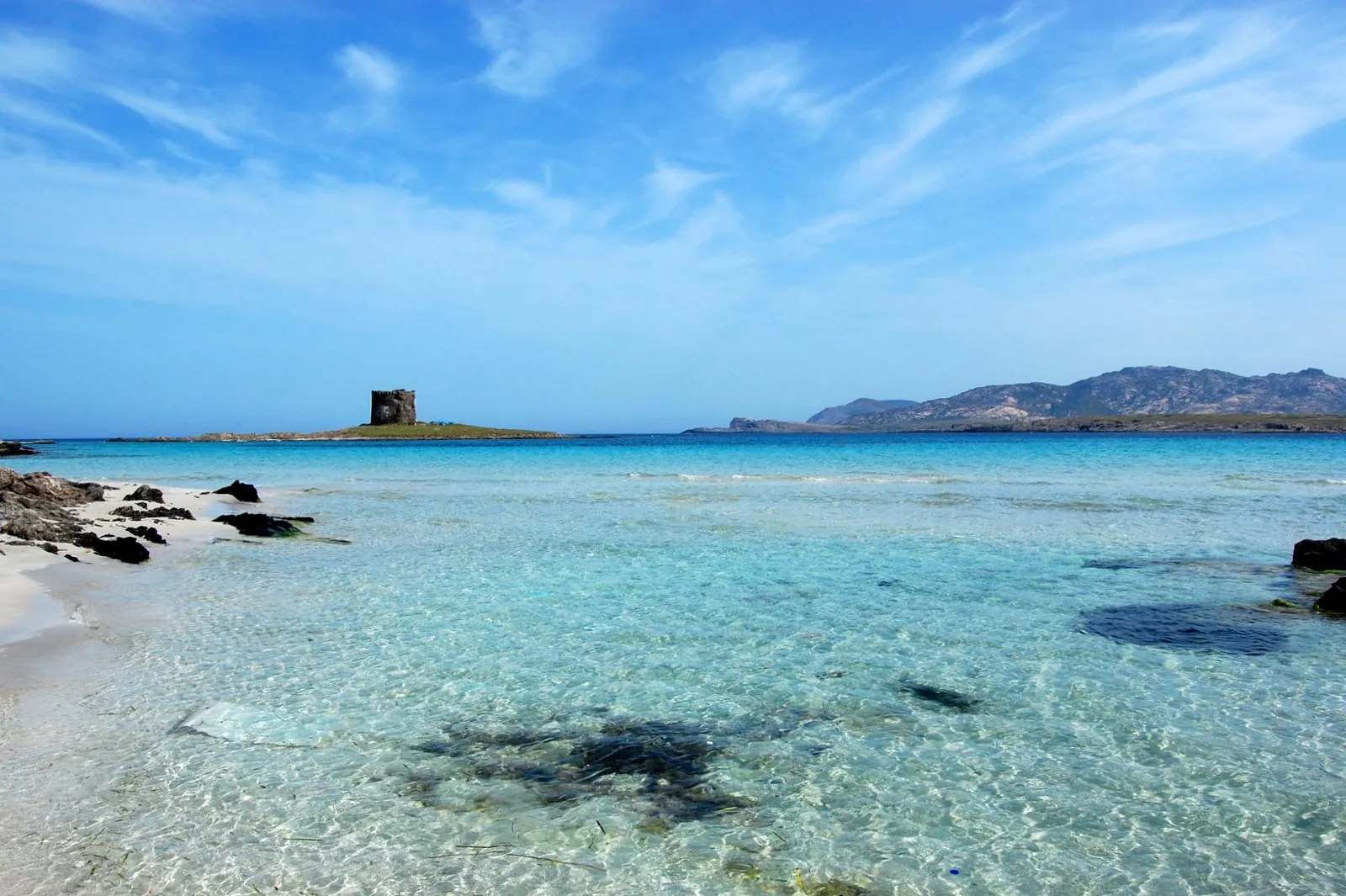
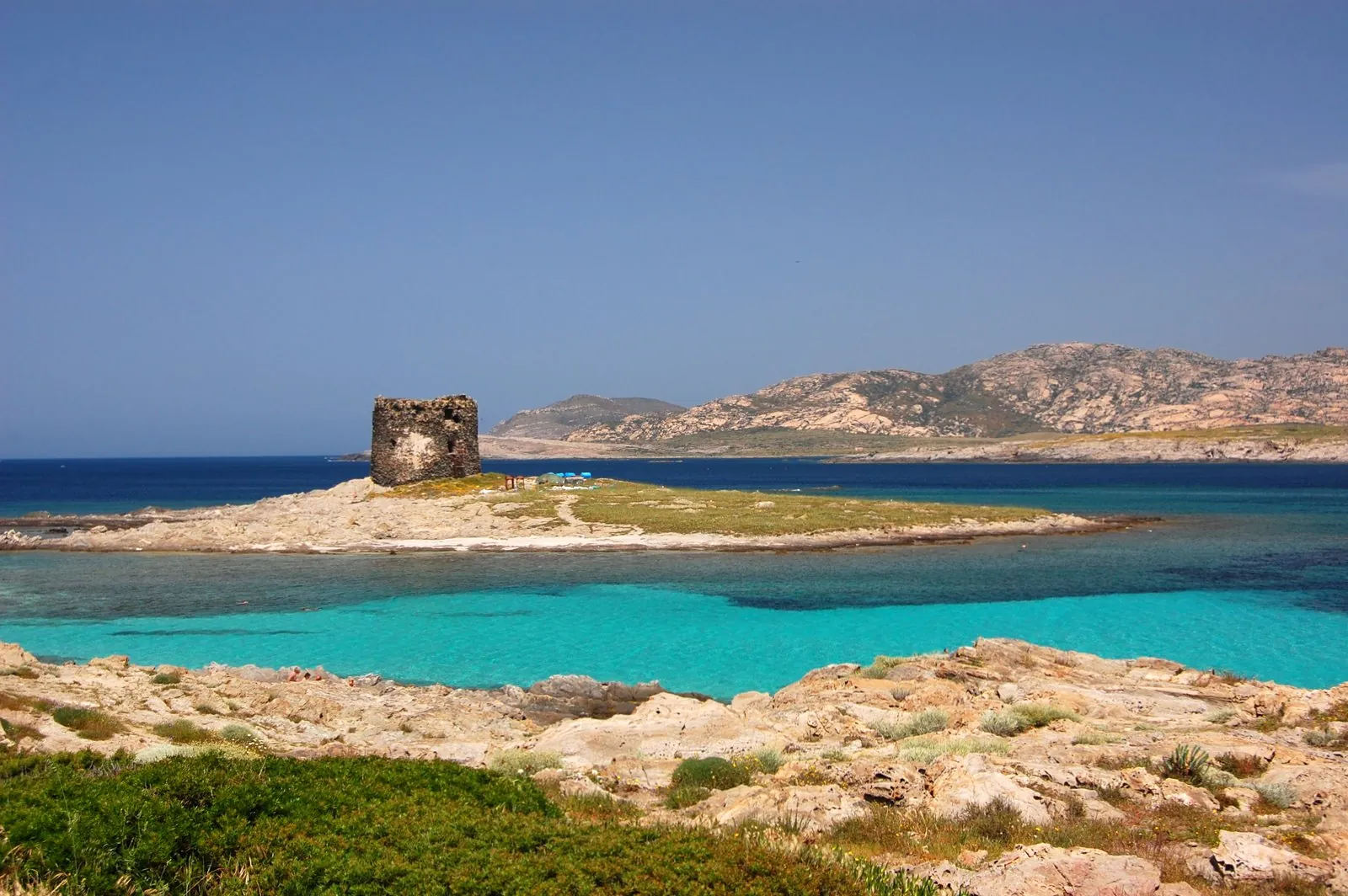
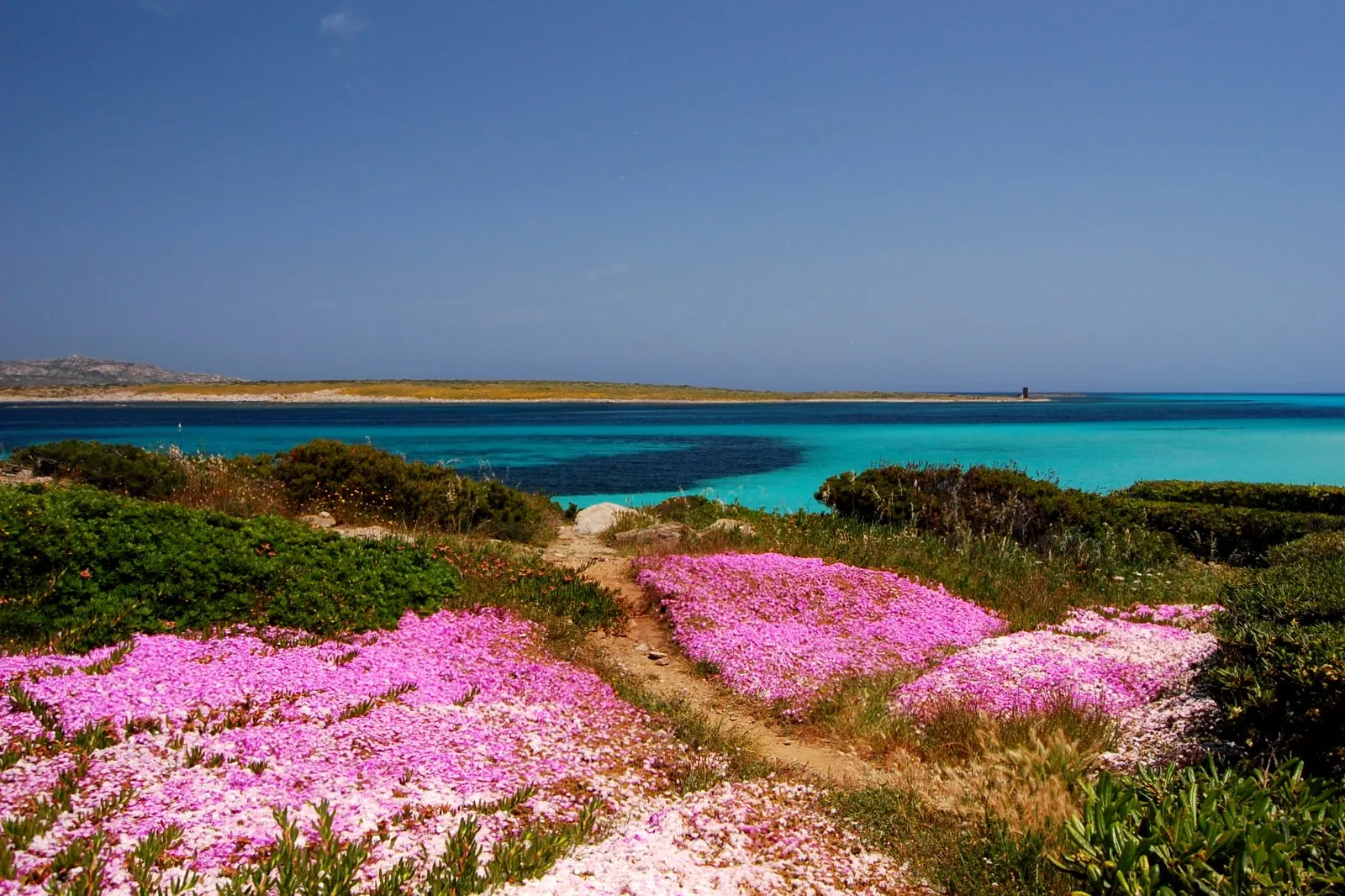
You saved the most famous water for last! On your last morning, drive north to Stintino and La Pelosa, the beach with shallow, bright turquoise water and an old watchtower on a rocky islet. It is famous, fragile and protected, so the town limits numbers.
According to the official booking site, from 15 May to 15 October 2026 booking is mandatory: 1,500 places a day at EUR 3.50 per person. Of these, 500 can be booked at any time and 1,000 open two days before at 9:00 am. Children under 12 do not need to book. The rules include using a mat under your towel, rinsing your feet, no smoking and no taking sand. Outside the booking season, check the site before you go in case rules change.
Afternoon
Have a seafood lunch in Stintino’s small harbour, then head back to Alghero Airport to drop your car and fly home. Allow time to refuel.
Getting there and getting around
Arriving in Cagliari: Cagliari Elmas Airport has its own train station, about a 5-minute walk from the terminal. According to the airport operator, trains to central Cagliari take about 5 to 7 minutes, run roughly every 20 minutes from about 5:00 am to after 9:00 pm, and a single costs EUR 1.30. Buy tickets from the Trenitalia machines in Arrivals or online. Car hire desks are at the airport.
Leaving from Alghero: Return your car at Alghero Airport. If you need a bus instead, the airport says ARST buses run daily to the city; check fares and timetables on the ARST website.
Driving: A car is by far the easiest way to do this route. A few things to know:
- ZTL zones: Many historic centres are limited-traffic zones, marked “ZTL” in black on a yellow sign. Drive past without a permit and you will be fined. Park outside old towns and walk in.
- Licence: Rules depend on where your licence was issued. Check with your rental company and your own government’s travel advice whether you need an International Driving Permit.
- Drive in daylight on the coast roads, and expect slower going on the mountain stretches.
Where to stay
- Cagliari (Marina or Castello): The Marina district is flat, full of restaurants and close to the port. Castello is atmospheric but hilly with restricted car access. Choose a place with parking if you collect your car on Day 1.
- Oristano or Cabras: Oristano is a calm, practical town with easy parking. Cabras puts you closer to Tharros and the Sinis beaches for an early start.
- Alghero old town or just outside: The old town is walkable and lively, but cars are restricted. A base just outside the walls, with parking, makes the Day 5 and Day 6 drives easier.
Budget
| Item | Typical cost |
|---|---|
| Train, Cagliari airport to city centre | EUR 1.30 |
| Museo Archeologico Nazionale di Cagliari | EUR 10 full / EUR 5 reduced |
| Nora archaeological site | EUR 10 adults / EUR 6 ages 6 to 17 |
| Barumini single ticket (Su Nuraxi, Casa Zapata, Centro Lilliu) | EUR 16 adults / EUR 14 ages 13 to 17 / EUR 12 ages 7 to 12 |
| Tharros | EUR 11 full / EUR 9 reduced (confirm when booking) |
| Neptune’s Grotto (entry only) | EUR 18 full / EUR 10 reduced |
| Boat to Neptune’s Grotto or shuttle bus | Check the operator, sold separately |
| La Pelosa beach access (15 May to 15 October) | EUR 3.50 |
| Car hire, fuel, parking | Check rental and local prices for your dates |
Adding up the main sights in this plan comes to about EUR 70 per adult, or roughly EUR 10 to 30 a day depending on the day. Our daily figure covers sights only. It excludes car hire, fuel, tolls or parking, accommodation, meals, flights and boat trips.
Practical tips
- Pre-book: Tharros (mandatory), your Neptune’s Grotto time slot, La Pelosa in season, and Barumini in peak summer.
- Visiting in winter? The ruins and towns are lovely and quiet, but sights close earlier and some boat trips and beach services stop. Build days around daylight.
- Wear good shoes: Castello and Bosa are steep, and the Escala del Cabirol is 654 steps each way.
- Bring water and a hat: the ruins have little shade.
- SIM and eSIM: EU roaming applies for European SIMs. Other visitors can buy a local SIM on arrival or an eSIM before the trip.
- Visa and entry: Rules depend on your nationality. Use the Italian Ministry of Foreign Affairs visa portal (vistoperitalia.esteri.it) to check well before you travel.
Heads-up
A few things worth knowing, all from the UK government’s travel advice for Italy:
- Pickpockets and bag-snatching: These are more common in city centres. Keep your belongings in sight and do not carry all your valuables together. On a road trip, never leave bags visible in a parked car.
- ZTL fines: Entering a limited-traffic zone without a pass brings a fine, sometimes long after you get home via your rental company.
- Wildfires: These are a risk during the long summer. Check local alerts and follow the authorities’ instructions, especially on rural roads.
- The sea: People drown in Italy every year. A red flag on a beach means you must not enter the water. Respect it even if the sea looks calm.
- Sand and shells: Taking sand, shells or pebbles from beaches is illegal and can bring a large fine. Shake out your towel before you leave.
- Emergencies: Call 112.
FAQ
Is 6 days enough for Sardinia?
It is enough for a satisfying first loop of the south and west, from Cagliari up to Alghero. You will not see the north-east coast (Costa Smeralda, La Maddalena) or the inland Barbagia mountains, which need extra days.
Do I need a car in Sardinia?
For this route, yes. Sites like Barumini, Tharros and Capo Caccia are spread out and public transport between them is limited. In Cagliari and Alghero you can park and explore on foot.
Do I need to book Su Nuraxi di Barumini in advance?
Visits are guided only, with tours every 30 minutes, so you can usually join on the day outside peak season. In July and August, booking ahead is wise.
Is the Escala del Cabirol hard?
It is 654 steps down to the cave, and the same back up. It is fine for most fit visitors at a steady pace, but in summer heat or with small children the boat from Alghero is easier (from April, weather permitting).
Can I visit La Pelosa without booking?
From 15 May to 15 October 2026 you must book a place online (EUR 3.50), except children under 12. Places sell out in summer, so book as soon as your dates are fixed.
Sources
Prices, hours and rules change. We checked these on 1 November 2026; please confirm on the official page before you book.
- To and from the airport: train (Cagliari Elmas Airport, SOGAER)
- Museo archeologico nazionale di Cagliari (Ministero della Cultura)
- Acquisto biglietti, Scavi di Nora (Fondazione Pula Cultura)
- Tickets and Opening Hours (Fondazione Barumini)
- Orari di apertura 2026 (Fondazione Barumini, PDF)
- Tariffario 2026 (Fondazione Barumini, PDF)
- Area archeologica di Tharros (Ministero della Cultura)
- Area archeologica di Tharros (CoopCulture, ticketing and hours)
- Opening Times and Booking (Grotta di Nettuno, official site)
- Admission fees (Grotta di Nettuno, official site)
- Getting there (Grotta di Nettuno, official site)
- Spiaggia La Pelosa, booking and rules (official booking site, Stintino)
- Il visto per l'Italia (Italian Ministry of Foreign Affairs)
- Safety and security: Italy travel advice (GOV.UK, FCDO)
Photo credits (15)
- Turquoise shallows and the old watchtower at La Pelosa: goldpicasa, CC BY 3.0, via Wikimedia Commons
- Bastione di Saint Remy rising over Cagliari's Castello quarter: Eduard Marmet, CC BY-SA 2.0, via Wikimedia Commons
- Golden sunset over the sea at Poetto beach, Cagliari: Mika Stetsovski, CC BY 2.0, via Wikimedia Commons
- Roman columns by the bay at the ruins of Nora: Norbert Nagel, CC BY-SA 3.0, via Wikimedia Commons
- Sandy Sa Colonia beach and lagoon near Chia: Carlo Pelagalli, CC BY-SA 3.0, via Wikimedia Commons
- The Bronze Age towers of Su Nuraxi di Barumini: Norbert Nagel, CC BY-SA 3.0, via Wikimedia Commons
- Casa Zapata and its palm-lined garden in Barumini: alina Perra, CC BY-SA 4.0, via Wikimedia Commons
- Ancient columns of Tharros against the open sea: Norbert Nagel, CC BY-SA 3.0, via Wikimedia Commons
- Bosa's colourful houses along the Temo river: Holger Uwe Schmitt, CC BY-SA 4.0, via Wikimedia Commons
- The towering limestone cliffs of Capo Caccia: Gianni Careddu, CC BY-SA 3.0, via Wikimedia Commons
- Stalactites mirrored in the lake inside Neptune's Grotto: Tobias Helfrich, CC BY-SA 2.5, via Wikimedia Commons
- La Pelosa watchtower on its rocky islet off Stintino: goldpicasa, CC BY 3.0, via Wikimedia Commons
- Pink wildflowers above the turquoise bay near La Pelosa: goldpicasa, CC BY 3.0, via Wikimedia Commons
- Alghero's sea walls and palm trees on a sunny day: jimmyroq, CC BY-SA 2.0, via Wikimedia Commons
- Strolling a pastel lane in Bosa's old town: Holger Uwe Schmitt, CC BY-SA 4.0, via Wikimedia Commons
More Italy itineraries
 6 days
6 Days in Puglia: A Day-by-Day Itinerary by Train
A 6-day Puglia itinerary from Bari to Lecce via Polignano a Mare, Alberobello, Matera and Ostuni, with checked train fares, times and ticket prices.
 6 days
6 Days in Tuscany: A Day-by-Day Itinerary
A 6-day Tuscany itinerary from a Florence base: Siena, San Gimignano, Val d'Orcia and Montepulciano, Pisa and Lucca, with checked train fares and ticket prices.
 5 days
5 Days in Naples and the Amalfi Coast: Itinerary
5 days in Naples, Pompeii, Sorrento and the Amalfi Coast: a day-by-day plan with checked 2026 ticket prices, closing days and airport transfers.
Compare all Italy itineraries →
This is a researched plan, not a personal trip report. How we research · Affiliate disclosure