
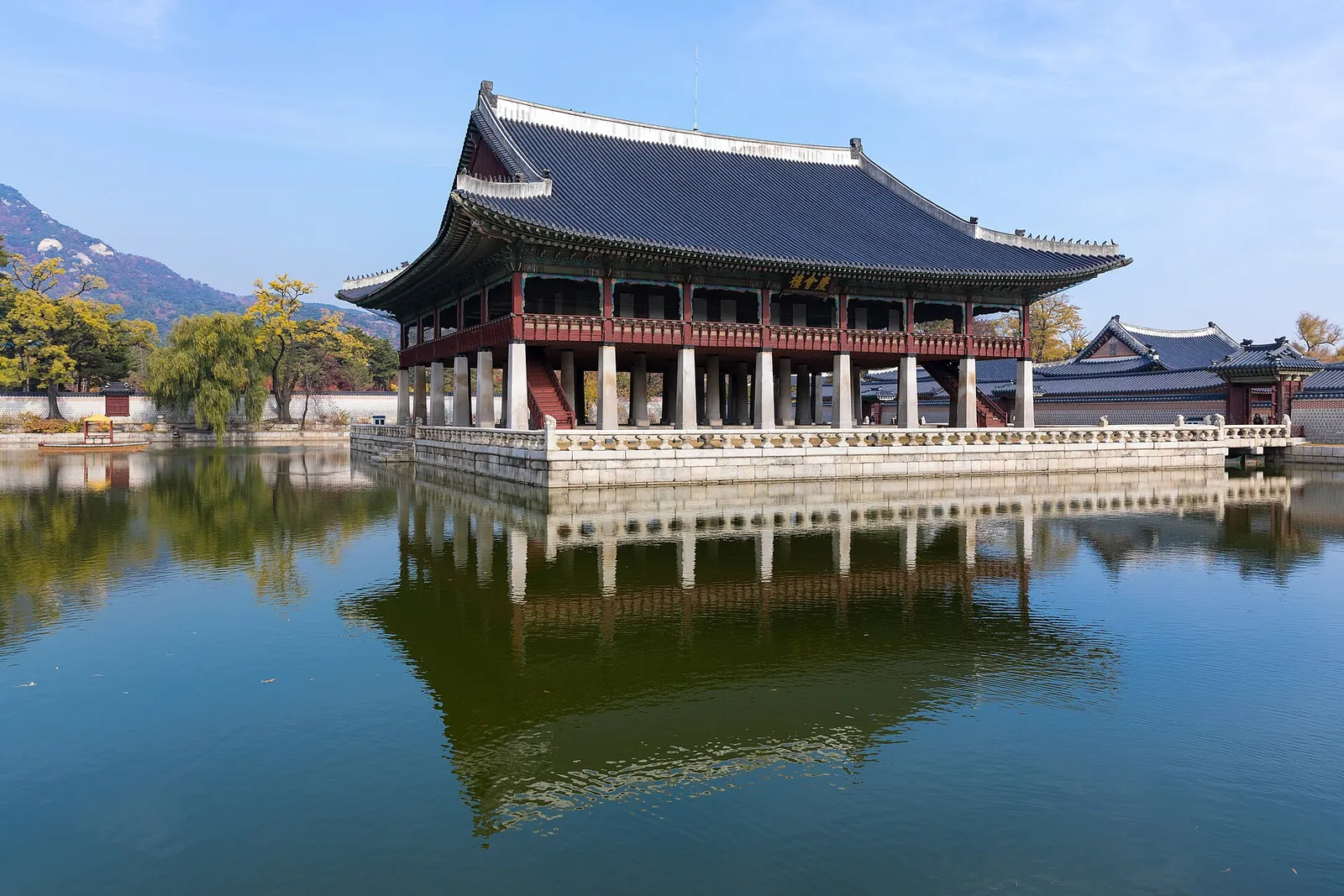
3 Days in Seoul: A Day-by-Day Itinerary
A 3-day Seoul plan: Gyeongbokgung and Bukchon, Changdeokgung's Secret Garden and Namsan, then Gangnam, Lotte World Tower and the Han River.
- 🗓️ Trip length
- 3 days
- ☀️ Best time
- April to May and late September to November
- 💰 Daily spend
- KRW 15,000-25,000 for transport and palace tickets (food, hotel and observatories extra)
- ✅ Facts checked
- 22 October 2026
Get ready for a city that does everything at full volume. In three days you will walk through 600-year-old palace gates, sip tea in hanok alleys, eat your way through a century-old market, ride up to a mountaintop tower and watch the Han River light up after dark. Seoul is fast, clean, safe and wildly fun, and its subway makes it easy to pack a lot into a short break.
This plan suits first-time visitors who want the big classics without rushing. Each day stays in one part of the city, so you spend your time exploring rather than commuting. Expect a fair amount of walking (comfortable shoes, please) and leave room for spontaneous café stops, because Seoul has a lot of them.
At a glance
| Day | Area | Highlights |
|---|---|---|
| 1 | Jongno (palace quarter) | Gyeongbokgung, Bukchon Hanok Village, Insadong, Cheonggyecheon, Gwangjang Market |
| 2 | Changdeokgung to Namsan | Changdeokgung and the Secret Garden, Ikseon-dong, Myeongdong, N Seoul Tower |
| 3 | Gangnam and Jamsil | Bongeunsa Temple, COEX and Starfield Library, Lotte World Tower, Seokchon Lake, Banpo Bridge fountain |
Important: Gyeongbokgung is closed on Tuesdays and Changdeokgung is closed on Mondays (if that day is a public holiday, the palace opens and closes on the next non-holiday instead). Arrange Day 1 and Day 2 around these closing days.
Day 1: Gyeongbokgung, Bukchon and Gwangjang Market
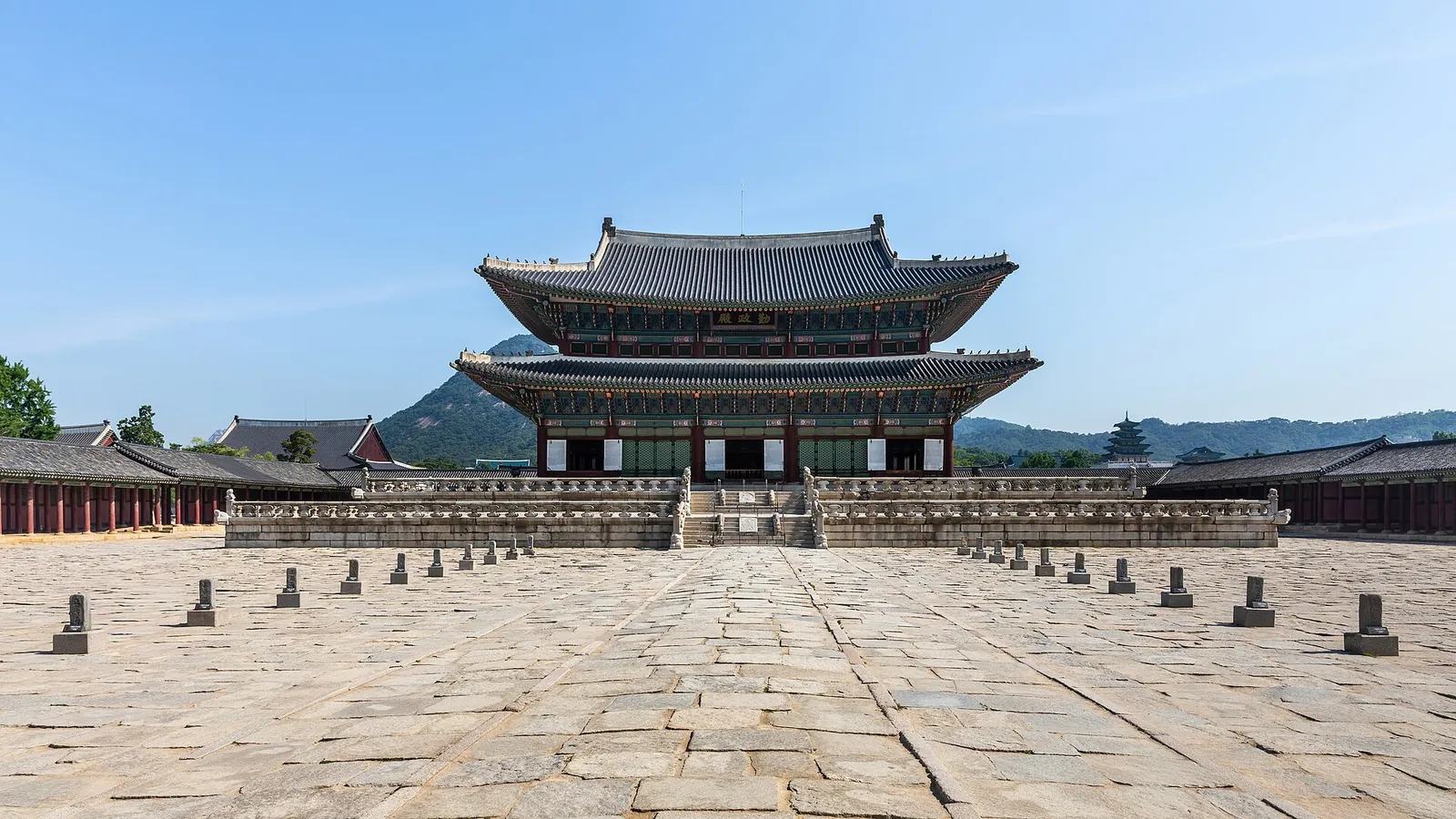
This is the day for royal Seoul: grand palace courtyards in the morning, wooden hanok rooftops at noon and a sizzling food market at night.
Morning
Start at Gyeongbokgung, the main royal palace of the Joseon dynasty (Gyeongbokgung station, Line 3, or a short walk from Gwanghwamun station, Line 5). Arrive close to opening at 09:00 to beat the crowds.
- Hours: January to February and November to December 09:00 to 17:00 (last entry 16:00); March to May and September to October 09:00 to 18:00 (last entry 17:00); June to August 09:00 to 18:30 (last entry 17:30). Closed Tuesdays.
- Tickets: KRW 3,000 for foreign adults aged 19 to 64. Anyone wearing hanbok (traditional or modern “everyday” hanbok) gets in free, Korean or foreign alike, so this is the perfect morning to try one from a rental shop near the palace.
- 2026 bonus: during the Korea Grand Festival (29 October to 15 November 2026) Gyeongbokgung is free to enter, except on its Tuesday closing days. Until 31 October 2026 access onto the raised stone platform (woldae) of Geunjeongjeon, the throne hall, is restricted.
Give yourself about two hours. The official site suggests 40, 60 and 90-minute routes; the 90-minute loop takes in Geunjeongjeon, the lake pavilion of Gyeonghoeru, the queen’s quarters and the pretty Hyangwonjeong pavilion at the back. The National Folk Museum sits inside the grounds if you want more.
Afternoon
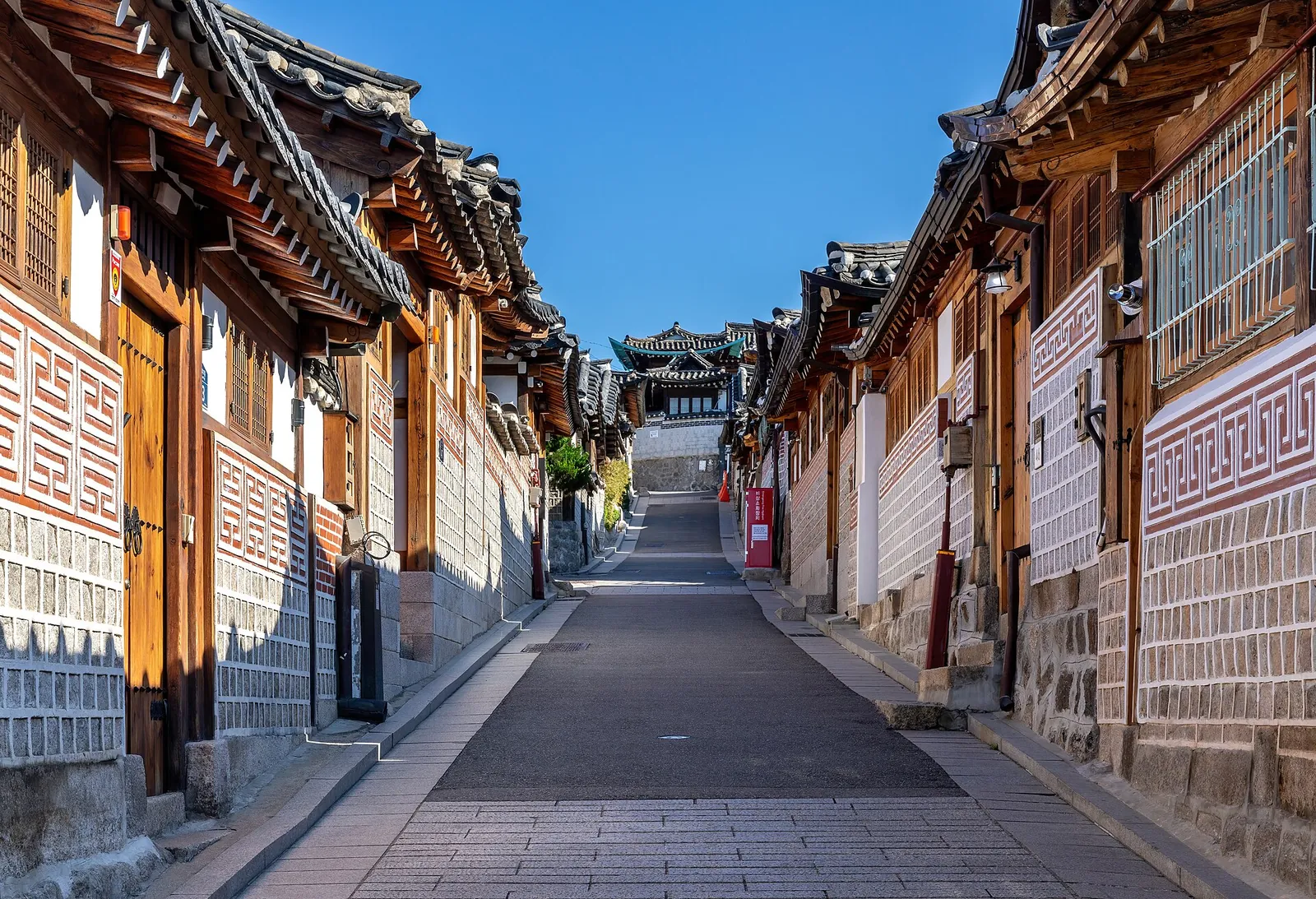
Exit through the east side and walk about 15 minutes to Bukchon Hanok Village, a hillside of traditional tiled houses between Gyeongbokgung and Changdeokgung. People really live here, so keep your voice down and do not open gates or step into courtyards. In the central “red zone” (the Bukchon-ro 11-gil alleys) tourist visits are only allowed between 10:00 and 17:00, so come here after lunch, not in the evening.
Wander downhill to Insadong (about 15 minutes on foot) for craft shops, tea houses and the spiral shopping courtyard of Ssamziegil. It is a lovely place for a late lunch of hanjeongsik (a spread of small dishes) or a cup of traditional tea.
Evening
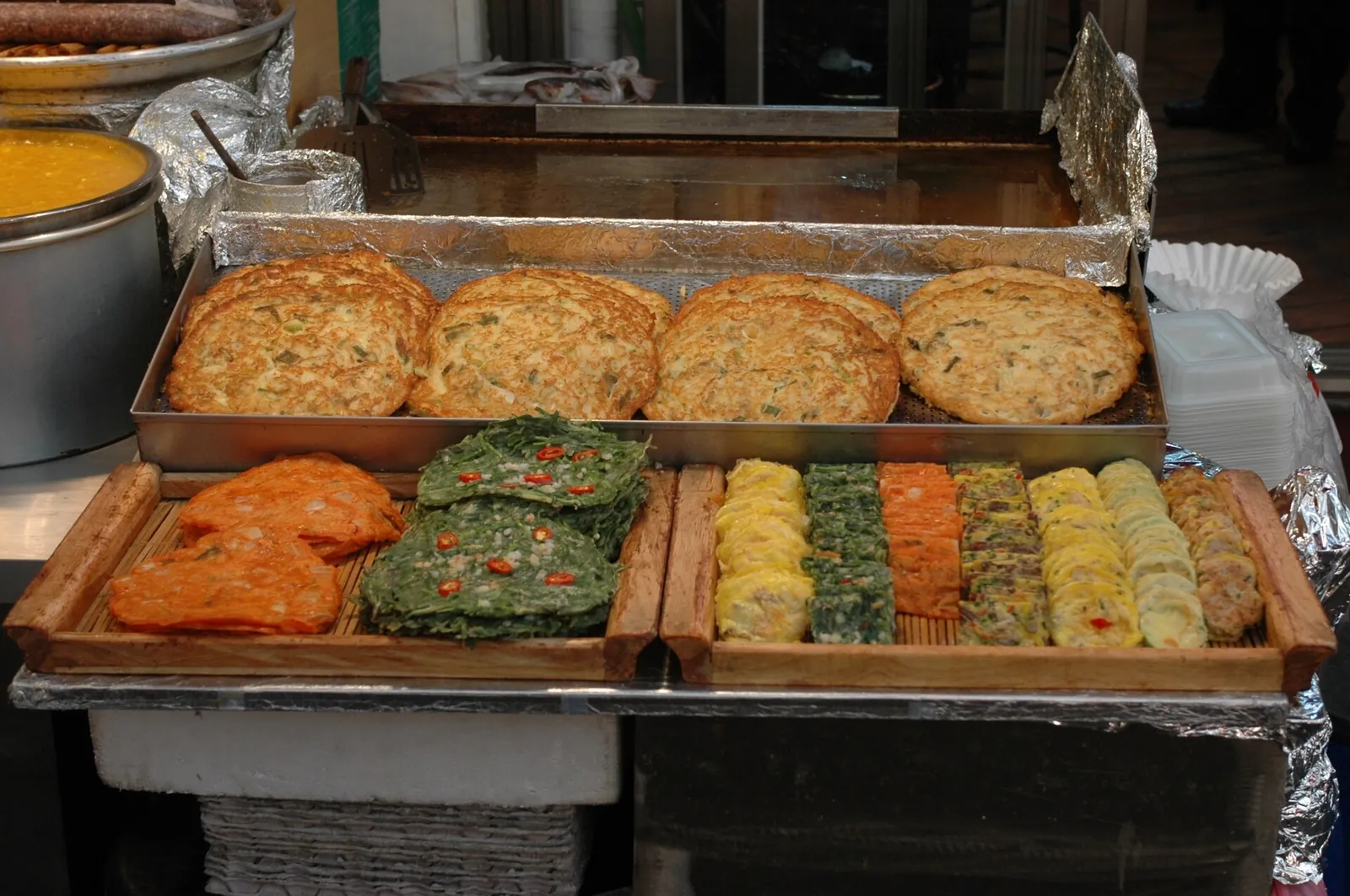
Walk south to Cheonggyecheon, the restored stream that runs below street level through downtown. It is calm, lit up at night and a gentle 20 to 30-minute stroll east towards Gwangjang Market (Jongno 5-ga station, Line 1). Save your appetite: the market’s food alleys are famous for crispy bindaetteok (mung bean pancakes), mayak gimbap, knife-cut noodles and fresh yukhoe. Sit down at a busy stall, point at what looks good and enjoy the buzz.
Day 2: Changdeokgung, the Secret Garden and Namsan
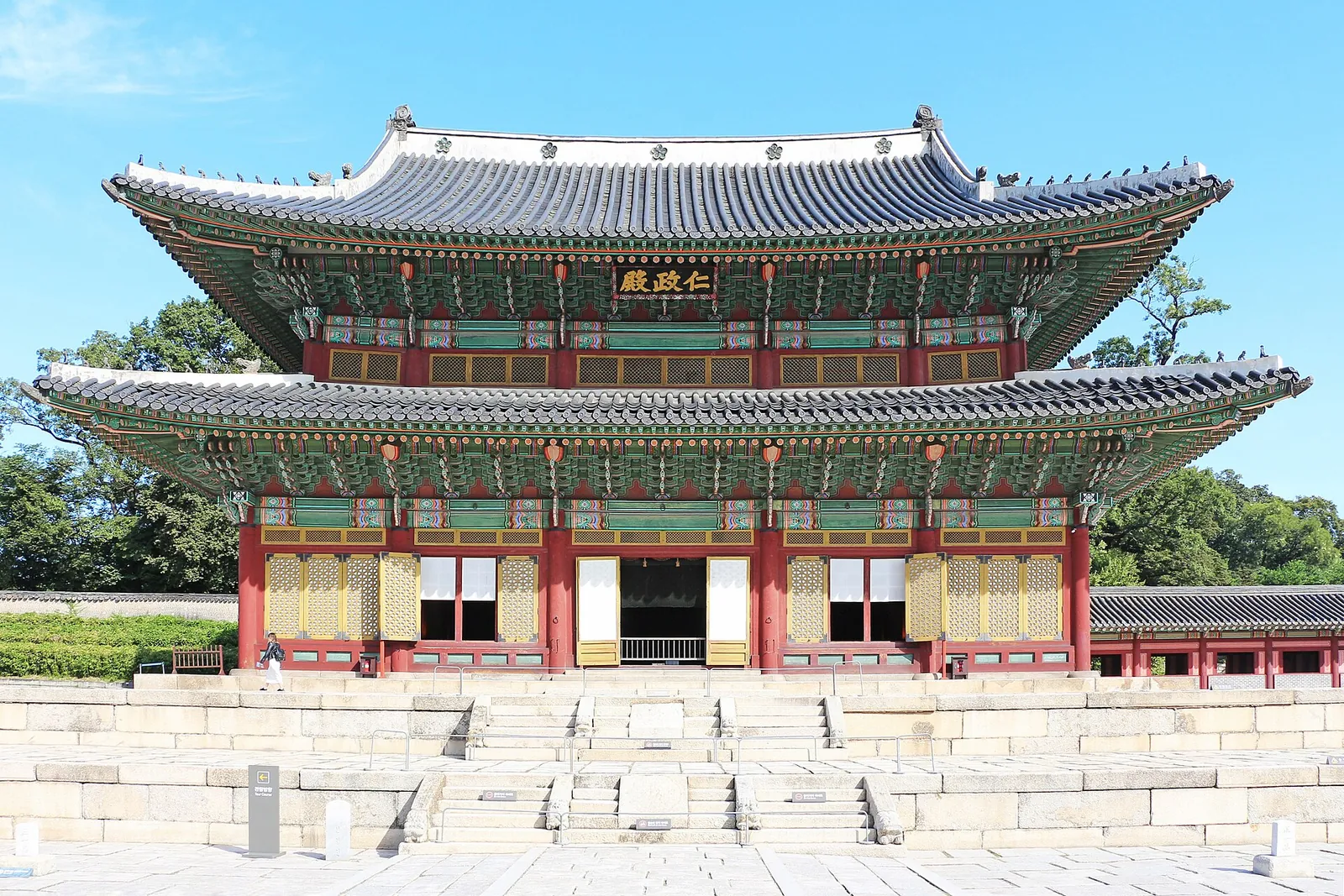
Save your best walking legs for this one: a UNESCO-listed palace, a hidden royal garden, buzzing shopping streets and the city’s most famous viewpoint.
Morning
Head to Changdeokgung (Anguk station, Line 3, about 5 minutes on foot). Of all Seoul’s palaces this is the one built to follow the shape of the hills, and UNESCO listed it as a World Heritage Site in 1997.
- Hours: February to May and September to October 09:00 to 18:00 (last entry 17:00); June to August 09:00 to 18:30 (last entry 17:30); November to January 09:00 to 17:30 (last entry 16:30). Closed Mondays.
- Tickets: palace grounds KRW 3,000 for foreign adults aged 19 to 64. The Secret Garden (Huwon) is a separate KRW 5,000 ticket (ages 19 to 64), and you must also hold a palace ticket to join it.
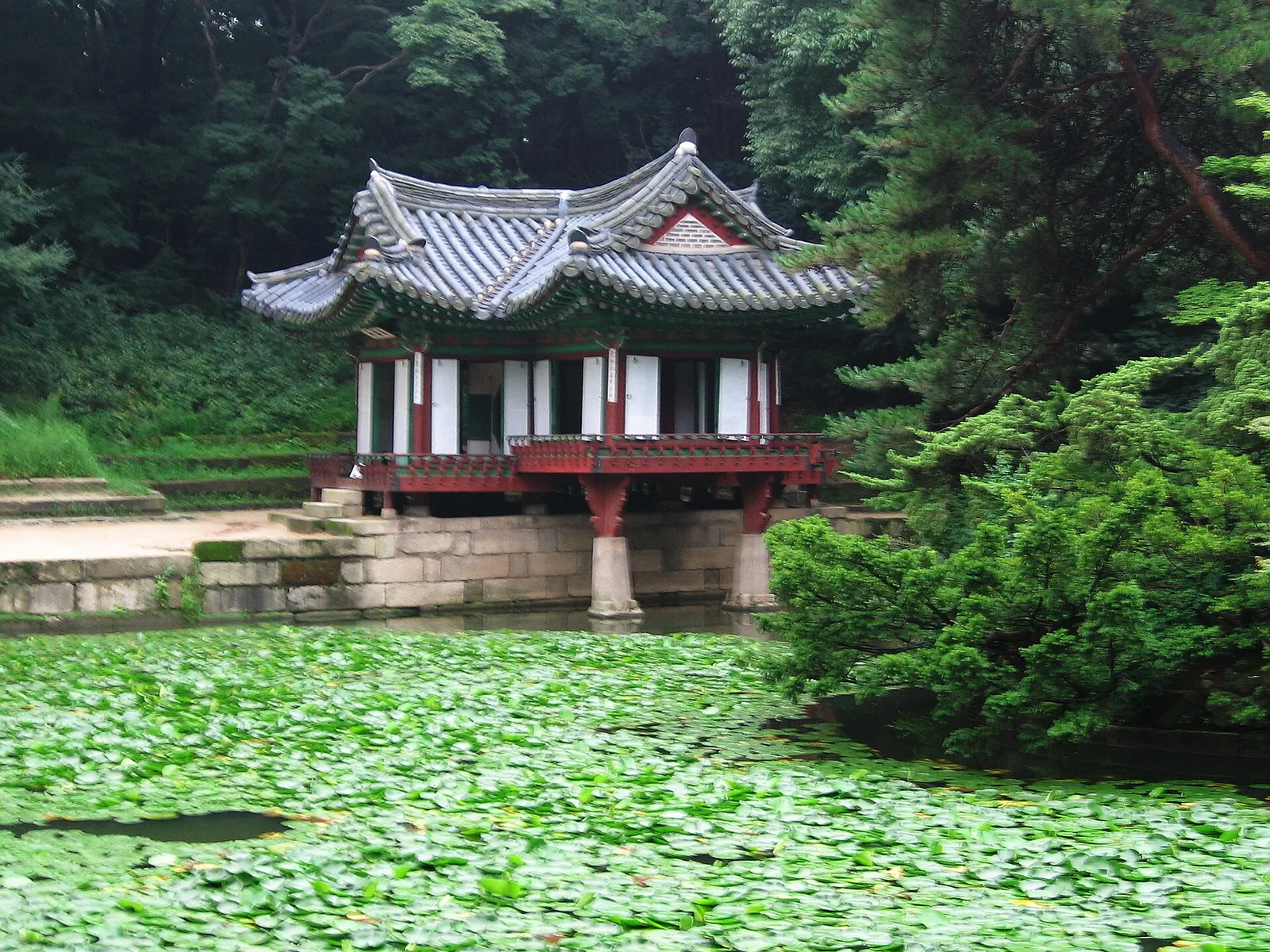
- Secret Garden in English: guided entry Tuesday to Sunday at 10:30, 11:30, 14:30 and 15:30 (March to November), about 70 minutes. Each session takes 100 people, half sold online and half on site, so book ahead on the official reservation site if you have fixed dates. The meeting point is the garden entrance, more than 15 minutes’ walk from the palace gate, so arrive early. The Okryucheon area of the garden is currently closed for repairs.
We’d suggest the 10:30 English tour, then a quick look at the main halls before lunch.
Afternoon
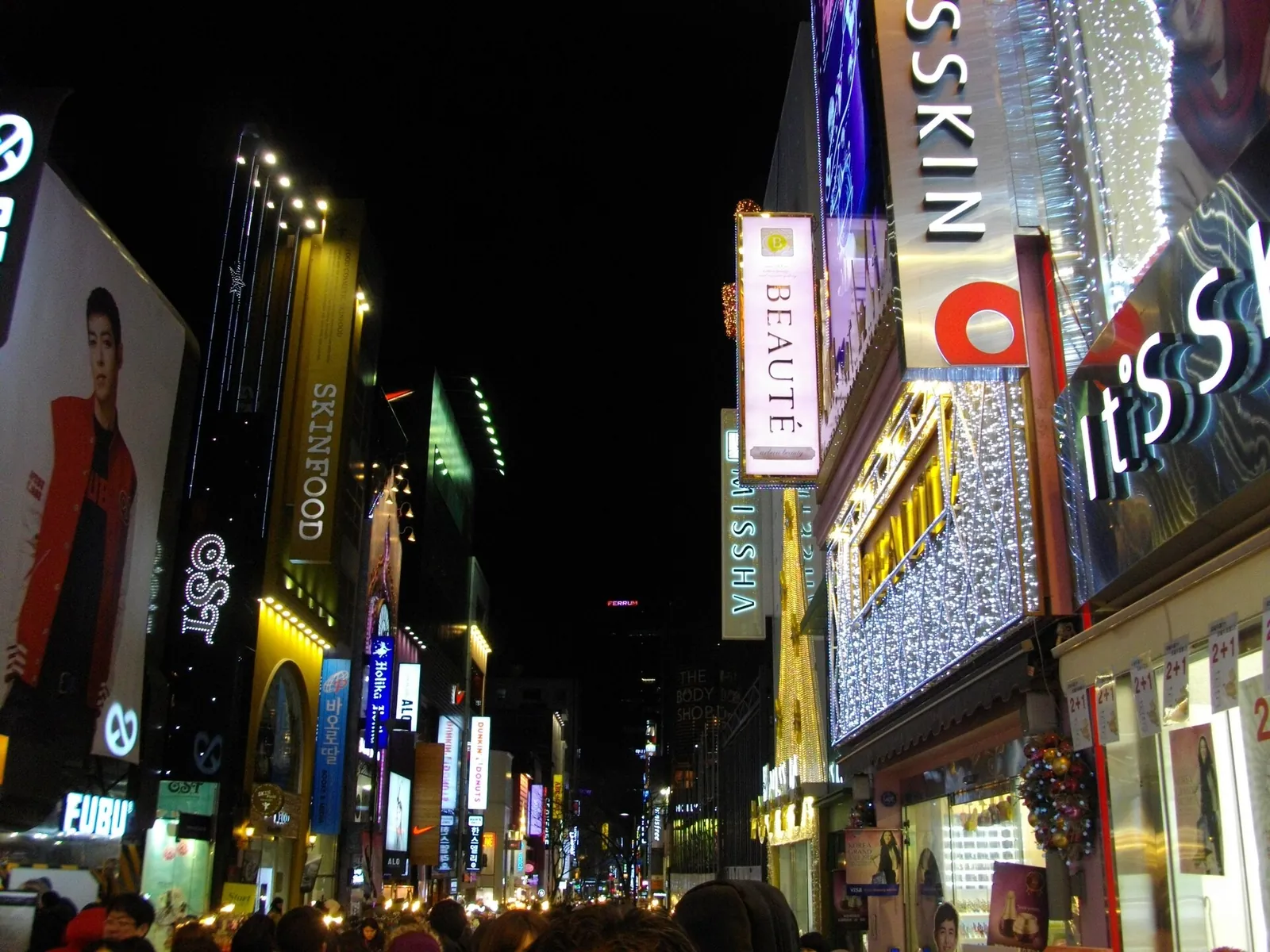
Walk about 10 minutes to Ikseon-dong, a tiny maze of hanok turned into cafés, bakeries and small restaurants. It is a great lunch stop. From there take the subway to Myeongdong (Line 4) for skincare shops, street snacks from early evening and the big department stores around Euljiro.
Evening
From Myeongdong it is a short walk to the foot of Namsan. Ride the cable car or take a local bus up the mountain, or follow the walking trail if you fancy some exercise, then visit N Seoul Tower for the classic panorama of the city as the lights come on. Check hours and observatory prices on the official N Seoul Tower site before you go. The love-lock terraces at the top are free to explore and the view from there is already gorgeous.
Day 3: Gangnam, Lotte World Tower and the Han River
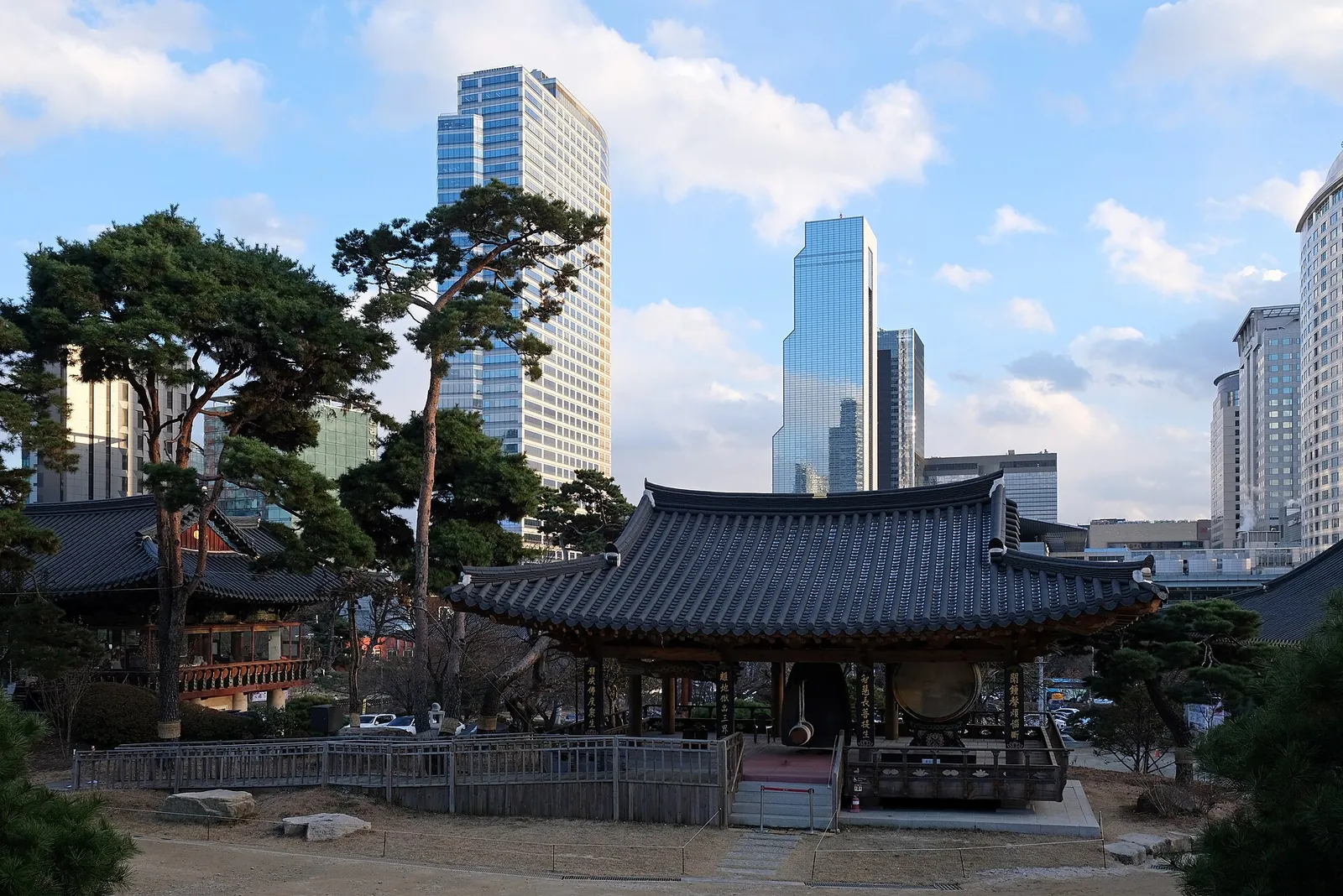
Get ready to see the modern side of Seoul: a peaceful temple in the middle of the business district, a library that looks like a movie set, the country’s tallest building and a fountain show on the river.
Morning
Start at Bongeunsa, a Buddhist temple with roots going back more than a millennium that now sits opposite the COEX complex (Bongeunsa station, Line 9). Its giant standing Maitreya Buddha and quiet courtyards make a lovely contrast with the glass towers around it. Dress modestly and keep your voice low in the halls.
Cross the road (about 5 minutes) to COEX Mall and the Starfield Library, whose towering bookshelves are one of Seoul’s most photographed interiors. It is free to wander in.
Afternoon
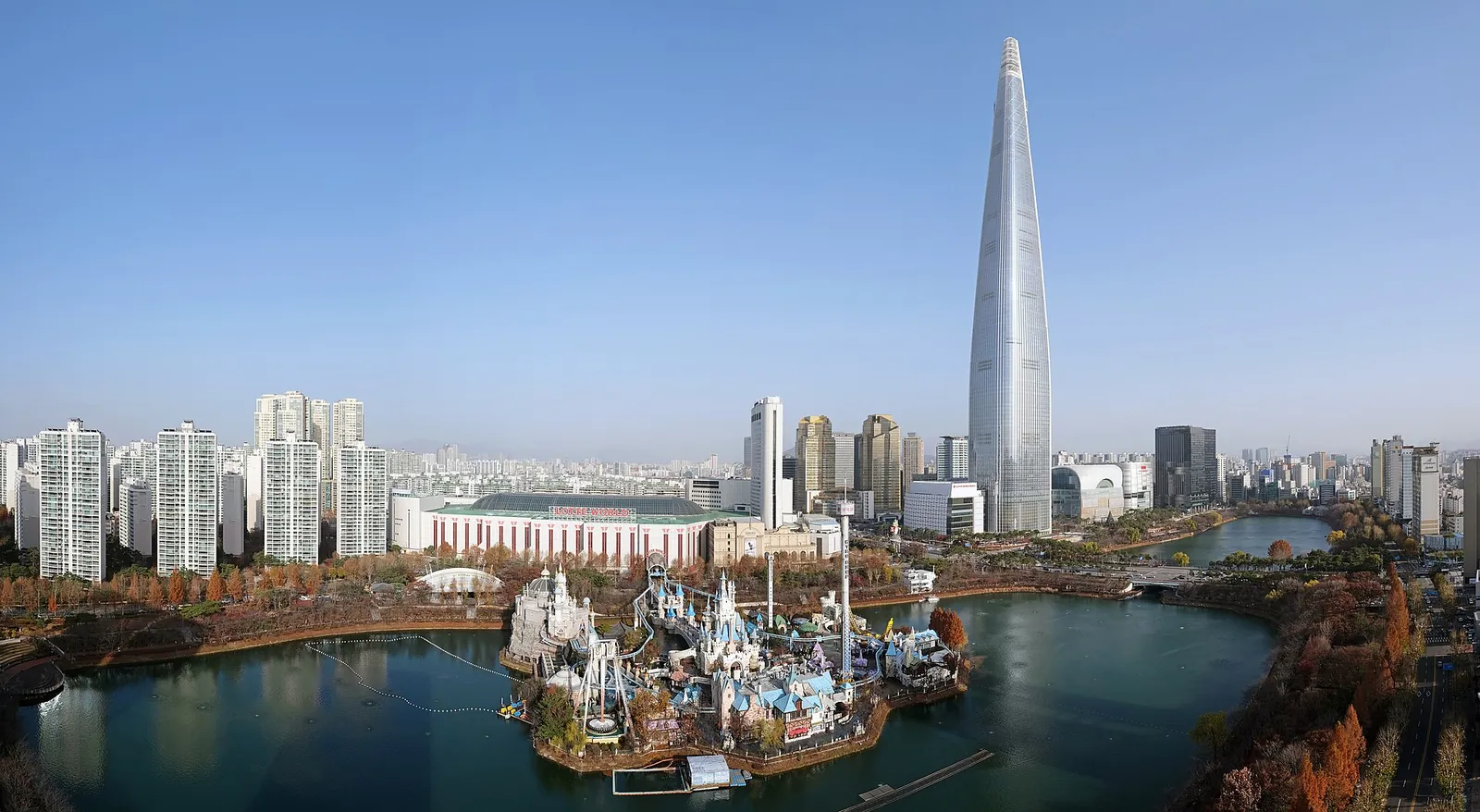
Take Line 2 from Samseong to Jamsil (about 10 minutes) for Lotte World Tower, the tallest building in Korea. The Seoul Sky observatory on the top floors has glass-floor sections and huge views; tickets are timed and prices vary, so book on the official Lotte World Tower site. Afterwards stroll around Seokchon Lake next door, which is especially pretty in cherry blossom season (early April) and autumn.
Evening
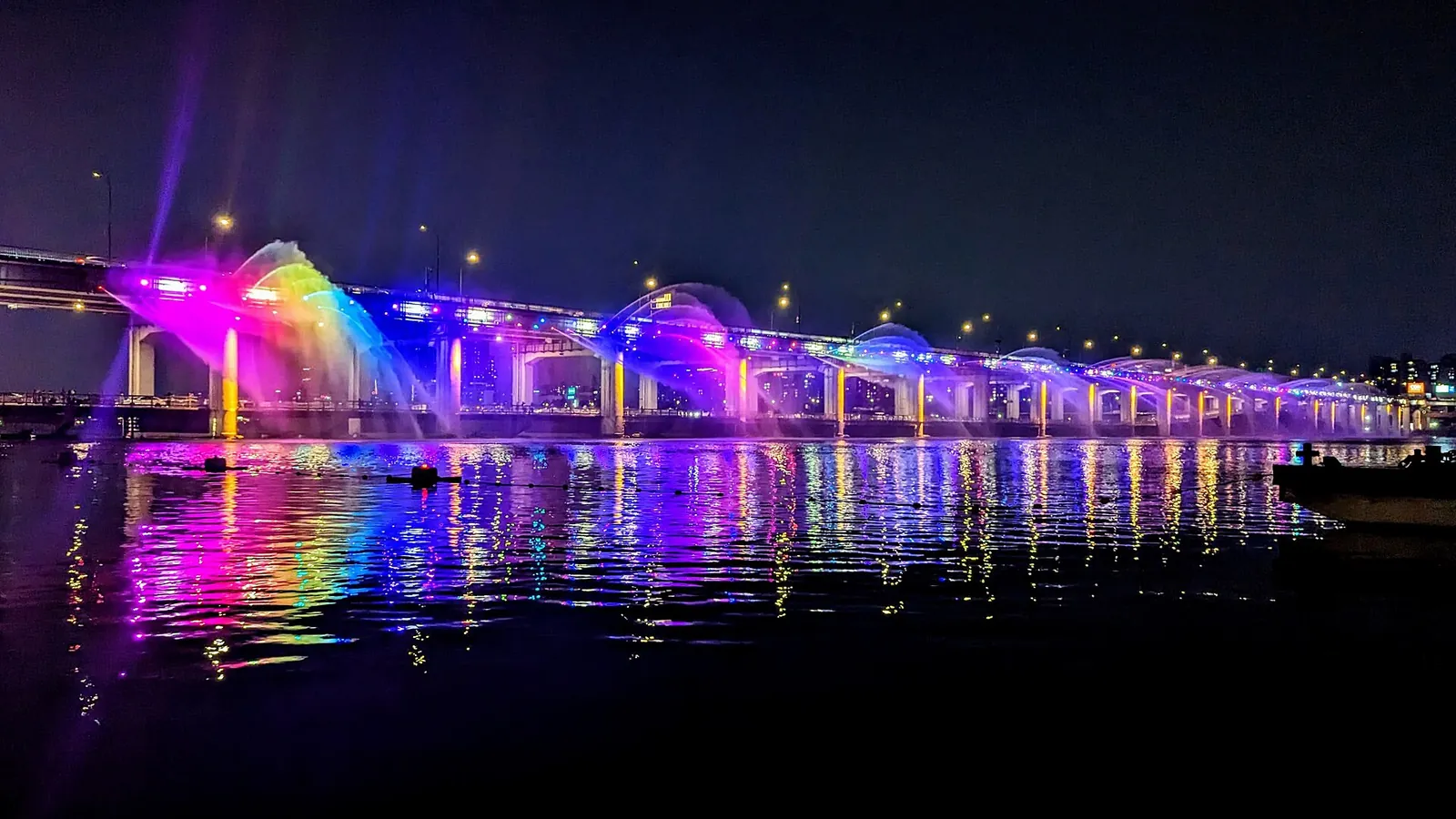
Finish by the river. From mid-March to the end of October the Banpo Bridge Moonlight Rainbow Fountain sends jets of coloured water off the bridge, free of charge, with 20-minute shows at 12:00, 19:30, 20:00, 20:30 and 21:00, plus 21:30 from June to September. Shows are cancelled in rain, in winds of 7 m/s or more, and times can change for events, so check the Hangang Park site on the day. The nearest station is Express Bus Terminal (Lines 3, 7 and 9), about a 15-minute walk to Banpo Hangang Park. Outside the fountain season, the riverside parks are still a wonderful place for a picnic of convenience-store ramyeon and a view of the lit bridges.
Getting there and getting around
From Incheon Airport
The AREX airport railway is the easiest route into the city.
| Option | Journey time | Adult fare |
|---|---|---|
| AREX Express (non-stop to Seoul Station) | 43 min from Terminal 1, 51 min from Terminal 2 | KRW 13,000 (current fare; the listed standard fare is KRW 18,500 from T1 and KRW 19,100 from T2) |
| AREX All-stop train | 59 min from Terminal 1, 66 min from Terminal 2 (some trains a few minutes longer) | distance-based; pay with a T-money card, check the fare table on the AREX site |
Buy Express tickets before boarding at the Express customer centres (basement level 1 of the transport centre at each terminal) or on the AREX website. The All-stop train also stops at Hongik University (Hongdae) and Gongdeok, handy for those neighbourhoods. Airport buses and taxis are also available from the arrivals level.
Around the city
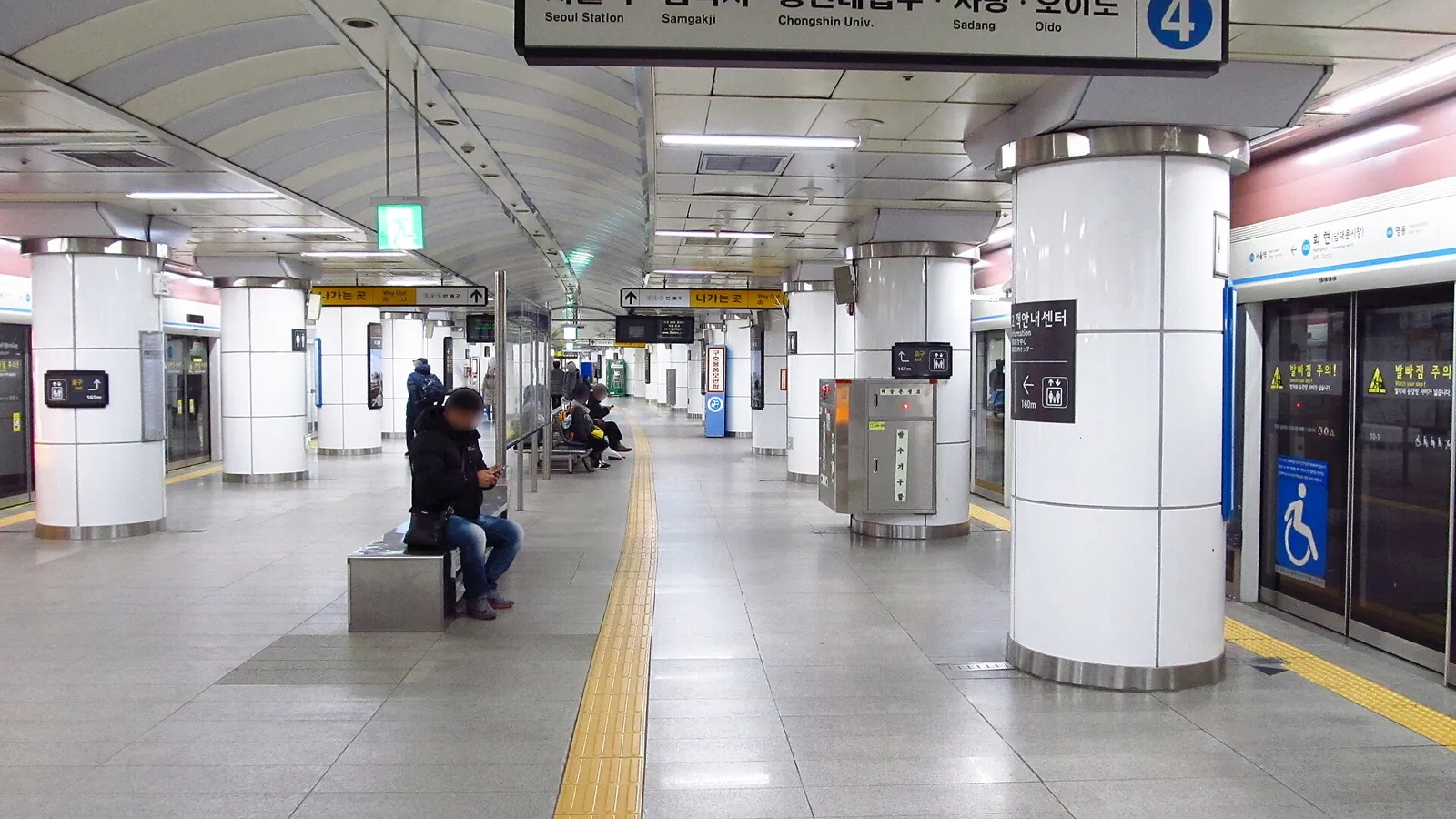
Seoul’s subway is fast, signposted in English and the best way to get around. The capital-area base fare is KRW 1,550 with a transport card for the first 10 km, with small additions for longer trips; single-journey tickets bought with cash cost a little more.
- T-money card: a rechargeable card sold at convenience stores and station machines. Tap in and out on the subway, and tap when boarding and leaving buses so transfers are discounted.
- Climate Card short-term pass: Seoul’s unlimited pass for visitors is sold as 1, 2, 3, 5 and 7-day versions (KRW 5,000, 8,000, 10,000, 15,000 and 20,000 according to the city’s official announcement; check current prices before you buy). It covers Seoul subway lines and Seoul city buses, but not the Shinbundang Line, airport buses or out-of-city express buses. You buy a physical card and charge the pass at a station machine; it starts as soon as it is charged, so do not top it up in advance.
- Taxis: plentiful and good value. Have your destination written in Korean, as many drivers speak little English.
Where to stay
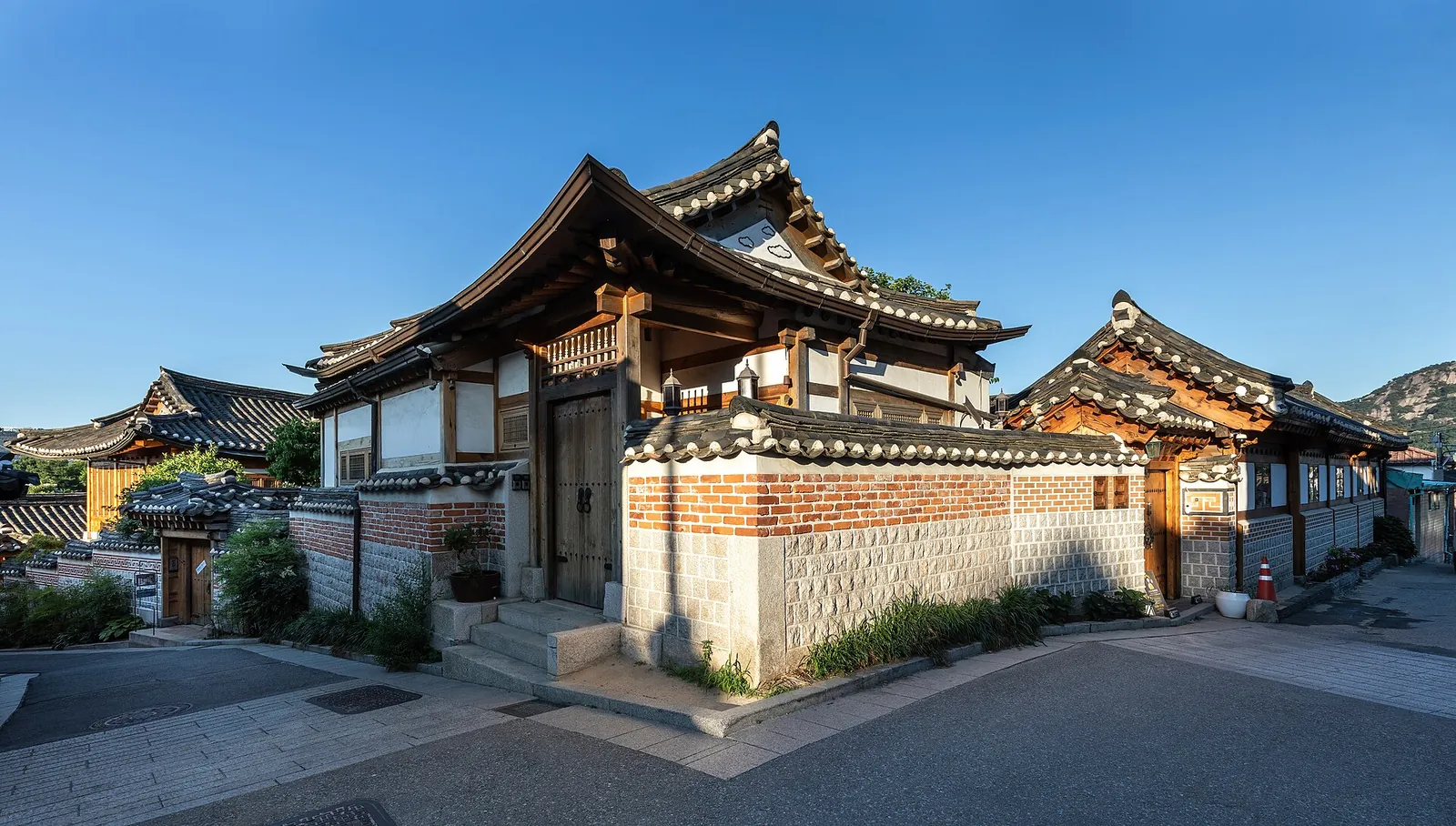
- Jongno and Insadong: the historic heart, within walking distance of both palaces, Bukchon and Gwangjang Market. Best for culture lovers and first-timers.
- Myeongdong and Euljiro: central, packed with shops and street food, close to Namsan and well connected by subway. Good for shoppers and short stays.
- Hongdae: young, lively and full of live music, cafés and nightlife, with a direct All-stop AREX link to the airport. Good for night owls and budget travellers.
- Gangnam: sleek, modern and business-like, near COEX and the Han River. Good if you prefer a newer, quieter base, though it is further from the palaces.
Budget
The daily figure in the summary covers transport and palace tickets only. Food, accommodation, observatories and shopping are extra and vary widely.
| Item | Typical cost |
|---|---|
| Gyeongbokgung ticket (foreign adult) | KRW 3,000 (free in hanbok) |
| Changdeokgung palace ticket | KRW 3,000 |
| Changdeokgung Secret Garden ticket | KRW 5,000 (palace ticket also required) |
| Subway base fare with transport card | KRW 1,550 |
| Climate Card 3-day short-term pass | KRW 10,000 (city’s announced price; check before buying) |
| AREX Express airport train | KRW 13,000 each way |
| Banpo Bridge fountain | Free |
| N Seoul Tower and Seoul Sky observatories | check the official sites |
Excluded: flights, hotel, food, hanbok rental, shopping and observatory tickets.
Practical tips
- Plan around closing days: Gyeongbokgung and Jongmyo Shrine close on Tuesdays; Changdeokgung, Deoksugung and Changgyeonggung close on Mondays.
- Book the Secret Garden: English sessions are capped, with half the places released online.
- Hanbok: wearing one gets you into the royal palaces free, and makes for wonderful photos.
- Respect Bukchon: visit the red zone only between 10:00 and 17:00, keep noise down and do not enter private gates.
- Entry paperwork: many visa-free visitors need a K-ETA before departure, and all foreign visitors submit an arrival card (online e-Arrival Card up to three days ahead, or on paper). Rules depend on your nationality and some countries have temporary K-ETA exemptions, so check the official K-ETA portal, the e-Arrival Card portal and the Korea Visa Portal for your passport.
- Money: cards are accepted almost everywhere, but keep some cash for market stalls.
- SIM and eSIM: tourist SIMs and eSIMs are sold at Incheon Airport and online; a data plan makes map and translation apps much easier to use.
Heads-up: what to watch out for
Seoul is a joy to explore, and a few simple habits keep it that way.
- Check palace closing days: Gyeongbokgung shuts every Tuesday and Changdeokgung every Monday, so a mixed-up plan can mean a closed gate. Easy fix: match Day 1 and Day 2 to the closing days before you go.
- Mind the Bukchon curfew: in the red zone of Bukchon Hanok Village, tourist visits outside 10:00 to 17:00 can bring a KRW 100,000 fine. Visit during the day and keep your voice down, since people live there.
- Use legitimate taxis and keep valuables close: crime against visitors is rare, but thefts happen in crowded spots and nightlife areas such as Itaewon. Take licensed taxis or public transport at night and keep your passport and cards secure.
- Zero tolerance on drugs: even a small amount of marijuana for personal use can mean a long prison sentence, and visitors have been detained on the basis of drug tests alone. Simply do not go there.
- Apply for K-ETA only on the official site: look-alike websites offering K-ETA services are generally scams. Use k-eta.go.kr directly, and leave up to 72 hours for approval.
- Sirens during civil defence drills: South Korea holds civil emergency drills with sirens, during which traffic stops. You do not have to take part, but follow officials’ instructions.
- Avoid large demonstrations: protests are common, especially at times of political tension, and are mostly peaceful. Give large gatherings a wide berth and follow local news.
- Summer rain and typhoons: heavy rain in June and July can cause flash floods, and typhoon season runs from June to November. Check the Korea Meteorological Administration forecast and have an indoor backup plan (museums, COEX, markets).
FAQ
Is 3 days enough for Seoul?
Three days covers the headline sights comfortably: the two main palaces, Bukchon, a market, Namsan and Gangnam. With more time, add a DMZ tour, the National Museum of Korea or a day trip to Suwon.
Do I need to book palace tickets in advance?
Not for Gyeongbokgung or the main Changdeokgung grounds; tickets are sold at the gate. The Changdeokgung Secret Garden is different: entry is by timed, capped session, so book online if you can.
Can tourists really get into the palaces free in hanbok?
Yes. The free-admission rule applies to Korean and foreign visitors alike, and both traditional and modern everyday hanbok count.
What is the fastest way from Incheon Airport to Seoul?
The AREX Express train reaches Seoul Station in 43 minutes from Terminal 1 and 51 minutes from Terminal 2, for KRW 13,000.
When does the Banpo Bridge fountain run?
From 15 March to the end of October, with shows at 12:00 and in the evening from 19:30. It is cancelled in rain or strong wind.
When is the best time to visit Seoul?
Spring (April to May) and autumn (late September to November) bring the most comfortable weather, cherry blossoms and autumn leaves. June and July can bring heavy rain, and the typhoon season runs from June to November.
Sources
Prices, hours and rules change. We checked these on 22 October 2026; please confirm on the official page before you book.
- Royal Palaces and Tombs Center: Visiting hours and regular closing days
- Royal Palaces and Tombs Center: Admission fees
- Royal Palaces and Tombs Center: Free admission in hanbok guideline
- Royal Palaces and Tombs Center: Guided tours (Changdeokgung Secret Garden)
- Royal Palaces and Tombs Center: Gyeongbokgung October-November 2026 operation notice
- Royal Palaces and Tombs Center: Gyeongbokgung (notices incl. Geunjeongjeon platform restriction)
- AREX Airport Railroad: Express train introduction (fare and journey time)
- AREX Airport Railroad: All-stop train introduction (journey time)
- AREX Airport Railroad: All-stop train fare system
- Seoul Metropolitan Government: Climate Card short-term passes
- Seoul Metropolitan Government: Bukchon special management area visitor restrictions
- Hangang Park (Seoul): Banpo Bridge Moonlight Rainbow Fountain
- N Seoul Tower: official site
- Lotte World Tower: official site
- K-ETA: official application portal
- Korea e-Arrival Card: official portal
- Korea Visa Portal
- UK FCDO: South Korea travel advice, Entry requirements
- UK FCDO: South Korea travel advice, Safety and security
Photo credits (12)
- Gyeonghoeru Pavilion reflected in its pond at Gyeongbokgung: Frank Schulenburg, CC BY-SA 4.0, via Wikimedia Commons
- Geunjeongjeon throne hall at Gyeongbokgung under a blue sky: Basile Morin, CC BY-SA 4.0, via Wikimedia Commons
- Hanok-lined Bukchon-ro 11-gil lane in Bukchon Hanok Village: Basile Morin, CC BY-SA 4.0, via Wikimedia Commons
- Golden jeon pancakes piled high at Gwangjang Market: Pfc. Bo Park, 2ID PAO, US Army, Public domain, via Wikimedia Commons
- Injeongjeon Hall at Changdeokgung Palace on a sunny day: Bernard Gagnon, CC0, via Wikimedia Commons
- Buyongjeong pavilion by the lotus pond in the Secret Garden: No machine-readable author provided. IGEL assumed (based on copyright claims)., CC BY-SA 3.0, via Wikimedia Commons
- Neon shop signs lighting up Myeongdong at night: Abasaa, Public domain, via Wikimedia Commons
- Bongeunsa Temple hall with Gangnam towers behind: kallerna, CC BY-SA 4.0, via Wikimedia Commons
- Lotte World Tower above Seokchon Lake in autumn: kallerna, CC BY-SA 4.0, via Wikimedia Commons
- Banpo Bridge Moonlight Rainbow Fountain glowing over the Han River: Wvdp, CC0, via Wikimedia Commons
- Hanok houses glowing at golden hour in Bukchon: Basile Morin, CC BY-SA 4.0, via Wikimedia Commons
- Clean, bright platform at Hoehyeon station on Line 4: LERK, CC BY-SA 4.0, via Wikimedia Commons
This is a researched plan, not a personal trip report. How we research · Affiliate disclosure