
3 Days in Seville: A Day-by-Day Itinerary
Three walkable days in Seville: the Real Alcázar, the Cathedral and Giralda, Plaza de España, Triana and Las Setas, with verified 2026 prices and airport options.
- 🗓️ Trip length
- 3 days
- ☀️ Best time
- Spring and autumn
- 💰 Daily spend
- About EUR 15 a day for core sights and buses, plus room and meals
- ✅ Facts checked
- 24 October 2026
Get ready for orange-scented squares, tiled palaces and long, lively evenings. Seville packs a Moorish royal palace, one of the largest Gothic cathedrals anywhere and a riverside neighbourhood famous for ceramics and flamenco into a compact, walkable centre. This 3-day plan suits first-time visitors, couples, families and friends on a city break who want the big icons without racing between them.
The pace is relaxed but full: one headline sight each morning, a slower afternoon, and evenings for tapas and strolling. Almost everything is on foot, so pack comfortable shoes. We suggest booking two things before you fly: a timed ticket for the Real Alcázar and one for the Cathedral and Giralda.
At a glance
| Day | Area | Highlights |
|---|---|---|
| 1 | Santa Cruz and the Cathedral quarter | Real Alcázar, Cathedral and Giralda, Barrio de Santa Cruz |
| 2 | Parque de María Luisa, the river and Triana | Plaza de España, Torre del Oro, Triana market streets, Calle Betis at sunset |
| 3 | El Centro and the north of the old town | Museo de Bellas Artes, Metropol Parasol (Las Setas), Antiquarium, Alameda de Hércules |
Day 1: Palaces, the Cathedral and Santa Cruz
Morning
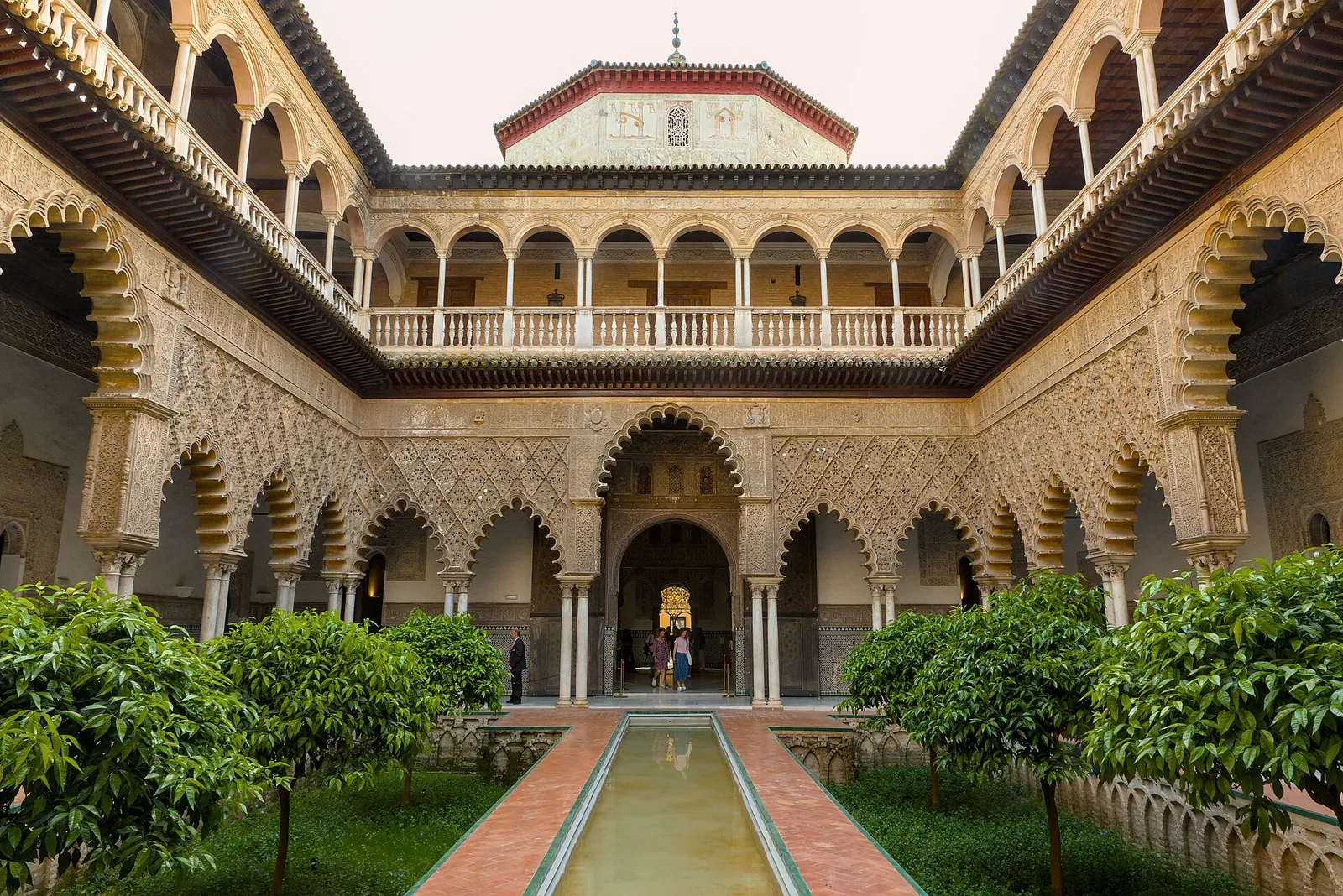
Your first morning opens with pure wow: start at the Real Alcázar, a royal palace still in use, with layered Mudéjar courtyards and huge gardens. From 1 October to 31 March it opens 09:30 to 17:00; from 1 April to 30 September it opens 09:30 to 19:00. It is closed on 1 and 6 January, Good Friday and 25 December.
General admission is EUR 15.50, and the upper royal rooms (Cuarto Real Alto) cost an extra EUR 5.50. A reduced EUR 8 ticket covers visitors over 65 and students aged 14 to 30, now for all nationalities, with ID shown at the gate. Children up to 13 enter free with an adult but still need a free ticket. The box office in the Patio de Banderas opens from 09:00 and only takes card payments, so we strongly suggest you book a timed ticket on the official site and aim for the first slot.
Allow around 2.5 to 3 hours, including the gardens. Bonus: the official site says the general ticket also covers the Antiquarium and the Museo de la Cerámica de Triana, both on this itinerary, so keep your ticket and check the conditions.
Afternoon
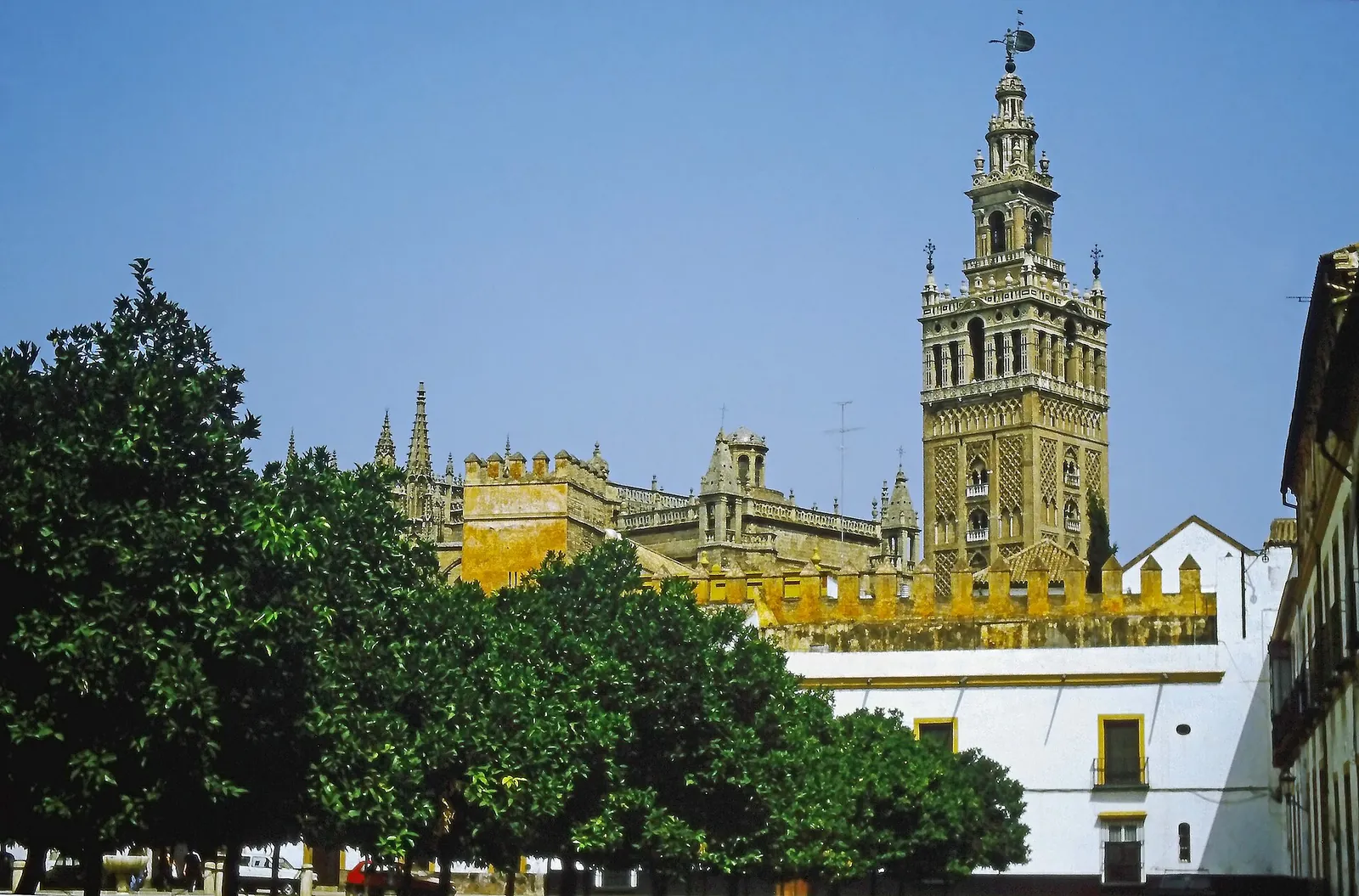
The Cathedral is a two-minute walk from the Alcázar exit across Plaza del Triunfo. Grab lunch nearby first, then use your timed entry for the Cathedral and Giralda.
The official schedule lists visits Monday to Saturday from 10:45 and Sunday from 14:30, with ticket sales closing at 18:00. Hours can change for worship, so check the Cathedral’s agenda for your date. Tickets cost EUR 13 online or EUR 14 at the box office; reduced tickets are EUR 7 online or EUR 8 on site for over-65s and students up to 25. The visit also includes the Iglesia Colegial del Divino Salvador, a beautiful baroque church about 10 minutes’ walk north.
Online tickets enter by the Puerta del Lagarto; box office tickets use the Puerta del Príncipe (San Cristóbal). The visit starts with the Giralda climb, which is 34 ramps and 17 steps rather than a staircase. Allow about 90 minutes in total.
Evening
Wander east into the Barrio de Santa Cruz, the old Jewish quarter, a maze of whitewashed lanes, patios and small plazas just behind the Alcázar walls. It is lovely in the golden hour. Settle into a tapas bar here or in nearby Alfalfa (about 10 minutes’ walk north). If you want flamenco tonight, several small venues in Santa Cruz and the centre run shows: book directly on the venue’s own website and check the current price there.
Day 2: Plaza de España, the river and Triana
Morning
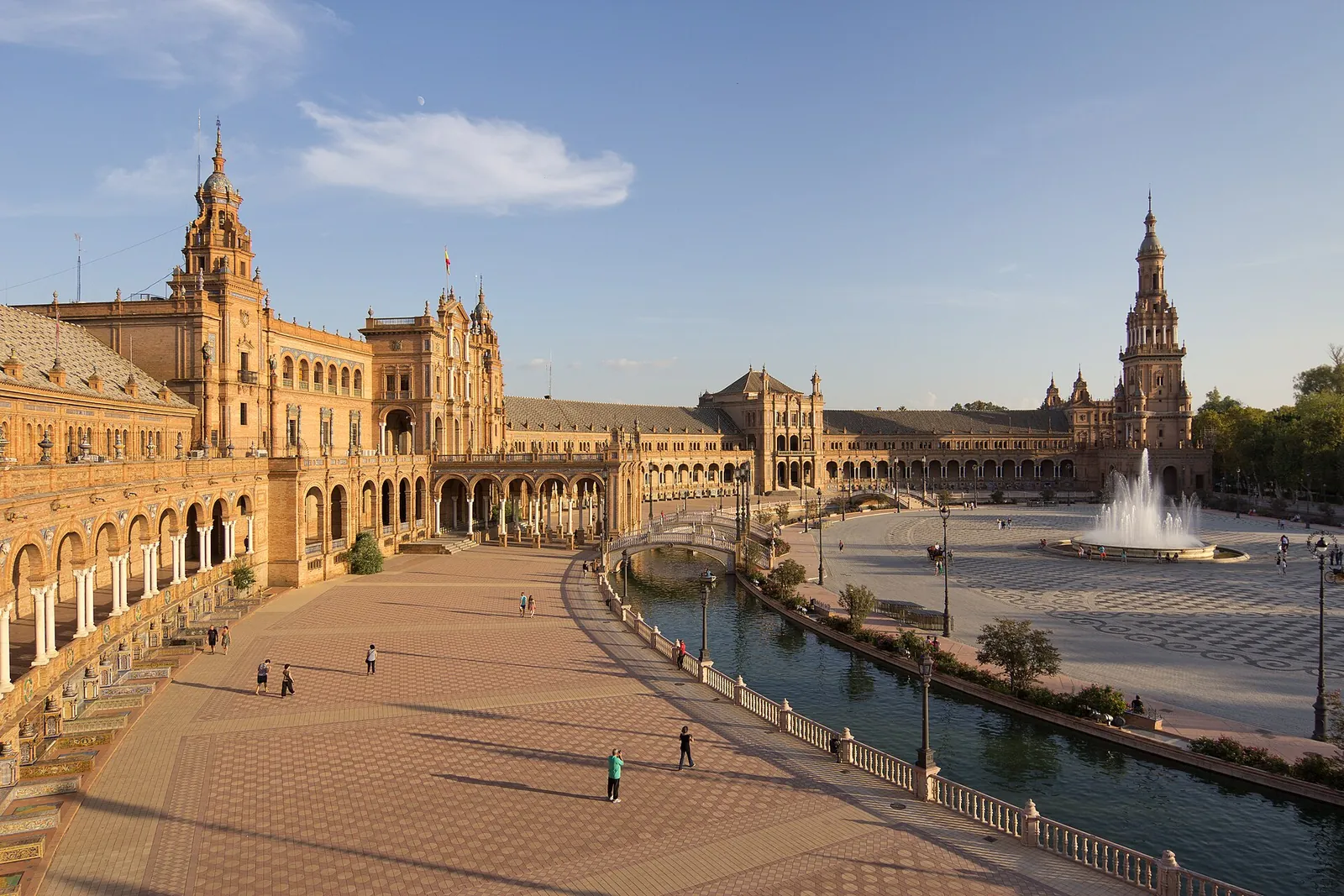
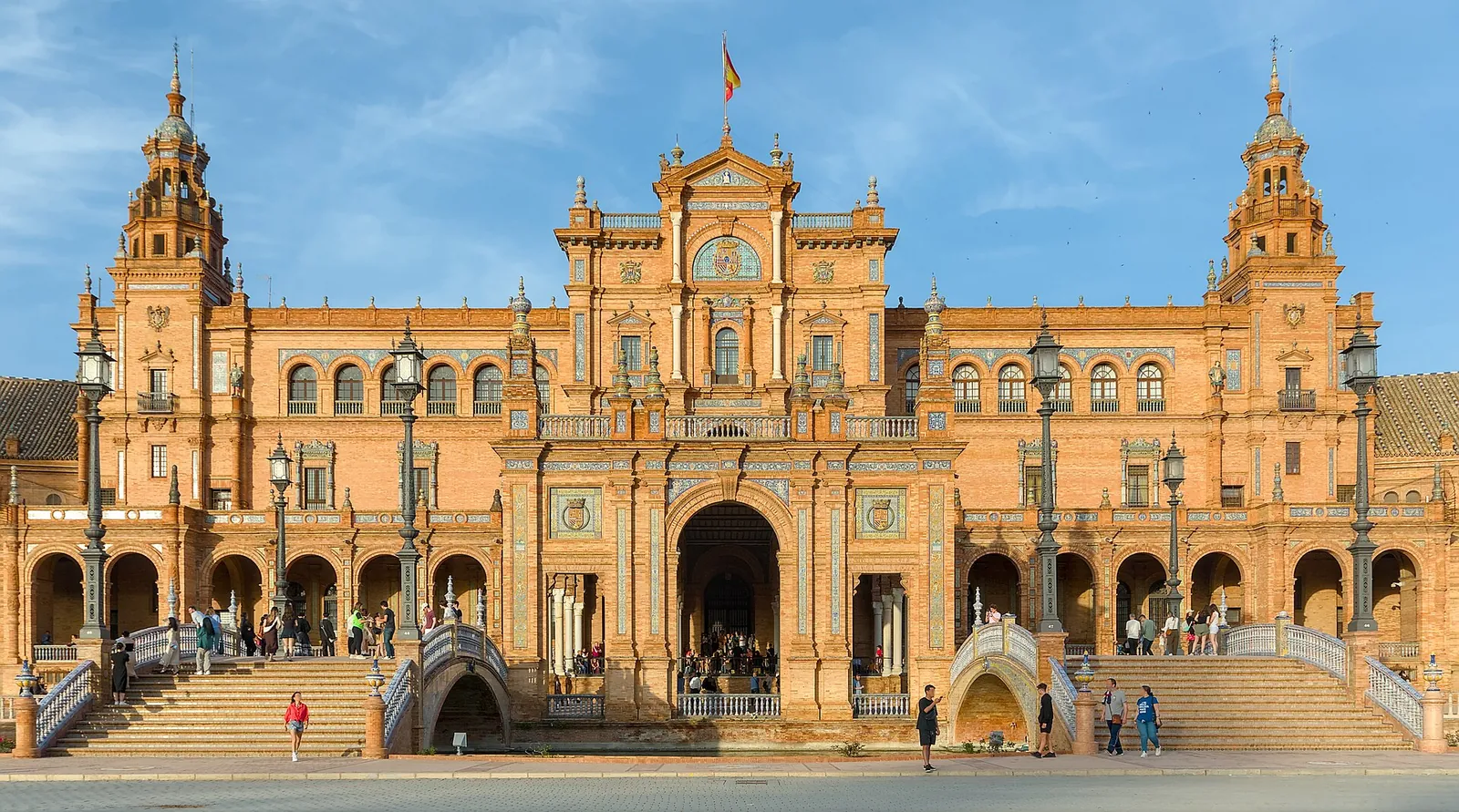
This is the day for Seville’s showstopper square. From Santa Cruz, walk about 15 to 20 minutes south through the shady Parque de María Luisa to Plaza de España. This sweeping semicircle of brick, tiled benches and bridges over a canal was built for the 1929 Ibero-American Exposition, and it is a public space you can stroll freely. Look for the tiled alcoves representing Spanish provinces, and go early for softer light and fewer crowds.
Give yourself time in the park afterwards: fountains, pavilions and ponds make it a calm spot before the day warms up.
Afternoon
Walk back towards the river along the Paseo de las Delicias to the Torre del Oro, a 13th-century watchtower on the Guadalquivir, around 15 to 20 minutes on foot. Opening times and any entry fee change, so check the official information before you go if you want to step inside.
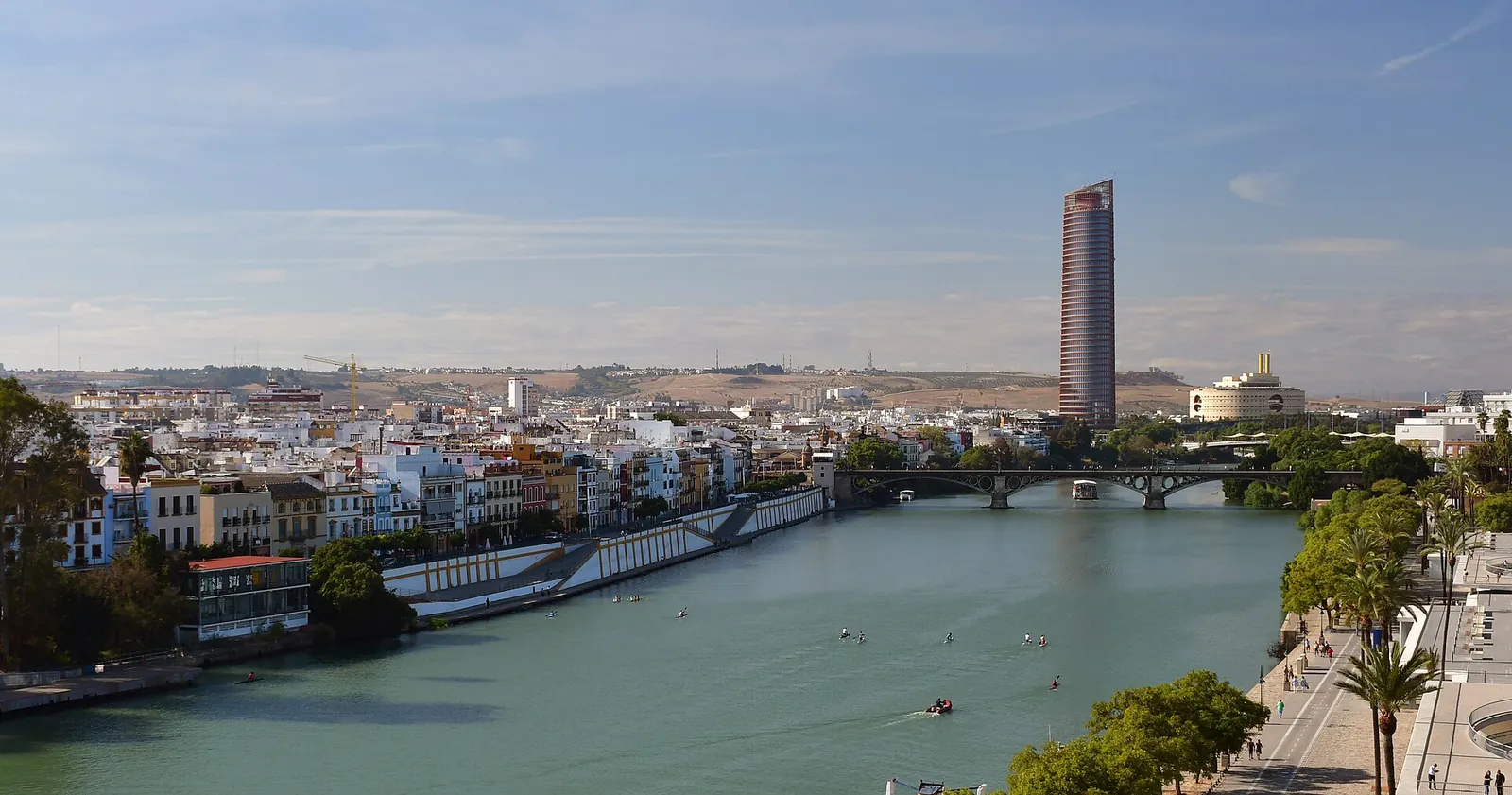
Continue north along the riverside promenade for about 10 minutes, then cross the Puente de Isabel II (the Triana bridge) into Triana. At the far end of the bridge you will find the Mercado de Triana, a busy food market built over the remains of the Castillo de San Jorge. Nearby, the Museo de la Cerámica de Triana tells the story of the district’s tile and pottery workshops; remember your Alcázar ticket. Check opening hours for both on their official pages, as afternoon closures are common in Seville.
Then browse ceramic shops along Calle Alfarería and Calle Antillano Campos, where many façades are covered in tiles.
Evening
Find a spot on Calle Betis, the riverside street facing the old town, for sunset views of the Torre del Oro and the Giralda. Triana is a classic place for an evening tapeo, hopping between small bars. Walk back across the bridge afterwards: it is about 15 minutes to the Cathedral.
Day 3: Art, Las Setas and the lively north
Morning
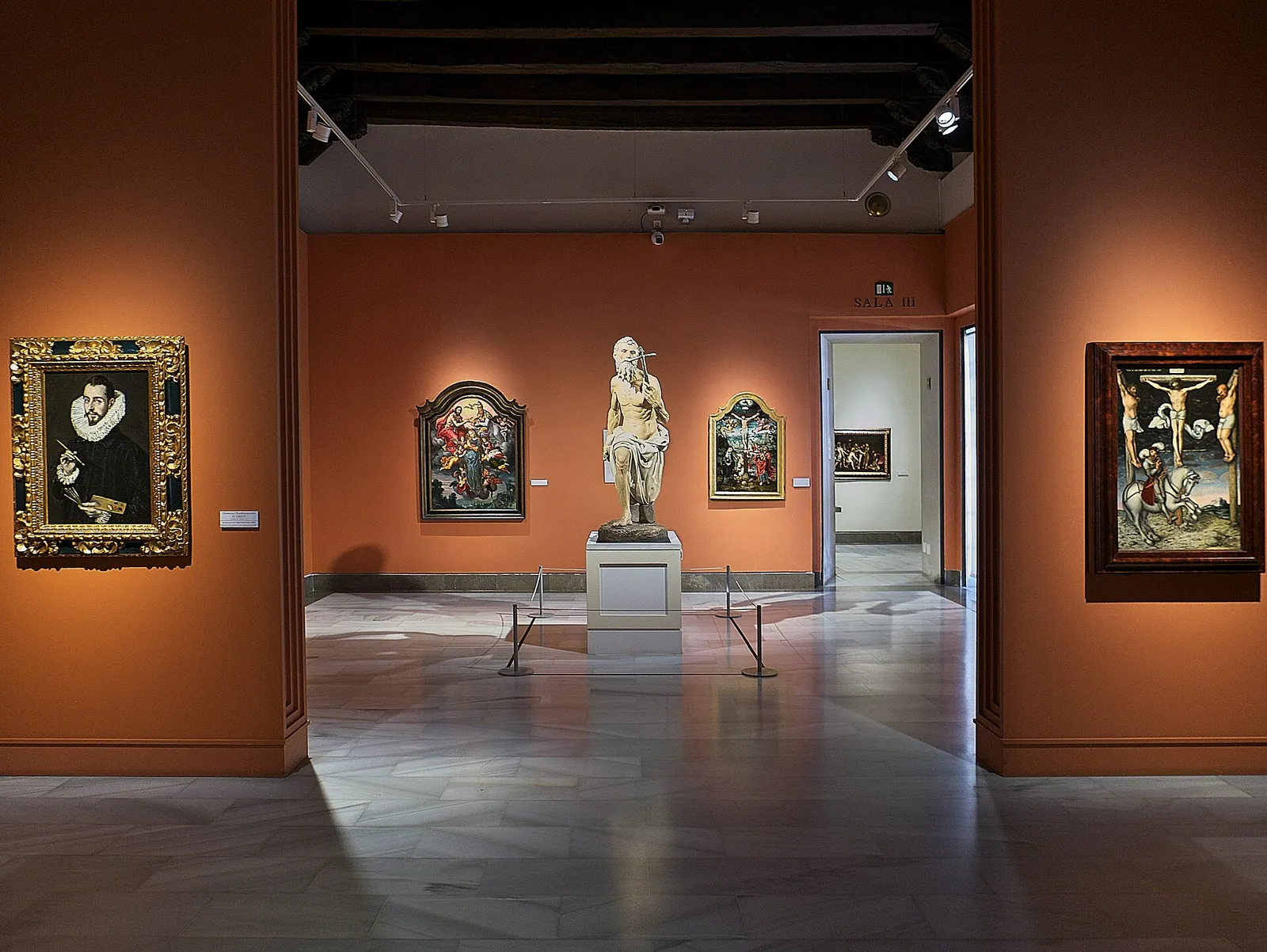
Save your last day for art, views and the city’s livelier side. Start at the Museo de Bellas Artes de Sevilla, housed in a former convent with gorgeous cloisters and a superb collection of Spanish baroque painting, including Murillo and Zurbarán. From 1 September to 31 July it opens Tuesday to Saturday 09:00 to 21:00 and Sundays and holidays 09:00 to 15:00; in August it opens 09:00 to 15:00 daily except Monday. It is closed on Mondays (except Mondays before a holiday) and on 1 and 6 January, 1 May and 24, 25 and 31 December. Entry is EUR 1.50, and free for EU citizens with ID. If your Day 3 is a Monday, simply swap this morning with Day 2.
The museum is about 10 to 15 minutes’ walk from the Cathedral and about 15 minutes from Las Setas.
Afternoon
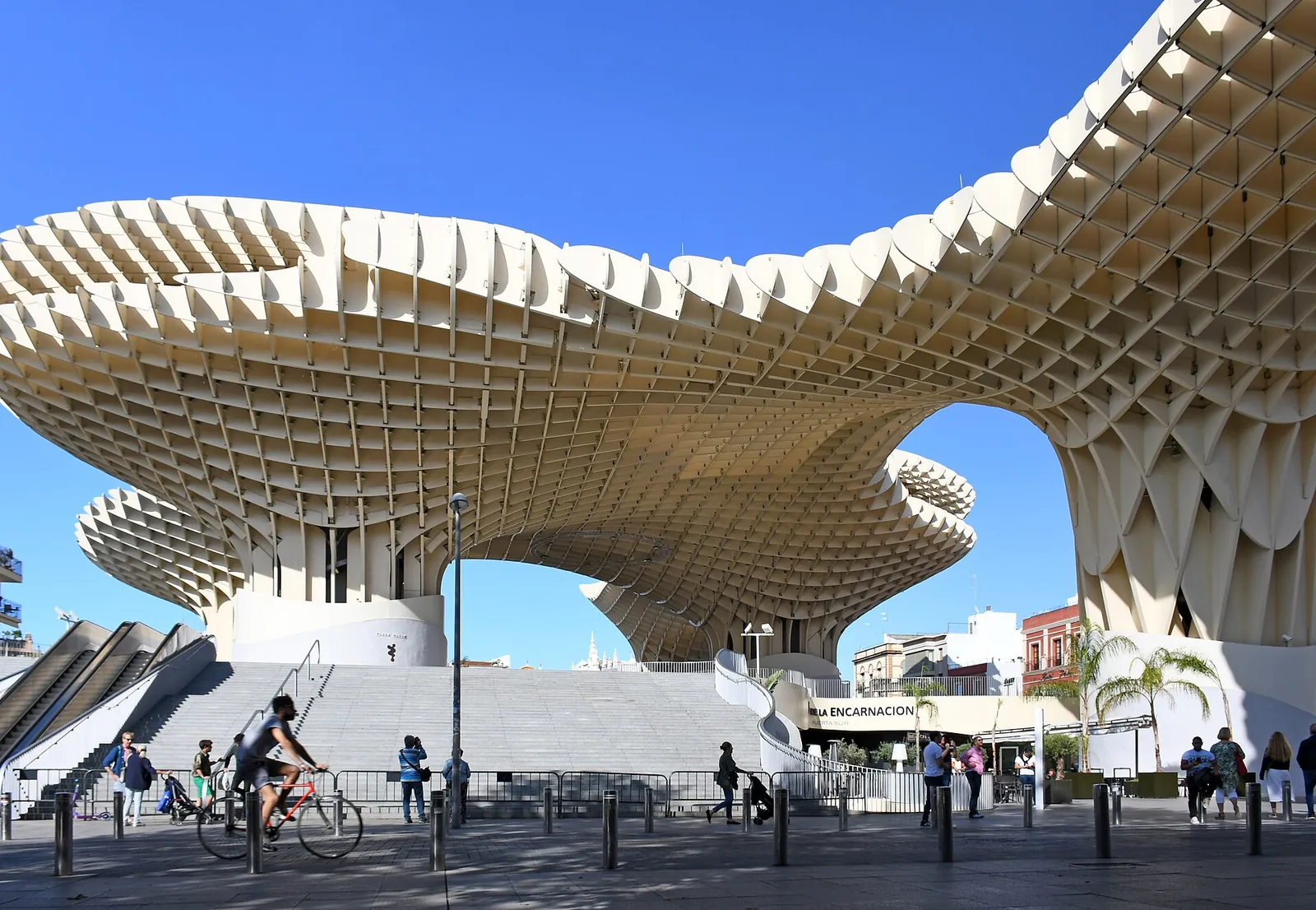
Walk east to Plaza de la Encarnación and the Metropol Parasol, the giant wooden canopy locals call Las Setas (the mushrooms). Underground is the Antiquarium, with Roman and Moorish remains found during construction, included with your Alcázar general ticket. Up top there is a walkway with views over the rooftops; for current tickets, time slots and prices, check the official Las Setas website before you go.
Afterwards, continue north for about 10 minutes to the Alameda de Hércules, a long tree-lined square with cafés and bars, and Calle Feria, one of the city’s most local shopping streets.
Evening
Head back to Las Setas for a sunset walk on the viewpoint if you saved it for later, then finish with dinner in El Centro or Alfalfa. If you are flying out the next morning, the Line EA airport bus stops along the edge of the old town, so check the TUSSAM timetable and your nearest stop tonight.
Getting there and getting around
From the airport by bus. TUSSAM’s Line EA (Especial Aeropuerto) runs from Seville airport to the city centre. A single costs EUR 6 and a return costs EUR 8 (valid for the return on the same day or the next day). Buy at the ticket office or machines in the arrivals hall, or on board with cash or card. Journey times depend on traffic, so check the timetable on tussam.es.
From the airport by taxi. Seville has an official fixed airport fare shown on the meter: EUR 26 on working weekdays between 07:00 and 21:00, and EUR 29 at night, on weekends and holidays, and on 24 and 31 December. Use the official taxi rank, and know that you have the right to an official receipt.
By train. Long-distance trains arrive at Santa Justa station. Taxis from Santa Justa carry an official EUR 3.70 supplement on top of the meter.
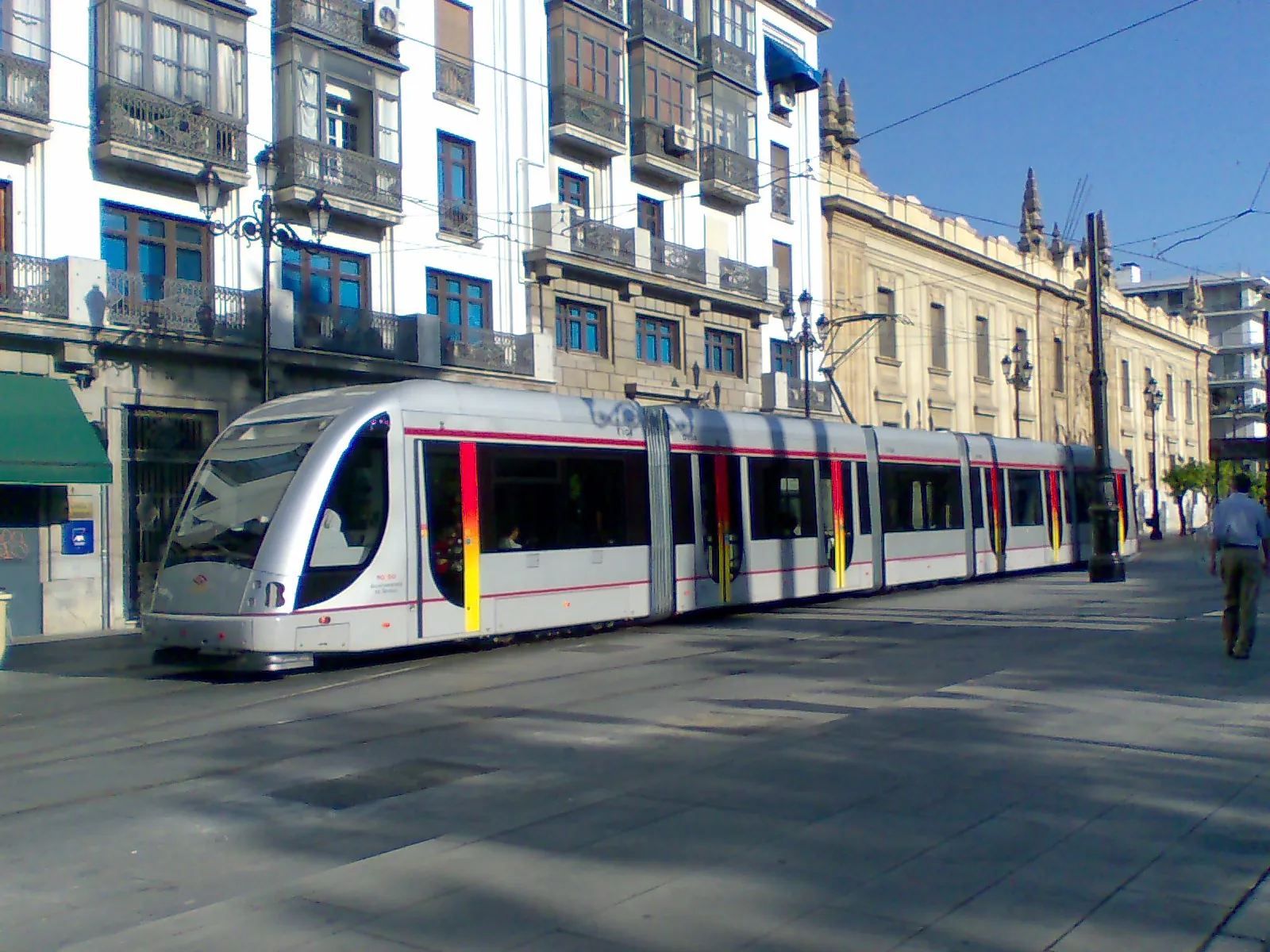
Buses and tram. TUSSAM runs city buses and the Metrocentro tram. The rechargeable Tarjeta Multiviaje (minimum top-up EUR 7) works on all TUSSAM bus and tram lines, can be shared by a group, and makes each trip much cheaper than a single ticket. There is also a 3-day tourist card at EUR 10 for unlimited trips, plus a EUR 1.50 refundable card deposit. Check current per-trip fares on tussam.es.
Metro. Metro de Sevilla Line 1 crosses the city, with useful stations such as Puerta Jerez (by the Alcázar) and San Bernardo. Most visitors will barely need it in the old town; check fares on the operator’s site.
Visa and entry. Spain is part of the Schengen Area, and requirements depend on your passport and residence. Rules can change, so check the official guidance from Spain’s Ministry of Foreign Affairs (https://www.exteriores.gob.es) or your nearest Spanish consulate well before booking.
Where to stay
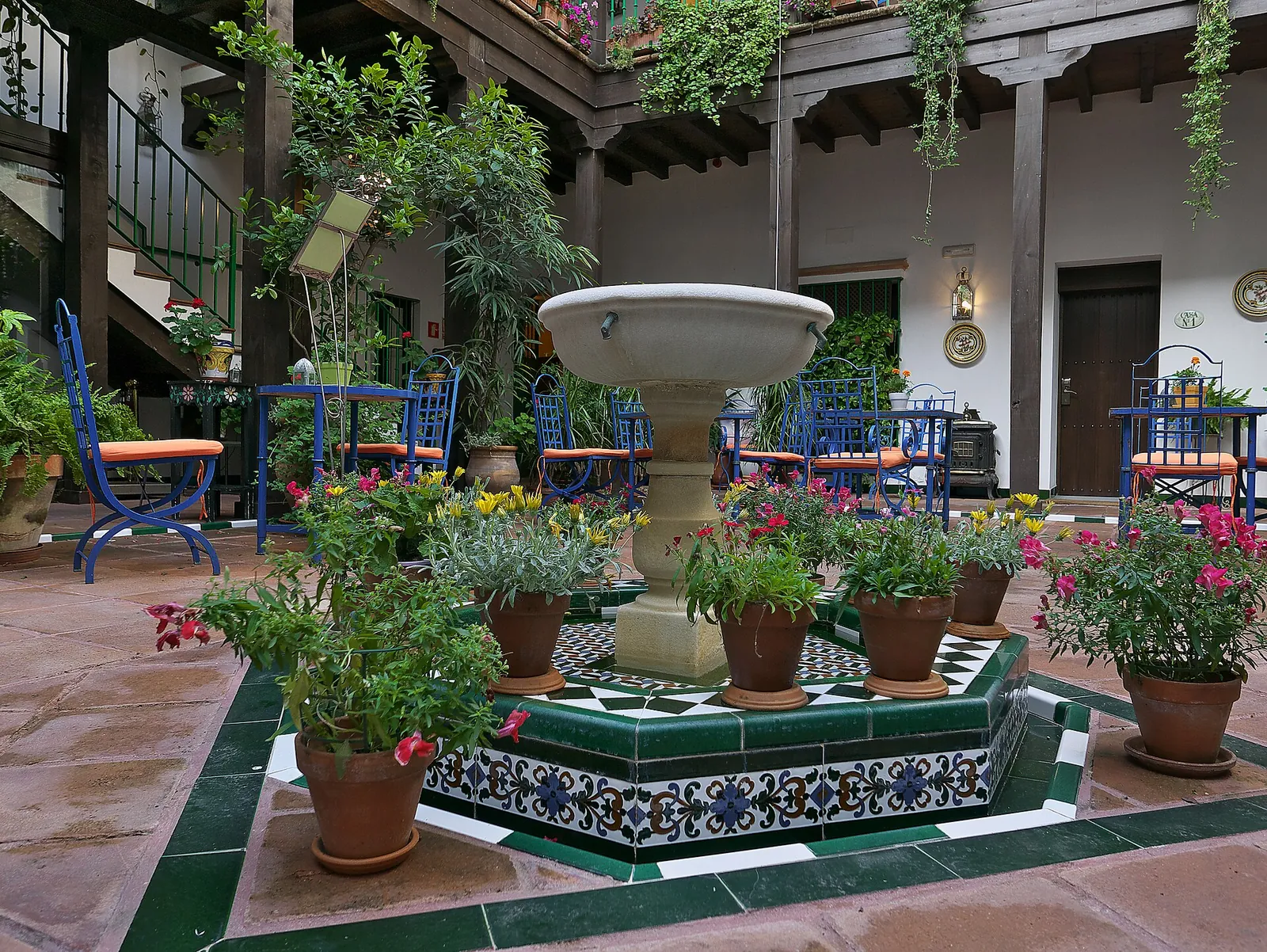
- Santa Cruz and the Cathedral area: best for first-timers who want to walk everywhere. You will be steps from the Alcázar and Cathedral, though the lanes get busy by day.
- Triana: a characterful neighbourhood across the river, great for markets, tiles, tapas and sunset views, and a pleasant 15-minute walk to the Cathedral.
- El Arenal: between the Cathedral and the river, handy for the Torre del Oro and riverside walks, and well placed for both Day 1 and Day 2.
- Alameda de Hércules: suits younger travellers and night owls who like bars and a local vibe, about 20 minutes’ walk from the Cathedral.
Budget
Prices below are from official sources, checked on 24 October 2026. Accommodation, meals, flamenco shows and shopping are excluded because they vary widely by season and style.
| Item | Typical cost |
|---|---|
| Real Alcázar, general ticket | EUR 15.50 (reduced EUR 8) |
| Alcázar Cuarto Real Alto (extra) | EUR 5.50 |
| Cathedral and Giralda | EUR 13 online / EUR 14 box office |
| Cathedral audioguide | EUR 5 (app version EUR 4) |
| Museo de Bellas Artes | EUR 1.50 (free for EU citizens) |
| Antiquarium and Museo de la Cerámica de Triana | Included with Alcázar general ticket |
| Metropol Parasol viewpoint | Check the official site |
| Airport bus EA | EUR 6 single / EUR 8 return |
| Airport taxi (fixed fare) | EUR 26 or EUR 29, depending on time and day |
| TUSSAM 3-day tourist card | EUR 10 plus EUR 1.50 deposit |
Core sights plus the airport bus both ways come to about EUR 42 per adult for three days, which is where our “about EUR 15 a day” estimate comes from.
Practical tips
- Dress code at the Cathedral: shoulders must be covered, and sleeveless, low-cut or see-through clothing and very short shorts or skirts are not allowed. Carry a light scarf or shirt.
- Closing days: the Alcázar closes on 1 and 6 January, Good Friday and 25 December. The Museo de Bellas Artes closes on Mondays. The Cathedral opens only in the afternoon on Sundays.
- Bags: large bags and medium or large backpacks are not allowed on the Giralda, and the Cathedral has no left-luggage room.
- Pay by card at the Alcázar: the box office accepts card only.
- Taxis: drivers carry change up to EUR 20, and the meter must be used on every trip.
- Midday rhythm: Seville gets very warm, especially in summer, so this plan puts outdoor sights in the mornings and evenings. Carry water and plan a long lunch.
- SIM and eSIM: buying an eSIM before you fly is the easiest way to be online on arrival. Check coverage and prices on providers’ own websites.
- Emergencies: call 112, Europe’s emergency number.
Heads-up
Seville is a joyful, welcoming city, and most visits go smoothly. A few things worth knowing:
- Pickpockets: the US State Department notes that pickpocketing and theft are very common in Spain, often using distractions, especially at tourist spots, airports and train stations. Keep your phone and passport secure, and use a zipped bag in crowds.
- Unofficial ticket sellers: the Cathedral advises using only its official ticket sales to avoid problems with unauthorised resellers. The same logic applies to the Alcázar, so buy from the official sites.
- Taxis: use licensed taxis from official ranks or booked by phone. Airport trips should show the fixed fare on the meter, and you can always ask for a receipt.
- The Giralda climb is not for everyone: pregnant women, people with reduced mobility, wheelchairs and pushchairs cannot go up. It is not recommended for people over 70 (except at their own responsibility) or for anyone with vertigo, claustrophobia, heart or breathing problems.
- Security awareness: both the UK and US governments advise staying alert to the general terrorism threat in Spain and avoiding demonstrations. Follow local authorities’ instructions if anything unusual happens.
- Dress-code refusals: you may be turned away at the Cathedral if your shoulders are uncovered, so plan your outfit for Day 1.
FAQ
Are 3 days enough for Seville?
Yes. Three days cover the Alcázar, the Cathedral, Plaza de España, Triana and Las Setas at a comfortable pace, with time for long lunches and evening tapas.
Do I need to book the Real Alcázar in advance?
We strongly recommend it. Timed tickets let you pick an early slot, and the on-site box office only accepts card payments. Book a timed ticket on the official site.
Can I climb the Giralda?
The Giralda is included in the Cathedral ticket. The climb uses 34 ramps and 17 steps and rises about 80 metres. Health and mobility restrictions apply, so read the official guidance first.
How do I get from the airport to the centre?
Take TUSSAM’s Line EA bus (EUR 6 single, EUR 8 return) or a taxi at the official fixed fare of EUR 26 or EUR 29, depending on time and day.
Is Seville walkable?
Very. Every stop in this plan is within a short walk of the next, typically 10 to 20 minutes. Buses and the tram are there when your feet need a break.
What should I wear to visit the Cathedral?
Cover your shoulders and avoid very short shorts or skirts, as well as sleeveless or see-through tops.
Sources
Prices, hours and rules change. We checked these on 24 October 2026; please confirm on the official page before you book.
- Real Alcázar de Sevilla: Prepara la visita (hours and fees)
- Catedral de Sevilla: Horarios y tarifas
- Catedral de Sevilla: Cómo visitar la Catedral de Sevilla (horarios, duración, accesos y recomendaciones)
- Ayuntamiento de Sevilla, Instituto del Taxi: Tarifas autorizadas de autotaxis 2026
- TUSSAM: Llegada desde el Aeropuerto de Sevilla
- TUSSAM: Recommended tickets and travelcards
- Metro de Sevilla: Horarios y tarifas Línea 1
- Junta de Andalucía: Museo de Bellas Artes de Sevilla
- GOV.UK: Spain travel advice, Safety and security
- U.S. Department of State: Spain Travel Advisory
Photo credits (10)
- Sweeping Plaza de España and its canal under blue sky: Carlos Delgado, CC BY-SA 4.0, via Wikimedia Commons
- Patio de las Doncellas with its long reflecting pool: Benjamin Smith, CC BY-SA 4.0, via Wikimedia Commons
- The Giralda tower rising above orange trees: Jan Kranendonk (https://www.jankranendonk.nl), CC BY-SA 4.0, via Wikimedia Commons
- Plaza de España's grand palace in late-afternoon light: Benjamin Smith, CC BY-SA 4.0, via Wikimedia Commons
- Calle Betis and Triana lining the Guadalquivir: Gzzz, CC BY-SA 4.0, via Wikimedia Commons
- Renaissance gallery at the Museo de Bellas Artes: Jl FilpoC, CC BY-SA 4.0, via Wikimedia Commons
- The wooden waves of the Metropol Parasol: Gzzz, CC BY-SA 4.0, via Wikimedia Commons
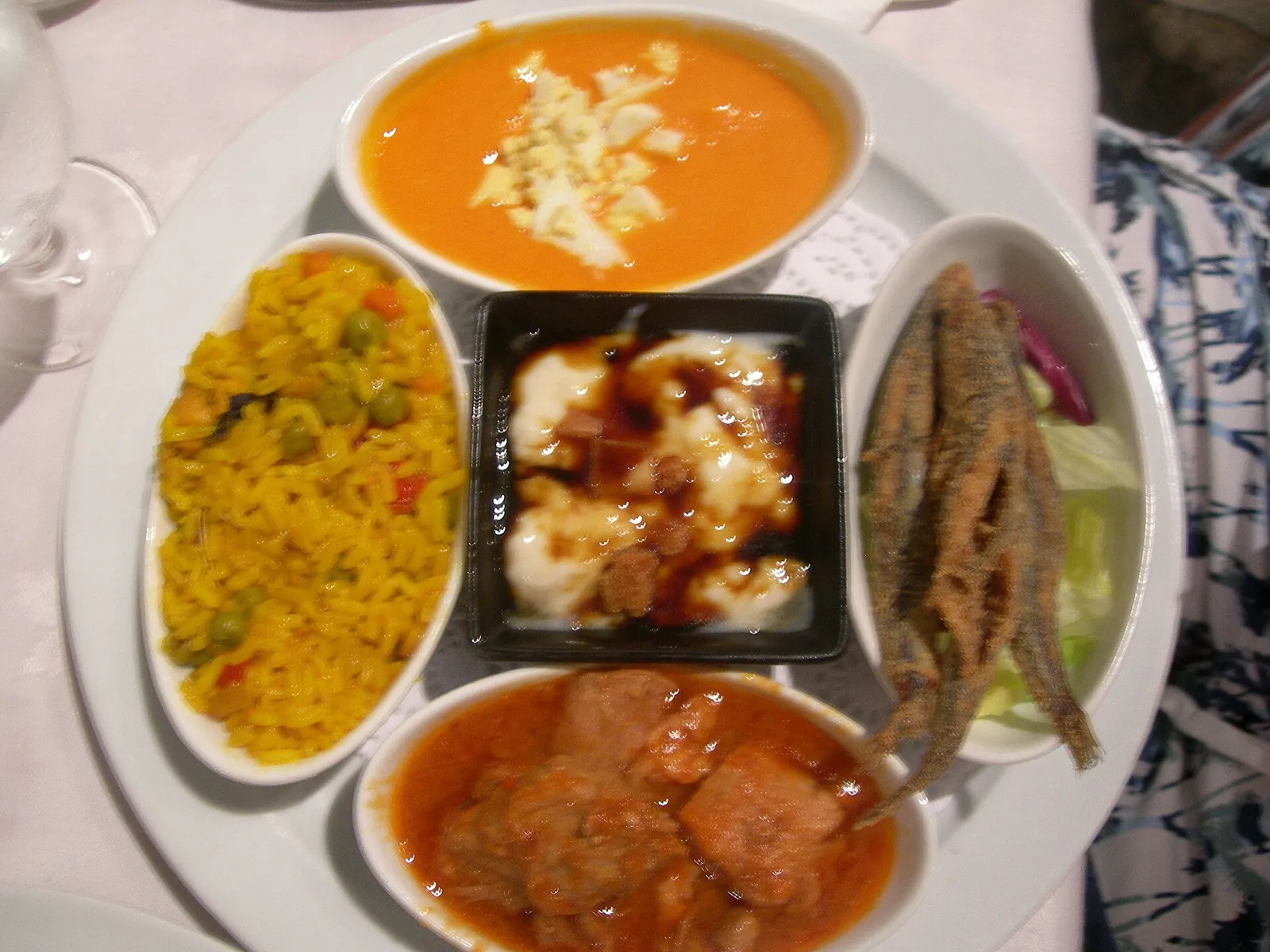
- A colourful spread of Sevillian tapas: Unknown, CC BY-SA 3.0, via Wikimedia Commons
- Seville's tram gliding along Avenida de la Constitución: Frobles, CC BY-SA 4.0, via Wikimedia Commons
- Flower-filled tiled patio in Barrio de Santa Cruz: Jl FilpoC, CC BY 4.0, via Wikimedia Commons
This is a researched plan, not a personal trip report. How we research · Affiliate disclosure