
3 Days in Siem Reap and Angkor: A Day-by-Day Itinerary
A 3-day Siem Reap plan: Angkor Wat sunrise, Bayon, Ta Prohm, Banteay Srei, the Grand Circuit and a Tonle Sap boat ride, with verified 2026 ticket prices.
- 🗓️ Trip length
- 3 days
- ☀️ Best time
- November to February
- 💰 Daily spend
- USD 60-120 (planning estimate, excl. flights)
- ✅ Facts checked
- 24 October 2026
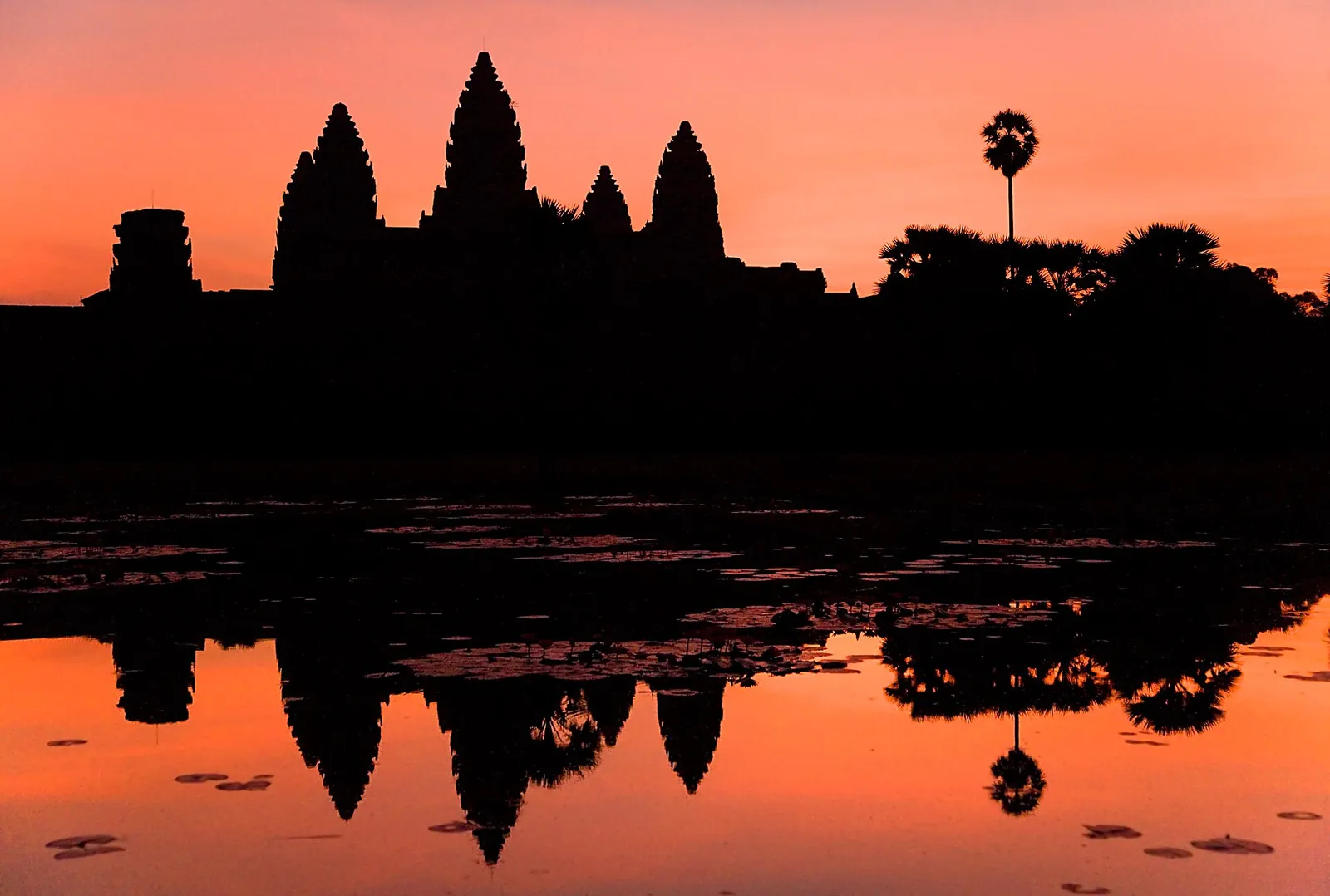
Get ready for one of the great travel moments in Asia: the five towers of Angkor Wat appearing out of the dark at sunrise. This 3-day plan is for first-time visitors who want the headline temples (Angkor Wat, the stone faces of the Bayon, the tree-wrapped ruins of Ta Prohm) plus the rose-pink carvings of Banteay Srei, the quieter Grand Circuit and a sunset boat ride on the Tonlé Sap.
It’s an unforgettable trip, and the pace is “early starts, slow middays”. The temples are at their best and coolest in the first hours after dawn, so we suggest heading out early, going back to town for lunch and a rest, and returning in the late afternoon for the golden light. It suits couples, friends and families with children who are fine with plenty of steps and stone stairways.
At a glance
| Day | Area | Highlights |
|---|---|---|
| 1 | Angkor Wat and Angkor Thom | Angkor Wat sunrise, Bayon, Baphuon, Ta Prohm, Phnom Bakheng sunset |
| 2 | Banteay Srei and the Grand Circuit | Banteay Srei carvings, Pre Rup, East Mebon, Ta Som, Neak Pean, Preah Khan |
| 3 | Slow temples and the Great Lake | Banteay Kdei, Srah Srang, Chong Kneas boat ride at sunset, Old Market evening |
Before you start: buy the 3-day Angkor Pass (USD 62) on the official Angkor Enterprise website or its Angkor Pass app. According to Angkor Enterprise, the 3-day pass expires 7 days after purchase, and 3-day and 7-day passes need a photo for identification. If you buy online in advance, you can skip the ticket office queue before sunrise.
Day 1: Angkor Wat and Angkor Thom
Morning
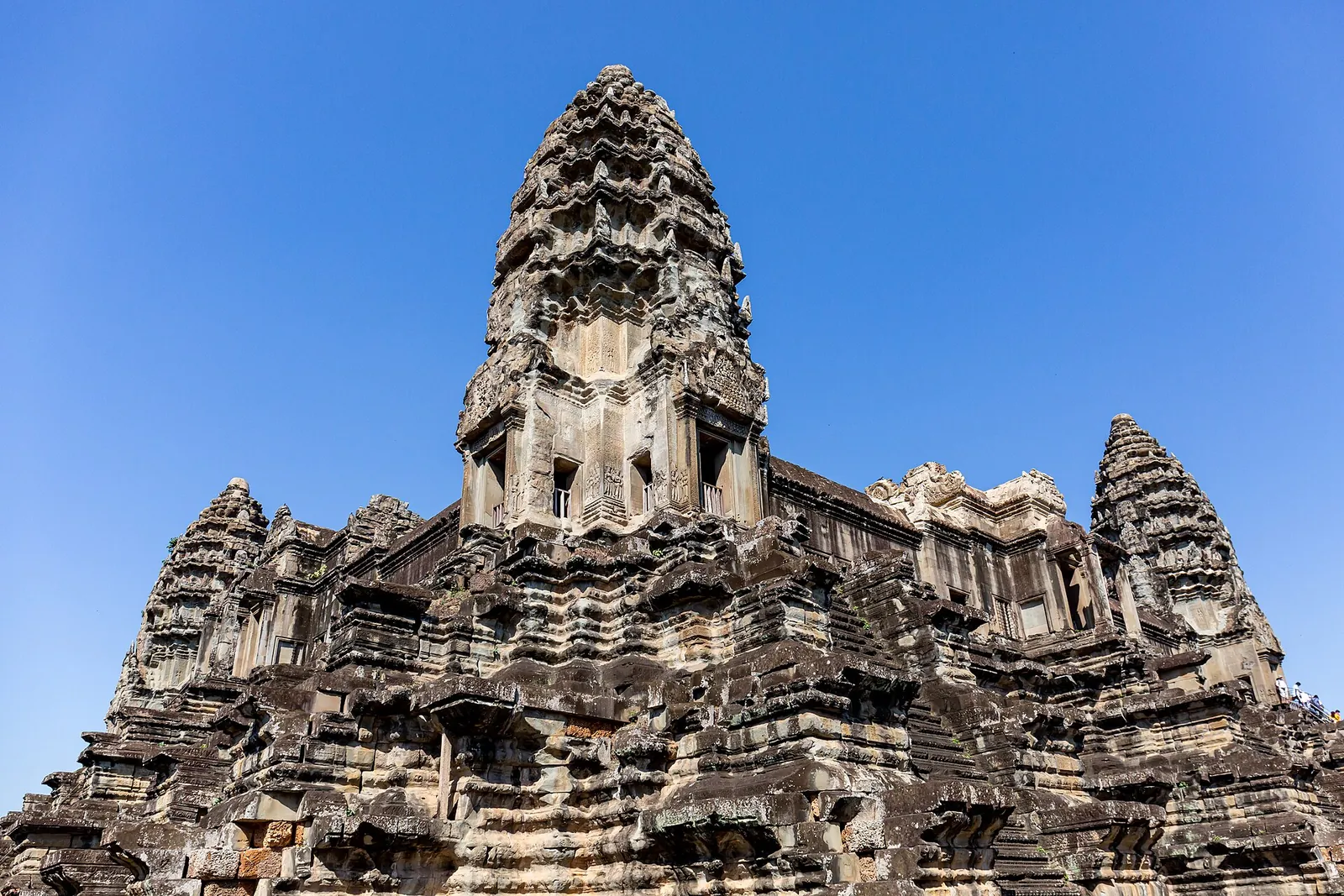
This is the big one! Set your alarm early. The Angkor park opens at 5:00 AM, and Angkor Wat itself is listed by Angkor Enterprise as open 5:00 AM to 5:30 PM. Arrange a tuk-tuk the evening before so you’re at the western causeway in good time to find a spot facing the towers before the sky starts to glow.
If you still need a ticket, the main Angkor Enterprise Ticket Office is on Apsara Road at the corner of Road 60, about 4 km from central Siem Reap. It’s open daily from 5:00 AM to 5:30 PM and accepts US dollar cash and major cards. Your driver will know it as the “Angkor Pass Office”.
After sunrise, take your time inside Angkor Wat: the long bas-relief galleries, the courtyards and, if you’re 12 or over, the steep stairway to the Upper Tower. Angkor Enterprise says children under 12 aren’t allowed to climb it.
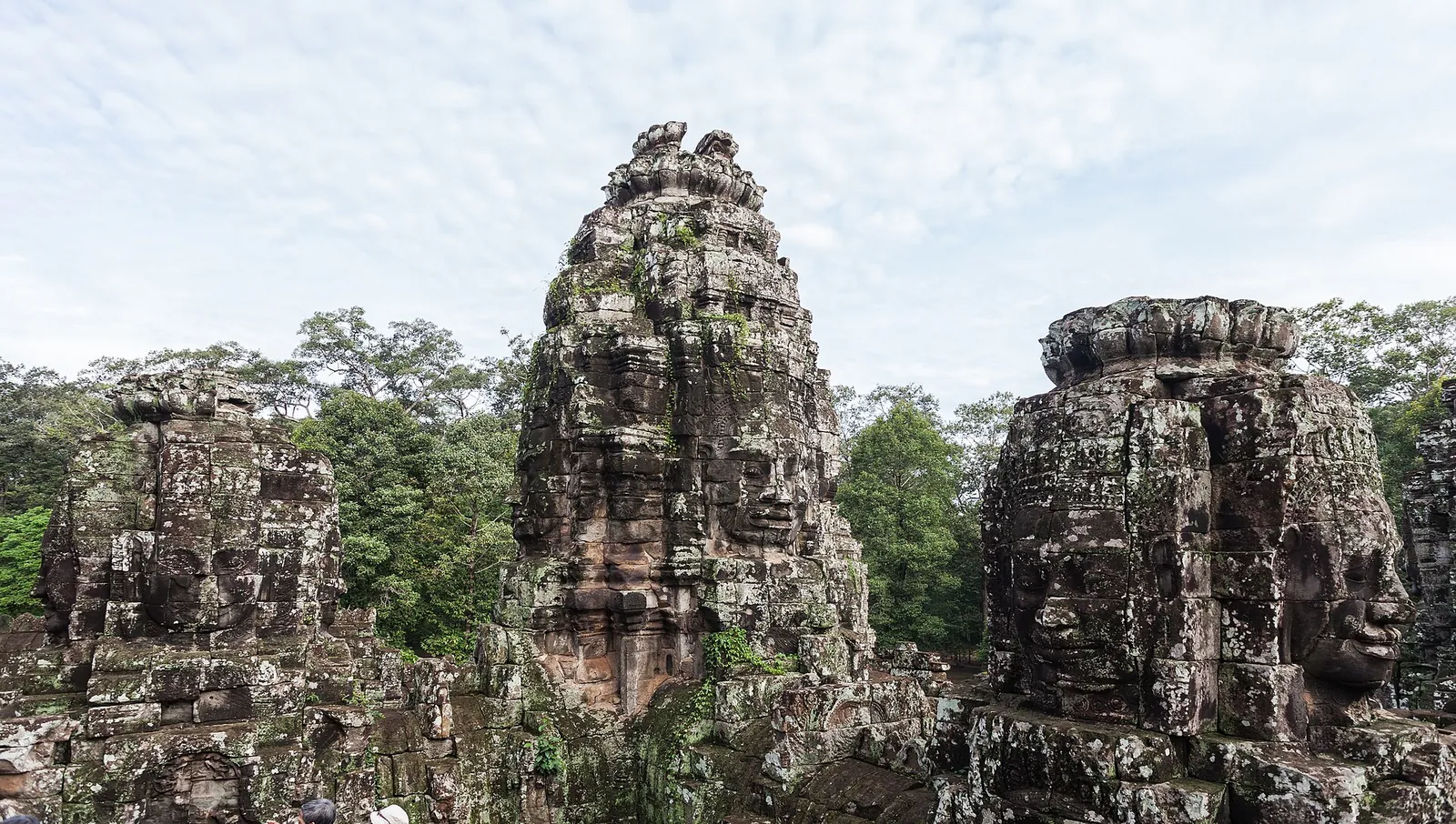
Next, take a short tuk-tuk ride north to Angkor Thom. Pass through the South Gate with its rows of stone figures and head for the Bayon, which opens at 7:30 AM, so timing works well after Angkor Wat. Its towers of serene carved faces are unforgettable. Then wander a few minutes on foot to the Baphuon temple-mountain and the royal terraces nearby.
Afternoon
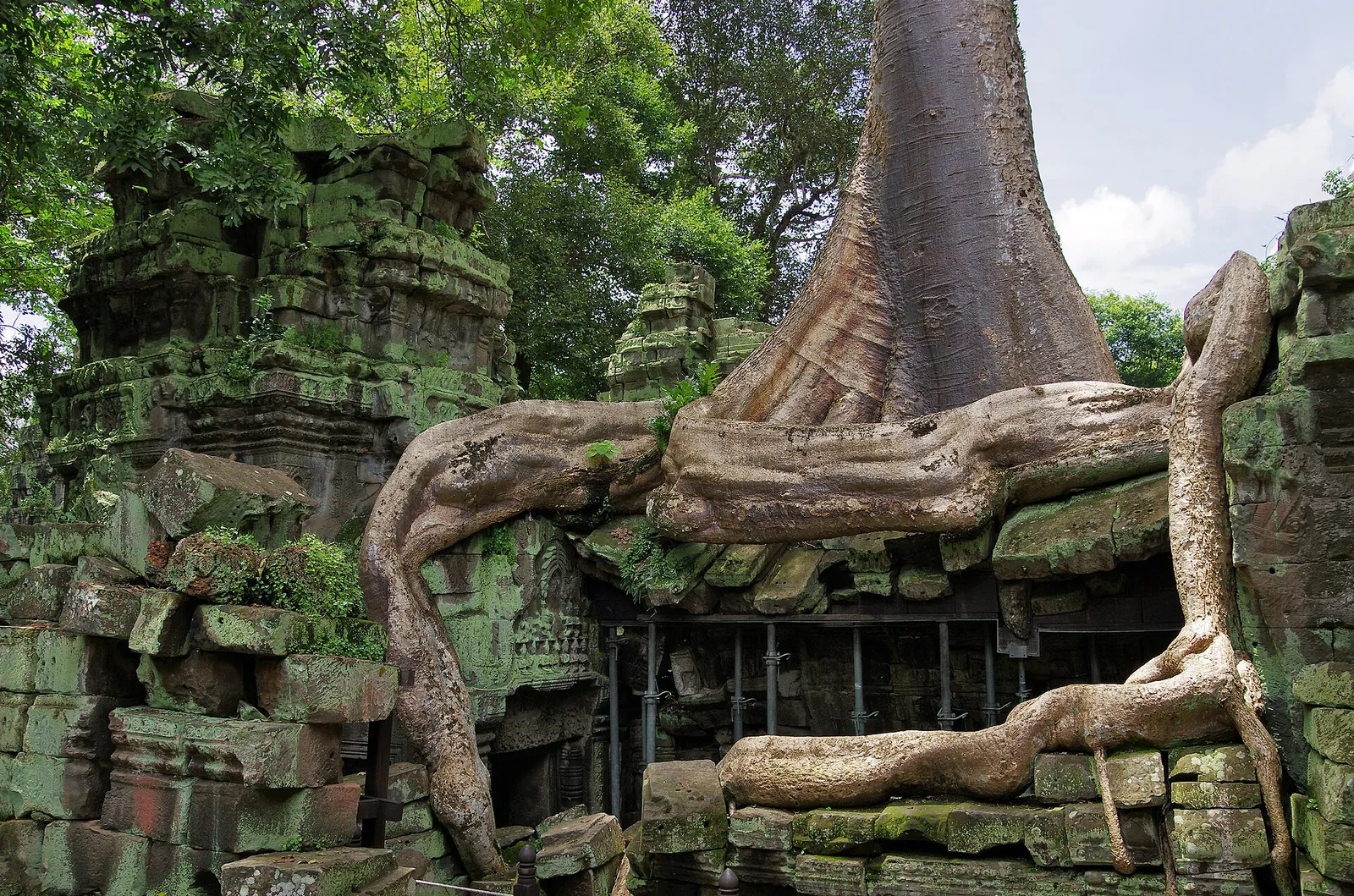
Head back to town for lunch and a proper rest during the hottest hours. Around mid-afternoon, return to see Ta Prohm, where giant tree roots grip the galleries. It’s included in the Small Circuit list on the official FAQ, alongside Ta Keo and Chau Say Tevoda, which make easy short stops on the way in.
Evening
Finish at Phnom Bakheng, a hilltop temple about 1.5 km from Angkor Wat according to Angkor Enterprise. It’s open 5:00 AM to 7:00 PM, making it the classic sunset spot. The climb up the hill takes some effort, and it’s popular, so go early rather than right before sunset. Then back to town for a well-earned dinner.
Day 2: Banteay Srei and the Grand Circuit
Morning
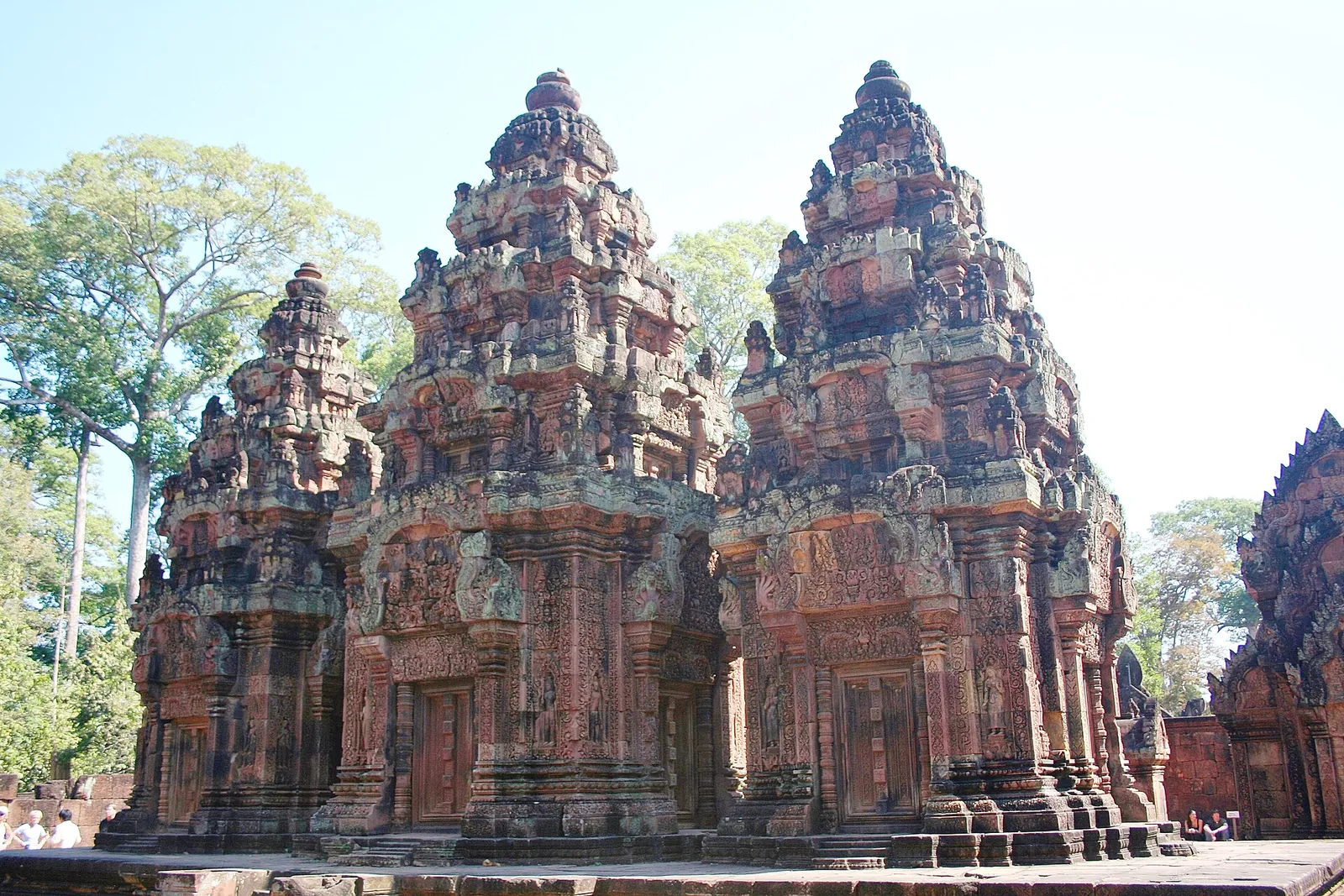
Today brings pink stone carvings and quiet jungle temples as you head further out. Banteay Srei, a 10th-century temple dedicated to Shiva, lies about 25 km north-east of the main temple group, per Angkor Enterprise. It opens at 7:30 AM, so we’d start the ride after an early breakfast. The detailed pink sandstone carvings are some of the finest in the whole Khmer world, and you’ll see them best in soft morning light.
Optional add-on: keen walkers can carry on to Kbal Spean, the “river of a thousand lingas”. It needs its own ticket (USD 5, entry from 6:00 AM, closing 6:30 PM according to the official ticket page). If you add it, keep to the marked path (see Heads-up) and bring lots of water.
Afternoon
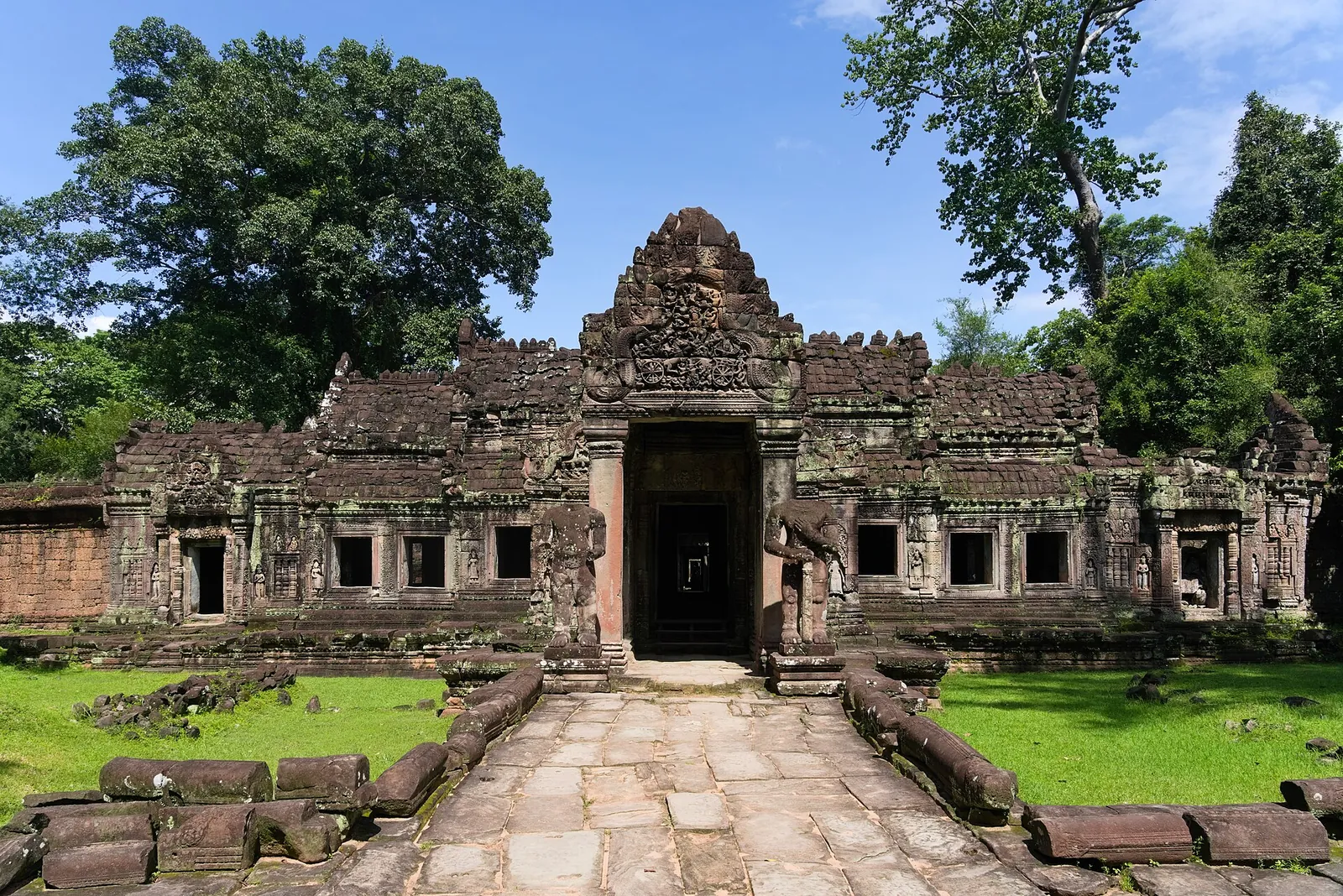
After lunch and a break, follow the Grand Circuit back towards Angkor Thom. Your 3-day pass covers it: the official FAQ lists Pre Rup, East Mebon, Ta Som, Neak Pean, Krol Ko and Preah Khan among the Grand Circuit temples. A good order on the way back from Banteay Srei:
- Pre Rup and East Mebon: two brick-and-laterite temple mountains close to each other.
- Ta Som: small and peaceful, with a famous tree-framed gate.
- Neak Pean: an island shrine in an ancient reservoir.
- Preah Khan: a vast, atmospheric 12th-century complex built by Jayavarman VII to honour his father. It’s open 7:00 AM to 6:30 PM, so it’s perfect as your last stop as the light softens.
Each hop between these temples is a short tuk-tuk ride. Agree on the full route with your driver in the morning.
Evening
Enjoy a relaxed evening in town around the Old Market. You’ve earned an early night before day three.
Day 3: Slow temples and the Great Lake
Morning
Enjoy a gentle finale with temples, a lake and a happy last night in town. Your last pass day can be as gentle or as ambitious as you like. Option one: go back to Angkor Wat for a second sunrise (many visitors find it even better the second time, with no rush). Option two: sleep in, then visit Banteay Kdei and the royal pool of Srah Srang, followed by little Prasat Kravan with its brick reliefs. All three are on the official Small Circuit list and grouped close together east of Angkor Thom.
If you skipped anything on Day 1, now’s the time to fill the gaps. Most people want more time at Ta Prohm or the Bayon.
Afternoon
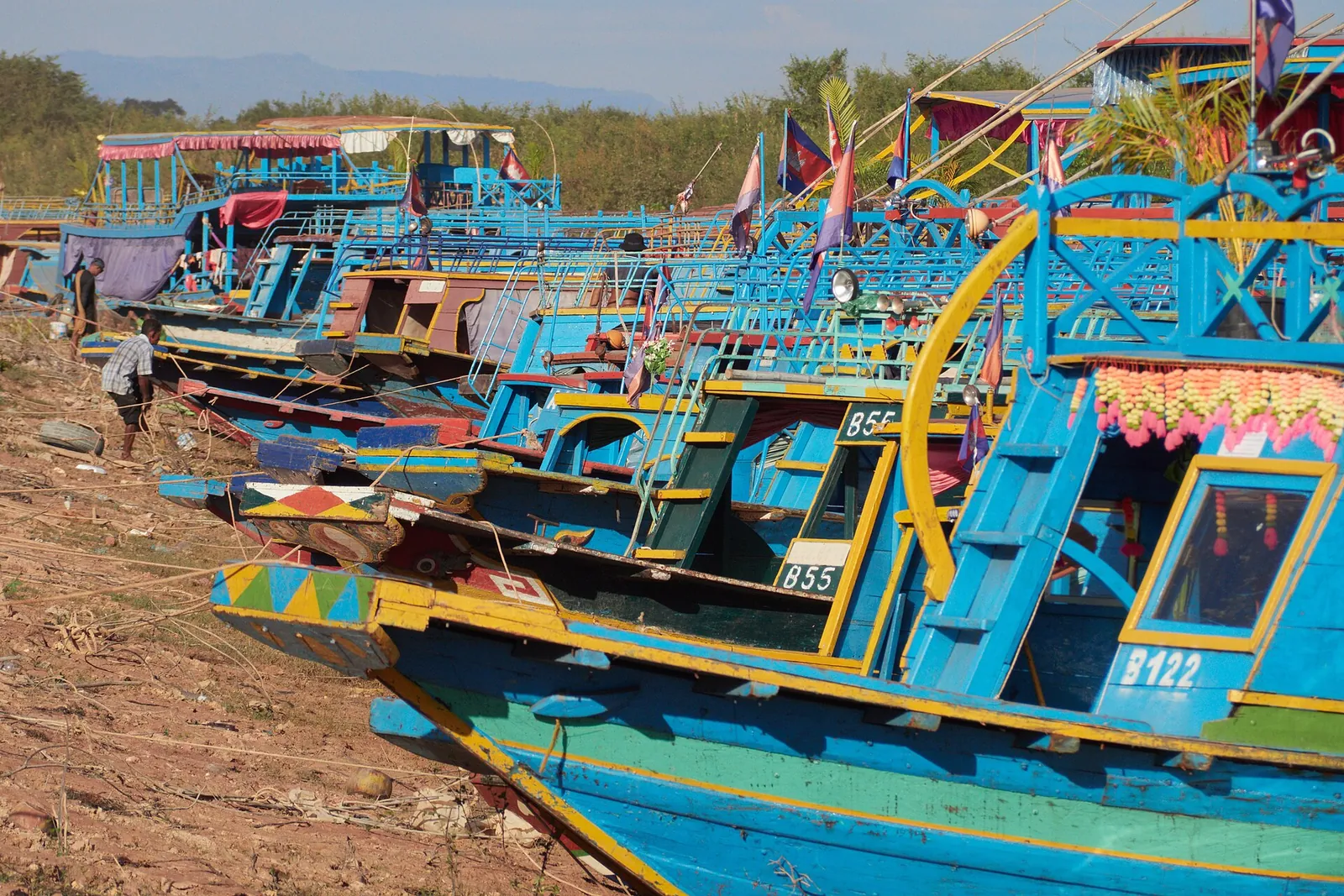
Rest at your hotel, then head south to Chong Kneas on the Tonlé Sap lake. Angkor Enterprise puts the boat-ride ticket counter about 11.4 km from the city, roughly 25 minutes by tuk-tuk or taxi along Route 63. Boat tickets can’t be bought online: you pay at the counter (US dollar cash or major cards). Official prices for international visitors:
- Small boat, 1 to 5 people: USD 28 per boat
- Small boat, 6 to 8 people: USD 38 per boat
Angkor Enterprise suggests departing between 4:30 and 5:15 PM for the best sunset light over the lake.
Evening
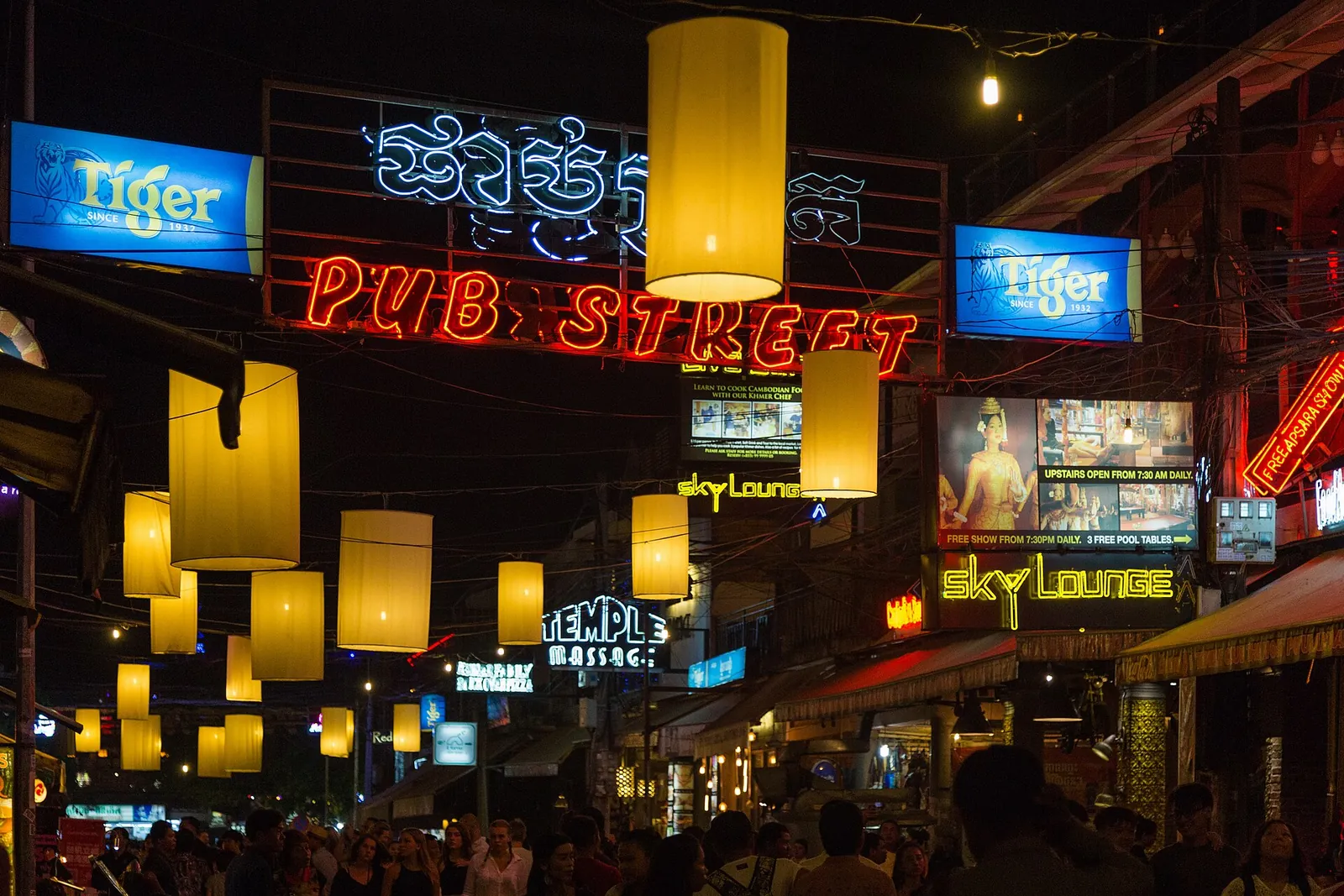
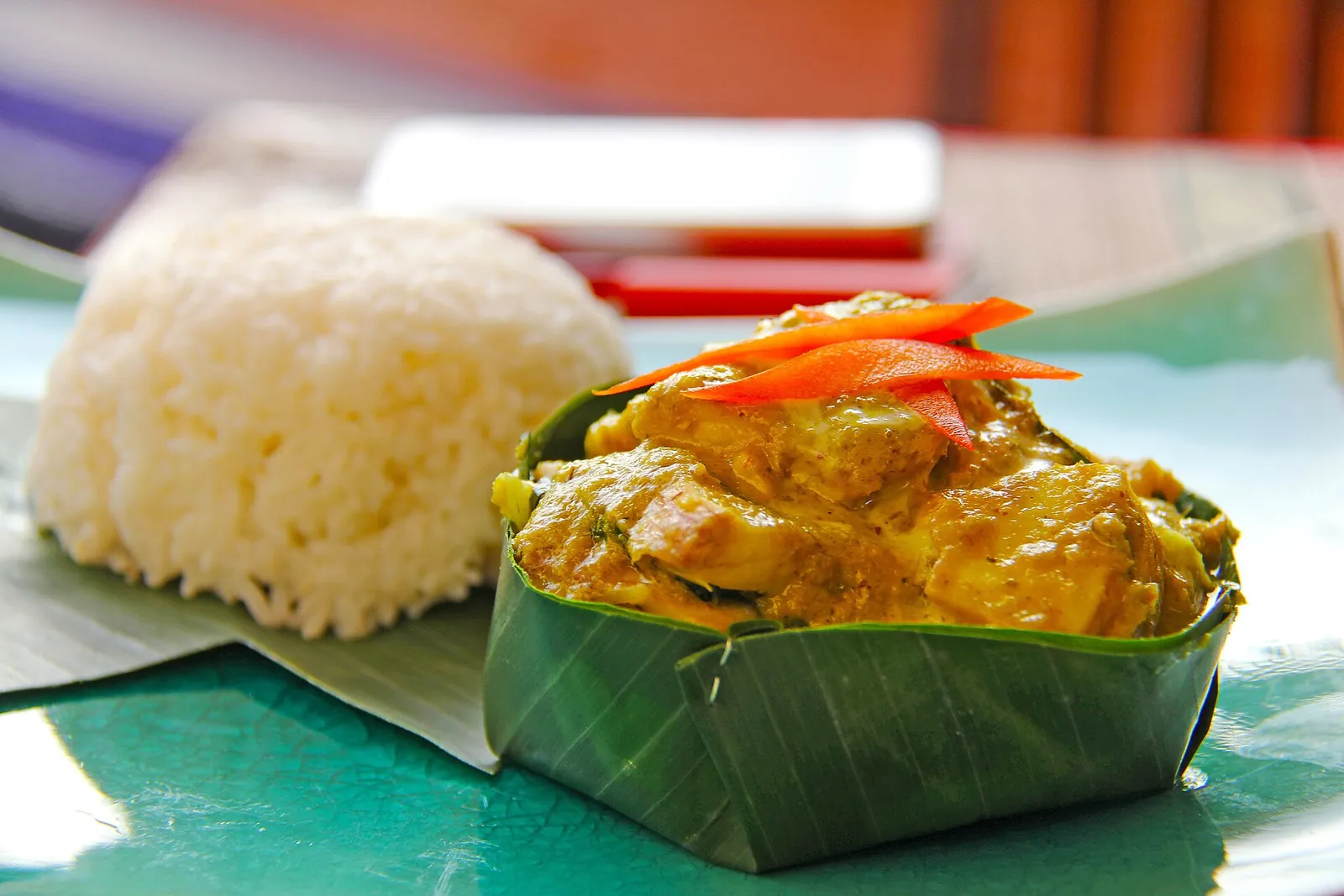
Back in town, spend your final evening around the Old Market and Pub Street. Wander the food stalls, try a Khmer curry or fish amok, and pick up some souvenirs. If you’d like a show, Siem Reap’s contemporary circus is a lovely send-off. Check the official site for show times and prices.
Getting there and getting around
Entry and visas: entry rules depend on your passport, so we won’t summarise them here. Siem Reap Angkor International Airport directs travellers to the official Cambodia e-Arrival portal (arrival.gov.kh). Check it, the official e-Visa portal at evisa.gov.kh and your own government’s advice well before you fly.
From the airport: Siem Reap Angkor International Airport (SAI) sits well outside the city, so plan your transfer before you land.
- Official Airport Shuttle Bus: USD 8 per person each way. Buses from the airport to town are scheduled at 9:30 AM, 11:00 AM, 12:30 PM, 3:00 PM, 4:00 PM, 5:00 PM, 5:30 PM, 7:00 PM, 8:00 PM and 10:00 PM. After you exit arrivals, the counter is on the left. The town bus station is on 7 Makara Road. The operator says drop-off to hotels within 2 km of its station is free, and its tuk-tuk pick-up from any hotel for the return trip costs USD 2. It doesn’t publish a journey time, so check with the operator and leave plenty of margin for your departing flight.
- Taxi or private car: available at the airport. Check the current fare at the official counter before you set off.
Overland from Thailand: at the time of writing, the UK government (FCDO) says land borders and crossings between Cambodia and Thailand remain suspended. Plan to fly in, and check the latest travel advice before booking.
Around Siem Reap: there’s no metro or transport card here. Most visitors hire a tuk-tuk with a driver for the day and agree on the route and price in advance. Your hotel can help. Angkor Enterprise confirms you can also rent and ride a scooter to the temples yourself. If you do, wear a helmet (FCDO notes police can fine riders without one) and read the road-safety warnings below.
Where to stay
- Old Market and Pub Street area: best for first-timers who want restaurants, cafés and nightlife on the doorstep. It’s lively and walkable. Late at night, use a trusted tuk-tuk to get home rather than accepting offers on the street (see Heads-up).
- Wat Bo area (east bank of the river): a short walk from the centre but calmer, with leafy lanes and small guesthouses. Great for couples and anyone who likes quieter evenings.
- North of the centre towards the temples (around Apsara Road and Road 60): closer to the main ticket office and the park, so your pre-dawn rides are shorter. A good pick for families and photographers who plan several sunrises.
Budget
| Item | Typical cost |
|---|---|
| Angkor Pass, 1 day | USD 37 |
| Angkor Pass, 3 days (used in this plan) | USD 62 |
| Angkor Pass, 7 days | USD 72 |
| Kbal Spean (separate ticket) | USD 5 |
| Beng Mealea (separate ticket) | USD 10 |
| Koh Ker (separate ticket) | USD 15 |
| Chong Kneas boat, small boat 1-5 people | USD 28 per boat |
| Airport shuttle bus | USD 8 per person each way |
| Shuttle operator’s tuk-tuk hotel pick-up | USD 2 |
| Tuk-tuk day hire, meals, accommodation | Varies: agree tuk-tuk prices in advance, check hotel rates directly |
All ticket prices are for international visitors, from official Angkor Enterprise and operator pages. Children under 12 don’t need an Angkor Pass, though they may be asked for a passport as proof of age.
Our USD 60-120 per day figure is a rough planning estimate for a mid-range traveller sharing a double room. It covers accommodation, meals, a hired tuk-tuk and a third of the 3-day pass. It is not a quoted price. It excludes flights, visa fees, travel insurance, tips, shows and shopping.
Practical tips
- Dress code: Angkor Enterprise’s code of conduct says revealing clothes, such as shorts and skirts above the knee and bare shoulders, are prohibited in sacred places. Light trousers or a long skirt and a T-shirt are perfect.
- Temple etiquette: ask before photographing monks, and Angkor Enterprise asks women not to touch or sit too close to monks. Don’t touch carvings, lean on structures or climb loose stones. Angkor has been smoke-free since 2012.
- Pack light: the official code of conduct discourages backpacks, umbrellas with sharp tips, tripods and high heels inside the temples.
- Opening times vary by temple: Angkor Wat 5:00 AM to 5:30 PM, Bayon and Banteay Srei 7:30 AM to 5:30 PM, Preah Khan 7:00 AM to 6:30 PM, Phnom Bakheng 5:00 AM to 7:00 PM. Plan your order around them.
- Don’t give sweets or money to children: the official code of conduct explains it encourages begging instead of school. Donate to a recognised charity instead.
- Money: official Angkor prices are in US dollars, and the ticket office takes USD cash and major cards. Check the notes you get as change (see Heads-up).
- SIM and data: the FCDO says main cities and towns have good Wi-Fi and mobile networks. Buy a SIM or eSIM from an official operator shop or a reputable provider, and check current packages on the operator’s site.
- Lost or missing ticket: Angkor Enterprise customer support is on +855 63 965 414, daily 5:30 AM to 5:00 PM.
Heads-up
Cambodia is a joy to explore, and a little know-how keeps it that way. These points come from official sources.
- Thai border area: the FCDO advises against all but essential travel to within 20 km of the land border with Thailand, and says some border temples, including Preah Vihear, are closed. The temples in this itinerary aren’t in that zone, but check the official map before any trip further north.
- Landmines: the FCDO warns that mined areas are often unmarked. Don’t stray off main routes in rural areas, including around temple complexes, and never pick up metal objects. Stick to paths, especially at Kbal Spean.
- Bag snatching: thieves on motorbikes sometimes grab bags and phones from people on foot or in tuk-tuks. The FCDO suggests tuk-tuks with metal grills on the sides, keeping bags on the side away from the road and not putting bags in a bicycle’s front basket.
- Late-night transport near Pub Street: the FCDO reports sexual assaults on lone women by men claiming to be motorbike taxi drivers in the Pub Street area. Be wary of offers of transport from strangers and use a driver you’ve arranged through your hotel.
- Drinks: the FCDO reports drink spiking in some bars and deaths from methanol in alcoholic drinks. Never leave drinks unattended, and seek urgent medical help if someone feels unwell after drinking.
- Fake notes: travellers have received fake dollar bills as change in shops and clubs. Check every note, and refuse damaged or torn ones.
- Job scams: the FCDO warns about “easy job, high pay” offers used by trafficking groups. Treat any such offer with deep suspicion.
- Roads and motorbike taxis: Cambodia has one of the highest road accident rates in South-East Asia, and the risk rises after dark. The FCDO calls motorbike taxis (“moto dop”) dangerous. Never hand over your passport as a deposit for a rented scooter.
- Dress-code refusals: you may be refused entry to Angkor Wat and other religious sites if your knees or shoulders show.
- Weather and water: the FCDO notes monsoon storms from June to October, with flash-flood risk at lakes, caves and waterfalls. Lake boat travel can also be harder in the dry season from March to May because of sandbars. Take local advice before your Tonlé Sap trip.
- Drugs: Cambodia has zero tolerance, including for cannabis, and penalties are severe.
FAQ
Is the 1-day Angkor Pass enough?
It covers the Small Circuit (Angkor Wat, Bayon, Ta Prohm, Phnom Bakheng, Banteay Kdei, Srah Srang and more). To add the Grand Circuit temples such as Preah Khan, Neak Pean and Pre Rup at a calmer pace, the 3-day pass (USD 62) is the better choice. All passes include access to all temples within the Angkor Archaeological Park.
Where do I buy Angkor tickets?
Buy them on the official Angkor Enterprise website or app, or at the main ticket office on Apsara Road (daily 5:00 AM to 5:30 PM). Chong Kneas boat tickets are only sold at the pier counter.
Can I see sunset the day before my ticket starts?
The official FAQ says that if you buy a 1-day ticket for the next day after 4:45 PM, you can enter that same evening for sunset. Check the Angkor Enterprise site for how this applies to multi-day passes.
Do children need tickets?
No ticket is needed for children under 12, but bring their passports as proof of age. They can’t climb Angkor Wat’s Upper Tower.
Can I travel overland from Bangkok?
At the time of writing, the FCDO says Cambodia-Thailand land borders and crossings remain suspended, so plan to fly into Siem Reap Angkor International Airport. Check the latest official travel advice before you book.
What should I wear to the temples?
Cover your knees and shoulders, and wear comfortable shoes with good grip for steep steps. Bring a hat, sunscreen and plenty of water for the heat.
Sources
Prices, hours and rules change. We checked these on 24 October 2026; please confirm on the official page before you book.
- Angkor Enterprise: Available Tickets
- Angkor Enterprise: FAQs
- Angkor Enterprise: Ticket Office (Main Counter)
- Angkor Enterprise: Angkor Wat
- Angkor Enterprise: Bakheng Temple
- Angkor Enterprise: Bayon
- Angkor Enterprise: Banteay Srei Temple
- Angkor Enterprise: Preah Khan Temple
- Angkor Enterprise: Angkor Visitor Code of Conduct
- Angkor Enterprise: Chong Kneas Boat Ride Tickets
- Angkor Enterprise: Tonlé Sap Lake Ticket Center
- Siem Reap Airport Bus: Official Airport Shuttle Bus
- Siem Reap Angkor International Airport: Passports & Visas
- GOV.UK: Cambodia travel advice (Warnings and insurance)
- GOV.UK: Cambodia travel advice (Safety and security)
Photo credits (9)
- Angkor Wat's towers reflected in the pond at sunrise: Chi King, CC BY 2.0, via Wikimedia Commons
- Angkor Wat's carved towers under a clear blue sky: Balon Greyjoy, Public domain, via Wikimedia Commons
- Smiling stone faces on the towers of the Bayon: Diego Delso, CC BY-SA 3.0, via Wikimedia Commons
- Giant tree roots wrapped over Ta Prohm's stones: Phillip Maiwald (Nikopol), CC BY-SA 3.0, via Wikimedia Commons
- Rose-pink sandstone towers of Banteay Srei: Random username 083794703875938, CC0, via Wikimedia Commons
- Stone path leading into Preah Khan: Satdeep Gill, CC BY-SA 4.0, via Wikimedia Commons
- Fish amok in a banana-leaf cup with rice: sharonang, CC0, via Wikimedia Commons
- Colourful boats moored by the Tonle Sap lake: lumoplank, CC0, via Wikimedia Commons
- Glowing lanterns over Pub Street at night: Marcin Konsek, CC BY-SA 4.0, via Wikimedia Commons
This is a researched plan, not a personal trip report. How we research · Affiliate disclosure