
4 Days in Sofia and Plovdiv: A Day-by-Day Itinerary
Four days across Bulgaria's capital and its oldest city: Sofia's cathedrals and Boyana frescoes, then Plovdiv's Roman theatre, Old Town and Kapana by train.
- 🗓️ Trip length
- 4 days
- ☀️ Best time
- May to June, September to October
- 💰 Daily spend
- EUR 70-140 per person (rough estimate, excl. flights)
- ✅ Facts checked
- 24 October 2026
Get ready for golden domes, Roman stones and wonderfully relaxed café culture. This four-day plan pairs Sofia, Bulgaria’s mountain-framed capital, with Plovdiv, which its own municipality describes as one of the oldest cities in Europe. You get two days in each, linked by a direct train of around three hours.
The pace is easy-going: two or three headline sights a day, plenty of walking through compact centres, and long evenings for food and people-watching. It suits first-time Balkan visitors, culture lovers, couples and families who prefer strolling to rushing. Stops are grouped by neighbourhood, so you explore rather than commute.
At a glance
| Day | Area | Highlights |
|---|---|---|
| 1 | Central Sofia | Alexander Nevsky Cathedral, St Sofia Church, Rotunda of St George, ancient Serdica, Banya Bashi Mosque, Vitosha Boulevard |
| 2 | Boyana (south-west Sofia) and the centre | National Museum of History, UNESCO-listed Boyana Church, City Garden evening |
| 3 | Train to Plovdiv, Old Town | Ancient Theatre, Revival-era houses, sunset on Nebet Tepe |
| 4 | Plovdiv centre, back to Sofia | Roman Stadium, Dzhumaya Square, Roman Odeon, Kapana district, afternoon train |
Day 1: Sofia’s historic heart
Morning
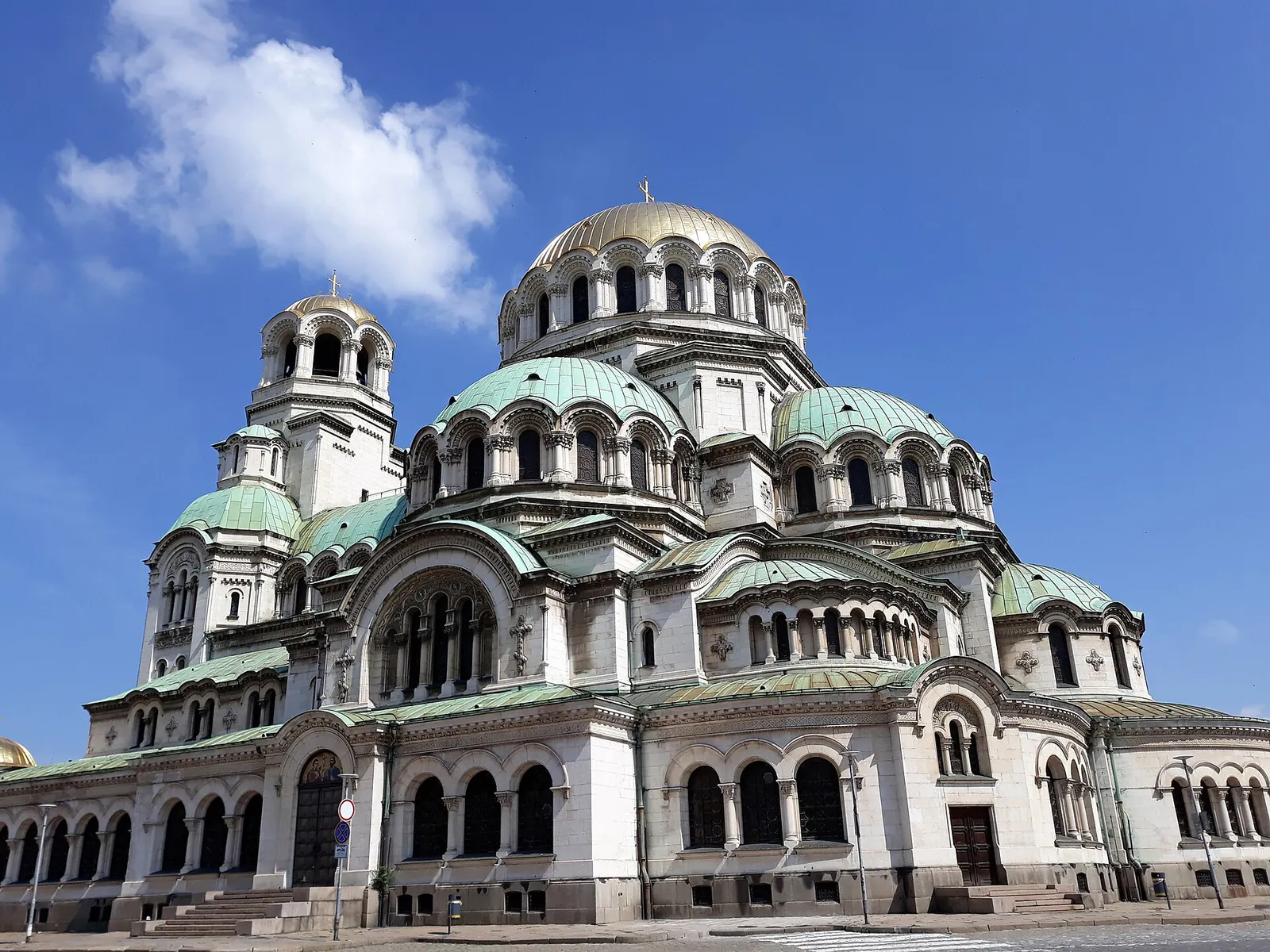
This is the day for Sofia’s grandest sights. Start where every Sofia postcard starts: Alexander Nevsky Cathedral, the neo-Byzantine giant with gilded domes. Step inside for the candlelight and murals. The crypt below houses a separately run icon collection; check its price and hours on the official site.
From the cathedral steps it is a two-minute walk to the much older St Sofia Church, the early Christian basilica that gave the city its name. Then stroll about five minutes west along Tsar Osvoboditel Boulevard to the small, onion-domed Russian Church (St Nicholas the Miracle-Maker), one of the prettiest façades in town.
Afternoon
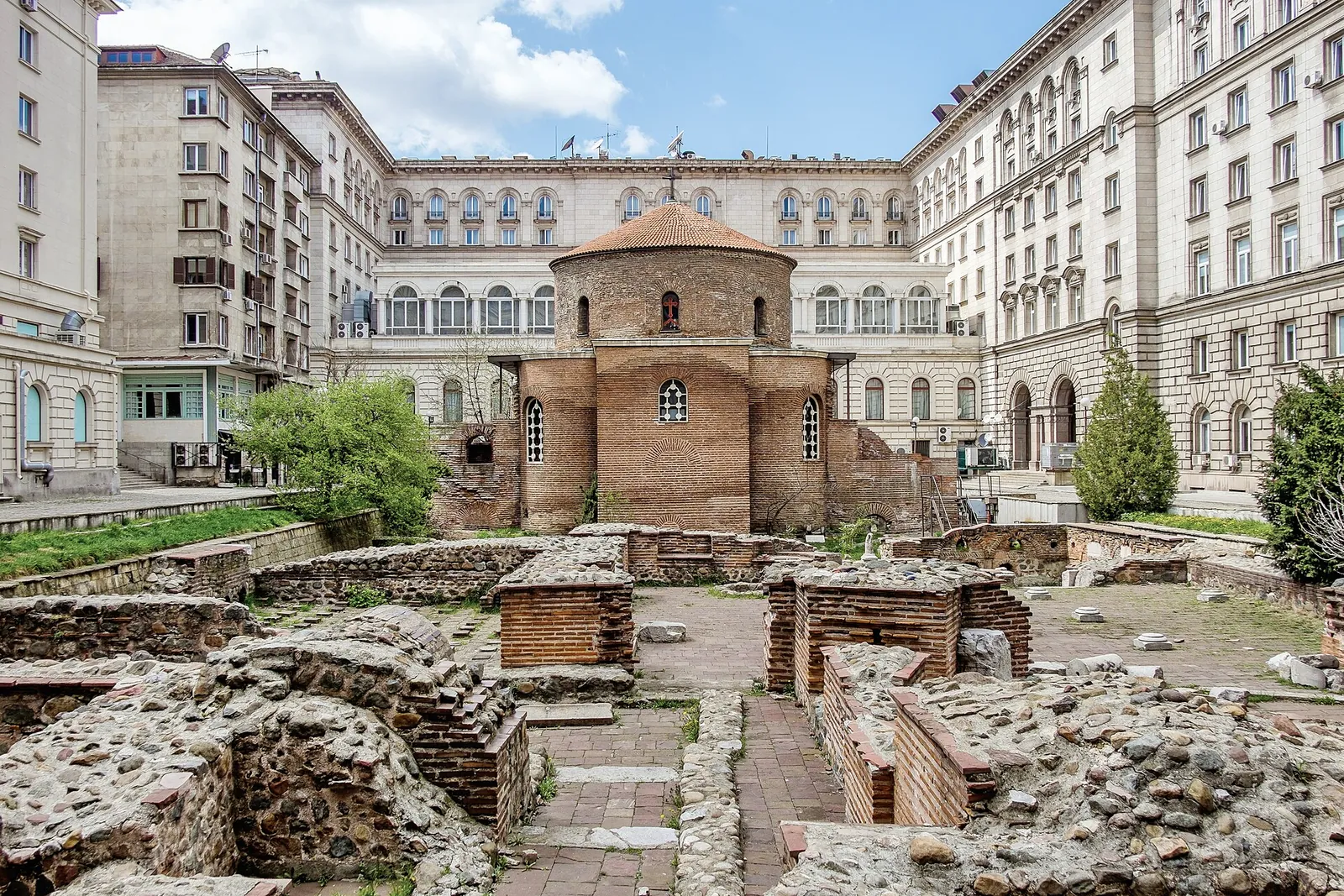
Keep walking west, roughly ten minutes, to the Largo, the grand ensemble of government buildings around the Presidency. Tucked into a courtyard behind it is the Rotunda of St George, a red-brick Roman-era church that is the oldest standing building in central Sofia. Around it and down in the underpass near Serdika metro station you can see excavated streets and walls of ancient Serdica, the Roman city beneath modern Sofia.
Museum fans can add the National Archaeological Museum beside the Presidency; check its hours and prices on the official site.
A five-minute walk north brings you to Banya Bashi Mosque, a 16th-century Ottoman mosque, and the grand former Central Mineral Baths behind it, now home to the Sofia History Museum (check the official site for hours). Locals still fill bottles at the warm mineral-water taps nearby. The Central Market Hall across the street is a handy stop for a snack.
Evening
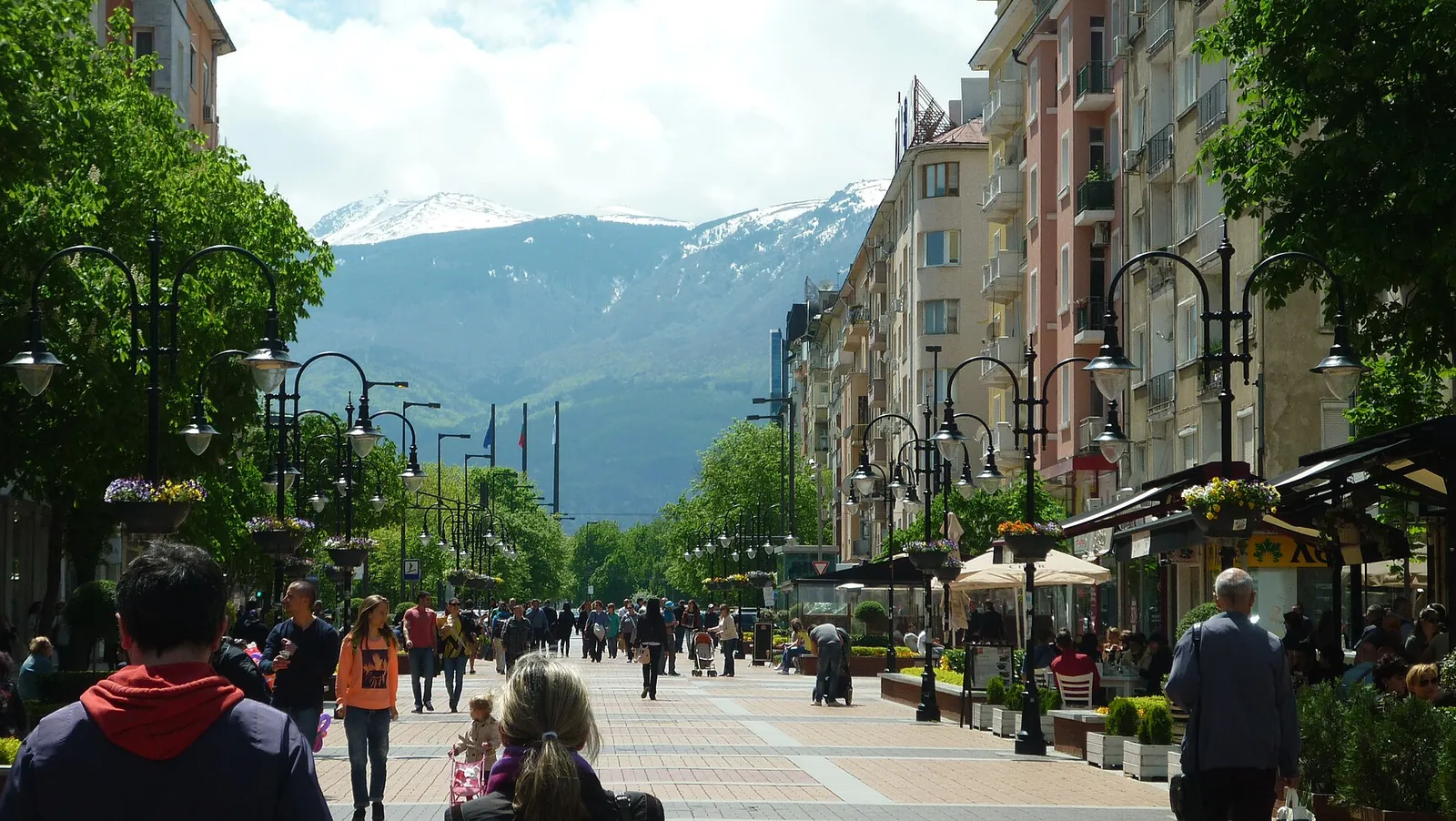
Head south along Vitosha Boulevard, Sofia’s pedestrian main street, with Vitosha mountain filling the view. It is about a 20-minute walk from Sveta Nedelya Cathedral to the National Palace of Culture (NDK) and its park, a favourite evening hangout with fountains. Dinner along the way is easy.
Day 2: Boyana treasures and a slow afternoon
Morning
This is a day for hidden treasures: you head to the Boyana district at the foot of Vitosha. A taxi from the centre is the simplest option; journey time depends heavily on traffic. We suggest booking through a well-known taxi company rather than accepting rides from touts.
Begin at the National Museum of History, the country’s largest history museum, with Thracian gold, medieval treasures and costumes spanning thousands of years. According to the museum, it is open Monday to Sunday, 09:30 to 18:00 in winter (1 October to 31 March, ticket desk until 17:15) and 09:30 to 19:00 in summer (1 April to 30 September, ticket desk until 18:15). An individual adult ticket costs EUR 9.00. Bulky backpacks, bags and food are not allowed in the halls, so plan to use the cloakroom. Allow about two hours.
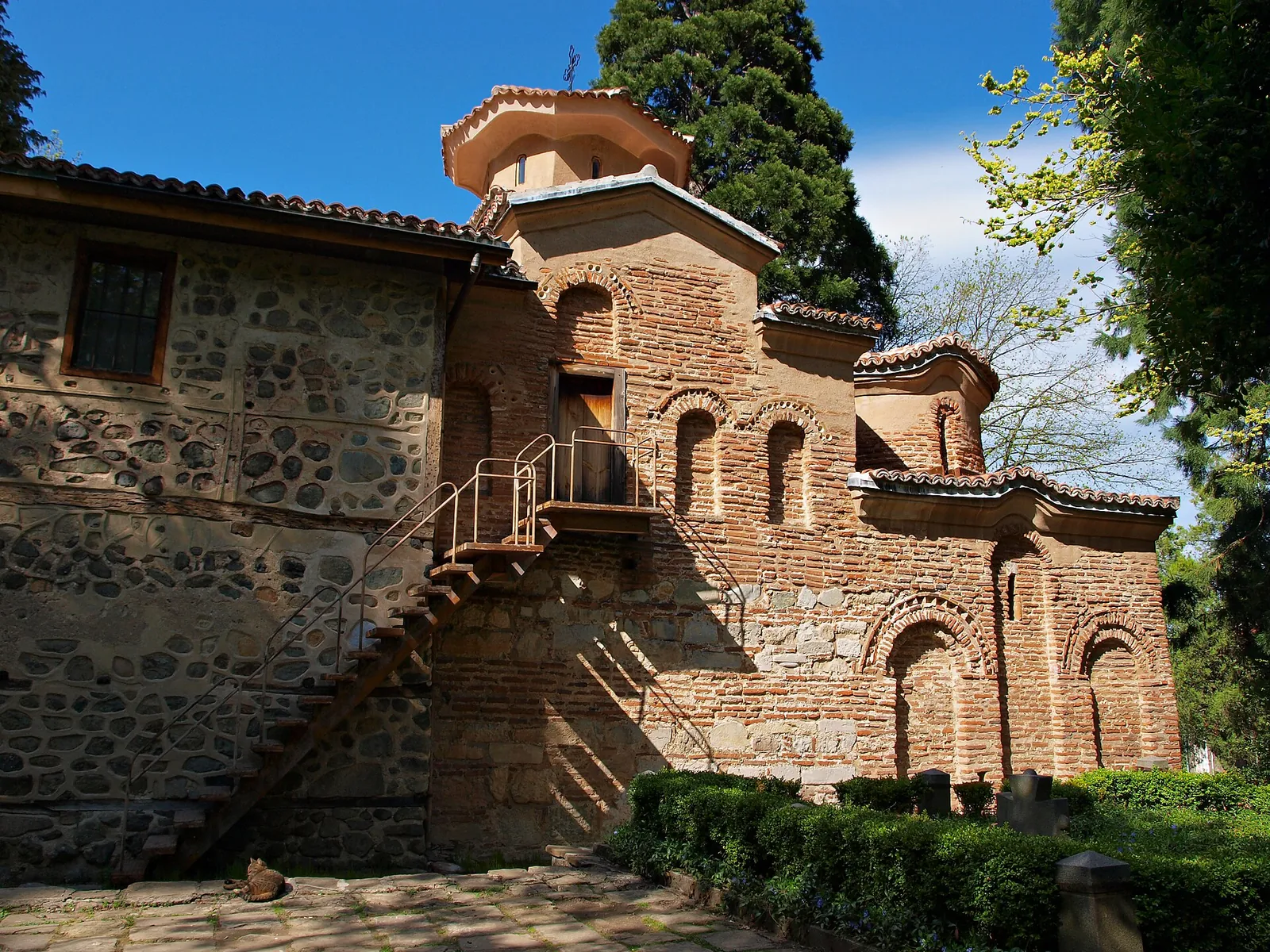
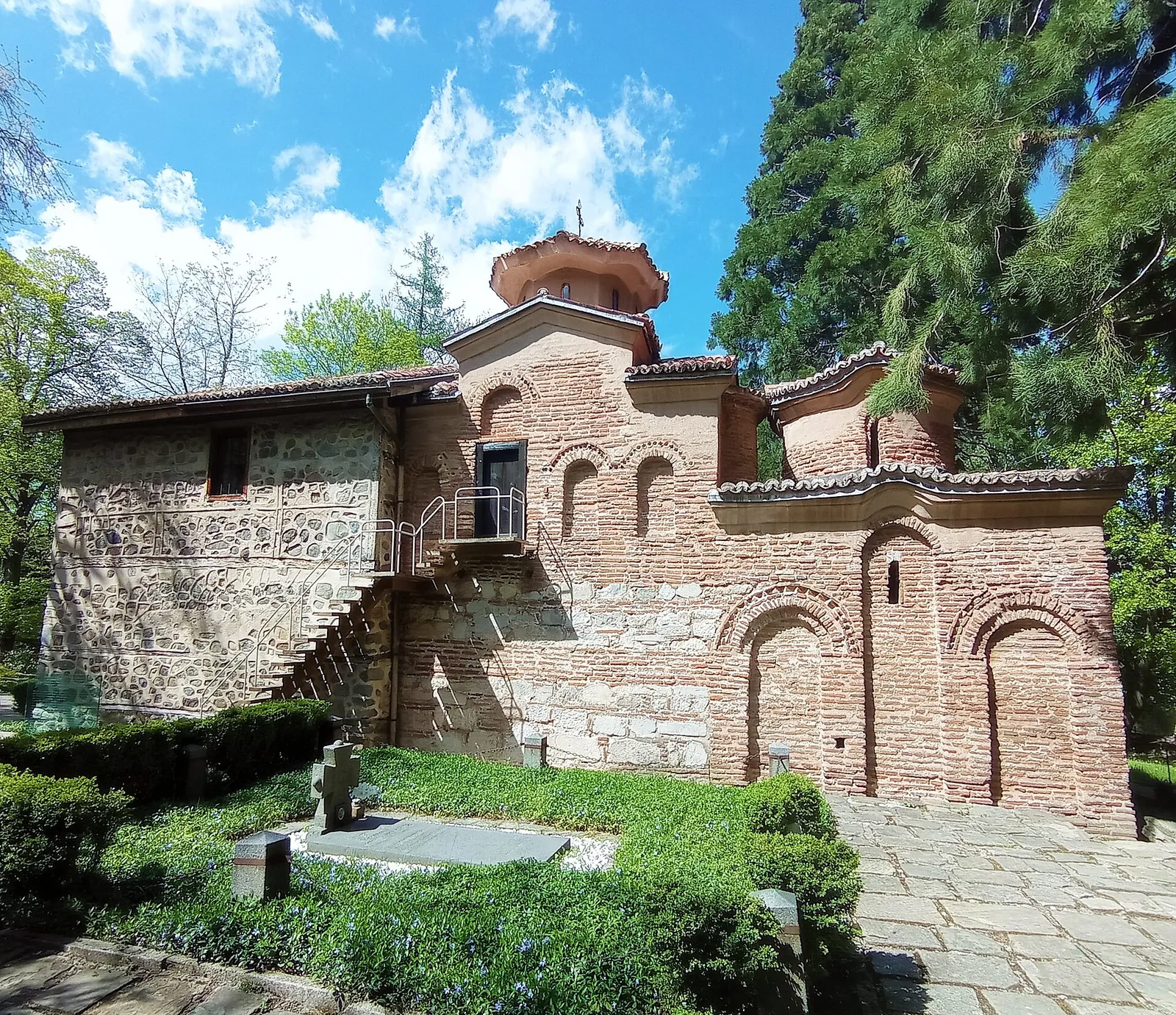
Then take a short taxi ride uphill to Boyana Church, inscribed on the UNESCO World Heritage List in 1979 for its extraordinary medieval frescoes. It is open daily: 09:00 to 17:30 in winter (pay desk until 17:00) and 09:30 to 18:00 in summer (pay desk until 17:30). A regular ticket costs EUR 6.14 and a student ticket EUR 1.53. Only nine people are allowed inside at a time, for a maximum of ten minutes, so expect a short wait at busy moments and enjoy the leafy park while you queue. Groups should reserve in advance through the contact details on the museum’s site.
Afternoon
Return to the centre for a late lunch, then pick your mood: a long walk through Borisova Gradina, Sofia’s grand central park, or a gentle loop through the City Garden in front of the Ivan Vazov National Theatre.
This is also a good moment to buy tomorrow’s train ticket, online on the BDZ site or at the station.
Evening
Spend your last Sofia evening in the side streets off Vitosha Boulevard, where small wine bars pour Bulgarian varieties such as Mavrud. Pack light for Plovdiv’s cobblestones.
Day 3: Train to Plovdiv and the Old Town
Morning
Plovdiv day! Get to Sofia Central Railway Station by metro (line M2, or change to M2 at Serdika if you are coming from the airport line). BDZ timetables show direct Sofia to Plovdiv trains taking roughly 2 hours 40 minutes to just over 3 hours. On the date checked for this guide (23 October 2026), direct departures included 06:30, 08:22, 10:15, 12:55, 15:15, 16:25 and 18:50. Timetables change, and BDZ warns that repair works can alter schedules, so check the official timetable on the day you travel.
Watch out for connections listed as running via Karlovo with a change: they took five hours or more on the sample date. Pick a direct train. The 08:22 departure, for example, was due into Plovdiv at 11:16, perfect for a full afternoon.
From Plovdiv station, drop your bags and walk north along the long pedestrian main street towards the Old Town. Allow around 25 to 30 minutes on foot, or take a short taxi ride.
Afternoon
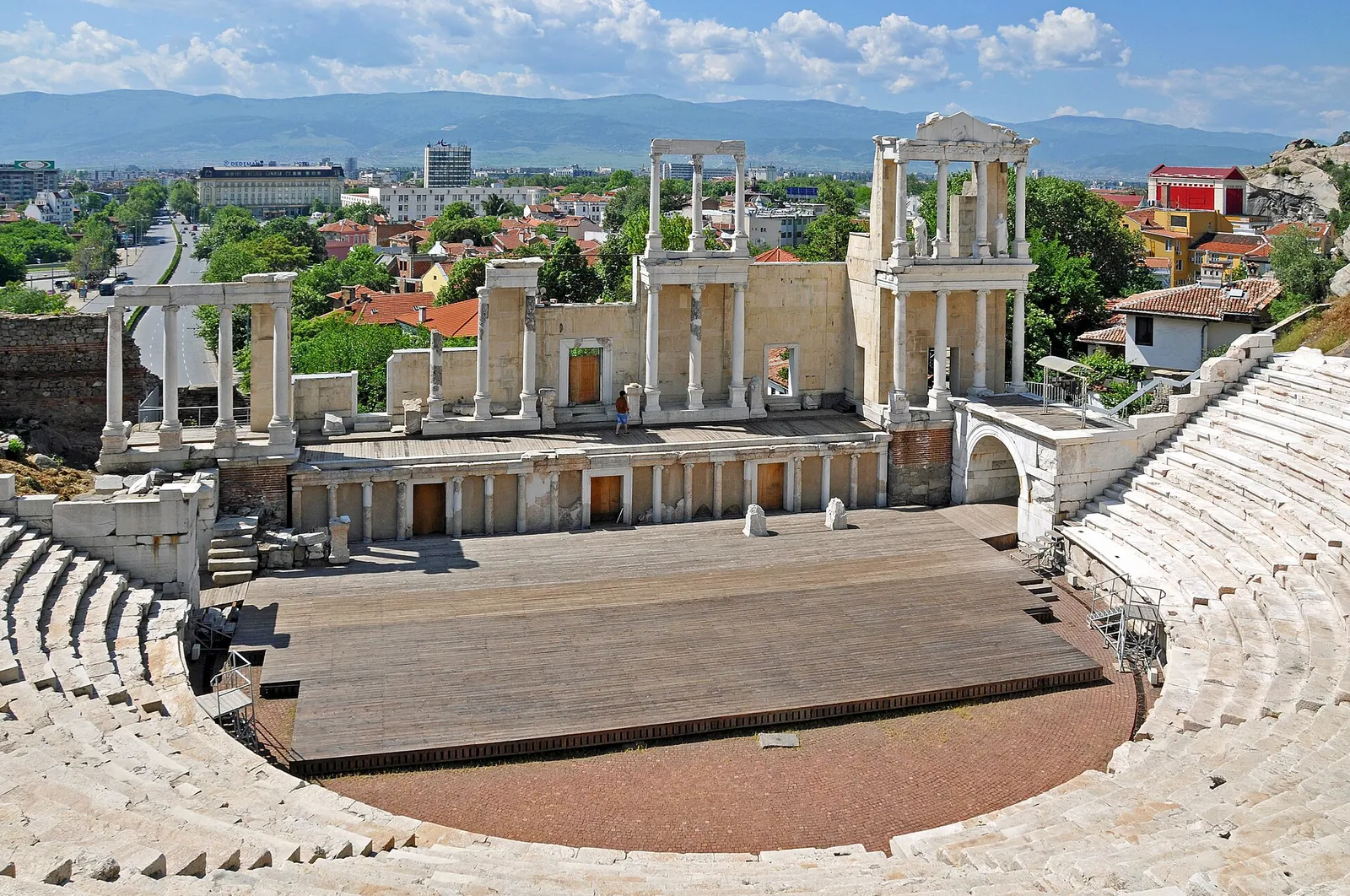
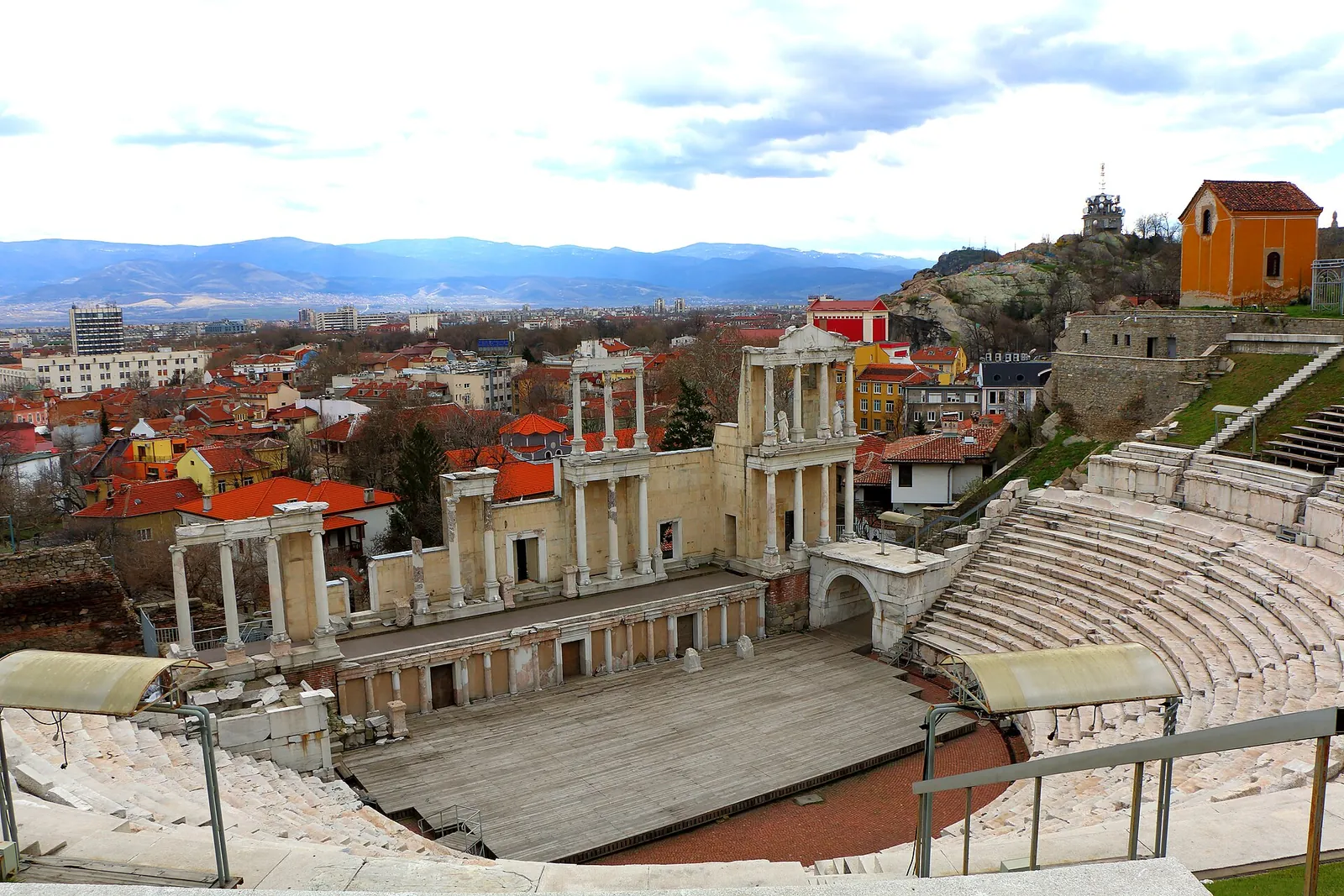
Climb into Old Plovdiv, built over the city’s historic hills. Your first stop is the Ancient Theatre of Philippopolis, a beautifully preserved Roman theatre with views over the rooftops, still used for summer concerts and opera. Check current tickets and opening hours on the official Plovdiv tourism or Old Plovdiv sites, as we could not confirm them on an official page today.
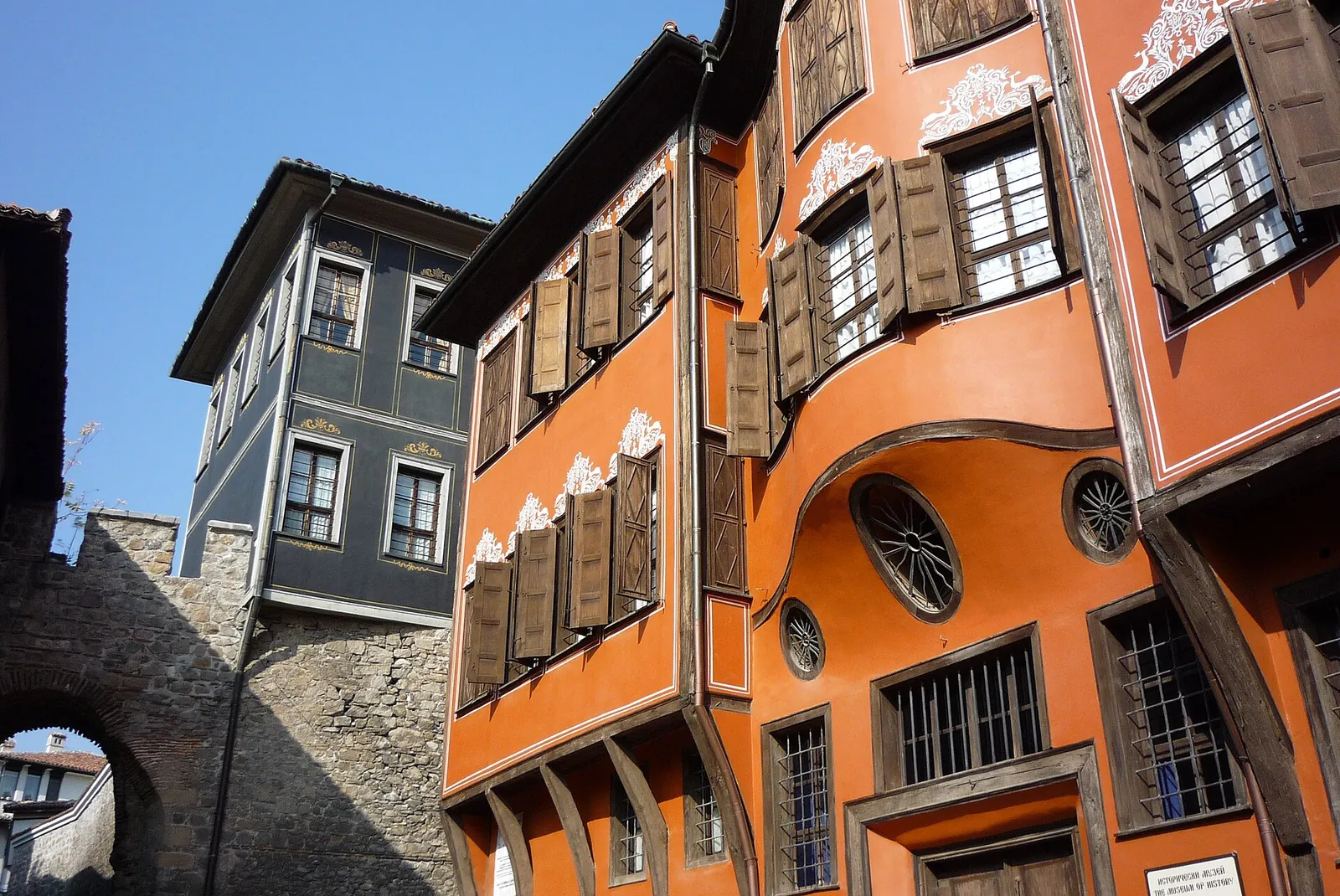
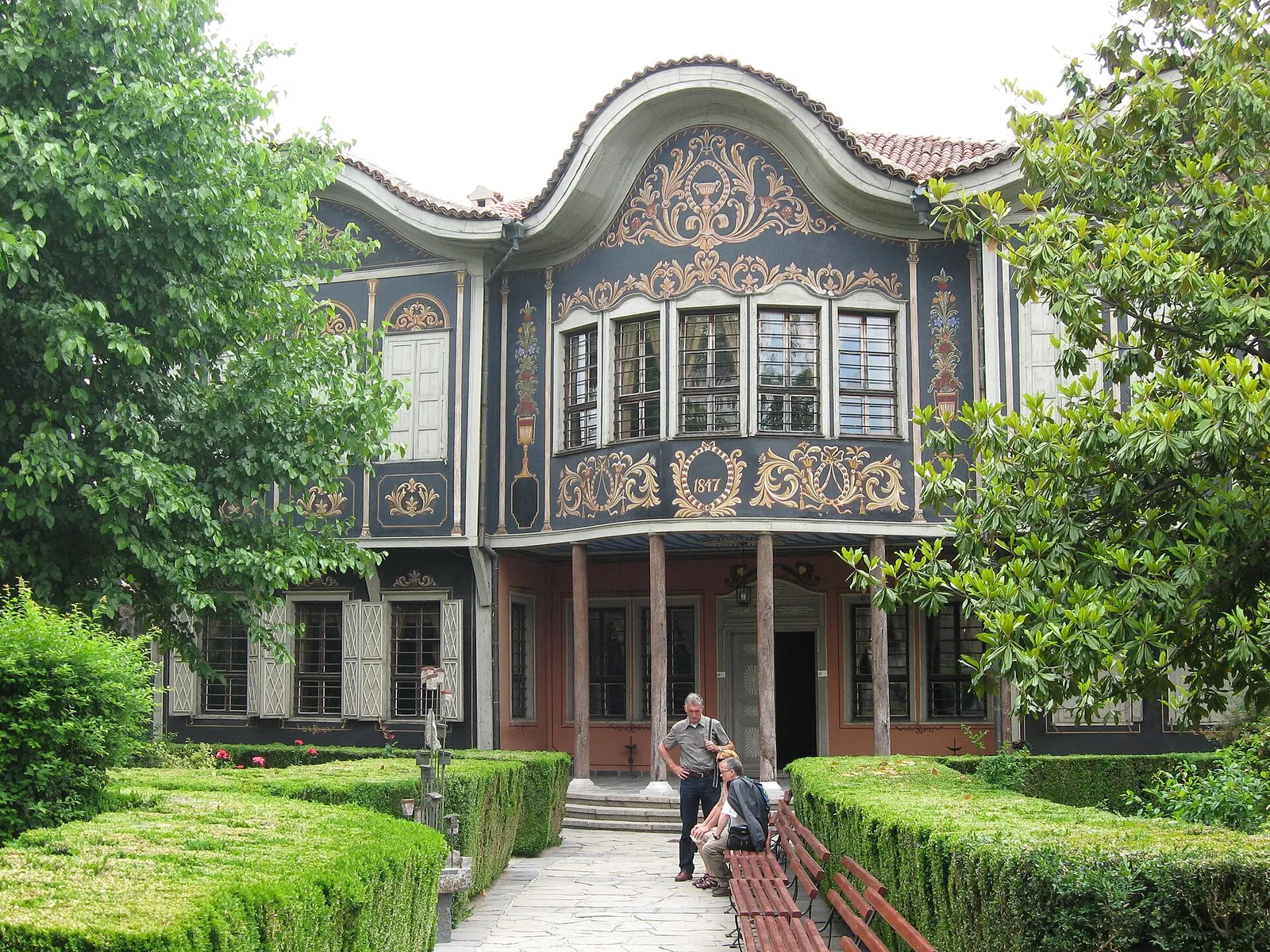
Then simply wander a maze of cobbled lanes and colourful 19th-century Bulgarian National Revival houses with overhanging upper floors. Several, including the Regional Ethnographic Museum, are open as museums; hours and closing days vary, so check before you go.
Evening
Walk up to Nebet Tepe, the hill at the top of the Old Town with remains of the ancient fortress, for sunset over the city and the Maritsa river plain. Then wander down for dinner in the Old Town or in Kapana, about 10 to 15 minutes’ walk below.
Day 4: Roman Plovdiv, Kapana and back to Sofia
Morning
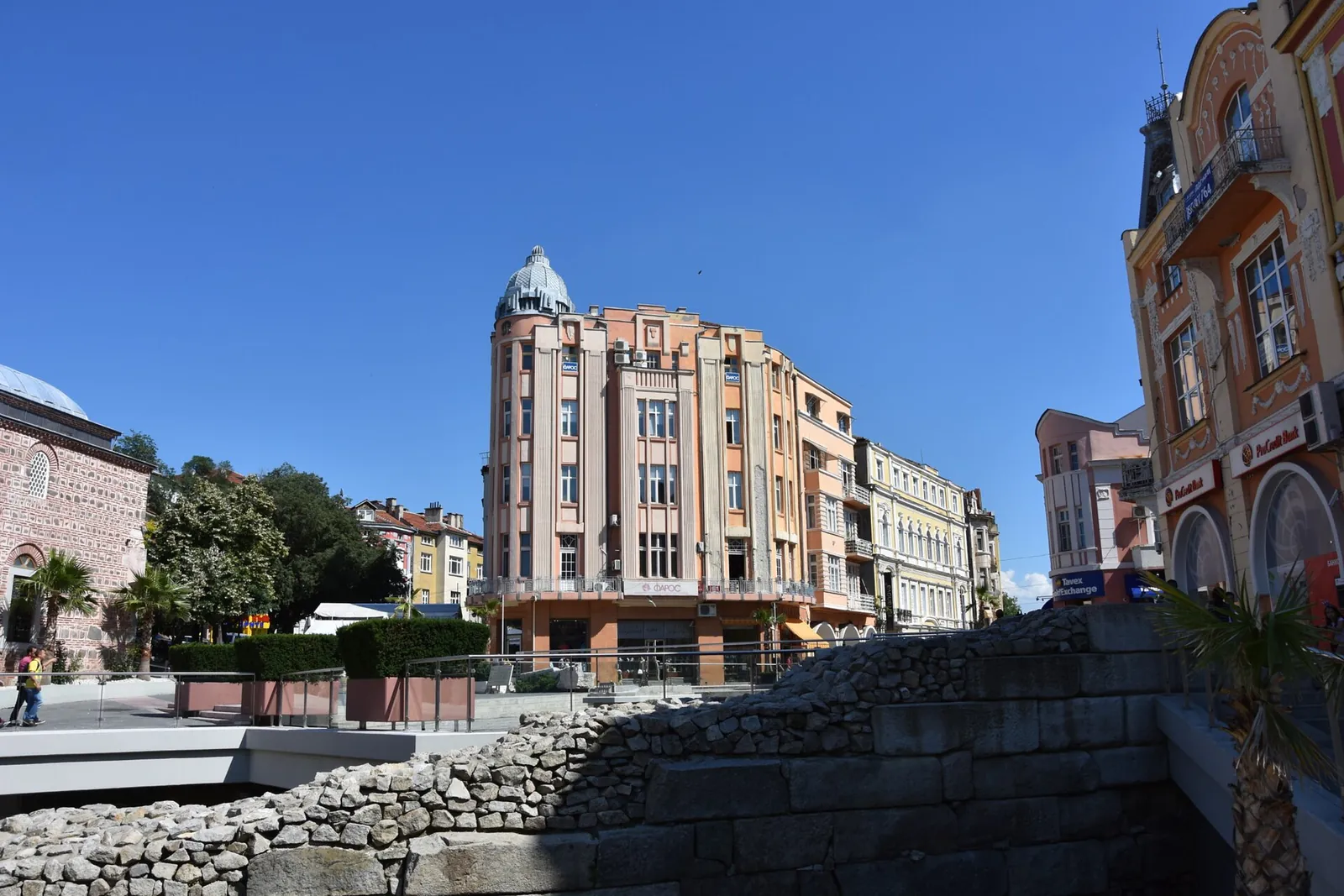
Save your energy for one more lovely day of exploring. Start at Dzhumaya Square, where part of the Roman Stadium of Philippopolis lies exposed below street level, with the rest still hidden under the main street. Right beside it stands the Ottoman-era Dzhumaya Mosque. A few minutes’ walk south, look for the Roman Odeon, a small ancient theatre that once served as the city council building, and the remains of the Roman forum nearby. Check the official Plovdiv tourism site for which archaeological sites are ticketed and their current hours.
Afternoon
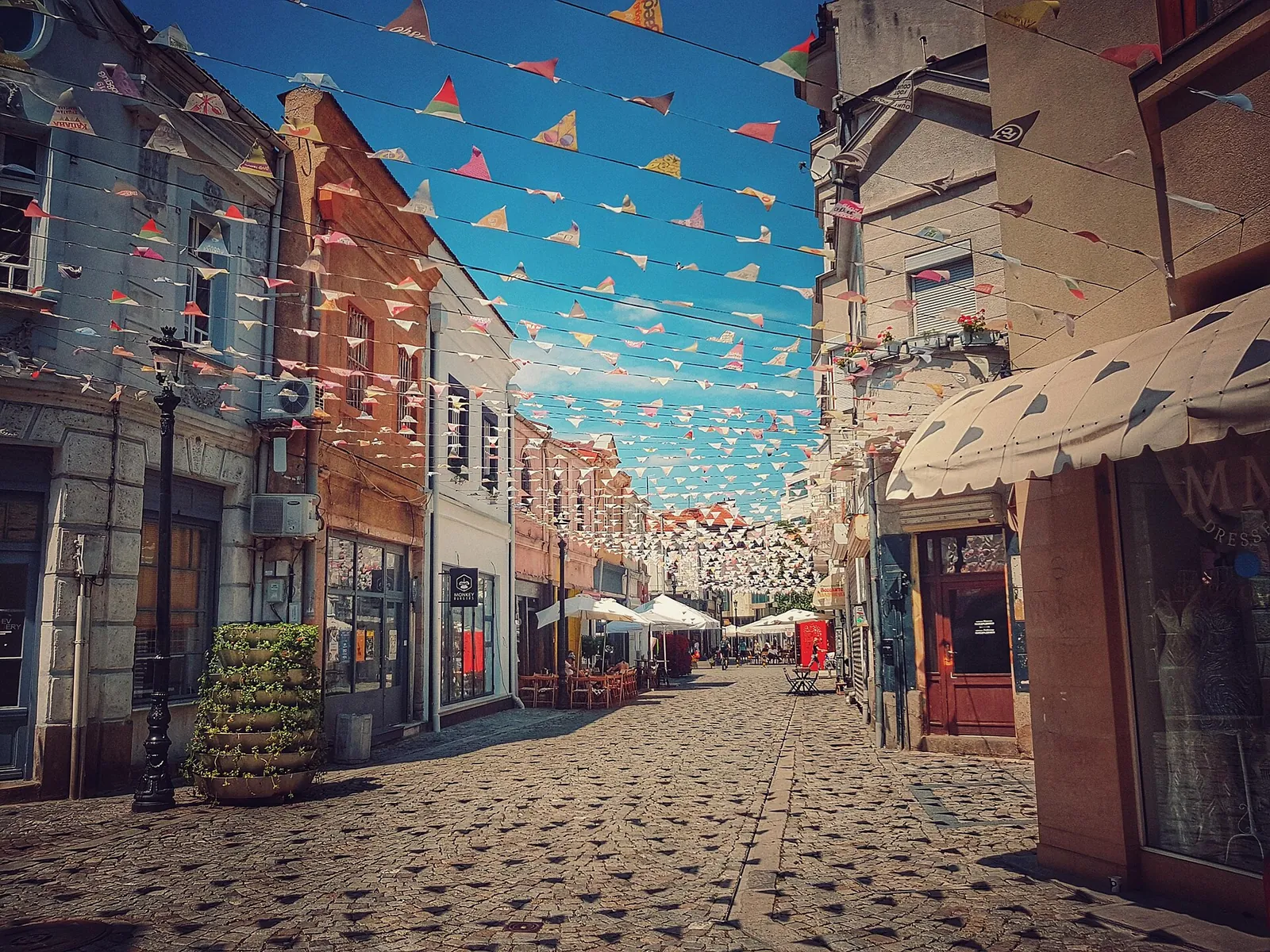
Have lunch in Kapana, whose name means “the trap” thanks to its tangle of tiny streets. This old craftsmen’s quarter is now Plovdiv’s creative district, full of murals, independent cafés, craft beer bars and galleries.
Then walk back down the main street to the station (around 25 to 30 minutes). On the date checked, direct Plovdiv to Sofia trains included 08:10 (arriving 10:55) and 13:15 (arriving 16:15); check the BDZ timetable for later departures on your date. Flying out the same evening? Sofia Airport notes that you can change at Iskarsko Shose station, two metro stops from the airport, between Sofia to Plovdiv line trains and the metro. Check that your train stops there.
Evening
If you have a spare night in Sofia, celebrate with a final dinner near Vitosha Boulevard. If you are flying, the metro will take you to Terminal 2 (see below).
Getting there and getting around
Sofia Airport to the city. Sofia Airport has two terminals, linked by a free 24/7 shuttle bus that runs every 30 minutes from 08:00 to 20:00 and every 40 minutes overnight.
- Metro (best value): the Sofia Airport metro station is at the eastern end of Terminal 2; follow the blue line on the floor. Line M4 runs from Sofia Airport to Obelya and shares 13 stations with line M1 through the centre, including Serdika. The airport puts the ride to the city centre at about 18 minutes, with trains from 05:30 to midnight. Change at Serdika for line M2 to the Central Railway Station.
- Buses 84 and 184: both link Terminals 1 and 2 with Gen. Gurko Street in the centre. The airport gives about 45 minutes end to end on weekdays and 35 minutes at weekends.
- Taxi: the airport recommends OK Supertrans, whose desks are in the arrivals halls of both terminals; follow the yellow floor markings to the taxi stand.
Tickets in Sofia (prices from 1 January 2026, per Metropoliten JSC):
| Ticket | Price | Notes |
|---|---|---|
| Single metro ticket | EUR 0.80 | One metro trip, valid 60 minutes, only at the station where issued |
| “30 plus” ticket | EUR 0.80 | Transfers allowed within 30 minutes; can be paid with a contactless bank card at vehicle validators and metro gates |
| “60 plus” ticket | EUR 1.10 | Transfers within 60 minutes; loaded onto a Sofia City Card or Ultralight card |
| One-day card | EUR 2.00 | Loaded onto a card |
| 24-hour card (incl. night transport) | EUR 3.00 | Valid from time of purchase |
| 72-hour card (incl. night transport) | EUR 7.60 | Valid from time of purchase |
The easiest option for most visitors is simply tapping a contactless bank card. Validate in every vehicle you board, even within your 30 minutes.
Sofia to Plovdiv. Trains run by BDZ leave from Sofia Central Railway Station. Fares are dynamic, according to BDZ, so check the price for your date on the official BDZ site or at the ticket office. Some trains have compulsory reservation. Plovdiv’s centre is very walkable, so you are unlikely to need public transport there.
Where to stay
Sofia
- Around Serdika and Sveta Nedelya: the most central base, steps from the airport metro line and both main metro lines. Ideal for a short stay and for anyone arriving late.
- Vitosha Boulevard and the NDK area: lively, full of restaurants and cafés, with easy walks to the old centre. Great for food lovers and night owls.
- Oborishte (behind Alexander Nevsky Cathedral): leafy, quieter streets with a residential feel, close to the cathedral and Borisova Gradina. Good for couples and families.
Plovdiv
- Old Town: pure atmosphere among Revival houses and cobblestones. Expect steep lanes, which can be tricky with heavy luggage.
- Centre and Kapana: flat, walkable and full of places to eat; the best all-rounder base.
- Near the railway station: practical for early or late trains, though less charming and a longer walk to the sights.
Budget
Bulgaria adopted the euro on 1 January 2026, with the lev converted at a fixed 1.95583 per euro. Prices below are in euros; older guides quoting leva are out of date.
| Item | Typical cost |
|---|---|
| Sofia metro or “30 plus” ticket | EUR 0.80 |
| Sofia 72-hour transport card | EUR 7.60 |
| National Museum of History, adult | EUR 9.00 |
| Boyana Church, adult | EUR 6.14 |
| Sofia to Plovdiv train | Dynamic fares: check BDZ |
| Plovdiv Ancient Theatre and Old Town houses | Check the official site |
| Accommodation, meals, taxis | Vary widely by season: check current listings |
The daily budget of EUR 70-140 per person shown at the top is a rough planning estimate, not an official figure: it assumes a shared mid-range double room, local restaurants, public transport and two or three sights a day. It excludes flights, insurance, shopping and nightlife.
Practical tips
- Dress code: for Orthodox churches and the mosques we suggest covering shoulders and knees; a light scarf is handy. Be quiet during services.
- Closing days: the National Museum of History and Boyana Church are open every day. Many smaller museums keep different schedules and some close on certain weekdays, so check official sites before your Day 1 and Day 3 museum stops.
- Free museum days: Boyana Church is free on the last Monday of the month after 15:00, on 18 May (International Museum Day), 17 September (Day of Sofia) and 1 November (Day of the National Awakeners). Expect crowds.
- Cyrillic: Bulgarian uses the Cyrillic alphabet. Station names on BDZ pages can appear in Cyrillic, so note that Plovdiv is ПЛОВДИВ and Sofia is СОФИЯ.
- Money: the euro is the currency. Contactless cards work on Sofia public transport; we suggest carrying a little cash in small denominations for kiosks and markets.
- Visa and entry: Bulgaria is in the European Union and the Schengen area, and entry rules depend on your passport. Check the current requirements on the official portal of the Bulgarian Ministry of Foreign Affairs: mfa.bg.
- SIM and eSIM: Bulgaria is in the EU, so travellers with an EU SIM generally roam under EU rules (check with your provider). Others can pick up a local SIM from a mobile operator’s shop in the city or buy a travel eSIM before departure.
Heads-up
Bulgaria is an easy, welcoming place to explore. A few things to know:
- Airport taxis: Sofia Airport recommends its contracted operator, OK Supertrans, and advises against using taxi services offered outside the operator’s office or in front of the terminal, to avoid the risk of abuse. Book at the desk inside arrivals.
- Train schedule changes: BDZ warns that repair works on the network can change timetables. If you bought a ticket in advance, recheck your train on the day of travel.
- Slow connections and reservations: some Sofia to Plovdiv options run via Karlovo with a change and take over five hours, and several direct trains need a compulsory reservation. Choose a direct train and book the seat with your ticket.
- Metro single tickets: a single metro ticket is valid only at the station where you bought it, within 60 minutes. Do not buy one in advance for a later trip.
- Boyana Church limits: with nine visitors inside at once and ten minutes each, queues can form, especially on free-entry days.
- Museum bags: the National Museum of History does not allow bulky backpacks, bags or food in its halls.
- Official travel advice: before you go, check your own government’s travel advice for Bulgaria for up-to-date safety information.
FAQ
Is four days enough for Sofia and Plovdiv?
Yes, for the highlights. Two days in each city covers the main cathedrals, the National Museum of History, Boyana Church, Plovdiv’s Roman sites and the Old Town at a relaxed pace.
Can I do Plovdiv as a day trip from Sofia?
You can, since direct trains take around three hours each way, but you would miss Plovdiv’s lovely evenings. We suggest staying at least one night.
How long is the train from Sofia to Plovdiv?
On the BDZ timetable checked for this guide, direct trains took about 2 hours 40 minutes to just over 3 hours. Fares are dynamic, so check BDZ for your date.
What currency does Bulgaria use?
The euro, since 1 January 2026. The old lev was converted at 1.95583 per euro.
Can I pay for Sofia public transport by card?
Yes. According to Metropoliten JSC, you can tap a contactless bank card at validators in vehicles and at metro gates for a “30 plus” ticket, which costs EUR 0.80.
Sources
Prices, hours and rules change. We checked these on 24 October 2026; please confirm on the official page before you book.
- Metropoliten JSC: Trip tickets of the Sofia Metro
- Metropoliten JSC: Operating metro (lines and stations)
- Sofia Airport (SOF Connect): Transportation to and from the airport
- BDZ Passengers: Sofia to Plovdiv train timetable
- BDZ Passengers: Train ICF 1621 Sofia to Plovdiv
- National Museum of History: Boyana Church (prices and working hours)
- National Museum of History: Prices and working time
- Banque de France: Bulgaria to join euro area on 1 January 2026
- Plovdiv Municipality: History of Plovdiv
Photo credits (11)
- Plovdiv's Roman theatre with the city beyond: Dennis G. Jarvis, CC BY-SA 2.0, via Wikimedia Commons
- The gilded domes of Alexander Nevsky Cathedral: acediscovery, CC BY 4.0, via Wikimedia Commons
- The red-brick Rotunda of St George in its courtyard: teodorpk, CC BY 2.0, via Wikimedia Commons
- Vitosha Boulevard with Vitosha mountain beyond: Stolichanin, CC BY-SA 4.0, via Wikimedia Commons
- The little medieval Boyana Church among green trees: Todor Bozhinov / Тодор Божинов, CC BY-SA 3.0, via Wikimedia Commons
- Boyana Church's brick walls in the sunshine: Ivano Giambattista, CC0, via Wikimedia Commons
- Colourful revival-era houses in Old Plovdiv: Colin W, CC BY-SA 3.0, via Wikimedia Commons
- The Ancient Theatre of Philippopolis overlooking Plovdiv: Juan Antonio F. Segal, CC BY 2.0, via Wikimedia Commons
- The Roman Stadium ruins on Dzhumaya Square: Mick D Kirkov, CC0, via Wikimedia Commons
- A cheerful street in Plovdiv's Kapana quarter: Община Пловдив, CC BY-SA 4.0, via Wikimedia Commons
- A pretty historic house in Plovdiv's Old Town: Explorer1940, CC BY-SA 4.0, via Wikimedia Commons
This is a researched plan, not a personal trip report. How we research · Affiliate disclosure