
3 Days in Split: A Day-by-Day Itinerary
A relaxed 3-day Split plan: Diocletian's Palace and its cellars, Marjan hill and the Meštrović Gallery, then Klis Fortress by local bus, with verified prices.
- 🗓️ Trip length
- 3 days
- ☀️ Best time
- May to June, September to October
- 💰 Daily spend
- EUR 20-35 for sights and local transport (excl. lodging and food)
- ✅ Facts checked
- 24 October 2026
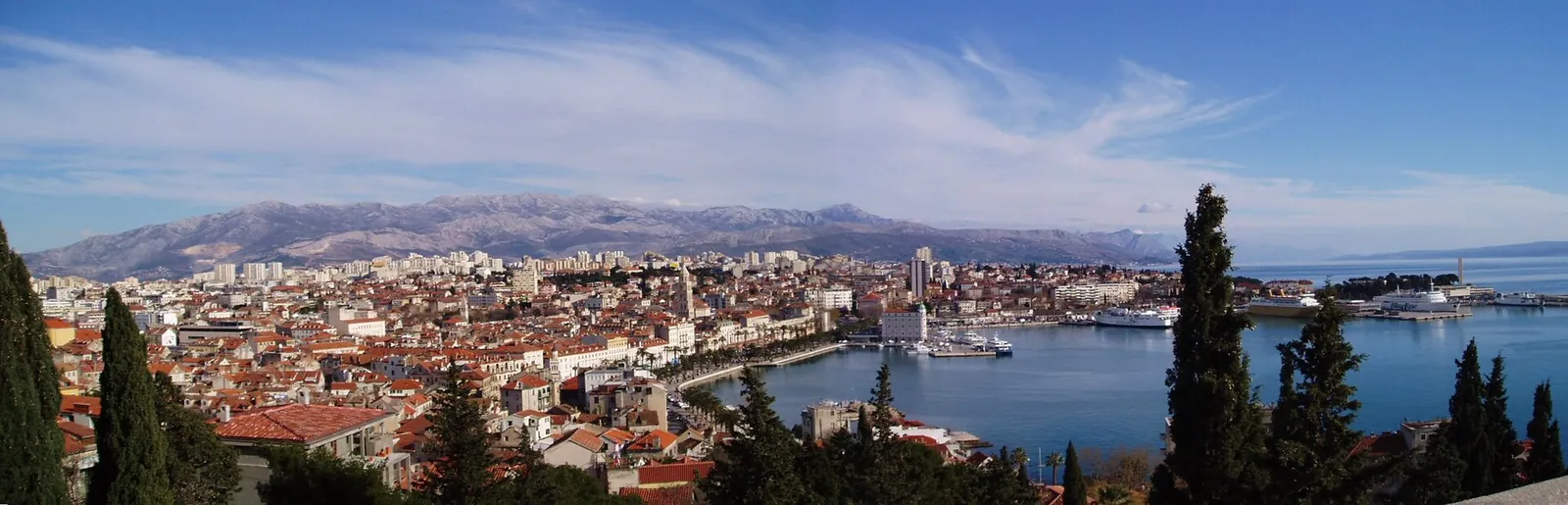
Get ready for a city where people still live, shop and sip coffee inside a Roman emperor’s palace. Split packs 1,700 years of history, a pine-covered hill and a sparkling waterfront into a small centre you can cross on foot. That makes it perfect for a three-day city break.
This plan suits first-timers who want the big sights without rushing. Mornings are for the main monuments, afternoons mix in a museum or a swim, and evenings stay loose for the Riva promenade and long dinners. Two of the three days need no transport at all, and the third uses one simple local bus.
At a glance
| Day | Area | Highlights |
|---|---|---|
| Day 1 | Diocletian’s Palace and the Riva | Peristyle, Cathedral of Saint Domnius and bell tower, palace cellars, Split City Museum |
| Day 2 | Varoš, Marjan hill and Meje | Marjan viewpoints, Sedlo watchtower, Meštrović Gallery, a swim on the Marjan peninsula |
| Day 3 | Klis Fortress and the east side | Klis Fortress by bus line 22, green market, Bačvice beach, farewell evening in the old town |
Day 1: Inside Diocletian’s Palace
Morning
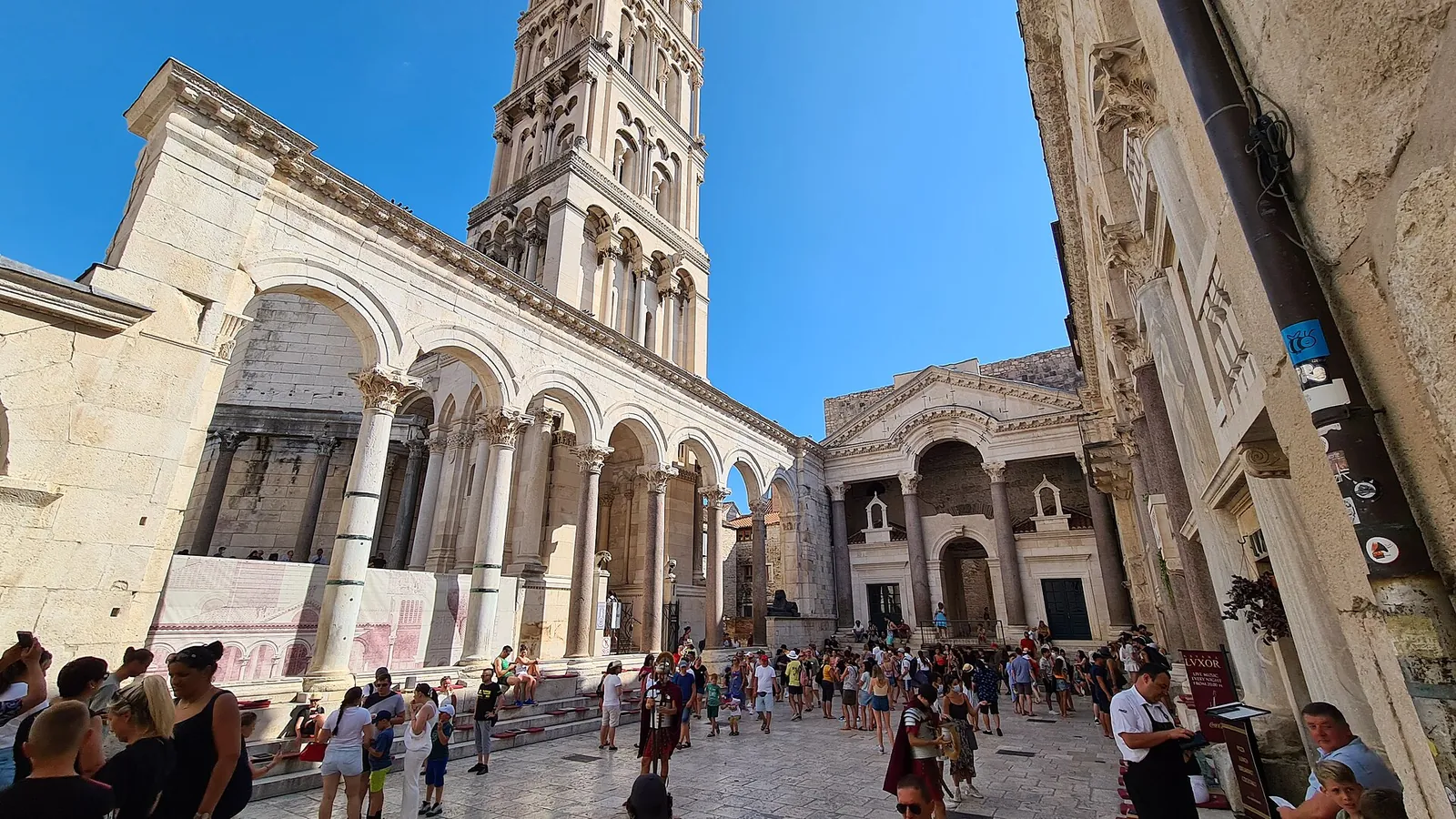
Welcome to Split! Your palace adventure begins today. Start early, before the tour groups, at the Peristyle, the palace’s grand square lined with columns. The Tourist Board of Split describes Diocletian’s Palace as one of the best preserved monuments of Roman architecture in the world. It was built as a mix of luxury villa and Roman military camp and measures roughly 215 by 180 metres. That size is the secret of this day: everything is a few minutes’ walk apart.
From the Peristyle, step into the Vestibule, the domed entrance hall, then head straight to the Cathedral of Saint Domnius. It occupies the emperor’s own mausoleum, and the tourist board notes that of all Europe’s cathedrals, Split’s sits in the oldest building. Look for the carved walnut doors by Andrija Buvina and the green porphyry pulpit.
Next door rises the 57-metre bell tower. You can climb all the way to the top for a view over the whole city. It is a proper stair climb, so take your time. Tickets for the cathedral and bell tower are sold on site. We could not verify current prices on an official page, so check them at the cathedral ticket desk.
Finish the morning with a two-minute walk to the tiny Temple of Jupiter, just west of the Peristyle.
Afternoon
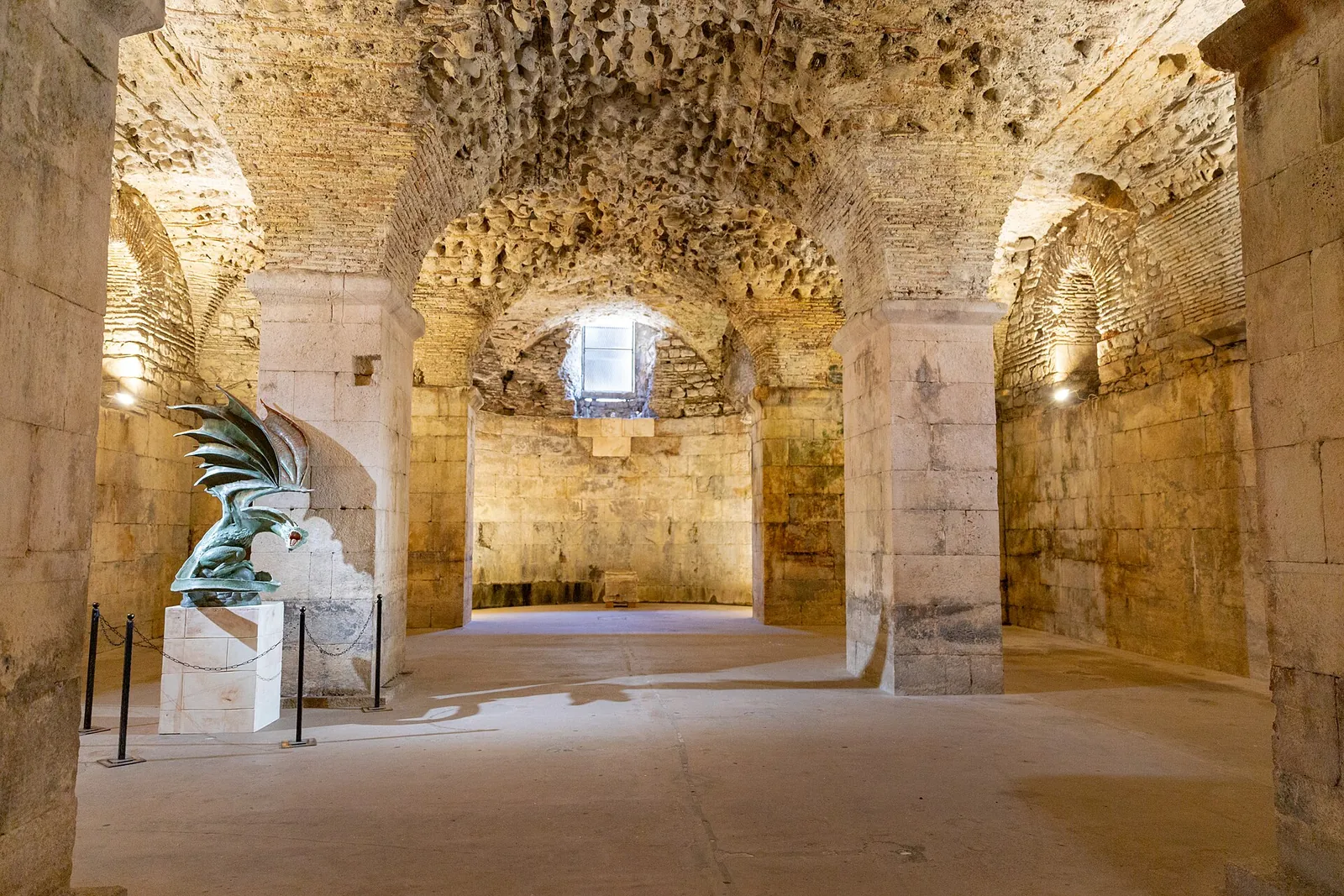
After lunch, head down into the Substructures (Diocletian’s Palace cellars), entered from the Riva side of the palace. These vaulted halls once raised the emperor’s rooms off the ground, and they copy the layout of the rooms that stood above them. The tourist board credits them as a key reason Split’s historic core joined the UNESCO World Heritage list in 1979.
The Split City Museum runs the cellars and lists an adult ticket at EUR 10 (family ticket EUR 18). Opening hours are currently shown as daily 8:30 to 20:00, but they change with the season, so check the museum’s page before you go. Last entry is 30 minutes before closing.
From the cellars, walk about five to ten minutes north through the lanes to the Split City Museum at Papalićeva 1, set in a Gothic palace. Adult entry is EUR 10. It opens Tuesday to Sunday from 9:00 to 20:00 and is closed on Mondays and public holidays.
If you still have energy, the museum also runs the walkway along the palace’s northern wall (adult ticket EUR 6), a lovely way to see the rooftops. Leave by the Golden Gate to see the giant statue of Bishop Gregory of Nin, whose big toe locals rub for luck.
Evening
Wander back to the Riva, the palm-lined waterfront, for sunset. Then drift west into Varoš, the old fishermen’s quarter at the foot of Marjan. Small family-run konobas there serve grilled fish, black risotto and Dalmatian wine. After dinner, come back to the Peristyle: the palace at night, softly lit and full of chatter, is one of Split’s quiet joys.
Day 2: Marjan hill and the Meštrović Gallery
Morning
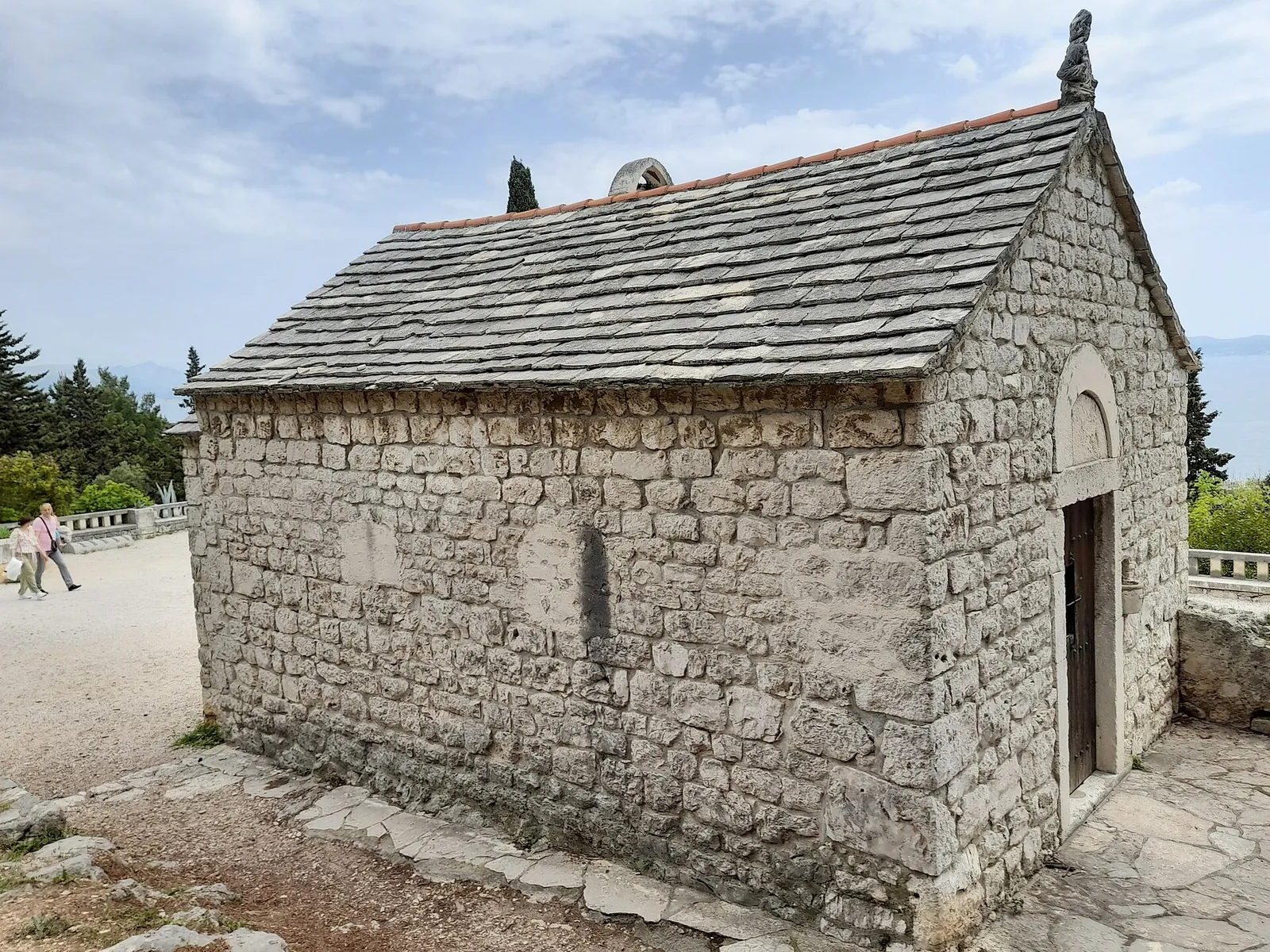
Today is all about pine-scented trails, sea views and beautiful sculpture. Marjan is Split’s green lung, and the tourist board points out that you can climb it straight from the Riva. From the western end of the waterfront, follow the stone steps up through Varoš. In around 15 to 20 minutes you reach the first viewpoint, with a postcard view over the old town and the islands.
Keep going along the shaded paths to Sedlo. The renovated watchtower there sits 148 metres above sea level. Entry is free and up to ten people fit at a time, so you may wait a few minutes on busy days.
Stay on the main promenades and marked paths. The park authority has marked the unsafe areas, and leaving the road for unsecured trails is at your own risk.
Afternoon
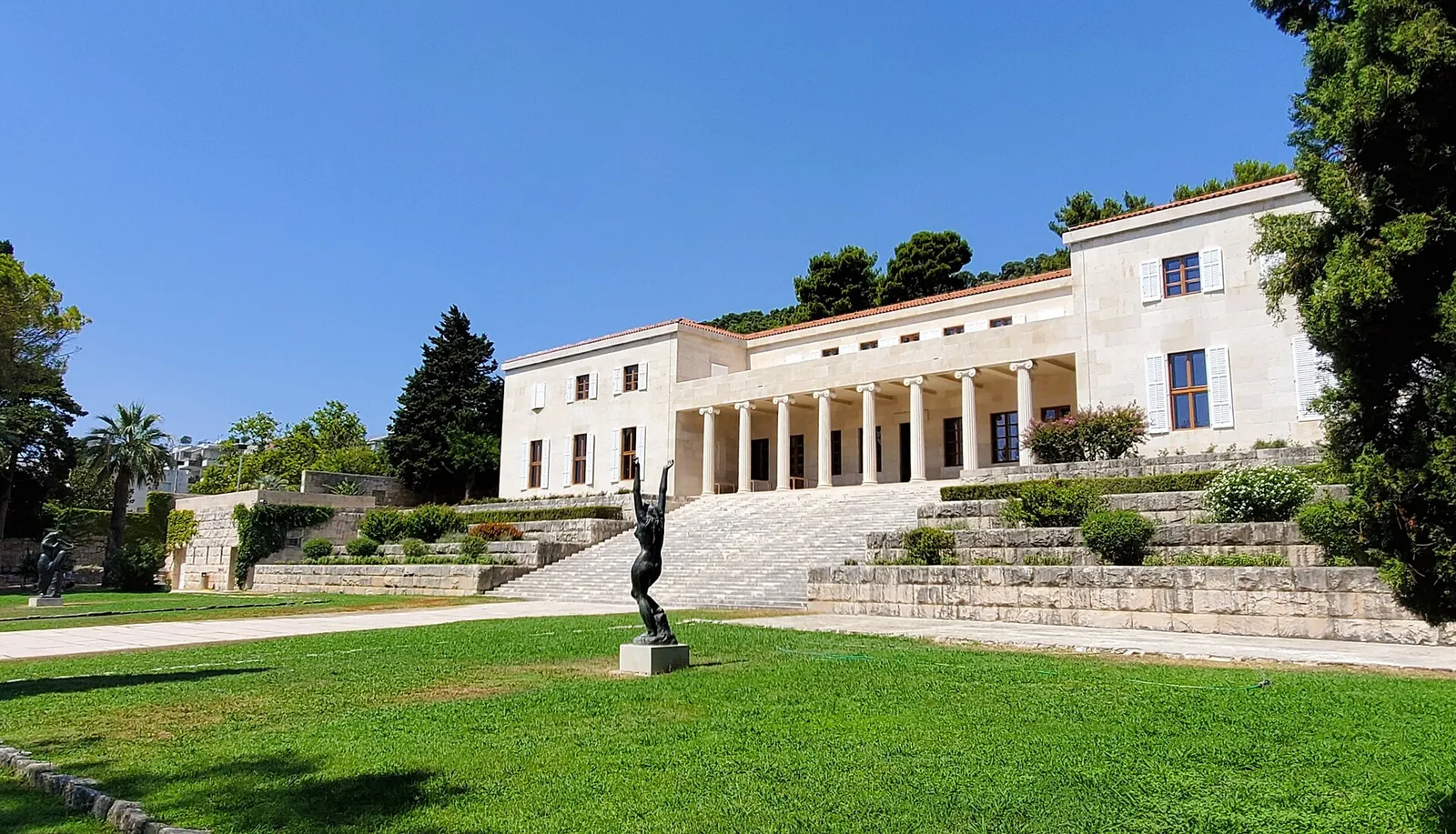
Walk down the southern side of the hill towards the Meje district and the Meštrović Gallery. This is the seaside villa that sculptor Ivan Meštrović built for his family in the 1930s. From the Riva it is roughly a 30-minute walk along the seafront if you skip the hill, or you can take a city bus along the peninsula.
The gallery lists opening hours of Tuesday to Sunday, 10:00 to 18:00, closed on Mondays and public holidays. Last entry is half an hour before closing. The standard adult ticket is EUR 12, and it also covers Meštrović’s Crikvine-Kaštilac a short walk away.
Important: the gallery’s site has reported energy renovation works that close the indoor exhibition space for now. Only the garden, the garden sculptures and the architecture are open, and the ticket is 50 percent off. Check the official page for the current status before you plan your afternoon around it.
Afterwards, cool off at one of the pebbly coves along the Marjan peninsula. Bus line 12 (Sv. Frane to Bene) runs out along the peninsula, handy if your legs are tired after the morning climb.
Evening
Ride or walk back to town and spend the evening around Matejuška, the little fishermen’s harbour below Varoš, then stroll the Riva again. If you fancy some culture, the Croatian National Theatre Split’s 2026/2027 season is listed on the tourist board’s events pages.
Day 3: Klis Fortress and a beach afternoon
Morning
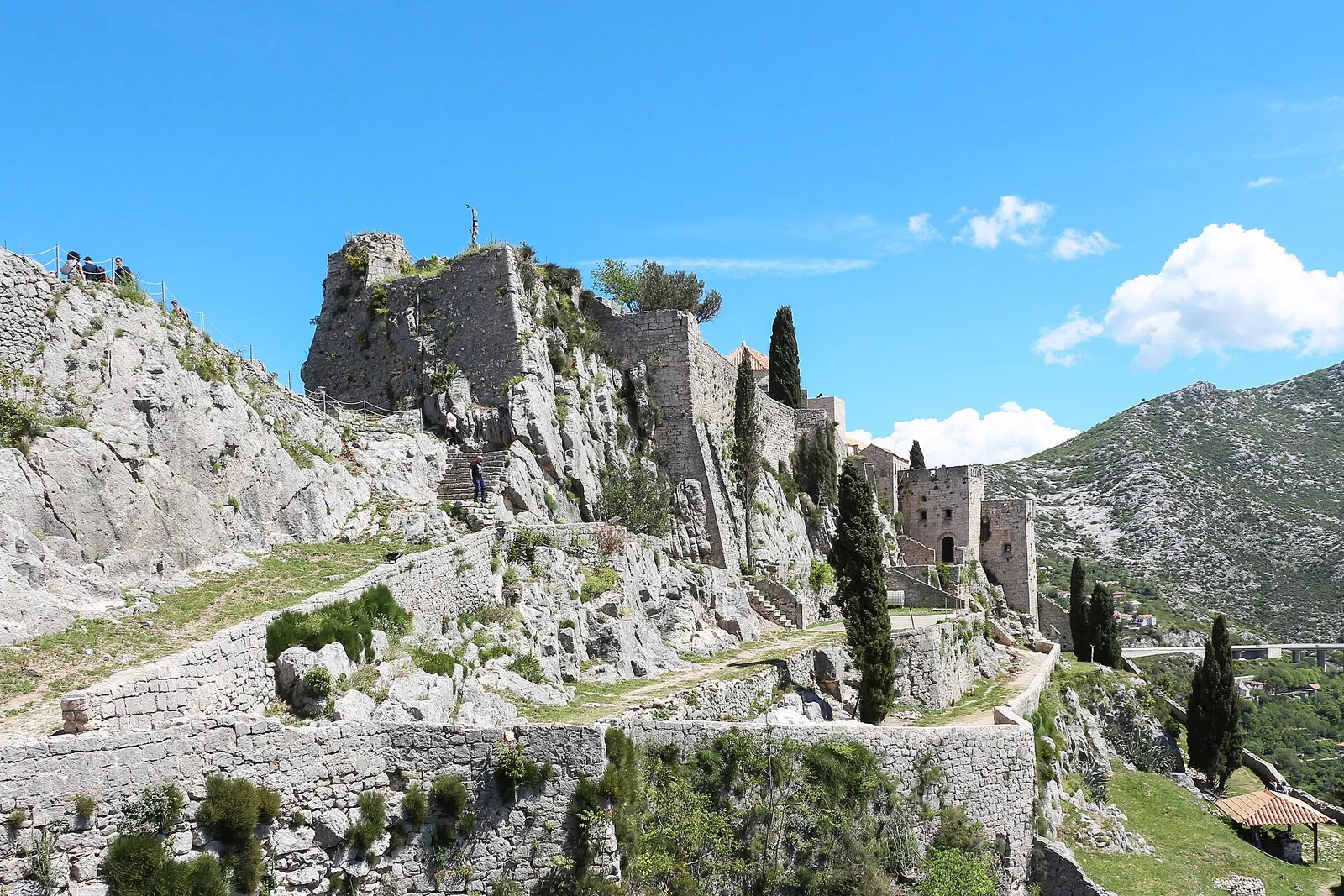
Get ready for big views and a lazy beach afternoon. Today you leave the coast for a dramatic fortress on a rocky ridge above the city. Klis Fortress is about 12 km from Split, and Promet Split runs bus line 22 (Split to Klis). Check the timetable on Promet’s website and aim for an early bus to beat the heat.
The fortress currently lists opening hours of every day from 9:00 to 19:00. Adult tickets are EUR 12 and children up to 15 pay EUR 4. The same ticket also gets you into the Interpretation Centre at Mejdan Square, the Stella Croatica ethno agro park and an olive museum, so the trip is good value. Allow two to three hours including the bus.
Wear shoes with grip: the fortress paths are stone and you will be climbing between levels.
Afternoon
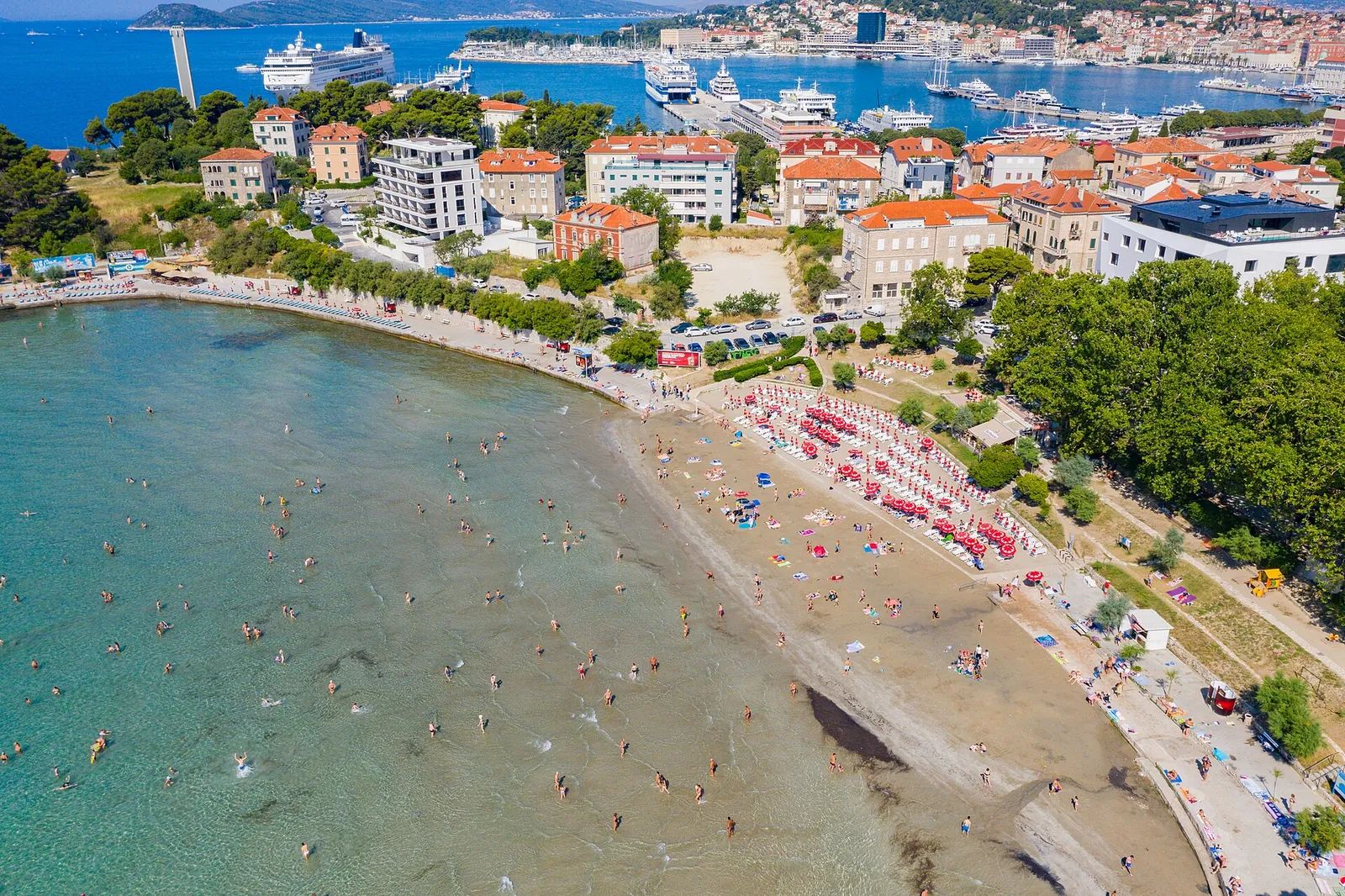
Back in town, browse the green market (Pazar) just east of the palace for figs, cheese and dried lavender. Then walk about ten minutes east to Bačvice, Split’s sandy city beach. Watch locals play picigin, the splashy ball game born here, or simply swim and recharge.
Evening
For your last evening, head back into the palace lanes for dinner and a final gelato on the Riva. If one sight is still on your list, the palace cellars keep long hours in season, so a late visit is often possible. Check the hours first.
Getting there and getting around
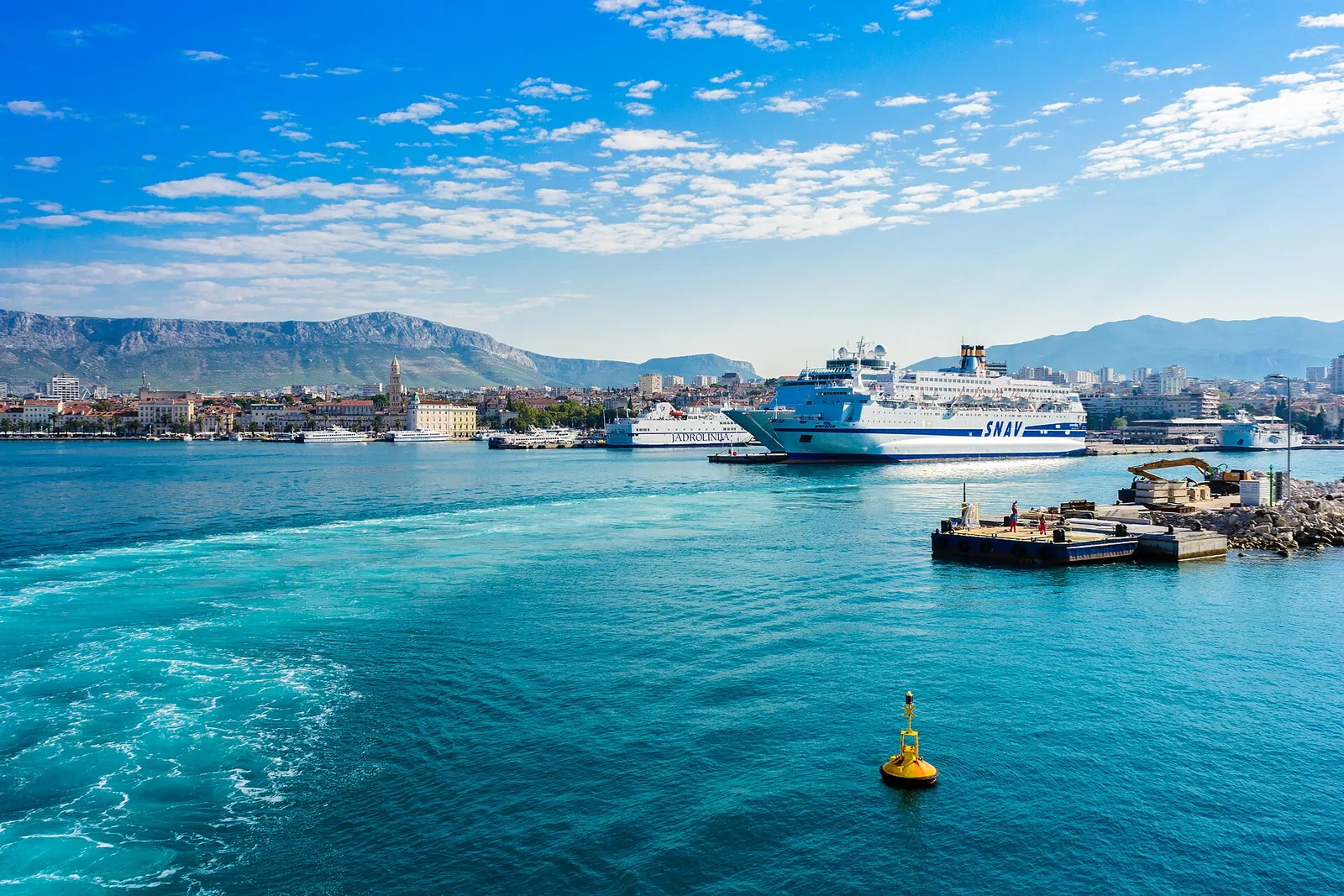
From Split Airport. The airport sits west of the city, near Trogir. Your main options:
- Platanus airport shuttle: a direct bus from the airport to Split’s main bus station. The station is next to the train station and ferry port, about a five-minute walk from the old town. The ride takes about 30 minutes depending on traffic. A one-way ticket is EUR 10 and a return is EUR 15, and children under 6 travel free. Buses leave about 30 minutes after flights land. Buy online or at the stand by the bus.
- Promet Split public buses: line 37 (Split, Airport, Trogir) and line 38 (Split, Kaštel Stari, Airport) are the budget choice. Promet’s airport line page gives a ride of around 50 minutes into Split. Promet brought in a new price list on 1 June 2026, so check the current fare on its official price list.
- Taxi: the tourist board’s Getting around page has taxi information. Agree on the route and use official ranks or well-known apps.
In the city. Split’s centre is very walkable, and Days 1 and 2 of this plan are almost all on foot. For longer trips, Promet Split runs the city and suburban buses. Its current price list says day, three-day and seven-day tickets work within one municipality only: the one where you first validate the ticket. How long a single ticket lasts depends on the fare you pay. Tickets bought from the driver cost more than those from the app, ticket machines or sales points.
Entry requirements. Croatia is in the EU and the Schengen Area. You need a valid passport or other recognised travel document, and the rules depend on your nationality. Check the official requirements with the Croatian Ministry of Foreign and European Affairs at mvep.gov.hr or your nearest Croatian embassy or consulate well before booking.
Where to stay
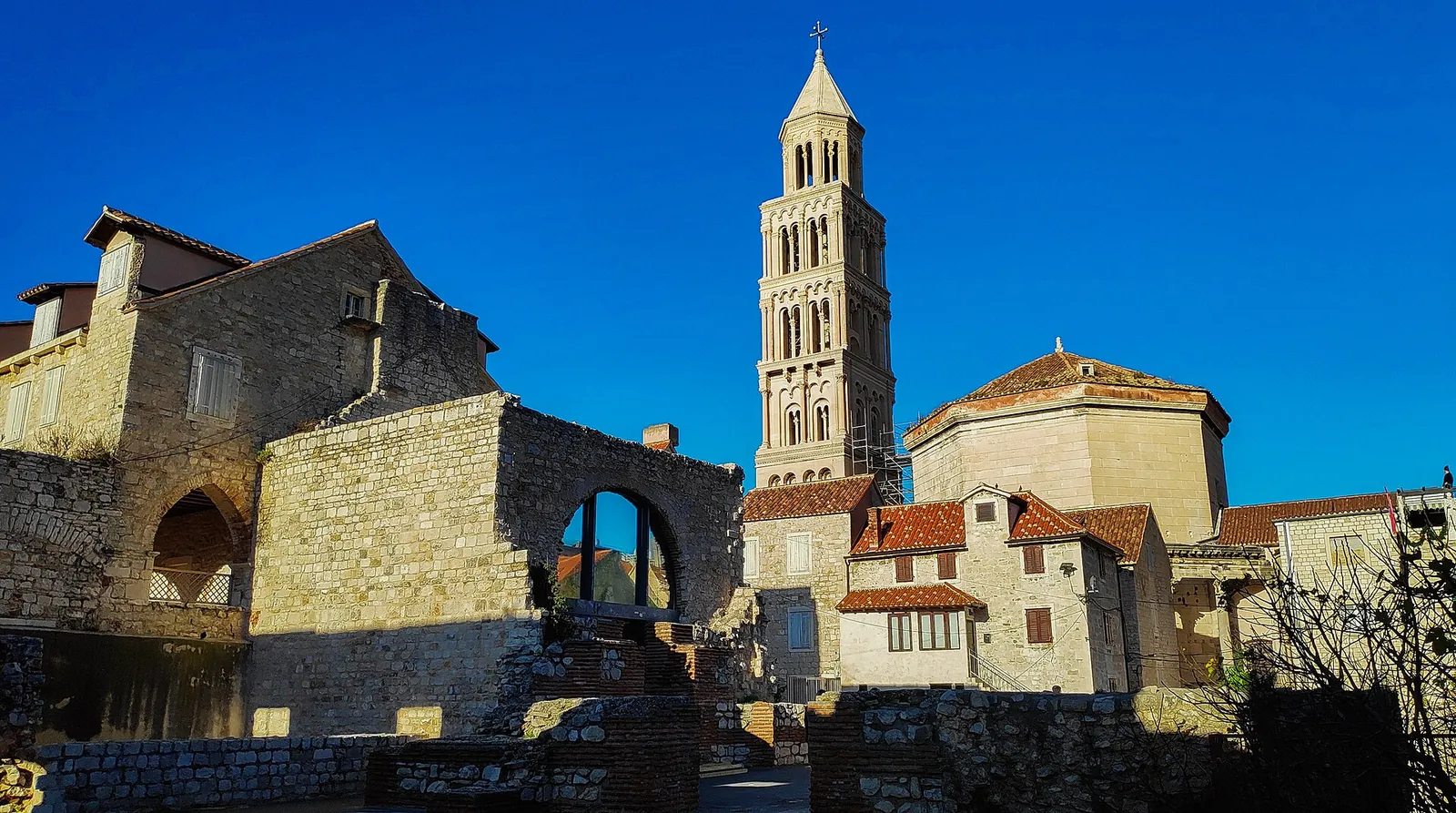
- Old Town (inside and around Diocletian’s Palace): best for first-timers who want to step out the door into the sights. Expect atmosphere, stone lanes and some evening noise.
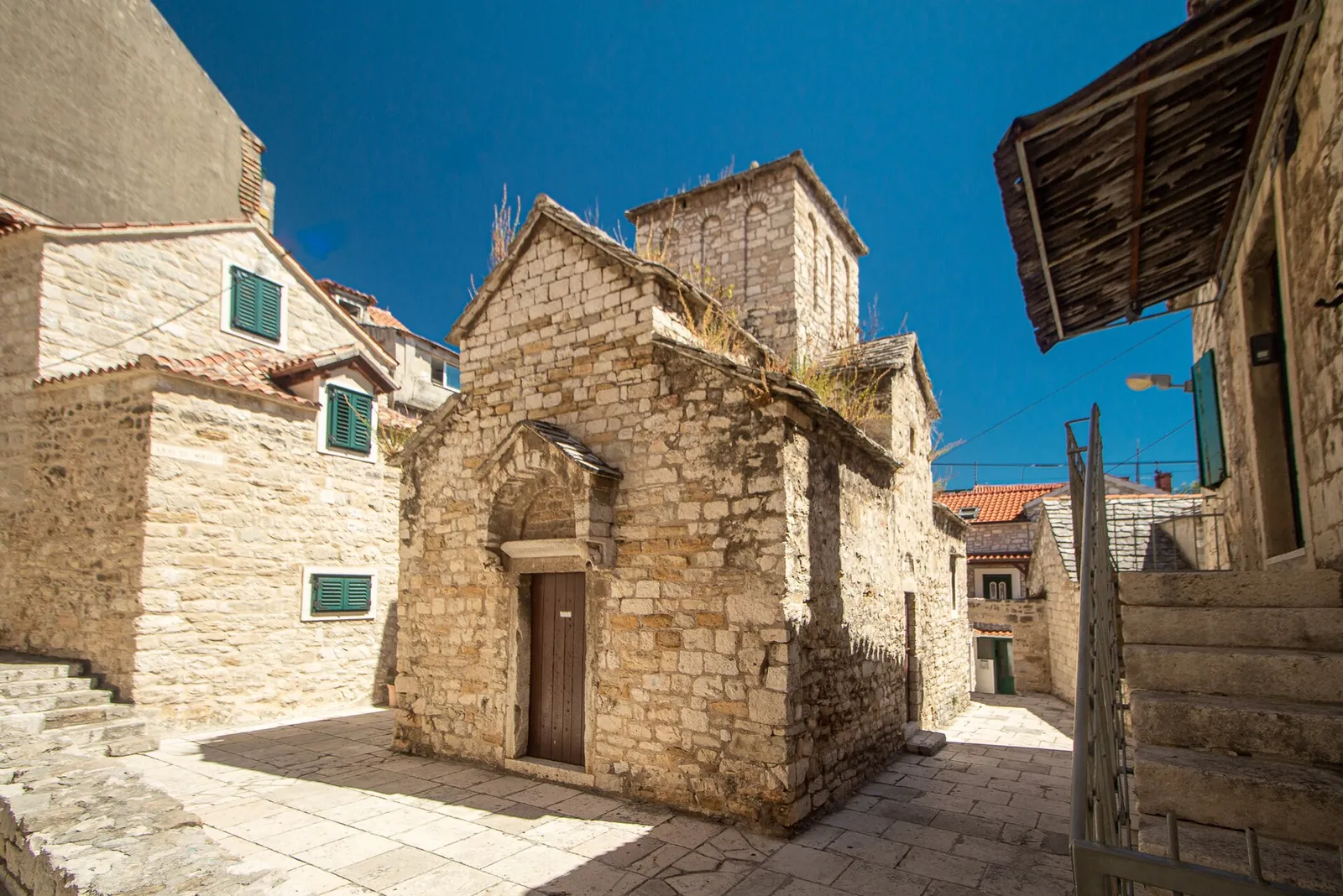
- Varoš: the old fishermen’s quarter west of the palace, quieter and more local, with the stairs up to Marjan on your doorstep. Great for walkers and couples.
- Bačvice and Firule: east of the centre, close to the sandy beach and an easy walk from the bus station and ferry port. Good for families and anyone catching an early ferry.
- Meje and Spinut: greener, residential areas on the Marjan side, near the Meštrović Gallery and the swimming coves. Best if you want calm evenings and don’t mind a longer walk into town.
Budget
The prices below come from official sites and cover entry tickets and airport transfers only. Not included: accommodation, food and drinks, flights and optional tours.
| Item | Typical cost |
|---|---|
| Airport shuttle (Platanus), one way / return | EUR 10 / EUR 15 |
| Diocletian’s Palace cellars, adult | EUR 10 |
| Split City Museum, adult | EUR 10 |
| Northern wall walkway, adult | EUR 6 |
| Meštrović Gallery, adult (standard) | EUR 12 (50 percent off during renovation works) |
| Klis Fortress, adult / child up to 15 | EUR 12 / EUR 4 |
| Cathedral and bell tower | Check at the cathedral ticket desk |
| City and Klis bus fares | Check Promet Split’s current price list |
Over three days, the verified sights above add up to around EUR 50 per adult, plus bus fares and the cathedral ticket.
Practical tips
- Mondays: the Split City Museum and the Meštrović Gallery are closed on Mondays and public holidays, but the palace cellars and Klis Fortress open daily. If your trip includes a Monday, make it your Klis day.
- Dress for the cathedral: the tourist board notes that the cathedral is above all a place of worship, not just a monument. Cover shoulders and knees, keep your voice low and avoid visiting during Mass.
- Beachwear is for the beach: pull on a shirt and shorts before walking back into town. That is the local norm in the old town.
- Money: Croatia uses the euro (EUR). Cards are widely accepted, but carry a little cash for markets and small kiosks.
- SIM and eSIM: EU roaming covers visitors on EU phone plans. Everyone else can buy a local prepaid SIM or a travel eSIM. Compare data packages before you land.
- Pre-book: you can book the airport shuttle online in advance, and the operator advises it in high season. Museum and fortress tickets are sold on site.
- Check seasonal hours: many Split attractions change their opening hours between summer and winter. Always check the official page on the day.
Heads-up
Split is a friendly, easygoing city. A few things are worth knowing so nothing spoils your fun:
- Stay on marked paths on Marjan. The park authority has marked the unsafe areas, and leaving the road for unsecured trails is at your own risk. The tourist board has also posted notices about works on some roads and paths, so look for current notices before a big hike.
- Don’t count on full access to the Meštrović Gallery. Its official site has reported renovation works that close the indoor exhibition space. Check before you go so you aren’t disappointed.
- Ride buses with a valid ticket, and validate it. Promet’s price list charges EUR 20 for an extra ticket issued by an inspector. Buy before boarding where you can, because tickets from the driver cost more.
- Mind the midday sun. Summer days on stone streets and open hilltops get hot. Climb Marjan and Klis early, carry water and wear a hat.
- Last entry comes early. Split City Museum sites stop letting visitors in 30 minutes before closing, and the Meštrović Gallery does the same.
FAQ
Is three days enough for Split?
Yes. Three days gives you time to see Diocletian’s Palace properly, enjoy Marjan and a museum, and add a half-day trip to Klis without rushing. Add a fourth day if you want an island day trip by ferry.
Can I walk around Diocletian’s Palace for free?
Yes. The palace is a living part of the city, so its squares and lanes are free to wander. You only pay for certain sites, such as the cellars (EUR 10), the cathedral and bell tower, and the Split City Museum (EUR 10).
How do I get to Klis Fortress without a car?
Take Promet Split bus line 22 (Split to Klis). Check the timetable and current fare on Promet’s website. The fortress is about 12 km from Split.
What is the cheapest way from the airport to the old town?
Promet Split’s public buses, lines 37 and 38, are the usual budget option. Promet’s airport line page gives around 50 minutes into Split, and the current fare is on its price list. The direct Platanus shuttle costs EUR 10 one way and takes about 30 minutes.
Do I need to book anything in advance?
Not much. You can book the airport shuttle online, and summer visitors may want to reserve dinner tables in the old town. Every sight in this plan sells tickets on site.
Is Split worth visiting outside summer?
Absolutely. Spring and autumn bring milder weather and calmer streets. Just check opening hours, as some attractions switch to shorter seasonal schedules.
Sources
Prices, hours and rules change. We checked these on 24 October 2026; please confirm on the official page before you book.
- Tourist Board of Split: Diocletian Palace
- Tourist Board of Split: Cathedral of Saint Domnius
- Tourist Board of Split: Marjan
- Tourist Board of Split: Important notice, visitor access in Marjan Forest Park
- Tourist Board of Split: Useful info
- Tourist Board of Split: Getting around
- Muzej grada Splita (Split City Museum): Cjenici i radno vrijeme
- Muzej Ivana Meštrovića: The Meštrović Gallery
- Tvrđava Klis (Klis Fortress): Visit us
- Promet Split: Cjenik putnih karata (ticket price list and lines)
- Platanus: Split Airport Shuttle Bus
Photo credits (10)
- Split's old town and harbour seen from Marjan hill: Zoran Knez at English Wikipedia, Public domain, via Wikimedia Commons
- The Peristyle and cathedral bell tower in Diocletian's Palace: TimeTravelRome, CC BY 2.0, via Wikimedia Commons
- Warmly lit vaulted halls of the palace cellars: dronepicr, CC BY 2.0, via Wikimedia Commons
- A little stone chapel on Marjan hill under blue sky: Argo Navis, CC BY-SA 4.0, via Wikimedia Commons
- The Meštrović Gallery villa and its sunny lawn: Aquamunda, CC BY 4.0, via Wikimedia Commons
- Klis Fortress climbing a rocky ridge above Split: Bernard Gagnon, CC BY-SA 4.0, via Wikimedia Commons
- Shallow turquoise water at Bačvice beach: dronepicr, CC BY 2.0, via Wikimedia Commons
- Ferries in Split harbour with mountains behind: Nick Savchenko from Kiev, Ukraine, CC BY-SA 2.0, via Wikimedia Commons
- Old town stone houses below the cathedral bell tower: RajashreeTalukdar, CC BY-SA 4.0, via Wikimedia Commons
- Sunny stone lanes and a small church in Varoš: VitVit, CC BY-SA 4.0, via Wikimedia Commons
This is a researched plan, not a personal trip report. How we research · Affiliate disclosure