
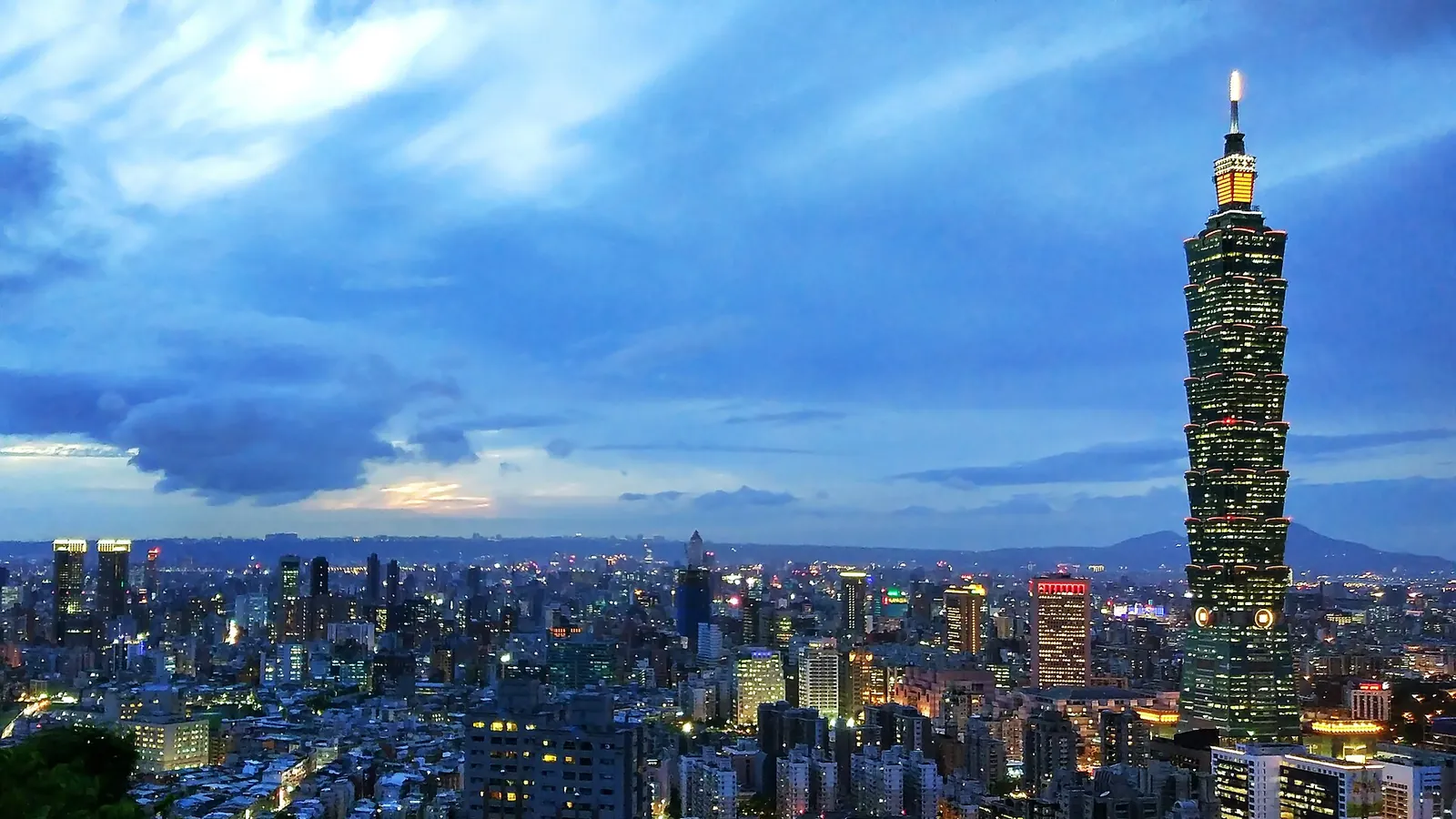
3 Days in Taipei: A Day-by-Day Itinerary
A 3-day Taipei plan: Taipei 101 and Elephant Mountain, Longshan Temple and Dihua Street, the National Palace Museum and Beitou's hot springs, and night markets.
- 🗓️ Trip length
- 3 days
- ☀️ Best time
- October to April (outside the peak typhoon months)
- 💰 Daily spend
- NT$200-900 (about USD 7-30) for transport and paid sights, food and hotel extra
- ✅ Facts checked
- 22 October 2026
Get ready for one of Asia’s most rewarding city breaks. Taipei packs a glittering skyline, incense-filled temples, a world-class museum of Chinese art, steaming hot springs and some of the best night-market eating anywhere into a compact, spotless city with a metro that makes everything easy. Three days is enough to taste all of it without rushing.
This plan suits first-timers, food lovers and anyone who likes to walk. Each day sticks to one side of the city, so you spend your time exploring rather than commuting. Mornings start around 9:00, afternoons are steady, and every evening ends at a night market, because in Taipei that is simply how evenings work.
At a glance
| Day | Area | Highlights |
|---|---|---|
| 1 | Zhongzheng and Xinyi | Chiang Kai-shek Memorial Hall, Yongkang Street, Taipei 101, Elephant Mountain sunset, Linjiang Street Night Market |
| 2 | Wanhua and Datong (old Taipei) | Longshan Temple, Bopiliao, Ximending, Dihua Street, Dadaocheng Wharf, Ningxia Night Market |
| 3 | Shilin and Beitou | National Palace Museum, Beitou hot spring valley, Shilin Night Market |
Day 1: Grand halls, sky-high views and your first night market
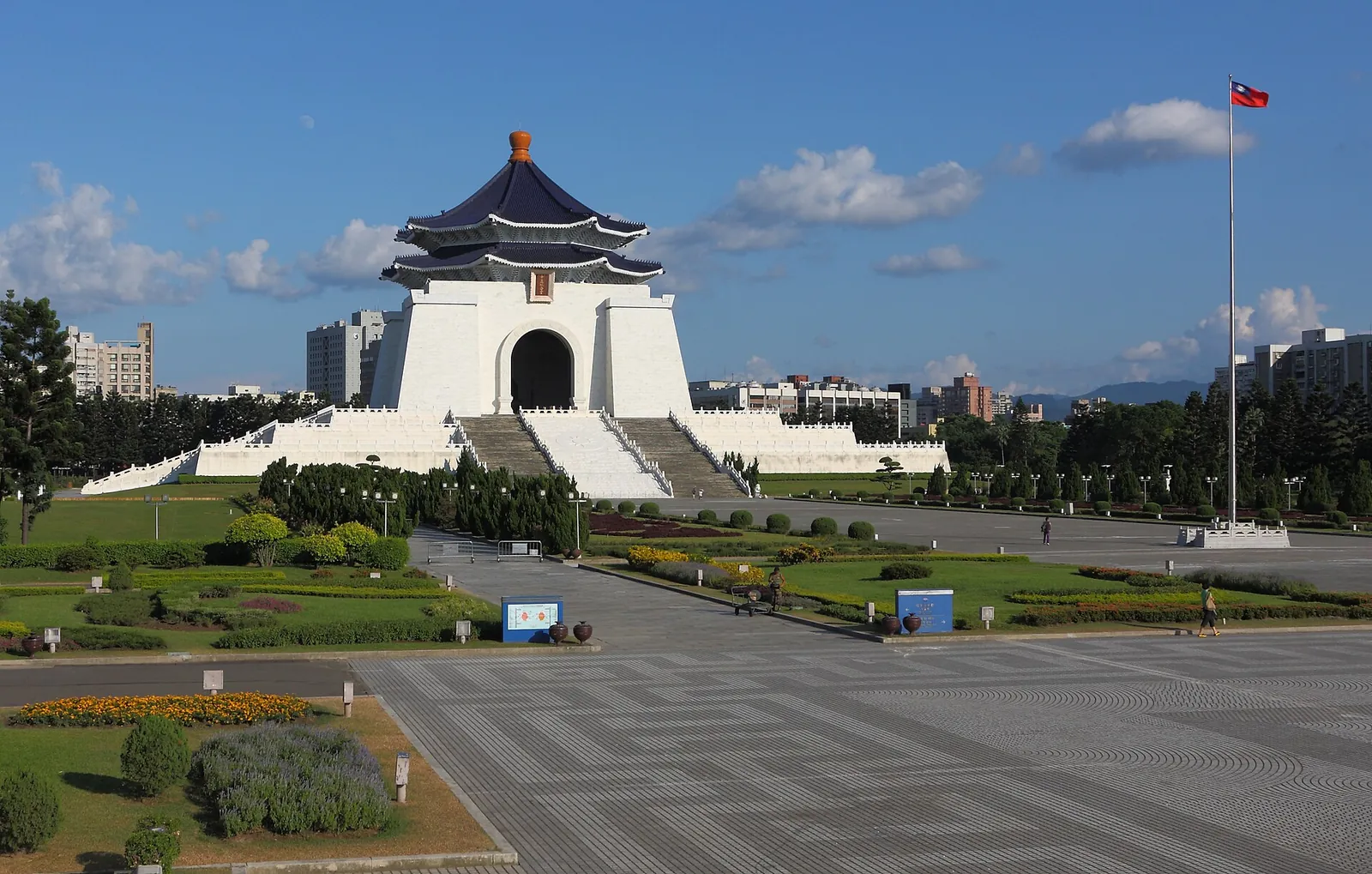
This is the day for Taipei’s big icons. You start with a monumental memorial and a historic plaza, eat your way along a famous food street, then head east to the city’s most recognisable tower and a hilltop sunset you will want to photograph from every angle.
Morning
Take the MRT to Chiang Kai-shek Memorial Hall station (Red and Green lines). The memorial hall is open daily from 9:00 to 18:00, except Lunar New Year’s Eve, Lunar New Year’s Day, 228 Peace Memorial Day, maintenance days and days off for natural disasters. The surrounding park opens much earlier, from 5:00 to midnight, so early birds can join locals doing tai chi on the plaza, now called Democracy Square.
Plan your arrival around the hour. The Military Honor Guard runs ceremonial patrols and drills every hour from 9:00 to 17:00, nine times a day, each about 15 minutes, on Democracy Boulevard in front of the hall’s stairs. Drills are cancelled when it rains. Inside the hall, the exhibitions now present the building’s complicated history and Taiwan’s journey from martial law to democracy.
From the hall, walk about 10 to 15 minutes east to Yongkang Street near Dongmen station. This lane is lined with dumpling shops, shaved-ice counters, tea houses and small boutiques, and it is a perfect place for an early lunch.
Afternoon
Ride the Red line from Dongmen towards Xiangshan and get off at Taipei 101/World Trade Center. The Taipei 101 Observatory is open 10:00 to 21:00, Monday to Sunday. An adult general ticket costs NT$600 (floors 89, 88 and 91, with 91F open weather permitting), and a Priority Pass costs NT$1,200. Visiting the 101st floor adds NT$380 per person. For something unforgettable, Skyline460 takes you outdoors on the 101st floor for NT$3,000 on scheduled, guided sessions with limited capacity, for participants over 145 cm tall. Children under 115 cm go free.
Full-price tickets can be bought online on the official site, which we suggest doing for a specific time slot on busy weekends. On the day, tickets are sold at the Observatory Ticket Counter on 1F of the Office Tower. Afterwards, wander the malls and plazas of the Xinyi district around the tower.
Evening
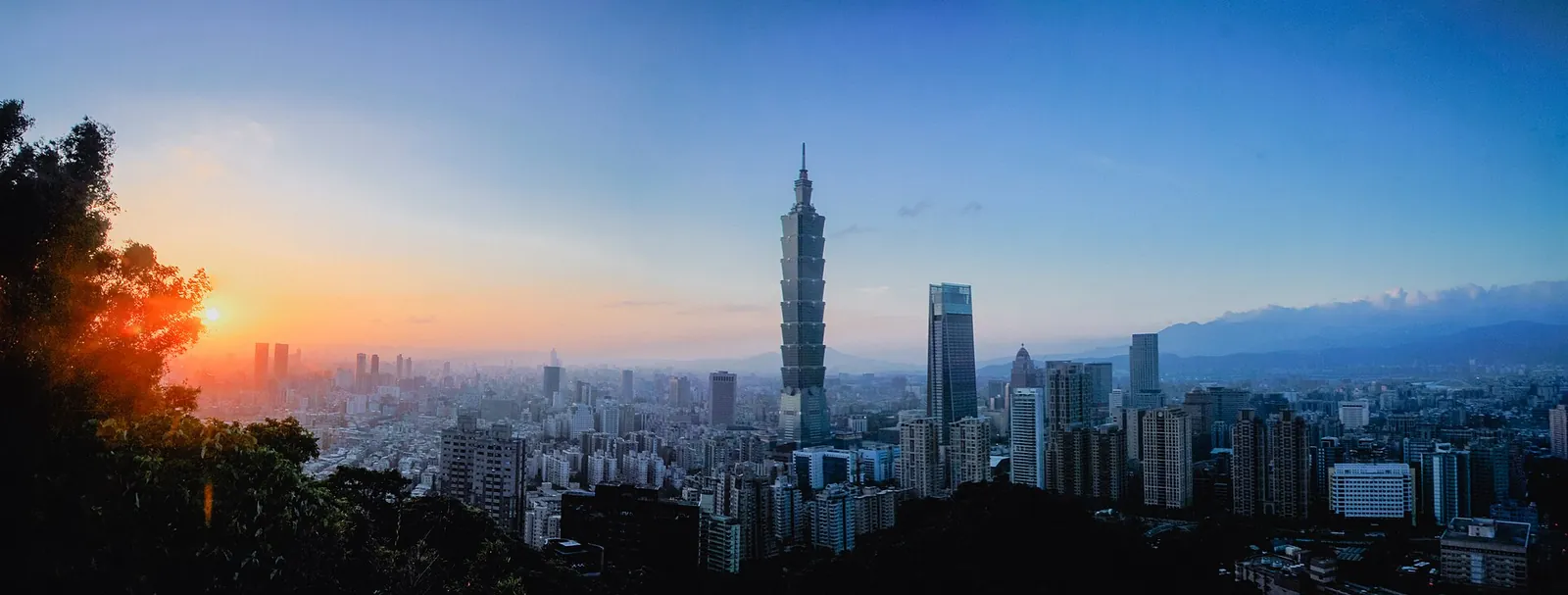
From Taipei 101/World Trade Center, ride one stop to Xiangshan, the end of the Red line, for the Elephant Mountain trail. It is a short but steep stair climb, so allow time and bring water, and aim to reach the viewing platforms before sunset for that classic photo of Taipei 101 rising above the city. The trail itself is free.
Head back down and take the Red line two stops to Xinyi Anhe for dinner at Linjiang Street (Tonghua) Night Market, a lively, local-feeling market a few minutes’ walk from the station. Look for grilled skewers, pepper buns, oyster omelettes and bubble tea, and pay in cash at most stalls.
Day 2: Temples, old trading streets and the river at sunset
Save your appetite for this one. Day 2 takes you into the oldest corners of Taipei, where carved temples, red-brick shophouses and herbal medicine stores sit beside some of the city’s buzziest youth culture, and it ends at a night market famous for classic Taiwanese snacks.
Morning
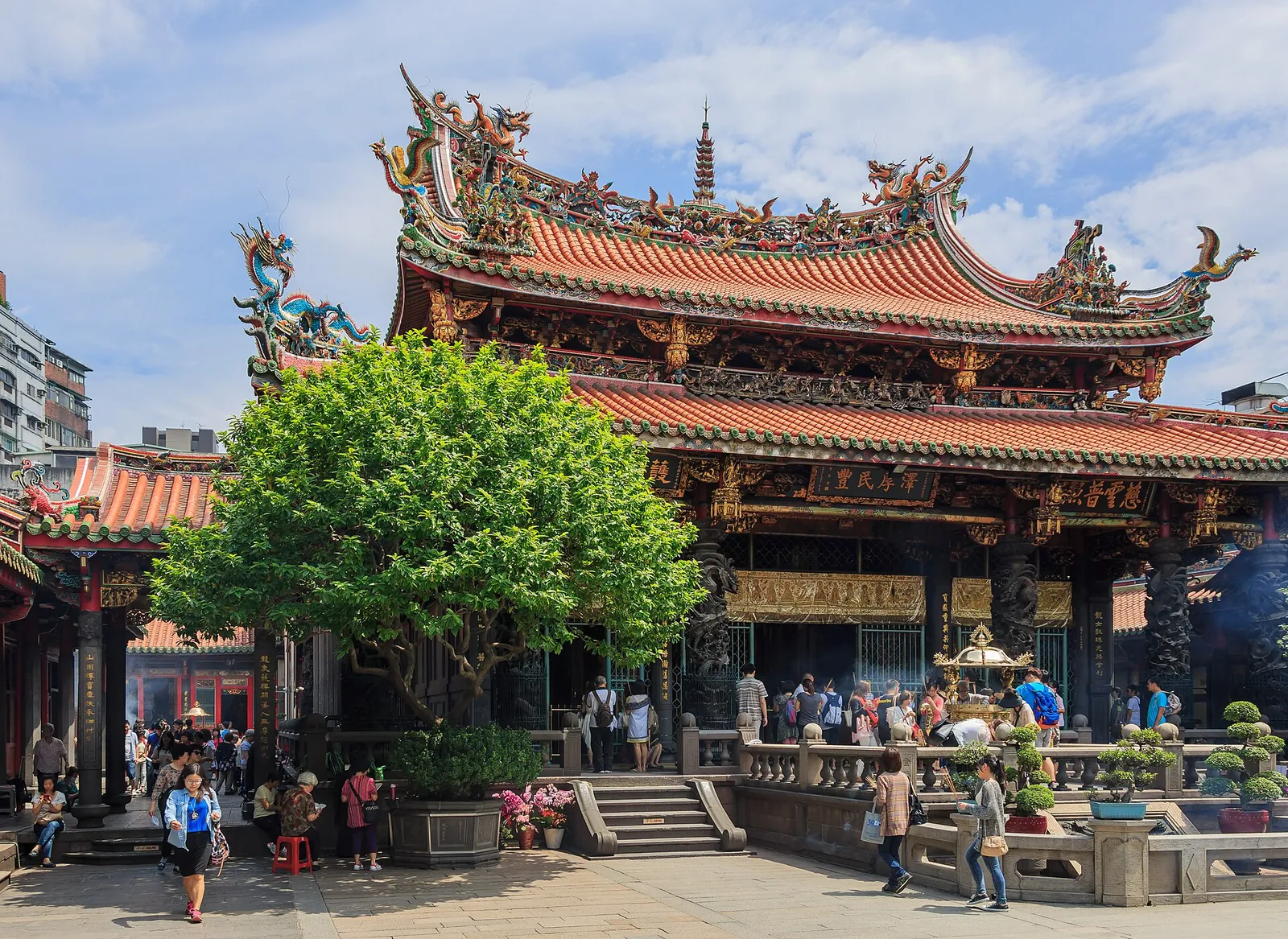
Ride the Blue line to Longshan Temple station and walk a couple of minutes to Longshan Temple, one of Taipei’s most beloved places of worship. Come in the morning when worshippers are lighting incense and the dragon-covered roofs are at their best in the light. Dress modestly, keep your voice low and do not block people who are praying. Check the temple’s official channels for current opening hours.
From the temple, walk about 5 minutes to the Bopiliao Historic Block, a restored street of red-brick shophouses that gives you a feel for Qing-dynasty and Japanese-era Taipei. Opening days for its exhibitions can change, so check before you go if you want to step inside.
Afternoon
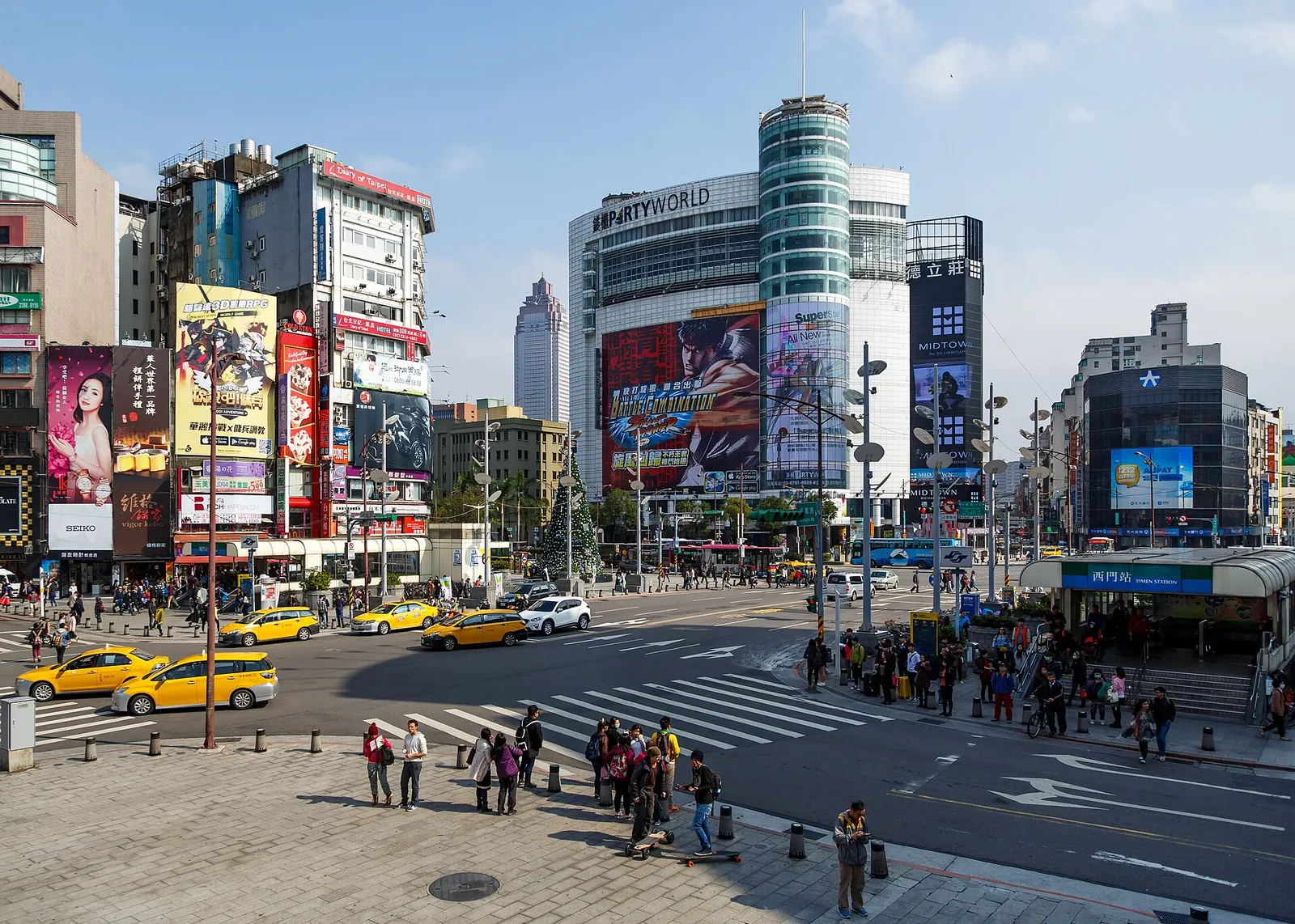
Ride one stop on the Blue line from Longshan Temple to Ximen for lunch in Ximending, Taipei’s pedestrian shopping district. It is busy, colourful and full of street food, sneaker shops and street performers, and the red-brick Red House sits right by the station.
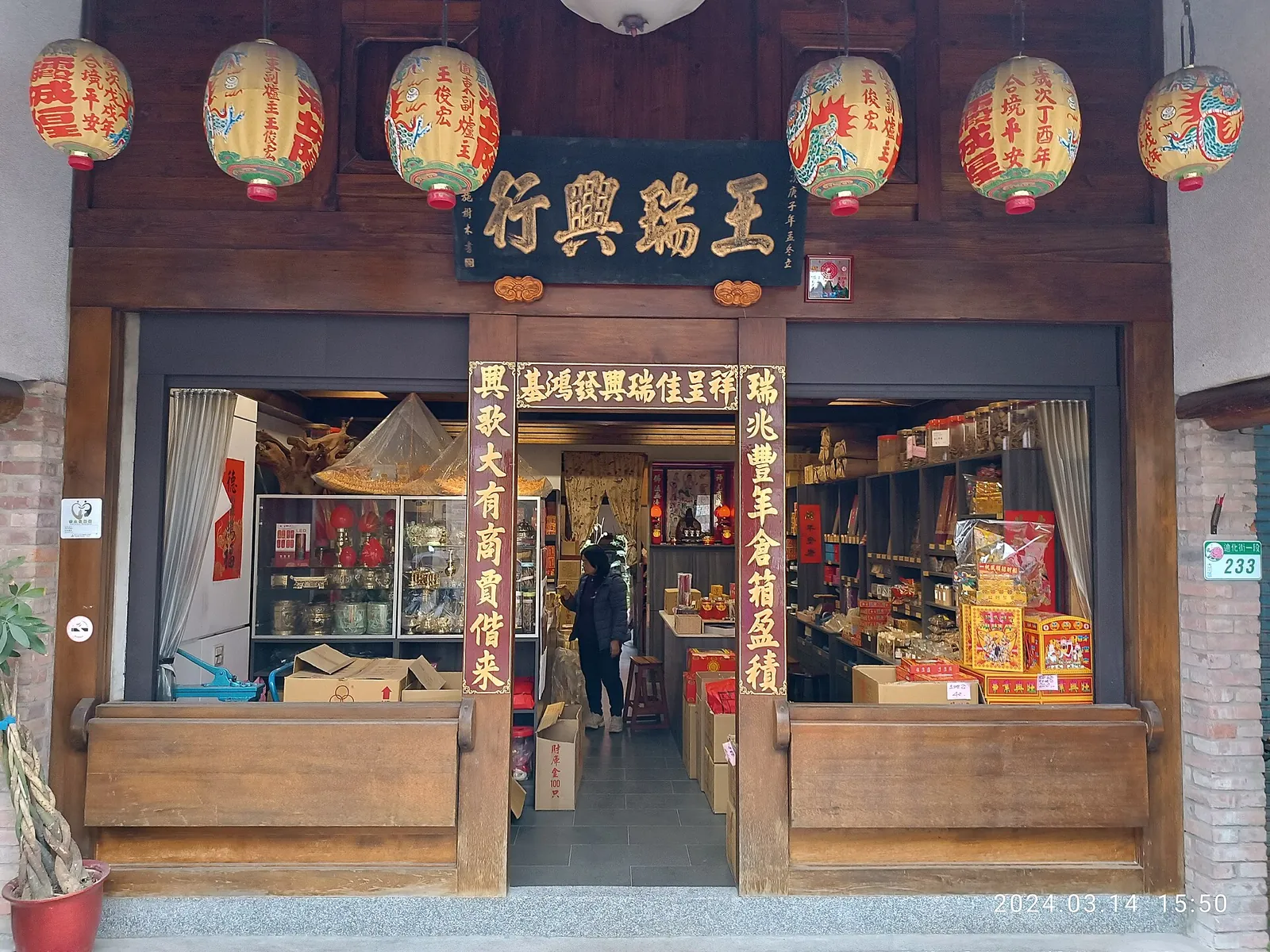
Then take the MRT to Beimen station (Green line) and walk to Dihua Street in the Dadaocheng district. This long, historic street is famous for dried goods, tea, herbal medicine shops and fabric stores in beautifully restored early 20th-century buildings. Browse, taste dried fruit, and stop for tea in one of the converted shophouses.
Evening
Wander west to Dadaocheng Wharf on the Tamsui River for sunset. The riverside park is a relaxed spot to watch the sky change colour over the water.
For dinner, walk about 15 to 20 minutes east to Ningxia Night Market, a compact market known for traditional Taiwanese dishes such as taro balls, braised pork rice and oyster omelettes. Zhongshan and Shuanglian stations are both within easy walking distance for the ride back to your hotel.
Day 3: Imperial treasures, hot springs and Shilin
This is the day for your most memorable culture-and-relaxation combo. You spend the morning among some of the finest Chinese art in the world, soak up the steamy, volcanic atmosphere of Beitou in the afternoon, and finish at Taipei’s most famous night market. Avoid doing this day on a Monday: the National Palace Museum’s Exhibition Hall I is closed on Mondays apart from a published list of special opening days.
Morning
Take the Red line to Shilin station. The National Palace Museum’s own directions: walk 1 to 2 minutes from Exit 1 to the bus stops on Zhongzheng Road and take Bus R30 (紅30), which goes directly to the B1 entrance of the Main Building. Other routes include 815, 304, 300, 255, S19, S18 and M1, and the ride takes about 15 minutes.
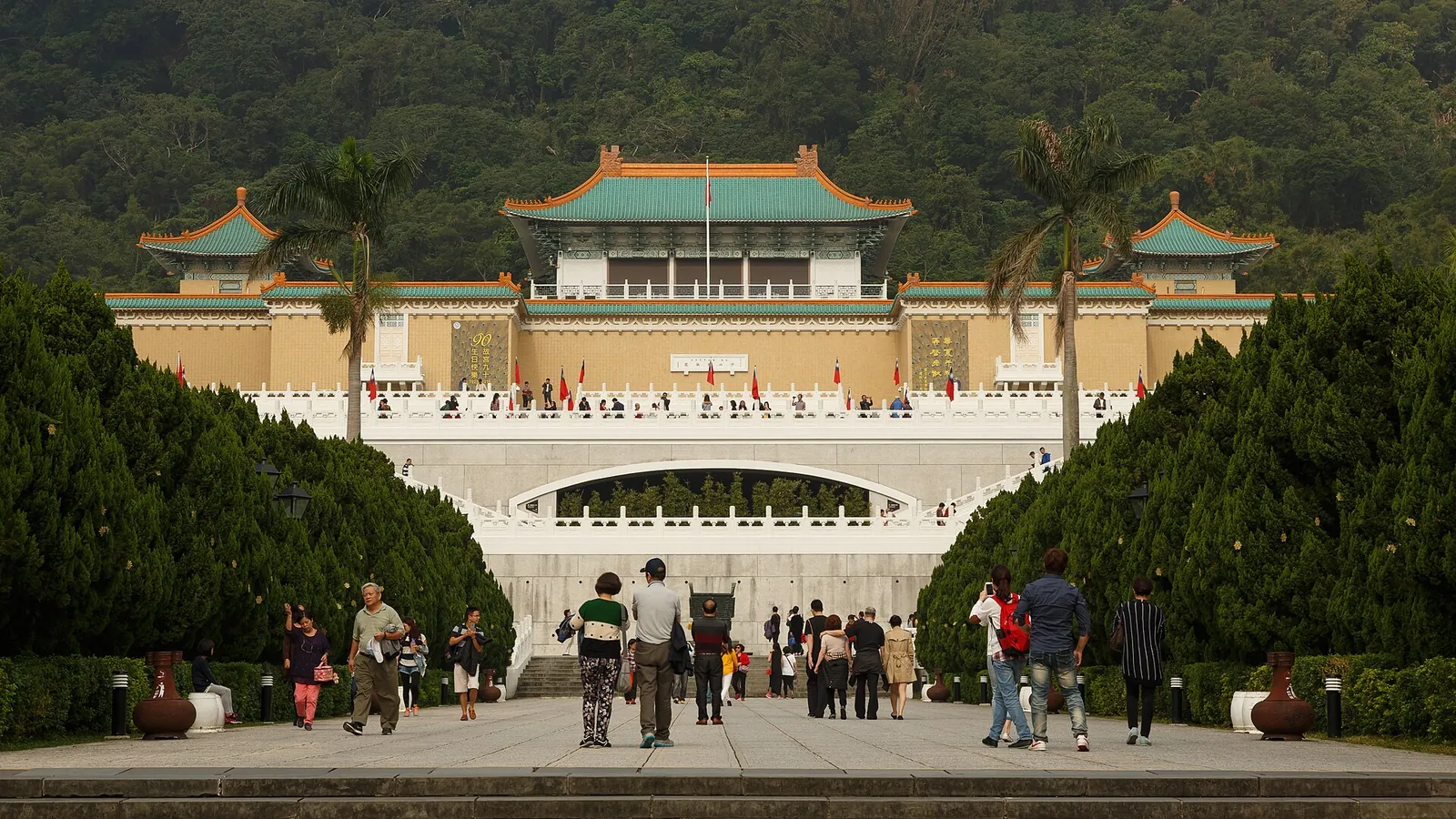
The National Palace Museum (Exhibition Hall I) is open Tuesday to Sunday, 9:00 to 17:00, with ticket sales until 16:30. A regular ticket costs NT$350. Visitors of all nationalities aged 17 and under enter free, and holders of a valid International Student Identity Card get the NT$150 discount ticket. You can buy an online e-ticket on the official site. The collection is vast, so pick a few galleries rather than trying to see everything in one morning. Zhishan Garden, the traditional Chinese garden next to the museum, keeps the same hours and is free.
Afternoon
Head back to Shilin station and ride the Red line north to Beitou, then change to the short branch line for one stop to Xinbeitou. Beitou is Taipei’s hot spring neighbourhood, set in a green valley at the foot of the mountains.
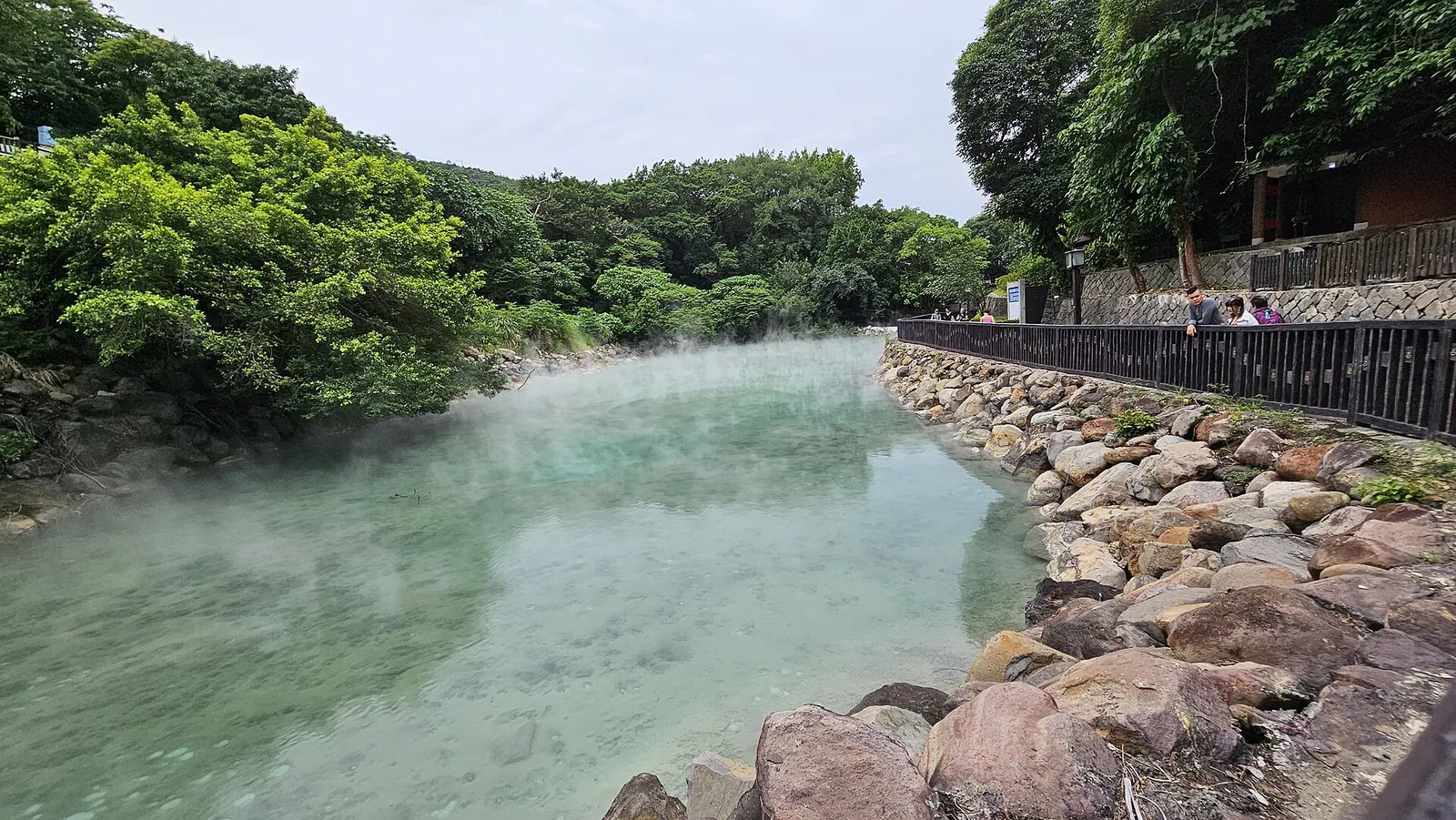
Walk uphill through Beitou Park to the Beitou Hot Spring Museum, a restored 1913 public bathhouse with Japanese-era architecture, then continue to the Thermal Valley, a pale green, steaming hot spring lake. Nearby, the wooden Taipei Public Library Beitou Branch is often called one of the prettiest libraries in Asia. Opening days and hours for the museum and Thermal Valley change, so check the Taipei City sites before you go.
If you want to soak, Beitou has public baths and many hotels with private hot spring rooms. Check each venue’s official hours, rules and prices directly, and take the bathing etiquette seriously: shower first and follow the posted rules on swimwear.
Evening
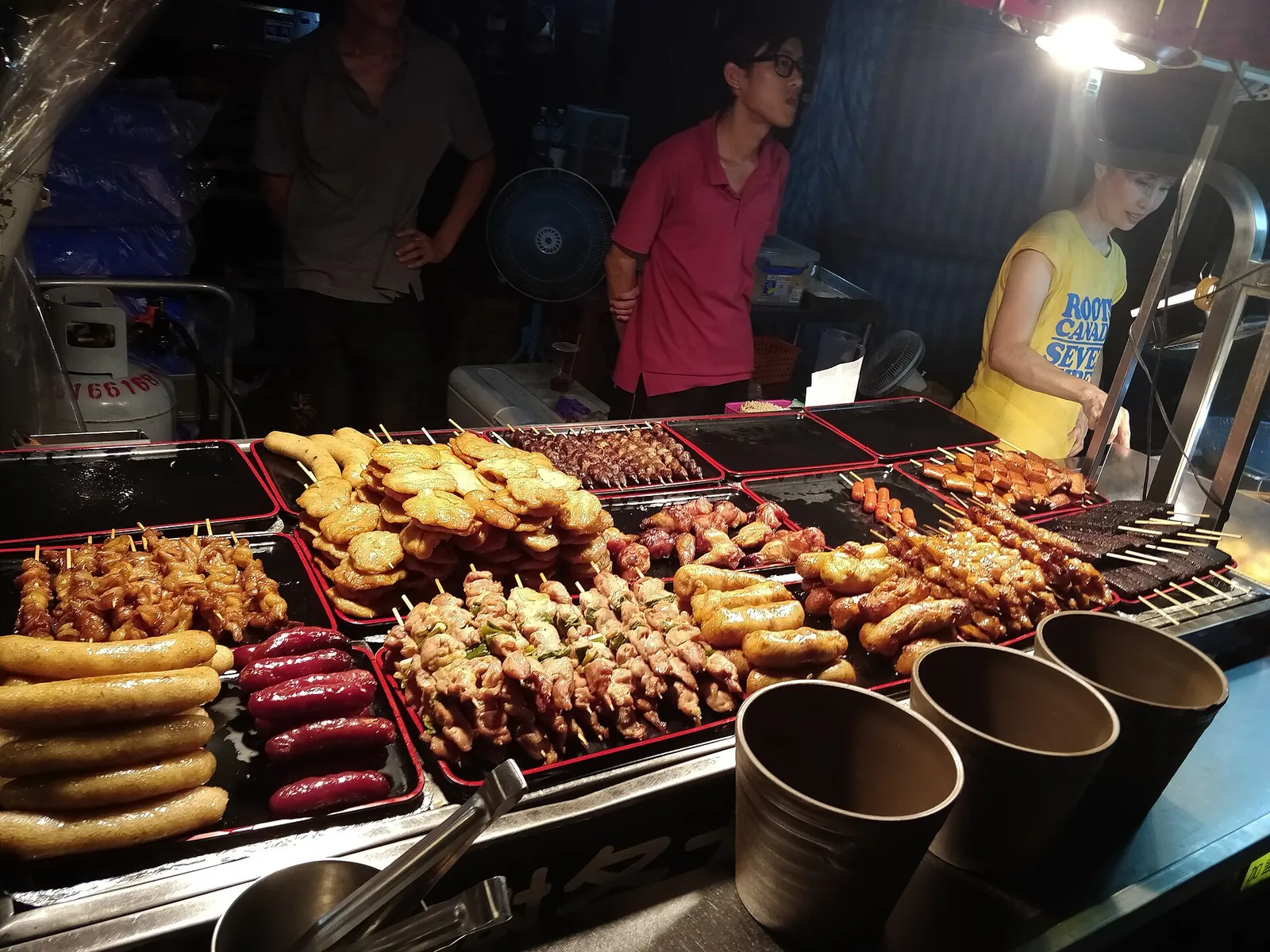
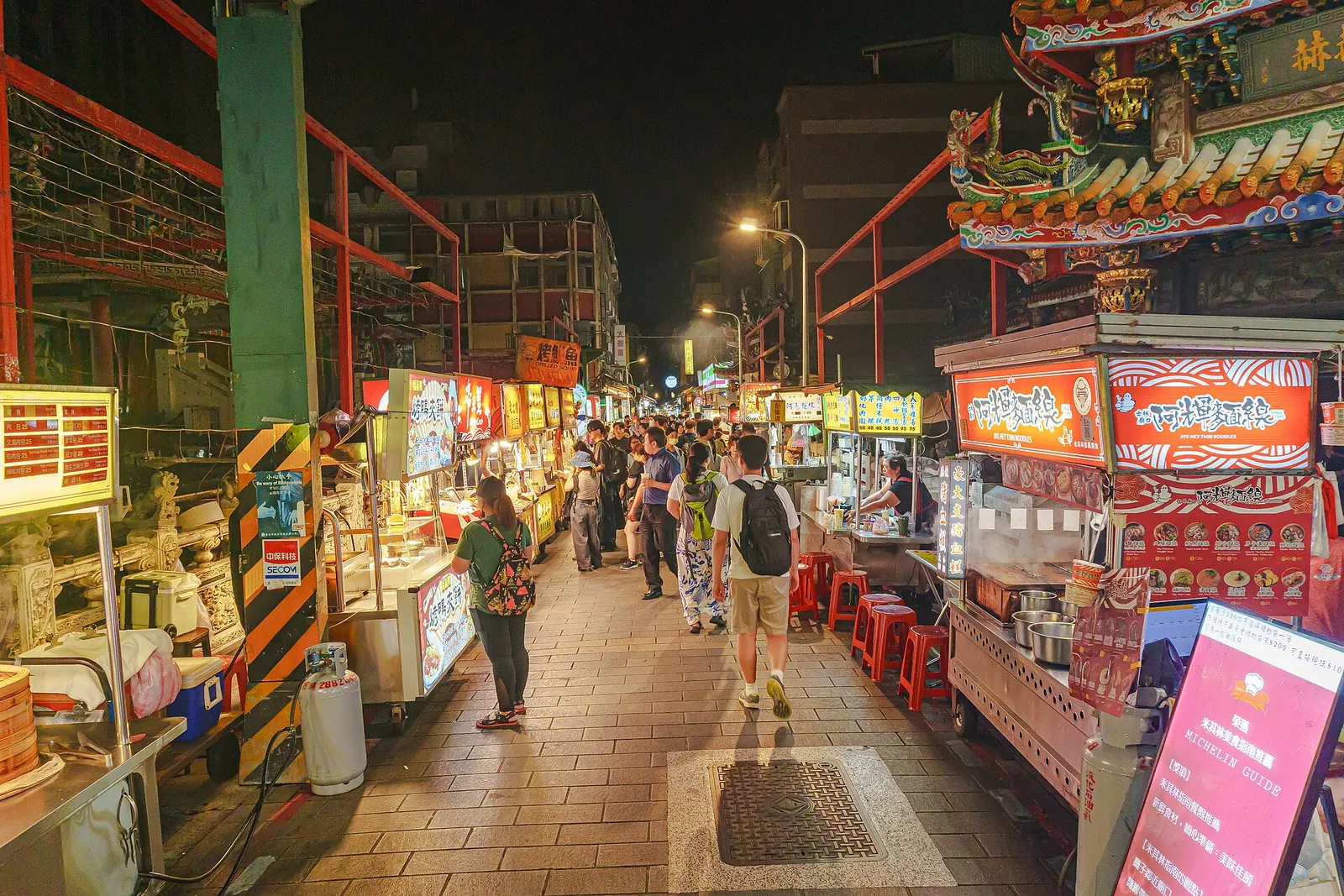
Ride back towards the city on the Red line and get off at Jiantan for Shilin Night Market, Taipei’s largest and most famous. Come hungry: fried chicken cutlets, grilled squid, stinky tofu, mango shaved ice and endless drinks stalls await. It is a fitting, delicious finale to three full days.
Getting there and getting around
From Taoyuan International Airport. The Taoyuan Airport MRT is the easiest option. According to the official Taoyuan Metro fare table, a single ticket from Airport Terminal 1 (A12) or Terminal 2 (A13) to Taipei Main Station (A1) costs NT$160. Express trains take about 35 minutes from Terminal 1 and 39 minutes from Terminal 2, and run every 15 to 30 minutes. Commuter trains stop everywhere and take about 49 minutes from Terminal 1. Business hours are listed as 6:00 to 23:00, so check the timetable if you land late. A Taoyuan Airport MRT One Day Pass costs NT$320, which only pays off if you ride the line more than twice in a day.
Getting around Taipei. The Taipei Metro (MRT) is fast, clean and signed in English. Single fares run from NT$20 to NT$65, depending on distance. You can tap in with contactless bank cards (Visa, Mastercard, JCB, UnionPay and others) or with Apple Pay, Google Pay and Samsung Pay at the gates. Stored-value cards such as EasyCard and iPASS also work on buses and for small payments in convenience stores. Taipei Metro also sells 24, 48 and 72-hour passes and the Taipei Fun Pass, worth comparing if you plan to ride a lot.
Entry. Many nationalities can visit Taiwan visa-free for a set number of days, but the rules depend on your passport. Check the Bureau of Consular Affairs’ official visa-exempt page before you book. Most visitors also need to complete the online Taiwan Arrival Card (TWAC) on the National Immigration Agency site within three days before arrival.
Where to stay
- Zhongshan and Taipei Main Station area. The most convenient base. The Airport MRT ends at Taipei Main Station, several metro lines cross here, and Ningxia Night Market and Dadaocheng are close. Great for first-timers and short stays.
- Ximending. Lively, young and full of food and shopping, with direct Blue line access. Good for travellers who like an energetic street scene at night.
- Xinyi. Modern, polished and close to Taipei 101, malls and Elephant Mountain. Suits travellers who want a more upscale, business-district feel.
- Beitou. A calmer option if a hot spring soak is the main reason for your trip, but it is further from the centre, so expect longer rides on Days 1 and 2.
Budget
| Item | Typical cost |
|---|---|
| Airport MRT, Terminal 1 or 2 to Taipei Main Station | NT$160 one way |
| Taipei Metro single ride | NT$20-65 |
| Taipei 101 Observatory, adult general ticket | NT$600 (101F add-on NT$380) |
| National Palace Museum, regular ticket | NT$350 (free aged 17 and under) |
| Chiang Kai-shek Memorial Hall, Elephant Mountain, Longshan Temple, Dihua Street | Free to walk around |
| Night-market dinner | Check prices at the stall; most are cash only |
The daily budget in the summary covers metro rides and paid sights only. It excludes flights, accommodation, food, hot spring baths and shopping, which vary widely. Prices above are in New Taiwan dollars; check a live exchange rate before you go.
Practical tips
- Monday closures. The National Palace Museum is closed on most Mondays, so plan Day 3 for Tuesday to Sunday.
- Weather. Typhoons can affect Taiwan from June, with the most active period July to September, according to UK government travel advice. Check the Central Weather Administration forecast before outdoor plans like Elephant Mountain or the Taipei 101 outdoor floors, which open weather permitting.
- Metro manners. Eating, drinking and chewing gum are banned in the metro’s “no food or drink” areas, and fines run from NT$1,500 to NT$7,500 under the Mass Rapid Transit Act. Finish your bubble tea before the gates.
- Money. Night markets and small shops often prefer cash. UK travel advice notes that most ATMs in 7-Eleven stores accept international cards.
- Temple etiquette. Cover shoulders and knees at temples, speak quietly and never step in front of people praying.
- Connectivity. A local SIM or an eSIM keeps maps and transit apps running all day. Compare data packages from Taiwan’s mobile operators before you fly.
Heads-up: what to watch out for
Taipei is one of the friendliest, safest cities in Asia to explore, and a few simple habits keep it that way. UK travel advice describes crime rates in Taiwan as extremely low, so most of these tips are about weather, traffic and rules that catch visitors by surprise.
- Typhoon season. Typhoons can hit from around June, with the most active period July to September. Good to know: keep your plans flexible, watch the Central Weather Administration forecast, and expect flights and outdoor sights like Elephant Mountain or Taipei 101’s outdoor floors to be affected in bad weather.
- Earthquakes. Taiwan is an earthquake zone. Easy habit: take a minute to read the Taipei City Government’s safety booklet and follow local instructions if you feel a quake.
- Scooters at crossings. Scooters and motorcycles weave through traffic, and vehicles might not stop at pedestrian crossings. Look both ways even on a green signal, and keep to the pavement.
- Zero tolerance on drugs. Drug laws are very strict, including for cannabis, with severe prison sentences possible. You also cannot bring cannabis oil or cannabis-derived medicine into Taiwan, even with a prescription from home, so carry the prescription for any other medicine you bring.
- No snacks on the metro. Eating, drinking and chewing gum are banned in the metro’s no-food-or-drink areas, with fines from NT$1,500 to NT$7,500. Finish that bubble tea before you tap in.
- Food in your luggage. Do not bring meat or other animal products into Taiwan without authorisation: customs checks pork products closely and fines can be heavy. Declare anything you are unsure about.
- Arrival card. Complete the online Taiwan Arrival Card (TWAC) within three days before you land, unless you hold a resident card or similar permit, so you are not filling it in at the immigration desk.
- Monday closures. The National Palace Museum’s Exhibition Hall I is closed on most Mondays, so check the museum’s calendar before planning Day 3.
FAQ
Is three days enough for Taipei?
Yes, for the highlights. Three days covers Taipei 101, the main temples, the old town, the National Palace Museum, Beitou and three night markets. Add a fourth day for a trip to Jiufen, Tamsui or the Maokong tea hills.
Do I need cash in Taipei?
Some, yes. You can tap bank cards and phones at metro gates and pay by card in malls and many restaurants, but night-market stalls and small shops often take cash only.
How do I get from Taoyuan Airport to central Taipei?
Take the Airport MRT to Taipei Main Station. It costs NT$160 one way, and express trains take about 35 minutes from Terminal 1.
When is the National Palace Museum closed?
Exhibition Hall I is open Tuesday to Sunday, 9:00 to 17:00, and closed on Mondays except for special opening days listed on the museum’s website.
Can I eat or drink on the Taipei Metro?
No. Eating, drinking and chewing gum are banned in the metro’s no-food-or-drink areas, with fines from NT$1,500 to NT$7,500.
What is the best time of year to visit Taipei?
October to April is generally comfortable for walking and avoids the peak typhoon months of July to September. Summer is hot and humid, with a higher chance of storms.
Sources
Prices, hours and rules change. We checked these on 22 October 2026; please confirm on the official page before you book.
- TAIPEI 101: Observatory Ticket Information
- National Palace Museum: Hours
- National Palace Museum: Admission
- National Palace Museum: Public transportation
- Chiang Kai-shek Memorial Hall: Visit Info
- Taoyuan Metro: Single-Journey Ticket / One Day Pass
- Taoyuan Metro: Official fare table (PDF)
- Taoyuan Travel: Airport MRT
- Taipei Metro: Metro Tickets & Travel Pass Recommendations
- Taipei Metro: Fare & Travel Time Inquiries
- Taipei Metro: Route Map & Timetables
- Taipei Metro: Regulations for Use of the Taipei Metro System (PDF)
- Bureau of Consular Affairs (Taiwan): Visa-Exempt Entry
- National Immigration Agency: Taiwan Arrival Card (TWAC)
- GOV.UK: Taiwan travel advice
- Central Weather Administration (Taiwan)
Photo credits (11)
- Taipei 101 glowing above the city at dusk: Любарский Сергей Николаевич, CC BY-SA 4.0, via Wikimedia Commons
- Chiang Kai-shek Memorial Hall under a blue sky: AngMoKio, CC BY-SA 3.0, via Wikimedia Commons
- Sunset over the Taipei skyline from Elephant Mountain: Man Ng, CC BY 2.0, via Wikimedia Commons
- The ornate roofs of Longshan Temple: CEphoto, Uwe Aranas, CC BY-SA 3.0, via Wikimedia Commons
- Lanterns over a traditional shop on Dihua Street: DONGIE 829 EFUOA, CC0, via Wikimedia Commons
- The National Palace Museum against green hills: CEphoto, Uwe Aranas, CC BY-SA 3.0, via Wikimedia Commons
- Steaming green waters of Beitou Thermal Valley: Ganmatthew, CC BY 4.0, via Wikimedia Commons
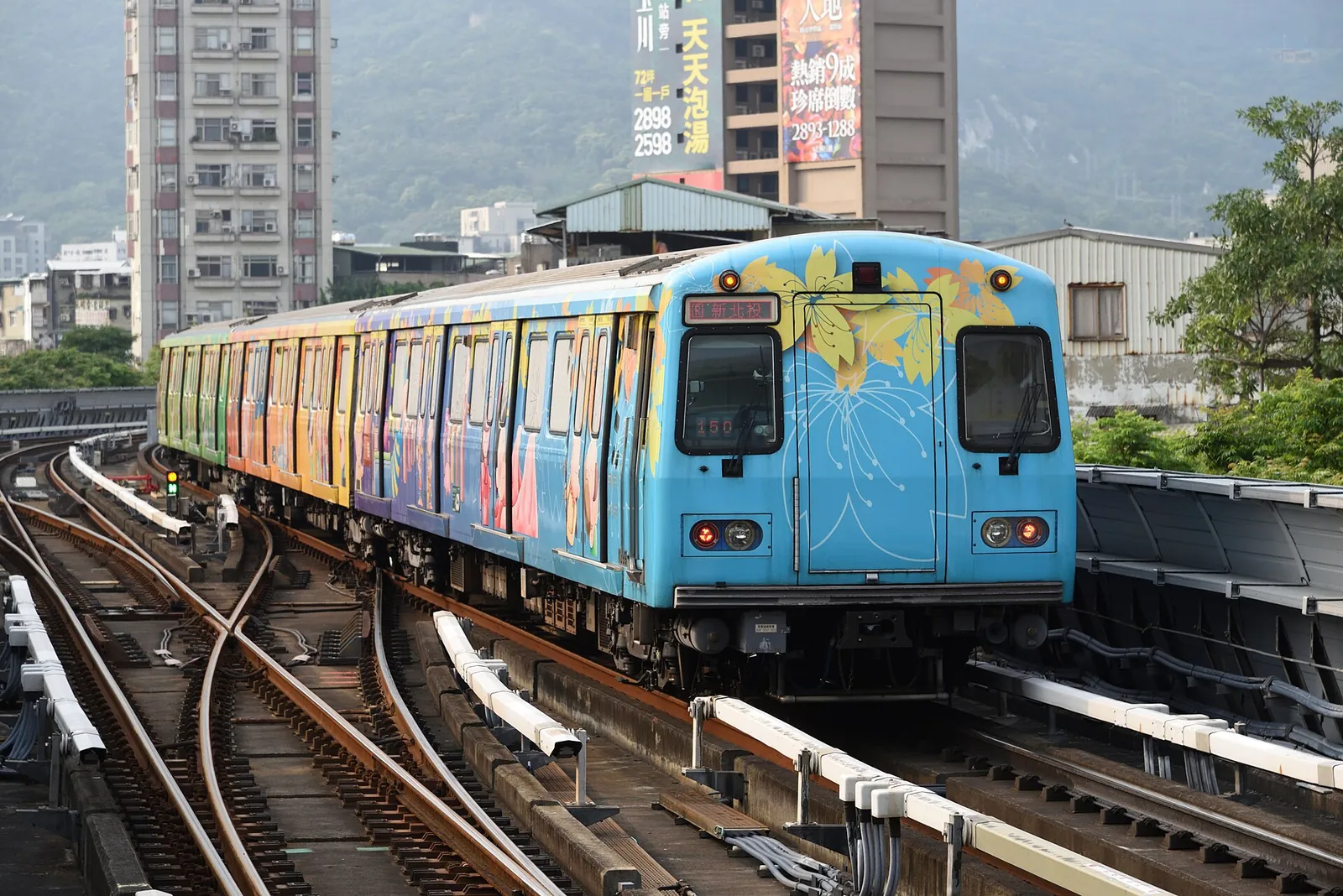
- A painted metro train on the Xinbeitou branch line: Lokseng01, CC BY-SA 4.0, via Wikimedia Commons
- Grilled skewers and sausages at Shilin Night Market: Exec8, CC BY-SA 4.0, via Wikimedia Commons
- Busy Ximending crossroads on a sunny day: CEphoto, Uwe Aranas, CC BY-SA 3.0, via Wikimedia Commons
- Shilin Night Market stalls lit up after dark: Junyu-K, CC BY-SA 4.0, via Wikimedia Commons
This is a researched plan, not a personal trip report. How we research · Affiliate disclosure