
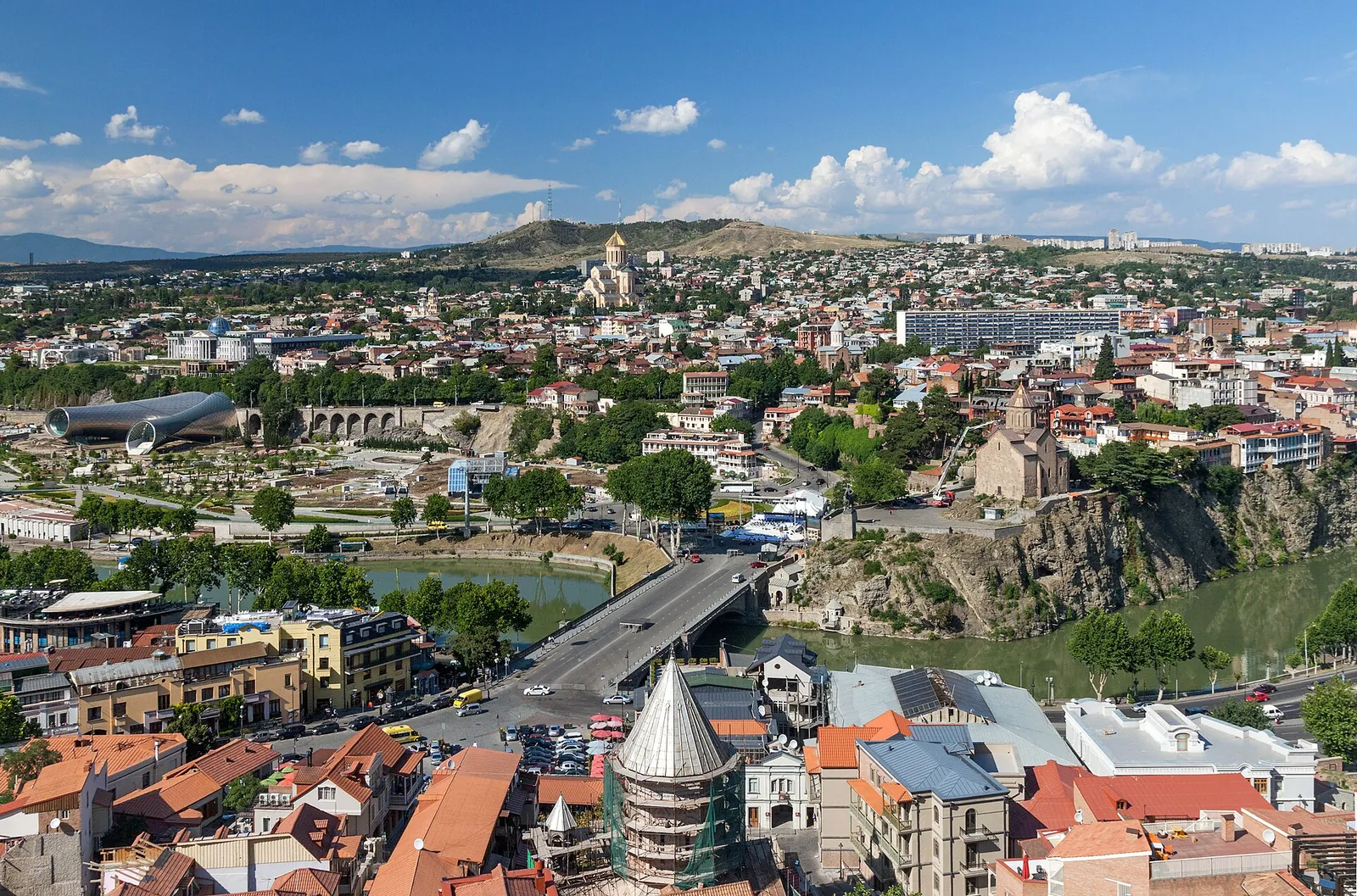
3 Days in Tbilisi: Itinerary with a Mtskheta Day Trip
Old Town, cable car to Narikala, Rustaveli Avenue and a day in ancient Mtskheta: a realistic 3-day Tbilisi plan with verified fares and museum prices.
- 🗓️ Trip length
- 3 days
- ☀️ Best time
- May to June and September to October
- 💰 Daily spend
- Transport and sightseeing from about GEL 50 (USD 18); add room and meals
- ✅ Facts checked
- 22 October 2026
Get ready for one of the most fun and easy capitals in the region to enjoy in a long weekend. The Old Town is compact, the main sights sit along one river valley, and a single cable car ride gives you the whole city from above. Three days is enough to see the essentials without rushing, and to fit in a day trip to Mtskheta, Georgia’s ancient capital and a UNESCO World Heritage site just outside the city.
This happy, easygoing plan suits first-time visitors, couples, families with older children and anyone who likes walking, food and history in roughly equal measure. The pace is moderate: one main area per day, with time for long lunches and slow evenings. Expect hills and uneven cobblestones in the Old Town, so comfortable shoes matter more than anything else you pack.
At a glance
| Day | Area | Highlights |
|---|---|---|
| 1 | Old Tbilisi (Abanotubani, Narikala, Rike Park) | Sulphur bath domes, Rike-Narikala cable car, Narikala Fortress, Mother of Georgia statue, Bridge of Peace |
| 2 | Rustaveli Avenue, Avlabari, Mtatsminda | Museum of Georgia, Parliament and Opera, Holy Trinity (Sameba) Cathedral, funicular to Mtatsminda |
| 3 | Mtskheta day trip | Jvari Monastery, Svetitskhoveli Cathedral, Samtavro Monastery, evening back in Sololaki |
Day 1: Old Tbilisi and the view from Narikala
Morning
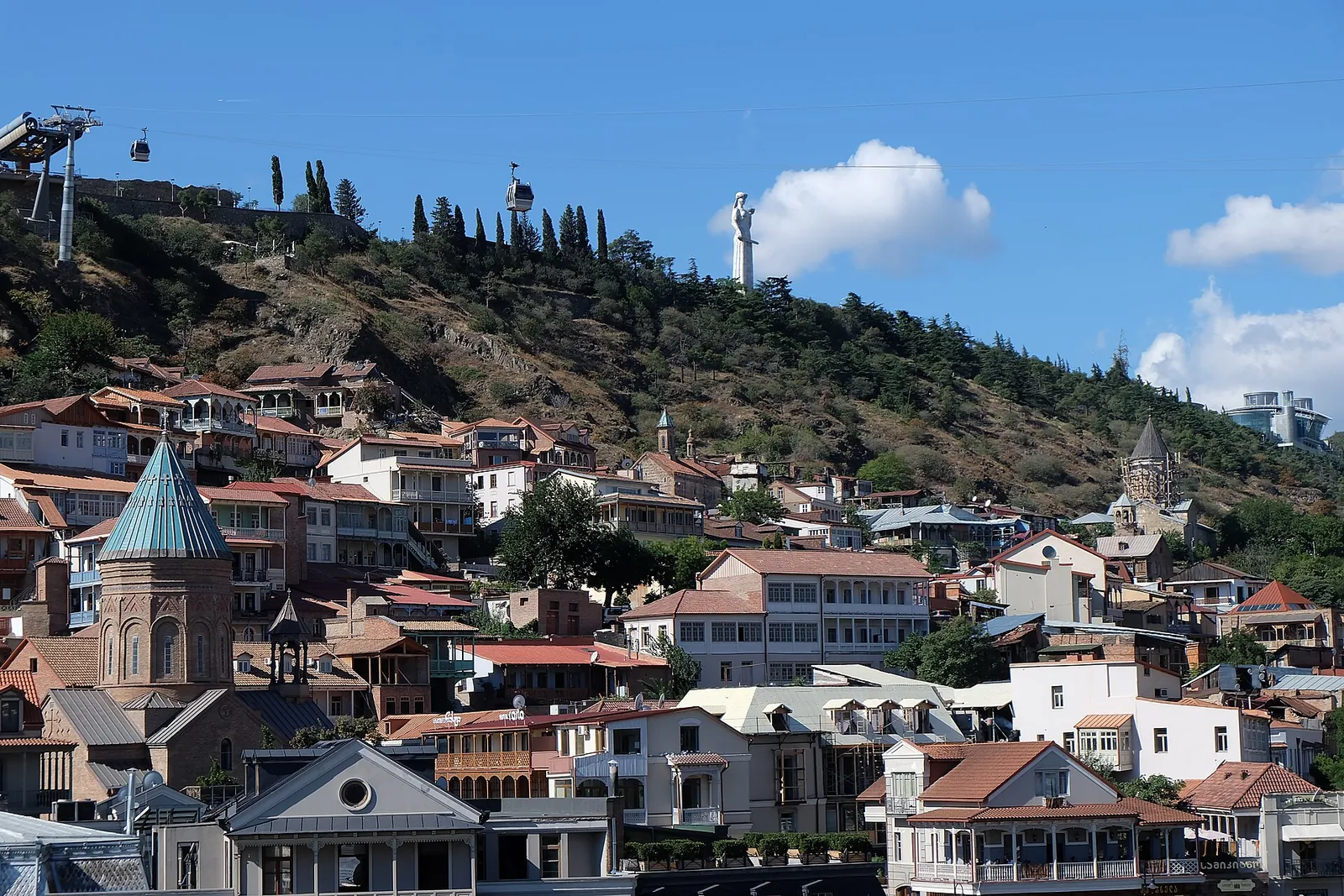
This is the day for falling in love with Old Tbilisi. Start at Freedom Square (Liberty Square metro station is right there), the natural gateway to the Old Town. From here, walk down Pushkin Street and into the lanes towards the river. The Georgian National Tourism Administration describes the historic core as about two square kilometres, with Georgian Orthodox, Armenian and Catholic churches, a mosque and two synagogues within walking distance of one another. That mix is the best reason to wander without a strict route.
Aim for Sioni Cathedral on Sioni Street, then continue to Abanotubani, the bath district. The 17th-century brick domes of the sulphur baths are fed by naturally hot sulphur water, and legend credits these springs with persuading King Vakhtang Gorgasali to found the city here. Several bathhouses offer public pools and private rooms. Prices and booking rules vary by bathhouse, so check directly with the one you choose; private rooms are often booked by the hour, and weekend evenings fill up first.
From the baths, follow the small stream into the Leghvtakhevi gorge. It is a short walk of around 10 minutes to the waterfall, a pleasant shady break before the climb ahead.
Afternoon
Walk back past the baths and cross the Metekhi Bridge to the left bank. Above you on the cliff stands Metekhi Church, with the equestrian statue of Vakhtang Gorgasali in front of it. The view back across the river to the Old Town is one of Tbilisi’s classic postcards.
Continue into Rike Park (about 10 minutes on foot) and take the Rike-Narikala cable car up to the fortress. The Tbilisi Transport Company lists the fare at GEL 2.50 one way. You can pay with a MetroMoney card or a bank card at the gate.
At the top, explore Narikala Fortress, then follow the ridge path to Kartlis Deda (Mother of Georgia), the aluminium statue holding a sword for enemies and a bowl of wine for friends. The ridge walk is roughly 10 to 15 minutes. Allow an hour or so up here in total.
You can walk down instead of riding back: steps lead from the fortress into the Old Town above the baths in about 15 minutes. The path is steep and can be slippery after rain.
Evening
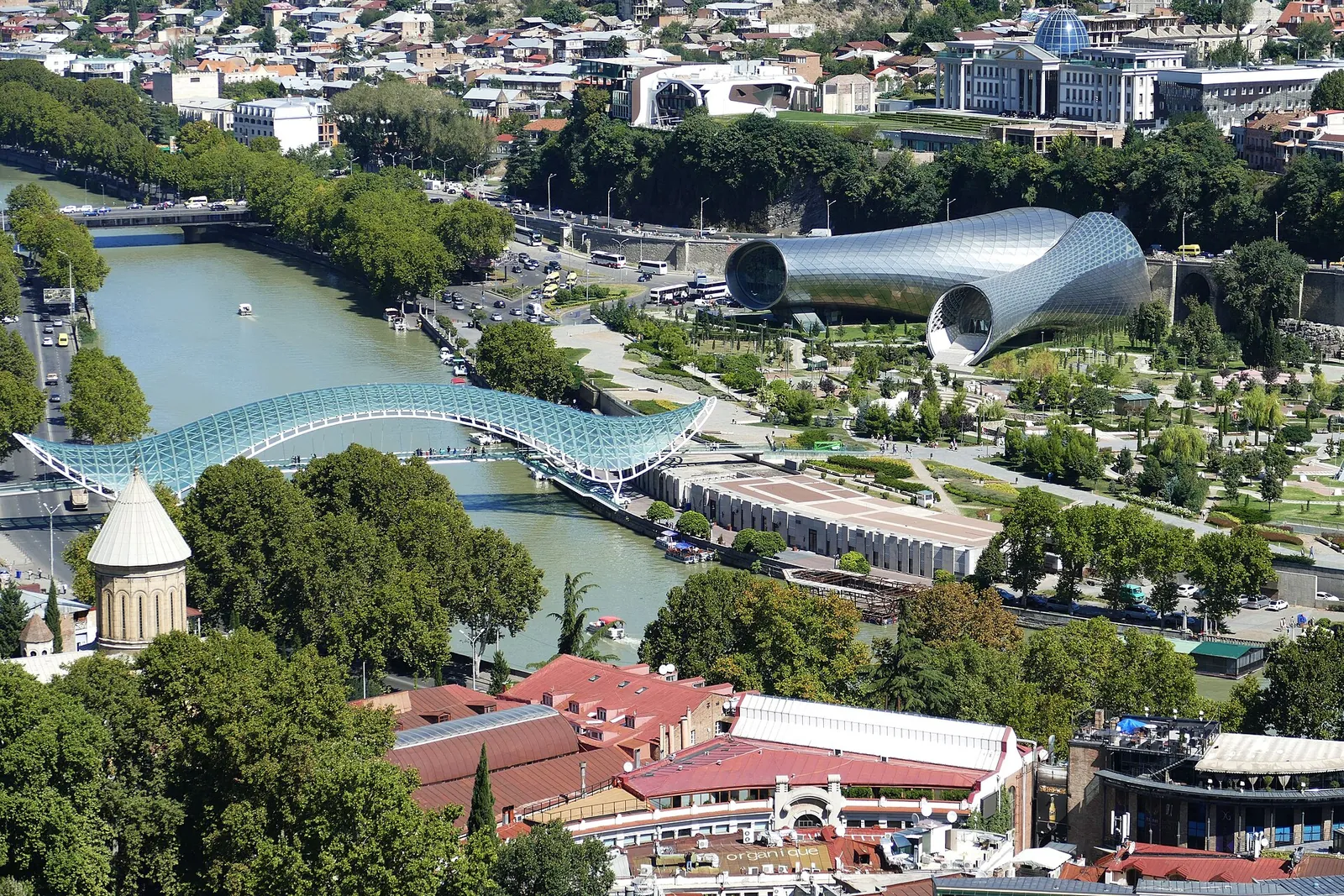
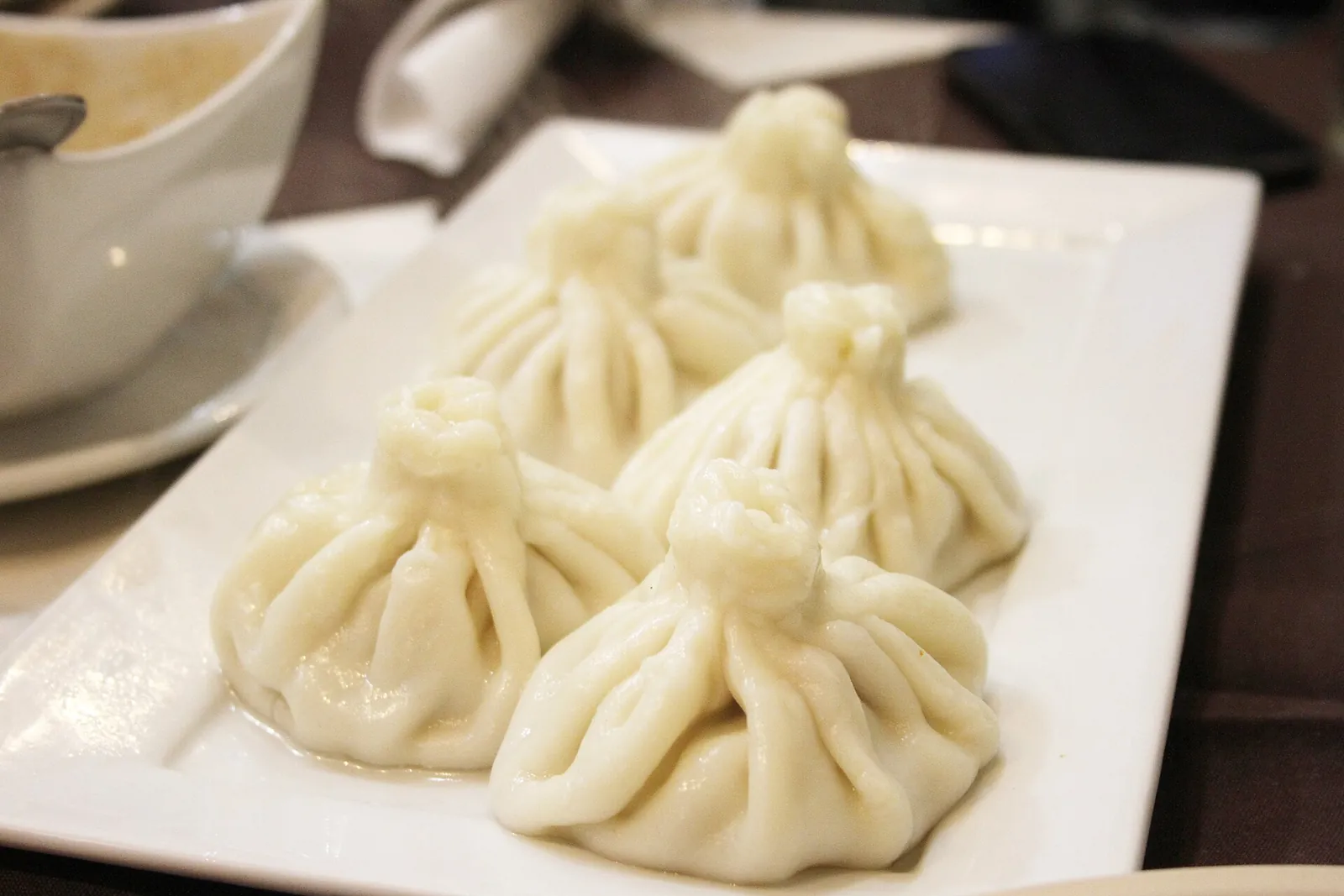
Spend the evening around Rike Park and the Bridge of Peace, the glass-and-steel pedestrian bridge that lights up after dark. Dinner options cluster on Erekle II Street and in the lanes around Sioni. Georgian classics to look for: khinkali (dumplings), khachapuri (cheese bread, with the Adjarian boat-shaped version topped with egg and butter), badrijani (aubergine rolls with walnut paste) and pkhali (vegetable and walnut pâtés, a good vegetarian option).
Day 2: Rustaveli Avenue, Sameba and Mtatsminda
Morning
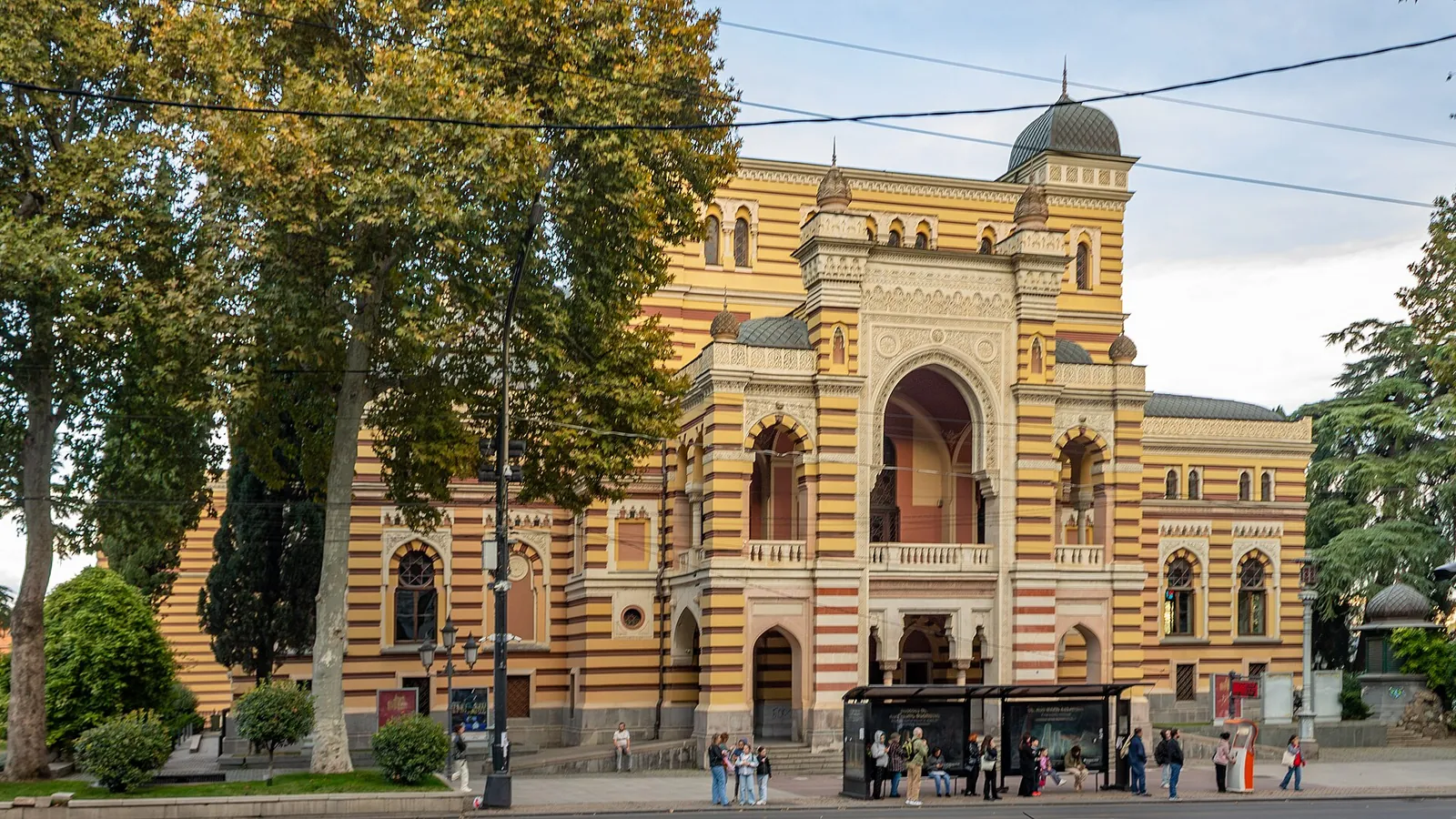
Get ready for grand boulevards, golden treasures and a view from the very top of the city. Start at Freedom Square again and walk up Rustaveli Avenue, the city’s 1.5 km main boulevard. Along it you pass the Parliament building, the Opera House, the Rustaveli Theatre, Kashveti Church and the National Gallery.
Your main stop is the Simon Janashia Museum of Georgia at the Freedom Square end of the avenue, run by the Georgian National Museum. Its archaeological treasury, with goldwork from ancient Colchis, is the highlight for most visitors. Verified details from the museum’s own site:
- Opening hours: Tuesday to Sunday, 10:00 to 18:00. Last admission 17:30.
- Closed: Mondays and official public holidays.
- Tickets for foreign visitors: adult GEL 40, student GEL 15, pupil GEL 15, pensioner GEL 30 (documents required for concessions).
- Guided tour in a foreign language: GEL 80 for an overview tour of up to an hour, GEL 100 for an extended tour of 1.5 to 2 hours.
Because the museum is closed on Mondays, swap Day 2 and Day 3 if your Day 2 falls on a Monday. Allow two to three hours.
Afternoon
After lunch near Rustaveli, take the metro from Rustaveli or Liberty Square to Avlabari (a few stops, a single GEL 1 fare). From Avlabari station it is about a 10-minute walk to the Holy Trinity Cathedral (Sameba), one of the largest Orthodox cathedrals in the region, with gardens and wide views over the city. Modest dress applies inside (see Practical tips).
Walk back down through Avlabari towards Rike Park, or if you prefer a livelier, younger scene, take the metro to Marjanishvili and stroll Aghmashenebeli Avenue, a restored 19th-century street of cafés and wine bars, with the Fabrika creative hub a few blocks away.
Evening
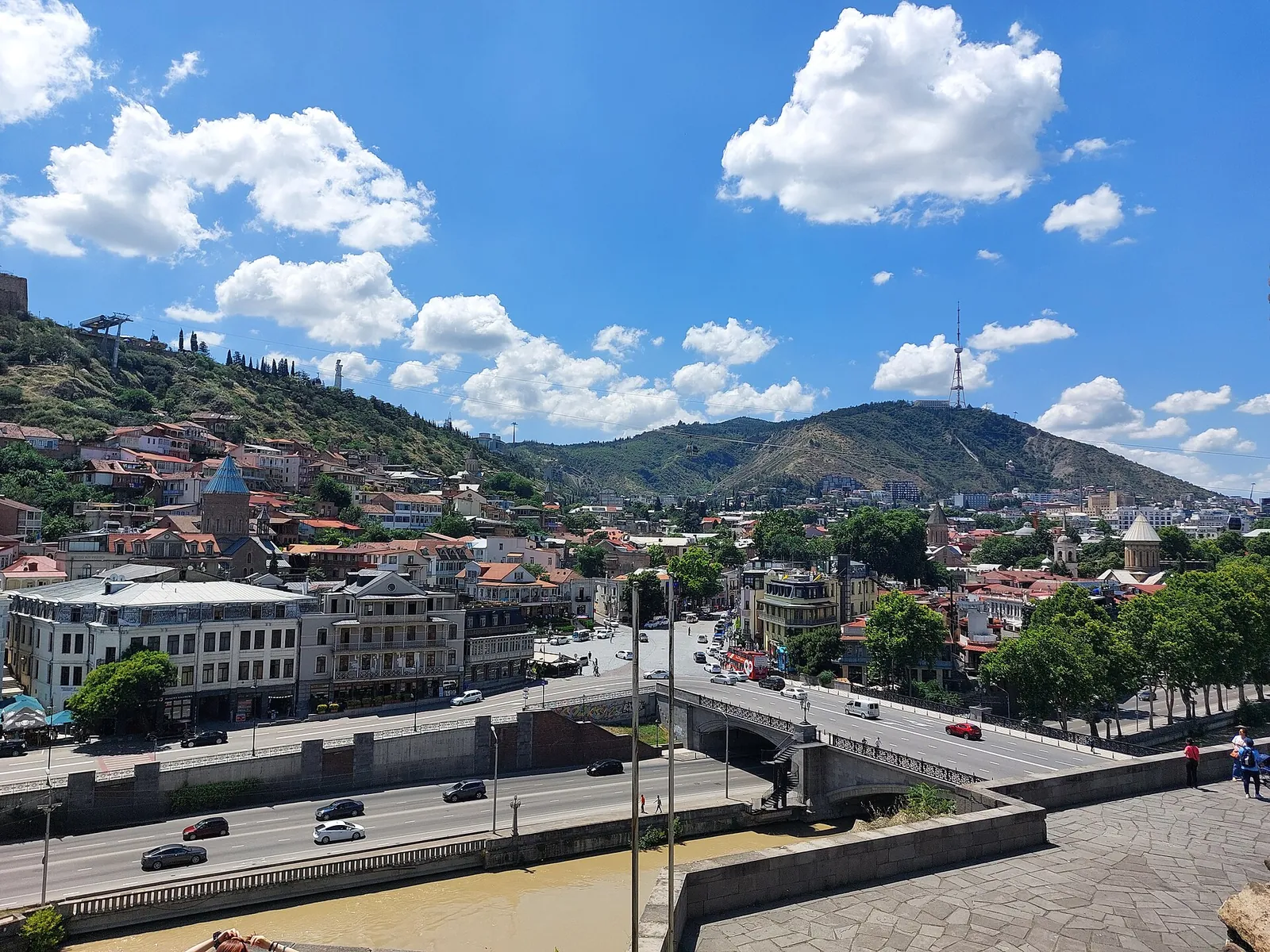
Ride the funicular up to Mtatsminda, the highest point in the city, with a park, restaurants and amusement rides at the top. The lower station is on Daniel Chonkadze Street, above Rustaveli Avenue. The funicular uses its own park card rather than the city transport card. We could not verify current funicular fares on an official source, so check the park’s ticket office before you buy.
If you prefer culture to views, the Gabriadze Marionette Theatre near Shavteli Street is a much-loved Tbilisi institution. Check its current schedule and book tickets on the theatre’s official site, as shows are small and sell out.
Day 3: Day trip to Mtskheta
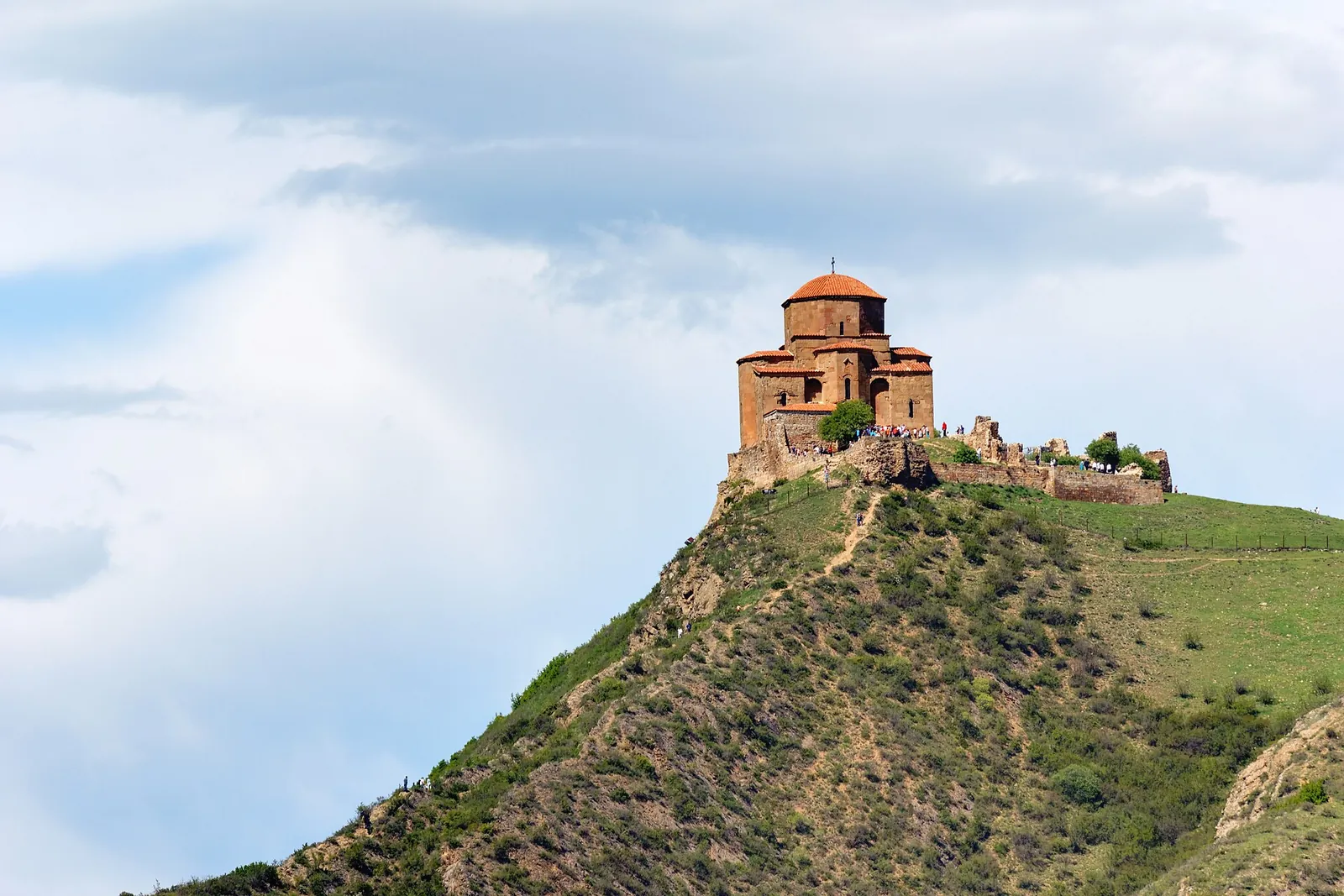
Save some energy for today: Mtskheta is a real treat. It sits where the Aragvi and Mtkvari rivers meet, just north of Tbilisi. It was Georgia’s capital in antiquity and remains its spiritual heart. The Historical Monuments of Mtskheta are on the UNESCO World Heritage list.
Morning
Take the metro to Didube station. Minibuses (marshrutkas) to Mtskheta leave from the bus area next to the station; look for a sign in Latin letters reading “Mtskheta”. The ride is short, typically under 30 minutes depending on traffic. Fares are paid to the driver and are not published by an official operator, so ask before boarding. A taxi from central Tbilisi through a ride-hailing app is the simplest alternative, especially for groups.
We suggest starting at Jvari Monastery, which, as the tourism administration puts it, “stands atop a rocky cliff” east of town above the river confluence. The 6th-century church and the view down to Mtskheta are best before midday crowds. There is no practical public transport up the hill, so take a taxi from Mtskheta town and ask the driver to wait while you visit (agree the price first). If you go by app taxi from Tbilisi, you can ask to stop at Jvari on the way in.
Afternoon
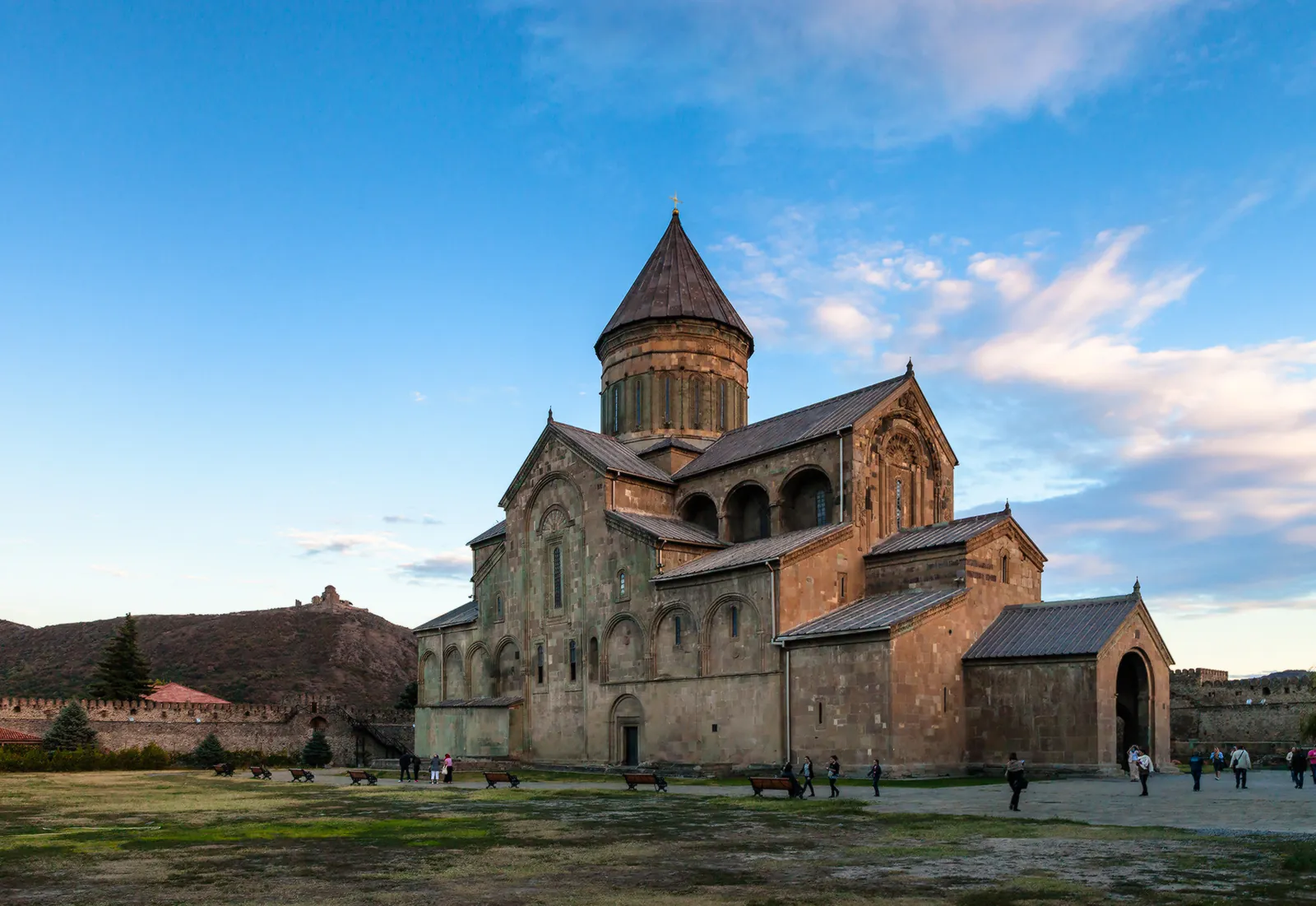
Back in town, visit Svetitskhoveli Cathedral, the centrepiece of Mtskheta. According to Georgia’s official tourism site, King Mirian III built a wooden church here in the 4th century, and the present cathedral was built between 1010 and 1029 under Catholicos Melchizedek, with Arsukidze as chief architect. It is believed to hold one of the Orthodox world’s most important relics, the robe of Christ. Give it at least 45 minutes: the frescoes and the fortified enclosure walls reward a slow look.
The pedestrian streets around the cathedral are lined with cafés and souvenir stalls. Have a late lunch here, then walk about 10 minutes north to Samtavro Monastery, also part of the UNESCO-listed ensemble, set in a quiet garden.
If you have a car and a full day, the official tourism site also suggests Shio-Mgvime Monastery, a cave monastery dating back to the 6th century, further out in a gorge. It makes a long day, so we would skip it on a three-day trip unless monasteries are your main interest.
Evening
Return to Didube by minibus and ride the metro back into town. For a final dinner, try Sololaki, the district of grand 19th-century houses below Narikala, where many of the city’s newer restaurants and wine bars sit in restored courtyards.
Getting there and getting around
Visas and entry. Rules depend on your passport. Many nationalities can enter visa-free, others apply online through the Ministry of Foreign Affairs e-Visa portal. The ministry lists the documents travellers should be able to show at the border, including travel and health insurance and proof of accommodation, so carry these. Check your own case on the official portal: evisa.gov.ge. The ministry states it is not affiliated with private visa agencies.
Airport to the city. Tbilisi International Airport is served by bus 337, which stops in front of the arrivals hall. Its route runs along Kakheti Highway, Queen Ketevan Avenue, Baratashvili Street, Rustaveli Avenue and Kostava Street to Station Square, so it passes close to the Old Town and Rustaveli. The fare is GEL 1, with 90 minutes of unlimited transfers, paid by MetroMoney card or bank card (cash and app payments do not include the 90-minute transfer). The airport lists the timetable as 06:59 to 22:59; check the live tracker linked from the airport’s bus page for current departures. For late arrivals, use a licensed taxi from the official rank or a ride-hailing app and confirm the price before you set off.
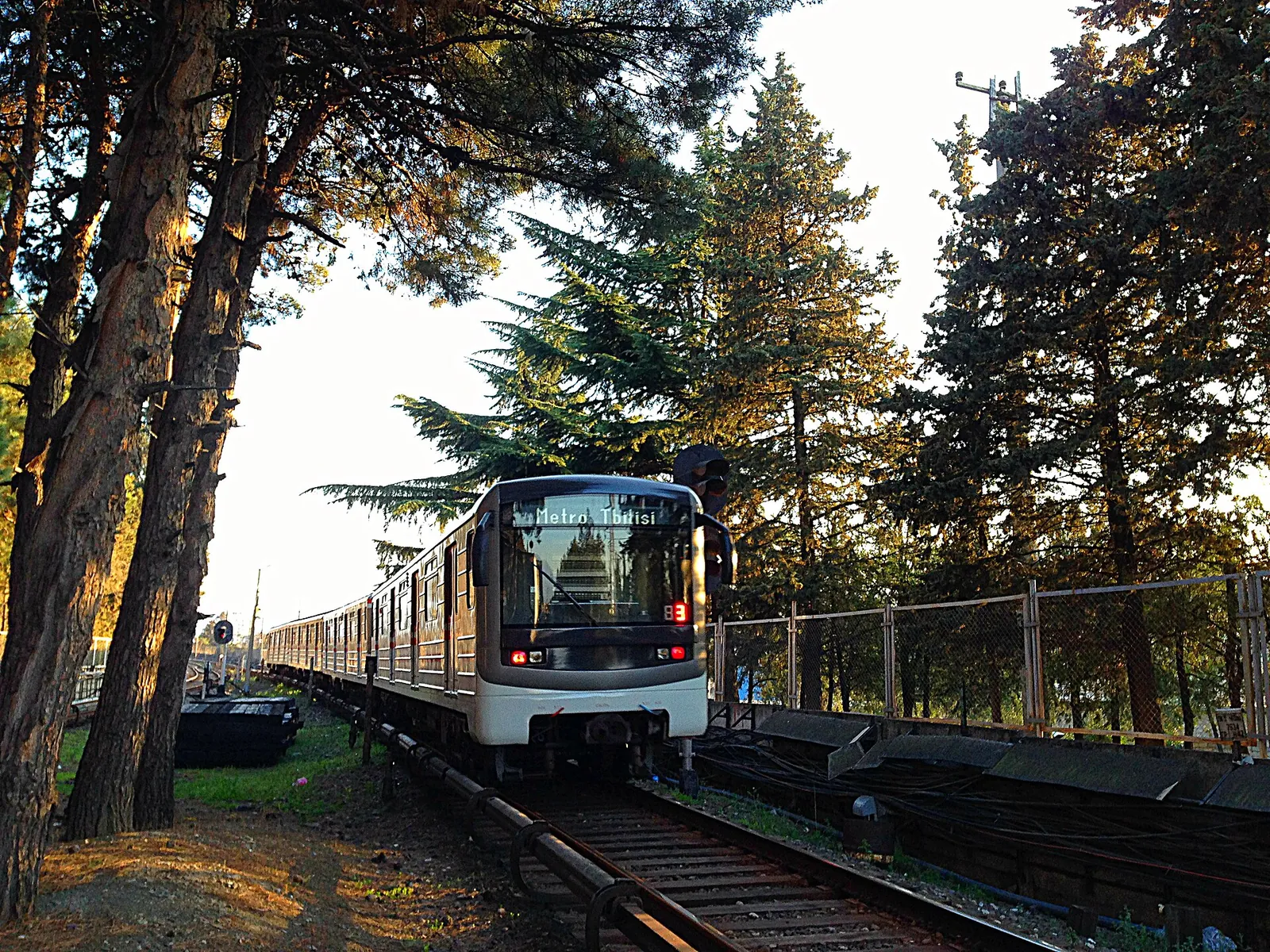
Metro, buses and cable cars. The city’s metro, buses, minibuses and most cable cars run on one fare system, verified on the Tbilisi Transport Company tariff page:
| Ticket | Price |
|---|---|
| Single journey (90 minutes unlimited transfers) | GEL 1 |
| 1-day pass | GEL 3 |
| 1-week pass | GEL 20 |
| MetroMoney card (one-off) | GEL 2 |
| Rike-Narikala cable car, one way | GEL 2.50 |
The day and week passes can only be loaded onto a subscription card, which you can buy at metro station ticket offices and Bank of Georgia express branches. Keep your purchase receipt: a lost or damaged card can only be restored with it. For a three-day stay with several metro rides a day, a 1-day pass each day often works out cheapest; if you only ride once or twice, tap a contactless bank card instead.
On foot. The Old Town, Rike Park, Freedom Square and Rustaveli Avenue are all within walking distance of each other. Use the metro for Avlabari, Marjanishvili and Didube.
Where to stay
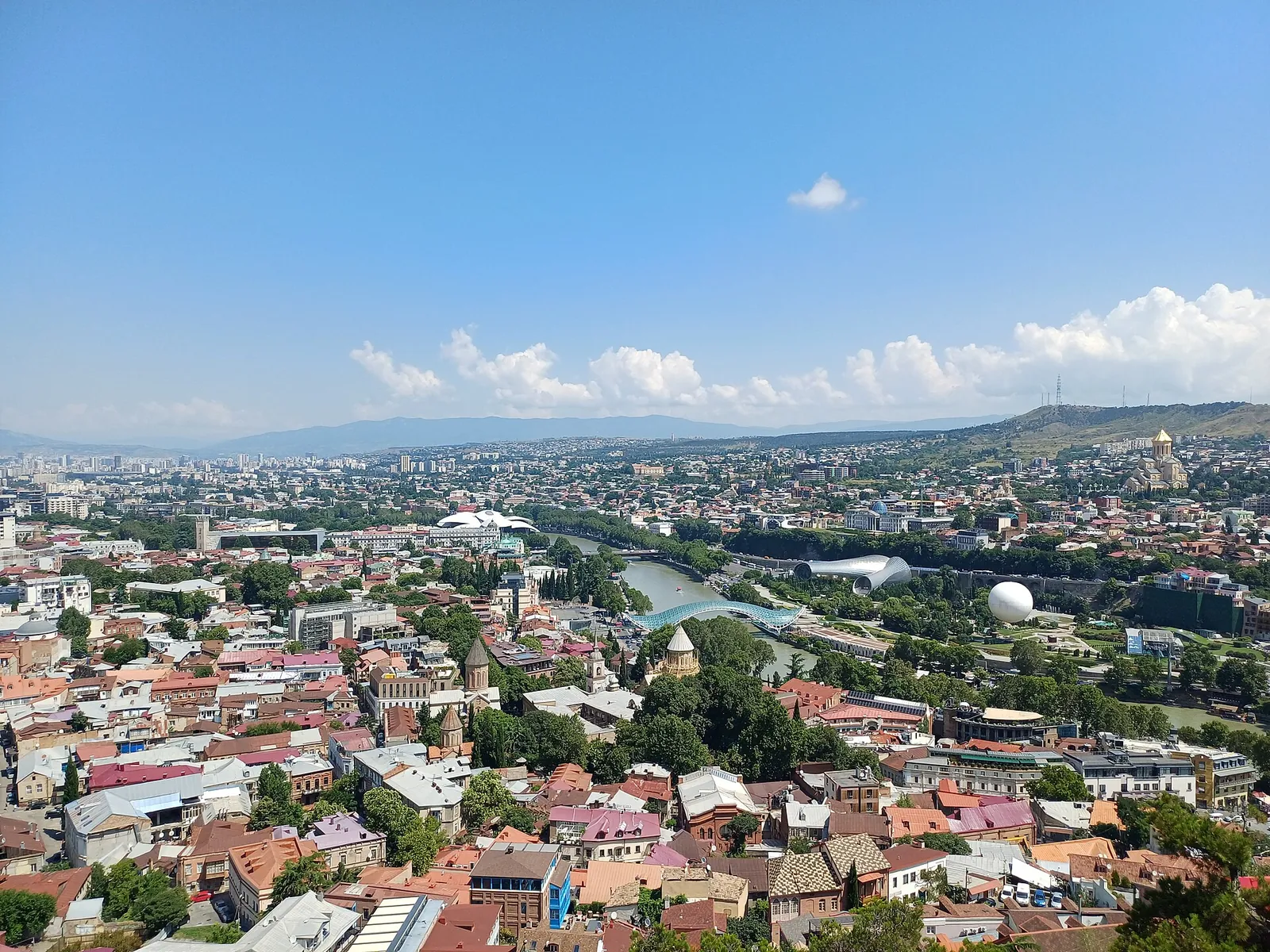
- Old Tbilisi and Sololaki. Best for first-timers who want to walk everywhere. You are close to the baths, the cable car and dozens of restaurants. Streets are steep and some lanes are noisy at night.
- Around Rustaveli Avenue and Freedom Square. Central, flatter and well connected by metro and the airport bus. Good for families and anyone with heavy luggage.
- Avlabari. Across the river near Sameba and the Rike Park cable car, with its own metro station and good value. Handy for both Old Town and the Mtskheta trip via the metro.
- Vera and Marjanishvili. Leafier residential areas with cafés and wine bars, a short metro or taxi ride from the Old Town. Suits repeat visitors and travellers who prefer a local feel.
Budget
The costs below are the fixed items we could verify on official sources today. Accommodation and food vary widely by season and style, so we have not put numbers on them; Tbilisi is generally good value compared with European capitals.
| Item | Typical cost |
|---|---|
| Airport bus 337 | GEL 1 per journey |
| Metro, bus or minibus (90 minutes) | GEL 1 |
| City transport 1-day pass | GEL 3 |
| MetroMoney card | GEL 2 (one-off) |
| Rike-Narikala cable car | GEL 2.50 one way |
| Museum of Georgia, foreign adult | GEL 40 |
| Museum guided tour, foreign language | GEL 80 to 100 |
| Mtatsminda funicular, sulphur baths, minibus to Mtskheta, taxi to Jvari | Not officially published: check on the spot |
| Accommodation, meals, wine tastings | Varies: compare current rates |
Excluded: flights, travel insurance, accommodation, food and drink, and any optional tours. The “about GEL 50 a day” figure in the summary covers transport plus one paid sight, such as the museum and a cable car ride.
Practical tips
- Church dress code. Georgian Orthodox churches expect modest dress: shoulders and knees covered, and women usually cover their hair. Many churches, including the large ones, keep scarves or wraps at the entrance, but carry your own to be safe. Speak quietly and avoid photographing services.
- Closing days. The Museum of Georgia is closed on Mondays and on official public holidays. Plan Day 2 for Tuesday to Sunday.
- Money. The currency is the Georgian lari (GEL). Cards are widely accepted in central Tbilisi and on public transport, but keep some cash for minibuses, market stalls and small cafés, especially in Mtskheta.
- Transport cards. Day and week passes need a subscription card, not a bank card. Paying cash or by app on a bus means no free 90-minute transfer.
- SIM and eSIM. Local SIM cards are sold in the shops of Georgian mobile operators; bring your passport. Many international eSIM providers also cover Georgia. Compare current packages before you buy.
- Footwear and weather. The Old Town is hilly and cobbled. Summers are hot, which is why late spring and autumn are the most comfortable months for walking.
- Insurance. The e-Visa portal lists travel and health insurance among the documents you should be able to present at the border, so carry your policy (printed or on your phone).
Heads-up: what to watch out for
Tbilisi is a joy to explore, and a few simple habits keep it that way. The UK government’s travel advice describes crime levels in Georgia as low, so think of these as friendly tips rather than worries.
- Demonstrations on Rustaveli Avenue. Political protests have been running for many months and are mainly focused on the Parliament building on Rustaveli Avenue, which you pass on Day 2; they can spread, particularly on Saturday evenings and nights. Good to know: check local news before you go, and simply walk around any large gathering rather than through it.
- Book taxis by app. The FCDO advises not to flag taxis in the street. Easy to avoid: order through a ride-hailing app, and check the car has working seatbelts.
- Friendly strangers with a bar tip. There have been reports of drink spiking, and the advice is to be wary of strangers who approach you to take you to a restaurant or nightclub. Pick your own places, buy your own drinks and keep them in sight.
- Pickpockets in busy spots. Easy to avoid: keep phones and wallets zipped away in crowded places such as the metro, Rike Park and the Old Town lanes on busy evenings, and do not leave bags unattended at café tables.
- Uneven pavements after dark. Street lighting away from main roads can be poor, pavements are uneven and short power cuts happen now and then. Good to know: a phone torch helps on the steep Old Town and Narikala paths in the evening.
- Dogs and rabies. Rabies is a health risk in Georgia. Admire street dogs from a distance, and if you are bitten or scratched, get medical attention straight away; treatment is available in Tbilisi.
- Drugs, including cannabis. Georgian penalties are severe, with jail sentences of 5 to 25 years for possessing or using illegal drugs. Easy to avoid: leave it all at home, even if it is legal where you live.
- Photos and the occupied regions. Do not photograph military bases or power installations, and be considerate when photographing churches. The UK advises against all travel to Abkhazia and South Ossetia, so keep day trips to places like Mtskheta, well away from the boundary lines.
FAQ
Is three days enough for Tbilisi?
Yes, for the highlights. Two days cover the Old Town, Narikala, Rustaveli Avenue and Sameba at a relaxed pace, and the third day leaves time for Mtskheta. With a fourth day, add the Open Air Ethnographic Museum or a wine day trip to Kakheti.
How do I get from Tbilisi to Mtskheta?
Take the metro to Didube, then a minibus marked “Mtskheta” from the bus area next to the station. A ride-hailing taxi is easier if you want to stop at Jvari Monastery on the way. Minibus fares are not officially published, so ask the driver.
How much does the Narikala cable car cost?
The Rike-Narikala cable car costs GEL 2.50 one way, according to the Tbilisi Transport Company. Pay with a MetroMoney card or a bank card.
What day is the Museum of Georgia closed?
It is closed on Mondays and official public holidays. It opens Tuesday to Sunday from 10:00 to 18:00, with last entry at 17:30. Foreign adults pay GEL 40.
Can I pay for public transport with my bank card?
Yes. The single 90-minute fare of GEL 1 can be paid with a MetroMoney card or various bank cards. Day and week passes, however, can only be loaded onto a subscription card.
When is the best time to visit Tbilisi?
May to June and September to October bring mild temperatures that suit a walking-heavy itinerary. July and August can be very hot, and winter is quieter but cold.
Sources
Prices, hours and rules change. We checked these on 22 October 2026; please confirm on the official page before you book.
- Tbilisi Transport Company: Standard tariff
- Tbilisi International Airport: Bus
- Georgian National Museum: Ticket prices
- Georgian National Museum: Working hours
- Georgia National Tourism Administration: Tbilisi
- Georgia National Tourism Administration: Svetitskhoveli Cathedral
- Georgia National Tourism Administration: One-Day Tour in Mtskheta
- Ministry of Foreign Affairs of Georgia: e-Visa portal
- UK FCDO: Georgia travel advice (warnings)
- UK FCDO: Georgia safety and security
- UK FCDO: Georgia health
Photo credits (10)
- Old Tbilisi and the Mtkvari River seen from Narikala Fortress: Marcin Konsek, CC BY-SA 4.0, via Wikimedia Commons
- Old Town rooftops below the Mother of Georgia statue and cable car: shankar s. from Dubai, united arab emirates, CC BY 2.0, via Wikimedia Commons
- The Bridge of Peace and Rike Park on a sunny day: falco, CC0, via Wikimedia Commons
- The striped Opera House on Rustaveli Avenue: Nikolai Bulykin, CC BY-SA 4.0, via Wikimedia Commons
- Mount Mtatsminda rising above central Tbilisi under blue skies: Kober, CC0, via Wikimedia Commons
- Jvari Monastery perched on its hilltop above Mtskheta: Alexxx1979, CC BY-SA 4.0, via Wikimedia Commons
- Svetitskhoveli Cathedral glowing in soft evening light: Moahim, CC BY-SA 4.0, via Wikimedia Commons
- A Tbilisi metro train passing through green trees: Max Benidze, CC BY-SA 2.0, via Wikimedia Commons
- Colourful Tbilisi neighbourhoods seen from the Sololaki hills: Radosław Botev, CC BY 3.0 pl, via Wikimedia Commons
- A plate of plump Georgian khinkali dumplings: Sandra C from Canada, CC BY-SA 2.0, via Wikimedia Commons
This is a researched plan, not a personal trip report. How we research · Affiliate disclosure