
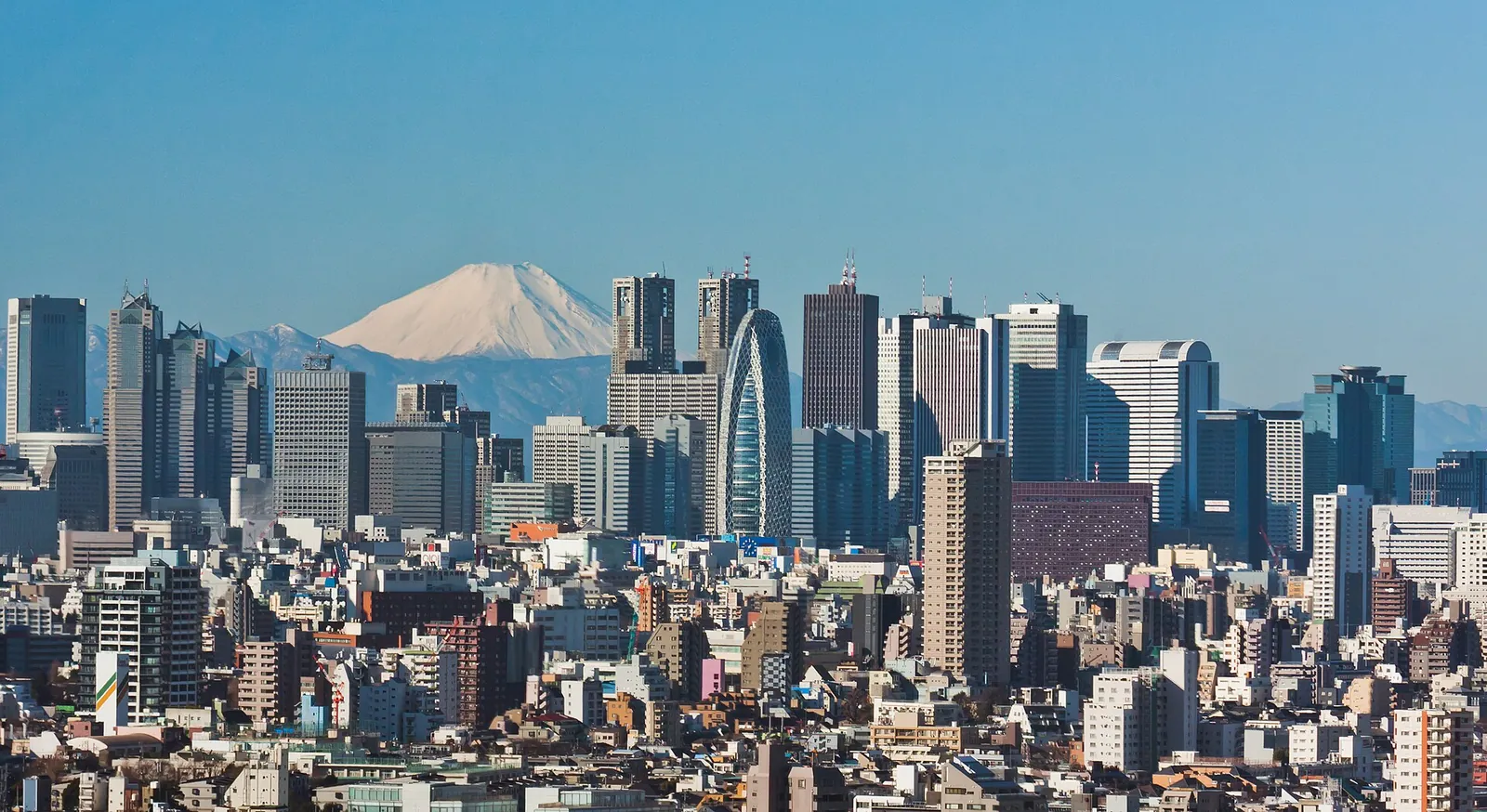
4 Days in Tokyo: A Day-by-Day Itinerary
A 4-day Tokyo plan: Asakusa, Skytree and Ueno, Meiji Jingu and Shibuya, Tsukiji, the Imperial Palace and teamLab, then Shinjuku by day and night.
- 🗓️ Trip length
- 4 days
- ☀️ Best time
- Late March to May, and October to November
- 💰 Daily spend
- JPY 1,000-5,000 for transport and paid sights (food and hotel extra)
- ✅ Facts checked
- 22 October 2026
Get ready for Tokyo, the city that somehow manages to be enormous and effortless at the same time. Trains arrive to the minute, every neighbourhood feels like a different town, and you can go from a 1,400-year-old temple to a glowing digital art museum before dinner. Four days is the sweet spot for a first visit: enough to see the icons, eat your way through markets and side streets, and still have an evening or two to wander with no plan at all.
This plan suits first-time visitors, couples, friends and families with older children. The pace is lively but not frantic: one or two neighbourhoods per day, grouped so you are not crossing the city back and forth, with mornings for the places that get busy and evenings for views and food. Swap the days freely, but watch the closing days we flag below: several big sights close on Mondays, and the Imperial Palace East Gardens also close on Fridays.
At a glance
| Day | Area | Highlights |
|---|---|---|
| 1 | Asakusa, Skytree and Ueno | Senso-ji and Nakamise-dori, Sumida River, Tokyo Skytree, Tokyo National Museum, Ueno Park, Ameyoko market |
| 2 | Harajuku and Shibuya | Meiji Jingu forest shrine, Takeshita Street, Omotesando, Shibuya Crossing, sunset views |
| 3 | Tsukiji, the Imperial Palace, Ginza and Toyosu | Tsukiji Outer Market breakfast, Imperial Palace East Gardens, Ginza, teamLab Planets |
| 4 | Shinjuku | Shinjuku Gyoen garden, a free-time afternoon, Tokyo Metropolitan Government observation deck, Omoide Yokocho and Golden Gai |
Day 1: Asakusa, Skytree and Ueno
Morning
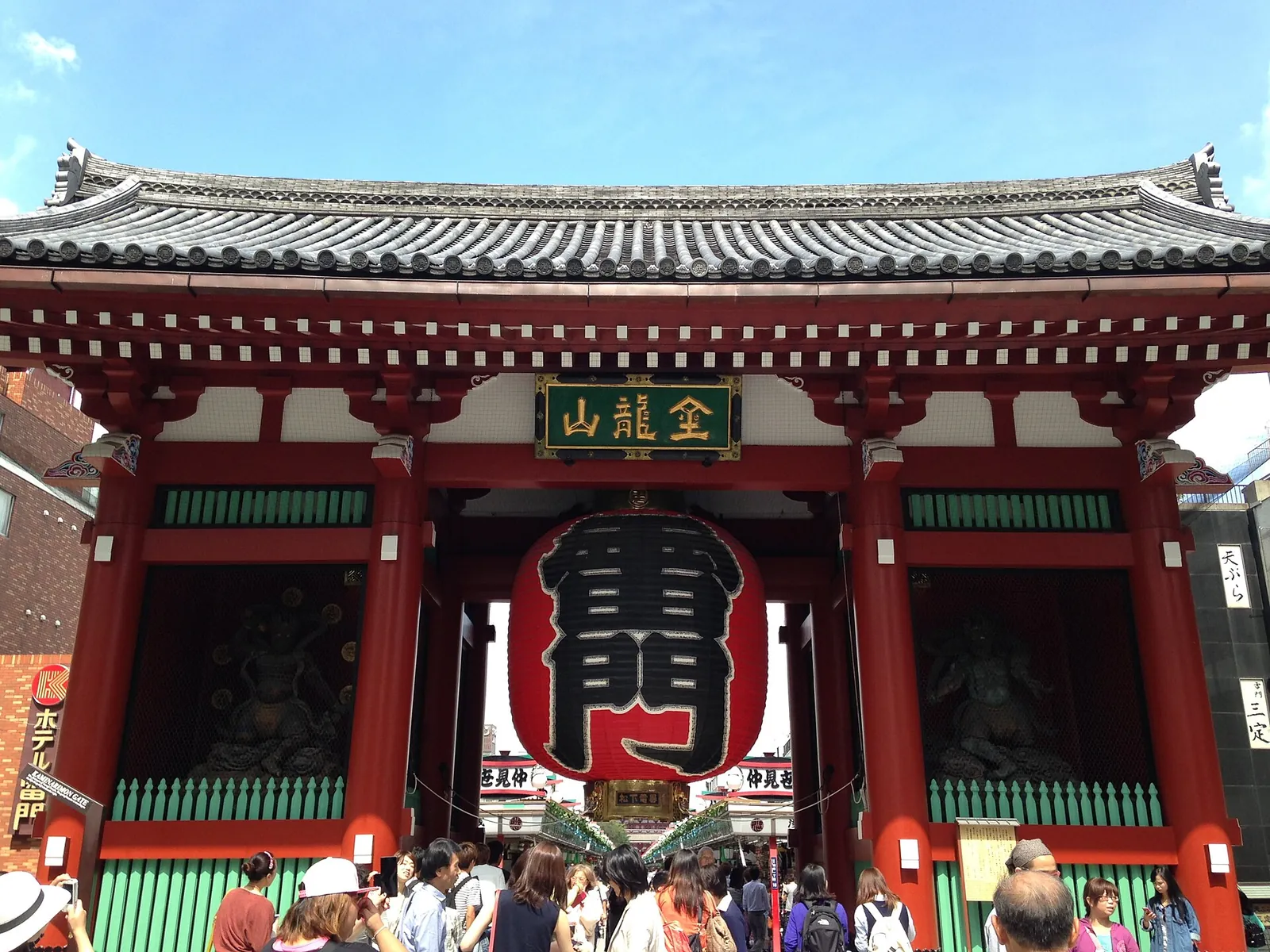
This is the day for old Tokyo, so set your alarm and go early! Senso-ji, Tokyo’s oldest temple, is at its most magical before the crowds arrive. The main hall (Hondo) opens at 6:00, or 6:30 from October to March, and closes at 17:00. Walk in through the huge red Kaminarimon (Thunder Gate), which was rebuilt in 1960 after an 1865 fire, then along Nakamise-dori, the shopping street that leads to the temple. The snack and souvenir stalls open later in the morning, so an early start gives you the temple in peace and the street when it comes to life.
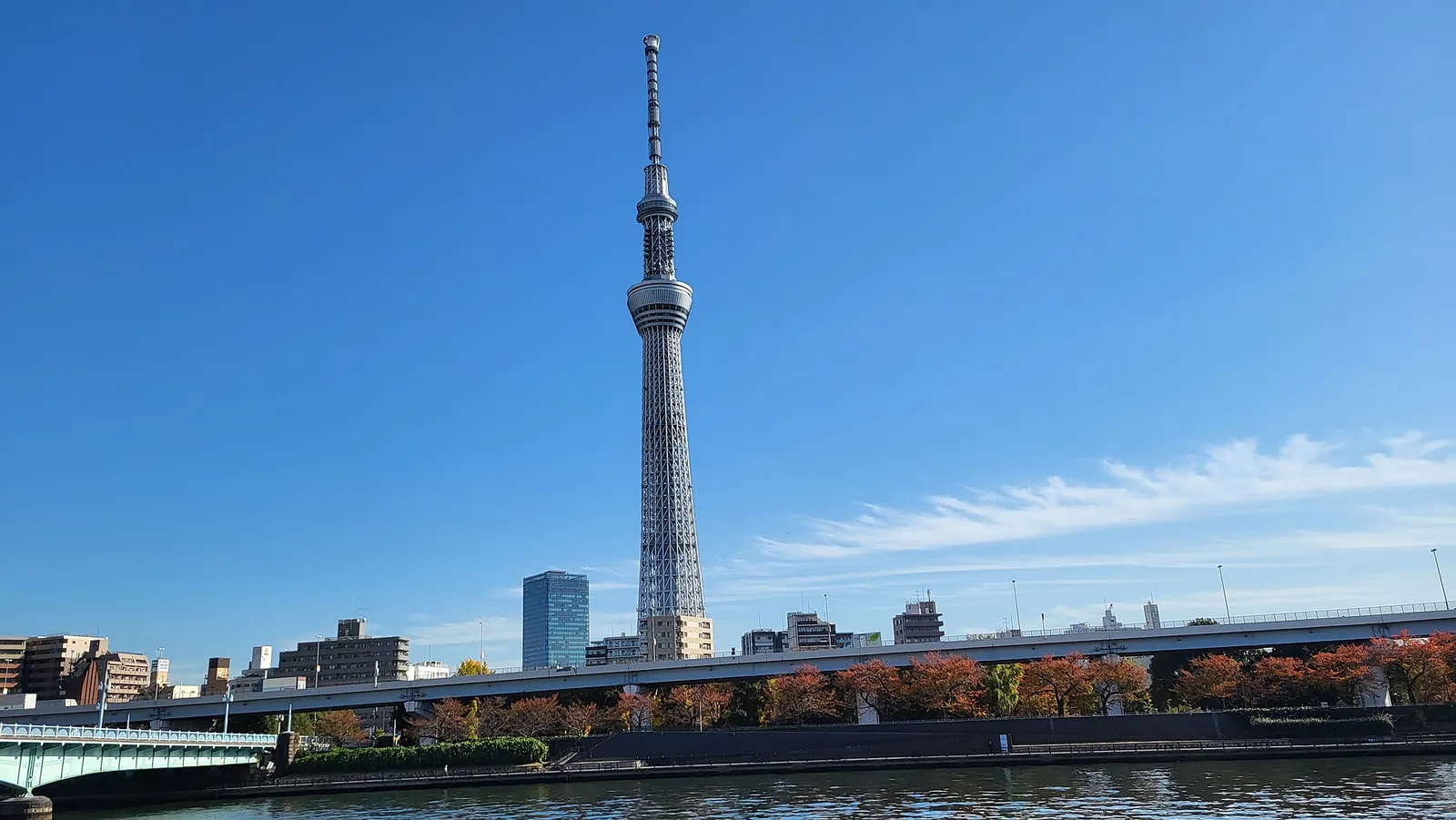
From Senso-ji, cross the Sumida River on foot towards Tokyo Skytree, about a 20-minute walk, with the tower filling more of the sky with every block. The Tembo Deck (floor 350) costs from JPY 1,800 for adults, and the combo with the higher Tembo Galleria (floor 450) from JPY 3,000; prices vary by day, so check the live price when you book online. A JPY 500 per-ticket fee applies if you buy at the 4th-floor counter or ticket machines instead. On the day this plan was checked the decks were open from 10:00 to 22:00 with last entry at 21:00, but hours change by date, so check the official hours page.
Afternoon
Take the subway to Ueno (allow around 20 to 30 minutes door to door) and head into Ueno Park, a big, leafy space full of museums, ponds and street performers. The star is the Tokyo National Museum, home to samurai armour, swords, kimono and Buddhist art. It opens 9:30 to 17:00 (later on some evenings), last entry 30 minutes before closing, and general admission to the permanent collection is JPY 1,000 for adults. It is normally closed on Mondays, so if Day 1 falls on a Monday, swap it with another day. Special exhibitions have separate tickets, and the museum recommends buying online because counter queues can pass 30 minutes.
Evening
Wander south from the park into Ameyoko, the lively market street running along the railway tracks between Ueno and Okachimachi. It is packed with snack stalls, small izakaya and shops selling everything from dried fruit to sneakers. Grab skewers and a cold drink, and enjoy one of Tokyo’s most cheerful, down-to-earth evenings.
Day 2: Meiji Jingu, Harajuku and Shibuya
Morning
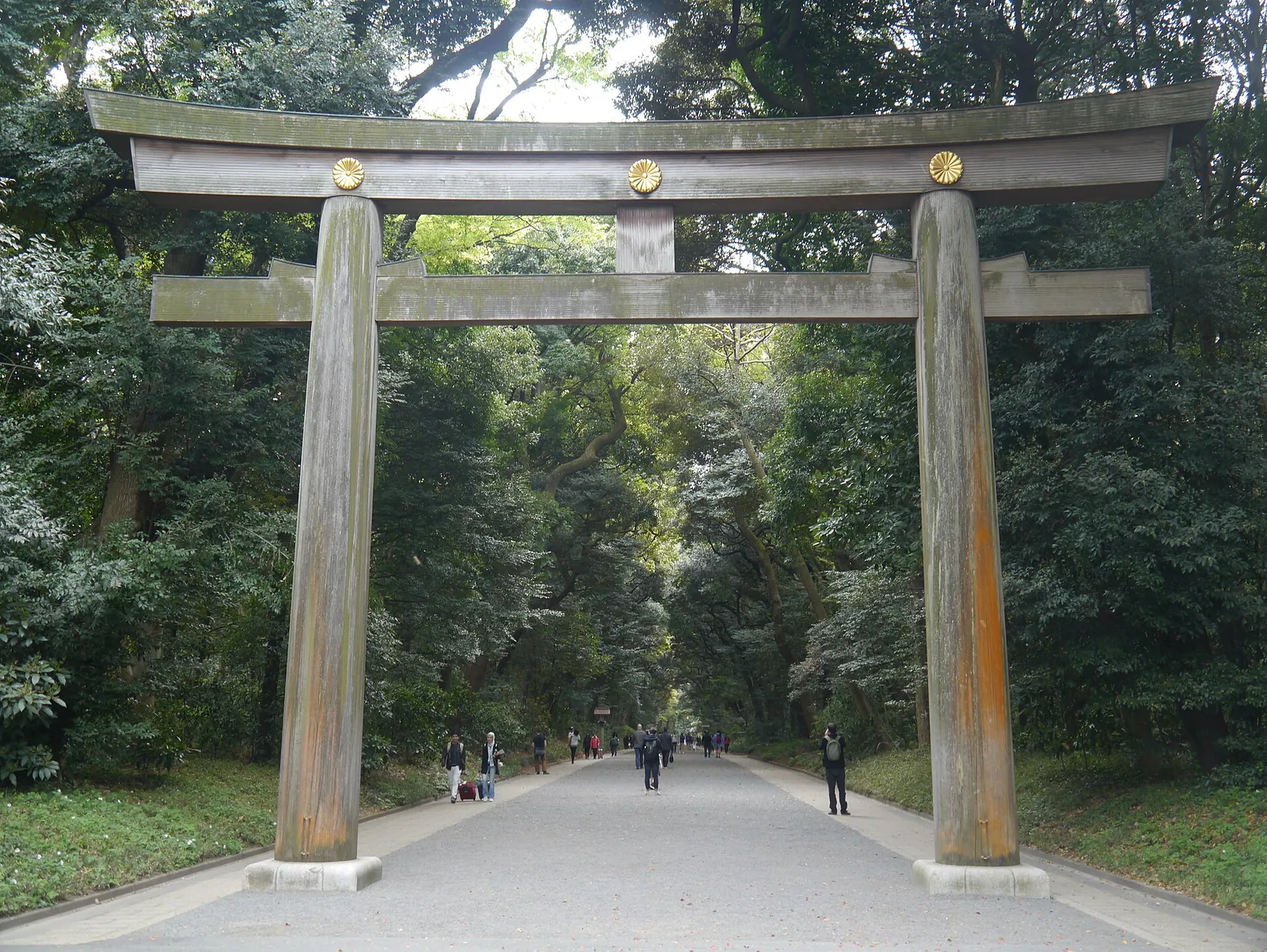
Save today for the Tokyo that everyone pictures: quiet forest shrines in the morning, neon crossings at night. Start at Meiji Jingu, a Shinto shrine wrapped in a deep green forest just beside Harajuku station. Entry is free, and it opens at sunrise and closes at sunset, so the times shift through the year: for example 5:40 to 16:40 in October and 6:10 to 16:10 in November (check the official table for your month). Some facilities inside keep shorter hours, mainly 9:00 to 16:00. Walk the gravel paths under the giant wooden torii gates and look out for the wall of decorated sake barrels.
Afternoon
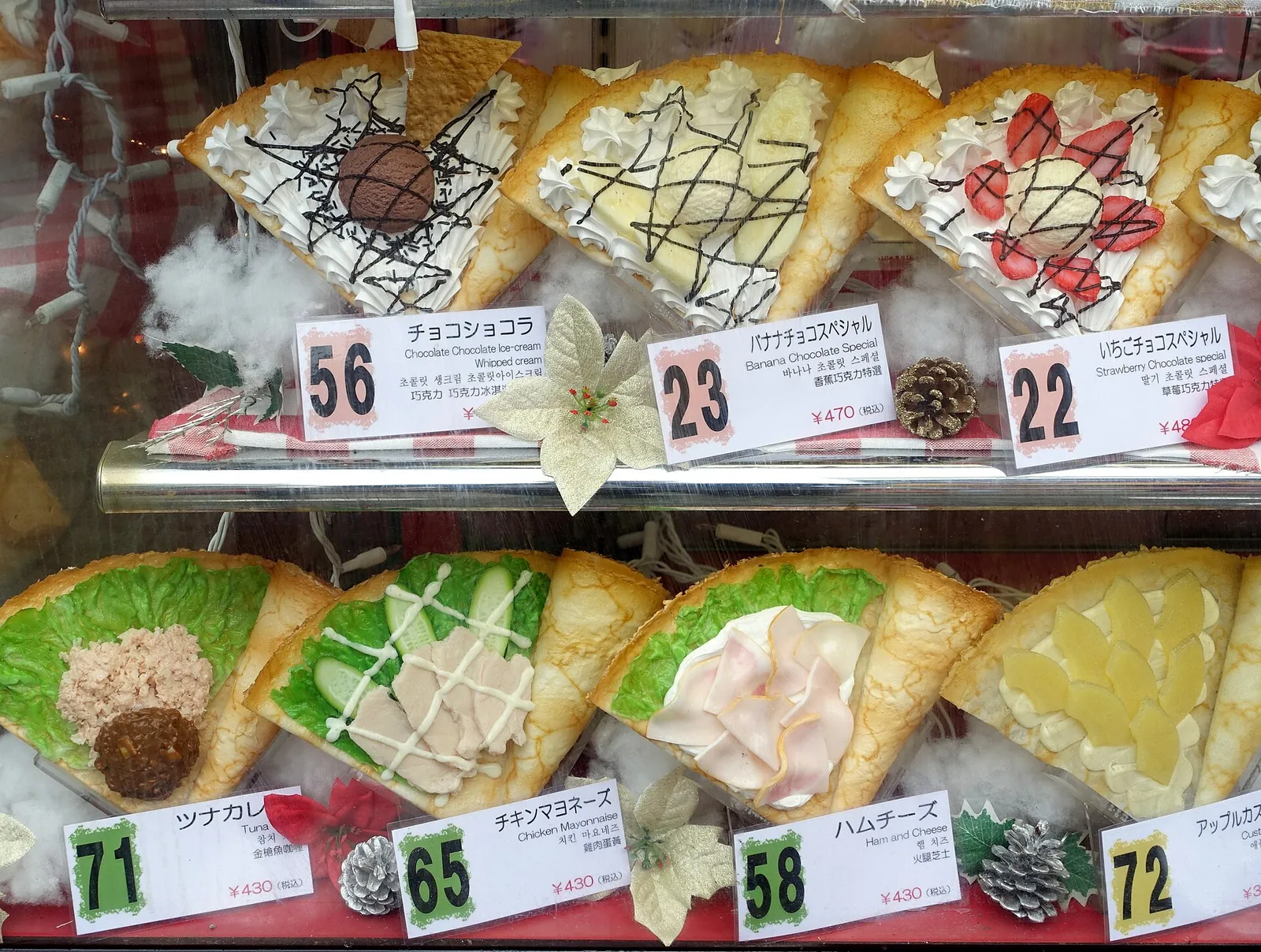
Step out of the forest into Harajuku and the instant energy of Takeshita Street, famous for crepes, quirky fashion and colourful sweets. When you have had your fill, stroll down tree-lined Omotesando, Tokyo’s elegant shopping avenue known for its striking modern architecture. From there it is an easy walk, roughly 20 to 30 minutes, downhill to Shibuya, or one short train hop.
Evening
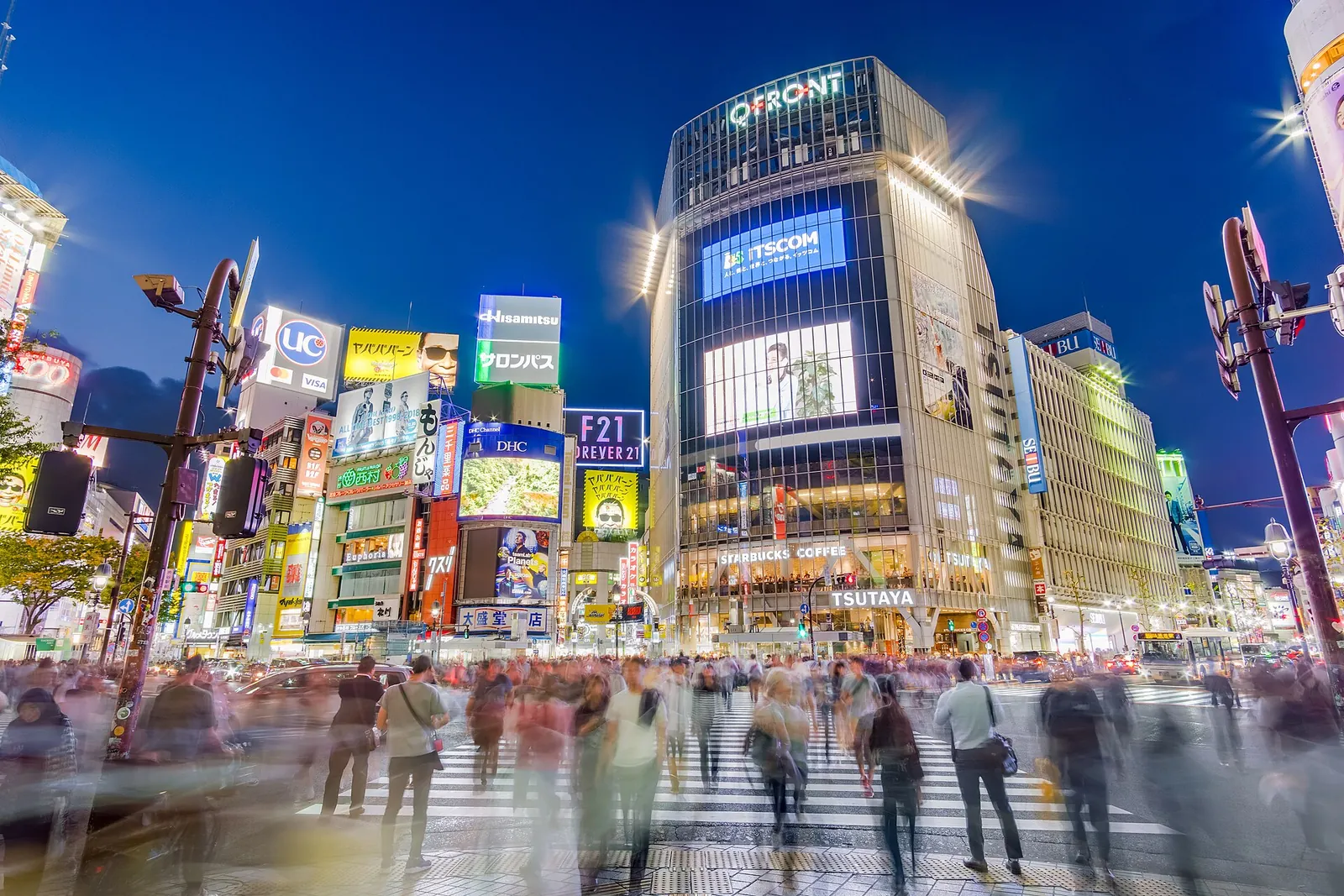
Arrive in Shibuya for the world-famous scramble crossing, where waves of people cross from every direction each time the lights change. Watch it from street level, then go up for the view. SHIBUYA SKY, the open-air rooftop on Shibuya Scramble Square, is one of the city’s best sunset spots; tickets are sold by time slot and the sunset slots go first, so book on the official site and check the current price there. Finish with dinner in the side streets, where ramen counters and izakaya stay busy late.
Day 3: Tsukiji, the Imperial Palace, Ginza and teamLab
Morning
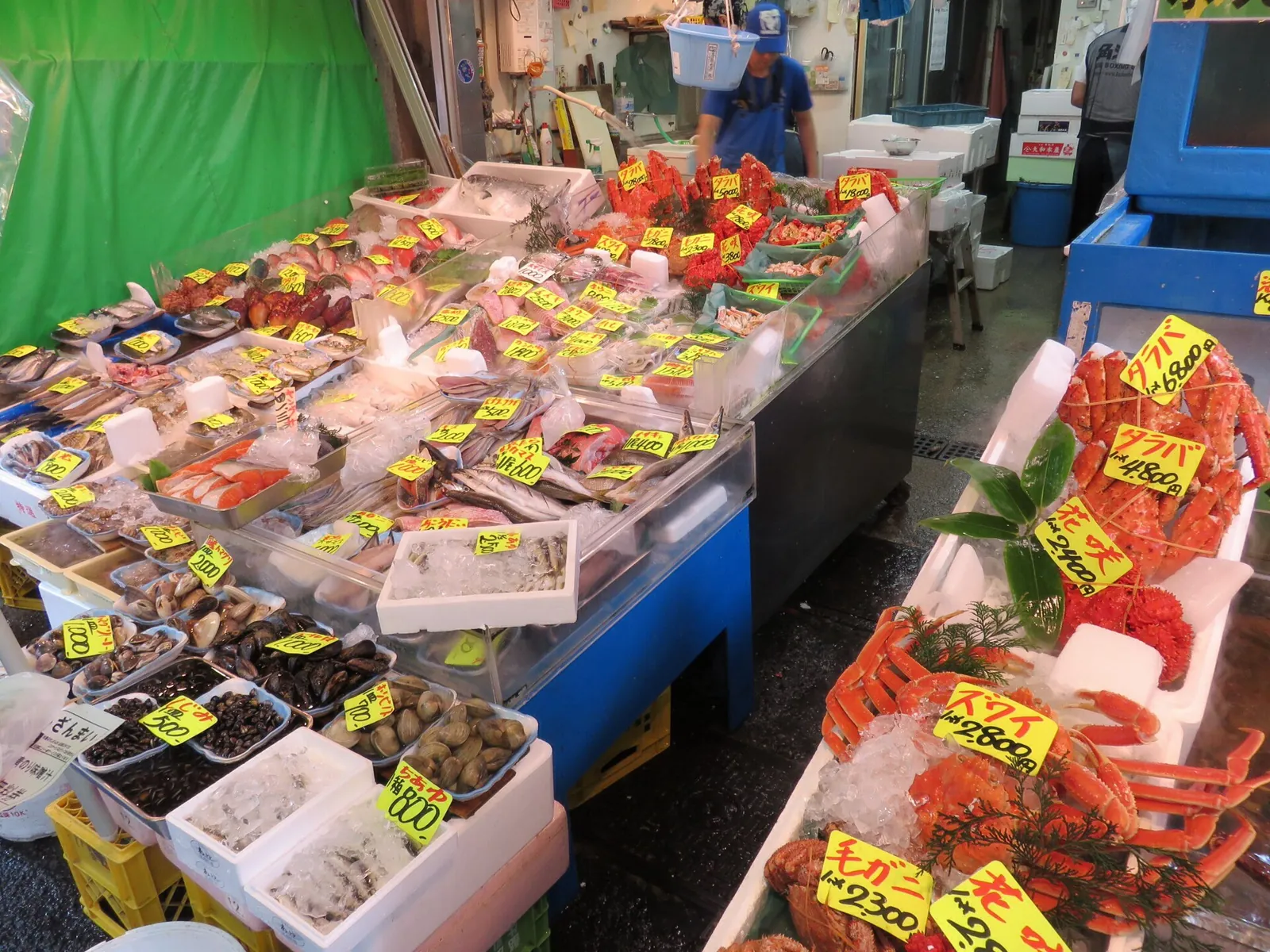
Come hungry! Start with breakfast at the Tsukiji Outer Market, a maze of food stalls and small shops selling sushi, grilled seafood, tamagoyaki (sweet omelette) and Japanese knives. Go early in the morning: many shops close by early afternoon, and opening days vary by shop, so check the market’s official calendar before you go.
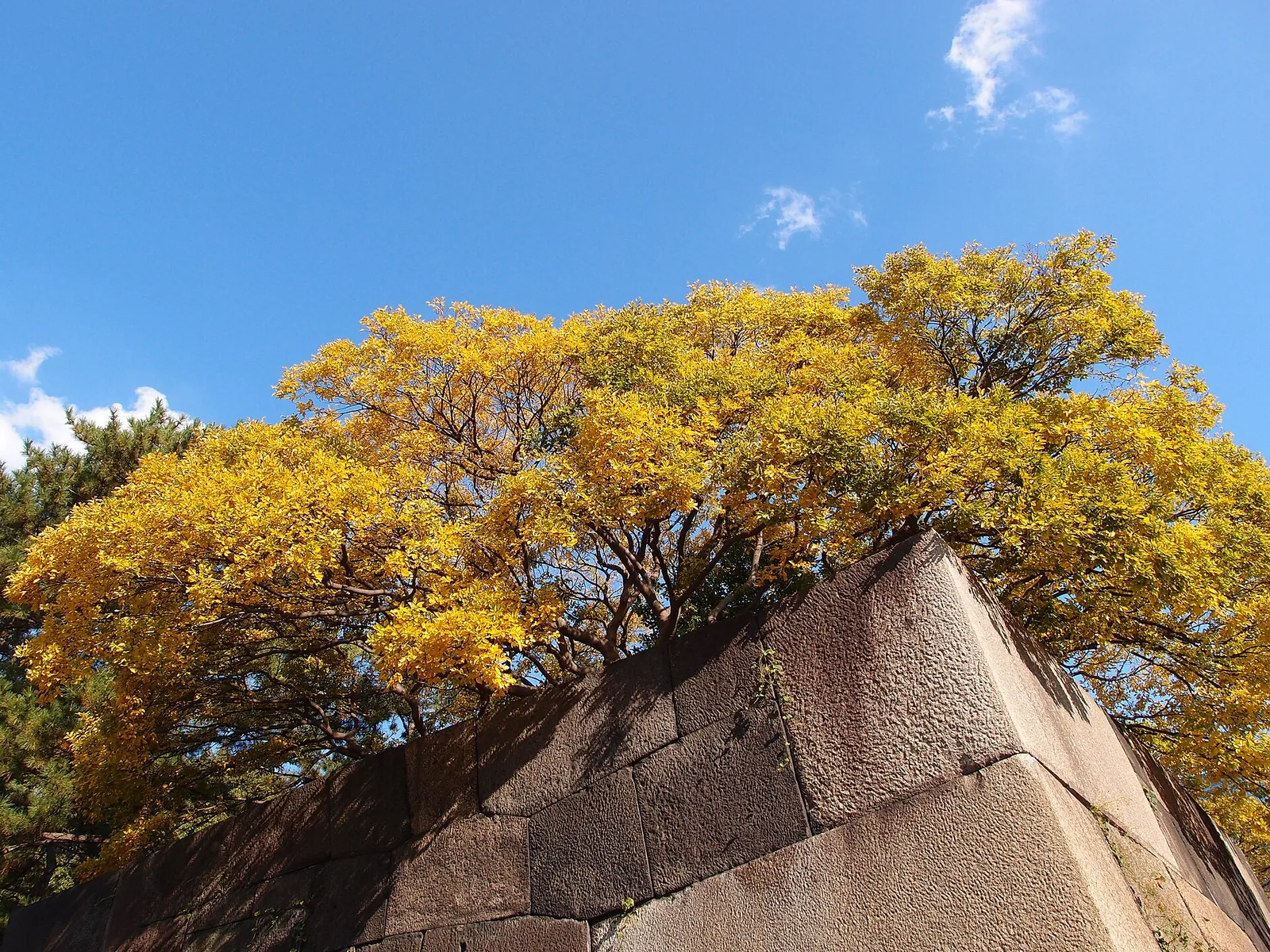
From Tsukiji, take the subway a few stops to Otemachi for the Imperial Palace East Gardens, the former grounds of Edo Castle with its massive stone walls, moats and immaculate lawns. Entry is free through the Ote-mon, Hirakawa-mon or Kitahanebashi-mon gates, and there is a bag inspection at the entrance, so bring only essentials. Opening hours depend on the season: 9:00 to 16:30 in October (last entry 16:00) and 9:00 to 16:00 from November to the end of February (last entry 15:30), with longer hours in spring and summer. The gardens close on Mondays and Fridays (they open on national holidays, except 23 February), from 28 December to 3 January, and on days of Imperial Court functions.
Afternoon
Walk east past Tokyo Station’s red-brick Marunouchi building, a lovely photo stop, and continue on to Ginza, about 15 to 20 minutes on foot. This is Tokyo’s polished shopping district: flagship stores, department stores with spectacular food halls in the basement, and wide streets that are perfect for an unhurried afternoon.
Evening
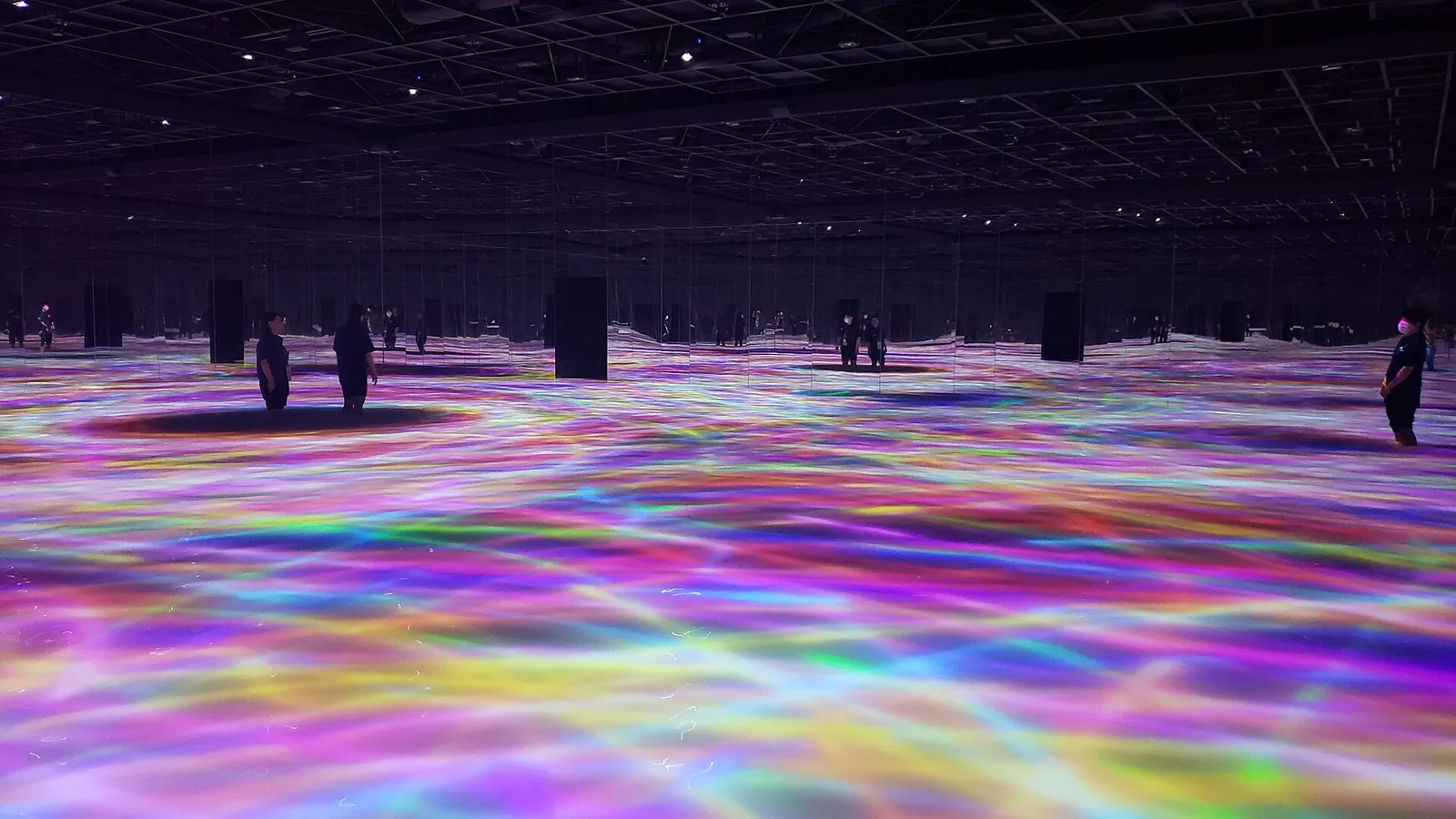
Now for something completely different. teamLab Planets TOKYO in Toyosu is an immersive digital art museum where you walk barefoot through water and rooms of light. It is a 1-minute walk from the north exit of Shin-Toyosu Station. Tickets use dynamic pricing and the adult price shown on the official site when this plan was checked was JPY 3,800; book a timed ticket online in advance. Expect water up to knee height in some rooms (you remove your socks in the locker area), so wear trousers that roll up easily. The exhibition is scheduled to run until the end of 2027, and there are occasional closing days, which are listed on the official site.
Day 4: Shinjuku
Morning
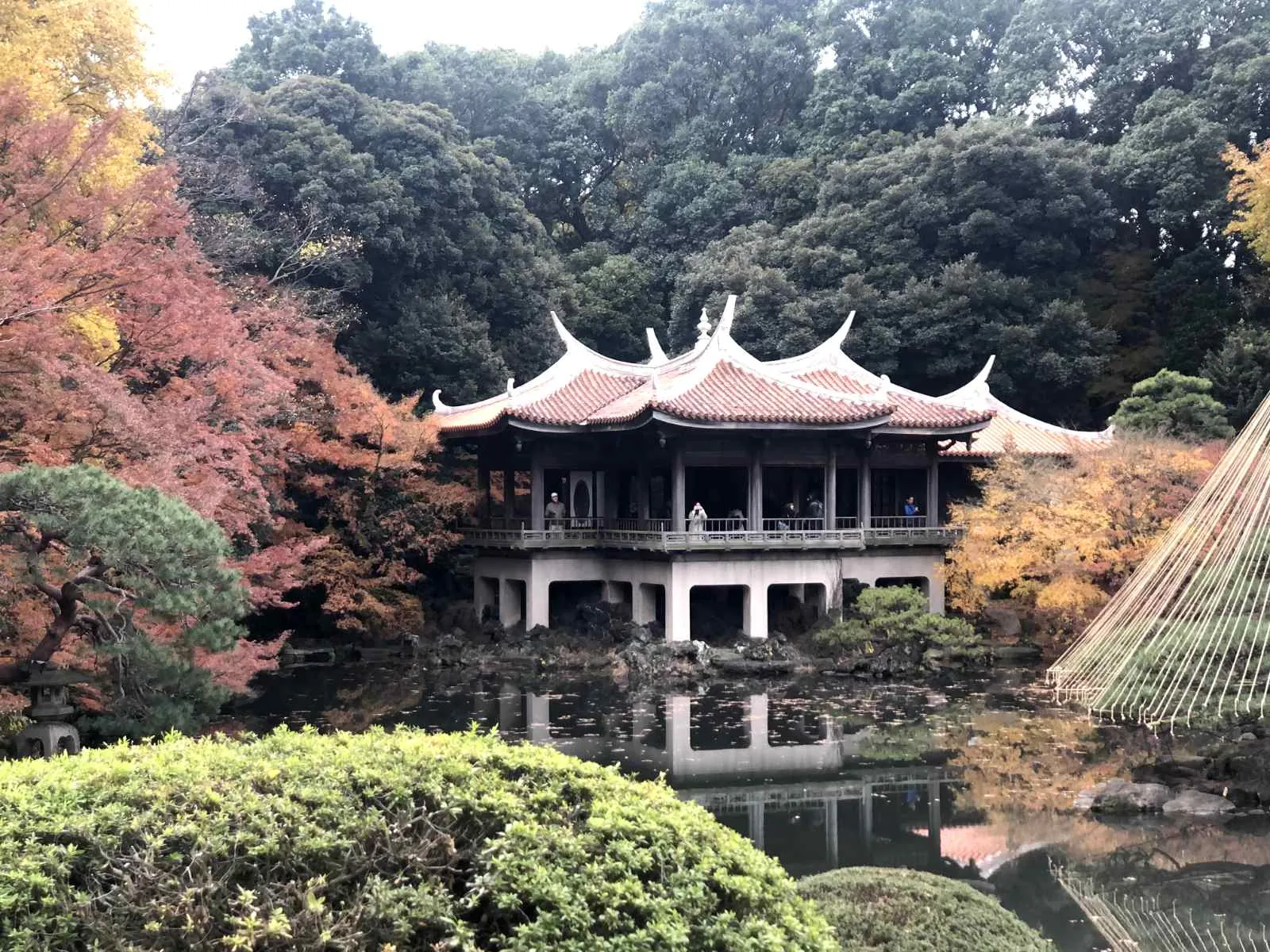
Your last day is pure Shinjuku: a peaceful garden in the morning, a skyscraper view at dusk and tiny lantern-lit bars at night. Shinjuku Gyoen National Garden blends Japanese, English and French garden styles, and it is gorgeous in cherry blossom and autumn leaf season. Adult admission is JPY 500. Hours are 9:00 to 16:30 from 1 October to 14 March (last entry 16:00) and 9:00 to 18:00 from 15 March to 30 September (until 19:00 from 11 June to 31 July). It is closed on Mondays (or the next weekday if Monday is a public holiday) and from 29 December to 3 January, but opens every day during the cherry blossom season (25 March to 24 April) and the Chrysanthemum Exhibition (1 to 15 November).
Afternoon
Keep the afternoon free for whatever caught your eye on the first three days. Popular choices are Akihabara for electronics, anime and retro games, more shopping around Shinjuku’s huge department stores, or simply a long, slow lunch.
Evening
Head to the Tokyo Metropolitan Government Building in west Shinjuku for a free view over the city’s endless skyline. The South Observation Deck takes entries from 9:30 to 21:30 and is closed on the 1st and 3rd Tuesday of each month; the North Observation Deck is open from 9:30 to 17:30 and closed on the 2nd and 4th Monday. Both decks close from 29 to 31 December, on 2 and 3 January, and on building inspection days, and hours can change in bad weather.
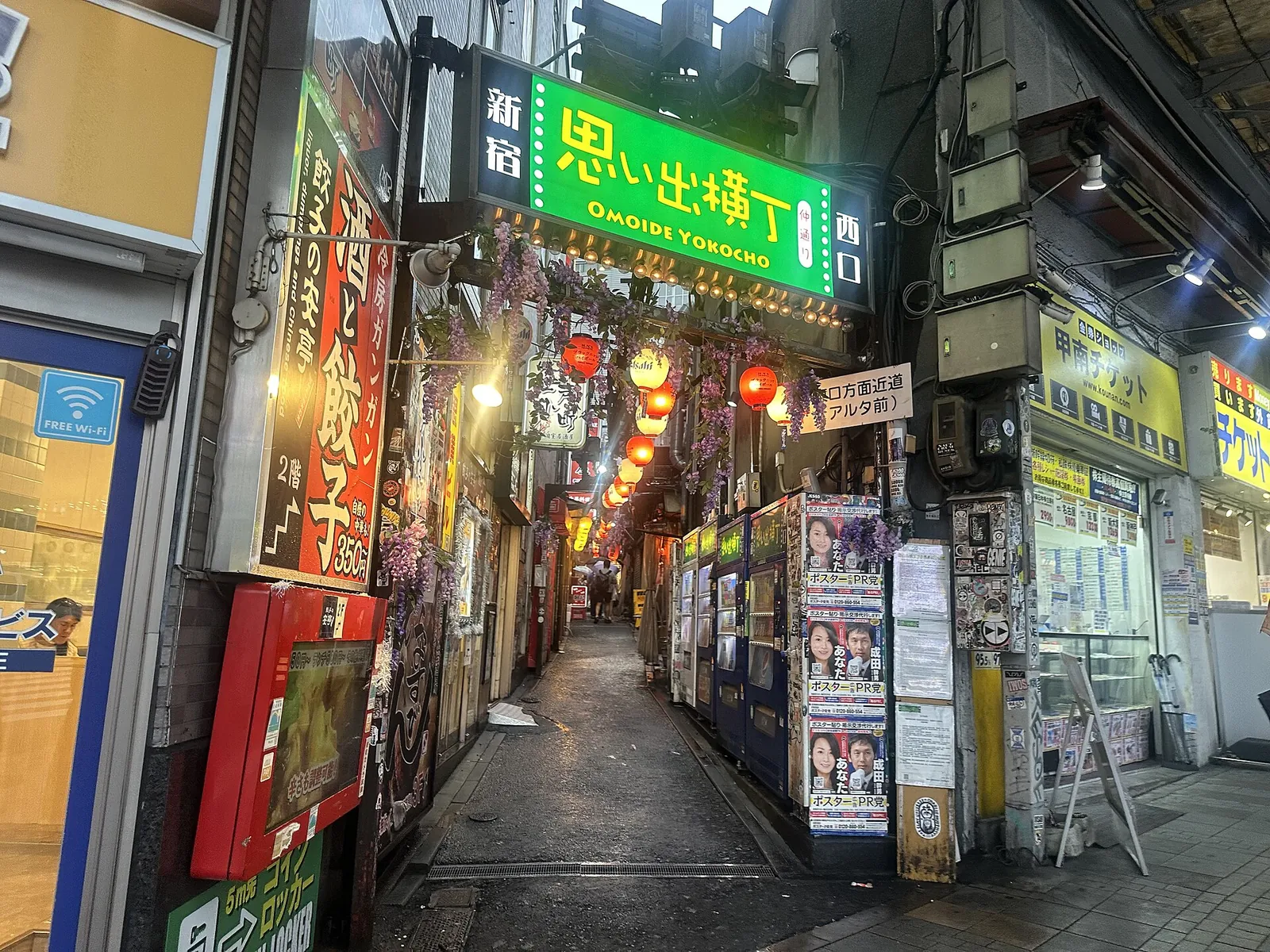
Then walk back towards the station for dinner at Omoide Yokocho, a narrow alley of smoky yakitori counters, and finish in Golden Gai, a cluster of tiny bars, many seating only a handful of people. It is a joyful way to close your trip; see the heads-up section below about street touts in the nearby nightlife area.
Getting there and getting around
Tokyo has two airports. Narita is farther out in Chiba; Haneda is much closer to the city.
From Narita:
- Keisei Skyliner to Nippori or Keisei Ueno: JPY 2,470 for adults (JPY 2,465 with an IC card such as Suica or PASMO at the gate). Keisei says the trip to central Tokyo takes as little as 36 minutes, and Keisei Ueno as little as 41 minutes. Great if you are staying in Ueno or Asakusa.
- N’EX (Narita Express), all seats reserved: JPY 3,140 for adults to Tokyo Station and JPY 3,330 to Shinagawa, Shibuya or Shinjuku in an ordinary car. JR East also sells an N’EX Tokyo Round Trip Ticket for JPY 5,200, valid for 14 days; check eligibility on the official page.
From Haneda:
- Tokyo Monorail to Hamamatsucho: JPY 520 (JPY 519 with an IC card), about 13 minutes. Change to the JR Yamanote Line from there.
- Keikyu Line also runs from Haneda to Shinagawa and beyond; check fares and times on the Keikyu site.
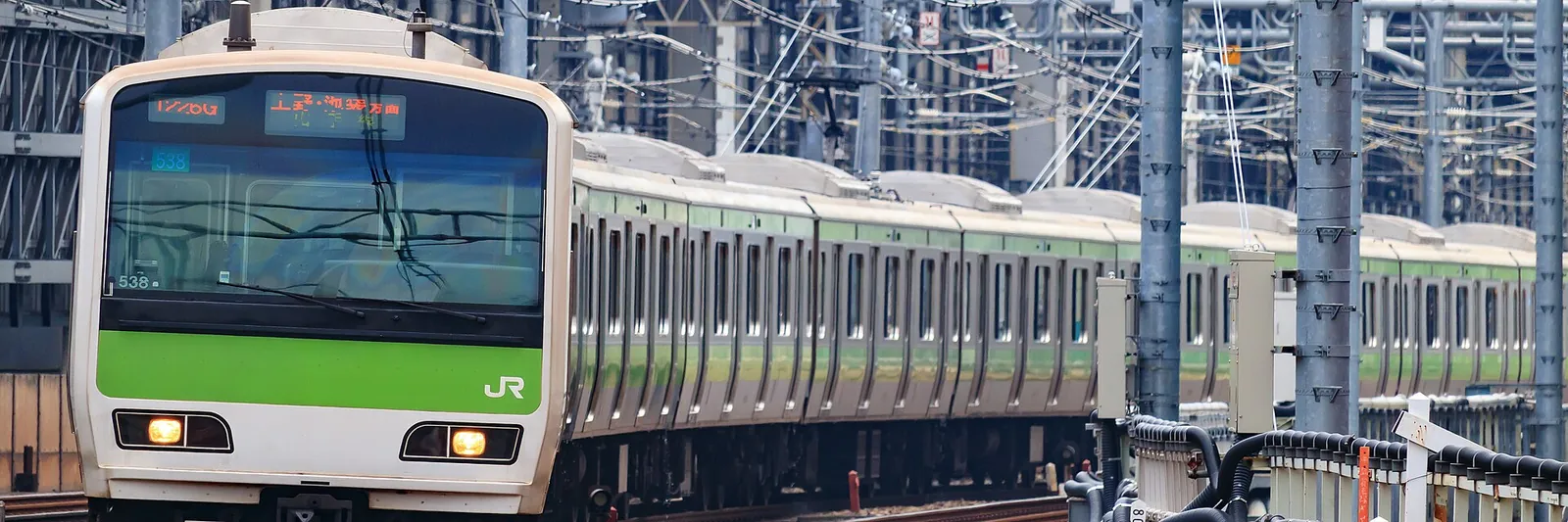
Getting around: the subway and JR trains reach every stop in this plan. For easy tap-in, tap-out travel get a Suica card (a new card includes a JPY 500 deposit, refunded when you return it) or add Suica to your phone. If you will ride the subway a lot, the Tokyo Subway Ticket covers all Tokyo Metro and Toei Subway lines for 24, 48 or 72 hours from first use: JPY 1,000, 1,500 and 2,000 for adults. It does not cover JR lines such as the Yamanote Line.
Where to stay
- Shinjuku: the biggest transport hub, great for nightlife, restaurants and the airport express trains. Busy and bright, ideal if you want energy on your doorstep.
- Shibuya and Harajuku: fashionable, young and full of cafés, with easy reach of Day 2 sights. Good for shoppers and night owls.
- Ueno and Asakusa: a more traditional, relaxed feel, often better value, and directly on the Keisei Skyliner route from Narita. A lovely base for Day 1 and early temple visits.
- Ginza and Tokyo Station: central, calm at night and very well connected, perfect for short stays and anyone arriving on the N’EX.
Budget
Prices are adult fares and tickets taken from the official sources listed above. Excluded: flights, accommodation, food and drink, shopping, and SHIBUYA SKY (price on the official site).
| Item | Typical cost |
|---|---|
| Keisei Skyliner, Narita to Ueno or Nippori | JPY 2,470 one way |
| N’EX, Narita to Tokyo Station | JPY 3,140 one way |
| Tokyo Monorail, Haneda to Hamamatsucho | JPY 520 one way |
| Tokyo Subway Ticket, 72 hours | JPY 2,000 |
| Suica card deposit (refundable) | JPY 500 |
| Tokyo Skytree Tembo Deck / combo with Tembo Galleria | from JPY 1,800 / from JPY 3,000 |
| Tokyo National Museum, permanent collection | JPY 1,000 |
| teamLab Planets TOKYO (dynamic pricing) | JPY 3,800 at the time of checking |
| Shinjuku Gyoen National Garden | JPY 500 |
| Senso-ji, Meiji Jingu, East Gardens, Metropolitan Government observation deck | Free |
Across the four days, that works out to roughly JPY 1,000 to 5,000 per day for paid sights and local transport, depending on which tickets you choose.
Practical tips
- Plan around closing days. Mondays close the Tokyo National Museum, Shinjuku Gyoen and the East Gardens; the East Gardens also close on Fridays. A Tuesday to Friday or Saturday to Tuesday trip needs a small swap.
- Book ahead for teamLab Planets, SHIBUYA SKY at sunset, and Skytree on weekends.
- Seasons: spring brings cherry blossoms and mild, mostly sunny weather; the rainy season begins in May to June; summer is very hot and humid; August and September may bring typhoons; autumn leaves run from late September to early December. That makes late March to May and October to November the happiest times to visit.
- Shrines and temples: dress respectfully, keep voices low, and follow posted signs about photography inside halls.
- Cash and cards: cards and IC cards are widely accepted, but carry some cash for small stalls and market food.
- Arrival: Visit Japan Web, run by Japan’s Digital Agency, lets you complete immigration and customs formalities online before you land and show a QR code on arrival.
Heads-up: what to watch out for
Tokyo is one of the easiest, friendliest big cities in the world to explore, and a few simple habits keep it that way.
- Bar touts and drink spiking: UK travel advice reports increased drink spiking and credit card fraud in entertainment districts, and Tokyo police name Kabukicho, Roppongi, Shibuya and Ikebukuro as higher-risk areas. Easy to avoid: never follow a street tout into a bar, check for a priced menu and any cover charge before you sit down, and keep your drink with you.
- Medicines can be illegal here: Japan bans some common medicines, including inhalers, cold and flu tablets with pseudoephedrine and some codeine painkillers, and stimulant medicines are strictly prohibited. Without prior Import Confirmation you can bring up to a one-month supply of prescription medicine and up to a two-month supply of most other medicines; check the Ministry of Health rules before you pack.
- Carry your passport: visitors must always carry their passport, and police can arrest you if you cannot show proof of your status. Keep it on you, not in the hotel safe.
- No smoking on the street: smoking is illegal on Tokyo’s streets; use the designated smoking areas.
- Earthquakes: Japan sits in a major earthquake zone. Good to know: read the emergency instructions in your hotel room and at stations, and follow Japan Meteorological Agency alerts and local authorities if a quake or tsunami warning comes.
- Summer heat and typhoons: summers are extremely hot and humid, and the typhoon season runs from June to December, peaking from July to September. In the hot months, plan indoor stops for midday, drink plenty of water, and check forecasts before outdoor days.
- Tattoos at baths and pools: some hot springs, public pools and gyms do not admit people with tattoos, and others ask you to cover them. Check the rules before you go.
- Wet feet at teamLab: in teamLab Planets the water can rise to knee height even for adults, so wear clothes you can roll up and leave socks in the locker.
- Closing days: Mondays close the Tokyo National Museum and Shinjuku Gyoen, and the East Gardens close on Mondays and Fridays. Arrange your days so a closed gate does not catch you out.
FAQ
Is 4 days enough for Tokyo?
Yes, for a first visit. Four days covers the big neighbourhoods and icons at a comfortable pace, with one flexible afternoon. Add a fifth day for a day trip.
Do I need a visa for Japan?
It depends on your nationality and the purpose of your trip. Many travellers can enter visa-free for short stays, others need a visa in advance. Check the Ministry of Foreign Affairs of Japan visa page and the Japanese embassy or consulate for your country before booking.
Should I get the Tokyo Subway Ticket or a Suica card?
Often both work well together. The Tokyo Subway Ticket (JPY 1,000 for 24 hours up to JPY 2,000 for 72 hours) is great value if you ride the subway several times a day, while Suica covers JR lines, other operators and even convenience store purchases.
Which airport is better, Narita or Haneda?
Haneda is closer and cheaper to reach from the centre, around 13 minutes by monorail to Hamamatsucho. Narita is farther, but the Skyliner and N’EX make it easy.
When is the best time to visit Tokyo?
Late March to May for cherry blossoms and mild weather, and October to November for comfortable temperatures and autumn colour. Summer is very hot and humid.
Can I see Mount Fuji from Tokyo?
On a very clear day you may spot it from high viewpoints such as the Tokyo Metropolitan Government observation decks and Tokyo Skytree, but it is never guaranteed, so treat it as a bonus.
Sources
Prices, hours and rules change. We checked these on 22 October 2026; please confirm on the official page before you book.
- Senso-ji: About Senso-ji (opening hours)
- Tokyo Skytree: Tickets
- Tokyo Skytree: Official site (opening hours)
- Tokyo National Museum: Hours, admission and closed days
- Meiji Jingu: How to visit
- Imperial Household Agency: The East Gardens of the Imperial Palace
- teamLab Planets TOKYO: Official site
- Shinjuku Gyoen National Garden: Admission
- Tokyo Metropolitan Government: Observation deck guide
- Keisei Electric Railway: Skyliner fares from major stations
- JR East: N'EX (Narita Express) tickets
- Tokyo Monorail: Fare table
- Tokyo Metro: Tokyo Subway Ticket
- JR East: Suica
- Digital Agency: Visit Japan Web
- Ministry of Foreign Affairs of Japan: Visa
- Japan National Tourism Organization: Weather and geography
- Ministry of Health, Labour and Welfare: Bringing medicines for personal use into Japan
- UK FCDO: Japan travel advice, Safety and security
- UK FCDO: Japan travel advice, Health
Photo credits (13)
- Shinjuku skyscrapers with snowy Mount Fuji behind: Morio, CC BY-SA 3.0, via Wikimedia Commons
- The red Kaminarimon gate and giant lantern at Senso-ji: そらみみ (Soramimi), CC BY-SA 4.0, via Wikimedia Commons
- Tokyo Skytree rising over the Sumida River: VaneTrz20, CC0, via Wikimedia Commons
- Giant wooden torii on the forest path to Meiji Jingu: Zairon, CC BY-SA 4.0, via Wikimedia Commons
- Shibuya Crossing glowing at blue hour: Benh LIEU SONG (Flickr), CC BY-SA 2.0, via Wikimedia Commons
- Fresh seafood and crabs at Tsukiji Outer Market: Aw1805, CC BY-SA 3.0, via Wikimedia Commons
- Golden autumn tree on old Edo Castle walls, East Gardens: Guilhem Vellut from Annecy, France, CC BY 2.0, via Wikimedia Commons
- Rainbow light rippling across the floor at teamLab Planets: Sasa0403, CC BY-SA 4.0, via Wikimedia Commons
- Pavilion and autumn colours reflected in Shinjuku Gyoen: Terabita34, CC BY-SA 4.0, via Wikimedia Commons
- The lantern-lit alley of Omoide Yokocho in Shinjuku: Nesnad, CC BY 4.0, via Wikimedia Commons
- A green Yamanote Line train arriving in Tokyo: yagi-s, CC BY 2.0, via Wikimedia Commons
- Glowing paper lanterns in Asakusa at night: Maarten Heerlien from Voorschoten, The Netherlands, CC BY 2.0, via Wikimedia Commons
- Colourful crepe display on Takeshita Street: Daderot, CC0, via Wikimedia Commons
This is a researched plan, not a personal trip report. How we research · Affiliate disclosure