

5 Days in Zanzibar: A Day-by-Day Itinerary
A 5-day Zanzibar plan: Stone Town's lanes, a spice farm, Prison Island, Jozani forest and the east coast beaches, plus verified entry, insurance and ferry facts.
- 🗓️ Trip length
- 5 days
- ☀️ Best time
- June to October
- 💰 Daily spend
- Check current prices (fixed costs in Budget section)
- ✅ Facts checked
- 24 October 2026
Get ready for turquoise water, carved wooden doors, the smell of cloves on the breeze and sunsets that turn the whole Stone Town waterfront gold. This 5-day plan suits first-time visitors who want a proper mix: two days of history and culture in Stone Town, then a slower few days on the island’s east coast with a forest walk, a boat trip and plenty of time with your toes in the sand.
The pace is happily relaxed. Most days have one or two anchor activities and lots of room to wander, swim and eat. You switch bases once, from Stone Town to the east coast, so you aren’t packing every morning. If you only want beaches, you can squeeze Stone Town into one day, but we suggest giving it two. It’s the heart of the island.
At a glance
| Day | Area | Highlights |
|---|---|---|
| 1 | Stone Town | Old Fort, seafront, Palace Museum, Forodhani Gardens at sunset |
| 2 | Stone Town and around | Spice farm tour, Old Slave Market, Darajani market, Changuu (Prison Island) |
| 3 | Central and east coast | Jozani Chwaka Bay National Park, transfer to Paje or Jambiani |
| 4 | East coast | Snorkelling or a sea trip, village walk, beach evening |
| 5 | East coast to departure | Slow morning swim, optional north-coast detour, airport |
Day 1: Stone Town’s seafront and sultans
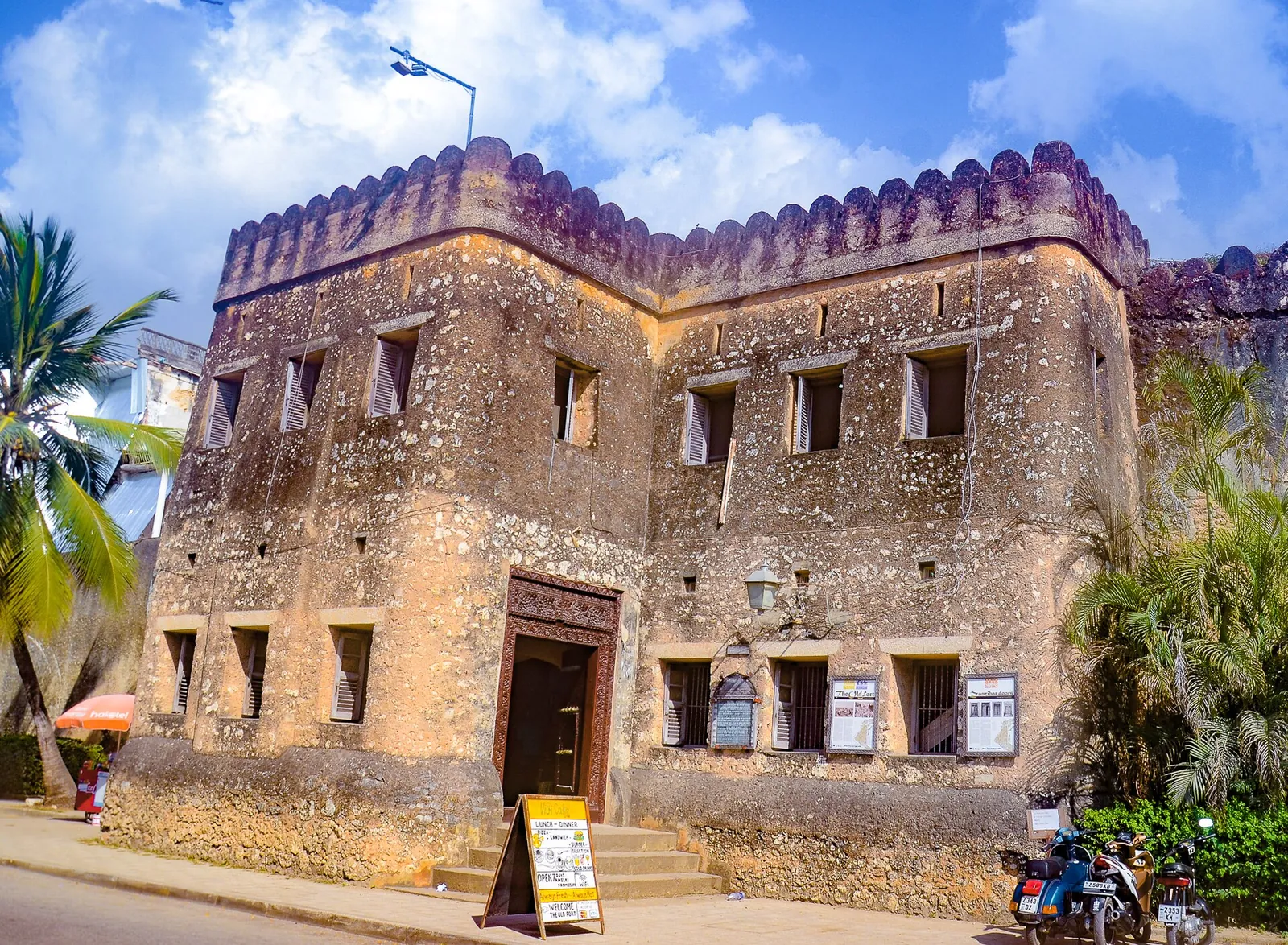
Morning
Welcome to Stone Town, where every lane has a story! Start at the Old Fort (Ngome Kongwe) on the seafront. It’s the natural starting point because so much of Stone Town’s waterfront is right next to it. Entry details and opening hours change, so check locally or with your accommodation before you go.
Next door is the House of Wonders (Beit al-Ajaib), one of the island’s most famous buildings. It has been under restoration for some time, so check whether any part is open before you plan around it. The facade is still worth a look from the gardens.
Afternoon
Walk north along the seafront road to the Palace Museum, a few minutes from the fort. Inside you’ll find rooms that tell the story of the sultans of Zanzibar. Check current opening hours and the entry fee locally, as we couldn’t confirm them on an official site.
After that, just get lost. Stone Town’s lanes are compact and it’s easy to walk everywhere. Look out for the carved doors, small mosques, cafes and tiny shops. Keep your bag on the side away from the road and don’t carry more cash than you need for the day (see Heads-up).

Evening
Save your appetite for this one: head back to Forodhani Gardens for sunset. In the evening the waterfront fills with food stalls grilling seafood and making Zanzibar “pizza”. Agree on the price before you order, and choose stalls where the food is cooked fresh in front of you.
Day 2: Spices, history and giant tortoises

Morning
This is the day for following your nose. A spice farm tour is a classic Zanzibar morning, and the Zanzibar Commission for Tourism calls it a must-try. Farms are inland from Stone Town, and most visits include a guided walk where you smell, taste and touch cloves, nutmeg, cinnamon and vanilla in the plantation.
Book through your accommodation or a registered tour company, not a street tout. The UK government’s travel advice specifically warns against buying tours from touts.

Afternoon
Back in town, visit the Old Slave Market and Anglican Cathedral site. It is one of the most moving places on the island and tells the story of the East African slave trade. Allow time to go slowly. Check entry fees and opening hours on arrival.
From there, the busy Darajani market is a short walk away. It’s loud, colourful and full of fruit, fish and spices. Dress modestly here (see Practical tips).
If you still have energy, take a boat out to Changuu (Prison Island), a short trip off Stone Town, famous for its giant tortoises and a swim stop. Arrange the boat through a registered operator or your accommodation, confirm the boat price and island entry fee before you set off, and make sure there are life jackets on board.
Evening
Find a rooftop or seafront spot for a slow dinner. This is your last night in Stone Town, so enjoy the call to prayer drifting over the rooftops as the lights come on.
Day 3: Red colobus monkeys and the east coast

Morning
Get ready for monkeys in the morning and white sand by the afternoon! Check out and arrange a car with a driver through your accommodation. Head across the island to Jozani Chwaka Bay National Park, Zanzibar’s only national park and home of the rare Zanzibar red colobus monkey. A guided walk takes you through the forest and usually includes a mangrove boardwalk.
Entry fees and guide charges change, so check the current price at the gate or with your tour company before you go. Follow the park rules and the rangers’ advice, keep your distance from the monkeys and never feed them.
Afternoon
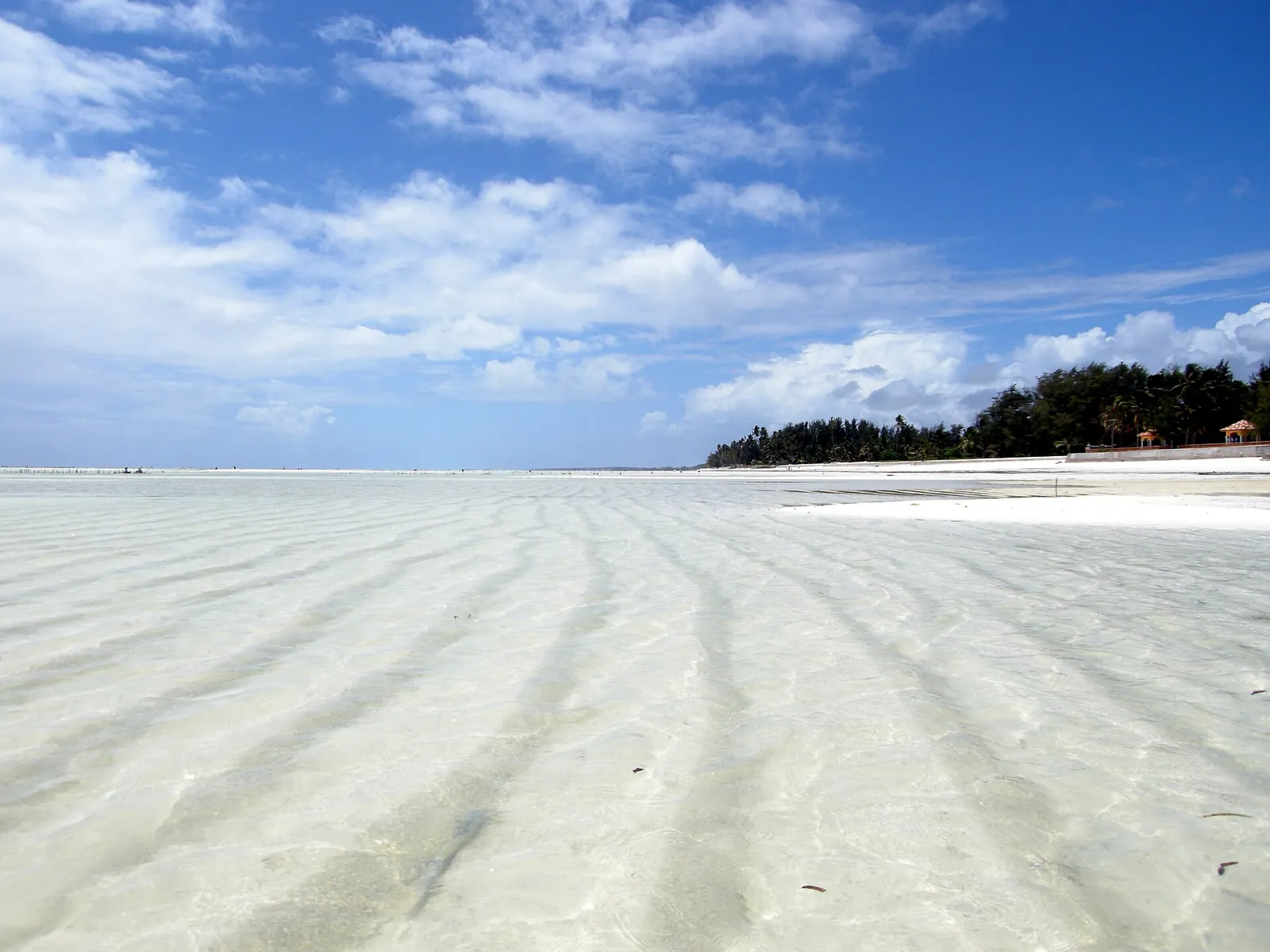
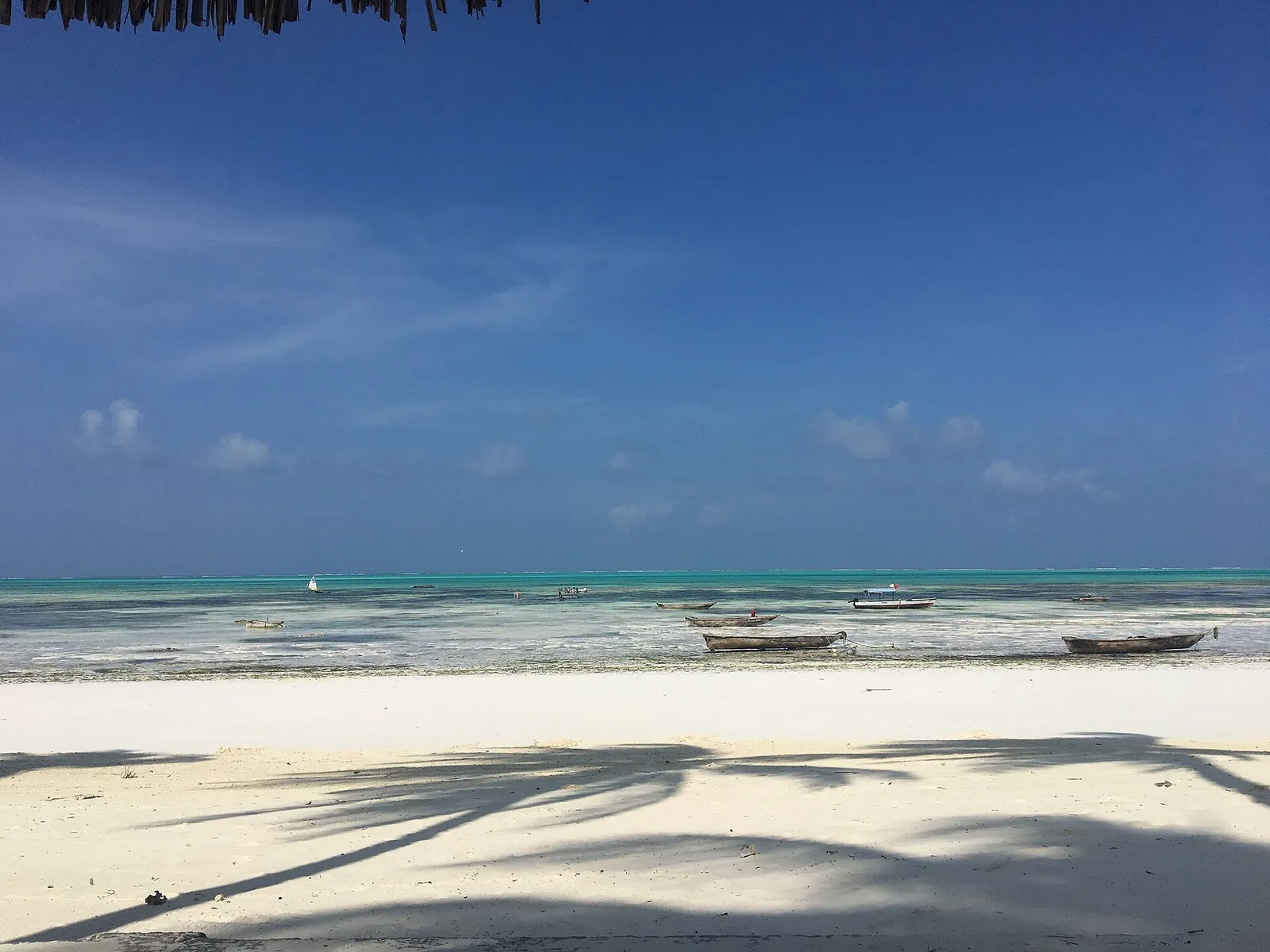
Continue to the east coast and check into your base in Paje or Jambiani. Spend the afternoon on the beach. The east coast has a big tide: at low tide the sea can pull far back, and at high tide it comes right up to the beach. Ask your accommodation for the day’s tide times so you can plan your swims.
Evening
Watch the sky change colour over the lagoon, then have a relaxed dinner close to where you’re staying. Avoid walking along dark beaches or roads alone at night. UK government advice notes that incidents have happened at beach hotels and on popular tourist beaches.
Day 4: An ocean day on the east coast
Morning
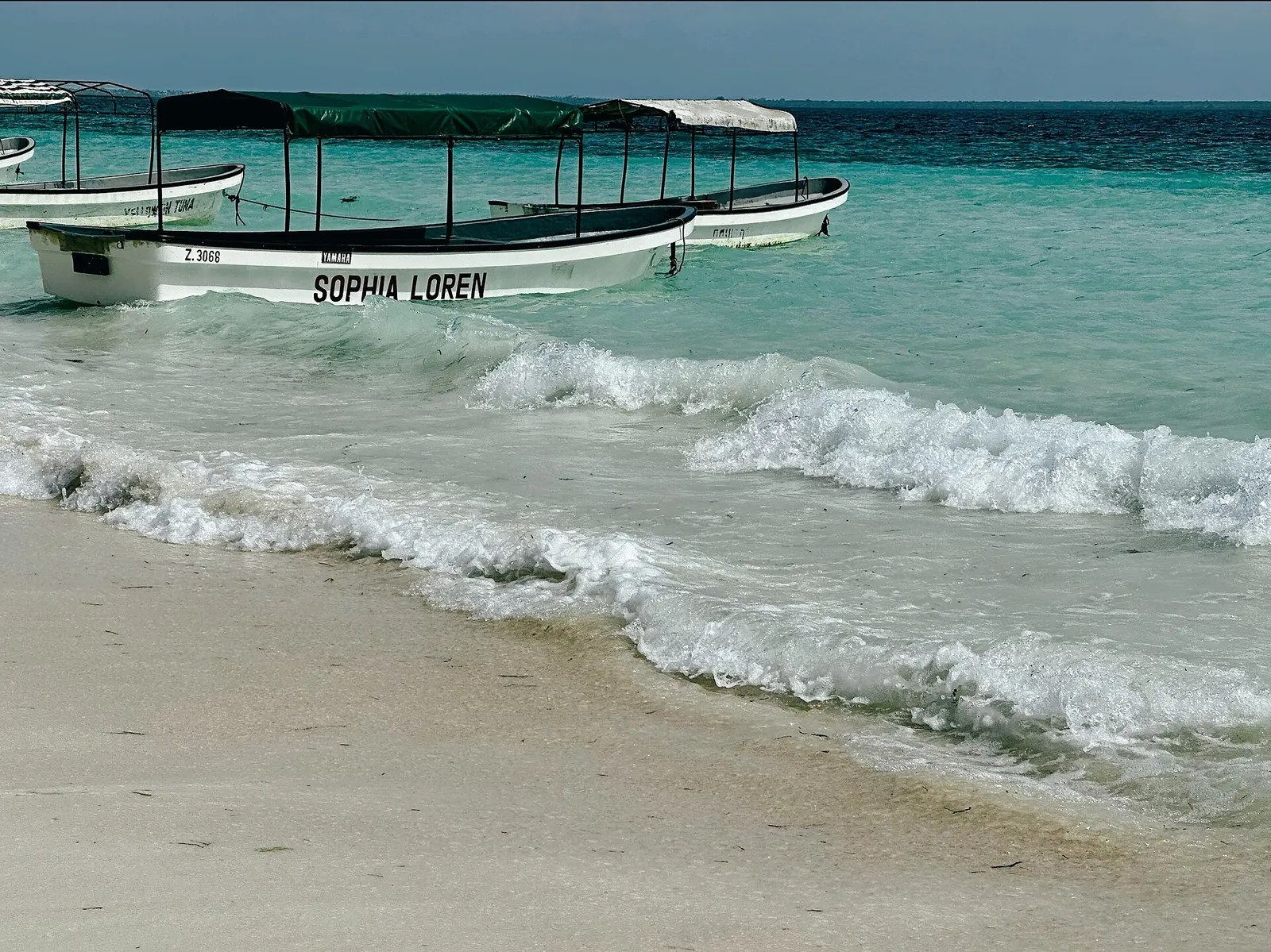
Today belongs to the sea, so grab your swimsuit and let’s go. The Zanzibar Commission for Tourism highlights snorkelling and diving among the coral reefs as one of the island’s big draws. Pick one guided sea trip:
- a snorkelling trip by boat from the east coast
- a kitesurf taster lesson, very popular around Paje (book with a school that has proper safety equipment and insurance)
- a traditional sailing trip on a dhow
Only go with an established operator, check that the boat looks seaworthy and isn’t overloaded, and ask for a life jacket. Book the day before so you can plan around the tide.
Afternoon
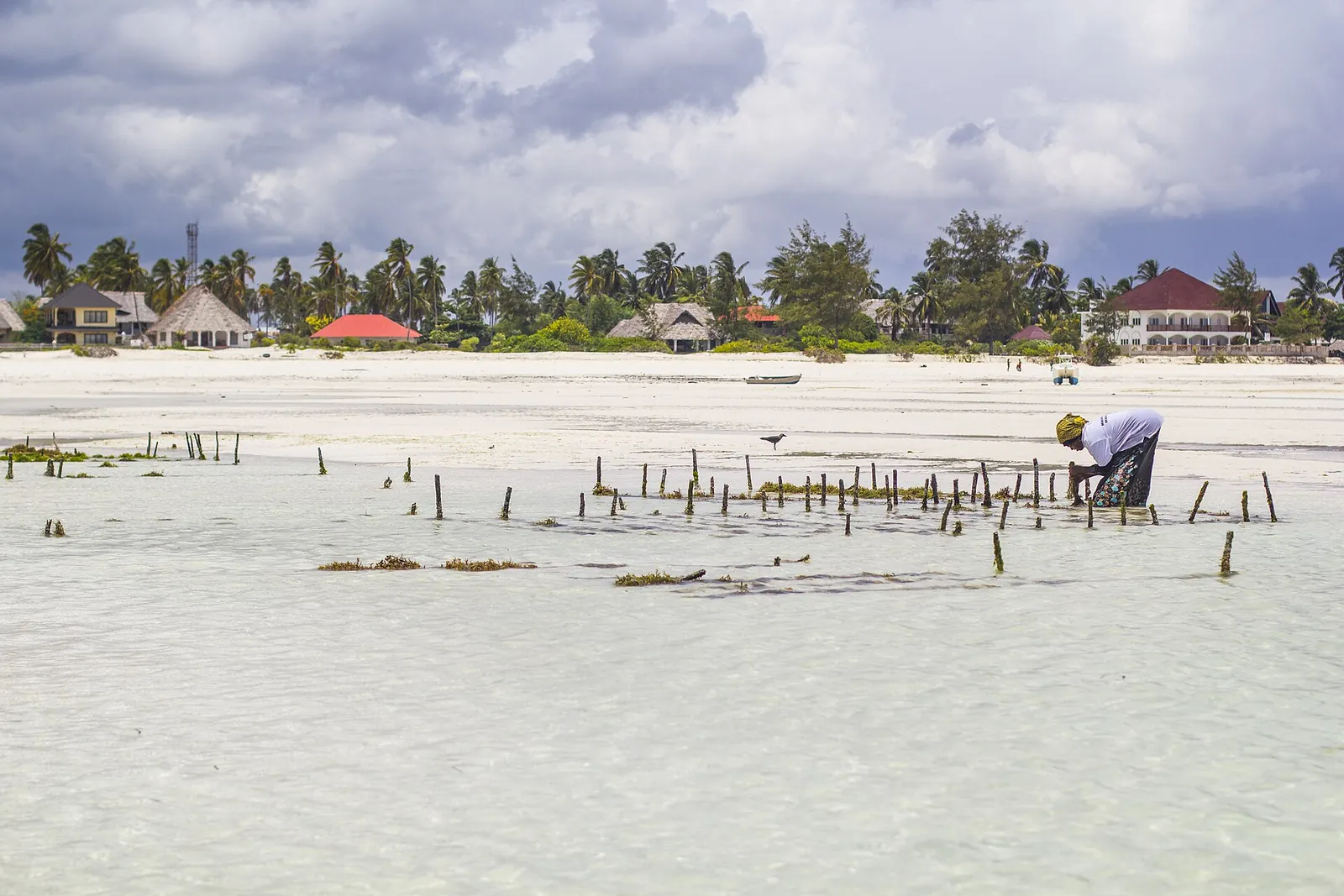
After lunch, take an easy walk through the village with a local guide. Many east coast villages are known for seaweed farming, and a guide can explain how the work fits with the tides. Ask before you take photos of people.
Evening
Keep it simple: a swim if the tide is in, then dinner. Bring your own reusable water bottle and bags. Plastic bags are banned in Tanzania (see Heads-up).
Day 5: Last swim and an optional north-coast detour
Morning
Make your last morning count: get up early for a final swim or a beach walk at low tide. It’s the calmest, coolest part of the day.
Afternoon
Head back towards the airport or Stone Town. Allow plenty of time, because cross-island traffic can be slow and FCDO advice warns that driving standards are often poor.
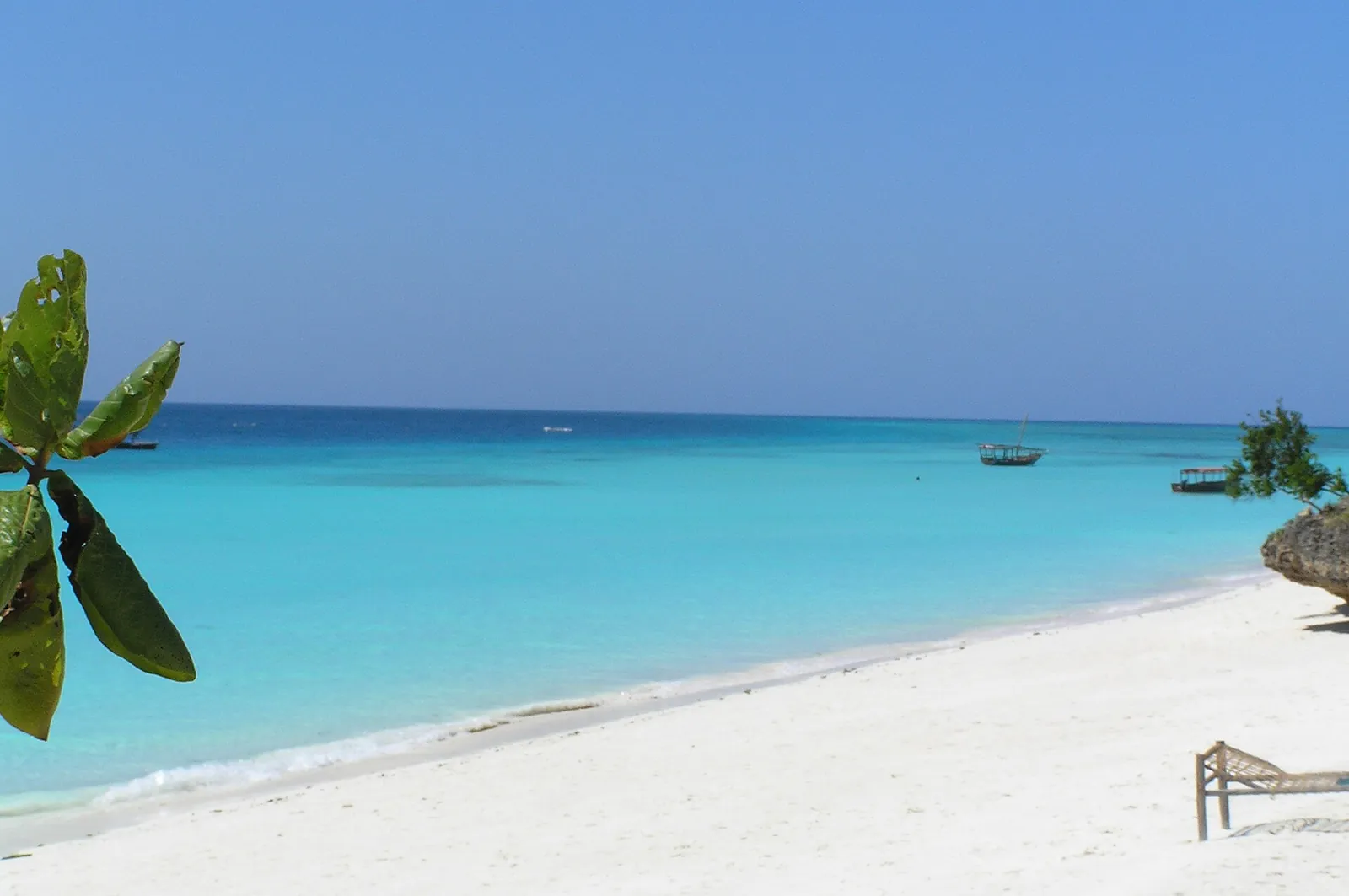
If your flight leaves late in the day and you want one more highlight, ask your driver about a detour to Nungwi on the northern tip. The north coast is known for sunsets and for being less affected by tides. It’s a long drive, though, so only do it if your timings work. Check the current drive time with your driver.
Evening
Fly out or spend a last night in Stone Town. If you do stay, Forodhani Gardens at sunset makes a lovely ending.
Getting there and getting around
By air: Most international visitors fly into Abeid Amani Karume International Airport (ZNZ), a short drive from Stone Town. Taxi fares aren’t set on any official source we could find, so agree the price (and the currency) before you get in. The safest option, according to UK government advice, is to have your accommodation or tour company arrange your taxi. Ask to see the driver’s ID, and never accept a lift from someone offering to “find you a taxi”.
By ferry from Dar es Salaam: Azam Marine runs daily fast ferries between Dar es Salaam and Zanzibar. Its published non-resident fares are:
| Class | Adult (non-resident) |
|---|---|
| Economy | USD 35 |
| Business | USD 40 |
| VIP | USD 60 |
| Royal | USD 100 |
Children’s fares apply to ages 5 to 11. Each passenger can bring 25 kg of luggage, and extra luggage costs more. Book on the official Azam Marine site (there is a separate non-resident booking page). Check the crossing time and timetable there too. Ignore ticket touts at the port.
On the island: Zanzibar’s tourism commission lists taxis, buses and rental cars as the main ways to get around. There’s no tourist transport card. Local minibuses (dala-dalas), motorbike taxis (boda-bodas) and tuk-tuks (bajajis) are cheap, but FCDO warns they can have poor safety standards and rarely have proper insurance. For this plan, a pre-booked car with a driver for each transfer day is the easiest choice. If you want to drive yourself, you’ll also need a local Zanzibar driving permit, which hire companies can usually arrange.
Where to stay
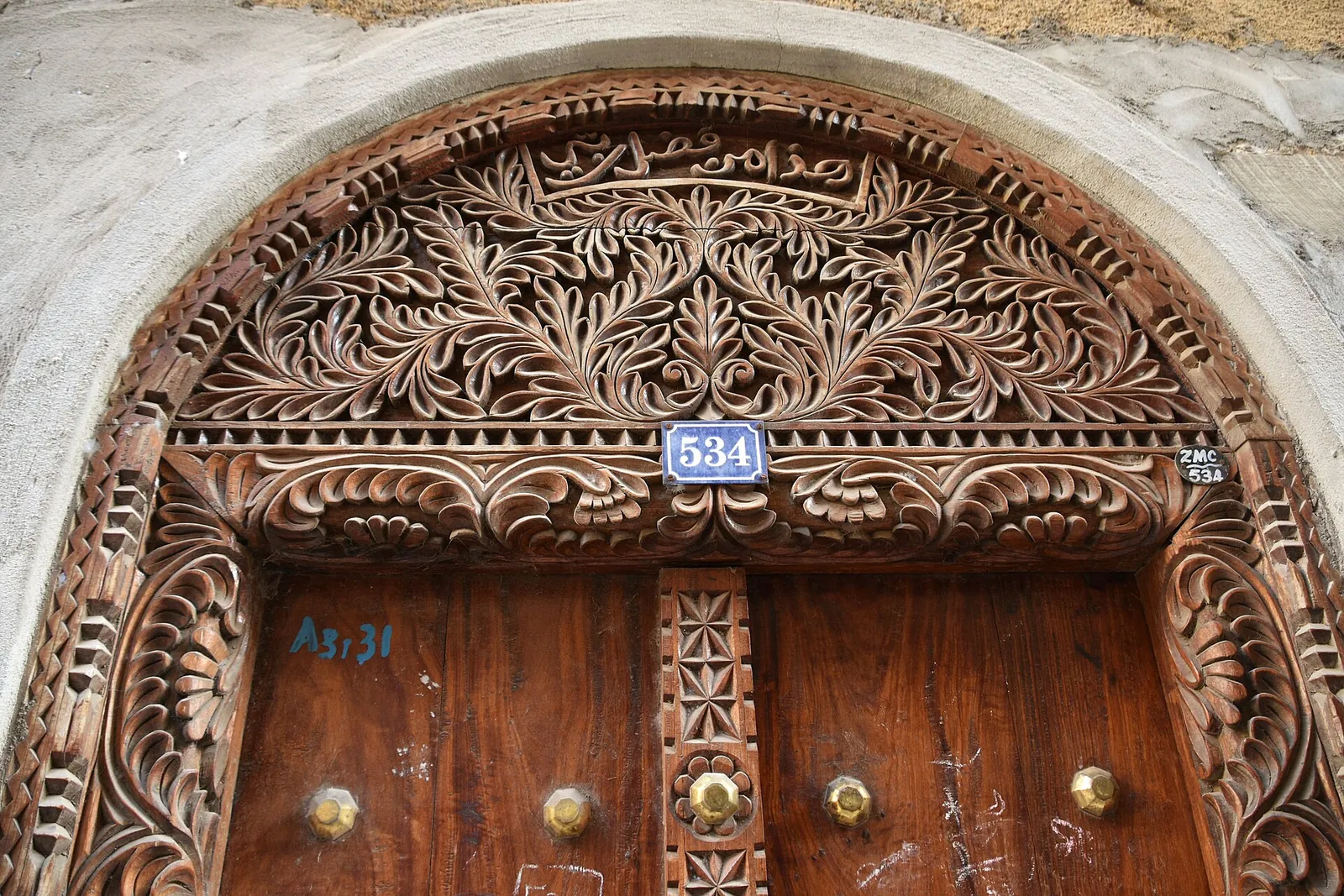
- Stone Town: Best for history lovers, food stalls, rooftop sunsets and short walks to everything. You’re also close to the airport and ferry port. It’s perfect for the first two nights.
- Paje and Jambiani (east coast): Laid-back villages with long white beaches and a big tidal lagoon. Paje is the kitesurf hub. Jambiani is quieter and more village-like. Both are handy for Jozani.
- Nungwi and Kendwa (north coast): Good if swimming at any time of day matters most to you, and for sunset views. They’re further from Jozani and the south, so you’d spend more time in the car with this plan.
- Michamvi peninsula (east coast): Quieter and more secluded, a good fit for couples who want calm evenings.
Budget
Most day-to-day prices in Zanzibar (rooms, meals, taxis, tours, entry fees) aren’t published on official sources, and they change with the season. We only list costs we could verify today. For everything else, check with the provider directly.
| Item | Typical cost |
|---|---|
| Zanzibar inbound travel insurance (mandatory, one-off) | USD 44 per adult, USD 22 per child, USD 22 for SADC and EAC travellers |
| Dar es Salaam to Zanzibar fast ferry, one way (non-resident adult) | USD 35 (Economy) to USD 100 (Royal) |
| Tanzania visa | Check the official eVisa portal |
| Accommodation, meals, taxis, tours, entry fees | Check current prices with providers |
Not included: international flights, your personal travel insurance, visa fees and tips. The local currency is the Tanzanian shilling (TZS). UK advice notes that US dollars are widely accepted in tourist areas.
Practical tips
- Dress modestly, especially in Stone Town and villages. FCDO advises that women wearing shorts or sleeveless tops away from resorts may cause offence. Zanzibari authorities can fine people USD 700 or more for clothing they consider inappropriate in public. A light scarf and loose trousers or a long skirt solve it.
- Ramadan: During the holy month, avoid eating or drinking in public outside hotels and restaurants. The dates change every year.
- Money: ATMs in major towns accept foreign cards and give out shillings, but they sometimes break down or run out of cash. Use ATMs inside banks to reduce the risk of card cloning, and carry some US dollars as backup.
- ID: Carry copies of your passport photo page and visa. Leave the original somewhere safe.
- SIM and eSIM: Buy a local SIM from a mobile operator’s official shop, or set up an eSIM before you fly. Check current bundles on the operator’s own site. Write down key phone numbers offline too, because internet access has been restricted during past unrest.
- Health forms: All travellers have to fill in Tanzania’s Travellers Health Surveillance Form before departure or on arrival. You’ll also pass a temperature check. If you’re arriving from a country with yellow fever risk, bring your vaccination certificate.
- Season: The tourism commission names June to October, the dry season, as the best time to visit. FCDO notes that rainy seasons generally run from late March to May and from October to mid-December.
Heads-up
Zanzibar is a joy to explore, and a little preparation goes a long way. All of these points come from official sources:
- Protests and the 29 October anniversary: FCDO warns that more demonstrations are possible, with calls on social media for protests on public holidays and on 29 October, the anniversary of the 2025 elections. Stay away from crowds and rallies. Don’t photograph or post about protests, which is illegal. Your phone may be checked.
- Bag snatching and robbery: Incidents have happened in Stone Town, at hotels and on beaches. Walk facing the traffic, carry your bag loosely rather than across your chest, and avoid walking alone at night.
- Unlicensed taxis and touts: Don’t accept lifts from strangers. Book taxis and tours through your accommodation or a reputable company. There are aggressive ticket touts at ports.
- Ferries and boats: There have been serious ferry disasters between Dar es Salaam and Zanzibar and between the islands. Don’t board anything that looks overloaded, and check where the life jackets are.
- Police stops: Police shouldn’t ask for on-the-spot payments for traffic fines. Fines should come with a government control number.
- Laws to know: Plastic bags are banned and will be taken from you on arrival by air. CBD products, including skincare and vape refills, are illegal. Drug penalties are severe. Same-sex relationships are illegal, and public displays of affection can lead to arrest.
- Souvenirs: Taking wildlife items out of the country without a permit is illegal, and FCDO specifically mentions seashells. Leave shells on the beach.
- Heat and sun: Plan outdoor sightseeing for mornings and late afternoons, drink plenty of water and use reef-friendly sun protection.
Visa and entry
You’ll need a visa to visit Tanzania, which includes Zanzibar. The official advice is to apply online in advance, and only through the Tanzania Immigration Services portal, never a third-party site. You’ll also need mandatory Zanzibar inbound travel insurance if Zanzibar is your first point of entry. You can buy it online on the official Visit Zanzibar portal or on arrival. Requirements differ by nationality, so check the official Tanzania eVisa portal before booking.
FAQ
Is 5 days enough for Zanzibar?
Yes, for a first visit. It gives you two good days in Stone Town and three on the coast without rushing. With more time, add a night in the north around Nungwi.
Do I really need the Zanzibar travel insurance if I already have a policy?
Yes. The Zanzibar Insurance Corporation says the inbound insurance is mandatory even if you already have travel or medical insurance. It costs USD 44 per adult and covers stays of up to 92 days.
When is the best time to visit?
Zanzibar’s tourism commission recommends June to October, the dry season. Rain is more likely from late March to May and from October to mid-December.
Can I swim at any time on the east coast?
Not always. The east coast has a big tide, so check local tide times every day. If swimming at any hour matters most to you, stay on the north coast instead.
Should I use US dollars or Tanzanian shillings?
Both work. Dollars are widely accepted in tourist areas, and shillings are handy for markets and small purchases. Agree on the currency before you pay for any taxi or tour.
What should I wear in Stone Town?
Cover your shoulders and knees. FCDO notes that revealing clothing can cause offence and that authorities can fine people for clothing they consider inappropriate in public.
Sources
Prices, hours and rules change. We checked these on 24 October 2026; please confirm on the official page before you book.
- Tanzania travel advice (GOV.UK, FCDO)
- Tanzania travel advice: Safety and security (GOV.UK, FCDO)
- Tanzania travel advice: Entry requirements (GOV.UK, FCDO)
- Tanzania eVisa: Guidelines (Tanzania Immigration Services)
- Inbound Travel Insurance (Zanzibar Insurance Corporation)
- Mandatory Inbound Travel Insurance for Entering Zanzibar (Embassy of Tanzania, Tokyo)
- Rates (Azam Marine & Kilimanjaro Fast Ferries)
- Azam Marine & Kilimanjaro Fast Ferries (home page)
- Zanzibar Commission for Tourism
Photo credits (12)
- A dhow sailing into a fiery orange Zanzibar sunset: Rod Waddington from Kergunyah, Australia, CC BY-SA 2.0, via Wikimedia Commons
- Crenellated walls of the Old Fort in Stone Town: Erasmus Kamugisha, CC BY-SA 4.0, via Wikimedia Commons
- Evening food stalls lit up in Forodhani Gardens: Rod Waddington from Kergunyah, Australia, CC BY-SA 2.0, via Wikimedia Commons
- Bright red seed pods on a Zanzibar spice farm: Bärbel Miemietz, CC BY-SA 4.0, via Wikimedia Commons
- Colourful umbrellas outside Darajani market: Erasmus Kamugisha, CC BY-SA 4.0, via Wikimedia Commons
- A red colobus monkey peering out in Jozani forest: DjordjeMarkovic, CC BY-SA 4.0, via Wikimedia Commons
- Rippled white sand at Paje at low tide: Matt Kieffer from London, United Kingdom, CC BY-SA 2.0, via Wikimedia Commons
- Boats bobbing in clear turquoise water off Zanzibar: Mangapwani, CC BY-SA 4.0, via Wikimedia Commons
- Seaweed farm plots in the east coast lagoon: Rachel Clara Reed, CC BY-SA 4.0, via Wikimedia Commons
- Palm shadows on Jambiani beach with boats offshore: Jonathan Dalrymple, CC BY-SA 4.0, via Wikimedia Commons
- White sand and turquoise sea at Nungwi: Jang Woo Lee, CC BY 3.0, via Wikimedia Commons
- Intricately carved wooden door in Stone Town: Richard Mortel from Riyadh, Saudi Arabia, CC BY 2.0, via Wikimedia Commons
This is a researched plan, not a personal trip report. How we research · Affiliate disclosure