
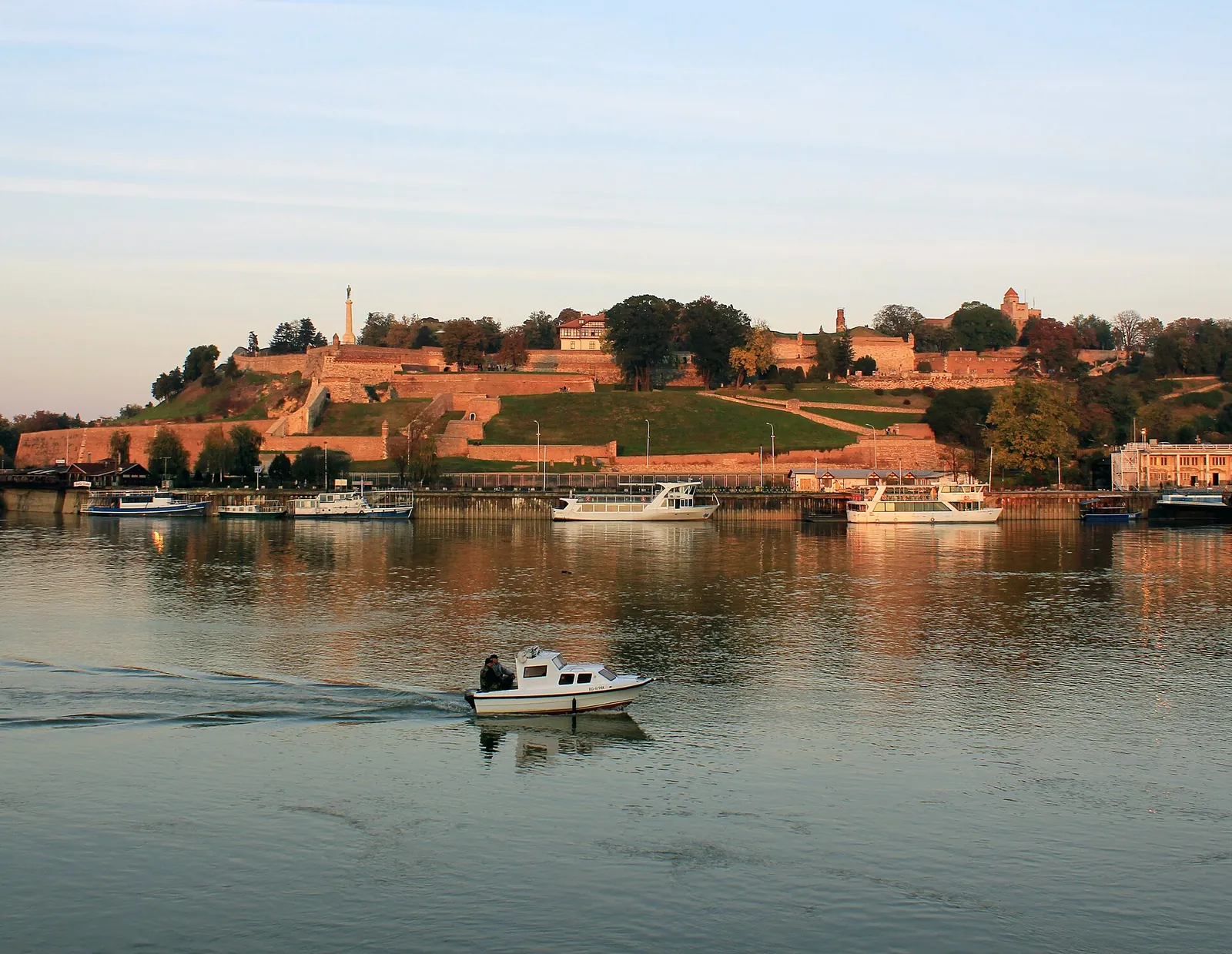
3 Days in Belgrade: A Day-by-Day Itinerary
A 3-day Belgrade itinerary: Kalemegdan fortress, the Nikola Tesla Museum, Saint Sava, Tito's House of Flowers and riverside Zemun, with free city transport.
- 🗓️ Trip length
- 3 days
- ☀️ Best time
- April to June, September to October
- 💰 Daily spend
- RSD 300-1,300 for sights, city transport free; hotels and meals extra
- ✅ Facts checked
- 1 November 2026
Get ready for one of Europe’s most energetic capitals. Belgrade sits where the Sava river meets the Danube, crowned by a huge fortress park with sunset views that locals treat as a nightly ritual. Add a museum where guides fire up Nikola Tesla’s machines in front of you, the vast white Temple of Saint Sava, Tito’s mausoleum, Austro-Hungarian Zemun on the riverbank and a food and nightlife scene that runs late, and three happy, packed days are waiting for you.
This plan suits first-timers who like walking, history and good food without rushing. The pace is relaxed to moderate: one or two paid sights a day, plenty of strolling, and short hops on buses and trams. Good news for your wallet: regular city transport in Belgrade has been free for all passengers since 1 January 2025. Plan less, see more!
At a glance
| Day | Area | Highlights |
|---|---|---|
| 1 | Stari Grad (Old Town) and Kalemegdan | Republic Square, National Museum, Knez Mihailova Street, Belgrade Fortress, sunset at the confluence, Skadarlija |
| 2 | Vračar and Dedinje | Nikola Tesla Museum, Temple of Saint Sava, Museum of Yugoslavia and the House of Flowers |
| 3 | Zemun and the riverside | Zemun old town, Gardoš hill, the Danube quay, Savamala and the river at night |
One important planning note before you start: many Belgrade museums close on Mondays, including the National Museum, the Museum of Yugoslavia, the Military Museum and the ticketed sites inside the fortress. The Nikola Tesla Museum is the exception and stays open. If one of your three days is a Monday, make it Day 3 (Zemun is an outdoor day) or swap things so Monday holds the Tesla Museum and Saint Sava.
Day 1: Old Town and Belgrade Fortress
Morning
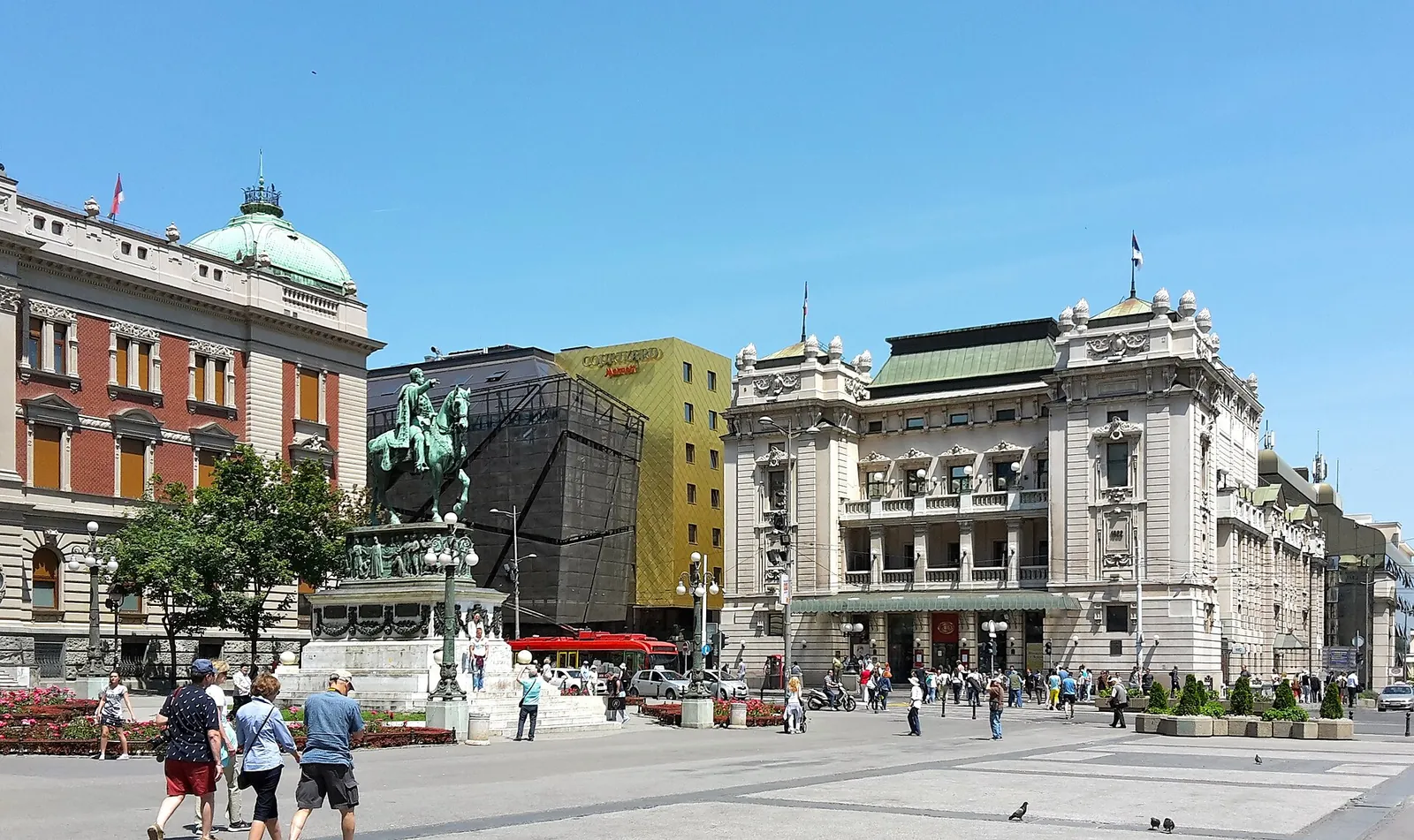
Kick off your Belgrade adventure at Republic Square (Trg Republike), the city’s main meeting point, marked by the bronze statue of Prince Mihailo on horseback. On the square stands the National Museum in Belgrade, reopened after a long renovation and home to archaeology, medieval treasures and a strong collection of Serbian and European art.
The museum opens 10:00 to 18:00 on Tuesday, Wednesday, Friday and Sunday, and 12:00 to 20:00 on Thursday and Saturday. It is closed on Mondays. A permanent-exhibition ticket costs 300 RSD, a thematic exhibition ticket is 500 RSD, and entry is free on Sundays. Allow around two hours. If it’s a Thursday or Saturday, the later opening means you can flip the morning and do the fortress first.
Afternoon
From the square, stroll down Knez Mihailova, the long pedestrian street lined with 19th-century facades, cafés and bookshops. Grab lunch on or just off the street, then keep walking to its end. In about 10 to 15 minutes you reach Kalemegdan Park and the Belgrade Fortress, the city’s historic heart.
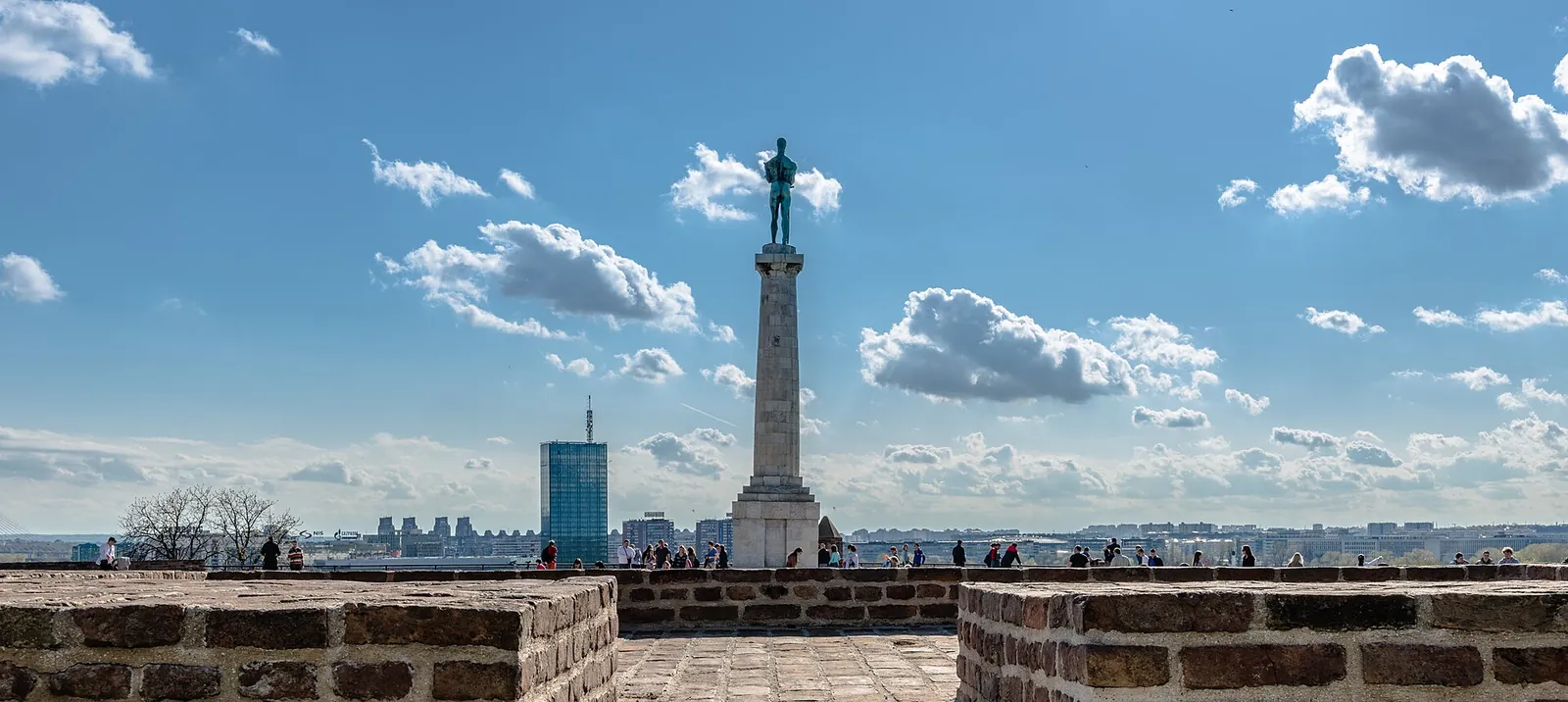
The park and walls are lovely to wander, and you can spend a whole afternoon here. Head for the Upper Town to see the Victor monument (Pobednik) looking out over the two rivers. The fortress also has several small ticketed sites run by the Public Enterprise Belgrade Fortress. In winter (15 October to 15 April) they open Tuesday to Sunday from 10:00 to 17:00, with last entry at 16:30. In summer (15 April to 15 October) the hours are 11:00 to 19:00, with last entry at 18:30.
| Fortress site | Single ticket | Reduced |
|---|---|---|
| Clock Tower (Sahat kula) | 80 RSD | 40 RSD |
| Roman Well | 120 RSD | 60 RSD |
| Military Bunker | 100 RSD | 50 RSD |
| Big Powder Magazine | 200 RSD | 100 RSD |
| Nebojša Tower (Wednesday to Sunday) | 200 RSD | 100 RSD |
| Five-site combined ticket | 450 RSD | 350 RSD |
What to pre-book: the fortress operator says the Roman Well, Military Bunker, Big Powder Magazine and Casemates need booking at least 24 hours ahead with your group size and time, and a minimum of three visitors applies. Nebojša Tower, down by the Danube in the Lower Town, needs no advance notice. Check the visitor page on the official fortress site before you go.
Military history fans can also visit the Military Museum inside the fortress, with tanks and artillery displayed in the moat outside. Its permanent exhibition is open every day except Monday from 10:00 to 17:00, with last tickets at 16:00. We could not confirm the current ticket price, so check the official museum site.
Evening
Time your walk so you’re on the fortress walls for sunset over the confluence of the Sava and Danube. It’s free and one of the best views in the Balkans.
For dinner, walk about 15 to 20 minutes east to Skadarlija, Belgrade’s cobbled bohemian quarter. Its traditional restaurants (kafanas) serve grilled meats, ajvar and live folk music in the evenings. It’s a fun first-night introduction to Serbian food culture.
Day 2: Tesla, Saint Sava and Tito
Morning
Get ready for genius inventions and glittering mosaics: today belongs to the Vračar district. Begin at the Nikola Tesla Museum at Krunska 51, a small villa that holds Tesla’s personal belongings, his ashes and working models of his inventions. The nearest transport stops are Slavija square and Pravni fakultet on Bulevar Kralja Aleksandra.
Visits are by guided tour only. Tours start at the beginning of every hour and last about 45 minutes, with demonstrations and a short film about Tesla’s life. A single English-language tour costs 800 RSD, and the museum says it accepts local currency, in cash only, so have dinars ready. Opening hours are Monday 10:00 to 18:00 and Tuesday to Sunday 10:00 to 20:00. Individual visitors do not need a reservation, but groups of more than 10 must book. Arrive at least 15 minutes before your tour, and come early in the day: some tour slots get reserved for large groups, and the museum posts a daily schedule on its Plan Your Visit page.
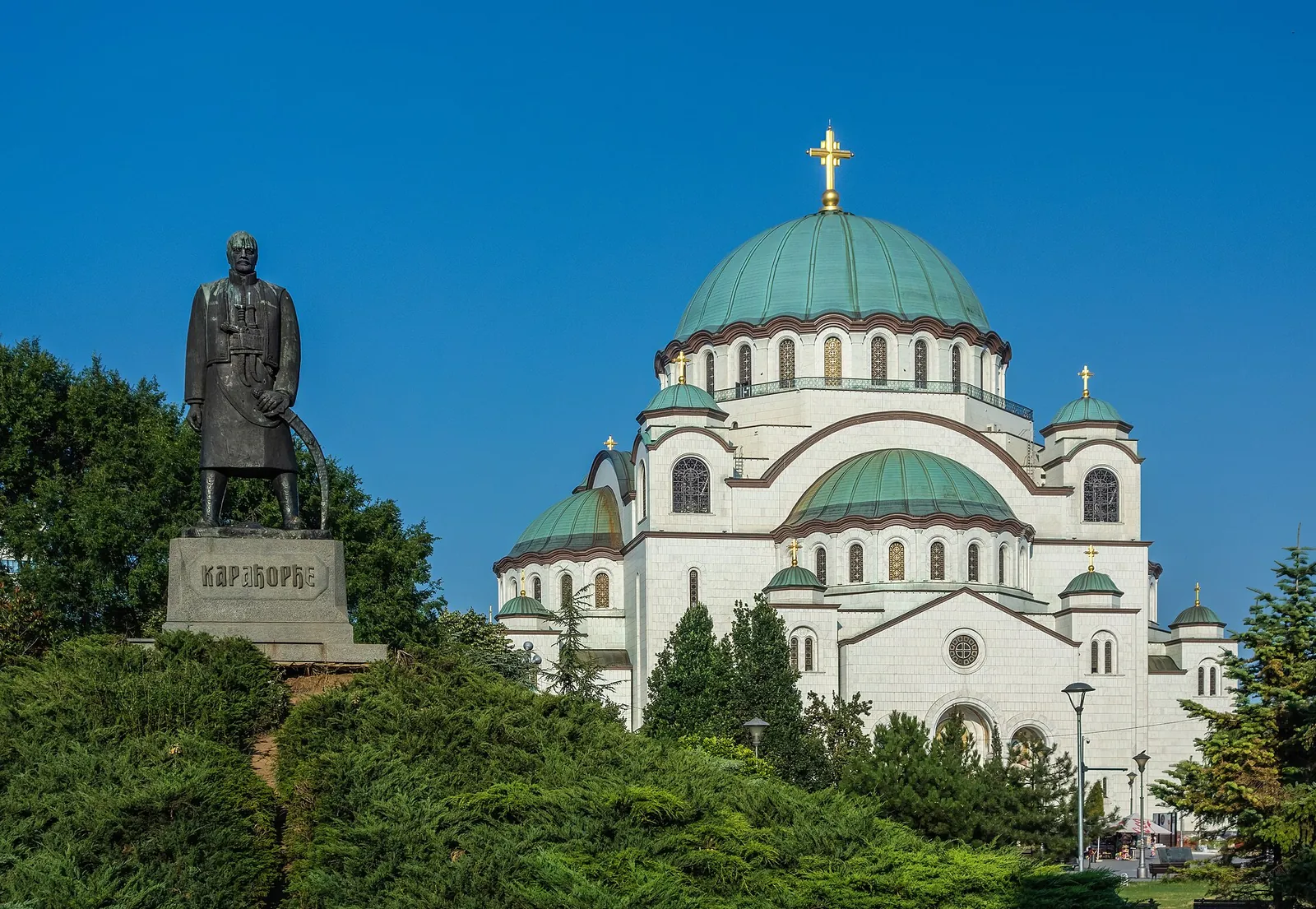
From the museum, walk south about 15 to 20 minutes, past Slavija square, to the Temple of Saint Sava. This enormous Serbian Orthodox church, its white dome visible across the city, is one of the largest Orthodox churches in the world. Don’t miss the glittering gold mosaics inside the main dome and the richly decorated crypt below. It’s an active church: dress modestly (shoulders and knees covered), keep your voice low and avoid flash photography during services. We could not verify official opening hours for the church or crypt, so check locally or with the church before you plan around them.
Afternoon
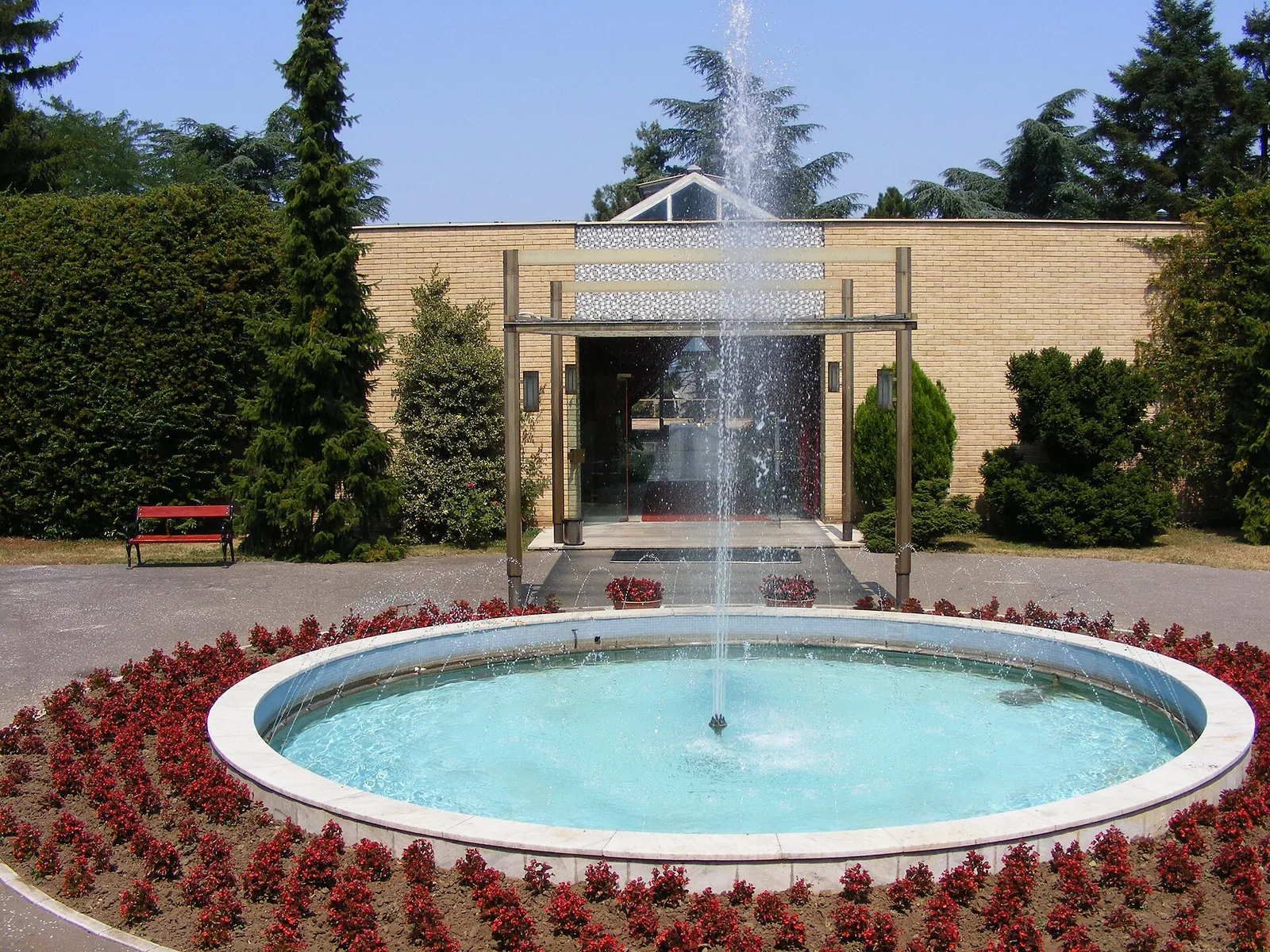
Have lunch around Vračar, then head to the leafy Dedinje district to the Museum of Yugoslavia at Mihaila Mike Jankovića 6. The complex tells the story of the former Yugoslavia and includes the House of Flowers, where Josip Broz Tito is buried. The House of Flowers also holds the exhibition “Comrade Tito has Died”.
The museum opens Tuesday to Sunday, 10:00 to 18:00, and is closed on Mondays. A standard ticket costs 800 RSD, and students and pupils pay 400 RSD. Individual visits are free on the first Thursday of each month, and children under 10 go free. Allow about two hours.
Getting there takes roughly 20 to 30 minutes from the centre by taxi or city bus. Use a journey-planner app on the day to find the current bus route, since the network is free and routes can change.
Evening
Head back towards the centre and make a slow evening of it. Take a short stroll down Terazije and around Students’ Square, then settle in for dinner. Vračar’s own streets, especially around Krunska and the area near the Temple, are packed with relaxed cafés and restaurants popular with locals, and they’re quieter than the Old Town.
Day 3: Zemun and the river
Morning
Save your appetite and your camera battery for today. Cross the Sava to Zemun, which until 1918 was a separate town on the edge of the Austro-Hungarian Empire. It still feels like a small Central European town, with low houses, cobbled lanes and a lively market. From central Belgrade it’s about 20 to 30 minutes by city bus or taxi, depending on traffic.
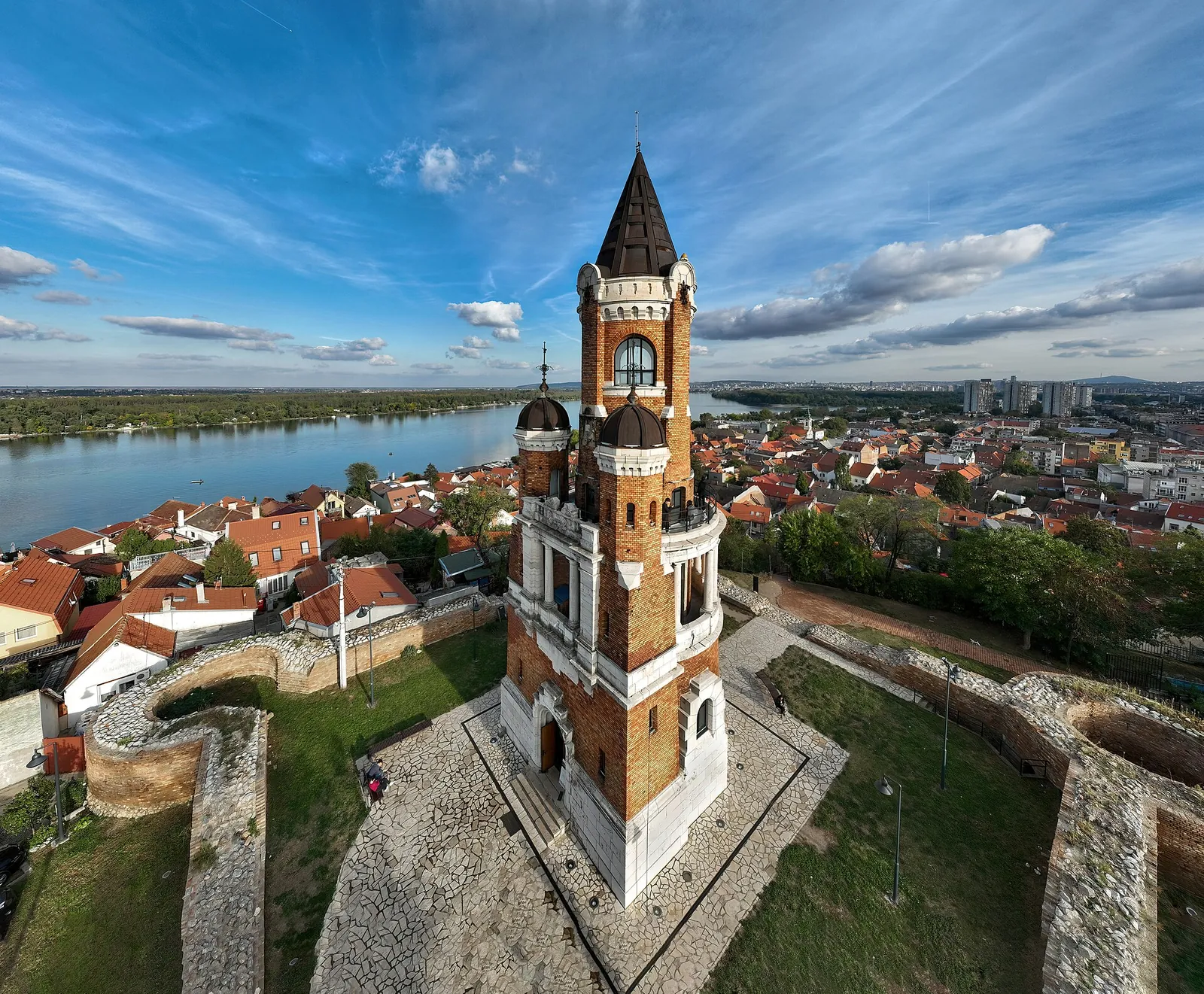
Walk up the narrow streets to Gardoš hill and its tower, the Millennium Tower. The hilltop gives sweeping views over the Danube and back to New Belgrade and the fortress. We could not verify whether the tower is currently open to climb, or its hours and ticket price, so check on the day. The views from the hill itself are free.
Afternoon
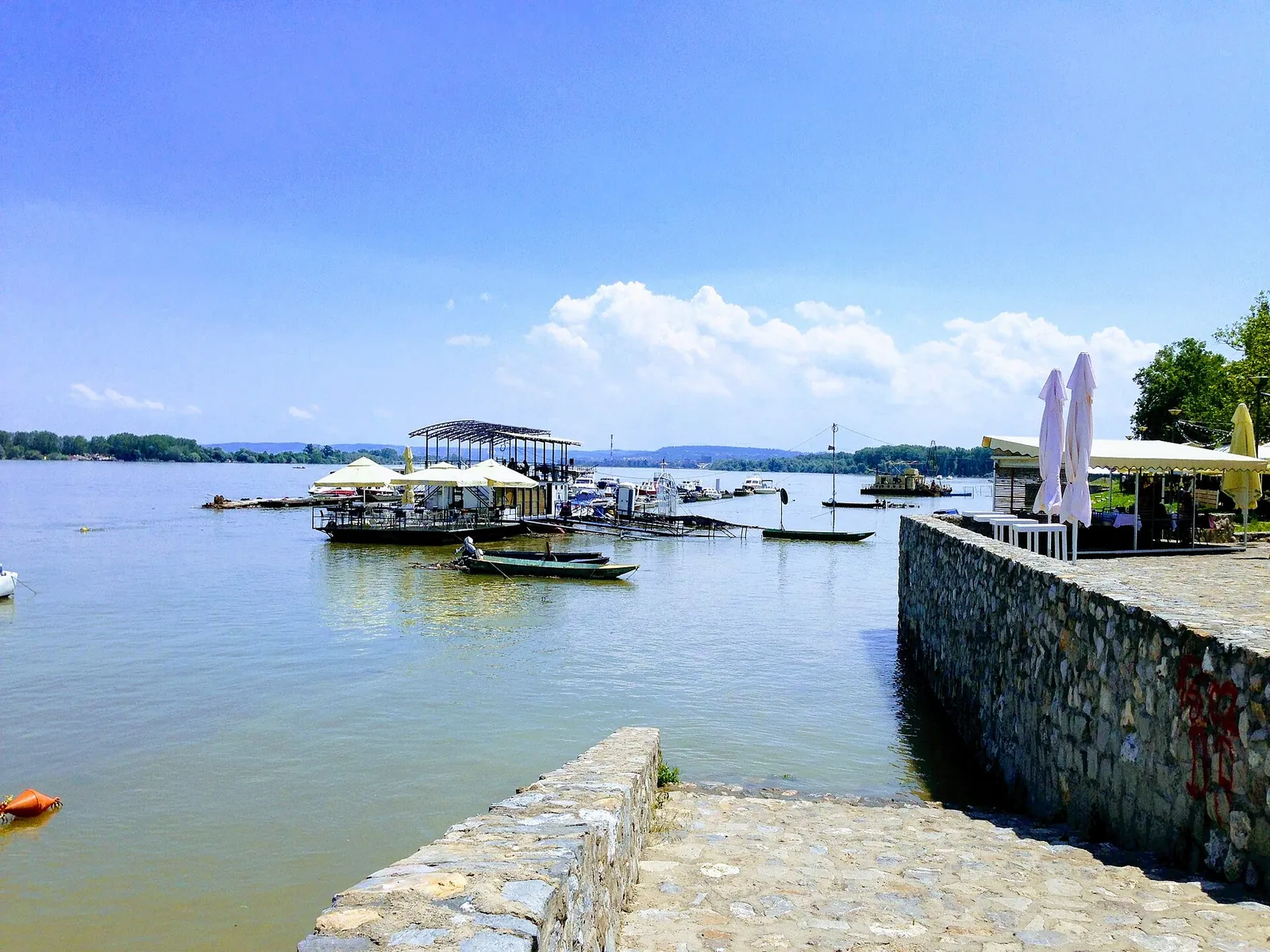
Walk down to the Zemun quay (Zemunski kej), a long tree-lined promenade along the Danube. This is classic lunch territory: riverside restaurants here are known for fresh river fish and fish soup (riblja čorba).
Afterwards, you can walk along the riverbank promenade towards New Belgrade. It’s a long, flat walk with river views the whole way, and you can hop on a free city bus whenever your legs say stop. Prefer something greener? In the warmer months, locals flock to Ada Ciganlija, the river island and lake south-west of the centre, for swimming, cycling and lakeside cafés.
Evening
Spend your last evening by the water in Savamala, the riverside district below the Old Town on the Sava, with its bars, creative venues and modern waterfront promenade. In season, Belgrade is famous for its splavovi, floating bars and clubs moored along the rivers. They range from easy-going cafés to big late-night clubs. Opening seasons and nights vary, so check what’s on before you head out.
Getting there and getting around
From the airport. Belgrade Nikola Tesla Airport (BEG) lies west of the city. Your options:
- City bus 72 runs between the airport and Zeleni venac in the centre. The City of Belgrade lists the journey at about 30 to 40 minutes, with departures from the airport between 05:20 and midnight. As a regular city line, it falls under Belgrade’s free public transport. Timetables can change, so check before you fly.
- Minibus A1 runs between the airport and Slavija square, also in about 30 to 40 minutes. It’s an express line outside the integrated fare system, so you pay a fare on board. Sources disagree on the current price, so check the official sites and keep some dinars handy.
- Taxi. The Tourist Organisation of Belgrade says you pay what the meter shows at the end of the journey. It specifically warns against agreeing a price with the meter switched off, especially at the airport. Luggage up to 20 kg per passenger (50 kg in total) is included.
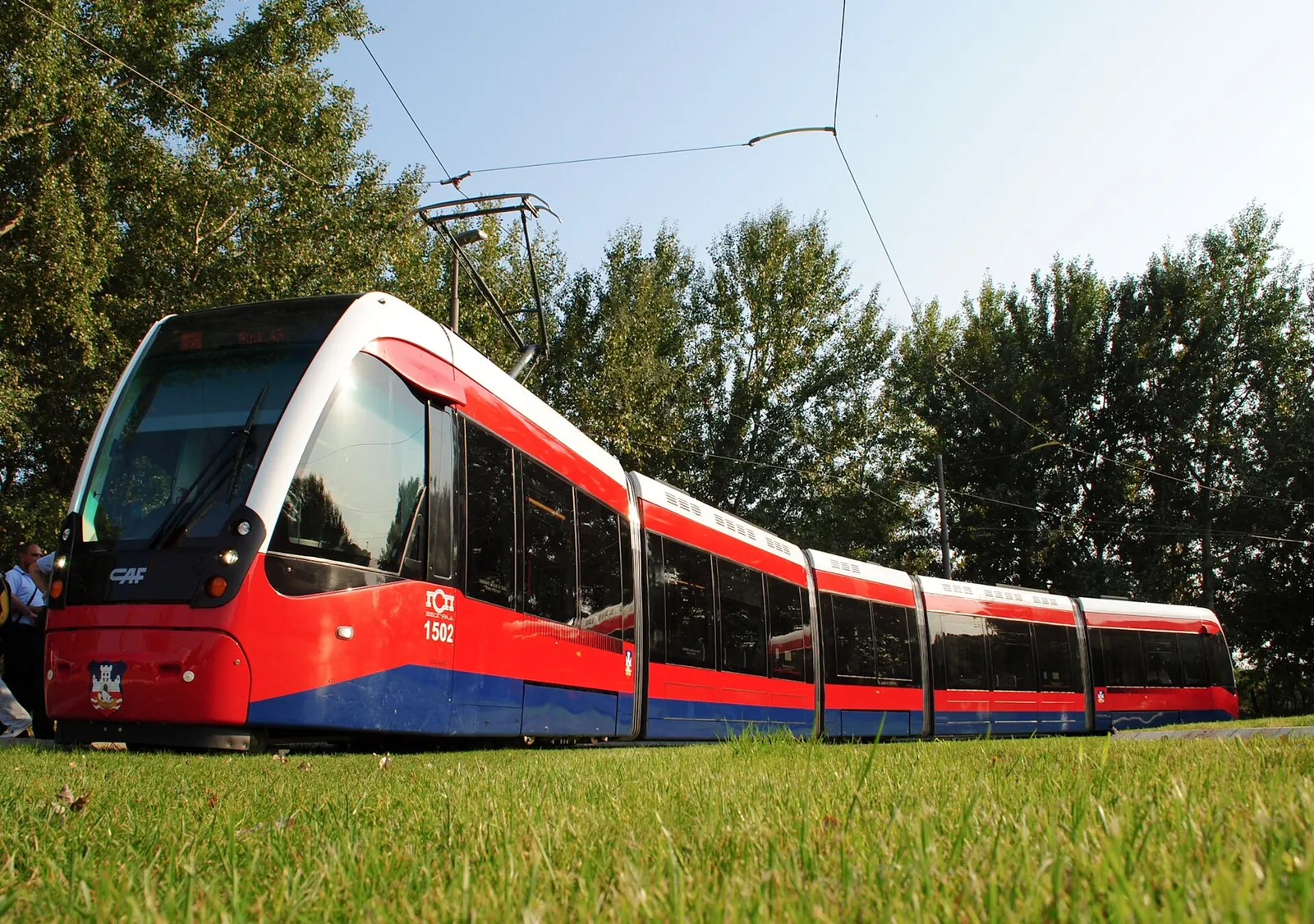
Getting around. According to the Tourist Organisation of Belgrade, public transport is free for all passengers since 1 January 2025. This covers all city and suburban lines, including buses, trams, trolleybuses and the BG Voz suburban train. You don’t need a ticket or travel card. The centre itself (Old Town, Kalemegdan, Skadarlija, Vračar) is compact and very walkable. Use buses for Dedinje and Zemun, and taxis late at night.
Entry rules. Visa requirements depend on your nationality. Check the Ministry of Foreign Affairs of Serbia “Visa regime” page, which lists the rules country by country, well before you travel. The same section of the site covers general entry requirements and the registration of your stay.
Where to stay
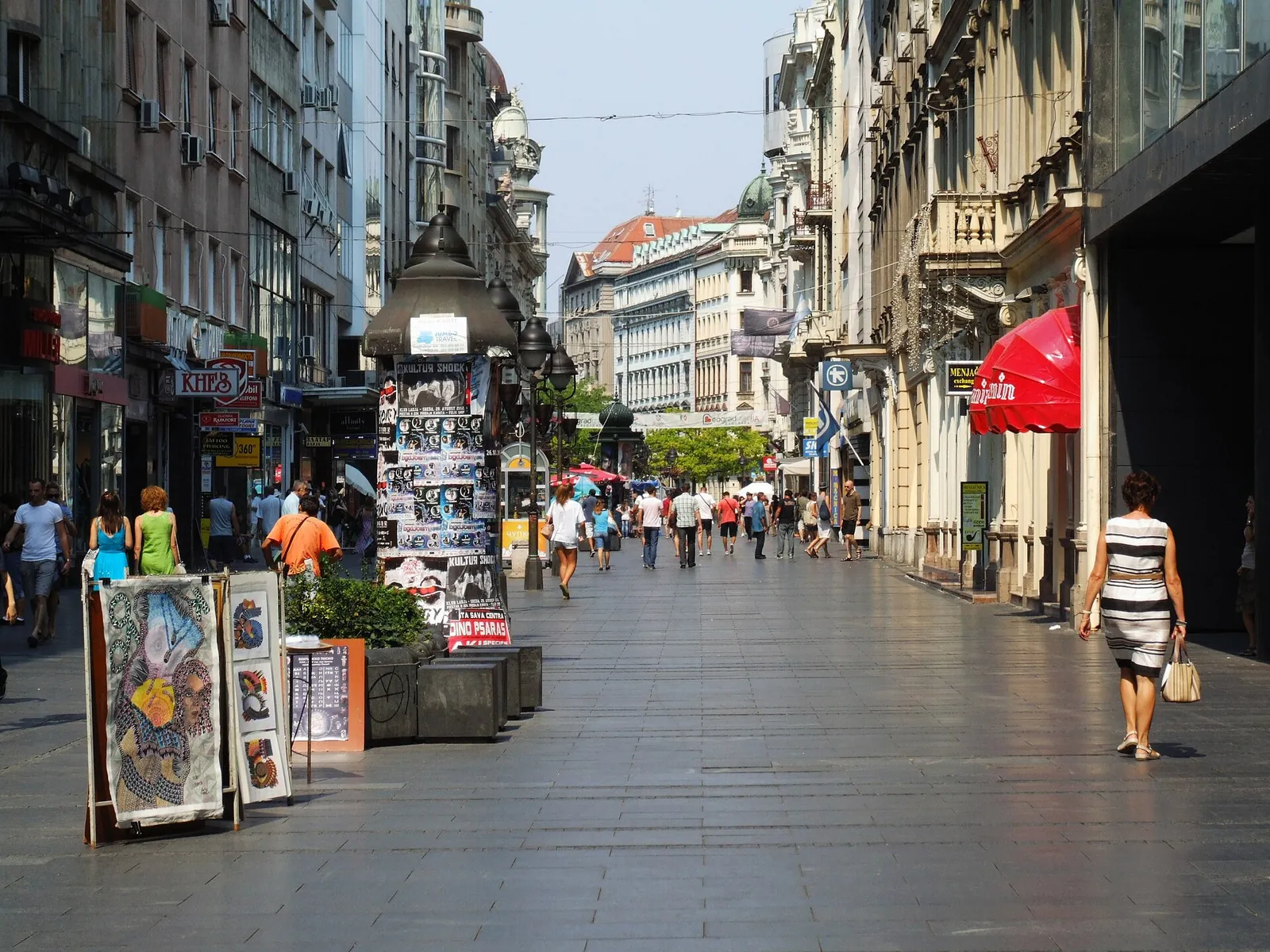
- Stari Grad (Old Town). This is the best area for first-timers. You’re within walking distance of Republic Square, Knez Mihailova, Kalemegdan and Skadarlija, and close to bus 72’s central stops. It’s busy and lively, so ask for a room away from the street if you’re a light sleeper.
- Vračar. Residential, leafy and full of cafés, and home to the Tesla Museum and Saint Sava. It suits couples and travellers who want a local feel and quieter nights, while staying a 20 to 25 minute walk from the Old Town. Slavija square is handy for the A1 airport minibus.
- Savamala and the riverside. Good for nightlife lovers who want bars and river views on the doorstep. Expect noise on weekend nights.
- Zemun. Calm, charming and right on the Danube, so it suits slower travellers and families. You’ll rely on buses or taxis to reach the centre.
Budget
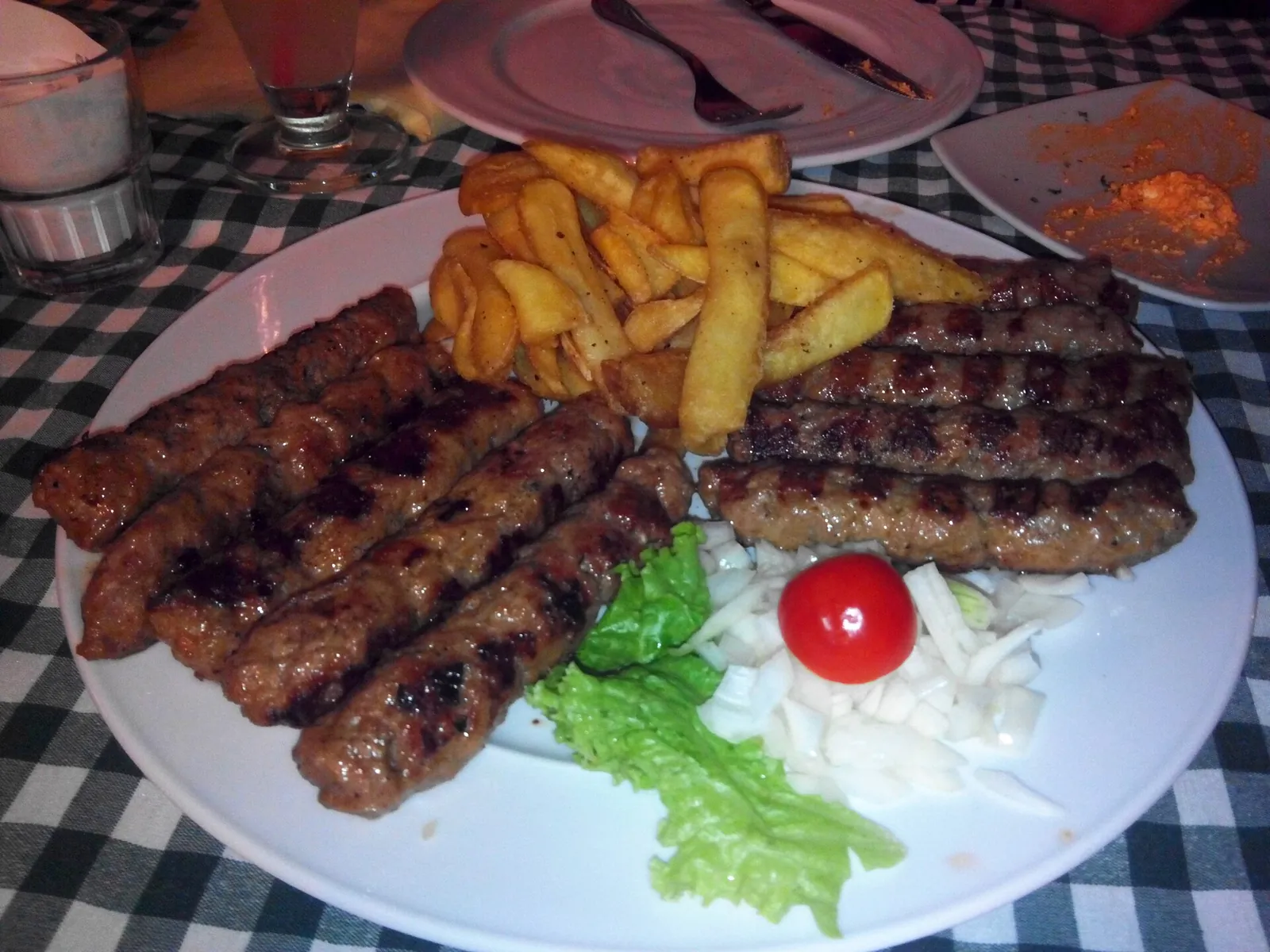
These are the costs we could verify on official sources. Hotels, meals, drinks and taxis are not included.
| Item | Typical cost |
|---|---|
| City buses, trams, trolleybuses, BG Voz | Free |
| Bus 72 to or from the airport | Free (regular city line) |
| Minibus A1 to or from the airport | Paid on board, check the current fare |
| National Museum, permanent exhibition | 300 RSD (free on Sundays) |
| Nikola Tesla Museum, English tour | 800 RSD, cash only |
| Museum of Yugoslavia | 800 RSD (students 400 RSD) |
| Belgrade Fortress, five-site combined ticket | 450 RSD (reduced 350 RSD) |
| Clock Tower or Roman Well individually | 80 RSD / 120 RSD |
| Temple of Saint Sava | No ticket needed to enter the church |
| Sunset at Kalemegdan, Zemun quay, Gardoš hill views | Free |
Following this plan, the paid sights come to roughly 2,350 RSD per person across the three days if you take the fortress combined ticket. That works out to about 300 to 1,300 RSD a day, depending on the day.
Practical tips
- Carry cash. Serbia’s currency is the dinar (RSD). The Tesla Museum takes cash in local currency only. The GOV.UK travel advice also suggests carrying some cash in case electronic payments are disrupted.
- Church etiquette. At Saint Sava and other Orthodox churches, cover your shoulders and knees, and stay quiet during services.
- Taxis. Use registered taxis and insist on the meter. The Tourist Organisation of Belgrade lists radio taxi numbers, including Alo taksi (3564-555), Žuti taksi (19802) and Beogradski (19801). For taxi complaints, call 011/3227-000.
- Help on the ground. The Tourist Info Centre can be reached on 011 26 35 622.
Heads-up
Belgrade is a welcoming city. A few official warnings are worth knowing so nothing spoils your trip:
- Pickpockets. The UK government warns that pickpockets work in tourist areas, airports, on public transport and at motorway service stations. It also notes that criminals may assume foreigners carry large amounts of cash. Keep your passport and phone zipped away, especially on crowded buses.
- Unregistered taxis. GOV.UK advises using only registered taxis, which show a municipal registration number alongside the cab number. Calling a radio taxi is a good alternative to hailing one. We don’t recommend negotiating a fixed price with the meter off at the airport. The Tourist Organisation of Belgrade warns against this too.
- Demonstrations. Mass gatherings and demonstrations have been taking place in Belgrade and other towns. Most are peaceful but can escalate quickly, and they may disrupt transport and mobile networks. Avoid protest areas, keep your phone charged and follow local news.
- Football derbies. Incidents are common around Red Star vs Partizan derby matches. Steer clear of the stadium areas on match days.
- Photography. Photographing military or police installations, personnel or vehicles can lead to arrest. Leave the camera down near such sites. The tanks displayed at the Military Museum are a normal tourist attraction.
- Drugs. Penalties for possession, including cannabis, are strict.
FAQ
Is 3 days enough for Belgrade?
Yes. Three days cover the big highlights at a comfortable pace: the fortress and Old Town, Tesla and Saint Sava, Tito’s House of Flowers and an afternoon in Zemun. With more time, add a day trip outside the city.
Is public transport really free in Belgrade?
Yes. The Tourist Organisation of Belgrade states that public transport has been free for all passengers since 1 January 2025. This covers city and suburban buses, trams, trolleybuses and the BG Voz train. The A1 airport minibus is an express line outside the integrated fare system, so check its fare.
Do I need to book the Nikola Tesla Museum in advance?
Not as an individual. Tours start every hour and you just turn up, ideally 15 minutes early. Only groups of more than 10 must book. Bring cash in dinars for the 800 RSD English tour.
What is the best day to visit museums?
Any day except Monday, when most museums close. The National Museum is free on Sundays. The Museum of Yugoslavia offers free individual visits on the first Thursday of the month.
Where is the best sunset in Belgrade?
On the walls of the Belgrade Fortress in Kalemegdan Park, looking over the confluence of the Sava and the Danube. It’s free and open to everyone.
Sources
Prices, hours and rules change. We checked these on 1 November 2026; please confirm on the official page before you book.
- Nikola Tesla Museum: Plan Your Visit
- Nikola Tesla Museum: Homepage (opening hours)
- Museum of Yugoslavia: Visit Us
- National Museum in Belgrade: Visit Us
- PE Belgrade Fortress: Visitor information, opening hours and prices
- Military Museum Belgrade (Vojni muzej)
- Tourist Organisation of Belgrade: City Public Transport
- Tourist Organisation of Belgrade: Taxi
- City of Belgrade: Traffic and transport
- GOV.UK Foreign travel advice: Serbia, safety and security
- Ministry of Foreign Affairs of Serbia: Visa regime
Photo credits (10)
- Kalemegdan fortress glowing above the Sava at sunset: Bestalex, CC BY-SA 4.0, via Wikimedia Commons
- Republic Square with the National Museum and Prince Mihailo statue: Erik Cleves Kristensen, CC BY 2.0, via Wikimedia Commons
- The Victor monument on the fortress walls under blue sky: Janos Guljas, CC BY-SA 3.0, via Wikimedia Commons
- The white Temple of Saint Sava and its green domes: Petar Milošević, CC BY-SA 4.0, via Wikimedia Commons
- Fountain and flowerbeds outside the House of Flowers: Brimac37 at English Wikipedia, Public domain, via Wikimedia Commons
- Gardoš Tower above Zemun rooftops and the Danube: Petar Milošević, CC BY-SA 4.0, via Wikimedia Commons
- Sunny Danube waterfront on the Zemun quay: Intermedichbo, CC BY-SA 4.0, via Wikimedia Commons
- A modern red Belgrade tram rolling past green trees: IIAleksandarII, CC BY-SA 3.0, via Wikimedia Commons
- Pedestrian Knez Mihailova Street lined with old facades: Pudelek (Marcin Szala), CC BY-SA 3.0 rs, via Wikimedia Commons
- A plate of grilled ćevapi with fries and salad: Spacekid, CC0, via Wikimedia Commons
More Europe itineraries
 3 days
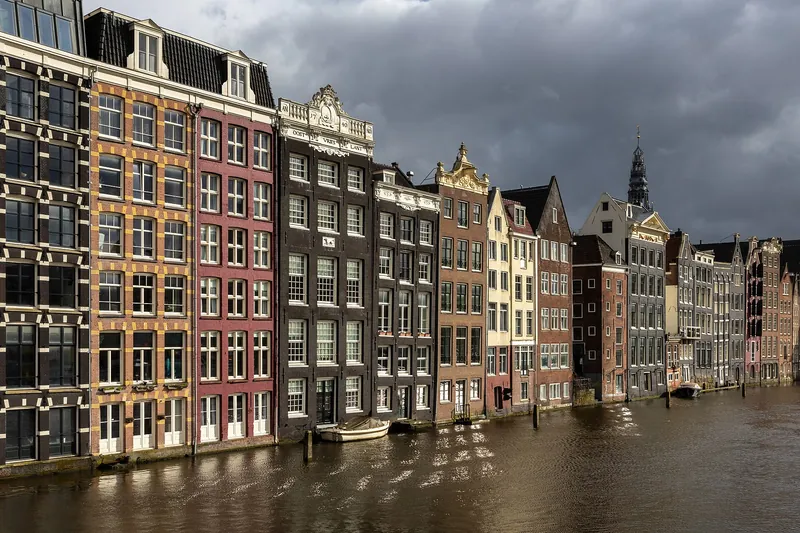
3 Days in Amsterdam: A Day-by-Day Itinerary
A 3-day Amsterdam itinerary: Anne Frank House and the Jordaan, Rijksmuseum, Van Gogh Museum and free ferries to Noord, with verified 2026 prices.
 3 days
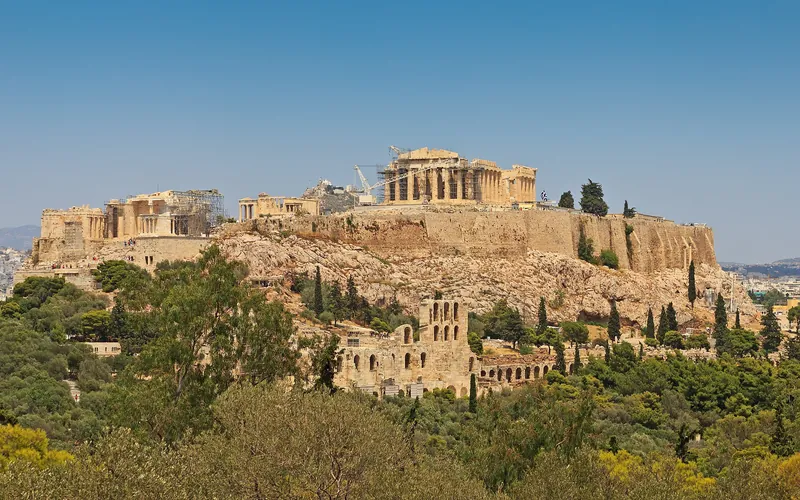
3 Days in Athens: A Day-by-Day Itinerary
A 3-day Athens itinerary: the Acropolis and its museum, Ancient Agora, Plaka, Panathenaic Stadium and the National Archaeological Museum.
 3 days
3 Days in Barcelona: A Day-by-Day Itinerary
A 3-day Barcelona itinerary: Gothic Quarter and El Born, Sagrada Família, Passeig de Gràcia, Park Güell and Montjuïc, with verified 2026 tickets.
This is a researched plan, not a personal trip report. How we research · Affiliate disclosure