
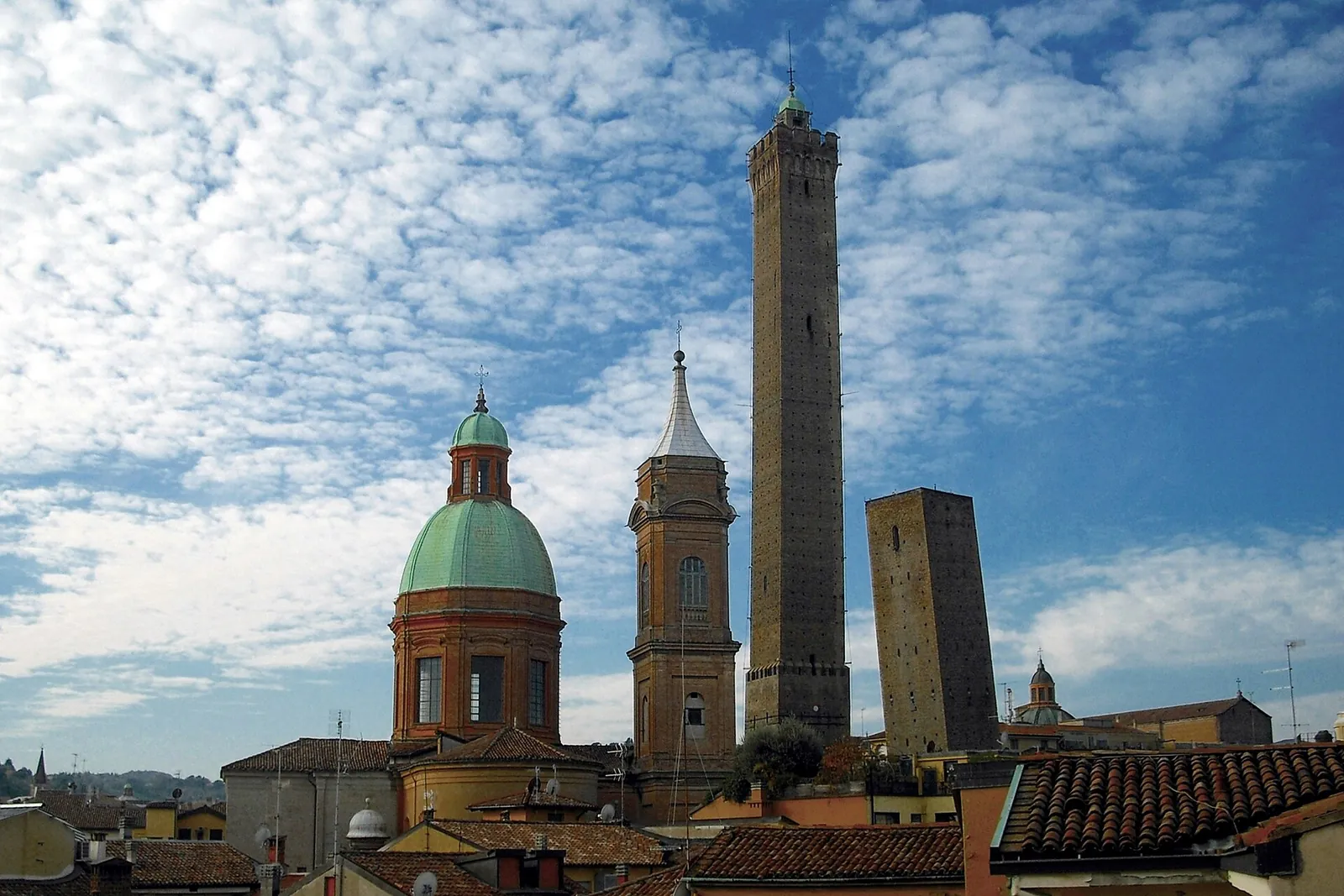
3 Days in Bologna: A Day-by-Day Itinerary
A 3-day Bologna itinerary: Piazza Maggiore and the Archiginnasio, the portico walk to San Luca and the Pinacoteca, then a day trip to Modena.
- 🗓️ Trip length
- 3 days
- ☀️ Best time
- April to June, September to October
- 💰 Daily spend
- EUR 15-35 for sights and local transport (excl. stay and meals)
- ✅ Facts checked
- 1 November 2026
Get ready for Italy’s most delicious city. Bologna gives you terracotta rooftops, medieval towers, kilometres of covered porticoes, one of the oldest universities in the world and the food that made the region famous: tortellini, mortadella, ragù and fresh tagliatelle. It is compact, flat in the centre and easy to cover on foot, which makes it a perfect three-day break you will love.
This plan suits first-timers who want the big sights at a relaxed pace, with long lunches built in. Day 1 covers the historic heart, Day 2 takes you up the famous portico to San Luca and into the art of the Pinacoteca, and Day 3 is a short train hop to Modena for its UNESCO cathedral and the Enzo Ferrari museum.
At a glance
| Day | Area | Highlights |
|---|---|---|
| 1 | Historic centre | Piazza Maggiore, Neptune Fountain, San Petronio, Archiginnasio and its anatomical theatre, the Quadrilatero food lanes, Clock Tower views |
| 2 | Porticoes and university quarter | The portico walk to the Sanctuary of San Luca, Santo Stefano’s “seven churches”, the Two Towers, Pinacoteca Nazionale |
| 3 | Modena day trip | Modena Cathedral and Piazza Grande (UNESCO), lunch in town, Museo Enzo Ferrari |
One planning rule before you start: watch the closing days. The Archiginnasio is closed on Sundays, and the Pinacoteca Nazionale and the Collezioni Comunali d’Arte are closed on Mondays. So do not let Day 1 fall on a Sunday or Day 2 on a Monday. Swap the days around if your dates need it.
Day 1: Piazza Maggiore and the historic heart
Morning
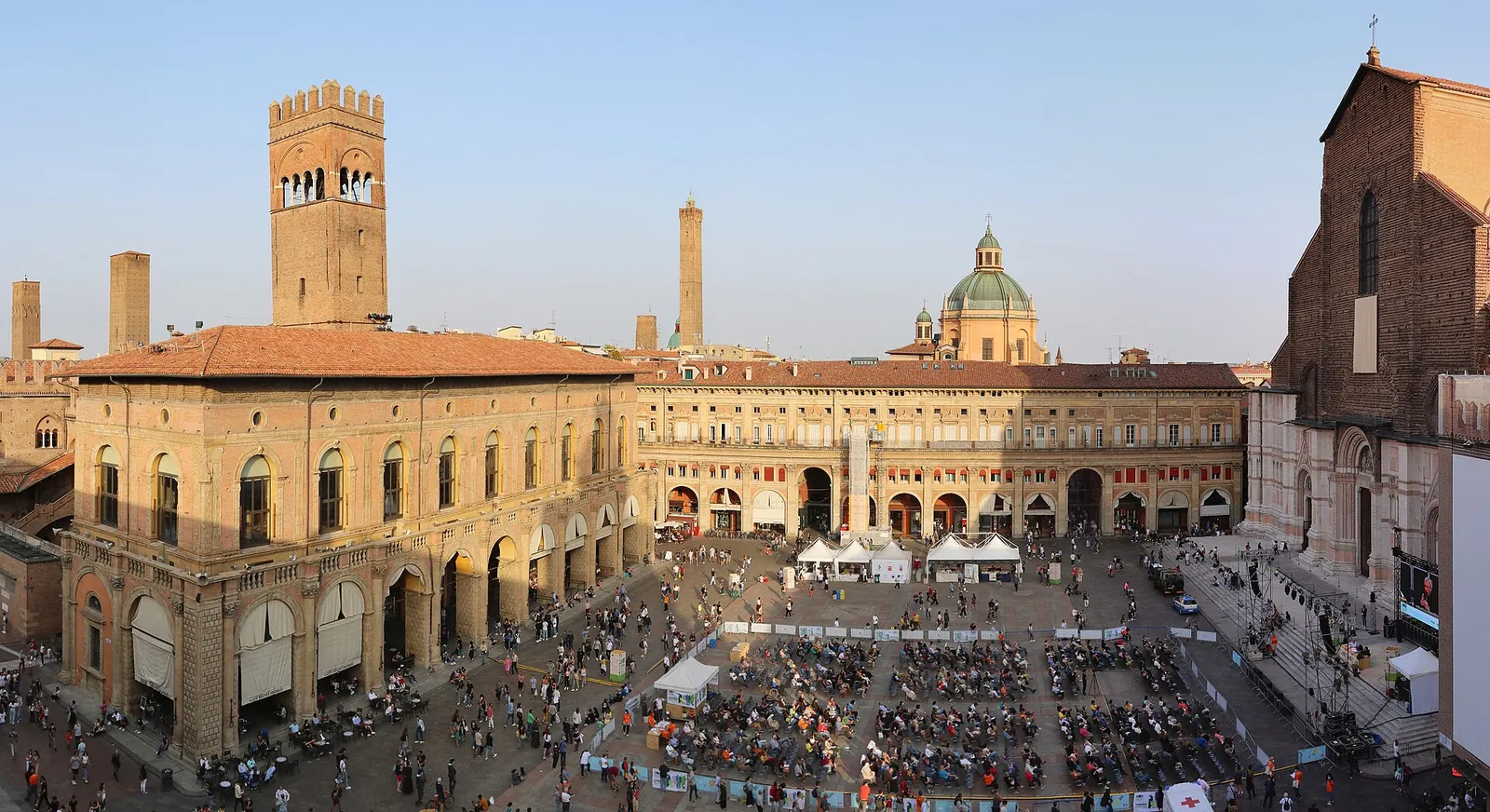
Welcome to Bologna! Start in Piazza Maggiore, the city’s grand main square, framed by medieval palaces and the huge brick facade of the Basilica di San Petronio. Right next door, in Piazza del Nettuno, stands the Neptune Fountain, built by the Flemish sculptor Giambologna to a design by Tommaso Laureti between 1563 and 1566, according to Bologna Welcome.
Step inside San Petronio, one of the largest churches in Italy. The basilica is open every day from 10:00 am to 6:00 pm, last entry 5:50 pm. Entry to the church itself is free, and the small museum is free too. The Chapel of the Magi (Cappella dei Re Magi), with its famous frescoes, costs EUR 5 full price and EUR 3 reduced, open daily until 5:30 pm with last entry at 5:15 pm.
Dress code matters here: the basilica admits visitors only with shoulders and knees covered, so no tank tops or short skirts, and hats come off at the door. One more note: the panoramic terrace on San Petronio, which older guides still mention, has been permanently closed after restoration work, so do not plan around it.
Afternoon
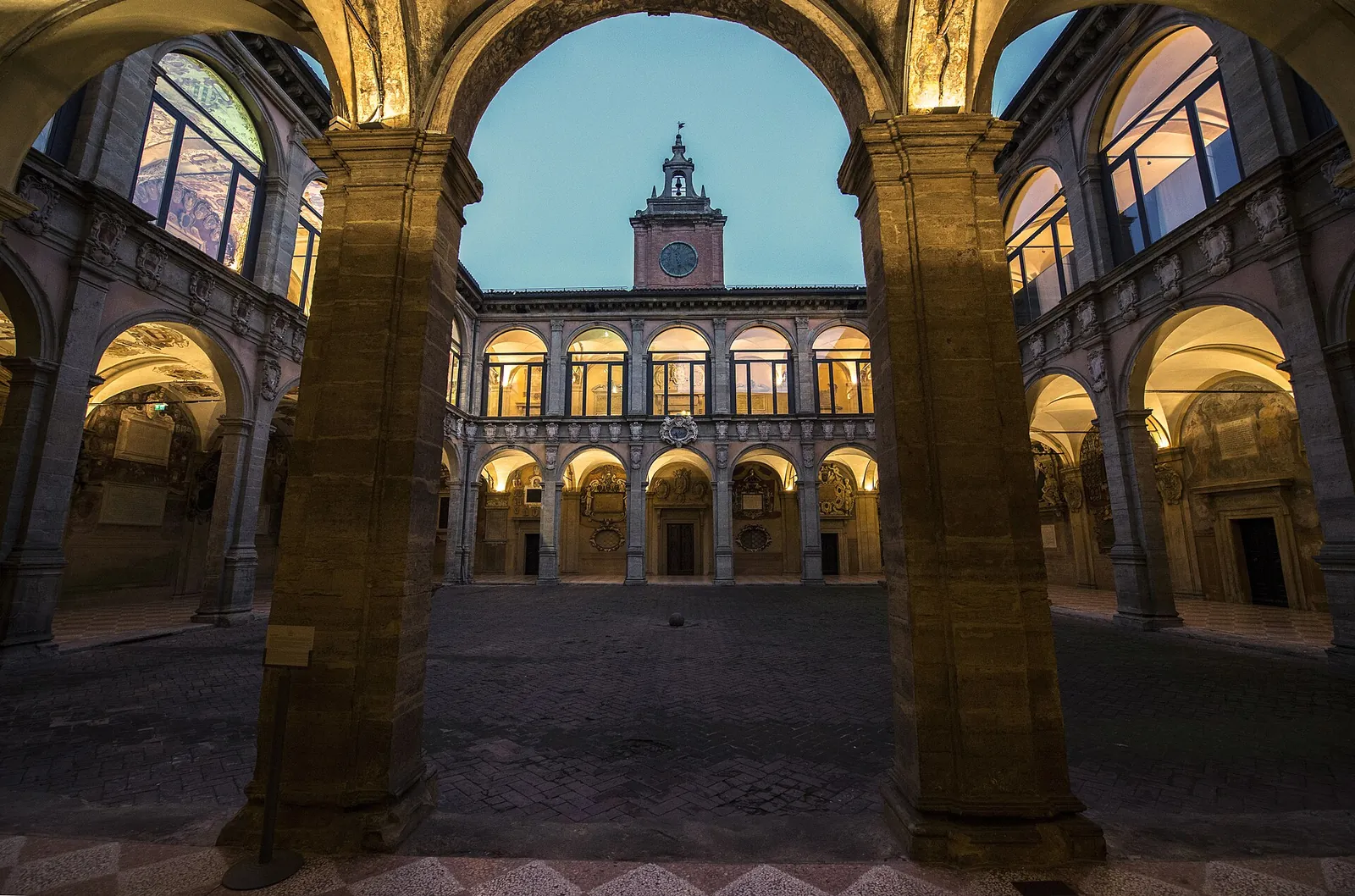
Walk two minutes south along the portico to the Palazzo dell’Archiginnasio, once the main seat of the university. Its courtyard and loggias are covered in thousands of painted coats of arms of former students. The highlight is the Teatro Anatomico, a wooden anatomy theatre, plus the Stabat Mater hall.
The building is open Monday to Saturday from 9:00 am to 7:00 pm and closed on Sundays. Booking is mandatory for the anatomy theatre and Stabat Mater: a guided visit costs EUR 12 full and EUR 10 reduced, and an audio-guide visit EUR 10 full and EUR 8 reduced. Book through Bologna Welcome or by phone with the Archiginnasio ticket office, and check the booking page for visiting times, which can be limited during events.
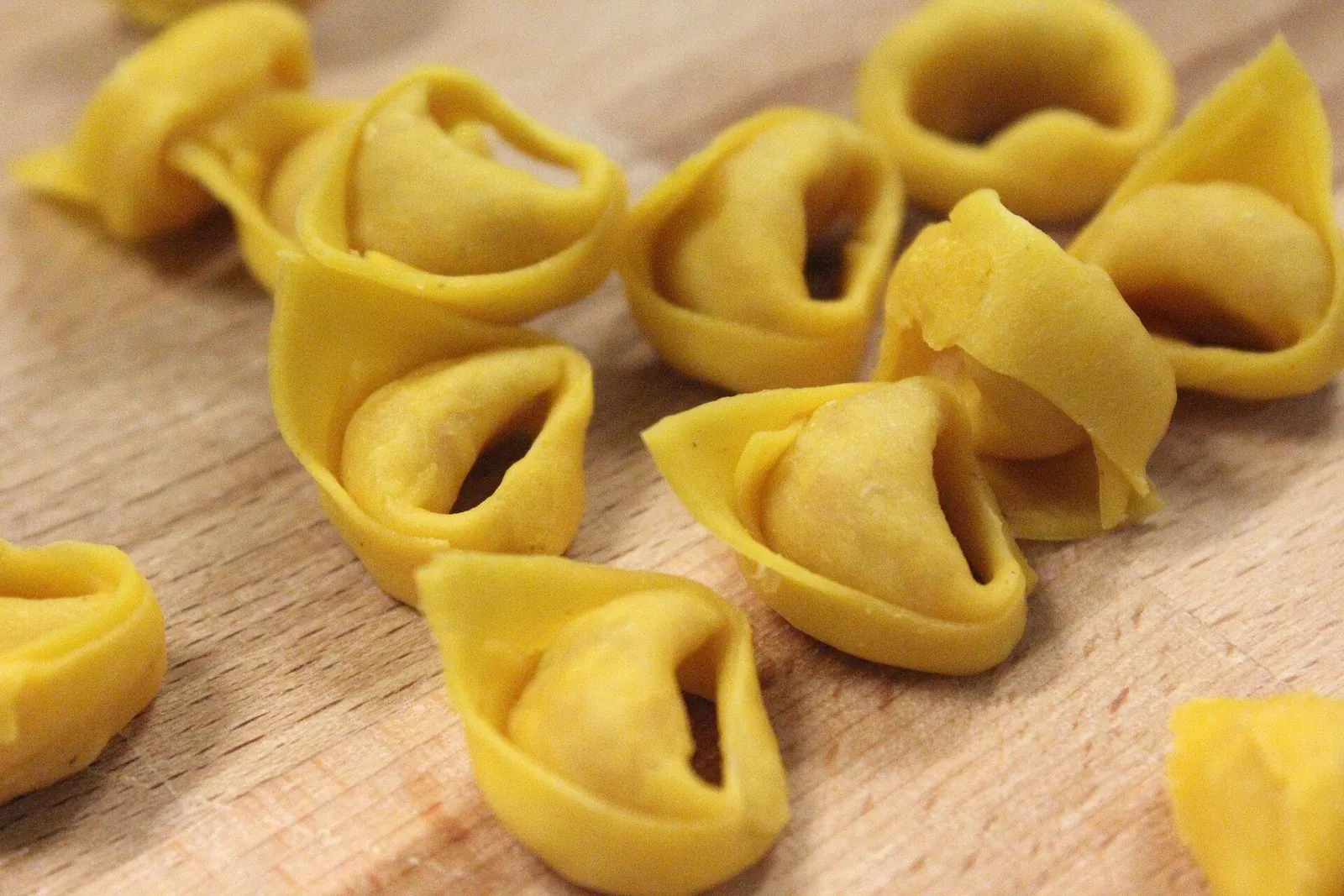
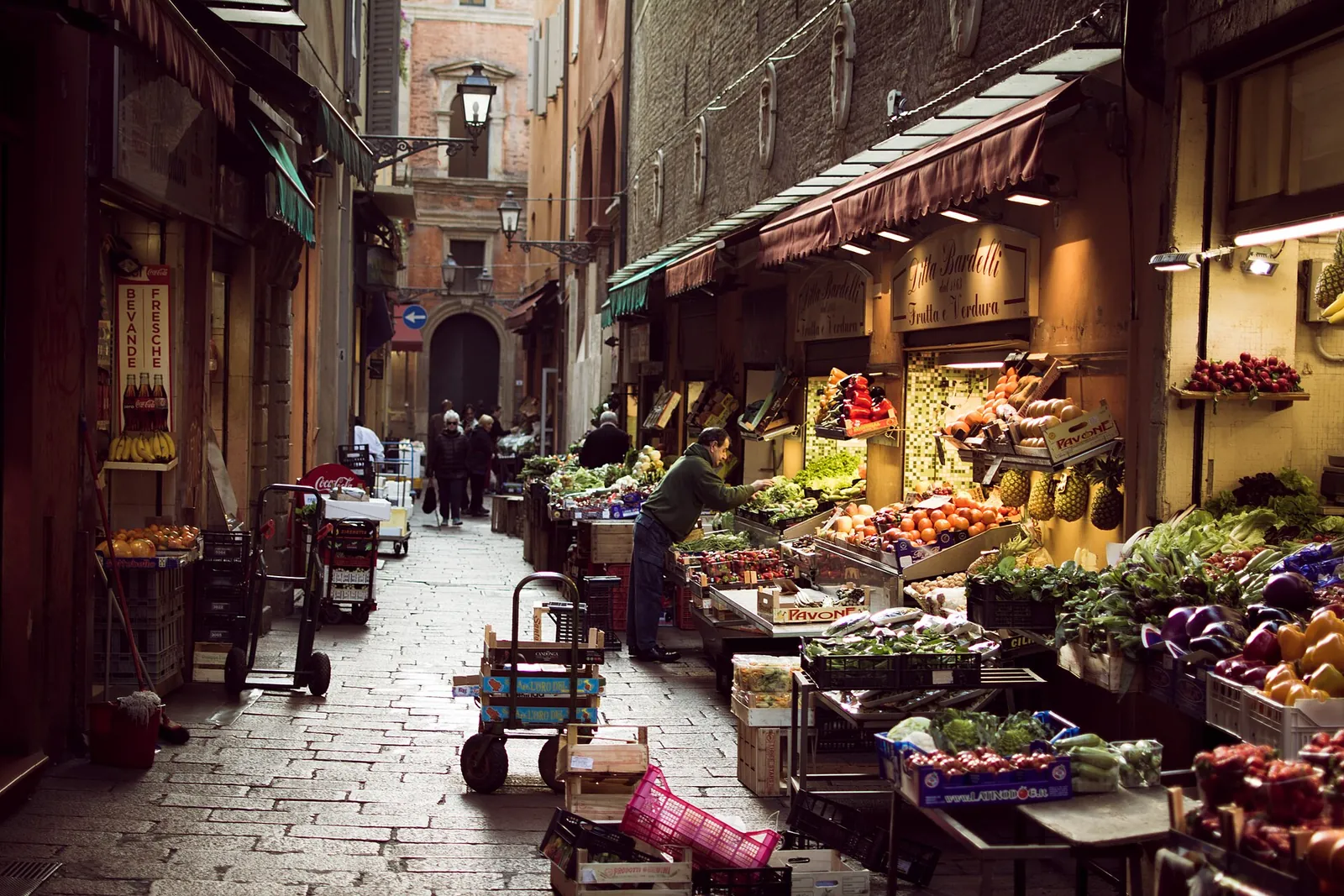
Afterwards, lose yourself in the Quadrilatero, the medieval market district just east of Piazza Maggiore. Its narrow lanes are packed with delis, cheese shops, fresh pasta makers and old-style taverns, and it is the perfect place for a late lunch of tagliatelle al ragù or a board of mortadella and Parmigiano Reggiano.
Evening
Before sunset, climb the Torre dell’Orologio (Clock Tower) in Palazzo d’Accursio, the city hall on Piazza Maggiore, for a 360-degree view over the rooftops. Bologna Welcome suggests it as the alternative while the Asinelli Tower is closed. From 7 September 2026 to 28 February 2027, entries run every 20 minutes from 10:00 am, with the last entry at 6:20 pm (4:20 pm on 24 and 31 December, closed 25 December). The ticket, which also covers the Collezioni Comunali d’Arte in the same palace, costs EUR 10 full and EUR 7 reduced, and booking is mandatory. There is no lift, so be ready for stairs.
The art collections keep their own hours: Tuesday and Thursday 2:00 to 7:00 pm, Wednesday and Friday 10:00 am to 7:00 pm, and weekends and holidays 10:00 am to 6:30 pm. They are closed on Mondays. End the day with dinner back in the Quadrilatero or on the streets around Piazza Maggiore.
Day 2: The portico to San Luca, Santo Stefano and the Pinacoteca
Morning
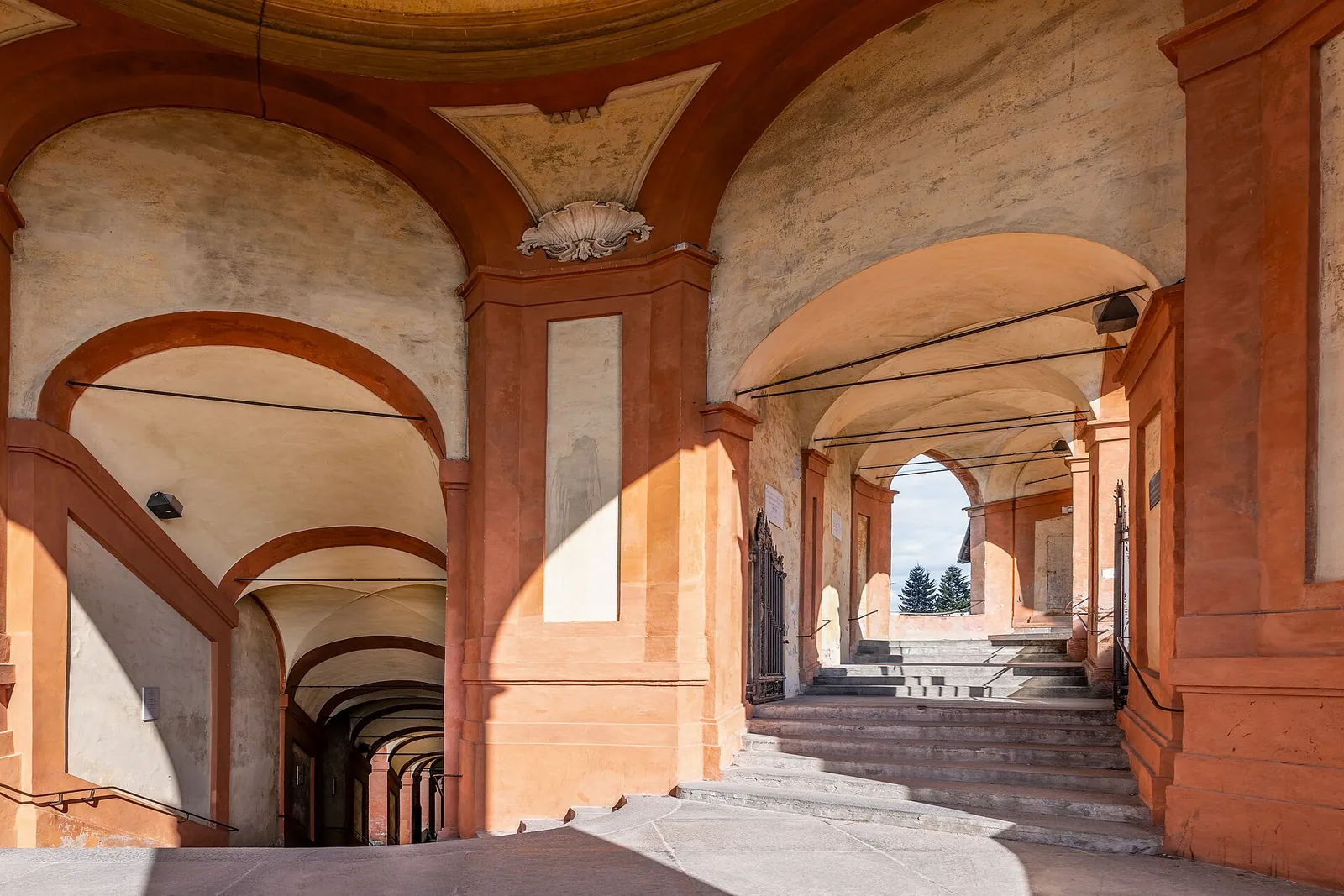
This is the day for Bologna’s most famous portico, so lace up and enjoy it. In 2021, the city’s porticoes were added to the UNESCO World Heritage List, and the most spectacular of all leads to the Sanctuary of the Madonna di San Luca on the Colle della Guardia. From Porta Saragozza, about a 20-minute walk west of Piazza Maggiore, the covered path runs for about four kilometres with more than 600 arches, according to Bologna Welcome. Construction began in 1674, and the final stretch climbs steadily uphill past chapels, so take it slowly, carry water and wear good shoes.
The sanctuary opens daily from 7:00 am to 6:00 pm, staying open 30 minutes longer from March to October. Entry is free. Visits may be limited during religious services, so keep your voice down and dress respectfully.
Prefer not to walk uphill? The San Luca Express tourist train leaves from the Piazza Maggiore area and comes with a multilingual audio guide. It is included in the Bologna Welcome Card PLUS; check bolognawelcome.com for current times and prices. A good combination is to ride up and walk down.
Afternoon
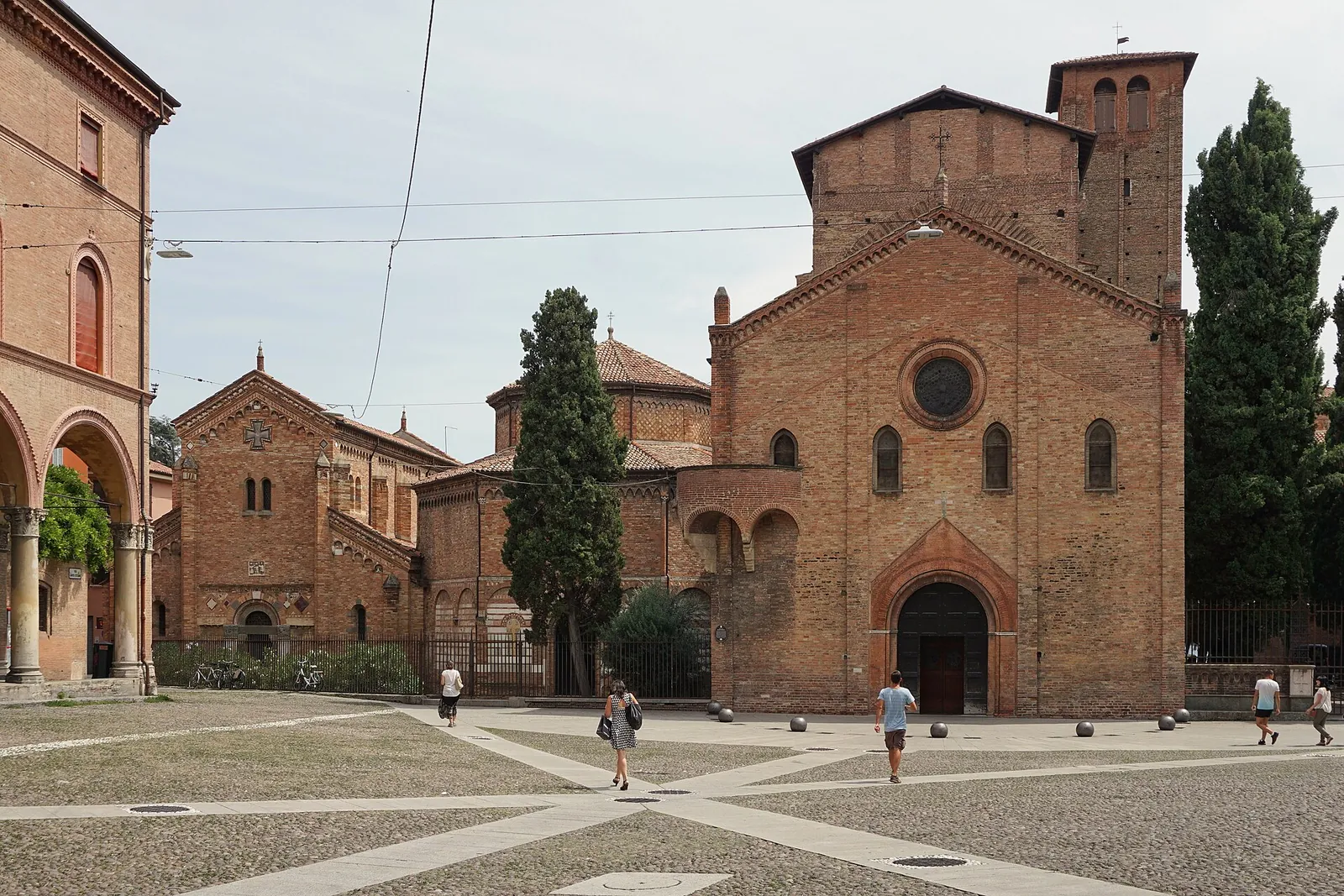
Head back into town and east to the Santo Stefano complex, nicknamed the “seven churches”. It joins several buildings from different eras, including a reproduction of the Holy Sepulchre in Jerusalem, the Courtyard of Pilate and a lovely Benedictine cloister. Entry is free, with a donation requested. Opening times vary by season and around services, and the published hours differ between pages, so check the Bologna Welcome page before you go. The basilica is mostly closed to sightseeing on Mondays.
Walk five minutes north to see the Two Towers, the Asinelli and the leaning Garisenda, the symbol of the city. Heads-up: the Asinelli Tower is currently closed for maintenance work in the area, and Bologna Welcome gives no reopening date, so enjoy them from street level.
From the towers, stroll along Via Zamboni through the university quarter to the Pinacoteca Nazionale di Bologna at Via delle Belle Arti 56, about 10 minutes on foot. Its galleries hold major works of Italian painting, including the Bolognese school. It opens Tuesday to Sunday from 9:00 am to 7:00 pm, last entry 30 minutes before closing, and is closed on Mondays. Full price is EUR 12, visitors aged 18 to 25 pay EUR 2, and under-18s enter free. Entry is free for everyone on the first Sunday of the month. Prices can change during temporary exhibitions.
Evening
The university quarter is lively in the evening. Walk back under the porticoes for aperitivo, when drinks often come with small bites.
Day 3: Day trip to Modena
Morning
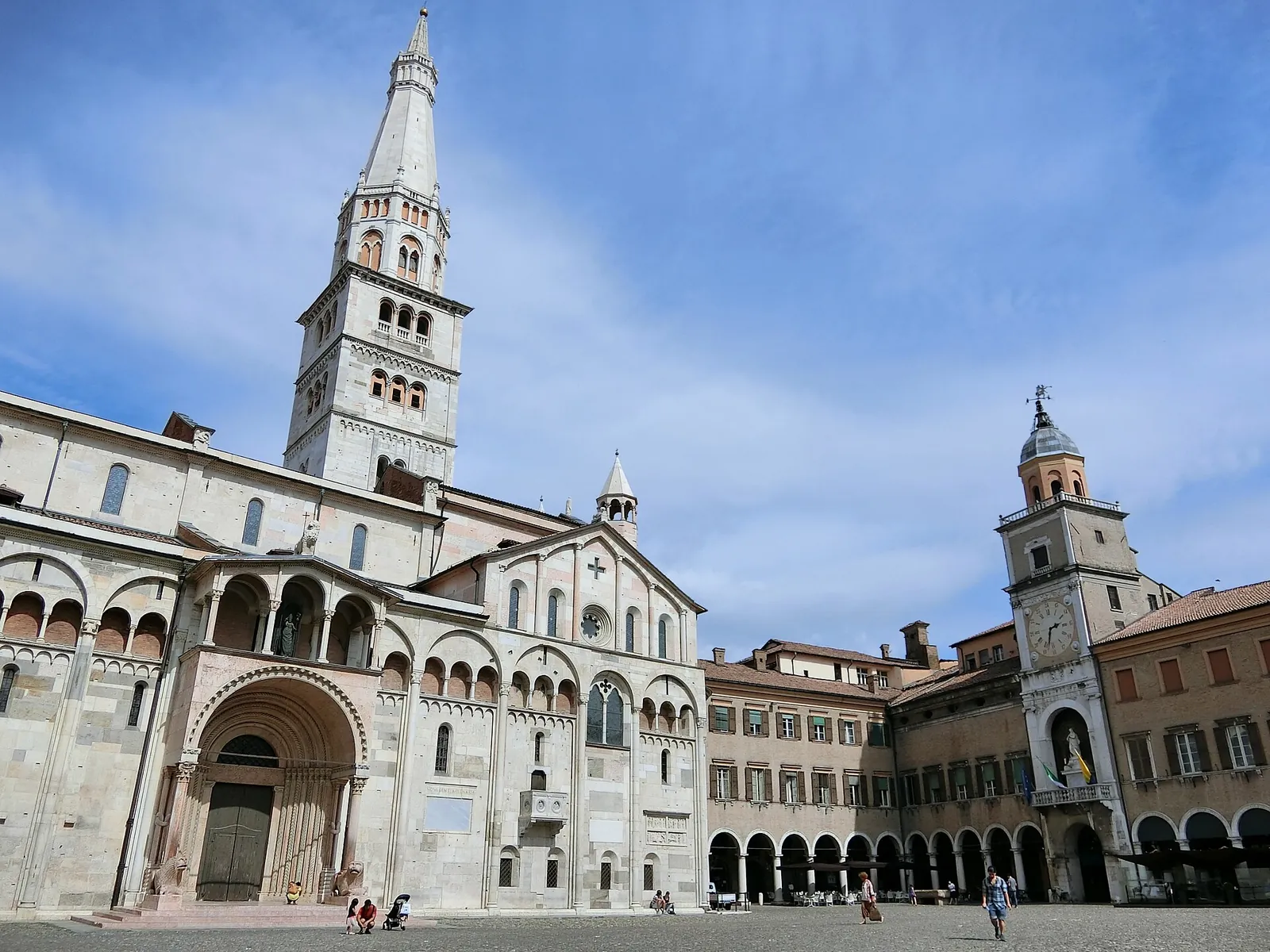
Get ready for Romanesque marble and red sports cars! Take a regional train from Bologna Centrale to Modena. Modena sits on the Milan to Bologna railway line and trains run frequently; check trenitalia.com or the Trenitalia app for current times and fares. In the old town, head straight for Piazza Grande. Modena Cathedral, its bell tower, the Torre Ghirlandina, and the square itself together form a UNESCO World Heritage Site, inscribed in 1997. The Romanesque cathedral is one of the finest in Europe, with carved stone reliefs on its facade. Interior visits depend on church services, and the Ghirlandina and cathedral museums have their own timetables, so check visitmodena.it on the day.
Afternoon
Have lunch in Modena, the home of aceto balsamico tradizionale and tortellini. The streets around the cathedral are full of trattorias, so save your appetite.
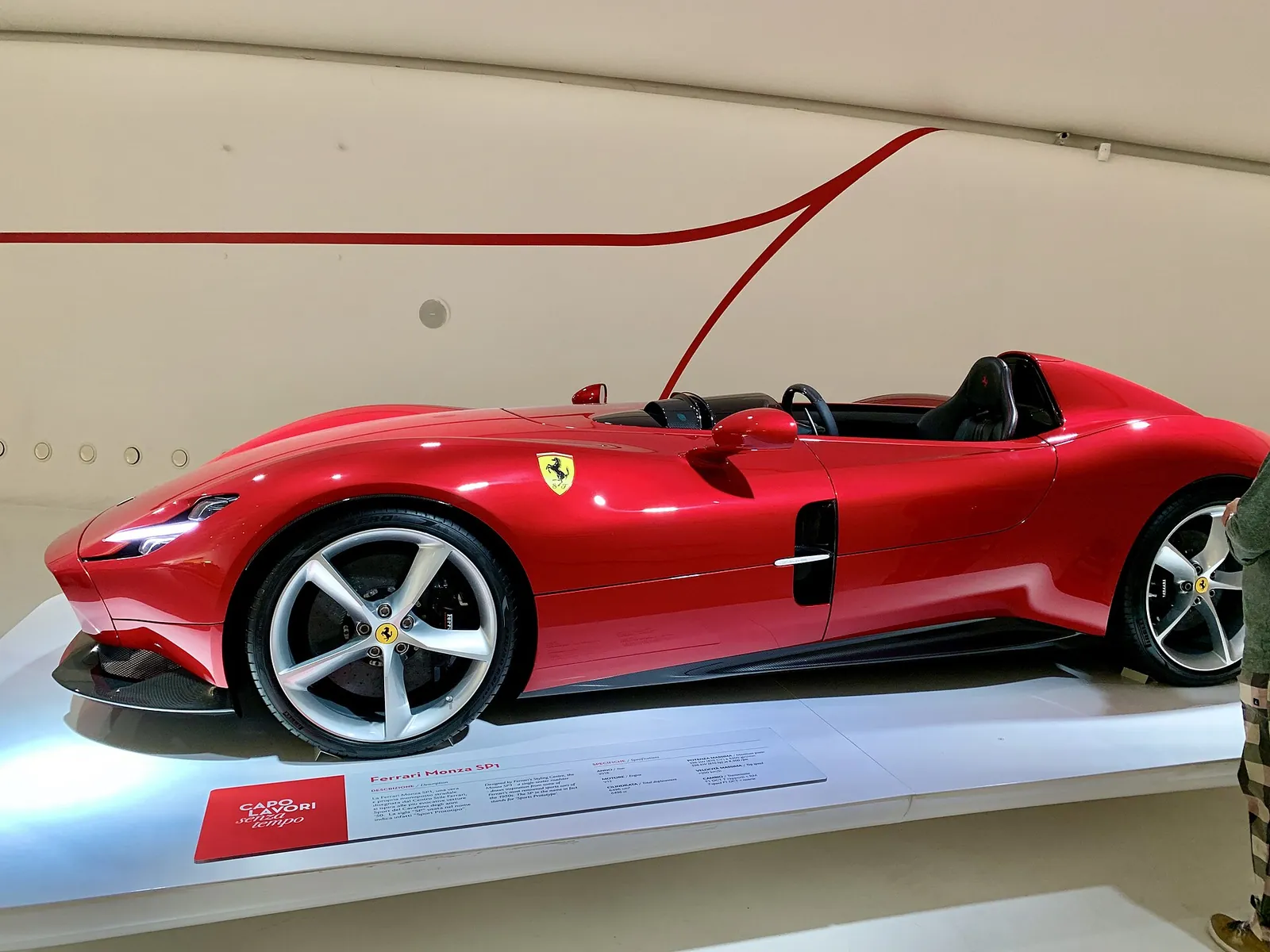
Then visit the Museo Enzo Ferrari, dedicated to Enzo Ferrari’s life and his cars. According to Bologna Welcome, it opens daily from 9:30 am to 6:00 pm, until 7:00 pm from April to October, and is closed on 25 December and 1 January. A full single ticket costs EUR 17, and a combined ticket with the Ferrari Museum in Maranello costs EUR 24. Reduced fares and online tickets are on the museum’s official site, which also explains how to get there from the station. Check there before you go, as prices can change.
Evening
Take the train back for a last dinner and an evening stroll around Piazza Maggiore, which glows beautifully after dark.
Parma instead? It lies further along the same line towards Milan; check train times on trenitalia.com before you swap.
Getting there and getting around
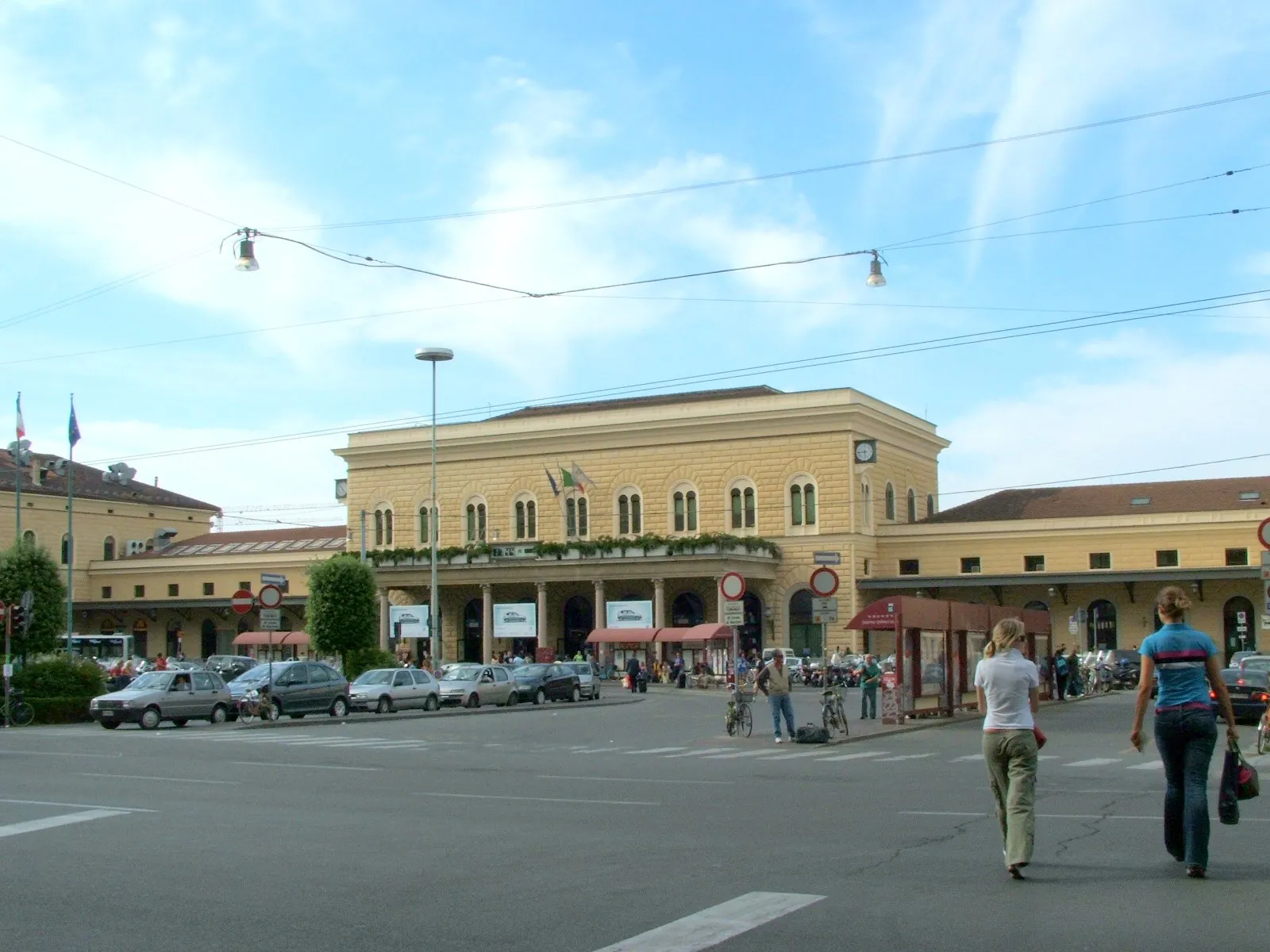
From Bologna Guglielmo Marconi Airport: The Marconi Express monorail runs from the airport to Bologna Centrale station in about 7 minutes, with up to 8 rides per hour from 5:40 am to midnight. A standard single costs EUR 12.80 and a return EUR 23.30. Between midnight and 5:40 am, TPER urban bus line Q runs between the airport and the central station, and Marconi Express tickets are valid on it. Line Q also runs during the day at the urban fare of EUR 2.30. Bologna Welcome puts a taxi to the centre at about 20 minutes and EUR 20 to 25. Check the Marconi Express site for strike notices before you fly.
By train: Bologna Centrale is one of Italy’s main rail hubs, with high-speed trains to Florence, Milan, Rome and Venice. Check trenitalia.com and italotreno.com for times and fares.
Getting around: The historic centre is very walkable, and the porticoes keep you dry in rain and shaded in summer. For buses, TPER’s urban single ticket costs EUR 2.30 and is valid for 75 minutes from validation, including changes between lines. A CityPass carnet gives 10 rides at EUR 1.90 each, and a 24-hour day ticket costs EUR 9. You can also tap a contactless bank card on board at the same fare as a ground ticket. Validate every ticket when you board.
Bologna Welcome Card: The EASY card costs EUR 35 and covers museums, the Discover Bologna guided walking tour, the Clock Tower and city bike rental. The PLUS card costs EUR 55 and adds the San Petronio chapels, the City Red Bus and the San Luca Express. Once activated, the card stays valid for up to 15 days or until its services are used up. The walking tour, Clock Tower and bike rental must be booked in advance.
Where to stay
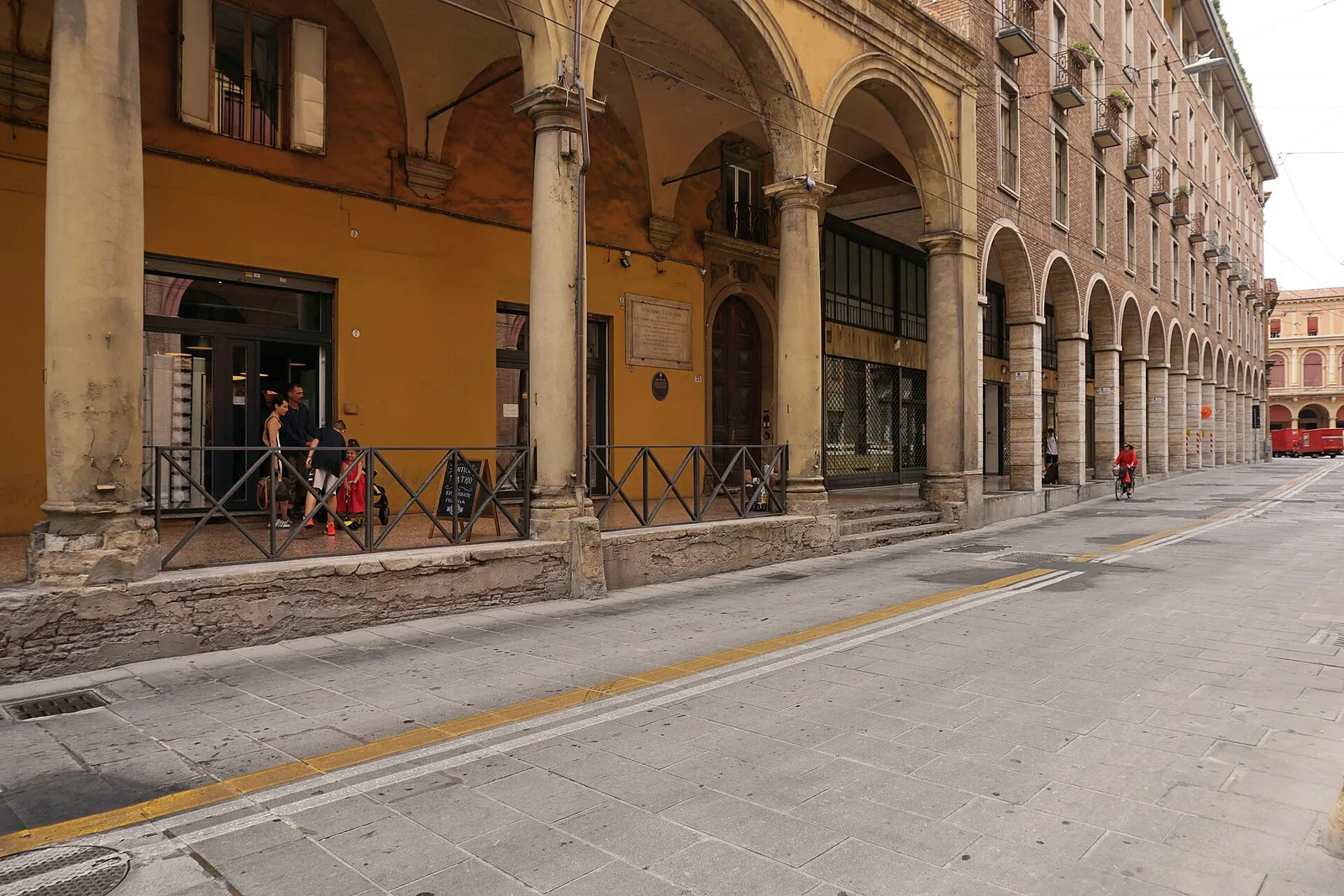
- Around Piazza Maggiore and the Quadrilatero: The most central base, with everything on foot. Ideal for first-timers who want food and sights on the doorstep, though it is busier and pricier.
- University quarter (Via Zamboni area): Lively, young and good value, close to the Two Towers and the Pinacoteca. Expect evening noise from students.
- Near Bologna Centrale and Via dell’Indipendenza: Practical for this plan, because the Modena train and the Marconi Express both leave from the station. About 15 minutes’ walk to Piazza Maggiore.
- Santo Stefano and Strada Maggiore: Elegant and calmer, with beautiful porticoes and quieter evenings. Good for couples and slower travellers.
Budget
| Item | Typical cost |
|---|---|
| Marconi Express airport monorail, single / return | EUR 12.80 / EUR 23.30 |
| TPER urban bus ticket (75 minutes) | EUR 2.30 |
| TPER 24-hour ticket | EUR 9 |
| Bologna Welcome Card EASY / PLUS | EUR 35 / EUR 55 |
| Archiginnasio anatomy theatre, guided / audio guide (full) | EUR 12 / EUR 10 |
| Clock Tower and Collezioni Comunali d’Arte (full) | EUR 10 |
| San Petronio, Chapel of the Magi (full) | EUR 5 |
| Pinacoteca Nazionale (full) | EUR 12 |
| Museo Enzo Ferrari, single / combined with Maranello (full) | EUR 17 / EUR 24 |
| San Petronio church, Santo Stefano, San Luca sanctuary | Free (donations welcome) |
| Bologna to Modena regional train | Check trenitalia.com |
Without a card, the paid sights in this plan come to roughly EUR 54 to 56 per adult, plus local transport and the Modena train. The daily range in our summary covers sights and local transport only. It excludes accommodation, meals, drinks, flights, the airport transfer and the city’s overnight tourist tax, which is charged per person per night by your accommodation. Check the Comune di Bologna website for current rates.
Practical tips
- Plan around closing days: Archiginnasio closed Sundays; Pinacoteca and Collezioni Comunali closed Mondays. Holiday hours can change, so check each site.
- Book ahead: The Archiginnasio anatomy theatre and the Clock Tower both require booking. Popular trattorias fill up on weekends, so reserve dinner.
- Free first Sundays: State museums such as the Pinacoteca are free on the first Sunday of every month, but expect crowds.
- Cover up for churches: Shoulders and knees covered, hats off.
- Wear good shoes: The San Luca portico is long and the last stretch is steep.
- Money: Cards are widely accepted, and buses take contactless. Carry a little cash for small bars, markets and church donations.
- SIM and eSIM: EU roaming applies for European SIMs. Other visitors can buy a local SIM in town or an eSIM before arrival.
- Visa and entry: Italy is part of the Schengen Area, and the rules depend on your passport. Check the Italian Foreign Ministry’s official portal, Il visto per l’Italia (vistoperitalia.esteri.it), well before you book.
Heads-up
Bologna is a friendly, relaxed city, but a few things are worth knowing so nothing spoils the fun:
- Pickpockets: The UK government’s travel advice for Italy says bag-snatching and pickpocketing are more common in city centres and at major tourist sites, and warns about thieves using distraction techniques. Keep your bag zipped and in front of you, especially at the station and in crowded squares.
- Taxis: The same advice says to use only officially licensed taxis with a taxi sign on the roof, booked by phone or app or taken from an official rank.
- Street traders: Buying from unlicensed street sellers can lead to a fine, according to GOV.UK.
- Drink spiking: Do not take drinks from strangers or leave yours unattended on nights out.
- Strikes: Transport strikes are often called at short notice in Italy, and the Marconi Express itself posts strike warnings on its site. Leave extra time for flights and trains.
- Closed viewpoints: The Asinelli Tower and the San Petronio terrace are both closed. Use the Clock Tower or the San Luca hill for views instead.
- Emergencies: Call 112.
FAQ
Is 3 days enough for Bologna?
Yes. Two days cover the historic centre, the porticoes and the main museums at an easy pace, which leaves a third day for Modena or Parma. Add a fourth day if you want both.
Can I climb the Two Towers in Bologna?
Not right now. The Asinelli Tower is closed for maintenance in the surrounding area, with no reopening date announced, and the leaning Garisenda is not open to visitors. Climb the Clock Tower on Piazza Maggiore for the views instead, and check Bologna Welcome for updates.
How do I get from Bologna airport to the city centre?
Take the Marconi Express monorail to Bologna Centrale: about 7 minutes, EUR 12.80 single. Late at night, bus line Q covers the same route and accepts Marconi Express tickets.
Is the Bologna Welcome Card worth it?
The EASY card (EUR 35) pays off if you do the walking tour, the Clock Tower and several museums. PLUS (EUR 55) adds the San Luca Express and City Red Bus. If you mostly visit free churches, pay as you go.
How long does it take to walk to San Luca?
The portico from Porta Saragozza is about four kilometres, with a steep final section. Take it at your own pace with water breaks, or ride the San Luca Express up and walk down.
Do I need to book anything in advance?
Yes, for the Archiginnasio’s anatomy theatre and the Clock Tower, both of which require booking. Weekend dinner tables are also worth reserving. San Petronio, Santo Stefano and the San Luca sanctuary need no booking.
Sources
Prices, hours and rules change. We checked these on 1 November 2026; please confirm on the official page before you book.
- Marconi Express, airport to city centre monorail (official site)
- Plan your trip: getting to Bologna (Bologna Welcome, official tourism site)
- Tariffe, urban area of Bologna (TPER, public transport operator)
- Bologna Welcome Card (Bologna Welcome)
- Palazzo dell'Archiginnasio (Bologna Welcome)
- Le due Torri, Asinelli Tower booking page (Bologna Welcome)
- Visita alla Torre dell'Orologio e alle Collezioni Comunali d'Arte (Bologna Welcome)
- Info and opening hours (Basilica di San Petronio)
- Visit and opening hours (Pinacoteca Nazionale di Bologna)
- Sanctuary of San Luca (Bologna Welcome)
- Santo Stefano complex (Bologna Welcome)
- Museo Enzo Ferrari, Modena (Bologna Welcome)
- Safety and security: Italy travel advice (GOV.UK, FCDO)
- Il visto per l'Italia (Italian Ministry of Foreign Affairs)
Photo credits (11)
- Bologna rooftops with the Two Towers under a blue sky: Gianlucab1964, CC BY-SA 4.0, via Wikimedia Commons
- Piazza Maggiore seen from Palazzo d'Accursio: Ingo Mehling, CC BY-SA 4.0, via Wikimedia Commons
- The Archiginnasio courtyard glowing at blue hour: Wwikiwalter, CC BY-SA 4.0, via Wikimedia Commons
- Warm arches of the portico leading to San Luca: Vanni Lazzari, CC BY-SA 4.0, via Wikimedia Commons
- Piazza Santo Stefano and its brick churches: MenkinAlRire, CC BY-SA 4.0, via Wikimedia Commons
- Modena Cathedral and the Ghirlandina on Piazza Grande: nimame, CC BY 2.0, via Wikimedia Commons
- A red Ferrari Monza SP1 at Museo Enzo Ferrari: Kgbo, CC BY-SA 4.0, via Wikimedia Commons
- Bologna Centrale station on a sunny day: Twice25 & Rinina25, CC BY 2.5, via Wikimedia Commons
- Porticoed street near Santo Stefano in Bologna: MenkinAlRire, CC BY-SA 4.0, via Wikimedia Commons
- Freshly made tortellini, a Bologna classic: Angelo.Muratore, CC BY-SA 4.0, via Wikimedia Commons
- Fruit and vegetable stalls in the Quadrilatero lanes: Flickr user 121083587@N03, CC BY-SA 2.0, via Wikimedia Commons
More Italy itineraries
 3 days
3 Days in Florence: A Day-by-Day Itinerary
A 3-day Florence itinerary: David and the Duomo dome, the Uffizi and Palazzo Vecchio, then Pitti, Boboli and Oltrarno, with verified 2026 prices and hours.
 3 days
3 Days in Rome: A Day-by-Day Itinerary
A 3-day Rome itinerary: the Colosseum and Forum, the Vatican Museums and St. Peter's, then Borghese, Trevi and the Pantheon, with verified 2026 prices.
 3 days
3 Days in Cinque Terre: A Day-by-Day Itinerary
A 3-day Cinque Terre plan from La Spezia: Riomaggiore and the Via dell'Amore, the Monterosso to Vernazza trail and Corniglia, then a day trip to Portovenere.
Compare all Italy itineraries →
This is a researched plan, not a personal trip report. How we research · Affiliate disclosure