
6 Days in Corsica: A Day-by-Day Itinerary
A 6-day Corsica road trip: Ajaccio, the red Calanques de Piana, Porto, Corte and its citadel, cliff-top Bonifacio and the beaches of Porto-Vecchio.
- 🗓️ Trip length
- 6 days
- ☀️ Best time
- May to June, September to early October
- 💰 Daily spend
- EUR 5-40 per person for sights and trains (excl. car hire, fuel, boat trips, stay and meals)
- ✅ Facts checked
- 1 November 2026
Get ready for granite peaks, red cliffs dropping into blue water and white limestone towns hanging over the sea. Corsica is often called the “island of beauty”, and it earns the name: in one short week you can swim off sandy beaches, walk mountain valleys, explore Napoleon’s birthplace and stand on a cliff-top citadel looking across to Sardinia.
Here is the honest part first: in Corsica a car is close to essential. The island is mountainous, the roads are slow and winding, and buses between the places in this plan are limited, often seasonal. The narrow-gauge train, the Chemins de fer de la Corse, is wonderful and genuinely useful for Ajaccio, Corte, Calvi and Bastia, but it does not reach Piana, Porto, Bonifacio or Porto-Vecchio. So this route is written as a road trip, with the train as a scenic option where it fits.
You fly into Ajaccio on the west coast and out of Figari, the small airport near Bonifacio and Porto-Vecchio in the south. If you can book that open-jaw route, you never have to drive back the way you came. The pace is moderate, with three hotel changes, and one long driving day in the middle.
At a glance
| Day | Base | Highlights |
|---|---|---|
| 1 | Ajaccio | Old town, Maison Bonaparte, harbour, sunset at the Iles Sanguinaires |
| 2 | Porto | Coast road north, the Calanques de Piana, Capu Rossu, sunset in Porto |
| 3 | Corte | Optional boat to Scandola, then the mountain road to Corte |
| 4 | Corte | Citadel and Museu di a Corsica, Restonica valley walk |
| 5 | Bonifacio | Drive south, the citadel, the King of Aragon’s Stairs, a boat under the cliffs |
| 6 | Porto-Vecchio | Palombaggia and Santa Giulia beaches, then Figari airport |
Two planning rules before you start. First, season changes everything: from November to April many boat trips stop, the Museu di a Corsica closes on Sundays and Mondays, and some mountain shuttles do not run. Second, driving times are longer than the map suggests. Corsican roads are narrow and twisting, so treat every drive as slower than the distance implies, and avoid driving the mountain roads after dark.
Day 1: Ajaccio, Napoleon’s city
Morning
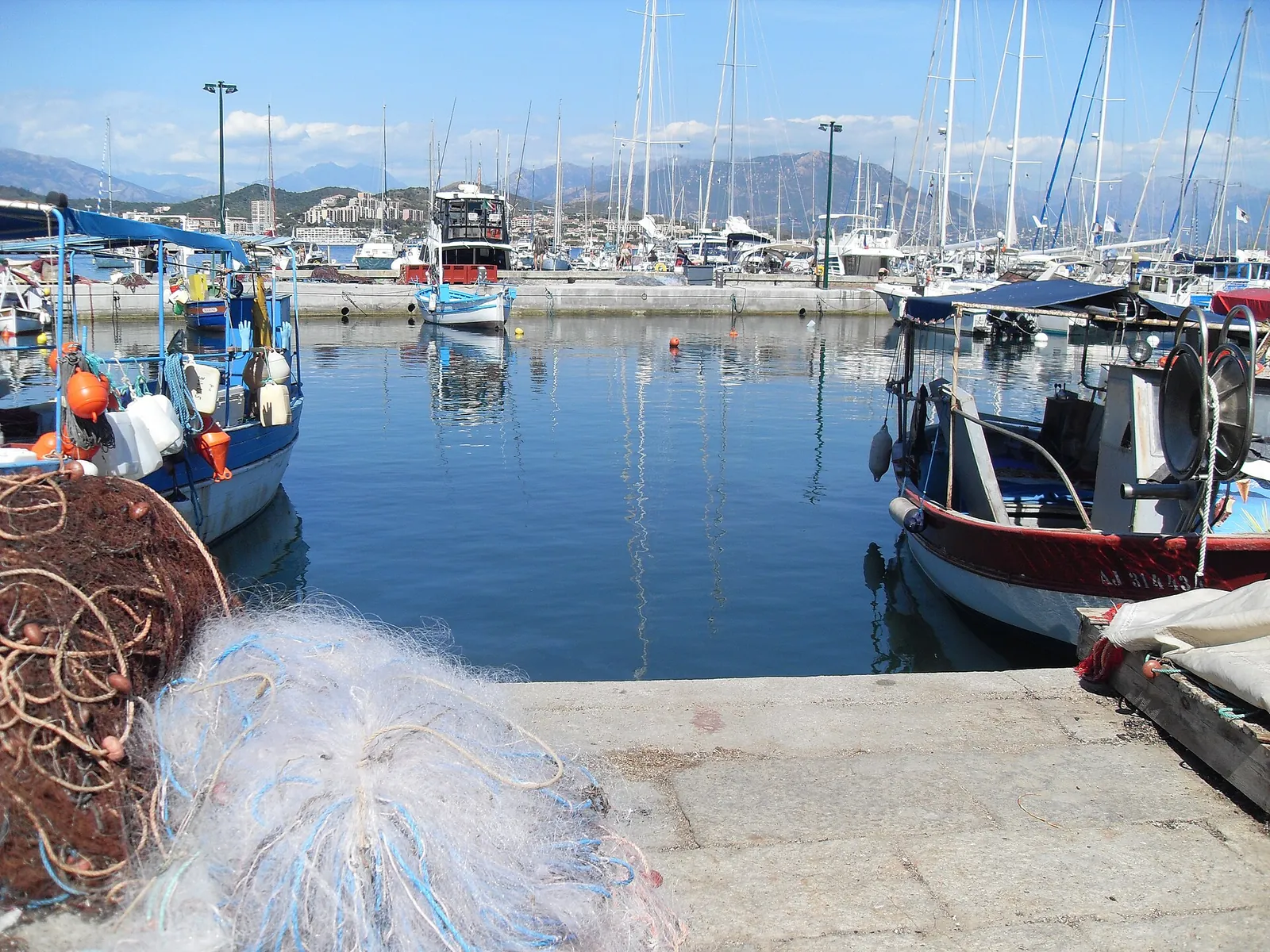
Welcome to Corsica! Pick up your hire car at Ajaccio Napoleon Bonaparte Airport, or leave it for tomorrow and take the airport bus into town (details in Getting there below). Ajaccio’s centre is compact and easy to walk, and parking there is a hassle, so you will not need the car today.
Start in the old town, a grid of tall pastel buildings between the port and the citadel. Wander down to the harbour and the morning market near Place Foch, where stalls sell cheeses, charcuterie and chestnut products, depending on the day and the season.
Afternoon
Next up, history: visit the Maison Bonaparte, the family home where Napoleon was born in 1769, now a national museum with furniture, portraits and family memorabilia. Visit Corsica lists a full-price ticket of EUR 7. Opening hours change by season and the museum is generally closed on Mondays, so check the museum’s official site (musee-maisonbonaparte.fr) for your dates. Allow about an hour.
If you have more time, the Palais Fesch museum holds a large collection of Italian paintings gathered by Napoleon’s uncle, Cardinal Fesch. Check its hours before you go.
Evening
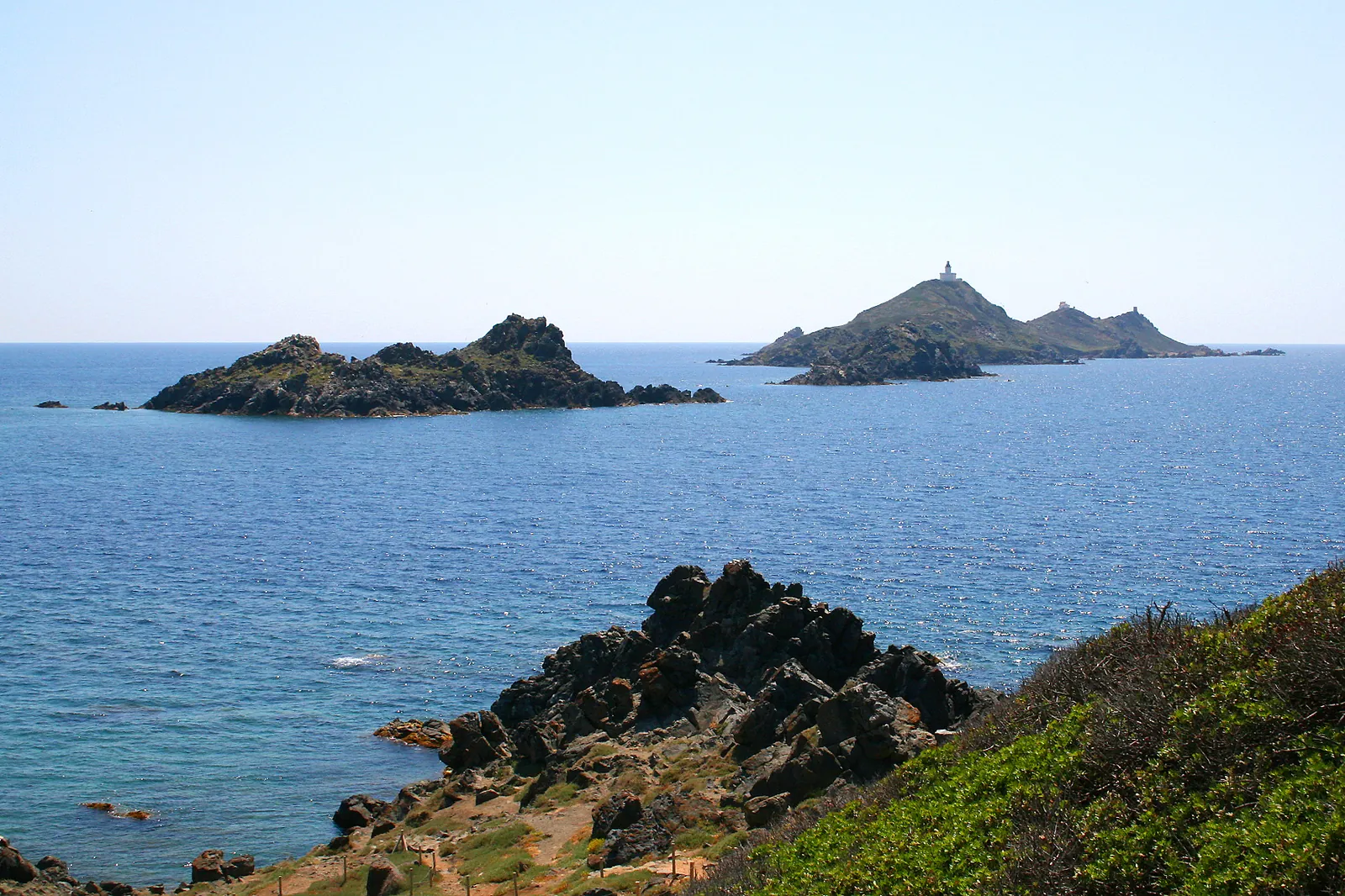
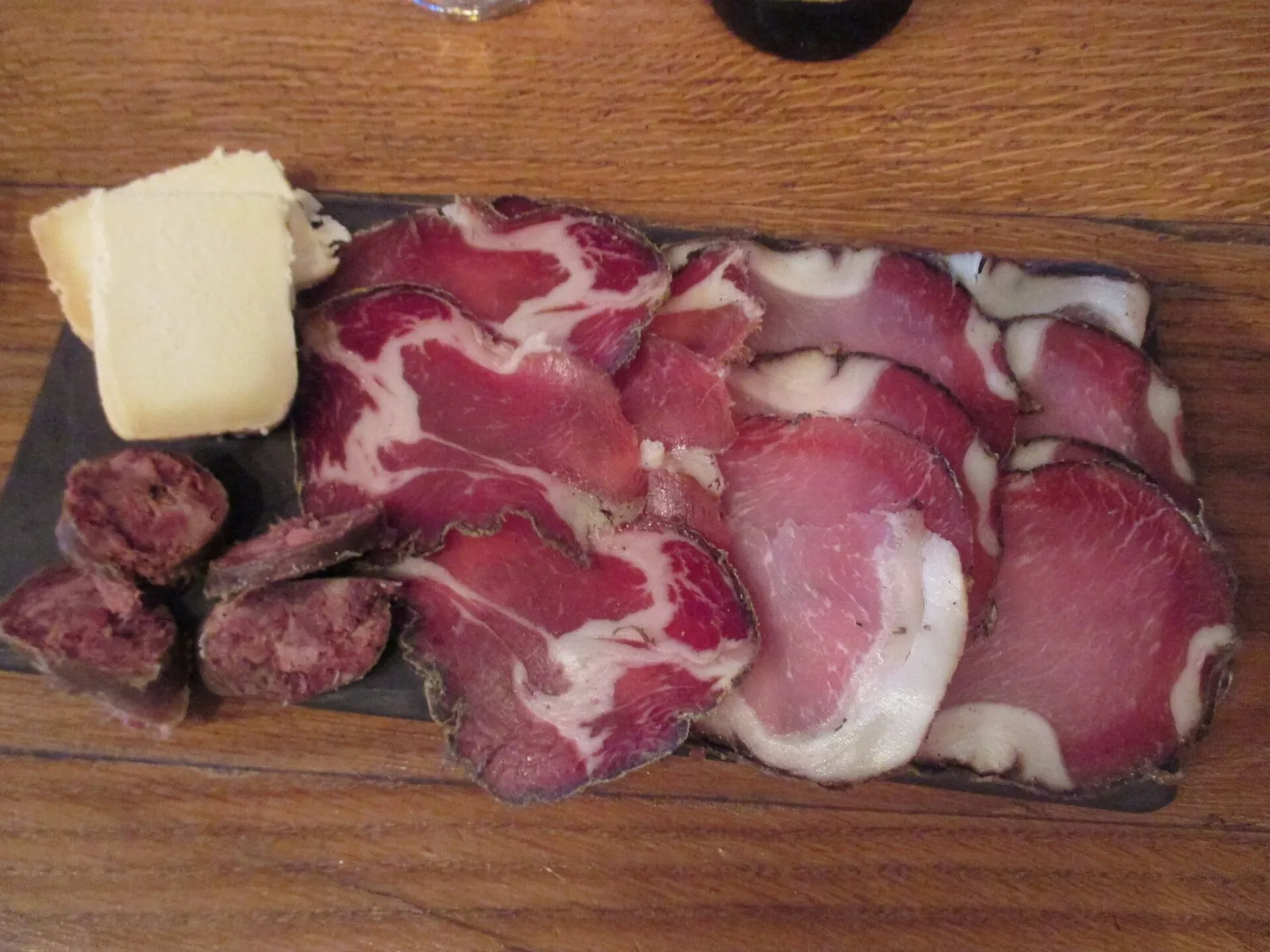
Drive or take a local bus out along the coast road west of town to Pointe de la Parata, facing the Iles Sanguinaires, a string of dark red islets that glow at sunset. A footpath leads up to the old Genoese tower on the point. Head back to town for dinner and try brocciu (fresh sheep or goat cheese) in a tart or omelette.
Day 2: The Calanques de Piana and Porto
Morning
Get ready for a gorgeous coastal drive! Pick up the car if you haven’t already and head north along the coast. The road to Piana is about 70 km, but with its curves you should allow around two hours, plus stops. Pass through Sagone and Cargese, a pretty village with two churches facing each other, one Latin rite and one Greek rite, a reminder of Greek settlers who arrived in the 17th century.
Afternoon
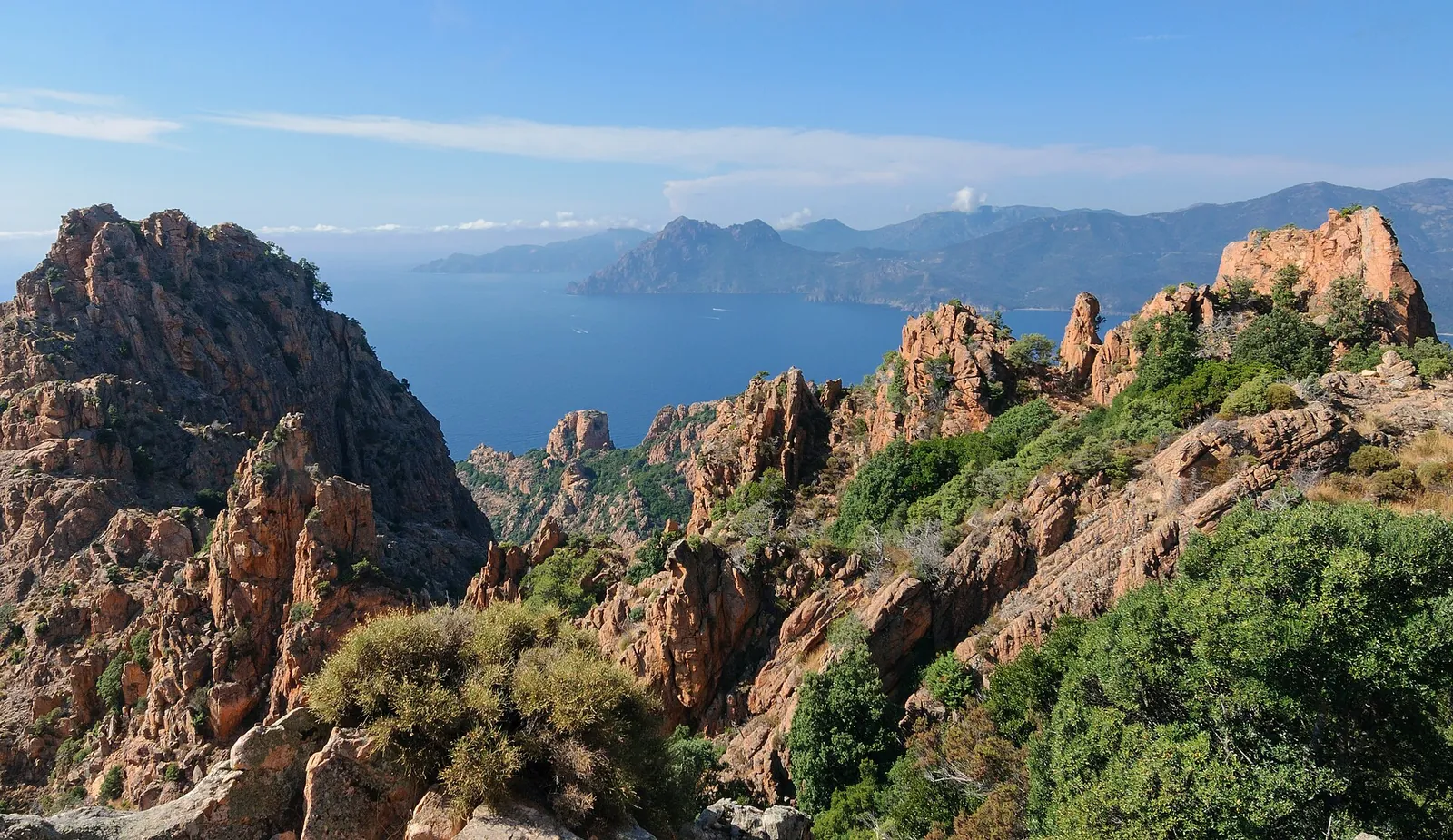
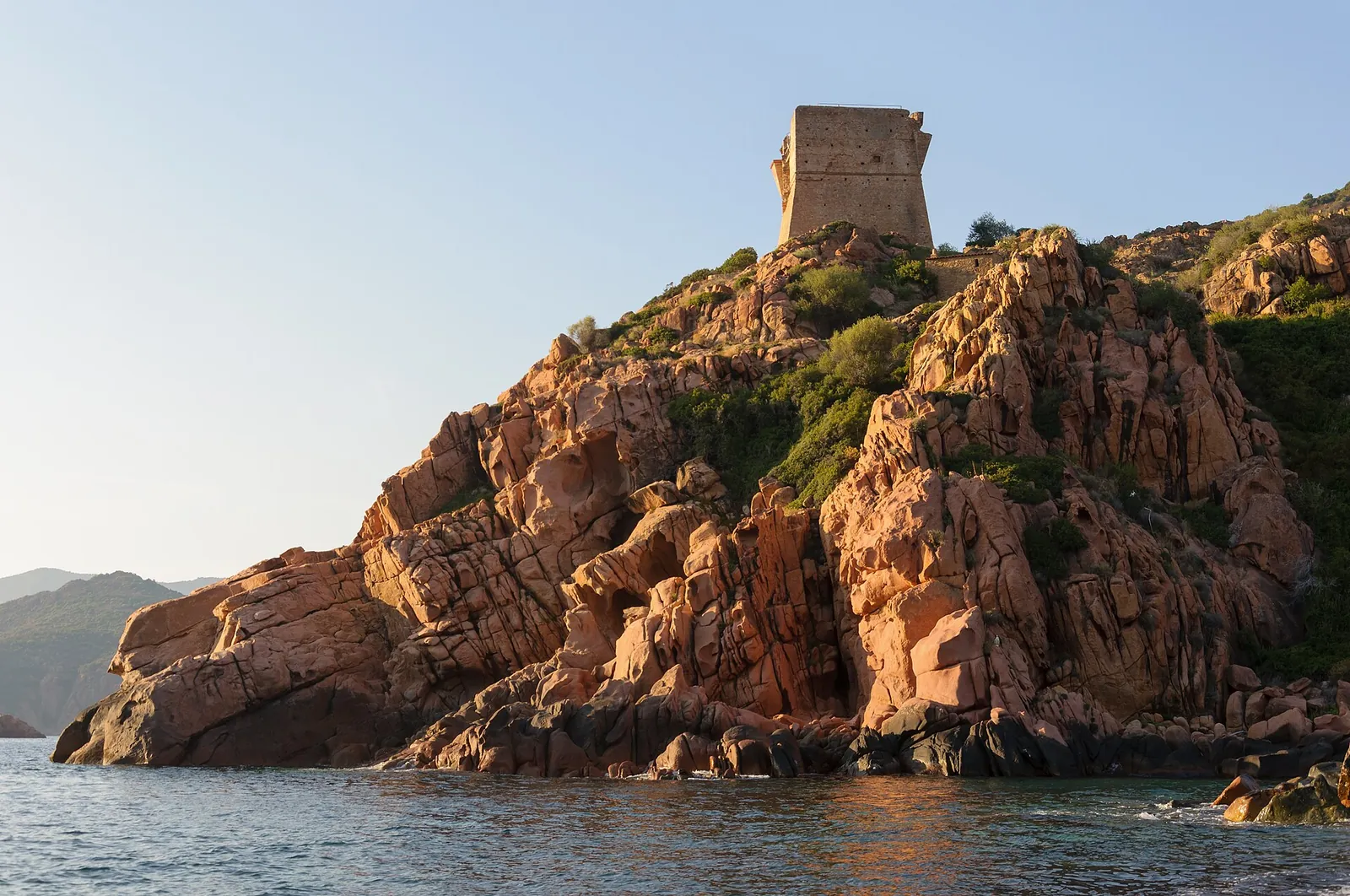
Just past Piana, the road enters the Calanques de Piana (Calanche in Corsican): a jagged maze of orange and red rock towers, carved by wind and weather into strange shapes, high above the Gulf of Porto. The calanques are part of the protected Gulf of Porto area, together with the Gulf of Girolata and the Scandola nature reserve, listed as a UNESCO World Heritage Site since 1983.
The road through the calanques is narrow, with sheer drops and tight bends. Drive slowly, use the few pull-outs to let others pass, and expect tour coaches in summer. Several short marked paths start along the road, such as the walk to the Chateau Fort rock with views over the gulf. Wear proper shoes, take water, and keep to the trails.
For a longer walk, Capu Rossu, the red headland west of Piana, has a Genoese tower on its summit at 331 metres above the sea. It is a hot, exposed climb with no shade, so do it early or late, never in the midday heat.
Evening
Drive on down to Porto, a small resort at the bottom of the gulf, with a Genoese tower on a rock and a pebble beach. Stay here tonight. Watch the sun set over the red cliffs from the tower area, then have dinner by the river mouth.
Day 3: Scandola by boat, then the mountain road to Corte
Morning
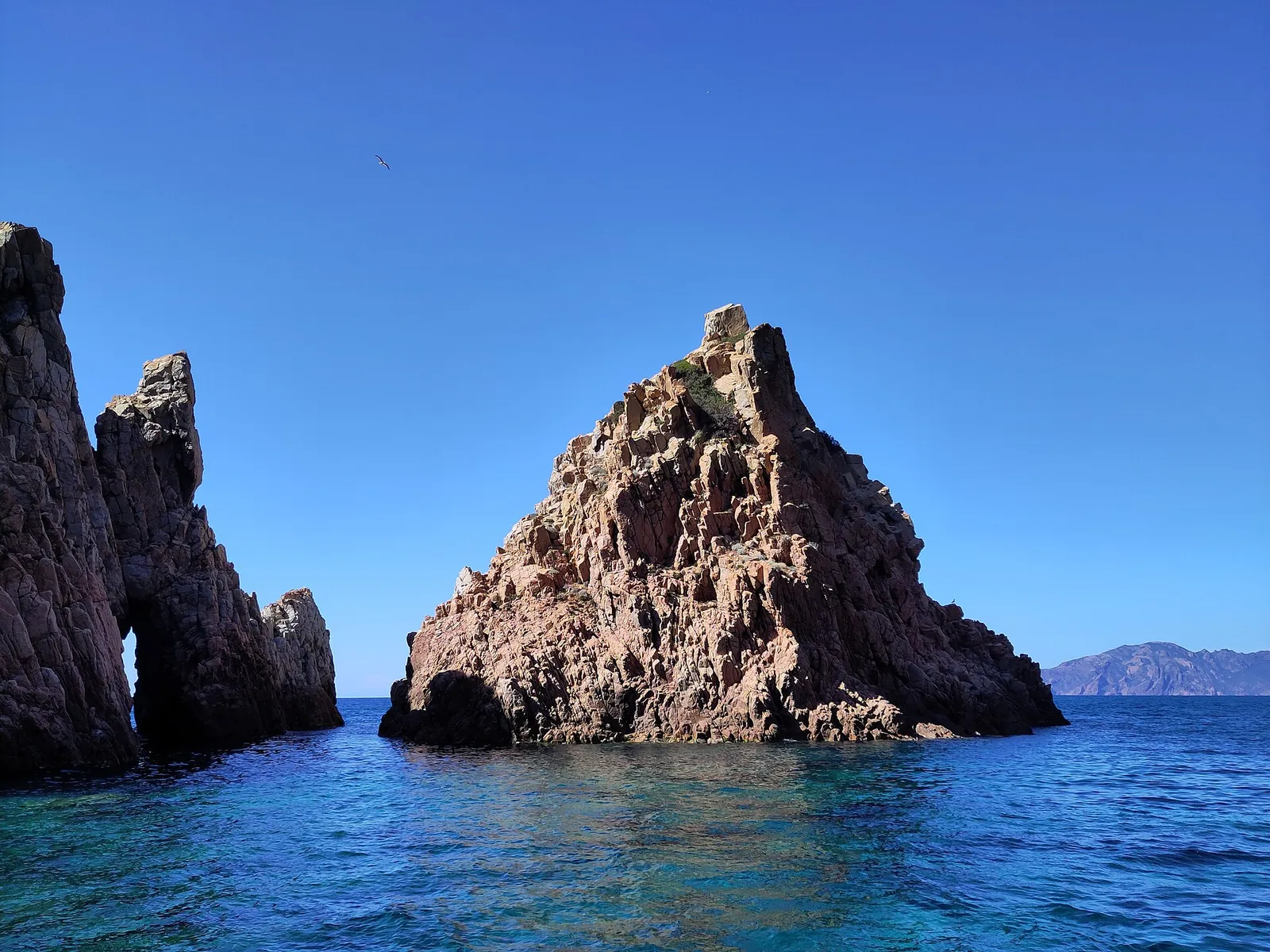
Start the day on the water: if the sea is calm and boats are running, take an early boat trip from Porto to the Scandola reserve, a wild headland of volcanic red rock that you can only really see from the water, often combined with the fishing hamlet of Girolata, which has no road access. Several operators run these trips from Porto and other harbours in season. Prices, durations and timetables vary, and trips stop in rough seas and out of season, so book locally the day before and confirm details with the operator.
If you skip the boat, use the morning for a short walk in the Gorges de la Spelunca near Ota, just inland from Porto, where old stone bridges cross a mountain river.
Afternoon
Drive inland over the Col de Vergio, one of the highest road passes on the island, through the Aitone forest and the Niolo valley, then down to Corte. Allow at least two and a half hours of driving, and leave Porto by early afternoon so you are not on the pass after dark. Watch for free-roaming cows and pigs on the road: they are part of the scenery here.
Evening
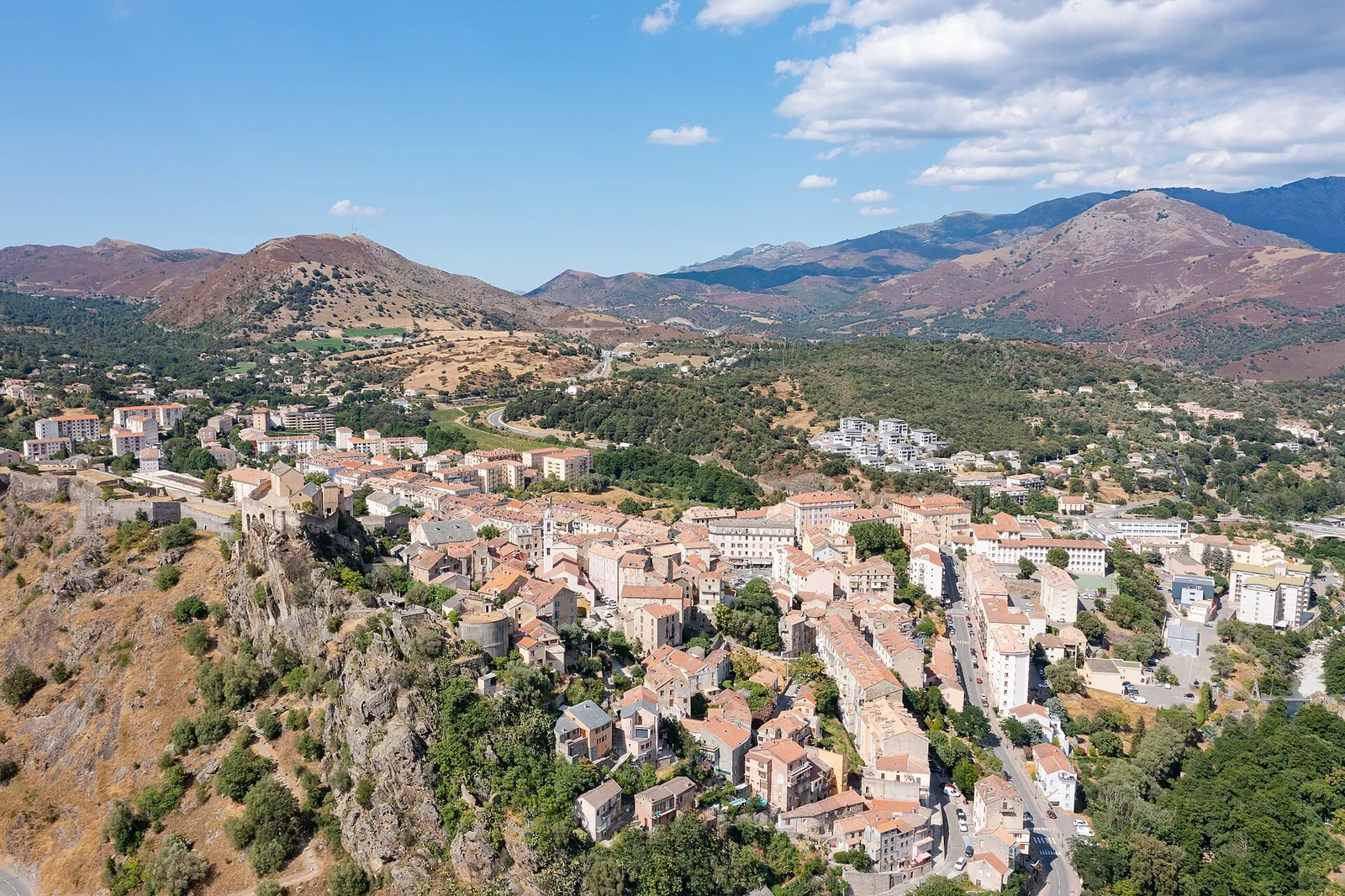
Arrive in Corte, the old capital of independent Corsica under Pasquale Paoli in the 18th century and today the island’s university town. Have dinner in the upper town around Place Paoli, where you can try mountain dishes like veal stew with olives or chestnut-flour pastries.
Day 4: Corte and the Restonica valley
Morning
This is the day for Corsica’s mountain heart. Climb up to the citadel, perched on a rock high above the town. It houses the Museu di a Corsica, the museum of Corsican history, culture and traditional life. According to the museum’s official site:
- Opening hours: from 1 May to 31 October, daily from 10:00 am to 7:00 pm (closed on 1 May). From 1 November to 30 April, 10:00 am to 5:00 pm, closed on Sundays, Mondays and public holidays. There is an annual closure from 31 December to 14 January.
- Last entry: the ticket desk and the outdoor citadel area close one hour before the museum.
- Tickets: EUR 5.50 full price, with reduced rates of EUR 4 and EUR 3, and free entry for children under 10. The ticket includes access to the citadel and its high castle, nicknamed the Nid d’Aigle (eagle’s nest).
Allow two hours, including the walk up through the cobbled streets.
Afternoon
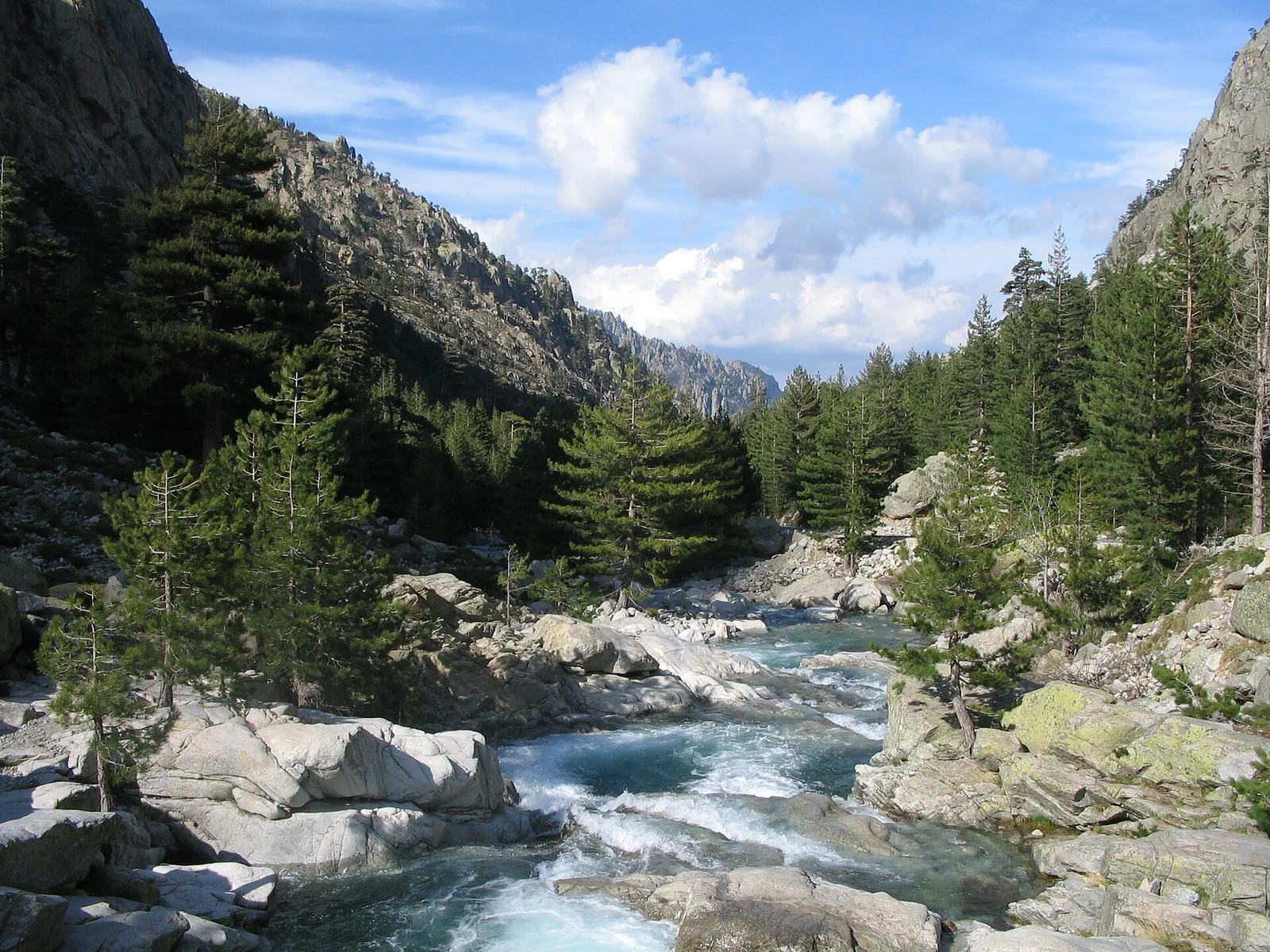
Head into the Restonica valley, a granite gorge south-west of Corte with clear river pools and pine forest. The narrow road ends at the Bergeries de Grotelle, where marked trails lead up towards mountain lakes like Melo, a demanding hike of several hours round trip on rocky ground. Shorter riverside walks near the road are easy and lovely.
The parking at the end of the road is small and paid in season, and in recent summers a shuttle bus has run from Corte to the valley. Dates, prices and road conditions change from year to year, so check with the Corte tourist office before you go. Mountain weather turns fast: bring layers and water, and turn back if storms build.
Evening
Return to Corte for a relaxed evening. If you prefer the train to the car, this is the day to use it: Corte sits on the main line between Ajaccio and Bastia (see Getting there below).
Day 5: Bonifacio, the cliff-top citadel
Morning
This is the long driving day, and the reward at the end is worth every bend. From Corte, the quickest route to Bonifacio usually follows the main road down to the east coast plain and then south via Porto-Vecchio. Allow roughly three hours without stops. Leave early, and break the drive with a coffee stop on the coast.
Afternoon
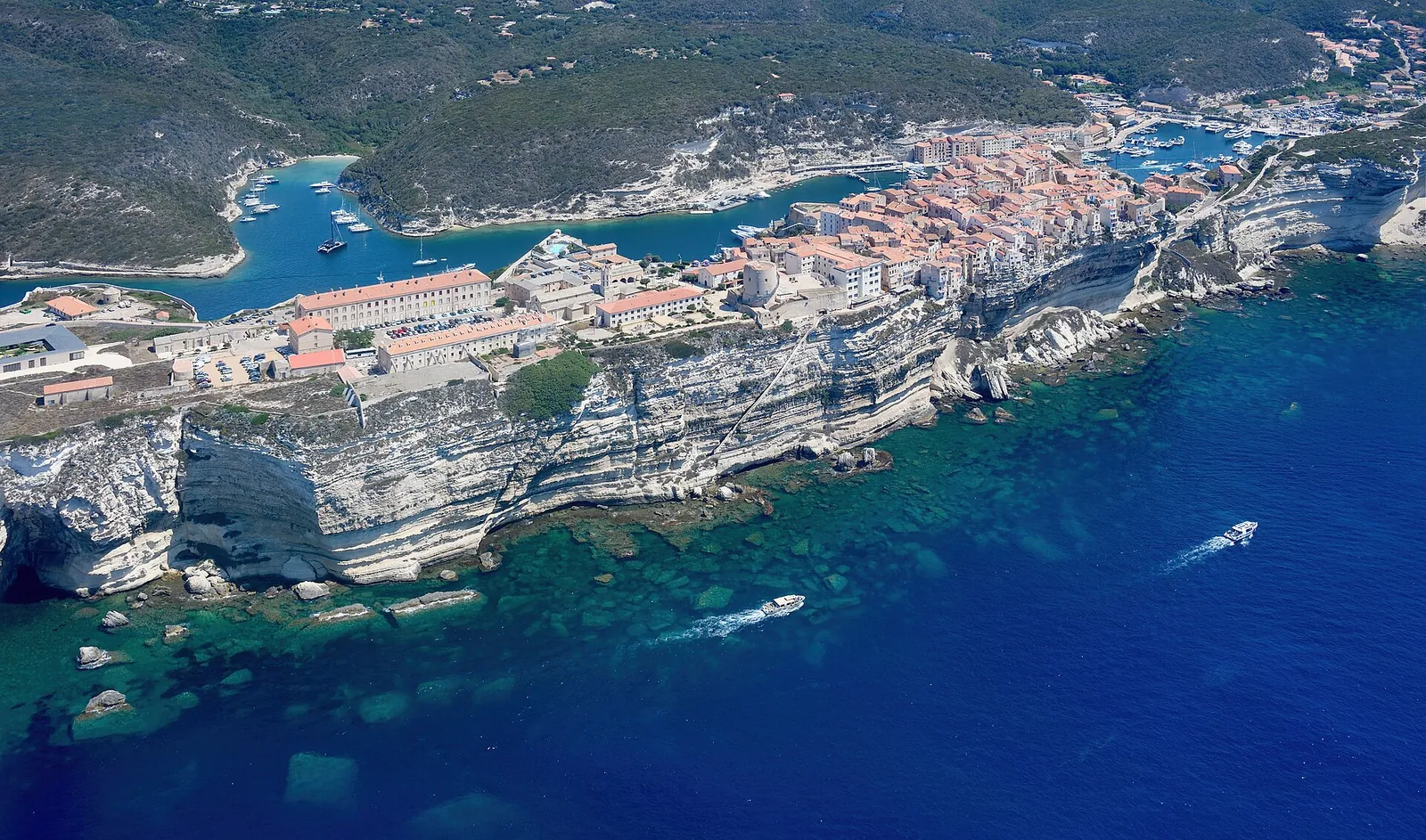
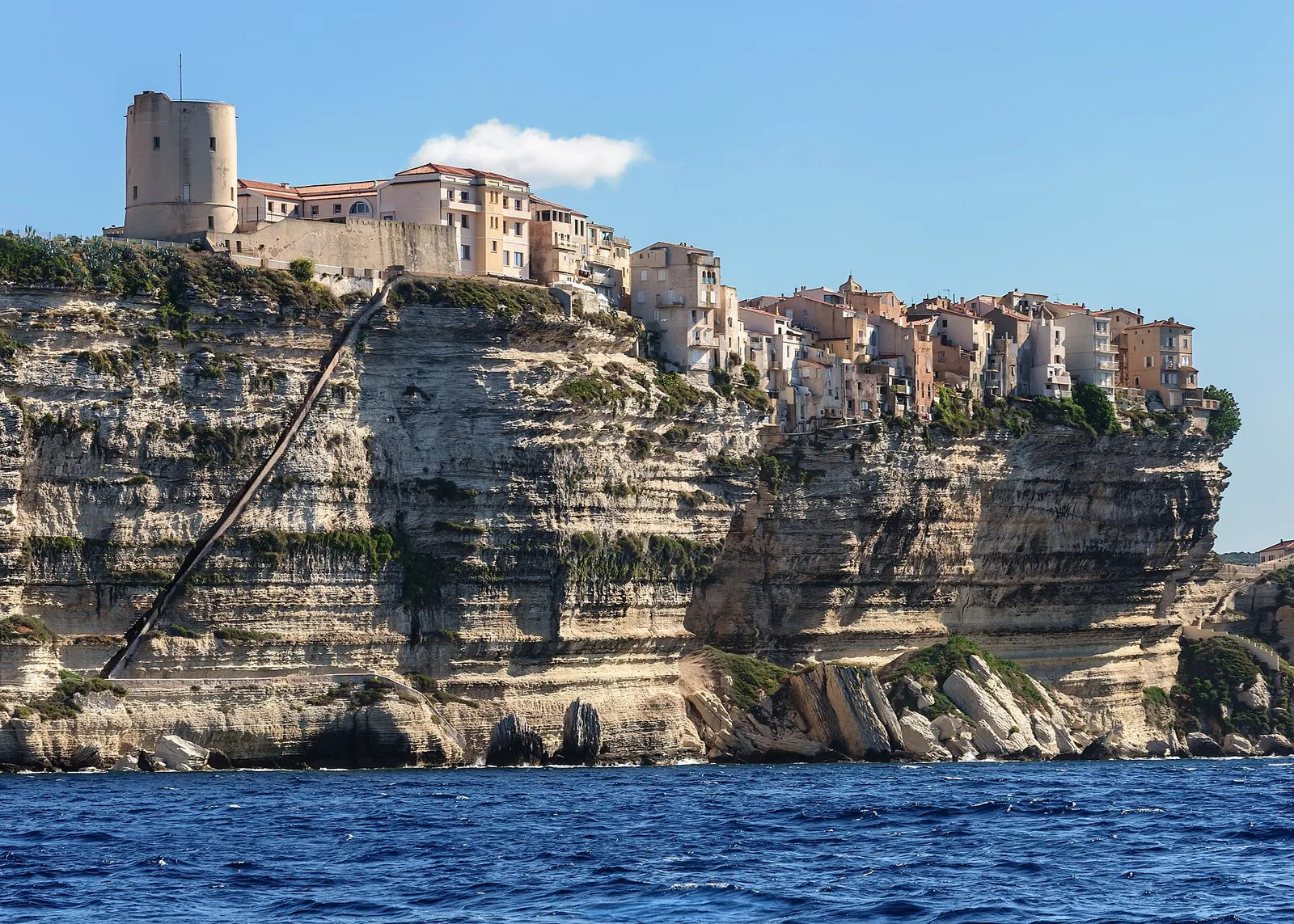
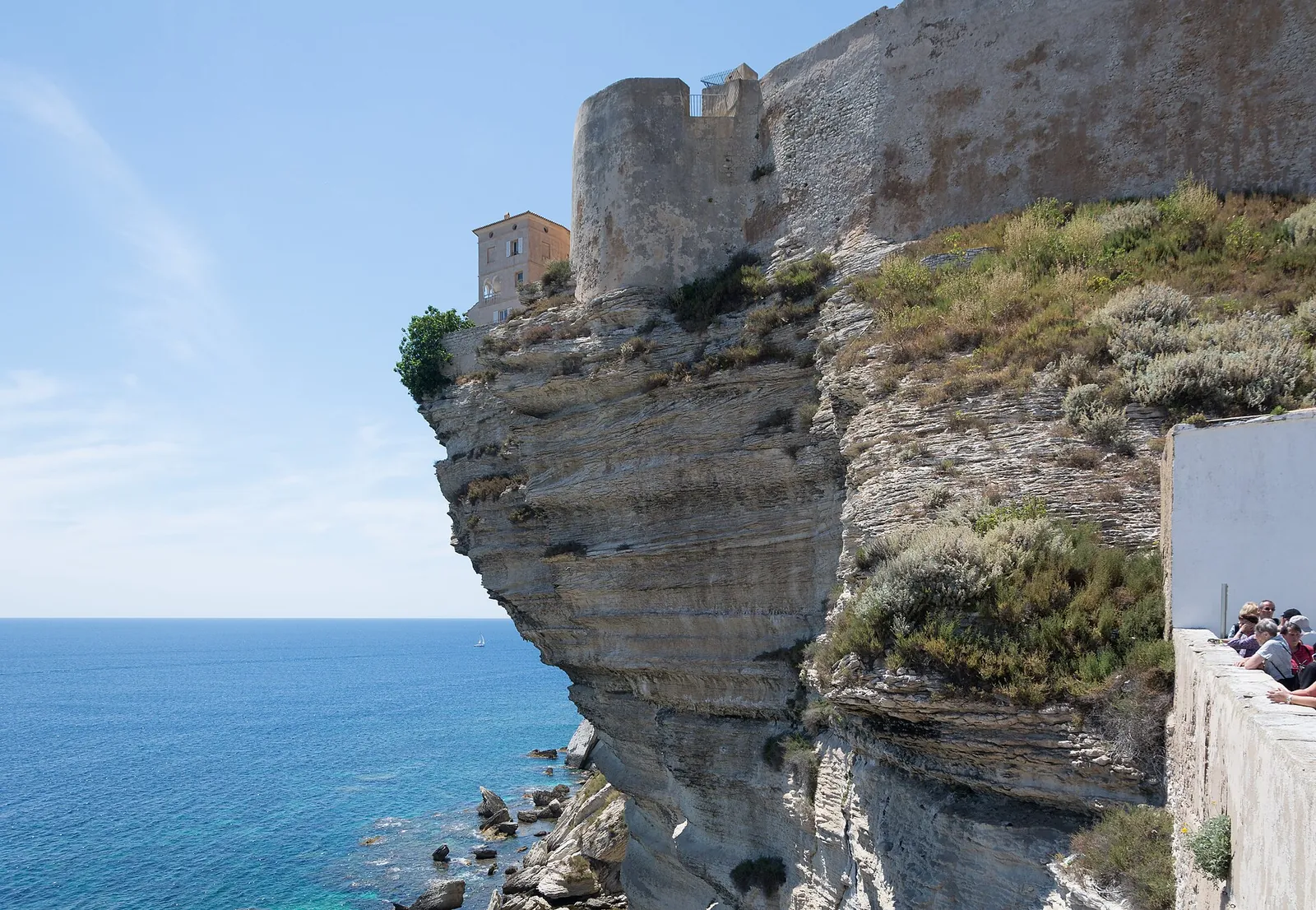
Bonifacio is the showstopper of southern Corsica: a fortified old town on top of white limestone cliffs, with houses built right to the edge and a deep natural harbour below. Park near the marina and walk up to the haute ville (upper town), or take the little tourist train in season.
Don’t miss the Escalier du Roy d’Aragon (the King of Aragon’s Stairs), a staircase cut steeply into the cliff face down to the sea. Visit Corsica lists 189 steps, a full-price ticket of EUR 5 and EUR 2 for children aged 6 to 11, with booking through the Bonifacio tourist office. It opens in seasonal periods from early February to mid-November, with limited guided slots in winter, and a combined monuments pass with the Bastion de l’Etendard is offered. The tourist office warns that the climb needs good physical fitness. Check current hours and book before you go.
Then walk west along the cliffs to the Marine Cemetery and the viewpoints over the Grain de Sable, a huge block of limestone that broke off the cliff.
Evening
Take a short boat trip from the marina to see the town from the sea, its caves and the cliffs at golden hour. Many operators sell these at the harbour from spring to autumn, and some go further to the Lavezzi islands, a protected archipelago with clear water. Check durations and prices on the spot or with the tourist office, and note that trips are cancelled in strong wind. Have dinner in the upper town and walk the walls after dark.
Day 6: The beaches of Porto-Vecchio
Morning
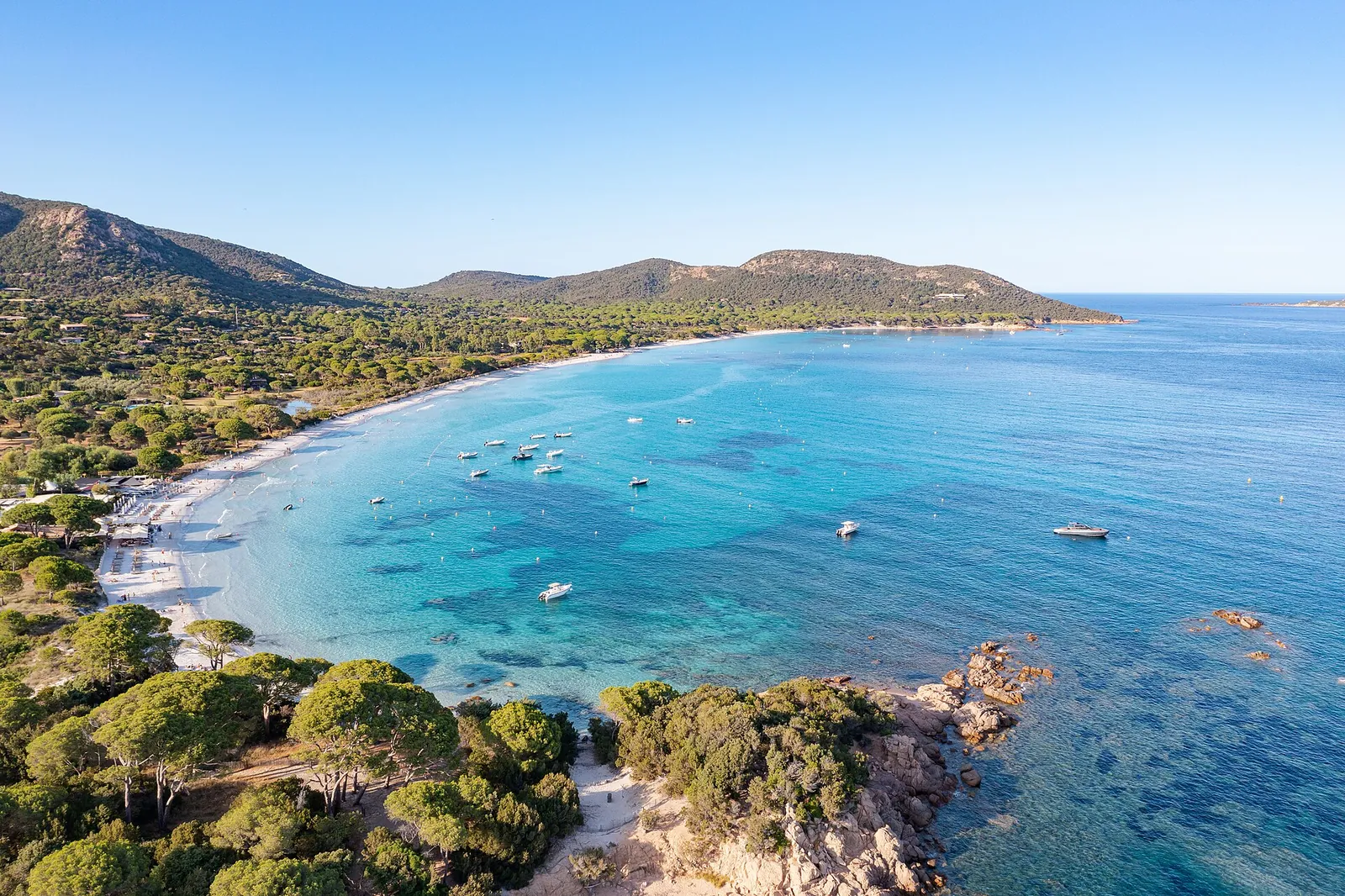
Finish on a high with a beach day! Drive about half an hour north to Porto-Vecchio and its famous beaches. Palombaggia is the one on the postcards: fine pale sand, turquoise shallows, umbrella pines and red rocks, facing the little Cerbicale islands. Santa Giulia, just south, is a wide, calm bay that is ideal for families.
Arrive early in July and August: parking is limited and fills up fast, and some beach restaurants offer paid parking for customers. In winter the beaches are quiet and beautiful for a walk, but most services close.
Afternoon
Have lunch at a beach restaurant or in Porto-Vecchio’s small hilltop old town, then drive to Figari airport, about half an hour from Porto-Vecchio, to drop your car and fly home. Leave time to refuel the car before you return it.
Getting there and getting around
Arriving in Ajaccio: Ajaccio Napoleon Bonaparte Airport is a few kilometres east of the city. A public bus (line 8) links the airport with the centre and the train station. Fares, ticket sales and timetables have changed in recent years, so check the local operator’s site (Muvitarra / Muvistrada) before you travel. Taxis wait outside arrivals. Car hire desks are at the airport.
Leaving from Figari: Figari Sud Corse airport serves the south of the island. Return your car there. Flights from Figari are fewer outside summer, so check schedules if you travel in winter.
The train (Chemins de fer de la Corse): The narrow-gauge network runs from Ajaccio through the mountains to Corte and Ponte-Leccia, where it splits for Bastia and for Calvi and L’Ile-Rousse. It is a famous scenic ride, with viaducts and tunnels. The operator’s 2026 fares include:
- Ajaccio to Corte: EUR 11.50 one way
- Ajaccio to Calvi: EUR 25.10 one way
- Bastia to Ajaccio: EUR 21.60 one way
- Pass Libertà: EUR 50 for unlimited travel on the whole network for 7 consecutive days
- Children aged 4 to 12: half price, and under 4s travel free
Timetables change with the seasons (the current autumn and winter timetable runs from 2 November 2026 to 3 January 2027), and some services are replaced by buses during works. Check cf-corse.corsica before you plan around a train.
A rail-friendly variation: if you would rather not drive the north, swap Days 2 and 3 for the coast around Calvi, which you can reach by train via Ponte-Leccia, with its citadel and long sandy bay. Then take the train to Corte. You will still need a car or a long bus journey to reach Bonifacio and Porto-Vecchio.
Driving: A car is by far the easiest way to do this route. A few things to know:
- Slow roads: Narrow, twisting mountain roads mean low average speeds. Do not plan by kilometres alone.
- Livestock: Cows, pigs and goats roam free in the mountains. Take bends slowly.
- Fuel: Petrol stations are sparse inland. Fill up in towns before mountain stretches.
- Licence: Rules depend on where your licence was issued. The UK government says a UK photocard licence is accepted in France; other visitors should check with their rental company and their own government.
Where to stay
- Ajaccio (old town or near the port): Walkable, with restaurants and the train station close by. Pick a place with parking if you collect your car on Day 1.
- Porto: Small and seasonal, with hotels close to the gulf. In winter many places close, so book ahead or stay in Piana instead.
- Corte: A lively, affordable university town with simple hotels near the station and in the upper town.
- Bonifacio: Staying in the upper town is atmospheric but parking is awkward. A base near the marina or just outside town is more practical.
Budget
| Item | Typical cost |
|---|---|
| Maison Bonaparte, Ajaccio | EUR 7 full price (check official site) |
| Museu di a Corsica and Corte citadel | EUR 5.50 full / EUR 4 or EUR 3 reduced / free under 10 |
| Escalier du Roy d’Aragon, Bonifacio | EUR 5 adults / EUR 2 ages 6 to 11 |
| Train, Ajaccio to Corte (optional) | EUR 11.50 one way |
| Pass Libertà, 7 days unlimited train travel | EUR 50 |
| Boat trips (Scandola, Bonifacio cliffs, Lavezzi) | Check the operator, prices vary by trip |
| Restonica parking or shuttle | Check locally for the season |
| Car hire, fuel, parking | Check rental and local prices for your dates |
The main paid sights in this plan come to under EUR 20 per adult, so most days cost very little in entry fees. Our daily figure covers sights and optional trains only. It excludes car hire, fuel, parking, accommodation, meals, flights and boat trips, which will be the biggest costs on this trip.
Practical tips
- Book ahead in summer: accommodation in July and August, your car hire, and the Escalier du Roy d’Aragon slot.
- Visiting in winter? The island is quiet and green, but many hotels, beach restaurants and boat trips close, and the museum in Corte closes on Sundays and Mondays from November to April.
- Wear good shoes: Corte’s upper town, the Calanques trails and the Bonifacio stairs are all steep.
- Bring water and a hat: shade is rare on coastal walks.
- Carry some cash: small village shops and cafes may prefer it.
- SIM and eSIM: EU roaming applies for European SIMs. Other visitors can buy a local SIM on arrival or an eSIM before the trip.
- Visa and entry: France is in the Schengen Area, and the rules depend on your nationality. Check the official France-Visas portal (france-visas.gouv.fr) well before you travel.
Heads-up
A few things worth knowing, mostly from the UK government’s travel advice for France:
- Wildfires: The risk is highest in the south, particularly along the Mediterranean coast and in Corsica. Causing a fire is a crime even if it is accidental, and access to forests and countryside can be restricted at short notice. Never light fires or drop cigarettes, and check local fire alerts in summer.
- The sea: Local sea conditions can be dangerous even for strong swimmers. Learn the beach flag system and swim where there are lifeguards.
- Car break-ins: Do not leave valuables in your vehicle, especially at trailheads and beach car parks.
- Mountain safety: Weather in the mountains changes fast. Start hikes early and turn back if storms build.
- Emergencies: Call 112, or 18 for the fire brigade.
FAQ
Is 6 days enough for Corsica?
It is enough for a satisfying first loop of the west, the mountains and the south. You will not see Cap Corse, Bastia or the long GR20 trail, which need extra days or a separate trip.
Can I visit Corsica without a car?
Partly. The train links Ajaccio, Corte, Calvi and Bastia, and some buses run between towns, often less often outside summer. But Piana, Porto, Bonifacio and the Porto-Vecchio beaches are hard to reach without a car, so for this route a car is close to essential.
Is the Corsica train worth it?
Yes, as an experience. The line between Ajaccio and Corte crosses the mountains on viaducts and through tunnels, and the one-way fare is EUR 11.50. The 7-day Pass Libertà (EUR 50) makes sense if you plan several train journeys.
Is the drive through the Calanques de Piana scary?
The road is narrow with tight bends and steep drops, and you will meet coaches in summer. Drive slowly, use the pull-outs, and go early in the day if you are a nervous driver.
Do I need to book the King of Aragon’s Stairs in Bonifacio?
Booking through the Bonifacio tourist office is the recommended way, and in winter visits run only in fixed time slots. Check current hours and book a few days ahead in summer.
Sources
Prices, hours and rules change. We checked these on 1 November 2026; please confirm on the official page before you book.
- Tarifs (Chemins de fer de la Corse, official rail operator)
- Horaires (Chemins de fer de la Corse, official rail operator)
- Musee National de la Maison Bonaparte (Visit Corsica, official tourism agency)
- Museu di a Corsica, Corte (official museum site)
- Musee de la Corse (Visit Corsica)
- Escalier du Roy d'Aragon, Bonifacio (Visit Corsica)
- L'escalier du Roy d'Aragon (Porto-Vecchio tourist office)
- Golfe de Porto: Calanche de Piana, Golfe de Girolata, Reserve de Scandola (INPN, French national heritage inventory)
- Boat trip to Scandola, Girolata and the Calanche de Piana (Visit Corsica)
- Safety and security: France travel advice (GOV.UK, FCDO)
- France-Visas (official French visa portal)
Photo credits (12)
- Bonifacio's old town on white cliffs above turquoise water: Carsten Steger, CC BY-SA 4.0, via Wikimedia Commons
- Fishing boats in Ajaccio harbour under a blue sky: Keith Ruffles, CC BY 3.0, via Wikimedia Commons
- The Iles Sanguinaires seen from Pointe de la Parata: Jean-Pol GRANDMONT, CC BY 3.0, via Wikimedia Commons
- Red rock towers of the Calanques de Piana above the gulf: Myrabella, CC BY-SA 3.0, via Wikimedia Commons
- Porto's Genoese tower on its red rock in warm light: Myrabella, CC BY-SA 3.0, via Wikimedia Commons
- Red volcanic rock spires rising from the sea at Scandola: LySioS-wkp, CC BY-SA 4.0, via Wikimedia Commons
- Corte and its citadel rock among the mountains: dronepicr, CC BY 2.0, via Wikimedia Commons
- Clear river and pine forest in the Restonica valley: The original uploader was Altagna at French Wikipedia., CC BY-SA 2.0 fr, via Wikimedia Commons
- The King of Aragon's Stairs cut into Bonifacio's cliff: Myrabella, CC BY-SA 3.0, via Wikimedia Commons
- Bonifacio's upper town right on the cliff edge: Isiwal, CC BY-SA 3.0, via Wikimedia Commons
- Turquoise water and pine-backed sand at Palombaggia: dronepicr, CC BY 2.0, via Wikimedia Commons
- A board of Corsican charcuterie and cheese: Arnaud 25, CC BY-SA 4.0, via Wikimedia Commons
More France itineraries
 7 days
7 Days in Paris: Itinerary with Versailles and Giverny
A 7-day Paris itinerary with day trips to Versailles, Giverny and Reims: checked 2026 prices, closing days, airport transfers and where to stay.
 5 days
5 Days in Provence: A Day-by-Day Itinerary
A 5-day Provence plan from Avignon: the Palais des Papes, Pont du Gard, Roman Arles, Gordes and Roussillon in the Luberon, then Aix-en-Provence.
 4 days
4 Days in Normandy: A Day-by-Day Itinerary
A 4-day Normandy plan: Rouen's old town, the Étretat cliffs, the D-Day beaches and American Cemetery from Bayeux, and a full day at Mont-Saint-Michel.
Compare all France itineraries →
This is a researched plan, not a personal trip report. How we research · Affiliate disclosure