
5 Days in Provence: A Day-by-Day Itinerary
A 5-day Provence plan from Avignon: the Palais des Papes, Pont du Gard, Roman Arles, Gordes and Roussillon in the Luberon, then Aix-en-Provence.
- 🗓️ Trip length
- 5 days
- ☀️ Best time
- April to June, September to October (lavender: late June to July)
- 💰 Daily spend
- EUR 15-40 for sights and local transport (excl. stay, meals and car hire)
- ✅ Facts checked
- 1 November 2026
Get ready for the south of France at its most photogenic. Provence packs a papal palace, a 2,000-year-old Roman aqueduct, an arena that still hosts events, hilltop villages of honey-coloured stone, red ochre cliffs and the elegant fountains of Aix into a region you can cover comfortably in five days. This plan uses Avignon as a single base, so you unpack once and travel out by train, bus or car.
The plan suits first-timers who want the big names at a steady pace, with long lunches and evenings back in town. Days 1 to 3 work well by public transport. Day 4, in the Luberon hills, is the one day where a hire car (or an organised tour) makes a real difference, and this article is honest about why. Day 5 heads to Aix-en-Provence by train.
At a glance
| Day | Area | Highlights |
|---|---|---|
| 1 | Avignon | Palais des Papes, Pont d’Avignon (Pont Saint-Bénézet), Rocher des Doms gardens, the ramparts |
| 2 | Pont du Gard | The Roman aqueduct by bus or car, riverside walk, optional museum, Villeneuve-lès-Avignon at sunset |
| 3 | Arles | Roman amphitheatre and ancient theatre, Saint-Trophime cloister, Van Gogh sites |
| 4 | Luberon villages | Gordes, Sénanque Abbey, Roussillon and the Sentier des Ocres |
| 5 | Aix-en-Provence | Cours Mirabeau, the old town markets, Saint-Sauveur Cathedral, Musée Granet |
One planning rule before you start: check opening seasons and closing days. The museum spaces at the Pont du Gard close for winter from November to February (the aqueduct itself stays accessible), the Musée Granet in Aix is closed on Mondays, Sénanque Abbey has limited Sunday visiting, and the Arles amphitheatre closes on some days for events. Shuffle Days 2 to 5 to fit your dates.
Day 1: Avignon, the city of the popes
Morning
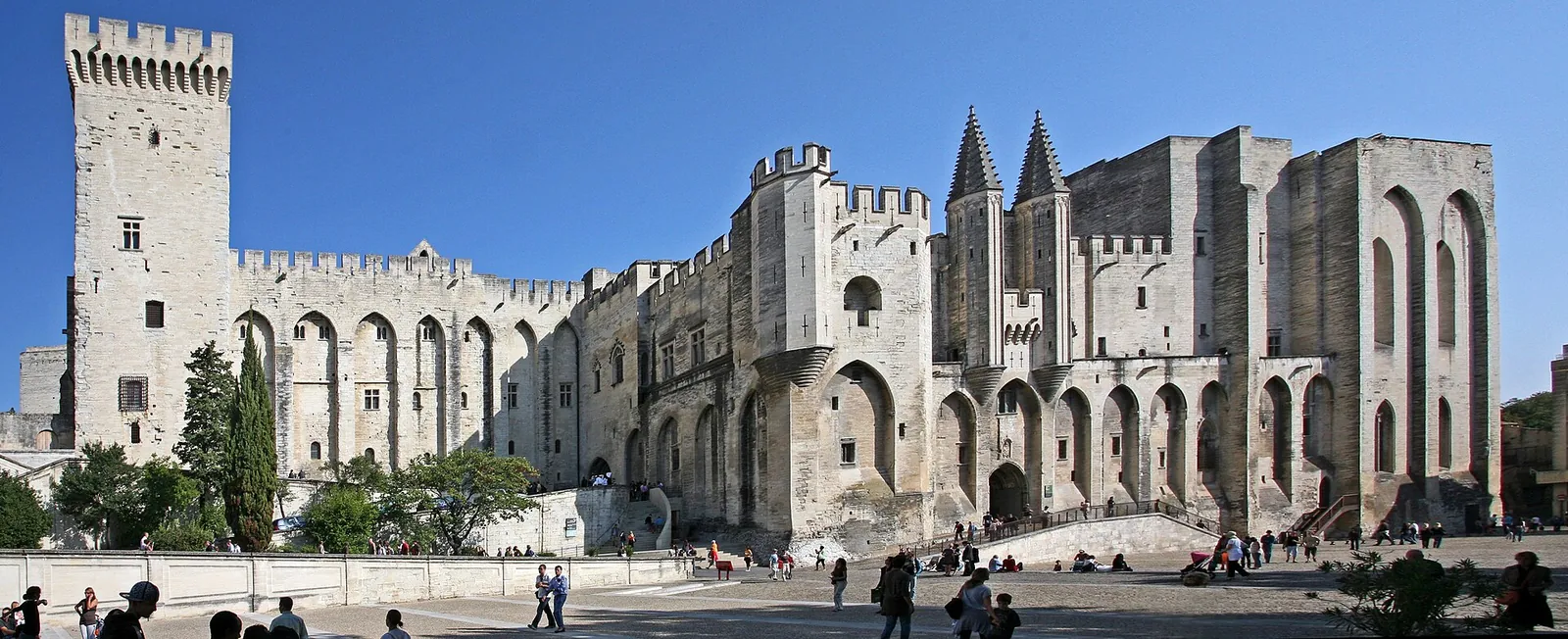
Welcome to Provence, and what a first stop! Start at the Palais des Papes, the vast Gothic palace that housed the popes in the 14th century and the centrepiece of Avignon’s UNESCO World Heritage area. Inside you walk through great halls, private apartments and chapels, with a tablet or audio guide to bring the empty rooms to life. Give it at least two hours.
According to the palace’s official site, a ticket for the palace alone costs EUR 16 full, EUR 13 reduced and EUR 10 for ages 10 to 17. The combined ticket with the pontifical gardens and the Pont d’Avignon costs EUR 19.50 full, EUR 16 reduced and EUR 12 for ages 10 to 17. Children under 10 enter free. Opening hours change through the year: 9:00 am to 7:00 pm from 1 March to 1 November, 10:00 am to 5:00 pm from 2 November to 18 December, and 10:00 am to 6:00 pm from 19 to 31 December. In early January it opens 10:00 am to 6:00 pm, then 10:00 am to 5:00 pm until 6 February. Last entry is one hour before closing.
Afternoon
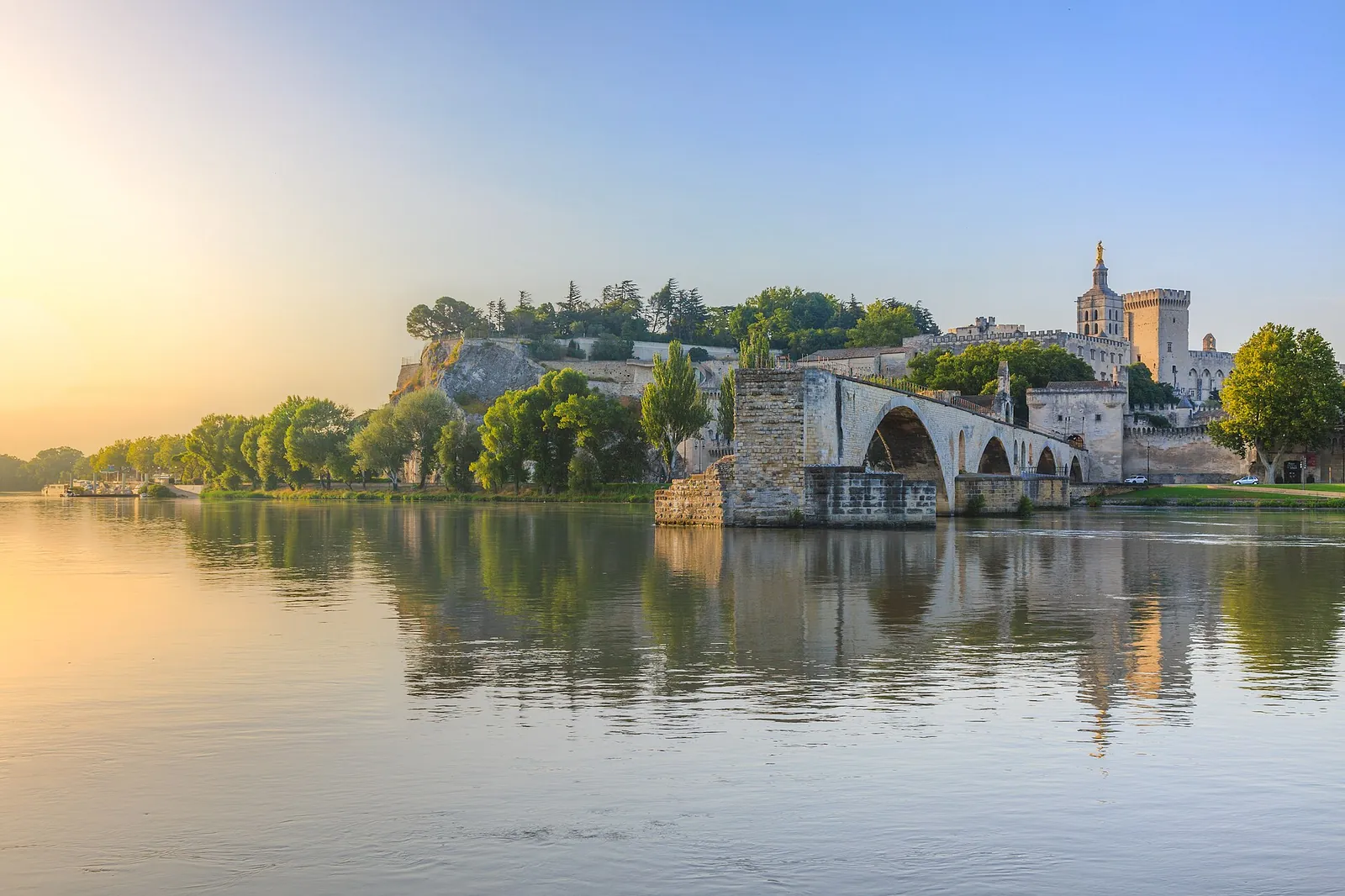
After lunch, walk up behind the palace to the Rocher des Doms, the hilltop garden above the Rhône, for free views over the river, Villeneuve-lès-Avignon and, on clear days, Mont Ventoux.
Then head down to the Pont d’Avignon, officially the Pont Saint-Bénézet, the half-bridge from the famous nursery song. Only four of its arches survive, ending abruptly in the river. Entry is included in the combined palace ticket, so keep it handy.
Avignon City Pass: if you plan to see several sights, the Avignon Tourist Office sells a City Pass at EUR 24 for 24 hours or EUR 32 for 48 hours. It includes the Palais des Papes, the Pont d’Avignon, the Lambert Collection, Fort Saint-André in Villeneuve-lès-Avignon and other museums, and a version with bus and tram travel is listed. The pass starts at the first scan and runs for consecutive hours. Buy it online at avignon-citypass.com or at the tourist office, 41 cours Jean Jaurès.
Evening
Stroll the ramparts that still wrap around the old town and finish on Place de l’Horloge for dinner. In July the city fills up for the Avignon theatre festival, so book a table and a room early if your trip falls then.
Day 2: The Pont du Gard
Morning
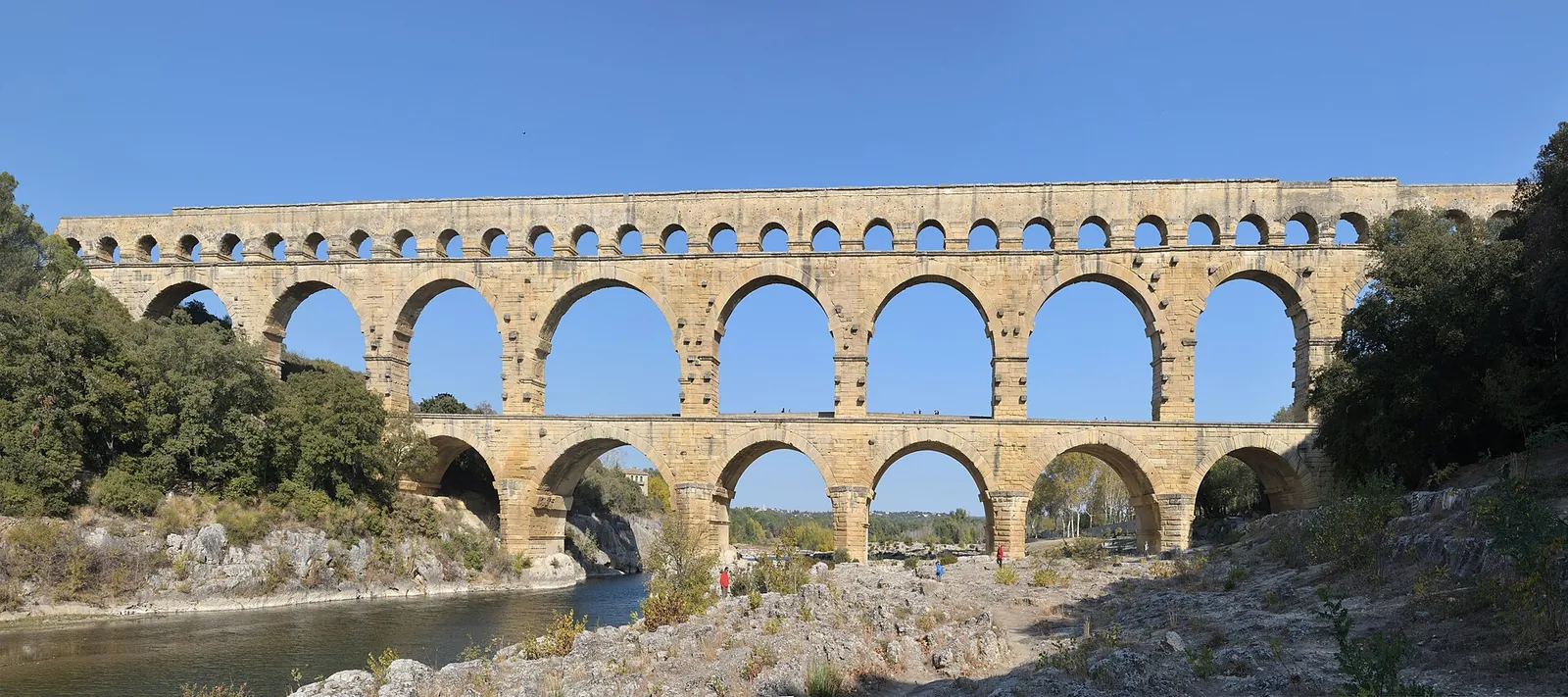
This is the day for Roman engineering at its most jaw-dropping: the Pont du Gard, the three-tier Roman aqueduct bridge over the Gardon river, about 25 km west of Avignon. It carried water to Nîmes and is one of the best preserved Roman structures anywhere.
Getting there by bus: the Pont du Gard’s official site points visitors to line 115 of the Occitanie region’s liO network, which runs between Avignon, Uzès and Alès and stops at the site. Journey planners put the trip at roughly 50 minutes, with only a handful of departures a day, so check the liO timetable (mestrajets.lio.laregion.fr) the day before and plan your return before you set off.
By car: it is about 30 minutes from Avignon. Parking costs EUR 9 per car per day, paid at machines on site.
Access to the site itself is free. The car parks and the site are open daily from 8:00 am to midnight. Walk across the lower level, follow the riverside paths and look up at the arches from the water’s edge. On hot summer days the river beaches below are popular for a swim.
Afternoon
The site has a museum, a cinema, a children’s area and temporary exhibitions. These cost EUR 8 for adults and are free for under-18s. Guided tours cost EUR 15 for adults, EUR 13 reduced and EUR 6 for ages 4 to 17. The cultural spaces open 9:00 am to 6:00 pm in March and October, 9:00 am to 7:00 pm in April, May, June and September, and 9:00 am to 8:00 pm in July and August. They are closed on Monday mornings and close for the winter from November to February, so a winter visit is aqueduct and riverside only.
Evening
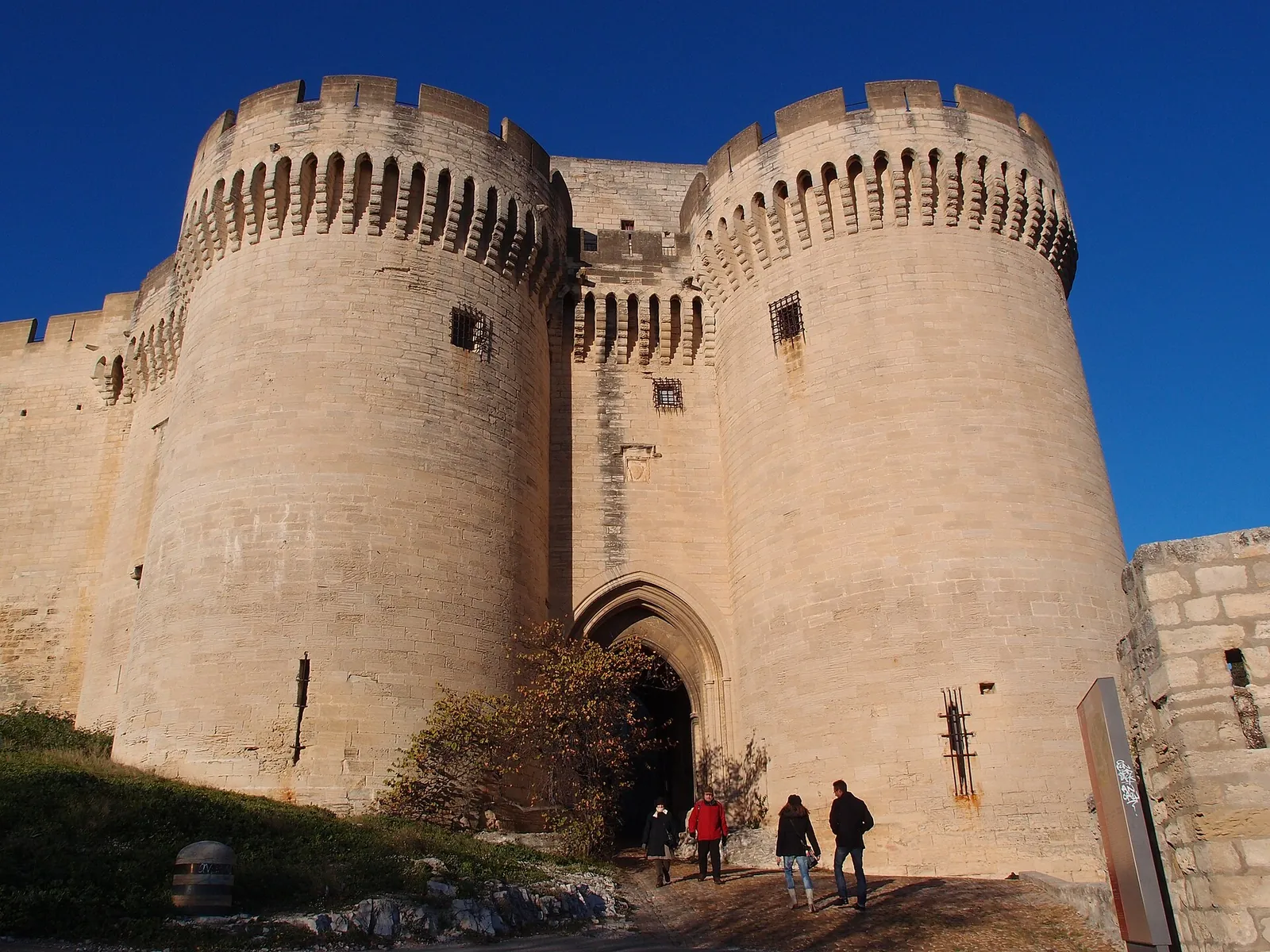
Back in Avignon, cross the Rhône to Villeneuve-lès-Avignon for the best sunset view of the Palais des Papes across the water. Its Fort Saint-André is included in the Avignon City Pass if you bought the 48-hour version.
Day 3: Arles, Roman and Van Gogh
Morning
Get ready for Roman arches and Van Gogh scenes. Take a regional TER train from Avignon Centre to Arles. Trains are direct and the ride takes around 20 minutes. Check sncf-connect.com for times and fares.
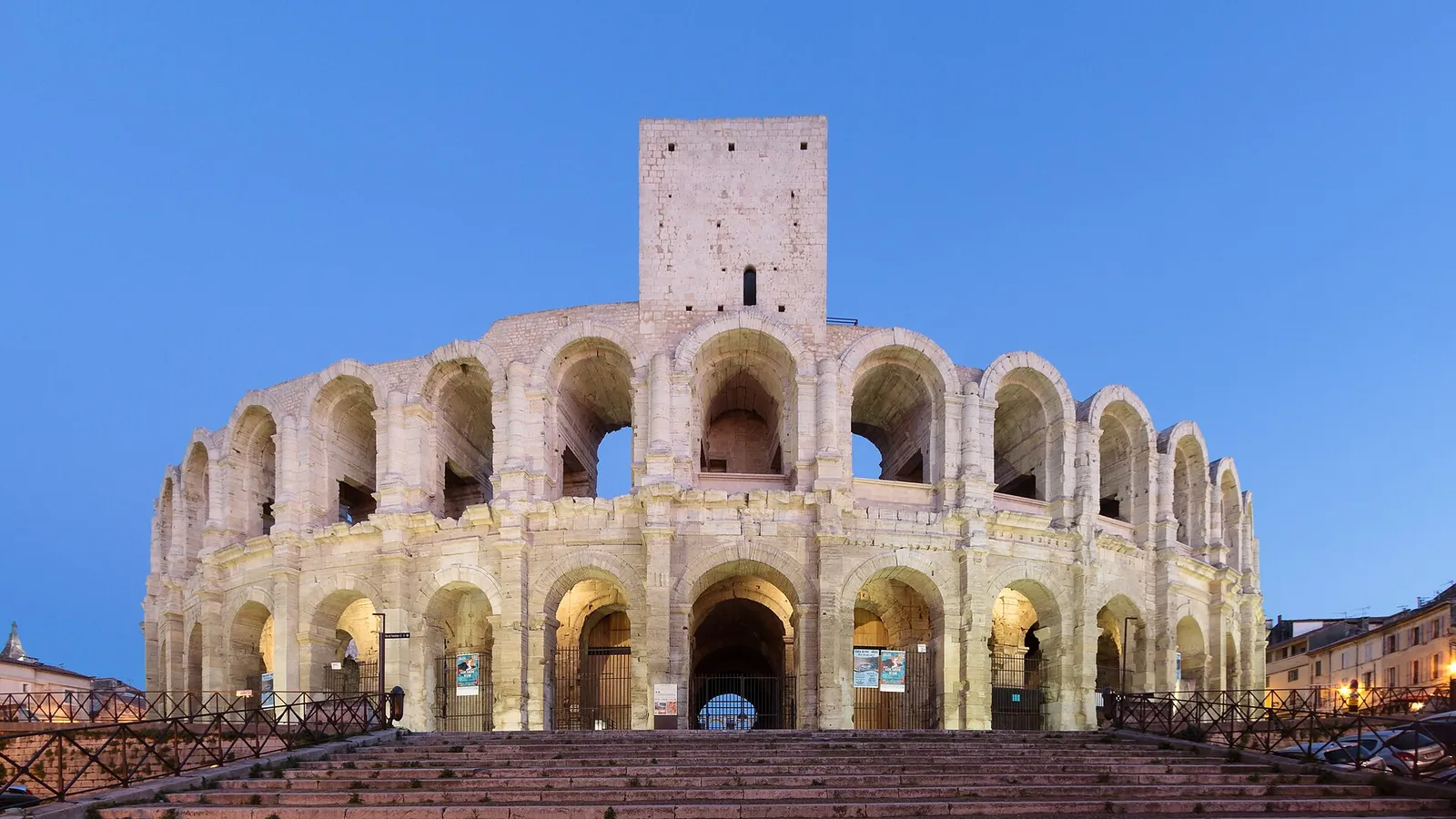
Arles was a major Roman city, and its monuments are on the UNESCO list. Start at the Amphitheatre (Les Arènes), built around the end of the first century and still used for events. According to the regional tourism listing, entry costs EUR 11 full and EUR 9 reduced until 31 December 2027. From 2 November 2026 to 28 February 2027 it opens 10:30 am to 4:30 pm, last entry 4:00 pm. In March and April 2027 it opens 9:00 am to 6:00 pm, and from May to September 9:00 am to 7:00 pm, with last entry 30 minutes before closing. The site closes on some days for festivals and events, and access is difficult for visitors with reduced mobility.
Next door, the Ancient Theatre keeps two standing columns from its stage wall.
Afternoon
After lunch, visit the Cloister of Saint-Trophime beside the church of the same name, with its carved Romanesque portal on Place de la République.
Pass Avantage: if you plan several sites, the Arles tourist office’s Pass Avantage is valid for six months and covers six monuments (the Amphitheatre, Ancient Theatre, Cloister of Saint-Trophime, Cryptoportiques, Alyscamps and Baths of Constantine) plus four museums, including the Musée Départemental Arles Antique and the Musée Réattu. It also gives a reduced rate at the Fondation Vincent van Gogh. Check the current price on the tourist office’s booking site, arlestourisme.tickeasy.com.
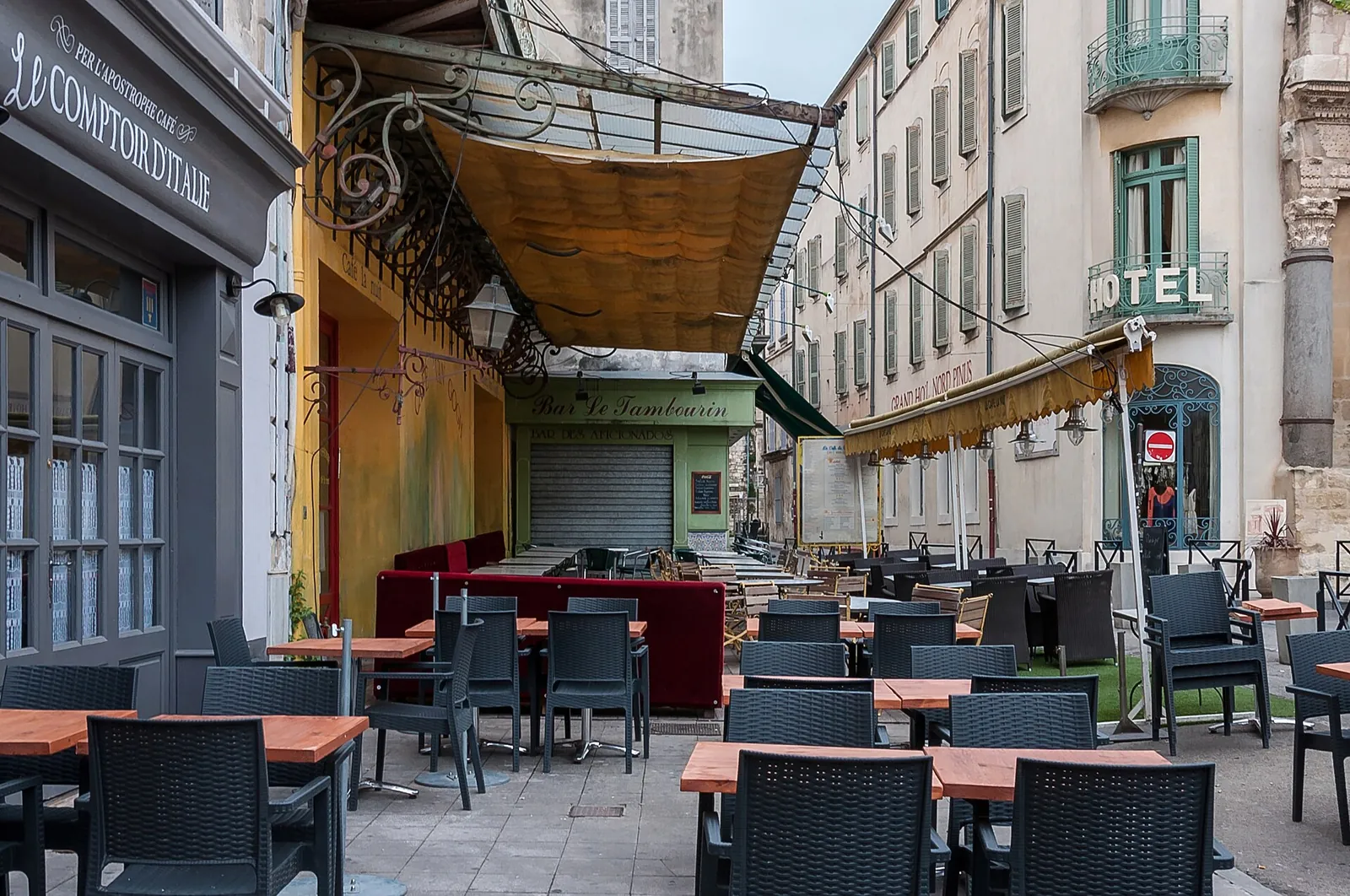
Van Gogh lived in Arles in 1888 and 1889 and painted many of its scenes. Walk to Place du Forum, where the café that inspired Café Terrace at Night stands, and to the garden of the Espace Van Gogh, the former hospital where he was treated.
Evening
Have an early dinner in Arles and take the train back to Avignon, or stay for a drink on Place du Forum and catch a later train. Check the last departure before you sit down.
Day 4: Luberon villages, Gordes and Roussillon
This is the postcard day: hilltop villages, lavender and red cliffs.
A word on transport first
The Luberon is beautiful, but its villages are spread over the hills and public transport is thin. There is no direct bus from Avignon to Gordes. Regional Zou! buses do serve the area (line 917 links Apt, Roussillon, Gordes and nearby villages, with different high-season and low-season timetables), and a single ticket costs EUR 2.10. But connections from Avignon involve changes, departures are few, and getting to Sénanque Abbey without a car is very hard.
So for this day there are two realistic choices:
- Hire a car for the day from Avignon. Gordes is about 45 minutes away, and you can link Gordes, Sénanque and Roussillon at your own pace.
- Join a small-group Luberon tour from Avignon. The Avignon Tourist Office lists Luberon and lavender excursions that can be booked online.
If you insist on the bus, check zou.maregionsud.fr carefully and plan for Gordes and Roussillon only.
Morning
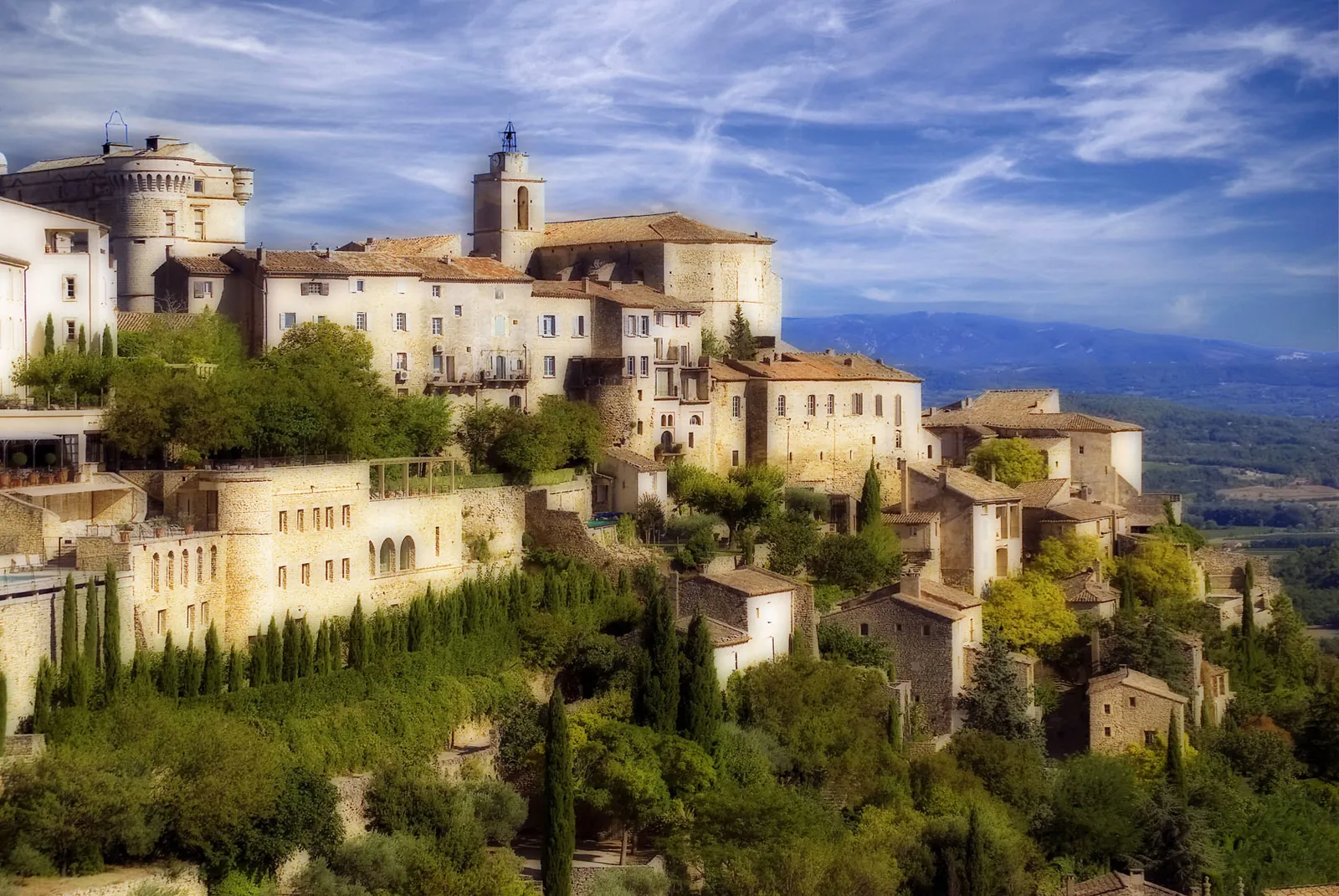
Start in Gordes, the village of stone houses stacked up a hillside around a Renaissance château. The classic photo stop is on the road just below the village as you arrive. Wander the steep lanes and stop for coffee with a view over the valley.
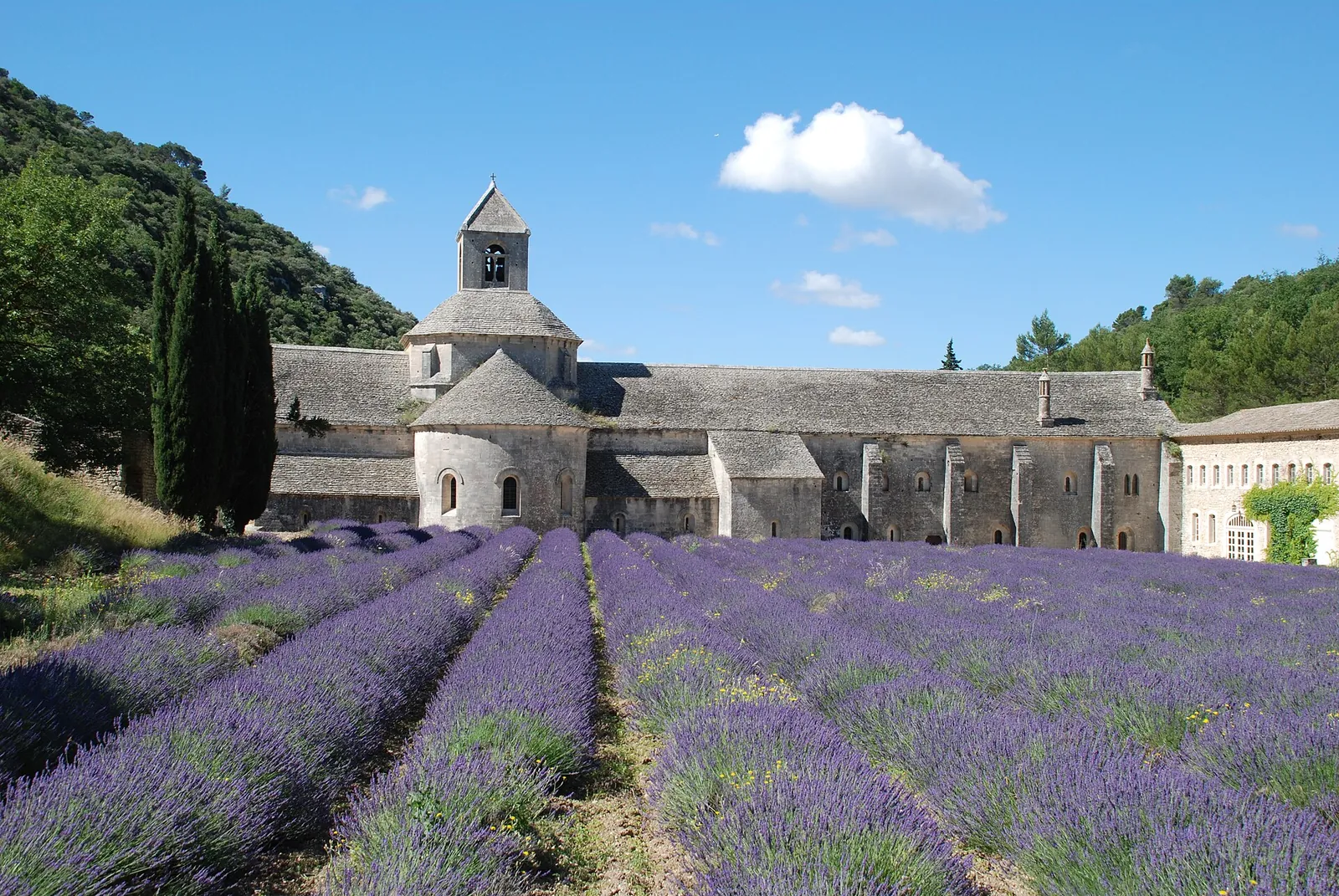
From Gordes, drive about 10 minutes north to the Abbaye Notre-Dame de Sénanque, a working Cistercian monastery in a quiet valley. In late June and July its lavender field in front of the abbey is one of the most photographed sights in France. Visits, according to the abbey’s site: self-guided entry with a HistoPad tablet (available in 11 languages) from 10:00 to 11:00 am and 1:00 to 4:00 pm Monday to Saturday, and 1:30 to 4:00 pm on Sunday (last entry times). Guided tours are in French only. Tickets cost EUR 8 for adults, EUR 6 for students aged 18 to 25 and EUR 4 for children aged 6 to 17. Book online, dress respectfully and keep silent, since monks live and pray here.
Afternoon
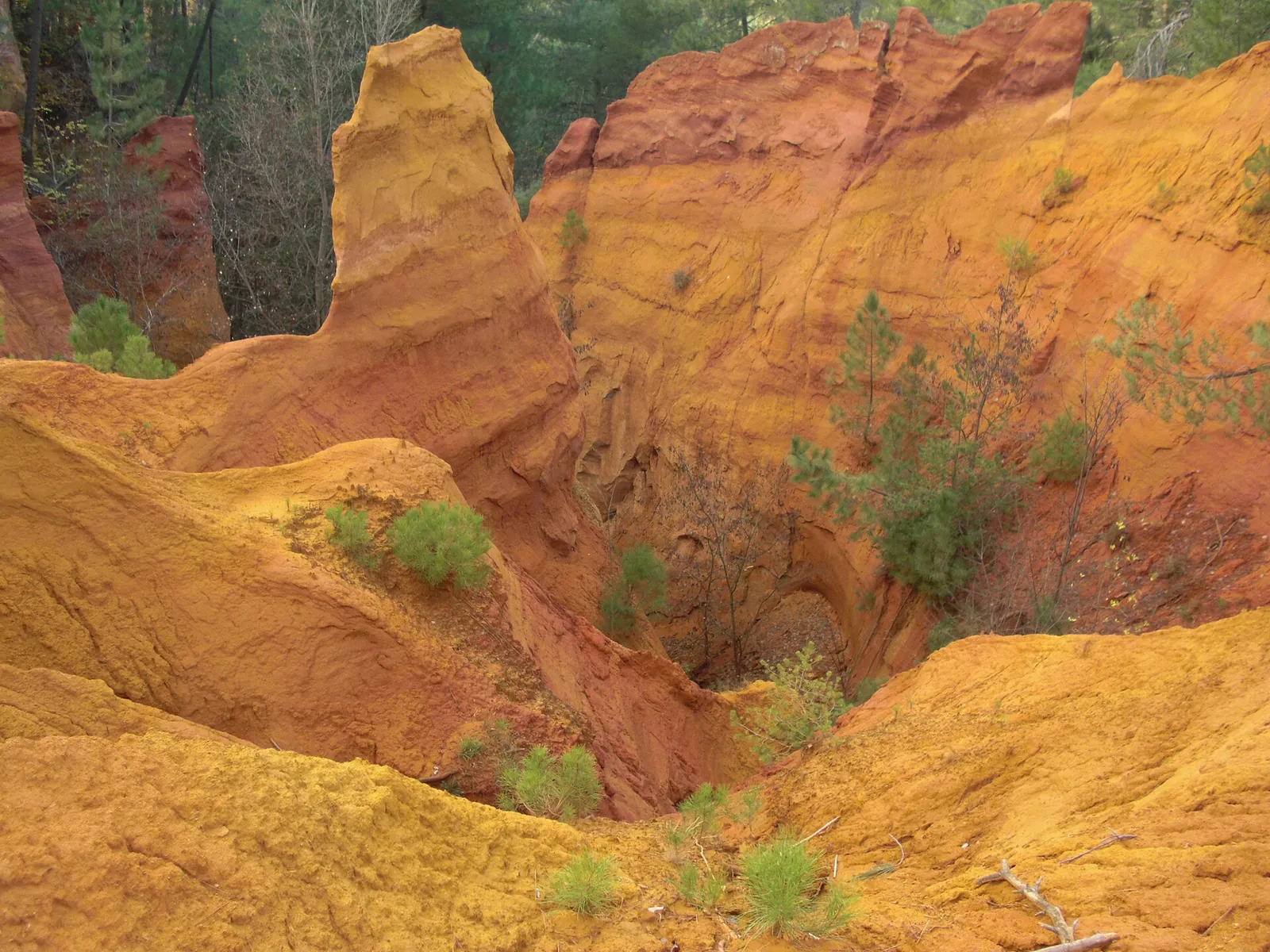
Continue to Roussillon, about 20 minutes east, a village painted in shades of red and orange from the ochre in the surrounding hills. Walk the Sentier des Ocres (Ochre Trail) through the old quarries, with orange cliffs, pine trees and red sand underfoot. The Luberon tourist office lists the adult price at EUR 3.50. Hours vary by month, roughly 9:00 am to 8:00 pm in July and August and 10:00 am to 5:00 pm in early November, then 11:00 am to 4:00 pm from mid-November. Opening depends on the weather, so expect closures after heavy rain or in strong wind. Wear shoes you do not mind turning orange.
Lavender season: the fields usually flower from late June into July, depending on the year’s weather. Outside that window, the villages are still well worth the trip, but do not expect purple fields.
Evening
Drive back to Avignon for a relaxed dinner, or stay for sunset in Gordes, when the stone turns gold.
Day 5: Aix-en-Provence
Morning
Save the most elegant for last and head to Aix-en-Provence. The quickest route by public transport is a TGV from Avignon TGV station to Aix-en-Provence TGV station, roughly 20 to 25 minutes, then the shuttle bus into the city centre bus station, which takes around 15 to 25 minutes. Avignon Centre and Avignon TGV are linked by a short TER shuttle train of about 5 minutes. Check SNCF Connect for times and fares, as prices vary a lot by day and time.
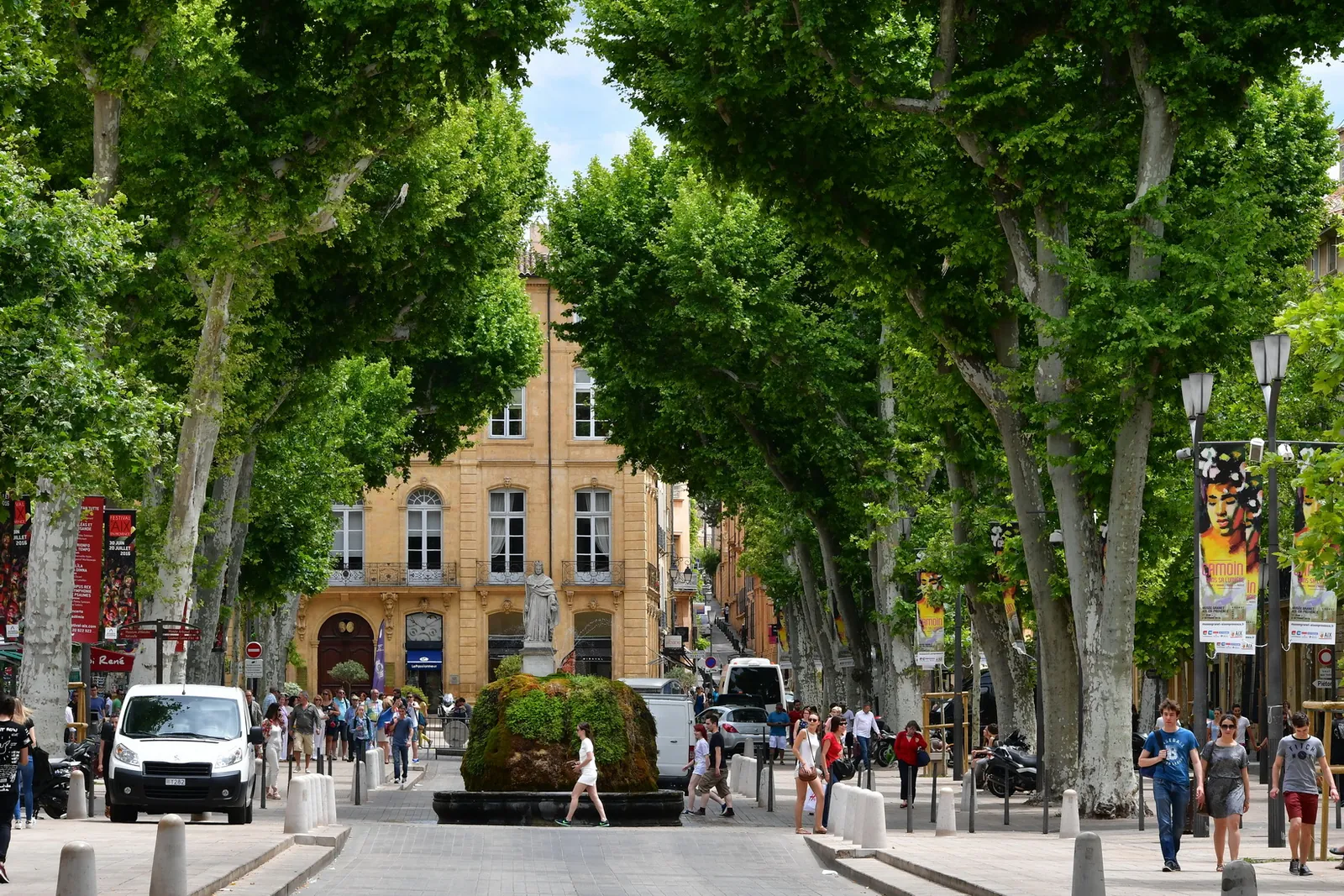
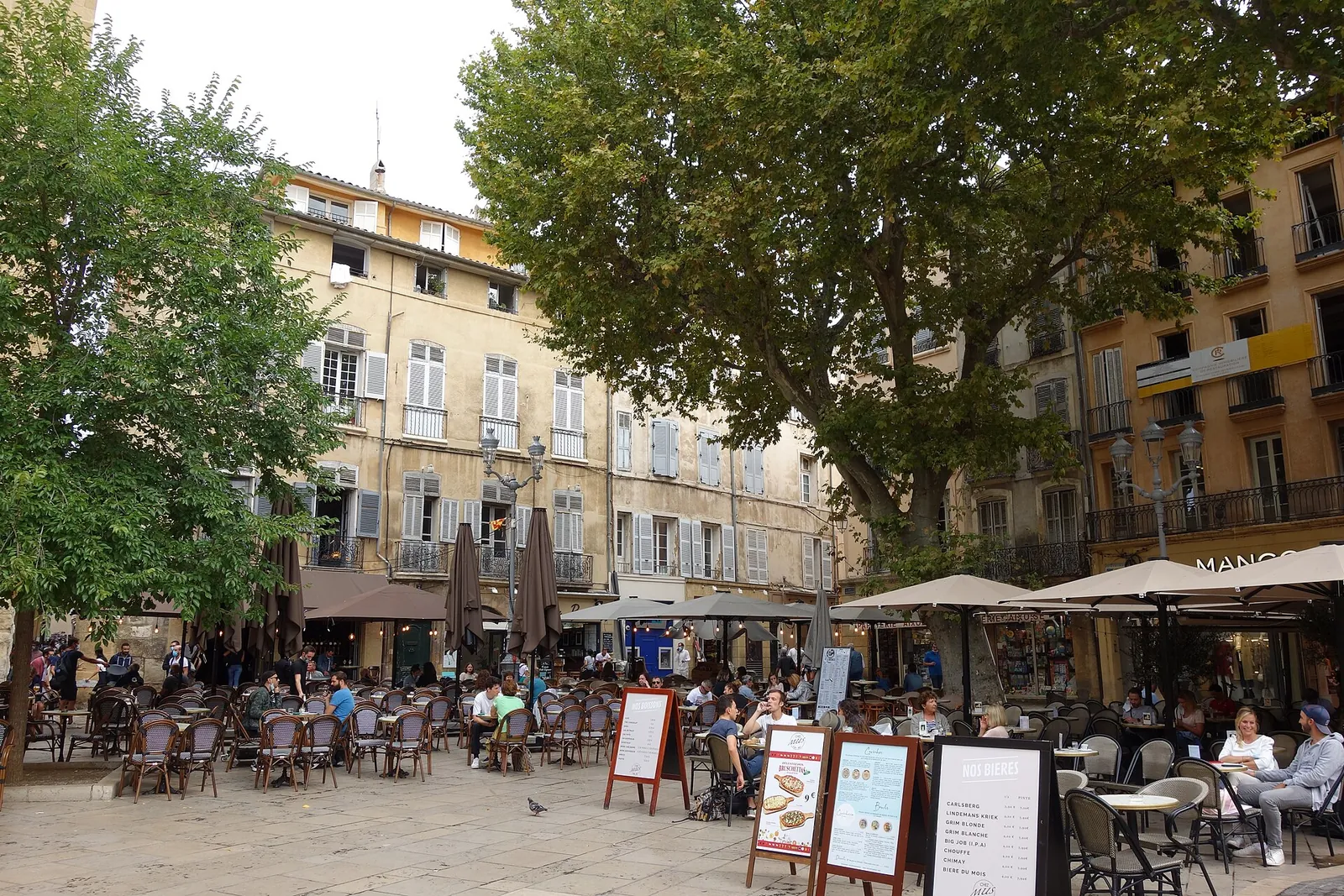
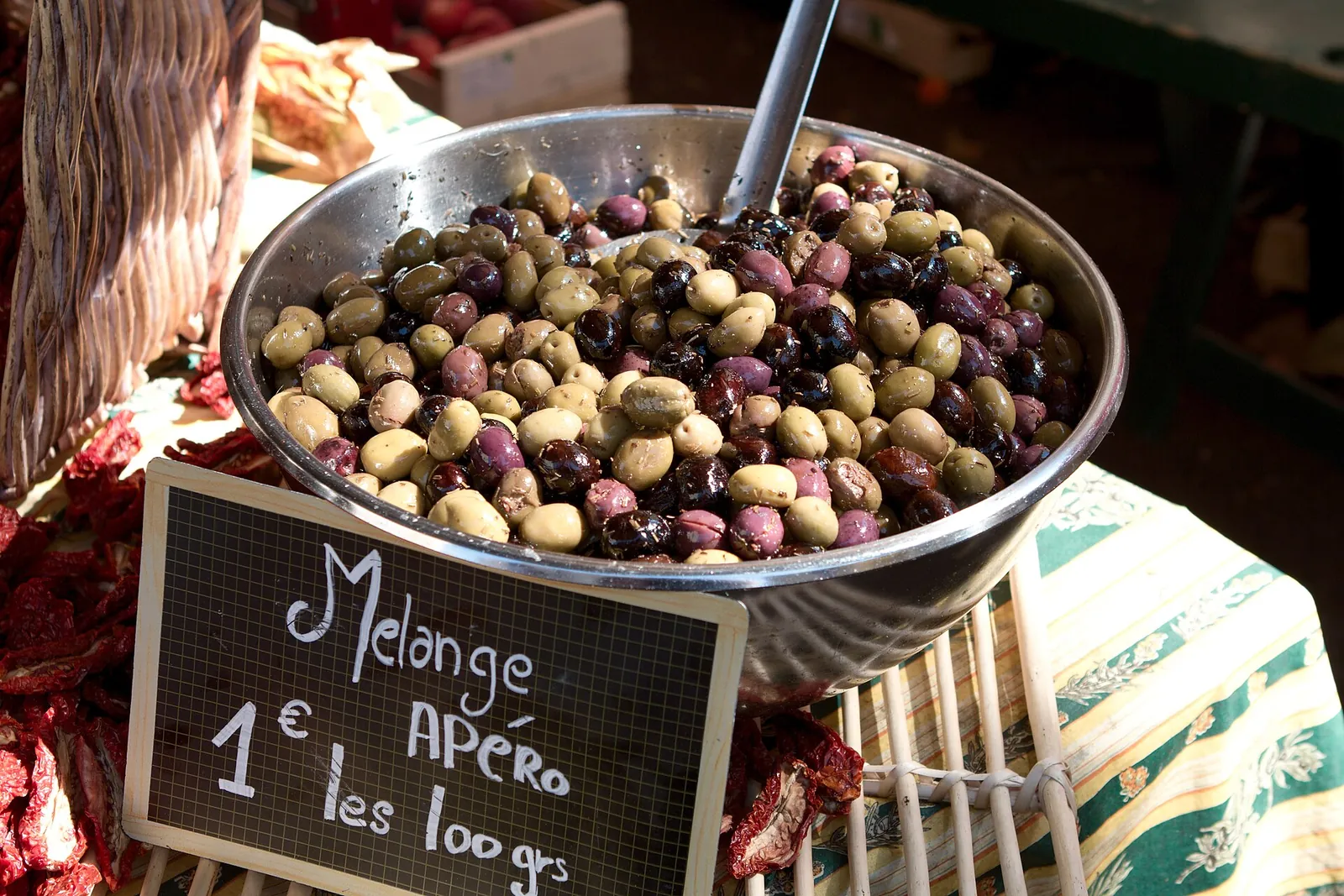
Start on the Cours Mirabeau, the plane tree lined avenue of cafés, mansions and mossy fountains. Then dive into the old town to the north. If you arrive in the morning, the produce market on Place Richelme is a lively stop for olives, cheese and fruit.
Afternoon
Visit the Cathédrale Saint-Sauveur, which mixes Romanesque, Gothic and later styles under one roof, with a small Romanesque cloister. Entry to the church is free.
Art lovers should head to the Musée Granet, Aix’s fine arts museum, with paintings by Cézanne among its collections. According to the regional tourism listing, full price was EUR 7 and reduced EUR 6 outside the summer exhibition, rising to EUR 14 during it. Entry is free for under-18s. The museum is closed on Mondays and on 1 January, 1 May and 25 December. Prices change with temporary exhibitions, so check museegranet-aixenprovence.fr before you go.
Cézanne fans can also book a visit to the Atelier des Lauves, his last studio, on the hill north of the centre (buses 5 and 12). Booking is required through cezanne-en-provence.com, and opening periods are seasonal.
Evening
Enjoy a last apéritif on the Cours Mirabeau, then take the shuttle and TGV back to Avignon. Check the last connections before dinner, or treat yourself to a final night in Aix.
Getting there and getting around
By train: Avignon has two stations. Avignon TGV receives high-speed trains from Paris, Lyon and Marseille, and Avignon Centre, just outside the city walls, handles regional TER trains, including those to Arles. A short shuttle train links the two in about 5 minutes. Book on SNCF Connect.
By air: The nearest major airport is Marseille Provence. Shuttle buses run from the airport to Aix-en-Provence and to the nearby Vitrolles Aéroport Marseille Provence station, where regional trains continue north towards Avignon. Check the airport’s website for current shuttle times and fares.
Buses: In Vaucluse, the regional Zou! network serves the Luberon, with a single ticket at EUR 2.10 and a 10-ticket book at EUR 14.70. West of the Rhône, the liO network (line 115) serves the Pont du Gard. Timetables are seasonal, so check the official apps.
Car hire: Useful on Day 4, and optional on Day 2. You do not need a car in Avignon, Arles or Aix, where parking is limited and the old towns are best on foot.
Where to stay
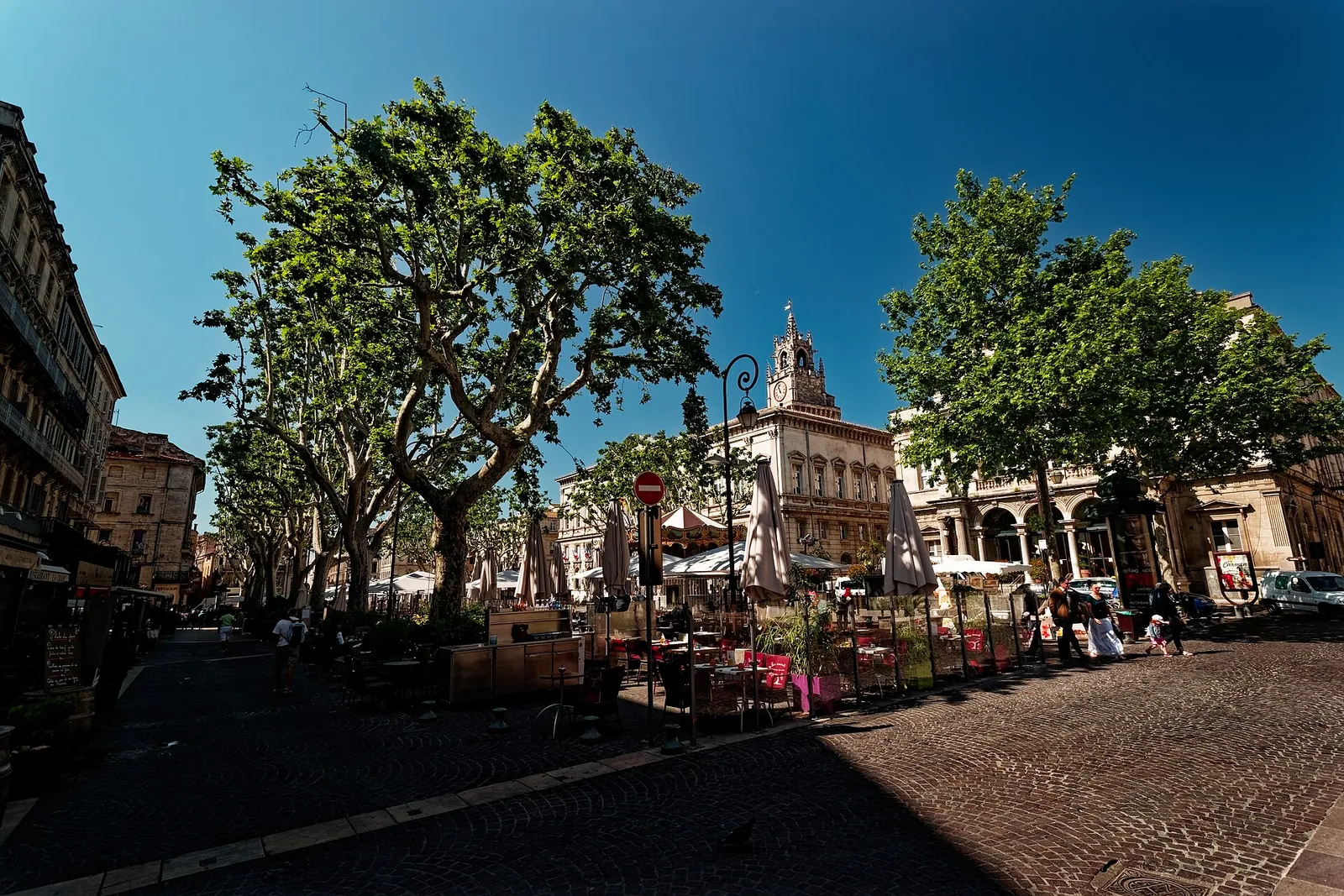
- Inside Avignon’s walls (near Place de l’Horloge and the Palais): The most atmospheric base, walkable to everything, with plenty of restaurants. Busier and pricier in July during the festival.
- Near Avignon Centre station: Practical for this plan, with the Arles trains and the TGV shuttle on the doorstep, and still inside or right by the walls.
- Villeneuve-lès-Avignon: Calmer, across the Rhône, with views of the palace. Better with a car.
- A Luberon village house or B&B: Lovely if you have a car for the whole trip, but it makes Arles and the train days harder.
Budget
| Item | Typical cost |
|---|---|
| Palais des Papes + gardens + Pont d’Avignon (full) | EUR 19.50 |
| Palais des Papes only (full) | EUR 16 |
| Avignon City Pass, 24 / 48 hours | EUR 24 / EUR 32 |
| Pont du Gard parking, per car per day | EUR 9 |
| Pont du Gard museum spaces (adult) / guided tour | EUR 8 / EUR 15 |
| Arles Amphitheatre (full) | EUR 11 |
| Sénanque Abbey (adult) | EUR 8 |
| Sentier des Ocres, Roussillon (adult) | EUR 3.50 |
| Musée Granet (full, outside major exhibitions) | EUR 7 |
| Zou! regional bus, single ticket | EUR 2.10 |
| Trains to Arles and Aix | Check SNCF Connect |
| Pont du Gard site access, Rocher des Doms, Saint-Sauveur Cathedral, Gordes | Free |
Paying as you go, the main sights in this plan come to roughly EUR 50 to 60 per adult, plus trains, buses and any guided tours. The daily range in our summary covers sights and local transport only. It excludes accommodation, meals, drinks, flights, car hire and fuel, and the local tourist tax, which is charged per person per night by your accommodation.
Practical tips
- Plan around seasons: many Provence sites shorten their hours from November to February, and the Pont du Gard museum spaces close completely. Check each site the day before.
- Book ahead in summer: July brings the Avignon festival and the lavender crowds. Book rooms, Sénanque visits and car hire early.
- Start early: Gordes, Sénanque and Roussillon get busy by late morning in high season, and parking fills up.
- Heat: Summer afternoons can be very hot. Carry water, wear a hat and save indoor sights for midday.
- Cover up at Sénanque: the abbey asks for proper dress, and silence inside.
- Money: Cards are widely accepted. Carry a little cash for village cafés, markets and parking machines.
- SIM and eSIM: EU roaming applies for European SIMs. Other visitors can buy a local SIM or an eSIM before arrival.
- Visa and entry: France is in the Schengen Area, and the rules depend on your passport. Check the official France-Visas website (france-visas.gouv.fr) well before you travel.
Heads-up
Provence is relaxed and welcoming, but a few things are worth knowing:
- Pickpockets: The UK government’s travel advice for France warns that thieves often work in groups, with one distracting you while another goes through your bag, especially around stations and crowded tourist areas. Carry your bag across your body.
- Car break-ins: The same advice says not to leave valuables in your vehicle. This matters at busy viewpoints and car parks in the Luberon and at the Pont du Gard.
- Wildfires: GOV.UK notes that wildfire risk is highest in the south, especially near the Mediterranean, in hot, dry weather. Access to forests and natural sites can be closed at short notice, and causing a fire is illegal even by accident. Check Météo France’s fire alert map in summer.
- Driving: France’s drink-driving limit is lower than in England and Wales, roadside checks are common, and police issue on-the-spot fines for speeding.
- Strikes: Rail and transport strikes can disrupt trains with little warning. Check SNCF before travel days.
- Security: The UK advice rates the terrorism threat in France as high. Stay alert in crowded places and at festivals.
- Emergencies: Call 112, or 18 for the fire service.
FAQ
Is 5 days enough for Provence?
Five days covers Avignon, the Pont du Gard, Arles, the Luberon villages and Aix-en-Provence at a comfortable pace from one base. Add more days if you also want the coast, the Camargue or Mont Ventoux.
Can I see Provence without a car?
Mostly, yes. Avignon, Arles and Aix are easy by train, and the Pont du Gard has a bus from Avignon. The Luberon villages are the exception: buses are few and Sénanque is very hard to reach, so hire a car or book a tour for that day.
When is lavender season in Provence?
Usually from late June into July, depending on the weather. The field in front of Sénanque Abbey is a classic spot. Outside those weeks, the fields are green or harvested.
Is the Avignon City Pass worth it?
If you visit the Palais des Papes, the Pont d’Avignon and at least one more museum or Fort Saint-André, the 24-hour pass at EUR 24 compares well with the EUR 19.50 combined palace and bridge ticket. If you only see the palace and bridge, buy the combined ticket.
Is the Pont du Gard free?
Walking around the site and across the bridge area is free. You pay for parking (EUR 9 per car per day) and for the museum spaces (EUR 8 for adults), which close from November to February.
Why use Avignon as a base?
It sits at the centre of this route, with direct trains to Arles, fast TGV links to Aix, a bus to the Pont du Gard and good roads into the Luberon. You unpack once and still see five very different places.
Sources
Prices, hours and rules change. We checked these on 1 November 2026; please confirm on the official page before you book.
- Tarifs and opening hours (Palais des Papes, official site)
- Avignon City Pass: how does it work? (Avignon Tourist Office)
- Excursions from Avignon (Avignon Tourist Office)
- Getting here, prices and opening hours (Pont du Gard, official site)
- Ligne 115 liO, Alès to Uzès to Avignon via the Pont du Gard (Occitanie tourism)
- L'Amphithéâtre romain, Arles (Provence-Alpes-Côte d'Azur regional tourism)
- Pass Avantage, Arles (Provence-Alpes-Côte d'Azur regional tourism)
- Visits of the abbey (Abbaye Notre-Dame de Sénanque, official site)
- Sentier des Ocres, Roussillon (Luberon Apt tourist office)
- Bus lines in the Luberon and Vaucluse 2026 (Luberon.fr)
- Musée Granet, Aix-en-Provence (Provence-Alpes-Côte d'Azur regional tourism)
- Train timetables and tickets (SNCF Connect)
- Safety and security: France travel advice (GOV.UK, FCDO)
- France-Visas (official visa website for France)
Photo credits (13)
- Lavender rows in front of Sénanque Abbey: EmDee, CC BY-SA 3.0, via Wikimedia Commons
- The Palais des Papes under a bright blue sky, Avignon: Jean-Marc Rosier (www.cjrosier.com), CC BY-SA 3.0, via Wikimedia Commons
- Pont d'Avignon and the Rocher des Doms at golden hour: Chiugoran, CC BY-SA 3.0, via Wikimedia Commons
- The three tiers of the Pont du Gard over the Gardon: Wolfgang Moroder, CC BY-SA 3.0, via Wikimedia Commons
- Fort Saint-André's twin towers in Villeneuve-lès-Avignon: Guilhem Vellut from Annecy, France, CC BY 2.0, via Wikimedia Commons
- Arles Roman amphitheatre glowing at dusk: PierreSelim, CC BY 3.0, via Wikimedia Commons
- The yellow café terrace on Place du Forum, Arles: Isiwal, CC BY-SA 3.0, via Wikimedia Commons
- Gordes stacked on its hillside in the Luberon: Astronautilus, CC BY 2.0, via Wikimedia Commons
- Orange ochre cliffs on the Sentier des Ocres, Roussillon: G CHP-G CHP, CC BY-SA 2.5, via Wikimedia Commons
- Plane trees shading the Cours Mirabeau in Aix: Ladislaus Hoffner, CC BY-SA 4.0, via Wikimedia Commons
- Café terraces on Place de l'Hôtel de Ville, Aix-en-Provence: Pimlico27, CC BY-SA 4.0, via Wikimedia Commons
- Plane trees and terraces on Place de l'Horloge, Avignon: Txllxt TxllxT, CC BY-SA 4.0, via Wikimedia Commons
- Olives for sale at the market in Aix-en-Provence: Georges Seguin (Okki), CC BY-SA 3.0, via Wikimedia Commons
More France itineraries
 4 days
4 Days in Normandy: A Day-by-Day Itinerary
A 4-day Normandy plan: Rouen's old town, the Étretat cliffs, the D-Day beaches and American Cemetery from Bayeux, and a full day at Mont-Saint-Michel.
 6 days
6 Days in Corsica: A Day-by-Day Itinerary
A 6-day Corsica road trip: Ajaccio, the red Calanques de Piana, Porto, Corte and its citadel, cliff-top Bonifacio and the beaches of Porto-Vecchio.
 3 days
3 Days in Nice and the French Riviera: Itinerary
A 3-day Nice itinerary: Old Town and Castle Hill, Matisse and Chagall in Cimiez, Villefranche, then Èze and Monaco by bus and train.
Compare all France itineraries →
This is a researched plan, not a personal trip report. How we research · Affiliate disclosure