
7 Days in Costa Rica: A Day-by-Day Itinerary
A 7-day Costa Rica itinerary: Arenal Volcano, La Fortuna waterfall and hanging bridges, Monteverde cloud forest and Manuel Antonio, with checked fees.
- 🗓️ Trip length
- 7 days
- ☀️ Best time
- December to April (dry season on the Pacific side)
- 💰 Daily spend
- USD 20-50 for park fees and tours (excl. stay, meals and transport)
- ✅ Facts checked
- 1 November 2026
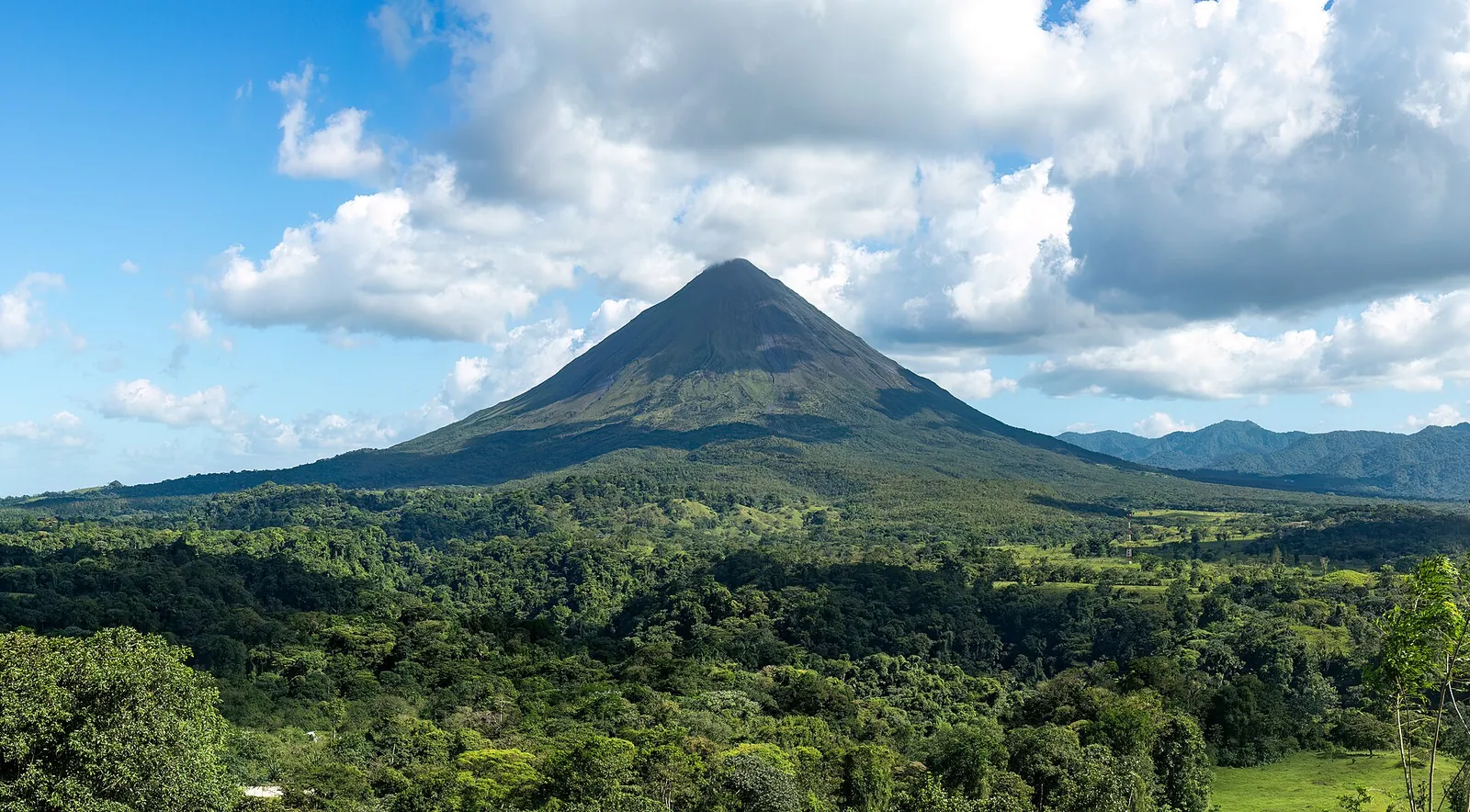
Get ready for volcanoes, cloud forest, rainforest beaches and more wildlife than you can count. In one week you can see the three faces of Costa Rica that most first-timers dream about: the perfect cone of Arenal Volcano rising above La Fortuna, the misty, moss-covered trees of Monteverde and the monkeys and white-sand coves of Manuel Antonio on the Pacific coast.
This plan suits first-timers who want the classic loop at a steady pace, with two nights in each main area. Roads in Costa Rica are slow and winding, so the plan keeps the long drives to three days and fills the others with walking, wildlife and hot springs. Everything here works with a rental car or with shared shuttles; see Getting there and getting around before you choose.
At a glance
| Day | Area | Highlights |
|---|---|---|
| 1 | San José | Arrival, rest, first casado dinner |
| 2 | San José to La Fortuna | Drive or shuttle north, La Fortuna Waterfall, hot springs |
| 3 | Arenal | Mistico Hanging Bridges, Arenal Volcano National Park lava trails |
| 4 | La Fortuna to Monteverde | Transfer around Lake Arenal, evening night walk |
| 5 | Monteverde to Manuel Antonio | Cloud Forest Preserve trails, drive down to the Pacific |
| 6 | Manuel Antonio | National park trails and beaches, sunset in Quepos |
| 7 | Manuel Antonio to San José | Slow morning, return for your flight |
One planning rule before you start: Manuel Antonio National Park is closed on Tuesdays. According to SINAC, the national park authority, it opens Wednesday to Monday from 7:00 am to 3:00 pm. So do not let Day 6 fall on a Tuesday. If it does, swap Days 6 and 7 or add a beach day in between. Also check SINAC’s site close to your trip, since opening days have changed in the past.
Day 1: Arrival in San José
Morning
Welcome to Costa Rica! Most international flights land at Juan Santamaría International Airport (SJO), which sits near Alajuela, west of the capital. If you are picking up a rental car, many travellers sleep in Alajuela or the western suburbs on the first night to avoid driving through central San José in traffic.
Afternoon
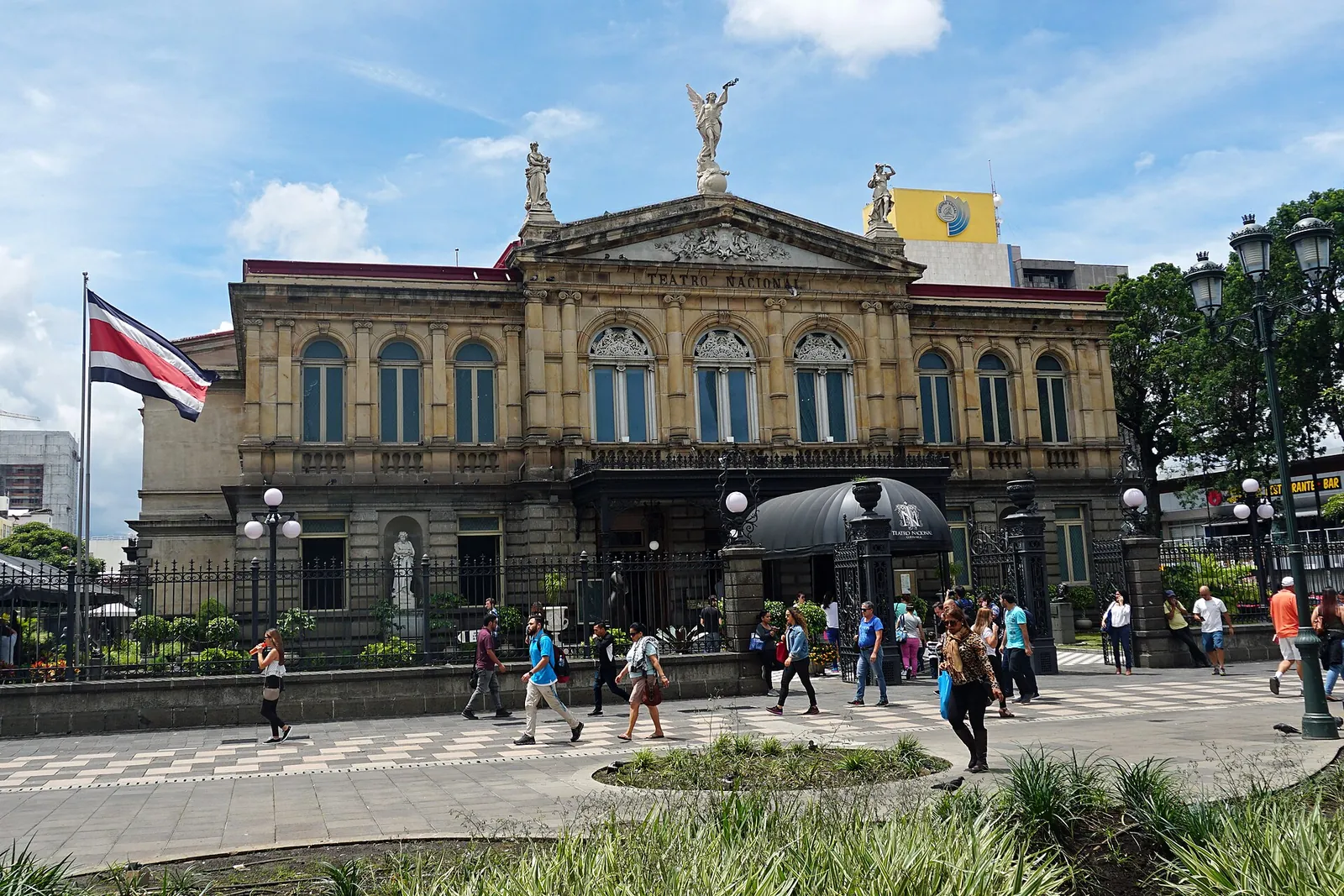
Take it easy after the flight. If you have energy, explore central San José on foot: the Teatro Nacional, the Plaza de la Cultura and the Mercado Central are close together in the old centre. Check opening hours and any tour times on the theatre’s official site before you go.
Evening
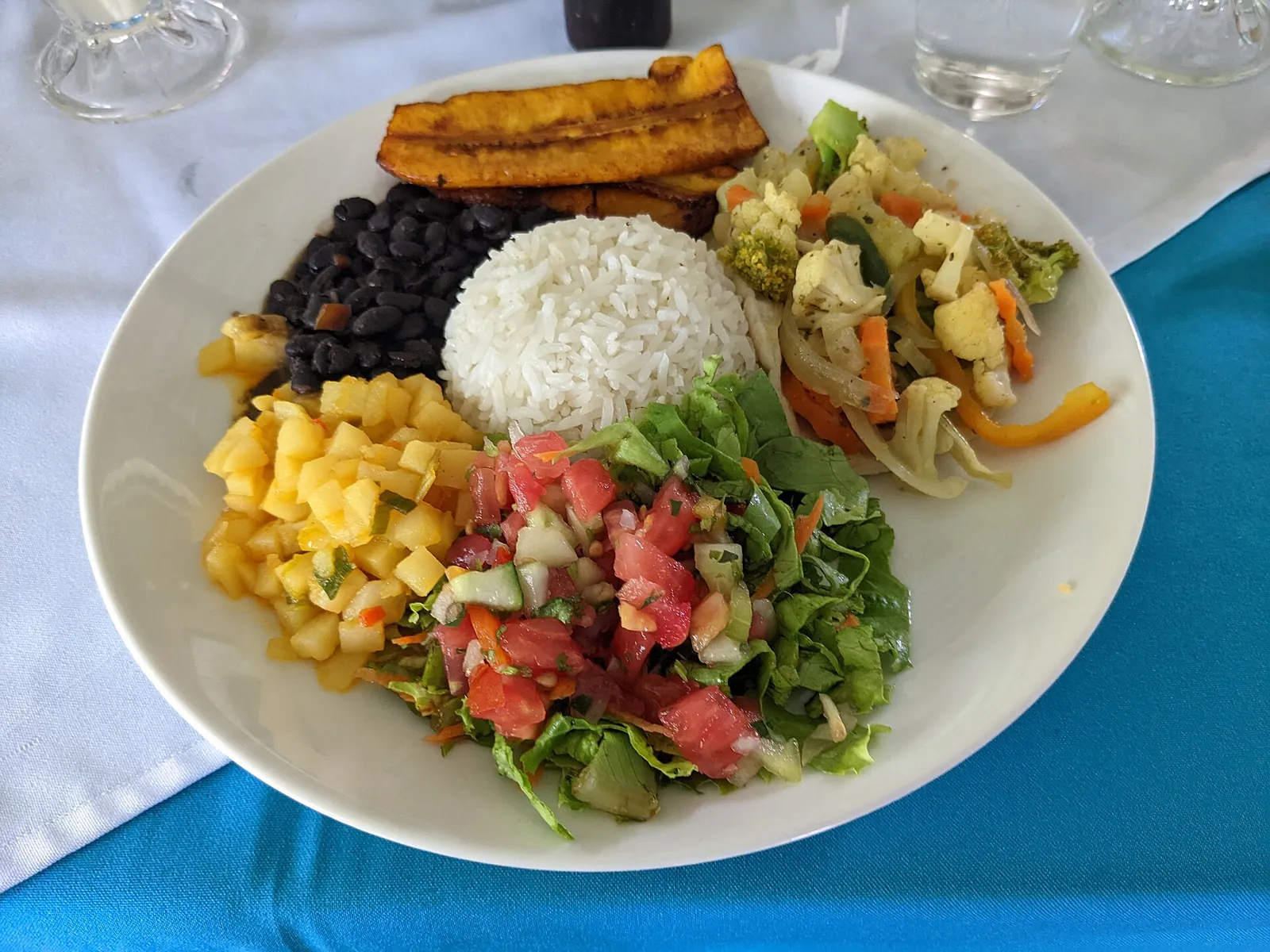
Try your first casado, the everyday Costa Rican plate of rice, black beans, salad, fried plantain and a choice of meat or fish, with a fresh fruit juice (a refresco). Go to bed early: tomorrow is a road day.
Day 2: North to La Fortuna and the waterfall
Morning
Today you head north to La Fortuna, the town at the foot of Arenal Volcano. Expect roughly three hours or more by road from the San José area, depending on traffic, weather and stops. The route climbs through coffee and dairy country before dropping into the lowlands. If you take a shared shuttle, it will usually drop you at your hotel.
Afternoon
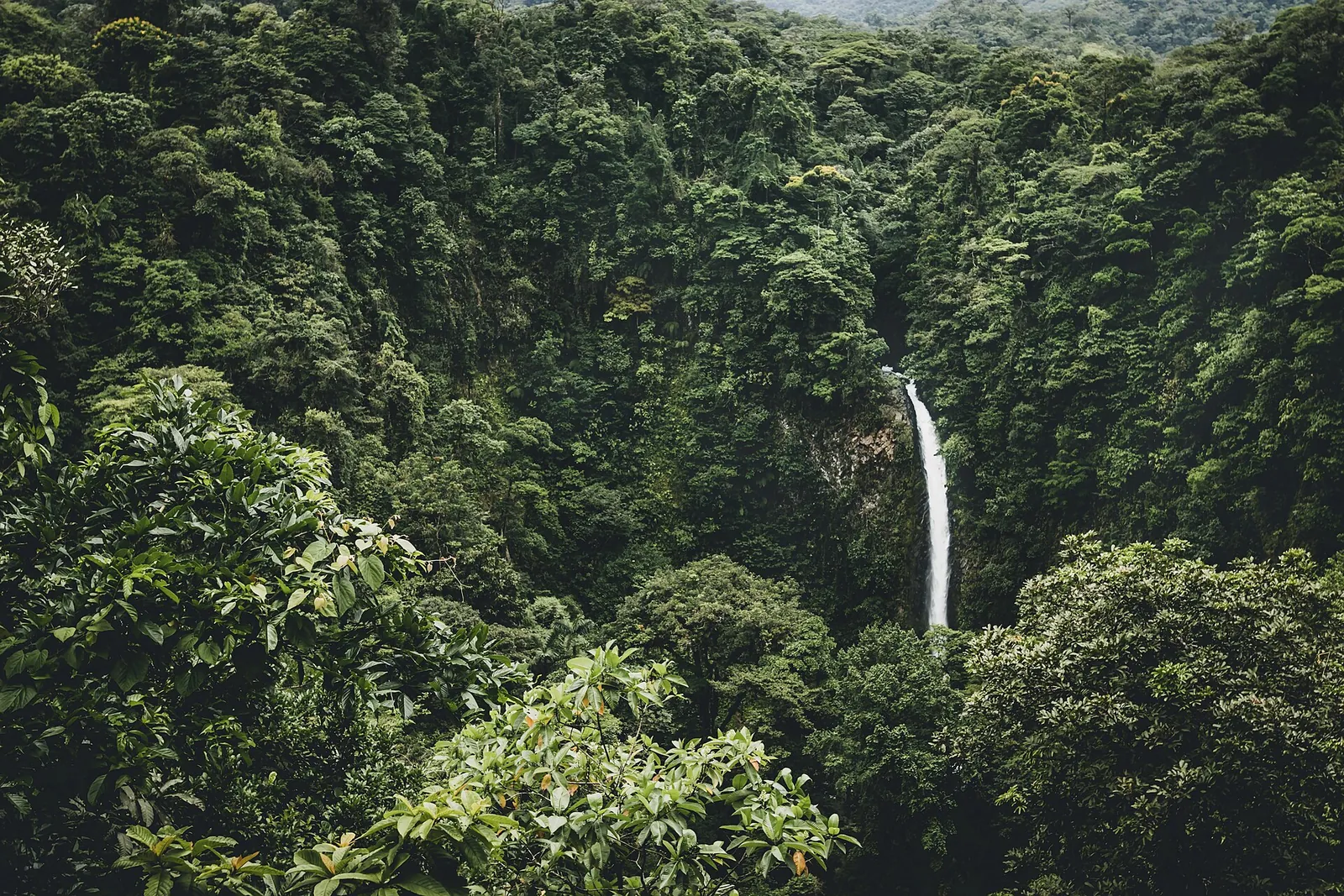
Your first stop is the La Fortuna Waterfall (Catarata Río Fortuna). It is not part of the national park ticket: the site is run by ADIFORT, La Fortuna’s community development association, and the money from each visit funds local projects. The fall is 70 metres high, and you reach the pool at its base by a path of about 530 steps, according to the official site. Swimming in the river below the fall is allowed, so bring a swimsuit and a towel, and remember that every step down is a step back up.
It is open daily from 7:00 am to 5:00 pm, and the site recommends arriving by 4:00 pm at the latest to enjoy it properly. Costa Rican news reports in 2026 give the foreign adult price as USD 20; buy on cataratalafortuna.com and check the current price there. A taxi from town costs around USD 10, according to the site’s own FAQ.
Evening
Arenal is famous for its hot springs, heated by the volcano. There are options at every price level, from large resort-style complexes to simpler pools. Book directly with the venue and check whether your ticket includes dinner or towels.
Day 3: Hanging bridges and the lava trails
Morning
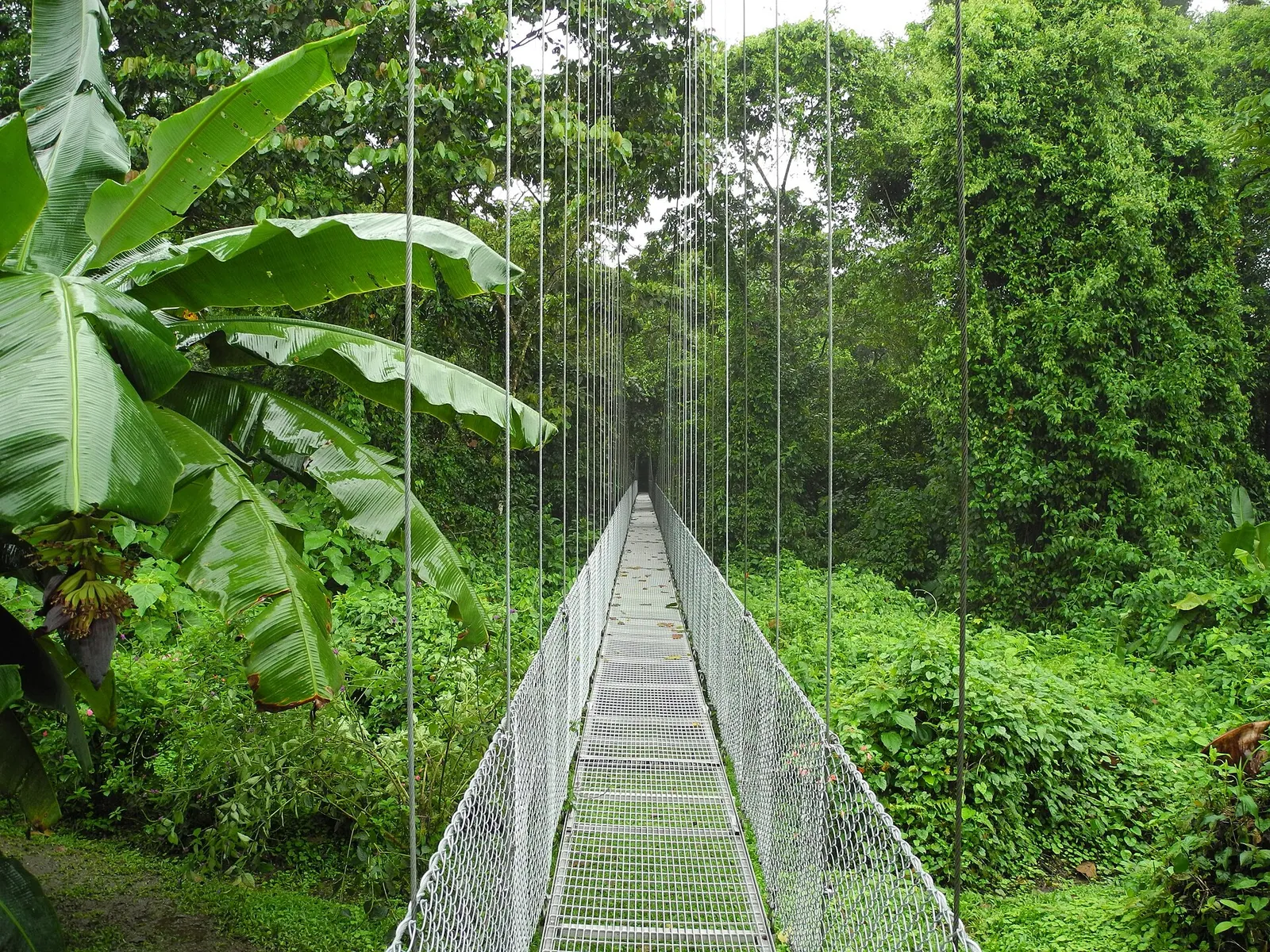
This is the day for walking through the treetops! Start early at Mistico Arenal Hanging Bridges Park, where a loop of trails and suspension bridges takes you through the rainforest canopy. Early morning is the best time for birds and animals. According to Mistico, the park opens daily from 6:00 am, with last entry at 3:50 pm, and closed walking shoes are mandatory: no sandals.
You can walk it on your own or with a guide. Mistico lists the self-guided hanging bridges tour from USD 32 plus taxes (about 2 hours) and the guided hanging bridges tour from USD 54 plus taxes (about 2.5 hours). A naturalist guide carries a telescope and spots sloths, snakes and birds you would almost certainly walk past, so it is worth it on a first visit.
Afternoon
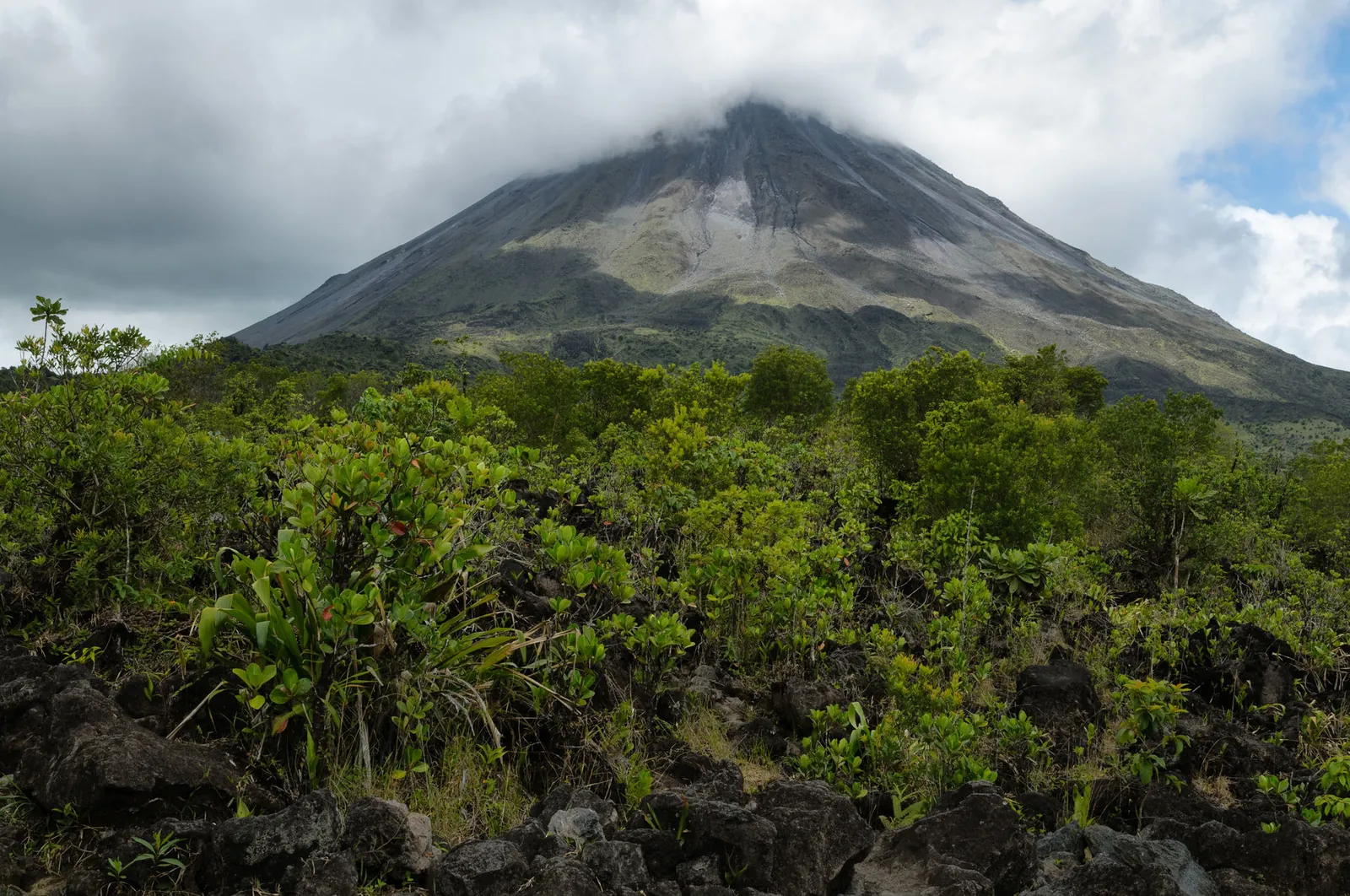
Drive or take a taxi to Arenal Volcano National Park for the classic view of the cone. SINAC lists the park as open every day from 8:00 am to 4:00 pm, with a non-resident adult fee of USD 16.95 and a child fee of USD 5.65, tax included. The trails are short and mostly flat:
- Sendero Coladas, about 1.7 km, across the 1992 lava flows with views of the cone and Lake Arenal.
- Sendero Heliconias, a 610 metre path with a view of the crater.
- Sendero El Ceibo, about 2.3 km, to a giant ceiba tree that SINAC describes as more than 400 years old.
- The volcano viewpoint, 1.5 km from the entrance hut.
Climbing the cone or its immediate surroundings is strictly prohibited, and SINAC also bans fires, pets, sound equipment, smoking and alcohol inside the park. Check SINAC’s online ticket site to see whether Arenal tickets are sold online for your date, or pay at the entrance.
Evening
Sunset over Lake Arenal is lovely from the viewpoints along the lake road. Enjoy a last relaxed dinner in La Fortuna.
Day 4: Around the lake to Monteverde
Morning
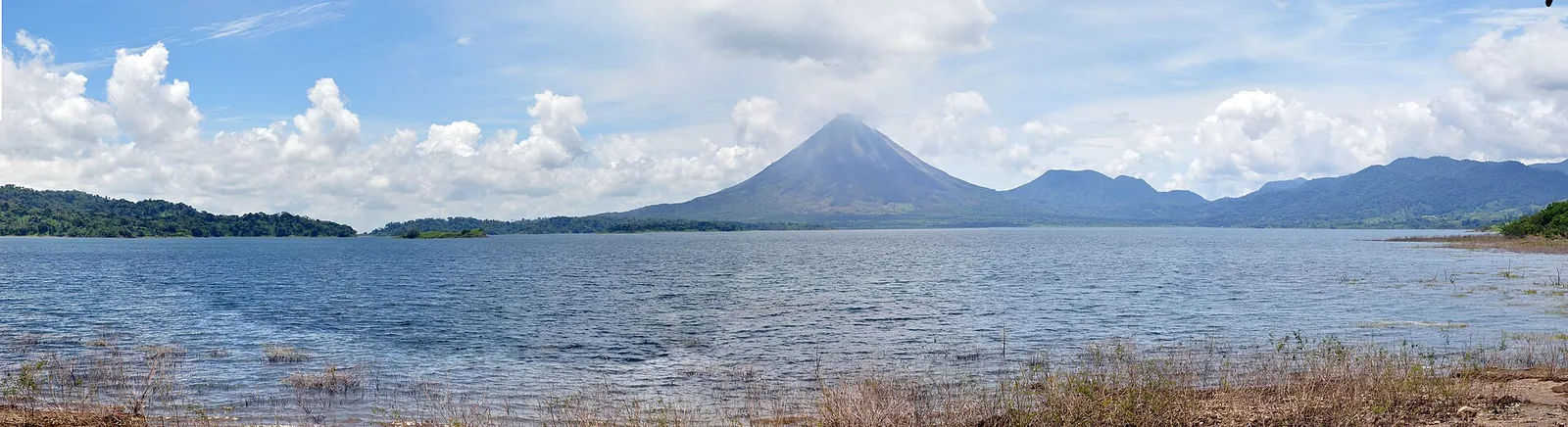
Get ready for a scenic switch from the volcano to the cloud forest. There are two common ways:
- By road around Lake Arenal. It is a scenic but slow drive, often taking around four hours with stops, and the final climb into Monteverde is steep and winding.
- Jeep-boat-jeep. A minibus takes you to the lake, a boat crosses it, and another minibus climbs to Monteverde. It is usually quicker and very pretty on a clear day. Book with a licensed operator through your hotel.
Afternoon
Settle into Santa Elena, the small town that serves as Monteverde’s base, at about 1,400 metres. Bring a fleece: it is noticeably cooler and often windy and misty. Use the afternoon for a coffee or chocolate tour on one of the local farms, or simply rest.
Evening
Book a night walk. Monteverde Cloud Forest Preserve runs its own Night Walk, listed as starting between 6:00 and 6:30 pm, and several private reserves around Santa Elena also run guided night tours. In the dark, guides find tarantulas, tree frogs, stick insects and, with luck, sleeping birds and sloths. Bring a torch, closed shoes and a rain jacket.
Day 5: Monteverde cloud forest, then down to the Pacific
Morning
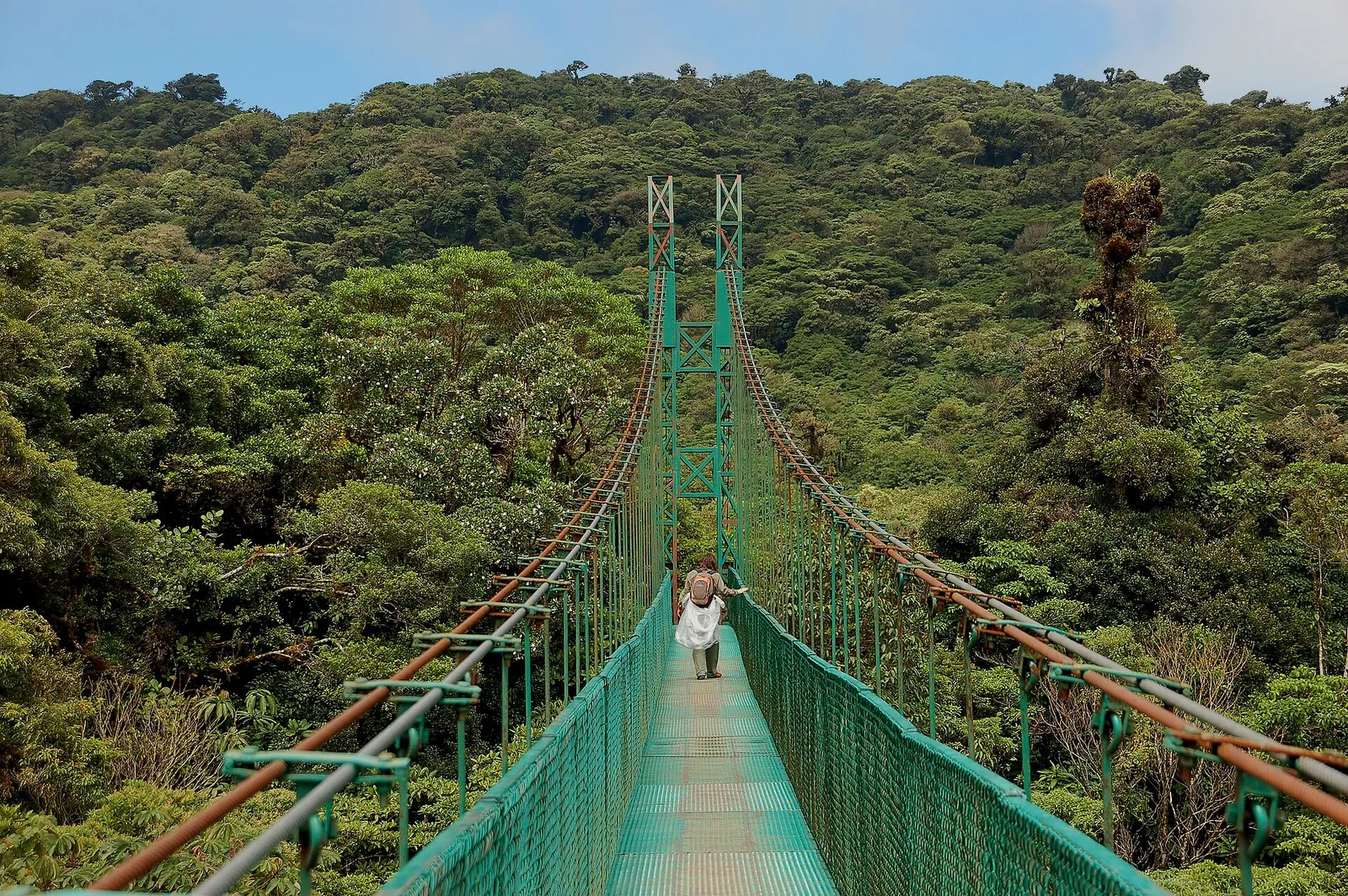
Save your energy for this magical morning. Arrive early at the Monteverde Cloud Forest Preserve, run since 1972 by the Tropical Science Center, a Costa Rican conservation NGO. It works a little differently from other parks. You park at the Visitor Center about 1.5 km below the reserve, where parking is free, and a complimentary shuttle takes you to the forest entrance. Visits run in time slots, numbers on the trails are limited, and the preserve strongly recommends booking online in advance. Arrive 15 minutes early, because late arrivals may not be let in.
The Cloud Forest Walk (self-guided) is open from 7:30 am to 4:00 pm, and the Natural History Walk (guided) runs from 7:30 am to 1:00 pm. Pick one of the three circuits:
- Essence Trail: about 1 hour, 1.4 km, easy, to the Cuecha Cascade.
- Heart of the Forest Trail: about 1.5 hours, 2.8 km, easy to moderate, with the reserve’s famous hanging bridge.
- Continental Divide Trail: about 2.5 hours, 4.1 km, moderate, adding the dwarf forest and La Ventana viewpoint over both the Pacific and Caribbean sides.
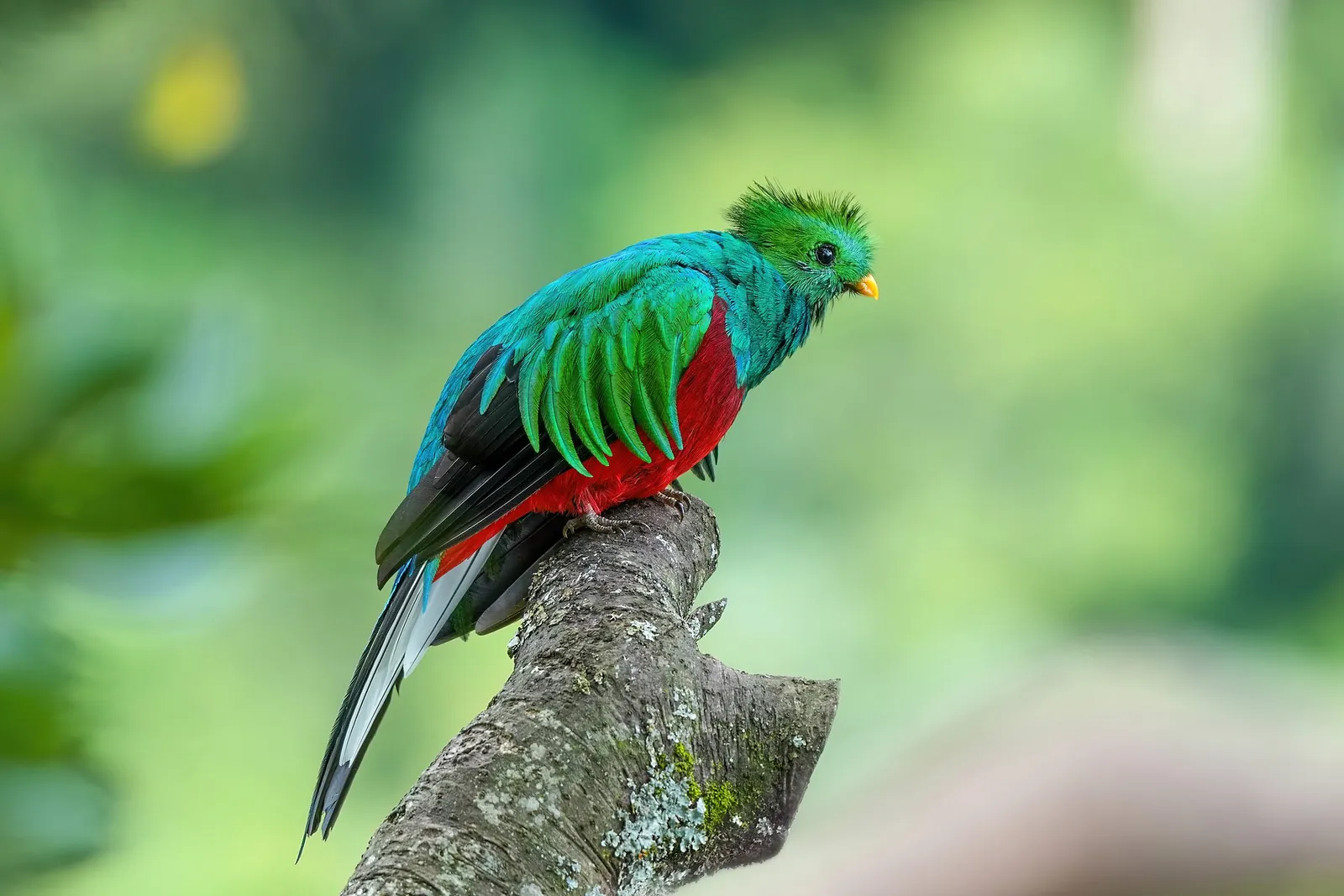
Ticket prices are shown in the booking system rather than on the information pages, so check the current price on cloudforestmonteverde.com when you book. This is quetzal country: a guide greatly improves your chances of seeing one.
Afternoon
After lunch, head down to Manuel Antonio, near the town of Quepos on the central Pacific coast. Allow roughly four hours or more. The first stretch out of Monteverde is the slowest part.
Evening
Check in, find a spot with an ocean view and enjoy the warm air after the cool mountains.
Day 6: Manuel Antonio National Park
Morning
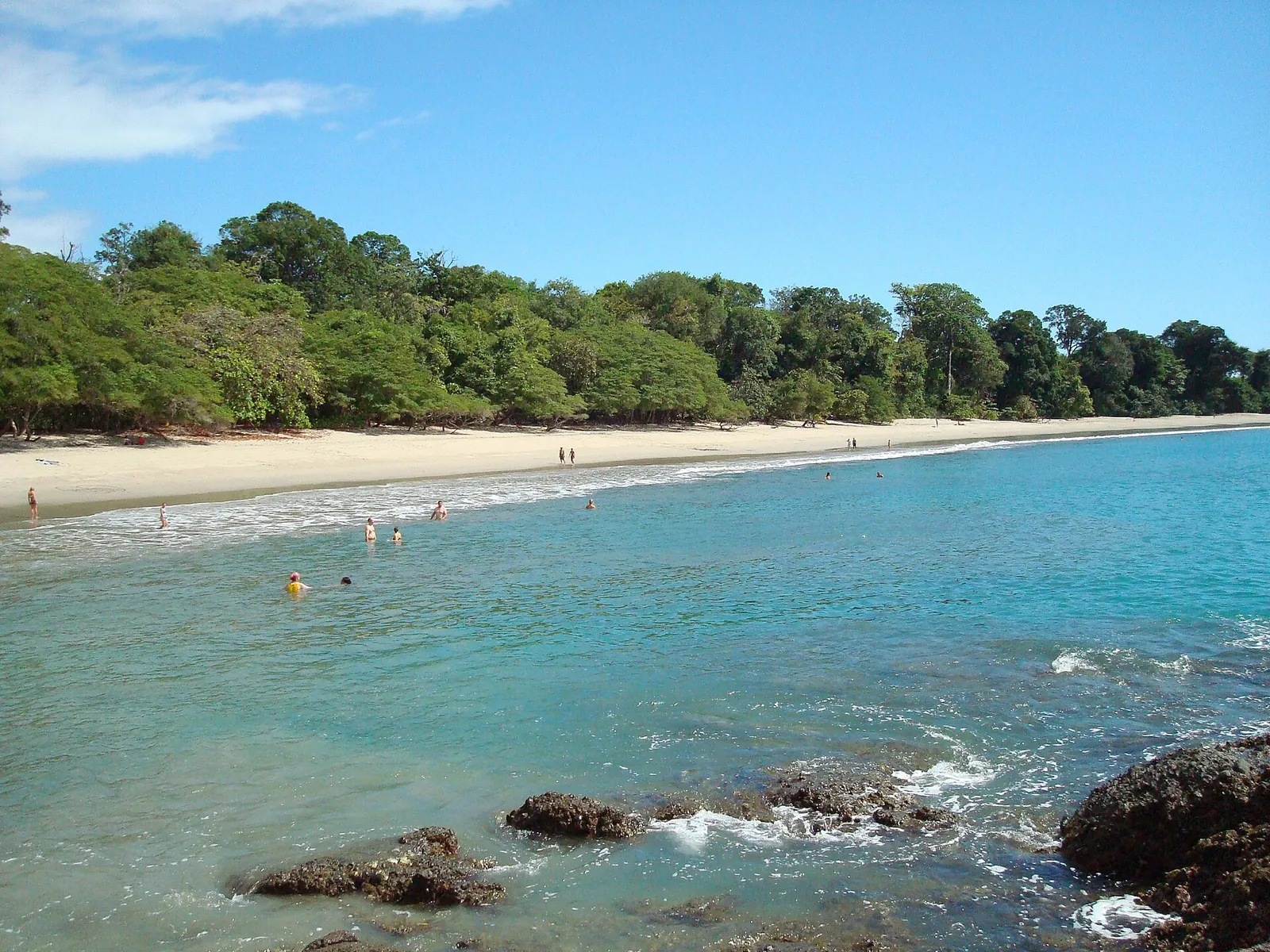
Get ready for the big wildlife day! Manuel Antonio National Park is Costa Rica’s most visited protected area, according to SINAC, and combines rainforest trails, a mangrove, a lagoon and beautiful beaches. The main entrance is about 7 km east of Quepos.
The rules are important here:
- Tickets are sold only online, on SINAC’s official site, serviciosenlinea.sinac.go.cr. Book before you arrive, especially in high season and at weekends.
- Hours: Wednesday to Monday, 7:00 am to 3:00 pm. Closed on Tuesdays.
- Fees (tax included): USD 18.08 for non-resident adults over 12 and USD 5.65 for non-resident children aged 2 to 12. Under-2s enter free.
- Food: you cannot take food onto the beaches and trails. A concession inside the park sells food, which must be eaten in its designated area.
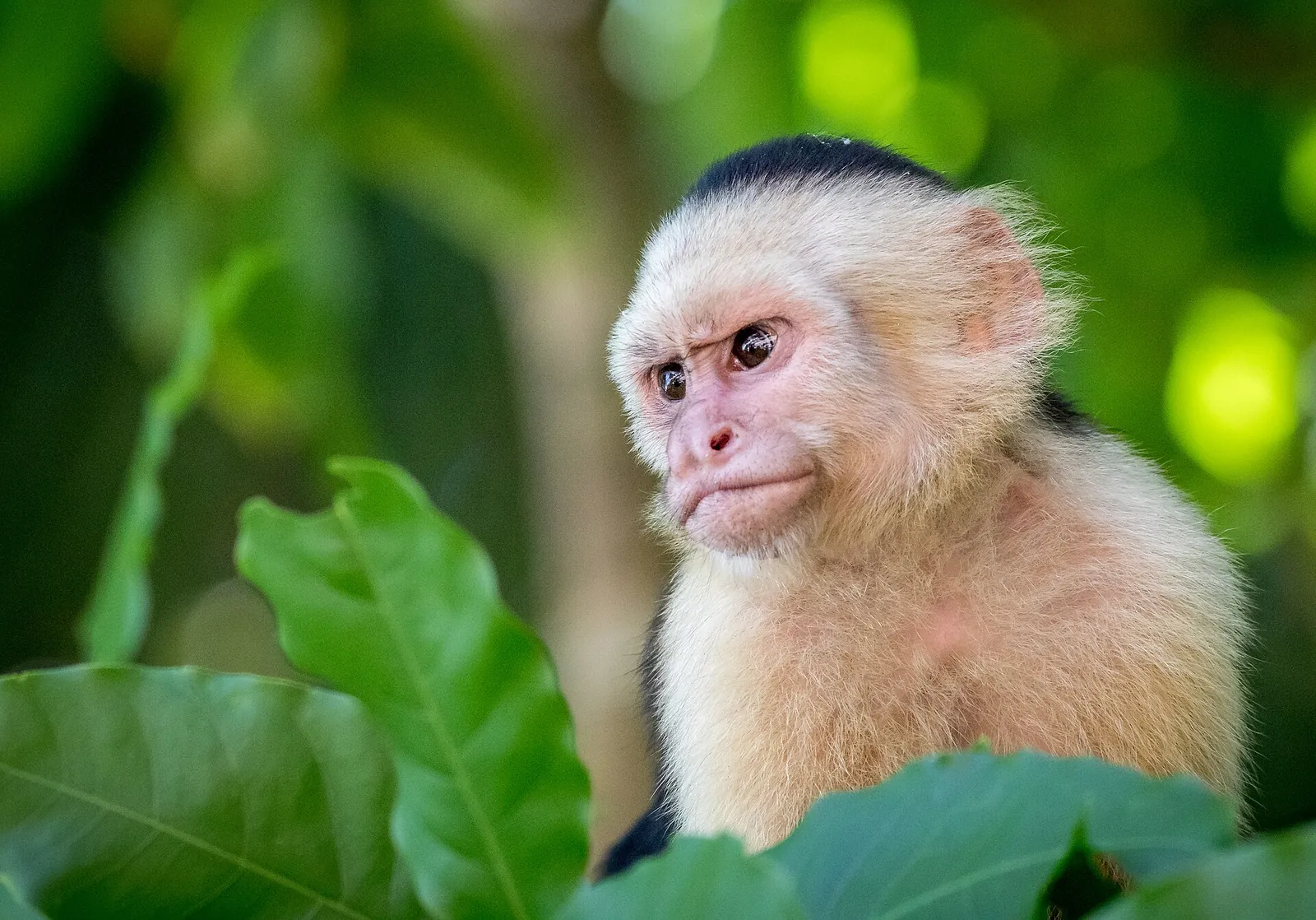
Go as early as you can, when animals are most active and it is cooler. Look out for white-faced capuchin monkeys, sloths, iguanas and toucans. Official guides are available from the Manuel Antonio Official Tour Guides association, which runs the guiding concession inside the park from 7:00 am to 2:00 pm, Wednesday to Monday. SINAC lists their contacts on the park page. A licensed guide with a telescope makes a huge difference with sloths, which are easy to miss high in the trees.
Afternoon
Walk the signed trails to the Punta Catedral and Punta Serrucho viewpoints and the waterfall trail, then cool off at Playa Manuel Antonio or Playa Espadilla Sur inside the park. There are toilets, changing rooms and showers, but soap and shampoo are not allowed. Drinking water fountains along some trails let you refill a reusable bottle.
Evening
Watch the sunset from Playa Espadilla, the public beach just outside the park, or from one of the hillside restaurants on the road between Quepos and Manuel Antonio.
Day 7: Back to San José
Morning
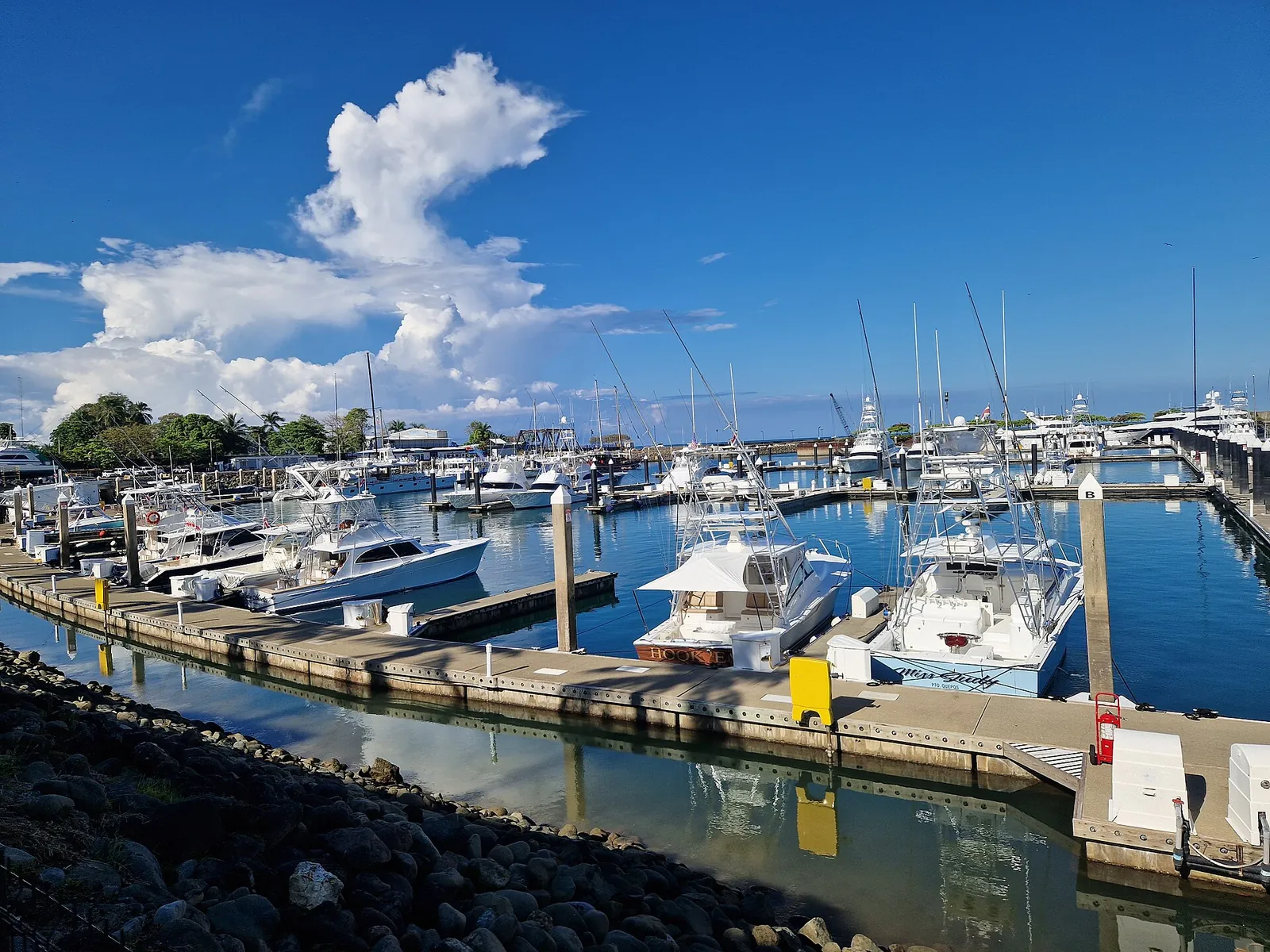
Soak up your last Pacific morning with a swim or a slow breakfast. If you have time before leaving, take a mangrove kayak tour or a catamaran trip from Quepos, booked with a licensed operator.
Afternoon
Head back to the San José area for your flight. Allow at least three and a half hours by road, plus a good buffer, because traffic around the capital can be heavy. If your flight is early the next morning, spend the night near the airport. Small domestic flights also link the Quepos area with San José; check schedules and fares with the airline.
Getting there and getting around
Arriving. Juan Santamaría International Airport (SJO), near Alajuela, is the usual gateway for this route. Guanacaste Airport near Liberia (LIR) in the northwest is closer to Arenal but further from Manuel Antonio, so it works best if you fly in and out of different airports.
Shared shuttles vs car hire. Both work well for this loop:
| Shared shuttle | Rental car | |
|---|---|---|
| Best for | Relaxed travellers, solo travellers, no stress at the wheel | Families, flexibility, early starts at the parks |
| How it works | Fixed daily departures, hotel pick-up and drop-off | Your own schedule, stop where you like |
| Watch out for | Fixed times, less flexibility on Days 4 and 5 | Slow, winding roads, theft from parked cars |
Shared tourist shuttles connect San José, La Fortuna, Monteverde and Manuel Antonio, usually door to door. Book through your hotel or a licensed operator and check the current fare when you book.
If you drive, choose a 4x4 or a high-clearance car for the Monteverde roads, and check exactly which insurance is compulsory and whether it is included in your quote, as headline prices online can be misleading. The UK government says a UK photocard driving licence can be used for up to 180 days, depending on the length of stay granted on entry. It also warns that driving standards are lower than in the UK, with speeding and risky overtaking common, and that in an accident involving injury or disputed fault you must not move the vehicle until the traffic police arrive. Avoid driving after dark where you can.
Rainy vs dry season. Visit Costa Rica describes a well-defined dry season on the Pacific side from December to March, with April as a transition month and the rainy season running from May to October. On its regional activity pages, it groups the year into a dry season from December to April and a “green season” from May to November. Arenal is on the Caribbean-influenced northern side, so expect showers there in any month. In the green season, mornings are often clear and rain tends to come in the afternoon, so start your hikes early. Prices and crowds are lower then, but the UK government notes that June to November is the peak rainy season and can bring flooding, landslides and road closures.
Where to stay
- La Fortuna (Days 2 and 3): Stay in town for restaurants and easy taxis, or along the road towards the volcano for views and hot springs on site. Ideal for first-timers and families.
- Santa Elena, Monteverde (Day 4): The village has the most choice, and many lodges sit in the forest just outside it. Good for couples and wildlife lovers who want night tours nearby.
- Manuel Antonio and Quepos (Days 5 and 6): The hillside road between Quepos and the park has the best views and is close to the park entrance. Quepos itself is better value and has the marina.
- San José area (Day 1 and possibly Day 7): Alajuela and the western suburbs are practical for the airport and for picking up a car.
Budget
| Item | Typical cost |
|---|---|
| Manuel Antonio National Park, non-resident adult / child 2 to 12 | USD 18.08 / USD 5.65 |
| Arenal Volcano National Park, non-resident adult / child | USD 16.95 / USD 5.65 |
| La Fortuna Waterfall, foreign adult | Reported at USD 20; check cataratalafortuna.com |
| Taxi from La Fortuna to the waterfall | About USD 10 (as listed by the waterfall site) |
| Mistico Hanging Bridges, self-guided / guided | From USD 32 / from USD 54, plus taxes |
| Monteverde Cloud Forest Preserve | Check cloudforestmonteverde.com when booking |
| Departure tax when flying out | USD 29, usually included in your ticket |
Not counting Monteverde, the fixed fees in this plan come to roughly USD 87 to 109 per adult, depending on whether you take the guided bridges tour. The daily range in our summary covers park fees and tours only. It excludes accommodation, meals, hot springs, the night walk, transport, shuttles or car hire, fuel and travel insurance, which together make up most of the cost of a trip to Costa Rica.
Practical tips
- Book the parks online. Manuel Antonio sells tickets only on SINAC’s official site, and Monteverde strongly recommends booking ahead. SINAC’s online system asks for each visitor’s full name, ID and country, and a card for payment.
- Watch the Tuesday closure at Manuel Antonio, and check SINAC’s park page for changes before you go.
- Start early. Parks open early and close mid-afternoon, wildlife is most active in the morning, and rain often arrives later in the day.
- Pack for two climates: light clothes and swimwear for the lowlands and coast, a fleece and rain jacket for Monteverde, plus closed walking shoes.
- Money: Costa Rica uses the colón, and US dollars are widely accepted in tourist areas. Cards work in most hotels and restaurants; carry small cash for taxis and snacks.
- Do not feed the animals, especially the monkeys at Manuel Antonio, and keep food zipped away.
- Entry rules: The UK government says British visitors can stay up to 180 days without a visa, at the discretion of the immigration officer, and that your passport must be valid for at least one day after you leave. Rules differ by nationality, so check with the Costa Rican embassy or consulate in your country. A yellow fever certificate is required if you arrive from a country with a risk of transmission.
- Wildlife and souvenirs: You could be fined for taking wildlife out of the country, including seashells, according to GOV.UK.
Heads-up
Costa Rica is one of the easiest countries in the region to explore, and a few precautions keep it that way. These points come from the UK government’s travel advice for Costa Rica:
- Theft from cars: Do not leave luggage in a parked car, either visible or in the boot. One known trick is to slash a tyre and then offer to help change it while an accomplice steals from the car.
- On the road: Do not stop for strangers signalling for help, as they could be carjackers, and be aware that criminals sometimes cause deliberate collisions. If it happens, keep driving to a safe place such as a police station or garage.
- Taxis: Avoid unofficial taxis. Official taxis are red, or orange at the airport, with a triangular sticker and a roof sign showing the company. The driver should use the meter.
- Rip currents: Rip currents are common on Costa Rica’s beaches and lifeguards are often absent. Drowning is the second most common cause of accidental death. Ask locally before you swim, and take extra care on snorkelling trips.
- Crocodiles: They have been sighted on the Pacific coast, particularly between Playa Azul and Playa Esterillos. Do not swim near river mouths.
- Volcanoes and weather: Several of Costa Rica’s volcanoes are active. Check local advice before visiting volcanic areas, and avoid them during and right after heavy rain. The hurricane and peak rainy season runs from June to November.
- Emergencies: Call 911 for ambulance, fire and police.
FAQ
Is 7 days enough for Costa Rica?
Yes, for a first taste. A week covers the classic triangle of Arenal, Monteverde and Manuel Antonio with two nights in most places. Add the Caribbean coast or the Osa Peninsula only if you have ten days or more.
Do I need to buy Manuel Antonio tickets in advance?
Yes. According to SINAC, tickets are sold only through its official website, serviciosenlinea.sinac.go.cr. Book before you arrive and choose a day other than Tuesday, when the park is closed.
Should I rent a car or use shuttles?
A rental car gives you freedom and early starts at the parks, but roads are slow and you should never leave luggage in the car. Shared shuttles are relaxed and go door to door between the main stops on this route. Both work for this plan.
Is the rainy season a bad time to visit?
Not at all, as long as you plan for it. The green season (May to November) brings fewer crowds and lush forest, and mornings are often clear. Start early, pack a rain jacket and leave buffer time for road delays.
Is the La Fortuna Waterfall inside Arenal Volcano National Park?
No. It is managed separately by ADIFORT, La Fortuna’s community association, and needs its own ticket. The park ticket does not cover it.
Do I need a guide in the parks?
Not required, but highly recommended at Manuel Antonio and Monteverde. Guides carry telescopes and know where sloths, quetzals and other animals hide, which makes a big difference on a short trip.
Sources
Prices, hours and rules change. We checked these on 1 November 2026; please confirm on the official page before you book.
- SINAC: Parque Nacional Manuel Antonio, hours and rates
- SINAC: Parque Nacional Volcán Arenal, hours and rates
- SINAC: official online ticket sales for national parks
- Catarata Río Fortuna (ADIFORT): La Fortuna Waterfall hike
- Mistico Arenal Hanging Bridges Park: rates and FAQ
- Monteverde Cloud Forest Preserve: Visit the Preserve
- Monteverde Cloud Forest Preserve: How we operate
- Visit Costa Rica (Instituto Costarricense de Turismo): Weather
- GOV.UK: Costa Rica travel advice, Safety and security
- GOV.UK: Costa Rica travel advice, Entry requirements
- GOV.UK: Costa Rica travel advice, Getting help
Photo credits (12)
- Arenal Volcano rising above green rainforest under a blue sky: Rhododendrites, CC BY-SA 4.0, via Wikimedia Commons
- The grand facade of the Teatro Nacional in San José: Mariordo ((Mario Roberto Durán Ortiz), CC BY-SA 4.0, via Wikimedia Commons
- A colourful casado plate with rice, beans and plantain: Grendelkhan, CC BY-SA 4.0, via Wikimedia Commons
- La Fortuna Waterfall dropping into lush green jungle: Isabella Jusková bellaskova, CC0, via Wikimedia Commons
- A hanging bridge stretching into the Arenal rainforest: m.prinke, CC BY-SA 2.0, via Wikimedia Commons
- Arenal Volcano seen from the old lava flow: Christophe Meneboeuf, CC BY-SA 3.0, via Wikimedia Commons
- Arenal Volcano across the calm waters of Lake Arenal: Ksaraf, CC BY 3.0, via Wikimedia Commons
- A green hanging bridge over the Monteverde forest canopy: Matthias Bethke, CC BY-SA 4.0, via Wikimedia Commons
- A male resplendent quetzal perched on a branch: Giles Laurent, CC BY-SA 4.0, via Wikimedia Commons
- Turquoise water and white sand at Manuel Antonio: w:User:Tarrazu, Public domain, via Wikimedia Commons
- A white-faced capuchin monkey at Manuel Antonio: Gerry Zambonini, CC BY-SA 2.0, via Wikimedia Commons
- Boats lined up at the marina in Quepos: Hanay, CC BY-SA 4.0, via Wikimedia Commons
More Latin America itineraries
 6 days
6 Days in Cancun, Tulum and the Yucatan: Itinerary
A 6-day Cancun, Isla Mujeres, Valladolid, Chichen Itza and Tulum itinerary with verified 2026 entry fees, opening hours, ferry fares and ADO bus tips.
 8 days
8 Days in Peru: Lima, Cusco, Sacred Valley, Machu Picchu
An 8-day Peru itinerary: Lima's coast and museums, the Sacred Valley, Machu Picchu by train and Cusco, with verified tickets, transfers and safety tips.
 4 days
4 Days in Mexico City: A Day-by-Day Itinerary
A 4-day Mexico City itinerary: Centro Histórico, Chapultepec and the Anthropology Museum, Teotihuacan, then Coyoacán and Xochimilco.
This is a researched plan, not a personal trip report. How we research · Affiliate disclosure