
5 Days in Crete: A Day-by-Day Itinerary
A 5-day Crete itinerary: Heraklion museum and Knossos, Rethymno old town, Chania harbour, Balos or Samaria, and Elafonisi, with 2026 tickets and bus fares.
- 🗓️ Trip length
- 5 days
- ☀️ Best time
- May to June, September to October
- 💰 Daily spend
- EUR 5-35 (sights and local buses only)
- ✅ Facts checked
- 1 November 2026
Get ready for Greece’s biggest island, a place where Minoan palaces, Venetian harbours and turquoise lagoons all fit into one trip. This five-day plan crosses Crete from east to west: two nights in Heraklion for the museum and Knossos, then three nights in Chania for the old town, the wild west coast and some of the most photographed beaches in the Mediterranean.
The pace is moderate. Days 1 to 3 are mostly walking around towns and sites, and Days 4 and 5 are big outdoor days that work best with a hire car. Crete is large, so we’ve kept the plan to the north-central and western parts of the island rather than trying to see it all. If you prefer slow travel, swap Day 5 for a beach day near Chania.
At a glance
| Day | Area | Highlights |
|---|---|---|
| 1 | Heraklion | Heraklion Archaeological Museum, Lions Square, Venetian harbour and Koules fortress |
| 2 | Knossos and Rethymno | Palace of Knossos, drive west, Rethymno old town and museum, arrive in Chania |
| 3 | Chania | Venetian harbour and lighthouse, old town lanes, Archaeological Museum of Chania |
| 4 | West coast | Balos lagoon and Gramvousa, or Samaria Gorge in season |
| 5 | South-west | Elafonisi beach, return to Chania |
Day 1: Heraklion, Minoan treasures and a Venetian harbour
Morning
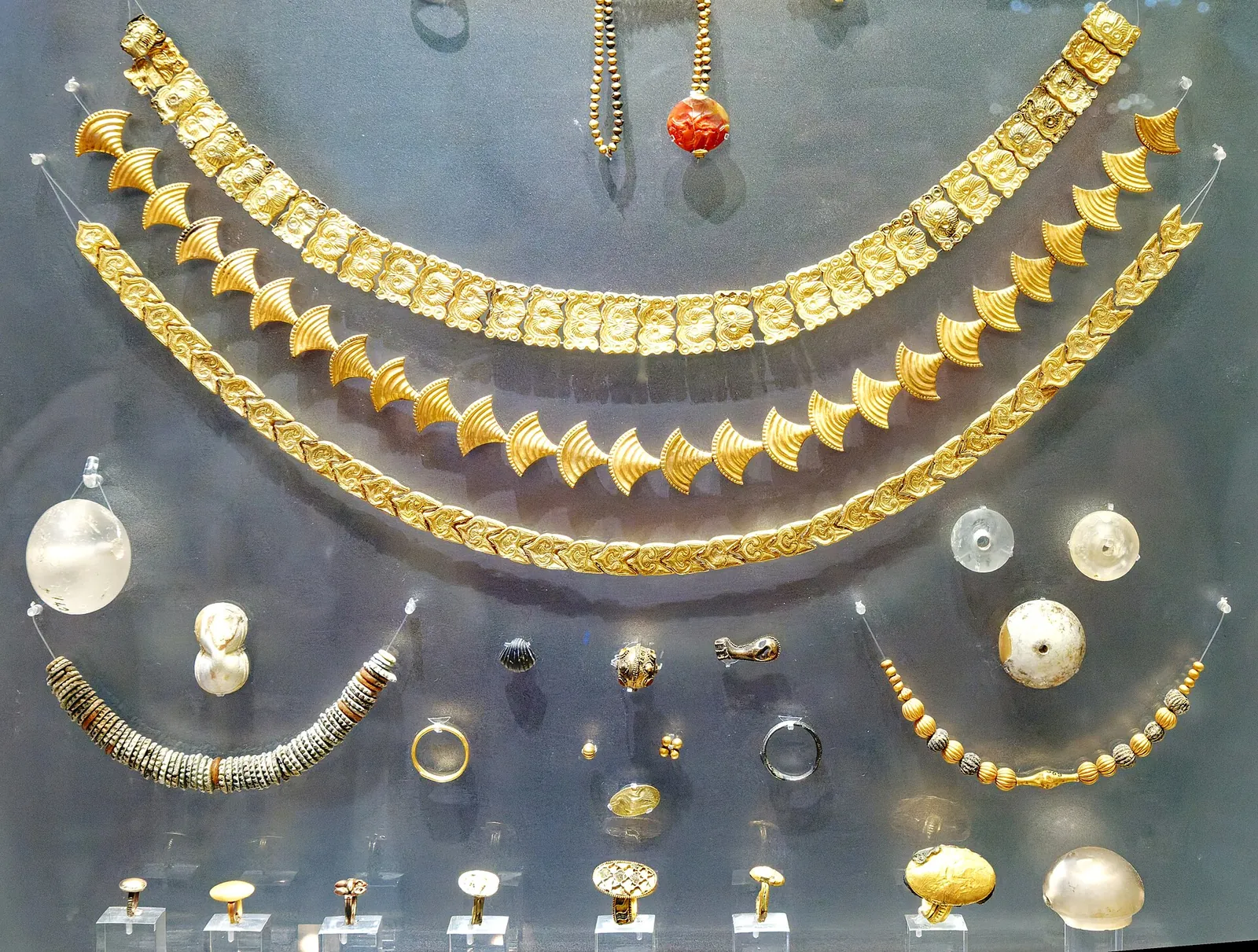
Welcome to Crete! Start your trip with the island’s greatest treasure chest, the Heraklion Archaeological Museum (Xanthoudidou 2, in the city centre). It holds the finds that bring the Minoan world to life, and it makes Knossos tomorrow far easier to understand.
Pre-book: buy a timed ticket on the official ministry platform, hhticket.gr. Tickets are valid only for the day and time slot you choose. A full ticket costs EUR 20. From 1 November to 31 March, Greek and other EU citizens over 65 pay a reduced EUR 12 with ID. Note that the old combined ticket with Knossos is no longer valid, so you need separate tickets.
Opening hours, from the Ministry of Culture:
- Winter: daily 08:30 to 15:30, except Wednesday 10:00 to 17:00
- Summer: daily 08:00 to 20:00, except Wednesday 13:00 to 20:00
- Closed: 1 January, 25 March, 1 May, Easter Sunday, 25 and 26 December
Entry is free on the first and third Sunday of each month from November to March, plus a few special days (6 March, 18 April, 18 May, the last weekend of September and 28 October). Expect crowds on those days.
Afternoon
After lunch, wander the pedestrian heart of the old town. Head for Lions Square and its Venetian Morosini fountain, then stroll down 25th August Street past the church of Agios Titos towards the sea. Everything here is within easy walking distance.
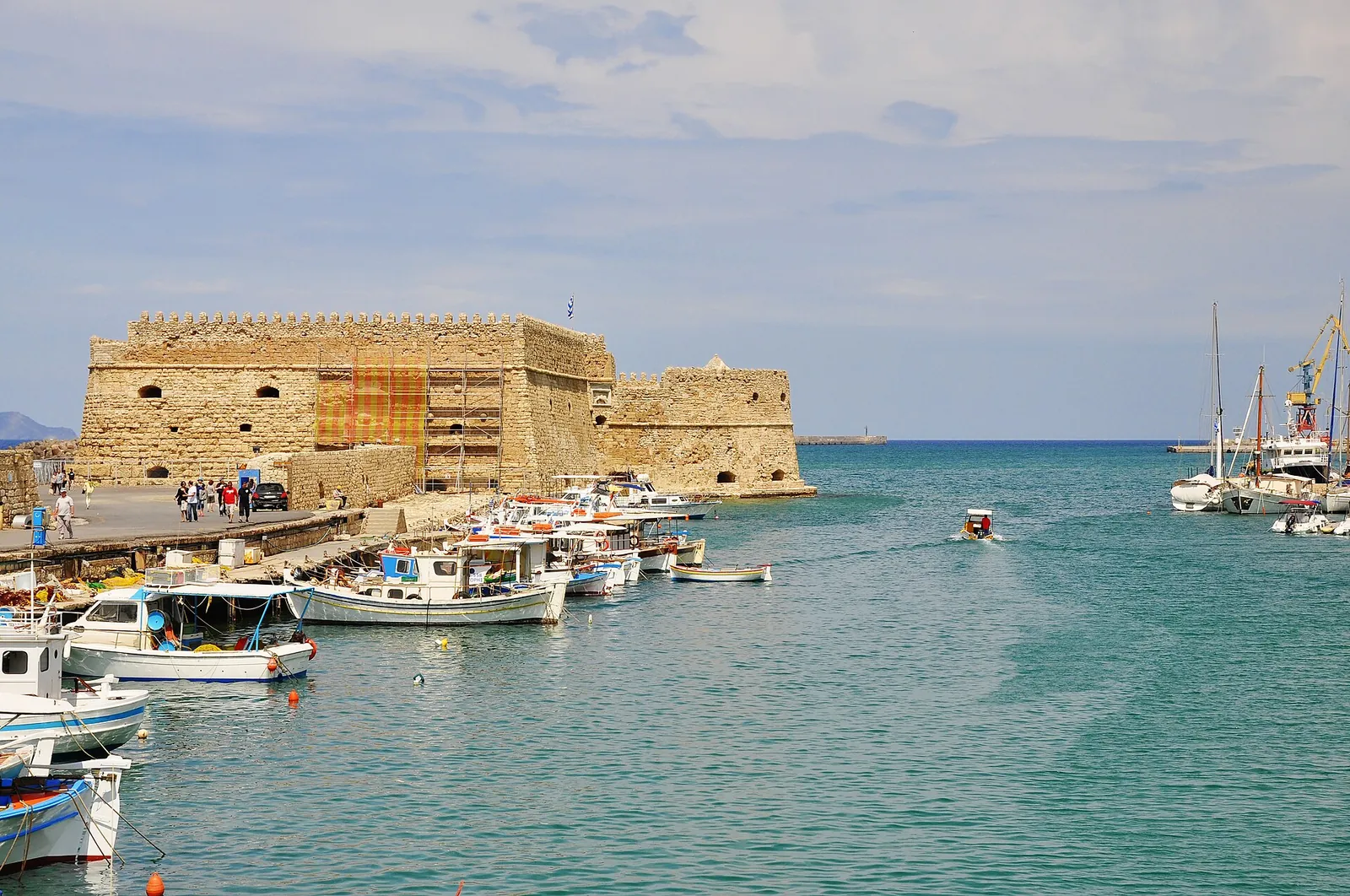
At the bottom you reach the Venetian harbour and the Koules fortress guarding its entrance. Walk out along the harbour wall for wide views back over the city. Check the fortress’s current hours and ticket price locally before you go in.
Evening
Stay near the harbour or the old town for dinner. It’s the perfect first night to try Cretan classics like dakos (barley rusk with tomato and cheese), snails, and grilled fish, with a small glass of raki to finish.
Day 2: Knossos, then west to Rethymno and Chania
Morning
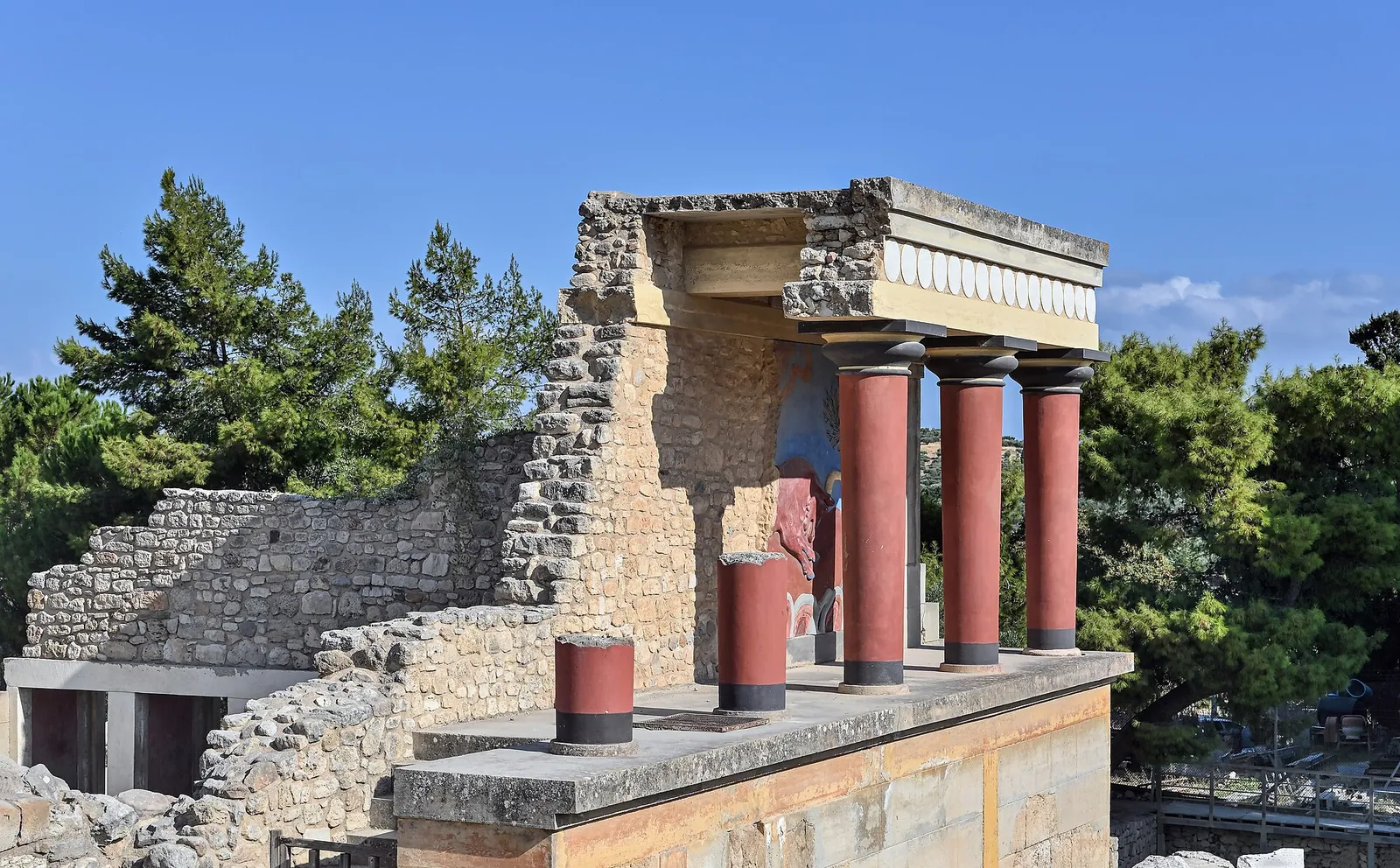
This is the day you’ve been waiting for: the Palace of Knossos, the largest Minoan palace and the legendary home of King Minos and the labyrinth. Go early, before tour groups arrive.
Getting there: the Ministry of Culture lists city bus No. 2 “Knossos” from Heraklion. Heraklion Urban Bus runs this line (2. Knossos-Skalani) every day. A regular single costs EUR 1.30 in zone A or EUR 1.80 in zone B if you buy before boarding, and EUR 2.30 or EUR 2.80 on board, so buy ahead. If you’re driving, you can stop at Knossos on your way out of the city.
Tickets: EUR 20 full, EUR 10 reduced, bought online at the ministry’s official e-ticketing service or at the site. Opening hours:
- From 1 November (winter): daily 08:30 to 17:00, last admission 16:45
- Summer: longer hours, up to 08:00 to 20:00 in spring, then closing earlier step by step through September and October
- Closed: 1 January, 25 March, Easter Sunday, Labour Day, 25 and 26 December
Allow about two hours, and bring water and a hat in the warm months.
Afternoon
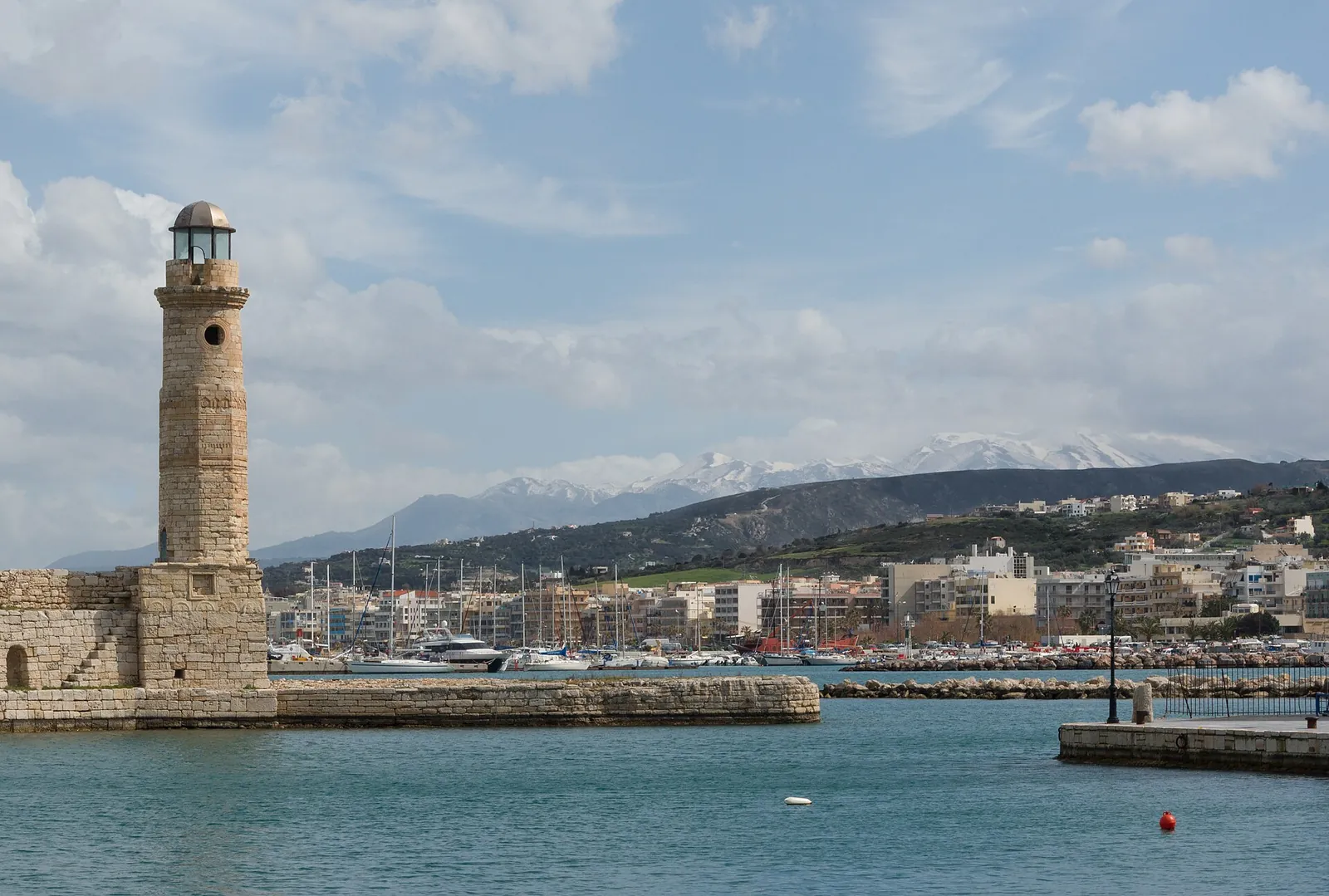
Collect your hire car (or head to the bus station) and travel west along the north coast to Rethymno, a lovely old town of Venetian lanes, wooden balconies and a giant hilltop fortress, the Fortezza. Check Fortezza tickets and hours on the official site or at the gate.
In the old town, the Archaeological Museum of Rethymno is temporarily housed in the Venetian church of Saint Francis. Tickets are EUR 5 full, EUR 3 reduced. Winter hours (1 November to 31 March) are 08:30 to 15:30. Summer hours (1 April to 31 October) are 09:00 to 17:00, and 09:00 to 19:00 on Saturdays. It’s closed on Tuesdays, and last admission is 20 minutes before closing.
Evening
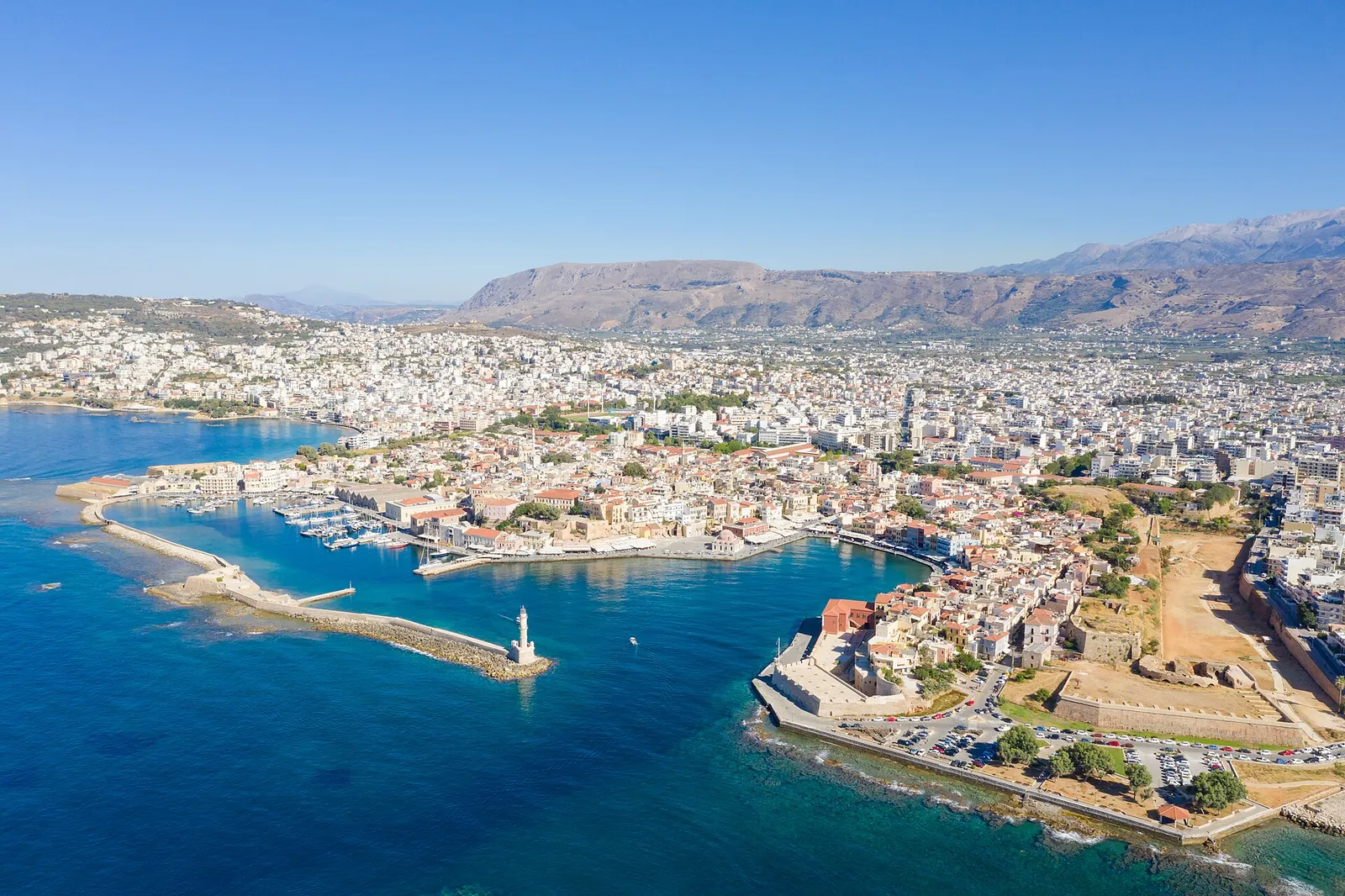
Continue west to Chania, your base for the next three nights. Drop your bags and take a first evening walk around the lit-up Venetian harbour.
Day 3: Chania, the most beautiful harbour on Crete
Morning
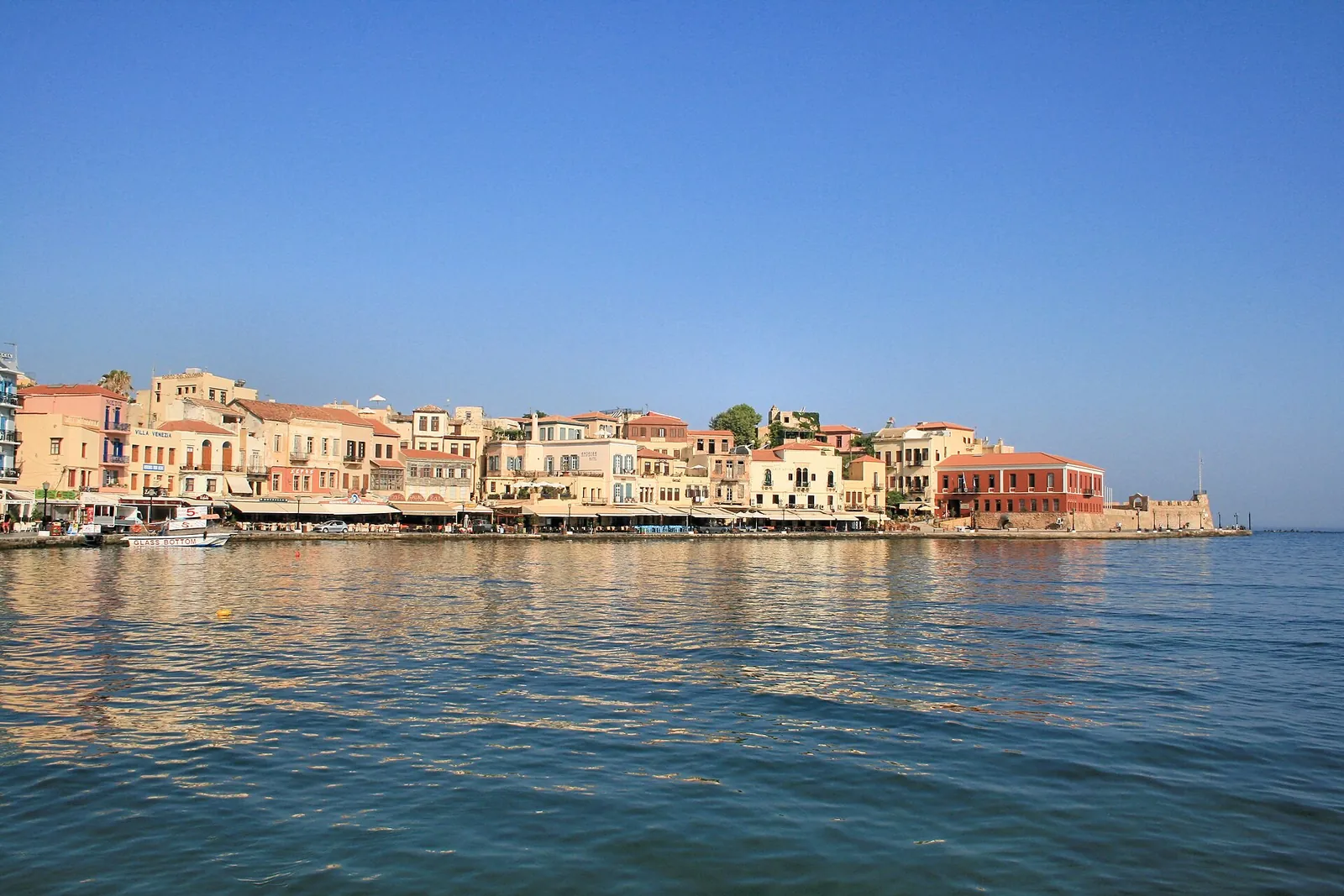
Get ready to fall for Chania. Start at the Venetian harbour while it’s quiet, then walk the long breakwater to the old lighthouse for the classic view back over the pastel waterfront. Afterwards, get lost in the old town lanes behind the harbour, full of craft shops, leather workshops and small bakeries.
Chania’s roots run deep: Hellenic Heritage lists Kydonia, the Minoan palace of Chania, among the city’s archaeological sites.
Afternoon
Head east to the seaside district of Chalepa for the Archaeological Museum of Chania, opened in 2022 in a striking modern building above the sea. It displays more than 4,000 objects from the Palaeolithic to the Roman era, arranged in chronological order.
- Tickets: EUR 15 full, EUR 8 reduced (book a time slot online at hhticket.gr)
- Winter (1 November to 31 March): 08:30 to 15:30
- Summer (1 April to 31 October): 08:00 to 20:00
- Closed: Tuesdays, plus 1 January, 25 March, 1 May, Easter Sunday, 25 and 26 December
- Free entry: first and third Sunday of each month from November to March
Evening
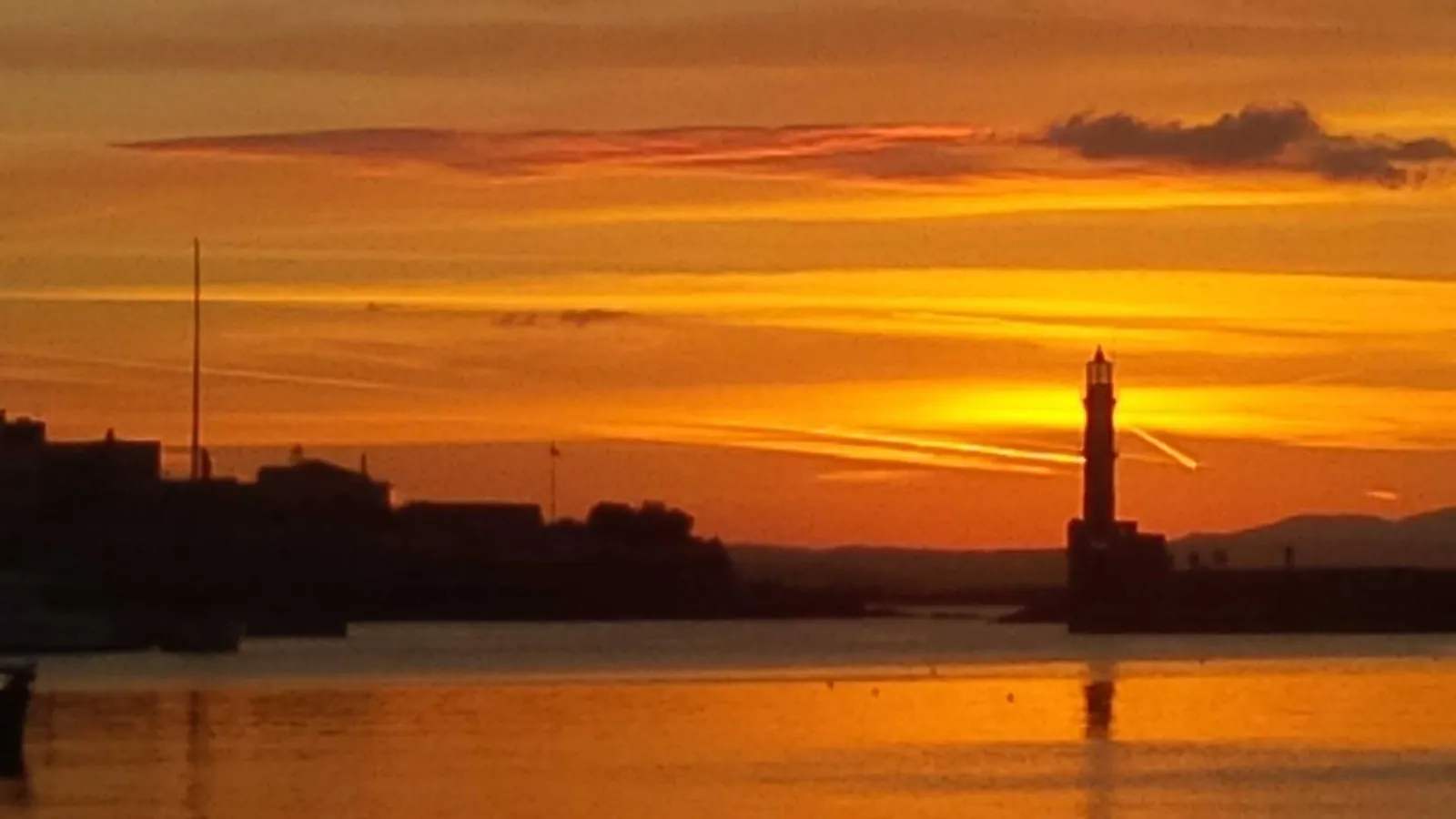
Watch the sunset from the harbour, then choose a taverna in the old town. Save room for bougatsa (a creamy filo pastry) for breakfast tomorrow.
Day 4: Balos lagoon and Gramvousa, or Samaria Gorge
Morning
This is the day for jaw-dropping scenery. You have two options, depending on the season and your energy.
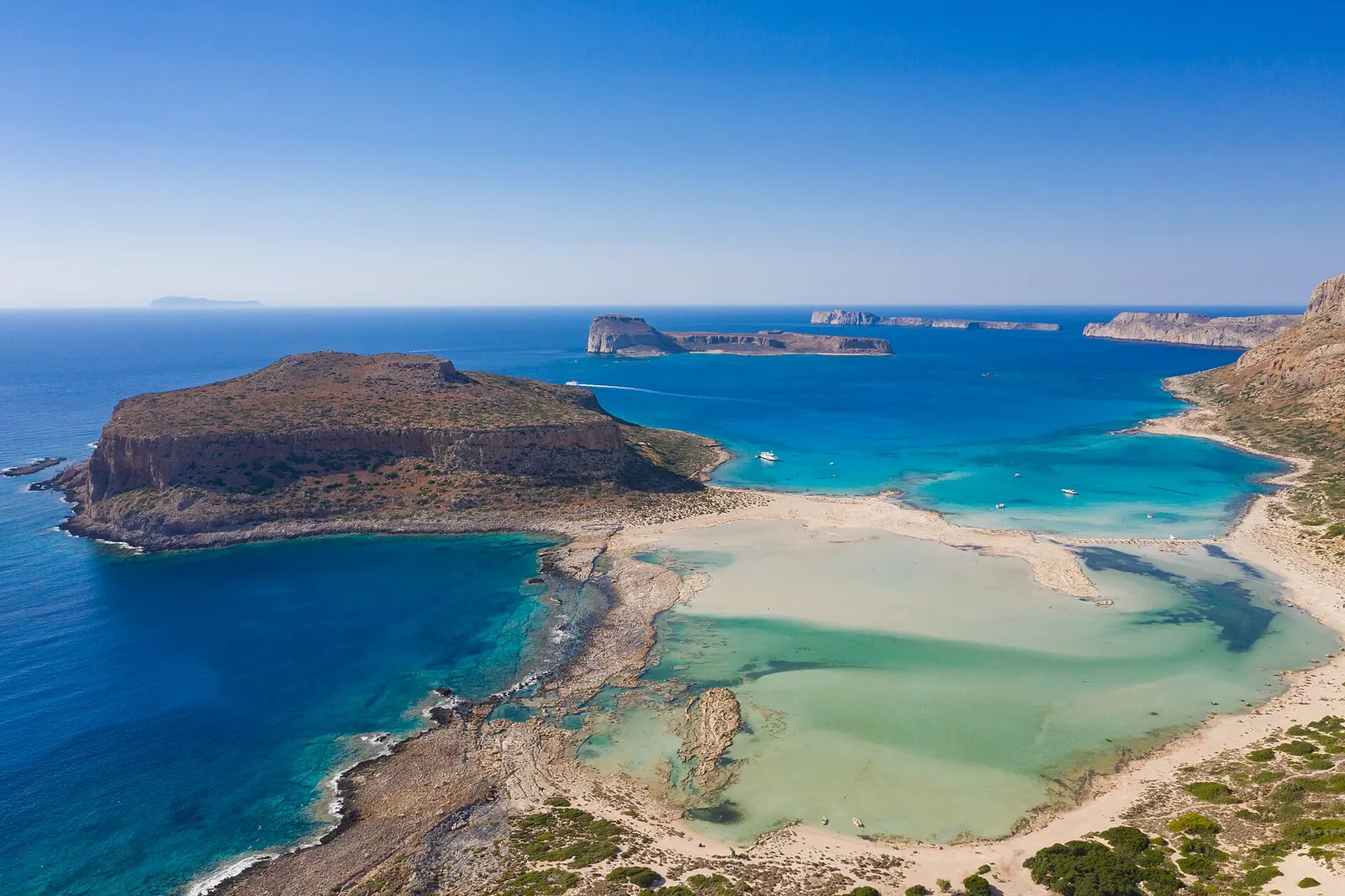
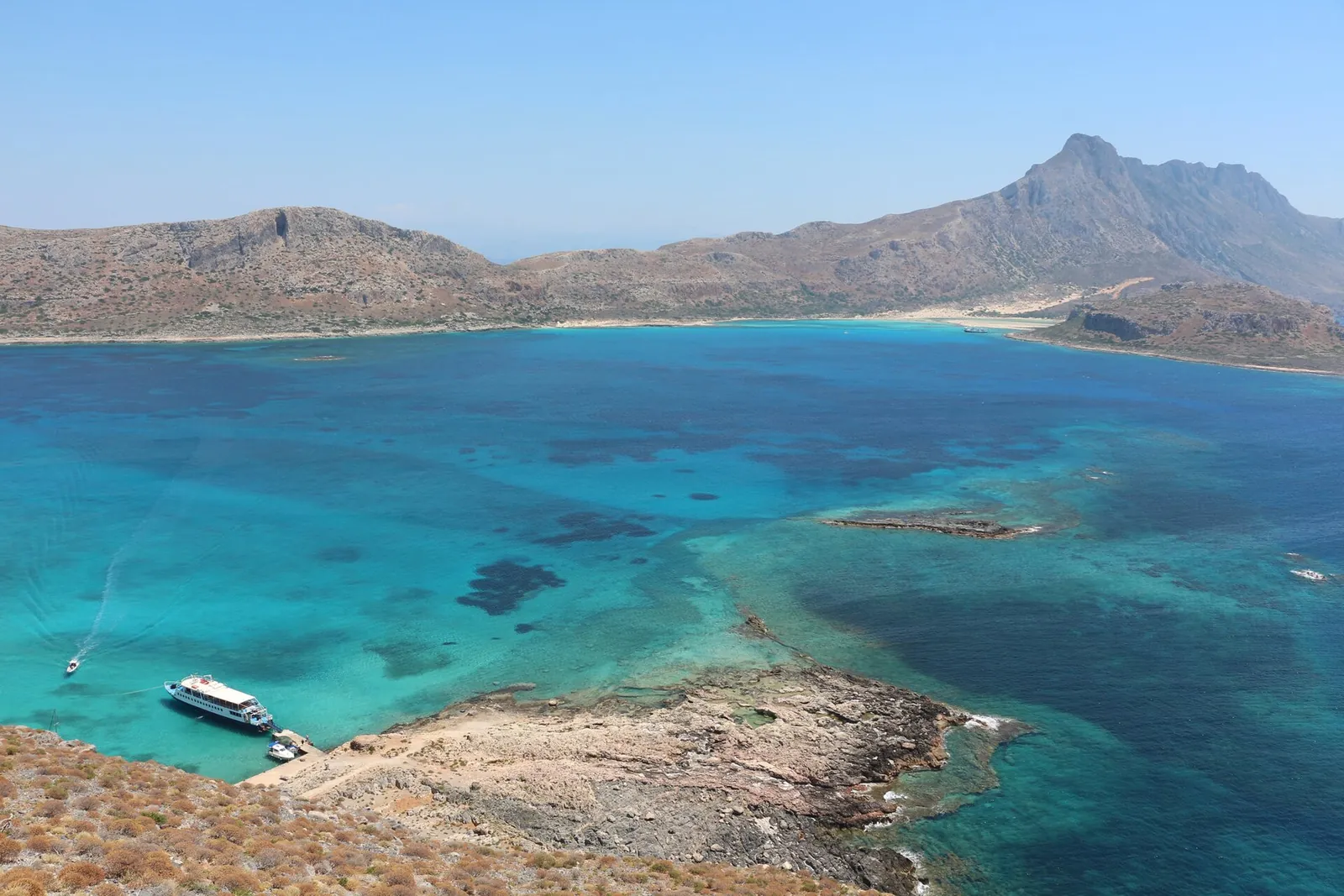
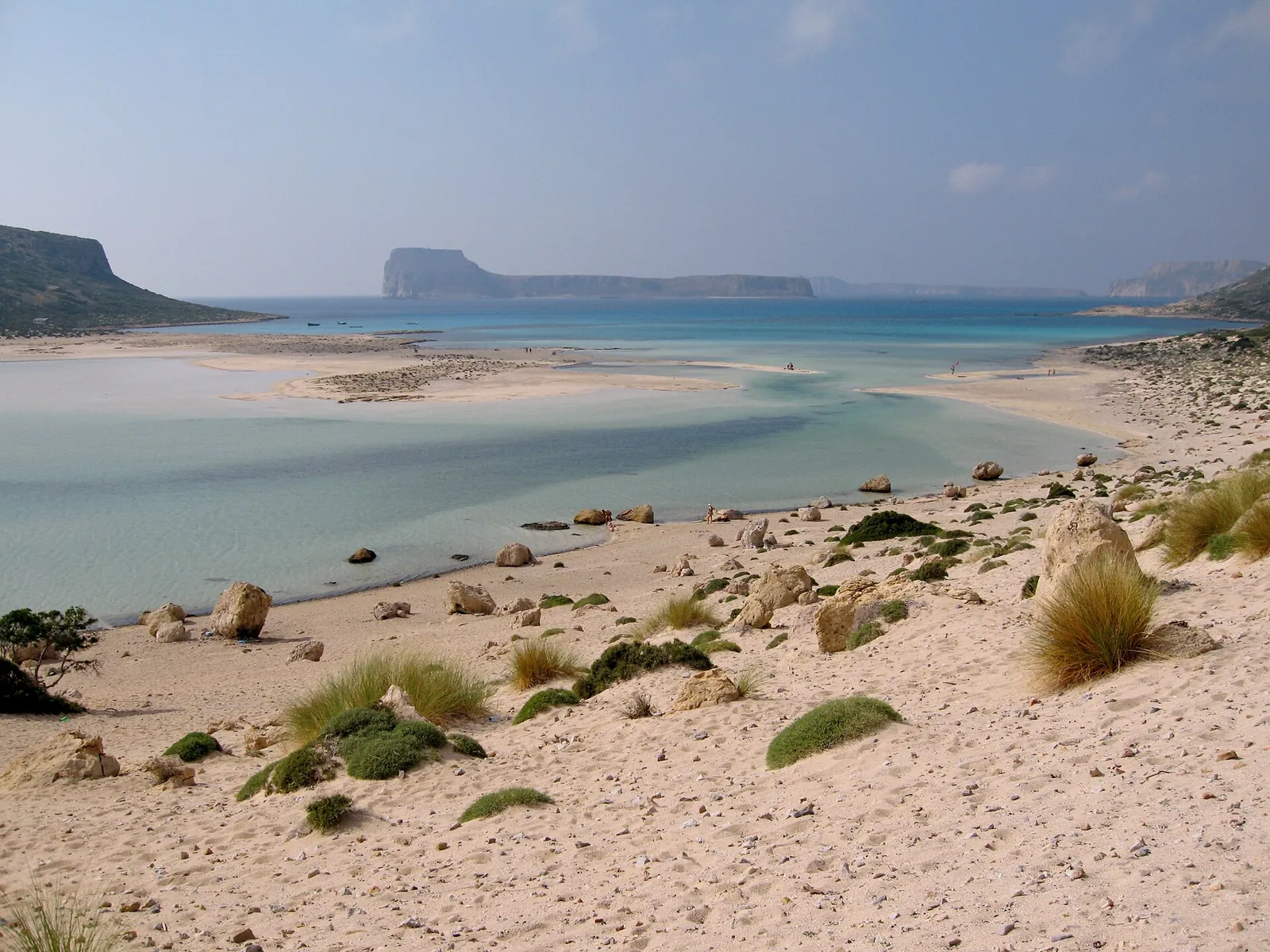
Option A: Balos lagoon and Gramvousa (easier). Drive west to the Kissamos area. From the port, seasonal boat trips visit the island of Gramvousa, with its Venetian fortress on the hilltop, and the shallow turquoise Balos lagoon. You can also drive to Balos on a rough road and walk down. Boat fares, road access and any local fees change every season, so check the official site or with the operator before you go.
Option B: Samaria Gorge (big hike, in season only). The gorge is inside Samaria National Park, managed by the Natural Environment and Climate Change Agency (NECCA). Key facts from the official ticket site:
- Season: under park rules, the main path may be open from 10 April to 31 October.
- Entry hours: 07:00 to 13:00 for visitors walking the whole route (Xyloskalo to Agia Roumeli or the reverse). Later entry is allowed only for short sections near each entrance.
- Ticket: EUR 10 per individual, bought on the NECCA ticket site. Under-18s and over-65s enter free with ID.
- Status: at the time of checking (1 November 2026), NECCA says the gorge remains closed from both entrances until further notice, pending inspections.
The full route is a long, rocky downhill walk with river crossings and finishes at the south coast village of Agia Roumeli, which has no road out. Most walkers join an organised day trip that handles the bus to the top and the ferry and bus back.
Afternoon and evening
After Balos, swim and relax before driving back. After Samaria, enjoy a swim in Agia Roumeli before the return journey. Keep dinner easy tonight.
Day 5: Elafonisi and the south-west
Morning
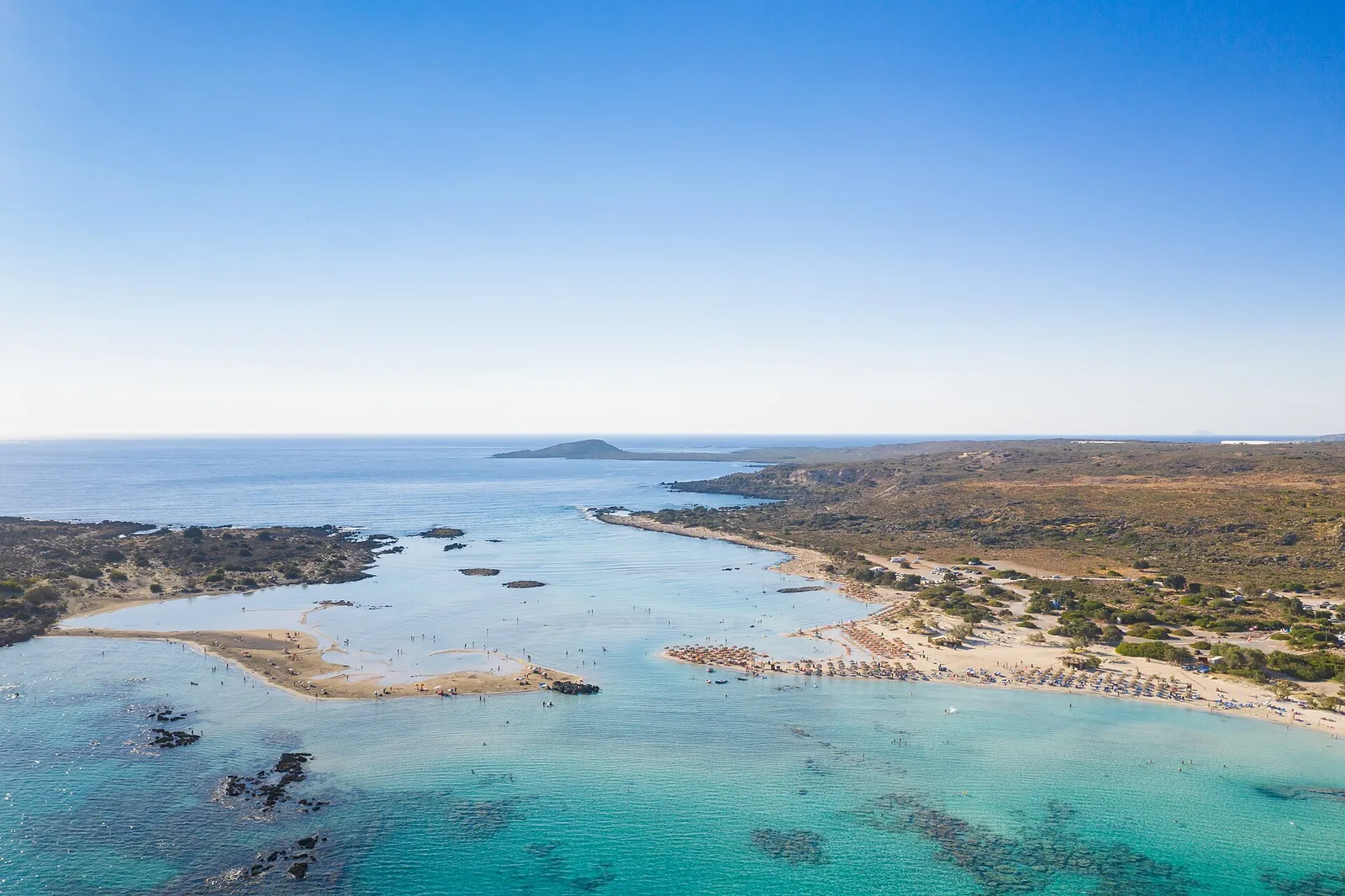
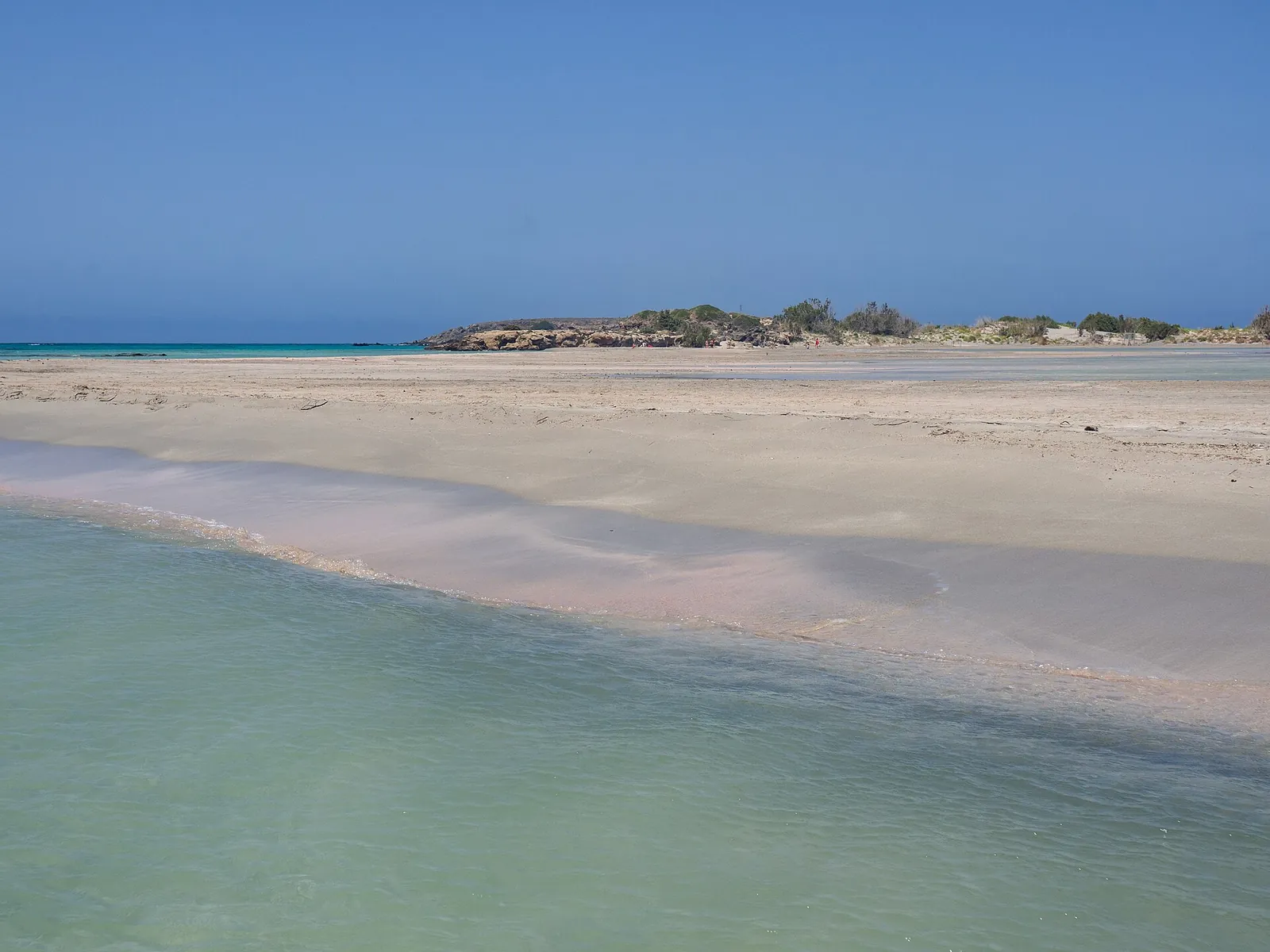
Your last day ends on a high: Elafonisi, a protected beach and islet on the south-west tip of Crete, famous for its pale pink-tinted sand and shallow, warm water. Leave Chania early by car, as the route is long and winding through mountain villages, and parking fills quickly in summer.
Afternoon
Swim, paddle across the shallows to the islet, and stay on the marked paths, as the area is protected. On the drive back, stop in a mountain village for a late lunch of slow-cooked lamb or kalitsounia (small cheese pies).
Evening
Celebrate your final night back in Chania’s old town. If you fly out tomorrow, Chania has its own airport, so there’s no need to return to Heraklion.
Getting there and getting around
Airports. Crete has two main airports: Heraklion in the centre-north and Chania in the west. This plan works best flying into Heraklion and out of Chania (an “open-jaw” ticket). Check your airline for options.
Heraklion city buses. Heraklion Urban Bus (Astiko KTEL Irakleiou) serves the city and suburbs. These are its current fares:
| Ticket | Before boarding | On board |
|---|---|---|
| Single, zone A (city, 5 km radius) | EUR 1.30 | EUR 2.30 |
| Single, zone B (suburbs) | EUR 1.80 | EUR 2.80 |
| All-day ticket | EUR 5.00 | EUR 5.00 |
| 24-hour ticket | EUR 6.00 | EUR 6.00 |
| 3-day ticket (all zones) | EUR 15.00 |
For the airport connection, check the operator’s lines and timetables.
Heraklion to Chania by bus. Long-distance KTEL buses run between Heraklion, Rethymno and Chania. We could not open the operator’s timetable or price list for this guide, so check times and fares on the official KTEL Chania-Rethymno site (e-ktel.com) before you travel.
Car hire. For Days 2, 4 and 5, a hire car is by far the most practical choice, as Balos, Elafonisi and mountain villages are hard to reach otherwise. GOV.UK notes that a UK photocard licence is valid in Greece, while paper licence holders may also need an International Driving Permit (1968). Other nationalities should check permit rules with their rental company before booking. Drink-driving limits in Greece are lower than in many countries, so don’t drink and drive.
Where to stay
- Heraklion old town (Lions Square and the harbour): best for Days 1 and 2. You’re walking distance from the museum, restaurants and the Knossos bus, and well placed for an early start.
- Chania old town: the most atmospheric base, right by the Venetian harbour. Lanes are car-free or narrow, so ask about parking if you drive.
- Chania new town or Chalepa: quieter, easier for parking, and close to the Archaeological Museum, still within walking or short taxi distance of the harbour.
- Rethymno old town: a good alternative middle base if you’d rather split the trip evenly between east and west.
Budget
These costs come from official sources and cover sights and local buses only. Flights, accommodation, meals, car hire, fuel, boat trips and organised tours are not included, so check current rates for those.
| Item | Typical cost |
|---|---|
| Heraklion Archaeological Museum | EUR 20 |
| Knossos | EUR 20 (reduced EUR 10) |
| Archaeological Museum of Rethymno | EUR 5 (reduced EUR 3) |
| Archaeological Museum of Chania | EUR 15 (reduced EUR 8) |
| Samaria Gorge, individual ticket | EUR 10 |
| Heraklion city bus, single (pre-bought) | EUR 1.30 to 1.80 |
| Heraklion 3-day bus ticket | EUR 15 |
| Koules, Fortezza, Balos boats, Heraklion to Chania bus | Check the official site |
If you plan your museum visits for the first or third Sunday between November and March, entry to the state museums in this plan is free.
Heads-up
Crete is welcoming and relaxed, and a little preparation keeps it that way. These points come from official sources:
- Check Samaria before you plan around it. The park’s season and hours can be shortened by NECCA or civil protection decisions, and as of 1 November 2026 the gorge is closed until further notice. Have a backup plan for Day 4.
- Sites can close for weather. The Heraklion Ephorate closed Knossos early one afternoon in October 2026 because of the weather. Check notices on the official Odysseus page on the day.
- Wildfire risk is high from April to October. Causing a wildfire is a criminal offence in Greece, even by accident. Don’t drop cigarettes or glass, and don’t light barbecues outdoors.
- Respect the sea. People drown in Greece every year. A red flag means you must not go in the water, and you shouldn’t dive into water you don’t know.
- Think twice about quad bikes and mopeds. GOV.UK says quad bike injuries and deaths are common, helmets are mandatory, and rental insurance often only covers third parties. Many travel insurance policies exclude quad biking.
- Hike sensibly. Avoid hiking alone, tell someone your plan, start early to avoid the heat, and carry water, sun protection and a charged phone. The emergency number is 112.
- Watch your bags in crowds and buy museum tickets only from the official ministry platform to avoid reseller mark-ups.
Practical tips
- What to book first: your hire car and accommodation in summer, then timed museum tickets on hhticket.gr.
- Tuesday closures: the Chania and Rethymno archaeological museums are closed on Tuesdays, so don’t plan Day 2 or 3 for a Tuesday, or swap the order.
- Winter hours are short: from November to March most state museums close at 15:30, so visit them in the morning.
- What to wear: good walking shoes for Knossos and the old towns, sturdy boots for Samaria, and cover your shoulders and knees when visiting churches and monasteries.
- Money: Greece uses the euro. Cards are widely accepted, but carry some cash for village tavernas and boat tickets.
- SIM and eSIM: EU roaming plans work in Greece. Otherwise, buy a travel eSIM before you fly or a local SIM on arrival so maps keep working on mountain roads.
- Visa and entry: Greece is in the Schengen Area, and non-EU short-stay visitors are now registered in the EU Entry/Exit System at their first Schengen border. Rules depend on your passport, so check the EU’s official EES and ETIAS site and your nearest Greek consulate well before you book.
FAQ
Is five days enough for Crete?
It covers Heraklion, Knossos, Rethymno, Chania and the west coast comfortably. The east and the south coast need extra days.
Do I need a car in Crete?
Not for Heraklion, Knossos or Chania town. For Balos, Elafonisi and mountain villages, a hire car is much easier.
Is there a combined ticket for Knossos and the Heraklion museum?
No. The Ministry of Culture says the combined ticket is no longer valid. Each costs EUR 20 on its own.
Can I hike Samaria Gorge in November?
Under park rules the main path may be open from 10 April to 31 October, and in November 2026 NECCA lists it as closed until further notice. Plan Balos or a beach day instead.
When is the best time to visit Crete?
May to June and September to October give warm sea, long days and fewer crowds than midsummer. Winter is quieter, with free museum Sundays but shorter opening hours.
Sources
Prices, hours and rules change. We checked these on 1 November 2026; please confirm on the official page before you book.
- Ministry of Culture and Sports (Odysseus): Knossos, information
- Ministry of Culture and Sports (Odysseus): Heraklion Archaeological Museum, information
- Hellenic Heritage: Archaeological Museum of Chania
- Hellenic Heritage: Archaeological Museum of Rethymno
- Heraklion Urban Bus (Astiko KTEL Irakleiou): Tickets
- Heraklion Urban Bus (Astiko KTEL Irakleiou): Itineraries
- NECCA: Tickets to Samaria National Park (entrance tickets, hours, notices)
- GOV.UK Foreign travel advice: Greece, Safety and security
- Visit Greece (Greek National Tourism Organisation): Crete
- European Union: Entry/Exit System (EES) and ETIAS
Photo credits (13)
- Turquoise Balos lagoon and Gramvousa from above: dronepicr, CC BY 2.0, via Wikimedia Commons
- Gold jewellery on display at the Heraklion Archaeological Museum: Holger Uwe Schmitt, CC BY-SA 4.0, via Wikimedia Commons
- Koules fortress and fishing boats in Heraklion's Venetian harbour: Moonik, CC BY-SA 3.0, via Wikimedia Commons
- Red columns and frescoed walls at the Palace of Knossos: Cayambe, CC BY-SA 4.0, via Wikimedia Commons
- Rethymno's harbour lighthouse with snowy mountains behind: Jebulon, CC0, via Wikimedia Commons
- Pastel waterfront of Chania's Venetian harbour on a sunny morning: Lapplaender, CC BY-SA 3.0 de, via Wikimedia Commons
- Golden sunset over the lighthouse in Chania's old harbour: NetscC415, CC BY-SA 4.0, via Wikimedia Commons
- Balos lagoon seen from the hills of Gramvousa: Przemek Pietrak, CC BY-SA 3.0, via Wikimedia Commons
- Sandy path down to the shallow Balos lagoon: Olaf Tausch, CC BY-SA 3.0, via Wikimedia Commons
- Elafonisi beach and islet seen from above: dronepicr, CC BY 2.0, via Wikimedia Commons
- Pink-tinted sand and clear shallows at Elafonisi: C messier, CC BY-SA 4.0, via Wikimedia Commons
- Mountain views from a road in the Chania region: Alexey Komarov, CC BY-SA 4.0, via Wikimedia Commons
- Chania's old town and Venetian harbour from the air: dronepicr, CC BY 2.0, via Wikimedia Commons
More Greece itineraries
 4 days
4 Days in Rhodes: A Day-by-Day Itinerary
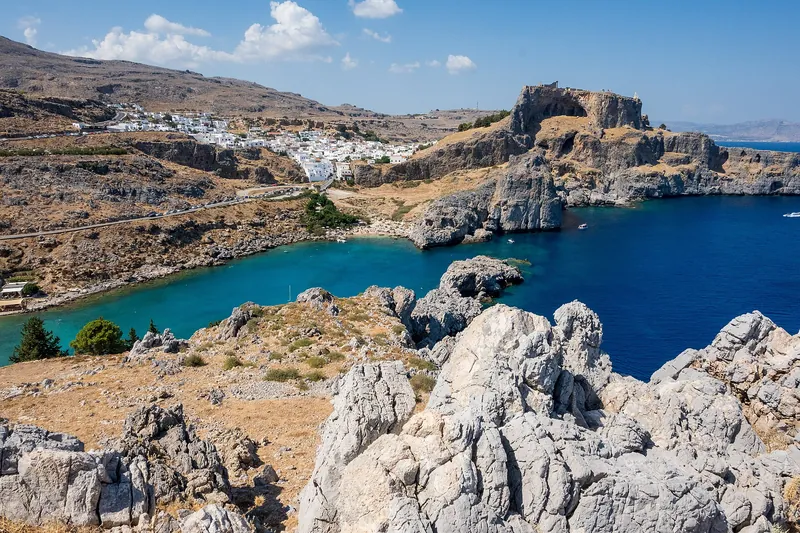
A 4-day Rhodes itinerary: the medieval Old Town, Lindos by public bus, a ferry day trip to Symi, then Monte Smith, Mandraki harbour and Kallithea.
 3 days
3 Days in Athens: A Day-by-Day Itinerary
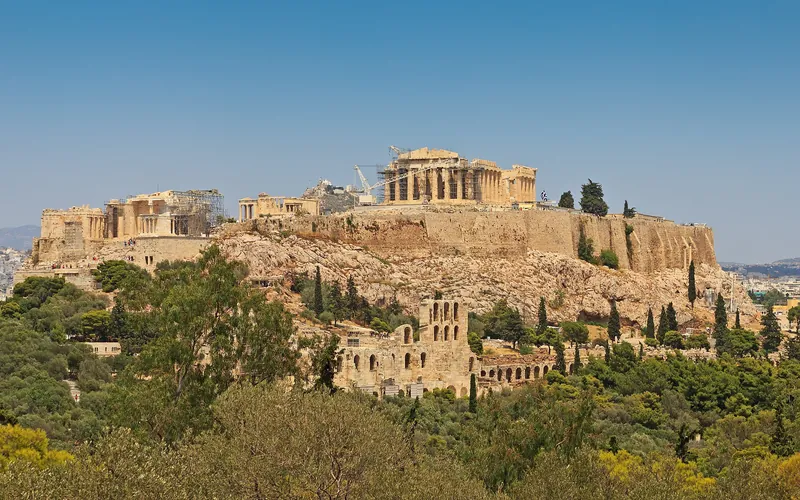
A 3-day Athens itinerary: the Acropolis and its museum, Ancient Agora, Plaka, Panathenaic Stadium and the National Archaeological Museum.
 3 days
3 Days in Santorini: A Day-by-Day Itinerary
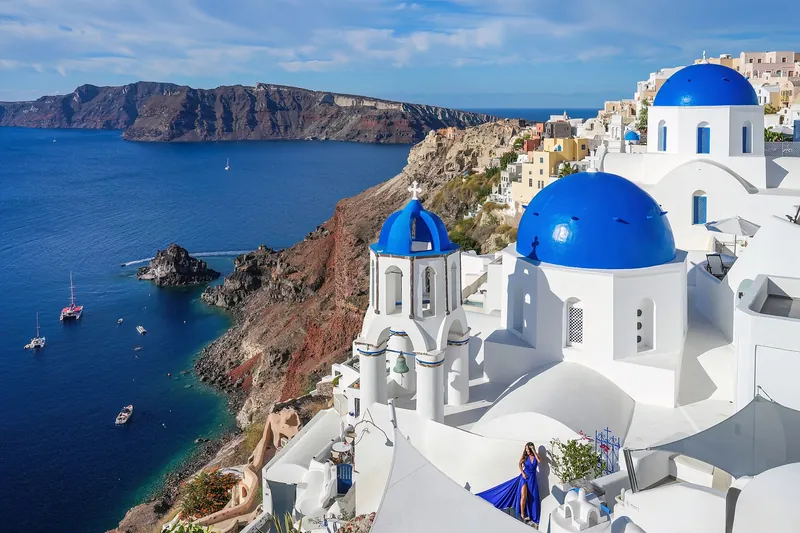
A 3-day Santorini itinerary covering Fira, Akrotiri, Ancient Thera and Oia, with verified ticket prices, opening days, KTEL bus fares and safety tips.
Compare all Greece itineraries →
This is a researched plan, not a personal trip report. How we research · Affiliate disclosure