
5 Days in Cyprus: A Day-by-Day Itinerary
A 5-day Cyprus itinerary: Larnaca, old Nicosia, Kourion and Limassol, the Troodos mountains and Kato Paphos, with checked entry fees and opening hours.
- 🗓️ Trip length
- 5 days
- ☀️ Best time
- April to June, September to November
- 💰 Daily spend
- About EUR 15-30 for sights and transport (excl. hotel, meals and car hire)
- ✅ Facts checked
- 1 November 2026
Get ready for Roman mosaics by the sea, a walled capital with centuries of layered history, pine-covered mountains with frescoed chapels, and a sunset over a clifftop theatre that has been staging drama for close to two thousand years. Cyprus is the third-largest island in the Mediterranean, and five days is a sweet spot: enough to taste the coast, the capital and the mountains without spending the whole trip in transit.
The plan is simple and fun: you move west across the island. You arrive in Larnaca, spend a day in Nicosia, then drive along the south coast to Kourion and Limassol, climb into the Troodos mountains, and finish in Paphos. The pace is relaxed to moderate. Days 1 and 2 work on foot and by bus, while days 3 to 5 are far easier with a rental car. It suits first-timers, history fans, food lovers and anyone who likes a road trip with a beach at the end.
A quick note on the island: Cyprus has been divided since 1974. This itinerary covers the areas controlled by the government of the Republic of Cyprus, in the south and centre. A UN-patrolled buffer zone, often called the Green Line, runs across the island and through the middle of Nicosia. The northern part is administered by Turkish Cypriots. If you plan to cross, read the official guidance in the Heads-up section first.
At a glance
| Day | Area | Highlights |
|---|---|---|
| 1 | Larnaca | Finikoudes seafront, Church of Saint Lazarus, Salt Lake and Hala Sultan Tekke |
| 2 | Nicosia | Old town inside the Venetian walls, Leventis Municipal Museum, Cyprus Museum, Laiki Geitonia |
| 3 | Kourion and Limassol | Kourion theatre and mosaics, Limassol Medieval Castle, old port and seafront |
| 4 | Troodos mountains | Mountain villages, painted churches, Kykkos Monastery and its museum |
| 5 | Paphos | Kato Paphos Archaeological Park, Tombs of the Kings, harbour |
Before you go: most state archaeological sites are run by the Department of Antiquities and sell tickets at the gate, so you rarely need to pre-book. What you should book ahead is your rental car for days 3 to 5, especially in summer.
Day 1: Larnaca, palm trees and a pink lake
Morning
Welcome to Cyprus! Larnaca’s airport is only a short ride from town, so you can be on the seafront by mid-morning. Drop your bags and head to Finikoudes, the palm-lined promenade that runs along the town beach.
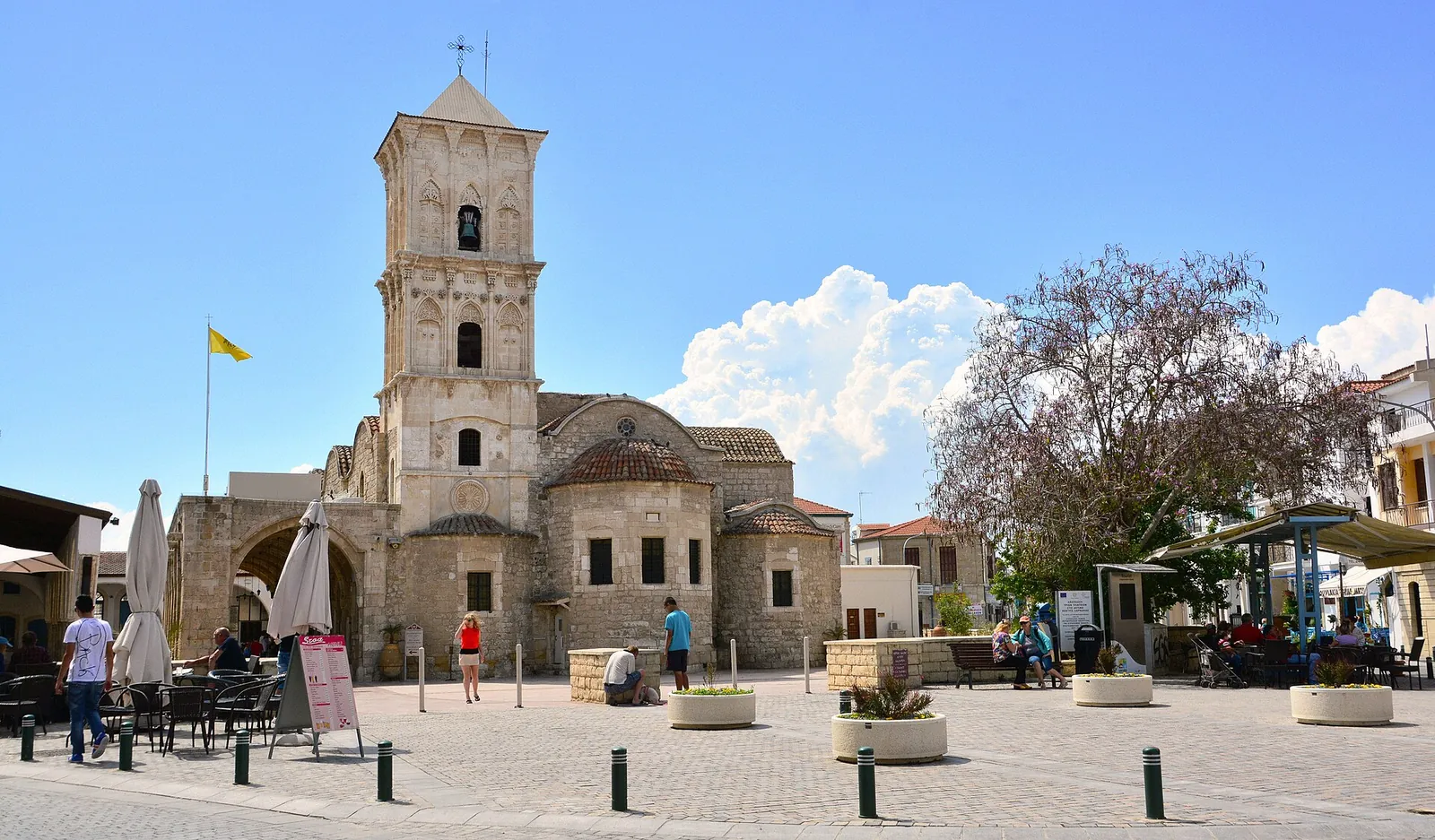
From the north end of the promenade it’s about a 10-minute walk inland to the Church of Saint Lazarus, one of the most important Byzantine churches on the island, built over the tomb traditionally attributed to Lazarus. It’s a working church, so dress modestly, keep your voice low during services, and check the opening times locally, as they change between summer and winter and around services.
Afternoon
After lunch, take a taxi or local bus south towards the airport side of town to the Larnaca Salt Lake. In winter and spring it often fills with water and can host flamingos, while in high summer it dries to a white crust. A footpath runs along the shore.
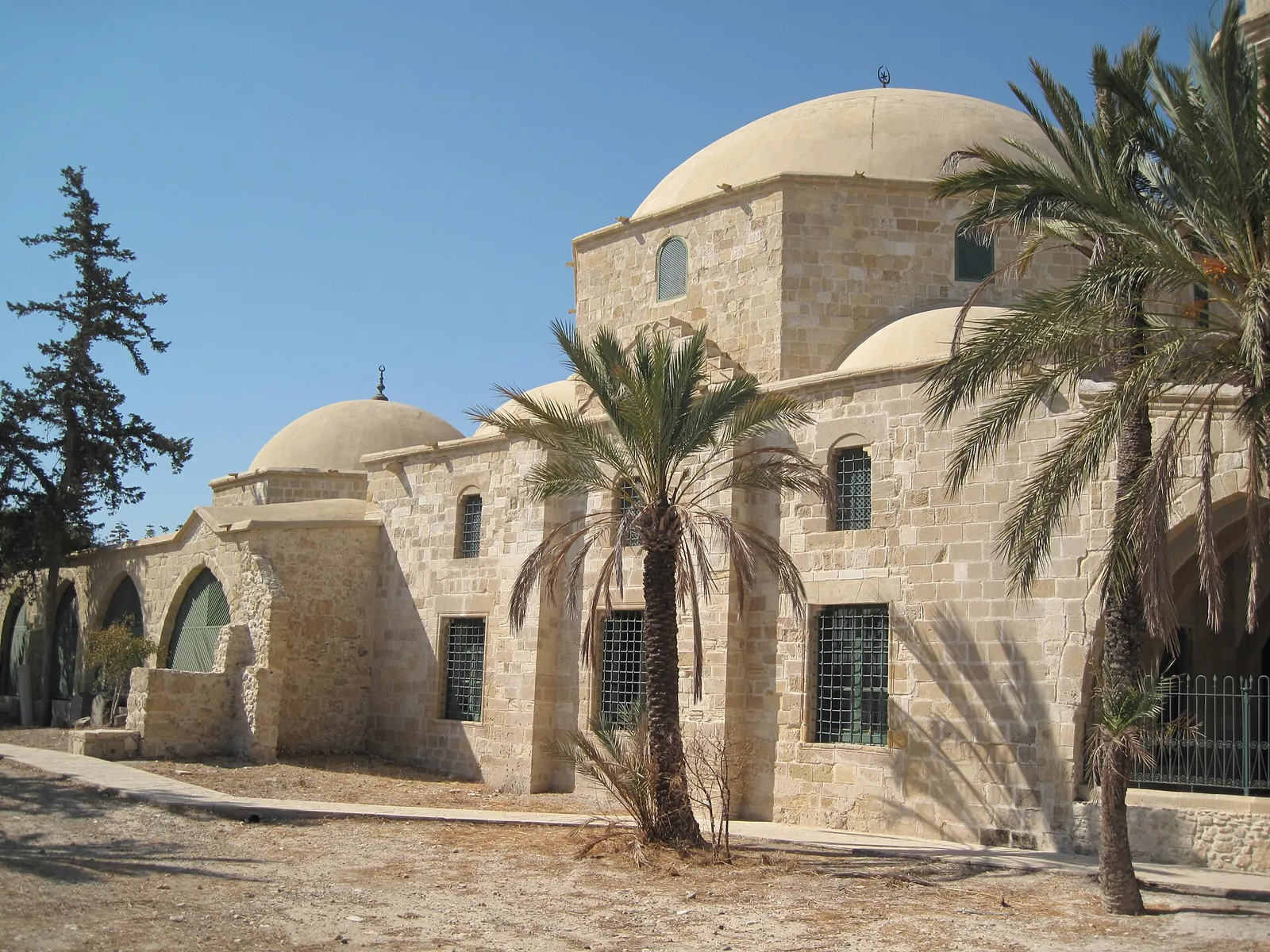
On the far side of the lake stands Hala Sultan Tekke, a mosque and shrine set among palm trees, and one of the most photographed views in Cyprus. It is an active place of worship, so cover your shoulders and knees. Opening times are not consistently published, so check before you go or simply enjoy the view from the lakeshore path if it’s closed.
Evening
Head back to the seafront for a happy, unhurried dinner. Larnaca’s old Turkish quarter around the fort and the streets behind Finikoudes have plenty of tavernas. Try a meze, a long parade of small dishes.
Day 2: Nicosia, the last divided capital in Europe
Morning
Today is all about the capital, and it’s a fascinating one. Nicosia (Lefkosia) is about an hour from Larnaca by road. Kapnos Airport Shuttle runs from Larnaca Airport to Nicosia, and intercity buses connect Larnaca town and Nicosia. Check current departures and fares on the operators’ official sites before you travel.
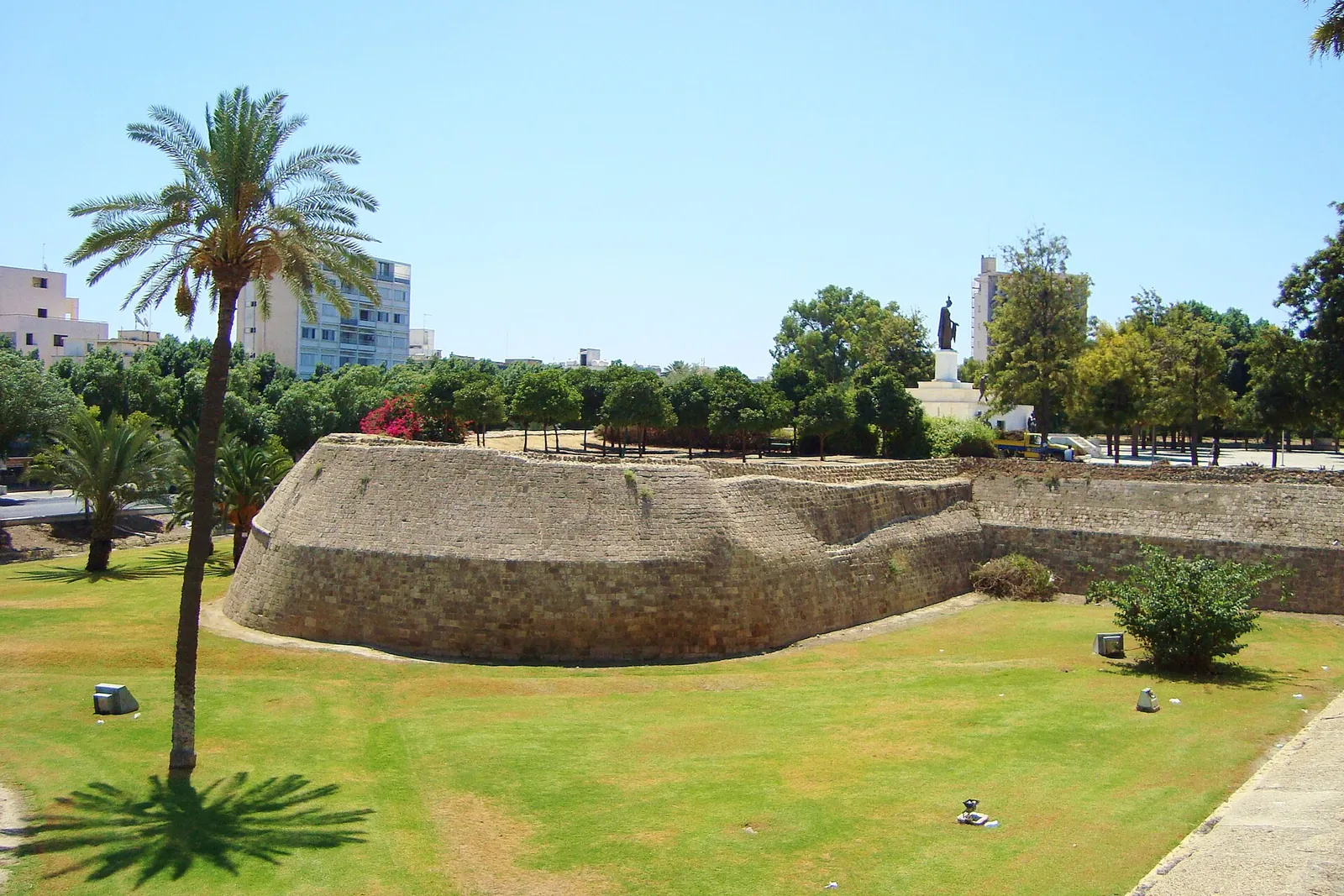
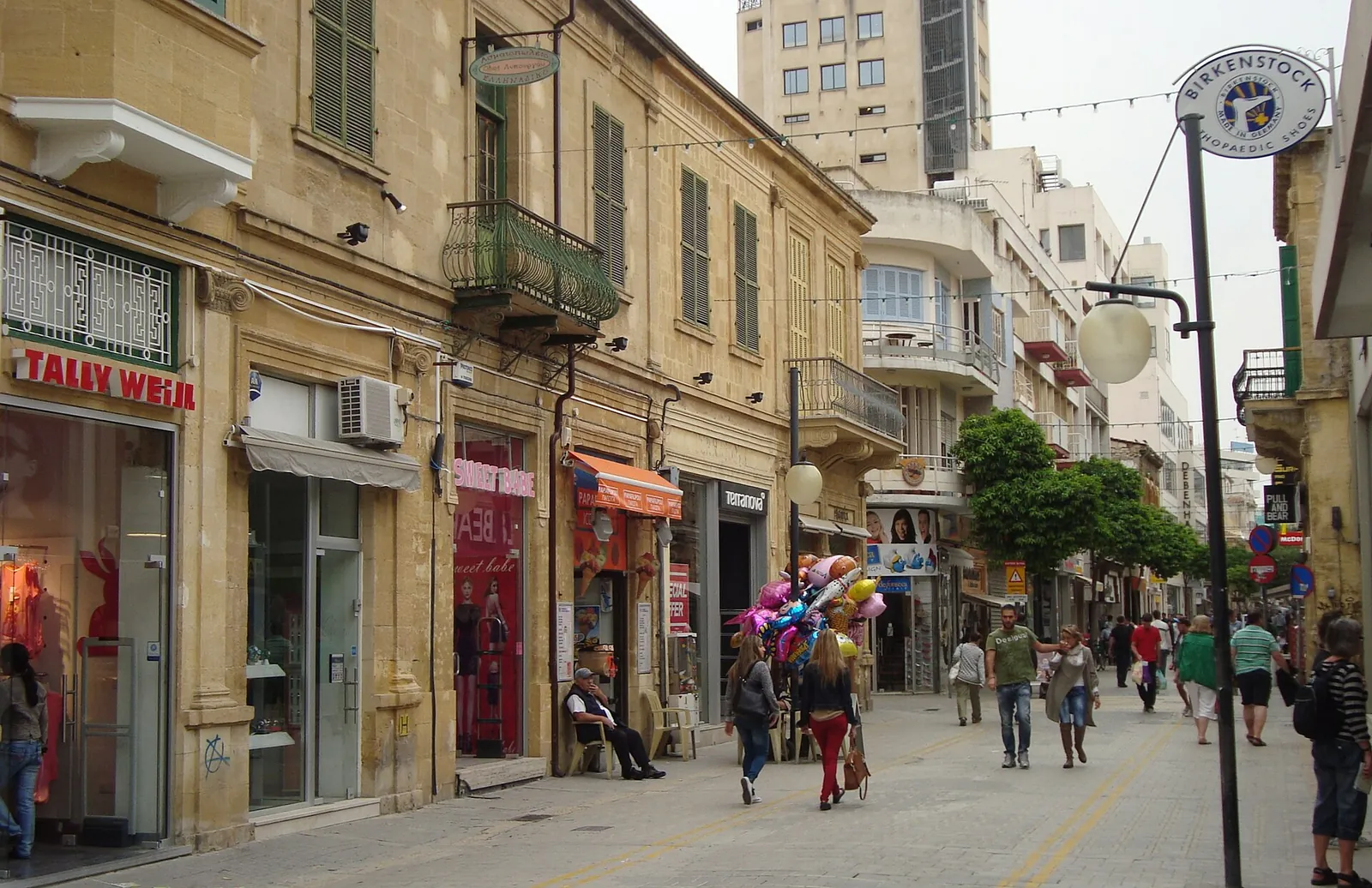
The old town sits inside a ring of star-shaped Venetian walls, and almost everything worth seeing today is within a 15-minute walk. Start at Eleftheria Square on the walls, then walk into the old town along Ledra Street, the main shopping lane.
Your first stop is the Leventis Municipal Museum, which traces the story of Nicosia from prehistory to the present day in a compact, well-told way. It’s open Tuesday to Sunday, 10:00 to 16:30, so on a Monday swap today with another day if you can. Check admission details on the museum’s official site.
Afternoon
Walk about 15 minutes west, just outside the walls near Paphos Gate, to the Cyprus Museum, the island’s main archaeological museum. Its collection of Bronze Age pottery, statues and the famous rows of terracotta figures from Agia Irini is a highlight of any trip. Published opening hours and ticket prices vary between sources, so check the Department of Antiquities’ official information before you go.
Then wander back into Laiki Geitonia, a restored pedestrian quarter of stone houses with craft shops and cafés, and continue through the lanes around Faneromeni Church.
Evening
Ledra Street ends at a crossing point in the buffer zone. Some visitors walk across to the northern part of Nicosia. If you’re considering it, follow official government advice (see Heads-up) and bring your passport. Otherwise, enjoy an evening coffee or dinner in the old town. Return to Larnaca, or move your base to Nicosia for one night if you prefer an early start west tomorrow.
Day 3: Kourion and Limassol
Morning
Road trip time! Pick up your rental car this morning and drive west along the A1 motorway towards Limassol, then continue to Kourion, on a ridge above the sea a short drive west of the city. Allow around an hour and a half from Nicosia depending on traffic.
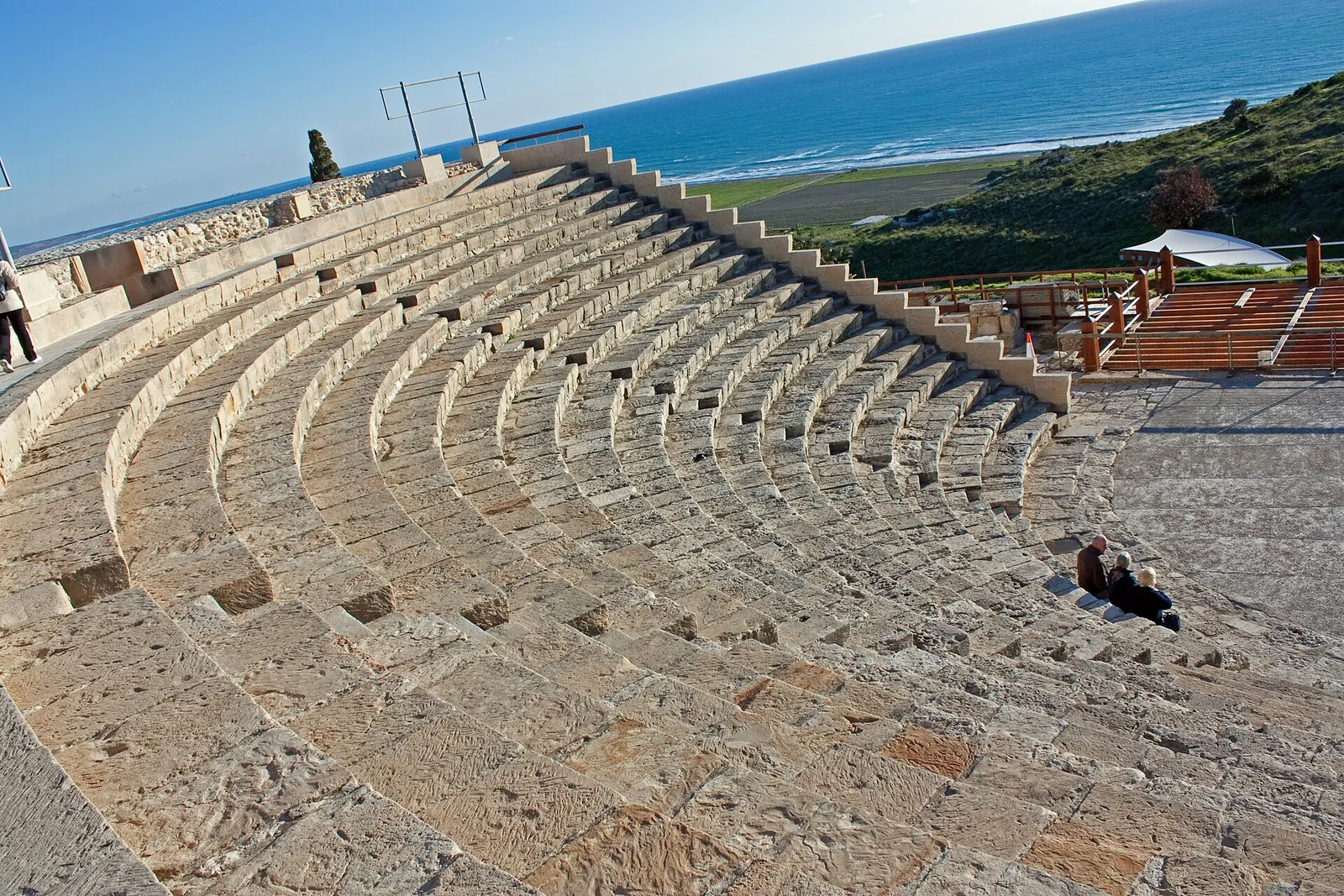
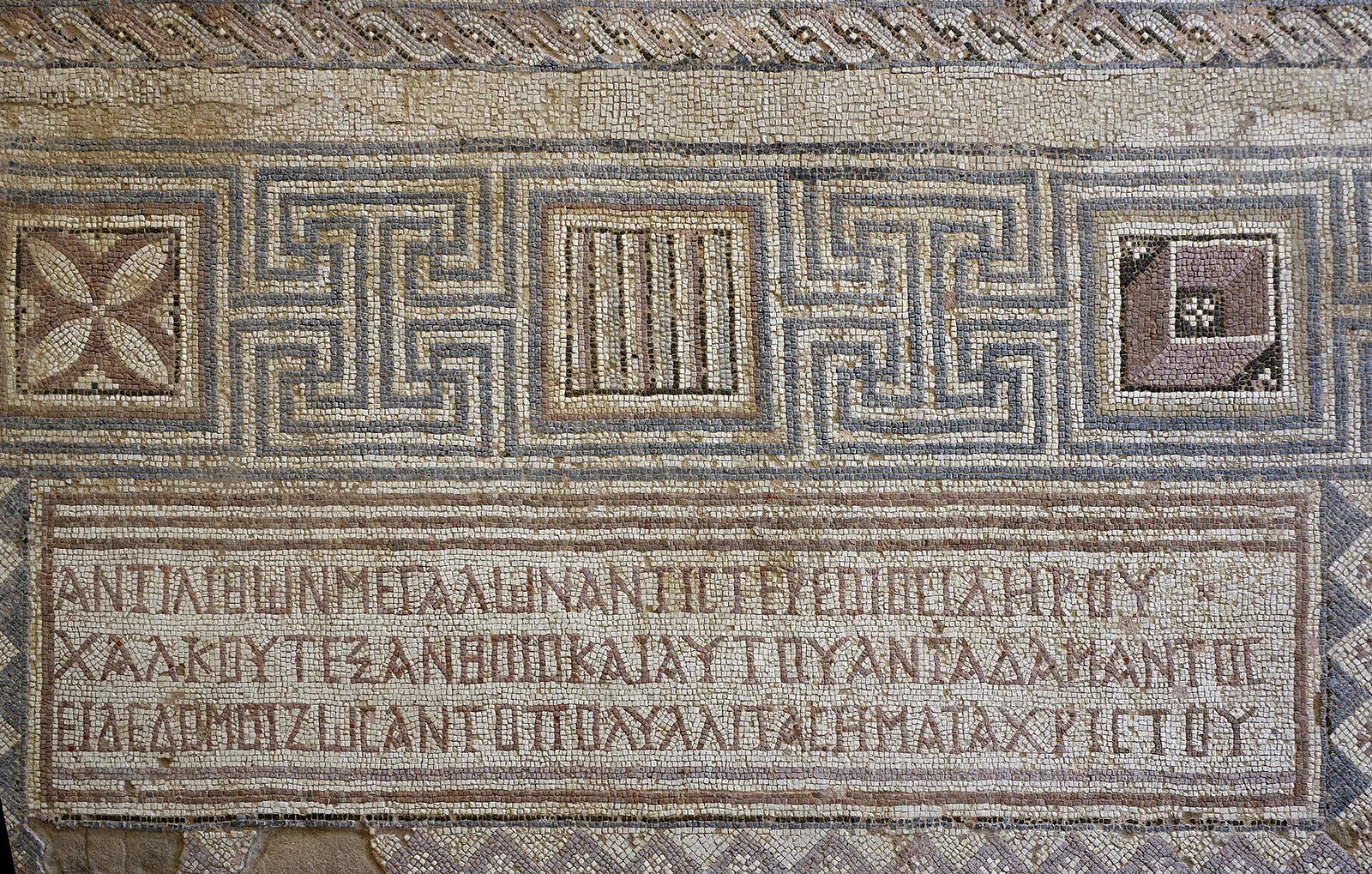
Get ready for a real wow moment: Kourion is one of the most spectacular ancient sites in Cyprus. The restored Greco-Roman theatre looks straight out over the Mediterranean, and nearby you’ll find Roman villas with mosaic floors, baths and an early Christian basilica. Entry is €4.50. Opening hours are daily 08:30 to 17:00 from 16 September to 15 April, and 08:30 to 19:30 from 16 April to 15 September. It’s closed on Christmas Day, New Year’s Day and Greek Orthodox Easter Sunday. The site is exposed, so bring water, a hat and good shoes.
Afternoon
Drive back east into Limassol (Lemesos). Head straight to the Limassol Medieval Castle, home of the Cyprus Medieval Museum, near the old harbour. It’s open Monday to Saturday 09:00 to 17:00 and Sunday 10:00 to 13:00, and closed on public holidays. Entry is €4.50.
Tip: if you’ll visit three or more state sites within a short period, ask at the ticket desk about the Department of Antiquities entry cards. They cost €8.50 for one day, €17.00 for three days and €25.00 for seven days. With Kourion, the castle and Kato Paphos on this route, do the maths for your own dates.
Evening
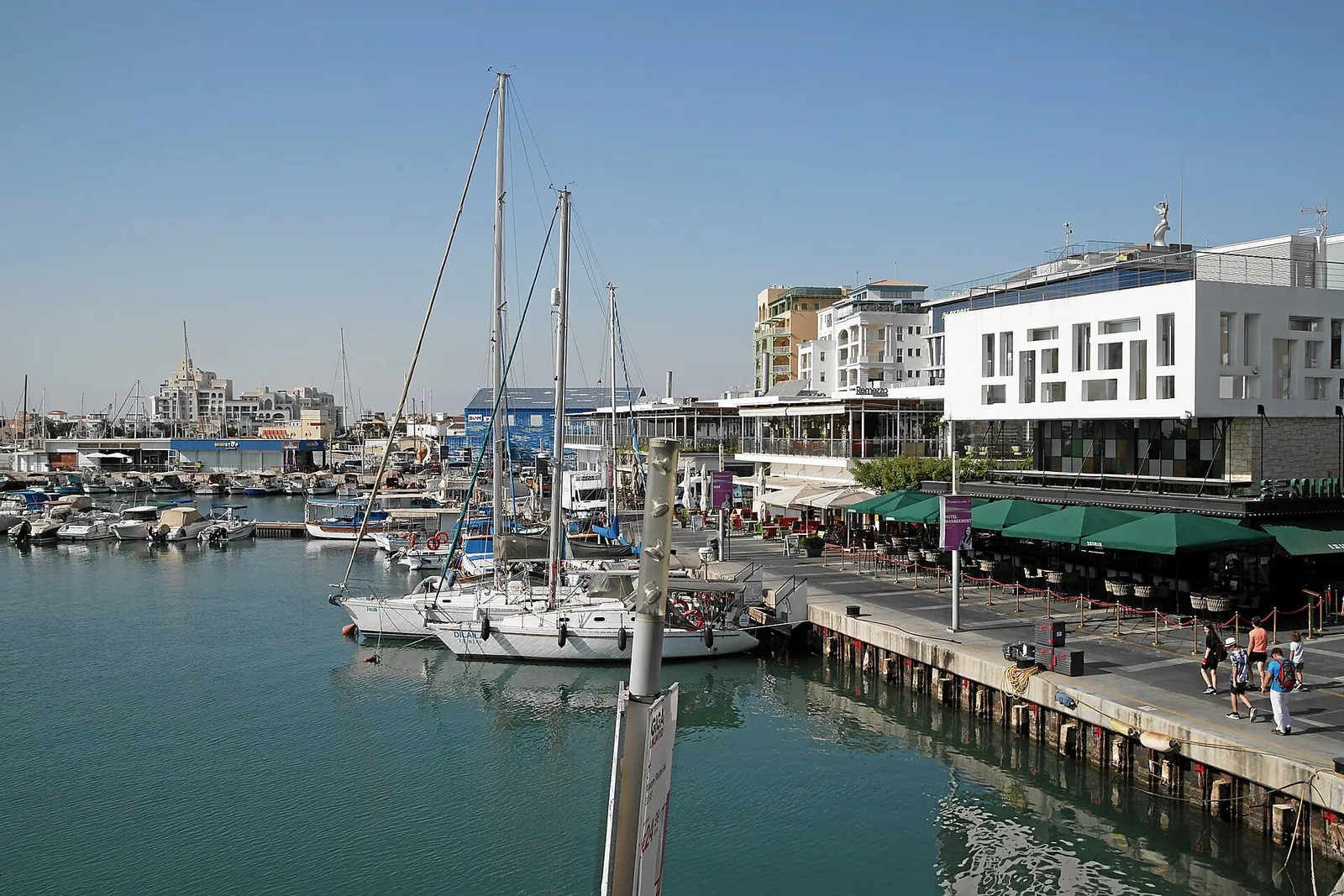
Walk from the castle through the old town to the old port, then along the long seafront promenade as the sun goes down. Limassol is the island’s liveliest city in the evening, with plenty of restaurants around the old town and marina. Stay overnight in Limassol.
Day 4: The Troodos mountains
Morning
This is the day for cool mountain air and winding roads, so start early. From Limassol, the drive up into the Troodos mountains takes you through vineyards, then pine forest, with the air noticeably cooler as you climb. Roads are winding, so allow extra time.
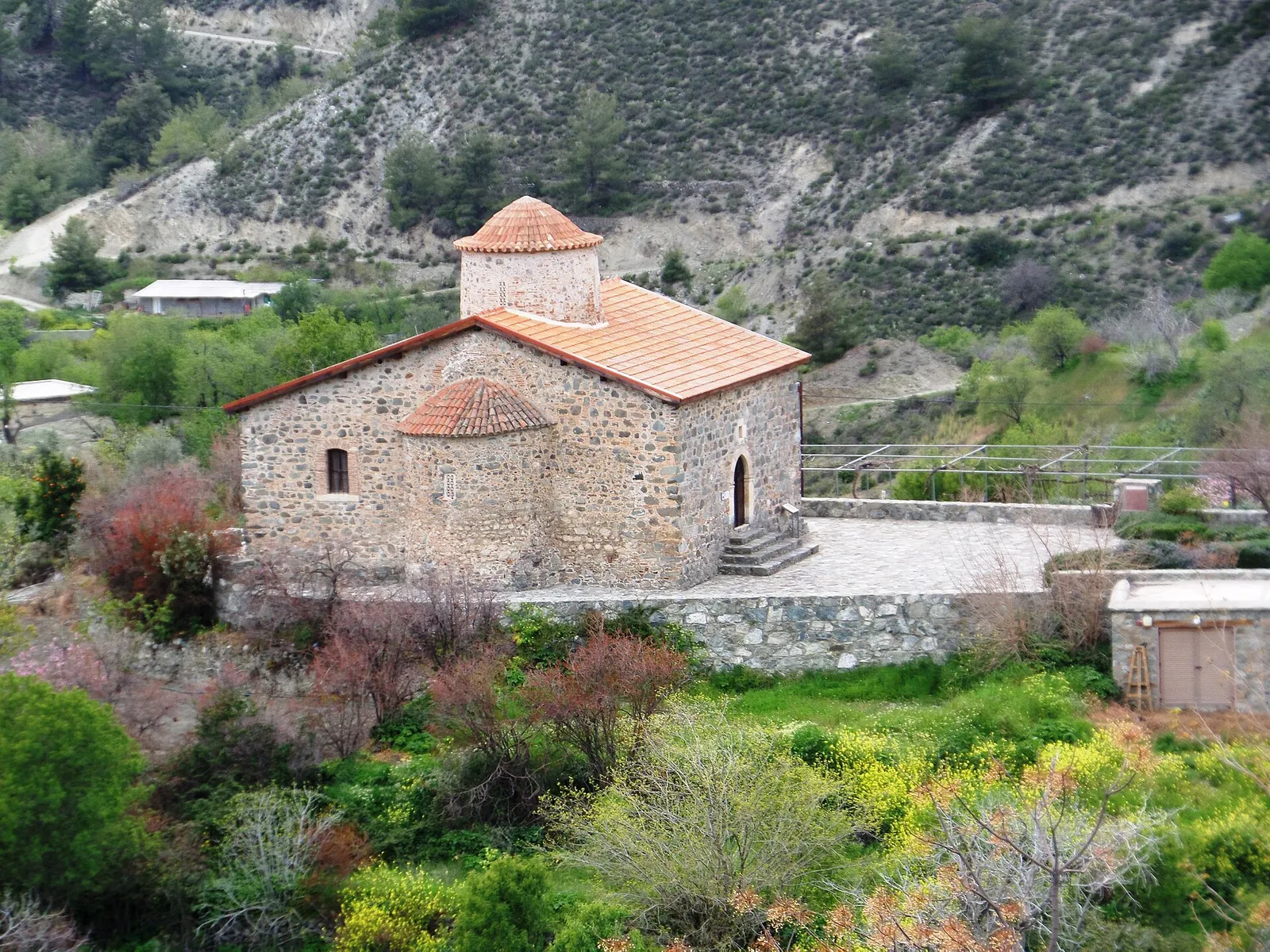
Stop in one of the mountain villages along the way for a coffee and a walk. The Troodos region is famous for its painted churches, small Byzantine chapels with steep wooden roofs and richly frescoed interiors, several of them on UNESCO’s World Heritage list. Opening arrangements differ from church to church, and some need a caretaker to unlock them, so check locally or with the village before you count on a specific church.
Afternoon
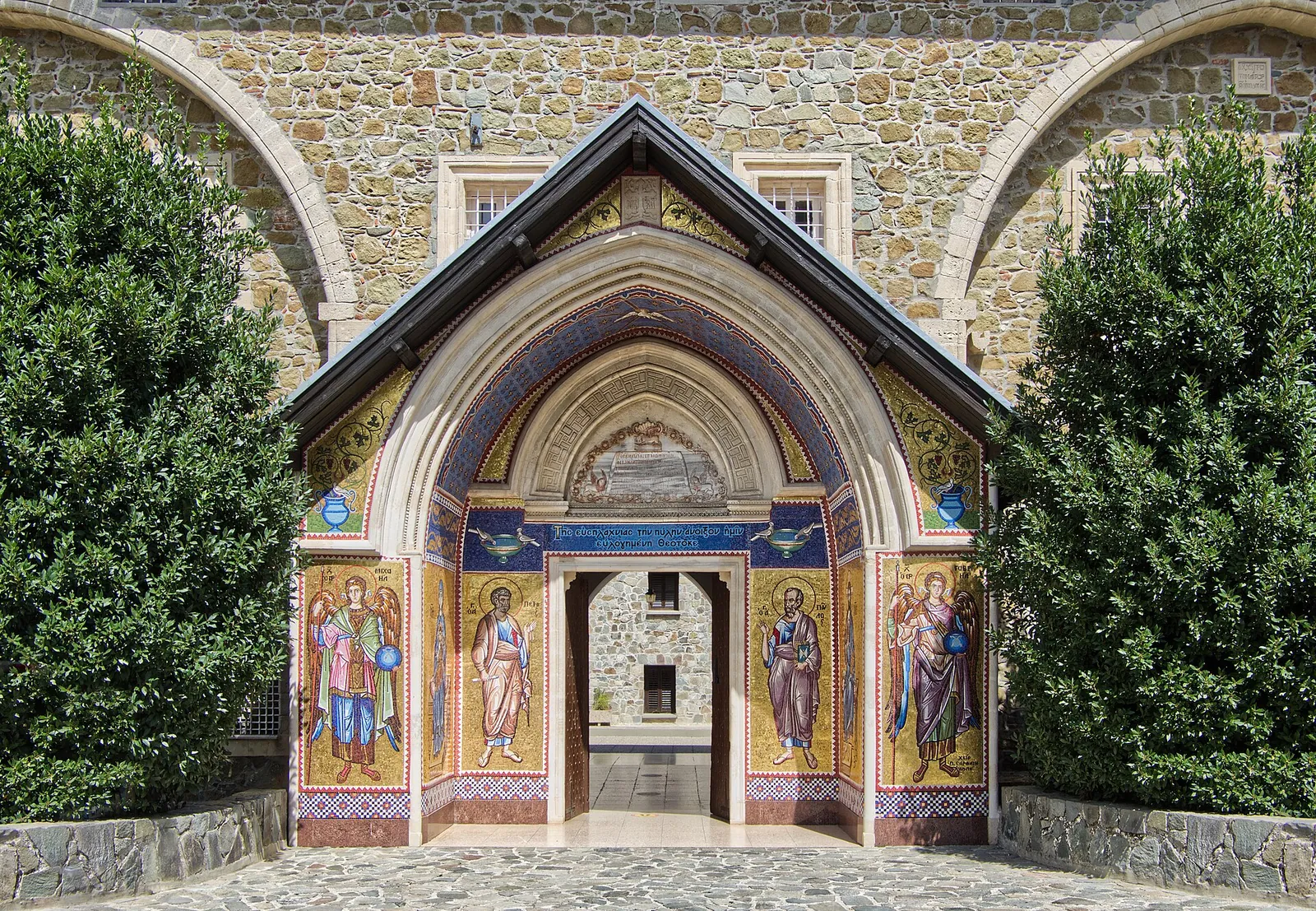
Continue to Kykkos Monastery, the richest and best-known monastery in Cyprus, set high in the western Troodos. The monastery grounds are free to visit. Its museum holds icons, manuscripts and church treasures. It’s open daily 10:00 to 16:00 from November to May, and 10:00 to 18:00 from June to October, and closed on public holidays. Entry is €5.00 (groups €3.00).
Dress code: shoulders and knees must be covered. Carry a light layer even on a warm day, both for the dress code and for the mountain temperature.
Evening
Drive down towards Paphos on the west coast, ideally before dark. Settle in, then have a relaxed dinner near Kato Paphos harbour.
Day 5: Paphos, mosaics and royal tombs
Morning
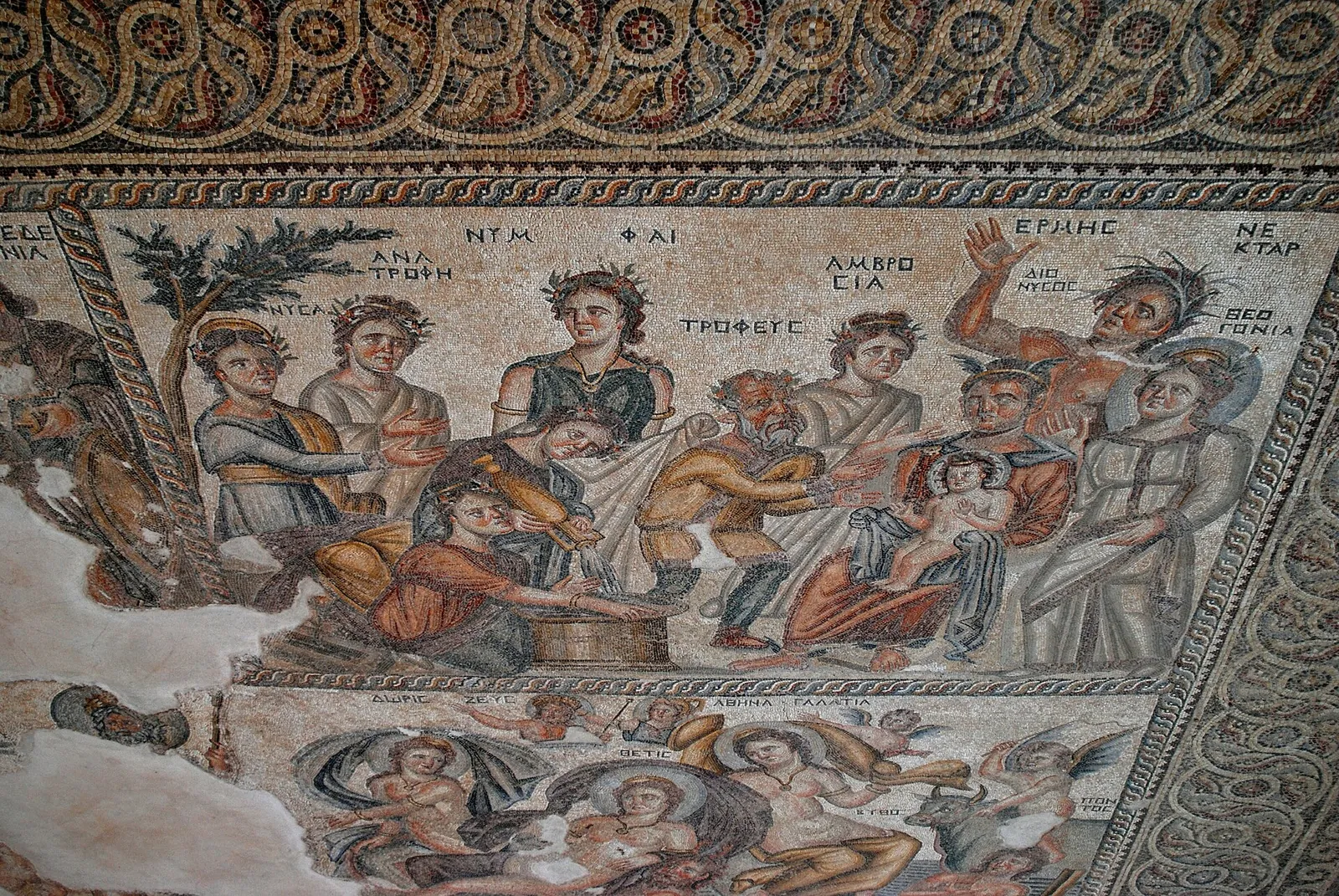
Save your best energy for this grand finale. Start early at the Kato Paphos Archaeological Park, a UNESCO World Heritage site and the heart of ancient Nea Paphos. The Roman villas here, including the House of Dionysos, have some of the finest mosaic floors in the Mediterranean. There’s also an odeon, the remains of a castle on a small hill and great sea views. Entry is €4.50, and opening hours are daily 08:30 to 17:00 from 16 September to 15 April, and 08:30 to 19:30 from 16 April to 15 September. It’s closed on Christmas Day, New Year’s Day and Greek Orthodox Easter Sunday. Allow at least two to three hours, and wear sun protection: there’s very little shade.
Afternoon
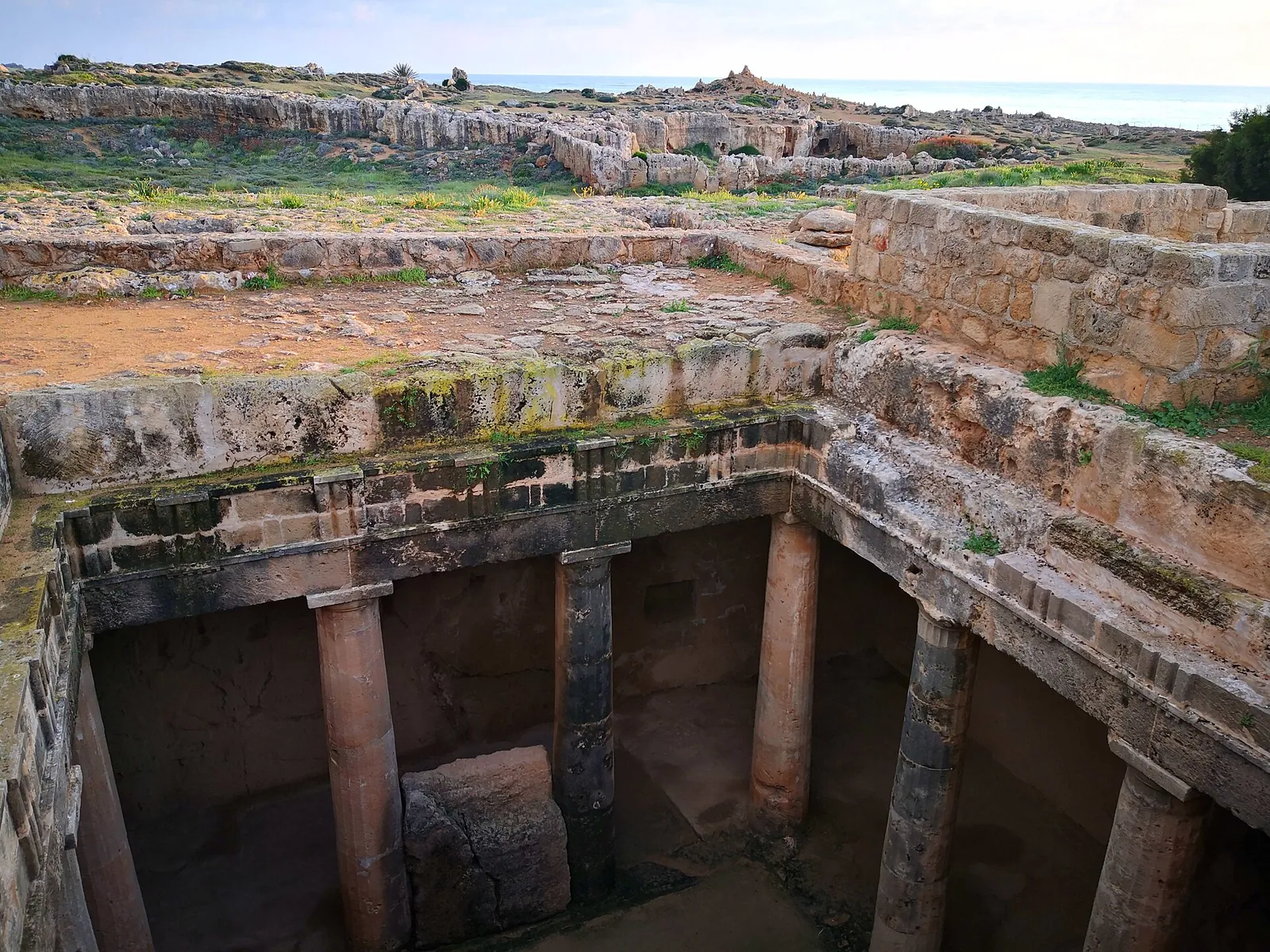
Drive a few minutes north along the coast to the Tombs of the Kings, a field of underground tombs carved into the rock, some with columned courtyards. The official listing gives this as an additional €2.50. Expect uneven steps and bright sun.
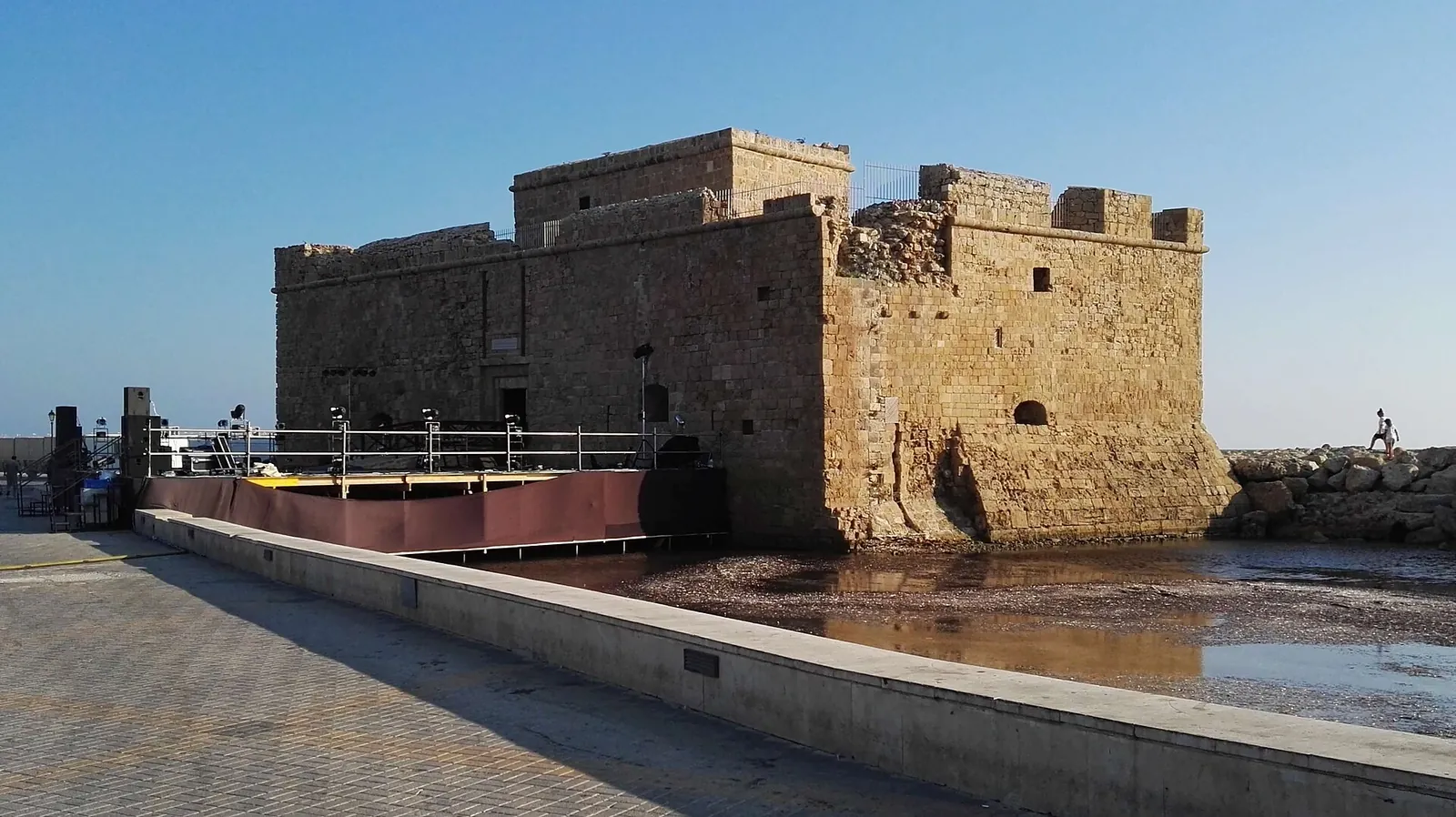
After lunch, stroll along Paphos harbour with its small medieval fort, or head to a nearby beach for a final swim.
Evening
Paphos has its own international airport, so if you’ve booked an open-jaw ticket you can fly home from here. Otherwise, the Limassol Airport Express connects Limassol with both Paphos and Larnaca airports, and the operator lists a Larnaca Airport to Paphos Airport connection too. Celebrate your last night with a sunset dinner by the sea.
Getting there and getting around
Airports. Cyprus has two international airports in the Republic: Larnaca (the main one) and Paphos. This plan arrives at Larnaca and can depart from Paphos.
Larnaca Airport to the cities. Kapnos Airport Shuttle runs from Larnaca Airport to Nicosia and other cities. Check routes, times and fares on the official Kapnos site, as they are shown in its booking system. The Limassol Airport Express runs between Limassol and both airports: adult €10, children 3 to 12 €5, according to the operator’s site. Local buses link Larnaca Airport with Larnaca town; check the current route and fare locally.
Intercity buses. Intercity buses connect Nicosia, Larnaca, Limassol and Paphos. We could not verify current fares on the operator’s site today, so check before you travel. Note that urban fares in several cities changed during 2026.
Car hire. For Troodos and Kourion, a car makes a huge difference: public transport to the mountain villages is limited. Remember:
- Cyprus drives on the left.
- Official road-safety guidance gives a maximum of 100 km/h on motorways (minimum 65 km/h), 80 km/h on other roads and 50 km/h in built-up areas, unless signs say otherwise.
- Seatbelts are compulsory front and back, and hand-held phone use while driving is prohibited.
Entry requirements. Visa rules depend on your nationality. Check the Republic of Cyprus Ministry of Foreign Affairs visa information page before booking, and apply through the listed diplomatic missions if you need a visa.
Where to stay
- Larnaca seafront and old town: great for a first night and for short airport transfers. Walkable, with beach and tavernas on your doorstep.
- Nicosia old town: best if you want culture, cafés and evenings in a real working city. Fewer beaches, more history.
- Limassol old town and seafront: the liveliest base, with lots of restaurants and an easy drive to Kourion and the Troodos.
- Kato Paphos: close to the archaeological park and harbour, with plenty of beaches nearby. Ideal for the final night.
Budget
| Item | Typical cost |
|---|---|
| Kourion archaeological site | €4.50 |
| Limassol Medieval Castle | €4.50 |
| Kato Paphos Archaeological Park | €4.50 |
| Tombs of the Kings (additional ticket) | €2.50 |
| Kykkos Monastery museum | €5.00 |
| Department of Antiquities entry card | €8.50 (1 day), €17.00 (3 days), €25.00 (7 days) |
| Limassol Airport Express (adult, one way) | €10 |
| Kapnos shuttle, intercity and city buses | check the official site |
| Car hire and fuel | check rental companies |
The daily figure in the summary covers sights and buses only. It excludes accommodation, meals, car hire, fuel and flights.
Practical tips
- Dress code: churches, monasteries and mosques expect covered shoulders and knees. Kykkos is strict about it.
- Seasonal hours: state archaeological sites switch to winter hours on 16 September, closing at 17:00 until 15 April. The Kykkos museum closes at 16:00 from November to May.
- Monday closures: the Leventis Municipal Museum is open Tuesday to Sunday, so plan Nicosia for any day except Monday.
- Sun and water: Kourion, Kato Paphos and the Tombs of the Kings are open and exposed. Bring a hat, sunscreen and plenty of water.
- Emergency number: 112.
- Emergency alerts: UK government advice recommends registering your phone to receive emergency alerts, especially for wildfire warnings.
- Currency: the Republic of Cyprus uses the euro.
Heads-up
Cyprus is a welcoming, easygoing destination, and UK government advice notes that crime against tourists is not common. A few things are still worth knowing:
- Crossing to the north: official UK advice says you can use any crossing point to move between the north and the south, and that some Nicosia crossings, including Ledra Palace and Ledra and Lokmaci Street, are pedestrian-only. Goods bought in the north are subject to limits when brought south. It also warns that entering the Republic through the north, for example via Ercan Airport, is considered illegal entry by the Republic’s authorities and can lead to fines or being refused entry or exit.
- Insurance and rental cars: cars hired in the Republic often have no insurance cover in the north, and you will not be allowed through a crossing without the correct insurance documents. At some crossing points you can buy car insurance for the north. Check your travel insurance too.
- Your passport is not a deposit: rental companies sometimes ask for your passport as a deposit, which UK advice describes as illegal. Never hand it over. Moped and quad hire often includes only third-party insurance.
- Roads: UK advice says driving standards are poor and the risk of road deaths is higher than in the UK. Drive defensively, especially on mountain bends.
- Wildfires: there is a high risk of wildfires from April to October. Follow local instructions and never light fires outdoors.
- Swimming: strong waves and currents can occur. Always follow beach warning signs.
- Drinks: buy your own drinks and keep them in sight.
- Photography: avoid photographing military buildings and other sensitive areas, including around the buffer zone.
FAQ
Do I need a car?
For days 1 and 2, no: Larnaca and Nicosia work on foot and by bus. For Kourion, the Troodos and Paphos, a car saves a lot of time, because mountain public transport is limited.
Can I visit the north of the island?
Many visitors do, using the official crossing points. Read the official government guidance first, especially on entry routes, insurance and goods limits, and carry your passport.
When is the best time to go?
Spring (April to June) and autumn (September to November) bring warm weather without the peak summer heat. Summer is hot, and it’s also wildfire season. Winter is mild on the coast and cooler in the mountains.
Are the archaeological sites open every day?
The main state sites, such as Kourion and Kato Paphos, are open daily, but they close on Christmas Day, New Year’s Day and Greek Orthodox Easter Sunday, and hours are shorter from mid-September to mid-April.
Sources
Prices, hours and rules change. We checked these on 1 November 2026; please confirm on the official page before you book.
- Archaeological Park of Kato Pafos (Paphos) - Visit Cyprus
- Kourion Archaeological Site - Visit Cyprus
- Lemesos (Limassol) Medieval Castle - Visit Cyprus
- Museum of Kykkos Monastery - Visit Cyprus
- Leventis Municipal Museum of Nicosia
- Limassol Airport Express
- Kapnos Airport Shuttle
- Keep safe on Cyprus roads (leaflet) - Visit Cyprus
- Visa Information - Ministry of Foreign Affairs, Republic of Cyprus
- Cyprus travel advice: Safety and security - GOV.UK
- Cyprus travel advice: Entry requirements - GOV.UK
Photo credits (12)
- Kourion's ancient theatre above the Mediterranean: Wknight94 talk, CC BY-SA 3.0, via Wikimedia Commons
- Church of Saint Lazarus under a blue Larnaca sky: Mike McBey, CC BY 2.0, via Wikimedia Commons
- Hala Sultan Tekke domes framed by palm trees: Dickelbers, CC BY-SA 3.0, via Wikimedia Commons
- Nicosia's Venetian walls with green gardens below: AncientNicosia, CC BY-SA 3.0, via Wikimedia Commons
- Sunny afternoon stroll along Ledra Street, Nicosia: NicosiaKypros, CC BY-SA 3.0, via Wikimedia Commons
- Patterned Roman mosaic floor at Kourion: Berthold Werner, CC BY-SA 4.0, via Wikimedia Commons
- Yachts and waterfront cafés at Limassol marina: Mboesch, CC BY-SA 4.0, via Wikimedia Commons
- Stone church of the Holy Cross in Pelendri, Troodos: Xaris333, CC BY-SA 4.0, via Wikimedia Commons
- Colourful mosaic entrance at Kykkos Monastery: Berthold Werner, CC BY-SA 4.0, via Wikimedia Commons
- Birth of Dionysos mosaic in Paphos Archaeological Park: George M. Groutas from Dali, Nicosia, Cyprus, CC BY 2.0, via Wikimedia Commons
- Columned courtyard tomb at the Tombs of the Kings: Seainme, CC BY-SA 4.0, via Wikimedia Commons
- Paphos harbour fort glowing in the afternoon sun: Bukvoed, CC BY 4.0, via Wikimedia Commons
More Europe itineraries
 5 days
5 Days in Madeira: A Day-by-Day Itinerary
A 5-day Madeira itinerary: Funchal and Monte, Pico do Areeiro, west and east coast levada walks, plus 2026 trail fees and bus fares.
 5 days
5 Days in Naples and the Amalfi Coast: Itinerary
5 days in Naples, Pompeii, Sorrento and the Amalfi Coast: a day-by-day plan with checked 2026 ticket prices, closing days and airport transfers.
 5 days
5 Days in Tenerife: A Day-by-Day Itinerary
A 5-day Tenerife plan: Santa Cruz and La Laguna, Anaga's laurel forest, Mount Teide by cable car, the green north coast and the cliffs of the west.
This is a researched plan, not a personal trip report. How we research · Affiliate disclosure