
5 Days in Tenerife: A Day-by-Day Itinerary
A 5-day Tenerife plan: Santa Cruz and La Laguna, Anaga's laurel forest, Mount Teide by cable car, the green north coast and the cliffs of the west.
- 🗓️ Trip length
- 5 days
- ☀️ Best time
- Year-round; spring and autumn for hiking
- 💰 Daily spend
- EUR 10-55 (bus and tram pass plus sights only)
- ✅ Facts checked
- 1 November 2026
Get ready for an island that packs a whole continent’s worth of scenery into one day’s drive. Tenerife is the largest of Spain’s Canary Islands, out in the Atlantic off the coast of Africa. In five days you can stroll a colonial old town, walk through a misty ancient forest, ride a cable car up the slopes of Spain’s highest mountain, and finish with sea cliffs and a sunset swim.
This plan has a moderate pace. Day 1 is gentle and car-free, using the tram. Days 2 to 5 are easiest with a hire car, because the best mountain roads and villages are spread out and buses to them are limited. Each day stays in one part of the island. If you’d rather not drive, we flag the bus options and the days where a guided tour makes more sense.
5 days in Tenerife at a glance
| Day | Area | Highlights |
|---|---|---|
| 1 | Santa Cruz and La Laguna | Capital waterfront, tram ride, La Laguna’s historic centre |
| 2 | Anaga Rural Park | Laurel forest trails, Cruz del Carmen, Taganana and the north-east coast |
| 3 | Teide National Park | Lava fields, Roques de García, cable car to 3,555 m |
| 4 | North coast | La Orotava, Puerto de la Cruz, Icod de los Vinos, Garachico |
| 5 | West and south-west | Teno massif and Masca viewpoint, Los Gigantes cliffs, Costa Adeje sunset |
Day 1: Santa Cruz and La Laguna
Morning
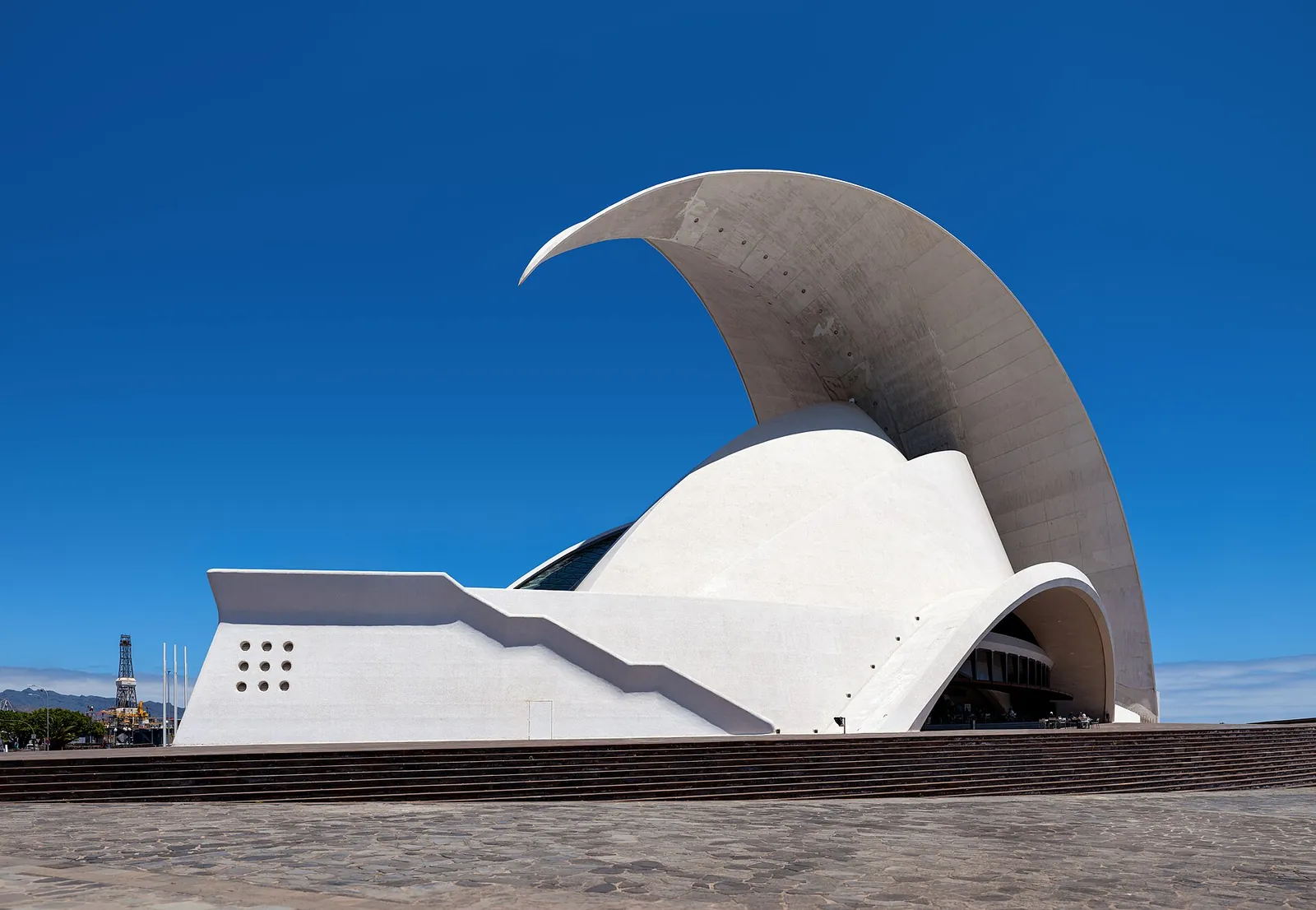
Welcome to Tenerife! This is the day to ease into island life. Start in Santa Cruz de Tenerife, the island’s capital and port. Begin at the waterfront around Plaza de España, then wander the shopping streets just inland for coffee and your first taste of the Canaries. If you like modern architecture, walk south along the promenade to see the white, wave-shaped Auditorio de Tenerife.
Afternoon
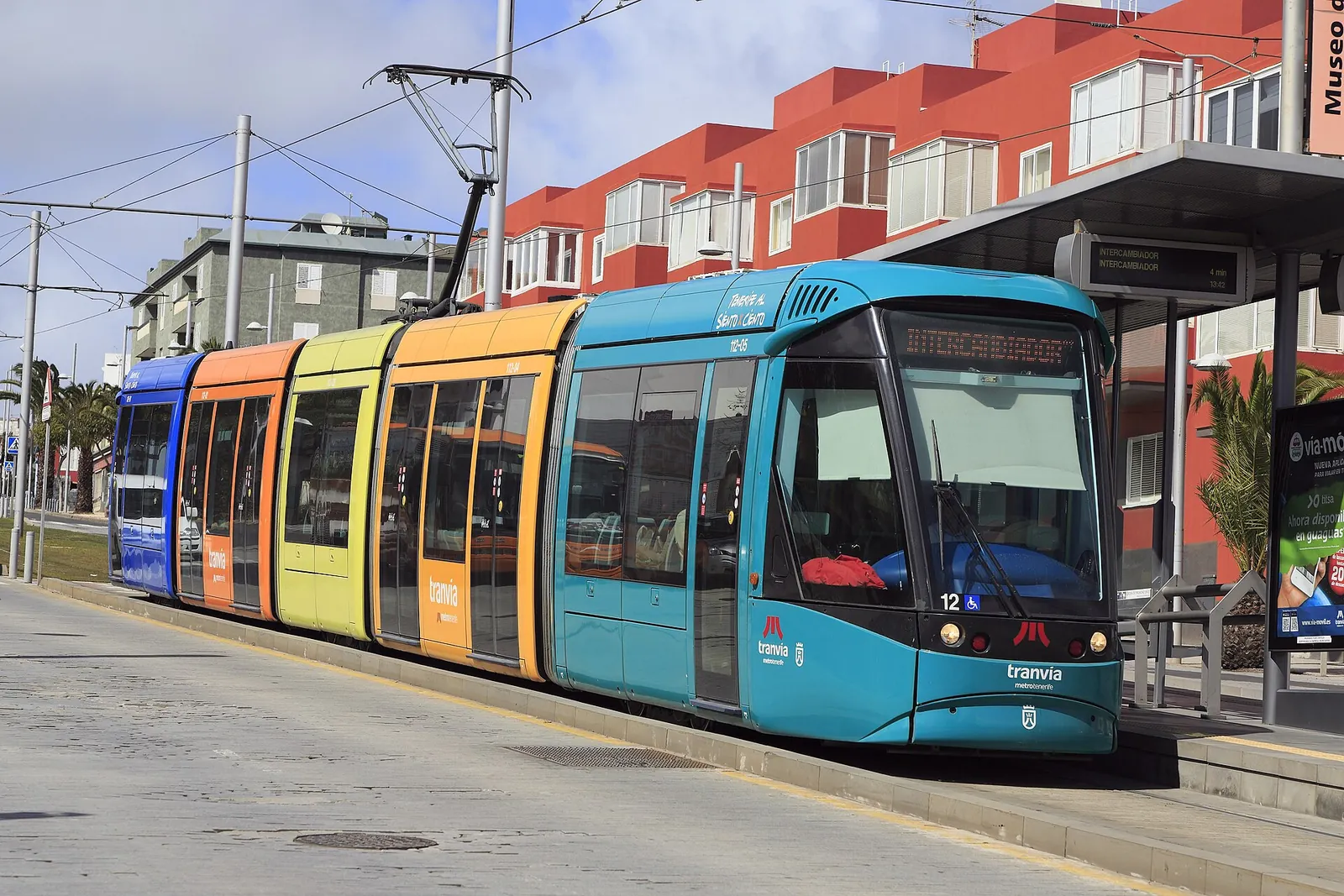
Hop on the tram for the fun climb up to San Cristóbal de La Laguna. The tram (Tranvía de Tenerife) runs between Santa Cruz and La Laguna, and in the winter timetable it comes every 5 minutes at peak times on weekday mornings and early afternoons. A single journey costs EUR 1.35 with a transit pass, or EUR 1.10 through the operator’s mobile app. Single tickets are not valid for transfers.
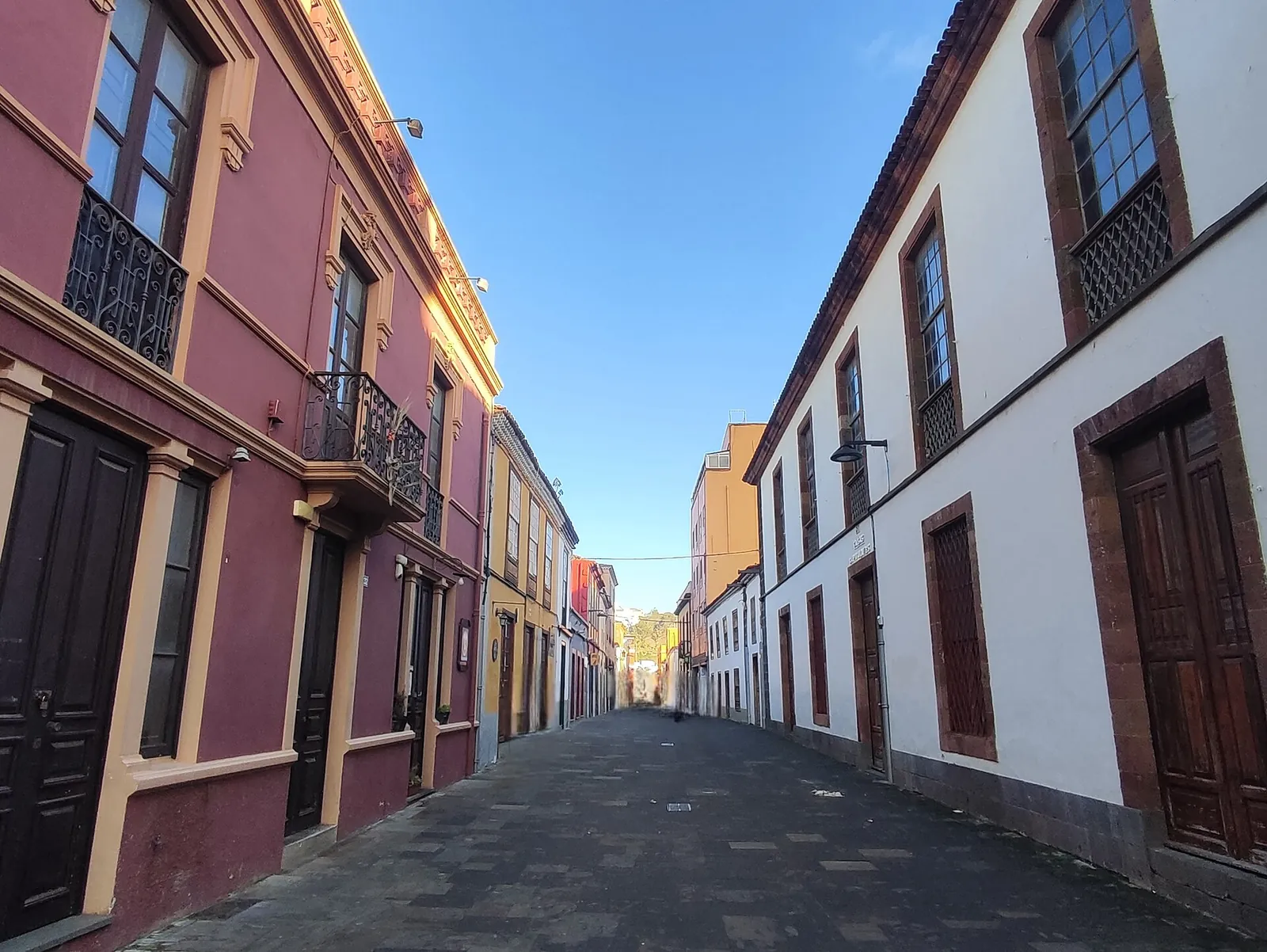
La Laguna’s old town has been a UNESCO World Heritage site since 1999. It is a lovely place to get gently lost: straight streets, colourful wooden balconies, quiet courtyards and lots of cafés. Spend the afternoon on foot. The centre is flat and compact, so you can cover the main streets in two or three hours at an easy pace.
Evening
Save your appetite and stay in La Laguna for dinner. It is a university town, so the evenings are lively and casual, especially at weekends. Look for tapas bars and restaurants serving Canarian dishes like papas arrugadas (wrinkly salted potatoes) with mojo sauces. Take the tram back to Santa Cruz afterwards. On weekdays the tram runs from 6:00 to midnight, and the operator lists a 24-hour service at weekends and on public holidays.
Day 2: Anaga Rural Park
Morning
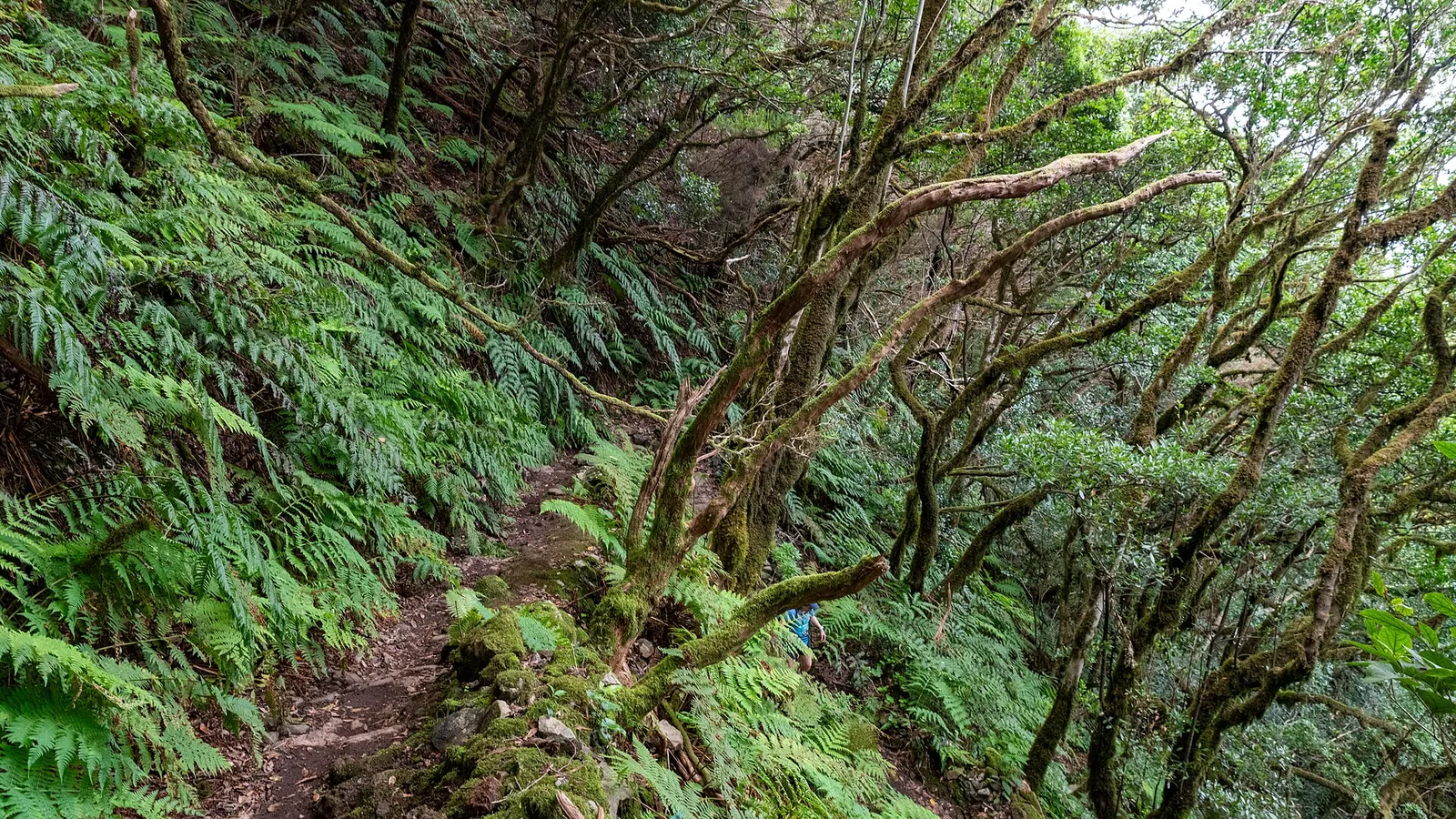
Get ready for a fairytale forest! Pick up your hire car and head north-east into the Anaga mountains. From La Laguna the road climbs quickly into green, steep ridges that look nothing like the dry south of the island. Make your first stop the Cruz del Carmen area, a popular starting point for short forest walks and a viewpoint over the valleys.
Anaga is famous for its laurel forest, a damp, mossy woodland often wrapped in cloud. Pick a short loop that matches your fitness and the weather. Trail conditions and any booking rules are managed by Tenerife’s island council, so check the official Tenerife ON platform for trail status before you set off. Bring a light rain jacket even if it is sunny on the coast, because the mountains can be cool and misty.
Afternoon
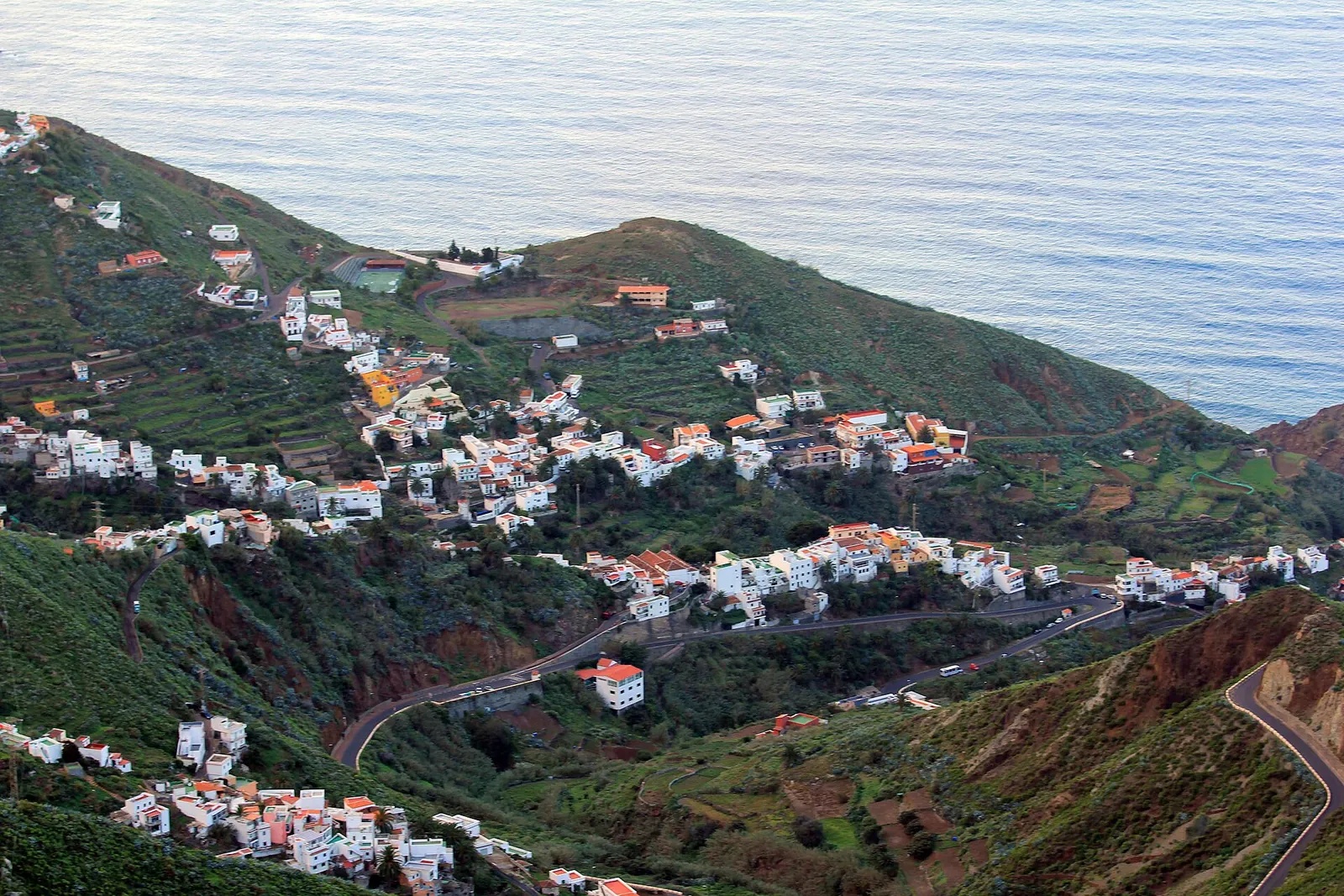
Drive down the winding road to the north coast and the village of Taganana, set among steep terraces facing the ocean. Continue a little further to the coast around Roque de las Bodegas for a seafood lunch with a view. The roads are narrow with sharp bends, so drive slowly and budget extra time.
Evening
Head back towards Santa Cruz or La Laguna for the night. If you still have energy, stroll the Santa Cruz seafront at dusk.
Day 3: Teide National Park
Morning
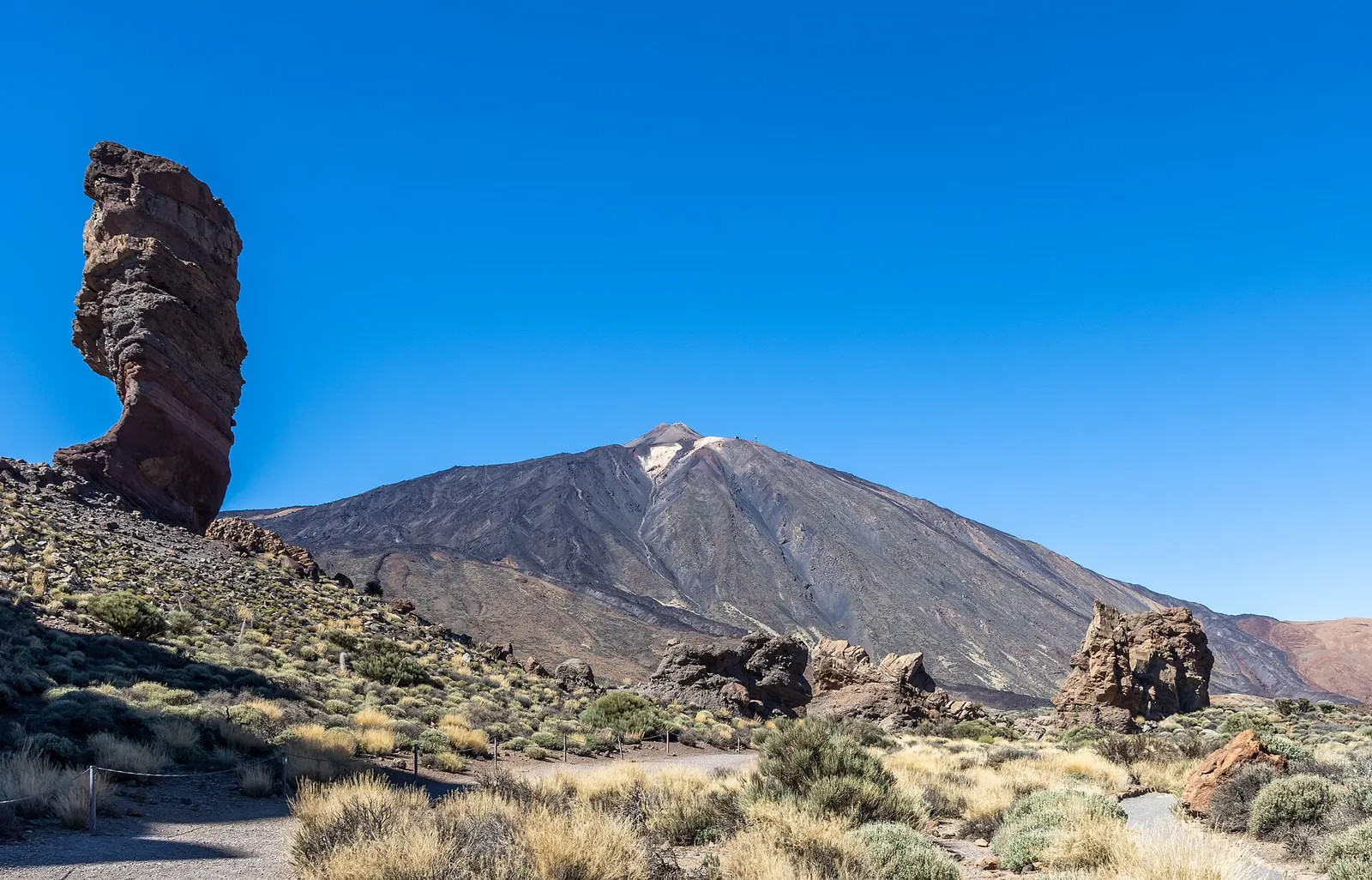
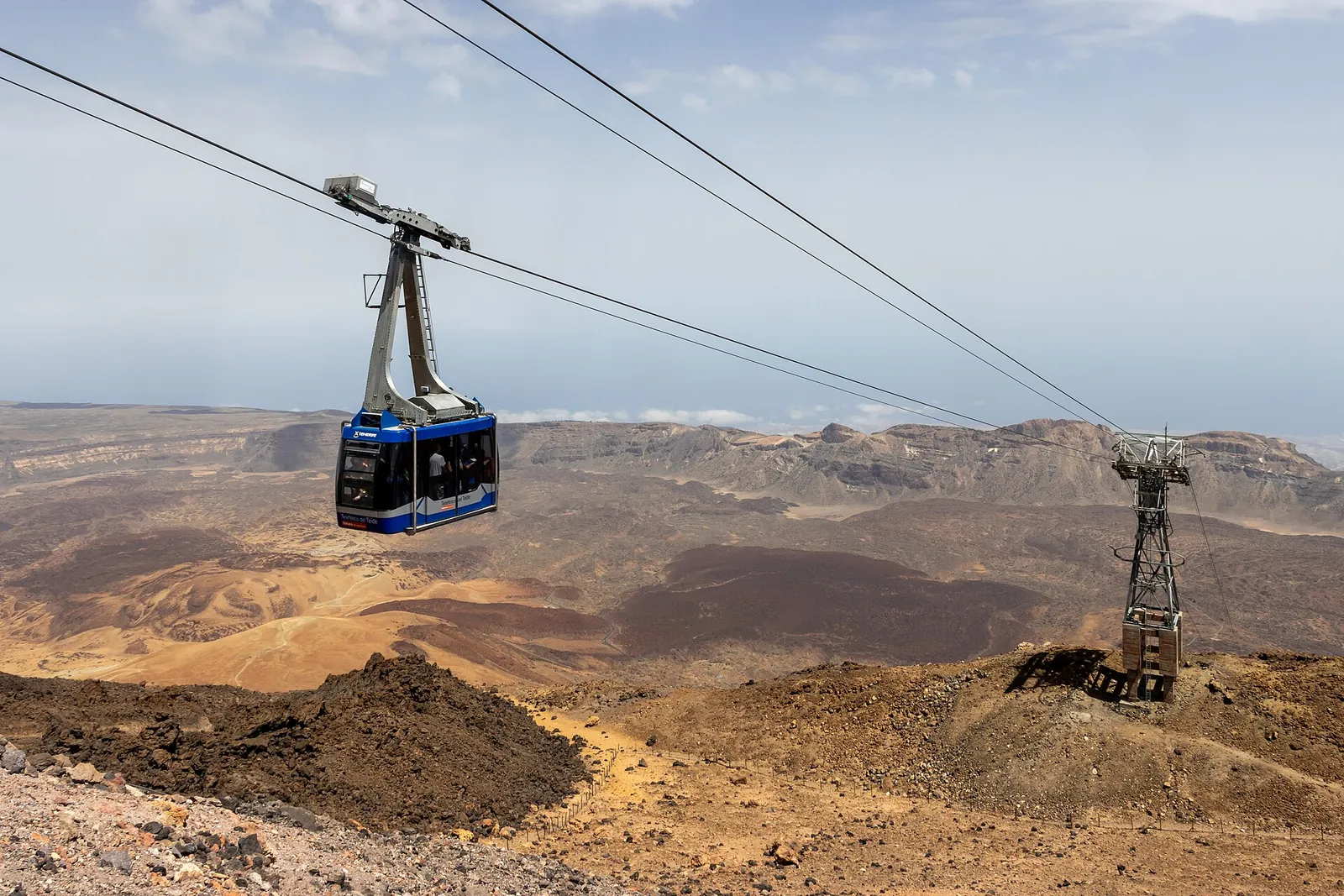
Today is the big one, and it is spectacular. Teide National Park climbs from pine forest at around 1,600 m to the summit of Mount Teide at 3,715 m, the highest peak in Spain. Leave early, because the cable car’s base station car park has about 220 spaces and fills up at busy times.
Pre-book: buy your cable car tickets online on the official Volcano Teide website. The operator says online tickets let you skip the queue and go straight to the cabin. For independent visitors, a return ticket for a non-resident adult costs EUR 43, and for a non-resident child (ages 3 to 13) EUR 21.50. One-way tickets cost EUR 24 for non-resident adults and EUR 12 for non-resident children. A descent-only ticket can only be booked at the upper station using QR codes, if the cable car is running.
From 25 October to 31 December 2026 the cable car runs 9:00 to 17:00, with the last ascent at 16:00 and the last descent at 16:50. Hours change through the year (it runs later in summer), so check the official timetable for your dates.
The upper station sits at 3,555 m. With a cable car ticket you can walk two of the three trails from the upper station freely, with views over the crater landscape and, on clear days, to neighbouring islands. The third trail, Telesforo Bravo (trail number 10), is the only path to the actual summit. It needs a separate permit from the Tenerife ON platform, valid only for the date and time slot you book, and it is subject to a fee. Permits are limited, so if the summit matters to you, apply well in advance. Guided summit packages from the cable car operator include the permit.
Afternoon
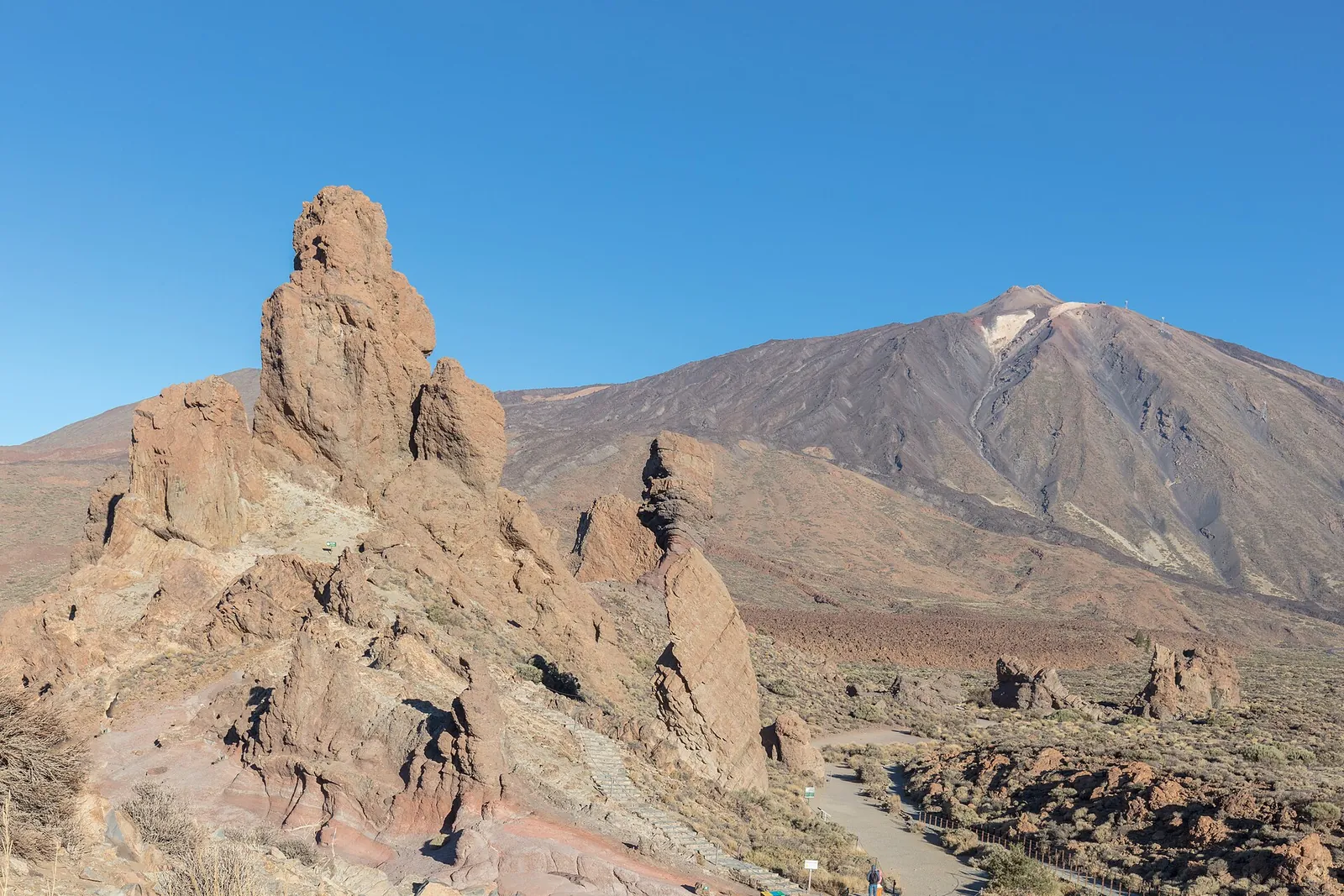
Back at the base, drive slowly through the park and stop at the lava viewpoints along the road. The Roques de García, a cluster of strange rock towers near the Parador, are an easy and very photogenic stop with a short walking trail. Allow at least an hour here.
If clouds roll in or the wind picks up, the cable car can close. The drive through the park is spectacular on its own, and the operator lets you change your ticket date for free through its booking management page.
Evening
Tenerife’s skies are known for stargazing, and the cable car operator runs sunset and stargazing experiences on Teide. If you go independently, dress warmly, because it is much colder at altitude than on the coast. Stay in Puerto de la Cruz or La Orotava tonight.
Day 4: The green north coast
Morning
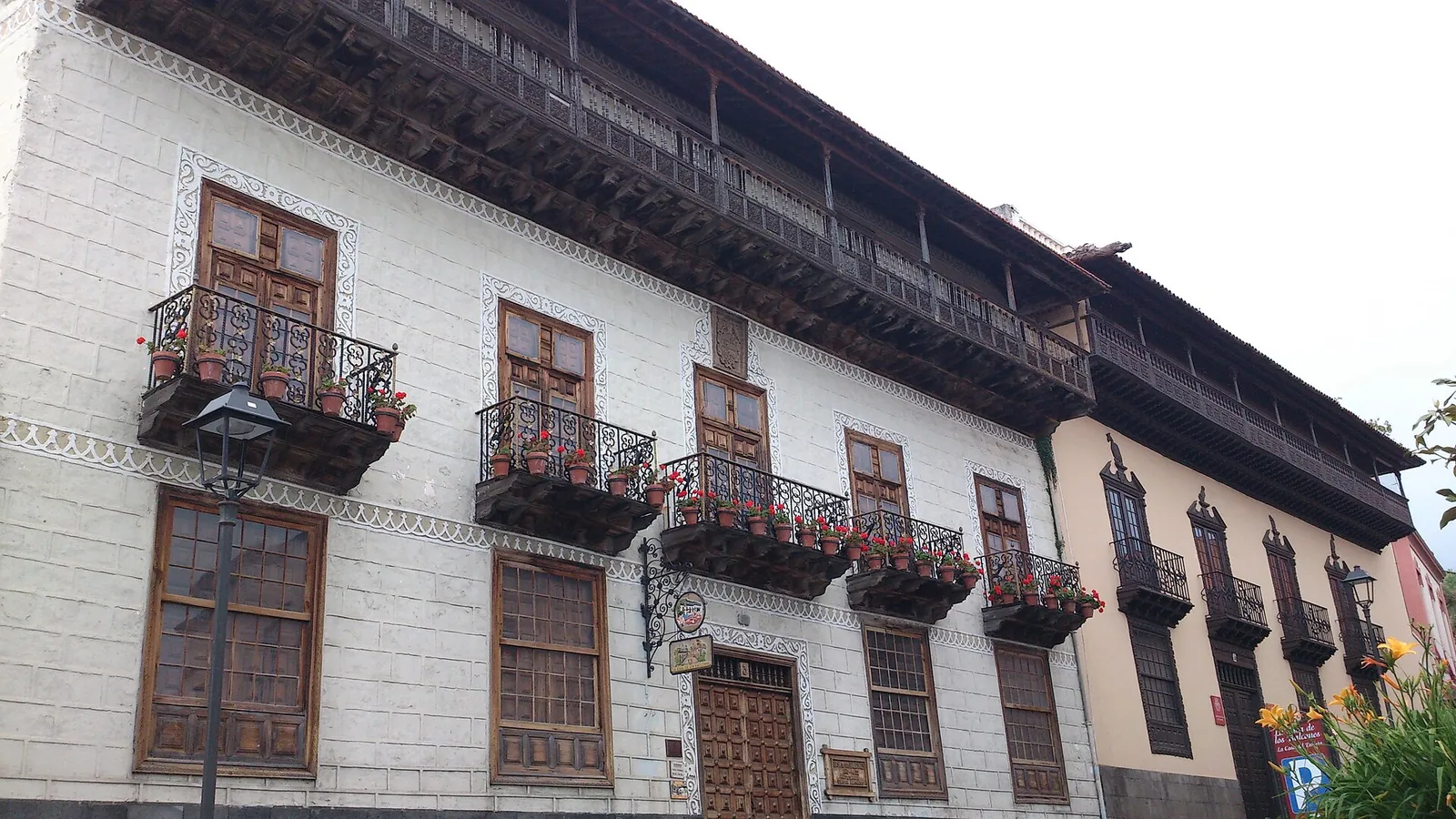
This is the day for lush green views and charming old towns. Start in La Orotava, a hillside town known for its old mansions with carved wooden balconies and its views over the valley down to the sea. Walk the steep streets of the historic centre slowly, and pause in the small squares. Plan on two to three hours here.
Afternoon
Drive down to Puerto de la Cruz, the north coast’s classic resort town, for lunch by the harbour and a walk along the seafront promenade. If you’re travelling with children or love animals, Loro Parque, the island’s best-known zoo and animal park, is on the edge of town. We couldn’t confirm its current prices and hours, so check the official site and book ahead.
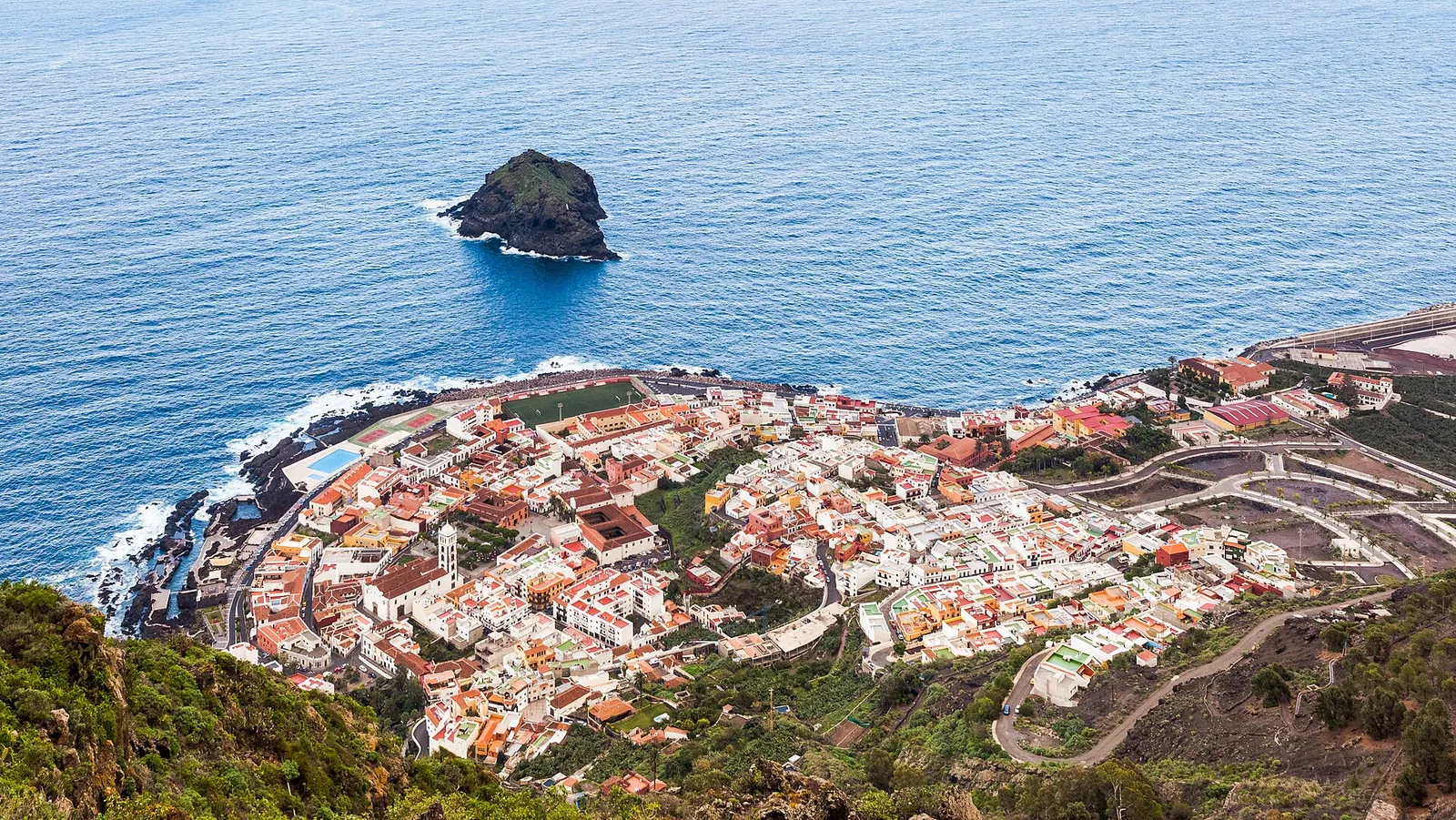
Then continue west along the coast road to Icod de los Vinos, home of the famous dragon tree (Drago Milenario), and on to Garachico. Garachico is a small, pretty town rebuilt after a volcanic eruption, with natural rock pools by the sea. The coast here can be rough, so only swim where it is calm and signposted as safe.
Evening
Watch the sunset from the Garachico waterfront. Avoid driving the winding roads to the west tired and in the dark.
Day 5: Teno, Los Gigantes and the sunny south-west
Morning
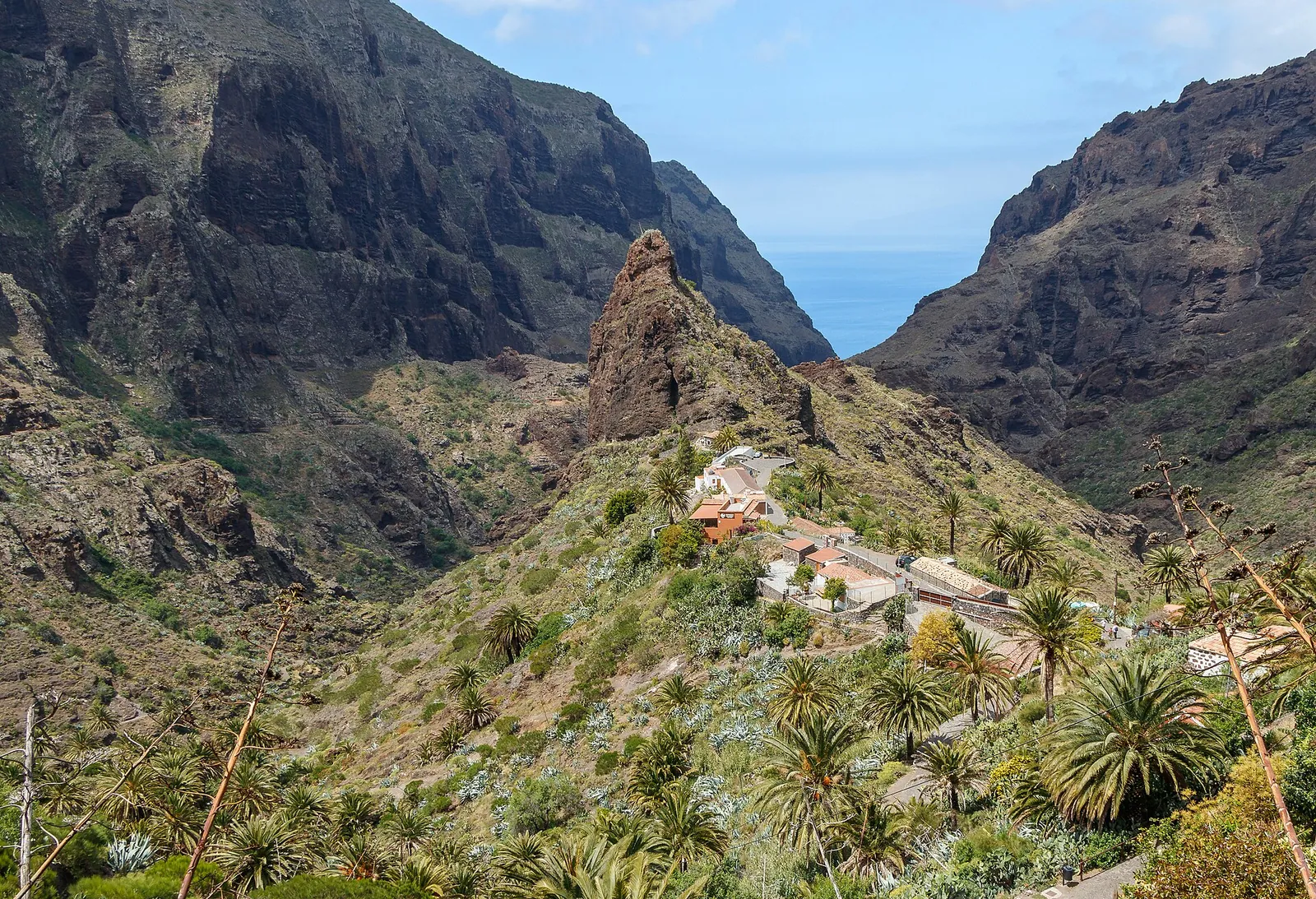
Save some wow for your last day! Spend the morning in the Teno massif, Tenerife’s rugged north-west corner. The mountain road to the village of Masca is dramatic, with steep switchbacks and big views into the ravine. Enjoy it from the village and roadside viewpoints, and drive carefully.
A note on the famous Masca ravine hike: access to the ravine trail is controlled by Tenerife’s island council, with booking, fees and restricted days, and recent reports have mentioned temporary closures. We don’t build it into this plan. If you want to do it, check the official council information and booking first, and consider a licensed guided trip.
Afternoon
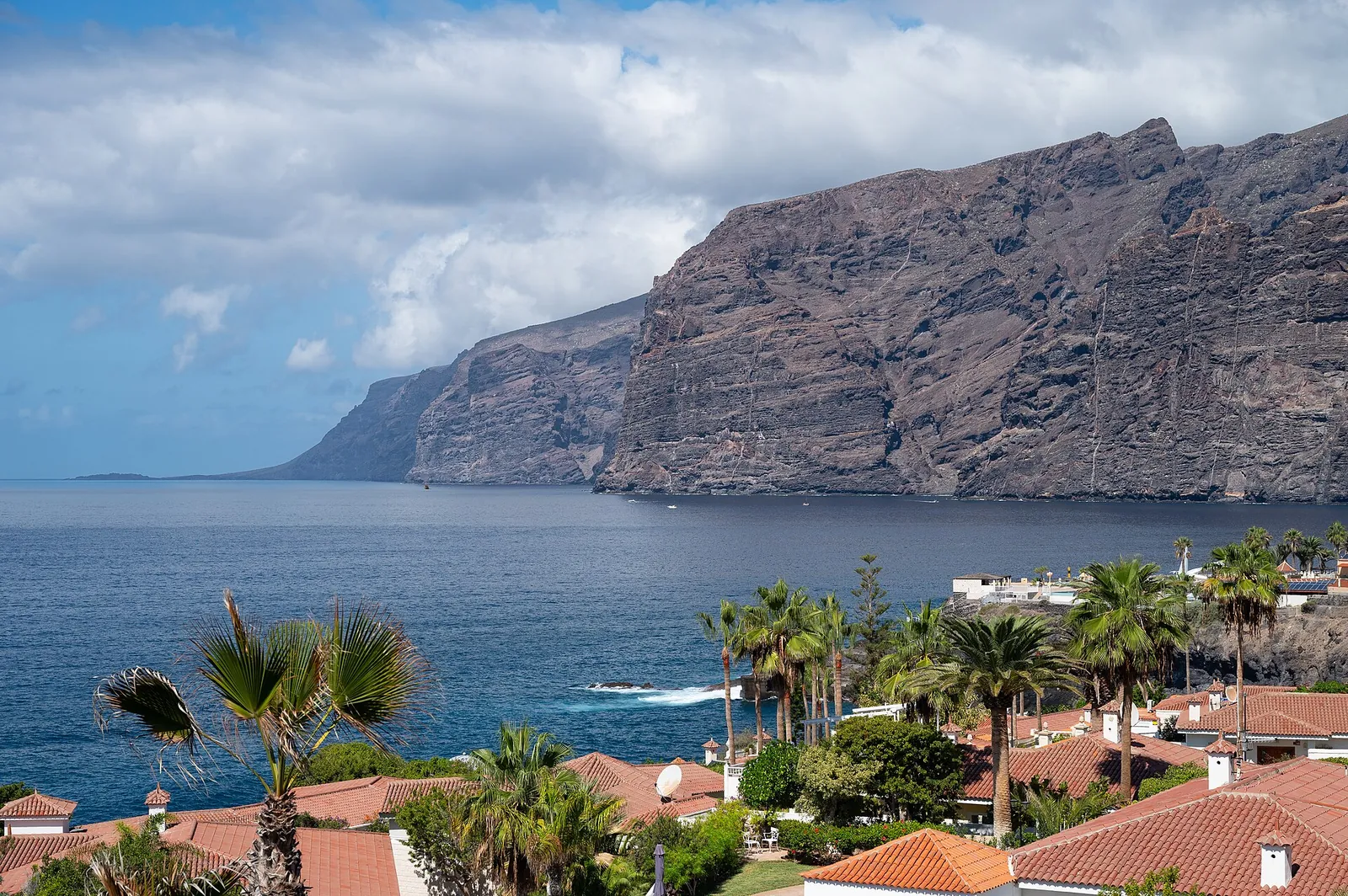
Drive down to Los Gigantes on the west coast, where enormous sea cliffs drop straight into the Atlantic. Boat trips leave from this coast, including whale and dolphin watching. If you book one, choose an established, licensed operator and read its conditions before you pay.
Evening
End your trip on the sunny south-west coast around Costa Adeje or Los Cristianos, with a last swim on a lifeguarded beach and a farewell dinner as the sun sets over La Gomera. It’s close to Tenerife South Airport, handy for a morning flight.
Getting there and getting around
Tenerife has two airports: Tenerife Sur (TFS) in the south and Tenerife Norte (TFN) near La Laguna. Buses on the island are run by TITSA (locals call buses “guaguas”).
From Tenerife Sur, TITSA buses stop at the terminal, floor 0, arrivals area. According to the airport operator Aena:
| Line | Route |
|---|---|
| 10 | Santa Cruz, via Cruce Caletillas and Cruce San Isidro, to the airport |
| 40 | Costa Adeje bus station, Los Cristianos, airport |
| 711 (night) | Santa Cruz, airport, Los Cristianos, Costa Adeje |
| 343 | Puerto de la Cruz to Costa Adeje via both airports |
From Tenerife Norte, TITSA’s line 20 links the airport with La Laguna and Santa Cruz, and line 30 goes to Puerto de la Cruz.
Fares: TITSA single tickets are priced by distance, so use the fare calculator on the TITSA website for your exact trip. TITSA says cash is not currently accepted on its buses. For visitors, the easiest option is a tourist pass on the ten+ card or the ten+ móvil app:
- 1-day tourist pass: EUR 10, unlimited buses and trams for 24 hours from first use.
- 7-day tourist pass: EUR 50, unlimited buses and trams for 7 days from first use.
- The ten+ card itself costs EUR 2. You can top it up at airport machines, bus stations, kiosks and tram stops.
Teide by bus: TITSA runs line 342 (Costa Adeje and Los Cristianos to Cañadas del Teide and El Portillo) and line 348 (Puerto de la Cruz to El Portillo and Cañadas del Teide). Services are limited, so check the TITSA timetable carefully, or join an organised tour.
Driving: a hire car makes Days 2 to 5 much easier. Mountain roads are narrow and winding, and car parks at popular viewpoints fill early.
Where to stay
- Santa Cruz: the capital, with good transport links, shops and a real city feel. Great for Days 1 and 2 and for the tram to La Laguna.
- La Laguna: atmospheric, historic and lively in the evenings, and closest to Anaga. A good base if you like old towns more than beaches.
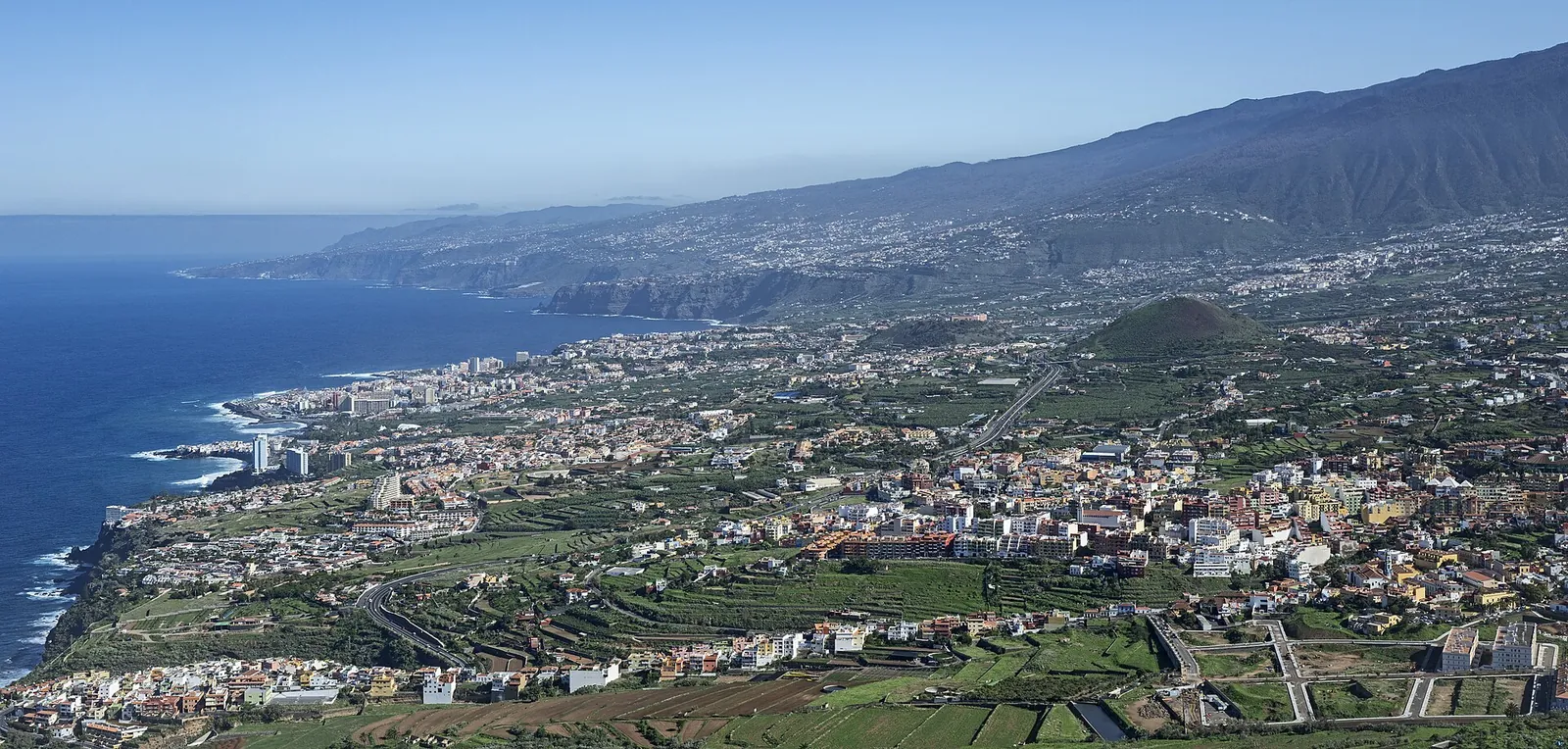
- Puerto de la Cruz: the classic north coast resort, greener and more traditional, handy for Teide via La Orotava and for Day 4.
- Costa Adeje and Los Cristianos: the sunny south, with beaches and plenty of choice, close to Tenerife Sur. Best for the last night or if beach time matters most.
Budget
These are the fixed costs we could verify on official sites. They don’t include flights, accommodation, food, car hire or fuel.
| Item | Typical cost |
|---|---|
| Tram single (with transit pass) | EUR 1.35 |
| Tram single (operator’s app) | EUR 1.10 |
| ten+ card | EUR 2 |
| 1-day tourist bus and tram pass | EUR 10 |
| 7-day tourist bus and tram pass | EUR 50 |
| Teide cable car return, non-resident adult | EUR 43 |
| Teide cable car return, non-resident child (3 to 13) | EUR 21.50 |
| Teide cable car one way, non-resident adult | EUR 24 |
| Teide summit permit (trail 10) | Fee applies, check Tenerife ON |
| Loro Parque | Check the official site |
Heads-up
Tenerife is a joyful, easy island, and a little preparation keeps it that way. These points come from official sources:
- Altitude on Teide. The UK government notes that altitude sickness may be a risk in higher mountains, including Tenerife. The cable car’s upper station is at 3,555 m. Go slowly, drink water, and head down if you feel unwell. Temperatures can change very quickly, so bring warm layers.
- The summit needs a permit. You can’t walk the Telesforo Bravo trail to the summit without one, and a permit is only valid for its date and time slot. A permit doesn’t guarantee the summit if weather closes the trail.
- Strong currents. The UK government warns that some beaches around Spanish islands have strong undercurrents. A red flag means you must not go into the water. Without lifeguards, flags or signs, take extra care, and don’t dive into unknown water.
- Wildfires. Wildfires happen in Spain, including the islands, mostly in summer. Causing one is a criminal offence even if it’s an accident. Put cigarettes out properly, don’t light barbecues outdoors, and report any fire to 112.
- Petty crime and hire cars. Watch for distraction thefts, keep valuables spread out, and buy your own drinks. The UK government warns that “highway pirates” target hire cars. If you need to stop and check your car, use a well-lit public place like a service station.
- Timeshare offers. The UK government advises caution with timeshare and holiday club offers, as some companies offer false incentives.
- Emergencies: call 112. For mountain emergencies you can also call 062 for the Civil Guard.
Practical tips
- What to book first: the summit permit (if you want it), then cable car tickets, then your hire car.
- Pack for two climates: beachwear for the south, plus a warm layer, rain jacket and walking shoes for Anaga and Teide.
- Pay for buses digitally: buy a ten+ card or use the ten+ móvil app, since TITSA buses don’t currently take cash.
- Money: Spain uses the euro. Cards are widely accepted, but carry a little cash for small cafés.
- SIM and eSIM: if your home plan includes EU roaming, check the terms with your provider. If not, get a local SIM or a travel eSIM before you fly, so you have maps on the mountain roads.
- Visa and entry: Tenerife is part of Spain and the Schengen Area, so Spanish and Schengen entry rules apply. What you need depends on your passport. Aena’s page for foreign travellers explains the basics and links to Spain’s Ministry of Foreign Affairs at exteriores.gob.es, including information on the EU Entry/Exit System. Check well before you book.
FAQ
Is five days enough for Tenerife?
Yes, for a good first taste. With more time, add a beach day, a longer Anaga hike or a ferry trip to La Gomera.
Do I need a car?
Not for Day 1. For Anaga, Teide, the north coast and Teno, a car gives you far more freedom, because bus services there are limited.
Do I need a permit to visit Teide?
Not to visit the national park or ride the cable car. You only need a permit from Tenerife ON to walk the Telesforo Bravo trail to the very summit. It is limited, time-slotted and subject to a fee.
What happens if the cable car is closed?
Weather or technical issues can close it. If you booked directly, you can change the date for free or cancel through the operator’s booking management page.
Sources
Prices, hours and rules change. We checked these on 1 November 2026; please confirm on the official page before you book.
- Volcano Teide: Mount Teide Cable Car Prices, Opening Times and Parking
- Volcano Teide: Mount Teide Cable Car
- Volcano Teide blog: All you need to know about the Mount Teide permit
- MITECO (Spanish National Parks network): Teide National Park
- TITSA: Billetes y títulos de pago (tickets and passes)
- TITSA: Tarifas vigentes (fare calculator and line list)
- Metropolitano de Tenerife: Tickets and fares
- Metropolitano de Tenerife: Routes and timetables
- Aena: Tenerife Sur airport, getting there by bus
- Aena: Documentación si eres extranjero y viajas a España
- GOV.UK: Spain travel advice, safety and security
Photo credits (13)
- Mount Teide and Roque Cinchado under a deep blue sky: Photograph by Mike Peel (www.mikepeel.net)., CC BY-SA 4.0, via Wikimedia Commons
- The white wave of the Auditorio de Tenerife in Santa Cruz: Thomas Wolf, www.foto-tw.de, CC BY-SA 3.0 de, via Wikimedia Commons
- Colourful old houses along Calle Bencomo in La Laguna: Mentxuwiki, CC BY-SA 4.0, via Wikimedia Commons
- A mossy trail through Anaga's green laurel forest: Christoph Strässler, CC BY-SA 4.0, via Wikimedia Commons
- Taganana's white houses on green slopes above the Atlantic: trolvag, CC BY-SA 3.0, via Wikimedia Commons
- The Teide cable car gliding over the lava fields: Photograph by Mike Peel (www.mikepeel.net)., CC BY-SA 4.0, via Wikimedia Commons
- Roques de García rock towers with Mount Teide behind: Diego Delso, CC BY-SA 4.0, via Wikimedia Commons
- Carved wooden balconies of the Casa de los Balcones, La Orotava: Axel Cotón Gutiérrez, CC BY-SA 4.0, via Wikimedia Commons
- Garachico's red roofs by the sea, with its offshore rock: Diego Delso, CC BY-SA 3.0, via Wikimedia Commons
- Masca village tucked among the dramatic Teno mountains: H. Zell, CC BY-SA 3.0, via Wikimedia Commons
- The huge Los Gigantes cliffs rising from the blue Atlantic: Tuxyso, CC BY-SA 4.0, via Wikimedia Commons
- A colourful Tenerife tram at a stop in La Laguna: Falk2, CC BY-SA 4.0, via Wikimedia Commons
- The green Orotava valley sloping down to the north coast: Cayambe, CC BY-SA 4.0, via Wikimedia Commons
More Spain itineraries
 5 days
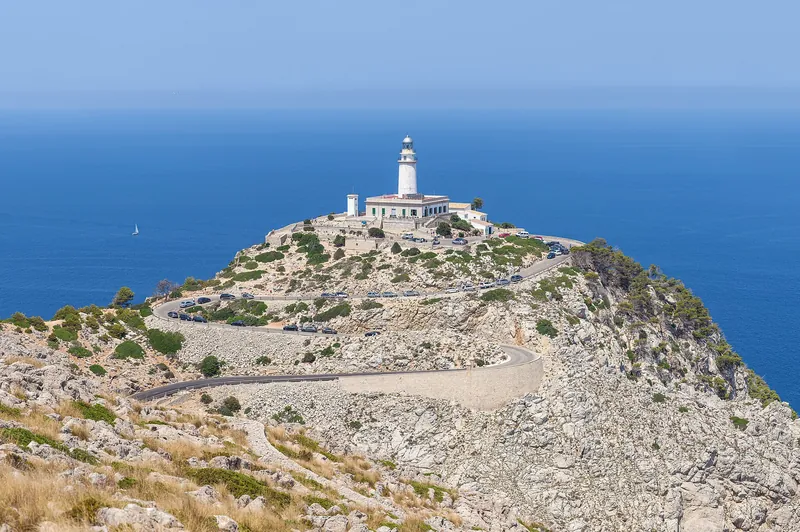
5 Days in Mallorca: A Day-by-Day Itinerary
A 5-day Mallorca plan: Palma's palace and castle, Valldemossa and Deià, the vintage Sóller train, Cap de Formentor and the Drach caves, with 2026 low-season hours.
 4 days
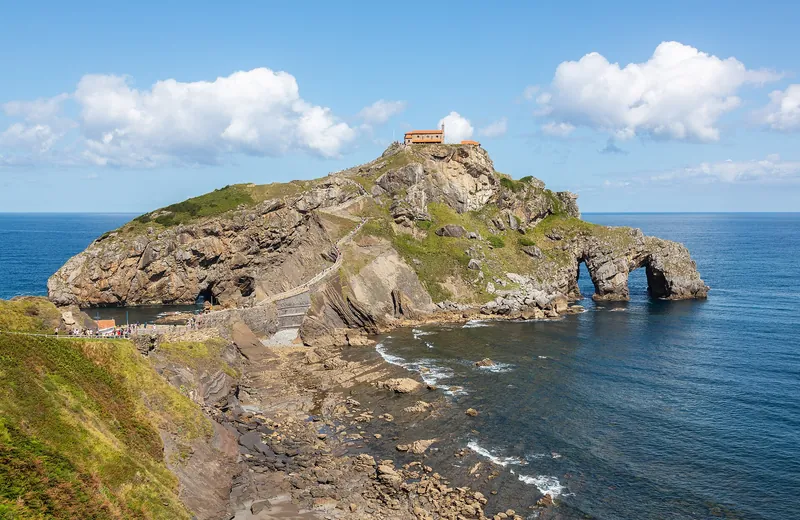
4 Days in the Basque Country: A Day-by-Day Itinerary
A 4-day Basque Country plan: Bilbao's Guggenheim and old town, the steps to San Juan de Gaztelugatxe, San Sebastián's bay and pintxos, then Getaria and Zarautz.
 7 days
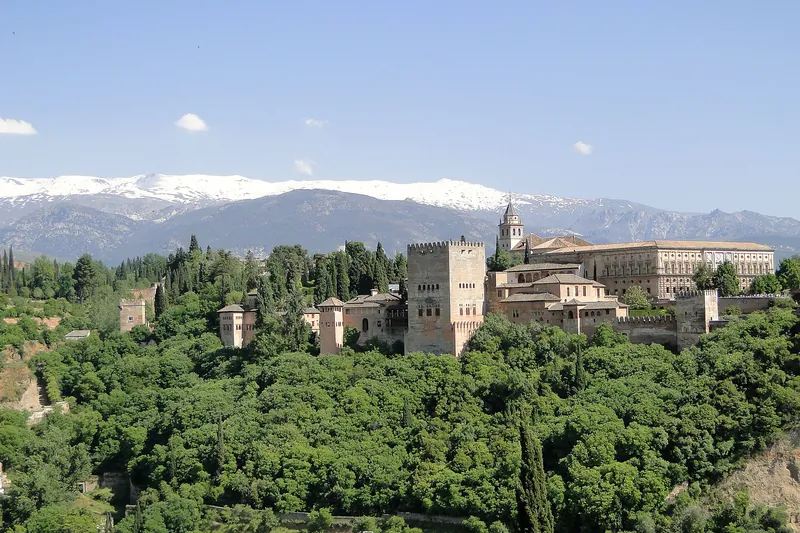
7 Days in Andalusia: A Day-by-Day Road Trip Itinerary
A 7-day Andalusia itinerary by road from Seville to Málaga via Córdoba and Granada, with checked ticket prices, opening hours and booking tips.
Compare all Spain itineraries →
This is a researched plan, not a personal trip report. How we research · Affiliate disclosure